Shanghai has a reputation as one of China’s expensive cities, and for hotels and cocktails that is fair. For everything else it is one of the cheapest big cities in Asia to simply be in. This guide to free things to do in Shanghai is deliberately about activities rather than attractions — the walks, the watching, the joining in, the riding of boats for the price of nothing much. Use it alongside our companion free attractions guide, which handles the sights themselves: which museums, which parks, which temples. This one is about what you actually do with a day when you are not paying for anything. When you are ready to spend a little, our full guide to things to do in Shanghai covers the paid attractions alongside these.

Table of Contents
- What “Free” Actually Means Here
- The Best Free Things to Do in Shanghai, Ranked
- Free Walks
- Free Park Activities
- The ¥2 Ferry and Other Near-Free Rides
- Free Cultural Experiences
- Free Museums
- Markets (Free to Browse)
- Free Things to Do in Shanghai at Night
- Free Waterfront
- Free Things to Do in Shanghai When It Rains
- Free Festivals & Events
- Sample Free Day
- What People Get Wrong
- Tips for a Free Trip
- FAQ
What “Free” Actually Means Here
Three things trip people up before they have done anything at all.
Free still needs a booking. Most state museums charge nothing but issue a fixed number of timed slots a day through a WeChat mini-programme or the venue’s site. You book with your passport number and show that passport at the door. Weekend slots go in minutes; on a Tuesday in March nobody cares. Policies change — the Shanghai Museum’s own site currently lists the permanent exhibitions at both its People’s Square building and Shanghai Museum East as 免预约, no reservation required, while special exhibitions still ticket separately. Check the venue’s WeChat account the day before rather than trusting any guide, including this one.
Free still needs a phone. Almost every reservation, QR code and turnstile assumes you have Alipay or WeChat working. Set one up before you arrive, not in a queue — our money and payments guide covers the mechanics.
Free is not the same as cheap. Some of the best low-cost experiences here cost a coin: the ¥2 river ferry, the ¥3 metro hop, a ¥6 shengjianbao. Being religious about spending exactly nothing makes your day worse rather than cheaper. Shanghai on a budget sets out what a frugal day costs; how much a Shanghai trip costs scales it to a week.
The Best Free Things to Do in Shanghai, Ranked
If you only have time for a handful, do these, roughly in this order.
| # | Activity | Where | Best time | How long |
|---|---|---|---|---|
| 1 | Walk the Bund promenade end to end | Zhongshan East No.1 Road | 16:30–19:30 | 60–90 min |
| 2 | Watch the morning routine in Fuxing Park | French Concession | 06:30–08:30 | 45 min |
| 3 | Cross the Huangpu on a working ferry (¥2) | Jinling East Road pier | 17:00–18:00 | 10 min |
| 4 | The marriage market at People’s Park | People’s Park, north side | Sat/Sun 12:00–17:00 | 40 min |
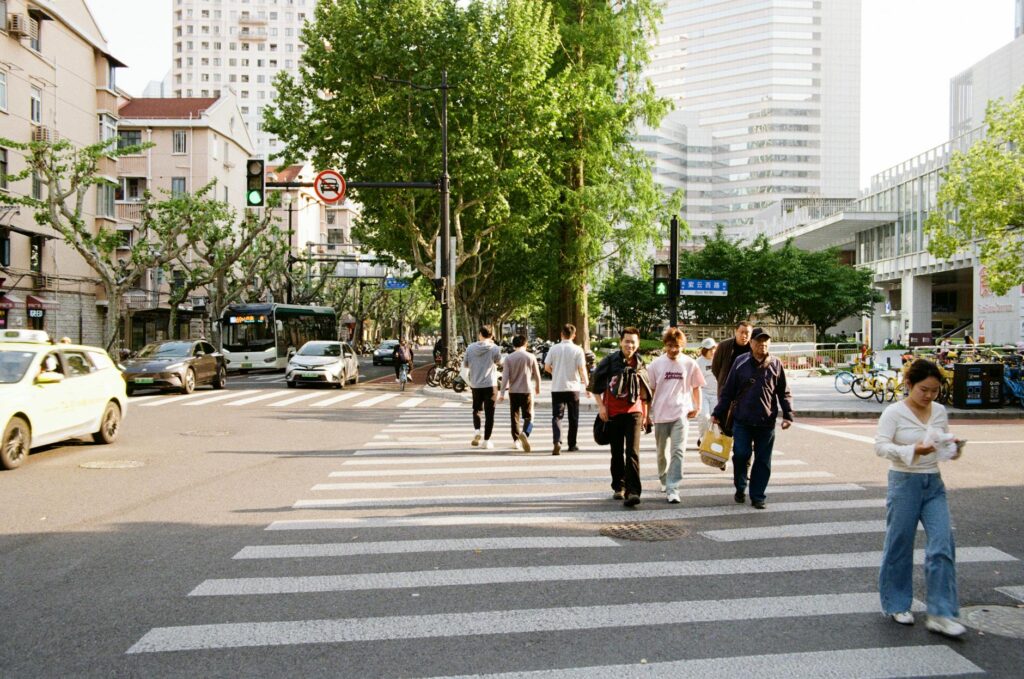
| 5 | Plane-tree streets of the French Concession | Wuyuan / Anfu / Yongkang | Weekday 09:00–11:00 | 2 hours |
| 6 | Shanghai Museum East | Pudong, Line 6 Century Ave area | Weekday opening | 2–3 hours |
| 7 | Browse a neighbourhood wet market | Any residential lane | 07:00–09:00 | 30 min |
Notice how many are early. Shanghai’s free life happens between six and nine in the morning and again after six at night; the middle of the day belongs to shopping and air conditioning.
Free Walks
Walking is the best way to experience Shanghai for free, and the city is unusually good for it: flat, gridded in the centre, shaded by plane trees in the west, with a metro station every eight hundred metres if your legs give out.
| Walk | Length | Start / end metro | Best hour | Suits |
|---|---|---|---|---|
| Bund promenade | 1.5 km | East Nanjing Rd (L2/10) → Tiantong Rd (L10/12) | 16:30 or 07:00 | Everyone, once |
| French Concession loop | 3 km | Shanghai Library (L10) → South Shaanxi Rd (L1/10/12) | 09:00–11:00 | Slow walkers, coffee drinkers |
| Suzhou Creek promenade | 2.5 km | Tiantong Rd (L10/12) → Changshou Rd (L7/13) | 16:00–18:00 | Anyone tired of crowds |
| West Bund riverside | 4 km | Yunjin Rd (L11) → Longhua Middle Rd (L11) | Any daylight hour | Runners, art people |
| Old Town circuit | 3 km | Yuyuan Garden (L10/14), loop | 08:00–10:00 | The curious, not the squeamish |
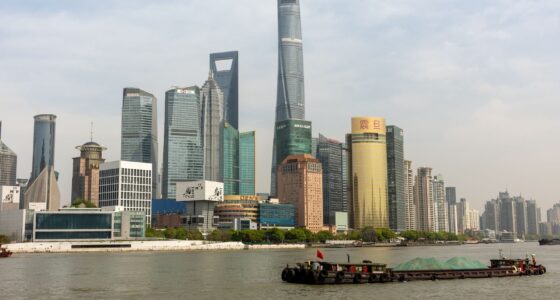
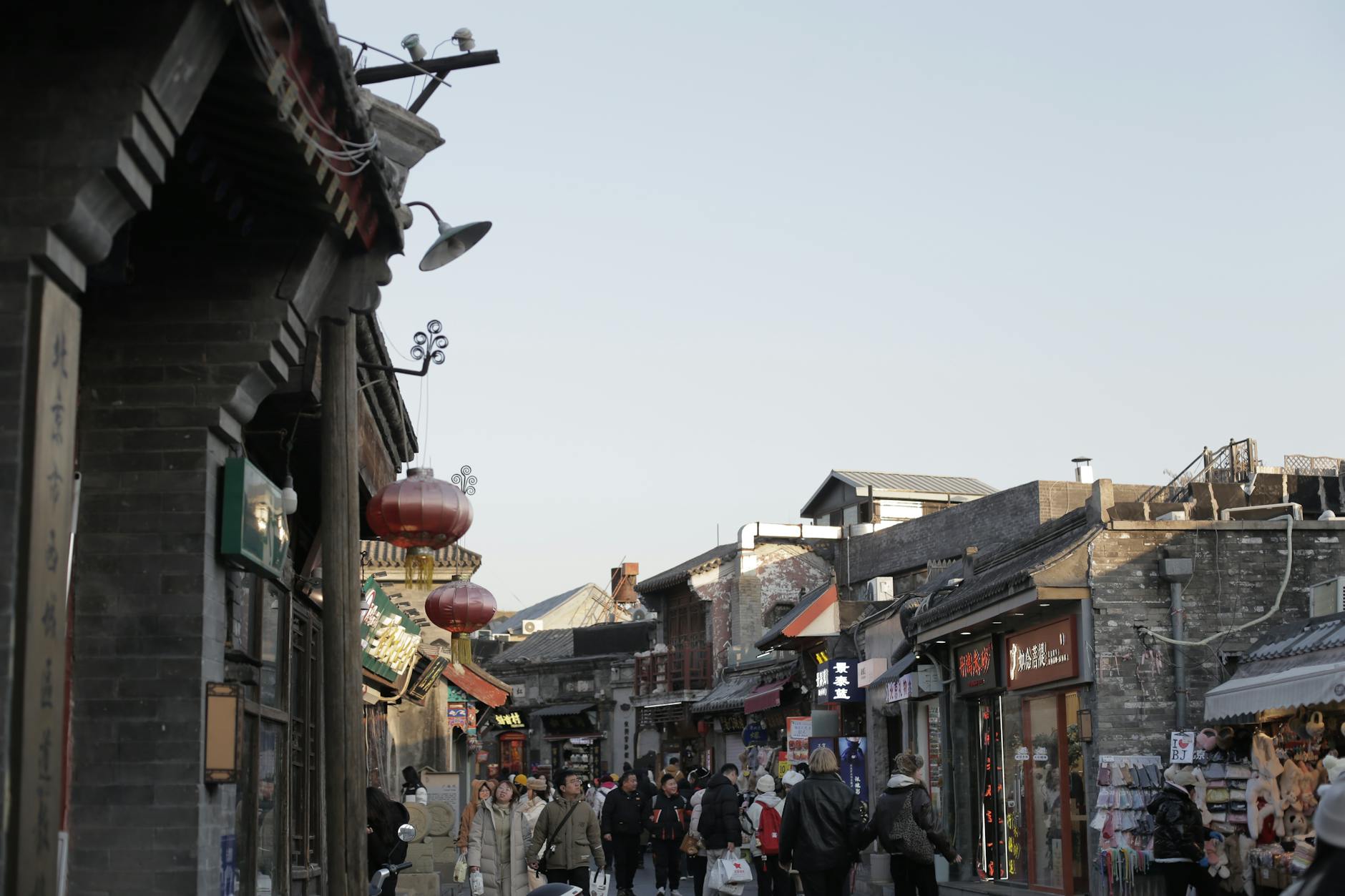
Do the Bund twice: once at sunset for the skyline, once at seven in the morning when it belongs to joggers and old men with radios and you can see the Customs House clock. Our Bund guide explains the buildings and the Bund at night covers the evening. The French Concession loop runs Wukang Mansion → Anfu Road → Wuyuan Road → Yongkang Road → Tianzifang, about two hours at a browsing pace; the French Concession walking tour names the buildings. Suzhou Creek is the quiet one — 1920s warehouses, the old Post Office, half a dozen bridges, almost no tour groups. Yu Garden’s bazaar streets are free and only the inner garden charges; see our Yu Garden guide for what the ticket buys. East Nanjing Road is useful mainly as the link from People’s Square to the river — detail in the Nanjing Road guide.
Free guided walks come and go. Donation-based English-language operators run intermittently and some hostels offer orientation walks to guests, so check current listings rather than a meeting point you read about a year ago; our neighbourhood guide works as a self-guided substitute.
Free Park Activities
Shanghai’s parks are the best free show in the city, and they run on a timetable. Between about 6:15 and 8:30 every central park fills with people doing something: tai chi in loose formation near the gate, sword forms with tasselled blades, ballroom dancing to a speaker on a trolley, and a man writing perfect characters on the pavement with a metre-long brush and a bucket of water. By nine it has emptied; by seven at night a different crowd arrives to dance.
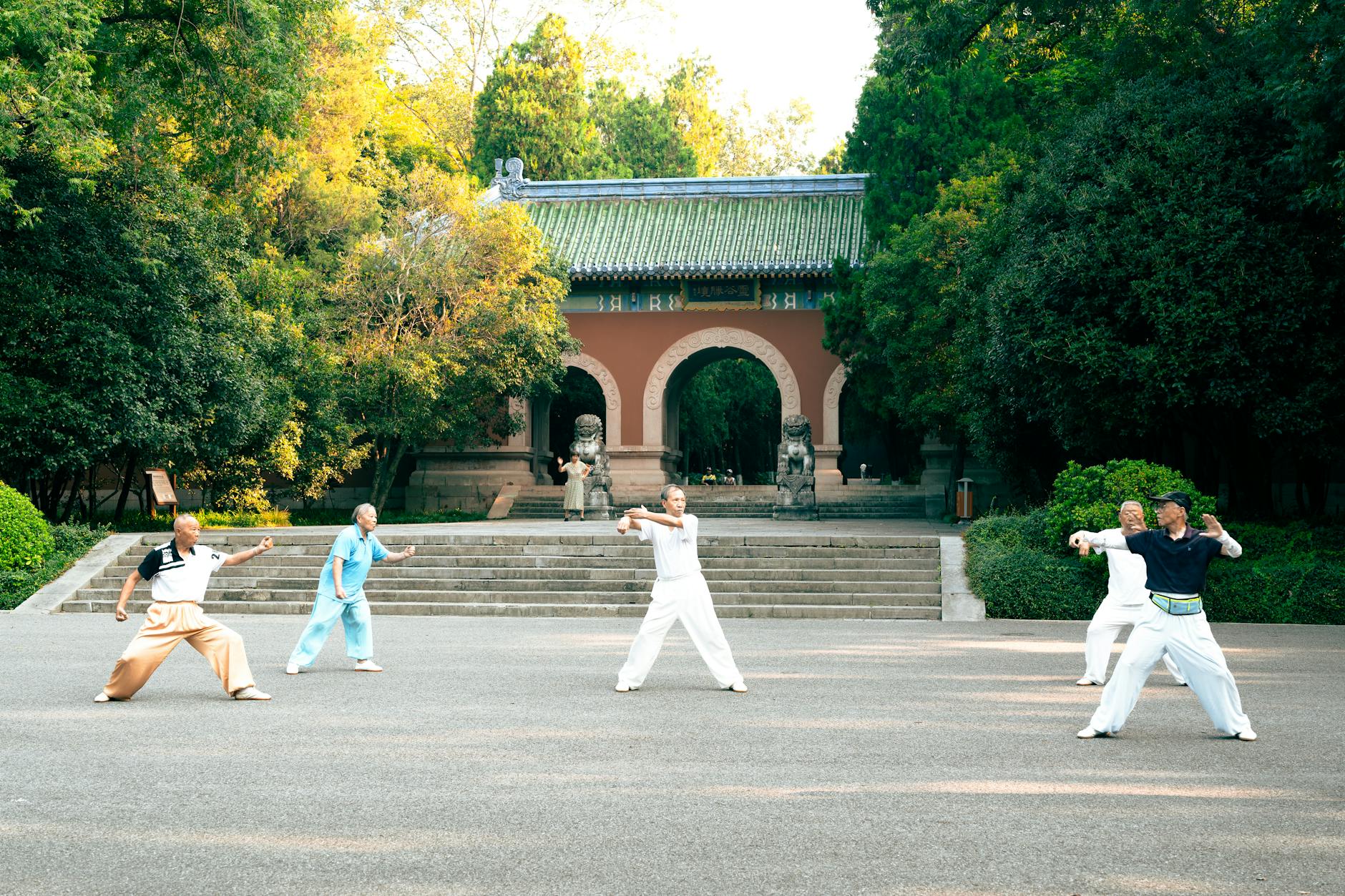
- Tai chi practice at Fuxing Park (6:30–8:30am) — the classic, and the most photographed. Groups tolerate onlookers; a few will wave you in.
- Square dancing at Lu Xun Park each evening, and at almost every plaza in the city after dinner.
- Water-brush calligraphy on the pavement at most parks (best 7–9am). The characters evaporate in about four minutes, which is rather the point.
- Chinese chess (xiangqi) at park tables — expect a ring of spectators offering unsolicited advice, which is half the game.
- Jianzi (shuttlecock kicking) circles — the one activity where joining in is easy. Stand at the edge, look interested, and it will come to you.
- Retired choir singing at People’s Park — revolutionary standards, accordion accompaniment, entirely serious.
- Tea brewing at park benches; if you want leaves to do the same, see our tea buying guide.
- Outdoor exercise equipment and picnicking — Fuxing Park free, Century Park ¥10 at weekends.
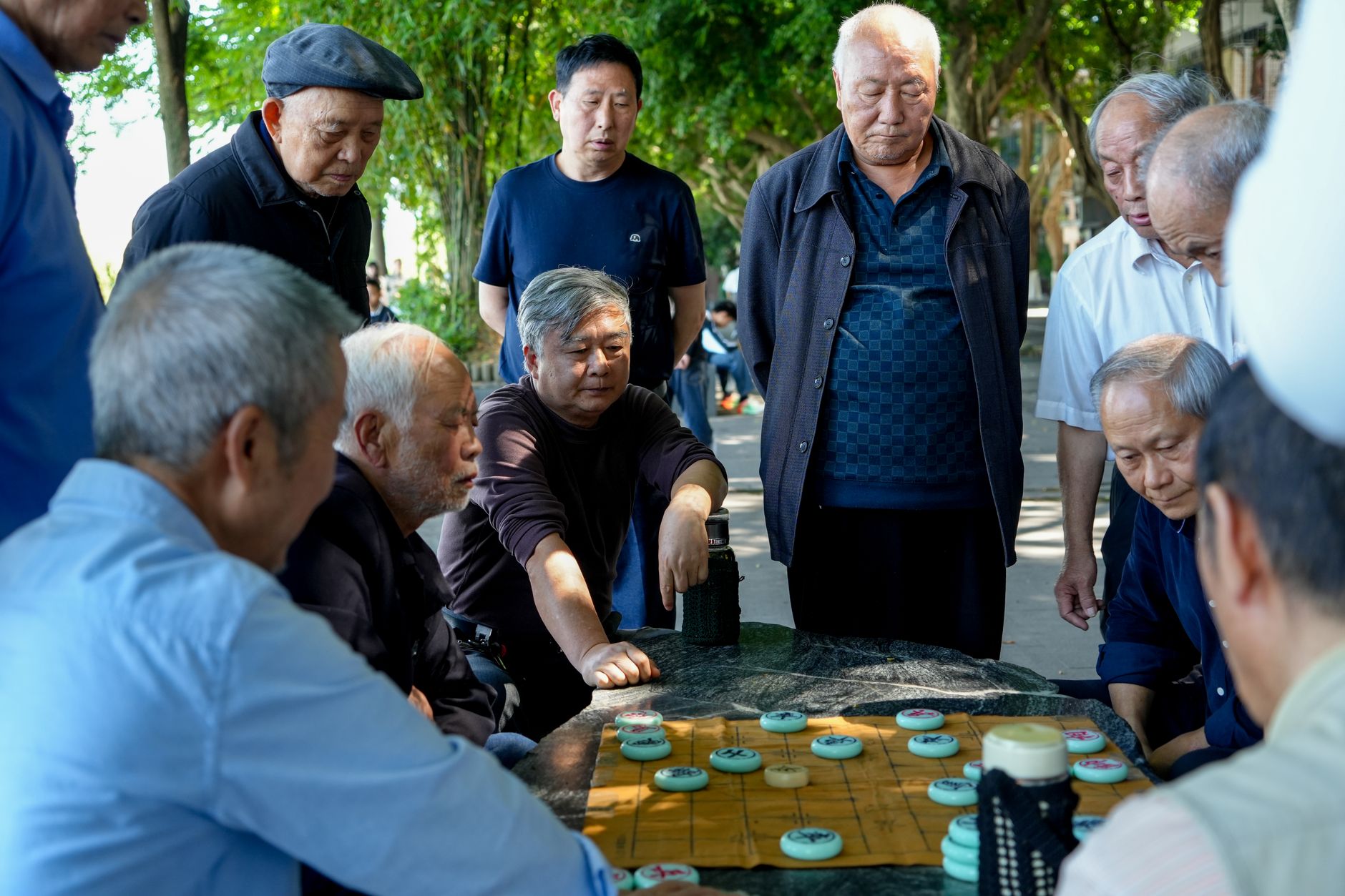
Etiquette: watching is normal and nobody minds. Close-up photographs of individuals are different — ask, or shoot wide. Do not join a tai chi group mid-form. The etiquette guide has the longer version.
The ¥2 Ferry and Other Near-Free Rides
The best value in Shanghai is not free, but it costs two yuan. The Huangpu ferries are working public transport — commuters, scooters, delivery riders — crossing the same water as the ¥120 sightseeing cruises at a fraction of the price. Crossings take eight to twelve minutes. Pay by transport card, Alipay, WeChat or exact cash.
| Line | Piers | Approx. hours | Nearest metro | Why take it |
|---|---|---|---|---|
| Dongjin | Jinling East Rd ↔ Dongchang Rd | ~07:00–18:30 (shorter in winter) | East Nanjing Rd (L2/10); Lujiazui (L2) | The classic view: Bund on one side, Lujiazui on the other |
| Dongfu | Fuxing East Rd ↔ Dongchang Rd | ~07:00–22:00 | Yuyuan Garden (L10/14) | Runs late enough for the lights |
| Taigong | Taidong Rd ↔ Gongping Rd | ~07:00–21:40 | Yangshupu Rd (L4) | Almost no tourists |
| Qinhuangdao Rd ↔ Xiepu Rd | North Bund ↔ Pudong | ~05:00–23:00 | Yangshupu Rd (L4); Changyi Rd (L14) | Industrial heritage one side, towers the other |
| Nanlu | South Bund ↔ Pudong | ~04:50–23:10 | Nanpu Bridge (L4) | Longest hours; sunset mid-river |
Take the Dongjin line at about half past five on a clear afternoon, go to the upper deck, and stand on the right going east: Lujiazui grows in front of you, the Bund recedes behind. Ride back for another ¥2, discounted if you tap a transport card. Under-1.3 m children travel free. Timetables shift with season and river weather — check the board at the pier.
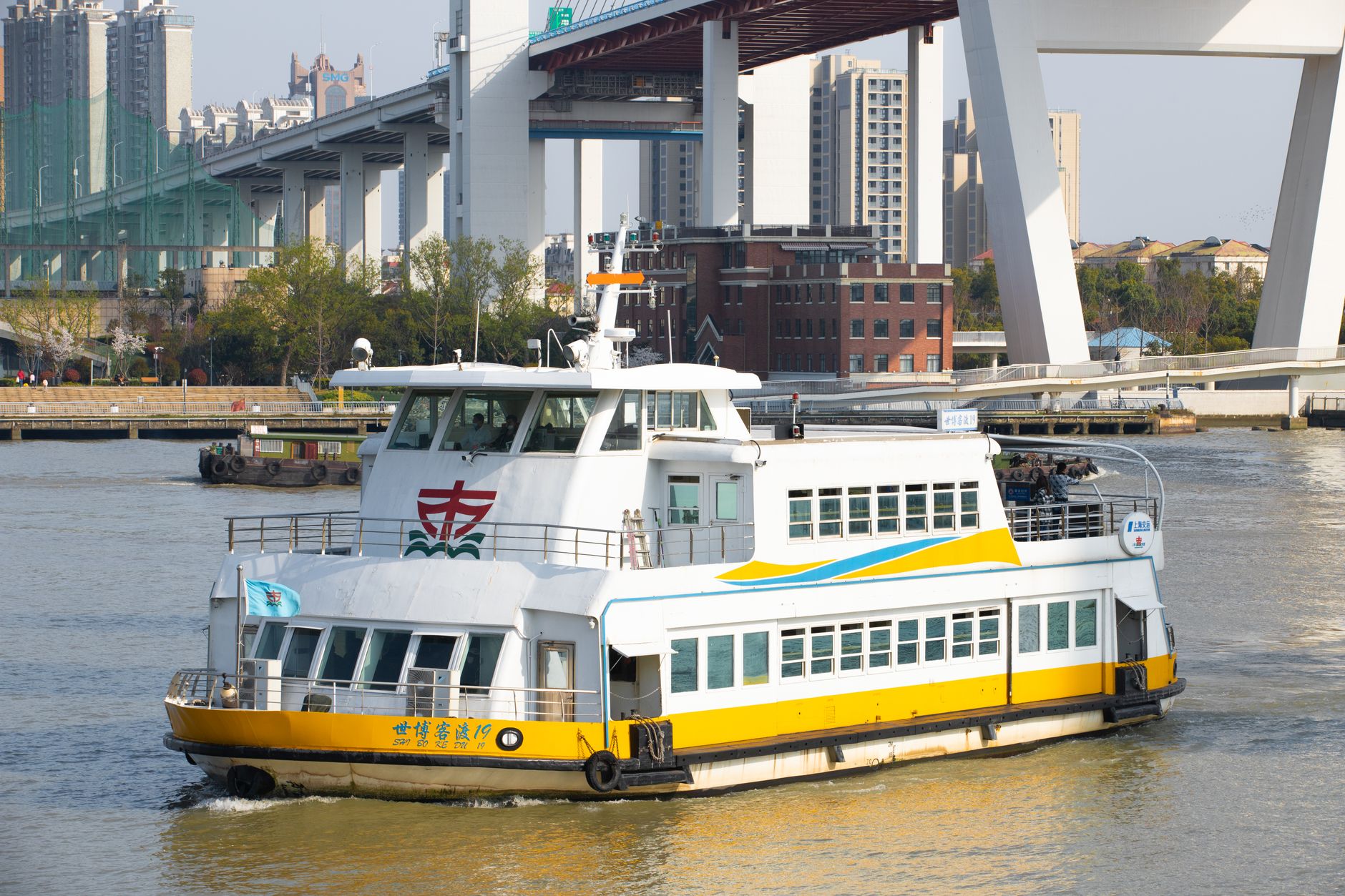
Other rides that barely count as spending: the metro at ¥3–9 a journey (see the metro guide), the ¥2 city buses, and the free shuttles some malls and outlet centres run from central pick-up points.
Free Cultural Experiences
The People’s Park marriage market is the one to plan around. Every Saturday and Sunday from about noon until five, several hundred parents of unmarried adults fill a shaded corner of the park’s northern section and hang A4 sheets from umbrellas, string and railings. Each sheet lists a son or daughter: year of birth, height, income, education, whether they own an apartment, whether they hold a Shanghai hukou. The rows are informally sorted by decade of birth, with overseas candidates and divorcees in their own sections. It has run since around 2004, and almost none of the adults advertised know they are there.
Nobody minds you looking, and a few parents will explain the system in fragments of English. Do not photograph individual sheets close-up without asking — they carry real personal details. Free, forty minutes, and more revealing about modern Shanghai than any museum.
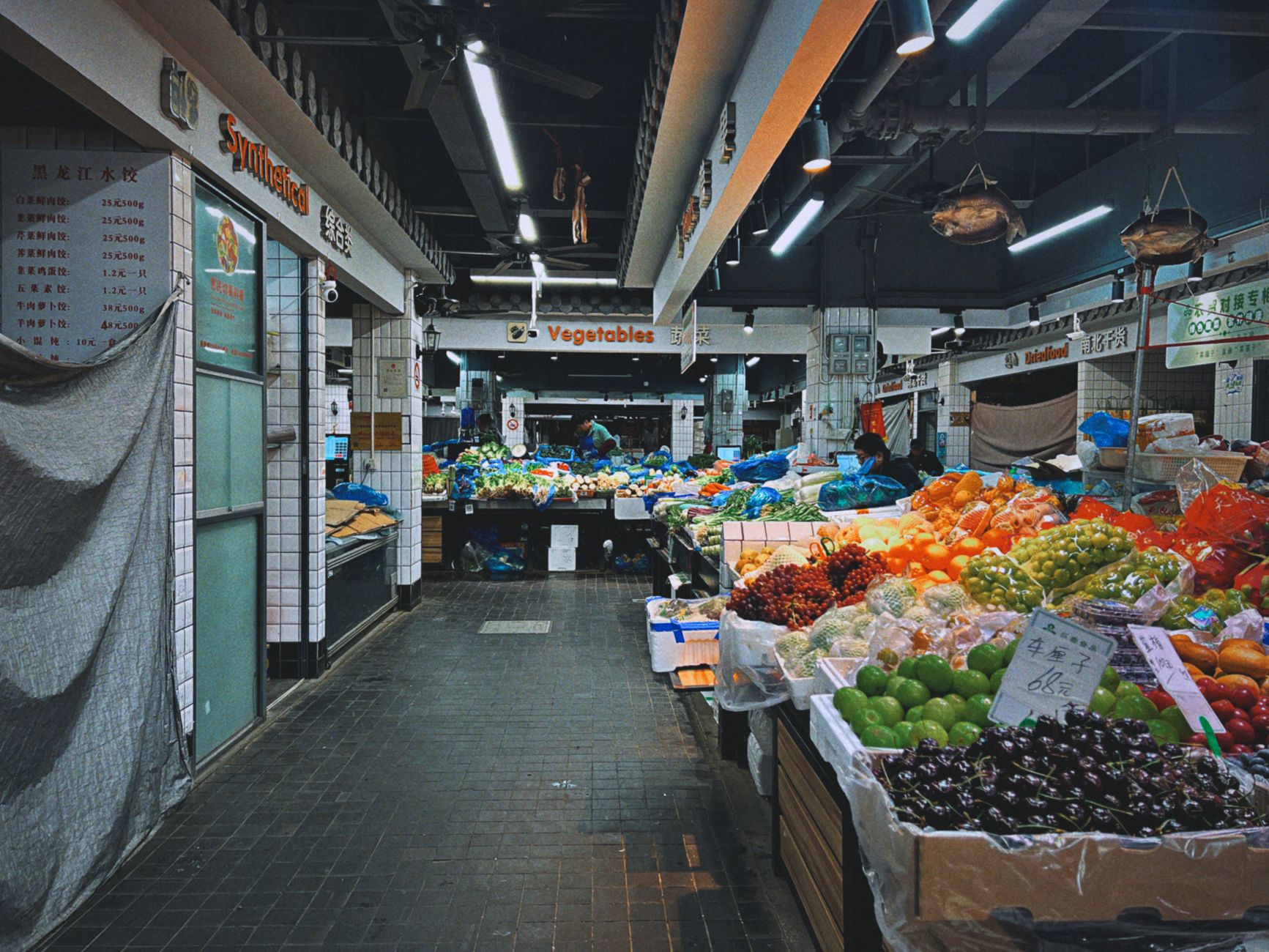
- Morning markets — a neighbourhood wet market between seven and nine is the most honest free experience in the city. Live fish, cleavers, no English, nobody minding you look.
- Street erhu and suona players around Yu Garden Bazaar and under the Suzhou Creek bridges.
- Cricket keeping — autumn only; the trade clusters near the Old Town in September and October.
- The Hongkou Jewish quarter — the streets around Zhoushan Road are free to walk and the story is remarkable. The museum charges; see our Jewish heritage guide.
- The CCP First Congress Memorial at Xintiandi — free entry, passport required, reservation advised.
- Temple courtyards — many temples charge, but their outer gates and the incense-shop streets around them do not. See temples in Shanghai.
- Free gallery openings — M50 and the West Bund spaces hold regular private views; the contemporary art guide says which are worth the trip.
Free Museums
Shanghai’s state museums are mostly free, which is the single largest saving available to a visitor here. See our best museums guide for what is actually inside them; below is the practical layer.
| Museum | Cost | Booking | Closed | Metro |
|---|---|---|---|---|
| Shanghai Museum East | Free (permanent) | Passport; check current policy | Tuesdays | Line 6 / Line 2 Pudong side |
| Shanghai Museum, People’s Square | Free (permanent) | Passport; check current policy | Mondays | People’s Square (L1/2/8) |
| China Art Museum | Free | Advance slot | Mondays | China Art Museum (L8) |
| Power Station of Art | Free (permanent) | Usually walk-in | Mondays | Nanpu Bridge (L4) |
| Shanghai History Museum | Free | Advance slot | Mondays | People’s Square (L1/2/8) |
| Shanghai Library East | Free | ID at the door | Varies | Shanghai Library East (L2) |
Notes that save an afternoon: nearly every state museum in China closes Monday, and Shanghai Museum East closes Tuesday instead. Bring the physical passport, not a photo. Bags go through a scanner; water bottles fine, tripods not. Special exhibitions inside otherwise-free museums are ticketed separately and can run ¥60–150, so read what your booking includes.
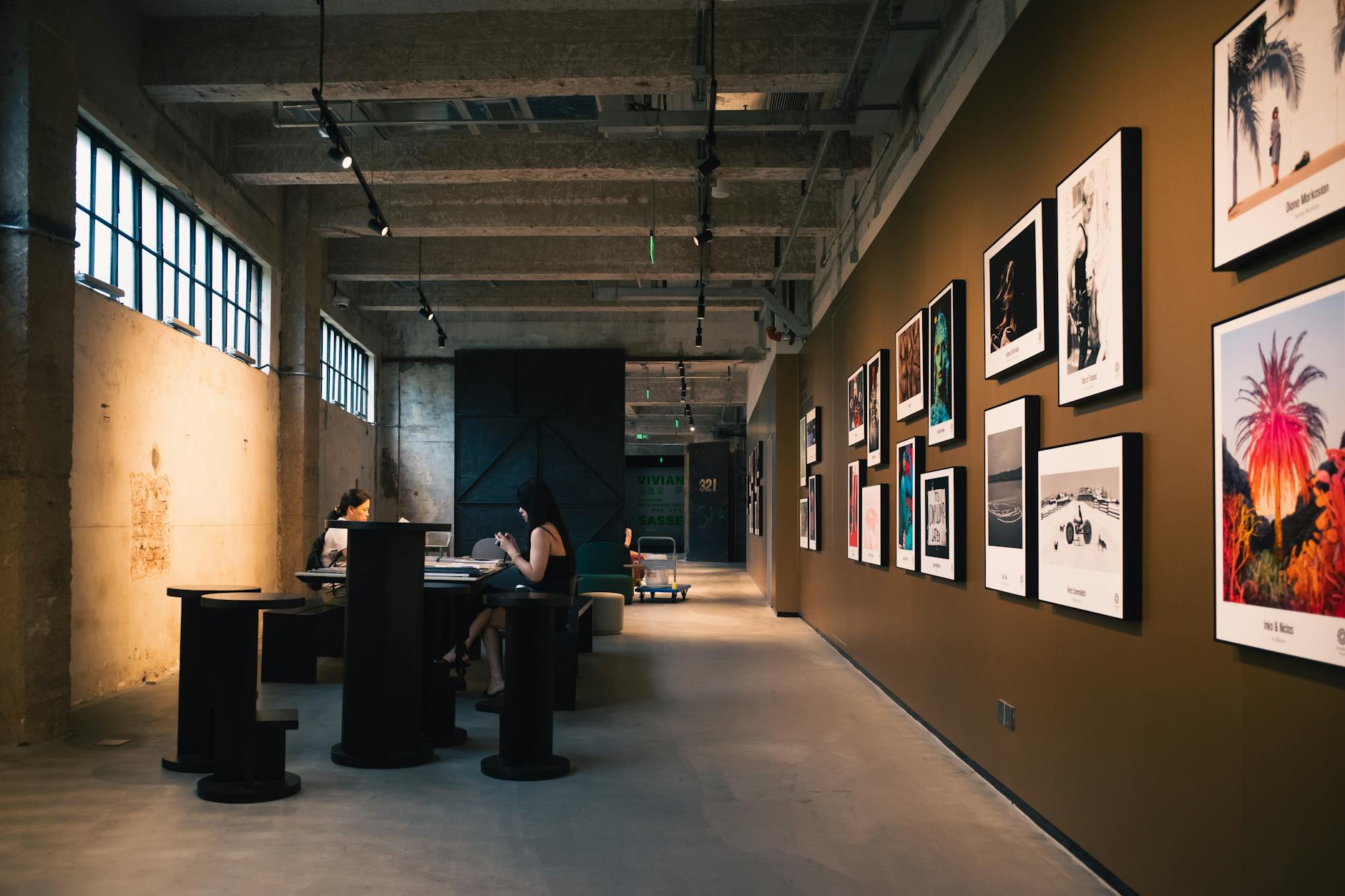
Commercial galleries are a separate category: the whole of M50 on Moganshan Road and most West Bund spaces are free by definition, because they are shops. Nobody expects you to buy anything.
Markets (Free to Browse)
Browsing costs nothing and is a real activity here rather than a euphemism for shopping. Be clear-eyed about the difference between a market where locals buy dinner and one built for tourists.
- Neighbourhood wet markets — the real thing, in every residential district, busiest 07:00–09:00. Ask your hotel for the nearest.
- The copy-goods malls near Science and Technology Museum station — free to enter, aggressive to walk through, a haggling lesson if you want one. Read the haggling guide first.
- South Bund Fabric Market — three floors of bolts and tailors; see our fabric market guide.
- Tea markets — free to walk, tastings often offered without obligation, though polite refusal is a skill worth having.
- Flower and bird markets — songbirds, crickets, goldfish, bonsai. Free and loud.
- Night markets and food streets — free to walk, and the smell is half of it. Our night markets guide and street food guide cover what to eat when you weaken.
Free Things to Do in Shanghai at Night
Evening is when the free-versus-paid gap is widest. A rooftop bar takes ¥120 off you for a view available for nothing from a public walkway two hundred metres away.
- The Bund light show — facades and towers illuminate in the early evening, roughly 17:30 in midwinter and 19:00 at the height of summer, with the fuller display running later at weekends and on holidays.
- The reverse view from Lujiazui — the Pudong riverside walkway between the Oriental Pearl and the IFC towers is free, open late and much less crowded than the Bund opposite.
- The Lujiazui sky walkway — a free circular pedestrian bridge threading between the towers, with stairs down to the metro. Best at blue hour.
- Yu Garden Bazaar at dusk — the lanterns come on before the crowds thin, and the bazaar streets stay free.
- French Concession evening walks — Wukang Road, Fuxing West Road, Sinan Road. Quiet, leafy, safe.
- The Bund Finance Centre plaza — public outdoor space, occasional free music, bronze curtain rotating on the hour.
Shanghai at night is one of the safest big-city experiences anywhere — see is Shanghai safe — which makes free evening wandering a plan rather than a risk. The paid version is in the nightlife guide.
Free Waterfront
Shanghai has spent two decades converting its riverbanks from docks into public promenade, and the result is tens of kilometres of continuous free walkway on the Huangpu alone.
- The Bund promenade — the famous stretch, raised above the road, open around the clock.
- Pudong riverside walkway — between the Oriental Pearl and the IFC; wider, newer, emptier.
- West Bund — the Xuhui stretch, with sculpture, a skate park and old aircraft-factory buildings.
- Suzhou Creek promenade — the intimate one: narrow water, old bridges, warehouse conversions.
- Houtan Wetland Park — a reclaimed industrial site in southern Pudong planted as a working wetland. Free, and almost nobody visits.
- North Bund — the Hongkou stretch opposite Lujiazui, with a head-on skyline view and a fraction of the crowd.
If you would rather be on the water than beside it, the ¥2 ferry does the job; our free attractions guide covers the Bund Sightseeing Tunnel and the rest.
Free Things to Do in Shanghai When It Rains
It rains a lot here — the plum rains in June, typhoon tails in August, and a grey drizzle for much of the winter. A wet day does not have to cost anything.
- Museums — the obvious answer, and free. Book in the morning for an afternoon slot.
- Shanghai Library East — free entry with ID, enormous, warm, reading rooms you may sit in all day.
- The underground city — People’s Square, Xujiahui and Lujiazui each have kilometres of subterranean walkway. You can cross whole districts in the dry.
- Mall wandering — K11’s art foundation space, the Shanghai Centre atrium, IFC. Free and heated.
- Metro riding — ¥3 buys an hour of dry travel and a cross-section of the city.
- M50 galleries — a wet weekday is when you get them to yourself.
The month-by-month weather guide tells you how likely this is to be your problem.
Free Festivals & Events
- Yu Garden Lantern Festival — bazaar streets free for the two to three weeks around Chinese New Year, with timed entry on the busiest nights; the inner garden is ¥80 during the display. See Chinese New Year in Shanghai.
- Shanghai Tourism Festival (mid-September to mid-October) — free parade on Huaihai Road, reduced or free admission at dozens of attractions.
- Cherry blossom at Gucun Park — late March, small entry fee during the festival period only. The plane-tree streets cost nothing either way; see Shanghai in spring.
- Shanghai International Marathon (usually late November) — free to watch along the Bund and into Pudong.
- Shanghai International Film Festival (June) — ticketed, with free outdoor screenings alongside.
- Art week in November — the fairs are ticketed; the gallery openings around them mostly are not.
- Autumn — the golden plane trees of the former concession peak in late November. Shanghai in autumn has the timing.
Sample Free Day
08:00 Fuxing Park — tai chi, water-brush calligraphy, xiangqi.
09:30 Walk Anfu Road, Wuyuan Road and Yongkang Road.
11:00 Wukang Mansion and the villas of Wukang Road.
12:00 Lunch — ¥30 of street noodles, or a bakery raid.
14:00 Shanghai Museum East, booked the day before if required.
17:00 Bund promenade at sunset.
18:15 ¥2 ferry from Jinling East Road to Dongchang Road.
19:00 Lujiazui riverside and the sky walkway for the light show.
20:30 Metro back; Tianzifang if you still have legs.
Total spend: about ¥45 on food, ¥12 on transport. The Shanghai Tower observation deck alone is ¥180.
Weekend version: 07:30 wet market; 09:00 Suzhou Creek west from Waibaidu Bridge; 11:00 M50; 13:00 food street; 15:00 marriage market; 16:30 Shanghai History Museum; 18:30 North Bund for the skyline without the crush.
Either version slots paid highlights around a free spine — see one day in Shanghai or the fuller three-day itinerary.
What People Get Wrong
- Turning up at a free museum without booking, on a Monday. Two mistakes in one. Most close Mondays; Shanghai Museum East closes Tuesdays.
- Assuming free means no ID. Physical passport, every time.
- The Bund at 20:00 on a Saturday. Shoulder-to-shoulder, with police managing the flow behind barriers. Go on a weekday, or at 07:00, or from the Pudong side.
- Visiting during a national holiday. The first week of October and the days around Chinese New Year multiply every crowd here. Still free; no longer pleasant.
- Accepting a tea-ceremony invitation near the Bund or East Nanjing Road. The friendly art students who want to practise English are the oldest scam in the city and the bill runs to four figures — see scams to avoid.
- Expecting free WiFi to work. Public networks verify by SMS to a Chinese number. Get a local SIM or eSIM — see the SIM card guide.
- Skipping the parks because they sound dull. They are the best thing on this list, and they are over by nine.
Tips for a Free Trip
- Book free museum slots one to seven days ahead through the venue’s WeChat mini-programme or website, using the passport you will carry.
- Use the metro for everything — ¥3–9 a ride, ¥18 for a one-day pass, ¥24 for three days. Worth it above five rides a day.
- Eat cheap rather than eating nothing — ¥20 noodle soup, ¥15 jianbing, ¥6 shengjianbao. Our cheap eats guide names places.
- Carry a bottle and refill it — hotels, malls and many metro stations have hot and cold water.
- Go early. Repeated because it matters more than anything else here.
- Best season for free outdoor days: late September to early November, then late March to mid-May. July and August are hot enough that daytime walking stops being fun — see visiting Shanghai in summer.
- Learn four phrases. Nothing on this list needs English, and small effort changes how you are treated — the language guide has the shortlist.
Frequently Asked Questions
What free things are there to do in Shanghai?
Walking the Bund and the French Concession, the morning routine in Fuxing Park, the People’s Park marriage market at weekends, free state museums, wet markets, riverside promenades on both banks and the evening light show. Add a ¥2 ferry crossing and the day costs about what lunch does.
Are Shanghai parks free?
Yes — virtually all central parks (Fuxing, People’s, Lu Xun, Zhongshan, Jing’an) are free. Some suburban parks charge ¥5–10; Century Park is ¥10 at weekends.
Is the Bund free?
Yes, 24 hours a day. Only the buildings’ interiors — mostly banks, hotels and restaurants — charge.
Are Shanghai museums free?
Many are: Shanghai Museum and Shanghai Museum East, China Art Museum, Power Station of Art’s permanent collection, Shanghai History Museum. Reservation policies change, and some now admit walk-ins to permanent galleries, so check the venue’s own channel the day before. Special exhibitions ticket separately.
How much is the Huangpu River ferry?
¥2 for a foot passenger, ¥2.80 with a bicycle or e-bike, free under 1.3 m. Pay by transport card, Alipay, WeChat or exact cash; a transport card discounts the second crossing the same day.
Can I see the Pudong skyline for free?
Yes. The Bund promenade gives the classic view, the Pudong walkway the reverse, the North Bund in Hongkou a head-on view with fewer people, and the ferry gives it from mid-river.
What can I do in Shanghai on a tight budget?
Walk, use the metro, eat at noodle shops for ¥20–40, visit free museums, watch the parks early, browse markets. A frugal day lands under ¥100 including food and transport.
Are there free walking tours in Shanghai?
Donation-based group walks have run intermittently and some hostels offer free orientation walks to guests, but availability changes — check current listings rather than an older recommendation. Self-guided works well here; the city is flat and signposted.
When does the People’s Park marriage market happen?
Saturdays and Sundays, roughly noon to five, in the northern part of the park near the Nanjing West Road side. Free to watch; ask before photographing individual listings.
Are Shanghai night markets free to visit?
Yes. Snacks run ¥10–40 each. Several long-standing street markets have been formalised or moved in recent years, so check a current listing before crossing the city for one.
Do free museums need a passport?
Yes. Booking uses the passport number and staff check the physical document at the door; a photo is usually refused.
What is the best free thing to do in Shanghai with kids?
Riverside promenades with room to run, park exercise equipment, the ¥2 ferry, and the free displays in the state museums. Our Shanghai with kids guide has more.
Plan Your Free Day
Pair this with our companion guide to free attractions in Shanghai, which lists the sights themselves, plus Shanghai on a budget and cheap eats for the rest of the money. For background, see Tourism in Shanghai on Wikipedia and the Shanghai Museum’s official site for current opening and reservation policy.