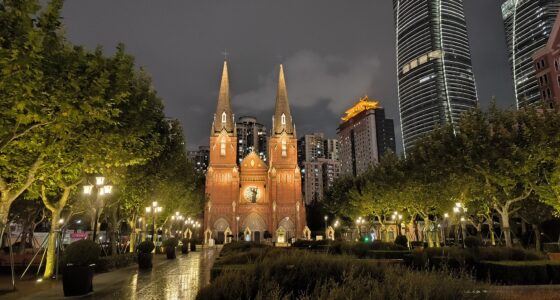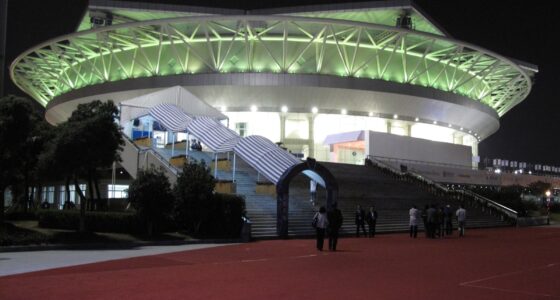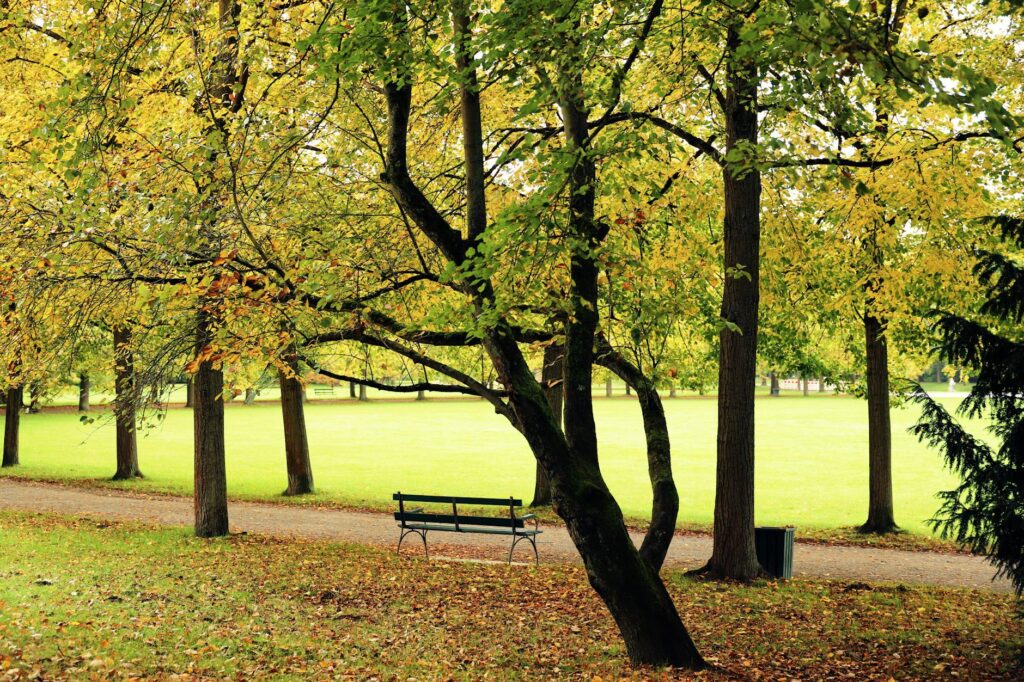
Ask any local and they’ll tell you the same thing: Shanghai in autumn is the city at its absolute best. From mid-September through mid-November, the humidity breaks, skies turn deeper blue, the plane trees of the French Concession turn ochre and gold, and weekend pop-up festivals fill every park. Crowds soften after the early-October national holiday, and hotel rates land in the year’s sweet spot. This 2026 guide covers exactly why autumn is the best season for Shanghai — month-by-month weather, what to do, what to wear, what to eat, and what to avoid.
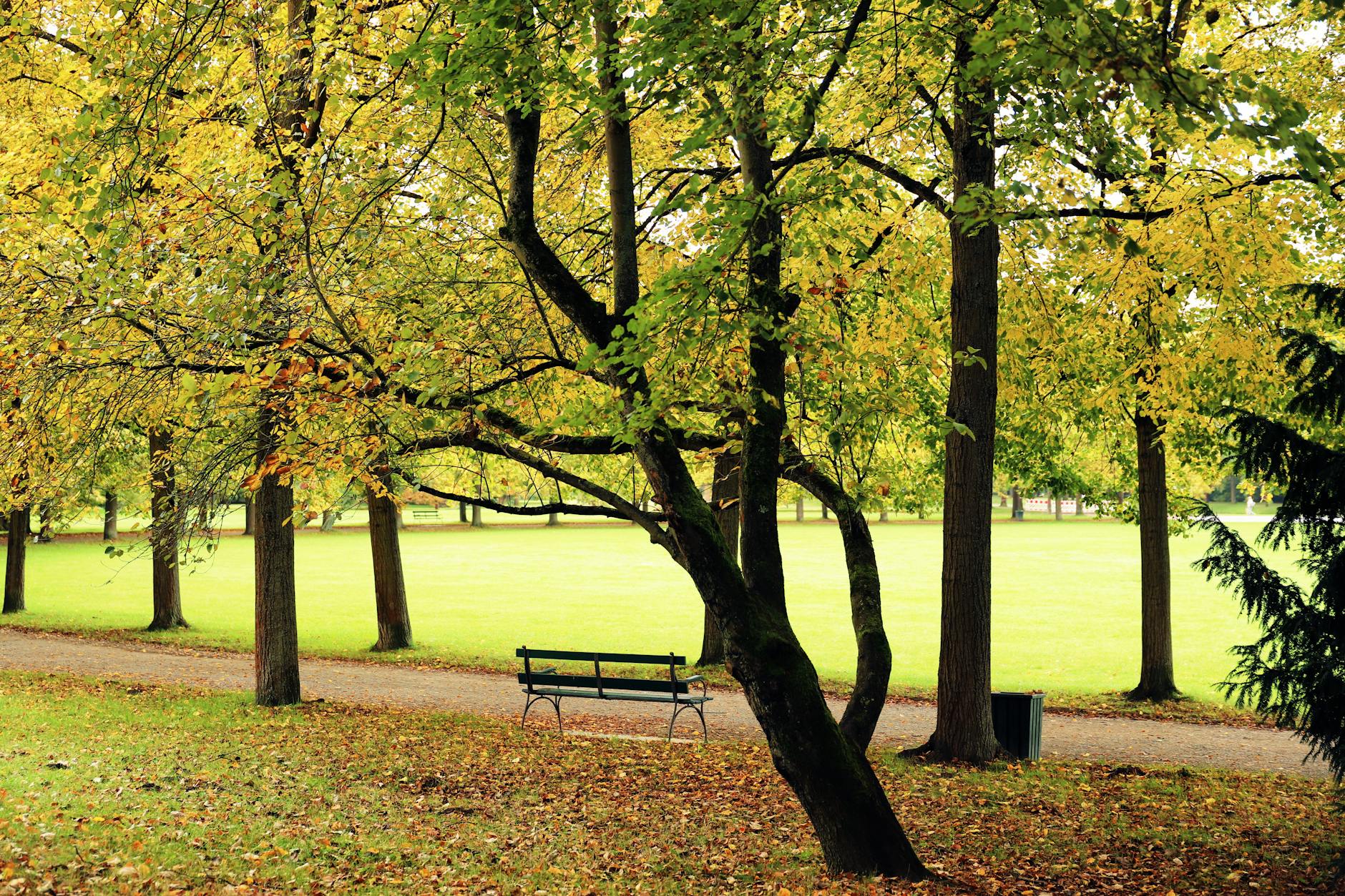
Table of Contents
- Why Autumn Is Shanghai’s Best Season
- Shanghai in Autumn: Weather Month by Month
- Events & Festivals
- Best Things to Do in Autumn
- Best Parks for Autumn Leaves
- When the Leaves Actually Turn
- What to Eat in Autumn
- Hairy Crab Season, Explained
- What to Pack
- Prices & Crowds
- When to Avoid: National Day Week
- Autumn or Spring: Which Is the Best Season?
- A Sample Autumn Weekend
- Mistakes Visitors Make in Autumn
- FAQ
Why Autumn Is Shanghai’s Best Season
Three factors put autumn ahead of spring as Shanghai’s premier season:
- Comfortable air — relative humidity averages 70% in October and 71% in November (Xujiahui, 1991–2020 normals)
- Cleaner air early on — PM2.5 levels tend to run lower in late summer and early autumn than in winter
- Mild temperatures — warm afternoons cooling through the season, perfect for full-day outdoor itineraries
- Cultural calendar peaks — Shanghai Biennale, Tourism Festival, Mid-Autumn Festival, Citywalk + Open Studios season
- Plane trees — the French Concession’s signature plane trees turn ochre and gold from mid-October through mid-November, creating one of Shanghai’s most photogenic windows
The practical version of all that: autumn is the only stretch of the year when you can comfortably walk 15,000 steps, sit outside for dinner, take a day trip, and still be dry and warm at 9pm. Spring gets close, but spring in the Yangtze delta brings a wet run of drizzle days that can flatten a short trip. Summer is a sauna with typhoon risk. Winter is grey and damp with poor indoor heating outside hotels. If you have one week and full control of the calendar, take the fortnight between 10 October and 25 October, or the fortnight from 5 November.
Shanghai in Autumn: Weather Month by Month
September
Tail end of summer humidity in the first half; transitions to autumn around September 20. Average high 28.7°C, low 22.5°C, with 10.1 days of rain (days with 0.1 mm or more; Xujiahui, 1991–2020 normals). Last days of typhoon risk.
October
The headline autumn month. Average high 23.5°C, low 17.1°C, and 7.5 rainy days. Air is usually cleaner than in winter. The first half is warm and t-shirt weather; second half needs a light jacket evening and morning.
November
Crisp and bright. Average high 17.8°C, low 11.4°C, and 9.2 rainy days. Peak plane-tree autumn colour mid-November. Locals start layering. The most photogenic month for outdoor sightseeing.
| Month | Avg high | Avg low | Rainy days | What it feels like |
|---|---|---|---|---|
| September | 28.7°C | 22.5°C | 10.1 | Still summer in the first half; sticky, typhoon window |
| October | 23.5°C | 17.1°C | 7.5 | T-shirt weather early on, a light jacket by evening later in the month |
| November | 17.8°C | 11.4°C | 9.2 | Crisp and bright; coat weather by the end; plane trees at their best |
Two things the averages hide. First, September is still typhoon season, and a passing storm can upset flights and outdoor plans. Second, Shanghai cools steadily through November, and one day can feel very different from the next. Pack for both. For the full year, see our Shanghai weather month by month guide.
Events & Festivals
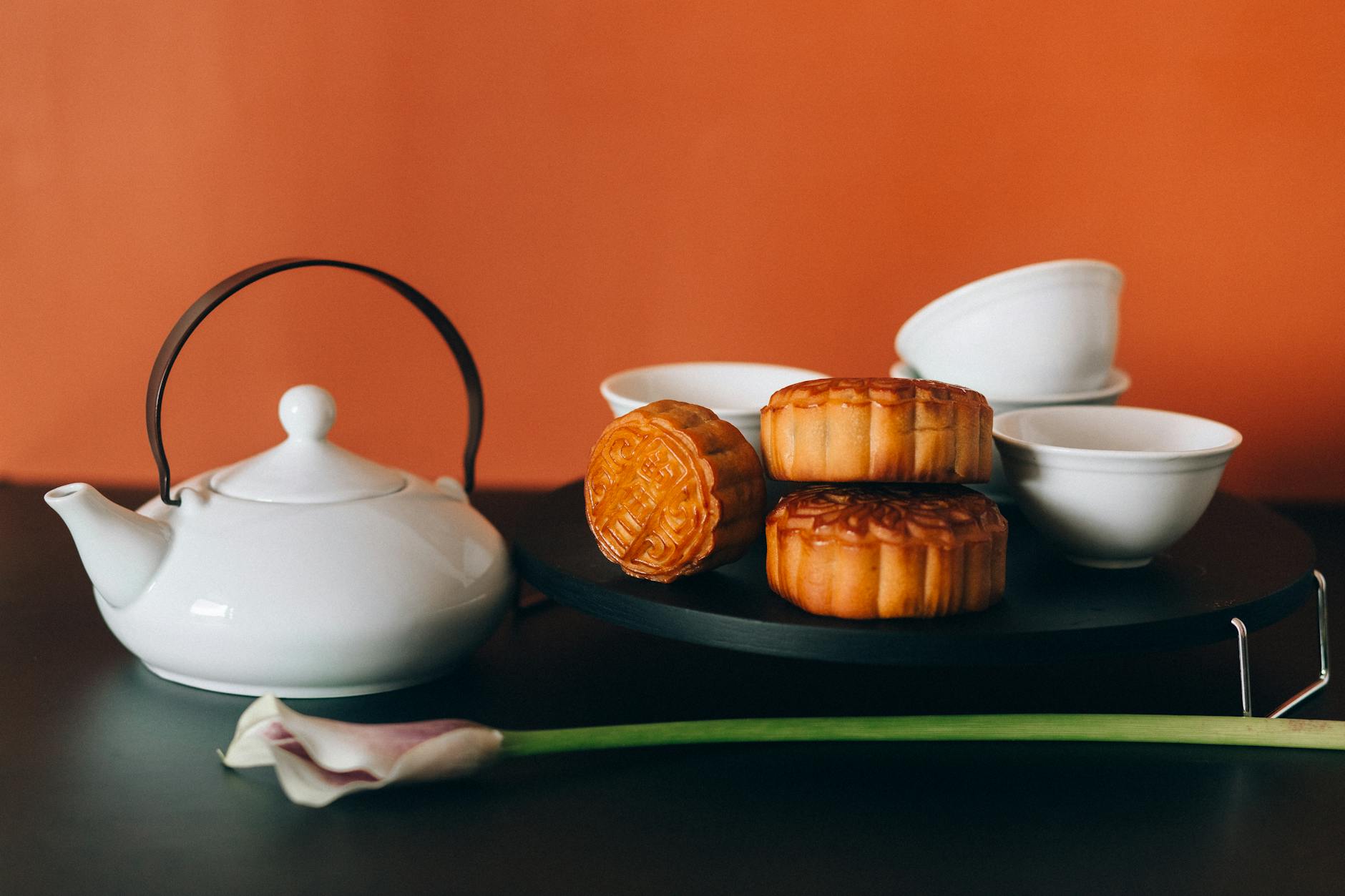
- Mid-Autumn Festival (中秋节, mid-September) — public holiday; mooncake eating, lantern displays at Yu Garden, full moon viewing in parks
- Shanghai Tourism Festival (mid-September to mid-October) — free parades on Huaihai Road, street performances
- China National Day Golden Week (October 1–7) — a public holiday week; great for atmosphere but everywhere is busy
- Shanghai International Marathon (Sunday 6 December in 2026) — just past the end of autumn, with the start at the Bund Bull in Huangpu
- Shanghai Biennale (alternate Novembers) — Asia’s most important contemporary art biennale at Power Station of Art
- West Bund Art & Design / ART021 (early-mid November) — concurrent art fairs that draw global art collectors
- Citywalk season — open studios, gallery openings, design weeks proliferate in October–November
Dates that are fixed for 2026: Mid-Autumn Festival falls on 25 September, with the official holiday running 25–27 September. National Day Golden Week is 1–7 October. For art, West Bund Art & Design in Xuhui lists public opening on 12–15 November; its visitor page has the hours.
Two corrections to the older listings. The Shanghai International Marathon has drifted later: recent editions ran on 26 November 2023, 1 December 2024 and 30 November 2025, so plan for the last weekend of November or the first of December rather than mid-month, and register through the ballot months ahead. And the Shanghai Biennale is biennial — the 15th edition ran from 8 November 2025 to 31 March 2026 at the Power Station of Art, which means autumn 2026 falls between editions. The museum itself is still worth an afternoon; our best museums in Shanghai guide covers what else is on.
Best Things to Do in Autumn
Autumn unlocks activities that aren’t viable in Shanghai’s harsh summer or damp winter:
- Walk the French Concession — peak plane-tree gold mid-November. Our French Concession walking tour.
- Bund + Pudong outdoor evening — mild October nights ideal for waterside walks, with a layer by November; see the Bund at night
- Day trip to Hangzhou’s West Lake — when the autumn light turns the lake golden. See our Hangzhou day trip.
- Suzhou’s classical gardens — autumn colour through the lattice windows. See our Suzhou day trip.
- Picnic in Century Park — downtown Shanghai’s largest free park, year’s best outdoor weather
- Outdoor dining — every cafe terrace, every Bund rooftop bar, every lane house garden
- Shanghai Disneyland — autumn-themed parade season, comfortable park temperatures
- Outdoor running — the marathon course is open year-round but autumn is when most locals train
- Zhujiajiao by canal boat — Metro Line 17 to Zhujiajiao Station, then a walk or local bus to the old town; best in October light
- Rooftop drinks before sunset — the one season when a terrace is neither freezing nor a steam room; see best rooftop bars
One planning note that matters more in autumn than any other season: sunset moves fast. It arrives a little earlier every week, and by November it is well before dinner. If a Bund night view is on your list, go before you eat in November rather than drifting over afterwards.
Best Parks for Autumn Leaves
- Fuxing Park — heritage French-style park; magnificent plane trees and ginkgo
- Sinan Mansions courtyard — ringed by old-growth plane trees
- Sun Yat-sen Memorial — Shanghai’s only Republican-era memorial garden, autumn-photo highlight
- Xinhua Road — a single street known for its golden plane-tree canopy
- Century Park (Pudong) — vast lawns, lake, ginkgo grove peak mid-November
- Gucun Park — for autumn maple specifically; transit out from city centre
- Hongkou Park (Lu Xun Park) — quiet, locals only, free
If you want to build an afternoon around leaves rather than pass them on the way somewhere, these are the ones worth a dedicated trip, with what they cost and how to reach them:
| Place | Trees | Metro | Entry | Peak weeks |
|---|---|---|---|---|
| Gongqing Forest Park (Yangpu) | Maple, ginkgo, Chinese tallow | Line 8, Shiguang Road | Free | Late Nov – mid Dec |
| Shanghai Botanical Garden (Xuhui) | Ginkgo, trident maple, tallow | Line 3, Shilong Road | Check before you go | Late autumn |
| Guyi Garden (Jiading) | Ginkgo and maple | Line 11, Nanxiang Exit 2 | ¥12 | Late autumn |
| Binjiang Forest Park (Pudong) | Maple, ornamental species | Bus Waigaoqiao Line 01 | Free | Late Nov – mid Dec |
| Century Park (Pudong) | Ginkgo grove, metasequoia | Line 2, Century Park | Free | Late autumn |
| Jing’an Sculpture Park | Maple, plane | Line 13, Natural History Museum | Free | Late autumn |
| Fuxing Park (Huangpu) | Plane, ginkgo | Line 13, Xintiandi | Free | Late autumn |
For street-level colour with no ticket at all, the ginkgo rows on Dagu Road near the Shanghai Concert Hall and along Siping Road in Yangpu are the standard local answer, and both cost nothing. More free options in our free attractions in Shanghai guide.
When the Leaves Actually Turn
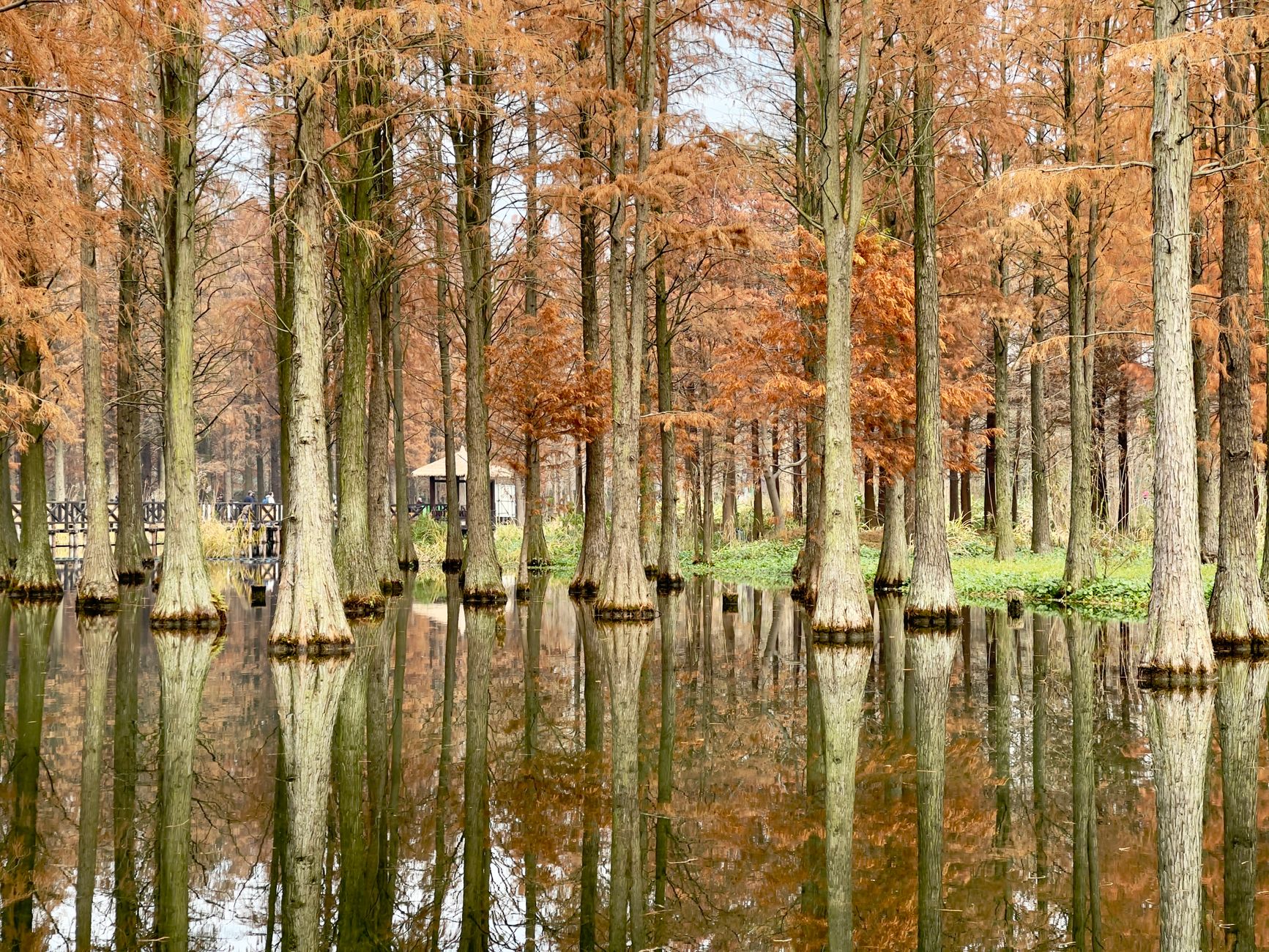
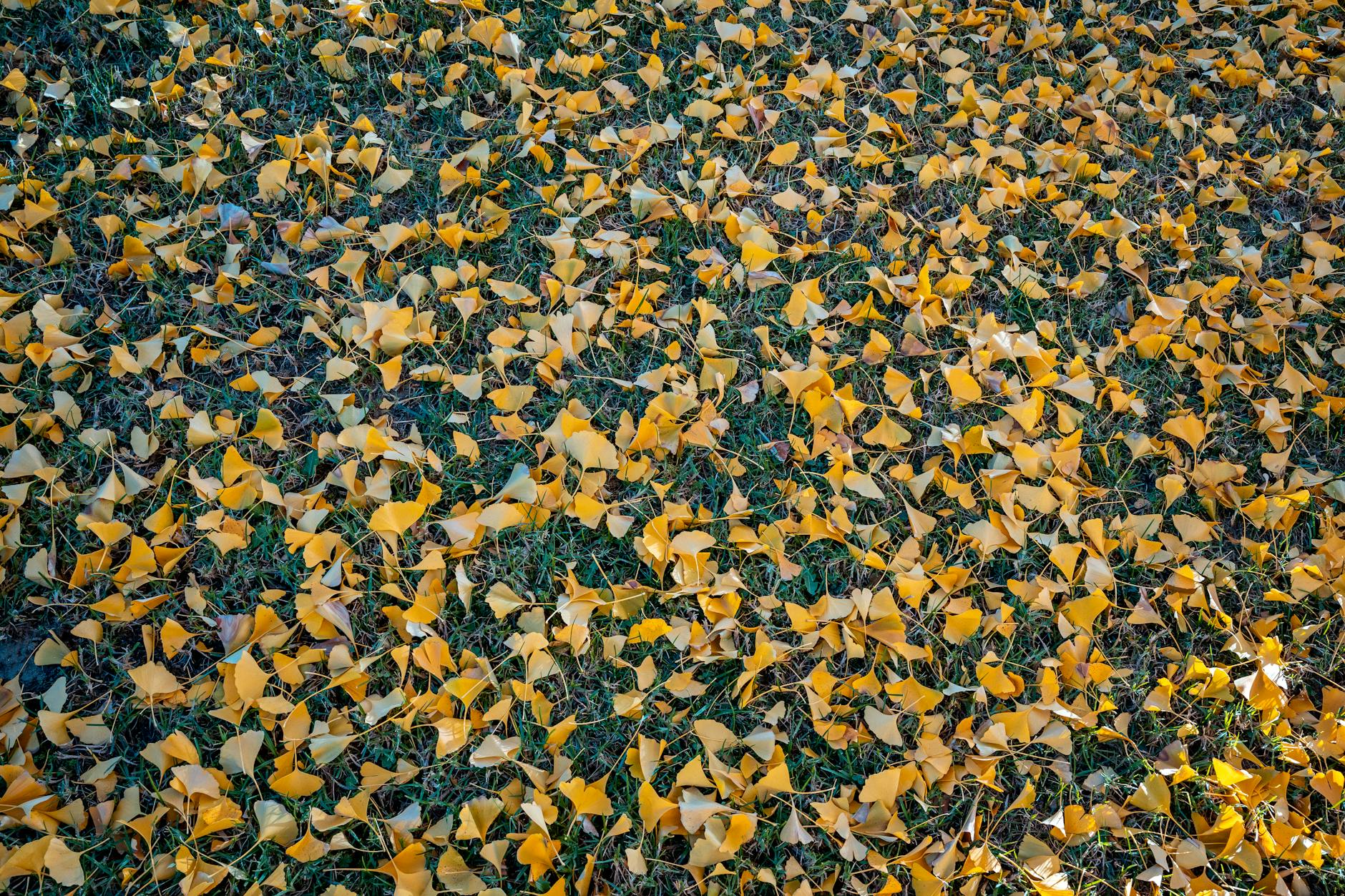
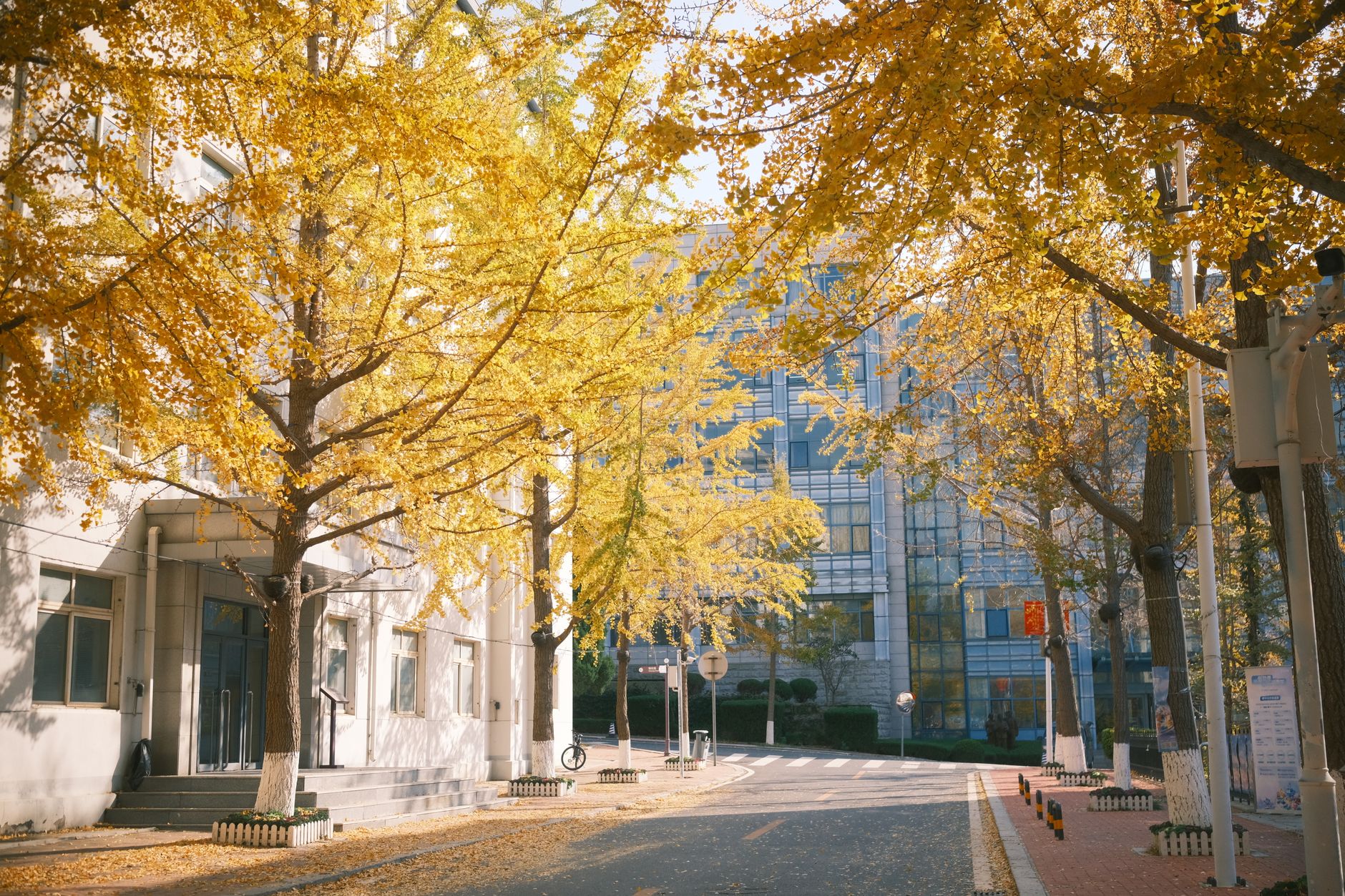
This is where most guides get sloppy, so here is the honest version. Shanghai’s plane trees start yellowing from mid-to-late October, but they do not look properly golden until November, and the peak — full canopy colour with leaves still on the branch — usually lands somewhere between mid-November and the first week of December. Ginkgo runs a week or two behind the planes, and maple and metasequoia in the outer parks are often at their best in early to mid-December. A warm autumn pushes everything back; a cold snap in mid-November pulls it forward and strips the trees within days.
The most reliable signal is the city’s own scheme. Each year Shanghai designates a set of “fallen leaves scenic roads” where street cleaners are told to leave the leaf carpet in place rather than sweep it, typically from around mid-November until late December. When that list is published — usually early November — you have both the confirmed streets and the confirmed window. Wukang Road, Yuqing Road, Sinan Road and Xinhua Road appear on it most years. The Shanghai municipal government’s English portal publishes the list and the dates.
Practical advice: if leaves are your main reason for the trip, book for the second half of November rather than October, and accept that the exact peak is a two-week gamble. If leaves are a bonus, come in October for the better weather and take whatever colour you get.
What to Eat in Autumn
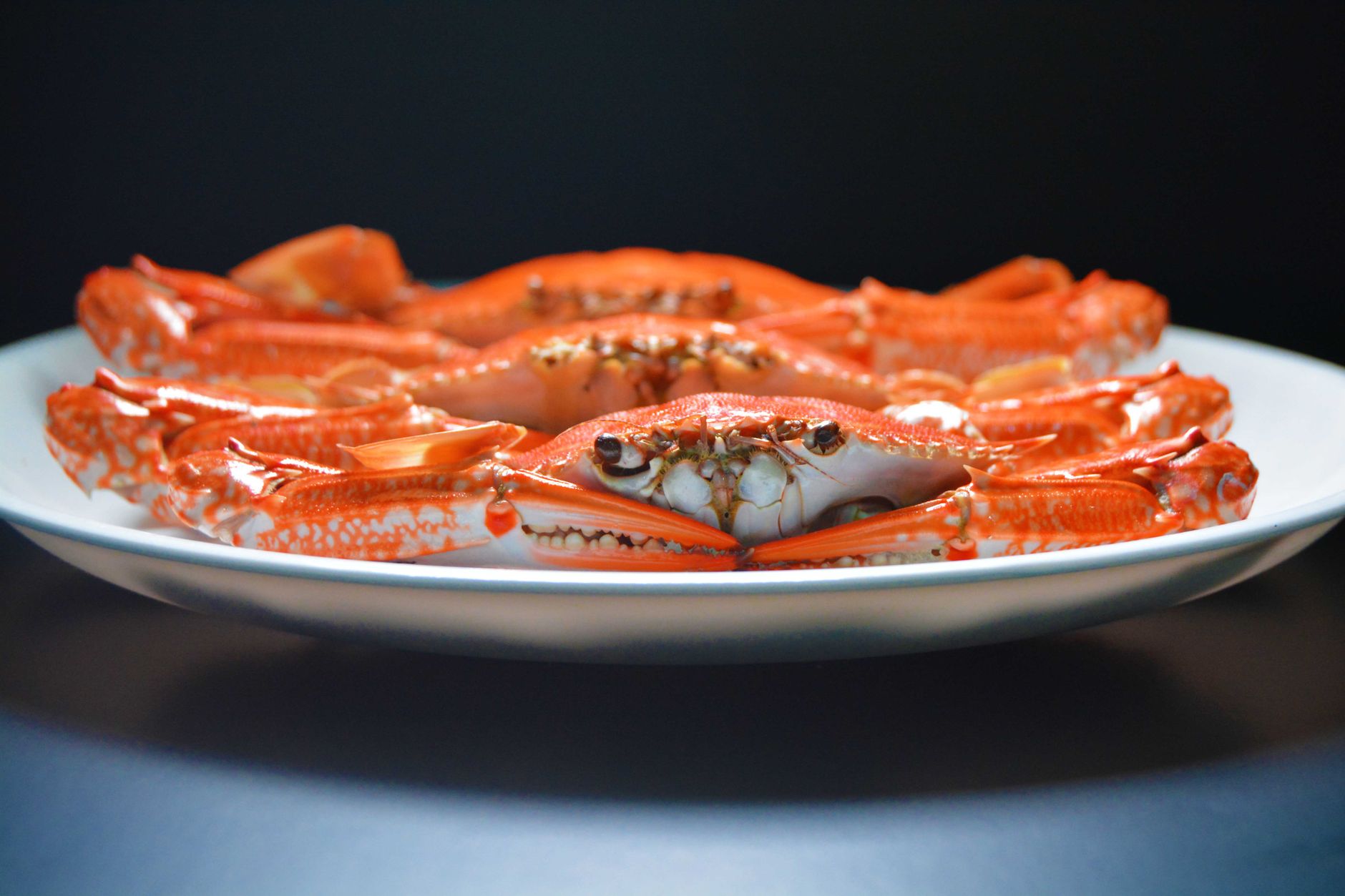
- Hairy crab (大闸蟹) — October and November are the peak months for Yangcheng Lake hairy crab, a Shanghai-area delicacy. Prices climb steeply with size and venue, so ask before you order.
- Persimmon (柿子) — late September through October; dried persimmons are a classic autumn snack
- Mooncakes (月饼) — September Mid-Autumn Festival; modern flavours from custard, salted egg yolk to ice cream
- Roasted chestnuts (糖炒栗子) — street vendors emerge in October
- Pumpkin and lotus root dishes — autumn-special menus at Hangzhou/Jiangsu restaurants
- Hot pot returns — comfort food season begins
Add two more that locals treat as strictly seasonal: osmanthus, which perfumes half the city in late September and turns up in wine, jelly and rice cakes for about six weeks; and freshwater chestnut and water caltrop sold from buckets at wet markets in October. Our Shanghai food guide covers the year-round classics.
Hairy Crab Season, Explained
Hairy crab is the one food that genuinely defines autumn here, and it comes with enough rules that a short briefing saves money. Our guide to hairy crab season goes further on opening dates, fake Yangcheng tags and what a crab should cost.
The season runs roughly late September to early December. Female crabs ripen first — their roe is at its best from late September through October — and males follow, with the prized white fat peaking from late October into November. That is why menus quote different prices for male and female crabs and why the classic order is one of each per person. Crabs are sold by weight, in liang, and the bigger ones cost more; very small crabs are hardly worth the effort of eating.
Yangcheng Lake, an hour west near Suzhou, has the famous name, and genuine Yangcheng crab carries an anti-counterfeit ring tag. Far more crab is sold as Yangcheng than the lake could ever produce, so treat the label with scepticism unless you are in a restaurant that farms its own. Honestly, crab from Taihu or Chongming eats nearly as well for a lot less.
Where to go: Wang Bao He, near the Bund and trading since 1744, is known for its crab banquets. Reserve at least a week ahead for November weekends, ask the price by weight when you book, and leave a slow evening for the whole ritual — steamed crab, ginger vinegar, warm yellow wine. See best restaurants in Shanghai for the wider list.
What to Pack
- September: Light shirts/dresses; one cardigan; rain jacket
- October: Layered shirts + light jacket; jeans/light trousers; comfortable walking shoes
- November: Light jumper + jacket; long pants; light scarf; rain umbrella
- All months: Comfortable walking shoes (15,000+ steps/day); sunglasses; compact umbrella; daypack
- Dressier evenings: One smart outfit for rooftop bars or Bund restaurants
Two things people forget. Buildings in Shanghai are heated late — central heating is not standard south of the Yangtze, and many restaurants and older hotels stay chilly through November, so an extra indoor layer earns its space. And late-autumn temperatures change quickly from one day to the next, so pack a layer you can add or shed. Full list in our Shanghai packing checklist.
Prices & Crowds
In October, hotel prices climb around National Day (Oct 1–7). Outside that week, mid-October through mid-November are some of the best-priced and least-crowded weeks of the year. Late November sees softer rates as the weather turns cooler. International airfare also drops mid-October once the summer/Golden Week peak passes.
| Window | Crowds | Hotel rates | Verdict |
|---|---|---|---|
| 1–20 September | Low | Low | Still humid and typhoon-prone |
| 21–30 September | Rising | Rising | Good weather; Mid-Autumn holiday 25–27th |
| 1–7 October | Heavy | Peak | Avoid unless you have no choice |
| 8–31 October | Moderate | Normal | Mild, with the holiday over |
| 1–20 November | Moderate | Normal, firmer around art week | Leaves turning, crisp weather |
| 21–30 November | Low | Softening | The coldest stretch of autumn |
Where you stay changes the maths as much as when. Jing’an and Xuhui rise sharply for art week in mid-November; Pudong business hotels are cheaper at weekends and dearer midweek, the opposite of the tourist districts. Our where to stay in Shanghai guide breaks it down by neighbourhood.
When to Avoid: National Day Week
China’s National Day on October 1 kicks off “Golden Week”, a major travel holiday that fills Shanghai’s sights and shopping streets. October 1–7 sees:
- Hotel rate spikes
- Longer restaurant queues
- Major attractions (Yu Garden, Disneyland, Shanghai Tower) operating at capacity
- Hangzhou and Suzhou day trips dangerously overcrowded
- Bullet train tickets sold out weeks in advance
If your travel must fall in this window, book hotels and bullet trains 60+ days in advance. Otherwise, plan around it — late September or mid-October onward are noticeably better.
Stuck with those dates? A workable strategy: do the big-name sights at opening time (Yu Garden by 8:30, Shanghai Tower on the first lift of the day with a pre-booked slot), spend the middle of the day in museums and indoor markets, and save walking neighbourhoods for the late afternoon when domestic tour groups have moved on. Skip the water towns entirely that week — Zhujiajiao and Zhouzhuang become one-way pedestrian systems. And travel between districts by metro, not taxi; road traffic during Golden Week is worse than the trains.
Autumn or Spring: Which Is the Best Season?
Spring is the only real challenger, and the case for it is genuine: magnolia flowers in early to mid-March, cherry blossom carries on into mid-April, and April afternoons average about 21°C. The case against is rain. The spring months average 11.2 to 12.7 wet days each against 7.5 in October, and the delta’s spring drizzle tends to settle in for days rather than pass through.
| Autumn (mid-Sep to Nov) | Spring (late Mar to May) | |
|---|---|---|
| Rain | 7.5–10.1 wet days per month | 11.2–12.7 wet days per month |
| Air quality | PM2.5 lower in late summer and early autumn than in winter | Moderate |
| Scenery | Golden plane trees, ginkgo | Magnolia, cherry blossom, wisteria |
| Food | Hairy crab, osmanthus, chestnuts | Green vegetables, bamboo shoots, river shrimp |
| Crowds | Holiday crowds 1–7 Oct (National Day) | Holiday crowds 1–5 May (Labour Day) |
| Prices | Mid to high | Slightly lower |
Verdict: autumn if you want reliable weather and long outdoor days; spring if blossom matters more than a dry forecast and you can absorb a couple of washed-out afternoons. Winter is the value option and genuinely fine for museums and food. Our best time to visit Shanghai page compares all four.
A Sample Autumn Weekend
Friday evening. Land, drop bags, walk the Bund promenade for the 19:00 skyline. Dinner in the lanes behind Nanjing Road; a bowl of noodles and an early night beats fighting jetlag.
Saturday. 09:00 Yu Garden at opening (¥40) before the coaches. 10:30 metro to Xintiandi, then walk Sinan Road and Fuxing Park under the plane trees. 13:00 lunch in the French Concession. 15:00 Wukang Road and Anfu Road on foot. 18:30 hairy crab dinner, booked a week ahead.
Sunday. 08:00 Line 17 to Zhujiajiao for the canals and a boat, back by 13:00 — or a morning bullet train to Suzhou for the gardens, returning around 19:00. Either way, finish with a rooftop drink at sunset, which comes early in November.
That is a realistic three days without rushing. For longer trips, our Shanghai itineraries scale it to five and seven days.
Mistakes Visitors Make in Autumn
- Booking for the first week of October. The single most expensive scheduling error available. Shift a week either side and everything is cheaper and calmer.
- Expecting peak leaves in October. Colour is a November-into-December event. October is for weather, not foliage.
- Underpacking for late November. November nights average 11.4°C, colder ones are not unusual, and indoor heating is unreliable.
- Turning up for hairy crab without a booking. The good places fill for November weekends a week or more ahead.
- Planning a day trip during Golden Week. Bullet train seats to Suzhou and Hangzhou are in demand, so book on 12306 as soon as tickets go on sale 14 days before departure; the destinations are worse than Shanghai for crowds.
- Assuming sunset is late. It comes early by late November. Photograph the Bund before dinner, not after.
- Ignoring the typhoon window. Early September still carries real risk; check forecasts and buy flexible tickets.
Frequently Asked Questions
Is autumn the best season to visit Shanghai?
Yes — most local Shanghainese and travel experts agree October to mid-November is the best window, balancing pleasant weather, low humidity, and clear skies.
What is the weather like in Shanghai in October?
October highs average 23.5°C and lows 17.1°C, with 7.5 rainy days (Xujiahui, 1991–2020 normals), the fewest of the three autumn months. Perfect for full outdoor itineraries.
Does it rain a lot in Shanghai in autumn?
Less than the rest of the year. September to November average 7.5–10.1 days a month with at least 0.1 mm of rain, against 11.2–12.7 in spring and 12.2–14.3 in summer.
When do plane tree leaves turn in Shanghai?
They start yellowing from mid-to-late October, look properly golden through November, and usually peak between mid-November and the first week of December. Ginkgo follows a week or two later. The exact peak shifts each year with the weather.
What should I pack for Shanghai in autumn?
Light layers for September and October; light jumper plus jacket for November. Comfortable walking shoes, rain umbrella, sunglasses.
When is Mid-Autumn Festival 2026 in Shanghai?
Mid-Autumn Festival in 2026 falls on September 25, with the public holiday running 25–27 September. Yu Garden hosts the most famous lantern festival; mooncakes are everywhere.
Should I avoid Chinese National Day in Shanghai?
October 1–7 is the National Day holiday, and heavy crowds come with it. Plan around it. The week after National Day is excellent value and quieter.
Is hairy crab season in Shanghai in autumn?
Yes — Yangcheng Lake hairy crab is peak September through November. Plan a crab-focused dinner at a Shanghainese specialist; reservations needed October–November.
Is September or November better for visiting Shanghai?
Late September is warmer and still good for outdoor evenings but carries typhoon risk and higher humidity. November is cooler, drier and far more photogenic. If you want swimming-pool weather choose September; for walking and leaves choose November.
When is the Shanghai Marathon held?
The last weekend of November or the first of December in recent years — 26 November 2023, 1 December 2024 and 30 November 2025. Entry is by ballot and opens months ahead. The course starts at the Bund and finishes near Shanghai Stadium.
Where can I see autumn leaves in Shanghai for free?
Fuxing Park, Jing’an Sculpture Park, Century Park and Gongqing Forest Park all charge nothing for entry, and the ginkgo rows on Dagu Road and Siping Road are ordinary public streets. Guyi Garden charges ¥12, and the Botanical Garden is worth checking before you go.
Is autumn a good time for day trips from Shanghai?
It is the best time. Suzhou’s gardens and Hangzhou’s West Lake are both at their most comfortable in October and November, and a G train reaches Suzhou in around half an hour. Just avoid 1–7 October, when both are overwhelmed.
Plan the Rest of Your Trip
Combine with our pillar guides on best time to visit Shanghai, Shanghai itineraries, and things to do in Shanghai. For weather background, see the China Meteorological Administration.