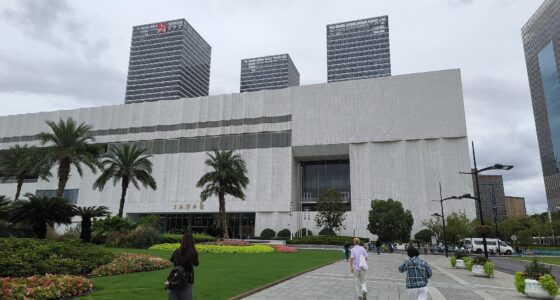
The Shanghai Tower observation deck sits more than half a kilometer above the streets of Pudong, on Floor 118 of the third-tallest building on earth. At roughly 546 meters (1,791 feet), it is the highest viewpoint open to the public anywhere in mainland China, and the 360-degree panorama it serves up over the Huangpu River, the Bund, and the rest of the Lujiazui financial cluster is the kind of thing a photo never quite reproduces. This guide walks through everything a first-time visitor actually needs: what the deck is, how much tickets cost and where to buy them, the best time of day and year to go, the famously fast elevator, what you see from the top, how to get there by metro, and an honest comparison with the other observation towers nearby so you can choose well if you only have time for one.
Quick orientation: the building was completed in 2015 and the public deck opened in 2017. A standard ticket runs around RMB 180 (roughly USD 25-28, though prices vary by platform and change over time). The best slot is the hour around sunset, so you catch daylight, the lighting transition, and the night skyline in one trip. The elevator is one of the fastest in the world at 18 meters per second, reaching Floor 118 in under a minute. Budget two to three hours for a relaxed visit.
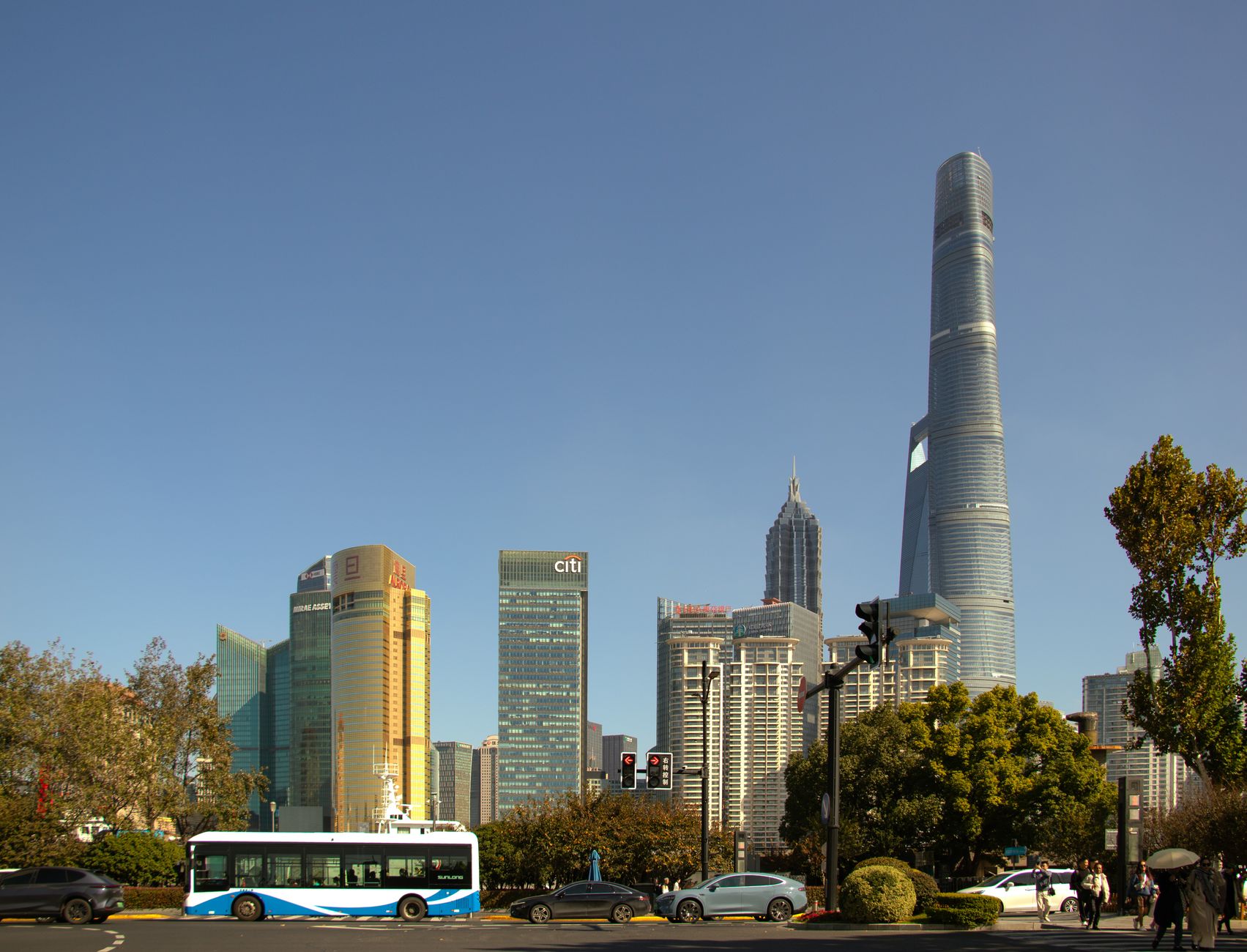
Table of Contents
- What Is the Shanghai Tower Observation Deck?
- Ticket Prices and Types
- How to Book Tickets
- Opening Hours
- Best Time to Visit
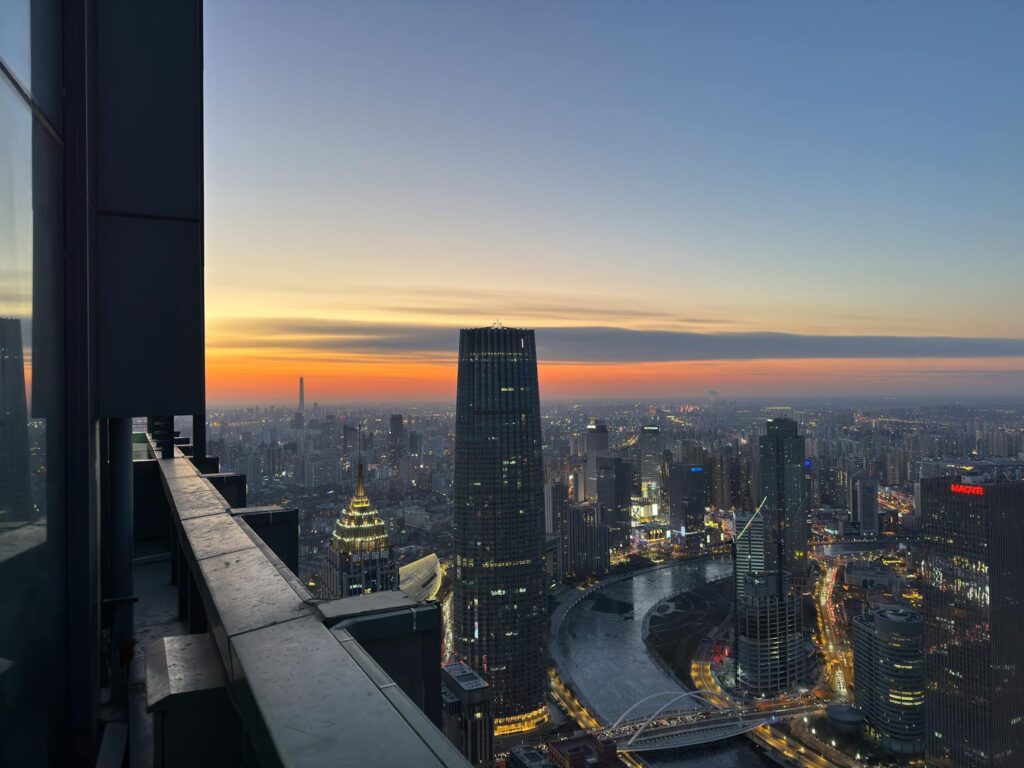
- What You See From the Top
- The High-Speed Tilting Elevator
- The Damper Show on Floors 125 and 126
- Food, Coffee, and the Sky Post Office
- How to Get There
- Shanghai Tower vs. the Other Observation Decks
- Tips and Common Mistakes
- What to Combine With Your Visit
- Frequently Asked Questions
- Plan Your Visit
What Is the Shanghai Tower Observation Deck?
The Shanghai Tower is a 128-floor supertall that twists 120 degrees as it rises, a shape that helps it shrug off the wind loads at that height. At 632 meters it is the tallest building in China and, at the time of writing, the third-tallest completed building in the world, behind the Burj Khalifa in Dubai and Merdeka 118 in Kuala Lumpur. It is mixed-use: offices fill most floors, a hotel sits in the upper-middle section, and the very top is given over to the public.
The observation experience is branded “Top of Shanghai” and spreads across two main floors. Floor 118, at about 546 meters, is the primary deck, an enclosed ring more than 1,000 square meters in area with floor-to-ceiling glass on every side. Floor 119 is reached by a short internal stairway from 118 and is where you find seating and a small cafe.
One point worth clearing up, because sources online disagree: the tower topped out structurally in 2015, but the observation deck did not open to the public until 2017 (a limited trial began in mid-2016). So “opened in 2015” refers to the building’s completion, not when visitors could go up.
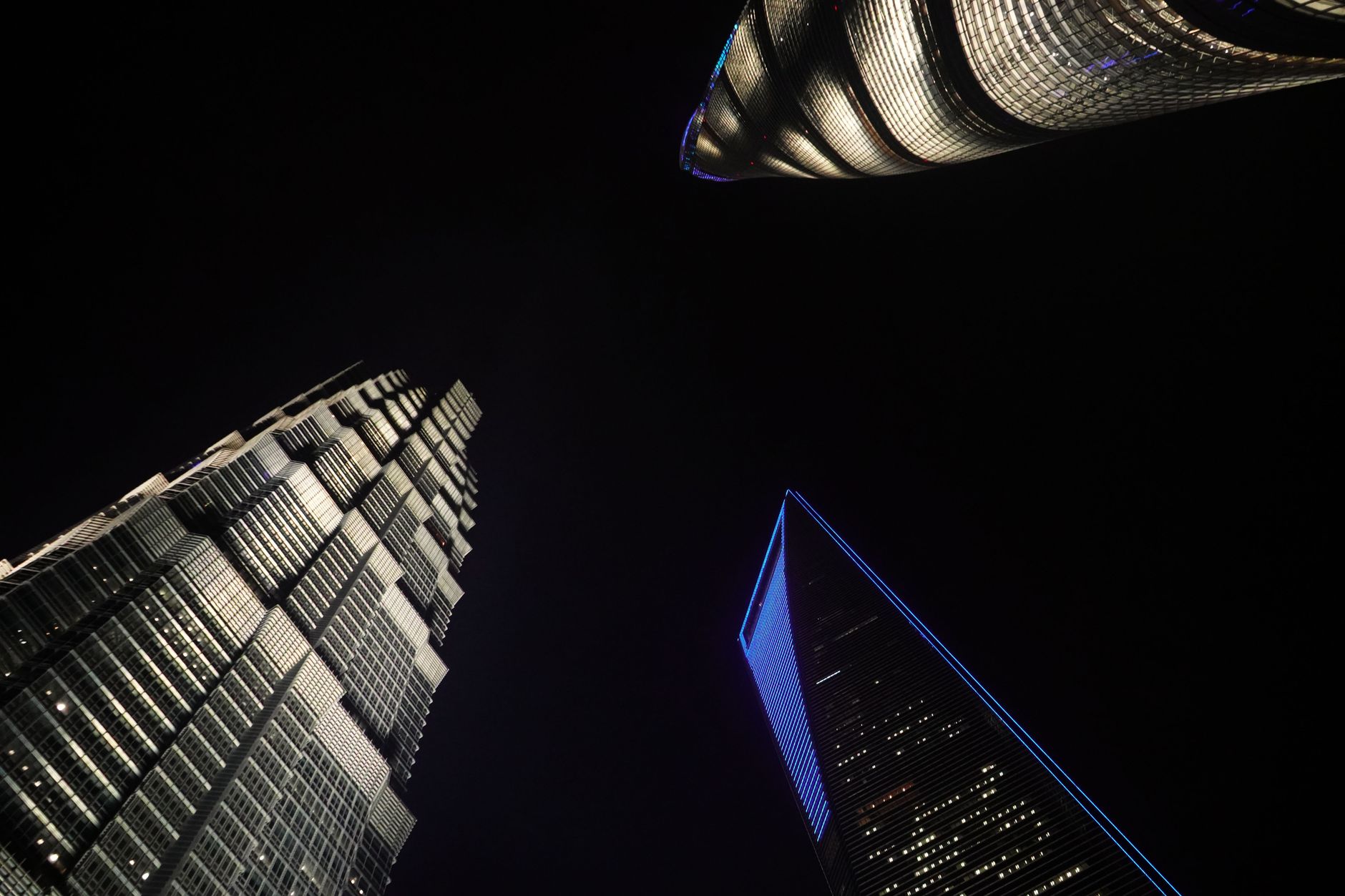
What your ticket buys is the highest publicly accessible vantage point in mainland China. The deck looks straight down on towers that were record-holders a generation ago, the Jin Mao Tower and the Shanghai World Financial Center, and across the river to the colonial-era waterfront of the Bund. For how this fits into a wider day, our pillar guide to things to do in Shanghai places the tower alongside the city’s other major draws.
Ticket Prices and Types
Prices below are approximate and quoted in Chinese yuan (RMB / ¥). Treat them as a guide rather than a guarantee, ticketing operators adjust fares, run promotions, and add peak-day surcharges, and the USD equivalents move with the exchange rate. Always confirm the current price on the platform you book through.
- Standard adult ticket (Floors 118 and 119): around ¥180 (roughly USD 25-28). This is the one most visitors buy.
- Holiday / peak-day ticket: around ¥199, applied on Chinese national holidays and other high-demand days.
- Combination ticket with the damper show (Floors 118 plus 125/126): around ¥268. Adds access to the “Eye of Shanghai” damper installation near the apex (more on that below).
- Children: kids under about 1 meter tall generally enter free with a paying adult; those between roughly 1 meter and 1.4 meters get a reduced fare (commonly around ¥95). Exact thresholds vary by operator.
- Students and seniors: discounted tickets are often available with valid ID (frequently in the ¥95-120 range). Bring the relevant card.
- Fast-track / skip-line bundles: some third-party resellers package priority entry at a premium, often ¥280 and up. Worth it only on the busiest holiday afternoons.
A standard ticket includes the elevator ride and admission to both Floor 118 and Floor 119. Many tickets come with a flexible entry window (commonly around four hours), so a small delay getting there is rarely a problem. Compared with the neighboring towers, the Shanghai Tower is usually the priciest option, which is the trade-off for standing at the highest accessible point.
How to Book Tickets
You have several ways to buy, and the right one depends mostly on whether you read Chinese and which payment methods you carry.
- International booking platforms (Klook, Trip.com, GetYourGuide, KKday): the easiest route for most overseas visitors. The interface is in English, foreign credit cards are accepted, and you frequently get a small discount versus the gate price. You receive an e-ticket by email and redeem it at a self-service kiosk near the entrance.
- Official Shanghai Tower website and WeChat mini-program: fine if you read Chinese or already use WeChat Pay. The official channels are reliable but less friendly to non-Chinese speakers, and some require a domestic payment method.
- At the door (walk-up): possible, but the on-site ticket hall has historically required cash or a Chinese mobile payment app (Alipay / WeChat Pay) rather than foreign credit cards, and lines build on weekends and holidays. Treat it as a fallback, not a plan.
Recommendation: book online a day or two ahead through Klook or Trip.com, then arrive about 30 minutes before your slot to clear the security check. Note a small procedural detail that has changed over the years, staff may photograph you at security rather than checking a passport against the booking, but it is still sensible to carry photo ID in case the operator you booked with requires it. If you are juggling several bookings across a trip, our Shanghai itinerary planner can help you slot the tower into a sensible day.
Opening Hours
The observation deck generally operates from 8:30 AM to 10:00 PM, with last entry around 9:30 PM, half an hour before closing. Those are much earlier closing times than the late-night observation decks of New York, so do not leave it until very late in the evening.
Hours are sometimes extended during Chinese national holiday periods (the May 1-5 Labour Day window and the October 1-7 National Day week) and around major festivals such as Lunar New Year. Maintenance can occasionally take individual elevators or the upper floor out of service, so if you are visiting on a tight schedule during a long weekend, it is worth a quick check of the official channel the day before.
Best Time to Visit
Timing matters more here than at almost any other Shanghai attraction, because the same ticket buys a very different experience depending on when you go.
Best time of day
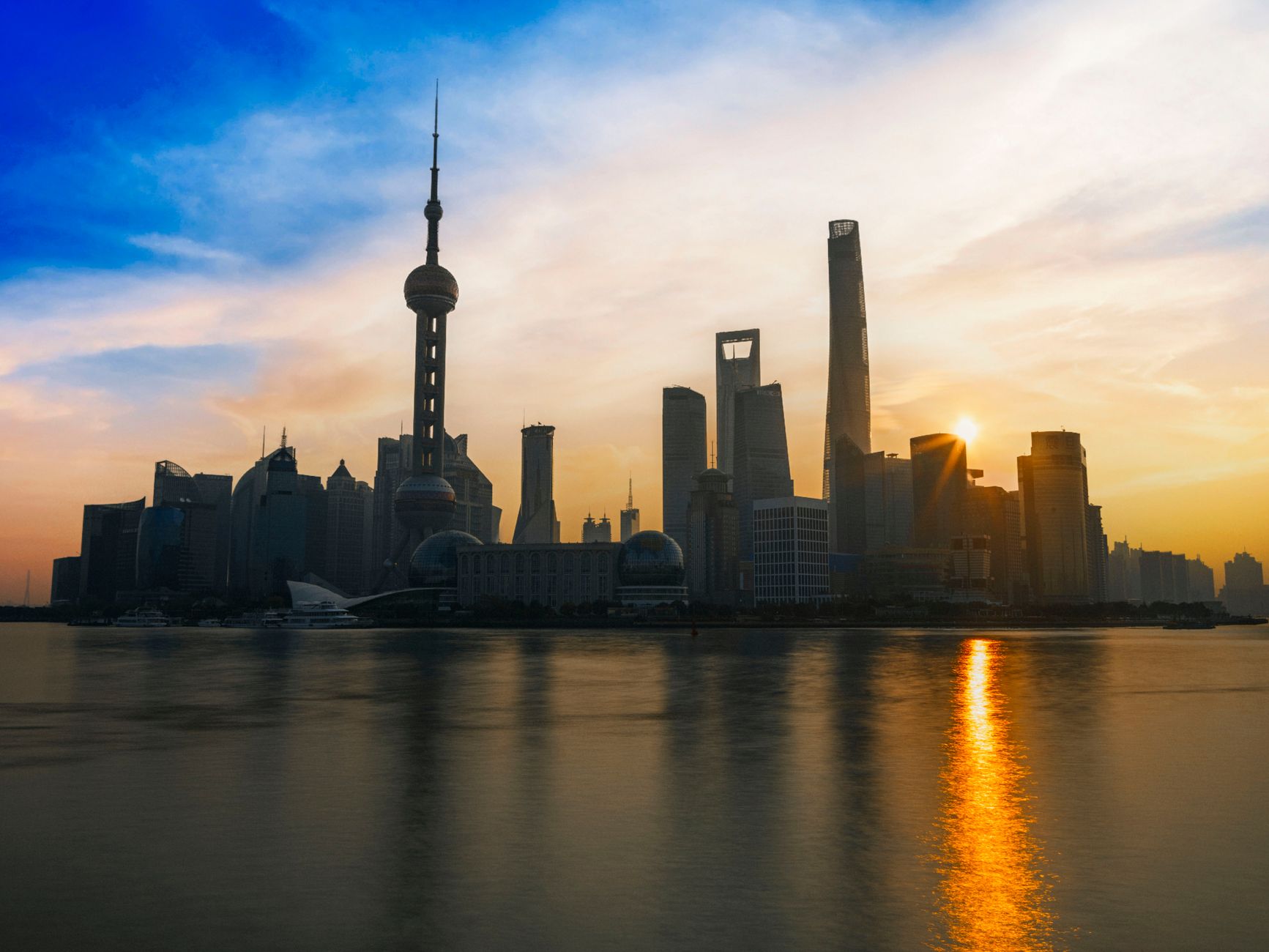
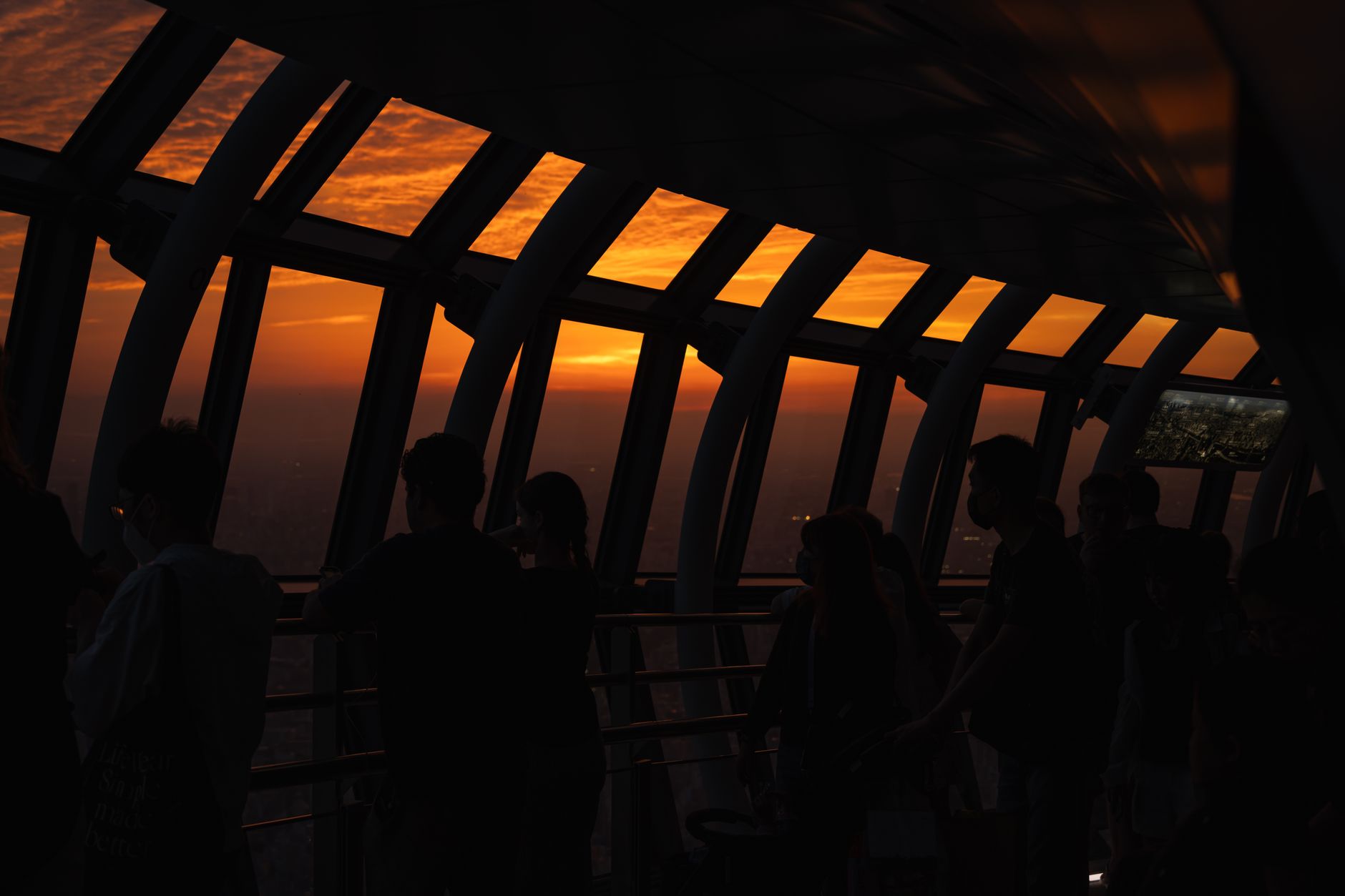
- Sunset (the top choice): aim to be inside 60 to 75 minutes before sunset. You see the city in daylight, watch the light fade and the buildings switch on, then take in the full night skyline, all on one ticket. Since the price is the same whatever time you enter, this is simply the best value for the experience.
- Early morning (8:30 AM, second-best): the air is usually at its clearest and the crowds are thinnest right at opening. Excellent for photography, though you only get the daytime view.
- Midday (worst): harsh overhead light flattens the view, the deck is busiest, and on a summer day the glare and haze are at their peak.
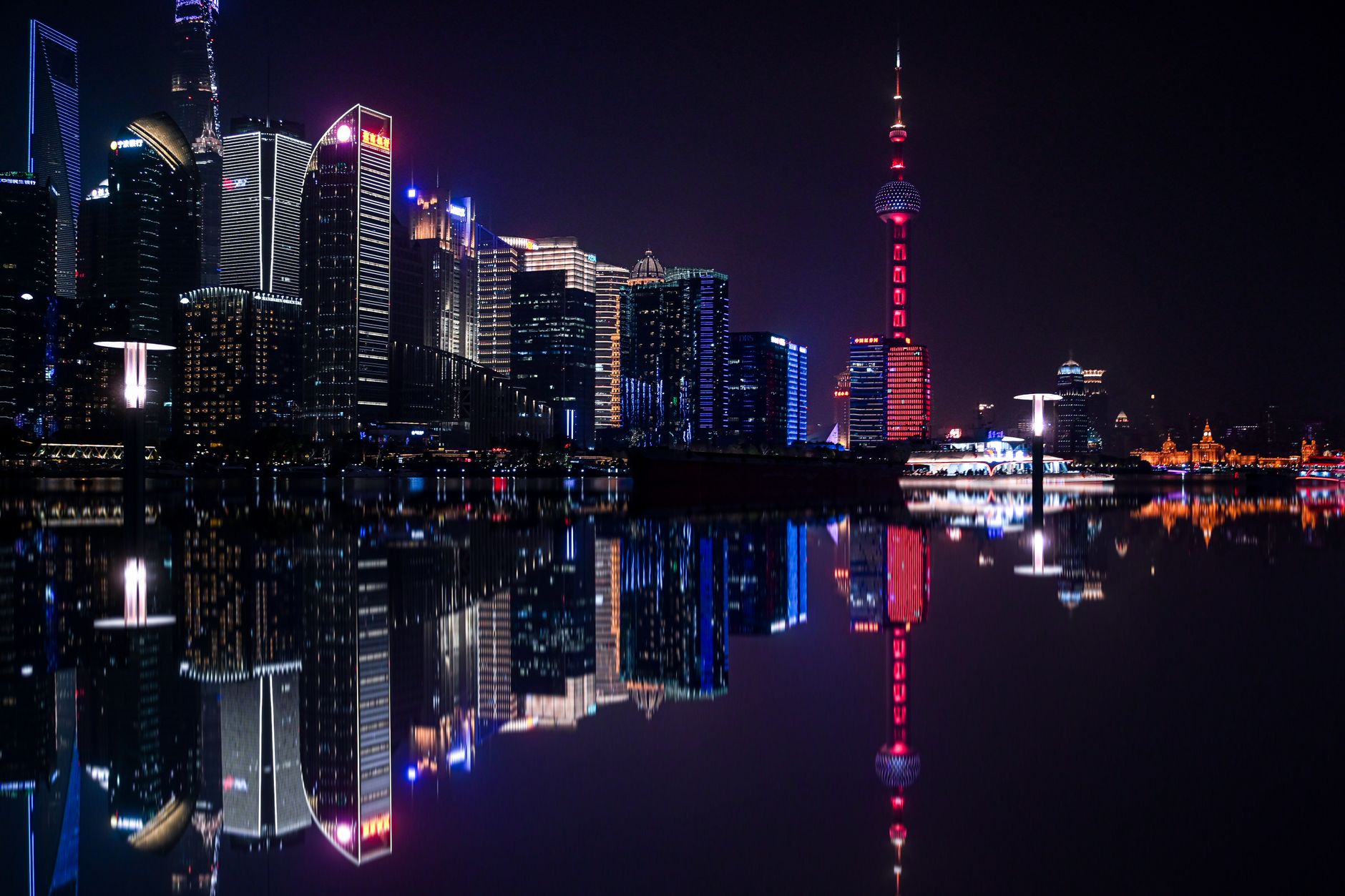
- Late evening (after 8:00 PM): a solid option if you only care about the night view. Crowds thin out and the city is fully lit, but you miss the daylight-to-dark transition.
Best time of year
Spring (April-May) and autumn (October-November) deliver the clearest air and the longest sightlines. Summer often brings haze and humidity that cut visibility, and winter can be cold and foggy.
Best day of the week
Tuesday through Thursday are calmest. Weekend afternoons and Chinese public holidays are the busiest, with the longest elevator queues. A clear-air weekday around sunset is close to the ideal combination.
One practical habit pays off here: check the air-quality and weather forecast the day before. On a hazy or heavily overcast day, visibility can collapse to little more than the immediate Lujiazui towers, and the experience is far weaker. If your schedule has any flexibility, hold the tower for a clear day.
What You See From the Top
The deck wraps all the way around the building for a genuine 360-degree sweep. Roughly by direction:
- West (across the river): the Bund’s curved row of historic facades, the Old City, the former French Concession, and the broader low-rise Puxi side. This is the postcard direction, the financial future of Pudong looking back at the trading past of the Bund.
- East (deeper into Pudong): the rest of the Lujiazui towers stepping away from the river, then residential and commercial Pudong stretching to the horizon.
- North: the line of Suzhou Creek meeting the Huangpu, and the older neighborhoods of central Shanghai beyond.
- South: more of Pudong’s commercial and residential districts.
Looking straight down is half the appeal. From Floor 118 you peer down onto the Jin Mao Tower and the Shanghai World Financial Center, two buildings that each held the title of city’s tallest before this one went up. On a clear day the sightlines can run 50 kilometers or more, far enough to pick out the Huangpu winding toward the Yangtze estuary. On a hazy day, expect that range to shrink dramatically.
There is more on the deck than the windows. Floor 118 has multimedia and exhibition space covering the tower’s construction and the growth of Shanghai, worth 30 to 45 minutes if you find engineering interesting. There are also coin-operated telescopes by the glass (not free, so a small pair of your own binoculars is handy), a souvenir shop, and clean restrooms, the last of which sounds trivial until you compare it with rival decks that lack them.
The High-Speed Tilting Elevator
The ride up is an attraction in its own right. Built by Mitsubishi Electric, the Shanghai Tower’s express elevators reach 18 meters per second, about 64 km/h, which makes them among the fastest passenger lifts in the world. From the lower lobby to Floor 118 takes somewhere around 53 to 55 seconds.
The cabins are designed for the rapid climb: dimmed lighting, a digital readout of the current floor and speed, and pressure management to soften the altitude change. Most visitors describe the ride as remarkably smooth, more a fast, quiet glide than a stomach-dropping launch. Some feel a mild ear-pop, like an aircraft takeoff, which clears quickly. Access flows through the basement: after security you take an escalator down to the elevator hall, queue briefly (often 5 to 10 minutes, up to half an hour on holidays), then ride straight to the top.
The Damper Show on Floors 125 and 126
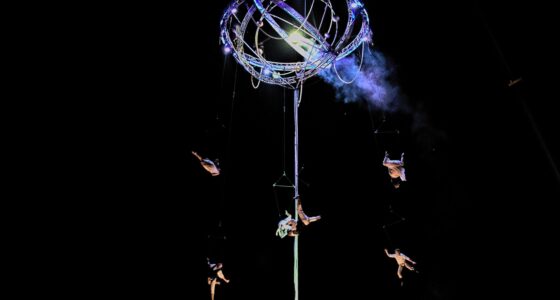
Near the very top of the building, on Floors 125 and 126, sits one of the heaviest tuned mass dampers in the world, a roughly 1,000-tonne pendulum that counteracts the building’s sway in high winds. Rather than hide this engineering, the tower turned it into an attraction called the “Eye of Shanghai”: the damper is lit and choreographed to music and light, with a large array of speakers arranged around the space for a surround-sound effect.
Access to the damper level is usually sold as a combination ticket (around ¥268) rather than included in the standard fare. Reviews are genuinely mixed, some visitors love seeing the structural engineering up close paired with the light show, others feel the presentation runs longer than it needs to. If you are fascinated by how supertall buildings stay still, it is a worthwhile add-on; if you mainly came for the view, the standard ticket is plenty.
Food, Coffee, and the Sky Post Office
Do not come expecting a full restaurant at altitude. The food offering up top is limited and priced for the location.
- Floor 119 cafe: coffee, soft drinks, and light snacks, with premium pricing (a coffee can run ¥60-80). The draw is drinking it beside the highest windows in the city.
- Floor 118 snacks: a small selection of premium bites and drinks at similar prices.
- At the base: a food court at the tower’s lower levels handles proper meals for a more reasonable ¥50-100, and the adjacent IFC Mall has a full range of restaurants for before or after.
Two quirks make the visit memorable beyond the view. There is a “wishing tree” where you can buy a card (around ¥18) to write a wish and hang it, and a sky post office, billed as the highest post office in the world, from which you can mail a postcard from more than 500 meters up, a better souvenir than most of what the gift shop sells. If you want a proper sit-down meal with a skyline view rather than a takeaway coffee, the rooftop bars in the area are a strong alternative, and our guide to the city’s best rooftop bars in Shanghai covers the best of them.
How to Get There
The tower stands in the Lujiazui financial district on the Pudong side of the Huangpu River. It carries two addresses for the same spot, 479 Lujiazui Ring Road and 501 Yincheng Middle Road, but honestly you will spot the building from a long way off and never need either.
- Metro (the simplest option): take Line 2 to Lujiazui Station, then follow the signs for the Shanghai Tower / IFC and walk about five minutes. Line 2 is the spine of the city’s network and connects directly to both airports’ transfer routes. For fares, cards, and how the system works, see our Shanghai metro guide.
- Ferry from the Bund: a charming approach. From the Puxi waterfront, take the cross-river ferry (a couple of yuan) over to Pudong and walk roughly 10 minutes to the tower. You get a river-level view of the skyline on the way.
- Taxi or DiDi: straight to the tower entrance, typically around ¥30-50 from central Shanghai depending on traffic.
- From Pudong International Airport: ride the Maglev to Longyang Road, then transfer to Metro Line 2 toward Lujiazui, roughly an hour door to door.
For the full picture on taxis, ride-hailing, the airport links, and payment apps, our pillar guide to getting around Shanghai pulls every option together.
Shanghai Tower vs. the Other Observation Decks
Lujiazui has a cluster of towers you can go up, and from the Shanghai Tower deck you are literally looking down on most of them. If you only have time or budget for one, here is how they stack up.
Shanghai Tower (Floors 118/119, about 546m)
The highest accessible point, in the newest and architecturally most ambitious of the towers. Standard ticket around ¥180. The clear pick if your priority is simply standing as high as the public can go, with the most modern interior and the fastest elevator. The trade-off is that, being the tallest, you cannot see the Shanghai Tower itself in your skyline photos.
Shanghai World Financial Center (SWFC, Floor 100, about 474m)
The flat-topped “bottle opener” tower next door, long a favorite for its transparent floor sections high up. Important caveat: the SWFC observation deck has been closed since 2023, so it is not an option for your visit.
Jin Mao Tower (Floor 88, about 421m)
The pagoda-tiered tower, the oldest of the three supertalls and usually the least crowded. The observation deck runs around ¥120. The insider move here is to skip the official deck and instead go to the Cloud 9 bar in the Grand Hyatt on the 87th floor: for roughly the price of a cocktail you get a comparable height, a drink, and a seat. Excellent value.
Oriental Pearl Tower (multiple decks, up to about 350m)
The 1990s rocket-shaped landmark that anchors the Shanghai skyline in most postcards. Tickets range roughly ¥160-220 depending on which combination of decks you choose, and it offers interactive features the glass-box towers do not, including a transparent skywalk and a revolving restaurant, plus the well-regarded Shanghai History Museum at its base. The reason to choose it: you cannot photograph the Oriental Pearl from inside the Oriental Pearl, but for many visitors it is the most recognizable structure to go up. It tends to be the busiest of the lot.
Bund-side hotel bars (free with a drink)
For a different angle entirely, the high bars on the Puxi side, such as Sir Elly’s at the Peninsula or the upper bars at the Waldorf Astoria, charge no entry, just the price of a drink (¥100-200). You trade raw height for a seated view straight at the Pudong skyline, which is arguably the better photograph.
The verdict: for the highest point and the most modern experience, the Shanghai Tower. For the best value, Jin Mao plus a Cloud 9 cocktail. For the most recognizable building to go up and the most interactive visit, the Oriental Pearl. And if you would rather sit with a drink and look at the skyline than stand above it, a Bund-side bar wins.
Tips and Common Mistakes
- Book ahead. Walk-up tickets at peak times can mean 30-minute-plus queues, and the on-site hall may not take foreign cards.
- Arrive about 30 minutes early. Security screening and ticket redemption take time, especially on weekends.
- Carry photo ID. Even though staff now often just photograph you at security, some booking operators tie the ticket to a name.
- Bring a power bank. Between photos, video, and the cold near the glass, phone batteries drain fast at the top.
- Mind the photography rules. Photos are fine, but flash is discouraged (it reflects off the glass anyway) and tripods are generally restricted. Press the lens against the glass and turn off flash for the cleanest night shots.
- Allow two to three hours. Less and the visit feels rushed once you factor in queuing, the elevator, the exhibits, and the views in both daylight and dark.
- Skip the gift shop for serious souvenirs. The on-deck shop sells generic items; the markets around Yu Garden and Yuyuan Bazaar are far better for gifts.
- Check air quality before you go. A hazy day, most common in summer, can flatten the whole point of the visit. Reschedule for a clear day if you can.
- If you have severe vertigo, go with company. The deck is fully enclosed and completely safe, but the sheer drop visible through the glass can unsettle some people.
What to Combine With Your Visit
The tower sits in the middle of a dense cluster of Pudong attractions, so it slots easily into a half- or full-day plan.
- The Bund (across the river). The classic pairing: do the tower, then take the Lujiazui ferry over to the Bund for the reverse view, looking back at the skyline you just stood on top of. Our complete guide to the Bund covers the waterfront in detail.
- Lujiazui at ground level. The elevated walkways linking the towers are an attraction in themselves, and the Shanghai Ocean Aquarium nearby is an easy add for families.
- IFC Mall. Right beside the tower, handy for lunch or shelter if the weather turns.
- Yu Garden and Yuyuan Bazaar. About 25 minutes by metro, a complete change of pace from the glass towers and a good second half to a Pudong-and-Old-City day.
- A skyline-bar nightcap. Finish at one of the area’s rooftop bars to swap standing at the windows for sitting with a drink and the lights.
Frequently Asked Questions
Is the Shanghai Tower observation deck worth it?
For most first-time visitors, yes, particularly on a clear day. It is the highest viewpoint open to the public in mainland China, the building is a genuine engineering landmark, and the sunset transition over the city is hard to beat. The main caveat is weather: on a hazy day the value drops sharply, so time it for clear air.
How much does the Shanghai Tower observation deck cost?
A standard adult ticket is around ¥180 (roughly USD 25-28), rising to about ¥199 on holiday peak days, with a combination ticket including the damper show near ¥268. Children, students, and seniors typically pay less. Prices vary by booking platform and change over time, so confirm before you buy.
How long does the visit take?
Plan for two to three hours. That covers security and ticket redemption, the elevator, time at the windows on Floors 118 and 119, the multimedia exhibits, and photos in both daylight and after dark.
Should I book in advance?
Yes. Booking online a day or two ahead through a platform like Klook or Trip.com usually saves money, lets you use a foreign credit card, and avoids the walk-up queue, which can exceed 30 minutes at peak times.
What is the best time to visit?
The hour around sunset is the standout choice, because one ticket gets you daylight, the lighting transition, and the night skyline. Arrive 60 to 75 minutes before sunset. Early morning is the next-best slot for clear air and small crowds.
Is the elevator scary?
Most visitors find it surprisingly smooth despite the 18-meters-per-second speed. The ride to Floor 118 lasts only around 53 seconds, the cabin is designed to manage the pressure change, and the worst many people feel is a brief ear-pop like an aircraft takeoff.
Are children allowed?
Yes. Children under about 1 meter tall usually enter free with a paying adult, and those up to roughly 1.4 meters get a reduced fare. The fast elevator and the height tend to be a hit with kids rather than a problem.
Is photography allowed?
Yes, photography is allowed. Flash is discouraged (and reflects off the glass), and tripods are generally restricted. For night shots, hold your lens against the glass and switch off the flash.
Can I get a meal at the observation deck?
Only light fare, the upper floors have a cafe and snack counters serving coffee, drinks, and small bites at premium prices. For a proper meal, head down to the food court at the base or the restaurants in the adjacent IFC Mall.
How does it compare to Jin Mao or SWFC?
The Shanghai Tower is higher (about 546m versus roughly 421m at Jin Mao and 474m at SWFC), newer, and has the faster elevator, but it is also the most expensive. Note that the SWFC observation deck has been closed since 2023, so plan around the other decks. For sheer value, Jin Mao paired with a Cloud 9 bar visit is hard to beat.
Where exactly is the Shanghai Tower?
In the Lujiazui financial district in Pudong, listed at 479 Lujiazui Ring Road / 501 Yincheng Middle Road. The easiest approach is Metro Line 2 to Lujiazui Station, then a five-minute walk following the signs to the tower.
Plan Your Visit
Pulling it together: book online a day or two ahead, target the hour before sunset, carry a power bank and photo ID, and allow two to three hours. Check the air quality the night before and keep some flexibility to swap to a clearer day if it is hazy. Then pair the tower with a ferry across to the Bund for the reverse view, or finish with a drink at a skyline bar.
For the wider context, our pillar guide to things to do in Shanghai sets the tower among the city’s other highlights, the Bund guide covers the waterfront across the river, and the Shanghai itinerary planner helps you fit it all into a workable day. Get the timing right, and the view from Floor 119 as the city switches from daylight to neon is the kind of thing that stays with you long after the trip.
Further reading: Shanghai Tower on Wikipedia.