Shanghai is a sprawling megacity of about 25 million people, and this shanghai transportation guide will show you exactly how to navigate it like a local. The good news is that Shanghai has one of the most modern, efficient, and affordable public transport networks in the world. From the maglev train to a metro system with more than 800 kilometres of track, getting around Shanghai is surprisingly easy once you know how the system works. Whether you are heading from the airport to your hotel, exploring the Bund, or making a day trip to the water towns, this guide covers every mode of transport you will need during your visit.
Shanghai Transportation Guide: Overview of Your Options
Before diving into specifics, here is a quick overview of every transport mode available in Shanghai and when to use each one. The metro is by far the most popular choice for tourists — it is fast, affordable, English-friendly, and reaches virtually every attraction in the city. Taxis and ride-hailing apps like DiDi are best for late-night travel or when you are carrying heavy luggage. Buses offer the cheapest fares but require more local knowledge. Ferries provide a scenic crossing of the Huangpu River, and shared bicycles are perfect for short trips within a neighbourhood. For airport transfers, the maglev train is an unmissable experience in itself. Most visitors find that a combination of the metro and occasional taxi rides covers everything they need during a typical Shanghai trip.
Shanghai Metro: The Backbone of City Transport
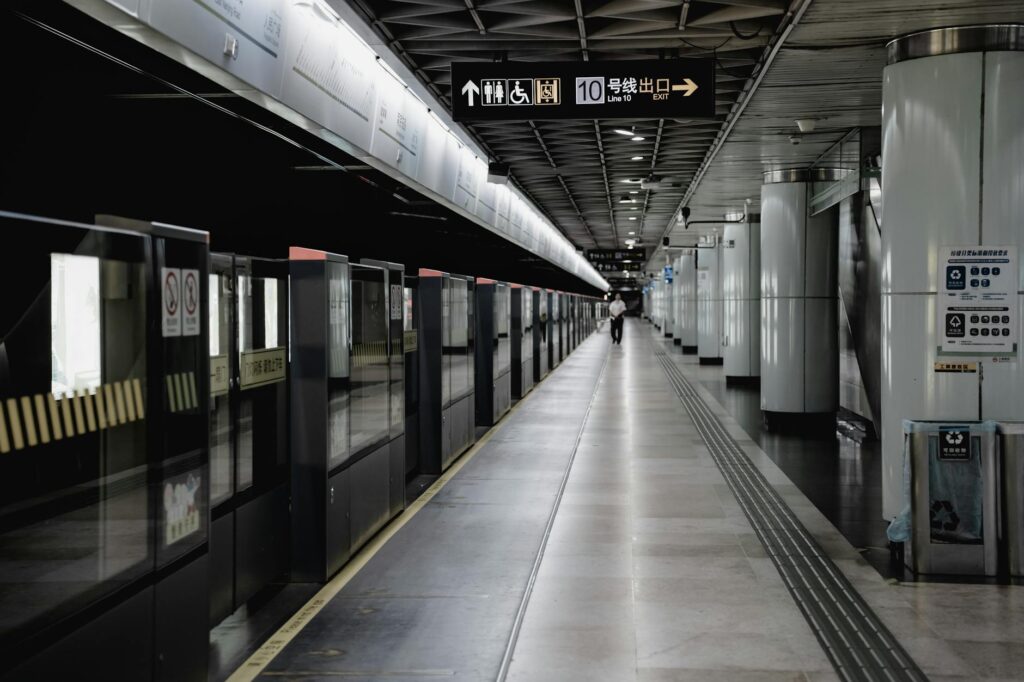
The Shanghai Metro is the single most important piece of the shanghai transportation guide puzzle. It is the longest metro system in the world by route length, with over 20 lines, more than 500 stations, and approximately 831 kilometres of track as of 2026. The system carries around 10 million passengers on an average weekday, and it connects both airports, every major tourist area, and the surrounding suburbs.
Key Metro Lines for Tourists
You will not need all 19 lines during your visit. Here are the ones that matter most for sightseeing:
Line 1 (Red) runs from north to south and connects Shanghai Railway Station, People’s Square, the Former French Concession, and Xinzhuang. It is one of the original lines and still one of the busiest.
Line 2 (Green) is the most important line for visitors. It runs east-west across the entire city, connecting Hongqiao Airport and Hongqiao Railway Station in the west with Pudong International Airport in the east. Along the way it stops at Jing’an Temple, People’s Square, Nanjing Road East, Lujiazui (for the Oriental Pearl Tower and Shanghai Tower), and Century Avenue.
Line 10 (Purple) is excellent for cultural attractions, serving Yuyuan Garden, Old City God Temple, Nanjing Road East, and Xintiandi.
Line 11 (Brown) extends all the way to Shanghai Disneyland and is also the line for Jiading, Anting, and connections to Kunshan in neighbouring Jiangsu Province.
Line 16 connects Longyang Road (the maglev terminus) with attractions in southern Pudong, including the Shanghai Wild Animal Park and Dishui Lake.
Metro Fares, Hours, and Tickets
Metro fares are distance-based and remarkably affordable. A typical ride costs between 3 and 9 RMB (roughly 0.40 to 1.25 USD). Most lines operate from approximately 5:30 AM to 10:30 or 11:00 PM, though exact times vary by line and station. Rush hours are 7:30 to 9:00 AM and 5:00 to 7:00 PM — trains are extremely crowded during these windows and best avoided if your schedule allows.
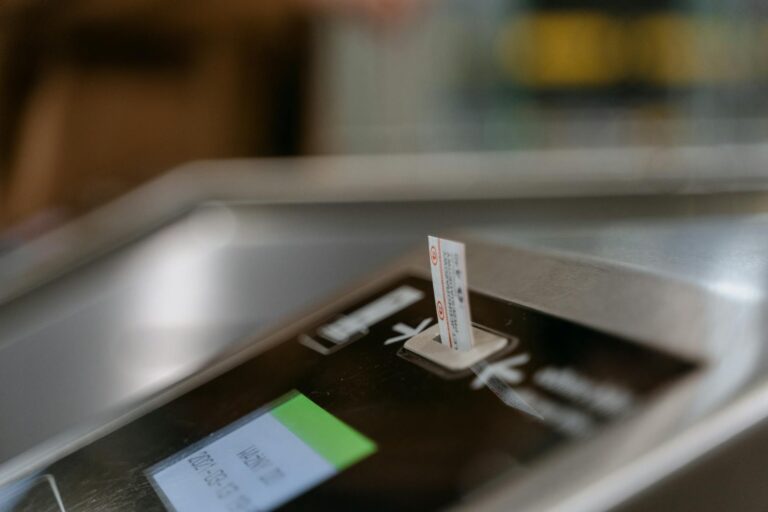
For tickets, tourists have several options. You can buy a single-journey token from automated machines at any station — the machines have an English language option. Alternatively, purchase a One-Day Pass for 18 RMB (unlimited metro rides for 24 hours) or a Three-Day Pass for 45 RMB (72 hours of unlimited rides). For stays of a week or more, the rechargeable Shanghai Public Transport Card is the best value. It works on the metro, buses, taxis, ferries, and even some convenience stores. A 20 RMB deposit is required, which is refundable when you return the card.
Using Your Phone to Ride the Metro
The most convenient option for international visitors in 2026 is using your smartphone. If you have an iPhone or Apple Watch, you can add the Shanghai Public Transport Card directly to Apple Wallet. Once set up as an Express Transit card, you simply tap your phone at the turnstile — no need to unlock the screen or open an app.
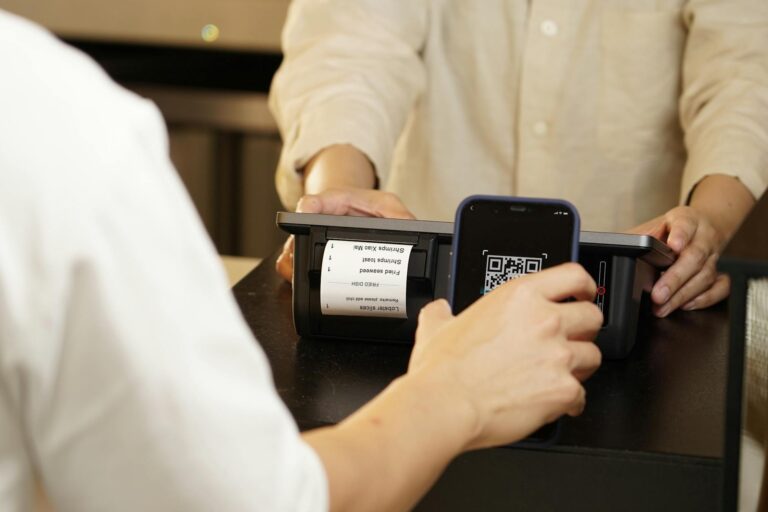
Alternatively, you can use the Alipay or WeChat Pay transit QR code. In Alipay, navigate to the Transport section and activate the Shanghai Metro QR code. Hold your phone screen to the scanner at the turnstile gates to enter and exit. This ride-first-pay-later system automatically deducts the correct fare from your linked payment method. Both Alipay and WeChat Pay accept international Visa, Mastercard, and American Express cards, making this the easiest cashless option for foreign visitors.
Shanghai Maglev Train: Airport to Longyang Road in Minutes
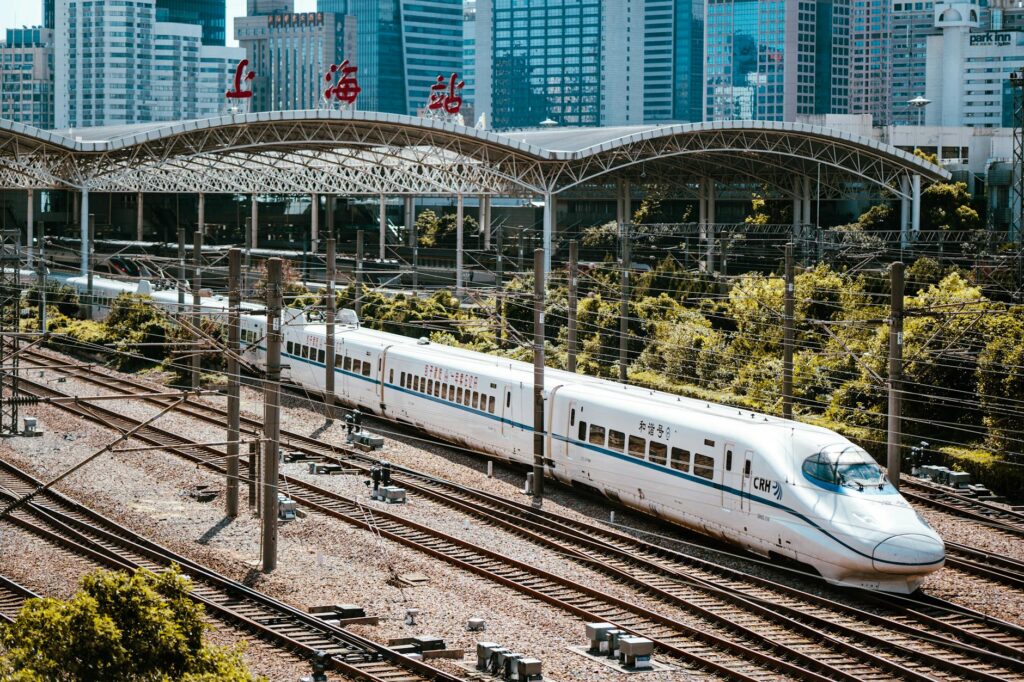
No shanghai transportation guide would be complete without the maglev. The Shanghai Maglev Train was the world’s first commercially operated high-speed magnetic levitation line, and it remains one of the city’s most iconic experiences. Opened in 2003 with German technology, it connects Pudong International Airport with Longyang Road Metro Station in a matter of minutes, running at 300 km/h (186 mph). Its top speed was 431 km/h (268 mph) until 2021.
Trains run every 15 to 20 minutes between approximately 6:45 AM and 9:40 PM. A standard one-way ticket costs 50 RMB, though you can get a 20 percent discount by showing your same-day airline boarding pass or e-ticket at the ticket counter. The VIP class costs 100 RMB. From Longyang Road, you transfer to Metro Line 2 or Line 16 to continue into the city centre — the combined maglev-plus-metro journey to People’s Square takes about 45 minutes total.
Even if you do not fly into Pudong, the maglev is worth riding purely as a tourist attraction. The speed display inside the carriage climbs to 300 km/h — passengers invariably have their phones out recording the moment. The entire round trip from Longyang Road and back takes under 20 minutes and costs just 80 RMB for a return ticket.
Airport Transfers: Pudong and Hongqiao
Shanghai has two major airports, and understanding which one you are flying into is crucial for planning your transfer into the city.
From Pudong International Airport (PVG)
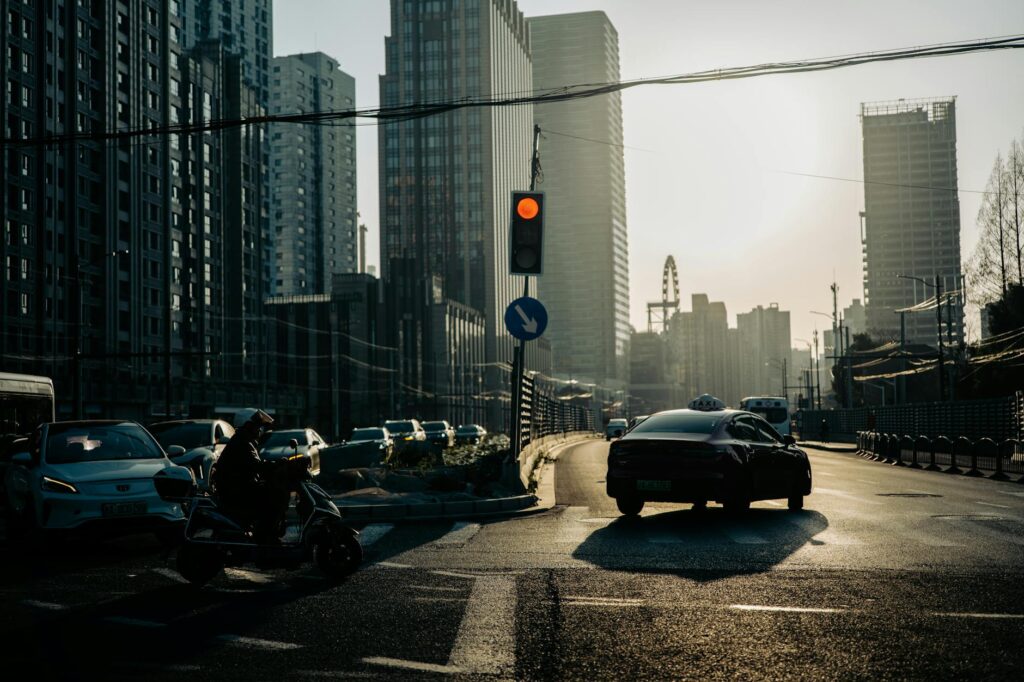
Pudong Airport handles the majority of international flights and is located about 30 kilometres east of the city centre. You have four main transfer options:
Maglev Train: The fastest option — 8 minutes to Longyang Road, then transfer to the metro. Total time to People’s Square is approximately 45 minutes. Cost: 50 RMB for maglev plus 4-5 RMB for metro.
Metro Line 2: The cheapest option — a direct train runs from Pudong Airport to Hongqiao Airport, stopping at all major stations in between. Journey to People’s Square takes about 65 minutes and costs 7 RMB. Note that late-night arrivals after 10 PM will miss the last train.
Airport Bus: Several routes run to different parts of the city, including a dedicated shuttle to Hongqiao Airport. Fares range from 16 to 30 RMB. Buses operate later than the metro, with some routes running until 11 PM or midnight.
Taxi or DiDi: A taxi to central Shanghai (People’s Square, the Bund, Jing’an) typically costs 150 to 250 RMB and takes 45 to 90 minutes depending on traffic. This is the best option for late-night arrivals, groups, or travellers with lots of luggage.
From Hongqiao International Airport (SHA)
Hongqiao is Shanghai’s older, more central airport, located about 13 kilometres west of the city centre. It primarily serves domestic flights and some regional Asian routes. The airport is integrated with Hongqiao Railway Station, making it a major transport hub.
Metro Lines 2 and 10 both serve Hongqiao Airport. Line 2 connects directly to People’s Square (about 35 minutes) and continues east to Pudong. Line 10 heads south through the Former French Concession and Yuyuan Garden area.
Taxi or DiDi from Hongqiao to central Shanghai costs 50 to 100 RMB and takes 20 to 40 minutes. If you are connecting from a high-speed train at Hongqiao Railway Station, just follow the signs — the airport and railway station share the same complex.
Taxis in Shanghai: What You Need to Know
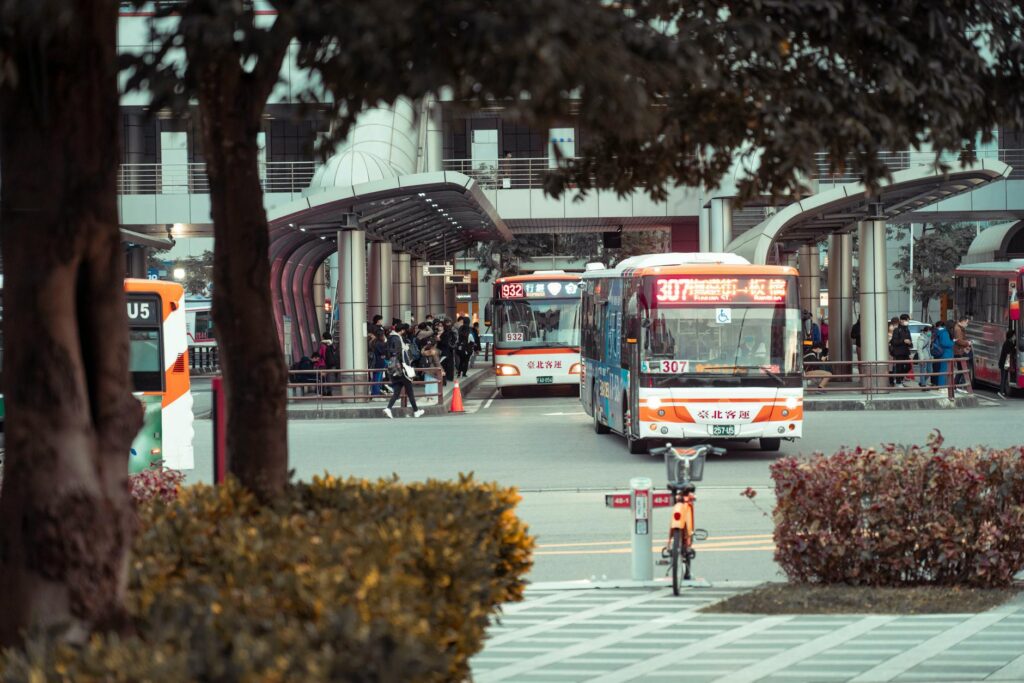
Shanghai taxis are plentiful, metered, and reasonably priced compared to Western cities. The official taxis are easy to identify — they are branded vehicles in standardised colours (turquoise for Dazhong, navy for Qiangsheng, white for Jinjiang, and yellow for Haibo). All legitimate taxis have a red light on the windshield that indicates availability, a meter on the dashboard, and a driver information card displayed inside.
Taxi Fares and Tipping
The base fare in Shanghai starts at 14 RMB for the first 3 kilometres, then 2.5 RMB per kilometre after that. Between 11 PM and 5 AM, the base fare increases to 18 RMB and the per-kilometre rate rises to 3.1 RMB. A typical cross-city trip costs 30 to 80 RMB. Tipping is not customary in China and there is no expectation to tip taxi drivers.
Practical Taxi Tips
Most taxi drivers in Shanghai speak limited English, so having your destination written in Chinese characters on your phone is essential. The easiest method is to search for your destination in Google Maps or Baidu Maps and show the Chinese name and address to the driver. Hotels often provide business cards with their address in Chinese for exactly this purpose. Always insist that the driver uses the meter — if a driver refuses or claims it is broken, exit and find another taxi. Keep the receipt (printed automatically by the meter) as it contains the taxi’s licence number, which is useful for reporting issues or recovering lost items.
DiDi and Ride-Hailing Apps: Shanghai’s Answer to Uber
DiDi Chuxing is China’s dominant ride-hailing platform, and it is arguably even more convenient than traditional taxis for foreign visitors in Shanghai. The app has a full English interface, shows your route and fare estimate before you book, and eliminates the language barrier entirely since the driver receives your destination via the app.
Setting Up DiDi as a Foreign Visitor
For the best experience, download the domestic DiDi Chuxing app (not the international DiDi Rider version), which offers more vehicle options and better integration with Alipay. Register using your international mobile number and link your payment through Alipay — you can add your Visa or Mastercard directly to Alipay for seamless cashless payments. Alternatively, the DiDi mini-program within Alipay works just as well and saves you from downloading an extra app.
DiDi Service Types and Pricing
Express (快车) is the standard option — comparable to UberX. It is slightly cheaper than a traditional taxi and is the most common choice. Premier (优享) offers a nicer car and more experienced driver for a modest premium. Luxury (豪华车) is the high-end option for business travellers. Prices are transparent and fixed at booking time, so there are no surprises. A typical Express ride from People’s Square to the Bund costs about 15 to 20 RMB.
Important DiDi Tips
At busy locations like airports, train stations, and major shopping malls, DiDi restricts pickups to designated zones — the app will show you exactly where to walk. Order your ride 5 to 10 minutes before you need it, as matching and arrival can take a few minutes during busy periods. Avoid booking during rush hours (7 to 9 AM and 5 to 7 PM) when surge pricing may apply and wait times increase. DiDi does not have an in-app tipping function, and tipping is not expected in Chinese ride-hailing culture.
Shanghai Buses: Cheap but Challenging
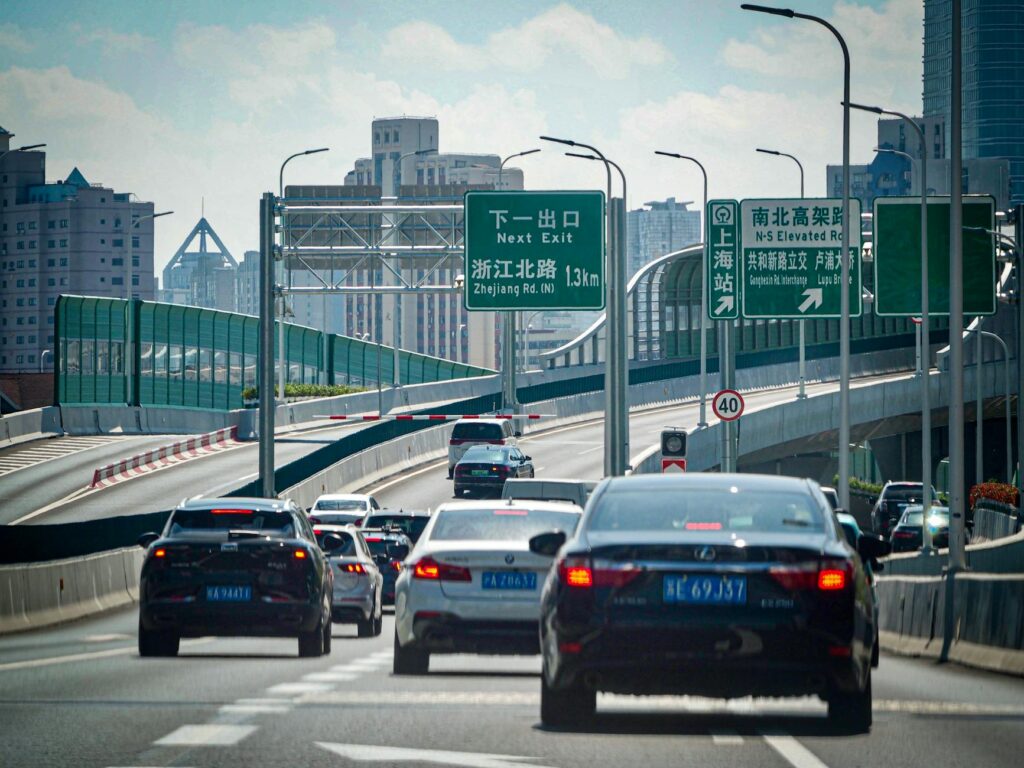
Shanghai has an extensive bus network with over 1,000 routes covering the entire city. Fares are incredibly cheap — most city routes cost just 2 RMB per ride, with air-conditioned buses at 3 RMB. You can pay with a Shanghai Public Transport Card, Alipay transit QR code, or exact change (the machines do not give change). Buses typically operate from 5:00 AM to 11:00 PM, though some night bus routes run later.
That said, buses are the least tourist-friendly transport option in Shanghai. Route information and announcements are primarily in Chinese, and it can be difficult to know where to get off if you cannot read the characters. Traffic congestion also makes journey times unpredictable. If you do want to use the bus, download the Baidu Maps app, which has good bus route planning and will alert you when your stop is approaching. Useful bus routes for tourists include the No. 71 (Yan’an Road east-west corridor) and the double-decker sightseeing buses that run between the Bund and major attractions.
Shanghai Transportation Guide: Ferries and River Crossings
The Huangpu River divides Shanghai into two halves — Puxi (the historic west bank) and Pudong (the modern east bank). While the metro tunnels beneath the river at multiple points, the cross-river ferry is a charming and extremely affordable alternative that doubles as a mini sightseeing cruise.
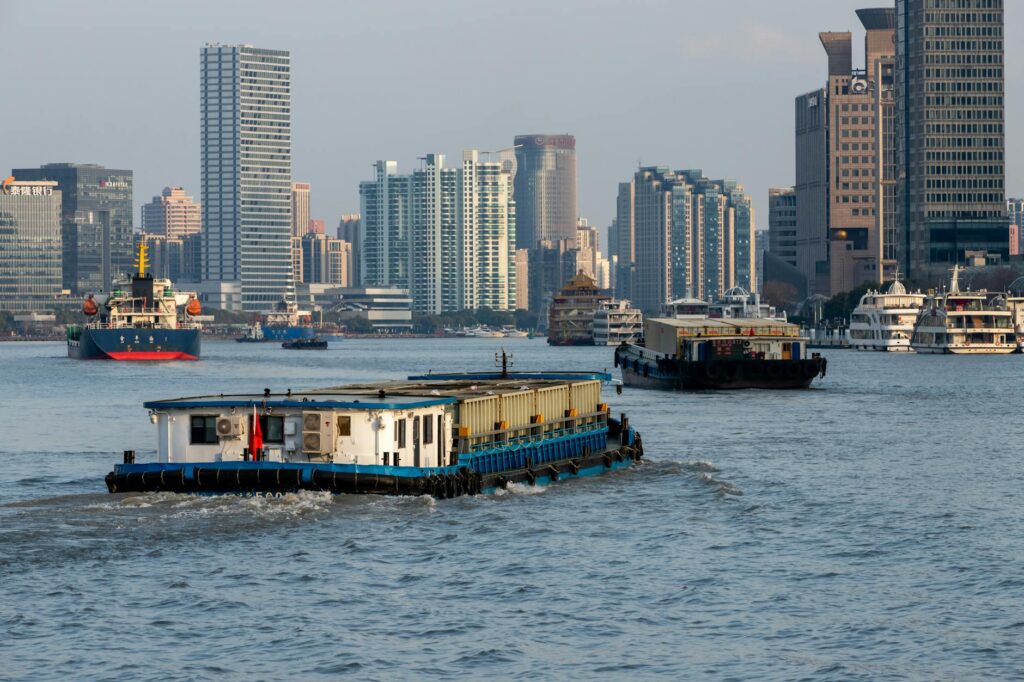
There are 17 ferry routes operating across the Huangpu River with nearly 40 ferry terminals on both banks. The most popular tourist crossing runs between the Bund area and Lujiazui in Pudong, giving you front-row views of both the historic Bund skyline and the futuristic Lujiazui towers. The pedestrian fare is just 2 RMB (paid with your transport card, Alipay, or cash), and crossings take about 5 to 10 minutes. Ferries run from approximately 7:00 AM to 10:00 PM, with boats departing every 10 to 15 minutes during peak hours.
For a more upscale experience, Huangpu River sightseeing cruises offer 30-minute to 3.5-hour journeys along the river with views of both banks illuminated at night. The classic 50-minute evening cruise departs from the Shiliupu Pier near the Bund and costs 80 to 150 RMB depending on the operator and seating class. Night cruises between 7:00 and 9:00 PM are the most spectacular, as both banks light up with dramatic LED displays.
Shared Bicycles and E-Bikes in Shanghai
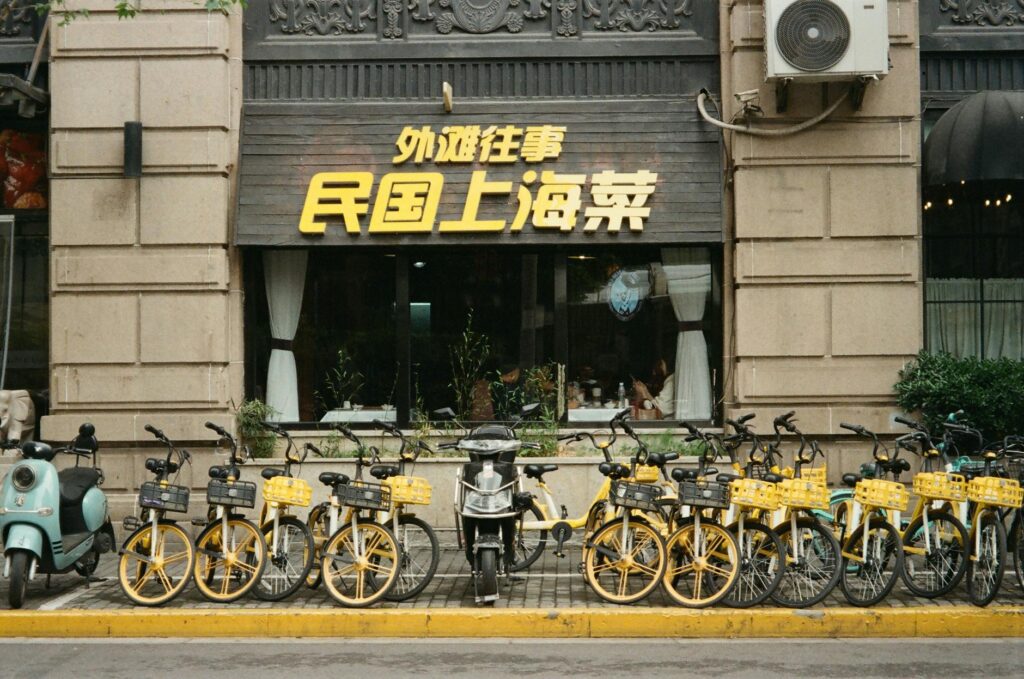
Shared bicycles transformed urban mobility in Shanghai, and in 2026 they remain one of the best ways to explore neighbourhoods at your own pace. The main operators are Meituan Bike (yellow bikes, formerly Mobike), HelloBike (blue bikes), and Didi Bike (orange and green bikes). You will see them parked on virtually every street corner.
To unlock a bike, scan the QR code on the bike using Alipay, WeChat Pay, or the operator’s own app. Fares are low: Meituan charges 1.88 RMB per hour and HelloBike 1.99 RMB per hour on weekdays, cheaper than a bottle of water, and the app shows the price before you ride. When you are finished, park the bike in any designated area and lock it through the app. Shared e-bikes (electric bicycles) are also available in some districts and cost slightly more; check the price in the app.
Cycling in Shanghai is pleasant along the plane-tree-lined streets of the Former French Concession and along the Huangpu River waterfront path. However, major roads can be hectic and cycling is not recommended for nervous riders. Stick to dedicated bike lanes, which are well-marked on most Shanghai streets, and be careful of electric scooters sharing the lane. Helmets are not typically provided with shared bikes, so consider bringing your own if safety is a priority for you.
Walking in Shanghai: Best Areas to Explore on Foot
Shanghai is a walkable city in many areas, and some of the best sightseeing is done on foot. The Bund waterfront promenade stretches for 1.5 kilometres along the western bank of the Huangpu River and is one of the most photographed walks in Asia. The Former French Concession is a network of shaded streets lined with art deco villas, boutiques, and cafes that reward aimless wandering. Nanjing Road East is a pedestrianised shopping street that runs from People’s Square to the Bund, buzzing with activity day and night.
Other excellent walking areas include Tianzifang (a warren of narrow lanes filled with galleries and craft shops), Xintiandi (restored shikumen houses with upscale dining), and the West Bund Art Corridor (a string of contemporary art museums along the Huangpu River). For a complete shanghai transportation guide experience, combine walking with a metro ride to each neighbourhood — you will see far more of the city this way than by taxi alone.
High-Speed Trains and Intercity Rail
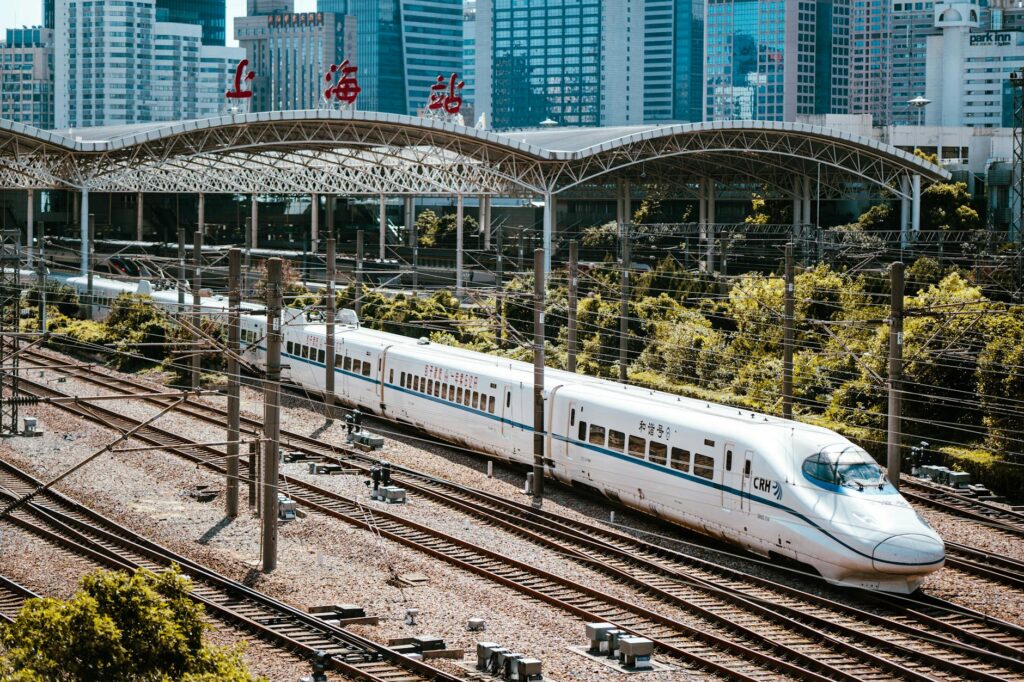
Shanghai is one of China’s most connected cities by rail, and high-speed trains open up a world of day trip possibilities. The city has four major railway stations, each serving different routes:
Shanghai Hongqiao Railway Station is the primary high-speed rail hub, integrated with Hongqiao Airport. From here you can catch bullet trains to Beijing (4.5 hours), Hangzhou (45 minutes to 1 hour), Suzhou (25 minutes), Nanjing (1 to 1.5 hours), and dozens of other cities.
Shanghai Railway Station (near Baoshan Road on Metro Lines 1, 3, and 4) handles some high-speed services and many conventional trains heading north and west.
Shanghai South Railway Station (Metro Lines 1 and 3) serves southern destinations and some slower regional services.
Booking train tickets is easy through the Trip.com or 12306 app (China’s official railway booking platform). You can now use your passport to book and board — simply scan it at the automated gates. Tickets for popular routes like Shanghai to Hangzhou sell out quickly on weekends and holidays, so book at least a few days in advance.
The Bund Sightseeing Tunnel
The Bund Sightseeing Tunnel is a quirky, slightly kitsch tourist attraction that transports you under the Huangpu River in an automated capsule car with a psychedelic light show. Connecting the Bund with the area near the Oriental Pearl Tower in Pudong, the journey takes about 5 minutes and costs 55 RMB one-way or 70 RMB return. It is not the cheapest or most practical way to cross the river (the metro or ferry are both cheaper and faster), but it is a fun novelty experience, especially with children. The tunnel has entrances on both sides of the river near the Bund and the Oriental Pearl Tower.
Payment Methods: How to Pay for Shanghai Transportation
Understanding payment is one of the most important parts of any shanghai transportation guide, because China’s transport system has moved almost entirely to cashless payments. Here is a summary of your options:
Alipay is the most versatile payment app for foreign visitors. Link your international Visa, Mastercard, or American Express card, and you can pay for the metro, buses, taxis, DiDi rides, shared bikes, and ferry crossings — all from a single app. Activate the Shanghai Metro QR code under the Transport section.
WeChat Pay works similarly and accepts international cards. The transit QR code function is found in the WeChat mini-programs. Many tourists find Alipay slightly easier to set up, but either works well.
Apple Pay / NFC allows you to add the Shanghai Public Transport Card to your iPhone or Apple Watch wallet. Once set up, just tap your device at any turnstile or bus scanner — it works in Express Transit mode without unlocking your phone.
Shanghai Public Transport Card is the physical card option. Buy one at any metro station service centre for a 20 RMB deposit plus your desired balance. It is accepted across all transport modes including metro, bus, taxi, and ferry. Unused balance and the deposit are refundable at designated service centres.
Cash is still accepted for single-journey metro tokens and bus fares, but carry exact change as machines and buses do not give change. Taxis accept cash but increasingly expect mobile payment.
Essential Transport Apps for Shanghai
Download these apps before your trip to make getting around Shanghai as smooth as possible:
Alipay — your all-in-one payment and transit app. Essential for metro QR codes, DiDi access, and shared bikes.
MetroMan — the best offline metro map app for foreigners. It shows all lines, calculates travel time and fares, and works without internet.
Baidu Maps — China’s most accurate mapping app, essential for bus routes and walking directions. Google Maps works in Shanghai but is less reliable for public transit routing.
DiDi Chuxing — for ride-hailing. The app within Alipay works equally well if you prefer not to download a separate app.
Trip.com — for booking high-speed train tickets. The English interface is the easiest option for foreigners.
Shanghai Transportation Guide: Practical Tips
Here are some final practical tips drawn from this shanghai transportation guide to help you navigate the city with confidence:
Avoid rush hours if possible. The metro is uncomfortably crowded between 7:30 and 9:00 AM and 5:00 to 7:00 PM. Plan your sightseeing outside these windows.
Keep your hotel’s address in Chinese on your phone. This is the single most useful piece of preparation for taxi rides and asking for directions.
Set up Alipay before you arrive. Download the app, link your international card, and familiarise yourself with the transit QR code function while you still have easy internet access.
Use the metro for long distances, taxis for convenience, and bikes for short hops. This combination covers virtually every transport scenario you will encounter.
Check last train times. Shanghai’s metro shuts down by 10:30 to 11:00 PM. If you are out late, keep DiDi ready as your backup.
Metro security screening is mandatory. All bags go through an X-ray machine at every station entrance. Factor in a few extra minutes during busy times.
Carry a portable phone charger. Since your phone is now your metro ticket, payment method, and map, keeping it charged is essential.
Do not jaywalk. Shanghai has extensive pedestrian surveillance and jaywalking can result in fines. Use crosswalks and wait for the green signal.
Getting Around Shanghai: Frequently Asked Questions
Is Shanghai easy to get around without speaking Chinese?
Yes. The metro has full English signage at every station, and apps like DiDi and Alipay work in English. Taxis are the one area where language can be a challenge — always have your destination written in Chinese characters. Most hotel staff speak English and can help you prepare addresses or call taxis.
What is the cheapest way to get around Shanghai?
The bus is cheapest at 2 RMB per ride, but the metro offers the best value for tourists with fares of 3 to 9 RMB per journey. A Three-Day Pass at 45 RMB is excellent value if you plan to use the metro frequently. Shared bicycles at 1.5 RMB per 30 minutes are also extremely affordable for short trips.
Can I use Google Maps in Shanghai?
Google Maps is accessible in Shanghai and shows street maps and walking directions reasonably well. However, it is less reliable for public transit routing than Baidu Maps or Apple Maps, which integrate better with local transit data. Download Baidu Maps as a backup for bus routes and real-time metro information.
How do I get from Pudong Airport to the city centre?
The fastest option is the maglev train (8 minutes to Longyang Road, then transfer to Metro Line 2). The cheapest option is Metro Line 2 directly (about 65 minutes to People’s Square for 7 RMB). Taxis cost 150 to 250 RMB and take 45 to 90 minutes depending on traffic.
Is Uber available in Shanghai?
Uber sold its China operations to DiDi in 2016, so Uber does not operate in Shanghai. Use DiDi Chuxing instead — it functions almost identically to Uber with an English interface, fare estimates, and in-app navigation.
Do I need a VPN for transport apps in Shanghai?
No. All the essential transport apps — Alipay, WeChat Pay, DiDi, Baidu Maps, MetroMan, and Trip.com — work without a VPN in China. Google Maps also works in Shanghai without a VPN, though it is less reliable for transit routing. You only need a VPN for Western social media and services like Instagram, Facebook, and YouTube.
Shanghai’s public transport system reaches every neighbourhood in this guide, and armed with this shanghai transportation guide, you will find that getting around this enormous city is easier than you might expect. Set up your payment apps, download MetroMan, and enjoy the ride — from the 300 km/h maglev to the 2 RMB ferry across the Huangpu, every journey in Shanghai is part of the adventure.
For more trip planning advice, see our comprehensive Shanghai travel guide, find the perfect neighbourhood in our accommodation guide, or plan your sightseeing with our things to do in Shanghai page.
Explore the Shanghai Transport Guides
Keep planning with our in-depth companion guides:
- Shanghai Metro Guide: Lines, Tickets & Tips for Tourists (2026) — The Shanghai Metro is the most practical thing a visitor can learn about the city, and it takes about one ride to get the hang of it.
- Pudong Airport to Shanghai City Center: Complete Transit Guide (2026) — The first real decision of any Shanghai trip happens before you have even cleared the gate: how to get from Pudong International Airport (PVG) to wherever you’re staying.
- Shanghai Hongqiao Airport: Complete Transfer Guide (2026) — Shanghai Hongqiao Airport (airport code SHA) is the smaller, closer-in option of the city's two airports, sitting about 13 km west of the centre in Changning District.
- Shanghai Maglev Train: World's Fastest Commercial Ride (2026) — The Shanghai Maglev train (上海磁浮示范运营线) floats a centimetre above its guideway and covers the 30 kilometres between Pudong International Airport and Longyang Road in…
- Using Didi in Shanghai: Ride-Hailing Guide for Tourists (2026) — Didi (滴滴出行) is China's Uber — the dominant ride-hailing platform, and the default way most of Shanghai gets around when the metro will not do.
- Shanghai Taxi Tips: Fares, Apps & Avoiding Scams (2026) — Shanghai's licensed metered taxis are cheap, plentiful and properly regulated — the meter runs, the receipt prints, and the driver almost never argues.
- Shanghai Transport Card: How to Get & Use It (2026) — The Shanghai public transport card (Shanghai Public Transportation Card, 上海公共交通卡…
- Alipay & WeChat Pay for Tourists in Shanghai (2026) — Shanghai runs on mobile payments.