The straight answer to is Shanghai worth visiting is yes — for the right traveler, with the right expectations, at the right time of year. Shanghai is one of the most rewarding city trips in Asia, but it is not the right pick for everyone, and the gap between a great Shanghai trip and a frustrating one comes down to a single question: do your interests line up with what the city actually does well? This guide gives an honest, balanced look at the case for and against, who will love it and who will not, the real downsides nobody puts on a postcard, and a clear verdict so you can decide whether Shanghai belongs on your itinerary.
The short version: come to Shanghai if you want a concentrated dose of modern urban China, food and architecture across every price level, and travel infrastructure that mostly just works. Look elsewhere if you want classical imperial sights (those are in Beijing or Xi’an), a slow rural China experience, or a trip that does not ask you to set up Chinese payment apps before you land. Most visitors leave convinced the trip was worth it. A small minority leave wishing they had chosen a different city. The rest of this page is about making sure you end up in the first group.
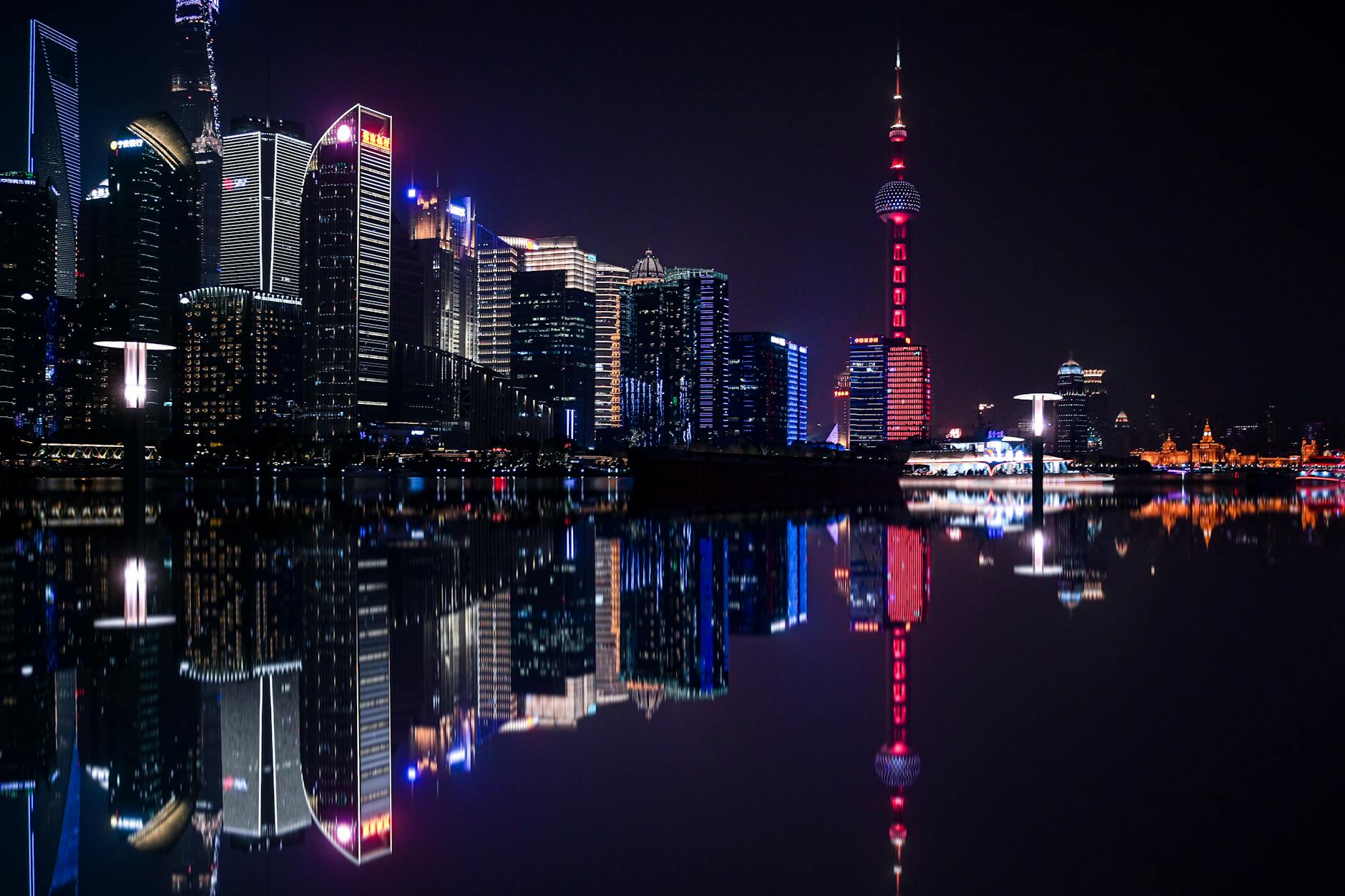
Table of Contents
- The Short Answer: Is Shanghai Worth Visiting?
- The Case for Visiting Shanghai (Top Reasons)
- The Case Against: Honest Downsides
- Shanghai vs. Other China Cities
- Shanghai vs. Other Asian Cities
- Who Shanghai Is Right For
- Who Shanghai Is Not Right For
- Possible Dealbreakers
- When to Visit (and When Not To)
- How Many Days Is Worth It?
- Combining Shanghai with Other Trips
- If This Is Your First China Trip
- If You’ve Been to Shanghai Before
- The Verdict
- Frequently Asked Questions
The Short Answer: Is Shanghai Worth Visiting?
Yes, Shanghai is worth visiting. The case is strongest for travelers who:
- Are visiting China for the first time and want a less imperial-history-heavy introduction.
- Care about architecture and street life more than ancient monuments.
- Love food, and want to eat their way through benbang (Shanghainese home-style) cooking, dumplings, and one of Asia’s deepest restaurant scenes.
- Want a base for day trips into the wider Yangtze Delta — Suzhou, Hangzhou, and the old canal water towns.
- Like cities that put the very old and the very new within a short walk of each other.
- Have three to five days and want a trip that produces a camera roll worth keeping.
The case is weakest for travelers who want classical imperial sights, a slow rural pace, or the lowest-effort possible international trip with no advance digital setup. If that is you, this guide will tell you so plainly rather than talk you into a flight you will regret. For a wider planning overview once you have decided, our Shanghai travel guide pulls every piece together, and the how to plan a trip to Shanghai walkthrough covers the practical setup step by step.
The Case for Visiting Shanghai (Top Reasons)
Here are the reasons Shanghai earns its place on most Asia itineraries. None of these are abstract; each is something you can point a camera at or put in your mouth within a day of landing.
1. The Bund and the Pudong skyline
This is the view that sells the city. On the west bank of the Huangpu River sits the Bund: roughly a mile of 1920s and 1930s banks, trading houses, and hotels in neoclassical, Art Deco, and Gothic styles, built when Shanghai was the trading capital of Asia. Directly across the water rises Pudong, a wall of skyscrapers (the Oriental Pearl Tower, the Jin Mao Tower, the Shanghai World Financial Center, and the 632-meter Shanghai Tower) that mostly went up after 1990 on what was farmland a generation ago. Standing on the Bund promenade with the old world at your back and the future across the river is the closest a single viewpoint comes to summing up modern China. Go at sunset and stay for the skyline lights. Our guide to the Bund covers the best spots and timing in detail.

2. The food, at every price level
This alone is a reason to fly in. Shanghai eats well at both ends of the budget. A basket of xiaolongbao (soup dumplings) at a neighborhood shop runs a handful of RMB; a tasting menu at a high-end restaurant can run into the thousands. In between sits the part most visitors love most: benbang cuisine, the local style built on soy sauce, sugar, and rice wine, milder and sweeter than the fiery food of Sichuan or Hunan. If you have been nervous about Chinese food because you associate it with mouth-numbing chili, Shanghai is a gentle place to start. Street breakfast (jianbing, scallion oil noodles, pan-fried shengjianbao) costs less than a coffee back home. Our Shanghai food guide maps the whole scene, and the best xiaolongbao in Shanghai rundown is the one to read before your first dumpling crawl.

3. Getting around is genuinely easy
Shanghai has one of the most usable metro systems of any large city anywhere: more than twenty lines, signage and announcements in English as well as Chinese, fares of a few RMB, and trains every couple of minutes. You can tap in with a transit card or your phone and cross the city for less than the price of a bottle of water. Taxis and ride-hailing are cheap and everywhere, the maglev hits 300 km/h on the run from Pudong airport, and high-speed rail links Shanghai to the rest of the country. For a first-time China visitor worried about navigating independently, this matters more than almost anything else on this list.
4. Architecture and neighborhoods stacked side by side
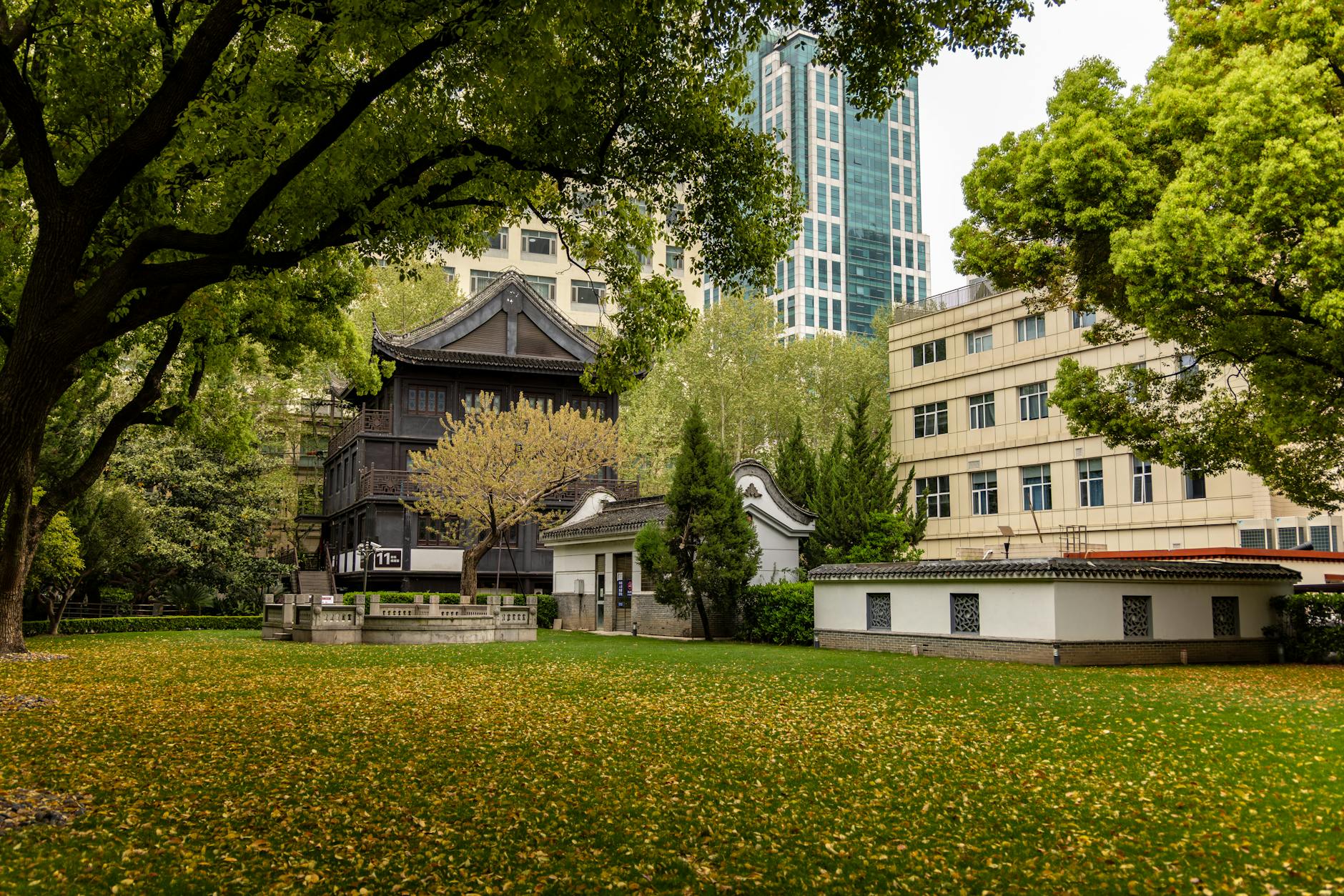
Few cities pack this much variety into a walkable core. In central Shanghai you can move from a Ming-dynasty classical garden to treaty-port mansions, to Art Deco apartment blocks, to restored shikumen (stone-gate) lane houses, to a post-2000 supertall observation deck, all in an afternoon. The former French Concession is the neighborhood most visitors fall for: plane-tree-lined streets, low brick villas, independent cafes, and small bars, best explored slowly on foot or by shared bike. Our French Concession walking tour lays out a route, and the wider list of things to do in Shanghai covers the gardens, towers, and museums worth your time.

5. Fewer foreign crowds than you expect
Shanghai’s tourism skews heavily toward business travelers and domestic Chinese visitors, so the density of international tourists is lower than at marquee sights elsewhere. On a normal weekday you can walk the Bund, wander the French Concession, and visit most museums without the crush you would meet at the Forbidden City or a Great Wall section near Beijing. The big exception is Chinese public holidays, covered below.
6. The 240-hour visa-free transit
For passport holders from a long list of countries, Shanghai is now one of the easiest mainland Chinese cities to visit short-term. The 240-hour (10-day) visa-free transit policy lets eligible travelers enter without a tourist visa as long as they are continuing onward to a third country or region. It removes the single biggest piece of friction that used to keep people from adding China to a wider trip. Confirm your eligibility and the exact rules in our China 240-hour visa-free transit explainer before you book, because the conditions are specific.
7. A base for some of China’s best day trips
Shanghai sits in the middle of the Yangtze Delta, one of the most rewarding regions in the country for short trips. Suzhou, with its UNESCO-listed classical gardens and canals, is around 25 to 30 minutes away by high-speed train. Hangzhou and its famous West Lake is under an hour. Old canal water towns such as Zhujiajiao are an easy half-day. If you have more than three or four days, these add a completely different texture to the trip. See our day trips from Shanghai for the full set of options and train details.
8. It is unmistakably international
Shanghai has been a meeting point of cultures for well over a century, and it still feels that way. Tourist areas carry English signage, hotels are used to foreign guests, and the city has a large, settled international community. That cosmopolitan layer is exactly what makes Shanghai an accessible first taste of China for travelers who find the idea of a fully unfamiliar destination daunting.
The Case Against: Honest Downsides
A fair answer to whether Shanghai is worth visiting has to include the parts travel brochures skip. None of these are dealbreakers on their own, but you should know them before you go.
1. It is not classical China
If your mental picture of China is the Great Wall, the Forbidden City, the Terracotta Warriors, or centuries-old temple towns, understand that those are mostly elsewhere. Shanghai was a modest fishing and market town until it was forced open to foreign trade in 1843, and most of what makes it remarkable is less than two hundred years old. There are genuinely old, genuinely Chinese sights here — the Yu Garden, the Jade Buddha Temple, the Old City, the nearby water towns — but as residents and repeat visitors will tell you, Shanghai is the least “traditionally Chinese” of the country’s major cities. If you came for imperial history, you will want Beijing or Xi’an on the same trip.
2. The pre-trip setup is real work
This is the single biggest practical hurdle, and it is worth being blunt about. China runs on its own apps. You will want Alipay or WeChat Pay with a foreign card linked (the city is effectively cashless, and many vendors no longer take cash or foreign credit cards), a map app that works inside China, and a translation app. Google Maps, Google Translate, WhatsApp, Instagram, and most Western services are blocked, so you also need a VPN installed before you arrive or an eSIM that routes around the firewall. Set all of this up at home. It takes a few hours and a bit of patience, and by day two you will have the hang of it, but the first day can be rough if you arrive unprepared. Tokyo or Bangkok do not ask this of you; Shanghai does.
3. The language barrier is real outside tourist zones
Shanghai is international, but it is not an English-speaking city. Outside hotels, major museums, and the busier tourist areas, English is hit or miss. In ordinary restaurants, taxis, and small shops you will lean on a translation app, a screenshot of your destination in Chinese characters, and a fair amount of pointing. It works — most tourists get through an entire visit without a word of Mandarin — but it adds friction, and travelers who expect everyone to speak English will find Shanghai harder than they assumed.
4. It is loud, fast, and crowded
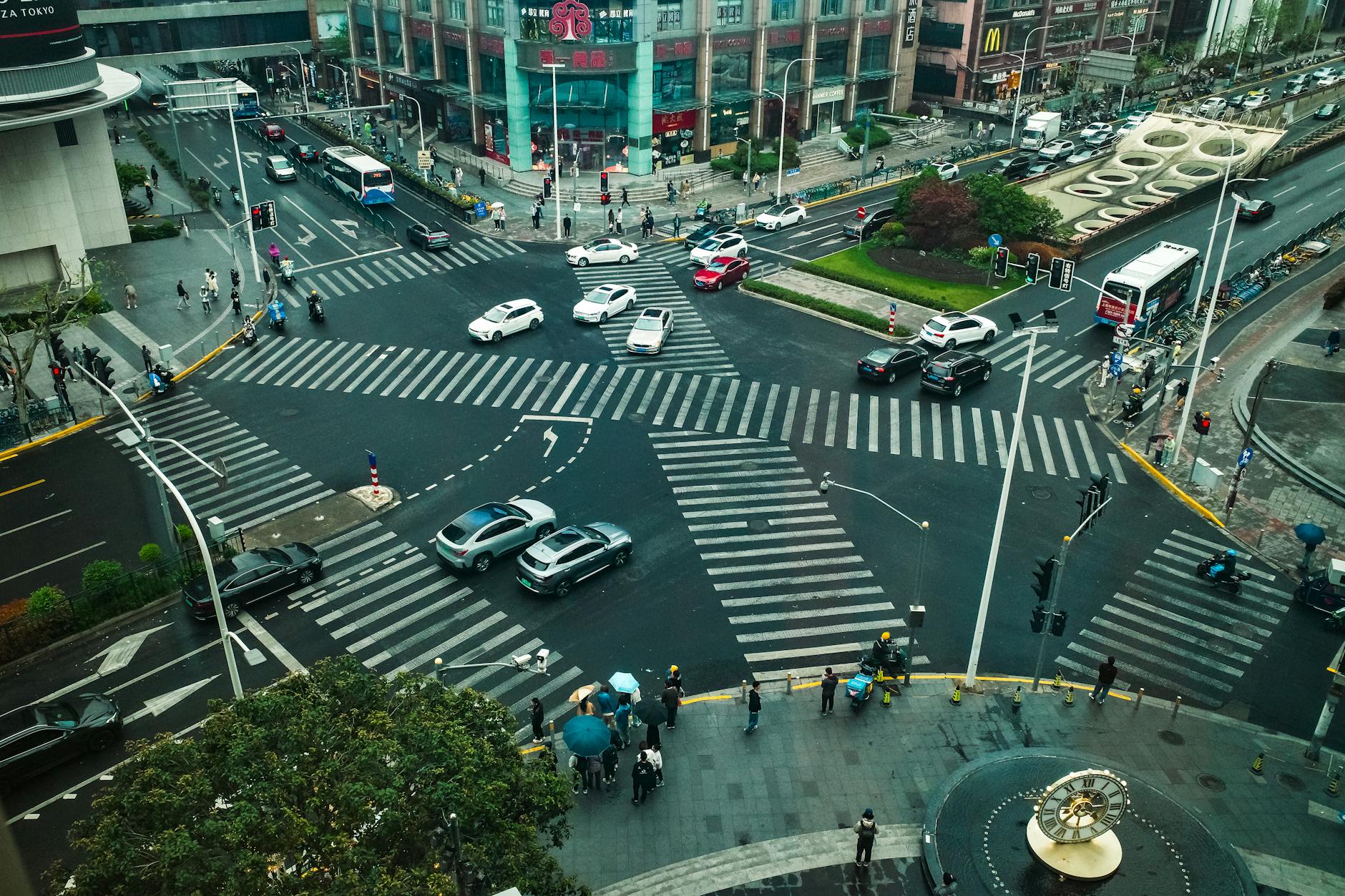
Shanghai is a city of around 25 million people and it feels like it. Sidewalks are busy, traffic is constant, electric scooters slide silently through gaps you did not know were there, and the rush-hour metro can be a genuine squeeze. The pace is part of the energy, but if you travel to slow down, this is not a restful place. The city also has a noticeable money-and-status streak — flashy cars, luxury malls, conspicuous spending — that some visitors find exciting and others find tiring. Build in quieter pockets (the French Concession back streets, a garden, a park) to balance it out.
5. Air quality and weather are uneven
Shanghai’s air is generally better than Beijing’s — the city is humid, coastal, and gets plenty of rain and sea breeze, which keeps clear days more common — but it is not pristine. Readings sit in the moderate range much of the year and worsen in winter, when regional pollution climbs. The weather has its own moods: summers (roughly June to September) are hot and very humid, with afternoon storms and the odd typhoon, and humidity rarely drops below about 70 percent year-round. Winters are damp and cold rather than freezing. None of this ruins a trip, but it argues strongly for timing your visit well, which the section below covers.
6. National holidays bring enormous crowds
Avoid the big Chinese public holidays if you possibly can. The May Day break (around May 1 to 5), the National Day “Golden Week” (around October 1 to 7), and Lunar New Year see hundreds of millions of people travel at once. Sights that are pleasant on a normal weekday become wall-to-wall, trains and hotels sell out, and prices jump. A trip in those weeks is a meaningfully worse trip.
Shanghai vs. Other China Cities
Most people asking whether Shanghai is worth visiting are really asking which Chinese city to prioritize. Here is the honest framing.
Shanghai vs. Beijing. This is the big one. Beijing is the political and historical heart of the country: the Forbidden City, the Great Wall, the Temple of Heaven, the hutong alleys, four to five days of dense imperial history. Shanghai is the modern, international, food-and-architecture city. If you can only do one and you came for ancient China, choose Beijing. If you came for contemporary China and great eating, choose Shanghai. If you can do both, the usual order is Beijing first, then Shanghai, ideally linked by the high-speed train. Our full Shanghai vs. Beijing comparison breaks this down city by city.
Shanghai vs. Xi’an. Xi’an is for deep history — the Terracotta Warriors, the city walls, the Muslim Quarter, the old Silk Road capital. It pairs well with either Beijing or Shanghai but does not replace them. Many travelers run Beijing, Xi’an, and Shanghai together as a classic introduction to China.
Shanghai vs. Chengdu. Chengdu is laid-back, famous for pandas and for some of the best (and spiciest) food in the country. It feels more relaxed and more “local” than Shanghai. If you want a slower, food-forward, distinctly regional experience, Chengdu is a strong counterpoint to Shanghai’s intensity.
Shanghai vs. Hong Kong. Hong Kong offers compact luxury, easier English, harbor views, and dim sum culture; Shanghai offers more architectural range, deeper historic layers, and lower prices. They are different enough that doing both on one trip makes sense.
The recurring theme: Shanghai is the best single city in China for modern urban culture and food, and a weak single choice if your heart is set on imperial monuments or rural landscapes. Knowing which you want is most of the decision.
Shanghai vs. Other Asian Cities
If you are choosing across Asia rather than within China:
- Shanghai vs. Tokyo. Both are intense, food-obsessed modern cities. Tokyo is more orderly and needs far less pre-trip setup; Shanghai is cheaper and has bigger architectural contrast. Tokyo is the gentler first trip to Asia; Shanghai is the more dramatic and better-value one.
- Shanghai vs. Singapore. Singapore is cleaner, easier, and more multicultural; Shanghai is larger, more atmospheric, and historically richer. Singapore for ease, Shanghai for character and depth.
- Shanghai vs. Bangkok. Bangkok for street food, temples, and tropical energy; Shanghai for urban architecture and a broader sit-down dining scene. Pick by whether you want tropical or modern-metropolitan.
- Shanghai vs. Seoul. Both are dense, modern, and great for eating. Seoul leans into pop culture and nightlife; Shanghai has more architectural variety and a longer international history.
Who Shanghai Is Right For
Shanghai is an easy yes for these travelers:
- Architecture and design fans. The Bund’s pre-war facades, the Pudong towers, and the shikumen lanes are all worth the trip on their own. Few cities concentrate this much variety in one walkable area.
- Food lovers. The eating is genuinely excellent across every price point. Come specifically for dumplings, benbang cooking, and a fine-dining splurge or two.
- Photographers. Sunset on the Bund, lantern-lit alleys in the Old City, autumn plane trees in the French Concession. Shanghai gives you something to shoot in every neighborhood.
- Travelers curious about modern China. The story from 1843 to today — treaty-port era, Republican-era jazz age, the wartime Jewish refugee district, the post-1990 boom — is genuinely interesting, and Shanghai is the place to read it off the streets.
- Couples and small groups wanting a 3 to 5 day city break. The neighborhoods, restaurants, and rooftop bars suit this kind of trip well.
- Repeat China visitors who have not done Shanghai. If you have already seen Beijing, Xi’an, or Chengdu, Shanghai is the natural next stop for the modern-China contrast.
If you are coming for the first time and want a hand sequencing it all, our first time visiting Shanghai guide is written exactly for that.
Who Shanghai Is Not Right For
Shanghai is probably the wrong pick if you are:
- A first-time international traveler wanting the easiest possible entry. The app and VPN setup is more than Tokyo or Singapore asks. Consider those for a first trip abroad.
- After imperial Chinese history. Beijing, Xi’an, or even Suzhou deliver a deeper historical experience.
- Looking for rural or natural China. Shanghai is concrete and crowds. Yunnan, the Guilin karst, Sichuan, or Tibet are where the landscapes are.
- Seeking a slow, quiet, contemplative trip. The city runs hot and fast. You can carve out calm corners, but the default setting is intensity.
Possible Dealbreakers
Be honest with yourself about these before you commit:
- You refuse to install Chinese apps or a VPN. Without Alipay or WeChat Pay and a way around the firewall, daily life in Shanghai is a constant struggle. If that is a hard no, this is the wrong destination.
- You need everyone to speak English. Doable with apps, but if language friction ruins trips for you, weigh it carefully.
- You can only travel during Golden Week or Lunar New Year. The crowds in those weeks are extreme. If your dates are locked to them, temper your expectations or look at a less holiday-sensitive destination.
- You want beaches, mountains, or quiet. Shanghai has none of those at its core. It is a big-city trip, full stop.
When to Visit (and When Not To)
Timing changes a Shanghai trip more than almost any other factor. The two best windows are spring (late March to May) and autumn (September to November), when temperatures are mild, the air tends to be clearer, and rain is less relentless. Autumn in particular is many residents’ favorite, with comfortable days and the French Concession’s plane trees turning color.
Summer (June to September) is hot and humid, with afternoon thunderstorms and the occasional typhoon; it is manageable if you plan around the heat and duck into air-conditioning, but it is not the ideal first impression. Winter (December to February) is damp and cold rather than snowy, and air quality is at its yearly worst, though December and January often deliver the clearest skies for skyline photography and Lunar New Year brings its own atmosphere. Whatever you do, avoid the May Day and October Golden Week holidays. For a month-by-month breakdown, see our Shanghai weather guide and the wider best time to visit Shanghai overview.
How Many Days Is Worth It?
For most first-time visitors, three to four days is the sweet spot. Here is the honest breakdown by length:
- One day: Only enough for a layover or a tight stopover. Do the Bund, a meal, and one tower or garden, and accept that you are sampling, not seeing, the city.
- Two days: Workable but tight. Day one for the Bund, the Old City, and Pudong; day two for the French Concession and a museum. You will move fast.
- Three days: The minimum that lets the city breathe. Enough for the classic skyline, one or two historic neighborhoods, a garden or river cruise, and proper time to eat.
- Four days: The most balanced choice. Everything above, plus room for a slower neighborhood day, a splurge meal, or a half-day water town.
- Five days or more: Now you can add full day trips to Suzhou or Hangzhou, or a day at Shanghai Disneyland, without rushing the city itself.
If you are folding Shanghai into a wider China trip, two to three days is enough to feel its contrast with Beijing or Xi’an before you move on. Our Shanghai itineraries lay out day-by-day plans for each length.
Combining Shanghai with Other Trips
Shanghai sits well inside a larger Asian itinerary. Common pairings:
- Shanghai + Beijing. The classic two-city China trip: roughly four days each, plus the Great Wall outside Beijing.
- Shanghai + Suzhou + Hangzhou. A Yangtze Delta loop, around a week, using high-speed rail for day trips.
- Shanghai + Tokyo. Two of Asia’s great food cities, often run as a ten-day modern-Asia trip.
- Shanghai + Hong Kong. A mainland-plus-SAR combination, about four days each, leaning toward food and skyline views.
- Shanghai + Beijing + Xi’an + Chengdu. The deeper four-city introduction to China, roughly twelve to fourteen days.
- Shanghai as a stopover. The 240-hour visa-free transit makes it an easy add-on to a longer multi-country trip.
If This Is Your First China Trip
Most first-time China visitors include Beijing, Shanghai, or both. As a first city, Shanghai’s strengths are easier infrastructure than Beijing, better English coverage in tourist areas, a lower culture-shock threshold, the seamless 240-hour visa-free policy, and the food. Its weaknesses are less classical context and no Great Wall or Forbidden City. If you want both ancient and modern on one trip, Beijing first then Shanghai is the standard structure. If modern China is what pulls you, Shanghai alone does the job.
If You’ve Been to Shanghai Before
Shanghai rewards a second visit. The first trip is the highlight reel; the second is for going deeper — the French Concession beyond its obvious streets, a proper benbang restaurant tour or xiaolongbao crawl, the contemporary art along the West Bund corridor and the M50 district. Third and later visits tend to push further out: water towns like Wuzhen and Tongli, or longer regional hops by high-speed rail.
The Verdict
So, is Shanghai worth visiting? For most international travelers with three to five days and an interest in food, architecture, and modern Asian city life, the answer is a clear yes. The combination of the Bund, the food, the ease of getting around, and the day-trip access to the Yangtze Delta makes it one of the best urban trips in Asia, most of the time, for most people.
The honest caveats: it is not the place for imperial history, rural calm, or a zero-prep holiday, and it punishes bad timing (skip the Golden Week crowds). Do not treat Shanghai as a stand-in for all of China either. Give it its three to five days, then get on a train and see more of the country — Beijing for the imperial sights, Xi’an for the Terracotta Warriors, Chengdu for pandas and a slower pace. Set up your apps, install a VPN, link a payment method, time your trip for spring or autumn, and Shanghai will almost certainly land in the “glad I came” column.
Frequently Asked Questions
Is Shanghai worth visiting if I only have 2 days?
Yes, with tight planning. Spend day one on the Bund, the Old City, and Pudong, and day two on the French Concession and a museum. It is fast but satisfying. Three or four days is more comfortable.
How many days do you need in Shanghai?
Three to four days is the sweet spot for most first-time visitors. Three is the practical minimum to see the city without rushing; four adds room for a slower neighborhood day or a water town. Add a day if you want Disneyland or a full day trip to Suzhou or Hangzhou.
Should I visit Shanghai or Beijing first?
Beijing first if you want classical imperial China; Shanghai first if you want easier, modern infrastructure. For a single trip covering both, the usual order is Beijing then Shanghai, linked by high-speed train. See our Shanghai vs. Beijing guide.
Is Shanghai better than Hong Kong for tourists?
Different rather than better. Shanghai wins on architectural variety, historic depth, and price; Hong Kong wins on compact luxury, easier English, and harbor views. Many travelers do both.
Is Shanghai overrated?
Not for travelers whose interests match what the city does well — architecture, food, modern China. It can disappoint people expecting classical imperial sights, because those are in Beijing and Xi’an, not Shanghai.
Can I visit Shanghai without speaking Mandarin?
Yes. English signage covers the metro, museums, and tourist areas, and a translation app fills the gaps in restaurants and taxis. Most tourists complete a full visit without learning any Mandarin.
Is Shanghai expensive to visit?
It is mid-range for a major world city and good value compared with Tokyo, London, or New York. Street food and metro fares are very cheap, mid-range restaurants are reasonable, and even upscale hotels often cost less than their Western equivalents. Fine dining and luxury shopping can run as high as anywhere. You control the spend more than the city does.
Is Shanghai safe for tourists?
Shanghai is one of the safer big cities you can visit, with low rates of violent and street crime and a heavy public-safety presence. Normal big-city caution against pickpockets and tourist-area scams is enough. Set up your apps and a VPN before arrival so you are not fumbling with logistics on day one.
Is Shanghai worth visiting in winter?
Yes, with cold-weather clothing. Winter is damp and chilly and air quality is at its yearly worst, but December and January often bring the clearest skies for skyline photography, and Lunar New Year carries its own energy. Spring and autumn are still the better windows overall.
What is the single best thing to do in Shanghai?
Walk the Bund at sunset and stay for the skyline lights. It is free, it is the view the city is known for, and everything else is optional around it.
Is the food really that good?
Yes. Shanghai’s food ranks among Asia’s best at every price level, from a few-RMB basket of soup dumplings to destination tasting menus. For many travelers the food alone justifies the trip.
Do I need a visa to visit Shanghai?
Many travelers can now enter visa-free under the 240-hour transit policy if they are continuing to a third country, and several nationalities have separate short-stay visa-free entry. The rules are specific, so confirm your situation in our 240-hour visa-free transit guide before booking.
Ready to plan? Start with the Shanghai travel guide, browse things to do in Shanghai, and pick a plan from our Shanghai itineraries.