Buying a Shanghai SIM card on arrival used to be the obvious choice for budget-conscious travelers. In 2026, the landscape has shifted: overseas eSIMs are now usually faster, cheaper, and don’t trap your data behind China’s Great Firewall. This guide covers all your internet options — local SIM cards from China’s three carriers, the airport SIM kiosks, eSIM alternatives, public WiFi, and a clear recommendation for each type of traveler.
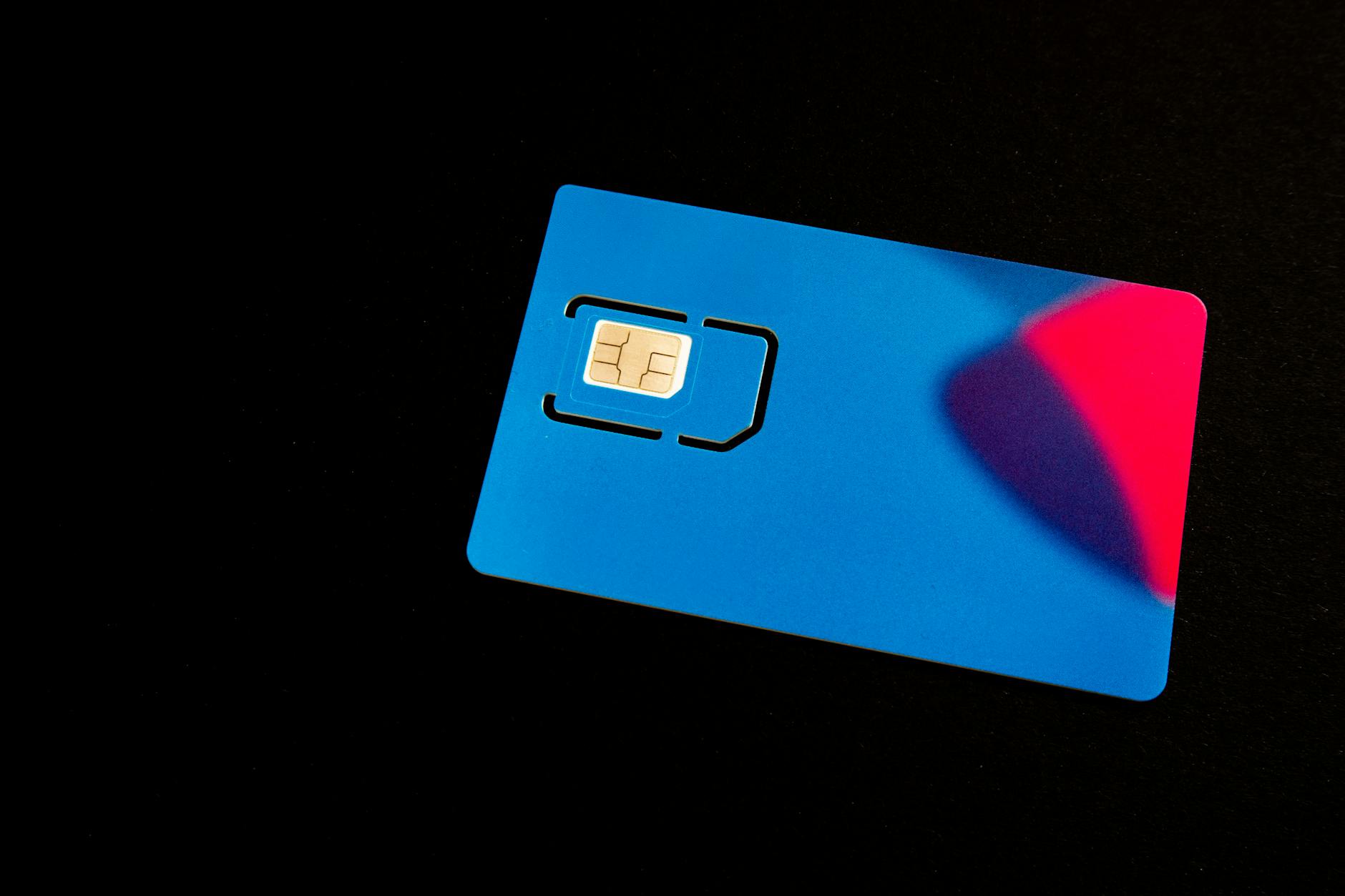
Table of Contents
- Quick Recommendation by Trip Type
- All Your Options
- Local Chinese SIM Cards
- Buying at the Airport
- Overseas eSIM (Best for Most)
- Public WiFi in Shanghai
- The Great Firewall Problem
- Cost & Speed Comparison
- Practical Tips
- FAQ
Quick Recommendation by Trip Type
- 1–14 days, want unrestricted Google/WhatsApp: Overseas eSIM (Holafly or Nomad)
- 1+ month, business or extended stay: Local Chinese SIM + VPN
- Budget under ¥100/week: Local Chinese SIM, use Baidu/WeChat for navigation
- Layover under 24 hours: Airport WiFi or roaming on home plan
- Multiple devices needed: Pocket WiFi rental (¥30–60/day)
All Your Options
You have four practical ways to stay connected in Shanghai:
- Buy a Chinese SIM card from China Mobile, China Unicom, or China Telecom. Cheapest but firewall applies.
- Activate an overseas eSIM like Holafly or Nomad before you fly. Slightly pricier but bypasses the firewall on mobile data.
- Use international roaming on your home plan. Most expensive but zero setup.
- Rent a pocket WiFi device (4G/5G hotspot). Best for groups.
Local Chinese SIM Cards
Three state carriers operate in Shanghai:
- China Mobile (中国移动) — the largest network with the most rural coverage and best signal in older buildings
- China Unicom (中国联通) — slightly better data speeds; better customer service for foreigners
- China Telecom (中国电信) — third largest; competitive pricing
Tourist plans typically cost ¥80–200 for 1–2 weeks with 5–20 GB data plus minimal calling minutes. To buy a SIM in person you need:
- Your passport (real-name registration is legally required)
- An unlocked phone that supports 4G/5G frequencies (most international phones do)
- Cash or Alipay/WeChat Pay for top-up

Buying at the Airport
Both Pudong (PVG) and Hongqiao (SHA) have SIM card counters in arrivals halls:
- Look for “China Mobile” or “China Unicom” booths after baggage claim
- Tourist SIM packages: ¥80–150 for 7-day 5GB plans; ¥150–250 for 14-day 15GB
- 5–10 minute setup; staff usually speak basic English
- Convenient but airport prices are 20–40% above city centre carrier shops
- Make sure your phone is unlocked before flying
Better alternatives: in-town China Unicom shops on Nanjing Road, or just buying through Trip.com / Klook as a pre-flight collection.
Overseas eSIM (Best for Most)
For most 2026 travelers, an overseas eSIM is the best single choice. Because it routes traffic through networks outside mainland China, your mobile data automatically bypasses the Great Firewall — Google Maps, WhatsApp, Instagram, and Gmail all work normally without a VPN.
Top providers:
- Holafly China eSIM — unlimited data, ~$50–60 for 7 days; the easiest “just works” choice
- Nomad China eSIM — pay-by-GB, ~$25 for 5 GB
- Airalo China eSIM — cheapest but only some plans bypass the firewall — read recent reviews
- Trip.com / China Mobile international — good for travelers but doesn’t bypass firewall
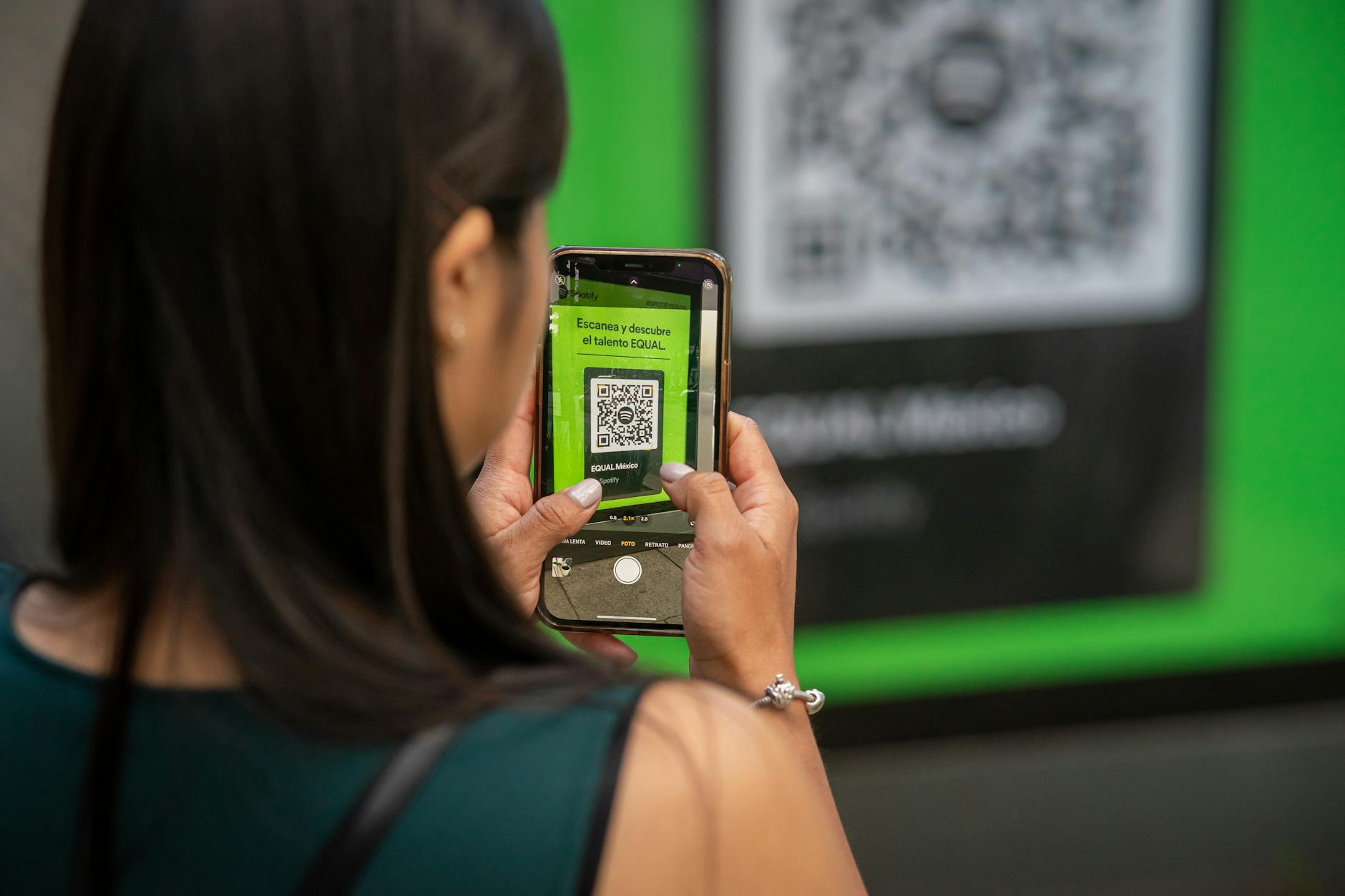
Activation: buy via the provider’s app or website before you fly. Scan the QR code, follow the setup wizard, and add the eSIM to your phone. Keep your home SIM active for calls/SMS, set the eSIM as the data line. See our VPN & internet guide.
Public WiFi in Shanghai
WiFi is widely available but rarely smooth:
- Airports — free WiFi; passport verification required at PVG; faster than expected; behind firewall
- Major hotels — included with most stays; behind firewall
- Coffee shops & restaurants — WiFi available but often requires SMS verification (Chinese phone number needed)
- Metro stations — limited free WiFi; restricted to a few sites
- Shopping malls — increasingly common; SMS verification standard
- Public squares (Bund, People’s Square) — patchy at best
Practical issue: Western travelers often can’t easily verify via SMS because Chinese WiFi portals require a +86 phone number. Workarounds: hotel staff can sometimes verify with their number; you can use roaming or eSIM for the verification SMS; or simply skip public WiFi.
The Great Firewall Problem
Any Chinese SIM or WiFi connection routes you through Chinese ISPs, where the Great Firewall blocks Google, WhatsApp, Instagram, Facebook, and many Western sites. To bypass it on a local SIM you need a working VPN (Astrill, ExpressVPN — install before flying since most VPN websites are themselves blocked).
An overseas eSIM bypasses this automatically on mobile data only; if you connect to hotel WiFi to save data, you’re back behind the firewall.
This is the single biggest reason to choose overseas eSIM over local SIM: instant unrestricted internet without needing to maintain a VPN.
Cost & Speed Comparison
For a 7-day trip with moderate use (~10 GB):
- Local China Unicom SIM: ¥150 (~$22). Speed: 4G/5G excellent. Firewall: yes (need VPN).
- Holafly China eSIM: $55 unlimited. Speed: 4G/5G good. Firewall: bypassed automatically.
- Nomad China eSIM: $25 for 5GB. Speed: 4G/5G good. Firewall: bypassed.
- Home plan roaming: $50–200 depending on carrier. Speed: variable.
- Pocket WiFi rental: ¥200–500/week. Speed: 4G. Firewall: yes (need VPN).
Practical Tips
- Activate your eSIM the day before you fly — activation requires internet
- Bring your unlocked phone — China carriers don’t sell unlocked phones to tourists
- Keep your home SIM for SMS-based 2FA from your bank/Google
- Top-up local SIMs via Alipay — easier than carrier counters
- Save your hotel address and emergency contacts offline in case internet fails
- Test your VPN at home before flying; the VPN site is likely blocked from inside China
- Power banks are heavier-than-usual must-haves; phone use peaks for translation, payments, maps
- Don’t share your hotel WiFi password with random WeChat contacts
Frequently Asked Questions
Should I buy a SIM card in Shanghai?
Only if you need 1+ months of stay or want the cheapest option. For most short trips, an overseas eSIM (Holafly, Nomad) is the easier choice and bypasses the firewall.
How much does a Shanghai SIM card cost?
¥80–250 for 1–2 weeks of data + minutes from China Mobile or China Unicom. Airport prices are 20–40% higher than city centre carrier shops.
Can foreigners buy a Chinese SIM card?
Yes — bring your passport for the legally required real-name registration. Both airport counters and in-town carrier shops sell to tourists.
Is China Mobile or China Unicom better for tourists?
China Unicom typically has slightly better data speeds and better customer service for foreigners. China Mobile has more rural coverage if you’re going outside Shanghai.
Do I need a VPN with a Chinese SIM?
Yes if you want to use Google, WhatsApp, Instagram, or other blocked Western services. Install your VPN (Astrill, ExpressVPN) before flying since VPN provider websites are blocked from inside China.
Does my US/UK/EU SIM work in Shanghai?
Yes via international roaming if your home plan supports it. Most carriers charge $5–15/day. Check your plan before flying.
Is WiFi free in Shanghai?
Many hotels, malls, and airports offer free WiFi, but most require SMS verification with a Chinese phone number, and all are behind the Great Firewall.
What’s the fastest internet option in Shanghai?
5G on a local Chinese SIM offers the fastest raw speeds. Overseas eSIMs are slightly slower but unrestricted — net experience is often better.
Plan the Rest of Your Trip
Combine with our pillar guides on Shanghai on a budget, VPN & internet guide, and practical tips. For background, see Telecommunications in China on Wikipedia.