Few cities on Earth wear their history as visibly as Shanghai. In the same afternoon you can stand in a Ming dynasty garden, walk past Art Deco towers built when the city was the financial capital of Asia, eat a dumpling recipe perfected over a hundred years, and end the night under skyscrapers that did not exist a generation ago. This Shanghai culture and history guide is designed to give you the context you need to read the city like a book, so that every neighborhood you visit means something more than its photos.
Shanghai’s identity is unusual among Chinese cities. While Beijing and Xi’an guard the formal weight of imperial dynasties, and Suzhou and Hangzhou cultivate the refined elegance of the Yangtze Delta literati, Shanghai grew into greatness almost by accident, springing up at the edge of empires as a port city where Chinese tradition collided, fused, and reinvented itself in conversation with the world. The result is what Shanghainese people call Haipai culture, a hybrid identity that values openness, novelty, sophistication, and a particular kind of urban worldliness you will not find anywhere else in China.
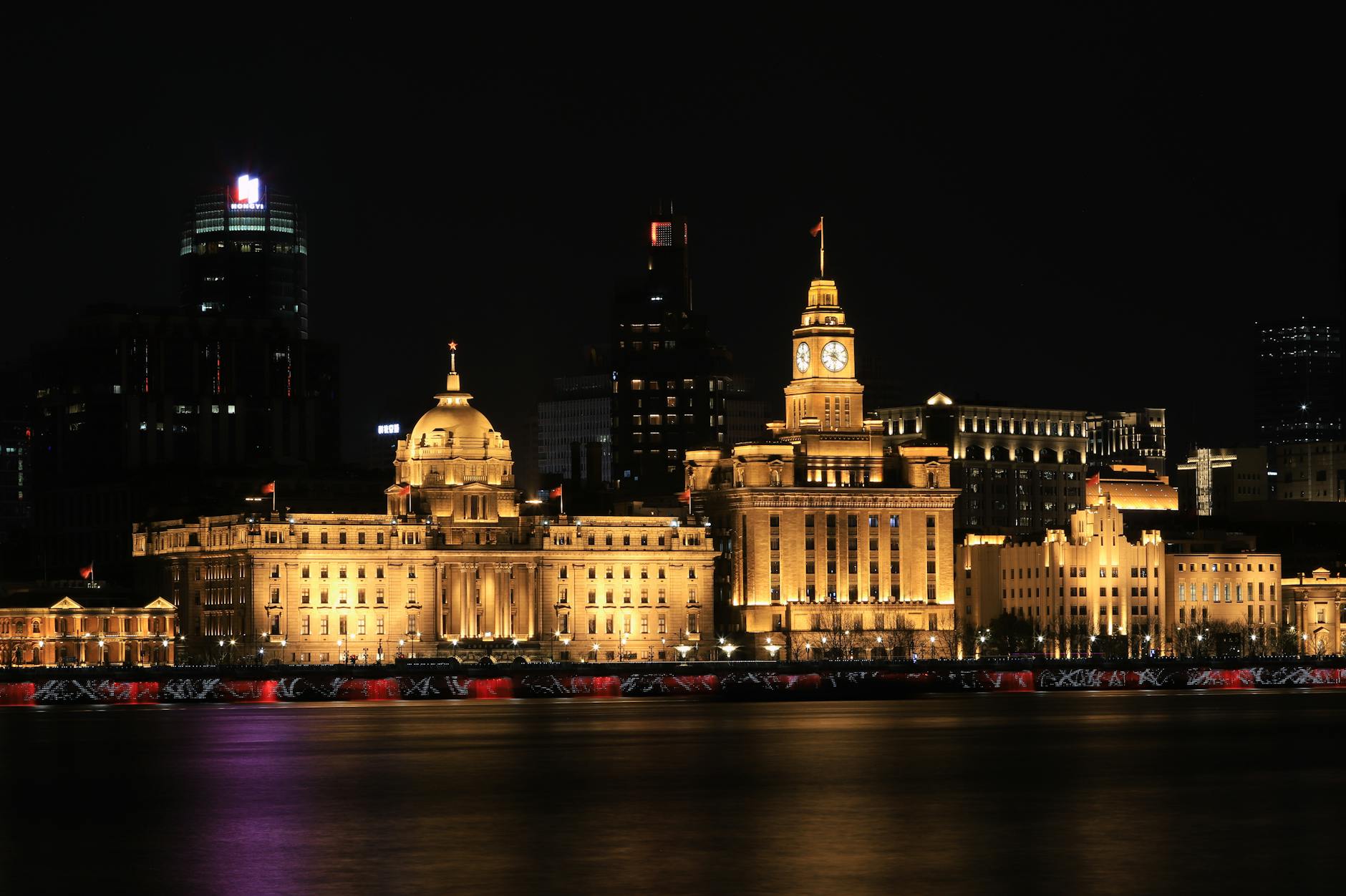
Table of Contents
- Shanghai History at a Glance: A Quick Timeline
- Ancient Origins: From Fishing Village to Walled County
- The Treaty Port Era (1843–1943): How Shanghai Became a Global City
- Modern Shanghai (1949–Today): Reinvention and the Pudong Miracle
- Haipai Culture: The Soul of Shanghai
- Architectural Heritage: Shikumen, Art Deco, and the Bund
- Temples and Religious Heritage
- Museums and Cultural Institutions
- Performing Arts: Opera, Jazz, and the Shanghai Stage
- Traditional Festivals and Living Customs
- The Shanghainese Language and Local Identity
- How Food Tells Shanghai’s Story
- Best Neighborhoods to Experience Culture and History
- A Suggested Two-Day Culture and History Itinerary
- Practical Tips for Cultural Visitors
- Frequently Asked Questions
Shanghai History at a Glance: A Quick Timeline
Before exploring any single era in depth, it helps to see Shanghai’s full arc on one page. The Yangtze Delta where Shanghai sits has been settled for roughly six thousand years, but the Shanghai we recognize today is mostly the product of the last two centuries, when global trade poured opportunity and turmoil into a sleepy port and never let up.
The earliest Neolithic settlements in the area, including the Songze and Maqiao cultures, date from roughly 4000 BCE. During the Tang dynasty in 751 CE, the imperial government established Huating County, the administrative ancestor of modern Shanghai. The town of Shanghai itself was officially recognized in 1267, during the Southern Song period, and was upgraded to county status in 1292 under the Yuan dynasty. By the Ming dynasty in the 1500s, Shanghai had built defensive walls against pirate raids and was prosperous enough to support a flourishing cotton-weaving industry. None of this, however, made Shanghai famous. The decisive turning point arrived in 1842 with the Treaty of Nanking, which forced the Qing dynasty to open Shanghai as one of five treaty ports, granting Britain, and soon France and the United States, extraterritorial concessions where their own laws applied. Within seventy years a marshy port had become the largest city in East Asia, the financial capital of the region, and a cosmopolitan crossroads home to millions.
The Republican era (1912–1949) made Shanghai legendary, sometimes for the wrong reasons: gangster politics, opium money, glamorous nightclubs, and the appalling poverty that surrounded it all. After 1949 the new People’s Republic transformed Shanghai into an industrial workhorse, sealing it off from the foreign trade that had defined it. Then, beginning in 1990 with the development of the Pudong New Area across the Huangpu River, Shanghai reopened in a way that no Chinese city had ever attempted, building from scratch what is now one of the most photographed skylines on Earth. Understanding any one piece of contemporary Shanghai, from a bowl of crab roe noodles to a building’s design choices, is easier when you keep this rough timeline in mind.
Ancient Origins: From Fishing Village to Walled County
Long before the Bund, the lower Yangtze Delta was a patchwork of marshes, creeks, and farming villages. The Songze culture, active around 3800–3300 BCE, left behind jade carvings and rice-cultivation tools that you can see today at the Songze Site Museum in Qingpu District. By the Bronze Age, the region was incorporated into the kingdoms of Wu and Yue, whose rivalry produced some of the earliest Chinese literature and laid the groundwork for the wider Wu cultural sphere that still shapes Shanghai’s customs.
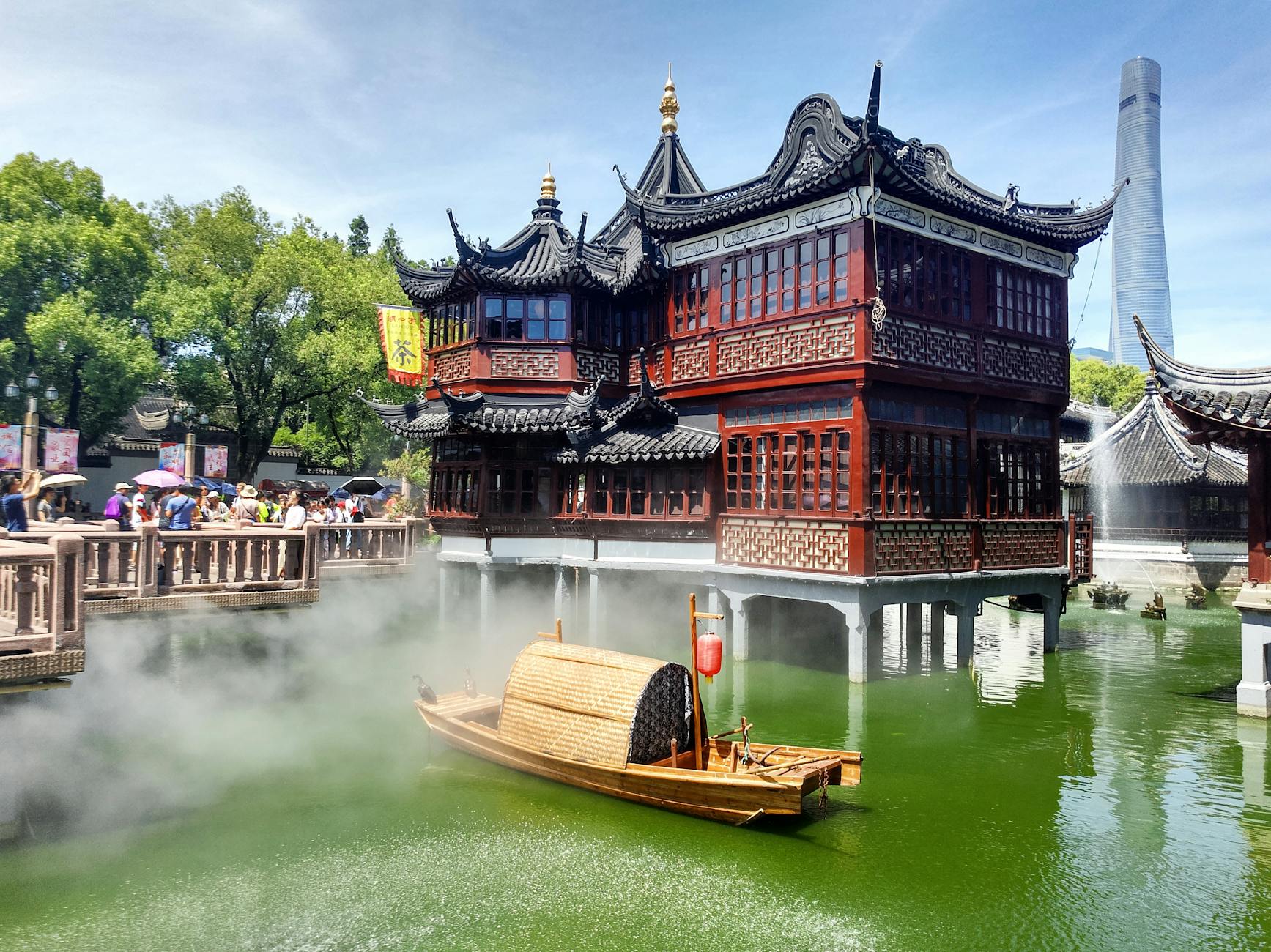
For most of the imperial era, Shanghai itself was a relatively minor settlement. Suzhou, Hangzhou, and Yangzhou were the great cities of the delta, drawing scholars, artists, and merchants. Shanghai’s role was practical: it sat at the mouth of the Huangpu River, where it joins the Yangtze and the East China Sea, making it a useful but unspectacular trans-shipment point for grain, salt, and cotton. The town’s first stone walls, completed in 1554 to fend off pirate raids during the Ming dynasty, enclosed an area that today is preserved as the Old City around Yuyuan Bazaar. The Yu Garden inside that area, built by a Ming official named Pan Yunduan and completed in 1577, remains one of the best surviving examples of late-Ming garden design in southern China.
Cotton was the city’s quiet engine. By the early Qing dynasty, Shanghai’s cotton-weaving industry was famous across China, and merchants began building the guild halls and temples that still dot the Old City. The City God Temple, originally a Taoist shrine to a local protective deity, was rebuilt many times and became the social and commercial heart of pre-modern Shanghai. Even today, the Yuyuan Bazaar market that surrounds it sells everything from medicinal herbs to Chinese New Year decorations, layered on top of a history that stretches back at least four hundred years.
The Treaty Port Era (1843–1943): How Shanghai Became a Global City
The single most important date in Shanghai’s history is November 17, 1843, the day the city officially opened to foreign trade under the terms of the Treaty of Nanking. The treaty had been imposed on the Qing dynasty after its defeat in the First Opium War, and it gave Britain, and soon France and the United States, the right to lease land, build settlements, and govern their own residents under their own laws. These foreign-administered districts, known as concessions, were not technically colonies, but in practice they functioned as foreign-run cities embedded in Chinese territory.
The British settlement, established in 1843 just north of the Old City along the western bank of the Huangpu, became the core of what is now the Bund. The American settlement was set up in Hongkou in 1848, and the two merged in 1863 to form the Shanghai International Settlement. The French Concession, established in 1849, remained separate and developed its own distinct character to the southwest. By the early twentieth century the concessions stretched for miles, encircling the original walled Chinese city and absorbing the surrounding farmland into a single sprawling, multi-jurisdictional metropolis.
Shanghai’s growth in this period is hard to overstate. The population, which was around 250,000 in 1842, exceeded three million by 1930. The city pioneered modern banking and stock trading in China, hosted the country’s first electric streetlights in 1882, opened the first railway terminus in the Chinese empire, and produced China’s first feature films at the Mingxing studio in 1922. By the 1920s and 1930s, Shanghai had become legitimately one of the great cities of the world, the only one in Asia routinely compared with New York, London, and Paris in terms of commerce, finance, and cosmopolitan culture.
That cosmopolitanism had a darker side. The opium trade, the gangster economy of the Green Gang, and gross inequalities between foreign residents and Chinese workers created a city of staggering contrasts. The early Chinese Communist Party held its founding congress in a Shanghai shikumen house in July 1921, partly because the city’s foreign concessions offered cover from Qing and Republican authorities. The site, now the Memorial of the First National Congress of the CCP near Xintiandi, is a major modern pilgrimage spot and a useful reminder that Shanghai’s reputation for glamour was always inseparable from its politics.
From 1937 to 1945 the Japanese occupation reshaped daily life again. Hongkou became home to roughly twenty thousand Jewish refugees who had fled Nazi Europe and found Shanghai to be one of the few cities still issuing visas. The Shanghai Jewish Refugees Museum, housed in the former Ohel Moishe Synagogue, tells this remarkable story in detail and is among the most powerful historical visits in the city. The treaty port era formally ended in 1943 when foreign concessions were abolished, but the architecture, street grids, and social memory of those hundred years are still everywhere you look.
Modern Shanghai (1949–Today): Reinvention and the Pudong Miracle
After the founding of the People’s Republic of China in 1949, Shanghai went through the most dramatic identity shift of any major Chinese city. Foreign businesses left, private property was nationalized, and the city was redirected toward heavy industry and shipbuilding. For roughly four decades, the cosmopolitan Shanghai of the Republican era survived only in faded buildings, family photographs, and quiet kitchen recipes.
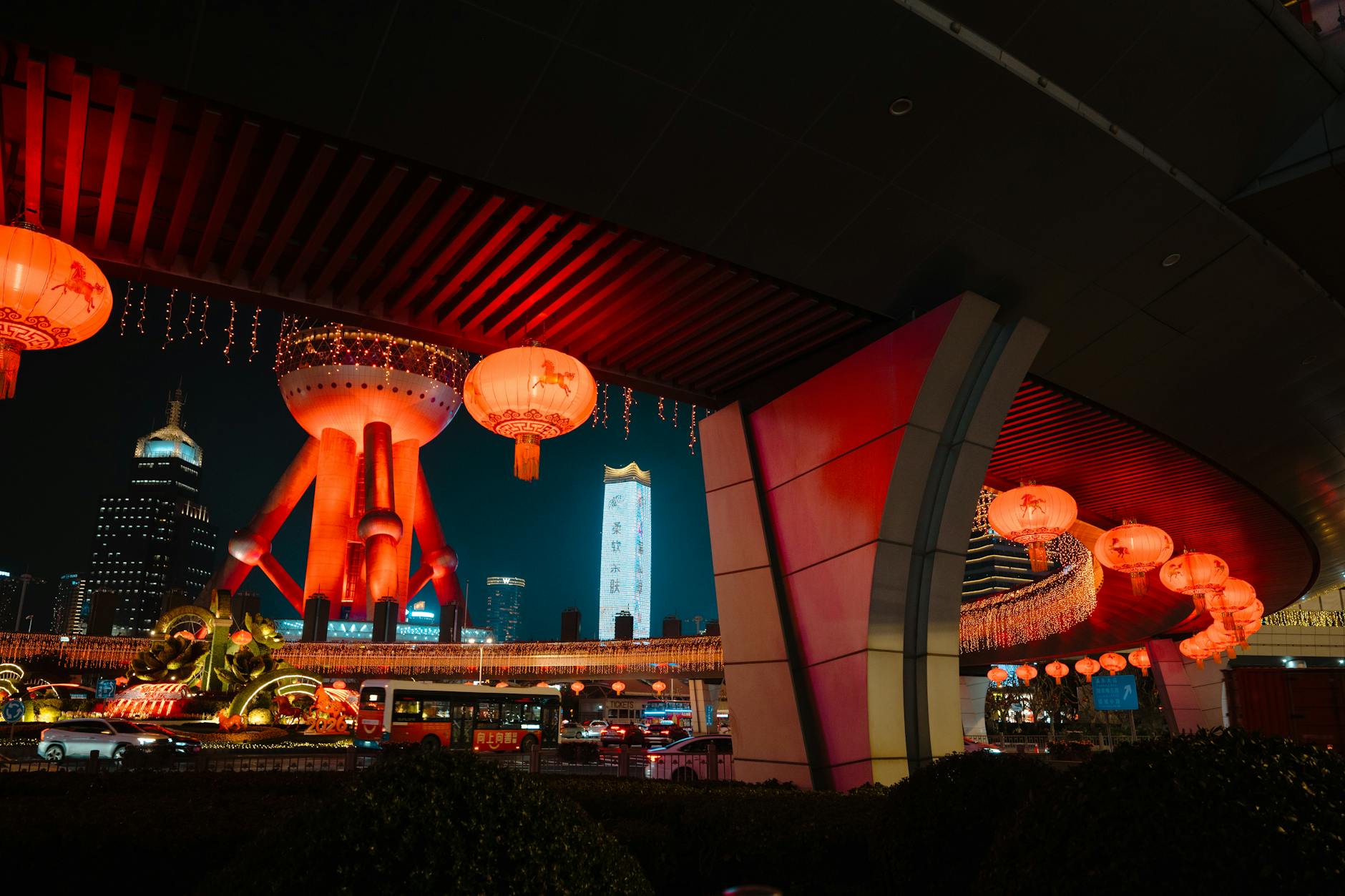
The reopening began in earnest in 1990, when Deng Xiaoping designated the empty marshland of Pudong, on the east side of the Huangpu River, as a special development zone. What followed has been called the largest urban construction project in human history. The Oriental Pearl Tower (1994), Jin Mao Tower (1999), Shanghai World Financial Center (2008), and Shanghai Tower (2015) rose in rapid sequence, each briefly the tallest building in China. The Maglev train, the world’s first commercial magnetic-levitation line, began service to the new Pudong International Airport in 2003. By 2010 the city was hosting Expo 2010 Shanghai, the largest world’s fair in history, and announcing itself emphatically to a global audience.
The contemporary city you visit is the layered product of all of this. The Bund and former French Concession preserve the treaty-port era. Industrial zones in Yangpu and Putuo recall the Mao-era manufacturing economy. Pudong’s skyline embodies the post-1990 boom. Newer cultural projects, from the West Bund Museum corridor to the Power Station of Art and the rebuilt Shanghai Museum East at Pudong, signal the city’s twenty-first-century ambition to be a creative capital, not only a commercial one.
Haipai Culture: The Soul of Shanghai
If you read only one phrase to understand Shanghai’s cultural identity, make it Haipai, literally “sea style” or “Shanghai style.” Coined in the late nineteenth century to describe Shanghai’s hybrid art and literature, Haipai now refers to a broader sensibility that prizes openness to foreign influence, willingness to break with classical orthodoxy, attention to commercial appeal, and a confident, urban sophistication.
You can see Haipai in painting, where artists like Ren Bonian and Wu Changshuo combined classical Chinese ink techniques with bolder colors and themes designed to sell in Shanghai’s market. You can see it in early-twentieth-century qipao fashion, which adapted the Manchu robe with European tailoring and figure-hugging cuts. You can hear it in the Shanghainese dance bands of the 1930s, which fused jazz, Chinese folk melodies, and big-band orchestration into a sound that was instantly recognizable as Shanghai’s own.
Haipai is often contrasted with Jingpai, the more conservative, classically grounded “Beijing style” associated with the imperial capital. Beijing values orthodoxy and depth; Shanghai values novelty and reach. Beijing’s restaurants serve dishes whose recipes have not changed in three hundred years; Shanghai’s chefs are perfectly happy to put a French sauce on a regional Chinese dumpling and call it innovation. Neither approach is better, but understanding the contrast will deepen any visit.
Locals will tell you that Haipai is also a way of being, marked by attention to grooming and dress, a strong domestic-sphere expectation of respectability, an appetite for new restaurants and trends, and an ironic, slightly worldly view of life. Listen to older residents talk about the city of their youth and you will hear all of it.
Architectural Heritage: Shikumen, Art Deco, and the Bund
Shanghai is one of the great architectural museums of Asia. Three styles in particular tell the story of the city’s last 175 years and are worth seeking out in any culture-and-history visit.
Shikumen Lanes
The most distinctively Shanghai building type is the shikumen, literally “stone-frame gate,” a row-house style that emerged in the foreign concessions from the 1860s onward. Shikumen blended the layout of a traditional Chinese courtyard house with the density of a London terrace, producing two- or three-story brick row houses arranged along narrow lanes called longtang. By the 1930s, more than half of Shanghai’s residents lived in shikumen, and the lanes became the setting for almost every great Shanghai story, from family dramas to early communist meetings.
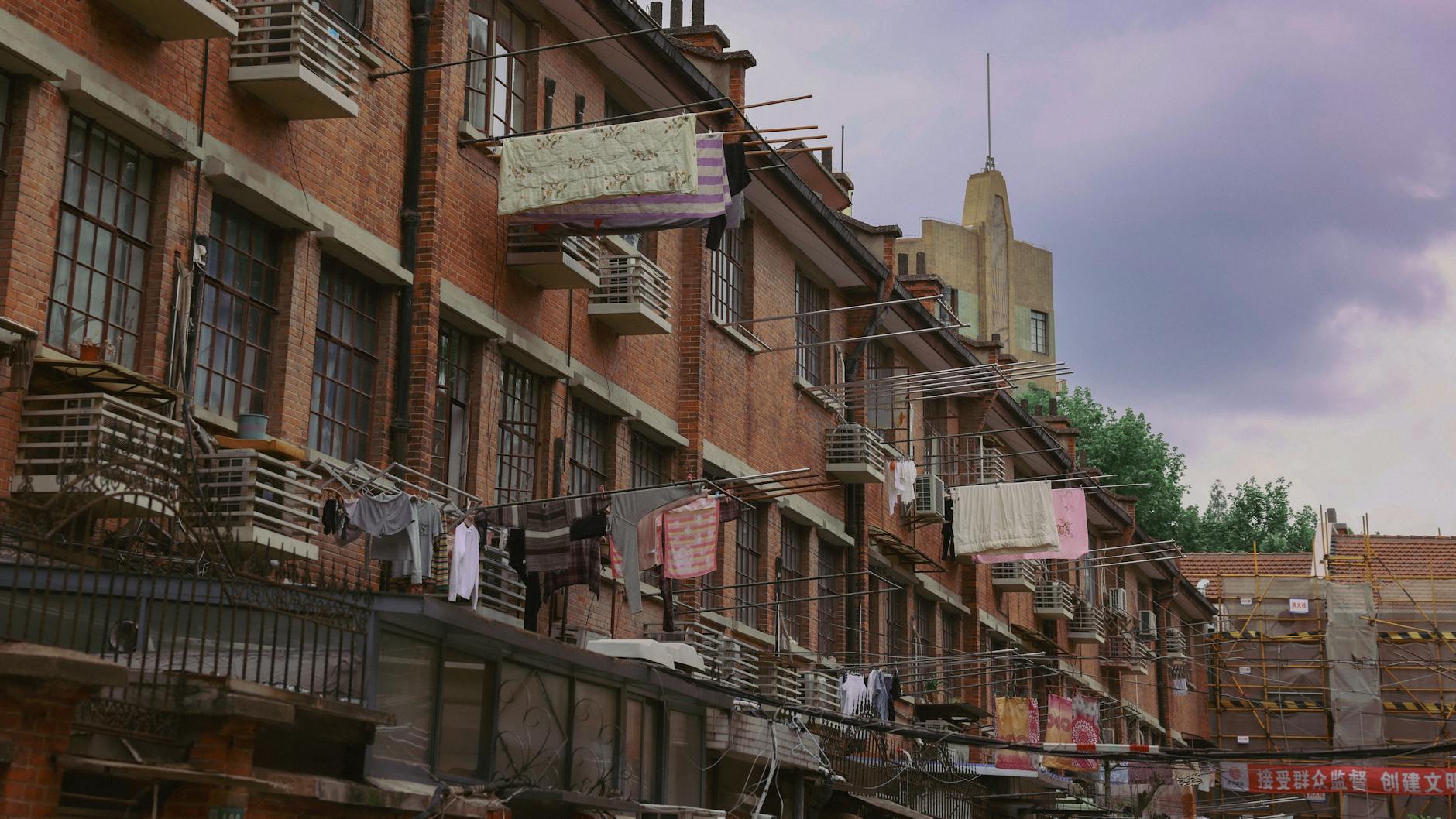
Many shikumen blocks have been demolished, but several have been preserved or adapted. Xintiandi, redeveloped in 2001, turned a few blocks of shikumen into an upscale dining and shopping district while maintaining the facades; some critics consider it sanitized, but it remains the easiest place to read the architectural form. Tianzifang in the former French Concession is a more chaotic but more authentic survivor, where boutique shops, cafes, and family residences still share the lanes. Bugaoli, Jian Ye Li, and a handful of other lane communities preserve daily shikumen life largely unchanged.
The Bund
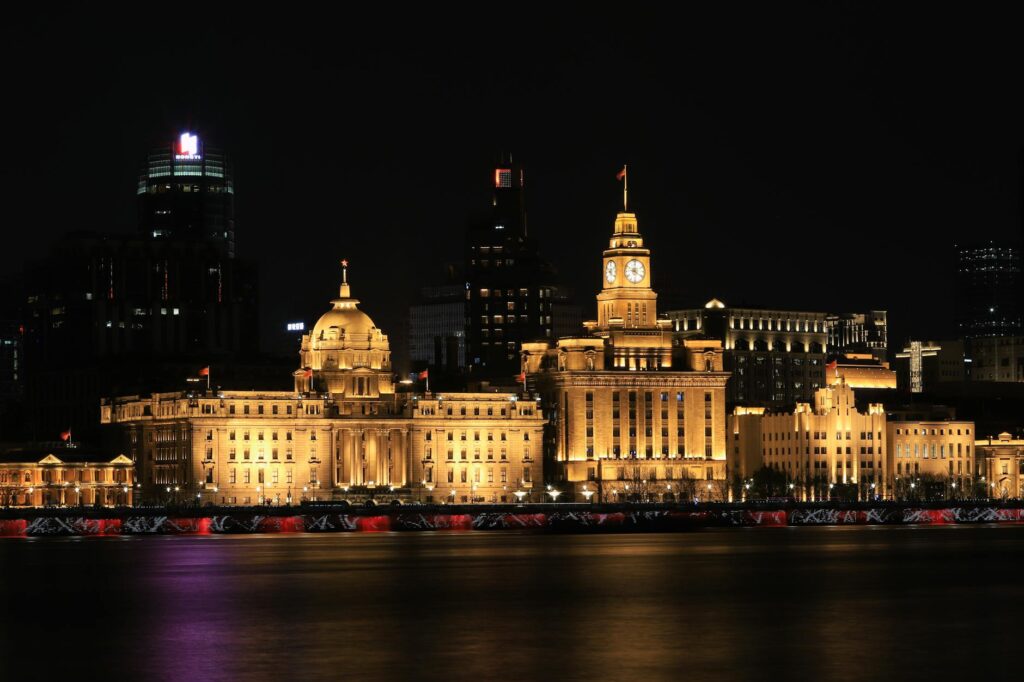
The Bund’s mile-long parade of buildings, constructed mostly between 1900 and 1937, is the densest concentration of pre-war international architecture anywhere in Asia. Styles range from neoclassical (the HSBC Building of 1923, with its famous lobby mosaic) to Art Deco (the Sassoon House of 1929, now the Peace Hotel) to early modernism (the Bank of China Building of 1937). Walking the Bund slowly, with a guidebook or audio tour, is among the best architectural experiences in China.
Art Deco
Shanghai has more Art Deco buildings than any city outside of New York and Miami, a reflection of how aligned the city was with global design currents in the 1920s and 1930s. Beyond the Bund, look for the Park Hotel on Nanjing Road, the Paramount Ballroom in Jing’an, the Picardie Apartments, and the Cathay Theatre. Many have been restored and serve as restaurants, hotels, or boutiques today, allowing you to step inside an era you might otherwise only read about.
Temples and Religious Heritage
Although Shanghai is not a temple city in the way Beijing or Hangzhou are, its religious heritage is rich and worth a focused half-day on any culture-oriented itinerary. The major faiths represented include Buddhism, Taoism, Confucianism, Islam, and several streams of Christianity, often within blocks of each other.
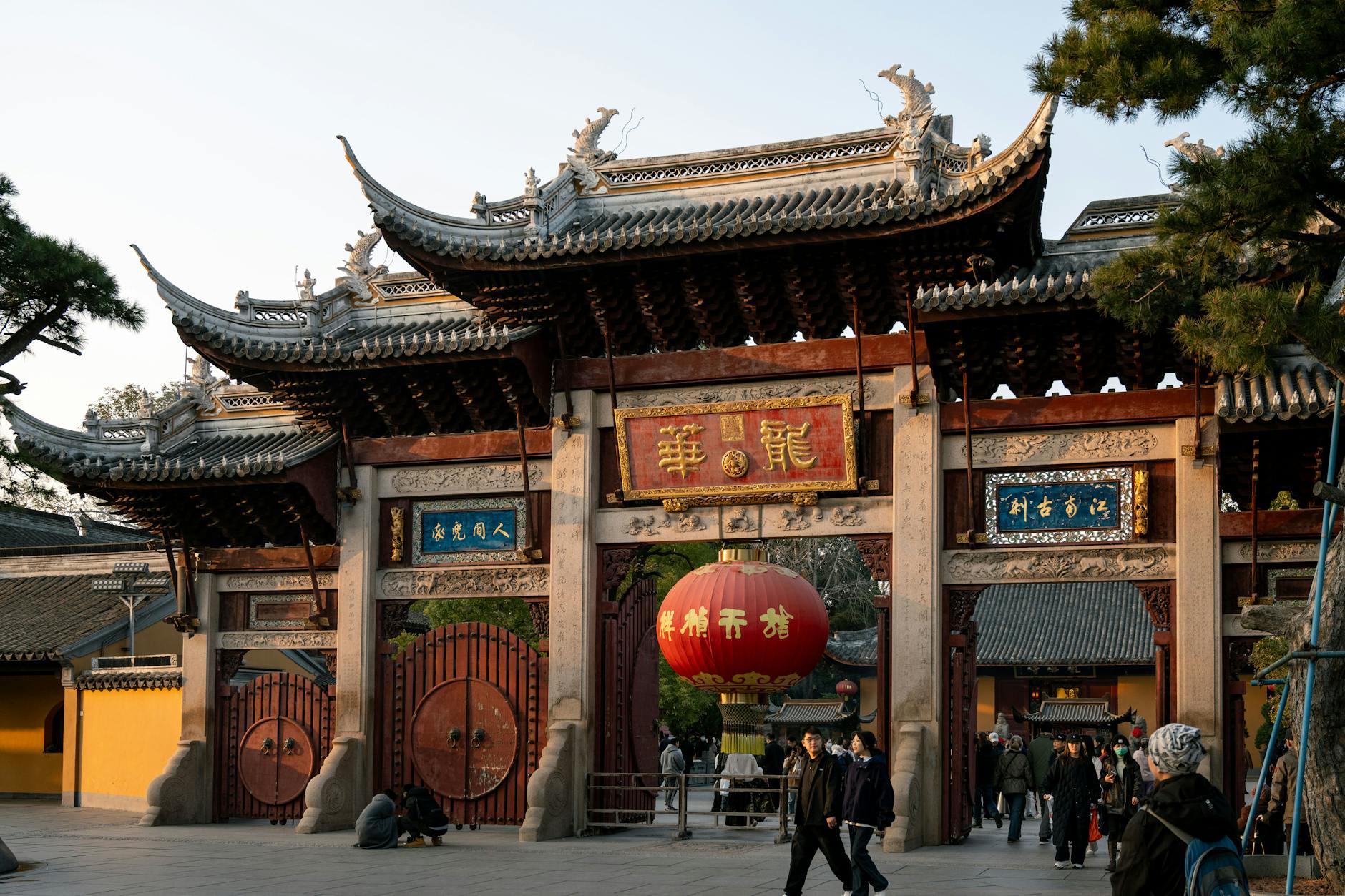
The Jade Buddha Temple in Putuo District is Shanghai’s most famous active Buddhist temple. Founded in 1882 to house two jade Buddha statues carried from Burma by a traveling monk, the temple complex was rebuilt at its current site in 1928 and renovated again in the 2000s. The seated jade Buddha, carved from a single block of white jade, is two meters tall and one of the most significant Buddhist artifacts in eastern China.
Longhua Temple, in the southwest of the city, claims a foundation date of 242 CE and is the oldest temple complex in Shanghai. Whether or not the date is accurate, the seven-story Longhua Pagoda has stood in some form since at least the tenth century. The annual Longhua Temple Fair, held during the Lunar New Year, draws hundreds of thousands of visitors and is among the city’s most colorful traditional festivals.
Jing’an Temple, ringed by office towers on West Nanjing Road, is the most architecturally striking active temple in central Shanghai. The current complex, rebuilt over recent decades, features golden roofs that gleam against the surrounding skyscrapers and houses the largest pure jade statue of Sakyamuni Buddha in mainland China. Whether you find it majestic or kitsch, it is an unmistakable Shanghai sight.
The City God Temple, the oldest Taoist temple in Shanghai, sits at the heart of Yuyuan Bazaar. The temple’s protective deity is venerated as a guardian of the historic city, and the surrounding bazaar offers one of Shanghai’s most concentrated spaces for Chinese folk culture: lantern displays during festivals, traditional snacks, opera performances, and souvenir shopping that ranges from kitschy to genuinely fine.
Christian heritage is unusually strong for a Chinese city. The Xujiahui Cathedral, completed in 1910 in the former Jesuit settlement of Zikawei, is the largest Catholic cathedral in eastern China. The Moore Memorial Church, built in 1929 in a Gothic Revival style, anchors People’s Square. The historic Dongjiadu Cathedral, finished in 1853, is the oldest surviving Catholic church in Shanghai and one of the oldest in China.
Museums and Cultural Institutions
Shanghai punches well above its weight for museums, with both deep historical collections and ambitious contemporary art spaces. A visit focused on culture and history can comfortably fill three days with museum-going alone.
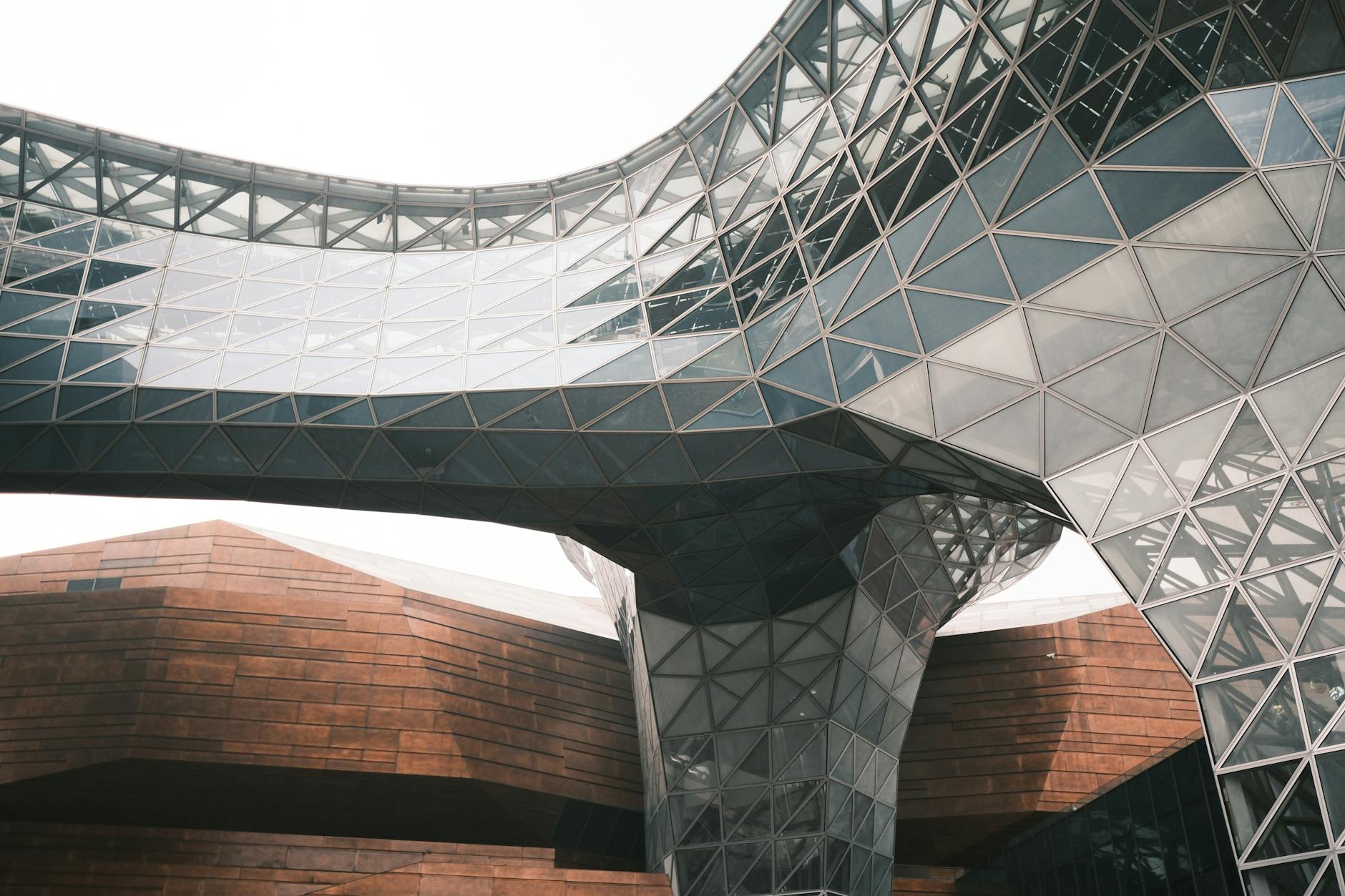
The Shanghai Museum on People’s Square, opened in 1996, holds over 120,000 Chinese antiquities. Its eleven galleries cover ancient bronzes, ceramics, calligraphy, painting, jade, sculpture, seals, coins, furniture, minority arts, and more. The newer Shanghai Museum East, opened in 2024 in Pudong, vastly expands the display space and adds rotating special exhibitions and immersive technology galleries. Together they are arguably the best place in China to study three thousand years of Chinese material culture in one visit.
The Shanghai History Museum, housed in the former Shanghai Race Club building on People’s Square, focuses specifically on Shanghai’s transformation from village to global city. Free entry, four floors of exhibits, and remarkably well-curated reconstructions of treaty-port life make it one of the highest-value cultural visits in the city.
For modern art, the Power Station of Art is the leading public museum, housed in a converted Expo 2010 thermal power station along the Huangpu. The Long Museum West Bund, further along the same riverbank, anchors one of the most concentrated contemporary-art corridors in Asia. Across town, the Rockbund Art Museum near the Bund occupies a beautifully restored 1930s building once home to the Royal Asiatic Society.
Specialty museums worth seeking out include the Shanghai Jewish Refugees Museum in Hongkou, the Shanghai Propaganda Poster Art Centre in Changning (one of the more unusual visitor experiences in the city), the China Art Museum in Pudong (housed in the iconic red Expo 2010 China Pavilion), and the Shanghai Natural History Museum in Jing’an Sculpture Park.
Performing Arts: Opera, Jazz, and the Shanghai Stage
Performing arts have shaped Shanghai’s cultural identity as much as architecture has. Three traditions deserve special attention.
Shanghai opera, known locally as huju, emerged from the regional folk songs of farmers and boatmen in the surrounding Jiangnan countryside and was professionalized in the late nineteenth century. Performed in the Shanghainese language, it is more melodic and less acrobatic than Beijing opera and often deals with everyday family dramas rather than martial epics. The Shanghai Yueju Theatre and several smaller venues regularly stage performances, with subtitle screens for non-Shanghainese speakers.
Yue opera, originating in nearby Zhejiang Province, was historically performed mostly by all-female troupes and became enormously popular in Shanghai in the early twentieth century. Many of the most famous singers in modern Yue opera trained in Shanghai. Shaoxing opera, also from Zhejiang, has a similar following.
Jazz arrived in Shanghai by the 1920s, when the city’s nightclubs hired musicians from the United States, the Philippines, and Russia. The Old Jazz Band at the Peace Hotel, founded in 1980 with members in their seventies and eighties at the time, became famous for performing 1930s and 1940s standards in the same Art Deco bar where they were originally played. The current iteration of the band continues that tradition. Beyond the Peace Hotel, JZ Club and the Heyday Jazz Bar carry the contemporary scene.
Modern Shanghai’s performing arts ecosystem also includes the Shanghai Symphony Orchestra (founded 1879, the oldest in Asia), the Shanghai Ballet, the Shanghai Grand Theatre on People’s Square (which hosts touring international productions), and the Shanghai Oriental Art Center in Pudong. For contemporary dance and experimental theater, the Shanghai International Arts Festival each October and November is the most concentrated showcase.
Traditional Festivals and Living Customs
Shanghai observes the major Chinese festivals on the lunar calendar, often with a distinctly local flavor that visitors are welcome to experience. Aligning a visit with one of these festivals can add a substantial cultural dimension.
The Spring Festival, or Lunar New Year, is the largest celebration of the year, typically falling in late January or February. Yuyuan Bazaar’s Lantern Festival display, which extends through the first fifteen days, is the city’s most famous public observance and draws huge crowds. Family rituals during Spring Festival typically include reunion dinners on New Year’s Eve, the giving of red envelopes (hongbao) to children and unmarried adults, and visits to temples to pray for a prosperous year.
The Qingming Festival in early April is a tomb-sweeping observance when families honor ancestors at gravesites; if you are in the city you may notice quieter streets and people carrying flowers. The Dragon Boat Festival in May or June commemorates the poet Qu Yuan and is celebrated with the eating of zongzi, sticky-rice parcels wrapped in bamboo leaves, and dragon-boat races on suburban waterways. The Mid-Autumn Festival in September or October centers on family gatherings and the eating of mooncakes; bakeries across the city compete to produce the most innovative versions, and lining up for hours at the most famous shops, like Xinghualou, is a Shanghai tradition in itself.
Beyond the lunar festivals, the Shanghai International Arts Festival (October–November), the Shanghai International Film Festival (June), the Shanghai Jazz Week (October), and the West Bund Art and Design Fair (November) are major contemporary cultural events.
The Shanghainese Language and Local Identity
Shanghainese, or Shanghaihua, is a Wu Chinese language closely related to but mutually unintelligible with Mandarin. It has its own grammar, vocabulary, and a distinctive sound that older locals associate with everything good and refined about the city. Roughly fourteen million native speakers live in greater Shanghai, although Mandarin has dominated public life since the 1950s and many younger Shanghainese speak only their grandparents’ language imperfectly.
Visitors do not need to learn Shanghainese, but recognizing a few phrases can be both a courtesy and a way to connect with older residents. Nong hao (you good) is the local equivalent of “hello”; xie xie nong means “thank you”; za nin is “goodbye.” Hearing these in markets, restaurants, and taxis is one of the small pleasures of paying attention.
The Shanghainese language is closely tied to the broader Wu cultural tradition that links Shanghai with Suzhou, Hangzhou, Wuxi, and Ningbo. This tradition emphasizes water-town landscapes, classical garden design, silk and embroidery, refined cuisine, and a literary sensibility going back at least to the Ming dynasty. Several of Shanghai’s most popular day trips, including Suzhou’s classical gardens and the water town of Zhujiajiao, are essentially excursions into this regional cultural sphere.
How Food Tells Shanghai’s Story
Few cultural histories of Shanghai are complete without the food. Local cuisine, often called benbang cai, evolved in the early twentieth century by combining Jiangnan home cooking with techniques and ingredients from across China and abroad. The result is a distinctive set of dishes that you can taste your way through alongside your reading.
Xiaolongbao, the soup-filled steamed dumplings that put Shanghai on the global food map, were perfected at Nanxiang in Yuyuan Bazaar in the 1870s. Shengjianbao, pan-fried pork buns with a crisp bottom and juicy interior, are a Shanghai-only specialty most commonly associated with Yang’s Fry-Dumpling. Drunken crab, eel braised in soy sauce, lion’s-head meatballs, and the deep red-cooked pork belly that the late chairman Mao reportedly loved are among the canonical dishes of benbang cai.
The treaty-port era added a layer of European influence: bakery culture, coffee, breakfast pastries, and even dishes like Shanghai borscht (a tomato-and-beef soup adapted from Russian émigrés) are part of the local repertoire. Today’s Shanghai food scene continues the Haipai tradition of fusion, with younger chefs blending European fine-dining technique with regional Chinese ingredients to produce some of the most exciting cooking in Asia.
For a deeper look at all of this, see our companion Shanghai Food Guide, which covers neighborhoods, signature dishes, and where to eat them.
Best Neighborhoods to Experience Culture and History
Cultural Shanghai is layered across the city, but a handful of neighborhoods deliver the most concentrated experiences for visitors short on time.
The Bund and Old City together form the historical heart. Walk the Bund’s mile of architecture in the late afternoon, then cross Nanjing Road into the Old City for the Yu Garden, the City God Temple, and the surrounding Yuyuan Bazaar. Several historic teahouses, including the Huxinting in the middle of the Yu Garden lake, have been operating in some form for more than a century.
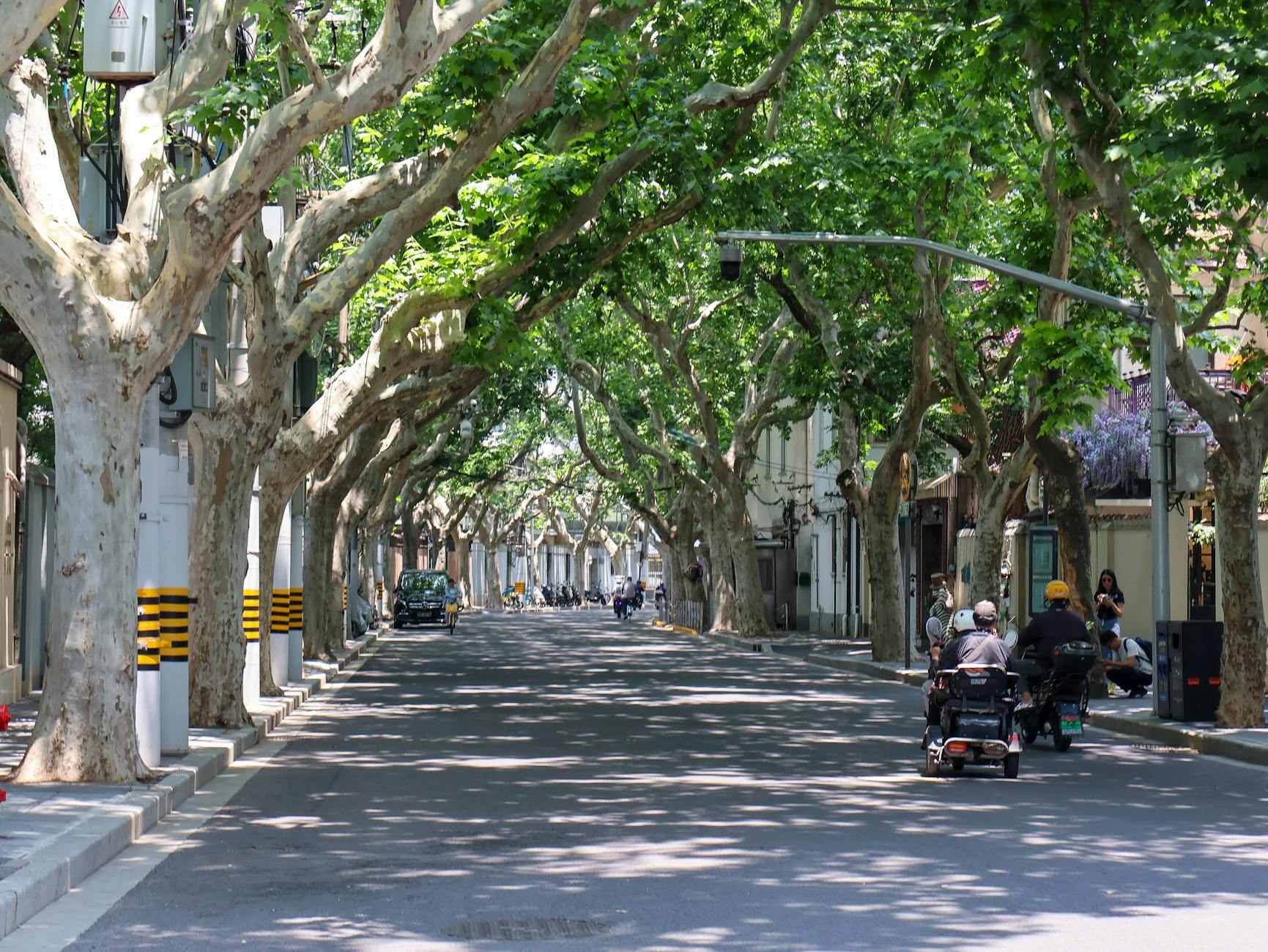
The former French Concession covers parts of Xuhui and Jing’an districts and is best explored on foot or by bicycle. Wukang Road, Anfu Road, and Wuyuan Road are particularly atmospheric, with plane trees, low-rise apartments, and scattered Art Deco mansions. The former residence of Sun Yat-sen, the Memorial of the First Congress of the CCP, and the Shanghai Propaganda Poster Art Centre are all in this area, alongside excellent independent bookstores, cafes, and restaurants.
The area around People’s Square hosts the Shanghai Museum, the Shanghai History Museum, the Shanghai Grand Theatre, the Shanghai Urban Planning Exhibition Hall, the Park Hotel, and the Moore Memorial Church, an unmatched concentration of cultural institutions in any single Chinese square.
For modern art and contemporary culture, head to the West Bund waterfront in Xuhui and Pudong, where the Long Museum, Tank Shanghai, and the new Pompidou Centre Shanghai cluster within walking distance. The Power Station of Art on the Huangpu’s east bank and the M50 art district in Putuo round out the contemporary scene.
For architectural and atmospheric variety, do not miss Xintiandi (curated shikumen), Tianzifang (lived-in shikumen), and the residential lanes of Yongkang Road and Shaoxing Road, where small bookstores and design boutiques have replaced earlier shops without erasing the original character.
A Suggested Two-Day Culture and History Itinerary
If your visit allows for two full days devoted to culture and history, the following itinerary offers a balanced introduction. Adjust pace as needed, and budget extra time if you want to read placards thoroughly inside the Shanghai Museum or History Museum.
Day One: Old City and the Bund. Begin at the Yu Garden when it opens (at 9:00 AM) to enjoy the classical garden in relative quiet. Spend an hour, then walk into Yuyuan Bazaar for breakfast (xiaolongbao at Nanxiang or shengjianbao at Yang’s). Visit the City God Temple inside the bazaar, then walk fifteen minutes north to the Bund for an architectural stroll. Cross to Pudong by ferry or subway for a panoramic view from the Shanghai Tower observation deck or, more affordably, from the Hyatt or Ritz-Carlton bars in Lujiazui. End the day with dinner at a benbang restaurant such as Lao Ji Shi or Fu 1015.
Day Two: French Concession and People’s Square. Start with coffee on Wuyuan Road or Anfu Road, then walk south through the former French Concession, with stops at the Sun Yat-sen Residence and the Memorial of the First Congress of the CCP near Xintiandi. Take the metro to People’s Square for the Shanghai Museum (allow at least three hours) and a quick stop at the Shanghai History Museum. In the evening, catch a Yue opera or jazz performance, or an event at the Shanghai Grand Theatre. Conclude with a nightcap at the Long Bar in the Waldorf Astoria, a faithful restoration of a 1911 Bund original.
For longer or shorter visits, see our dedicated Shanghai Itineraries page, with day-by-day plans for one through seven days.
Practical Tips for Cultural Visitors
A few practical considerations will make your culture-and-history visits go more smoothly.
Reservations are increasingly required at major museums, including the Shanghai Museum and Shanghai Museum East, even when admission is free. Reserve through the museums’ official WeChat mini-programs at least one or two days in advance for popular weekend slots.
Opening hours and closures are not always intuitive. Most major museums close on Mondays. Temples typically open early (often 7:00 AM) and close in the late afternoon. The Yu Garden closes earlier than its surrounding bazaar.
Language support at major museums and most temples is good, with English signage and audio guides widely available. Less prominent sites may have only Chinese signage; a translation app with camera input handles most needs.
Dress code is generally relaxed but cover shoulders and knees if you plan to enter active temples or attend formal performances.
Photography is allowed in most museums without flash and almost always restricted in galleries showing fragile paintings or calligraphy. Always check posted signage at the entrance to each exhibit.
For a fuller list of customs and etiquette, see our Practical Tips for Shanghai guide. For visa requirements, including the multi-day visa-free policies that apply to many nationalities, refer to Shanghai Visa & Entry Requirements. For getting around the cultural neighborhoods efficiently, see Getting Around Shanghai.
Frequently Asked Questions
How old is Shanghai as a city?
The Shanghai region has been inhabited for roughly six thousand years, but Shanghai was first recognized as a town in 1267 and granted county status in 1292. The modern city dates from 1843, when Shanghai was opened as a treaty port and began its rapid transformation into a global metropolis.
What does Haipai culture mean?
Haipai, literally “sea style,” refers to Shanghai’s distinctive hybrid identity, formed by combining Chinese tradition with foreign influences during the treaty-port era. It is associated with openness, sophistication, urban worldliness, and a willingness to break with classical orthodoxy in art, fashion, food, and daily life.
Was Shanghai ever a colony?
Not technically. Shanghai’s foreign concessions, established after 1843, were leased territories within Chinese sovereignty, governed by foreign councils for the resident foreign population. They functioned in many ways like colonies, but they were not formally annexed by any foreign power. The concessions were abolished in 1943.
What is the best museum for first-time visitors interested in history?
The Shanghai History Museum on People’s Square is the single best introduction, with four floors of clearly organized exhibits covering Shanghai’s transformation from fishing village to global city. The Shanghai Museum next door offers a much broader Chinese antiquities collection and is also highly recommended.
Can I see traditional opera or jazz in English?
Most opera performances in Shanghai are in Shanghainese or Mandarin, but venues like the Shanghai Yueju Theatre offer English subtitle screens for major shows. Jazz performances at the Peace Hotel, JZ Club, and similar venues are largely instrumental and require no language ability.
How important is Shanghainese as a language for visitors?
Mandarin is the dominant public language and what every signage system uses. Visitors do not need any Shanghainese for practical purposes. However, learning a few greetings can help you connect with older residents and is a small mark of respect.
Are temples in Shanghai active places of worship?
Yes. The Jade Buddha Temple, Longhua Temple, Jing’an Temple, and the City God Temple are all functioning religious sites, with regular services and worshippers. Visitors are welcome but should be respectful and quiet, especially in main halls.
What other cities should I combine with Shanghai for a deeper cultural visit?
Suzhou (classical gardens), Hangzhou (West Lake and tea culture), and the water towns of Zhujiajiao, Wuzhen, and Tongli are all within easy day-trip distance and offer complementary experiences in the broader Wu cultural sphere. See our Day Trips from Shanghai guide for full details.
Is the architecture along the Bund authentic or rebuilt?
The Bund’s main historic buildings, dating mostly from 1900 to 1937, are largely original, with extensive interior renovation and some facade restoration. The Bund as a whole survives intact in a way few comparable streetscapes in Asia do.
How long should I budget for the Shanghai Museum?
Most visitors spend three to four hours; museum-intensive travelers can easily fill a full day. The new Shanghai Museum East in Pudong adds even more capacity and benefits from advance reservation.
Continue Your Cultural Exploration
This Shanghai culture and history guide is the central pillar in our coverage of the city’s heritage, but the topic is enormous. Continue with these companion pages on related subjects: Things to Do in Shanghai for a complete attractions overview, the Shanghai Travel Guide for first-time visitor essentials, Best Time to Visit Shanghai for festival timing, and Where to Stay in Shanghai for neighborhood-by-neighborhood lodging recommendations that align with cultural priorities. For authoritative external context on the city’s history, the Wikipedia article on the history of Shanghai is a solid starting point with extensive citations to academic sources.
However you spend your time in Shanghai, remember that the city rewards travelers who slow down. Read the small plaques on buildings. Step into a temple even if you have no plans to pray. Sit in an old teahouse for an hour. Order something you cannot identify. Shanghai’s culture and history are not behind glass; they are happening on every street corner, every day, for those who know where to look.
Explore Shanghai Culture & History
Keep planning with our in-depth companion guides:
- History of Shanghai: From Fishing Village to Global Megacity — Shanghai is one of the few major world cities whose entire transformation from village to global metropolis happened within a single 180-year window.
- Shanghai Art Deco Architecture: Self-Guided Walking Tour (2026) — Shanghai Art Deco architecture survives in greater quantity here than almost anywhere else on earth.
- The Bund Architecture: Building-by-Building Guide (2026) — Walk the western bank of the Huangpu River and you walk through eighty years of the Bund architecture —the row of banks, trading houses, hotels…
- Shanghai Jewish Heritage: The Refugee Story (2026 Guide) — Between 1933 and 1941, when most of the world was closing its doors, Shanghai took in roughly 18,000 to 20,000 European Jewish refugees fleeing Nazi persecution…
- Shanghai Traditional Culture & Local Customs (2026) — Shanghai traditional culture is a paradox: a city that built its identity on cosmopolitan modernity has fiercely preserved many of its local customs.
- Shanghai Contemporary Art Scene: Best Galleries (2026) — Shanghai has spent twenty years building itself into one of Asia's serious art cities, and the money shows.
- Shanghai in Film & Literature: Cultural Guide (2026) — For more than a century, Shanghai has been one of the world's most cinematic cities — the setting of countless films and the cradle of Chinese modernist literature.
- Shanghai Old Town: Exploring the Historic Heart (2026) — Before the Bund, before the French Concession, before Pudong, there was a walled Chinese town on a bend of the Huangpu.