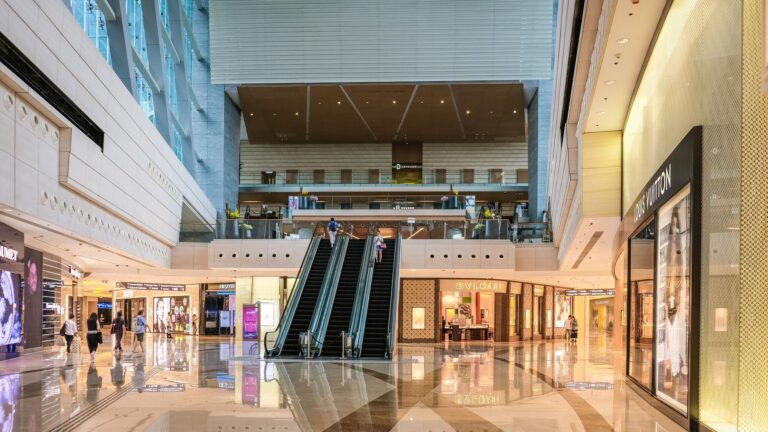
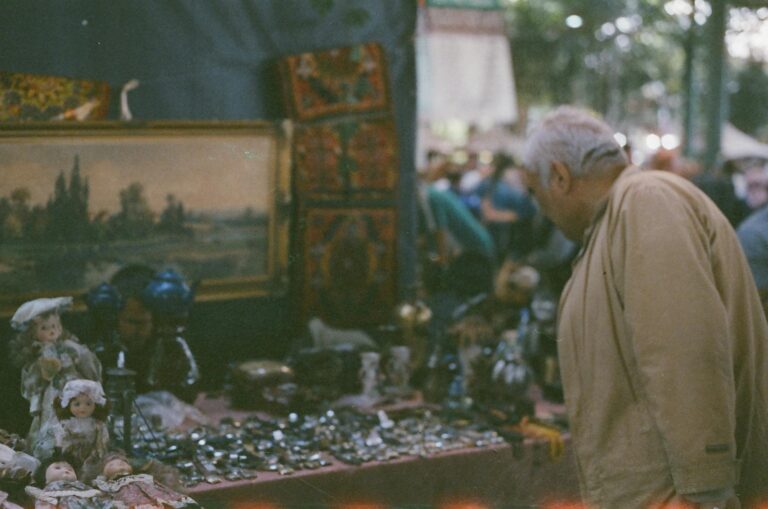
Shopping in Shanghai is an experience that spans centuries of tradition and the cutting edge of modern retail. From the dazzling lights of Nanjing Road — one of the country’s best-known shopping streets — to hidden fabric markets where tailors can turn round a custom suit in two days on express service, from luxury mega-malls housing every designer label in the world to winding alleyways filled with independent artisan studios, Shanghai offers a shopping landscape unlike any other city on earth. Whether you are hunting for silk scarves, custom-tailored clothing, traditional Chinese tea, jade jewelry, or the latest international fashion, this guide to shopping in Shanghai will show you exactly where to go and what to buy.
Shanghai has long been China’s commercial capital, and today it rivals Paris, London, and New York as a global shopping destination. The city’s unique blend of East and West means you can browse a Chanel flagship in the morning, haggle for antiques at a traditional bazaar over lunch, and pick up hand-painted Chinese watercolors from a French Concession gallery in the afternoon. This comprehensive guide covers the best shopping streets, markets, malls, and neighborhoods, along with tips on bargaining, tax-free shopping, and the must-buy souvenirs that capture the spirit of Shanghai.
Best Shopping Streets in Shanghai
Nanjing Road: China’s Premier Shopping Street
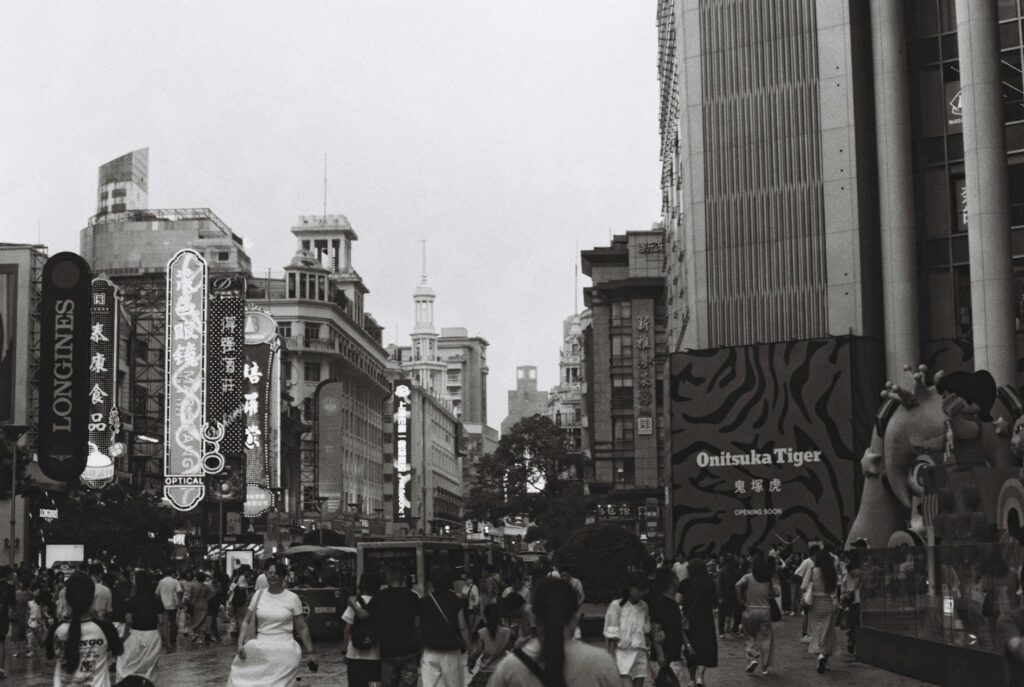
Nanjing Road is the most iconic shopping street in all of China, stretching over five kilometers from the Bund to Jing’an Temple and welcoming over one million visitors daily on peak days. The street is divided into two distinct sections, each offering a different shopping experience.
Nanjing Road East is the famous pedestrianized section near the Bund, lined with hundreds of shops, department stores, and food outlets. This is where you will find large Chinese department stores like No. 1 Department Store and New World City alongside international brands. The atmosphere is electric, especially at night when the entire street is bathed in neon lights and LED displays. While Nanjing East Road has become increasingly tourist-oriented, it remains a must-see for the sheer spectacle and energy of Chinese commercial culture.
Nanjing Road West is where Shanghai’s serious luxury shopping happens. This stretch is home to Plaza 66, one of China’s most prestigious luxury malls, and HKRI Taikoo Hui, a sleek modern complex. The clientele is more local and affluent, the brands are more exclusive, and the atmosphere is more refined than the eastern section. If high-end fashion is your priority, Nanjing West Road is where you want to be.
Huaihai Road: Shanghai’s Champs-Élysées
Huaihai Road is often compared to the Champs-Élysées in Paris and Fifth Avenue in New York, and its main shopping section, Middle Huaihai Road, runs 5.5 kilometers through the heart of the former French Concession. The shopping here strikes a balance between high-end international brands and trendy mid-range fashion. K11 Art Mall, one of the street’s anchor tenants, brilliantly merges art exhibitions with retail, featuring rotating contemporary art installations alongside fashion and lifestyle stores. IAPM Mall is another highlight, offering luxury brands in a beautiful architectural setting — a good fit for evening shopping after a day of sightseeing, once you have checked its closing time on the mall’s website.
Wujiang Road: The Trendy New Contender
Wujiang Road has emerged as one of Shanghai’s trendiest shopping destinations, known for its aesthetic vibe and curated mix of fashion, lifestyle brands, and Instagram-worthy cafés. The pedestrianized section attracts a younger, style-conscious crowd and features both international fast-fashion brands and emerging Chinese designers. The street’s photogenic architecture and cafe culture make it a pleasant place to spend an afternoon browsing and people-watching.
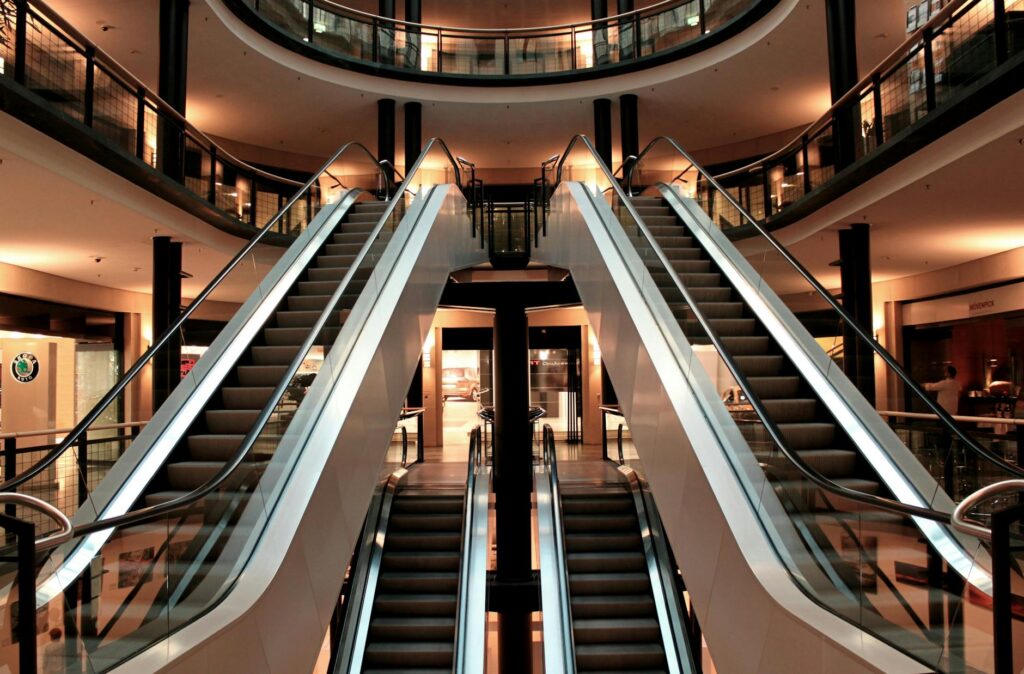
Luxury Shopping Malls for Shopping in Shanghai
Plaza 66
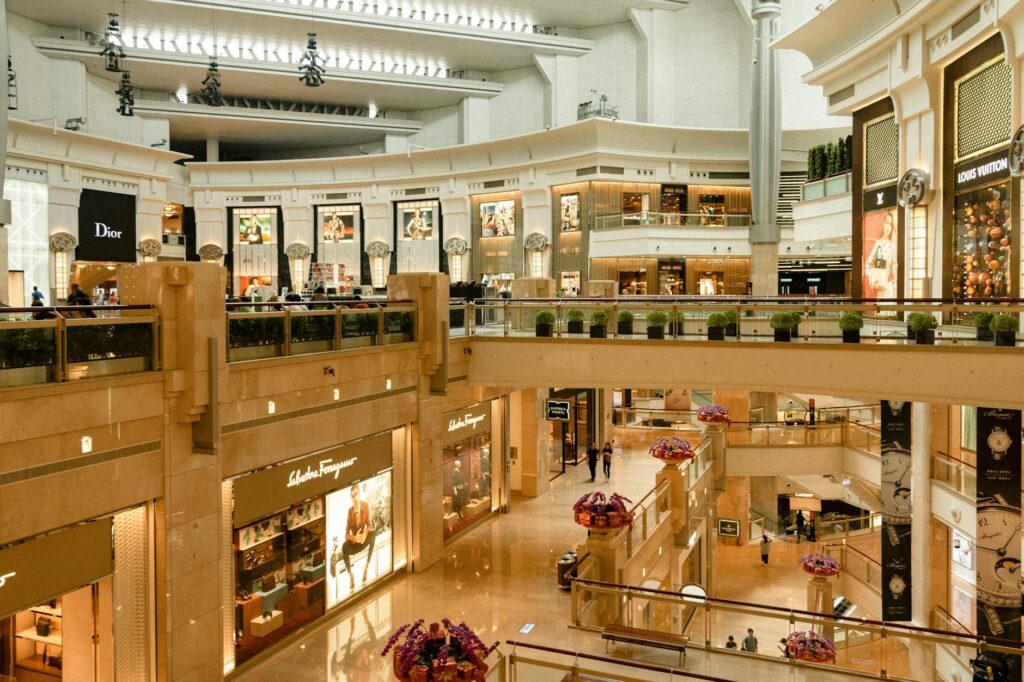
Plaza 66 on Nanjing West Road is one of Shanghai’s leading luxury shopping destinations, with more than 100 international luxury brands and dining outlets across five floors. Louis Vuitton, Chanel, Cartier, Gucci, Céline, Saint Laurent, and Hermès all maintain flagship stores here. The mall has kept growing since its 2001 opening: Hang Lung scheduled the Plaza 66 Pavilion expansion, which adds approximately 4,300 square meters of retail space, to open in September 2026. The architecture is grand, the service is impeccable, and the clientele includes Shanghai’s wealthiest shoppers alongside international luxury tourists.
IFC Mall Pudong
IFC Mall in the Lujiazui financial district offers a luxury shopping experience on the Pudong side of the river, with about 1.2 million square feet (roughly 111,500 square meters) of mall space. The tenant list reads like a who’s who of global luxury — Chanel, Dior, Louis Vuitton, Gucci, Prada, Tiffany, and Hermès all have major presences here. The mall has more than 260 international boutiques and specialty stores spanning fashion, accessories, jewelry, and beauty, along with excellent dining options. Direct metro access via Line 2 makes it convenient to reach from anywhere in the city.
K11 Art Mall and 1000 Trees
K11 Art Mall on Huaihai Road pioneered the concept of blending contemporary art with retail in China. Rotating art exhibitions are woven throughout the shopping floors, creating an experience that feels more like visiting a gallery than a mall. The brand mix leans toward premium fashion and lifestyle, with a strong emphasis on sustainability and design innovation. For architecture enthusiasts, 1000 Trees in Putuo District is a shopping destination that has become an attraction in its own right — the building’s extraordinary design features hundreds of concrete planters cascading down its terraced facade, creating a mountain-like structure covered in greenery. Inside, you will find local brands, dining, and entertainment in one of Shanghai’s most photographed buildings.
Traditional Markets and Bazaars
Yuyuan Bazaar: Old Shanghai Shopping Experience
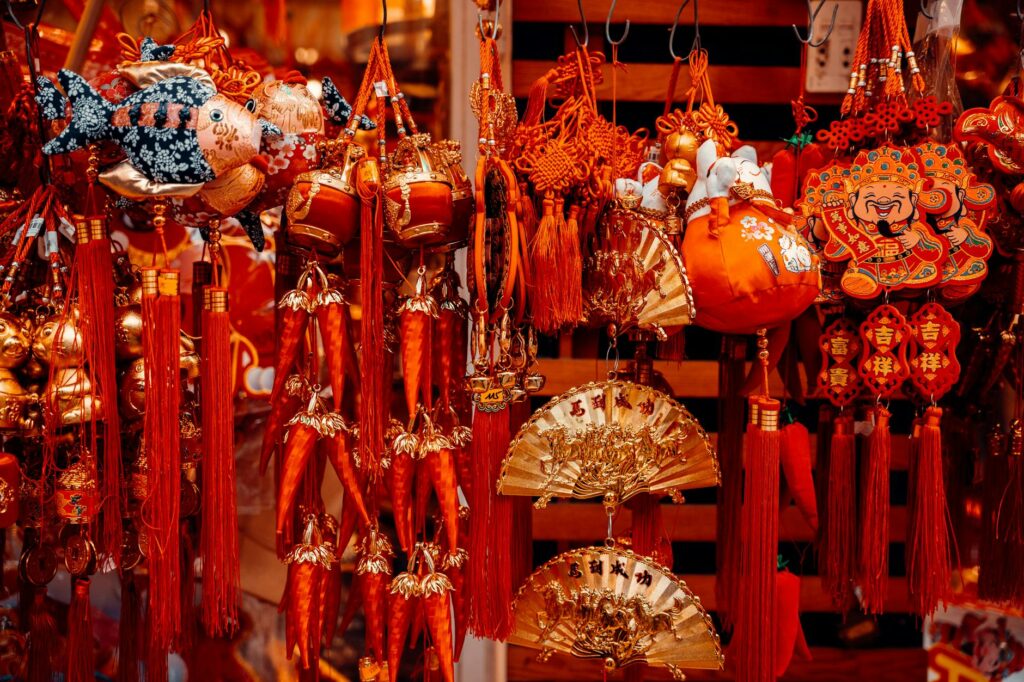
Yuyuan Bazaar, located adjacent to the historic Yu Garden in the Old City, is Shanghai’s most atmospheric traditional shopping area. The bazaar is set within a complex of traditional Chinese pavilion-style buildings with upturned eaves, red lanterns, and ornate carved details. Here you can browse a wide selection of traditional Chinese goods including jade jewelry, silk products, Chinese tea, Yixing clay teapots, calligraphy brushes, ink paintings, fans, chopstick sets, and traditional Chinese snacks.
The bazaar is particularly magical at night when hundreds of lanterns illuminate the traditional architecture, reflecting off the zigzag bridge over the central pond. While prices are generally marked up for tourists, gentle bargaining is expected at many stalls. For the best experience, visit on a weekday morning when crowds are lighter and vendors are more willing to negotiate. Be cautious of jade quality — reputable dealers will provide authenticity certificates, and if a deal seems too good to be true, it probably is.
Tianzifang: Art, Crafts, and Unique Finds
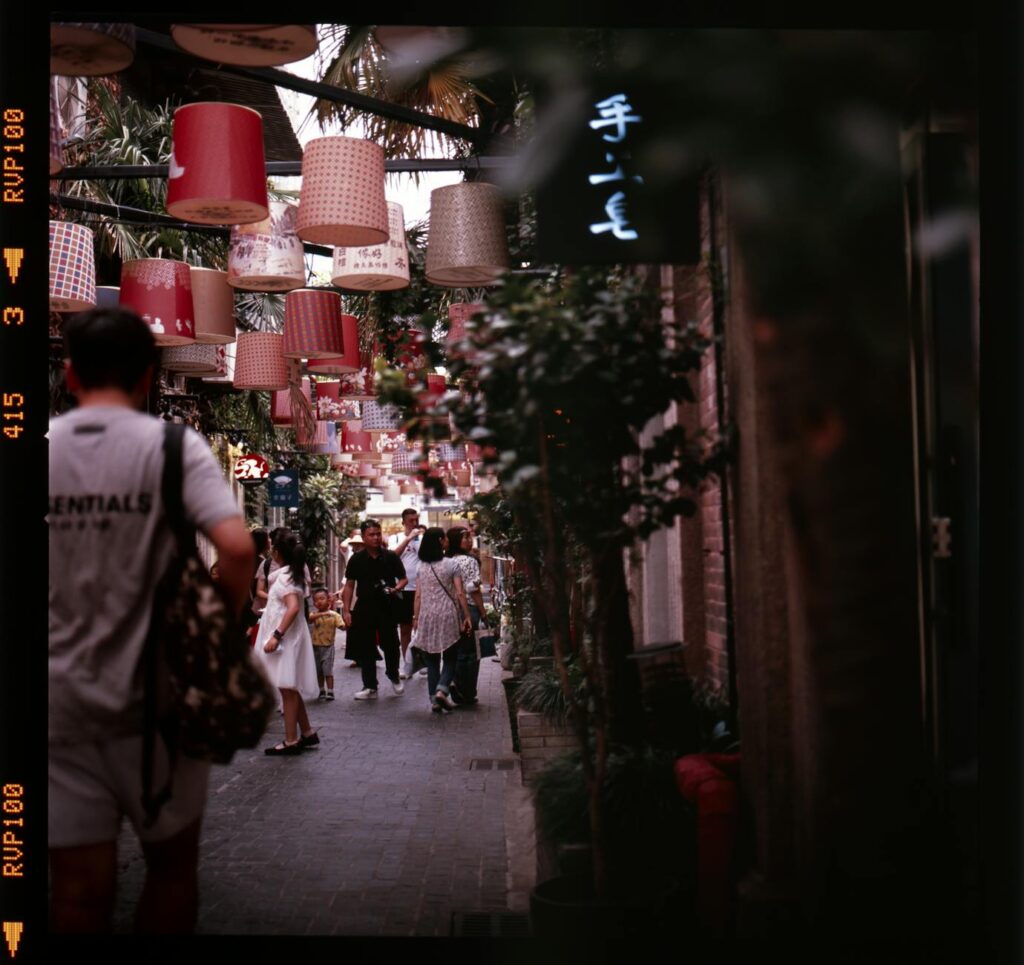
Tianzifang on Taikang Road in the French Concession is a labyrinth of narrow alleyways that have been transformed from abandoned factory warehouses into one of Shanghai’s most creative shopping districts. The maze-like layout is filled with independent art studios, handmade jewelry shops, boutique fashion stores, vintage poster galleries, quirky souvenir shops, and charming cafés. What makes Tianzifang special is the originality of the goods: look for artist-designed souvenirs such as the Shanghai-themed pieces with qipao and Shikumen motifs at Shoubai Art.
Craft shops and small studios set the tone, and the mix of goods changes as tenants come and go. The atmosphere is bohemian and international, with a mix of Chinese and expat-run businesses. Prices are higher than mass-market tourist shops but reflect the artisan quality and uniqueness of the products. Allow at least two hours to explore properly, and do not be afraid to duck down side alleys where some of the best studios are hidden.
South Bund Fabric Market
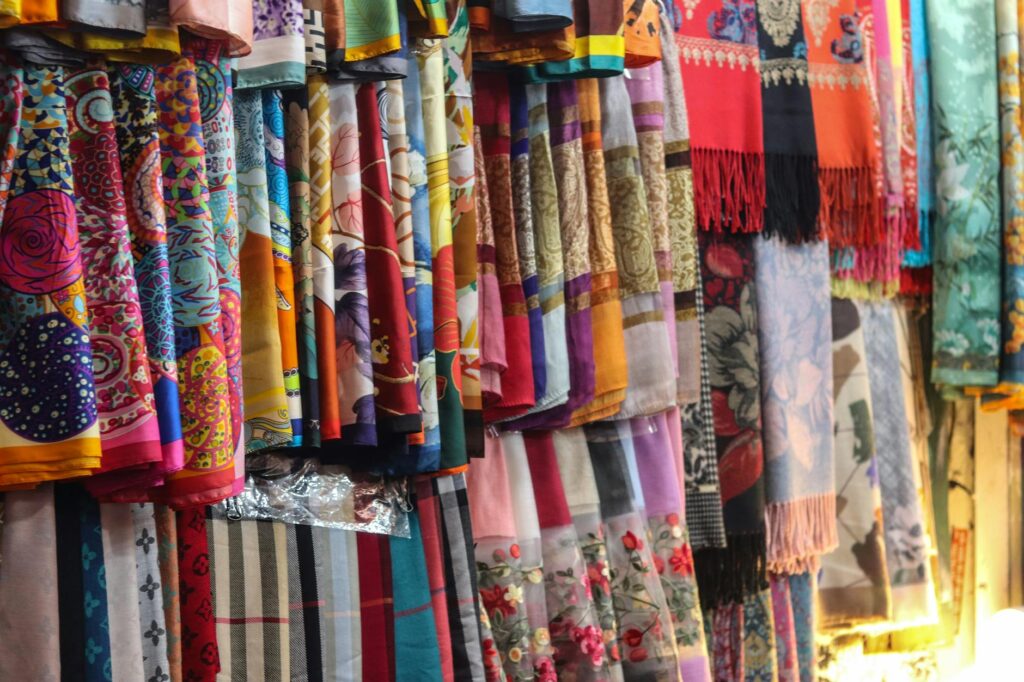
The South Bund Fabric Market is one of Shanghai’s most famous shopping experiences and a place where you can have high-quality custom clothing made at a fraction of Western prices. Spread across multiple floors, the market features hundreds of fabric vendors and skilled tailors who can create custom suits, dresses, shirts, coats, and qipao (traditional Chinese dresses) to your exact measurements. Prices depend on the fabric and the tailor, so get a written quote for the finished garment before you commit.
The process involves selecting your fabric from the vast selection available — silk, cashmere, wool, cotton, linen, and more — then discussing the design with your chosen tailor, who will take your measurements and usually have the garment ready in about six to seven days, though many shops offer a two-day express service. Most tailors have portfolios showing their previous work and can replicate designs from photographs. Bargaining on the total price is expected, and having a clear idea of what you want before visiting will help you get the best result. The market also sells ready-made silk scarves, pashminas, and fabric by the meter.
What to Buy in Shanghai: Best Souvenirs and Gifts
Chinese Tea
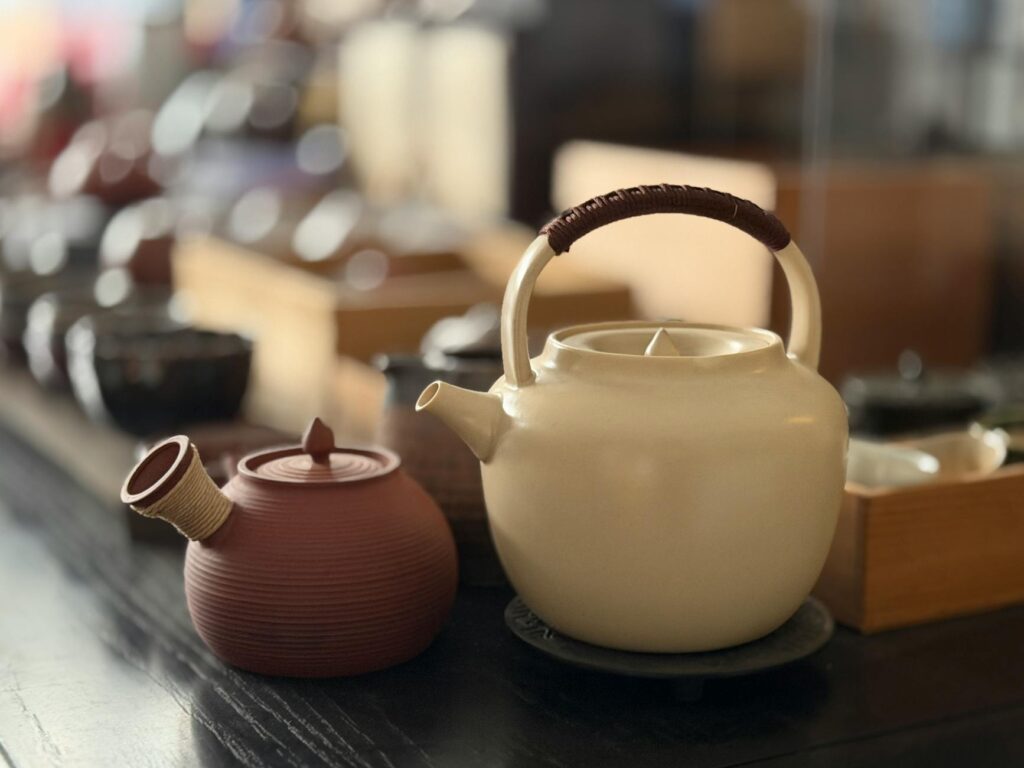
Tea is one of the most popular and rewarding purchases when shopping in Shanghai. The city’s proximity to major tea-growing regions means you can find exceptional quality Longjing (Dragon Well) green tea from nearby Hangzhou, Tieguanyin oolong from Fujian, Pu’er tea from Yunnan, and jasmine tea from various provinces. Tianshan Tea City, at 520 West Zhongshan Road, is one of the biggest tea markets in Shanghai, with over 400 shops across three floors; many vendors will brew a cup for you to taste before you buy. For a more curated experience, visit boutique tea shops in the French Concession or Xintiandi, where knowledgeable staff can guide you through tasting sessions. A gift package of loose-leaf tea packs flat and travels well.
Silk Products
Shanghai has been a center of the Chinese silk trade for centuries, and silk products remain among the most sought-after souvenirs. Silk scarves, ties, handkerchiefs, and pajamas make excellent gifts and are widely available at the South Bund Fabric Market, Yuyuan Bazaar, and specialty silk shops throughout the city. For the highest quality, look for shops selling Suzhou-produced silk: the city has a long tradition of fine silk and once supplied imperial households. Quality and design move the price a long way, so ask for a quote on the exact piece you want.
Jade and Jewelry
Jade holds deep cultural significance in China, and Shanghai offers numerous opportunities to purchase authentic jade jewelry and carvings. The most common types available are jadeite (the more valuable variety, ranging from pale lavender to vivid green) and nephrite (typically cream to dark green). Yuyuan Bazaar has several established jade shops. Always ask for an authenticity certificate from reputable dealers, and be aware that lower-priced jade pieces at tourist markets may be dyed or treated to enhance their color.
Art and Calligraphy
Shanghai’s thriving art scene makes it an excellent place to purchase Chinese paintings, calligraphy, and contemporary art. The Moganshan Road Art District (M50) is one of Shanghai’s main contemporary art hubs, alongside the West Bund, with galleries and studios housed in converted industrial buildings. Here you can browse and purchase works from emerging Chinese artists at prices well below international gallery rates. For traditional Chinese ink paintings and calligraphy, visit the small studios near Yu Garden or the vendors at Fuzhou Road, Shanghai’s historic “culture street” known for bookshops, art supply stores, and calligraphy shops.
Other Popular Souvenirs
Clay figurines known as Niren Zhang are charming hand-painted miniatures depicting traditional Chinese characters. Vintage Shanghai propaganda posters make striking wall art and are available at specialty shops in Tianzifang. Chinese snack boxes from established brands like Shanghai’s famous White Rabbit candies or various mooncake brands make excellent edible gifts. Custom name stamps (chops) carved with your name in Chinese characters are practical and personal; agree the price before the carver starts.
Neighborhood Shopping in Shanghai: Boutiques, Galleries, and Antiques
French Concession Boutiques
Beyond the well-known Tianzifang, the Former French Concession is dotted with independent boutiques, vintage shops, and designer ateliers that reward curious shoppers willing to explore the quieter side streets. Anfu Road has become a destination for Shanghai’s fashion-forward crowd, lined with concept stores, local designer brands, and curated lifestyle shops that showcase the best of Chinese contemporary design. Changle Road and Xinle Road offer a mix of vintage clothing shops, independent jewelers, and small galleries that feel a world away from the mega-malls. The appeal of French Concession shopping is the discovery — stumbling upon a tiny leather workshop, a family-run silk embroidery studio, or a pop-up shop by an emerging designer.
Moganshan Road Art District (M50)
M50 on Moganshan Road is one of the city’s leading contemporary art districts, housed in a complex of former textile factories along Suzhou Creek. Its galleries and artist studios represent a wide range of Chinese contemporary art, from established names to experimental newcomers. Unlike commercial galleries in the West, many M50 spaces welcome casual browsers, and artwork can be purchased at surprisingly accessible prices. Photography, sculpture, painting, and mixed-media works are all represented. Even if you are not buying, M50 is worth visiting for the creative atmosphere and insight into China’s contemporary art scene. The district is free to enter. Most galleries close on Mondays, but hours vary from gallery to gallery (ShanghART, for one, opens Tuesday to Saturday, 11 AM to 6 PM), so check before you make a special trip.
Antique Shopping in Shanghai
Dongtai Road’s famous antique market closed in 2015 when the area was cleared, but Shanghai still offers opportunities for antique hunters. For more serious antique collectors, the Shanghai Antique and Curio Store on Guangdong Road has been operating since the 1950s and offers authenticated pieces with proper documentation. The key to antique shopping in Shanghai is understanding that most items at tourist-accessible markets are reproductions — enjoyable as decorative pieces but not genuine antiques. If authenticity matters, shop at established dealers who provide certificates of provenance.
Electronics and Technology Shopping
Shanghai is an excellent place to purchase electronics and tech accessories, often at prices below what you would pay in Western countries. The vast electronics markets have largely been replaced by sleek retail experiences — Huawei, Xiaomi, OPPO, and other Chinese tech brands have flagship stores throughout the city’s major shopping districts. For the latest gadgets, accessories, and competitive pricing, Xujiahui’s metro shopping complex and the electronics floors of major malls like Baoshan Wanda Plaza offer extensive selections. Nanjing Road East also has several multi-floor electronics retailers. Keep in mind that electronics purchased in China may have Chinese-language operating systems and different charger specifications, so confirm compatibility before purchasing.
Shopping Tips and Practical Advice for Shanghai
Bargaining Etiquette
Bargaining is expected at markets, bazaars, and small independent shops, but not at malls, department stores, or branded retail outlets. At markets like Yuyuan Bazaar and the South Bund Fabric Market, get quotes from a few stalls before you settle on one, and negotiate from there. Stay friendly and relaxed during negotiations — bargaining is a social ritual as much as a financial transaction. Walking away is a legitimate tactic that often results in the vendor calling you back with a better offer. Never bargain aggressively or disrespectfully, and once a price is agreed, you are expected to follow through with the purchase.
Tax-Free Shopping
International visitors can claim a tax refund on qualifying purchases made at designated tax-free stores; after a 2 percent handling fee, what you get back is generally 9 or 6 percent of the eligible invoice value, depending on the goods. Look for the “Tax Free Shopping” logo displayed at participating retailers, which include most major malls and department stores. To claim your refund, present the goods, receipts, tax refund forms, and your passport at the tax refund counter at Shanghai Pudong or Hongqiao airports before departure. Keep goods in their original packaging and do not use them before processing the refund. Allow extra time at the airport for customs and the refund counter before your flight.
Payment Methods
Mobile payment via Alipay and WeChat Pay dominates shopping in Shanghai, from luxury malls to market stalls. International visitors can now link foreign credit cards to Alipay for seamless payments. Major malls and branded stores also accept Visa, Mastercard, and UnionPay. At smaller markets and independent shops, cash (RMB) is still widely accepted and sometimes preferred. ATMs are plentiful throughout shopping districts if you need to withdraw cash.
Best Times for Shopping in Shanghai
Weekday mornings are the best time to visit markets and bazaars, when crowds are smaller and vendors are fresh and willing to negotiate. Malls are least crowded on weekday afternoons. Major sales seasons include Chinese New Year (late January to February), the 618 Shopping Festival (June 18), Singles’ Day (November 11 — the world’s biggest shopping event), and the 12.12 year-end sale. During these periods, malls and online platforms offer significant discounts, though physical stores can be extremely crowded. For a more relaxed experience, the shoulder seasons of March to May and September to November offer pleasant weather for exploring outdoor markets and walking between shopping areas.
Shipping Purchases Home from Shanghai
If you are shopping in Shanghai and accumulate more than you can carry, several shipping options are available. Most luxury malls offer international shipping services for large purchases. For items bought at markets, China Post and SF Express are reliable domestic courier services that offer international shipping at reasonable rates. DHL, FedEx, and UPS also have offices throughout Shanghai for expedited international delivery. When shipping fragile items like ceramics or tea sets, ask the vendor to pack them securely — many market vendors are experienced at shipping internationally and will do so for a fee. Keep all receipts and make sure any antiques or art being shipped have the proper export documentation. China bars the export of cultural relics made in or before 1911, and most historically, artistically or scientifically valuable relics made in or before 1949 cannot leave the country either. For custom-tailored clothing, many tailors at the South Bund Fabric Market can ship finished garments directly to your home address if you need to leave before the final fitting.
Online Shopping and Chinese E-Commerce
Shanghai is one of China’s biggest e-commerce and mobile-payment markets, and experiencing the Chinese online shopping ecosystem is a cultural experience in itself. Taobao and Tmall, both owned by Alibaba, are China’s dominant e-commerce platforms, offering virtually anything you can imagine at competitive prices with same-day or next-day delivery within Shanghai. JD.com specializes in electronics and authentic branded goods with a reputation for quality assurance. Pinduoduo offers heavily discounted group-buying deals. While navigating these platforms requires Chinese language skills (or a translation app), they can be invaluable for finding specific items at the best prices and having them delivered directly to your hotel. Many hotels have package receiving services and can hold deliveries for you. The Singles’ Day shopping festival on November 11 generates billions of dollars in sales within 24 hours, with extraordinary discounts across all categories — if you happen to be in Shanghai around this date, it is worth exploring the online deals alongside the physical sales events happening in malls throughout the city.
Frequently Asked Questions About Shopping in Shanghai
Is shopping in Shanghai expensive?
Shopping in Shanghai covers every budget. Markets and traditional bazaars offer very affordable prices, especially with bargaining. Custom tailoring is remarkably cheap compared to Western countries. Mid-range fashion at local malls is comparable to prices in Western cities. Luxury brands cost roughly the same as or slightly more than in Europe, though tax-free refunds can offset the difference. The best value is found in locally produced goods like silk, tea, and custom clothing.
Where is the best place to buy authentic Chinese tea in Shanghai?
Tianshan Tea City on Zhongshan West Road is the best place for variety and value. For a more premium experience, boutique tea shops in the French Concession and Xintiandi offer curated selections with expert guidance. Avoid purchasing tea from random vendors who approach you on the street near tourist areas, as this is a common scam.
Can I get custom clothing made quickly in Shanghai?
Yes. At the South Bund Fabric Market a standard order takes about six to seven days, and many shops will finish in two days on express service. For the best results, visit early in your trip so you have time for a fitting and any necessary adjustments. Bring reference photos of the style you want, and be clear about your expectations regarding fabric, lining, and buttons.
What are the shopping hours in Shanghai?
Malls set their own hours, and most stay open into the evening; each mall’s website gives its times. In Yuyuan Bazaar and Tianzifang, hours vary from shop to shop, and the restaurants and cafés tend to outlast the retail. On Nanjing Road most shops trade from about 10 AM to 10 PM, though hours vary by shop. During Chinese national holidays and major shopping festivals, some stores extend their hours. Street markets tend to have shorter hours and may close earlier during winter months.
How much luggage space do I need for shopping in Shanghai?
If you plan to do significant shopping in Shanghai, consider bringing an expandable suitcase or packing a foldable extra bag. Silk products, tea, and clothing compress well and are lightweight. For larger purchases, many shops and tailors can arrange international shipping. You can also purchase inexpensive luggage at markets and malls if you run out of space — Shanghai is full of affordable luggage stores, especially near Nanjing Road and in the underground shopping areas connected to major metro stations.
Is bargaining acceptable everywhere in Shanghai?
Bargaining is appropriate at markets, bazaars, fabric markets, and small independent shops, but never at malls, branded retail stores, department stores, or restaurants. A good rule of thumb is that if prices are clearly displayed on fixed tags, bargaining is not expected. If prices are not marked or are handwritten, negotiation is fair game.
What are the best Shanghai shopping malls for rainy days?
For rainy day shopping in Shanghai, the best malls are IAPM and K11 on Huaihai Road (both connected to metro stations), Plaza 66 and HKRI Taikoo Hui on Nanjing West Road, and IFC Mall in Pudong. All are climate-controlled, have metro access, and offer hours of entertainment with their combination of shopping, dining, and in the case of K11, art exhibitions. The underground shopping networks connected to major metro stations like People’s Square and Jing’an Temple also provide extensive covered shopping options during wet weather.
How do I avoid shopping scams in Shanghai?
A shopping scam to know about involves strangers approaching tourists near Nanjing Road or the Bund and inviting them to visit a “tea ceremony,” “art exhibition,” or “student practice” — these end with an inflated bill. Never follow strangers to shops or restaurants. At markets, be wary of jade and antiques at suspiciously low prices. Counterfeit goods are illegal to bring into most Western countries and can be confiscated at customs. Stick to established markets, shops recommended in reputable guides, and malls for the safest shopping experiences. When buying tea, always taste before purchasing and buy from established tea houses rather than street vendors.
Can I bring food products home from Shanghai?
Packaged tea, dried snacks, candies (like White Rabbit), and sealed food products are generally fine to bring back to most countries. Fresh produce, meats, and some dairy products are typically prohibited. Check your home country’s customs regulations before purchasing food souvenirs. Vacuum-sealed tea and commercially packaged sweets are the safest edible souvenirs to bring home.
Shopping in Shanghai is far more than a retail activity — it is a window into the city’s culture, history, and creative energy. From centuries-old tea traditions to the world’s most innovative e-commerce landscape, Shanghai’s shopping scene reflects the fascinating duality of a city that honors its past while racing toward the future. Take your time, explore beyond the obvious destinations, and you will discover that some of the best purchases in Shanghai are the stories and experiences that come with them.
For more tips on navigating the city to reach these shopping destinations, see our Getting Around Shanghai guide. Planning your first trip? Check our complete Shanghai Travel Guide for comprehensive planning advice. And if you are watching your spending, our Shanghai on a Budget guide covers how to shop smart without breaking the bank.
Explore the Shanghai Shopping Guides
Keep planning with our in-depth companion guides:
- Nanjing Road Shanghai Shopping Guide: Stores, Malls & Tips (2026) — Nanjing Road shopping is the reason most first-time visitors to Shanghai end up on this street, whether they planned to or not.
- Shanghai Markets: Bargains, Fakes & How to Haggle (2026) — Shanghai’s shopping runs on two opposite systems at once.
- Shanghai Souvenirs Guide: 15 Best Things to Buy in 2026 — Shopping for Shanghai souvenirs can be one of the most rewarding parts of your trip…
- Luxury Shopping Shanghai: Best Malls & Districts (2026) — Shanghai is a leading luxury retail market in China, and the major fashion, jewellery and watch houses treat it that way.
- Shanghai Fabric Market: Custom Tailoring Guide (2026) — The Shanghai fabric market custom-tailoring scene is one of the city's best-value tourist experiences.
- Buying Tea in Shanghai: Guide to Quality & Best Shops (2026) — Tea is one of Shanghai's most rewarding — and most easily mishandled — souvenirs.
- Shanghai Antique Markets & Vintage Shopping (2026) — Shanghai has a lively antique market scene…
- Tax-Free Shopping in Shanghai: How China's Instant VAT Refund Works (2026) — China rebuilt its departure VAT refund scheme in April 2025, and almost nobody who visits Shanghai knows it.
- Best Shopping Malls in Shanghai: IFC, IAPM, Reel, TX Huaihai and More — Shanghai has more shopping centres than it can plausibly fill, and picking between them by name gets you nowhere — half of them stock the same forty brands.