Stepping off a long-haul flight into a city of twenty-six million people that operates almost entirely through Chinese-language smartphone apps is a particular kind of overwhelm. First time visiting Shanghai tends to be a love-at-first-sight experience for most travelers, but the first 48 hours are easier when you know what is coming. This guide is designed for the absolute first-time visitor: what to set up before your flight, what to expect at the airport, what to do during your first few days, what mistakes new arrivals routinely make, and how to lean into the city’s rhythms instead of fighting them.
Shanghai is one of the most foreigner-friendly cities in mainland China. English signage in transit and major museums is excellent, the streets are safe, and the people are generally patient with confused tourists. What surprises most newcomers is how Chinese the city still feels beneath the cosmopolitan surface, and how the daily texture of life depends on apps, payment methods, and small social cues that are unlike anything in your home country.
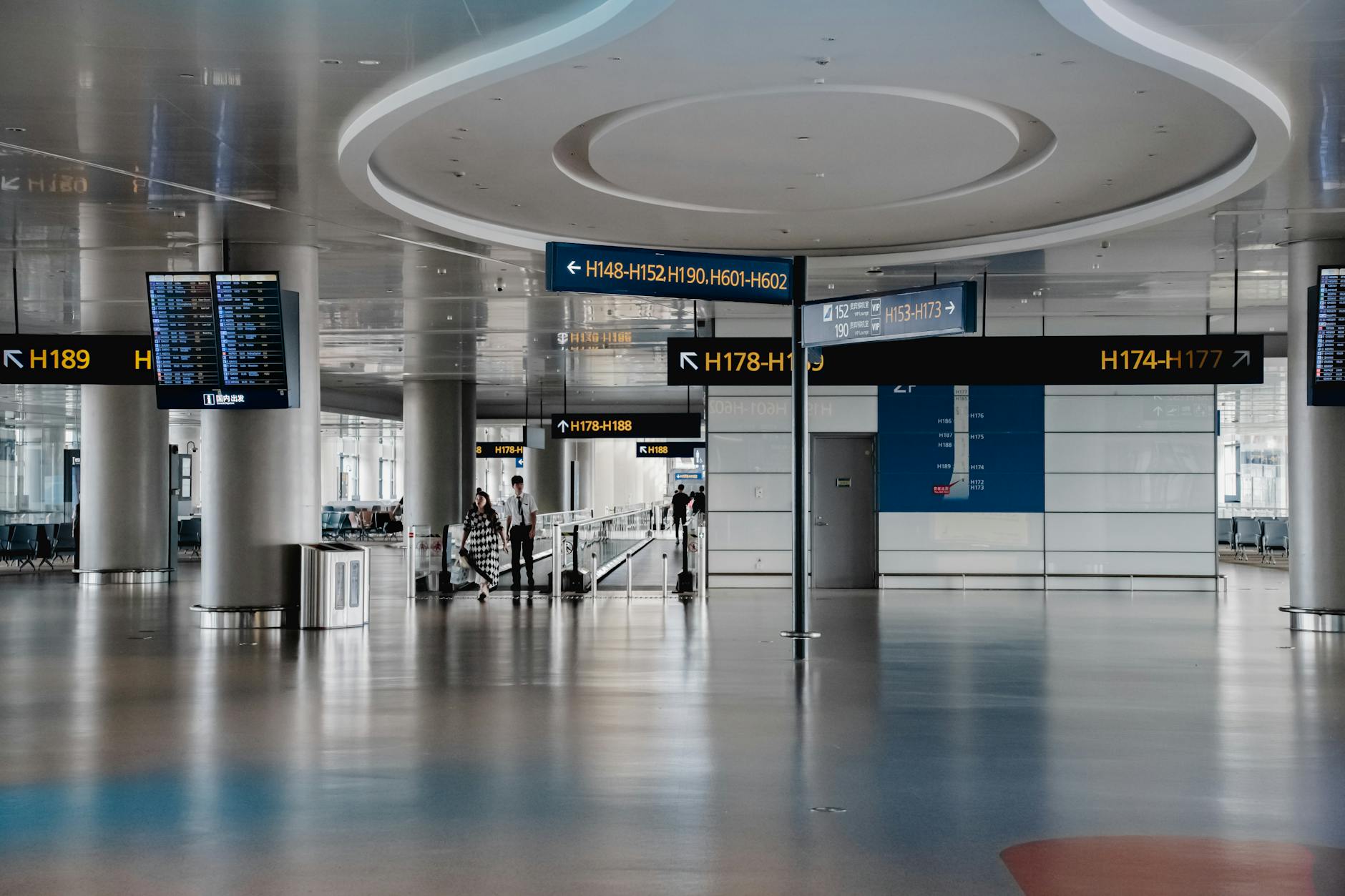
Table of Contents
- Before You Fly: Apps and Bookings
- Arrival Day: From the Airport to Your Hotel
- Your First 48 Hours in Shanghai
- The Must-See Attractions for First Timers
- First-Timer’s Food Plan
- Common First-Visit Mistakes to Avoid
- Money Without a Chinese Bank Account
- Language Survival
- Is Shanghai Safe for First-Time Visitors?
- Where to Stay for a First Visit
- How Many Days Do You Need?
- Frequently Asked Questions
Before You Fly: Apps and Bookings
Almost all of the friction a first-time Shanghai visitor encounters can be reduced by spending an hour or two of preparation before departure. The single most useful piece of advice is to set up your phone before you leave home, where Wi-Fi is faster and the verification process for Chinese apps tends to be smoother.
Install and verify Alipay and WeChat. Both apps now accept foreign credit cards in 2026 and serve as your primary payment method, transit card, and bridge to thousands of small services from food delivery to bike rentals. Alipay’s setup is generally easier; WeChat is necessary anyway because most messaging in China runs through it.
Decide on internet access. A travel eSIM from Airalo or Holafly that routes traffic through Hong Kong gives you uncensored Google, Instagram, and WhatsApp from the moment you land. A local SIM gives you a Chinese phone number (useful for some Chinese apps) but censored internet without a VPN. Many first-time visitors use both; modern phones support dual SIMs.
Book the immovable items. The Shanghai Museum, Shanghai Museum East, and Shanghai Disneyland sell out at peak times. The Shanghai Tower observation deck has weekend lines that exceed an hour. Reserve seven to fourteen days ahead through the official channels.
Save translated essentials to your phone. Take screenshots of your hotel’s Chinese name and address, your visa or visa-free entry confirmation, and any prescription medications in Chinese characters. Pleco, Microsoft Translator, and DeepL all work well; Google Translate works only with VPN access.
Learn five phrases. Nǐ hǎo (hello), xiè xie (thank you), zhè ge (this one — useful in restaurants), duōshǎo qián (how much), and bù yào (no thanks). You will use them daily.
For the full pre-arrival checklist, see our Shanghai travel tips for tourists guide.
Arrival Day: From the Airport to Your Hotel
Most first-time visitors arrive at Pudong International Airport (PVG), about thirty miles east of central Shanghai. A smaller subset arrives at Hongqiao Airport (SHA), which is closer to the city center and primarily handles domestic and some Asian flights. The airport you land at affects your first transit decision.
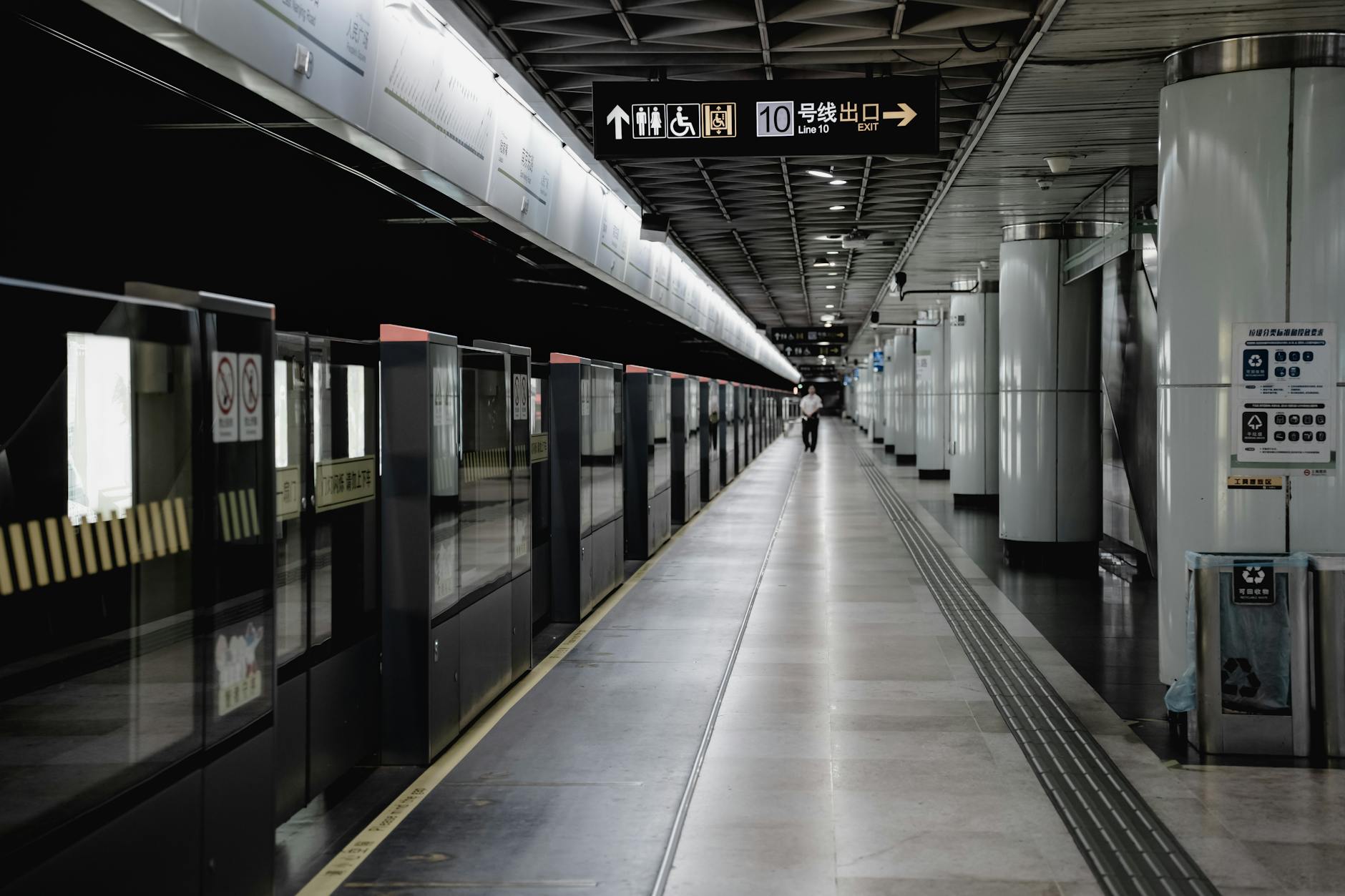
From Pudong to the city. The Maglev train, the world’s fastest commercial magnetic-levitation line, reaches Longyang Road metro station in about eight minutes at speeds up to 431 km/h. Tickets cost RMB 50 one-way. From Longyang Road, transfer to metro Line 2 (or Line 7) toward the city center. Total travel time to the Bund is about an hour. The metro alone takes about 90 minutes but costs only RMB 8.
If you have heavy luggage or are arriving late at night, a taxi or Didi is the easiest option. Allow RMB 200–250 (about $28–35 USD) and 60–90 minutes depending on traffic. Always use the official taxi rank; ignore unofficial drivers offering fixed fares.
From Hongqiao to the city. Metro Line 2 runs directly from Hongqiao Airport into central Shanghai in about thirty minutes for RMB 5–7. Taxis cost about RMB 80–120 and take 25–45 minutes.
At your hotel. Major hotels accept passports and foreign credit cards routinely. Smaller boutique hotels and serviced apartments occasionally have surprises around foreign-guest registration; staying at an internationally branded property simplifies the first night. Once checked in, register with the local police if your hotel has not done so automatically (legally required for short-term visitors).
The first walk. Resist the urge to nap until at least 9 PM local time, even if you arrive jetlagged. A walk along the Bund as the lights come on is the canonical first-night Shanghai experience and will reset your circadian rhythm faster than a hotel room ever will.
Your First 48 Hours in Shanghai
The standard first-timer plan compresses Shanghai’s iconic experiences into the first two days, then leaves the rest of the trip for deeper exploration. Adjust based on your jetlag and the season.
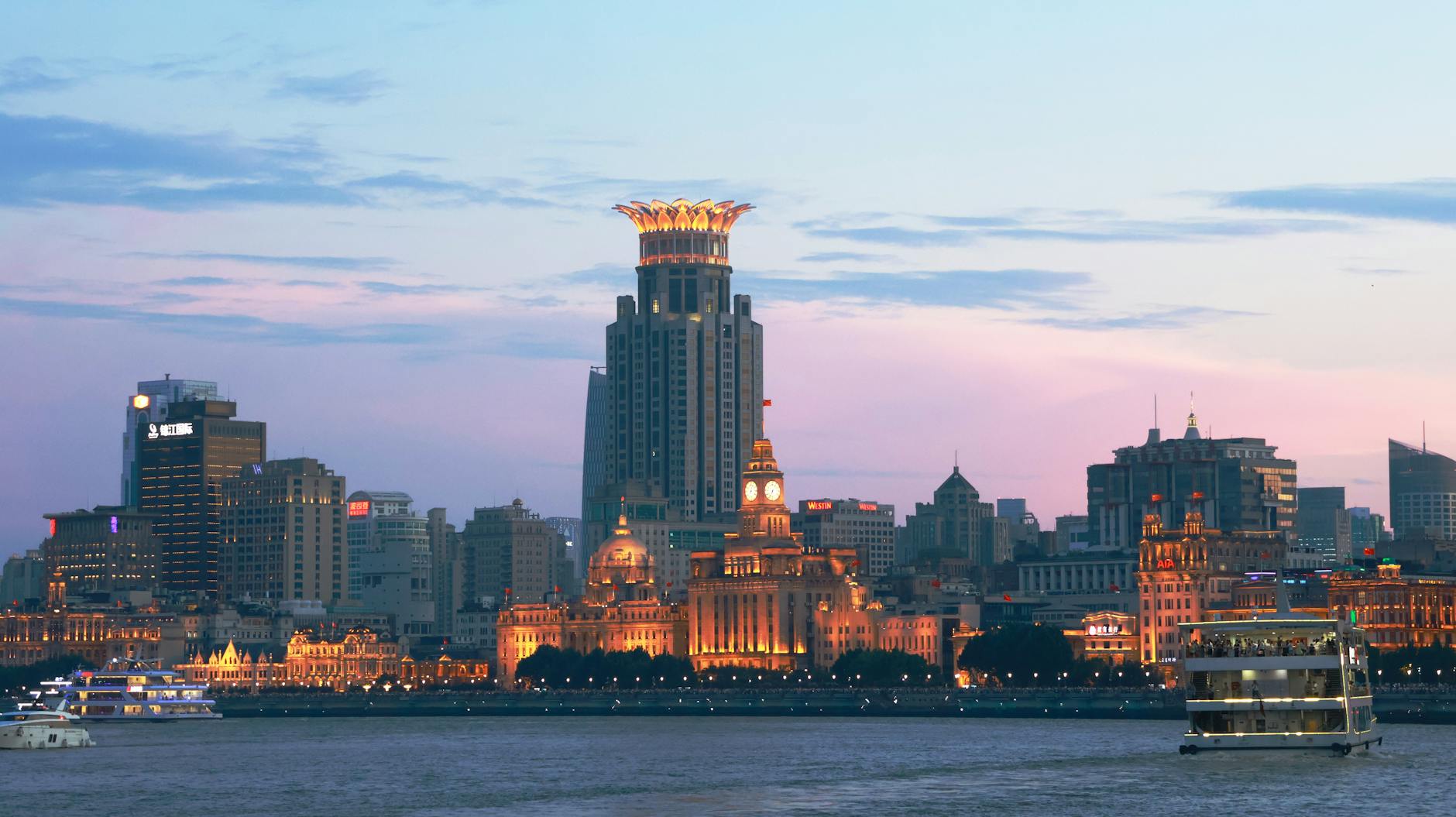
Day One — Old City and Bund icons. Start with breakfast at your hotel or a nearby cafe. Walk or take a taxi to Yu Garden when it opens at 8:30 AM; an hour in this Ming-era classical garden is enough for the first visit. Walk through Yuyuan Bazaar afterward and stop at Nanxiang Steamed Bun for xiaolongbao, the soup-filled dumplings Shanghai is famous for. Walk fifteen minutes north to the Bund, stroll the historic mile-long waterfront, and take in your first proper view of the Pudong skyline. Have lunch on the Bund (Mr & Mrs Bund or Lost Heaven are reliable choices). Cross to Pudong by ferry or metro, ride up the Shanghai Tower observation deck for panoramic city views, and return to the Bund-side at sunset for the evening light show. Dinner at a benbang restaurant such as Lao Ji Shi or Fu 1015. End with a cocktail at the Long Bar in the Waldorf Astoria, restored to its 1911 glory.
Day Two — French Concession and museums. Slow morning in the former French Concession; coffee at Anfu Road or Wukang Road, walk slowly through plane-tree-lined streets, browse independent boutiques and bookshops. Take the metro to People’s Square for the Shanghai Museum (allow at least three hours for one of the world’s great Chinese antiquities collections) and a quick stop at the Shanghai History Museum next door. Late afternoon: tea at the Huxinting in the middle of Yu Garden’s lake or a cafe in Tianzifang. Evening: jazz at the Peace Hotel or a Shanghai Symphony Orchestra performance.
For day-three options and longer plans, see our Shanghai itinerary planner.
The Must-See Attractions for First Timers
Six attractions appear on virtually every first-timer’s list and deserve their reputations.
The Bund. The mile-long waterfront on the western bank of the Huangpu River, lined with early-twentieth-century international architecture, with the Pudong skyline directly across the water. Walk it at least once during the day and once at night.
Yu Garden. A classical Chinese garden completed in 1577, the oldest surviving garden in central Shanghai. Often paired with a stroll through Yuyuan Bazaar.
Shanghai Tower observation deck. The highest accessible viewpoint in mainland China, on Floors 118 and 119 of the world’s third-tallest building. The tilting elevator alone is worth the visit.
Shanghai Museum. One of the world’s great Chinese antiquities collections, with eleven galleries covering bronzes, ceramics, painting, calligraphy, jade, and more. Free admission, advance reservation required.
Former French Concession. The leafy, low-rise district where Shanghai’s pre-1949 cosmopolitan character is best preserved. Walking is the way to experience it.
Xintiandi or Tianzifang. Restored shikumen lane houses converted into upscale (Xintiandi) or eclectic (Tianzifang) dining and shopping districts. Both give a sense of pre-1949 Shanghai’s residential architecture.
For the complete list, see Things to Do in Shanghai.
First-Timer’s Food Plan
Shanghai is one of the world’s great food cities, and a few targeted meals will give you a real introduction.
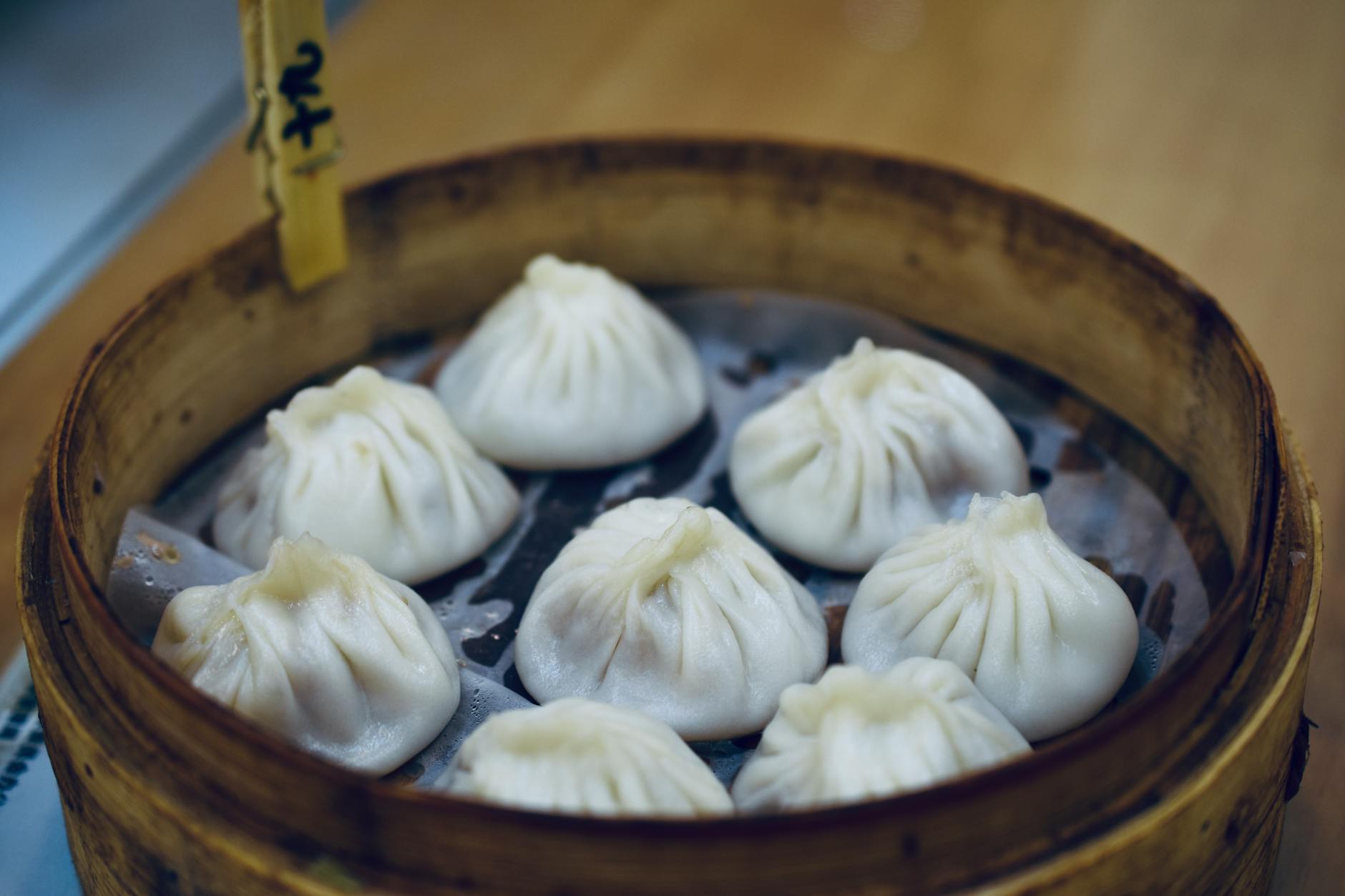
Xiaolongbao at Nanxiang Steamed Bun (Yuyuan Bazaar location) or Din Tai Fung (multiple locations). The technique: bite a small hole, sip the soup, then eat the wrapper and pork.
Shengjianbao at Yang’s Fry-Dumpling. Pan-fried pork buns with a crisp bottom and juicy interior; a Shanghai-only specialty.
Benbang cuisine (the local style) at Lao Ji Shi (Old City branch is most atmospheric) or Fu 1015 in the former French Concession. Order red-cooked pork belly, drunken crab, lion’s-head meatballs.
A bowl of noodles at A Niang Mian or Chongqing Lao Maxiao Mian. Local noodle culture is some of the most underrated food in the city.
One ambitious dinner at a fine-dining restaurant: Mercato (modern Italian on the Bund), Ultraviolet (avant-garde tasting menu, book months ahead), or 8 1/2 Otto e Mezzo Bombana (Italian, three Michelin stars).
For full detail, see our Shanghai Food Guide.
Common First-Visit Mistakes to Avoid
These are the mistakes that come up most often in first-timer feedback. Avoiding them saves real money and aggravation.
Trying to pay with cash everywhere. Shanghai is overwhelmingly cashless. Some street vendors and small shops only accept WeChat Pay or Alipay. Set up the apps before arrival; carry cash only as backup.
Skipping the Maglev. The eight-minute, 431 km/h ride from Pudong Airport is one of the cheapest novel transit experiences in the world and a perfect way to start a Shanghai trip. RMB 50 well spent.
Booking the wrong neighborhood. Staying in the suburbs to save money typically costs more in transit time and Didi fees than the hotel savings. Stay near the Bund or in the former French Concession for your first visit.
Engaging with the tea house scam. Friendly young Chinese-speakers who approach foreign tourists near the Bund and suggest a “traditional Chinese tea ceremony” lead to a bill of several thousand yuan. Politely decline tea invitations from strangers in tourist zones.
Tipping out of habit. Tipping is not customary in Shanghai. Servers may chase you down to return what they think you forgot.
Trying to see all of Shanghai in three days. Three days is the right length for the icons, not the entire city. Pick depth over breadth.
Forgetting that the Great Firewall is real. Without a VPN or international eSIM, Google Maps, Instagram, WhatsApp, and most Western news will not load. Plan ahead.
Money Without a Chinese Bank Account
Foreign credit cards work in many but not all places. The reliable strategy in 2026 is to use Alipay or WeChat Pay (both linked to your foreign card) for everyday spending, and keep RMB 1,000–2,000 in cash for the small fraction of vendors who require it.
ATMs. Bank of China, ICBC, and HSBC ATMs accept most foreign cards. Withdrawal limits are typically RMB 2,500 per transaction.
Currency exchange. Hotel exchange offers competitive rates for small amounts. Airport exchange is convenient but the worst rate. Avoid black-market money changers.
Foreign-transaction fees. Most US credit cards charge 1–3% on foreign purchases; cards designed for travel (Capital One, Chase Sapphire) waive these fees. Check before you fly.
For more detail, see Shanghai on a Budget.
Language Survival
Mandarin is the official language; Shanghainese is widely spoken but not used in any formal context. English signage in transit, museums, and tourist areas is good. English in restaurants, taxis, and small shops is hit or miss.
Translation apps. Pleco for offline Chinese-English with camera input. Microsoft Translator and DeepL for conversations. Google Translate works with VPN.
Have your hotel name and address in Chinese characters on a saved screenshot for showing taxi drivers.
Restaurant strategy. Many restaurants now have picture menus or QR-code menus you can translate via your camera. Pointing at what other diners are eating is universally understood.
Numbers. Vendors will often tap prices into a calculator if you do not understand the spoken number. This works fine.
Is Shanghai Safe for First-Time Visitors?
Shanghai is among the safest big cities in the world. Violent crime against tourists is rare. Solo women travelers report feeling comfortable late at night in most neighborhoods. The risks you might encounter are minor: pickpocketing in crowded areas, the tea house and art student scams near the Bund, and the standard urban-traffic dangers.

Traffic. The most dangerous part of daily Shanghai life is crossing the street. Silent electric scooters often run red lights, ride against traffic, and cross during pedestrian green lights. Look both ways every time, even on one-way streets.
Air quality. Generally moderate to good in 2026, but check the AQI on a weather app before all-day outdoor activities. Masks are widely available.
Tap water. Not safe to drink. Use bottled water or the boiled water provided by hotels.
For the full safety guide, see Shanghai travel tips for tourists.
Where to Stay for a First Visit
For a first Shanghai visit, the two best neighborhoods are the Bund/Huangpu area and the former French Concession. Both put you within walking distance of major sights and have excellent dining and atmosphere.
The Bund/Huangpu is more iconic, with luxury hotels in heritage buildings (Fairmont Peace Hotel, Waldorf Astoria, Mandarin Oriental on the Pudong side) and direct skyline views. Best for first-time visitors prioritizing icons and luxury.
The former French Concession is more residential and atmospheric, with boutique hotels (The Middle House, URBN, scattered serviced apartments) and the best independent dining and cafe culture in the city. Best for first-time visitors prioritizing wandering and neighborhood feel.
Pudong/Lujiazui is convenient for the Shanghai Tower and Disneyland but feels more like a financial-district stay. Reasonable for second visits or business trips, less ideal for tourists.
For neighborhood-by-neighborhood lodging recommendations, see Where to Stay in Shanghai.
How Many Days Do You Need?
For a first visit, three to five days is the sweet spot. Three days covers the icons at a comfortable pace; five days gives you room for Shanghai Disneyland or a day trip to Suzhou or Zhujiajiao Water Town. Less than three days is doable but feels rushed; more than seven days as a first visit is unusual unless you are using Shanghai as a base for the broader Yangtze Delta.
The most common first-timer regret is not allocating enough time. Shanghai rewards slowness, and visitors who allow themselves a free afternoon or two report the most satisfying experiences.
Frequently Asked Questions
Do I need a visa to visit Shanghai for the first time?
Many nationalities qualify for visa-free entry to China for stays up to fifteen days, and an extended visa-free policy covers Shanghai and surrounding provinces for nationals of additional countries. Confirm your eligibility before booking; see our visa guide.
What is the best month for a first visit to Shanghai?
April, May, October, and early November are the most pleasant months, with mild temperatures and lower humidity. Summer is hot and humid; winter is cold and damp. See our Best Time to Visit guide.
Can I drink the tap water?
No. Use bottled water or boiled water from the kettle provided in your hotel.
Will my credit card work in Shanghai?
In major hotels and chain restaurants, usually. In casual restaurants, taxis, and small shops, often only WeChat Pay or Alipay are accepted. Set up both apps before arrival; both now accept foreign cards.
Is English widely spoken?
In tourist areas, transit, and major hotels, yes. In small restaurants and taxis, basic English is hit or miss. Translation apps fill any gap.
Should I get a SIM card or use my home plan?
An eSIM from Airalo or Holafly that routes traffic through Hong Kong gives you uncensored internet and is the easiest option for most first-time visitors. A local Chinese SIM gives you a local number but censored internet without a VPN.
How much money should I plan per day?
Budget travelers can manage on $50–80 USD per day; midrange on $150–250; luxury on $400+. Most attractions are free or under $20 USD.
What should I avoid wearing?
Standard Western clothing is fine. Cover shoulders and knees if you plan to enter active temples. Comfortable walking shoes matter more than dress code; you will walk a lot.
Is Shanghai or Beijing better for a first visit to China?
If you have time for both, start in Beijing (imperial and ancient context) and move to Shanghai (modern China). If you only have time for one, Shanghai is generally easier for first-time China visitors due to its cosmopolitan infrastructure.
Can I see Shanghai Disneyland on a first visit?
Yes, easily. Shanghai Disneyland is reachable directly via metro Line 11 and worth a full day if you have kids or are a theme-park fan. See our Family Travel Guide.
Putting It All Together
The best advice for first time visiting Shanghai is to prepare your phone before you fly, plan three to five days, stay near the Bund or in the former French Concession, eat at least one xiaolongbao meal, walk the Bund at sunset, and let yourself be surprised by everything else. Shanghai is a city that rewards prepared travelers and is forgiving to less-prepared ones.
For deeper guides on each topic above, follow the links throughout this article. Start with our Shanghai Travel Guide for a complete overview, then move into the specific area that most needs your attention.
For more background, see Shanghai on Wikipedia.