Choosing the best time to visit Shanghai can make the difference between a magical trip and a frustrating one. This sprawling metropolis on China’s eastern coast experiences four distinct seasons, each offering unique advantages and challenges for travelers. From the cherry blossom-lined parks of spring to the lantern-lit festivals of winter, from the sweltering humidity of summer to the crisp golden days of autumn, understanding Shanghai’s seasonal rhythm will help you plan the perfect visit. This comprehensive guide breaks down the weather, events, crowds, and costs month by month so you can decide exactly when to book your Shanghai adventure.
The short answer is that the best time to visit Shanghai is during autumn (September to November) or spring (March to May), when temperatures are mild, skies are often clear, and the city’s parks and waterfronts are at their most beautiful. However, every season has its appeal, and budget travelers, festival enthusiasts, and summer vacationers will each find compelling reasons to visit at different times of year. Read on for the complete picture of what to expect in each season and every month.
Spring in Shanghai (March to May): The Best Time to Visit Shanghai for Mild Weather
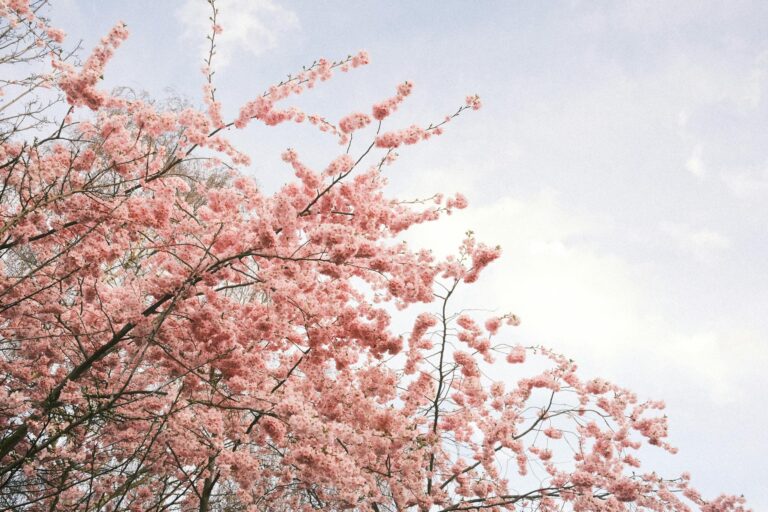
Spring is one of the two peak seasons for visiting Shanghai, and for good reason. As winter fades, temperatures gradually climb from around 9°C in early March to a pleasant 18 to 25°C by May. The city’s famous plane trees burst into leaf along the French Concession’s boulevards, cherry blossoms paint the parks pink and white, and outdoor terraces at restaurants and cafés come alive again after months of winter dormancy. Spring is the best time to visit Shanghai if you want comfortable walking weather for exploring the city’s neighborhoods, gardens, and waterfront areas.
March
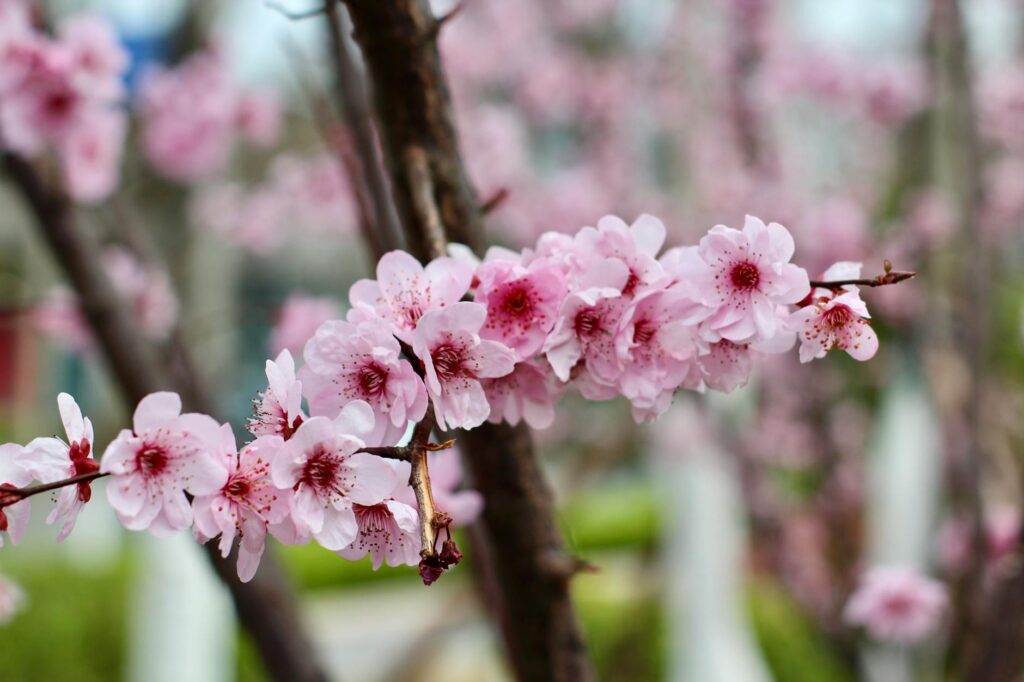
March is the transition month from winter to spring, with average daily lows of 7.6°C and highs of 14.9°C (Xujiahui, 1991–2020 averages, the basis for every monthly figure on this page). Early March can still feel chilly and overcast, but by mid-month, temperatures begin to rise noticeably. Rain is possible but generally light. Cherry blossoms begin appearing in late March at Gucun Park. Hotel prices start climbing from winter lows but remain below peak season rates. Pack layers and a light waterproof jacket.
April
April is arguably the single best month to visit Shanghai. Daily lows average 12.6°C and highs 20.9°C, cherry blossoms peak from late March into early April alongside the magnolias, and the Qingming Festival (Tomb Sweeping Day) brings interesting cultural observances. Shanghai Fashion Week takes place in late March to early April, adding a glamorous energy to the city. Rainfall increases slightly compared to March, with about 11 days of measurable rain through the month, but downpours are rare. This is an excellent month for day trips from Shanghai to nearby Suzhou and Hangzhou, where the gardens are at their most beautiful.
May
May brings warmer temperatures, with daily lows averaging 17.9°C and highs 25.8°C, and longer daylight hours, making it ideal for sightseeing. The May Day holiday around 1 May (five days in 2026, 1 to 5 May) is a major domestic travel period, bringing heavy domestic travel — expect higher hotel prices, crowded attractions, and fully booked trains during this period. If possible, plan your visit for mid to late May after the holiday rush subsides. The Shanghai International Film Festival’s early events begin in late May, and the city’s outdoor dining scene is in full swing.
Summer in Shanghai (June to August): Hot, Humid, and Budget-Friendly
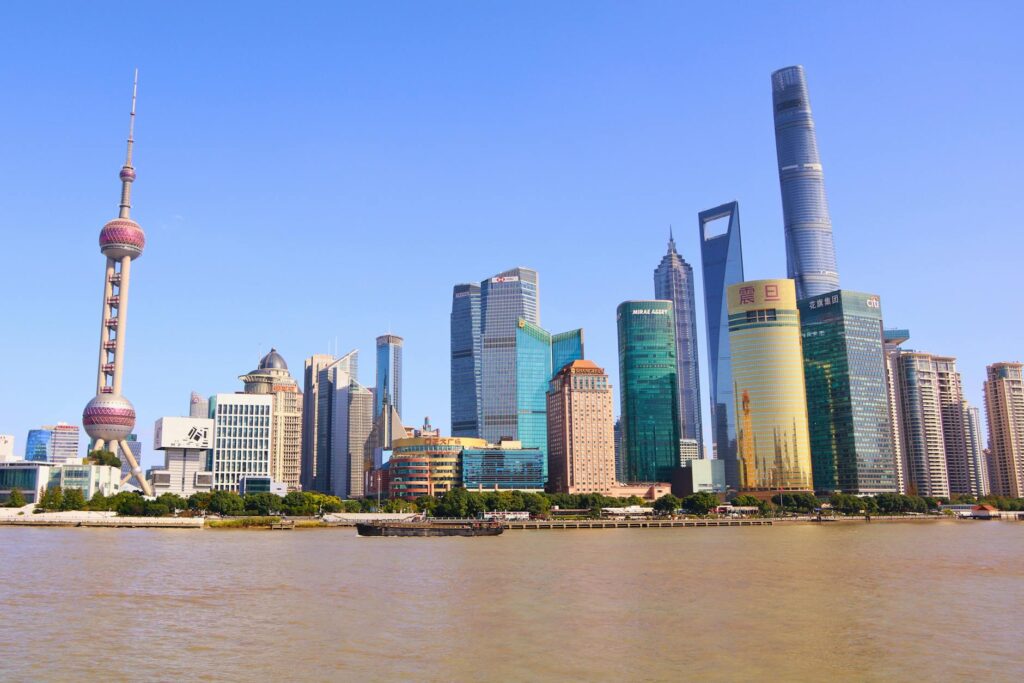
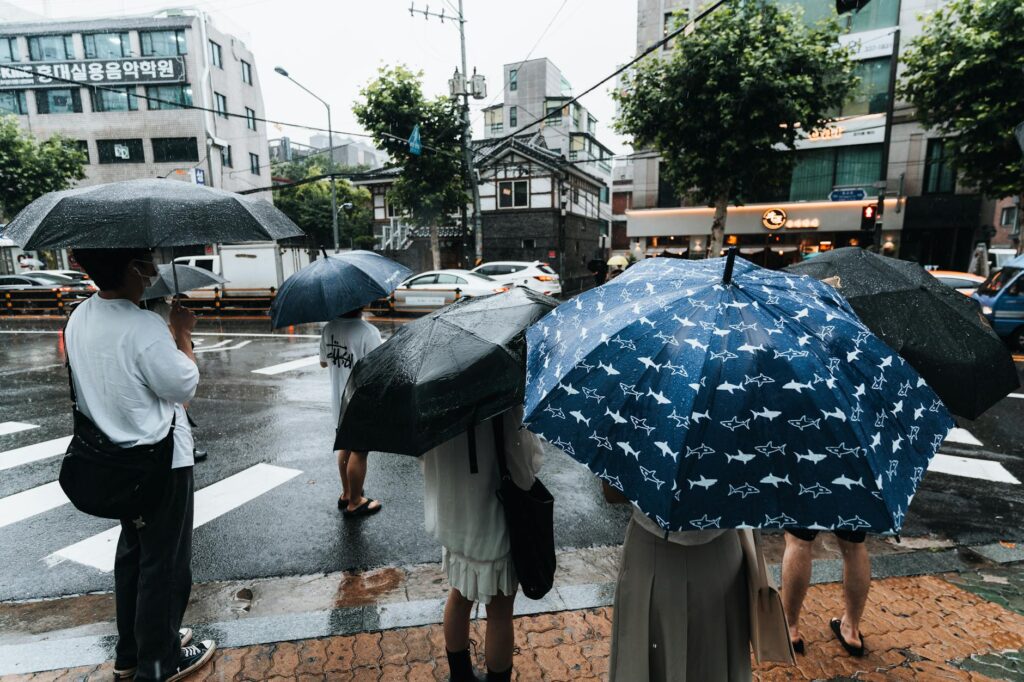
Summer is Shanghai’s most challenging season for tourists, with high temperatures, oppressive humidity, and the annual Plum Rain (Meiyu) season bringing extended periods of drizzle and overcast skies. However, summer also brings lower hotel prices outside of school holidays, lively outdoor events, and the energetic atmosphere of a city that refuses to slow down despite the heat. If you can handle the weather, summer offers some unique advantages for the prepared traveler.
June
June marks the beginning of the Plum Rain season (Meiyu), typically lasting from mid-June to mid-July. This period brings persistent light rain, overcast skies, and high humidity that can make outdoor exploration uncomfortable. Daily lows average 22°C and highs 28.6°C, and the air feels heavy and sticky. The Shanghai International Film Festival typically takes place in June, bringing celebrity appearances and special screenings to cinemas across the city. The Dragon Boat Festival (Duanwu Festival), usually falling in June, features dragon boat races and traditional zongzi rice dumplings.
July and August
July and August are the hottest months, with temperatures regularly exceeding 35°C and humidity levels making it feel even hotter. Air conditioning becomes essential, and most tourists spend significant time in the climate-controlled comfort of malls, museums, and restaurants. Typhoons can affect Shanghai from July to September, occasionally bringing heavy rain and wind, though direct hits are relatively rare. Despite the heat, summer is peak season for domestic tourism due to school holidays, so popular attractions can be very crowded. Hotel prices spike during Chinese school holidays but offer value during weekdays. Plan outdoor activities for early morning or evening, and spend midday hours in air-conditioned attractions like the Shanghai Museum, the Shanghai Tower observation deck, or the vast shopping malls.
Autumn in Shanghai (September to November): The Overall Best Time to Visit Shanghai
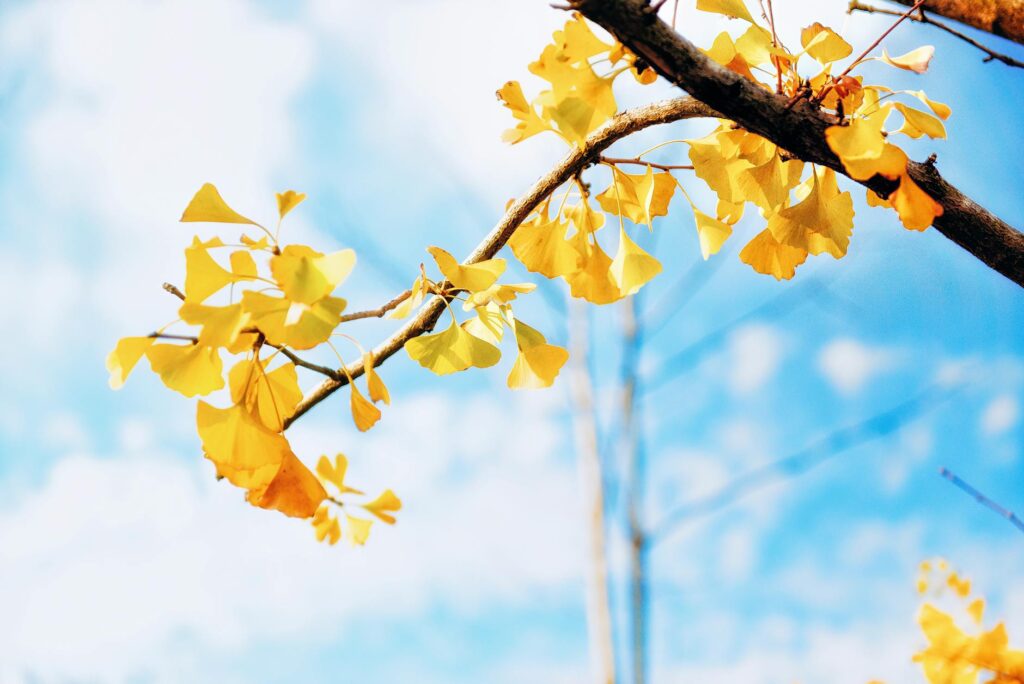
Autumn is widely considered the absolute best time to visit Shanghai. The oppressive summer heat gives way to crisp, comfortable temperatures, humidity drops significantly, and the city’s tree-lined streets take on warm golden and amber tones. Skies are often clear and blue, creating perfect conditions for photography, outdoor dining, and exploring the city on foot. Tourist crowds thin after the October Golden Week, hotel prices moderate, and the overall experience of being in Shanghai feels most pleasant during these months.
September
September is a transitional month where summer’s heat gradually fades. Early September can still feel summery; the month as a whole averages daily lows of 22.5°C and highs of 28.7°C, with the heat easing as it goes on. The Mid-Autumn Festival (Zhongqiu Festival), typically falling in September or early October, is one of China’s major traditional holidays — families gather to eat mooncakes, admire the full moon, and the city’s parks and waterfronts are decorated with lanterns. The JZ Shanghai Jazz Festival in late September or October brings first-rate jazz performances to venues across the city.
October
October is a very good month for visiting Shanghai, and for good reason — daily lows average 17.1°C and highs 23.5°C, rainfall is low, and the French Concession’s plane trees turn gold. However, the National Day Golden Week (October 1 to 7) is a major domestic travel period, so expect crowded attractions and transport, and book hotels well ahead. If you can visit in mid to late October after the holiday, you will enjoy some of the best weather of the year with significantly fewer crowds. Shanghai Fashion Week’s autumn edition and various art exhibitions also take place in October.
November
November offers cool, crisp weather, with daily lows averaging 11.4°C and highs 17.8°C, and some of the lowest tourist numbers outside of winter. The famous Singles’ Day shopping festival on November 11 transforms the city into a retail frenzy, with incredible deals both online and in physical stores. Late November marks the transition to winter with temperatures dropping further and occasional cold snaps. The autumn foliage peaks in early November at spots like the Bund’s Zhongshan Park and the plane tree-lined avenues of the French Concession. Pack a warm jacket and layers for November visits.
Winter in Shanghai (December to February): Budget Travel and Festive Charm
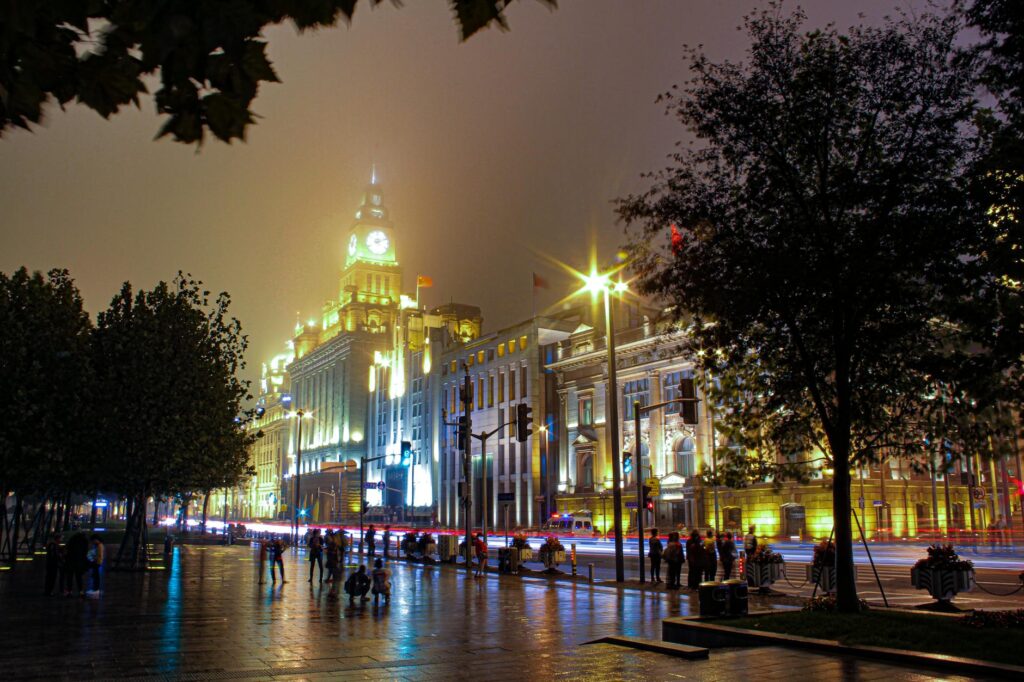
Winter in Shanghai is cold, damp, and overcast, with daily means of 5.4°C in January, 7.0°C in February and 7.9°C in December (lows from 2.9°C to 5.3°C, highs from 8.7°C to 11.3°C) and a biting wind chill that can make it feel colder than the thermometer suggests. Snow is rare but not impossible. While the weather is not ideal for outdoor exploration, winter offers advantages for budget-conscious travelers — hotel rates tend to be lower than in the busy seasons, and the city takes on a unique atmosphere with holiday decorations and festivals.
December
December brings cold temperatures, with daily lows averaging 5.3°C and highs 11.3°C, and short daylight hours, but the city’s Christmas decorations — particularly in Xintiandi, along Nanjing Road, and in the major malls — create a surprisingly festive atmosphere. While Christmas is not a traditional Chinese holiday, Shanghai’s cosmopolitan nature means it is widely celebrated commercially. December is one of the cheapest months for hotels and flights, making it an excellent time for budget travelers who do not mind bundling up. Indoor attractions like museums, galleries, and the city’s lively nightlife scene are perfect for cold evenings.
January and February
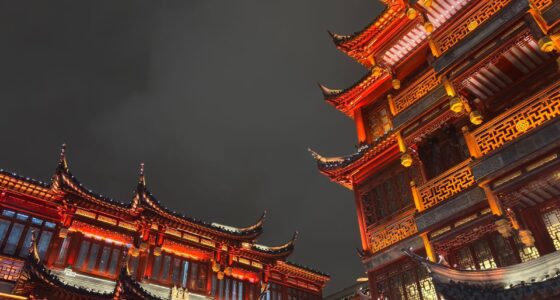
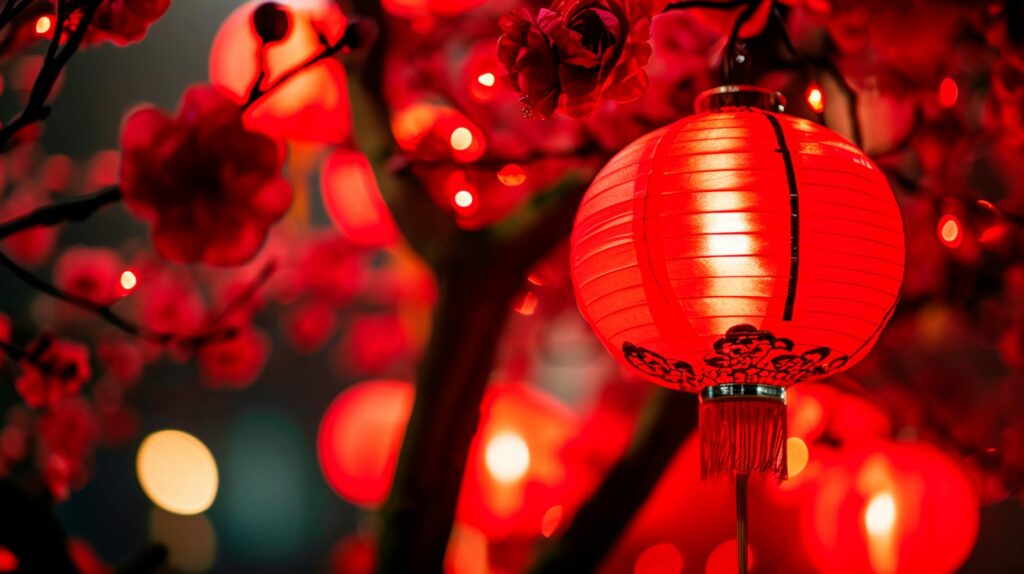
January is typically the coldest month, with temperatures occasionally dropping to or below freezing. February starts cold but begins warming slightly toward the end of the month. The major event of winter is Chinese New Year (Spring Festival), which falls in late January or February depending on the lunar calendar. This is the most important holiday in China, and Shanghai transforms with spectacular decorations, especially the famous Yuyuan Garden Lantern Festival, which draws massive crowds. Many businesses close for the holiday week, and domestic travel is at its annual peak. If you visit during Chinese New Year, book hotels well in advance and expect higher prices despite the winter season. The atmosphere, however, is hard to forget — the combination of traditional celebrations, fireworks, and the festive energy makes it one of the most culturally rich times to experience Shanghai.
Crowd Levels Throughout the Year
Understanding crowd patterns is essential when deciding the best time to visit Shanghai. The city sees its heaviest tourist traffic during three holiday periods: Chinese New Year (late January or February), May Day (around 1 May), and National Day (October 1 to 7). During these periods, major attractions like the Bund, Yu Garden, and the Shanghai Tower can have long waits, hotel prices surge dramatically, and trains between cities sell out days in advance. Domestic tourism dominates these peaks, with hundreds of millions of Chinese travelers on the move simultaneously.
The quietest periods for tourism are mid-November through mid-March (excluding Chinese New Year), and weekdays in June and September. During these times, you can enjoy major attractions without significant queuing, secure better hotel rates, and experience a more relaxed version of the city. The summer school holiday period (July to August) brings increased domestic tourism, particularly families with children, though international visitor numbers remain moderate. For the optimal balance of pleasant weather and manageable crowds, mid-March to mid-April and mid-October to mid-November are the sweet spots that experienced Shanghai travelers recommend.
Air Quality and Environmental Considerations
Air quality is another factor when choosing the best time to visit Shanghai. The city has made significant improvements in air quality over the past decade, but pollution levels still vary seasonally. Winter months (December to February) tend to have the poorest air quality, with occasional hazy days when particulate levels rise. Summer brings better air quality overall, aided by rain washing pollutants from the atmosphere, though humid conditions can create haze. Autumn generally offers the clearest skies and best air quality, which is another reason it is considered the ideal season. Travelers sensitive to air quality should download an air quality monitoring app like AirVisual before their trip and plan outdoor activities on days when readings are favorable. On high-pollution days, museums, indoor markets, and shopping malls provide excellent alternatives to outdoor sightseeing.
Best Time to Visit Shanghai for Photography
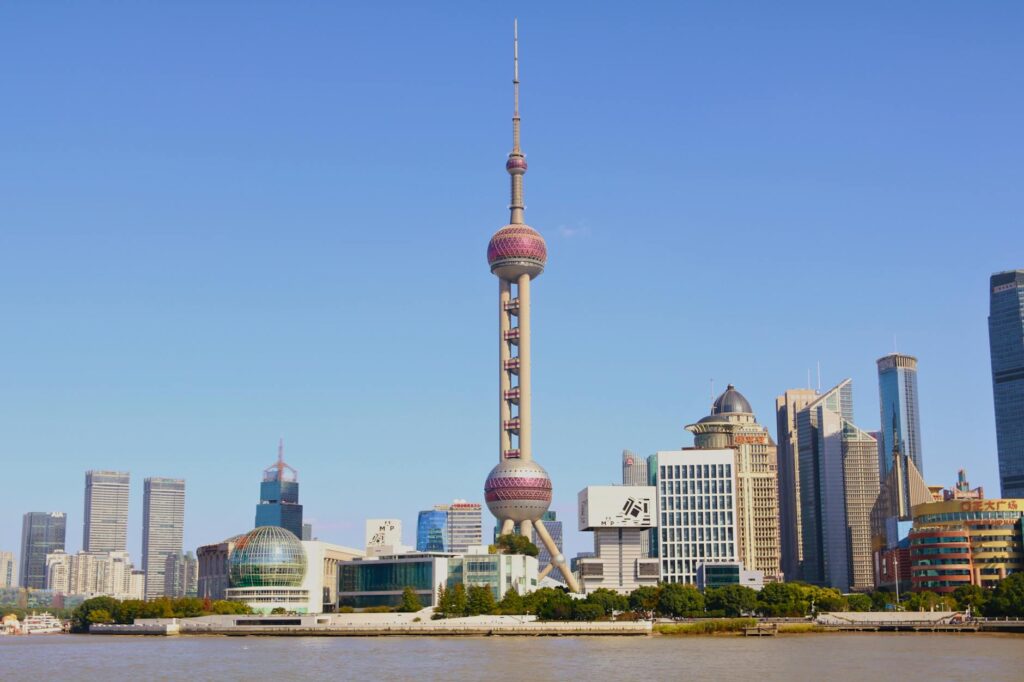
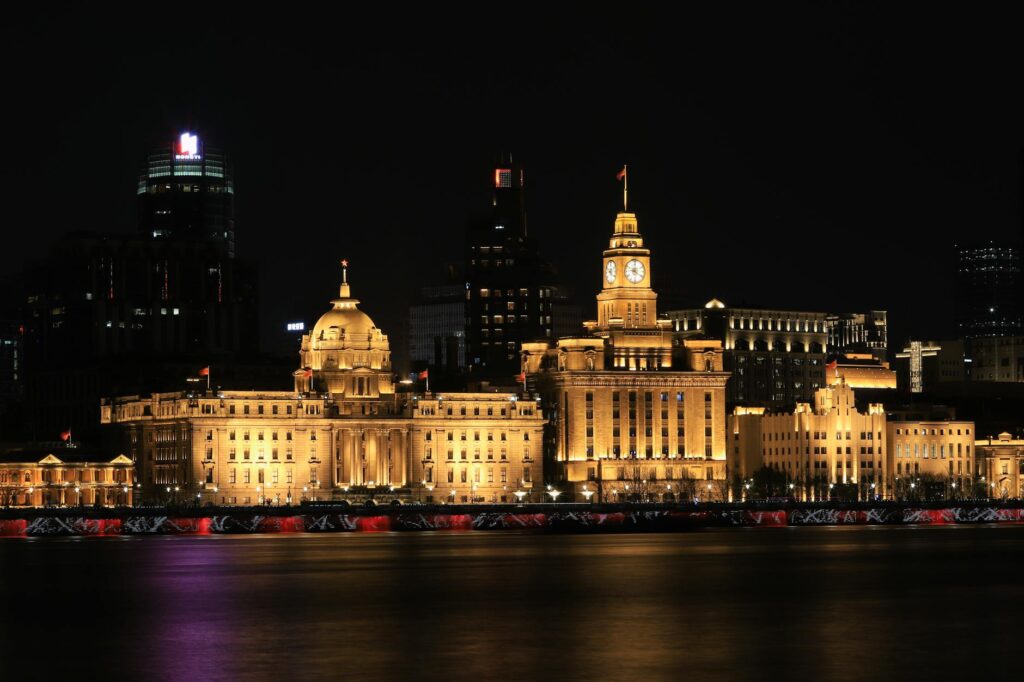
Photographers planning the best time to visit Shanghai should consider both weather and lighting conditions. Autumn delivers the most consistently clear skies and the warm golden light that makes the Bund and Pudong skyline photographs truly spectacular. The hours around sunset, which falls at about 6 PM in mid-September, just before 5 PM by late November and around 7 PM in June and July, offer the famous transition from daylight to the fully illuminated nighttime skyline — this “blue hour” window is the one to plan your evening around. Spring mornings can produce beautiful misty conditions along the Huangpu River, while the rare winter snowfall creates extraordinary images of the city. For cherry blossom photography, late March to early April at Gucun Park or along the Suzhou Creek greenway offers the best opportunities.
Best Time for Specific Activities
The best time to visit Shanghai varies depending on what you plan to do. For garden visits to Yu Garden and day trips to the Suzhou and Hangzhou gardens, spring (March to May) is ideal when flowers are blooming and temperatures are comfortable for outdoor walking. For rooftop bar hopping and outdoor dining, April to May and September to October offer the perfect combination of warm evening temperatures and clear skies. For shopping in Shanghai, November brings the extraordinary Singles’ Day deals, while the Chinese New Year sales period offers discounts on traditional goods. For museum and cultural exploration, winter is surprisingly ideal — shorter queues, lower costs, and comfortable indoor environments make December and January excellent months for deep cultural immersion. For river cruises on the Huangpu, evening cruises in October offer the clearest views of the illuminated skyline with comfortable deck temperatures.
Shanghai Festivals and Events Calendar
Shanghai’s event calendar is packed year-round, and timing your visit to coincide with a major festival can add an extraordinary dimension to your trip. Chinese New Year (January or February) features the spectacular Yuyuan Lantern Festival and temple fairs throughout the city. The Longhua Temple Fair in April is one of Shanghai’s oldest traditional festivals. Shanghai Fashion Week in March/April and October/November brings international fashion to the city. The Shanghai International Film Festival in June attracts movie stars and film lovers. The Mid-Autumn Festival in September/October fills the city with mooncakes and lanterns. National Day Golden Week in October features massive celebrations and fireworks. The Shanghai International Arts Festival runs from October to November, showcasing performing arts from around the world. And the famous Shanghai Grand Prix brings Formula 1 racing to the Shanghai International Circuit, typically in April.
Costs by Season: When Is Shanghai Cheapest?
For travelers deciding the best time to visit Shanghai based on budget, the cheapest months are generally December through February (excluding Chinese New Year week) and June through August weekdays. During winter low season, four-star hotel rooms can often be found for noticeably less than in autumn. Flights from most international origins are also cheapest in winter and during the shoulder months of March and November. The most expensive periods tend to be the major public holidays — Chinese New Year, May Day, and National Day — when hotel rates climb and availability becomes limited. For the best value combining good weather with reasonable prices, aim for mid-March to mid-April, or mid-October to mid-November.
Shanghai Weather Compared to Other Asian Cities
Travelers who have visited other major Asian cities may find it helpful to compare Shanghai’s climate to familiar destinations. Shanghai’s summer heat and humidity are comparable to Hong Kong’s, though Shanghai’s winter is considerably colder. Tokyo’s climate is the closest comparison — both cities experience distinct four-season climates with similar temperature ranges, cherry blossom seasons, and rainy periods. Compared to Bangkok or Singapore, Shanghai’s seasons are far more pronounced, offering genuine winter cold and a true autumn that tropical cities lack. Seoul’s climate is similar but with harsher winters and less summer rain. Understanding these comparisons can help you calibrate your expectations and packing decisions, especially if you are combining Shanghai with other Asian destinations on a multi-city trip. The key difference that sets Shanghai apart is the Plum Rain season in June and July, which is unique to the Yangtze Delta region and catches many first-time visitors off guard.
What to Pack for Each Season in Shanghai
For spring visits (March to May), pack layers including a light jacket, comfortable walking shoes, and a compact umbrella. Summer travelers (June to August) should bring lightweight, breathable clothing, sunscreen, a hat, insect repellent, and a portable fan — an umbrella is essential for both rain and shade. Autumn visitors (September to November) enjoy the easiest packing with light layers, a medium-weight jacket for evenings, and comfortable walking shoes. Winter travelers (December to February) need a warm coat, thermal layers, a scarf and gloves, waterproof boots, and hand warmers for extended outdoor exploration. Regardless of season, always bring a portable battery charger for your phone — you will rely heavily on mobile apps for navigation, payment, and translation throughout your trip.
Month-by-Month Quick Reference for the Best Time to Visit Shanghai
January brings cold temperatures, with daily lows averaging 2.9°C and highs 8.7°C, low crowds and budget-friendly prices, best for indoor cultural exploration and possible Chinese New Year festivities. February remains cold, with lows of 4.1°C and highs of 10.7°C, and Chinese New Year brings festive energy, lantern festivals, and higher prices during the holiday week. March sees temperatures warming to lows of 7.6°C and highs of 14.9°C, with cherry blossoms beginning, Shanghai Fashion Week and tourist numbers rising — a solid shoulder season choice. April is arguably the best month overall, with lows of 12.6°C and highs of 20.9°C, blossoms still at their peak early in the month, and moderate crowds outside of Qingming holiday. May offers warm weather, with lows of 17.9°C and highs of 25.8°C, but comes with the crowded May Day Golden Week — visit after May 5 for the best experience.
June marks the start of the Plum Rain season with lows of 22°C and highs of 28.6°C, high humidity, and the Dragon Boat Festival and Film Festival as highlights. July is hot and humid, with a daily mean of 29.1°C (lows of 26.2°C, highs of 33.2°C), typhoon risk but lower international tourist numbers and summer cultural events. August continues the extreme heat, with lows of 26.2°C and highs of 32.6°C, and domestic tourism peaking due to school holidays. September brings relief with lows of 22.5°C and highs of 28.7°C, the beautiful Mid-Autumn Festival, and declining crowds — an excellent choice. October has ideal weather, with lows of 17.1°C and highs of 23.5°C, golden autumn colors, but heavy National Day crowds in the first week. November offers cool temperatures, with lows of 11.4°C and highs of 17.8°C, the Singles’ Day shopping extravaganza, gorgeous autumn foliage, and very manageable tourist numbers. December is cold, with lows of 5.3°C and highs of 11.3°C, festive Christmas decorations, the lowest prices of the year, and minimal crowds — ideal for budget-conscious travelers who pack warm.
Frequently Asked Questions About the Best Time to Visit Shanghai
What is the worst time to visit Shanghai?
The most challenging time for tourists is mid-June to mid-July during the Plum Rain season, when persistent drizzle, overcast skies, and high humidity make outdoor sightseeing uncomfortable. Late July through August is extremely hot with temperatures regularly exceeding 35°C. The three big holiday periods (Chinese New Year, May Day, National Day) bring extreme crowds and inflated prices. If possible, avoid the first week of May and the first week of October for the most pleasant experience.
Does it snow in Shanghai?
Snow in Shanghai is rare but not unheard of. The city typically sees snow once or twice per winter, usually just a light dusting that melts quickly. Heavy snowfall is extremely unusual and makes headlines when it occurs. If you are hoping for a snowy Shanghai experience, late January to early February offers the best (though still slim) odds.
Is Shanghai worth visiting in summer?
Despite the heat, summer in Shanghai has its merits. Hotel prices are lower on weekdays, cultural events like the Shanghai International Film Festival take place, and the city’s air-conditioned attractions — first-rate museums, massive shopping malls, and indoor entertainment — provide comfortable respite. If you can tolerate heat and humidity, plan outdoor activities for early morning or evening and spend midday hours indoors. Summer evenings along the Bund are magical when the skyline lights up.
When is the cheapest time to fly to Shanghai?
The cheapest international flights to Shanghai are generally found in January (after New Year’s, before Chinese New Year), early March, late November, and early December. Booking six to eight weeks in advance typically yields the best prices. Flight prices spike dramatically around Chinese New Year, May Day, and National Day, so avoid booking during these holiday windows if budget is a priority.
What is Shanghai’s typhoon season?
Shanghai’s peak typhoon season generally runs from late August to mid-September. While direct typhoon hits on Shanghai are relatively uncommon, the city can experience heavy rain, strong winds, and transportation disruptions from nearby typhoons. Monitor weather forecasts during summer visits and have backup indoor plans. The probability of typhoon impact drops sharply after mid-September.
How many days should I spend in Shanghai?
Most visitors find that three to five days is ideal for exploring Shanghai’s highlights, regardless of what time of year you visit. Three days covers the essential experiences — the Bund, Yu Garden, the French Concession, Pudong skyline, and a day trip to a nearby water town. Five days allows for deeper exploration including museum visits, neighborhood walks, multiple dining experiences, and possibly two day trips to destinations like Suzhou or Hangzhou. If you are visiting during autumn or spring when the weather is ideal, consider extending to a full week to truly absorb the city at a relaxed pace. During summer or winter, three to four days may be sufficient as you will spend more time indoors between outdoor excursions.
Should I avoid visiting Shanghai during Golden Week holidays?
If possible, yes — major public holidays such as Chinese New Year, May Day and National Day bring heavy crowds, so check accommodation prices for your dates. Attractions that are normally pleasant become uncomfortably packed, hotel prices climb, and train tickets sell out well in advance. However, if a Golden Week is your only available travel window, it is still possible to have a great experience by booking everything well in advance, arriving at attractions at opening time, and seeking out less touristy neighborhoods and experiences. The cultural atmosphere during Chinese New Year, in particular, is so extraordinary that many travelers feel the crowds are a worthwhile trade-off for the once-in-a-lifetime experience of seeing Shanghai celebrate its most important holiday.
What is the best time to visit Shanghai for first-time visitors?
For first-time visitors, mid-October to early November offers the ideal combination of comfortable weather, manageable crowds (after National Day), reasonable prices, and the full range of outdoor activities and attractions at their best. If October is not feasible, April is an excellent second choice with beautiful spring weather and cherry blossoms adding a magical quality to the city’s parks and gardens. Both months allow you to experience the Bund, explore neighborhoods on foot, enjoy rooftop bars, and take comfortable day trips without battling extreme temperatures or overwhelming crowds.
The best time to visit Shanghai ultimately depends on your priorities — whether that is perfect weather, low prices, festive celebrations, or thin crowds. Every season brings something special to this remarkable city, and no matter when you arrive, Shanghai’s energy, cuisine, and cultural richness will make your trip memorable.
For more information on planning your trip, explore our complete Shanghai Travel Guide. Need help with visa requirements? Our detailed guide covers the latest entry policies. And once you have decided when to visit, check our Where to Stay in Shanghai guide for accommodation recommendations by neighborhood and budget.
When to Avoid Shanghai: Peak-Crowd Dates to Plan Around
China’s domestic holidays turn Shanghai’s best sights into crushes, and prices climb with them. Three windows are worth planning around. National Day / Golden Week (October 1–7) is a major domestic travel period: the Bund, Yu Garden, and Nanjing Road are busy, so book hotels and trains out of the city well ahead. If October’s weather is the draw, come in the second half of the month once the holiday clears. Labour Day (May 1–5) brings a similar, shorter surge in the middle of otherwise ideal spring weather. Chinese New Year (late January or February; the date shifts each year) empties Shanghai of locals but shutters many family-run restaurants and shops for a week, while transport nationwide is chaotic — atmospheric for the lantern displays, frustrating for day trips. Summer school holidays (July–August) pack Disneyland and indoor attractions with domestic families. For the thinnest crowds and lowest prices, target late March to mid-April, late May to mid-June, or November — shoulder windows with mild weather and no major holiday. Once you’ve fixed your dates, our Shanghai itineraries help you map them day by day.
Explore Shanghai Season by Season
Keep planning with our in-depth companion guides:
- Shanghai Weather Month by Month: Complete Climate Guide (2026) — Shanghai has four distinct seasons, with hot, humid summers and cold, damp winters.
- Shanghai in Spring: Cherry Blossoms & Perfect Weather (2026) — Spring is the season most experienced China travelers point to first when someone asks when to go.
- Visiting Shanghai in Summer: 2026 Heat, Typhoons & Itinerary Guide — Visiting Shanghai in summer means committing to heat, humidity, and the occasional storm…
- Shanghai in Autumn: Best Season for Your 2026 Visit — Ask any local and they'll tell you the same thing: Shanghai in autumn is the city at its absolute best.
- Shanghai in Winter: Christmas Markets & Chinese New Year (2026) — Shanghai in winter surprises most first-time visitors.
- Chinese New Year in Shanghai: Celebrations & Festival Guide (2027) — Chinese New Year Shanghai celebrations (Spring Festival, 春节) run from New Year’s Eve through the Lantern Festival on the fifteenth day of the lunar year, with individual events on their own schedules.
- Shanghai Festivals & Events Calendar (2026) — Shanghai hosts a wide range of festivals and cultural events through the year…
- What to Pack for Shanghai: Season-by-Season Checklist (2026) — Shanghai's climate ranges from subtropical-humid summers to damp-cold winters, with two glorious shoulder seasons.
- Golden Week in Shanghai: Should You Visit During China's October Holiday? (2026) — Ask anyone who lives in Shanghai when a visitor should avoid the city, and the answer comes back in about half a second: the first week of October.