The most-booked Shanghai trip length is three days, and the most reliable structure is the one that hits the icons, gives the food the attention it deserves, and still leaves room to slow down in one residential neighborhood. This 3 day Shanghai itinerary is built for first-time visitors who want exactly that: the Bund, Yu Garden, and the Pudong skyline on day one; the former French Concession and the Shanghai Museum on day two; and a single-focus choice on day three between a theme park, a classical-gardens city, or a canal town. Everything below is sequenced with real timings, named food stops, transit costs, and the small adjustments that make a first trip to a city this large and this fast actually work.
You do not need to rush every minute. Three full days is enough to walk the Bund at dusk, eat soup dumplings in the neighborhood that made them famous, look down on the city from the Shanghai Tower, and still spend an unhurried afternoon under the plane trees of the French Concession. Keep one slot per day genuinely open and the trip stops feeling like a checklist.
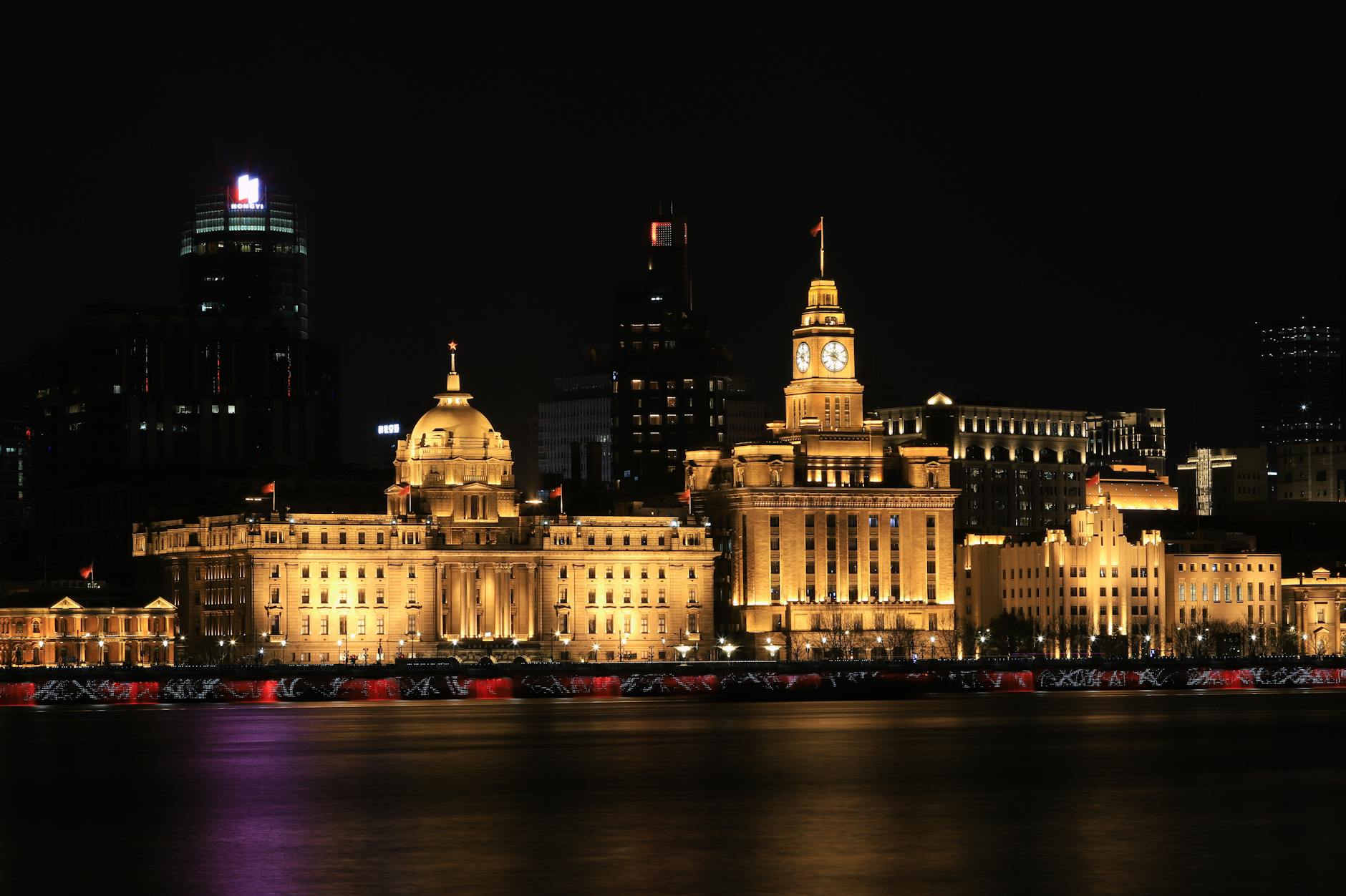
Table of Contents
- Overview and Strategy
- Before You Start: Arrival, Apps, and Getting Into Town
- Day 1: Old City, the Bund, and Pudong
- Day 2: French Concession and Museums
- Day 3: Choose Your Day Trip
- Where to Eat at Each Meal
- Getting Around Each Day
- Where to Stay for This Itinerary
- Best Time to Do This Trip
- What to Pack
- Estimated Budget
- If You Have Less or More Time
- Practical Tips That Save the Day
- Frequently Asked Questions
Overview and Strategy
This plan rests on four simple decisions, and they are the reason it works better than a flat list of attractions.
Decision 1: Front-load the icons on Day 1. Energy is highest at the start of a trip, jet lag aside, and the visual payoff of the Bund, Yu Garden, and the Shanghai Tower sets the tone for everything after. Putting them first also means that if the weather turns later, you have already seen the views that matter most.
Decision 2: Slow down on Day 2. The former French Concession and the city’s museums reward unhurried wandering, not a march. Pick two or three things and stay with them. A morning coffee, a long walk under the plane trees, and an afternoon in the Shanghai Museum is a fuller day than five rushed stops.
Decision 3: Make Day 3 a single focus. Shanghai Disneyland, a Suzhou day trip, or a water town are each a whole day on their own. Choosing one and committing to it gives the trip a distinct third act instead of a scattered final morning.
Decision 4: Plan meals as deliberately as sights. Some of the best things you will do in three days happen at a table. Build the day around xiaolongbao, shengjianbao, and at least one proper benbang (Shanghainese home-style) dinner, and the eating stops carry the itinerary as much as the landmarks do.
One more structural trick worth knowing before you begin: the Bund and Yu Garden look completely different by day and by night, and this plan deliberately has you pass each of them twice. The Bund at noon is about the architecture; the Bund after the lights come on is about the skyline. Seeing both is the single most memorable thing a first-timer can do here, and it costs nothing extra because the waterfront is free and open around the clock.
Before You Start: Arrival, Apps, and Getting Into Town
A little setup before Day 1 removes almost every headache people run into on a first trip to China. Do these things and the three days below run smoothly.
From the airport to the city
Shanghai has two airports. Pudong International (PVG) sits southeast of the city and handles most long-haul flights. The fun way in is the Maglev, the magnetic-levitation train that runs to Longyang Road station in roughly 8 minutes, where you connect to Metro Line 2 toward the center. A taxi or ride-hail from Pudong to the Bund area takes about 45–60 minutes depending on traffic. Hongqiao International (SHA) is west of the center, closer in, and is served directly by Metro Lines 2 and 10, so for most central hotels the metro is the simplest option. If you are arriving late or with heavy bags, a taxi from the rank is straightforward; insist on the meter.
Set up payments and a few apps
Shanghai runs on the phone. Before you fly, install and register both Alipay and WeChat Pay and link a foreign Visa or Mastercard inside each — as of 2026 both accept linked foreign cards for everyday spending, and between them they cover taxis, the metro, small restaurants, market stalls, and ticket QR codes. Carry a little cash for emergencies, but you will rarely need it. Two more apps earn their space: a translation app (Pleco works offline; Microsoft Translator handles spoken conversations) and a maps app you trust. Many travelers also set up an eSIM or a roaming plan before arrival so the phone works the moment they land, since the entire payment system depends on having data.
Buy your big tickets in advance
Two stops in this itinerary genuinely require advance reservation, especially on weekends and during Chinese holidays: the Shanghai Museum (free, but timed entry must be booked ahead) and the Shanghai Tower observation deck. Reserve a Day 1 afternoon slot for the tower and a Day 2 afternoon slot for the museum and you avoid the two most common ways a Shanghai day falls apart. For everything else — restaurants, the ferry, water-town tickets — you can decide on the day. If this is your very first trip to the country, our guide to first-time visiting Shanghai covers visas, connectivity, and etiquette in more depth.
Day 1: Old City, the Bund, and Pudong
The icon-heavy day. Roughly 9 hours of activity, plus dinner and a nightcap. You will walk the Old City, the elevated Bund promenade, and Lujiazui across the river, and you will see the Bund twice — once in daylight and once lit.
8:00 AM — Breakfast at your hotel. Eat a real meal; the day is long and the next sit-down is mid-morning dumplings, not lunch.
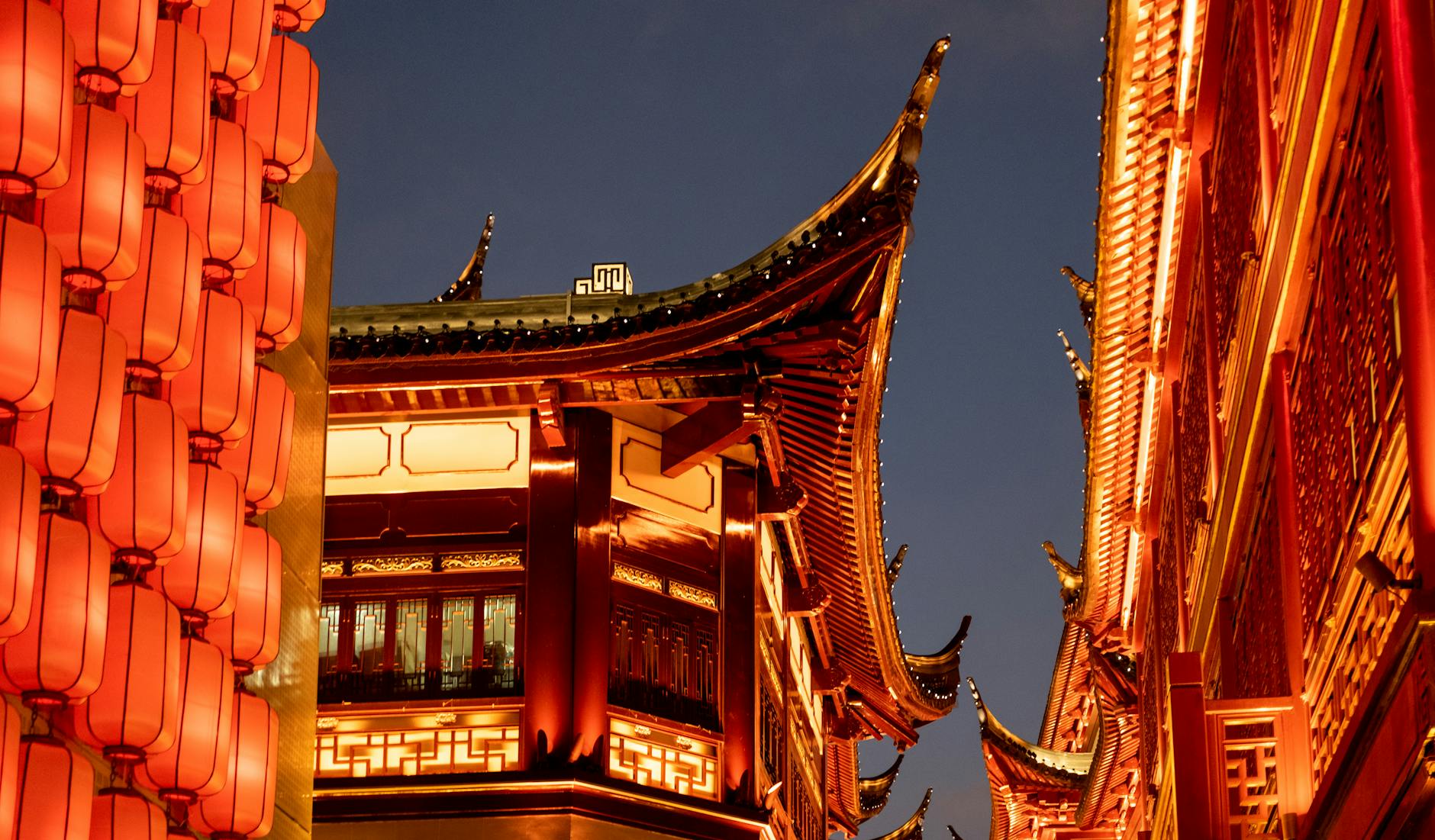
8:30 AM — Yu Garden at opening. Arrive at the gate as it opens. Allow 60–75 minutes inside to walk the Ming-era classical garden in relative quiet before the tour groups arrive. The rockeries, koi ponds, and the Exquisite Jade Rock are the highlights; a full circuit is unhurried at this pace. For background and ticketing, see our dedicated Yu Garden guide.
10:00 AM — Yuyuan Bazaar walk. Step out into the bazaar that wraps around the garden. Browse the traditional shops, photograph the lantern-strung lanes, and cross the zig-zag Jiuqu Bridge to the Huxinting teahouse sitting on the water. This is one of the most photographed corners of the Old City.
10:30 AM — Soup dumplings at Nanxiang. The century-old Nanxiang Mantou Dian beside the garden’s bridge is the classic stop. Order a basket of standard pork (around RMB 30) and one of crab roe (around RMB 60). The ground floor is takeaway with long queues; head upstairs for a seat and a shorter wait. If the line is brutal, Jia Jia Tang Bao a short walk away is an excellent alternative.
11:30 AM — Walk to the Bund. It is about 15 minutes north on foot. The Shanghai City God Temple sits on the way if you want a quick look; otherwise keep moving toward the river.
12:00 PM — Lunch near the Bund. Lost Heaven on Yan’an East Road serves Yunnan and Burmese cooking in a dramatic room; Mr & Mrs Bund on the sixth floor of Bund 18 does modern French bistro fare with a view. Both take reservations, and on weekends you will want one.
1:30 PM — The Bund architectural walk. Walk the elevated promenade from Yan’an East Road north toward Suzhou Creek, roughly 90 minutes at a browsing pace. The row of early-twentieth-century buildings facing the water — banks, trading houses, hotels — carries small bronze plaques with bilingual histories. Read a few; it turns a pretty waterfront into a story. Our things to do in Shanghai guide has more on the individual landmarks.
3:00 PM — Cross to Pudong. Two ways across the Huangpu: the kitschy, light-filled Bund Sightseeing Tunnel (around RMB 70) or the no-frills Lujiazui ferry from the south end of the Bund (a couple of RMB, about 5 minutes, and a far better photo of the skyline). The ferry is the local choice.
3:30 PM — Shanghai Tower observation deck (Floors 118 and 119). Use the timed ticket you booked earlier. Allow about 90 minutes for the ear-popping elevator, the deck, and the views. It is the highest publicly accessible point in the city; on a clear day you can trace the whole bend of the river. Expect a ticket in the region of RMB 220.
5:30 PM — Drift back toward the river. Walk Lujiazui Riverside Park toward the ferry as the afternoon softens. The Bund’s facade floodlights typically come on around 7 PM in spring and autumn (later in summer, earlier in winter), so you are timing your return for the switch-on.
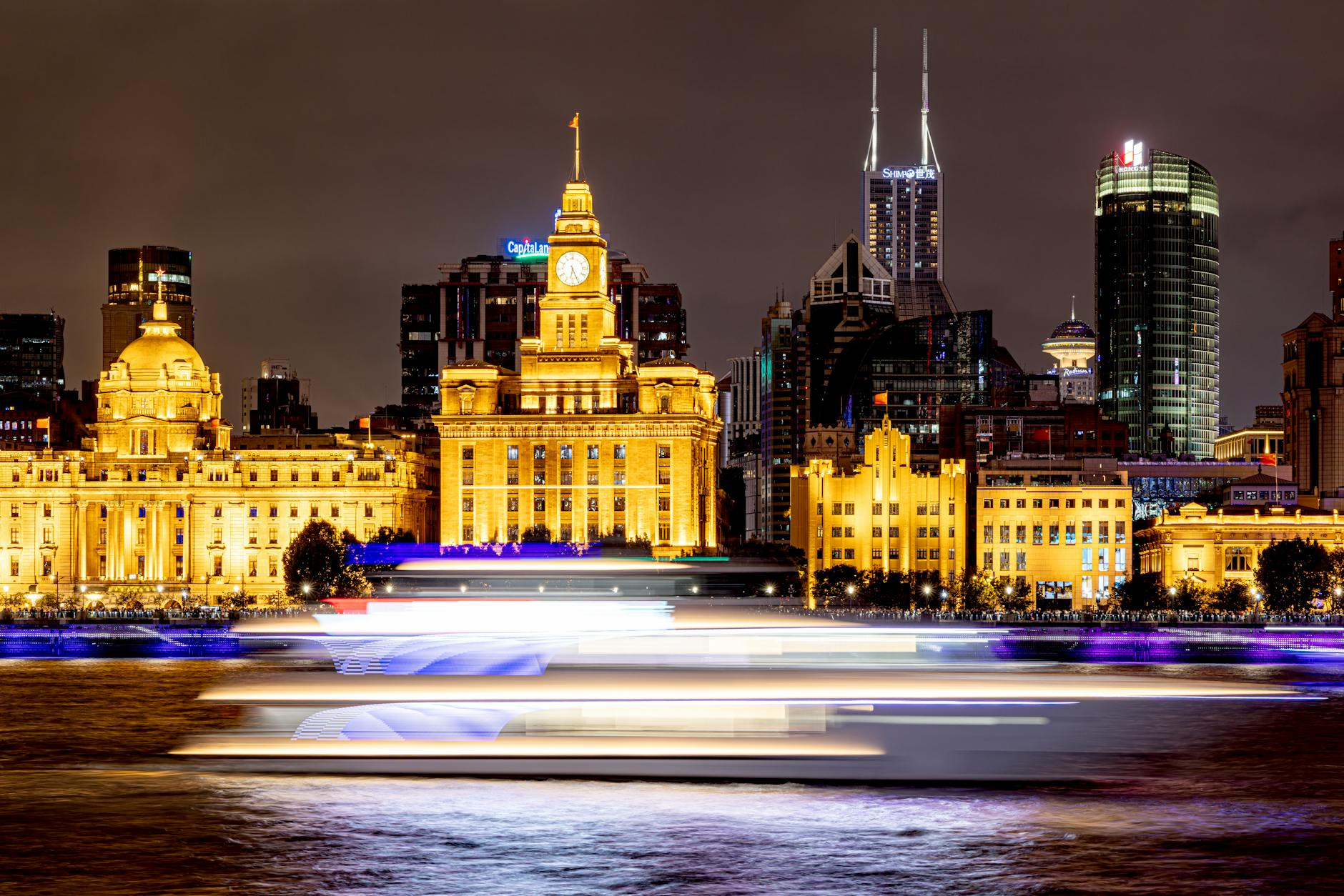
6:30 PM — The Bund at dusk. Walk the promenade a second time, now facing the lit towers of Pudong. This is the view that sells Shanghai, and it is the one image first-timers most want. Weekends and holiday evenings are shoulder-to-shoulder along the railing, so arrive a little before full dark to claim a spot.
7:30 PM — Benbang dinner. Sit down to Shanghainese home cooking. Lao Ji Shi (the Old City branch has the most atmosphere) or Fu 1015 in the French Concession both do the classics well: red-cooked pork belly, drunken crab, lion’s-head meatballs, sweet-savory braises. This is the meal to linger over.
9:00 PM — A nightcap at the Long Bar. The Long Bar at the Waldorf Astoria (Bund 2) is a faithful rebuild of the 1911 Shanghai Club bar — a long mahogany counter and a proper cocktail. It is the right full stop on Day 1. Prefer a rooftop? Sir Elly’s at the Peninsula, a little farther north, frames both Pudong and the full sweep of the Bund.
Day 2: French Concession and Museums
The slow-down day. About 7 hours of activity with generous breaks built in. The pace is the point.
9:30 AM — Coffee on Anfu Road or Wuyuan Road. The former French Concession has the best independent cafe scene in the city. Manner, Seesaw, or any of the small roasters on these streets make a good first stop. Take it slowly; this is a morning to ease into.
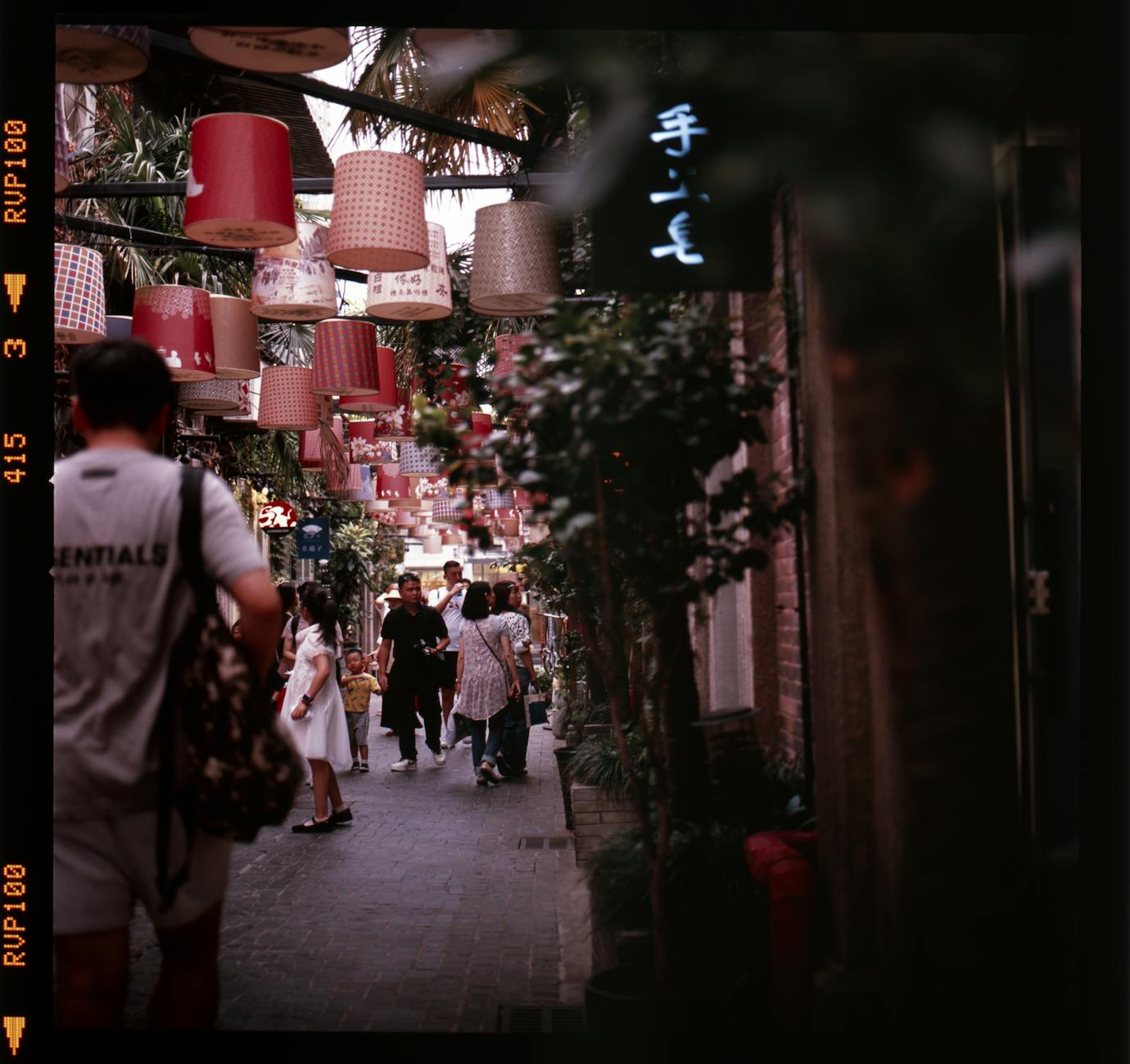
10:30 AM — The French Concession walk. Wander south toward Wukang Road and the wedge-shaped Wukang Mansion, a 1924 landmark that anchors one of the prettiest junctions in the city. Notice the London plane trees arching over the lanes, the Art Deco and Spanish-style villas, and the way the light filters down. Duck into independent boutiques and bookshops as the mood strikes — the wandering is the attraction here, not any single address.

12:00 PM — Sun Yat-sen’s former residence. The home of modern China’s founding figure is a small but worthwhile stop (around RMB 20) that grounds the neighborhood in its early-twentieth-century history.
12:45 PM — Lunch in Xintiandi. The restored shikumen (stone-gate house) blocks of Xintiandi are polished and a little touristy, but the architecture is genuinely handsome and the choice is wide. Crystal Jade for refined Cantonese and dim sum, or any of the lighter cafes if you want to keep the afternoon nimble.
2:00 PM — The site of the First National Congress. A short walk from lunch, the 1921 founding site of the Chinese Communist Party is a compact, well-presented museum (free, but reserve ahead). Whatever your interest in the politics, it is a clear window onto how modern China began.
3:00 PM — Metro to People’s Square. Hop on Line 10 from Xintiandi; it is a short ride to People’s Square, the civic heart of the city and home to the Shanghai Museum.
3:15 PM — The Shanghai Museum. Use your timed reservation. Allow at least three hours, more if antiquities are your thing. It holds the finest collection of Chinese bronzes, ceramics, calligraphy, and painting you can see in one building. If your time is tighter, prioritize the bronze, ceramics, and painting galleries and let the rest go.
6:30 PM — Tea or an early drink. Wind down near the museum or drift back toward the river. The Long Bar (Bund 2) or any of the cafes around People’s Square work for a pause before dinner.
7:30 PM — A neighborhood dinner. Keep it casual and local. Zhi Wei Guan for Hangzhou cooking, A Niang Mian for a bowl of noodles, or any of the small spots tucked into the French Concession lanes. After two big days, a relaxed table is the right call.
9:00 PM — Jazz at the Peace Hotel. The Old Jazz Bar inside the Fairmont Peace Hotel has a house band playing 1930s standards in the same Art Deco room where the music first played. It is a fitting, slightly time-traveling close to the day.
Day 3: Choose Your Day Trip
Four strong options. Pick the one that matches your interests, commit to it, and treat it as a full day rather than a half-measure.
Option A: Shanghai Disneyland. Best if you have children or are a serious theme-park fan. Take Metro Line 11 directly to the park, aim to be at the gate for opening (around 8:30 AM), and stay through the evening fireworks. Disney Premier Access is worth it for the TRON and Zootopia rides on busy days. Our Shanghai Disneyland guide has the full one-day plan and ride strategy.
Option B: Suzhou day trip. The classical-gardens city is about 25 minutes from Hongqiao Station by high-speed rail. Visit the Humble Administrator’s Garden and the I. M. Pei–designed Suzhou Museum, then have lunch on Pingjiang Road and be back in Shanghai by evening. Trains run roughly RMB 40–90 each way. See our Suzhou day trip guide for timings and garden picks.
Option C: Zhujiajiao water town. A Ming-era canal town reachable in about an hour, with stone bridges, narrow waterways, and boat rides through the old core. Half a day to a full day depending on your pace; the 80 RMB combined ticket that covers several gardens and temples is better value than the cheaper partial ticket. Our Zhujiajiao day trip guide walks you through getting there and what to see.
Option D: West Bund art corridor (in-city alternative). If you would rather not leave the city, the West Bund strings together the Long Museum, the Yuz Museum, and the Power Station of Art along the river — a strong afternoon of contemporary Chinese and international art with room to walk between them.
For more day-trip ideas beyond these, browse all of our day trips from Shanghai.
Wherever you go, end the night back in central Shanghai. Make the final dinner count — a splurge at a top table (Mercato, 8½ Otto e Mezzo, or Da Vittorio), or a humble, perfect bowl of crab-roe noodles on Wujiang Road. Then toast the trip from a rooftop: Sir Elly’s, The Roof, or Bar Rouge all give you the skyline one more time.
Where to Eat at Each Meal
This itinerary already visits some of the city’s best-loved food at the right time of day. Here is the eating plan in one place so you can adjust to taste.
Breakfast, Day 1: Hotel breakfast — fuel up properly.
Mid-morning, Day 1: Soup dumplings at Nanxiang or Jia Jia Tang Bao.
Lunch, Day 1: A Bund-side table (Lost Heaven or Mr & Mrs Bund).
Dinner, Day 1: Benbang Shanghainese at Lao Ji Shi or Fu 1015.
Breakfast, Day 2: A French Concession cafe.
Lunch, Day 2: Casual in Xintiandi or near Tianzifang.
Dinner, Day 2: A neighborhood spot in the French Concession.
Day 3: Plan around your day-trip choice — pack snacks for Suzhou, use Disneyland’s better quick-service stalls, or eat canalside in Zhujiajiao.
Final dinner: A celebratory table; bookings are essential at the top end.
If you want to go deeper on what to order and where, our Shanghai food guide covers the classics, and the Shanghai street food guide is the one to read before you start eating your way down a market lane.
Getting Around Each Day
The metro and your own two feet are the right combination for this plan. Central Shanghai is dense and walkable; the metro covers the longer hops cleanly and cheaply.
Day 1: Walk the Old City to the Bund, take the ferry or metro across to Pudong, and ride the metro back. Total transit cost is small — a handful of RMB.
Day 2: Metro and walking throughout, again only a few RMB in fares.
Day 3: Disneyland is Line 11; Suzhou is high-speed rail from Hongqiao (RMB 40–90 each way); Zhujiajiao is reachable by metro and bus or a direct line in about an hour.
Set up Alipay or WeChat Pay for transit before you arrive — both generate a metro QR code you scan at the gates, so you never need a separate physical card. Single rides are billed by distance and are inexpensive. For the full breakdown of lines, fares, and airport links, see our getting around Shanghai guide and the more detailed Shanghai metro guide.
Where to Stay for This Itinerary
Two areas put you within walking distance of most Day 1 and Day 2 sights: the Bund and Huangpu district, or the former French Concession. Either base keeps your daily commute short.
Bund area, luxury: Fairmont Peace Hotel, Waldorf Astoria, or the Mandarin Oriental across the river in Pudong.
Bund area, midrange: Sofitel Hyland or the historic Astor House Hotel.
French Concession, luxury: The Middle House or URBN.
French Concession, midrange: Cachet Boutique and a range of serviced apartments.
Budget: Hostels around Jing’an or People’s Square, and private rooms in small guesthouses in the French Concession.
For a neighborhood-by-neighborhood breakdown of who each area suits, see our where to stay in Shanghai guide.
Best Time to Do This Trip
Shanghai is a year-round city, but this walking-heavy itinerary is most comfortable in the shoulder seasons. April to May and October to November bring mild temperatures, lower humidity, and the clearest skies for the Bund and the tower views — the conditions this plan is really written for. Summer (June to August) is hot and humid, so shift the outdoor walking earlier and lean on air-conditioned museums in the afternoon. Winter is cold but quiet, with thinner crowds at Yu Garden and the museums.
Whenever you come, steer around the two big domestic-travel surges: the May 1–5 Labour Day holiday and the October 1–7 National Day week, when every sight on this list is at its most crowded, plus Lunar New Year. For a full month-by-month breakdown, see our best time to visit Shanghai guide.
What to Pack
Pack for the season, and pack light — you will be on your feet most of each day.
- Comfortable walking shoes (expect 8–12 km a day).
- Layers or a light jacket; spring and autumn mornings and evenings are cool.
- A phone charger and a power bank — your phone is your wallet, map, and translator.
- A translation app downloaded for offline use (Pleco) plus one for conversations.
- A small daypack for shopping and snacks.
- A saved offline metro map as a backup.
- Tissues or a small pack of toilet paper; some public restrooms do not stock it.
- A reusable water bottle.
- A camera with a charged battery if you shoot beyond your phone.
- A hat and sunscreen for summer; a compact umbrella in any season.
Estimated Budget
Rough per-person estimates for three days, in USD, excluding international flights:
Budget (hostel, street food, metro): around $250.
Midrange (3-star hotel, casual restaurants): around $625.
Luxury (5-star, fine dining): $1,670 and up.
Your single biggest variable is the hotel; food and transit are remarkably affordable at every level if you eat where locals eat and ride the metro. For a detailed cost breakdown by travel style, see our how much a Shanghai trip costs guide.
If You Have Less or More Time
This plan is built for three full days, but it flexes both ways.
One day: Compress Day 1 into a single morning-to-evening sprint and skip the tower deck if time is tight.
Two days: Run Day 1 and Day 2 as written and drop the day trip.
Four days: Add a full day for Disneyland or pair Suzhou with a second nearby city.
Five days: Use these three days as your foundation and add depth with a water town and a slower museum day. Our 5-day Shanghai itinerary lays it out.
Seven days or more: Add a Hangzhou or extended Suzhou leg and more neighborhood time. The 7-day Shanghai itinerary covers the longer arc, and you can compare every length in our Shanghai itinerary planner.
Practical Tips That Save the Day
Reserve the two timed sights in advance. The Shanghai Museum and the Shanghai Tower deck both need booking ahead, especially at weekends and on holidays.
Beat the crowds with timing. Yu Garden at 8:30 AM opening is calm; by late morning it is packed. The Bund is busiest at dusk on weekends, so arrive a little early for a railing spot.
Eat in small bites across the day. Shanghai food is rich; several small stops beat three heavy meals and let you taste more.
Book the top restaurants ahead. The most popular fine-dining rooms fill up days in advance.
Leave one slot open per day. An unplanned afternoon is a feature. Some of the best memories here come from wandering a lane you did not plan to walk.
Walk more than you expect. Most central neighborhoods are best on foot; save the metro for the longer jumps.
Carry your passport. You may need it to claim timed museum tickets and for hotel matters, and bag checks at metro entrances are routine.
Refuse the tea-house and art-student approaches. Friendly strangers near the Bund and East Nanjing Road who invite you to a tea ceremony or a private gallery are running a known overcharge scam. A polite no is all it takes.
Lean on Alipay and WeChat Pay. Between them they cover almost every transaction in this itinerary; cash is a backup, not the default. For more, our Shanghai practical tips guide goes further on connectivity, safety, and etiquette.
Frequently Asked Questions
Is 3 days enough for Shanghai?
Yes, for a first visit focused on the headline sights at a comfortable pace. Three days covers the Bund, Yu Garden, the Pudong skyline, the French Concession, the Shanghai Museum, and one day trip. If you want to go deeper into neighborhoods or add a second city, four or five days is more relaxed.
What is the best 3 day Shanghai itinerary order?
Front-load the icons on Day 1 (Old City, Bund, Pudong), slow down for the French Concession and museums on Day 2, and make Day 3 a single-focus day trip. That sequence matches your energy to the experiences and keeps the trip from feeling like a checklist.
What is the best time to visit Shanghai?
April to May and October to November — mild temperatures, lower humidity, and clearer skies for the skyline views. See our best time to visit Shanghai guide for the full picture.
Can I do Shanghai in 3 days without a tour?
Easily. The city is very navigable on your own with the metro and a translation app. Tours add value for specific experiences such as architecture or food walks, but they are not necessary for this plan.
How much does a 3 day Shanghai trip cost?
Roughly $250 per person on a budget, $625 midrange, and $1,670 or more for luxury, excluding international flights. The hotel is the main variable; food and transit are cheap at every level.
How do I get from the airport into the city?
From Pudong International, ride the Maglev to Longyang Road and connect to Metro Line 2, or take a taxi (about 45–60 minutes). From Hongqiao, Metro Lines 2 and 10 run directly into the center. Set up a payment app first so taxis and the metro are seamless.
Should I go up Pudong’s observation decks or to a hotel sky bar?
Either works. The Shanghai Tower deck (around RMB 220) is the highest accessible point; a sky bar such as Cloud 9 at the Grand Hyatt trades the deck for a drink and a similar view with a minimum spend. Both deliver the same skyline photograph.
Is Shanghai Disneyland worth a day on a 3 day trip?
If you are traveling with children or love theme parks, yes — it is a full, well-run day. If not, Suzhou or a water town gives your three days more variety.
What if it rains?
Most of this itinerary still works: museums, malls, restaurants, and the covered stretches of the Bund. Carry an umbrella; they are sold everywhere if you get caught out.
Can I pay with a foreign credit card in Shanghai?
Major hotels and upscale restaurants take cards directly. Many casual restaurants, taxis, and small shops expect Alipay or WeChat Pay, both of which accept linked foreign cards as of 2026. Set them up before you arrive and carry a little cash as backup.
Plan Your 3 Day Shanghai Itinerary
The 3 day Shanghai itinerary above is tuned for the most rewarding mix of icons, food, and atmosphere a short first trip can hold. Adjust the meals to your taste and swap Day 3 between a theme park and a day trip, but keep the underlying shape: icons on Day 1, slow neighborhood walking on Day 2, a single focus on Day 3. Hold one open slot each day and let the city surprise you in the gaps.
For longer plans and more route options, see our Shanghai itinerary planner. For the big-picture overview, start with the Shanghai travel guide. And for everything that affects all of the above — money, connectivity, and getting around — read our Shanghai practical tips.
For more background, see Shanghai on Wikipedia.