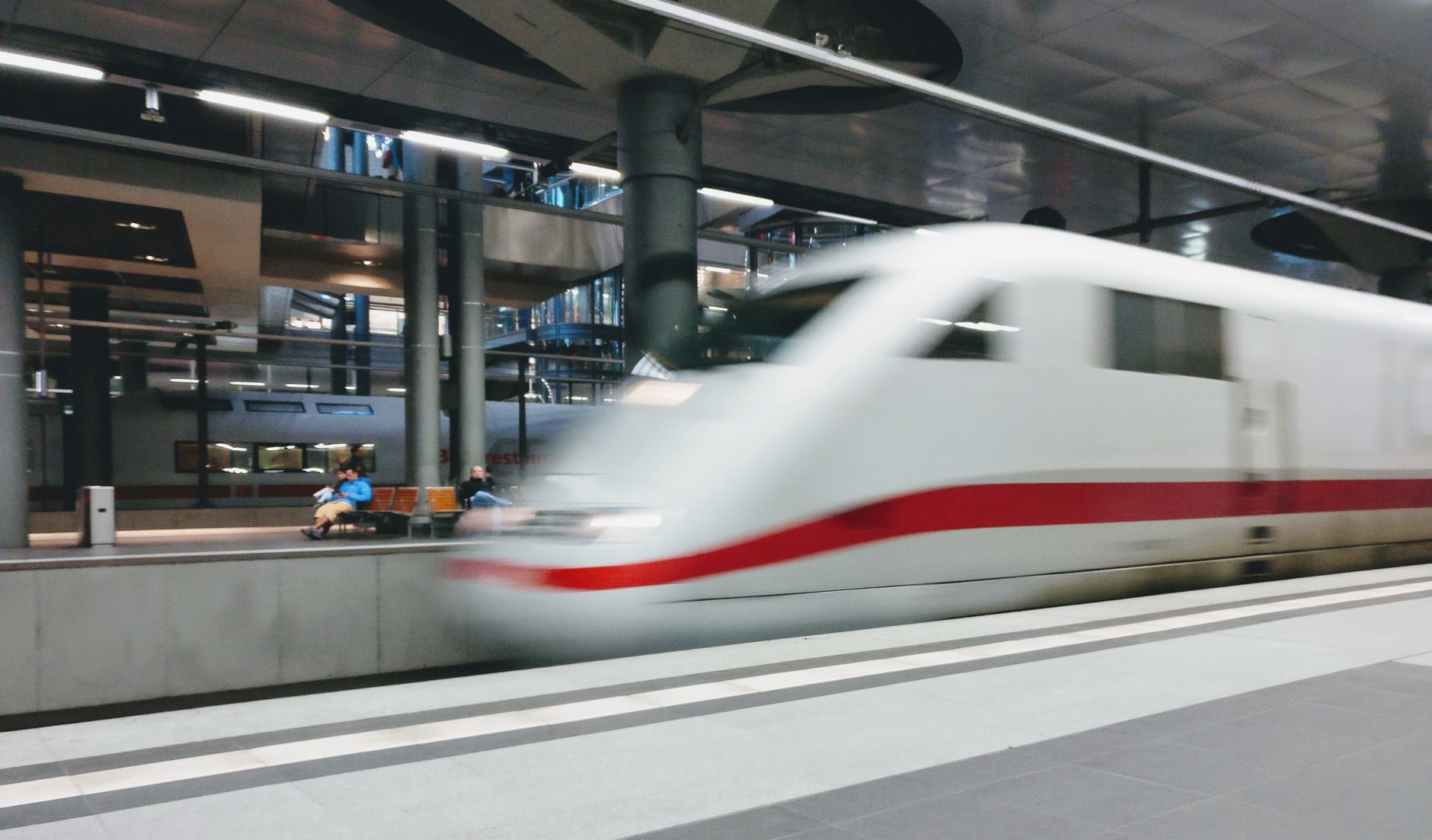
The Shanghai Maglev train (上海磁浮示范运营线) floats a centimetre above its guideway and covers the 30 kilometres between Pudong International Airport and Longyang Road in about eight minutes. It was the first commercial high-speed magnetic-levitation line in the world when it opened on 31 December 2002, and it remains the only one running at this scale. This Shanghai Maglev train guide covers what it actually costs, what speed it really hits in 2026 (not the number on the postcards), which platform you need, and whether it beats the alternatives now that a new airport rail line has changed the maths.

Table of Contents
- What Is the Shanghai Maglev Train?
- Key Facts & Speed
- The 431 km/h Question
- Shanghai Maglev Train Tickets & Prices
- How to Buy a Ticket, Step by Step
- Shanghai Maglev Train Schedule & Frequency
- Stations & Onward Connections
- What the Ride Is Like
- Is It Worth It?
- Maglev vs Metro Line 2
- The Airport Link Line Changed the Maths
- The Maglev Museum at Longyang Road
- Riding It as a Day Out
- Tips for Visitors
- Common Mistakes
- FAQ
What Is the Shanghai Maglev Train?
“Maglev” stands for magnetic levitation. Instead of running on rails, the train floats 1 cm above a guideway using powerful electromagnets. Electromagnetic propulsion accelerates the train to 431 km/h with no friction loss. Shanghai’s Maglev opened to the public on December 31, 2002, making it the world’s first commercial high-speed Maglev. Despite ambitious plans for expansion, the line remains the only one of its kind globally — for now.
The engineering distinction that matters is between wheels and no wheels. A conventional high-speed train still touches steel; friction and mechanical wear cap how fast it can safely go and how quietly. The Transrapid system used here has no contact at all. Electromagnets in the guideway pull the train upward from beneath a steel rail, and a travelling magnetic field pushes it forward. There is no engine on board, no transmission, and nothing to wear out at the point of contact, because there is no point of contact.
The line was built as a demonstration project, a joint Chinese-German venture with Transrapid, at a cost of around ¥10 billion — roughly US$1.3 billion for 30 kilometres. That price per kilometre is the reason no one has built another one. China went on to lay tens of thousands of kilometres of conventional high-speed rail instead, and the Maglev extension to Hangzhou that was floated for years quietly never happened. What survives is a superb, slightly stranded piece of engineering that runs between an airport and a suburban interchange.
Key Facts & Speed
- Top speed: 431 km/h / 268 mph design and record speed; in normal 2026 service the train runs at 300 km/h (see below)
- Length: 30 km / 18 miles
- Travel time: 7 minutes 20 seconds end-to-end at 431 km/h; about 8 minutes 10 seconds at 300 km/h
- Built: 2002 (Chinese-German joint venture with Transrapid)
- Power: All electric, 25 MW peak
- Carrying capacity: 459 passengers per train
- Track: Single elevated guideway, two tracks
- Levitation gap: about 10 mm, held constant by feedback control thousands of times a second
- Safety record: no passenger fatalities in more than two decades of operation
The 431 km/h Question
This is the part most guides get wrong, so read it before you buy a ticket expecting a world record.
The Maglev ran at 431 km/h during two daily windows for its first two decades. Since around May 2021 the standard cruising speed has been 300 km/h, and travellers who rode it in 2025 and 2026 consistently report the cabin speedometer topping out at roughly that figure. Operating at 431 km/h consumes disproportionately more power for barely a minute of saved journey time on a 30-kilometre run, and the reduction appears to be permanent rather than temporary.
Plenty of travel sites — and the signage in places — still advertise 431 km/h, and some list the old high-speed windows of 09:00–10:45 and 15:00–16:45. Sources genuinely disagree on whether those windows still operate at all. Treat 300 km/h as what you will get and regard anything higher as a bonus. If the number on the wall matters to you, look for it on the display board at the station before you buy, and travel in the middle of the day rather than early morning or late evening.
Even at 300 km/h this is still faster than any train most visitors have been on. For context, a Japanese Shinkansen tops out around 285–320 km/h in service, and a French TGV around 320 km/h. The Maglev reaches its cruising speed inside two minutes, which no conventional train comes close to.

Shanghai Maglev Train Tickets & Prices
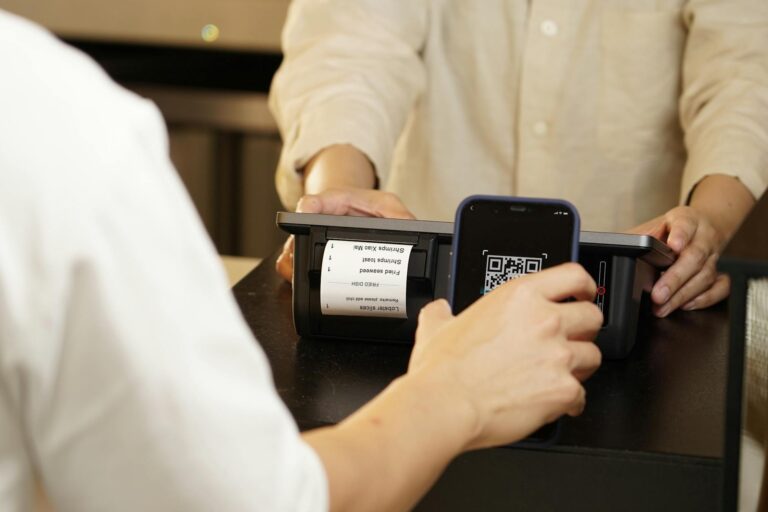
Tickets are sold at counters at both Maglev stations. Cash, Alipay, and WeChat Pay all accepted. International credit cards work at the desk if you ask.
- Standard one-way: ¥50
- VIP one-way: ¥100 (front seats with legroom; speedometer in your face)
- Round-trip: ¥80 standard, ¥160 VIP
- With same-day air ticket: ¥40 standard (show boarding pass at counter)
- Children under 1.2m: Free with paying adult
- Children 1.2–1.5m: Half price
- Shanghai transport card fare: ¥40, tapped straight through the gate with no counter visit
- Maglev + 24-hour metro pass: ¥55 one-way or ¥85 return — good value if you are going to ride the subway more than three times that day
- 30-trip commuter book: ¥900, valid one year
Round-trip tickets are valid for seven days, not just the day of purchase, which is what makes the joyride option work: ride out from Longyang Road, look around the airport, ride back. Unpunched tickets can be refunded at the counter on the day they were issued. The headline ¥50 fare has not changed since the line opened in 2002, which after two decades of inflation quietly makes it better value than it once was.
Tickets cannot be reserved in advance — buy at the counter. Queues are typically 5–10 minutes; longer at peak commute hours.
How to Buy a Ticket, Step by Step
The process takes about three minutes and trips almost nobody up, but here is the sequence so you are not reading signs with a suitcase in each hand.
- Find the counter. At both stations the ticket office is on the upper concourse level, before the gates, marked in English as well as Chinese.
- Say what you want. “One single” or “one return” is enough. Hold up your boarding pass if you have a same-day flight and you will be given the ¥40 fare without asking.
- Pay. Alipay and WeChat Pay QR codes are the default. Cash works. Foreign cards are usually accepted at the desk, but do not build your plan around it — have a mobile wallet set up before you land. Our money and payments guide covers linking a foreign card.
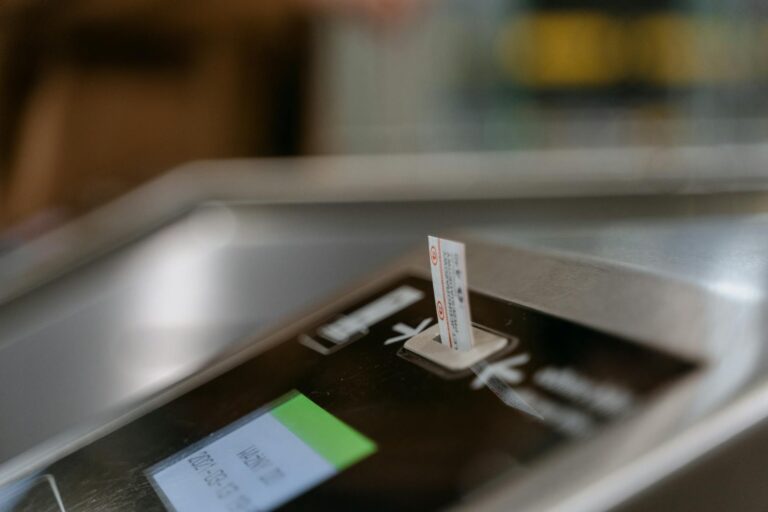
- Go through the gate. Insert the card ticket, take it back, keep it — you need it again at the far end. A basic bag X-ray follows, the same as on the metro. There is no passport check and no seat assignment on standard tickets.
- Board. Doors open a few minutes before departure. Sit anywhere in standard class.
Shanghai Maglev Train Schedule & Frequency
The Maglev operates daily from 6:45am to 9:42pm. Trains depart every 15–20 minutes:
- 6:45am – 8:50am – every 20 min
- 8:50am – 4:00pm – every 15 min
- 4:00pm – 9:42pm – every 20 min
In practice: the first train leaves Longyang Road at 06:45, the first from Pudong Airport at 07:02, and the last departures from each end fall between roughly 21:40 and 21:52. Check-in at the gate closes about five minutes before departure, so a train “every 15 minutes” is really a ten-minute margin. Middle-of-the-day services run more often and are the ones to aim for if you want the fastest run.
The critical planning point is the last train. If your flight lands after 21:00 at Pudong, assume the Maglev will not be an option and plan on Metro Line 2, the Airport Link Line, a taxi or a night bus instead. Our airport arrival guide walks through the late-landing scenario properly.
Stations & Onward Connections
The Maglev has just two stations:
Pudong International Airport (PVG)
The Maglev station is in the basement of Terminal 2, well-signed in English, an easy 5-minute walk from arrivals. From Terminal 1, take the inter-terminal shuttle (10 minutes) and continue to T2. The station sits between the two terminals and is signed from both arrivals halls; follow the purple Maglev pictograms rather than the metro signs, which lead somewhere else on the same level.
Longyang Road Station (龙阳路)
This is the Pudong terminus, NOT central Shanghai. From Longyang Road, take Metro Line 2, 7, 16, or 18 to reach your hotel:
- Line 2 west to Lujiazui, Nanjing East Road (Bund), People’s Square — 25–35 minutes
- Line 7 to Jing’an Temple, Longhua, Hongqiao — 30–45 minutes
- Line 16 to Lingang (theme parks, beaches) — 45 minutes
Allow ten minutes for the transfer itself. The Maglev concourse and the metro gates are about 300 metres apart along a covered walkway, which is fine empty-handed and tedious with two suitcases and a pram. There are escalators but not everywhere, and the metro entrance has a security X-ray of its own with its own queue. The Shanghai metro guide explains how the fare gates and transport cards work.
From Pudong Airport to People’s Square: Maglev (8 min) + Metro Line 2 (35 min) + 5 min wait = ~50 minutes total. Compare to a direct Metro Line 2 ride from PVG to People’s Square: ~80 minutes. Or taxi: 50–70 minutes / ¥180–250 depending on traffic.

What the Ride Is Like
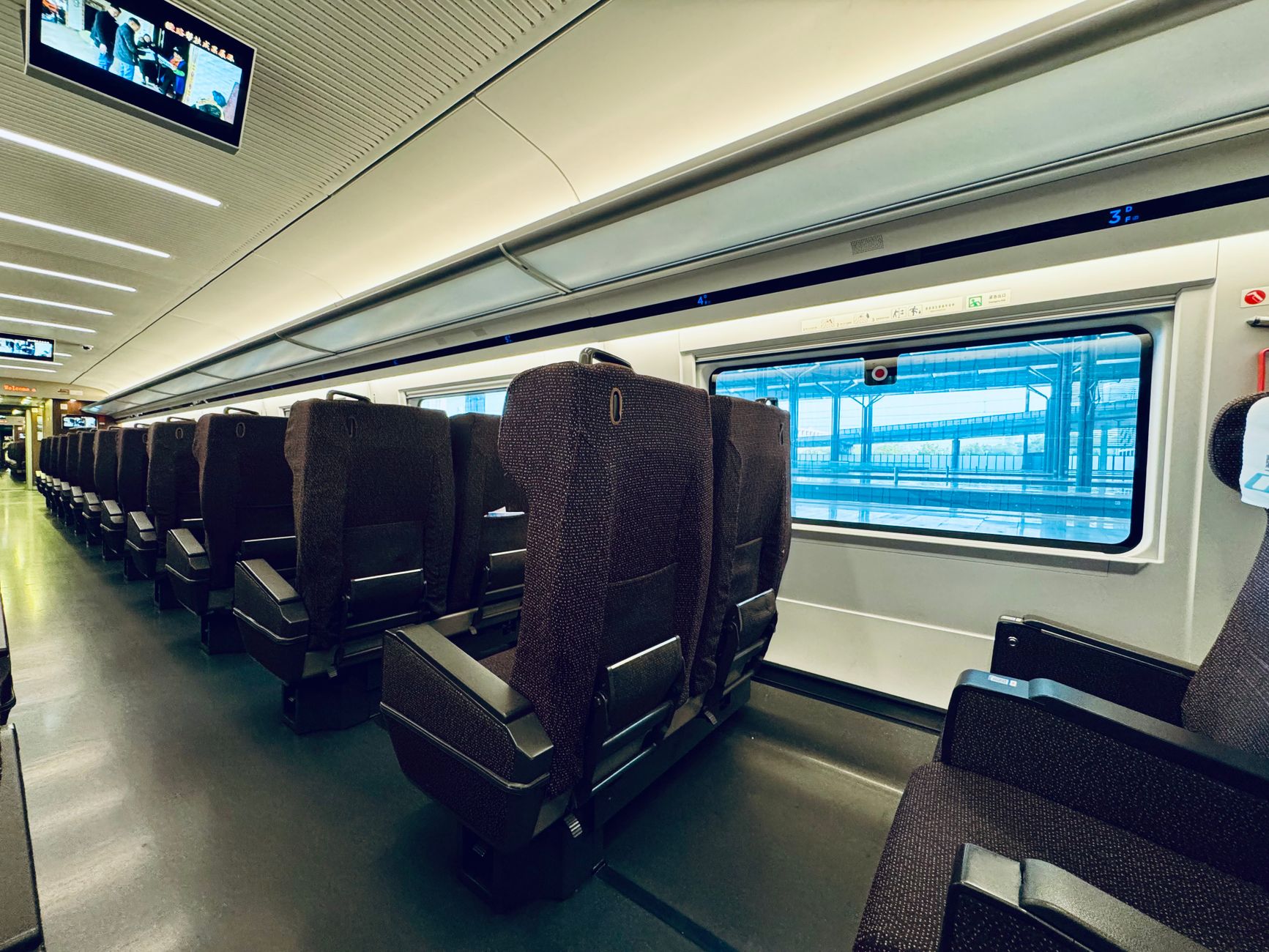
The cabin feels like a slightly rounder, smoother version of a Japanese Shinkansen. Boarding is from an airport-style departure platform — no security check beyond a basic bag X-ray. Once seated, you can feel the gentle lift of the train rising 1 cm onto the magnetic field; there’s almost no clack-clack of wheels because there are no wheels. The acceleration is immediate but smooth — passengers’ phones often slide on tray tables.
The digital speedometer at the front of each car climbs:
- 1 minute: 200 km/h
- 2 minutes: 300 km/h
- 3 minutes: peak speed for the day, held for a minute or two
- 5 minutes onward: deceleration begins
The view out the window is mostly Pudong’s flat suburban industrial sprawl — but at speed it streams past in a blur that’s mesmerising in itself. Two trains crossing at full tilt is a heart-stopping moment — a combined closing speed of 600 km/h or more, gone in a blink with a thump of displaced air that makes the whole carriage flex.
What surprises most people is the quiet. There is a rush of air and a low electrical hum, but no rail joints, no rattle, and very little vibration. What surprises them second is how short it is. By the time you have found the speedometer, taken a photo of it and sat back down, the announcement for Longyang Road is already playing. VIP class buys you a bigger seat in the front section and a clearer view of the display; it is not worth double the fare unless you are travelling with someone who really cares about the number.
Is It Worth It?
Yes, if:
- You’re a railway/tech enthusiast — this is a unique-on-Earth experience.
- You’re flying out of Pudong with luggage and want a fast, smooth airport transfer.
- You have an extra hour and want a memorable Shanghai add-on.
- You’re a family with kids who’ll love the speed.
- You are staying anywhere along Metro Line 2 east of People’s Square, where the transfer at Longyang Road is genuinely quick.
Probably not, if:
- You’re on a tight budget — Metro Line 2 covers the same airport route for ¥7.
- You’re staying near Hongqiao — the Maglev only runs to/from Pudong Airport.
- You get motion sickness easily — the gentle accel/decel is fine for most, but very motion-sensitive passengers may notice it.
- You are travelling as a group of three or four with luggage, in which case a taxi split four ways costs about the same door to door.
- You land after 21:30 or leave before 06:45, when it simply is not running.
The honest summary: as a novelty it is excellent and cheap for what it is. As transport it is a partial solution, because it deposits you in suburban Pudong rather than the city. Buy it as an experience, and treat the eight saved minutes as a bonus.

Maglev vs Metro Line 2
For Pudong Airport-to-city travel, you have three real options:
- Maglev + Metro Line 2: 50 min total, ¥7 (metro) + ¥50 (maglev) = ¥57
- Metro Line 2 direct: 80 min total, ¥7
- Taxi: 50–70 min, ¥180–250
Maglev wins if you want speed and novelty. Metro Line 2 direct wins on cost. Taxi wins if you have heavy bags and several travelers splitting the fare. Here is the full picture with the newer options included:
| Option | Time to People’s Square | Cost | Luggage | Best for |
|---|---|---|---|---|
| Maglev + Metro Line 2 | ~50 min | ¥57 | Two changes, some walking | The experience; Pudong-side hotels |
| Metro Line 2 direct | ~80 min | ¥7 | One long ride, crowded at peak | Budget travellers, light bags |
| Airport Link Line | ~55 min via transfer | ¥4–26 | Racks and wide aisles | Hongqiao connections, Disney |
| Taxi | 50–70 min | ¥180–250 | Door to door | Groups of 3–4, late arrivals |
| Didi ride-hail | 50–70 min | ¥150–230 | Door to door | Anyone with the app set up |
| Airport shuttle bus | 60–90 min | ¥22–30 | Hold underneath | Fixed hotel-area drop-offs |
For the full comparison, see our Pudong Airport to city centre guide, and our notes on using Didi in Shanghai and taking taxis if you would rather not carry bags through two stations.
The Airport Link Line Changed the Maths
The single biggest change to Shanghai airport transport in years opened on 27 December 2024. The Airport Link Line (机场联络线) is a 59-kilometre suburban railway running at up to 160 km/h that connects Pudong Airport directly with Hongqiao Airport and Hongqiao Railway Station in about 40 minutes, with seven stations and trains every 15 minutes from 06:00 to roughly 22:39. Fares start at ¥4 and top out at ¥26 for the full run.
This matters for three groups. If you are connecting between Shanghai’s two airports, the Link Line has replaced a miserable 90-minute cross-city metro slog or a ¥250 taxi — see our Hongqiao Airport guide and layover guide. If you are heading for Shanghai Disneyland, the line stops at Shanghai International Resort, which is a genuinely useful new option covered in our Disneyland guide. And if you are travelling onward by high-speed rail, you can now reach Hongqiao Railway Station from PVG without going through the middle of the city.
What it does not do is replace the Maglev for reaching central Shanghai — its stations are in the southern and western suburbs, not on the Bund. The Maglev is still the fastest way east of the river. But it does mean the Maglev is now one of five reasonable ways out of PVG rather than the obvious fast choice, and that is worth knowing before you pay ¥50 out of a sense of obligation.

The Maglev Museum at Longyang Road
On the ground floor of the Maglev station at Longyang Road there is a 1,250-square-metre exhibition covering the history and technology of magnetic levitation, laid out in five sections: the birth of maglev, the Shanghai line itself, the technology, its advantages, and future prospects. Entry is free, there are scale models and cutaway sections of the guideway, and English labelling is patchy but adequate.
Realistically it is a 20–30 minute stop, and it is best treated as something to do while waiting for a train rather than a destination in its own right. If you are travelling with a child who is interested in how things work, it is worth the detour; combine it with the Shanghai Science and Technology Museum, which is one stop away on Metro Line 2 and a far bigger day out. Opening hours track the station’s, but confirm on the day — the exhibition has closed for periods in the past.
Riding It as a Day Out
Plenty of people ride the Maglev with no flight at all. Here is how that works as a two-hour outing from central Shanghai.
- Get to Longyang Road. Metro Line 2 from People’s Square takes about 30 minutes and costs ¥5.
- Buy a return. ¥80 standard. It is valid for seven days, so there is no rush at the far end.
- Ride out. Eight minutes. Sit near the front for the speedometer and on the right-hand side heading east for the better view.
- Turn around at PVG. There is nothing to see airside, but the terminal has decent food and, if you have never seen a Chinese airport, it is an experience in itself. Twenty minutes is plenty.
- Ride back. Another eight minutes, and the light is usually better westbound in the afternoon.
- Museum. Twenty minutes at Longyang Road on the way out.
Total: about ¥90 a head and two and a half hours door to door from People’s Square. It is a reasonable use of a half day if trains interest you, and a poor one if they do not — there are better ways to spend two hours from our things to do list. With children it lands well; our Shanghai with kids guide has more in the same vein.
Tips for Visitors
- Sit on the right side facing direction of travel for best Pudong skyline glimpses
- Midday services are the ones most likely to run at the higher speed; early morning and evening are slower
- Luggage racks are at the front and rear of each carriage; one suitcase per seat is fine
- Restrooms onboard, but use them at the station — the trip is too short to need them
- Bring a valid ID — passport accepted at all turnstiles
- The “Maglev Museum” at Longyang Road station is free and has the original prototype models — worth 15 minutes if you have time
- Photography is allowed; tripods are not
- Keep your ticket after the entry gate — you need it to get out at the other end, and people lose them constantly
- Sit in the front third of the car if you want a clean shot of the speedometer without other passengers’ heads in it
- If you have a same-day boarding pass, show it before you pay, not after — the ¥40 fare is not applied retrospectively
Common Mistakes
- Expecting 431 km/h. The normal service speed has been 300 km/h since 2021. Guides that still promise the higher figure are repeating pre-pandemic information.
- Thinking Longyang Road is downtown. It is a suburban interchange in Pudong. You will need another 25–35 minutes on the metro to reach the Bund or People’s Square.
- Cutting the last train fine. Services stop before 22:00. A delayed flight kills the plan entirely.
- Assuming it serves Hongqiao. It does not, and never has. For Hongqiao use Metro Lines 2 or 10, or the Airport Link Line.
- Buying VIP by default. It doubles the fare for a marginally better seat on an eight-minute ride.
- Riding it with three large suitcases. Two stations, two security checks and a 300-metre transfer walkway is more handling than a single taxi ride.
- Turning up at Terminal 1 and looking for the platform there. The station serves both terminals but the walk from T1 is longer than people expect; allow 15 minutes.

Frequently Asked Questions
What is the top speed of the Shanghai Maglev?
The design and record speed is 431 km/h (268 mph), which the train ran in daily service until 2021. Since then normal service speed has been 300 km/h. Assume 300 and treat anything faster as a bonus.
How long does the Shanghai Maglev take?
About 8 minutes between Pudong Airport and Longyang Road — 7 minutes 20 seconds at the old top speed, roughly 8 minutes 10 seconds at 300 km/h.
How much is a Shanghai Maglev ticket?
¥50 standard one-way, ¥100 VIP, ¥40 with same-day air ticket or a Shanghai transport card. Round trips ¥80/¥160 and valid seven days. Children under 1.2m free.
Where does the Shanghai Maglev go?
Only between Pudong International Airport (PVG) and Longyang Road Station in Pudong. It does not enter central Shanghai or reach Hongqiao.
Is the Shanghai Maglev faster than Metro Line 2?
Vastly — Metro Line 2 covers the same route in around 70 minutes versus the Maglev’s 8, though you then need a metro transfer at Longyang Road of 25–35 minutes for the city centre.
Does the Maglev get to Hongqiao Airport?
No — only Pudong Airport. For Hongqiao, use Metro Line 2 or Line 10, or the Airport Link Line, which connects the two airports in about 40 minutes for ¥26.
Is the Shanghai Maglev safe?
Yes — 20+ years of operation with zero passenger casualties. The magnetic-levitation technology has multiple redundant systems.
Can I bring luggage on the Maglev?
Yes — there are luggage racks at each end of every carriage, suitable for one large suitcase per passenger.
What time does the Shanghai Maglev stop running?
The last departures from each end fall between roughly 21:40 and 21:52, with the first at 06:45 from Longyang Road and 07:02 from the airport. If your flight lands after 21:00, plan on something else.
Can I buy Maglev tickets in advance or online?
Not in any way worth relying on. Buy at the counter on the day; queues are usually five to ten minutes. There is no seat reservation in standard class and trains are rarely full.
Is VIP class on the Maglev worth the extra money?
Rarely. You get a wider seat in the front section and an unobstructed view of the speedometer, for double the fare, on a ride lasting eight minutes. Spend the ¥50 on dinner instead.
Can I ride the Maglev without flying anywhere?
Yes, and many people do. Take Metro Line 2 to Longyang Road, buy a ¥80 return, ride out to the airport and come straight back. The whole outing runs about two and a half hours from central Shanghai.
Plan Your Airport Transfer
Combine the Maglev with our getting around Shanghai pillar, our PVG to city guide, and our Shanghai metro guide. If you are arriving late or leaving early, our hotels near Pudong Airport guide covers the places within reach of the terminal.
Further reading: Shanghai Maglev on Wikipedia, the operator’s own Shanghai Maglev Transportation Development site, and the Shanghai government’s guide to taking the Airport Link Line.