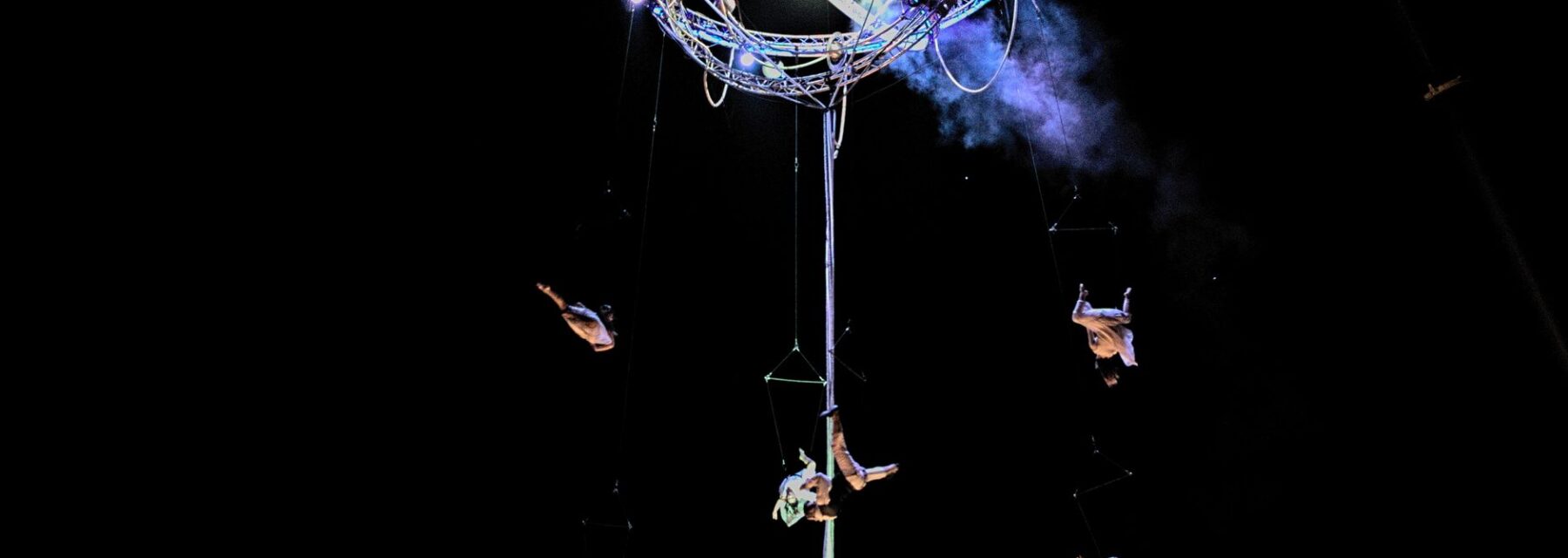
Acrobatics is the one piece of traditional Chinese performance that needs no translation, no programme notes and no prior interest, which is why almost every visitor to the city ends up at one. The problem is that a Shanghai acrobatics show is not a single thing. There are three venues running nightly performances, they differ by a factor of nearly four in price, and the expensive one is not automatically the right answer.
The short version: ERA at Shanghai Circus World is the big-budget production with the purpose-built dome, the water stage and the motorcycle globe, and it costs ¥280–680. The Shanghai Acrobatic Troupe at the Shanghai Centre Theatre is the older company doing straighter, more technical work in a smaller room for ¥180–380. Yunfeng Theatre is the same style at the same prices in a plainer venue. This guide compares them honestly — what each does well, which seats are worth paying for, how to book, and who should not bother at all.
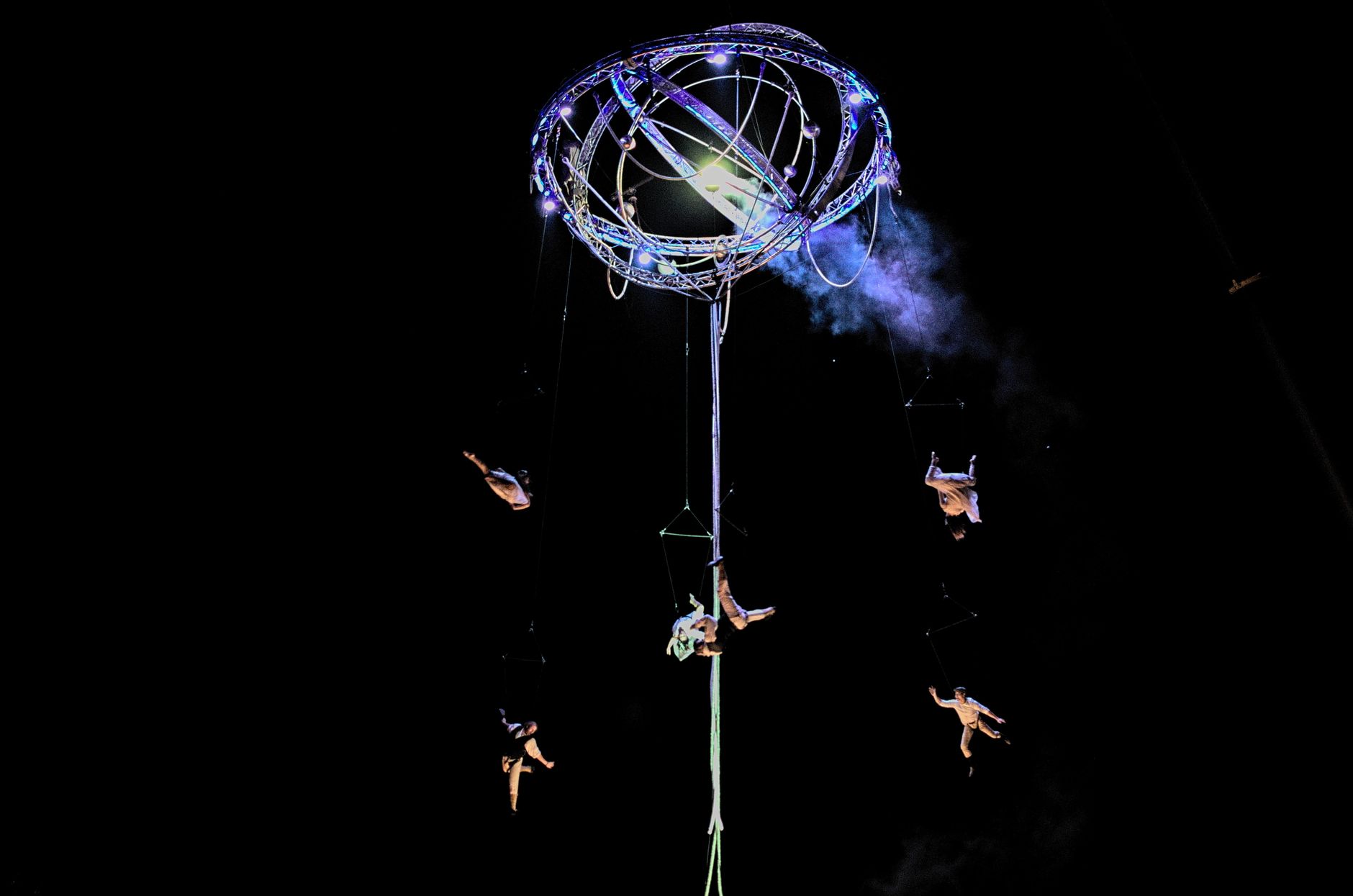
Table of Contents
- The three venues, compared
- ERA at Shanghai Circus World
- The Shanghai Acrobatic Troupe at the Shanghai Centre Theatre
- Yunfeng Theatre
- Which seats to buy
- Booking a Shanghai acrobatics show
- Taking children
- Building an evening around it
- What you are actually watching
- What people get wrong
- Frequently Asked Questions
- Where to go next
The three venues, compared
| ERA, Shanghai Circus World | Shanghai Centre Theatre | Yunfeng Theatre | |
|---|---|---|---|
| Address | 2266 Gonghexin Road, Jing’an | 4F, 1376 West Nanjing Road, Jing’an | 1700 West Beijing Road, Jing’an |
| Metro | Line 1, Shanghai Circus World, Exit 3, 200 m | Line 2 or 7, Jing’an Temple, Exit 4, 5 min | Line 2 or 7, Jing’an Temple, 10 min north |
| Showtime | 19:30 nightly, plus afternoons on major holidays | 19:30 nightly | 19:30 nightly |
| Length | 100 minutes (a 60-minute version also runs) | 90 minutes | 90 minutes |
| Tickets | ¥280–680 | ¥180 / ¥280 / ¥380 | ¥180 / ¥280 / ¥380 |
| Venue | Purpose-built circular theatre, 1,638 seats, golden dome | Small proscenium theatre on the fourth floor of a hotel complex | Plain municipal theatre |
| Production values | High — projection, water, live band, narrative arc | Modest — acts, lights, recorded music | Modest |
| Technical acrobatics | Very good, wrapped in spectacle | Very good, presented plainly | Good |
| Best for | First-timers, families, anyone who wants a show | People who want the skill without the staging | Budget, or a sold-out night elsewhere |
If you take one thing from that table: ERA is a show, the Centre Theatre is a performance. ERA has a narrative, a set, projected video and a stage that fills with water. The Centre Theatre has fifteen acts, a curtain and some coloured lights. Both are performed by genuinely world-level acrobats. Which you prefer depends entirely on whether the production wrapping enhances the skill for you or gets in its way.
ERA at Shanghai Circus World
Shanghai Circus World sits at 2266 Gonghexin Road in northern Jing’an, a golden-domed building between Zhabei Stadium and Guangzhong Park that was built specifically for this. It seats 1,638 in the round, and the auditorium is the reason the show works: rigging points overhead, a stage that opens for water, and sightlines that make the aerial work read from everywhere.
The production opened in September 2005 as ERA – Intersection of Time and has run continuously since, which makes it one of the longest-running resident shows in China. It has been reworked over the years and current listings often carry the name ERA2 – Spirit of Shanghai; both names refer to the same resident production at the same venue, and tickets sold under either will get you in. Two edits run — a 100-minute full version and a 60-minute cut — priced the same, so check which one you are buying if the length matters to you.
Structurally it is a loose journey through Chinese history into a projected future, but the narrative is scaffolding. What you actually remember:
- The motorcycle globe. A steel sphere lowered onto the stage into which motorcycles ride, one at a time, until there are seven or eight circling simultaneously at speed. It is the closing number for a reason and it is genuinely alarming.
- Bowl balancing. A performer stacks porcelain bowls on her head while contorting, then moves. Technically the hardest thing in the show and the quietest.
- Aerial silks and straps from the full height of the dome, using the rigging the building was designed for.
- The water sequences — the stage floods and the lighting works off the reflection.
- Trampoline and wall work, a group number with the pace of a chase scene.
The weaknesses are worth naming. The narration and projected sequences are thin and occasionally slow the thing down. The recorded and live music is loud and unsubtle. And at ¥280 for the cheapest seat it is roughly double the alternatives for a show that is better staged but not better performed.
Shanghai Circus World also runs Happy Circus in its Middle Theatre at 14:00 at weekends and on holidays, ¥130–160 — sea lions, equestrian acts, a big wheel, comedy magic. That is a children’s afternoon rather than an evening show, and it is a different proposition entirely.
Getting there: Metro Line 1 to Shanghai Circus World station, Exit 3, then about two hundred metres south-west. From People’s Square that is roughly twenty minutes on Line 1. It is a long way north of everywhere else you will be, so budget the journey rather than assuming a fifteen-minute hop. Shanghai Circus World’s venue details — the 1,638-seat circular theatre, the Middle Theatre and the holiday schedule — are worth checking before you commit to the trip north.
The Shanghai Acrobatic Troupe at the Shanghai Centre Theatre
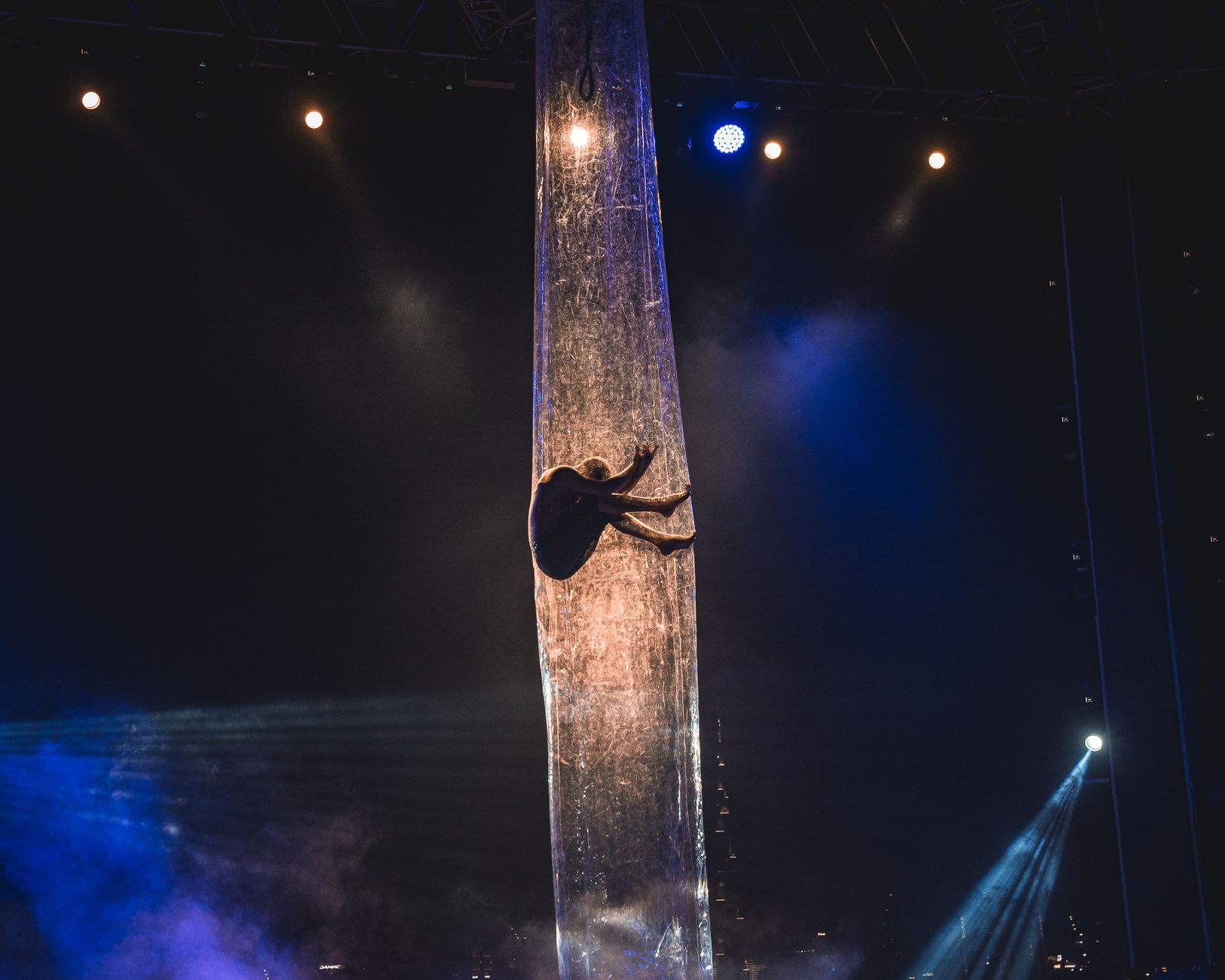
The Shanghai Acrobatic Troupe was founded in 1951 and is the oldest company in the city. It performs at the Shanghai Centre Theatre, on the fourth floor at 1376 West Nanjing Road — inside the Shanghai Centre complex, ten minutes east of Jing’an Temple.
The show is ninety minutes, runs nightly at 19:30, and consists of roughly fifteen acts across three loose sections. No narrative, no projection, minimal staging. What you get instead is the acts themselves, presented without apology:
- Chair balancing — a stack of chairs built to near the lighting rig with a handstand on top.
- Plate spinning, the classic, done at a speed that makes it look easy and is not.
- Contortion, usually the act that makes an audience go quiet.
- Bowl stacking on unicycles — performers kick bowls from foot to head while riding.
- A springboard finale with the whole company, which is where the room finally makes noise.
Tickets are ¥180, ¥280 or ¥380 by zone. The theatre is small — a few hundred seats — which is the real argument for it. At the Centre Theatre you are close enough to see a performer’s hands shake on the top chair. At Circus World you are watching a production. Some people find that intimacy is the whole point; others find the plain staging flat after twenty minutes.
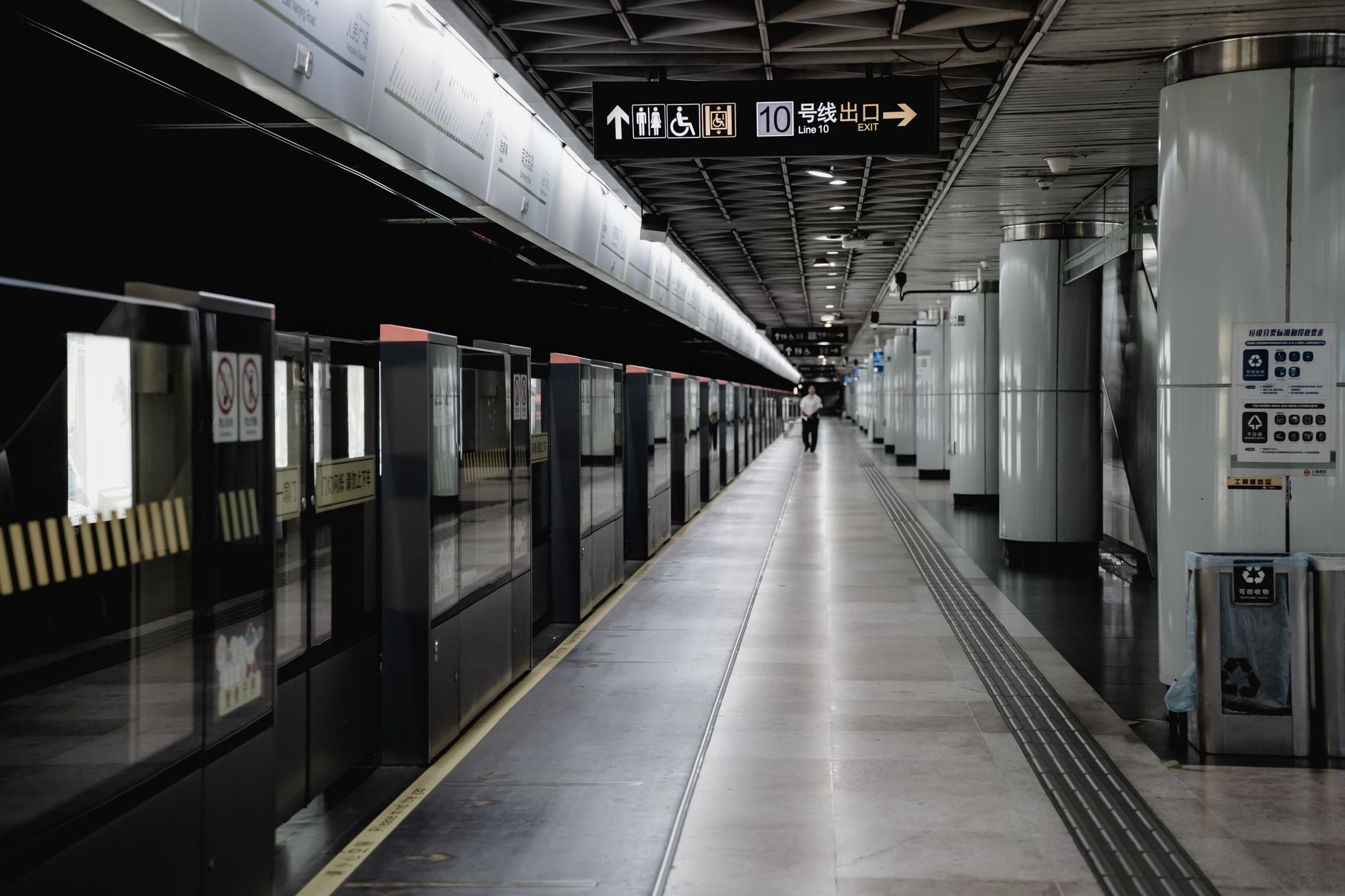
Metro Line 2 or Line 7 to Jing’an Temple, Exit 4, then five minutes north-east along West Nanjing Road. Some listings say Exit 6, which also works and is barely different. This is the easiest of the three to reach from anywhere central, and it sits among the West Nanjing Road malls and restaurants, which makes the evening straightforward to build.
Yunfeng Theatre
Yunfeng Theatre at 1700 West Beijing Road runs the same format at the same prices — 19:30, ninety minutes, ¥180 to ¥380 — in a plainer municipal auditorium about ten minutes’ walk north of Jing’an Temple station on Line 2 or 7.
There is no strong reason to choose Yunfeng over the Centre Theatre unless the Centre Theatre is sold out, the seats you want are gone, or the price at your preferred tier is better on the night. The performances are of a comparable standard; the room is less comfortable and the location marginally less convenient.
One useful note for anyone researching this: the old Portman acrobatic show appears in a great deal of older material online. It has ceased. If a listing offers it, you are looking at out-of-date content, and you should treat everything else on that page with suspicion.
Which seats to buy
This is where most of the money decision actually sits, and the answer differs by venue.
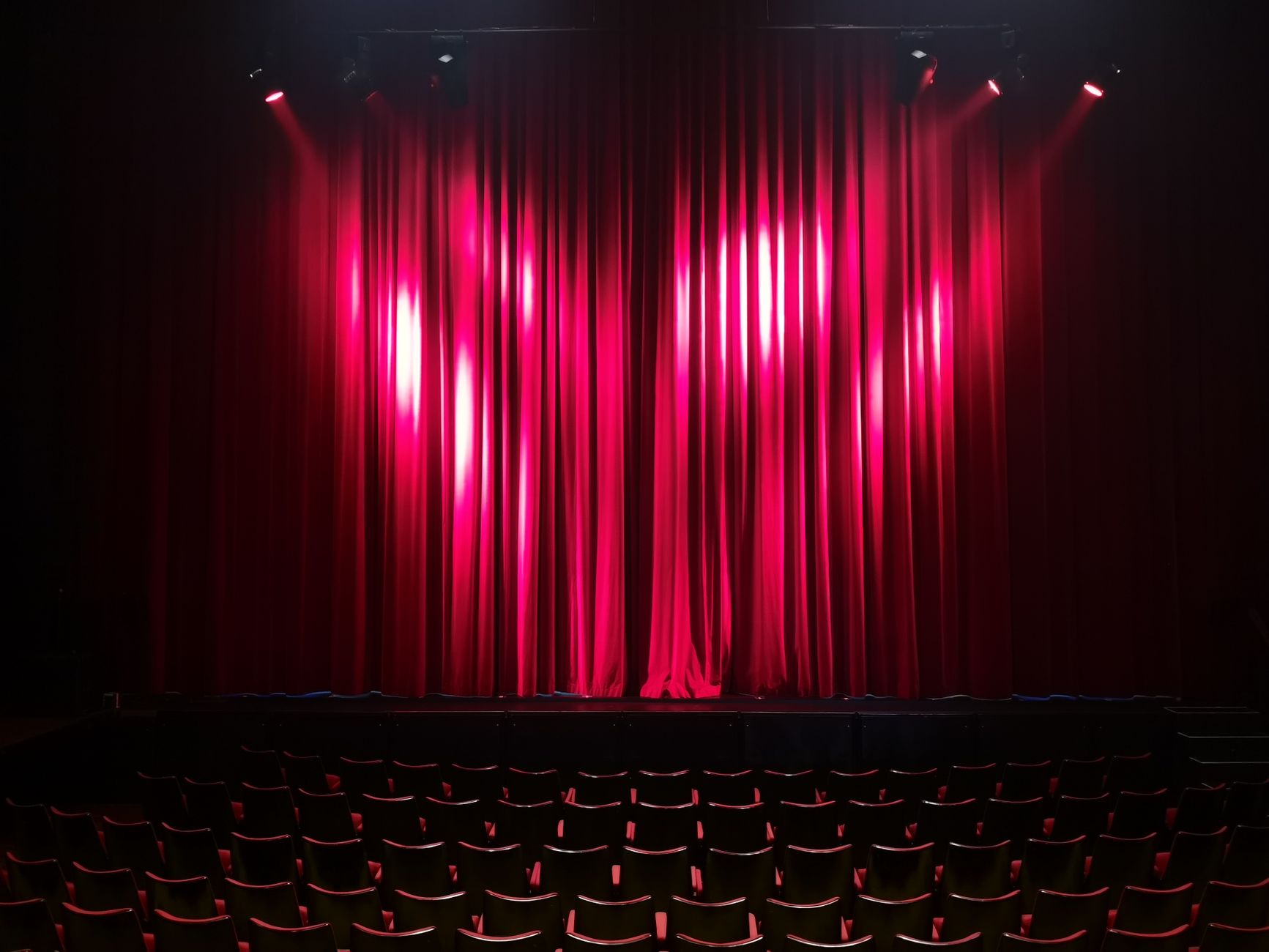
At Shanghai Circus World, the theatre is circular and every seat has a workable view, which weakens the case for the top tier. The aerial work happens above the stage and reads better from further back and slightly higher than from the front row, where you spend the evening looking up. The mid-price tiers — roughly ¥380 to ¥480 — are the value bracket: central, raised enough to read the floor patterns in the group numbers, close enough for the detail. The ¥680 seats put you in the front rows for the interaction moments, which matters if you have children who would enjoy being picked on and matters very little otherwise. The ¥280 seats are far back or to the side; still fine, and honestly the show survives it.
At the Shanghai Centre Theatre and Yunfeng, the rooms are small enough that the ¥180 seats are genuinely acceptable. If you want to see facial expression and the tremor in a balance, the ¥380 tier is worth the extra ¥200. If you are on any kind of budget, take the ¥180 and spend the difference on dinner — the sightline penalty in a theatre this size is small.
General rules that hold at all three: avoid the extreme sides, where staging is angled away from you; avoid the very front row, which is a neck exercise; and pick the centre block over a closer seat off to one edge every time.
One more consideration if you are choosing between venues on price rather than principle. The gap between a ¥180 seat at the Centre Theatre and a ¥280 seat at Circus World is a hundred yuan — about the price of a decent lunch — and for two people it is two hundred. Set against a Shanghai trip that is not the decision it looks like on a booking page. Choose on which experience you want, and treat the price difference as the tie-breaker rather than the argument.
Booking a Shanghai acrobatics show
Nothing here sells out most weeknights, but weekends, Golden Week and Chinese New Year do fill, and the good seats go first at every venue.
Booking channels, in rough order of ease for a foreign visitor:
- Klook or Trip.com — English throughout, foreign cards accepted, e-ticket or a voucher exchanged at the box office. The simplest option and usually within a few per cent of face value.
- The venue’s own site. Shanghai Circus World sells directly at shcircusworld.com, which is the authoritative source for what is actually running and at what time.
- Your hotel concierge. Still a real option, occasionally with a mark-up, always with someone to sort out a problem.
- The box office on the night. Works on an ordinary weekday. Bring your passport and be prepared to pay by Alipay or WeChat Pay rather than card.
Tickets at Circus World are issued as e-tickets and scanned at the door. Arrive twenty minutes early: there is a security scan on the way in, the venue is large, and finding a seat in a circular auditorium in the dark is not fun.
Prices to expect after the reseller’s margin: ¥300–720 at Circus World, ¥200–420 at the Centre Theatre. Discounts below those are usually a different, shorter version of the show or a very poor seat. Children are not discounted at Circus World.
Taking children
Acrobatics is one of the best evening options in Shanghai for families, with caveats.
ERA works well for roughly ages five and up. It is loud, fast, brightly lit and there is a motorcycle globe at the end. The 100-minute running time with no interval is the constraint — a tired six-year-old will start to fade around the eighty-minute mark, and the 60-minute version, where it is running, solves that neatly.
The Centre Theatre suits slightly older children, or younger ones who will sit still. The plain staging gives them less to look at between acts, and the technical high points are quiet rather than loud.
Happy Circus at Circus World, 14:00 at weekends and holidays for ¥130–160, is the actual answer for under-fives: animals, comedy, an afternoon slot that does not collide with bedtime.
Practical points. There are no child discounts at Circus World. Seats are ordinary theatre seats, so a small child may need to sit on a lap or a coat to see over the row in front. Toilets are before the auditorium, not inside it. And the 19:30 start means a late finish — 21:10 at Circus World, back at a central hotel by around 22:00 — which is worth checking against your plans. Our guide to Shanghai with kids covers what else fills an evening if that is too late.
Building an evening around it
A 19:30 start and a 21:00 or 21:10 finish leaves the evening awkwardly bisected, so plan the whole block.
Around the Shanghai Centre Theatre, you are on West Nanjing Road with Plaza 66, Réel and Sogo within a few minutes and dozens of restaurants inside them. Eat at 17:45, walk five minutes, done. Afterwards, Jing’an Temple is lit at night and worth ten minutes on the way to the metro.
Around Shanghai Circus World, there is much less. This is a residential part of northern Jing’an and the food options near the venue are limited and local. Eat before you travel up, or plan to head straight back into the centre afterwards.
Afterwards, a 21:00 finish is early enough to do something else. The Bund is twenty-five minutes away and the facade lighting runs until 22:00 to 22:30 most nights; the rooftop bars above it serve well past midnight. Our nightlife guide covers what is worth doing after a show, and Shanghai for couples makes the case for pairing acrobatics with a river crossing rather than a second drink.
What you are actually watching
Chinese acrobatics is roughly two thousand years old and comes from a different tradition to European circus. It grew out of village harvest entertainment and court performance, and the vocabulary reflects that: the props are domestic objects — bowls, plates, chairs, jars, bicycles — rather than the trapeze and tightrope of a Western big top. The skill being demonstrated is precision with ordinary things, not daring with dangerous ones.
That is also why there is comparatively little animal work and no clowning in the Western sense. The comedy, where it exists, comes from near-failure and recovery — a bowl that wobbles, a chair that shifts, a recovery that reads as improvised and almost certainly is not.
A few acts are worth recognising when they come up. Bowl balancing (顶碗) is the oldest thing in the repertoire and the one Chinese audiences judge a troupe on; watch the neck, not the bowls. Chair stacking is a strength and nerve act rather than a balance act, and the pauses between chairs are the performer resetting, not padding. Diabolo — the spinning hourglass on a string — is the one act most Western audiences have seen a version of, and the Chinese standard is another order of thing entirely. And the springboard or teeterboard finale exists because it is the only reliable way to end an acrobatics evening: it is loud, it is a group number, and somebody lands on somebody’s shoulders four bodies up.
The training system behind it is worth knowing about, because it explains the standard. Provincial troupes recruit children at around six or seven into full-time residential training that combines school with eight hours a day of physical work. The Shanghai Acrobatic Troupe, founded in 1951, sits near the top of that system. When you watch a performer stack fourteen bowls on her head while doing a backbend on a unicycle, you are watching the output of fifteen years of it. Our guide to traditional culture in Shanghai puts this alongside the city’s opera, tea and craft traditions.
What people get wrong
Assuming the expensive show is the better one. ERA has the better production. The acrobatics at the Centre Theatre are every bit as good, for half the price.
Booking Circus World without checking the journey. It is twenty minutes north of the centre on Line 1, in an area with little else. Getting there is the main cost of choosing it.
Buying the most expensive seats at Circus World. The circular auditorium means sightlines are good throughout; the mid-tier is the value.
Booking the Portman show. It has ceased. Listings that offer it are stale.
Not checking which version you have bought. ERA runs at 100 minutes and at 60 minutes for the same price. Read the listing.
Arriving at 19:28. There is a bag scan and, at Circus World, a large dark auditorium to navigate. Twenty minutes early.
Expecting to photograph it. Flash and video are prohibited and enforced at all three venues. Watch the show.
Bringing a three-year-old to the 19:30 performance. Happy Circus at 14:00 exists precisely for this.
Frequently Asked Questions
Which Shanghai acrobatics show is best?
ERA at Shanghai Circus World if you want a full production with staging, water and a live band, and do not mind paying ¥280–680. The Shanghai Acrobatic Troupe at the Shanghai Centre Theatre if you want the same standard of acrobatics presented plainly, in a much smaller room, for ¥180–380. The performers are excellent at both.
How much do tickets cost?
ERA runs ¥280–680 by seating tier; the Shanghai Centre Theatre and Yunfeng Theatre both sell at ¥180, ¥280 and ¥380. Happy Circus, the weekend afternoon show at Circus World, is ¥130–160. Resellers add a small margin.
How long is the show?
ERA is 100 minutes with no interval, though a 60-minute version also runs at the same price. The Centre Theatre and Yunfeng shows are both 90 minutes.
What time do performances start?
All three venues run at 19:30 nightly. Shanghai Circus World adds afternoon performances during major holidays, and Happy Circus plays at 14:00 at weekends and on holidays.
How do I get to Shanghai Circus World?
Metro Line 1 to Shanghai Circus World station, Exit 3, then about 200 metres south-west. Roughly twenty minutes from People’s Square. The venue is at 2266 Gonghexin Road in northern Jing’an.
Do I need to book in advance?
Not on an ordinary weeknight, when the box office will do. Book ahead for weekends, Golden Week and Chinese New Year, and book ahead at any time if you want specific seats. Klook and Trip.com are the easiest channels for foreign cards.
Is it suitable for young children?
ERA works from about five upwards, though 100 minutes with no interval is a stretch for the youngest. Happy Circus at 14:00 is the better option for under-fives. There are no child discounts at Circus World.
Which seats should I choose?
At Circus World, the mid-price tiers around ¥380–480: central, raised enough to read the floor patterns, close enough for the detail. At the Centre Theatre the room is small enough that ¥180 is perfectly acceptable. Avoid the extreme sides and the very front row anywhere.
Can I take photographs?
No. Flash photography and video are prohibited at all three venues, and staff enforce it. A phone photo of the curtain call is generally tolerated.
Is there English narration?
There is very little spoken content in any of the shows, and none of it is essential. ERA has some Chinese narration and projected text; nothing you need to understand to follow it. This is the least language-dependent evening in Shanghai.
What is the difference between ERA and ERA2?
They refer to the same resident production at Shanghai Circus World, which opened in 2005 as ERA – Intersection of Time and has been reworked since as ERA2 – Spirit of Shanghai. Listings use both names. Check the running time rather than the title.
Is the Portman acrobatic show still running?
No, it has ceased. It still appears on a lot of older travel pages, which is a good signal that the rest of that page is out of date too.
Where to go next
An acrobatics show is the easiest evening booking in Shanghai and one of the few that works equally for couples, families and people travelling alone. Fit it around the rest of the city with our things to do in Shanghai hub, or build a whole family day around it with Shanghai for families. If you are watching the budget, the free things worth doing pairs well with one paid evening. And for getting between venue and hotel after 21:00, the metro guide covers the last-train times, which are earlier than you would expect for a city this size.