Shanghai traditional culture is a paradox: a city that built its identity on cosmopolitan modernity has fiercely preserved many of its local customs. From the morning tai chi gatherings in Fuxing Park to the matchmaking corners of People’s Park, from tea-house culture to shikumen lane traditions, this guide covers the everyday Shanghai traditional culture customs and deeper traditions that make the city distinctly Chinese — where to see each one, what it costs, what time to turn up, and how to behave once you are there.
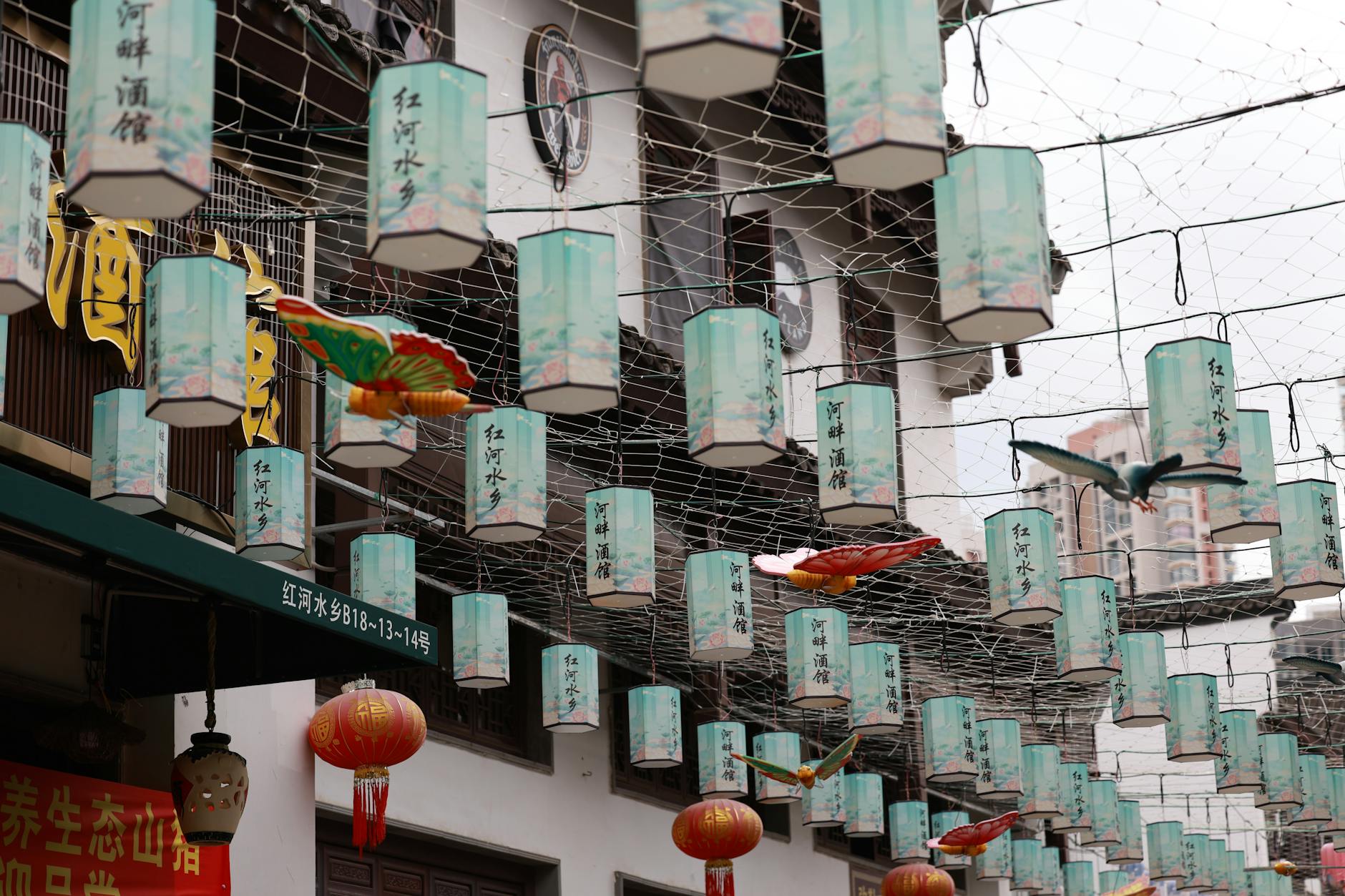
Table of Contents
- Shanghai’s Cultural Identity
- Where to See Shanghai Traditional Culture and Customs
- Tea Culture & Daily Rituals
- Park Culture (Tai Chi, Calligraphy, Dance)
- The People’s Park Marriage Market
- Lane & Shikumen Life
- Major Festivals
- The Cultural Calendar Month by Month
- Food Traditions
- Traditional Arts
- Beliefs & Customs
- The Shanghainese Dialect & Identity
- Etiquette: What to Actually Do
- How to Experience Them as a Tourist
- A Cultural Day in Shanghai
- What Is Disappearing
- FAQ
Shanghai’s Cultural Identity
Shanghai’s culture is a hybrid — what locals call “haipai” (海派, “Shanghai-style”). It blends:
- Han Chinese mainland tradition
- Wu cultural region heritage (the broader Yangtze Delta — Suzhou, Hangzhou, Ningbo)
- The cosmopolitan layer left by 1843–1949 foreign concessions
- The post-1990s rapid commercial modernisation
This hybrid explains a lot: why Shanghai cuisine is sweeter than Beijing’s; why locals are more open to foreign goods than other Chinese cities; why the language has distinct dialect status; and why the city’s coffee scene rivals Melbourne’s.
The contrast matters. Jingpai (京派, “Beijing style”) meant orthodox, scholarly, imperial. Haipai began as an insult — commercial, showy, too eager to borrow from foreigners — and Shanghai made it the name of its identity. Tradition here has always been pragmatic and absorptive rather than protective. A wedding banquet in 2026 has a lazy Susan, eight courses of Jiangnan food, a white Western dress, a red Chinese one and a professional photographer, and nobody sees a contradiction.
Where to See Shanghai Traditional Culture and Customs
If you have three days and want to see the living tradition rather than a museum display, this is where to spend your time.
| What | Where | When | Cost | Worth it? |
|---|---|---|---|---|
| Tai chi, dance, calligraphy | Fuxing Park, Lu Xun Park, People’s Park | 06:30–09:00 daily | Free | Yes — the single best free thing in the city |
| Marriage market | People’s Park, near Gate 5 | Sat & Sun, roughly 12:00–17:00 | Free | Yes, but be discreet |
| Tea house | Huxinting, Yu Garden | Daily, mornings quietest | ¥60–150 a pot | Touristy but the building is genuine |
| Working temple | Longhua, Jade Buddha, Jing’an | Early morning | ¥10–50 | Yes, especially Longhua |
| Lived-in shikumen lanes | Hongkou, Yangpu, Laoximen fringes | Late afternoon | Free | Yes — walk, don’t photograph faces |
| Acrobatics | Shanghai Centre Theatre, Shanghai Circus World | Most evenings, ~90 min | Roughly ¥150–450 | Yes with children |
| Pingtan ballad singing | Small teahouse theatres, Old Town | Afternoons | ¥30–80 | Only if you have patience |
| Museum context | Shanghai Museum East (People’s Square has a ticketed Americas exhibition to 14 Nov 2027) | East closed Tuesdays | Free; bring your passport | No booking needed for individuals |
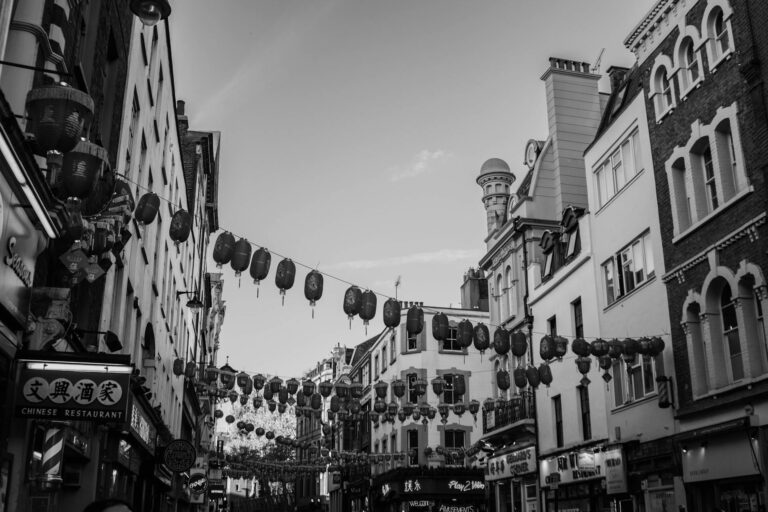
One warning about the word “traditional” here. Much of what is sold as heritage — the “ancient” streets around Yu Garden, the lantern-lit lanes, the qipao shops — was built or rebuilt in the last thirty years. The genuinely old, genuinely used things are elsewhere: in the parks at seven in the morning, in a Hongkou lane at six in the evening, in the incense smoke at Longhua on the first and fifteenth of the lunar month.
Tea Culture & Daily Rituals
Tea is woven into Shanghai daily life. You’ll see thermoses of green tea on every desk and at every restaurant — locals refilling them from communal hot-water taps. Common practices:
- Morning tea — green tea (longjing being the local favourite), usually loose-leaf, refilled multiple times
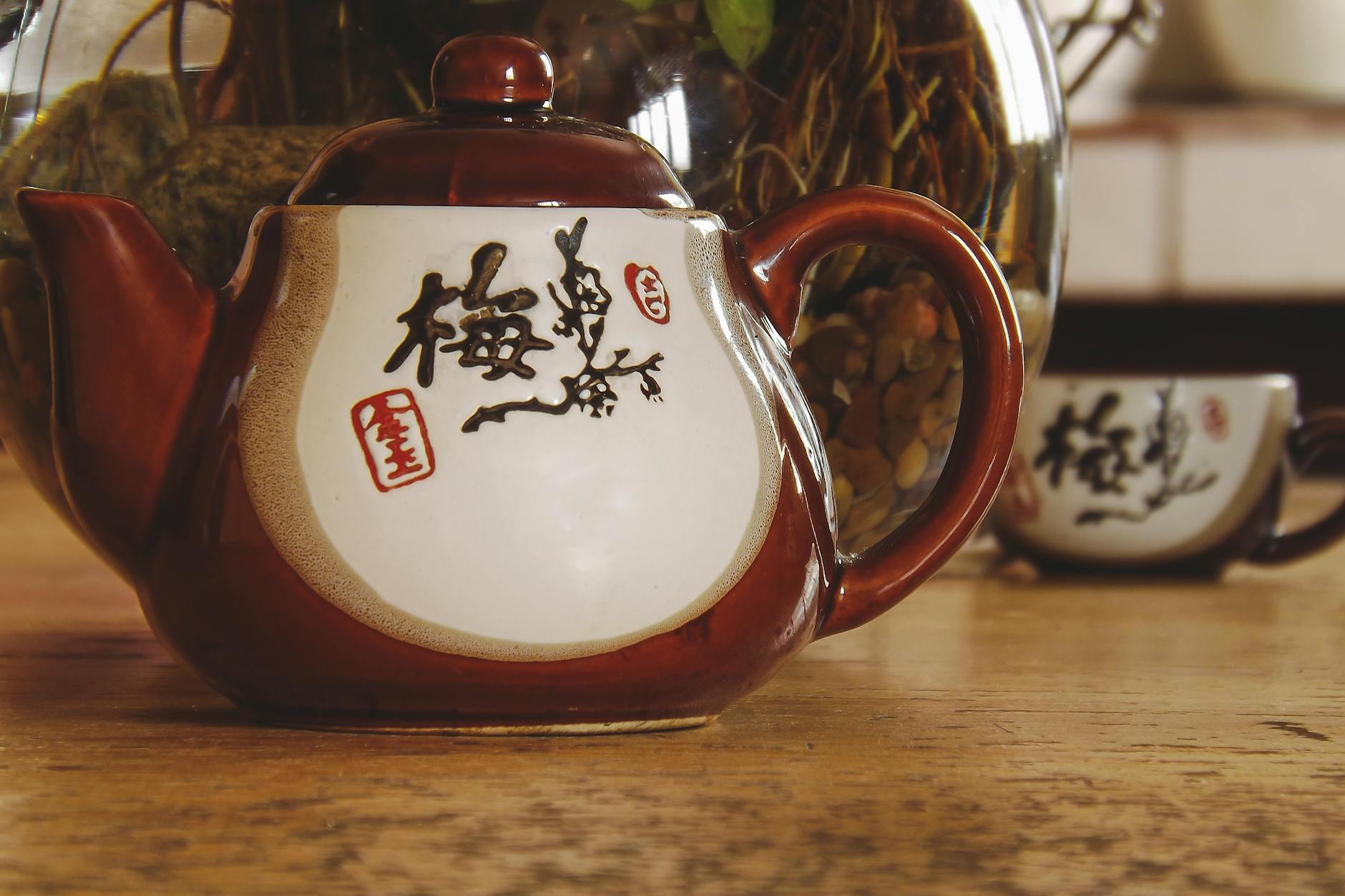
- Tea houses — historic spots like Huxinting (in Yu Garden) serve traditional tea ceremonies with dried fruits and seeds
- Yum cha (饮茶) — Cantonese-style dim sum + tea brunch, widely practised on weekends
- Yixing teapot culture — collectors slowly “season” purple-clay teapots over years
- Pu’er tea aging — aged pu’er can fetch staggering prices; teahouses double as informal collectibles markets
A note on the tea-house scam, because it catches people every year. If a friendly young couple approaches you on East Nanjing Road or near the Bund, practises their English, and suggests a traditional tea ceremony nearby, walk away. The bill arrives at ¥1,500–3,000 for a few small cups and there are people at the door. Genuine tea houses do not recruit customers on the street. Go to Huxinting, or a tea market like Tianshan, and pay ¥60–150 for a pot you chose from a written price list.
Buying tea rather than drinking it: you taste first, unhurried, across several infusions, and gentle haggling is normal. Prices scale absurdly — the same leaf can be ¥80 or ¥8,000 a jin depending on picking date and origin. Buy at the ¥200–400 level and you get something genuinely good without being read as a mark. Our souvenirs guide covers what travels well.
Park Culture (Tai Chi, Calligraphy, Dance)
Shanghai’s parks come alive every morning from 6:30am with retired locals practising:
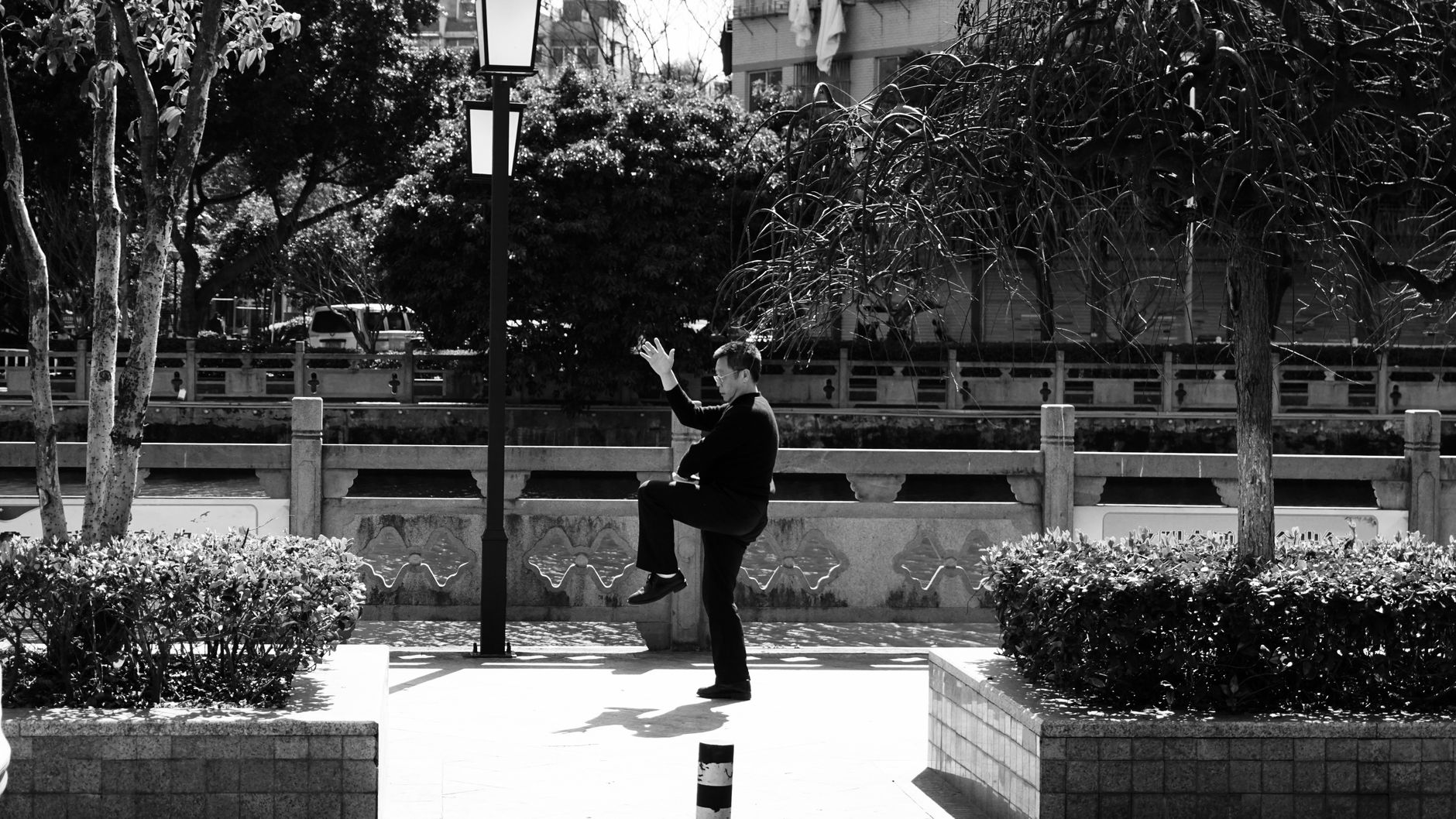
- Tai Chi (太极拳) — slow martial movements in groups; visible at Fuxing Park, Lu Xun Park, and People’s Park daily
- Group dancing — synchronised “square dancing” (广场舞) — by groups of 20–80 dancers in matching tops, with portable speakers
- Water-brush calligraphy — large brushes dipped in water and “painted” on the stone pavement; the strokes evaporate, becoming a kind of ephemeral practice
- Jianzi (shuttlecock kicking) — a leather-feathered weighted shuttle kept in the air by groups
- Chinese chess (xiangqi, 象棋) — old men playing concentrated games at park tables
- Choir singing — Mao-era revolutionary songs and popular hits by retiree choirs
- Marriage corner (相亲角) — at People’s Park every Sat/Sun, parents post profiles of unmarried adult children with stats: age, height, income, education, hukou status
For tourists, visiting a park between 7–9am Tuesday–Friday is the best window. Free; bring a coffee; sit on the benches.
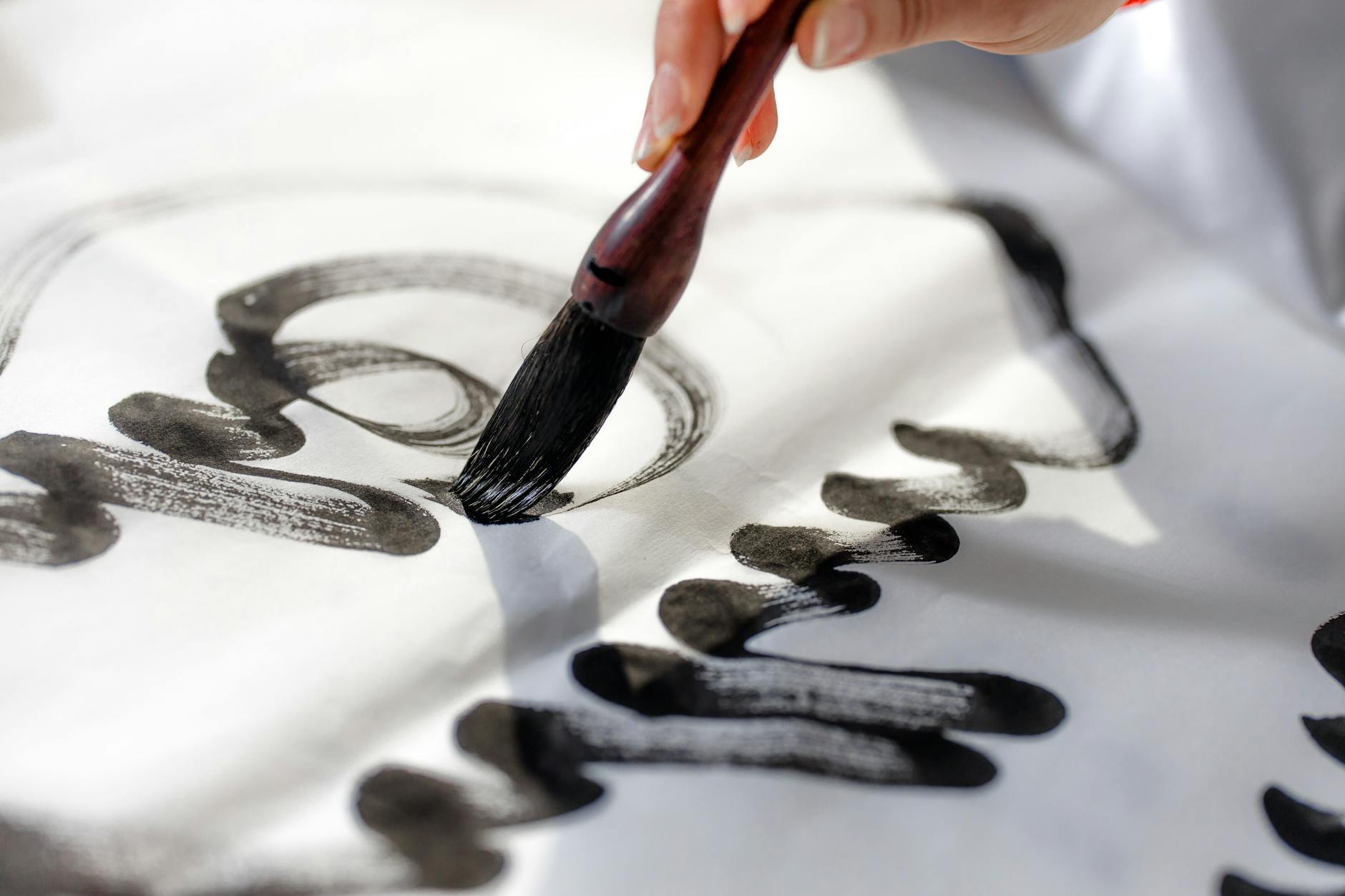
Which park, though, matters. Fuxing Park in the former French Concession is the most photogenic and the most mixed — tango dancers in one corner, a saxophone player in another, tai chi under the plane trees, chess tables along the north path. Lu Xun Park in Hongkou is bigger, less touristed and more serious about the choirs. People’s Park is central and convenient (Metro Lines 1, 2 and 8 to People’s Square; the park is free and open roughly 06:00–18:00) but it is also where the tea-house touts operate, so keep your guard up.
Two pieces of etiquette that matter more than people realise. Nobody minds you watching, and nobody minds a wide photograph of a group; individual close-ups of faces without asking will get you a hard look, and rightly. And if a group waves you in to join the tai chi — which happens more often than you would expect — say yes. Stand at the back, copy badly, and you will make someone’s morning.
The People’s Park Marriage Market
The xiangqin jiao (相亲角) deserves its own section because it is the strangest and most revealing custom a visitor can watch for free.
Every Saturday and Sunday afternoon, parents — mostly in their sixties and seventies — line the paths of People’s Park with umbrellas, and pinned to each umbrella is an A4 advertisement for their adult child. The listings are blunt: year of birth, height in centimetres, education, job, annual salary, whether the family owns a flat and a car, and crucially the hukou (household registration) — a Shanghai hukou is a significant asset in this market. Photographs are optional and often absent. Many of the children being advertised have no idea their parents are there.
Success rates are famously terrible; the point, for most parents, is the social ritual and the shared anxiety as much as any actual match. Walk the length of it and leave. Do not photograph faces or the sheets close-up, and do not laugh. It is free, it runs roughly noon to five, and it will tell you more about contemporary Chinese family expectations than any museum.
Lane & Shikumen Life
Shikumen (石库门) — literally “stone-frame gate” — are Shanghai’s signature lane houses, hybrid Chinese-Western terraced homes from the early 20th century. Beyond their architecture, they’re the locus of much Shanghainese daily life:
- Lane life intimacy — neighbours know each other’s business; communal cooking pots, shared kitchens, hung laundry
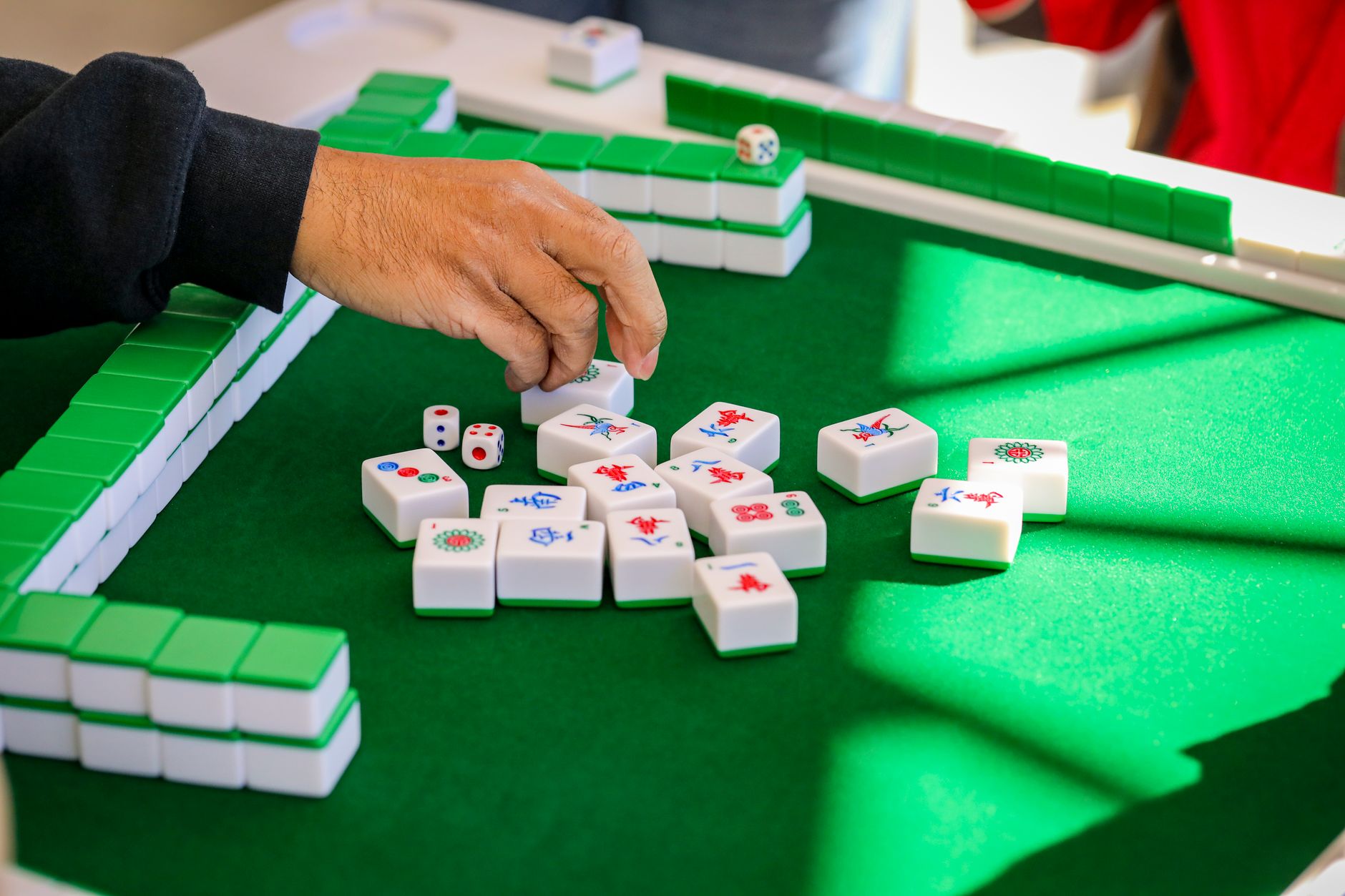
- Mahjong outdoors — afternoon games at fold-up tables in lane mouths
- Cricket fighting — a centuries-old tradition with caged fighting crickets, still practised by older men
- Lane snacks — vendors push carts through the lanes selling preserved tofu, rice cakes, fried snacks
- Spring outdoor sleeping — older traditions of moving wood-plank beds outside on hot summer nights (now rare)
Tianzifang and Xintiandi preserve the architecture; the truly lived-in shikumen lane life persists in Hongkou and Yangpu neighbourhoods.
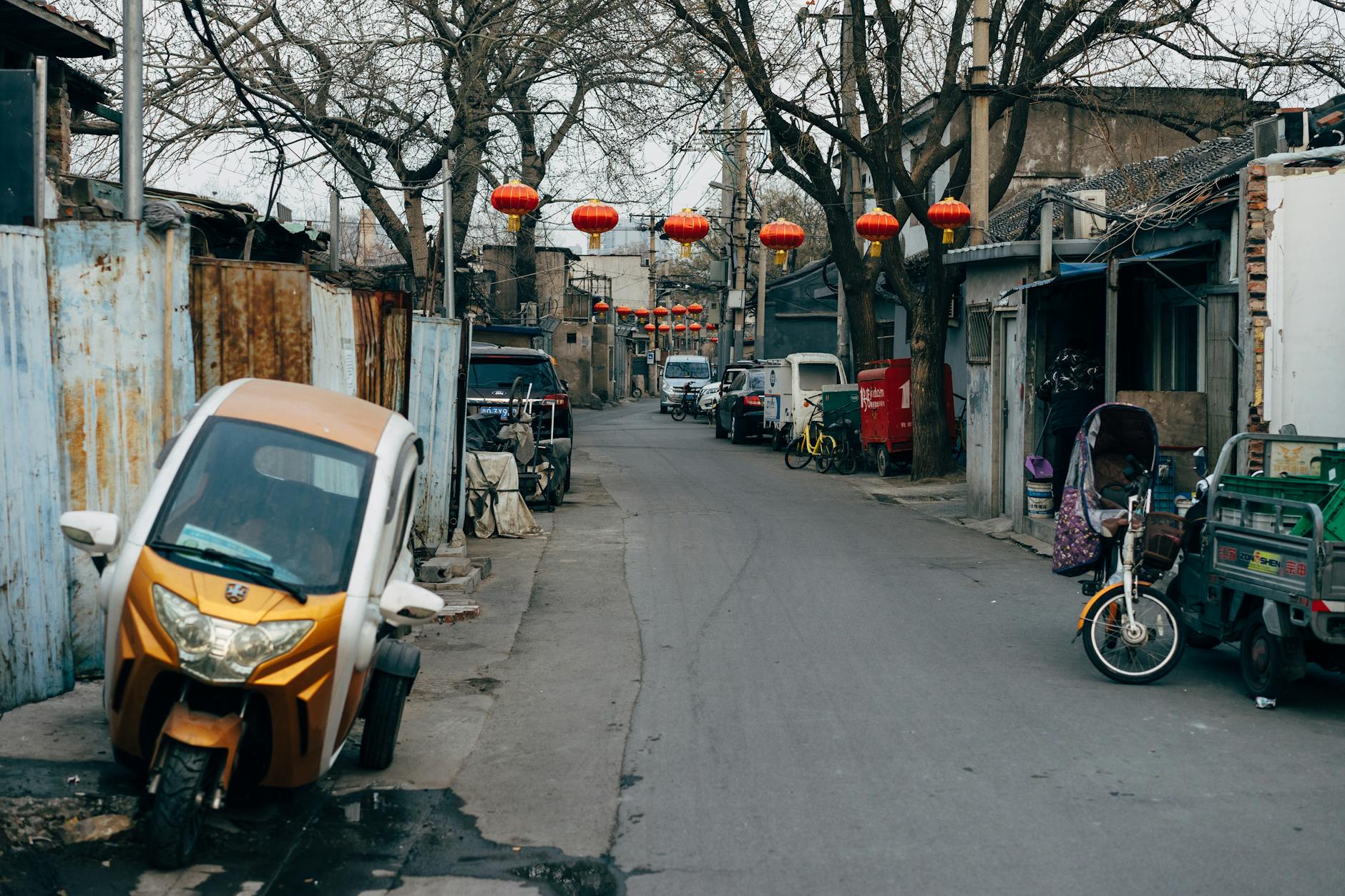
The scale of what has been lost is worth knowing. Shikumen first appeared in the 1860s and by the early 1950s there were over 9,000 of them, housing roughly 60–65% of the city’s population. Demolition accelerated hard from the 1980s: in Xuhui District alone, shikumen floor area fell from about 2.68 million square metres in 1949 to around 0.25 million by the late 1990s. What survives is a fraction, and it is split between three fates — museum-piece reconstruction (Xintiandi), commercial reuse with the fabric mostly intact (Tianzifang), and ordinary crowded housing with shared kitchens and, in some buildings, shared toilets.
The third kind is the one worth walking through, quietly and without a camera at eye level. Try the lanes around Duolun Road in Hongkou, or the streets north of Fuxing Middle Road: laundry on bamboo poles across the alley, a woman washing vegetables at an outdoor tap, a mahjong table by a doorway. It is somebody’s home, not an exhibit. Our French Concession walking tour and art deco guide map the routes.
Major Festivals
Shanghai celebrates the full Chinese festival calendar — many with public holidays:
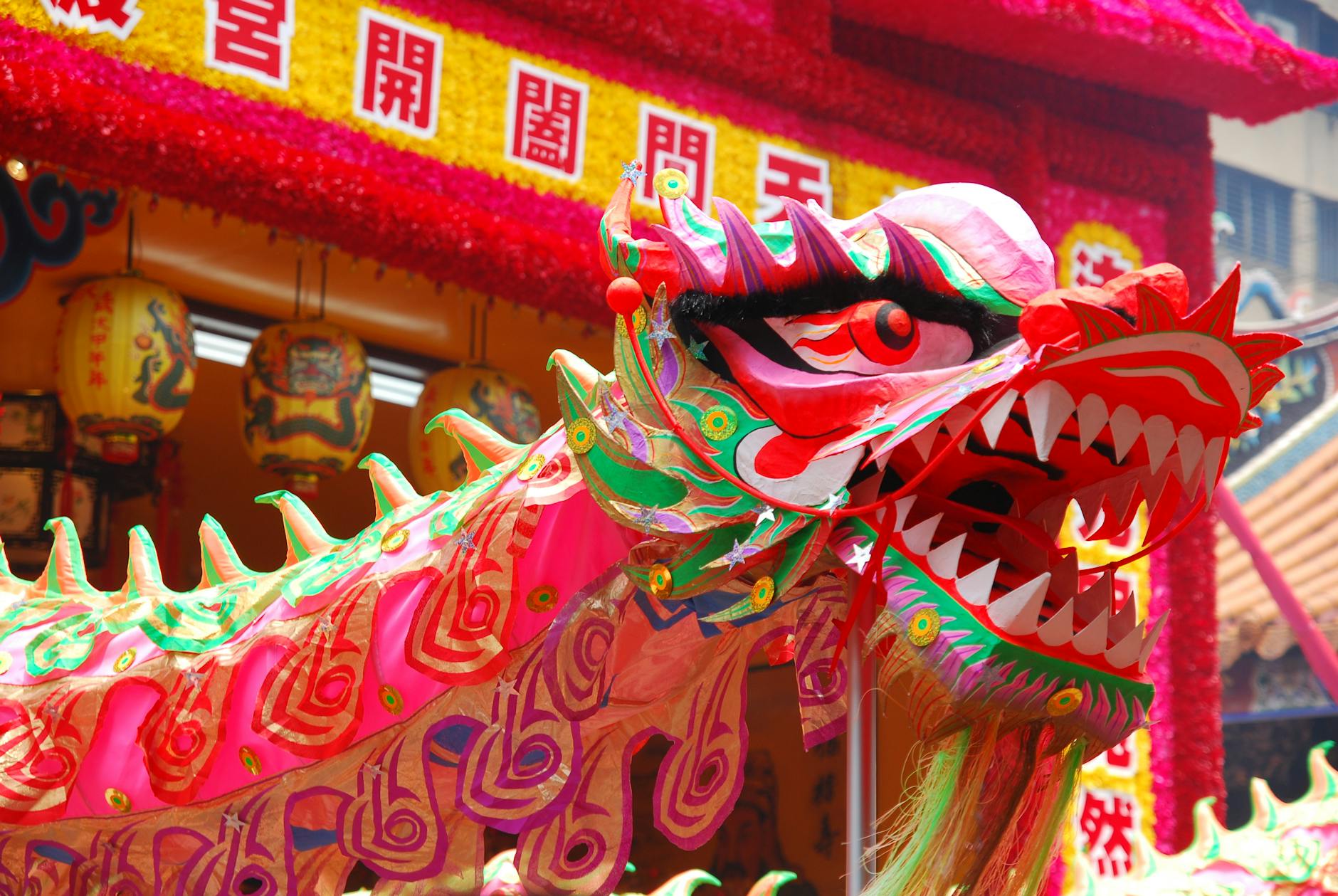
- Chinese New Year (春节) — late Jan/Feb; family reunions, red envelopes, fireworks (now restricted), lantern displays at Yu Garden
- Lantern Festival (元宵节) — 15th day of new year; sweet rice balls, lantern viewing
- Qingming (清明节) — early April; tomb-sweeping; respect for ancestors
- Dragon Boat Festival (端午节) — early June; zongzi (sticky-rice dumplings); dragon-boat races at Suzhou Creek
- Mid-Autumn Festival (中秋节) — mid-late September; mooncakes; full-moon viewing; family gathering
- Double Ninth (重阳节) — early October; respect for elderly; climbing hills
- Winter Solstice (冬至) — late December; family meals; warm-food traditions
Practical caution: Chinese New Year is the one festival that can spoil a trip rather than enrich it. For roughly a week, small restaurants close, family-run shops shut, and the city half-empties as migrant workers travel home — then refills. The Yu Garden lantern display is genuinely worth seeing, but book everything in advance and expect crowds at the temples on the first day of the new year, when people queue overnight to light the first incense.
The Cultural Calendar Month by Month
Festival dates follow the lunar calendar and move by several weeks each year, so treat these as windows rather than fixed dates.
| Window | What happens | Where to be |
|---|---|---|
| Late Jan–mid Feb | Chinese New Year; Lantern Festival two weeks later | Yu Garden lanterns; Longhua Temple bell-ringing on New Year’s Eve |
| March | Magnolia — the city flower — comes out | Fuxing Park, Gucun Park |
| Early April | Qingming tomb-sweeping; peach blossom at Longhua | Longhua Temple grounds |
| May–June | Dragon Boat; zongzi everywhere; plum rain begins | Suzhou Creek races; any bakery |
| July–August | Ghost month falls in this window some years; very hot | Indoors; temples are quiet |
| September | Mid-Autumn; mooncake gifting reaches absurd levels | Any office lobby; hotel mooncake counters |
| Sept–Nov | Hairy crab season; Double Ninth; best weather | Old-town restaurants; see our autumn guide |
| December | Winter solstice family meals; commercial Christmas | Home dinners; malls go full tinsel |
The two best months to come for culture specifically are October and late April — mild weather, everything open, temples active, parks full. See best time to visit Shanghai and our autumn guide for the detail.
Food Traditions
- Family-style ordering — multiple dishes shared, rice in middle
- Lazy susan at family banquets; rotated clockwise
- Toasts with rice wine at banquets — host initiates, glasses clinked lower than the elder’s
- Hairy crab autumn — September–November ritual of crab eating with ginger-vinegar sauce
- Soup as final course in formal Shanghainese meals
- “Bian dan” (扁担) backstrap noodle vendors — virtually extinct but historically iconic
- Eight Treasures Rice — sweet glutinous rice with eight types of fruit, served at New Year banquets
- Sweet-and-sour pork — the local favourite version uses red-vinegar-and-sugar glaze unique to Shanghai
The defining characteristic of Shanghainese cooking is nong you chi jiang (浓油赤酱) — “heavy oil, red sauce”. Sugar and dark soy are used together in a way that shocks visitors from northern China, and the results are braised, glossy and sweet: red-braised pork belly, sweet-and-sour ribs, oil-exploded prawns. Add the Jiangnan freshwater tradition — silverfish, river shrimp, mandarin fish, hairy crab — and you have a cuisine defined by a delta rather than a steppe. Our Shanghai food guide covers what to order.
Hairy crab deserves the fuss. From roughly late September to November, restaurants across the city sell steamed dazha xie from Yangcheng Lake, eaten with ginger-and-vinegar dip and warm yellow rice wine. It is fiddly, expensive (¥100–400 a crab depending on size and origin) and rewarding, and there is a whole etiquette to dismantling one. Ask for the tool set and follow what the next table does.
Traditional Arts
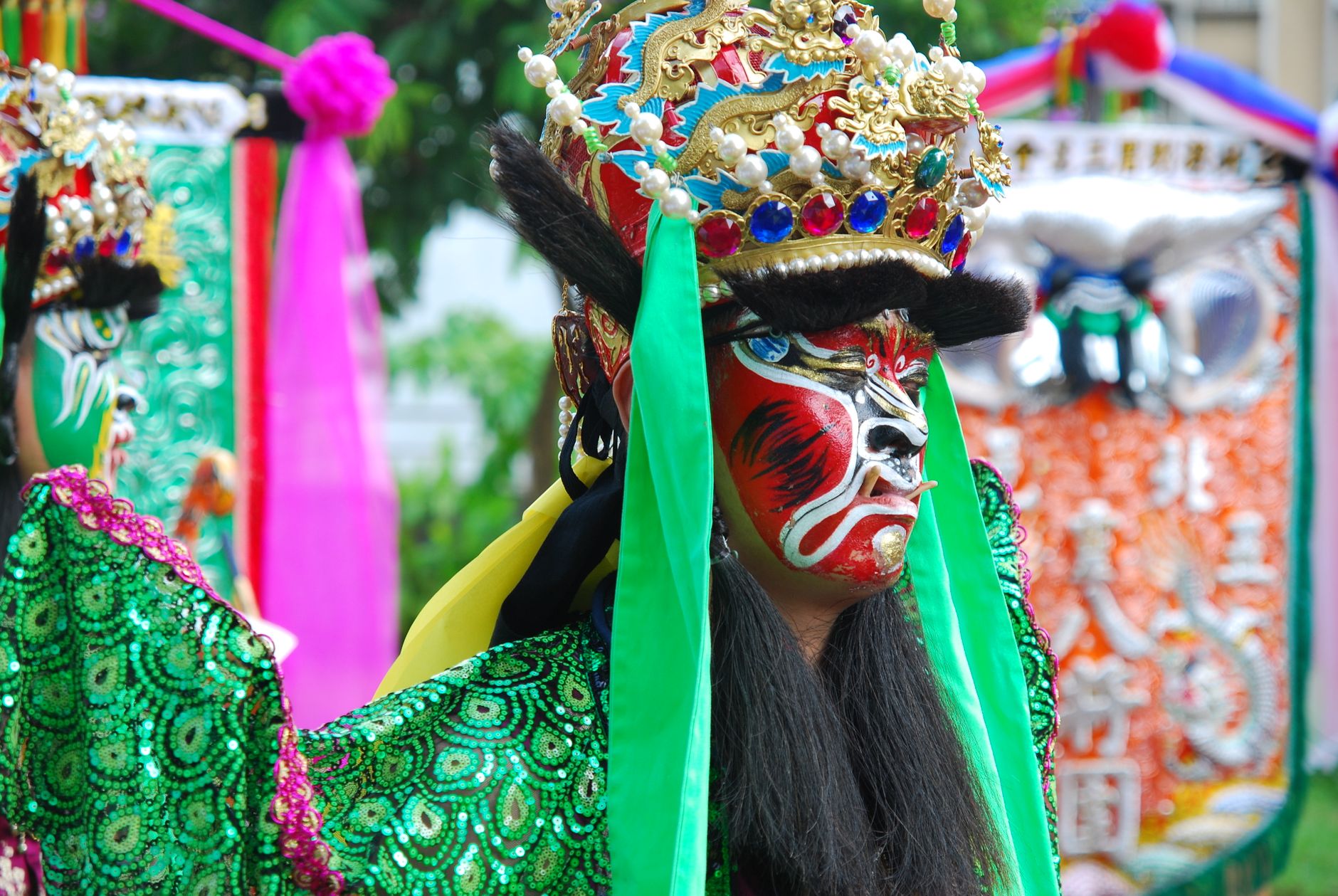
- Beijing Opera (京剧) — staged at the Shanghai Grand Theatre; tourist-friendly
- Shanghai Opera (沪剧) — local dialect version; harder to find
- Pingtan (评弹) — Suzhou-style ballad singing with three-string lute; quiet teahouse performances
- Shadow puppetry — occasional performances at temples
- Acrobatics — the Shanghai Acrobatic Troupe is outstanding; regular shows at the Shanghai Centre Theatre
- Erhu (two-string fiddle) buskers at Yu Garden Bazaar
- Pen-and-ink painting at Shanghai Museum East; live demonstrations on weekends
Some guidance on what a visitor will actually enjoy. Acrobatics is the safe choice — roughly 90 minutes, no language barrier, spectacular, and children love it. Expect somewhere in the ¥150–450 range depending on seat and venue; check the theatre’s own channel for the current schedule rather than a reseller.
Pingtan is the opposite: two performers, a three-stringed sanxian and a pipa, singing a story in Suzhou dialect for an hour with almost no staging. If you have no Chinese it will be slow, but it is the most purely local of the art forms and the small teahouse venues charge very little. Pingtan came to Shanghai from Suzhou in the 1920s and by the 1930s the city’s radio stations were broadcasting over a hundred pingtan programmes a day — it was, briefly, pop music.
Yue opera (越剧), originally from Shengzhou in Zhejiang, was made famous on Shanghai stages and traditionally has all-female casts. Huju (沪剧) is the Shanghainese-dialect form and is genuinely hard to find with English support. Beijing opera is the most accessible for a first-timer, mostly because the surtitles usually exist.
Beliefs & Customs
- Buddhism & Taoism — Jing’an Temple (Buddhist), Jade Buddha Temple, Longhua Temple, City God Temple (Taoist)
- Lucky numbers — 8 (sounds like “wealth”), 6 (“smooth”), 9 (“longevity”); avoid 4 (sounds like “death”)
- Red & gold at weddings, New Year, openings
- White at funerals — opposite of Western mourning colour
- Don’t give clocks as gifts — sounds like “attending a funeral”
- Cricket fighting — autumn pastime; legal but rare
- Geomancy (Feng Shui) — still consulted for property purchases and renovations
- Ghost month (seventh lunar month) — period when locals avoid weddings, big purchases
Temple etiquette in practice: enter side gates rather than the central one, step over the raised threshold rather than on it, and if you light incense, three sticks held together at chest height, bow three times, then place them in the burner. Buy incense inside the temple for a few yuan — anyone selling you an expensive “blessed” bundle at the gate is running a scam. Photography of worshippers is intrusive; photography of statues is often prohibited in the main halls. Our temples guide has the hours and ticket prices for each.
The Shanghainese Dialect & Identity
Shanghainese (上海话) is mutually unintelligible with Mandarin, classified as Wu Chinese. Spoken by ~12 million people; declining as Mandarin dominates schools. Some older locals consider themselves Shanghainese first and Chinese second. Distinctive features:
- More tones than Mandarin (five vs four)
- Distinct vocabulary — “Where are you going?” is “nong wei dao za sa” not “ni qu na li”
- Used in family gatherings, neighborhoods, and parents talking to elders
- Public signage and TV are in Mandarin
- Younger Shanghainese often code-switch between dialect (at home) and Mandarin (in public)
The decline is real and measured. Counting related Wu varieties the speaker base is around 15 million, but only about half of Shanghai’s current population can hold a conversation in it. A 2010 survey found just 17.3% of primary school children used Shanghainese with their own parents; a 2021 study put the share of under-18s who never use it at around 15%. Mandarin-only schooling from 1949 and decades of migration from other provinces did the work.
There is a revival of sorts. Metro and bus announcements added Shanghainese in 2013, Apple added Shanghainese support to Siri in 2017, and the 2023 television series Blossoms Shanghai — filmed in the dialect — did more for its prestige than a decade of policy. Learn two words and you will get a genuine reaction: nong hao (侬好, hello) and xie xie nong (谢谢侬, thank you). See our language barrier guide for the Mandarin you actually need.
Etiquette: What to Actually Do
- Two hands for business cards, gifts and receipts from elders. It costs nothing and is noticed.
- Let the host order and pour. Tap two fingers on the table when someone fills your cup — it means thank you.
- Never stick chopsticks upright in rice. It mimics funeral incense. Lay them across the bowl.
- Refuse a gift twice before accepting. Insisting once is politeness, not rejection.
- Don’t tip. Not in restaurants, not in taxis. Service charges appear on upmarket bills.
- Queue-jumping happens. Stand close to the person ahead of you or someone will slot in.
- Volume is different. Loud conversation in a restaurant is normal, not rude.
- Ask before photographing people — especially worshippers, the marriage-market parents and residents in lanes.
Fuller treatment in the Shanghai etiquette guide.
How to Experience Them as a Tourist
- Visit a park at 7–8am on a weekday — see Tai Chi, dancing, water-brush calligraphy
- Sat/Sun People’s Park — observe the marriage market 12:00–17:00
- Yu Garden Bazaar for traditional snacks, name chops, and craft demonstrations
- Tea houses — Huxinting (Yu Garden) or in the French Concession
- Shanghai Museum East — calligraphy, painting, bronze galleries
- Shanghai Acrobatic Show — regular evening performances
- Mid-Autumn Festival if your trip coincides — lantern displays, mooncake eating
- Chinese New Year if your trip coincides — Yu Garden lantern festival, family-style banquets at hotels
- UnTour Shanghai cultural walks — guided tours through Old Town and shikumen alleys
- Take a tea-ceremony class at Tianshan Tea City; ~¥150 for 90 minutes
The Shanghai Museum is the single best indoor investment. The permanent galleries are at the much larger East branch in Pudong, which is free, needs no booking for individuals and closes on Tuesdays. Until 14 November 2027 the original People’s Square building shows only a ticketed exhibition on the ancient Americas. Go for the bronzes, the ceramics and the calligraphy galleries; skip nothing, but do not try to do everything in one visit. See our museums guide and the Yu Garden guide.
A Cultural Day in Shanghai
- 06:45 — Fuxing Park. Tai chi, ballroom dancing, water calligraphy on the paving. Free.
- 08:15 — breakfast at a local shop: shengjianbao, soy milk, a fried dough stick. ¥15–25.
- 09:30 — Longhua Temple before the crowds. ¥10. The pagoda, the incense, the bell tower.
- 11:30 — walk the Duolun Road lanes in Hongkou, or the streets north of Fuxing Middle Road.
- 13:00 — Shanghainese lunch: red-braised pork, tomato and egg, greens, rice. ¥60–90.
- 14:30 — Shanghai Museum East, no booking needed. Two hours in the bronzes and ceramics.
- 17:00 — Yu Garden and the old bazaar as the light drops; tea at Huxinting if the queue is short.
- 19:30 — acrobatics, or an early night. Both defensible.
Total spend excluding the show: roughly ¥150–200 per person. Most of the best of Shanghai traditional culture is free or nearly so — see our free attractions guide.
What Is Disappearing
An honest guide should say which of these customs you may not see. Cricket fighting survives among a small number of older men and is not something a visitor will stumble across. The travelling lane vendors with shoulder poles are effectively gone. Sleeping outdoors on summer nights ended with air conditioning. Shanghainese is losing a generation. And the shared-kitchen shikumen lane, the physical container for most of this, is being demolished or gentrified at speed.
What is holding up: the parks, which are stronger than ever as the population ages; the festival food calendar, which the commercial sector has enthusiastically adopted; temple worship, which has grown steadily since the 1980s; and the family banquet, which absorbs any amount of modernity without changing shape. For the longer historical arc, read our history of Shanghai.
Frequently Asked Questions
What is traditional Shanghai culture?
A hybrid of Han Chinese tradition, Wu cultural region heritage, and foreign-concession-era cosmopolitanism — locally called “haipai.” Daily life features tea culture, park traditions, shikumen lane life, and the full Chinese festival calendar.
What are the main Shanghai traditional culture customs?
Morning park practice (tai chi, calligraphy, dance), tea drinking from a thermos, family-style ordering at meals, mooncake gifting at Mid-Autumn, red envelopes at New Year, hairy crab in autumn, and deference to elders at all formal occasions.
Do Shanghai people speak a different language?
Yes — Shanghainese (a Wu Chinese dialect) is mutually unintelligible with Mandarin. Most younger Shanghai residents speak both, with Mandarin dominating in public life, and use of the dialect among children has fallen sharply.
What festivals do Shanghai people celebrate?
Chinese New Year (biggest), Lantern Festival, Qingming, Dragon Boat, Mid-Autumn, Double Ninth, and Winter Solstice are the main traditional Chinese festivals. Western Christmas is widely celebrated commercially.
Where can I experience traditional culture in Shanghai?
Yu Garden Bazaar for crafts and snacks; Fuxing Park for morning tai chi; People’s Park for the marriage market on weekends; Shanghai Museum East for art; working temples like Longhua early in the day; tea houses around the Old Town.
What is shikumen culture?
Shikumen are traditional Shanghai lane houses; the culture refers to the close-knit neighbourhood life that developed around them — shared courtyards, mahjong games, communal cooking, and street vendors. Over 9,000 once housed most of the city; a fraction survives.
What time does park culture start in Shanghai?
6:30–7:00am is when retirees gather for tai chi, dance, and calligraphy. The activity peaks 7:00–9:00am. Free to observe; keep a respectful distance and ask before photographing individuals.
What is the People’s Park marriage market?
A weekend gathering where parents advertise their unmarried adult children on printed sheets pinned to umbrellas, listing age, height, income, education, property and household registration. It runs roughly noon to five on Saturdays and Sundays and is free to walk through.
What gifts are taboo in Shanghai?
Clocks (sounds like “attending a funeral”), sharp objects (suggest cutting ties), white flowers (mourning colour), and anything with the number 4 (sounds like “death”). Red and gold are auspicious.
Is the Shanghai tea ceremony scam still a problem?
Yes. Friendly strangers who approach you near the Bund or East Nanjing Road and propose a traditional tea ceremony are running it; bills of ¥1,500–3,000 are typical. Genuine tea houses have posted prices and do not recruit on the street.
Which traditional performance should I see in Shanghai?
Acrobatics if you want spectacle with no language barrier — around 90 minutes and roughly ¥150–450. Beijing opera if you want the classic art form with surtitles. Pingtan if you want the most local option and have patience for an hour of Suzhou-dialect storytelling.
How much Chinese do I need to enjoy Shanghai’s culture?
Very little. Signage in museums and major temples is bilingual and translation apps handle menus. Two words of Shanghainese — nong hao for hello and xie xie nong for thank you — will get you further socially than fluent Mandarin from a stranger.
Plan a Cultural Itinerary
Combine with our pillar guides on Shanghai culture & history, history of Shanghai, and Yu Garden. For background, see Culture of Shanghai on Wikipedia and the Shikumen architectural record.