Before the Bund, before the French Concession, before Pudong, there was a walled Chinese town on a bend of the Huangpu. Shanghai Old Town — 老城厢, Lao Cheng Xiang, the district the maps once called Nanshi — is the city’s original historic center, and almost everyone who visits sees about six per cent of it. They arrive at Yu Garden, walk the bazaar, eat a dumpling and leave. The other ninety-odd per cent is a rough oval about a kilometre across, ringed by two roads that trace a wall demolished in 1912, containing temples, a mosque, an antiques market that opens before dawn, wet markets, demolition sites and some of the last unrenovated lanes in central Shanghai. This guide is about that part.

Table of Contents
- What Is the Old Town?
- Reading the Circle on the Map
- A Brief History
- The Last of the City Wall
- City God Temple
- Wenmiao Confucian Temple
- The Other Temples and the Mosque
- The Surviving Streets
- Markets: Wet, Dry and Ghostly
- Yu Garden & Yuyuan Bazaar
- What to Eat
- A Half-Day Walk Beyond the Bazaar
- Getting There
- What People Get Wrong
- Who Should Bother
- Practical Tips
- FAQ
What Is the Old Town?
Shanghai Old Town is the area bounded by Renmin Road on the north and east and Zhonghua Road on the south and west — the two streets that between them form a closed loop. Inside that loop sat the pre-colonial Chinese town for some 600 years. After 1843, when the Treaty of Nanjing opened Shanghai to foreign trade, the concessions were built outside the wall, to the north and west, on land nobody wanted. The Old Town stayed Chinese, stayed self-governing and stayed poor.
That accident of geography is why the district feels different from everywhere else in central Shanghai. It has no plane trees, no art deco apartment blocks, no shikumen lanes laid out by a British property company. What it has instead is an irregular street grid that predates urban planning, buildings from the 1920s and 1930s put up piecemeal by their owners, and a level of everyday, unglamorous local life that the rest of Huangpu district lost twenty years ago.
Reading the Circle on the Map
Open a map of Shanghai and look just south-west of the Bund. You will see a near-perfect ring road about 3.5 kilometres around. That is the wall. When the fortifications came down after 1912, the demolition crews used the bricks and rubble to fill in the moat, and built the new road on top. Renmin Road is the northern half, Zhonghua Road the southern — and the ring they make is the single most useful navigation tool in the district.
The gate names survive too, in street and metro station names. Laoximen (老西门, Old West Gate) is a Metro interchange. Xiaonanmen (小南门, Small South Gate) is a station on Line 9. Xiaodongmen and Dongjiadu mark the eastern edge toward the river. If a Shanghai place name ends in -men, you are standing where a gate was.
Practically: if you get lost, walk in a straight line in any direction. Within ten minutes you will hit the ring road, and from there you can orient yourself instantly. Inside the ring, streets bend, fork and dead-end without warning, which is the whole point of coming.
A Brief History
- 1267 — Shanghai becomes a market town under Yuan Dynasty rule
- 1553 — Ming Dynasty constructs the city wall (3.5 km circumference) to defend against Japanese pirates
- 1843 — Treaty of Nanjing; Shanghai opened to foreign trade; British concession established outside the wall
- 1854 — Small Sword Society uprising in the walled city
- 1912 — City wall demolished; Republican-era redevelopment
- 1937–1945 — Japanese occupation; relatively undamaged compared to other districts
- 1990s–2000s — significant redevelopment; many shikumen lanes lost
- 2020s — preservation efforts kick in; some historic streets restored
Two details are worth holding onto. The wall went up in about three months in 1553, in a genuine panic about wokou pirate raids, and it worked. And it was never a symbol of pride — by 1900 the local merchant class was actively campaigning to knock it down because it strangled traffic, while conservative gentry fought to keep it. The compromise was to keep cutting extra gates: six originally, ten by 1911. Then the 1911 revolution settled the argument and the whole thing came down. Our history of Shanghai covers what happened next, and Wikivoyage’s Old City page is a useful cross-check on addresses and opening hours, which change here more often than they should.
The Last of the City Wall
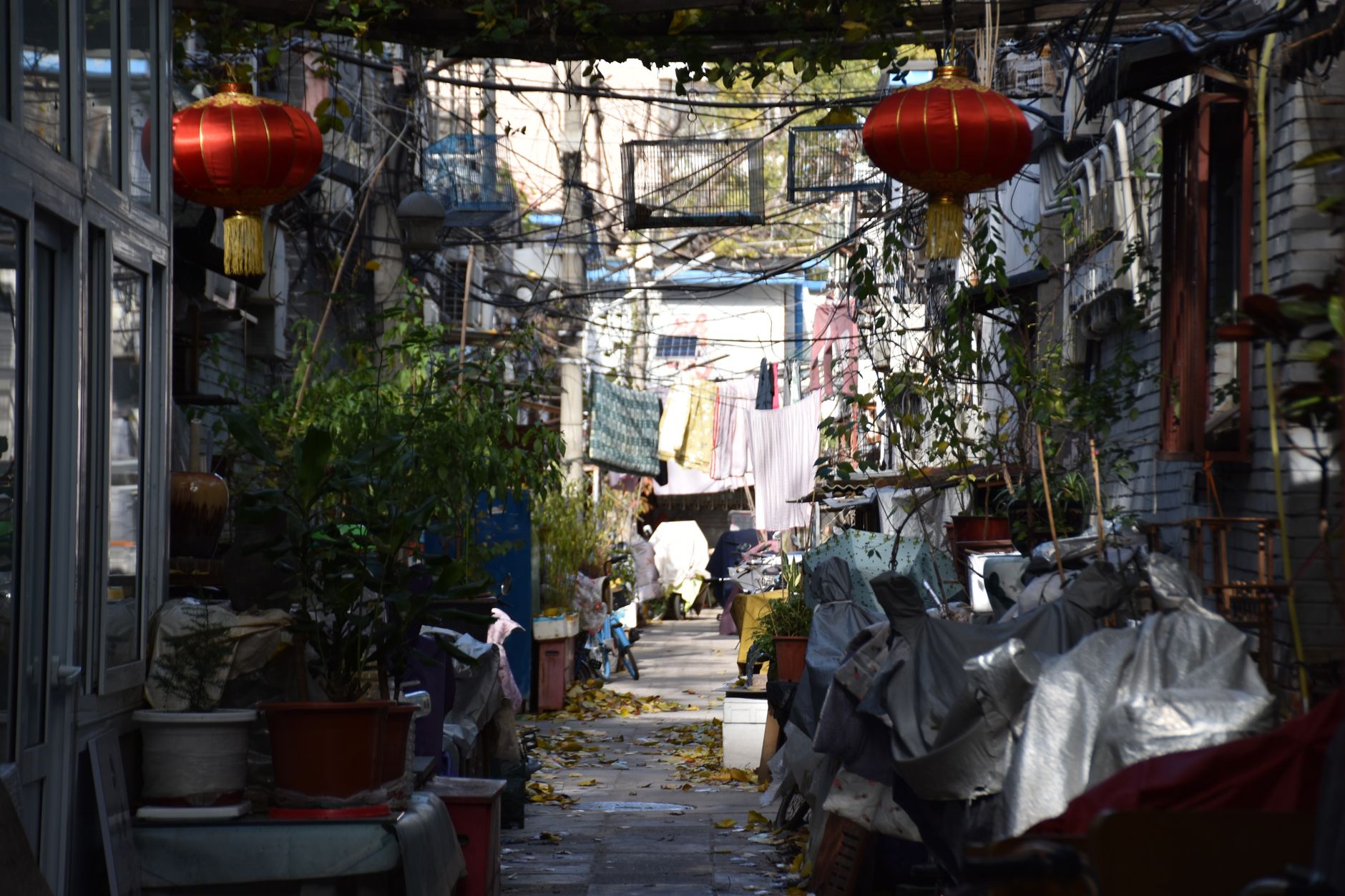
One fragment survives, and only by accident: the demolition committee set up its own office in the Guandi temple built on top of the wall at Dajing, and understandably did not knock down the building it was working in.
- Dajing Ge Pavilion (大境阁) — 269 Dajing Road, at the north-west corner of the ring
- Open: roughly 08:30–16:00; sources vary between an 08:30 and a 09:00 opening, so aim for mid-morning
- Entry: nominal, a few yuan
- What you see: around 50 metres of original Ming brickwork, some stamped “Shanghai City Brick”; the three-storey Wanli-period pavilion above it; the Guandi hall; and the Xichun Terrace, which houses a small exhibition on the walled town
- Allow: 30 minutes
It is not a grand site and it is almost always empty. That is rather the appeal — you can stand on the only surviving piece of the wall that defined this city for 359 years and have it entirely to yourself on a Tuesday morning. The Sixth Tone account of the wall’s rise and fall is the best background reading.
City God Temple
The City God Temple (城隍庙, Cheng Huang Miao) is the spiritual centre of the Old Town and the Taoist temple that gives its name to the surrounding bazaar streets:
- Founded: 1403 (Ming Dynasty)
- Dedicated to: three “City Gods” (deified historical figures protecting Shanghai)
- Entry: ¥10; open 8:30–16:30
- Atmosphere: festive, especially on the 1st and 15th of lunar months when worship is most intense
- Major event: Lantern Festival (15 days after Chinese New Year) — see our Chinese New Year guide
Go early. By 10am the temple is a slow-moving queue; at 08:30 it is worshippers with incense and almost no cameras. The distinction that confuses visitors is that “Chenghuangmiao” in everyday Shanghainese speech means the whole shopping district, not the temple — if you tell a taxi driver you want Chenghuangmiao you will be dropped at the bazaar.
Wenmiao Confucian Temple
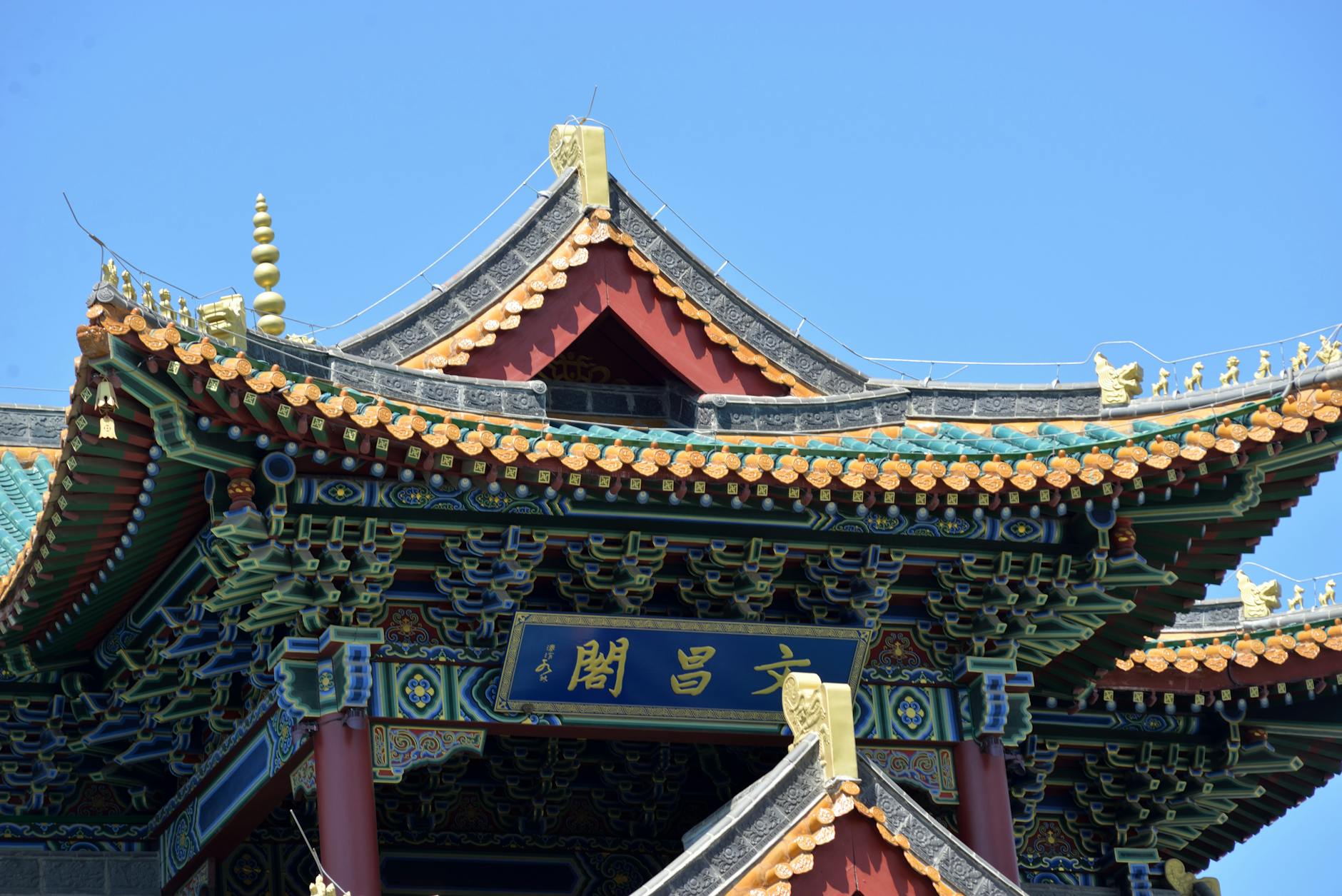
- Wenmiao Temple (文庙) — 215 Wenmiao Road, a Confucian temple founded in 1294 and moved to this site in 1855
- Entry: ¥10 when open; hours 09:00–17:00, last entry 16:30
- Nearest metro: Laoximen (Lines 8 and 10), exit 7, then about 500 metres south-east
- Status: the complex closed for a major restoration and expansion, with reopening repeatedly pushed back. Check before you walk over
The temple’s real fame is the second-hand book market that grew up beside it, and here the guidebooks are badly out of date. The old courtyard market closed in 2020. It has since reopened in a permanent home on the fourth floor of the Fumin Shangxia building nearby, and it runs every Sunday from about 6am to 5pm — not Saturday, as most listings still claim. Collectors turn up at dawn for old magazines, Cultural Revolution ephemera, comic books and out-of-print novels. It is one of the more genuinely local things you can do in the district on a Sunday morning.
The Other Temples and the Mosque
Three more religious sites sit inside the ring, none of them busy.
- Chenxiangge Nunnery (沉香阁) — 338 Fuyou Road. A Buddhist nunnery founded in the Ming period, with a working community of nuns and a quiet upper hall. Small entry fee, and a five-minute walk from the bazaar crowds that never find it.
- Xiaotaoyuan Mosque (小桃园清真寺) — 52 Xiaotaoyuan Street. Shanghai’s principal mosque, completed in 1925, in a hybrid of Chinese and Islamic styles. Non-Muslim visitors are generally welcome outside prayer times; dress modestly. The surrounding streets have a small Hui Muslim community and some of the best lamb noodles in the district.
- Baiyunguan (白云观) — 239 Dajing Road, a Taoist temple usually open 08:00–16:00, a two-minute walk from the city wall fragment. Pair the two.
- Dongjiadu Cathedral (董家渡天主堂) — 185 Dongjiadu Road, on the eastern edge toward the river. Built in the late 1840s and early 1850s and dedicated to St Francis Xavier, it is the oldest surviving Catholic church in Shanghai — a Spanish-baroque front standing in what is now a redevelopment zone. Opening is irregular outside Mass times, but the exterior alone justifies the ten-minute detour.
Between them these four cover Buddhist, Taoist, Muslim and Catholic Shanghai inside one square kilometre, which is a reasonable summary of what a nineteenth-century Chinese port city actually was. If temples are your reason for coming to Shanghai at all, our guide to temples in Shanghai puts these in context alongside Jing’an and the Jade Buddha Temple, and traditional culture in Shanghai explains the worship you will see going on around you.
The Surviving Streets
Sipailou Road (四牌楼路)
One of the last genuinely working food streets in central Shanghai. Pavement carts, plastic stools, ¥10–20 bowls, and locals in pyjamas — a Shanghai habit that has almost disappeared elsewhere. Best between 06:30 and 09:30 for breakfast. See our food streets guide.
Fangbang Middle Road (方浜中路)
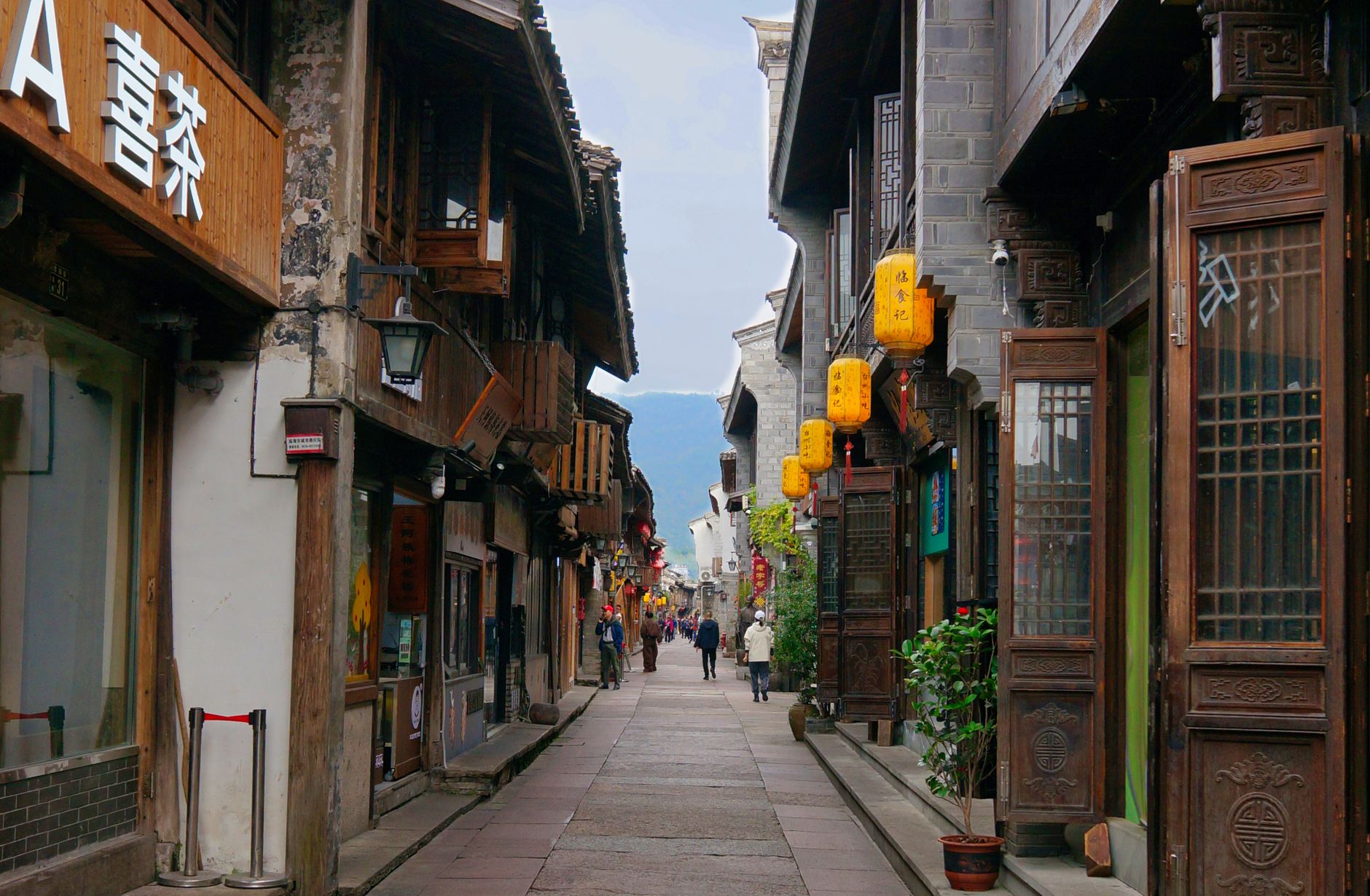
The spine of the district. Its western stretch is “Shanghai Old Street”, a restored Qing-style shopping run that is frankly a stage set, but keep walking east past the bazaar and it becomes an ordinary street with hardware shops, tailors and noodle stalls. That contrast in a single road tells you most of what you need to know about the Old Town today.
Dongtai Road (东台路)
Once Shanghai’s best-known antiques street. It was cleared around 2015 and only a handful of shops survive at the western end — reviewers who report it as “95 per cent demolished” are not exaggerating. The trade largely moved indoors; see our antique markets guide and the section below.
Laoximen and the demolition zone
The area bounded by Fangbang Middle Road, Fuxing East Road, Zhonghua Road and Songxue Street was scheduled for clearance from 2017. Lanes including Kongjia Nong and Shouning Road have been progressively emptied, their doorways marked in red spray paint, residents relocated to Pudong and the outer districts. Some of it is fenced. It is a strange, sobering walk and it is disappearing year by year — what you see in 2026 will not be there in 2030.
Shuyin Lou (书隐楼)
A late-Qing scholar’s mansion on Tiandeng Lane, hidden behind an unmarked wall and generally described as the finest surviving private house of its period in Shanghai. It has spent decades in a slow argument between family owners, preservationists and the weather, and it is not open to the public. You can find the gate; you almost certainly cannot get in. Mentioned here because people go looking for it and come back confused.
Tianzifang — not actually the Old Town
Worth correcting a common mix-up: Tianzifang is on Taikang Road, outside the ring, in the former French Concession, about 20 minutes’ walk west of Zhonghua Road. It is restored shikumen and it is lovely, but it is a different neighbourhood with a different history. Our French Concession walking tour covers it properly.
Markets: Wet, Dry and Ghostly
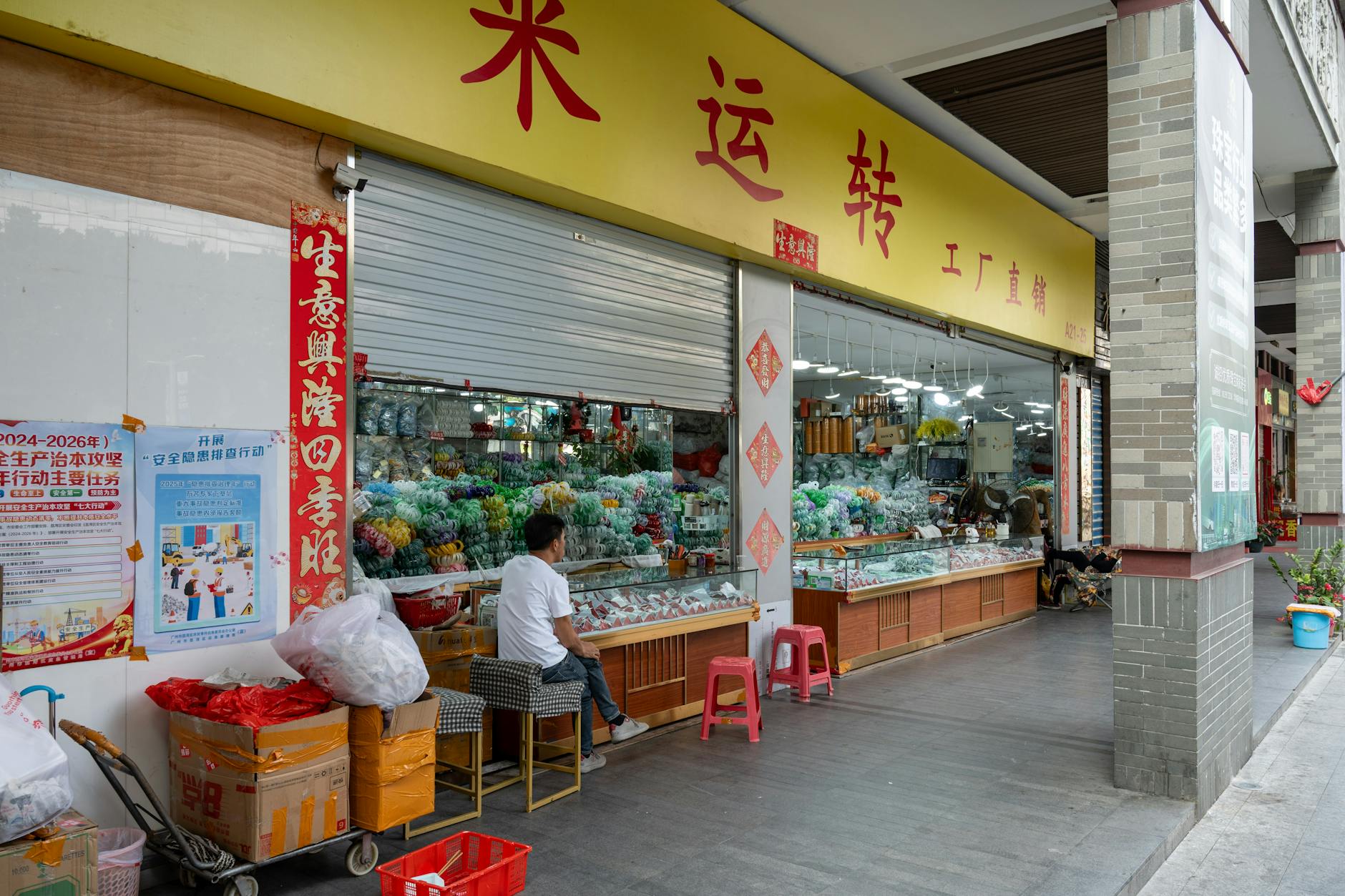
The best single market in the Old Town is the Cangbao Building (藏宝楼), also listed as the Fuyou antiques market, at 457 Fangbang Middle Road. Four floors of porcelain, Qing coins, calligraphy scrolls, Buddhist statuary, lacquerware and a great deal of confident reproduction. Weekdays 09:00–17:00; at weekends it opens at 05:00, and the Sunday pre-dawn session is the famous “ghost market” (鬼市), when dealers trade by torchlight before the building officially opens. Metro Xiaonanmen on Line 9, or Yuyuan Garden on Lines 10 and 14, both about 800 metres away.
Assume everything is a copy unless you know exactly what you are looking at, bargain hard — starting at a third of the asking price is normal — and read our haggling guide first. Genuine antiques over 100 years old cannot legally leave China without documentation, which is a good reason to treat this as a browsing trip rather than an investment one.
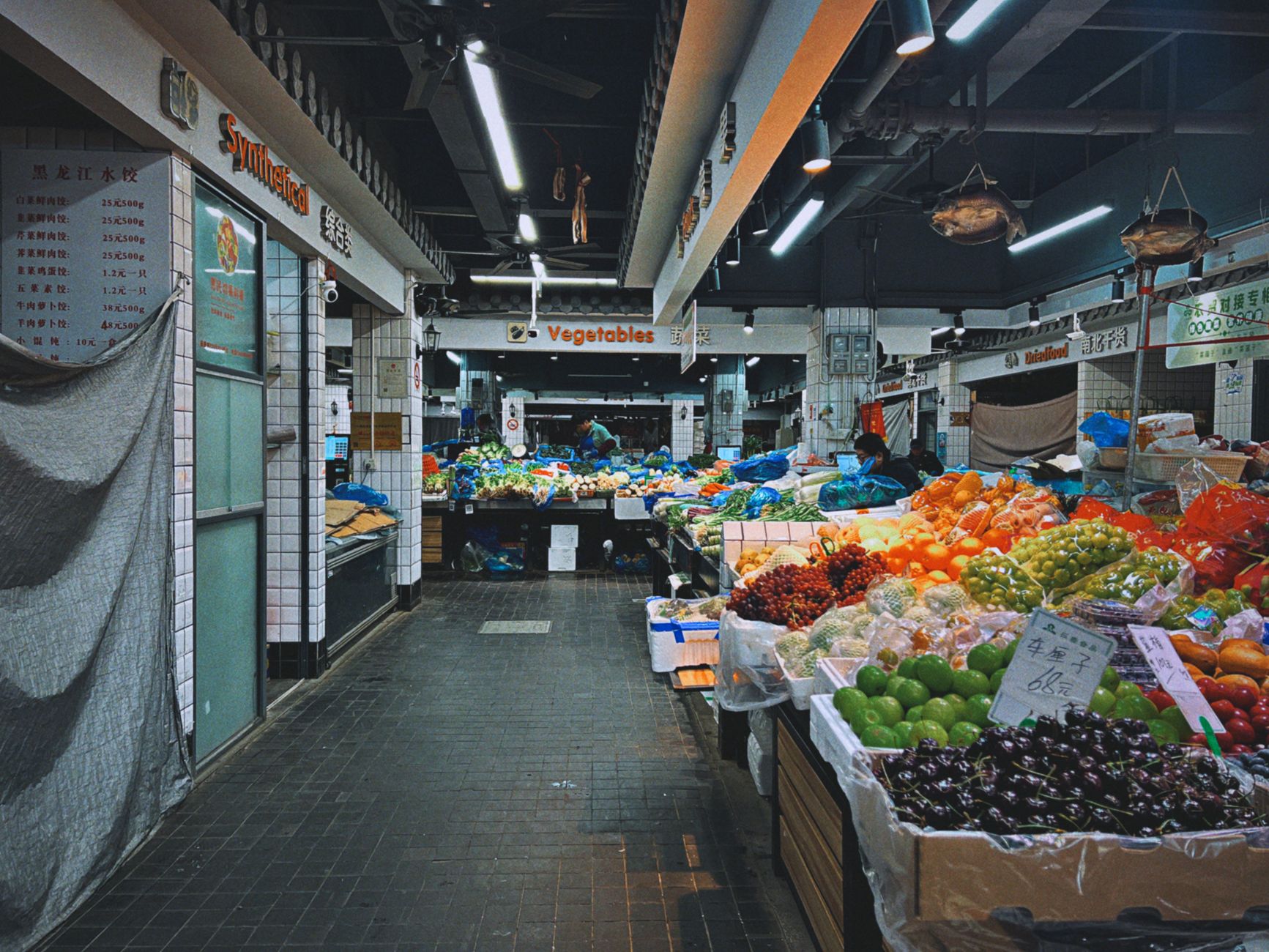
For wet markets, the honest picture is that the Old Town has lost most of its famous ones. Tangjiawan, opened in 1903 and one of the city’s oldest, closed in February 2017 and was replaced by a modern hall nearby at Ji’an Road and Zhaozhou Road. The remaining neighbourhood markets are small, indoor and unmarked in English; search 菜市场 in Dianping for whatever is nearest. Go before 09:00, when the produce is fresh and the aunties are still bargaining, pay by phone, and do not photograph vendors without asking.
Yu Garden & Yuyuan Bazaar
The district’s headline sight, and the one part of the Old Town that needs no help finding an audience. In brief:
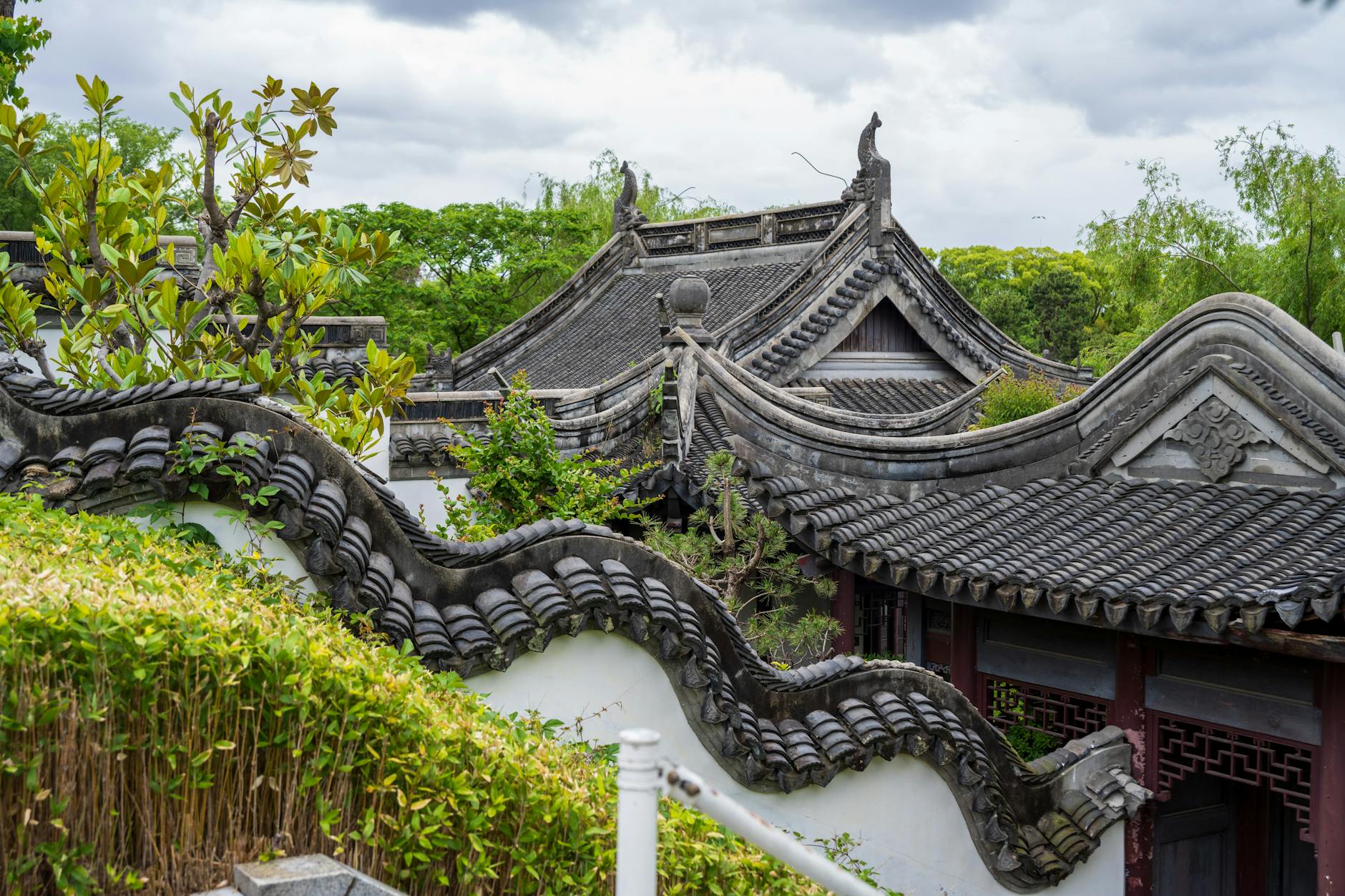
- Yu Garden (豫园) — Ming classical garden begun in 1559, roughly ¥30–40 depending on season, closed Mondays. Our dedicated Yu Garden guide covers tickets, a walking route through the halls and rockeries, and the best hour to arrive
- Yuyuan Bazaar — free to walk, and where the crowds actually are
- Huxinting Tea House and the Nine-Turn Bridge — the postcard view, and unavoidable
If your day is short, do the garden first thing and the rest of the Old Town afterwards. If you have seen it before, skip it entirely — nothing else in this guide requires you to go anywhere near the bazaar.
What to Eat
- Shanghainese breakfast at Sipailou Road — shengjianbao, jianbing, scallion pancakes; ¥10–25
- Xiaolongbao at Nanxiang in the bazaar — the original Shanghai soup-dumpling shop; ¥50/dozen
- Stinky tofu from Old Town carts — local specialty
- Goubuli baozi (Tianjin-style buns) at chain shops
- Sweet osmanthus rice cakes at multiple bazaar shops
- Tea-egg snacks from street vendors
- Fresh-meat mooncakes (鲜肉月饼) seasonally in autumn from Old Town bakeries — savoury, hot, and worth the queue
- Lamb noodles in the halal shops around Xiaotaoyuan Mosque
Two ordering notes. Shengjianbao — pan-fried pork buns with a crisp base — are the Old Town’s real signature, better here than in the tourist bakeries elsewhere, and they cost about ¥8 for four. Bite a corner first and let the soup out, or you will wear it. And the queues at Nanxiang in the bazaar are theatre: the ground-floor takeaway window moves in ten minutes, the upstairs restaurant takes an hour, and the dumplings are the same. For the wider picture see our street food and best xiaolongbao guides.
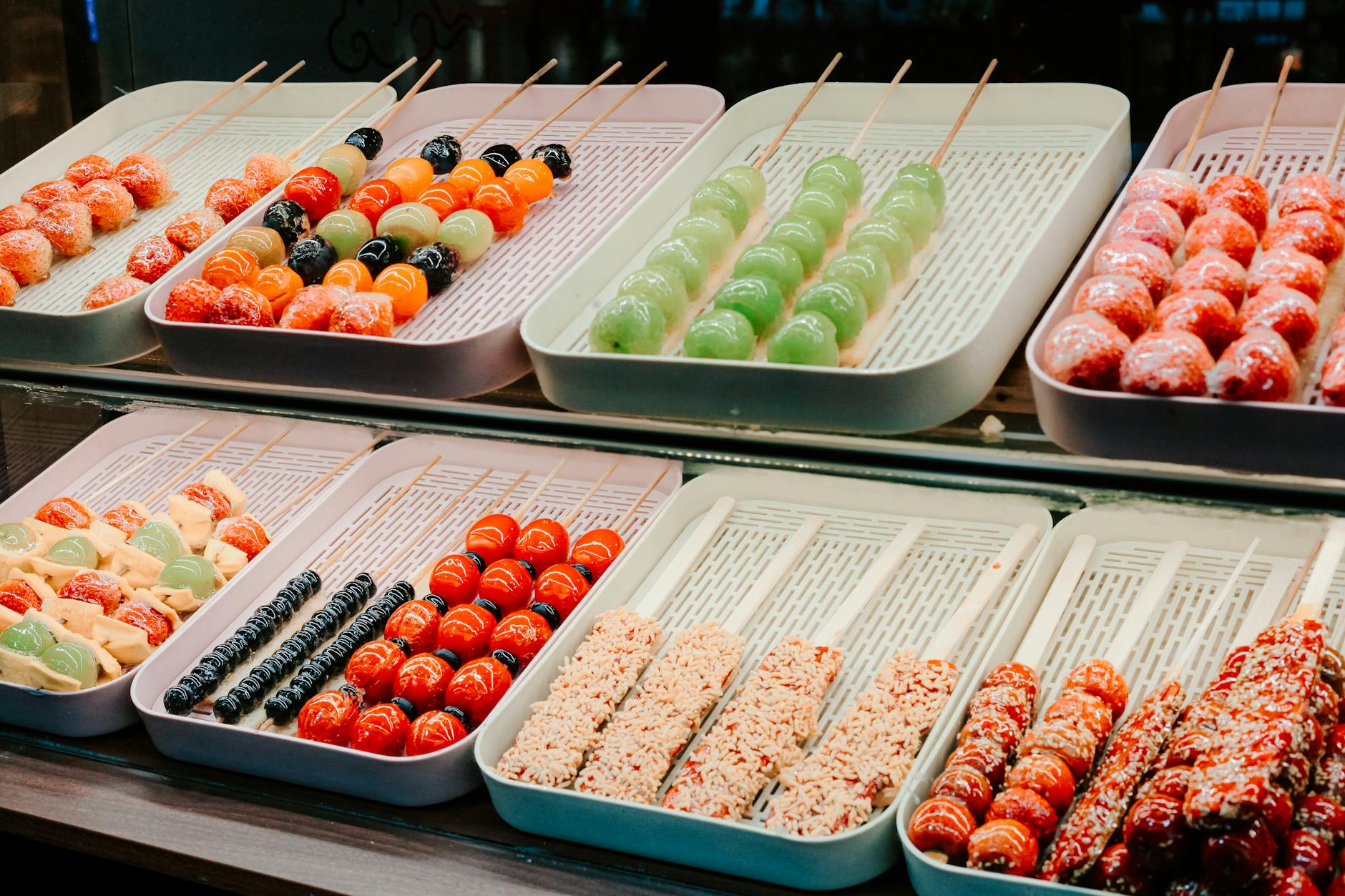
A Half-Day Walk Beyond the Bazaar
This route deliberately leaves Yu Garden out. Four hours, roughly five kilometres, flat, and best on a Sunday so the book market and the ghost market are both running.
- 07:00 — Cangbao Building, 457 Fangbang Middle Road, for the ghost market. Browse; buy nothing yet.
- 08:15 — Breakfast on Sipailou Road. Shengjianbao, soy milk, a scallion pancake. Under ¥25.
- 09:00 — Walk north-west to Dajing Ge, 269 Dajing Road, for the wall fragment and the small exhibition. Add Baiyunguan next door.
- 10:00 — Cut south to Chenxiangge Nunnery on Fuyou Road. Twenty quiet minutes.
- 10:45 — City God Temple, ¥10, before the bazaar fills up.
- 11:30 — Walk east along Fangbang Middle Road past the restored section into the ordinary one. Watch the street change.
- 12:15 — Lunch: lamb noodles near Xiaotaoyuan Mosque, or a bazaar noodle shop if you prefer air conditioning.
- 13:15 — Wenmiao and the Sunday book market on the fourth floor of the Fumin Shangxia building.
- 14:30 — Finish at Laoximen and walk the demolition zone, or take Line 10 two stops to the Bund.
Total spend, excluding anything you buy at the market: about ¥80 per person. Add the Yu Garden ticket if you want it, and start an hour earlier.
Getting There
| Station | Lines | Use it for | Walk |
|---|---|---|---|
| Yuyuan Garden | 10, 14 | Bazaar, City God Temple, Yu Garden, Cangbao Building | 3–10 min |
| Laoximen | 8, 10 | Wenmiao, the demolition zone, western Old Town | 5–8 min |
| Dashijie | 8, 14 | Dajing Ge and the city wall, Baiyunguan | 8 min |
| Xiaonanmen | 9 | Southern Old Town, Cangbao Building, riverside edge | 8–10 min |
From the Bund it is a 15-minute walk south-west; from People’s Square, two stops on Line 8 or 10. A taxi from anywhere central runs ¥15–30 but will be slower than the metro on a weekend. Tickets and apps are covered in our Shanghai metro guide, and you will want Alipay or WeChat Pay set up — several of the smaller shops here no longer keep a cash float.
What People Get Wrong
- Assuming the bazaar is the Old Town. It is one corner of it, and the least representative one.
- Arriving at midday. Between 11:00 and 16:00 at a weekend the streets around Yu Garden are shoulder to shoulder. The rest of the district is fine all day.
- Trusting listings for Wenmiao. The temple has been shut for restoration and the book market moved and switched to Sundays.
- Looking for the Dongtai Road market. It has effectively gone. The Cangbao Building replaced it.
- Buying “antiques” without haggling. First prices in the bazaar are routinely three to five times what a local pays — see our scams to avoid guide, particularly on tea-house invitations near the temple.
- Photographing people’s homes. Lanes in the demolition zone are still lived in. Ask, or shoot wide.
- Coming during Chinese New Year and expecting to move. The lantern displays are worth seeing but the crowd is immense.
Who Should Bother
Come if you like walking cities without a plan, you are interested in what a Chinese city looked like before treaty ports and planning departments, you enjoy markets, or you have already done the Bund and the French Concession and want something rougher. Photographers do particularly well here — the light in the narrow streets in the hour after sunrise is the best in central Shanghai, and our photography guide has more on where to point the camera.
Skip it if you have half a day in Shanghai and have never seen the Bund; if you need everything labelled in English, because outside the bazaar almost nothing is; or if you are travelling with anyone who will struggle with uneven paving and long stretches without a toilet. The Old Town rewards patience and gives very little to people in a hurry.
Practical Tips
- Best time: early morning (8:30–10:30) — Yu Garden Bazaar empties out
- Avoid Chinese national holidays — Yu Garden becomes uncomfortably crowded
- Best season: spring (April–May) or autumn (October–November) for outdoor walking
- Cash + Alipay accepted everywhere
- Wear flat shoes — uneven cobblestones and stepped temple entrances
- Carry water — bazaar shops sell at premium
- Photography: free in bazaar streets; modest in temple interiors
- Saturdays: busiest day in the bazaar; Sunday is the day for the markets
- Chinese New Year: Yu Garden Lantern Festival transforms the area
- Toilets are scarce away from the bazaar — use the ones at the metro stations and temples
Frequently Asked Questions
What is the Old Town of Shanghai?
The pre-colonial Chinese town inside the original 1553 city wall, demolished from 1912. It sits south-west of the Bund, ringed by Renmin Road and Zhonghua Road, and predates the foreign concessions by roughly 300 years.
Is Shanghai Old Town worth visiting?
Yes, for anyone interested in history or street life — but go beyond the bazaar. Yu Garden and the City God Temple are the famous bit; the wall fragment, Wenmiao, the antiques market and the lanes are where the district actually is.
What’s the difference between Yu Garden and the Old Town?
Yu Garden is a specific five-acre classical garden begun in 1559. The Old Town is the surrounding square kilometre inside the former walls, which includes the garden, the City God Temple, Wenmiao, several temples, a mosque and the surviving lanes.
How do I get to Shanghai Old Town?
Metro Lines 10 or 14 to Yuyuan Garden for the bazaar; Lines 8 or 10 to Laoximen for Wenmiao and the west; Line 9 to Xiaonanmen for the south. From the Bund it is a 15-minute walk.
How long does it take to see Shanghai Old Town?
Two hours for Yu Garden, the bazaar and the City God Temple. Four hours for a proper walk taking in the wall, the temples and the markets. A full day if you add the antiques market and lunch.
Can you still see the Shanghai city wall?
Yes — one roughly 50-metre section at Dajing Ge Pavilion, 269 Dajing Road, with the Ming-era pavilion above it and a small exhibition. Entry is a few yuan and it takes half an hour.
Is the Confucian Temple book market on Saturday or Sunday?
Sunday. The market at the temple closed in 2020 and has since reopened on Fuyou Lu, beside Yuyuan Garden, with stalls from 6am.
Where is the Shanghai ghost market?
The Cangbao Building at 457 Fangbang Middle Road. Weekend opening is 05:00, and the pre-dawn Sunday session is the one dealers call the ghost market. Weekdays it runs 09:00–17:00.
Is the Old Town safe?
Yes — heavily policed and busy during the day. Standard urban precautions apply; pickpocketing is rare but possible in packed bazaar crowds, and the tea-ceremony scam still operates near the temple.
When is the best time to visit Shanghai Old Town?
Weekday mornings between 08:30 and 10:30 for the quietest experience, or Sunday at dawn if the markets are your reason for coming. Late January to early March for the lantern displays; October and November for the best walking weather.
Can I see traditional Shanghai street food in the Old Town?
Yes — Sipailou Road is the most authentic surviving food street, best between 06:30 and 09:30. Expect ¥10–25 a dish and no English menus.
Are the old lanes being demolished?
Parts of them, yes. The Laoximen clearance announced in 2017 has emptied lanes including Kongjia Nong and Shouning Road. Other blocks are being restored instead. What survives changes year to year.
Plan Your Cultural Day
Combine with our pillar guides on Shanghai culture & history, history of Shanghai, and Yu Garden. For background, see Shanghai Old City on Wikipedia.