For more than a century, Shanghai has been one of the world’s most cinematic cities — the setting of countless films and the cradle of Chinese modernist literature. Walking the Bund or the French Concession, you’re tracing the same streets where Eileen Chang wrote, where the silent films of the 1920s were shot, and where contemporary directors like Wong Kar-wai have set their visions. This guide to Shanghai in film and literature covers the essential books and films before your trip — so you arrive in a city you already half-know — plus where to buy the books here, which locations you can actually visit, and what the recent screen boom has done to the streets it filmed.

Table of Contents
- Why Shanghai Is So Cinematic
- Shanghai in Literature: Essential Novels
- Shanghai in Film: Chinese Movies Set Here
- Blossoms Shanghai and the 1990s Revival
- Foreign Films Set in Shanghai
- Documentaries
- Contemporary Voices
- Visit Places from the Pages
- A Half-Day Literary Walk
- Where to Buy the Books in Shanghai
- The Shanghai International Film Festival
- Which One Should You Start With?
- Reading & Watching Order
- What People Get Wrong
- FAQ
Why Shanghai Is So Cinematic
Three reasons:
- Visual layering — colonial Art Deco buildings, modernist skyscrapers, and shikumen lanes coexist in close proximity
- Historical drama — the city’s 20th-century arc (foreign concessions, war, revolution, reform) is inherently theatrical
- Cosmopolitan demographics — Western traders, Russian émigrés, Japanese soldiers, Chinese intellectuals all coexisted
Shanghai’s film industry was the largest in Asia in the 1920s and 1930s; the city’s literary scene produced some of China’s most important 20th-century writers.
That industry had names and addresses. Mingxing (明星, “Star”) was founded here in 1922 and dominated the silent era; Lianhua, known in English as United Photoplay Service, formed in 1930 and made the run of socially conscious films that define the period; Xinhua followed in 1934. Hongkou and the area around Zhapu Road held the city’s earliest cinemas, and the studios drew on a talent pool that had nowhere else to go in China. When war and then 1949 scattered that industry, much of it reassembled in Hong Kong — which is why so much later Hong Kong cinema feels quietly Shanghainese, and why Wong Kar-wai’s films keep circling back to Shanghai families in exile.
Shanghai in Literature: Essential Novels
Eileen Chang (张爱玲)
The defining voice of pre-war Shanghai. Born in the city in 1920, she captured the bittersweet decadence of 1940s Shanghai with brutal observational clarity.
- “Love in a Fallen City” (倾城之恋) — the masterpiece; a Shanghai-Hong Kong love affair
- “Lust, Caution” (色,戒) — wartime espionage in Japanese-occupied Shanghai; basis of Ang Lee’s 2007 film
- “Half a Lifelong Romance” (半生缘) — generational saga
- “The Golden Cangue” (金锁记) — tragic family novella
Start with the New York Review Books collection of Love in a Fallen City, which pairs the title novella with several shorter pieces and runs to about 300 pages — a single long flight. Chang is not a plot writer. What you get is interiors, weather, money, and the precise social cost of a bad marriage, all rendered with a coldness that still reads as modern eighty years on.
Wang Anyi (王安忆)
The leading Shanghainese novelist of the post-Mao era.
- “The Song of Everlasting Sorrow” (长恨歌) — Mao Dun Literature Prize-winning novel about a Shanghai socialite’s life from 1940s to 1980s
- “Little Restless” (小鲍庄)
Fair warning: The Song of Everlasting Sorrow opens with roughly forty pages describing the city’s longtang alleyways before a character properly appears. Push through. It is the best account in fiction of what it felt like to live in these lanes across four decades, and it will change how you read the shikumen doorways you walk past.
Foreign Novelists in Shanghai
- “Empire of the Sun” by J.G. Ballard — autobiographical novel about a British child interned in WWII Shanghai; Spielberg film of the same name
- “Shanghai” by Christopher New — sprawling historical fiction
- “The Painter from Shanghai” by Jennifer Cody Epstein — based on the life of painter Pan Yuliang
- “The Last Empress” by Anchee Min — historical drama centred on Empress Dowager Cixi with Shanghai scenes
- “Shanghai Girls” by Lisa See — sisters’ migration story from 1930s Shanghai
- “When We Were Orphans” by Kazuo Ishiguro — partial Shanghai setting
- “Wild Swans” by Jung Chang — three generations including Shanghai chapters
- “The Bonesetter’s Daughter” by Amy Tan — partial Shanghai diaspora context
Classical Chinese Shanghai Literature
- “Lu Xun’s essays and stories” — Lu Xun spent his last years in Shanghai’s Hongkou and was the most important pre-war Chinese writer
- “Mao Dun: Midnight (子夜)” — sweeping novel of 1930s Shanghai industry and finance
- “Liu Yichang’s stories” — Hong Kong writer with Shanghai roots; influenced Wong Kar-wai
One more that belongs on any modern list: Jin Yucheng’s “Blossoms” (繁花, 2013), a sprawling novel of Shanghai from the 1960s to the 1990s written substantially in Shanghainese rhythm rather than standard Mandarin. It won the Mao Dun Prize, became the source for the television series below, and is the closest thing the city has to a contemporary epic. An English translation exists but the dialect is the point, so much of it is untranslatable.
Shanghai in Film: Chinese Movies Set Here
Classic Era (1920s–1940s)
- “Street Angel” (1937) — silent-era Shanghai classic
- “Spring River Flows East” (1947) — wartime drama
- “Crows and Sparrows” (1949) — pre-revolution Shanghai
If you watch only one, make it Street Angel. It is a musical-melodrama about street performers in the lanes, it is funny before it is tragic, and Zhou Xuan’s singing in it became the sound of the era. Most of these are on Chinese streaming platforms with English subtitles patchy at best; look for restored prints, which circulate at festivals and on the Criterion Channel from time to time.
Modern Era
- “In the Mood for Love” (2000) — Wong Kar-wai; Hong Kong setting but deeply Shanghai-inspired
- “2046” (2004) — Wong Kar-wai sequel
- “Lust, Caution” (2007) — Ang Lee adaptation of Eileen Chang; haunting wartime Shanghai
- “Spring in a Small Town” (1948 + 2002 remake) — quiet masterpiece
- “The Painted Veil” (2006) — Edward Norton; partial Shanghai setting
- “Shanghai Triad” (1995) — Zhang Yimou; 1930s gangster drama
- “The Founding of a Party” (2011) — historical drama of the CCP’s 1921 founding in Shanghai’s French Concession
- “The Crossing” (2014) — John Woo war epic with Shanghai scenes
- “Long Day’s Journey into Night” (2018) — Bi Gan’s surreal noir; Shanghai-area set
- “Spring Sprout” (2024) — recent indie hit set in modern Shanghai
A note on In the Mood for Love, which appears on every Shanghai list and is set entirely in Hong Kong. The reason it belongs here is that its characters are Shanghainese exiles — they speak Shanghainese at home, cook Shanghainese food, and inhabit a transplanted 1960s version of the city their parents left. Watch it as a film about displaced Shanghai rather than about Hong Kong and it makes far more sense.
Blossoms Shanghai and the 1990s Revival
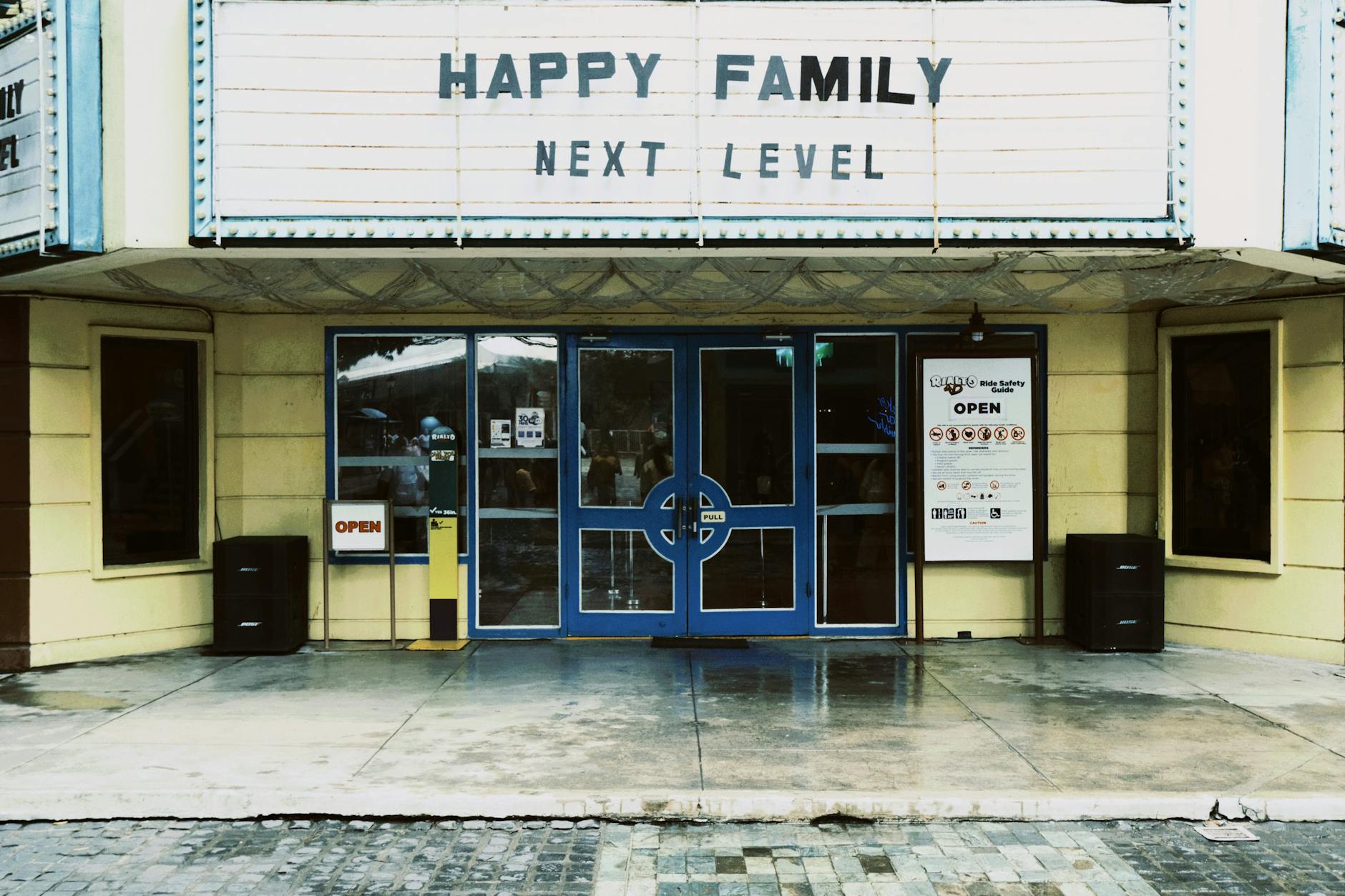
The single biggest thing to happen to Shanghai on screen this decade is “Blossoms Shanghai” (繁花) — Wong Kar-wai’s first television series, thirty episodes, adapted from Jin Yucheng’s novel with a screenplay by Qin Wen. It premiered on 27 December 2023 on CCTV-8 and Tencent Video and follows a young man’s rise through the reform-era boom of 1990s Shanghai: stock certificates, restaurant tables, foreign trade, and a lot of very good coats.
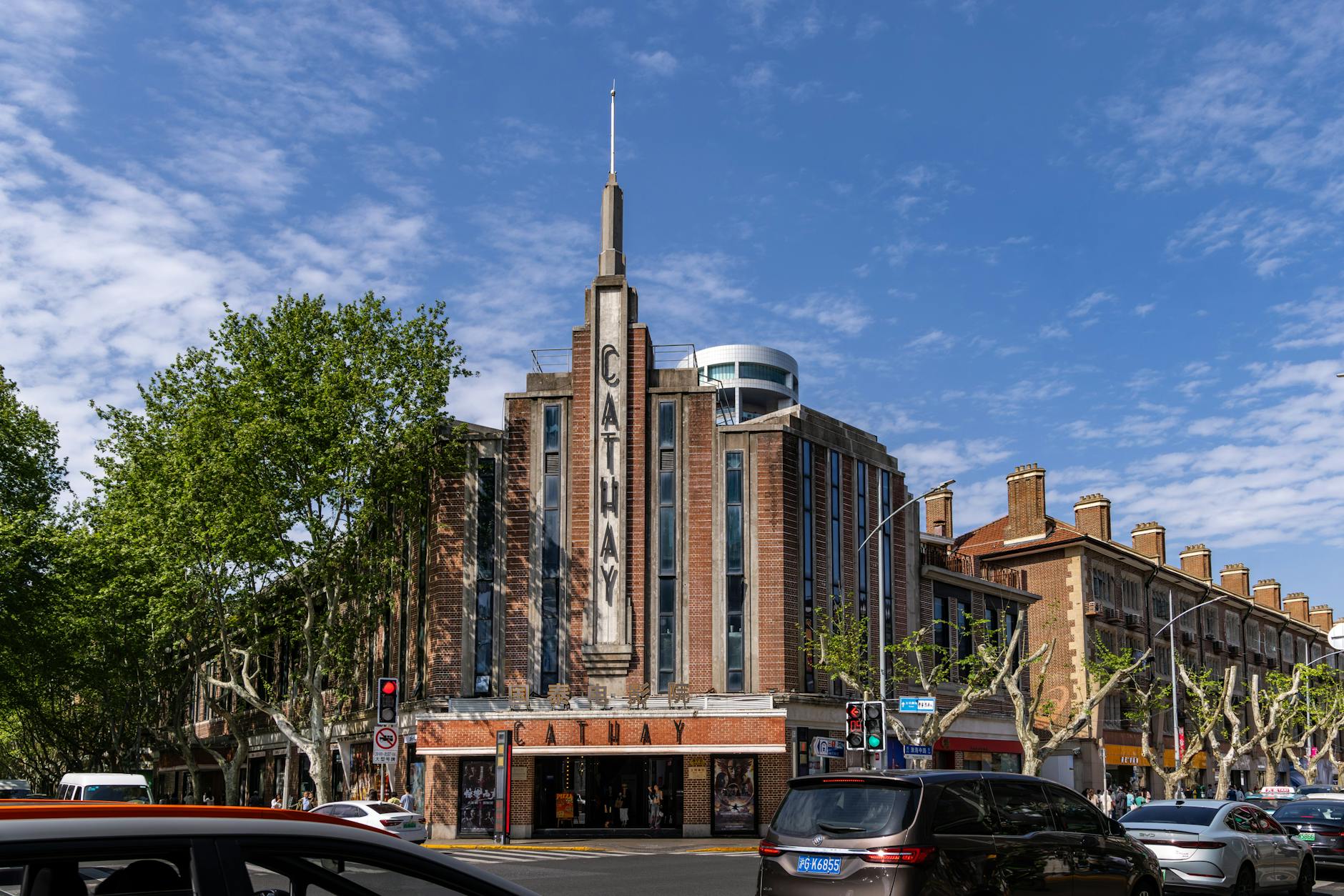
It matters here for a practical reason. The production rebuilt Huanghe Road — the short restaurant street just off People’s Square, behind the Park Hotel — at 1:1 scale on a set, and after broadcast the real street turned into a destination. Tai Sheng Yuan, the restaurant that inspired the fictional one, became a queue and a photo stop. The Cathay Theatre on Huaihai Road and the Fairmont Peace Hotel both saw visitor surges, and the Shanghainese dishes featured in the show reappeared on menus across the city.
What this means if you visit now: Huanghe Road is worth ten minutes of your time and is not, on its own, a great meal — go for the association, eat somewhere else. The Peace Hotel is the more rewarding stop, partly because you can walk into the lobby for free and partly because its old jazz bar is still running. And the series is the best available visual answer to the question of what Shanghai looked like between the Mao years and the skyline you see today — a period almost no other film covers well.
Foreign Films Set in Shanghai
- “Empire of the Sun” (1987) — Spielberg; wartime Shanghai through a child’s eyes
- “Shanghai” (2010) — John Cusack neo-noir; mixed reviews but evocative
- “The White Countess” (2005) — Merchant-Ivory; Ralph Fiennes as a blind diplomat in 1930s Shanghai
- “Mission: Impossible III” (2006) — Tom Cruise climbing Shanghai’s IFC Tower; Xitang water town
- “Skyfall” (2012) — James Bond; Pudong neon scenes
- “Her” (2013) — Spike Jonze; some Shanghai exteriors stand in for futuristic LA
- “The Mummy: Tomb of the Dragon Emperor” (2008) — fantasy Shanghai sequences
- “Looper” (2012) — partial Shanghai setting in the future
Two of these are worth knowing about for what they show you rather than how good they are. Her used Pudong’s elevated walkways and the Lujiazui pedestrian bridges as a stand-in for a soft, pastel future Los Angeles — walk that loop at dusk and you will recognise the geometry immediately. And Empire of the Sun shot on location in Shanghai in 1987, which makes its street scenes an accidental documentary of a city that has almost entirely gone. The Bund sequence in particular shows the waterfront before the Pudong skyline existed at all; compare it with the same view described in our Bund architecture guide.
Documentaries
- “Shanghai” (2020 BBC docuseries) — 3-part history of the city’s 20th century
- “Last Train Home” (2009) — about Chinese New Year migration including Shanghai factory workers
- “Up the Yangtze” (2007) — partial Shanghai-area scenes
- “Wong Kar-wai’s My Blueberry Nights” production diary — about filming in Hong Kong/Shanghai
- “The Battle of Shanghai” (2022) — wartime documentary
- National Geographic’s “Megacities: Shanghai” — urban-scale documentary
If your interest is the Jewish refugee community that settled in Hongkou from 1938, several documentaries cover it, and the Shanghai Jewish Refugees Museum in the old ghetto is a better use of an afternoon than any of them. See our Jewish heritage guide.
Contemporary Voices
- Han Han (韩寒) — Shanghai-born blogger turned novelist and filmmaker; “The Continent” film
- Mian Mian (棉棉) — Shanghai’s controversial underground voice; “Candy” novel
- Yu Hua (余华) — not Shanghai-based but works set partly here
- Xinran’s “China Witness” — oral history including Shanghai chapters
- “Last Boat Out of Shanghai” by Helen Zia — non-fiction; the 1949 exodus
- Various contemporary Shanghai-set crime fiction — Qiu Xiaolong’s Inspector Chen series
Qiu Xiaolong deserves singling out for travellers. The Inspector Chen novels are police procedurals, but their real subject is the texture of daily Shanghai life in the 1990s and 2000s — food, housing allocations, work units, who owes whom a favour. Death of a Red Heroine is the place to start, and it names real streets you can walk.
Visit Places from the Pages
A literary-cinematic walking tour:
- Eileen Chang’s apartment — Changde Apartments (Edinburgh Building), 195 Changde Road, French Concession
- Lu Xun Park & Memorial — Hongkou; the writer’s mausoleum and museum
- Shanghai Film Museum — interactive history of Chinese cinema in Xuhui; ¥60
- Wukang Mansion — frequent film location; iconic French Concession backdrop
- The Bund’s heritage buildings — appeared in dozens of films
- Yu Garden Old Town — used in countless period pieces
- Fairmont Peace Hotel — the Cathay Hotel of countless 1930s scenes
- Tianzifang lanes — used as authentic shikumen film sets
- Xitang water town (90 min from Shanghai) — “Mission: Impossible III” location
- Pudong’s IFC Tower — “Mission: Impossible III” climbing scene
- Shanghai Library — old French Concession building; literary archives
The practical detail that decides whether these work as stops:
- Changde Apartments is a private residential building and visitors are not admitted upstairs. You can look at the Art Deco frontage from the pavement and sit in the small ground-floor café. Ten minutes, and that is the honest length of the visit. Metro Line 2 or 7 to Jing’an Temple, then a short walk north.
- The Shanghai Lu Xun Museum, 200 Tian’ai Road in Hongkou, is free and open 09:00–17:00. Metro Line 3 or 8 to Hongkou Football Stadium. The writer’s former residence is a separate building nearby, open 09:00–16:00, closed Mondays, and admits only about ten people per time slot — go early or expect to wait.
- Shanghai Film Museum, 595 Caoxi North Road, Xuhui. ¥60, closed Mondays, roughly 09:30–17:00 with last admission half an hour before close, though weekend opening is sometimes earlier — check before you go. Metro Line 1 or 4 to Shanghai Indoor Stadium, about a 400 m walk. Four floors, over 4,000 objects, a 360-degree screening room, and enough interactive exhibits to hold a teenager. It sits in Xuhui alongside several of the city’s better museums.
- Fairmont Peace Hotel, 20 Nanjing East Road. The lobby is open to anyone; the small museum on the ground floor is free; the jazz bar has a cover charge in the evening. Costs nothing to look, which puts it on our list of free things to do.
A Half-Day Literary Walk
Four hours, mostly on foot, entirely in the former French Concession and Jing’an. Best on a weekday morning when the lanes are quiet.
- 09:30 — Metro Line 2 or 7 to Jing’an Temple. Walk to 195 Changde Road for Eileen Chang’s building. Coffee downstairs. 30 minutes.
- 10:15 — South and west into the plane-tree streets: Wuyuan Road, Anfu Road, Julu Road. This is the residential fabric Chang and Wang Anyi both write about, and it is best experienced by getting slightly lost. Our French Concession walking tour has a fuller route.
- 11:30 — Wukang Mansion at the six-road junction. Photographed constantly; go to the opposite corner rather than joining the crowd on the near side.
- 12:00 — Lunch on Wuyuan Road or Anfu Road, both dense with small restaurants.
- 13:30 — Garden Books at 325 Changle Road for an English copy of whichever novel you have decided you need.
- 14:30 — Metro to the Bund for the Peace Hotel lobby, then along the waterfront. If you have another hour, cross to Hongkou for Lu Xun.
Total cost: two metro rides, a coffee, lunch and a paperback. Under ¥250 unless you buy several books, which you will.
Where to Buy the Books in Shanghai
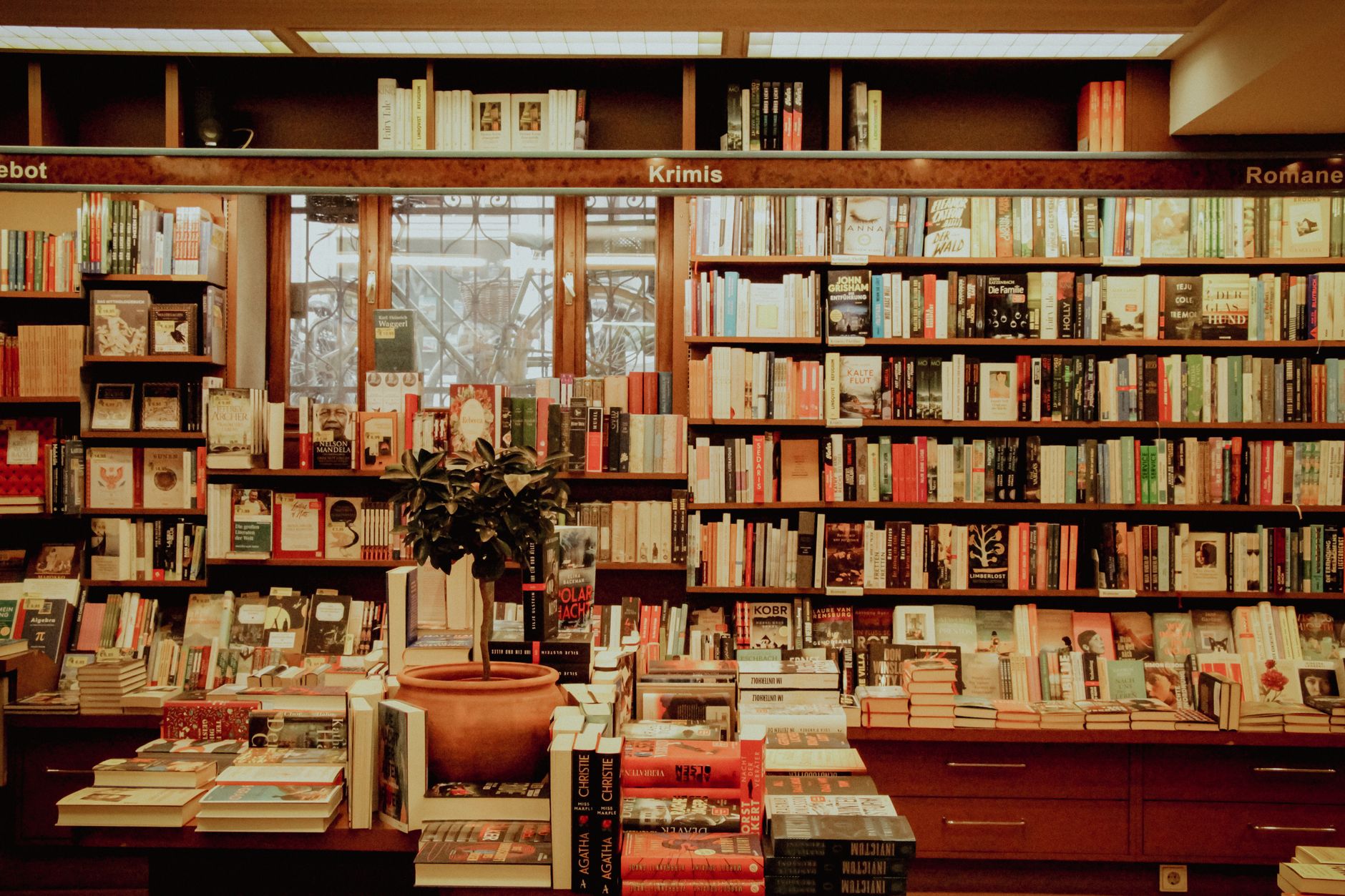
Buying a Shanghai novel in Shanghai is a better souvenir than most things sold as souvenirs. English-language stock is thinner than in Hong Kong or Singapore, but these are the reliable places:
| Shop | Address | Hours | Best for |
|---|---|---|---|
| Shanghai Foreign Language Bookstore | 390 Fuzhou Road | 10:00–18:30 | The largest English selection in the city; staff speak English |
| Garden Books | 325 Changle Road | 10:00–22:00 | Fiction and travel writing, with a café; easiest to browse |
| Sinan Books | 517 Fuxing Road M. | 10:30–18:00, Tue–Sun | Literature, history and art in a preserved garden villa |
| Shanghai Book City | 465 Fuzhou Road | 09:30–21:30 | Seven floors, mostly Chinese, some foreign-language shelves |
| Duoyun Books | 52F Shanghai Tower, 501 Yincheng Road M. | 10:30–22:00 | The view; 3,500+ non-Chinese titles; reserve ahead via WeChat |
| Boocup | 1515 Nanjing Road W., Jing’an Kerry Centre | 10:00–22:00 | Art, design and photography books; late opening |
Fuzhou Road is the historic bookselling street and worth walking end to end even if you buy nothing — it has been the trade’s address since the 1900s. Duoyun Books on the 52nd floor of Shanghai Tower is the one people photograph, and it holds around 60,000 volumes across 2,200 square metres, but treat it as a viewing platform that sells books rather than a serious browse.
The Shanghai International Film Festival
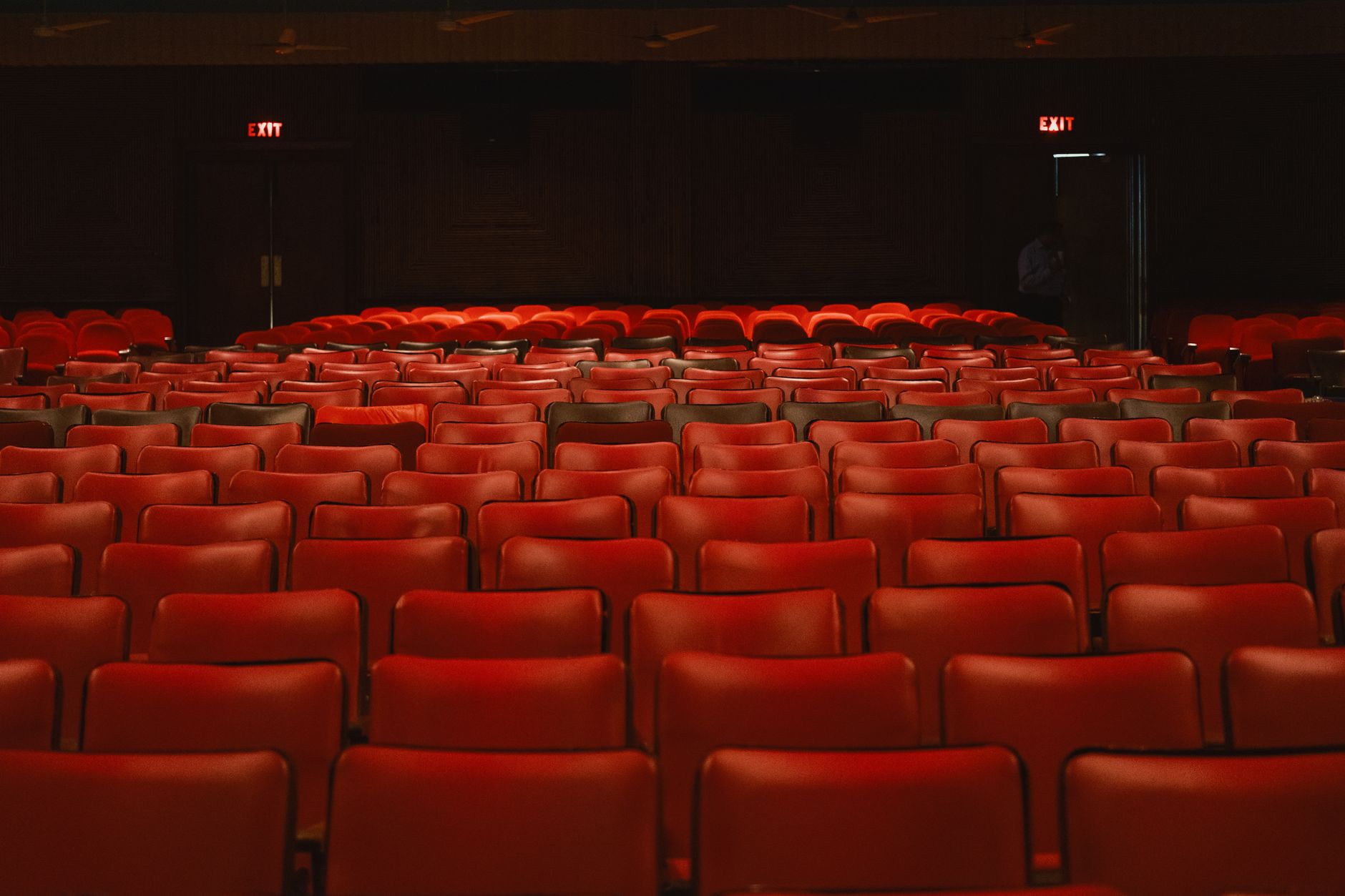
SIFF runs for ten days in June and is the largest film event in mainland China. The 2026 edition ran 12–21 June, with Tony Leung Chiu-wai presiding over the Golden Goblet jury and Anthony Chen over Asian New Talent. It drew roughly 4,100 submissions from 125 countries and screened more than 420 films across some 1,500 sessions, including retrospectives of Billy Wilder, Marilyn Monroe and Ken Loach alongside a restored-classics strand of Chinese cinema.
If you are planning a trip around the 2027 edition, the pattern is consistent: dates in the second and third weeks of June, the full schedule published a week or so before opening, and tickets going on sale a few days after that through Taopiaopiao. They sell out in minutes for the big titles and stay available for the retrospectives, which are usually the better watch anyway. Screenings run across dozens of cinemas citywide, so check which one your ticket is for before crossing the river. Some films continue in extended runs for a week after the festival closes. Dates for this and other events are in our festivals and events calendar.
Which One Should You Start With?
Not everyone wants the same thing from this. Pick by what you are actually after:
| If you want… | Watch or read | Time needed | What it gives you |
|---|---|---|---|
| The fastest possible sense of the city | “Blossoms Shanghai” (episodes 1–3) | 3 hours | 1990s Shanghai, food, the streets you will walk |
| Pre-war atmosphere | “Lust, Caution” (2007) | 2h 37m | Occupied Shanghai; French Concession interiors |
| A short, brilliant book | “Love in a Fallen City”, Eileen Chang | One flight | The city’s emotional register, in 100 pages |
| The long, immersive novel | “The Song of Everlasting Sorrow”, Wang Anyi | Two weeks | The longtang lanes across four decades |
| Non-fiction history | “Last Boat Out of Shanghai”, Helen Zia | A week | 1949 and what happened to the people who left |
| Something to watch with kids | “Empire of the Sun” (1987) | 2h 34m | Wartime Shanghai; real 1987 locations |
| A book naming streets you can walk | “Death of a Red Heroine”, Qiu Xiaolong | A few days | 1990s daily life, as a detective novel |
Reading & Watching Order
For first-time visitors, this 5-piece progression captures Shanghai’s evolving character:
- “Empire of the Sun” (film, 1987) — for the wartime Shanghai context
- “Lust, Caution” (film, 2007) — for late-1930s atmosphere
- “Love in a Fallen City” (Eileen Chang novella) — for Shanghai’s pre-war sensibility
- “The Song of Everlasting Sorrow” by Wang Anyi — for the city’s post-1949 transformation
- “In the Mood for Love” (film, 2000) — for the timeless Shanghai-Hong Kong sensibility (technically Hong Kong-set but Shanghainese in soul)
Add Blossoms Shanghai as a sixth if you have the thirty hours, or watch three episodes and stop. It bridges the gap between Wang Anyi’s 1980s and the city you will actually see, which none of the other five do. Broader context on the periods these works cover is in our Shanghai culture and history guide and history of Shanghai.
What People Get Wrong
- Expecting to go inside Eileen Chang’s apartment. It is a private residence. The pavement and the café are the visit.
- Treating “In the Mood for Love” as a Shanghai location film. It was shot in Hong Kong and Bangkok. The Shanghai in it is emotional, not geographic.
- Booking a trip around SIFF without buying tickets. The good screenings sell out within minutes of release. Decide what you want before sale day.
- Assuming the Art Deco you see is the Art Deco in the films. A great deal was demolished in the 1990s and 2000s; some of what survives has been heavily restored. Our Art Deco guide separates the two.
- Going to Xitang expecting Mission: Impossible. It is a pretty canal town 90 minutes away, packed at weekends, and the film used it for about four minutes.
- Reading only foreign novels about Shanghai. Ballard and See are good, but Chang, Wang Anyi and Jin Yucheng are writing about their own city, and it shows.
Frequently Asked Questions
What films are set in Shanghai?
“Empire of the Sun,” “Lust, Caution,” “In the Mood for Love” (Hong Kong but Shanghai-inspired), “Mission: Impossible III,” “Skyfall,” and “Shanghai Triad” are the most famous internationally-recognised films set in or featuring Shanghai.
Who is Eileen Chang and why is she important to Shanghai?
Eileen Chang (Zhang Ailing, 1920–1995) was Shanghai’s most influential 20th-century literary voice, capturing pre-war Shanghai with brutal observational clarity. “Love in a Fallen City” and “Lust, Caution” remain Chinese literary canon.
What books should I read about Shanghai before visiting?
Eileen Chang’s novellas, Wang Anyi’s “Song of Everlasting Sorrow,” J.G. Ballard’s “Empire of the Sun,” and Helen Zia’s “Last Boat Out of Shanghai” cover the city across decades.
Is Shanghai a major film city?
Yes — Shanghai had the largest film industry in 1920s–1930s Asia. The Shanghai International Film Festival each June is Asia’s most important. Many global productions still shoot here.
What’s the most cinematic place in Shanghai?
The French Concession’s plane-tree-lined streets (especially around Wukang Mansion), the Bund’s heritage facades, and Tianzifang’s shikumen lanes are the most cinematic for both photography and historical resonance.
Where can I learn more about Shanghai film history?
The Shanghai Film Museum in Xuhui is the dedicated resource — interactive exhibitions on Chinese cinema from silent films to contemporary productions. ¥60 entry.
Is Shanghai mentioned in James Bond?
Yes — “Skyfall” (2012) features Pudong neon and Shanghai Tower silhouettes in its Asia scenes.
What’s the Shanghai International Film Festival?
Held mid-late June each year. Asia’s most prestigious film festival. Free outdoor screenings + ticketed major-film premieres.
What is Blossoms Shanghai and should I watch it before visiting?
Wong Kar-wai’s thirty-episode series from December 2023, adapted from Jin Yucheng’s novel and set in 1990s Shanghai. It is the best screen portrait of the city between the Mao era and the present. Three episodes are enough to get the flavour if you cannot face all thirty.
Can I visit Huanghe Road from Blossoms Shanghai?
Yes. It is a short restaurant street just north-west of People’s Square, a few minutes’ walk from the metro. The show’s version was a purpose-built set at 1:1 scale, so the real street is smaller and busier than it looks on screen. Worth ten minutes; eat elsewhere.
Where can I buy English books about Shanghai in the city?
The Shanghai Foreign Language Bookstore at 390 Fuzhou Road has the widest English selection and English-speaking staff. Garden Books at 325 Changle Road is easier to browse and has a café. Sinan Books and Duoyun Books are more atmospheric than well stocked.
Are there guided literary or film tours in Shanghai?
A handful of small operators run French Concession literary walks, and hotel concierges can usually arrange a private guide. Honestly, the self-guided version works: the sites are close together, the addresses are public, and nothing requires a booking except the Film Museum.
Plan a Cultural Trip
Combine with our pillar guides on Shanghai culture & history, Bund architecture, and French Concession walking tour. For background, see Cinema of China on Wikipedia.