Shanghai’s museum scene covers a lot of ground — thousands of years of Chinese art at the Shanghai Museum, contemporary work in a converted power station, propaganda-poster archives on the seventh floor of a Changning office building, and a natural history museum in Jing’an Sculpture Park. Best of all, most of the city’s leading museums are free to enter, and both Shanghai Museum sites have dropped booking for individual visitors: the East site in September 2024, People’s Square on 1 September 2025, although until 14 November 2027 the People’s Square building shows only a ticketed exhibition on the ancient Americas. Reservations still come back in peak periods and for some exhibitions. This 2026 guide to the best museums in Shanghai covers the 12 most worthwhile, with what to see, what it costs, opening hours, the right metro exit, and how to string them together.

Table of Contents
- The 12 Best Museums in Shanghai
- Free Entry and the End of the Booking Queue
- Shanghai Museum
- Shanghai Museum East
- Power Station of Art
- China Art Museum
- Long Museum (West Bund)
- The West Bund Art Mile
- Shanghai Natural History Museum
- Science and Space for Families
- History and Memory Museums
- Smaller Museums Worth the Detour
- Best Museums in Shanghai Compared
- Reservation Tips
- Recommended Day Routes
- Common Mistakes
- FAQ
The 12 Best Museums in Shanghai
- Shanghai Museum East (Pudong) — flagship Chinese art
- Shanghai Museum People’s Square — the original building, showing a ticketed Americas exhibition until 14 November 2027
- Power Station of Art — China’s first state-run contemporary art museum
- China Art Museum / Shanghai Art Palace — Expo 2010 pavilion
- Long Museum West Bund — Wang Wei’s private contemporary collection
- Yuz Museum — contemporary art, now in Qingpu
- Shanghai Natural History Museum — family-friendly science
- Shanghai History Museum — at People’s Square
- Shanghai Jewish Refugees Museum — see our heritage guide
- Shanghai Propaganda Poster Art Centre — quirky and quietly brilliant
- Rockbund Art Museum — Bund-adjacent contemporary art
- Aurora Museum — Tadao Ando-designed; Asian antiquities
If you only have time for two, make them Shanghai Museum East and the Power Station of Art. Between them you get the classical Chinese collection and the contemporary scene, they are both free, and they sit on opposite sides of the river so you see some of the city in between.
Free Entry and the End of the Booking Queue
The single most useful change for visitors in the last two years has nothing to do with new buildings. It is that the reservation system has largely been dismantled at the museums people actually want to see.
- Shanghai Museum East dropped advance booking for individual visitors in September 2024. You walk up to the B1 East Gate with your passport, go through security, and in. No WeChat mini-program, no timed slot, no Chinese-language form.
- Shanghai Museum People’s Square followed in September 2025, but until 14 November 2027 the building shows only the Americas exhibition, which needs a real-name ticket for a date and session (from RMB 148), checked at the South Gate.
- Rockbund Art Museum sets its own admission and booking rules, so check its visit page before you go.
- Power Station of Art, China Art Museum and Shanghai History Museum are free for their standing programmes, with ticketed special exhibitions.
Your passport is the entry ticket. Carry the physical document, not a photo of it — security staff scan the chip. Two adults can see four of Shanghai’s best museums in a day and spend nothing but metro fares, which is why they feature so heavily in our free attractions guide and in Shanghai on a budget.
Shanghai Museum
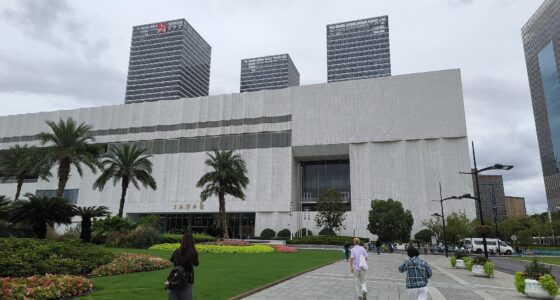
Shanghai Museum (上海博物馆) at People’s Square is one of the great museums of Chinese art. Founded 1952, the museum has used the People’s Square building since 1996. Until 14 November 2027 the building shows only one exhibition, On Top of the World Tree: Ancient Civilizations of the Americas, ticketed from RMB 148; the permanent galleries are at Shanghai Museum East. The building itself is worth a look — a round top on a square base, the ancient Chinese image of heaven and earth, which from the outside reads as a giant bronze cooking vessel.
While that exhibition runs, go to Shanghai Museum East for the bronzes, ceramics and calligraphy. The Americas show is still a serious two hours, and it is the most convenient museum in Shanghai — you surface from the metro and it is there.
People’s Square site: 201 People’s Avenue, Huangpu. Open Tue–Sun 9:00–17:00, last entry 15:00, with some evening sessions to 21:00, closed Mondays except public holidays. Until 14 November 2027 every visitor needs a real-name ticket for the Americas exhibition, checked at the South Gate. Metro Lines 1, 2 and 8 to People’s Square, Exit 1.
Shanghai Museum East
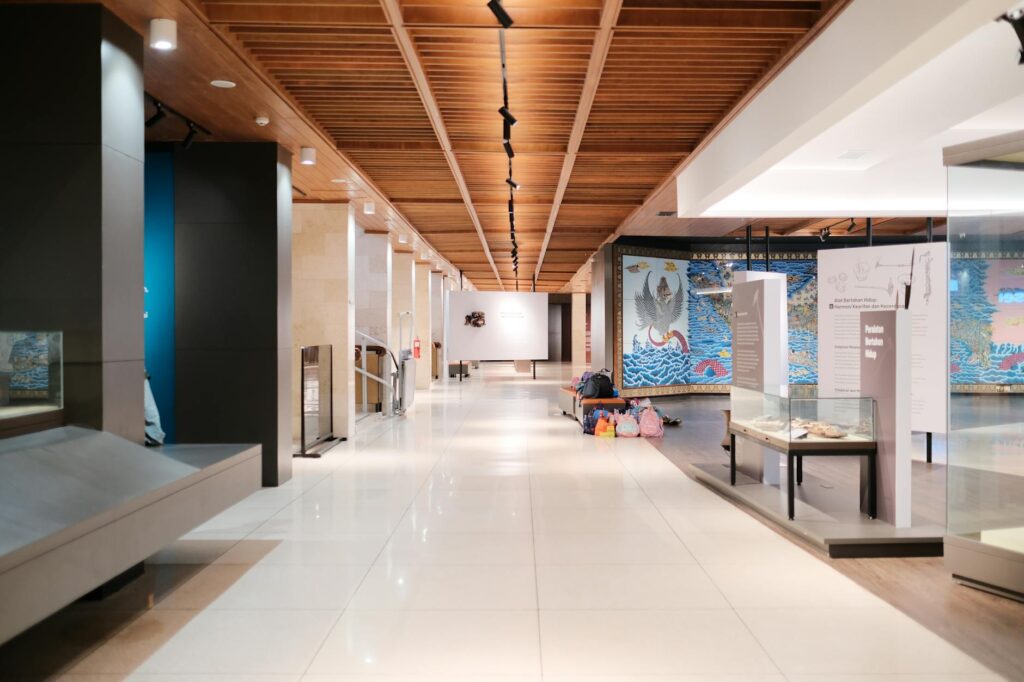
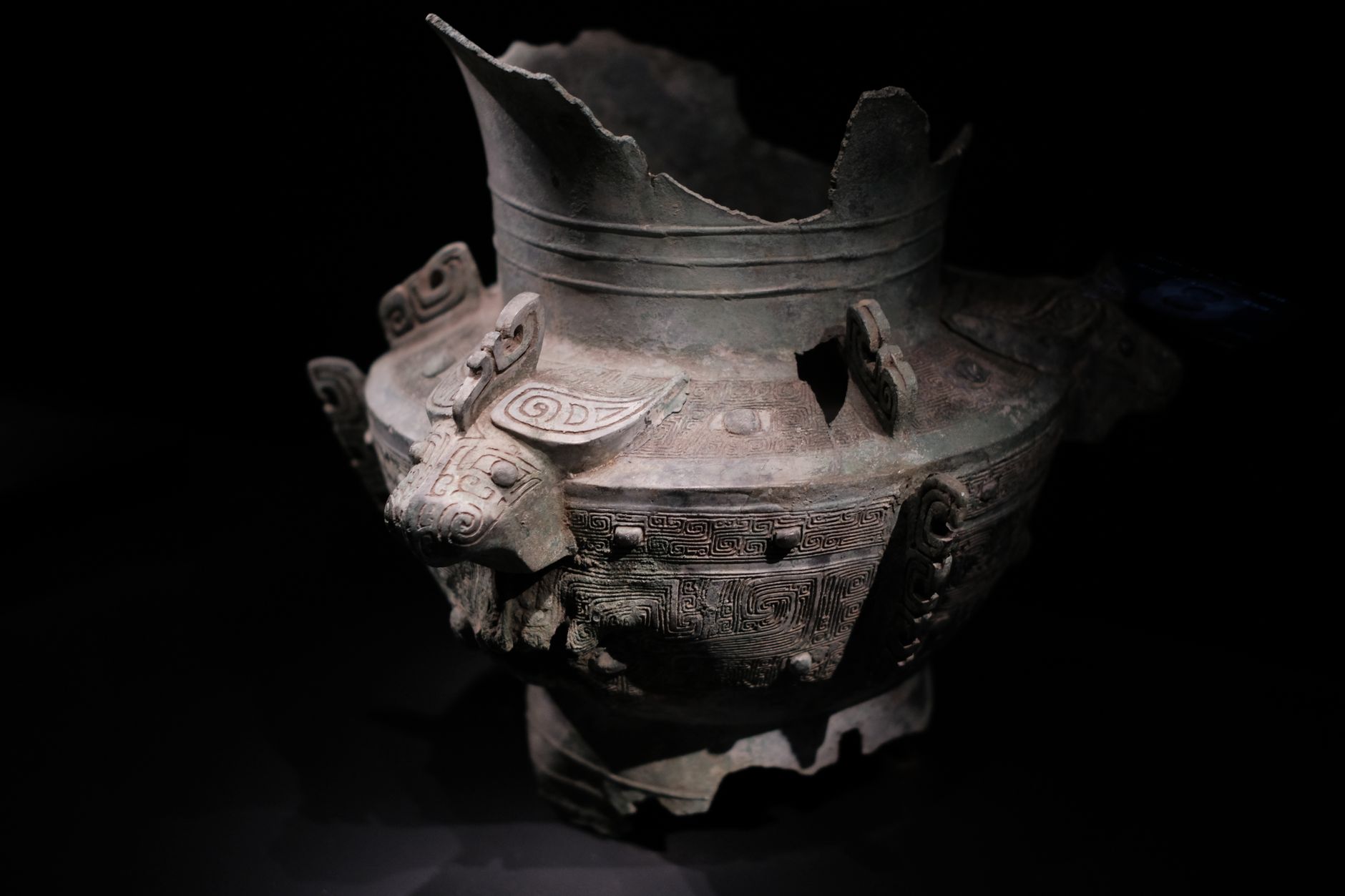
Shanghai Museum East opened its first phase on 3 February 2024 and is now the flagship venue. It sits in Pudong near Century Park, nearly 120,000 m² — about three times the size of the original People’s Square building — with 20 galleries for the core Chinese collections. The bronzes gallery is among the best of its kind anywhere — it is the reason to come, and it is where you should start before your feet give out.
The other standouts: the ceramics galleries, which trace the whole arc from Neolithic pots to Qing porcelain in one continuous sweep; the painting and calligraphy rooms, kept deliberately dim; and the sculpture hall. Skip nothing on the bronze floor. Skip most of the temporary commercial exhibitions on the upper levels unless something specific has drawn you.
Practical: 1952 Century Avenue, Pudong. Open Wed–Mon 10:00–18:00, last entry 17:00, closed Tuesdays (except national holidays) — note this is the opposite of most Shanghai museums, which close Mondays. Free admission, no reservation needed for individuals; enter at the B1 East Gate with your passport. Metro Line 2 to Shanghai Science and Technology Museum station (Exit 8), Line 4 to Xiangcheng Road (Exit 2), or Line 6 to Pudian Road (Exit 1). Audio guides are available in English and Chinese, with guides for special exhibitions charged separately. Allow 3 hours minimum. Full visitor detail is on the museum’s official English site.

Power Station of Art
Power Station of Art (上海当代艺术博物馆), housed in a converted 1985 thermal power plant, is China’s first state-run contemporary art museum and one of Asia’s most architecturally distinctive. The 41,000 m² space hosts the Shanghai Biennale (every alternate November) and rotating international contemporary art exhibits. The 165m smokestack (now a thermometer-shaped art installation) is a landmark visible across the West Bund.
What makes it worth the trip even when the programme is thin: the building. Vast raw halls, exposed girders, a turbine-hall scale that Chinese museums rarely attempt. Go up to the top floor for the river view, then work down. It is also one of the few places in Shanghai where you can sit for twenty minutes without buying anything.
Practical: 678 Miaojiang Road, Huangpu. Check the day’s opening hours on the museum’s own channels before you set out. The standing programme is free; special exhibitions are ticketed separately and prices swing widely by show, so check what is on before assuming a free afternoon. Metro: Xizang South Road (Line 4/8), then walk or take a short taxi; a map app shows the best route from the exit. Allow 90 minutes.

China Art Museum
China Art Museum (中华艺术宫), also known as Shanghai Art Palace, is housed inside the red China Pavilion of Expo 2010 in Pudong. The building spans 64,000 m², and its galleries chronicle Chinese art from ancient roots through the Republican period to contemporary. The animated “Along the River During the Qingming Festival” — a 128m digital reconstruction of the famous Song-era scroll — is a crowd favourite.
Be warned that the building is enormous and the collection is uneven. The twentieth-century Chinese oil painting and ink galleries are genuinely good; some of the upper floors are filler. Two hours is right, three is a slog, and the escalators are a long way apart.
Practical: 205 Shangnan Road, Pudong. Open Tue–Sun 10:00–18:00, closed Mondays. Free admission; occasional special exhibitions charge around ¥20. Metro: China Art Museum station (Line 8), which comes out at the door. Allow 2 hours.
Long Museum (West Bund)
The Long Museum West Bund (龙美术馆) is Shanghai’s most architecturally striking contemporary art museum — a concrete-vaulted structure designed by Liu Yichun, on the Huangpu River’s west bank. It houses the private collection of Liu Yiqian and Wang Wei (China’s most prominent art collectors). The collection spans contemporary Chinese art, traditional Chinese painting, and the family’s growing Western contemporary works.
The “umbrella vault” concrete architecture is the draw as much as the art, and the building was grafted onto a 1950s coal-hopper unloading bridge that still stands outside. Exhibition quality varies with whatever the family has decided to show; the hit rate is high enough that it is worth checking the current listing before you commit the afternoon.
Practical: on Longteng Avenue, Xuhui, on the West Bund. Closed Mondays; hours can shorten between exhibitions, so check before you cross the river. Ticket prices vary a lot from one exhibition to the next, so look up the current show and its price on the museum’s listings. Metro: Yunjin Road (Line 11). Allow 2 hours.

The West Bund Art Mile
The stretch of Xuhui riverfront between roughly Yunjin Road and Longyao Road has become the densest concentration of art institutions in China. Doing it as a single walk is more satisfying than treating any one museum as a destination.
- Long Museum West Bund — the anchor, described above.
- West Bund Museum — built for a long-running partnership with the Centre Pompidou, which supplies rotating loans from the Paris collection. Ticketing varies by exhibition, so check the current show; the building and its riverside terrace are open regardless.
- Yuz Museum — no longer on this stretch. It left the West Bund in 2023 for Panlong Tiandi in Qingpu, so treat it as a separate trip, and with founder Budi Tek gone since 2022, confirm something is actually on before making it.
- Tank Shanghai — five decommissioned aviation fuel tanks turned into galleries and a park. Worth a wander even if the shows do not grab you.
The museums sit along a long, flat riverside promenade with cafés and bike hire. Metro Line 11 serves it at Yunjin Road and Longyao Road. On a clear autumn afternoon it is one of the best walks in the city — see Shanghai in autumn for when that window falls.
Shanghai Natural History Museum
The Shanghai Natural History Museum (上海自然博物馆) is one of Asia’s most modern science museums — a spiral building rising over a central atrium, with hands-on exhibits across ecosystems, paleontology, biology, and human evolution. The complete Tyrannosaurus rex skeleton is the headline. Particularly good for families with kids 6+.
Practical warnings from people who have done it with children: the spiral layout means you descend, so start at the top; the dinosaur hall is early in the route and everything after it feels quieter; and the animatronics draw queues at weekends. Weekday mornings in term time are close to empty.
Practical: in Jing’an Sculpture Park, off Beijing West Road. Open Tue–Sun 9:00–17:15 (bookings until 16:30), ¥30 adult, free for children under 1.3m. Metro: Line 13 to Shanghai Natural History Museum station. Allow 2.5 hours. Booking through the museum’s WeChat account is still advisable at weekends and in school holidays.

Science and Space for Families
Three institutions run under the same municipal umbrella, and they are not interchangeable.
- Shanghai Science and Technology Museum — 2000 Century Avenue, Pudong, Metro Line 2 to Shanghai Science and Technology Museum station. Open Tue–Sun 9:00–17:00. Parts of the building have been through a long refit, so check which halls are open before you go. Our Shanghai Science Museum guide covers the exhibits in detail.
- Shanghai Natural History Museum — the pick of the three for under-tens, covered above.
- Shanghai Astronomy Museum — the newest and, architecturally, the most impressive: a curving building with no straight lines, out at Lingang near Dishui Lake. Check ticketing on the museum’s own site before you go. The catch is distance: Metro Line 16 to Dishui Lake then a bus or taxi, a long way out from central Shanghai. Only worth it if space is genuinely the point of your day.
For a wider list of what works with children, including the aquarium and the indoor options for a wet afternoon, see Shanghai with kids.
History and Memory Museums
Shanghai’s twentieth century is a better story than most cities can offer, and several small museums tell parts of it well.
- Shanghai History Museum — 325 Nanjing Road West, in the former Shanghai Race Club building with its clock tower. Free, Tue–Sun 9:00–17:00, closed Mondays. Covers the city from fishing village to treaty port to the present. The building is half the pleasure; the ground-floor lions were once at the HSBC bank on the Bund.
- Shanghai Jewish Refugees Museum — in Hongkou, on the site of the Ohel Moishe Synagogue, telling the story of the roughly 20,000 Jewish refugees who reached Shanghai from Nazi Europe. Modest admission, around ¥20. Deeply worth an hour; our Jewish heritage guide maps the surrounding streets.
- Former Residence of Sun Yat-sen — 7 Xiangshan Road, off Fuxing Park in the former French Concession. Around ¥20, closed Mondays. Preserved interiors, small, and easy to combine with a French Concession walk.
- Shikumen Open House Museum — a recreated 1920s lane house in Xintiandi; entry is free or a small fee, so check at the door. Twenty minutes, but the best explanation in the city of how ordinary Shanghai families actually lived.
- Shanghai Postal Museum — inside the restored 1924 General Post Office on Suzhou Creek. Free, but it only opens a few days a week (usually Wednesday, Thursday, Saturday and Sunday), and the real reward is the rooftop terrace over the creek. Check before you walk over.
Together these fill in the background to the buildings you will be looking at on the waterfront — see the Bund architecture guide and our overview of Shanghai’s history.
Smaller Museums Worth the Detour
- Shanghai Propaganda Poster Art Centre — since late 2019 on the 7th floor of the East Building, 726 Yan’an West Road, Changning, in an office block rather than its old basement; Cultural Revolution-era posters; check the entry price when you go. Time-warp atmosphere. Metro Jiangsu Road (Lines 2 and 11), Exit 4.
- Rockbund Art Museum — contemporary art in a 1932 building a block behind the Bund. Metro East Nanjing Road (Line 2/10), Exit 6, ten minutes on foot. Check admission and opening days on the museum’s own visit page.
- Aurora Museum — Tadao Ando-designed museum with Pudong views; Buddha sculptures and Chinese antiquities; the current ticket price is on the museum’s own site.
- Shanghai Glass Museum — interactive design museum in a former glassworks; look up ticket options before you go. It is up in Baoshan, a genuine trek from the centre.
- Shanghai Postal Museum — restored 1924 main post office on Suzhou Creek; free entry to the upper-floor museum.
- Shanghai Film Museum — interactive history of Chinese cinema in Xuhui; confirm the admission price when you plan the visit.
- Shikumen Open House Museum — recreation of 1920s shikumen life in Xintiandi; costs little or nothing to enter.
- Museum of Art Pudong — a Foster + Partners box beside the Oriental Pearl Tower, programming touring international shows. Check what is showing and the ticket price before you go.
Best Museums in Shanghai Compared
| Museum | Focus | Price | Closed | Metro | Time needed |
|---|---|---|---|---|---|
| Shanghai Museum East | Chinese art, 5,000 years | Free | Tuesdays | Line 2 Sci & Tech Museum | 3 hrs+ |
| Shanghai Museum, People’s Square | Ancient Americas exhibition to 14 Nov 2027 | From RMB 148 | Mondays | Line 1/2/8 People’s Square | 2 hrs |
| Power Station of Art | Contemporary | Free; specials ticketed | Check before visiting | Line 4/8 Xizang South Rd | 1.5 hrs |
| China Art Museum | Modern Chinese art | Free | Mondays | Line 8 China Art Museum | 2 hrs |
| Long Museum West Bund | Private contemporary | Varies by exhibition | Mondays | Line 11 Yunjin Rd | 2 hrs |
| Natural History Museum | Science, families | ¥30 | Mondays | Line 13 Nat. History Museum | 2.5 hrs |
| Rockbund Art Museum | Contemporary | Check before you go | Check before you go | Line 2/10 E. Nanjing Rd | 1 hr |
| Jewish Refugees Museum | History | ~¥20 | Check opening days | Line 12 Tilanqiao | 1 hr |
| Propaganda Poster Art Centre | Graphic history | Check at the door | Check before you go | 726 Yan’an West Rd, Changning; Line 2/11 Jiangsu Rd, Exit 4 | 45 min |
The pattern worth internalising: almost everything closes Monday, except Shanghai Museum East, which closes Tuesday. Plan your museum day for a Monday and the East site is effectively your only major option — which is no bad thing.
Reservation Tips
Booking is far less of an obstacle than it was, but a few places still want a reservation:
- Shanghai Museum East is walk-in for individuals. The People’s Square building’s Americas exhibition (to 14 November 2027) is sold as real-name tickets for a date and session.
- Where booking is required, check on the museum’s mini-program how far ahead slots open, and book early for a weekend.
- Passport-based foreign ID is accepted on most reservation systems, but the interface is often Chinese-only. Both Alipay and WeChat Pay now accept foreign cards.
- If a booking system defeats you, ask your hotel’s front desk. Reserving museum tickets for guests is routine work for a Shanghai concierge and takes them ninety seconds.
- Bring the physical passport for every museum, free or paid. A photocopy or a photo will not get you through the scanner.
- Special exhibitions at the Shanghai Museum sites are ticketed separately even though general entry to Shanghai Museum East is free — buy those on the museum’s own channel, not a resale site.
The Shanghai Metro guide is worth reading alongside this: almost every museum here has a station within a few hundred metres, and the metro is faster than a taxi at every hour of the day.
Recommended Day Routes
Classical Art Day
10am Shanghai Museum East (not on a Tuesday) → lunch in Pudong → 2pm Long Museum West Bund → late afternoon West Bund Riverside walk. Free + cheap.
Contemporary Art Day
Late morning Power Station of Art → lunch in Xuhui → 2pm Long Museum West Bund → riverside walk → West Bund sunset.
Family Day
9am Shanghai Natural History Museum (book ahead at weekends) → lunch at Jing’an Park → afternoon at the Shanghai Science Museum (separate trip), or the Shanghai Glass Museum if you are ready for the long ride up to Baoshan.
Bund + Museum Day
Morning at Rockbund Art Museum (check its opening days) → lunch on the Bund → Bund architecture walk → 3pm Shanghai History Museum at People’s Square.
Rainy Day, No Plan
Everything above works in the rain, which is the underrated argument for Shanghai museums. The tightest wet-weather route: People’s Square metro station connects underground to the Shanghai Museum and is a five-minute covered walk from the Shanghai History Museum, with the Nanjing Road shopping arcades in between. You need not go outside for four hours.
Common Mistakes
- Turning up on the wrong day. Most Shanghai museums close Mondays; Shanghai Museum East closes Tuesdays. Check before you cross the city.
- Going to People’s Square expecting the flagship. The headline collection is now in Pudong. The original building is still excellent, but it is not the same museum it was in 2019.
- Assuming you still need a WeChat reservation. Guides written in 2023 and 2024 say you do. Individual visitors can walk into Shanghai Museum East without booking; the People’s Square building’s Americas exhibition needs a ticket.
- Arriving without your passport. No passport, no entry — this applies even where admission is free.
- Underestimating West Bund distances. The museums look adjacent on a map, but they are strung out along a long riverside promenade, so wear walking shoes.
- Booking the Astronomy Museum as a half-day. With travel it is a full day from central Shanghai.
- Arriving at 16:00. Last entry at most sites is an hour before closing, and staff start clearing galleries before that.
- Carrying a large backpack. Bags above a modest size go into the cloakroom, and the queue for it at Shanghai Museum East is sometimes longer than the queue for the door.
Frequently Asked Questions
What are the best museums in Shanghai?
Shanghai Museum East (classical Chinese art), Power Station of Art (contemporary), China Art Museum (Chinese art history), and Shanghai Natural History Museum (family/science) are the top four.
Are Shanghai museums free?
Most are — Shanghai Museum East, China Art Museum, Power Station of Art’s standing programme, Shanghai History Museum. A few charge an entry fee, including the Long Museum, the Natural History Museum and, until 14 November 2027, the Americas exhibition at the Shanghai Museum’s People’s Square building, and Rockbund sets its own admission, so check its visit page; and many special exhibitions are ticketed separately.
Do I need to book Shanghai museums in advance?
Usually not any more. Shanghai Museum East dropped reservations for individuals in 2024 and the People’s Square site followed in 2025, though until 14 November 2027 that building shows only a ticketed Americas exhibition; East is walk-in with a passport. Booking returns for public holidays, school vacations and major special exhibitions.
Is Shanghai Museum or Shanghai Museum East better?
Shanghai Museum East is the flagship and holds the larger share of the collection, including the bronzes gallery. If you have one visit, go there. The People’s Square building is smaller, more central and easier to fit into a half day, but until 14 November 2027 it shows only a ticketed exhibition on the ancient Americas.
How long should I spend at the Shanghai Museum East?
3 hours minimum; serious enthusiasts can spend 5–6 hours across the permanent galleries. The building is large enough that pacing matters more than at most museums.
Are museums in Shanghai open on Mondays?
Most close on Mondays — but Shanghai Museum East closes on Tuesdays instead, which makes it the reliable Monday option. Check the museum’s official channel around public holidays, when schedules shift.
Is the Power Station of Art worth visiting?
Yes — both for its dramatic architecture (a converted power station) and for some of the most ambitious contemporary art programming in Asia.
Can children enjoy Shanghai museums?
Shanghai Natural History Museum is a purpose-built museum that works well for families. The Glass Museum and Science Museum also work well. Shanghai Museum East has a children’s discovery hall.
Do I need a WeChat account to visit museums in Shanghai?
No. Walk-in entry with a passport now covers the major free museums. Where a reservation is still needed, the Alipay mini-programs work with foreign cards and passports, and hotel front desks will book on your behalf.
Which Shanghai museum is best for a rainy day?
People’s Square. The metro station connects directly to the Shanghai Museum and is a short covered walk from the Shanghai History Museum, so you can fill four hours without going outside.
How much English is there in Shanghai museums?
Object labels at the Shanghai Museum sites, the China Art Museum and Power Station of Art are bilingual. Smaller museums are patchier — the Propaganda Poster Art Centre has good English captions, some district museums have almost none. The Shanghai Museum sites offer audio guides in English as well as Chinese.
Can I take photographs in Shanghai museums?
Generally yes, without flash or tripods. Some special exhibitions and loaned works ban photography entirely, and it is signed at the gallery entrance. Light levels in the painting and calligraphy rooms are deliberately low, so expect blurred results.
Plan the Rest of Your Trip
Combine with our pillar guides on things to do in Shanghai, Shanghai culture & history, and our free attractions guide. If you are fitting museums around a short stay, one day in Shanghai and the 3-day Shanghai itinerary show where they slot in. For background, see the Shanghai Museum on Wikipedia.