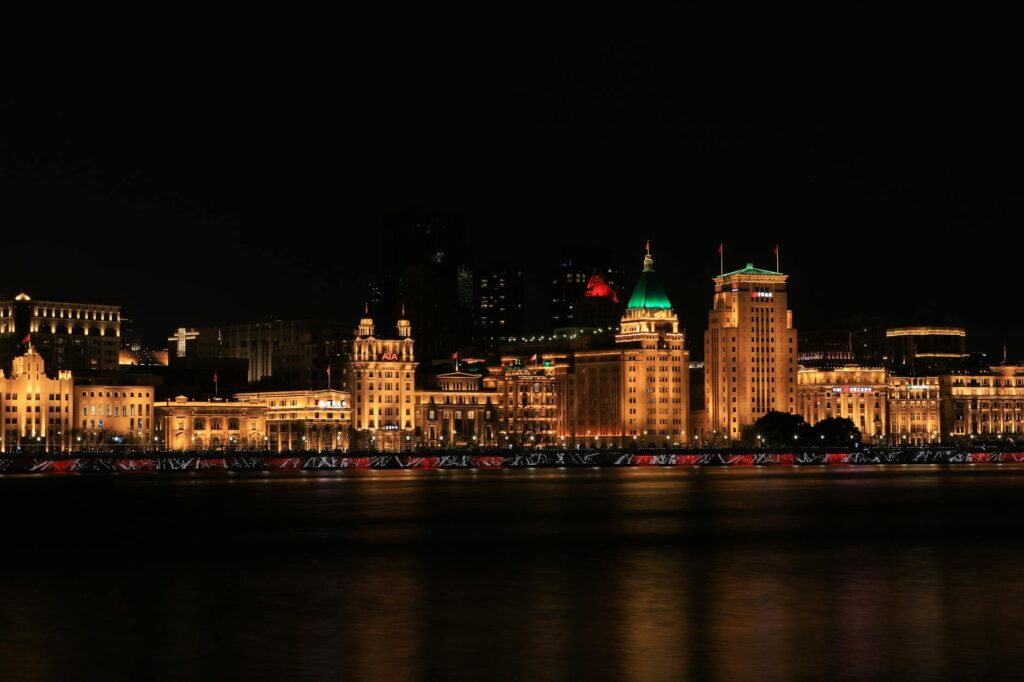
Shanghai is the most expensive city in mainland China, yet a surprising share of its best days out cost nothing at all. You can spend three or four full days here seeing free attractions in Shanghai without paying a single admission fee — from one of Asia’s great museums to a riverfront skyline that rivals any paid observation deck, plus leafy parks, historic lanes, riverside promenades, art districts, and temples where the courtyards are open to everyone. This 2026 guide rounds up more than 30 genuinely no-cost things to see and do, grouped by what they are and where they sit, with opening hours, the reservations you’ll need, how to reach each one by metro, and the times of day that pay off most.
A quick word on the word “free.” Plenty of guides stretch it. Throughout this list I’ve flagged the spots where only part of a site is free — the bazaar streets around Yu Garden are open and walkable, for example, but the classical garden inside still charges around ¥40. Where a museum needs a (free) advance booking, I say so. Pair this with our Shanghai on a budget pillar and you can keep a whole trip lean.
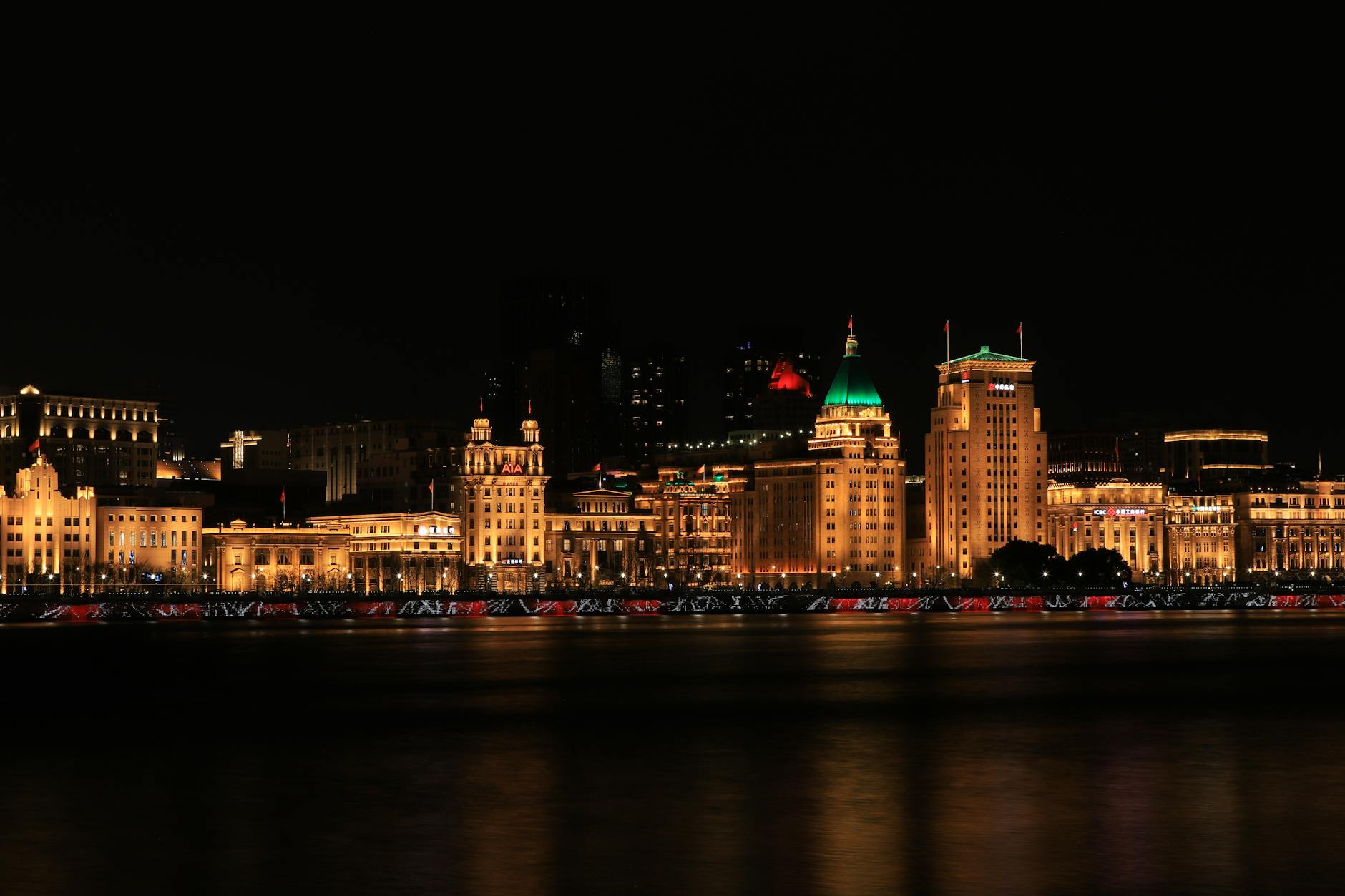
Table of Contents
- Top 10 Free Attractions in Shanghai
- Free Museums & Galleries
- Free Parks & Gardens
- Best Free Walks & Neighbourhoods
- Free Skyline Views
- Free Cultural Experiences & Temples
- Free Waterfront & Water Towns
- Free Festivals & Events
- Tips for a Free Day in Shanghai
- FAQ
Top 10 Free Attractions in Shanghai
Short on time? These ten cover the widest range — one river walk, one great museum, a couple of neighbourhoods, an art district, a temple courtyard, and a classic skyline view — and you could string several together in a single day.
- The Bund waterfront promenade – Shanghai’s colonial-era riverfront, free day and night. See our full Bund guide.
- Shanghai Museum East – one of China’s finest collections, no admission fee and no booking for individuals.
- Former French Concession walk – plane trees, lane houses, and quiet boutiques on foot.
- Pudong skyline from across the river – the three big towers, lit up at night, no ticket needed.
- People’s Square & People’s Park – Shanghai’s central plaza, green space, and metro hub.
- M50 Creative Park – contemporary art galleries on Moganshan Road, free to browse.
- Fuxing Park – a French-style park with early-morning tai chi and ballroom dancing.
- Tianzifang lanes – restored shikumen alleys; entry is free, shopping is optional.
- China Art Museum (Shanghai Art Palace) – the red China Pavilion from Expo 2010, now a huge free museum.
- Qibao Ancient Town – a free water-town district reachable on metro Line 9.
Free Museums & Galleries
Shanghai’s museums punch well above their weight, and several of the best ask for no ticket. The catch is reservations: most free state museums now require a timed entry slot booked through their official WeChat mini-program, usually one to seven days ahead. Book early on weekends and during national holidays, when daily quotas fill fast. Bring your passport — you’ll often need it to collect a ticket or pass a bag check.
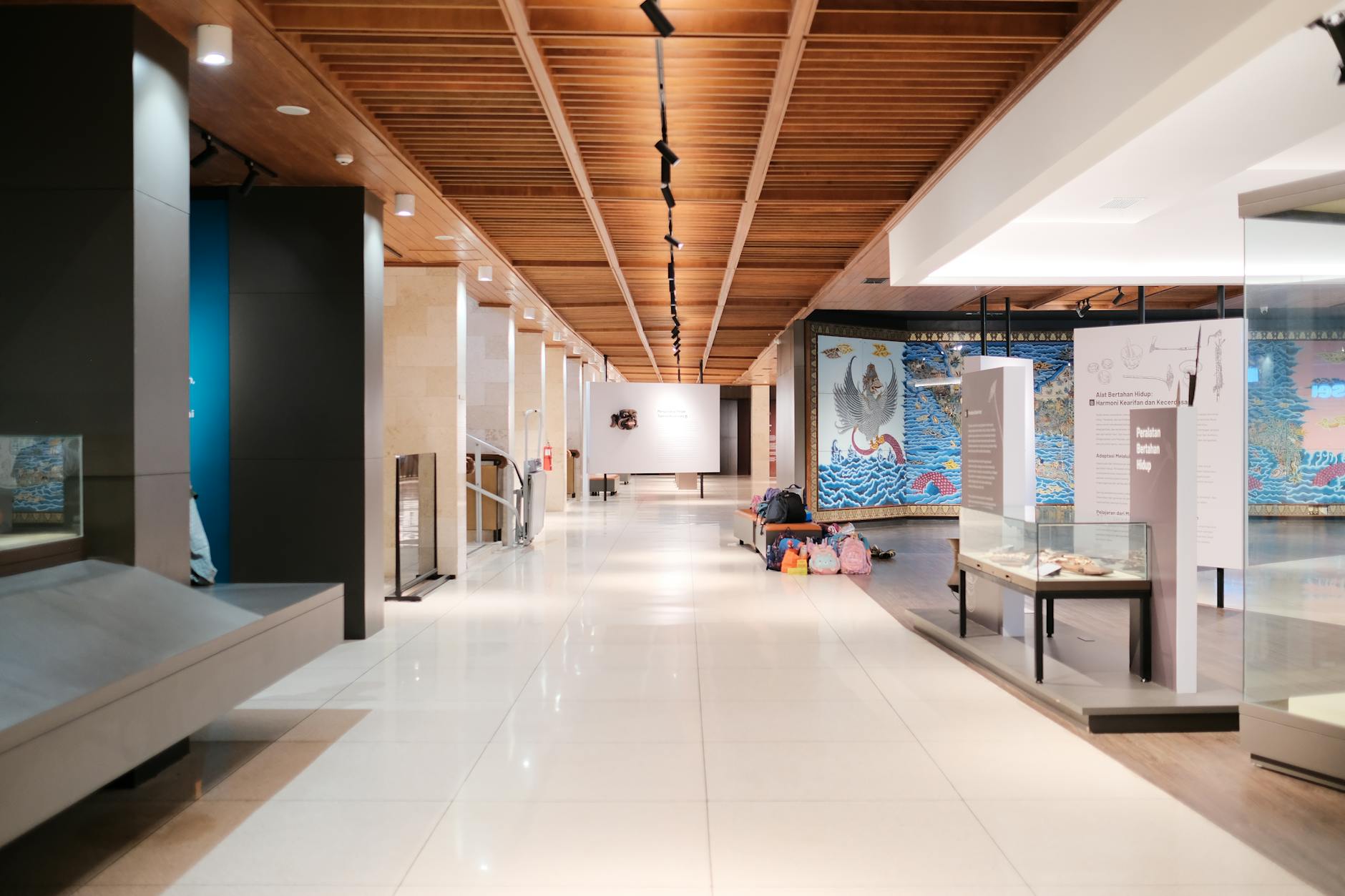
Shanghai Museum (上海博物館) is the headline act, with a collection the museum puts at nearly 1,020,000 items, spanning bronzes, ceramics, calligraphy, jade, and ancient currency. The vast East branch in Pudong (1952 Century Avenue) now holds the permanent galleries, and individual visitors walk in with a passport, no appointment needed; until 14 November 2027 the original People’s Square building shows only a ticketed exhibition on the ancient Americas. East opens 10:00–18:00, closed Tuesdays, with last entry at 17:00. Give yourself at least two hours.
China Art Museum / Shanghai Art Palace (中华艺术宫) fills the red China Pavilion that anchored Expo 2010 — you can’t miss the inverted-pyramid shape from the metro. Inside are dozens of galleries of Chinese art from classical scroll painting to modern work. Admission to the permanent galleries is free; a handful of special shows charge around ¥20. Hours are about 10:00–18:00, closed Mondays. Reach it on metro Line 8 (China Art Museum station).
Power Station of Art (上海当代艺术博物館) is China’s first state-run contemporary art museum, set inside a converted riverside power plant on the West Bund. The permanent collection is always free; rotating special exhibitions run roughly ¥30–80. The industrial architecture alone is worth the trip.
Shanghai History Museum (上海历史博物館) sits on People’s Square in a handsome former racecourse clubhouse. It’s the clearest free introduction to how the city grew from a walled river town into a global port, and it pairs neatly with a People’s Park walk next door.
Shanghai Library East — the striking new branch in Pudong — runs free public exhibitions and has reading rooms open to drop-in visitors. It’s a good rainy-day stop and a quiet place to rest your feet.
Smaller free options: the Liu Haisu Art Museum in Changning, the permanent galleries at the Long Museum (West Bund) on certain days, the Rockbund Art Museum courtyard area, and university galleries around Yangpu all open at no charge — check current schedules before you go, as free windows shift. The Shanghai Natural History Museum charges a modest ¥30, but its outdoor sculpture garden and the surrounding Jing’an Sculpture Park are free.
Free Parks & Gardens
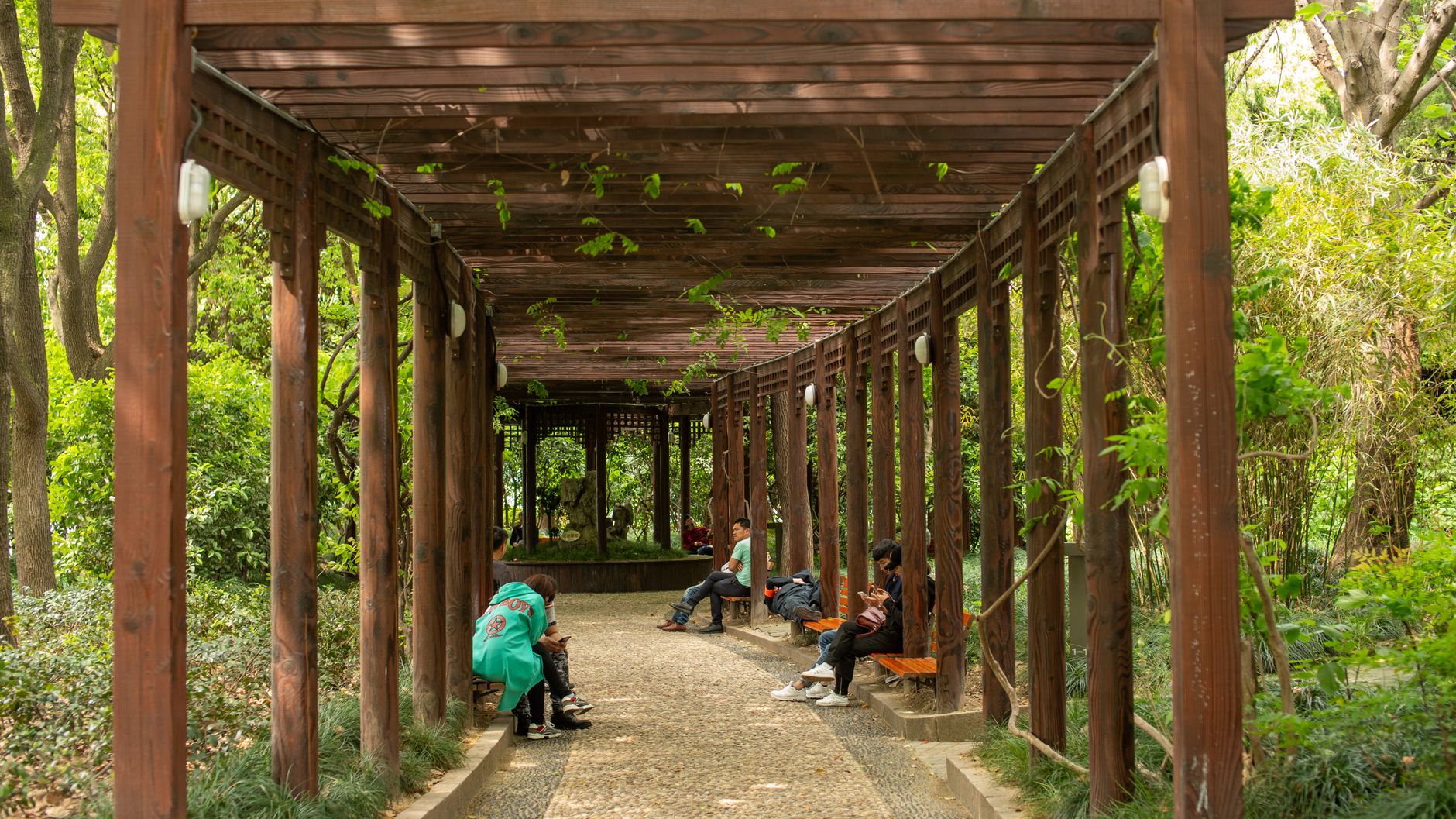
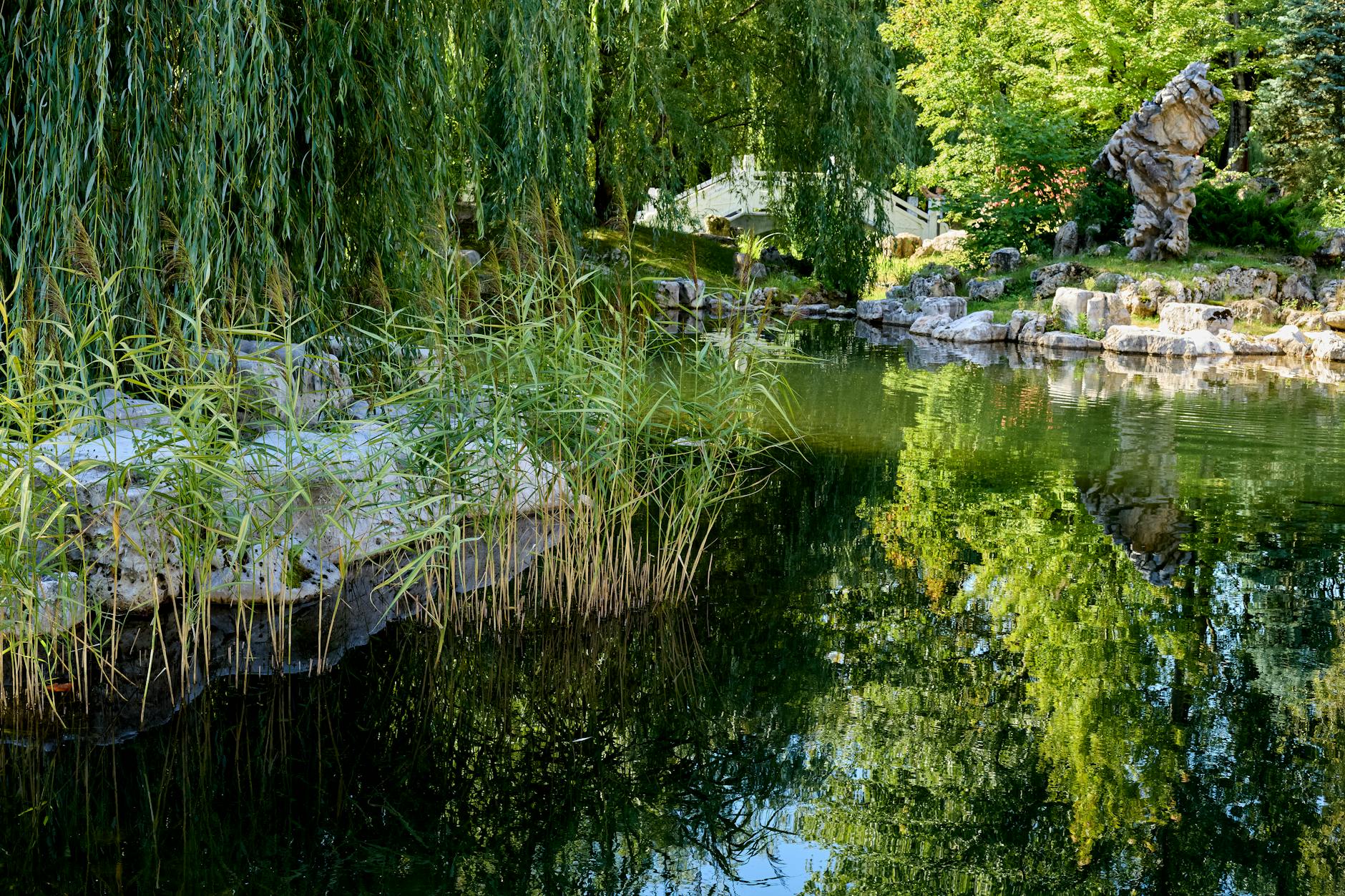
Shanghai keeps more than 200 public parks, and the great majority are free or close to it. They’re at their best in spring (March–May), when magnolia and cherry blossom open, and again in autumn (September–November), when the plane trees turn gold. Arrive before 8:00 and you’ll catch the city’s real morning theatre — tai chi circles, sword forms, fan dances, choirs, and ballroom couples gliding across the paving. For a deeper seasonal breakdown, see our guide to the best time to visit Shanghai.
- Fuxing Park — the classic formal park in the French Concession, laid out with French-style parterres. Come around 7:00 for tai chi groups, choirs, and ballroom dancing, plus locals writing giant water-brush calligraphy straight onto the pavement.
- People’s Park — right at People’s Square, this is the city’s central green lung and the home of the famous weekend “marriage market,” where parents post their children’s details on umbrellas in hopes of a match.
- Century Park — Shanghai’s largest, out in Pudong. A small ¥5–10 fee applies on some peak days, but it is free at quieter times; rent nothing and it stays a cheap day out.
- Lu Xun Park — a spacious Hongkou park around a lake, with the tomb and memorial hall of writer Lu Xun and a strong local crowd at dawn.
- Zhongshan Park — a well-loved western-Shanghai park with a lake, a bamboo grove, and easy metro access on Lines 2, 3, and 4.
- Jing’an Park — small but central, directly across from Jing’an Temple, with a tea house and shaded lawns.
- Gucun Park — suburban Baoshan, famous for an enormous cherry-blossom festival each March.
- Houtan Park — a riverside ecological park on the former Expo grounds, part of the longer West Bund walk below.
Best Free Walks & Neighbourhoods
Walking is the single best-value way to take in Shanghai, and the city has several well-defined routes that cost nothing but shoe leather. A rechargeable metro card or your phone’s transit QR code will shuttle you between the start and end points for a few yuan — see our Shanghai metro guide for the basics.
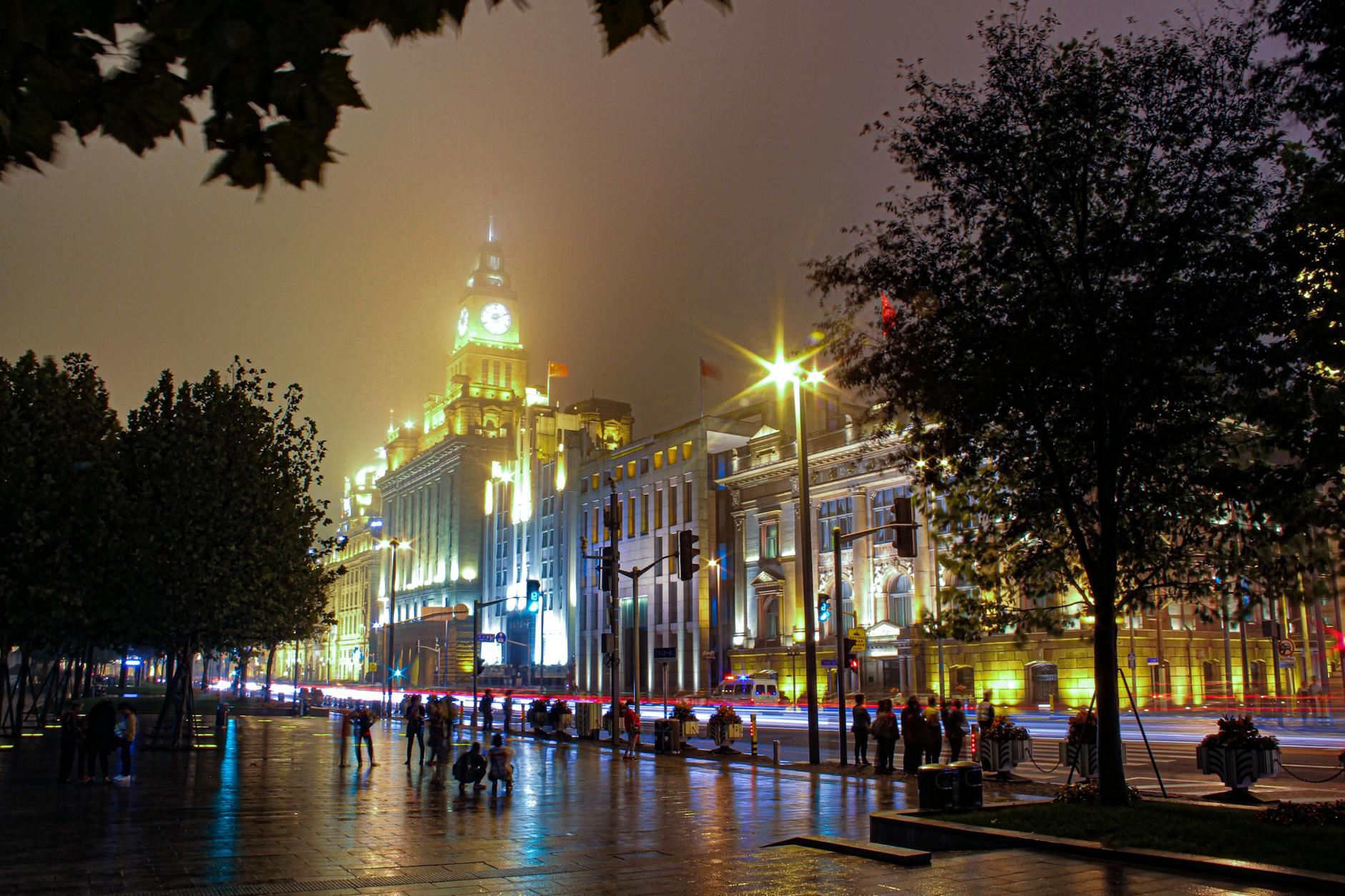
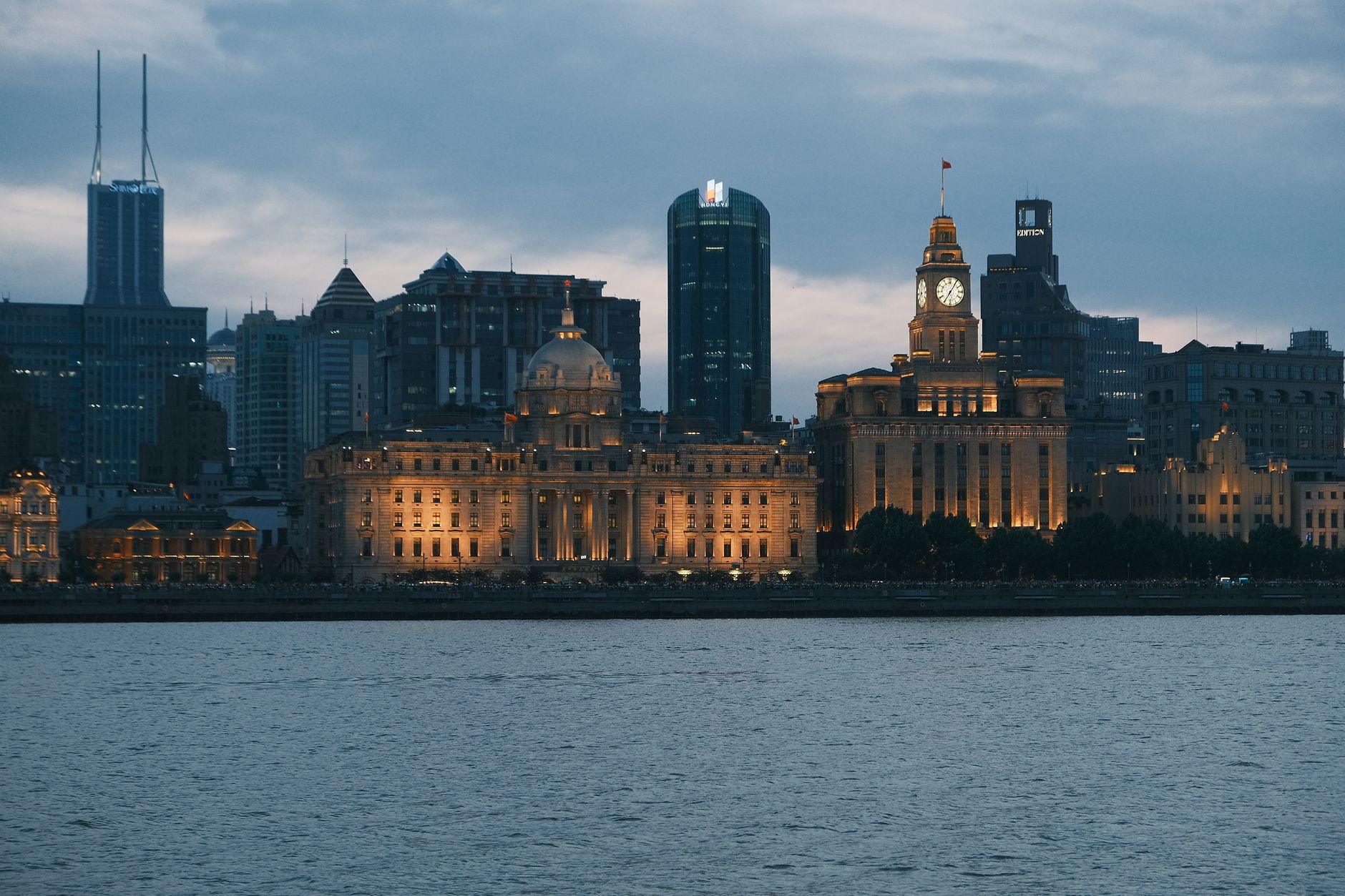
The Bund & Waitan Promenade (about 1.5 km): Start near the Waibaidu Bridge at the north end, then follow the raised promenade south past more than 50 historic banks and trading houses to Yan’an Road. Walk it once at sunset and again around 19:00, when the Pudong towers across the water switch on. The colonial facades behind you are a free outdoor architecture lesson; our Bund architecture guide explains what you’re looking at.
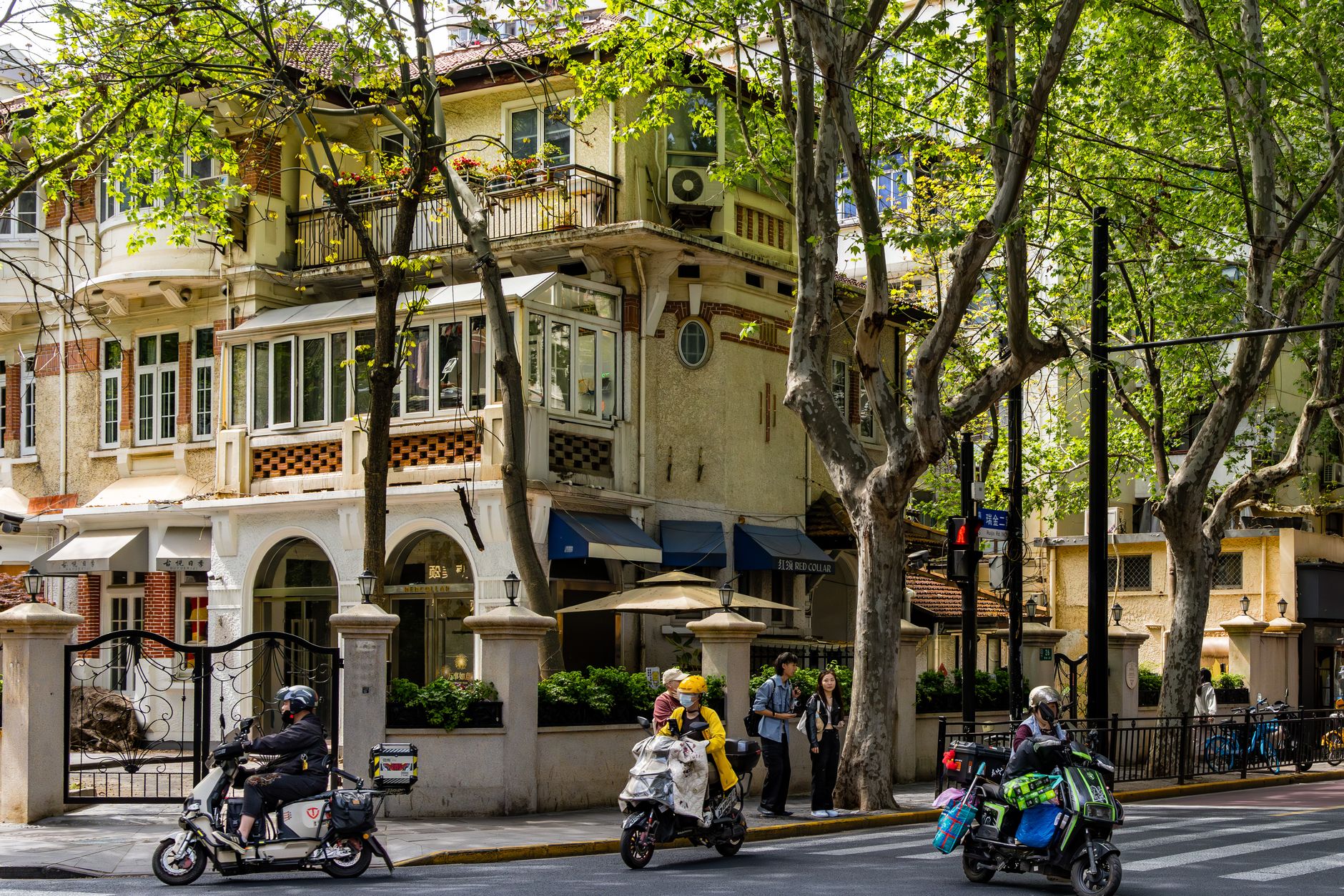
French Concession Loop (about 3 km): Begin at the wedge-shaped Wukang Mansion on Wukang Road, then wander Yongkang Road, Wuyuan Road, and Anfu Road before finishing at Tianzifang. Expect plane-tree tunnels, 1920s lane houses, indie cafes, and small galleries. Our French Concession walking tour maps the whole thing turn by turn.
Suzhou Creek (about 2.5 km): From the Sichuan Road North bridges west to Jing’an, the renovated creek banks make the quietest central walk in the city, past old warehouses, art spaces, and a string of historic bridges. Early morning or dusk are the calm windows.
West Bund Riverside Park (about 4 km): A linear art-and-river walk on the west bank of the Huangpu in Xuhui. It threads past the Long Museum, the Power Station of Art, and a run of outdoor sculptures and skate spots — a free art crawl with the river on one side.
Old Town & Yu Garden Bazaar: The classical Yu Garden itself charges around ¥40, but the surrounding bazaar lanes, the City God Temple plaza, the Nine-Bend Bridge area, and the old residential streets nearby are free to wander. Go early to beat the crowds, then read our Yu Garden guide to decide whether the paid garden is worth it for you.
Tianzifang & Xintiandi: Both are restored shikumen (stone-gate lane house) districts, both free to enter. Tianzifang is a tangle of narrow art-and-craft alleys; Xintiandi is the polished, open-plan version with galleries and the site of the First National Congress nearby. Browsing costs nothing.
Free Skyline Views
You don’t need a ¥180 ticket to the Shanghai Tower observation deck to enjoy Pudong from up high — though if you want the view from inside the towers, our Shanghai Tower deck guide covers it. For zero spend, these vantage points deliver:
- The Bund promenade — the classic head-on view of Pudong’s three super-towers, free at any hour.
- Riverside walkway under Lujiazui — cross to the east bank and walk among the skyscrapers at ground level, no deck ticket required.
- The Bund Sightseeing Tunnel exit park — a small green space on the Pudong side with clean ground-level photos.
- Hotel and bar lobbies on the Bund — several historic buildings let you step into an upper-floor lobby for the view; you’ll be expected to buy a drink if you linger, so treat it as a coffee-priced view rather than a free one.
- Lupu Bridge approach, Hongkou — a sweeping free panorama of the Huangpu and downtown from the bridge’s pedestrian sections.
- West Bund open lawns — long sightlines back to the towers across the water, with room to sit.
Free Cultural Experiences & Temples
Some of Shanghai’s most memorable moments aren’t in any museum. A few cost nothing; for temples, the courtyards and street-front halls are usually free even when the inner shrine charges a small fee — another spot where “free” means “mostly free.”
- Morning tai chi at Fuxing Park, Lu Xun Park, or People’s Park — best from about 6:30 to 8:00, free to watch and, if you’re brave, to join.
- The weekend “marriage market” at People’s Park, roughly Saturday and Sunday 12:00–17:00 — a only-in-Shanghai slice of family life.
- Jing’an Temple (静安寺) — the golden roofs and street-front courtyard sit right above a metro station and a shopping district; the plaza and exterior are free, while entry to the inner halls runs about ¥50.
- City God Temple in the Old Town — the surrounding bazaar and temple square are free; the shrine interior charges a small fee.
- M50 Creative Park — browse 100-plus contemporary galleries and studios in a former mill complex on Moganshan Road, free to walk through.
- Wet markets — an early-morning loop through a neighbourhood produce market (or the food stalls around Wujiang Road) is free, photogenic, and a real look at daily life.
- Water-brush calligraphy in Fuxing Park — locals paint poems on the pavement with water; they’re happy to be watched and sometimes to explain.
- Donation-based walking tours — a few local outfits run Old Town and French Concession walks on a tip-what-you-like basis; not strictly free, but you set the price.
Free Waterfront & Water Towns
Water is built into Shanghai’s identity, and free riverside parks now line both banks of the Huangpu and long stretches of Suzhou Creek. Add a couple of canal-town districts on the metro and you have several no-cost half-days.
- Bund Promenade — the west-bank riverfront, free, with the skyline opposite.
- Riverside Avenue, Pudong (Lujiazui east bank) — a wide free walkway beneath the towers.
- West Bund Riverside Park (Xuhui) — the art-lined river walk described above.
- Suzhou Creek Promenade — multiple free segments through Hongkou and Putuo.
- Houtan and Expo riverside parks (Pudong south) — quiet wetland-style walking, free.
- Qibao Ancient Town — the nearest canal town to downtown, on metro Line 9. The lanes and bridges are free to enter, though a combo ticket covers a few small museums inside if you want them.
For a bigger day on the water, the canal town of Zhujiajiao is a popular trip — the streets are free to wander even though boat rides and some halls charge. Our Zhujiajiao water town guide has the details and the cheapest way to get there.
Free Festivals & Events
Most of Shanghai’s big festivals have free outdoor components — you just need to know when they land.
- Shanghai Tourism Festival (mid-September) — free outdoor performances and a parade.
- Lantern Festival at Yu Garden Bazaar (15th day of Lunar New Year) — free to walk among the lanterns, though it gets very busy.
- Mid-Autumn Festival — free events at temples and parks, and a good excuse to try mooncakes.
- Shanghai International Film Festival (June) — some outdoor and community screenings are free; ticketed cinema shows are not.
- Cherry Blossom Festival at Gucun Park (mid-March) — free park entry during the bloom.
- National Day fireworks and light shows (early October) — free to watch from the riverside, if you can find a gap in the crowd.
Tips for a Free Day in Shanghai
Lean on the metro. The most you’ll pay for a single ride is about ¥9, and most hops are ¥3–5; a one-day pass is around ¥18. It connects nearly every attraction on this list.
Book museum reservations early. The major free museums release timed slots through their WeChat mini-programs one to seven days out, and weekend quotas vanish quickly.
Carry your passport. You’ll often need it to claim a free museum ticket or clear a security check, and for the occasional foreigner-only walk-in lane.
Bring water and snacks. Many free museums don’t allow food or drink inside, and buying both around tourist sites costs more than a convenience store two streets away.
Pair free sights with cheap food. A ¥20–40 bowl of noodles or a street-food lunch keeps the day’s spend tiny. Our cheap eats in Shanghai guide has the best low-cost spots near these attractions, and our how much a Shanghai trip costs breakdown shows where the rest of your money goes.
Build a route, not a checklist. Group sights by district so you walk between them instead of crossing the city. For more ideas beyond the free list, our things to do in Shanghai overview is the place to start.
A sample free day: 8:00 Bund walk → 10:00 Shanghai Museum East (no booking needed) → 12:30 Yu Garden Bazaar street food → 14:00 M50 art galleries → 16:00 Suzhou Creek walk → 18:00 Pudong skyline from the east bank at sunset → 20:00 Tianzifang for dinner. Total attraction spend: zero; total transport: a few yuan.
Frequently Asked Questions
Are there really many free attractions in Shanghai?
Yes. Well over 30 of the city’s best experiences cost nothing, including the Bund, Shanghai Museum East, the China Art Museum, nearly all the public parks, and walking neighbourhoods like Tianzifang and the French Concession. Several temples and water towns are free to enter even when an inner shrine or boat ride charges a small fee.
Is the Shanghai Museum free?
Yes for the permanent galleries, which are now at the large East branch in Pudong: individual visitors walk in with a passport and no booking (closed Tuesdays). Until 14 November 2027 the People’s Square building shows only a ticketed exhibition on the ancient Americas, from RMB 148.
Can I see the Shanghai skyline for free?
Easily. The Bund promenade gives the most famous free view of Pudong’s three towers, day and night, and the east-bank walkway in Lujiazui lets you stand right among the skyscrapers without paying for any observation deck.
Are Shanghai parks free to enter?
Most are completely free. A few large suburban parks such as Century Park or Gucun Park may charge about ¥5–10 on peak days, but central parks like Fuxing, Jing’an, People’s, and Lu Xun are free all year.
Is the Bund free?
Yes. Walking the Bund promenade and admiring both the historic buildings and the Pudong skyline costs nothing and the riverfront is open at all hours. You only pay if you add an extra like the sightseeing tunnel or a river cruise.
Is Yu Garden free?
Partly. The classical Yu Garden charges around ¥40 to enter, but the surrounding Yuyuan Bazaar streets, the City God Temple plaza, and the Nine-Bend Bridge area are free to walk through, so you can soak up the Old Town atmosphere without buying a ticket.
Are there free walking tours in Shanghai?
A handful of local guides run Old Town, Bund, and French Concession walks on a donation or tip-what-you-like basis, so you set the price. For a self-guided option that’s genuinely free, follow our French Concession or Bund routes above.
Is the French Concession free?
The neighbourhood itself is free to walk and explore — the streets, lane houses, and parks cost nothing. Specific museums or boutiques inside it may charge, but you can spend a whole afternoon there without paying admission anywhere.
What can I do in Shanghai on a budget?
Combine free attractions with cheap eats (¥20–60 meals) and the low-cost metro (¥3–9 rides). A frugal traveller can have a full Shanghai day on around ¥150 once food and transport are added in. See our budget pillar and cost breakdown for the full picture.
Do I need to reserve free museums in Shanghai?
Often, yes. Shanghai Museum East is the big exception: individual visitors walk in with a passport. Other major free museums — the China Art Museum and Power Station of Art among them — release free timed slots through their WeChat mini-programs. Reserve one to seven days before you visit, and bring your passport to collect the ticket.
Plan a Budget Trip to Shanghai
Use this list alongside our Shanghai on a budget pillar, our cheap eats guide, our trip-cost breakdown, and our things to do in Shanghai overview to build a trip where the sightseeing stays free and the rest stays cheap.
Further reading: Wikipedia’s Shanghai overview.