Shanghai is the most expensive city in mainland China, yet it remains inexpensive by global standards for the quality you get. The useful planning question is not whether the city is pricey in the abstract but how much your specific trip will cost given how you travel, where you sleep, and what you want to see. This guide gives complete 2026 budget breakdowns for short and long visits at three travel-style tiers (budget, midrange, luxury), with line-item costs in both Chinese yuan and US dollars and money-saving strategies that actually hold up on the ground. The short answer to how much does a Shanghai trip cost is roughly $50–80 per day for budget travelers, $150–250 for midrange, and $400 or more for luxury, all per person and excluding international airfare. The breakdown below shows exactly where those numbers come from and how to push them up or down.
Costs are per person and assume two people sharing a double room, or one solo traveler in a single. For conversions, $1 USD is about RMB 6.7 (6.71 on September 9, 2026); adjust for your home currency. Hotel rates depend on your dates and climb around the national holidays, so price your own nights before you fix the budget.
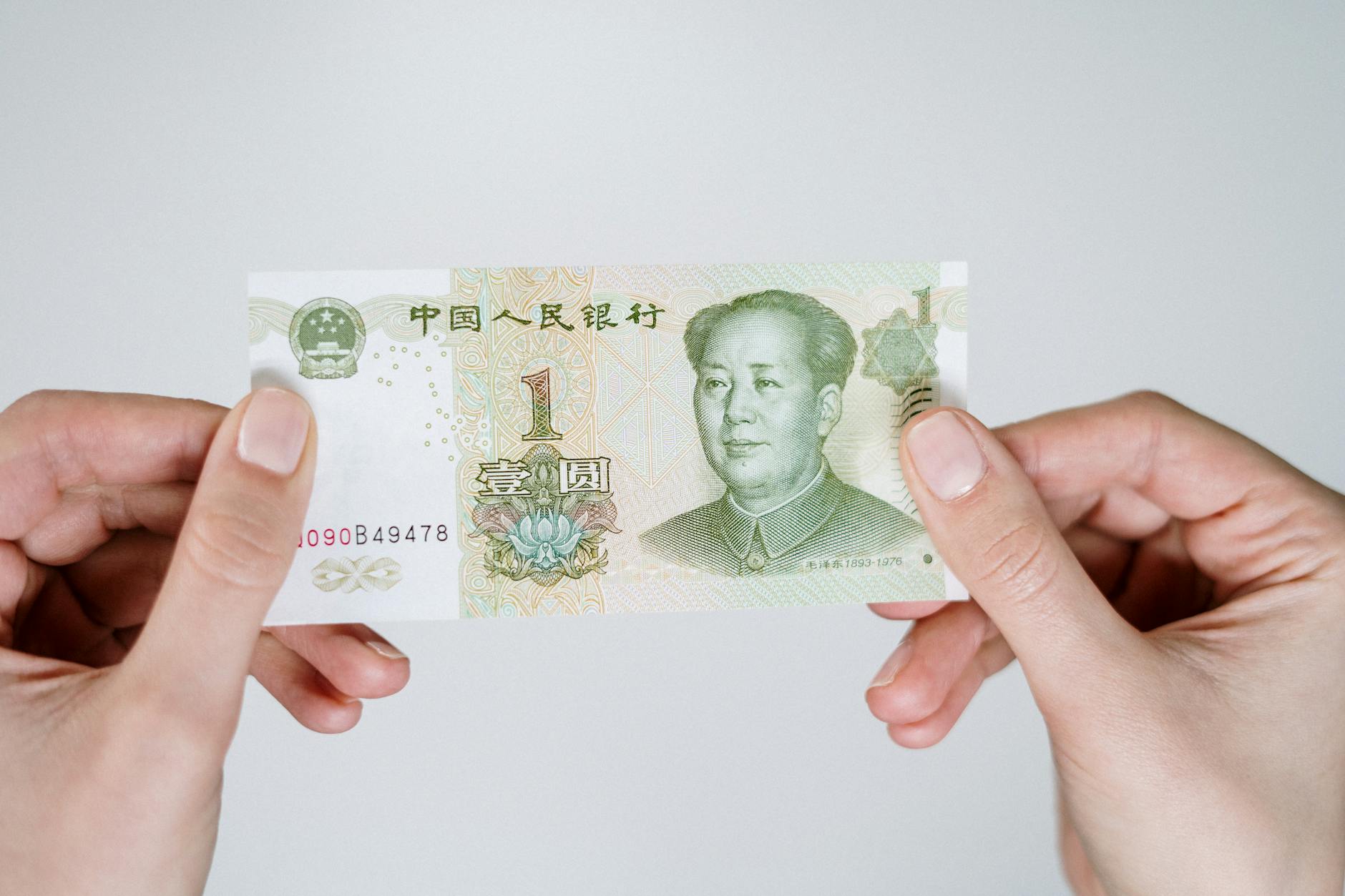
Table of Contents
- Quick Summary by Trip Length
- How Much Does a Shanghai Trip Cost Per Day?
- Flights to Shanghai
- Accommodation Costs
- Food and Drink Costs
- Local Transportation Costs
- Attractions and Activities
- Shopping and Souvenirs
- Sample Trip Budgets (3, 5, 7 Days)
- Hidden Costs to Plan For
- Top Money-Saving Tips
- Worth-the-Splurge Items
- Payment Methods, Currency and Fees
- Frequently Asked Questions
Quick Summary by Trip Length
If you want a single number to anchor your planning, start here. The table below shows approximate per-person totals by trip length and travel style, excluding international flights. These are typical mid-range-of-the-range figures; your real costs can move 20–30% in either direction depending on neighborhood, restaurant choices, and how much you shop.
| Trip length | Budget | Midrange | Luxury |
|---|---|---|---|
| 3 days | RMB 1,800 ($250) | RMB 4,500 ($625) | RMB 12,000 ($1,670) |
| 5 days | RMB 3,000 ($420) | RMB 7,500 ($1,040) | RMB 20,000 ($2,780) |
| 7 days | RMB 4,200 ($585) | RMB 10,500 ($1,460) | RMB 28,000 ($3,890) |
What separates the tiers is mostly accommodation and food. A budget traveler in a hostel dorm eating street food and one paid sight a day lives on a fraction of what a luxury traveler spends on a single five-star night. Transport and entry tickets, by contrast, barely move the total because Shanghai’s metro and many of its best sights are either free or close to it. Independent cost aggregators report similar spreads — budget days commonly land in the $50–125 range and a seven-day midrange trip near $2,000 per person — so the figures here sit comfortably inside what travelers actually report spending.
How Much Does a Shanghai Trip Cost Per Day?
The single most useful planning lens is daily cost per person, because it lets you scale any trip length up or down. Here is what each tier buys you on an average day, with the components that make up the total.
| Category | Budget | Midrange | Luxury |
|---|---|---|---|
| Accommodation (per person) | RMB 150–300 | RMB 300–500 | RMB 1,100–2,000 |
| Food (three meals) | RMB 100–150 | RMB 250–400 | RMB 800–1,500 |
| Local transport | RMB 30 | RMB 80–120 | RMB 200–400 |
| Attractions / activities | RMB 60–100 | RMB 200–300 | RMB 400+ |
| Daily total | RMB 360–580 ($50–80) | RMB 1,080–1,800 ($150–250) | RMB 2,880+ ($400+) |
Budget traveler ($50–80 per day, RMB 360–580). You sleep in a hostel dorm or a basic budget hotel (RMB 150–300), eat three meals from street stalls and casual neighborhood restaurants (RMB 100–150 total), ride the metro and bus only (about RMB 30), and pay for one attraction or activity (RMB 60–100). Water and small snacks are folded in. Hostels in Jing’an or near People’s Square are the sweet spot for price against location.
Midrange traveler ($150–250 per day, RMB 1,080–1,800). You take a three- or four-star hotel at double occupancy (RMB 600–1,000 per room, so RMB 300–500 per person), eat three midrange meals with at least one nice dinner (RMB 250–400), mix metro with the occasional taxi or DiDi (RMB 80–120), and cover two paid attractions or one paid sight plus a river cruise (RMB 200–300).
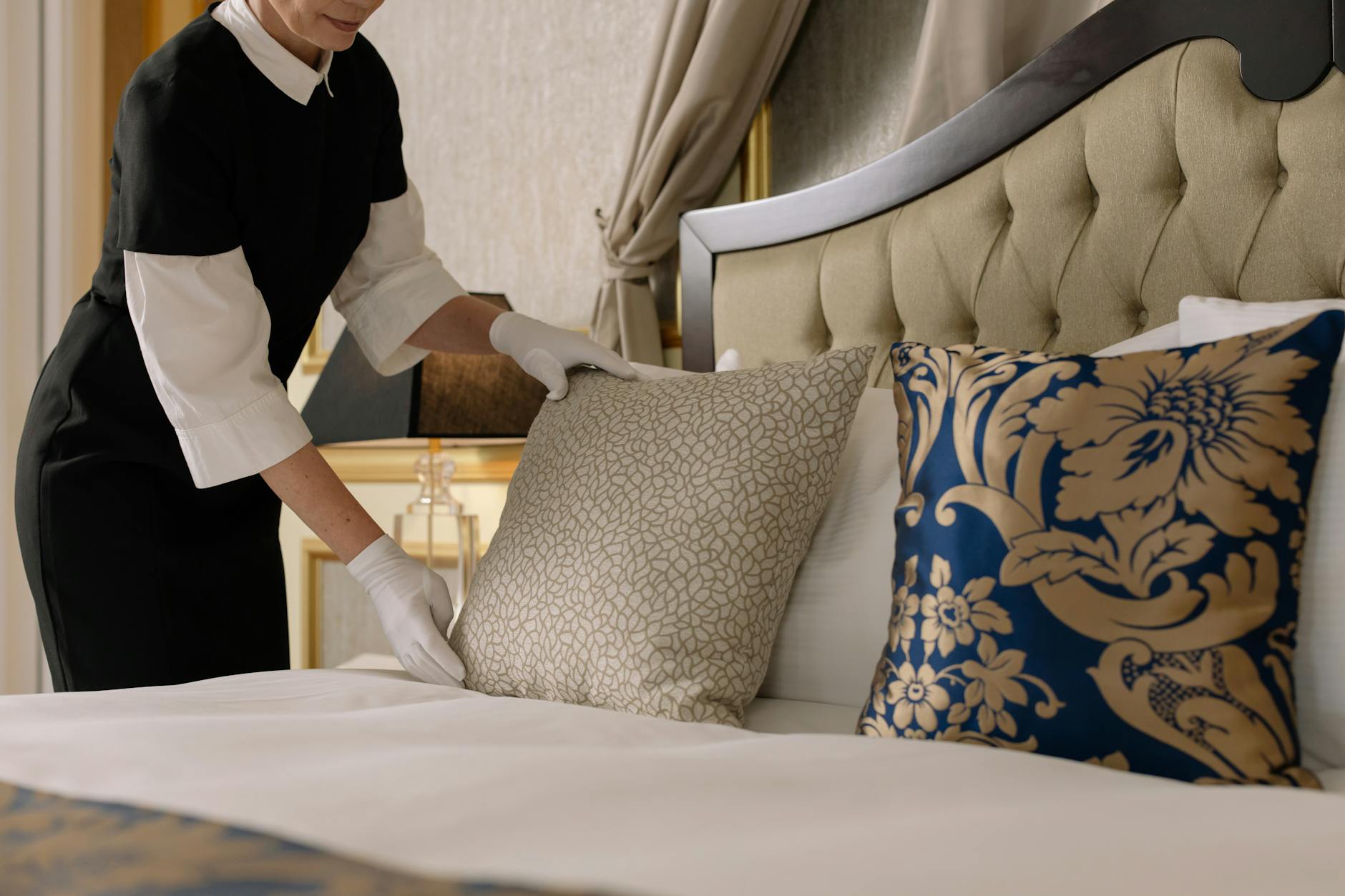
Luxury traveler ($400+ per day, RMB 2,880+). You book a five-star hotel with a skyline view (RMB 2,200–4,000 per night double, so RMB 1,100–2,000 per person), eat fine dining most meals (RMB 800–1,500 per person per day), move by private car or premium taxi (RMB 200–400), and layer in multiple paid attractions plus premium experiences such as rooftop bars and tasting menus. Personal shopping and spa treatments sit on top of that.
Flights to Shanghai
International airfare is usually the largest single line item, and it varies enormously by origin and timing. Treat the table below as approximate round-trip economy fares; business and premium economy multiply quickly.
| Origin | Round-trip economy | Cheapest window |
|---|---|---|
| Los Angeles / San Francisco | $700–1,400 | October–March |
| New York / Boston | $800–1,600 | October–March |
| London | £550–1,200 | Winter, mid-week |
| Tokyo / Seoul | $250–500 | Year-round deals |
| Sydney / Melbourne | AUD 900–2,000 | Shoulder season |
| Singapore / Bangkok | $300–600 | Year-round deals |
Booking three to four months ahead typically secures the best fares. Mid-week departures (Tuesday through Thursday) usually undercut weekend flights, and fares often dip in the Tuesday-evening to Wednesday-morning window. If your dates are flexible, avoiding the first weeks of October and May saves the most, since those align with China’s national holidays when both demand and prices spike.
Accommodation Costs
Where you stay drives your budget more than any other choice on the ground. Rates depend heavily on neighborhood and class. Approximate per-night prices for double rooms in 2026:
| Type | Per night (double) | Examples / areas |
|---|---|---|
| Hostel dorm | RMB 80–250 per bed | Jing’an, People’s Square, Hongkou |
| Hostel / guesthouse private | RMB 250–500 | Same central districts |
| Three-star / boutique | RMB 400–800 | Marriott Express, Holiday Inn Express, JJ Hotels |
| Four-star | RMB 800–1,500 | Pullman, Sofitel, Crowne Plaza |
| Five-star | RMB 1,500–3,500 | Marriott, Hilton, Hyatt |
| Luxury | RMB 3,000–8,000 | Ritz-Carlton Pudong, Mandarin Oriental, Peninsula, Waldorf Astoria, Bvlgari |
Two practical notes. First, a hostel bed in central Jing’an can run around $17 a night, which is why budget travel here works so well. Second, the gap between a four-star and a genuine luxury property is where most of the spending decision lives — a clean, well-located four-star covers every practical need, and the luxury premium buys view, service, and address rather than comfort you cannot get elsewhere. For neighborhood-by-neighborhood guidance and the trade-offs of each area, see our Where to Stay in Shanghai guide, and for the cheapest beds in town see our roundup of budget hotels and hostels in Shanghai.
Food and Drink Costs
Shanghai is one of the great cities for cheap eating, which means food is the easiest place to control your budget without feeling deprived. The spread across categories is wide:
| Category | Typical price |
|---|---|
| Street food / casual (per dish) | RMB 15–40 |
| Satisfying street-food meal | RMB 30–60 |
| Mid-range restaurant (per person) | RMB 60–150 |
| Western / international restaurant | RMB 150–400 |
| Fine dining | RMB 400–1,200 |
| Tasting menu | RMB 1,500–4,000 |
| Beer / casual drink | RMB 30–60 (RMB 80–130 upscale) |
| Cocktail | RMB 80–220 |
| Coffee | RMB 25–50 (RMB 5–10 at convenience stores) |
| Bottled water (500 ml) | RMB 2–5 |
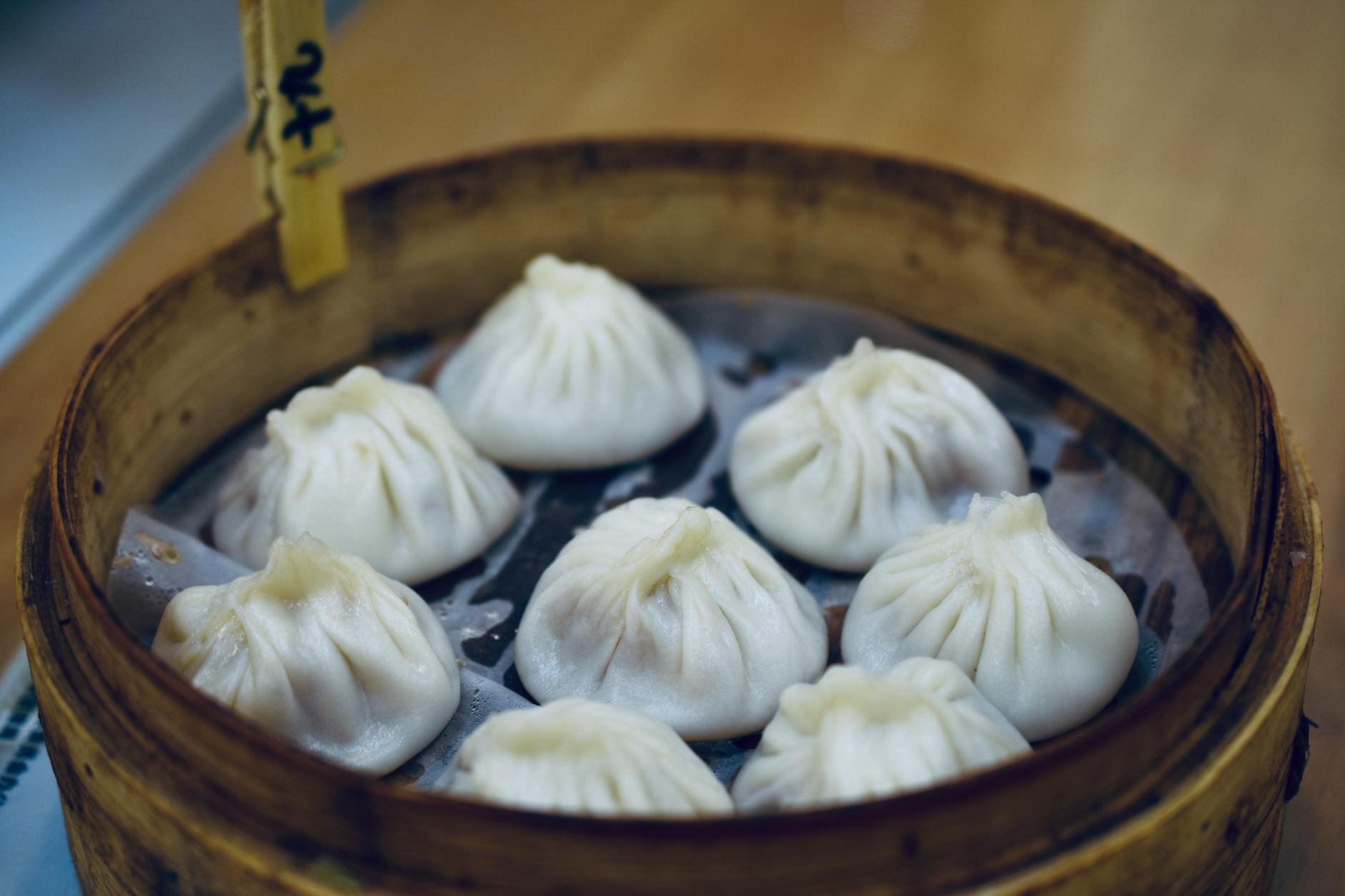
To put numbers on it: a plate of soup dumplings (xiaolongbao) or pan-fried shengjianbao costs in the RMB 15–25 range, and a full, genuinely good street-food meal rarely tops RMB 60. Eat this way and your daily food spend stays near RMB 100–150 even before you try. Reserve the fine-dining and tasting-menu lines for the one or two evenings you actually want them, and the rest of the week stays cheap. For specific stalls, dishes, and neighborhood spots, see our Shanghai Food Guide, the dedicated Shanghai street food guide, and our list of cheap eats in Shanghai under RMB 30.
Local Transportation Costs
Local transport in Shanghai is among the cheapest of any major global city, and it is the main reason daily costs stay low regardless of how much you move around.
| Mode | Cost |
|---|---|
| Metro (per ride) | RMB 3–10 |
| Metro day pass / 3-day pass | RMB 18 / RMB 45 |
| Bus | RMB 2 on regular downtown routes; special and suburban routes charge by distance |
| Taxi (start + per km) | RMB 14 for the first 3 km (RMB 16 in electric cabs), then RMB 2.70/km, plus any surcharges |
| Typical central taxi trip | RMB 30–60 |
| Bike share (per hour) | RMB 1.88 on Meituan, RMB 1.99 on Hellobike (weekdays); the app shows the current rate |
| Maglev (Pudong Airport to Longyang Rd) | RMB 50 one-way |
| Airport taxi (Pudong to central) | RMB 200–250 |
| High-speed rail to Suzhou | RMB 40–90 one-way |
For day-to-day getting around, budget RMB 30 if you stick to metro and bus, RMB 80–120 if you mix in taxis or DiDi, and RMB 200 or more if you travel by private car. DiDi (China’s ride-hailing app) runs slightly cheaper than a street taxi for the same route and settles through the app, which removes the language barrier at the curb. The full ticketing, line, and transport-card details are in our Shanghai metro guide.
Attractions and Activities
Here is the happy surprise of budgeting for Shanghai: most of its best-known sights are free or cheap. You can fill several days with the city’s signature experiences and barely dent your wallet. Approximate ticket prices:
| Attraction | Ticket price |
|---|---|
| The Bund | Free |
| Yu Garden | RMB 40 in peak months, RMB 30 December–March (bazaar free to walk) |
| Shanghai Museum (and East branch) | Free with advance reservation |
| Shanghai History Museum | Free with advance reservation |
| Shanghai Tower observation deck (Fl. 118) | RMB 180 |
| Shanghai World Financial Center deck | Closed since 2023 |
| Jin Mao Tower observation deck | RMB 120 |
| Oriental Pearl Tower | RMB 160–220 |
| Jade Buddha Temple | Free (except Lunar New Year’s Eve and the first 15 days of the lunar new year) |
| Longhua Temple | RMB 10 |
| Jing’an Temple | RMB 50 |
| Power Station of Art | Free |
| Long Museum / Yuz Museum | RMB 100–200 |
| Huangpu River cruise (40-min evening) | RMB 150 at night in peak season (Feb 26–Nov 25); day sailings RMB 120 |
| Shanghai Disneyland (1-day adult) | RMB 475–799 depending on the date |
| Shanghai Ocean Aquarium | RMB 160 (RMB 5 less if bought online a day ahead) |
| Shanghai Natural History Museum | RMB 30 |
| Maglev round trip | RMB 80 |
| Zhujiajiao Water Town combo ticket | RMB 60 |
The pattern is clear: walking the Bund, strolling the French Concession, and touring the free museums cost nothing, while the paid premium sights are mostly observation decks and the theme park. Pick one or two paid highlights rather than all of them and your attractions line stays small. Our Things to Do in Shanghai guide covers the full range, and for an entire itinerary that spends nothing on entry, see our list of free attractions and activities in Shanghai.
Shopping and Souvenirs
Shopping is the most elastic part of any Shanghai budget — you can spend almost nothing or a small fortune. Common categories and what they run:
| Item | Typical price |
|---|---|
| Souvenirs (scarf, postcards, small fan) | RMB 30–150 |
| Quality silk scarf | RMB 200–600 |
| Tea (gift box) | RMB 100–500 |
| Calligraphy / scroll painting | RMB 200–2,000 |
| Custom tailored qipao | RMB 800–4,000 |
| Chinese pearl earrings | RMB 200–2,000 |
| Jade jewelry | RMB 300–10,000+ |
Set a souvenir budget before you arrive and decide in advance whether you are a browser or a buyer. Markets reward haggling, and a confident counter-offer of a third to a half of the asking price is normal. Most travelers find Shanghai easy to overspend in once they start, so a firm cap is the simplest defense.
Sample Trip Budgets (3, 5, 7 Days)
Putting the categories together, here is how a real trip adds up at each tier. Every total is per person and excludes international airfare.
3-Day Budget Trip — about RMB 1,800 ($250):
- Accommodation (3 nights hostel dorm @ RMB 150): RMB 450
- Food (3 days @ RMB 150): RMB 450
- Transit (3 days metro): RMB 90
- Attractions (Yu Garden, Shanghai Tower): RMB 260
- Misc (water, snacks, small souvenirs): RMB 250
- Buffer: RMB 300
3-Day Midrange Trip — about RMB 4,500 ($625):
- Accommodation (3 nights @ RMB 700 per room / 2 = RMB 350): RMB 1,050
- Food (3 days @ RMB 350): RMB 1,050
- Transit (metro and DiDi mix): RMB 200
- Attractions and activities: RMB 600
- Misc and souvenirs: RMB 800
- Buffer: RMB 800
3-Day Luxury Trip — about RMB 12,000 ($1,670):
- Accommodation (3 nights five-star @ RMB 2,500 / 2 = RMB 1,250): RMB 3,750
- Food (3 days @ RMB 1,200): RMB 3,600
- Transit (private car / DiDi Premier): RMB 800
- Attractions and premium experiences: RMB 1,500
- Spa, shopping, drinks: RMB 1,500
- Buffer: RMB 850
Longer trips get slightly cheaper per day, because some costs (the airport transfer, a few one-time tickets) are fixed no matter how long you stay, and longer hotel bookings often carry small discounts. As a rule of thumb, a 5-day trip runs about 1.7 times the 3-day daily core rather than 1.7 times the full 3-day total, landing a midrange visitor near RMB 7,500. A 7-day midrange trip comes in around RMB 10,500. For help sequencing those days into an efficient route, see our guide on how to plan a trip to Shanghai.
Hidden Costs to Plan For
Several costs catch first-time visitors off guard because they sit outside the obvious accommodation-food-transport buckets. Build them into your total before you go.
| Item | Approximate cost |
|---|---|
| Tourist visa (if required) | $140 (US passport); free if eligible for 240-hour visa-free transit |
| Travel insurance | $30–80 per week |
| VPN or travel eSIM | $20–50 for a multi-week service |
| Translation app premium tier | $5–20 per month (optional) |
| Foreign-transaction fees | 1–3% per card transaction unless waived |
| Hotel-restaurant service charge | May be included at 10–15% |
| Holiday surcharges | 10–25% on hotels during national holidays |
Two of these deserve a flag. The visa fee is zero for many travelers thanks to China’s expanded visa-free transit rules, so check your eligibility before assuming you owe $140. And the holiday surcharge is the single biggest avoidable cost — the same room can cost a quarter more during the October 1–7 and May 1–5 national holidays or Lunar New Year week, so shifting your dates by a few days is often worth hundreds of dollars.
Top Money-Saving Tips
These strategies are the difference between a budget and a midrange total, and none of them cost you much in comfort or convenience.
Stay just outside the Bund. Hotels one or two metro stops away cost 30–50% less for nearly identical access to the sights.
Eat where locals eat. The neighborhood lunch counter or street stall is usually better and a fraction of the price of the hotel restaurant.
Use the metro. A taxi from the Bund to Jing’an is about RMB 35; the metro is RMB 4. Over a week that gap adds up fast.
Skip the airport taxi. The Maglev plus a metro connection from Pudong runs about RMB 58 against RMB 200 or more for a cab.
Time your visit outside Chinese holidays. May 1–5, October 1–7, and Lunar New Year week carry the highest hotel and flight prices of the year.
Compare hotels on Trip.com or Booking.com. Both list Chinese hotels with English interfaces and run frequent discounts.
Choose free museums over paid observation decks. The Shanghai Museum is free; a tower deck is RMB 220 for a view that is different but not better.
Walk the Bund and French Concession. Free, and arguably the best two things to do in the city.
Drink in hotel lobbies, not skybars. A coffee in the Peninsula lobby buys nearly the same atmosphere as the rooftop for a fifth of the price.
Buy water at convenience stores, not hotels. RMB 2 against RMB 30 for the identical bottle.
For the complete budget-travel playbook, see our pillar guide on Shanghai on a budget, and for the best months to find low flight and hotel prices, see our guide to the best time to visit Shanghai.
Worth-the-Splurge Items
Budgeting well does not mean spending nothing. A few experiences earn their cost, and choosing one or two of these is how you get a luxury memory on a midrange total.
One skyline-view hotel night. The view from the Mandarin Oriental Pudong, Park Hyatt, or Ritz-Carlton on a clear evening is among the best hotel-room views anywhere. A single splurge night beats a tower-deck ticket.
The Maglev. At RMB 50 it is cheap by any measure, and a 300 km/h ride on the world’s first commercial high-speed maglev line is worth doing at least once.
A rooftop bar at sunset. Flair, Sir Elly’s, or The Roof: about RMB 200 for a cocktail with the city’s best skyline in front of you.
One tasting menu. Reserve a single memorable evening at a fine-dining room rather than spreading the spend thin across the week.
A guided Suzhou day trip. A private guide adds the context and history that a solo wander misses.
Payment Methods, Currency and Fees
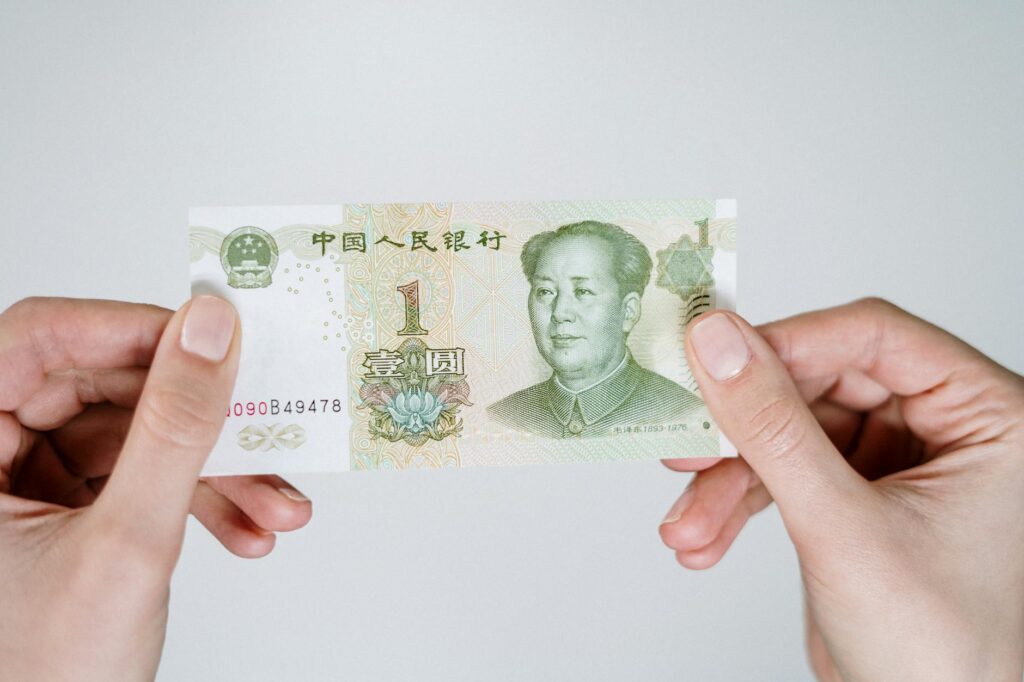
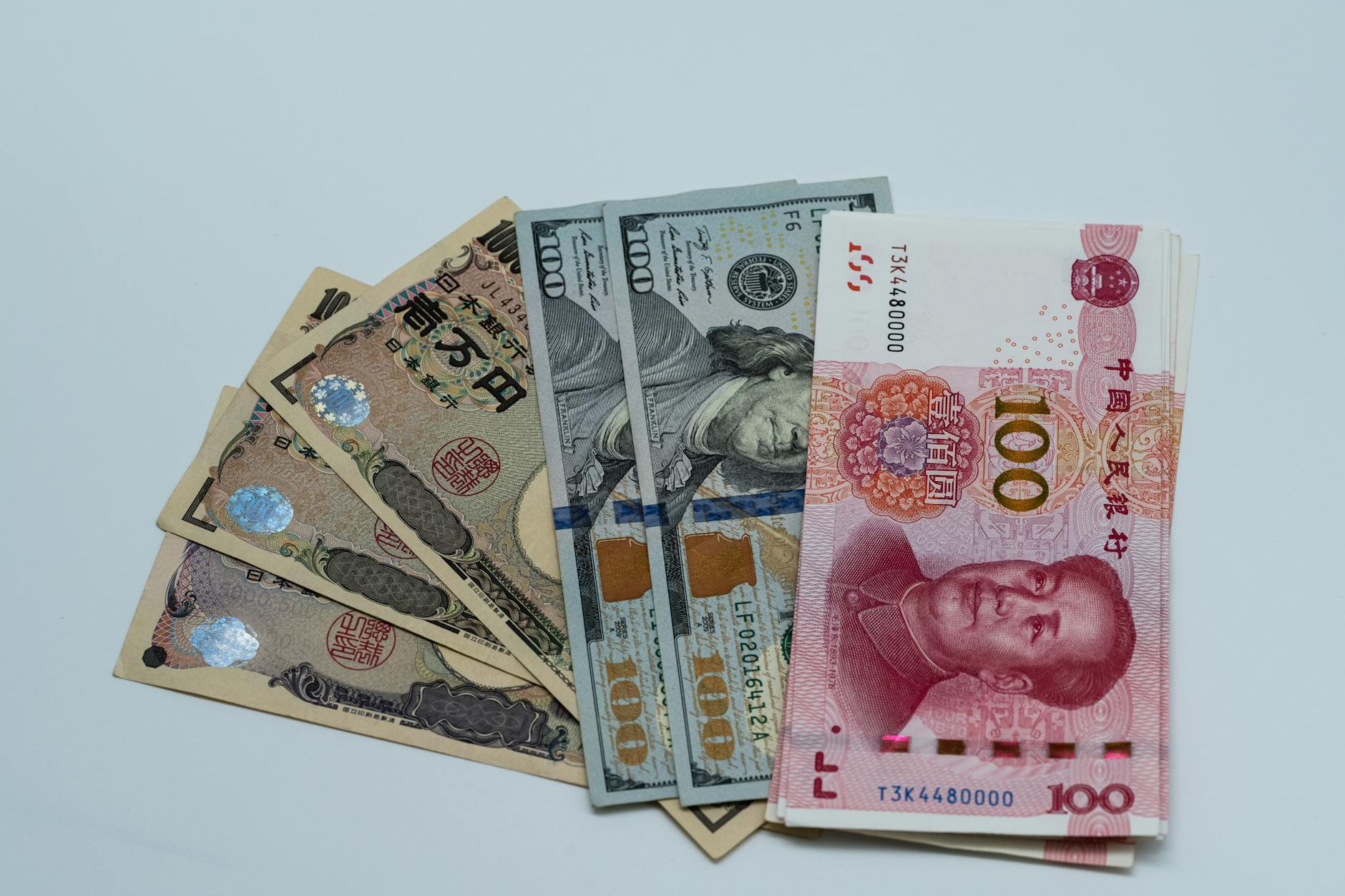
Shanghai is overwhelmingly a mobile-payment city, and understanding how you will actually pay for things matters as much as the prices themselves. The currency is the Chinese yuan, written RMB or ¥ and also called the renminbi; small purchases are quoted in yuan (kuai in speech).
| Method | Where it works | Notes |
|---|---|---|
| WeChat Pay / Alipay | Most casual restaurants, taxis, stalls, many shops | Both link foreign cards in 2026; set up before arrival |
| Foreign credit cards | Major hotels, chain restaurants | Often a 1–3% foreign-transaction fee unless waived |
| Cash (RMB) | Small vendors, backup | Carry RMB 1,000–2,000 as a reserve |
| ATM withdrawals | Bank of China, ICBC, HSBC | HSBC caps each withdrawal at RMB 2,500; other banks set their own limits, and home-bank fees may apply |
The practical workflow for most visitors in 2026 is to link an international Visa or Mastercard to WeChat Pay or Alipay before the flight, carry a modest cash reserve for the handful of vendors who still want notes, and lean on a card that waives foreign-transaction fees for hotels. Hotel restaurants may add a 10–15% service charge, so check the bill before you leave a tip. For a deeper walkthrough of cards, cash, and apps once you land, see our Shanghai practical tips for tourists.
Frequently Asked Questions
How much should I budget per day in Shanghai?
Plan on $50–80 per day for budget travel, $150–250 for midrange, and $400 or more for luxury, all per person and excluding international flights. The biggest variables are your hotel class and how often you eat at fine-dining restaurants.
How much does a 3-day Shanghai trip cost?
Roughly $250 (budget), $625 (midrange), or $1,670 and up (luxury) per person for three days, plus international airfare. A five-day midrange trip runs near RMB 7,500 and a seven-day midrange trip near RMB 10,500.
Is Shanghai cheaper than Tokyo or Hong Kong?
Generally yes. Shanghai is roughly 25–35% cheaper than Tokyo for accommodation and dining, and about 20–30% cheaper than Hong Kong, which is why it offers strong value for a major Asian city.
How much do Shanghai hotels cost?
Hostel dorms run RMB 80–250 per bed, budget hotels RMB 250–500, midrange RMB 400–1,500, and luxury RMB 2,500–8,000 per night for a double room.
How expensive is food in Shanghai?
Street food costs RMB 15–40 per dish, casual restaurants RMB 60–150 per person, fine dining RMB 400–1,200, and tasting menus RMB 1,500 and up. A daily food budget can be held within RMB 100–150 on street food or stretched well past RMB 800 on fine dining.
Can I travel Shanghai on $50 a day?
Yes. Stay in a hostel, eat street food and casual meals, ride the metro only, skip the paid observation decks, and use the free museums. The Bund and French Concession cost nothing, so a full day of sightseeing is easy on a tight budget.
Are taxis expensive in Shanghai?
No, not by global standards. A standard cab starts at RMB 14 for the first 3 km (RMB 16 in an electric one), then charges RMB 2.70 per km, plus any surcharges. DiDi is slightly cheaper than a street taxi and pays through the app.
Do I need to bring cash to Shanghai?
Carry RMB 1,000–2,000 as a backup, but expect to pay for most things with WeChat Pay or Alipay linked to a foreign card. Cash is for the occasional small vendor and as a fallback.
How much does a Shanghai Disneyland visit cost?
A one-day adult ticket costs RMB 475–799 depending on the date, so check the resort’s pricing calendar for your day. Food, drinks, and merchandise inside the park come on top.
What is the cheapest time to visit Shanghai?
February (after Lunar New Year), early March, and late November are typically the cheapest stretches for both flights and hotels, since they fall outside the holiday and peak-season windows.
Plan Your Shanghai Budget
The honest answer to how much does a Shanghai trip cost depends entirely on the trip you want. Use this guide as a framework, pick the tier that matches your priorities, and add a 15–20% buffer for unplanned spending. Most travelers come home pleasantly surprised that Shanghai cost less than they expected, especially set against Tokyo, Hong Kong, or Singapore.
For the wider budget-planning picture, start with our pillar guide on Shanghai on a budget. For where to stay at each price tier, see Where to Stay in Shanghai. For day-to-day money guidance once you arrive, see our Shanghai practical tips. As an external reality check, the Budget Your Trip Shanghai page aggregates traveler-reported costs and is useful for sanity-checking your own plan.
Whichever tier you choose, Shanghai returns unusual value for the money. Plan carefully and the city pays you back in experiences far out of proportion to what you spent.