One of the first cultural surprises for Western travelers: tipping in Shanghai is generally not the practice. Restaurants, taxis, and most service workers neither expect nor receive tips. But there are exceptions — tour guides, high-end hotel staff, and a few rapidly evolving service contexts. This 2026 guide to tipping in Shanghai etiquette covers exactly when, where, and how much to tip (or not tip) across every typical traveler situation, and how to hand money over without causing embarrassment.
Table of Contents
- The 30-Second Version
- Why Tipping Isn’t Standard in China
- Restaurants
- Hotels
- Taxis, Didi & Airport Transfers
- Tour Guides & Drivers
- Spas & Hairdressers
- Bars & Clubs
- Delivery & Everyday Services
- Service Charges Explained
- How to Tip Without Making It Awkward
- How Shanghai Compares
- Common Mistakes
- A Worked Example
- Quick Reference Table
- FAQ
Tipping in Shanghai Etiquette: The 30-Second Version
Two rules cover almost every situation. If the transaction runs through a screen — a QR code, a meter, an app — there is no tipping mechanism, and inventing one causes more friction than it resolves. If a person has given you hours of their day face to face, cash in an envelope is welcome. The exceptions are narrow: guides, private drivers, and staff at international five-star hotels, where an expat-influenced tipping culture has taken root inside the building even though it stops at the front door. The reference table below has every situation in one place.
Why Tipping Isn’t Standard in China
Historic and current factors:
- Confucian tradition emphasised service as duty, not exchange
- Communist-era flat wages de-incentivised service-based bonuses
- Modern service-charge model at upscale venues builds 10–15% into the bill
- Mobile payments further reduce opportunities — no cash floats means no easy tipping
- Western tourist tipping habits have nonetheless started to influence high-tourism venues
Net: don’t feel obligated to tip in most situations. When you do choose to tip, do so privately and in cash.
The wage structure explains the rest. Nothing here resembles the American tipped-minimum-wage model, where a server’s pay may fall below the standard floor because gratuities are assumed to fill the gap. Chinese service staff are salaried, usually with a bonus tied to sales targets or ratings. Your tip is not topping up an artificially low wage; it is a bonus on top of one already agreed.
Technology did the rest. Shanghai runs on Alipay and WeChat Pay, tills hold almost no float and servers carry no wallet on shift, so leaving notes on a table has stopped making sense. The modern equivalents are a five-star rating in the app or a positive review on Dianping, China’s Yelp, which genuinely affects staff bonuses — both worth more than ¥20. Our Shanghai etiquette guide covers the wider rules of engagement.
Restaurants
- Casual restaurants — no tipping. Pay the exact amount; round up only if leaving cash and the change is awkward
- Fine dining (Bund, hotels) — a 10–15% service charge is usually built into the bill. No additional tip needed
- Hotpot chains (Hai Di Lao) — no tipping; free service is part of the brand
- Cafés and Western chains — no tipping
- Hotel restaurant breakfast buffets — no tipping
- If a server provides exceptional service, ¥20–50 cash tip is appreciated but never expected. Tip privately
- Never tip via the bill — many restaurants pool tips with management; cash given directly is the only way to ensure the server gets it
Hai Di Lao confuses first-timers most. The chain’s proposition is service that would be tip-bait in the West: free manicures while you queue, hot towels, tea refilled before you notice, the hand-pulled noodle performance at your table. None of it angles for a gratuity — it is a marketing budget. Offer cash and you trigger a small crisis of politeness.
Reading a Shanghai bill takes two words. 服务费 (fúwùfèi) is the service charge, usually 10% or 15%, at hotel restaurants and Bund fine-dining rooms. 茶位费 (cháwèifèi) is a per-head tea or cover charge, typically ¥5–20, mainly at Cantonese and dim sum places. VAT sits inside the menu price, so the number on the menu is broadly what you pay. To check before ordering: “有服务费吗?” (yǒu fúwùfèi ma?).
One caution on the exceptional-service tip: cash handed over in front of colleagues creates an accounting problem, because anything received on the floor often goes into a pooled box. Catch them on the way out, or name them in a Dianping review instead. For where to eat, start with Shanghai’s best restaurants, cheap eats and street food.
Hotels
Budget & Mid-Range Hotels
- No tipping expected for housekeeping, front desk, or porter
- If you do tip housekeeping (¥10–30/day), leave on the bedside table with a note
The note matters. Cash left on a surface in a Chinese hotel room is assumed to be something the guest forgot, and a conscientious housekeeper hands it to reception as lost property. Write “谢谢” (xièxie) on a scrap of paper and put the money on top. At hostels and budget chains, skip it entirely. See our budget hotels and hostels guide.
5-Star International Hotels
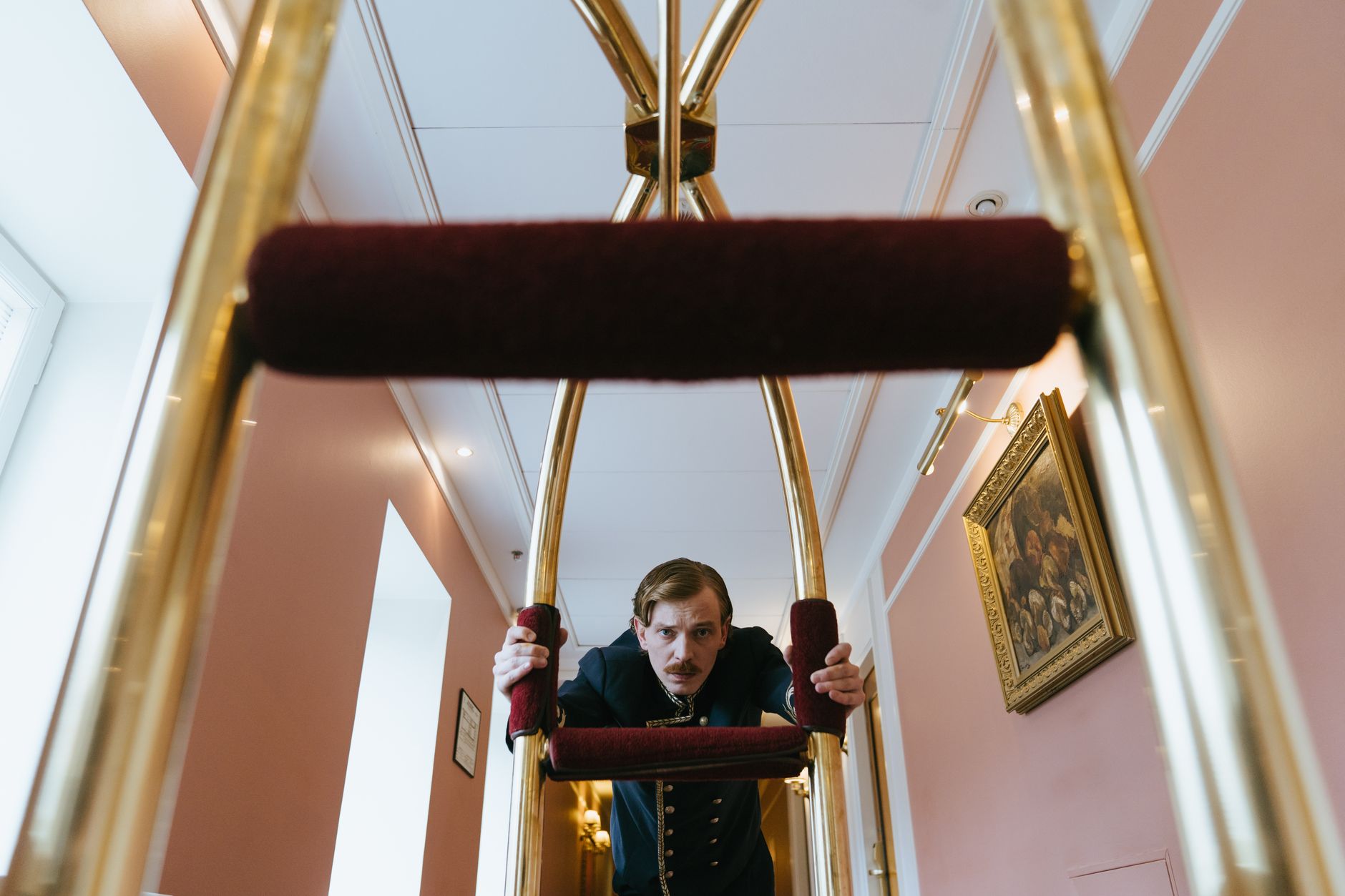
- Bellhop / porter — ¥20–50 per arrival/departure; ¥10–20 per bag if you have many
- Concierge for restaurant reservations — ¥50–100 for hard-to-get reservations
- Butler service (Capella, St. Regis) — ¥100–500 at end of stay if exceptional
- Housekeeping — ¥20–50/day if you like; leave with a clear note
- Doorman — ¥10–20 if they specifically help with a taxi or umbrella
- Spa therapist — ¥50–150 if not included in service charge
- Pool/beach attendant — typically ¥20
Tipping at 5-star international hotels is more common because the workforce is internationally-oriented. Outside that bubble, save your money.
Luxury properties here typically quote room rates plus 15% service charge plus 6% VAT, and apply the same 15% to restaurant, bar and spa bills inside the hotel — a real 21% on the headline rate, and not optional. Check whether your rate was quoted gross or net before assuming the bill is wrong. Once that 15% is applied, a further tip is a free choice, not an obligation. See our luxury hotels guide and where to stay in Shanghai.
Taxis & Didi
- Metered taxis — no tipping; round up to the nearest ¥1 if you’re paying cash and want to spare exact-change hassle
- Didi (Express, Premier) — no tipping; app has no tip function
- Didi Premier black car — no tipping; same as Express
- Long-distance taxi (airport) — round up to nearest ¥10 if appreciated; never required
- Driver rating within Didi is more valued than tips
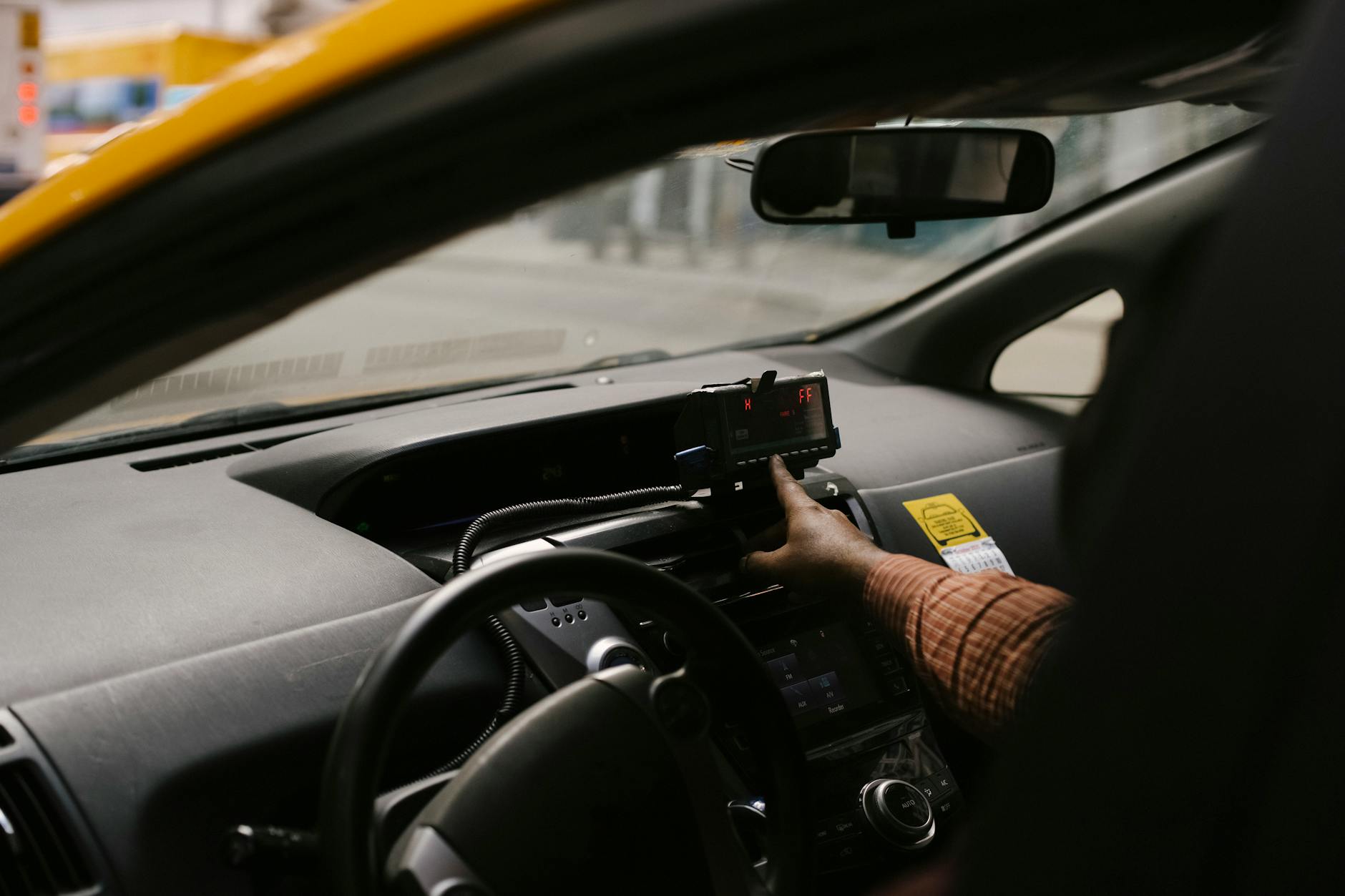
The rounding-up question rarely arises, because almost nobody pays a Shanghai taxi in cash. You scan the QR code on the seat-back, the exact metered amount transfers, and the trip ends. If you do pay in notes and the fare is ¥47, handing over ¥50 and waving off the change is normal enough — less a tip than a refusal to bother with coins.
Airport runs prompt the most questions. The metered fare from Pudong International into the centre generally lands in the ¥160–250 band depending on traffic and destination, with Hongqiao considerably less — big enough for Western instincts to kick in, but the etiquette is unchanged. What genuinely helps a driver at 6am is your hotel address in Chinese characters. See Pudong airport to the city centre, taxi tips and using Didi.
Airport porters are a non-question: trolleys at Pudong and Hongqiao are free and self-service, and there is no organised porter trade at arrivals. Anyone offering to carry your bags is more likely running an unlicensed taxi pitch — decline, walk to the official rank, and read Shanghai scams to avoid. The Maglev and metro have no staff interaction to tip at all.
The exception is a private transfer booked through your hotel or a tour operator. That driver waited for a delayed flight, held a sign and possibly sat in traffic for ninety minutes on a fixed fee. ¥50–100 in cash at the end is normal, closer to the tour-driver convention than the taxi one.
Tour Guides & Drivers
This is where tipping etiquette IS the norm in Shanghai:
- Day tour guide (group, 8+ hours) — ¥100–200/person (US$15–30) at end of tour
- Private guide (full day) — ¥300–500/group/day
- Driver only (if separate from guide) — ¥100–200/day
- Half-day or short tours — ¥50–100/person
- Free walking tour — ¥50–100/person donation expected
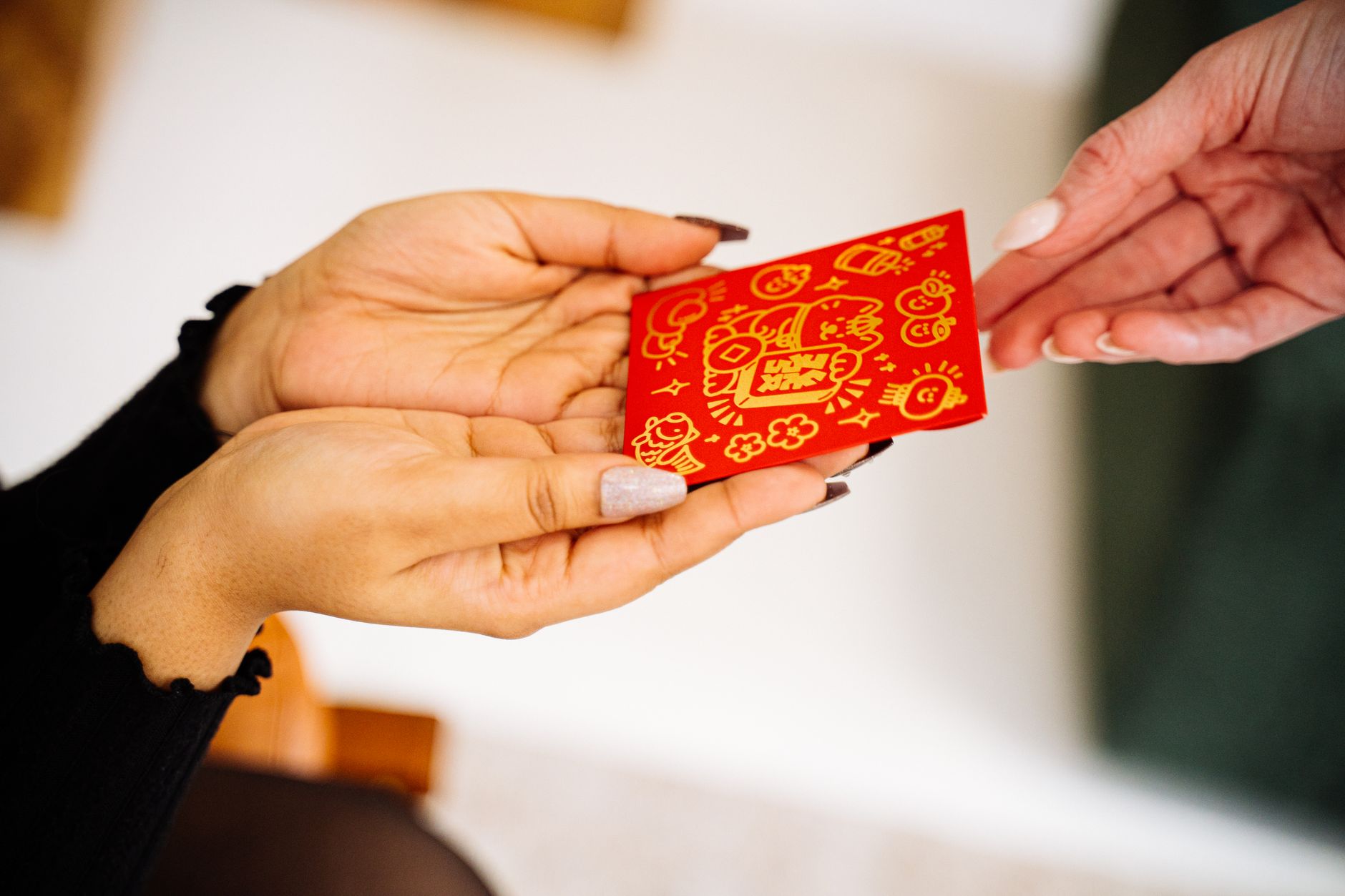
- Tip in red envelope (hongbao) is appreciated if you’ve brought any with you
- Tour operators sometimes pool tips — confirm with operator how to give
- USD or other foreign currency tips are accepted but RMB is preferred
Published guidance varies a lot, so treat any single figure as a midpoint. Frommer’s suggests roughly ¥70–130 a day for an escorted-tour guide, with about half that for the driver. Chinese operators such as TravelChinaGuide frame it per group rather than per person — around ¥100 a day for a solo traveller, scaling to ¥300 for a group of ten, split between everyone. The ranges above sit at the generous end; using the lower end is not rude.
| Group size | Guide, per day (whole group) | Driver, per day (whole group) |
|---|---|---|
| 1–2 people | ¥100–200 | ¥50–100 |
| 3–5 people | ¥150–300 | ¥80–150 |
| 6–10 people | ¥250–400 | ¥120–200 |
| 10+ people | ¥300–500 | ¥150–250 |
Mechanics matter as much as the number. Give it at the end of the final day, not daily, in an envelope, with both hands rather than folded into a handshake. If a guide and driver work as a pair, tip them separately so neither has to divide it in front of the other; the driver is usually more junior and gets short-changed otherwise.
Two situations where you can give nothing with a clear conscience. If the tour spent ninety minutes at a jade factory or silk showroom, that is a commission arrangement and it has already paid the guide. And if the guide was genuinely poor, there is no obligation. Free walking tours are the reverse: the guide is paid entirely by donations, so ¥50–100 per person is the actual price, not a bonus.
Spas & Hairdressers
- Massage parlours / blind massage — no tipping; many places explicitly don’t accept them
- Hotel spa — service charge included; ¥50–150 cash tip for exceptional therapist
- Hair salons — no tipping for cuts; ¥20–50 for elaborate styling
- Manicure / nail salons — no tipping; pay the menu price
- Foot massage / reflexology — no tipping; ¥10–30 if particularly good
Neighbourhood massage shops work off a printed menu; the therapist earns a piece rate plus a base wage. Ninety minutes of full-body tui na in an ordinary shop runs roughly ¥150–300, against several times that inside a five-star hotel spa with 15% service already applied. In the neighbourhood shop the front desk often has no way to process a tip at all — ask for the same therapist by name next time instead, which does affect their standing. Blind massage (盲人按摩) shops are a Shanghai institution: often the most skilled practitioners in the city, at the lowest prices, and no tipping.
Bars & Clubs
- Cocktail bars (Speak Low, Sober Company) — service charge often included; an extra ¥20–50 cash for an exceptional bartender appreciated
- Hotel bars — service charge typically included
- Nightclubs (TAXX, One Third) — no tipping; cover and bottle service prices include staff
- Karaoke (KTV) hostesses — never tip; their wages are negotiated through the venue
Shanghai’s cocktail bartenders are treated as craftspeople rather than servers, which changes the etiquette. The recognised gesture is not cash but buying the bartender a drink, or ordering off-menu and trusting them with it. A ¥20 note across the counter is not offensive, but it is not the local language either. Check whether a 10% service charge has already been applied — the speakeasies vary. See cocktail bars and speakeasies, rooftop bars and nightlife.
KTV deserves a clearer warning. Ordinary karaoke — your own group, a private room, a fruit plate — has no tipping component. Venues that supply hostesses run a different and far more expensive model, and cash there is not a tip in any sense you would recognise.
Delivery & Couriers
- Food delivery (Meituan, Ele.me) — no tipping; drivers paid per delivery
- Package couriers (SF Express, JD) — no tipping
- Hotel room service — service charge included; ¥10–30 cash tip if you like
- Late-night convenience store — no tipping
Everything else follows the pattern. Street vendors quote a price and that is the price; haggling is normal at markets but tipping never is, and our markets and haggling guide explains where the line sits. Toilet attendants, supermarket staff and museum front-of-house expect nothing. Temples are the partial exception, and that is donation rather than tipping — most have a merit box, and ¥10–20 is normal if you have lit incense. See our temples guide.
Service Charges Explained
Many upscale Shanghai venues add a 10–15% service charge to bills:
- 5-star hotel restaurants — typically 15% service charge + 6% VAT
- Bund-area fine dining — 10–15% service charge common
- Boutique cocktail bars — sometimes 10%, sometimes not
- Tourist-area chain restaurants — usually no service charge
- Hot pot chains, casual dining — never
The service charge functionally replaces tipping. Don’t add another 15% on top — that would be double-tipping.
Three other line items get mistaken for tips. A tea or cover charge (¥5–20 per head) pays for tea and pickles, not staff. A minimum spend (低消, dīxiāo) at bars and clubs is a floor on your table bill. A corkage fee covers glassware and opening. None should change what you tip — which is usually nothing. For the wider money picture see money and currency exchange and how much a Shanghai trip costs.
How to Tip Without Making It Awkward
Assume you have decided to tip. The gesture succeeds or fails on execution, and the failure mode is embarrassment rather than offence.
- Cash only. There is no tip line on a Chinese card terminal and no tip step in a QR payment. Adding to a bill total routes the money to the business.
- Use both hands. Standard courtesy for money, cards and gifts, and it signals deliberate respect rather than a discarded note.
- Do it out of sight of colleagues — not because it is shameful, but because a visible handover creates an obligation to declare it.
- Say something. “这是给你的,谢谢” (zhè shì gěi nǐ de, xièxie — this is for you, thank you) removes all ambiguity; in a taxi, “不用找了” (bú yòng zhǎo le — keep the change). Our language barrier guide has more.
- Expect one refusal. Declining once before accepting is politeness. Offer again, warmly. If refused twice, stop — that one is real.
- Never leave notes on a table and walk out. It reads as forgotten property and follows you into the street.
Red envelopes (红包, hóngbāo) are the culturally native container and cost almost nothing — a pack sells for a few yuan at any stationery shop or convenience store, and buying one on day one solves the awkwardness for the whole trip. Favour amounts containing 8 (¥88, ¥188), considered lucky, and avoid 4, which sounds like the word for death. There is a digital version: a WeChat red packet sent to a guide who has spent the day with you is completely normal, and for multi-day private guiding it has quietly become the default.
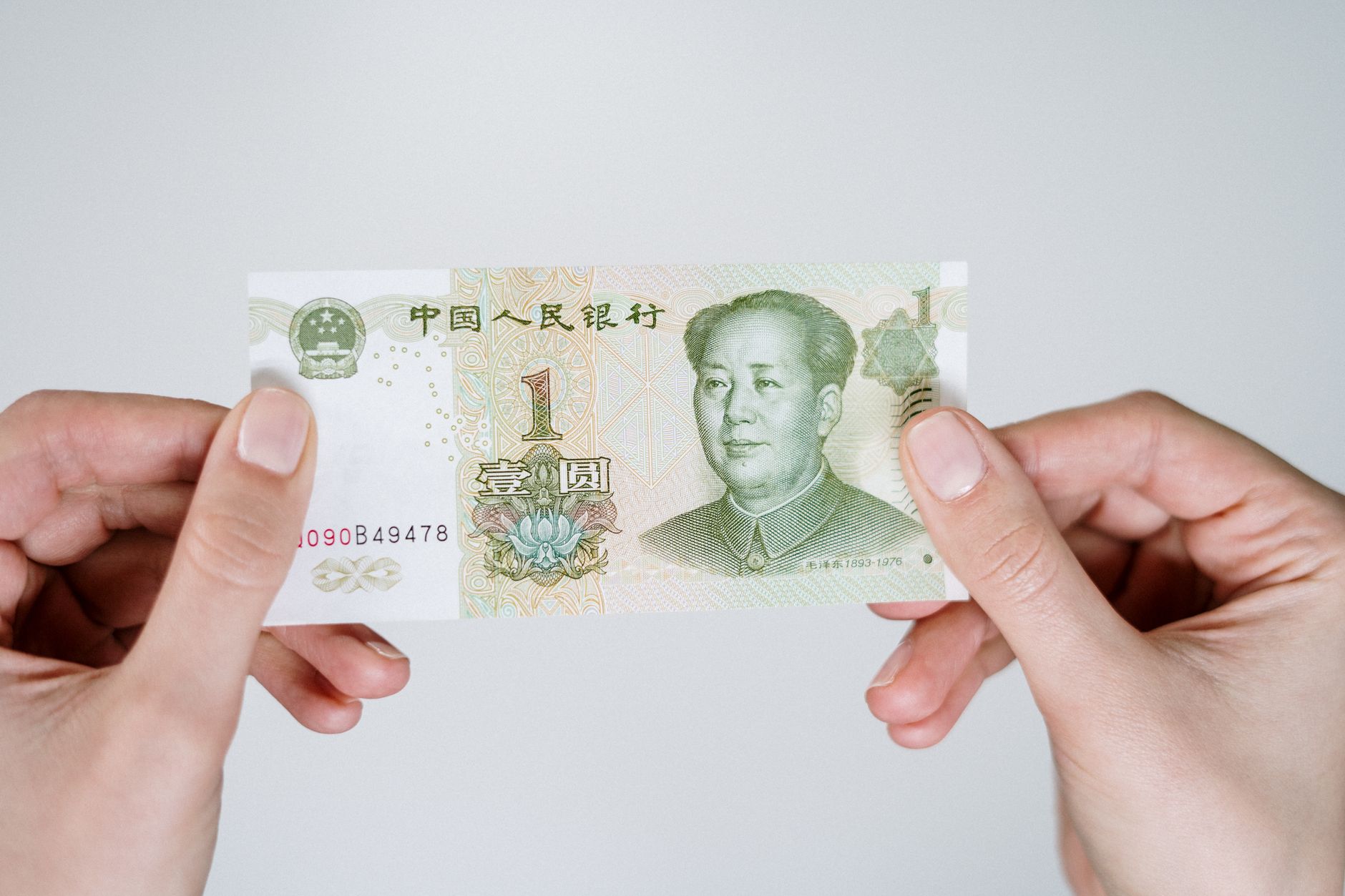
One practical trap: Shanghai is close to cashless, so a visitor with a foreign card bound to Alipay can go a week without touching a banknote, then find their wallet empty on the last evening of a private tour. Withdraw ¥300–500 on arrival at a Bank of China, ICBC or China Construction Bank ATM and break the ¥100 notes early — ¥20s and ¥50s are the useful tipping units. Foreign currency is a poor tip: USD is accepted by guides used to international groups, but changing it is a chore.
How Shanghai Compares
If you are combining Shanghai with other stops, the rules change at the border — sometimes sharply. Hong Kong and Macau follow far more Western conventions despite being part of China.
| City | Restaurants | Taxis | Hotel porter | Guides |
|---|---|---|---|---|
| Shanghai | No tip; 10–15% service charge at the top end | No tip | Optional ¥20–50 at 5-star | Yes, ¥100–500/day |
| Beijing | Same as Shanghai | No tip | Optional at international hotels | Yes, similar |
| Hong Kong | 10% service charge standard; round up on top | Round up to nearest HK$5 | HK$10–20 per bag | Yes |
| Tokyo | No tip, may be refused | No tip | No tip | Rare |
| New York | 18–22% expected | 15–20% | US$2–5 per bag | Yes |
Budget tips for Hong Kong, not for the mainland. If you are weighing the two mainland cities for other reasons, see Shanghai vs Beijing.
Common Mistakes
- Adding 15% to a bill that already carries a 15% service charge. The most common error by far.
- Trying to tip on a card terminal or QR payment. The mechanism does not exist; the extra goes to the business.
- Leaving cash on a restaurant table. It gets chased down the street and returned.
- Tipping the guide and forgetting the driver, who has done the longer, duller day for less money.
- Tipping on day one of a multi-day tour, which sets an awkward daily expectation. Do it at the end.
- Over-tipping to demonstrate generosity. ¥500 on a ¥300 meal reads as strange, not generous.
- Skipping the free walking tour donation, which genuinely is the guide’s income.
- Assuming Hong Kong rules apply on the mainland. They do not, in either direction.
A Worked Example: Five Days of Tipping
Two travellers, the same five days, wildly different totals — because the variable is not generosity, it is how much guided and five-star service you buy.
| Day | Independent traveller | Guided / luxury traveller |
|---|---|---|
| 1 — arrival, Pudong to hotel | Metro and taxi: ¥0 | Transfer driver ¥50; bellhop ¥30 |
| 2 — the Bund, Yu Garden, street food | ¥0 | Private guide and driver ¥400; housekeeping ¥30 |
| 3 — museums, free walking tour | Walking tour donation ¥80 | Concierge ¥100; housekeeping ¥30 |
| 4 — Suzhou day trip | ¥0, self-guided by train | Guide and driver ¥500; spa therapist ¥100 |
| 5 — shopping, departure | ¥0 | Bellhop ¥30; driver ¥50; housekeeping ¥30 |
| Five-day total | ¥80 (about US$11) | ¥1,350 (about US$190) |
The left column is not a stingy version of the trip — it is what tipping in Shanghai looks like for most visitors: one donation to a walking-tour guide and nothing else across five days. No private guiding and no five-star hotel means you can budget ¥0 with a clear conscience.
Tipping in Shanghai Etiquette: Quick Reference Table
| Who | Tip? | Amount | How |
|---|---|---|---|
| Restaurants (casual) | No | — | Pay the amount shown |
| Restaurants (fine dining) | No | In the service charge | Check the bill for 服务费 |
| Hotel housekeeping | Optional | ¥20–50/day | Cash on a note saying 谢谢 |
| Hotel bellhop | Optional | ¥10–50 | Cash, both hands |
| Butler service | Optional | ¥100–500 end of stay | Envelope, last morning |
| Concierge | Optional | ¥50–100 | After the favour lands |
| Taxis | No | Round up if cash | “不用找了” |
| Didi | No | — | Five-star rating instead |
| Private transfer driver | Yes | ¥50–100 | Cash on arrival |
| Tour guide | Yes | ¥100–200/person/day | Envelope, final day |
| Tour driver | Yes | ¥100–200/day | Separately from the guide |
| Free walking tour | Yes | ¥50–100/person | This is the fee, not a bonus |
| Neighbourhood massage | No | — | Request the therapist again |
| Hotel spa therapist | Optional | ¥50–150 | Cash, if no service charge |
| Bartender | Optional | ¥20–50 | Cash, or buy them a drink |
| Food delivery | No | — | Rate in the app |
| Hairdresser | No | — | ¥20–50 for elaborate styling only |
| Temple | Donation | ¥10–20 | Merit box, not a person |
Frequently Asked Questions
Do you tip in Shanghai?
Generally no. Tipping is not the cultural practice for restaurants, taxis, hotel housekeeping (budget hotels), and most service workers. Tipping is expected only for tour guides, drivers, and optional at 5-star international hotels.
How much do you tip a tour guide in Shanghai?
¥100–200 per person per day for a group day tour; ¥300–500 per group per day for a private guide, in cash, in a discrete envelope at the end. Published guidance varies — some sources suggest ¥70–130 a day — so treat these as an upper-middle figure, not a floor.
Do you tip taxi drivers in Shanghai?
No — tipping is not the practice. Round up to the nearest yuan if paying cash, but never as a percentage. In practice almost everyone pays by QR code for the exact metered amount, so it rarely comes up.
Do hotels include a service charge?
5-star international hotels typically add 10–15% to dining and spa bills; mid-range and budget hotels generally don’t. Luxury properties often quote room rates plus 15% service plus 6% VAT, so check whether your rate was gross or net.
Should I tip in Shanghai if service was exceptional?
Yes, in cash, privately, ¥20–100 typical. Hand it directly to the person — don’t add it to the bill, as tips on bills are sometimes pooled with management. A named mention in a Dianping review often does more for them than the money.
Do you tip food delivery drivers in Shanghai?
No — Meituan and Ele.me food delivery drivers are paid per delivery and don’t expect tips.
Do bartenders expect tips in Shanghai?
At cocktail bars where a service charge isn’t already included, ¥20–50 in cash is appreciated for exceptional service but not expected. Buying the bartender a drink is the more locally fluent gesture.
Is tipping considered rude in Shanghai?
Not at all — but it can confuse a recipient who isn’t used to it. Be discrete and give cash with a clear thank you. Expect one polite refusal before acceptance; if it comes twice, it is genuine.
Can I tip with WeChat Pay or Alipay?
Not at the point of sale — there is no tip step in a QR payment. But sending a WeChat red packet to a guide or driver you’ve added as a contact is completely normal, and is now the default for multi-day private guiding.
How much cash should I carry for tipping in Shanghai?
¥300–500 in ¥20 and ¥50 notes covers a typical week. Withdraw at a Bank of China, ICBC or CCB ATM and break the ¥100 notes early — ¥100 is an awkward unit for most tipping situations.
Do I need to tip at Shanghai Pudong Airport?
No. Trolleys are free and self-service, there is no organised porter trade, and the Maglev and metro are ticketed with no staff interaction. Decline anyone approaching at arrivals offering to carry bags or arrange a car.
Is tipping the same in Hong Kong as in Shanghai?
No. Hong Kong follows far more Western conventions — 10% service charges are standard, taxi fares get rounded up, porters expect HK$10–20 per bag. Budget for tips there, not on the mainland.
Plan Your Trip
Combine with our pillar guides on Shanghai on a budget, Shanghai etiquette, and practical tips. First trip? Our first-time visitor guide and customs guide cover the wider set of small rules that are easy to get wrong. For background, see Tipping on Wikipedia.