Shanghai’s payment landscape is unlike anywhere else. This Shanghai money and currency exchange guide covers the 2026 reality: you will go days without seeing a banknote handled or a card swiped, because almost everything runs through Alipay or WeChat Pay QR codes. But foreign visitors still have questions — do I need cash, where do I exchange dollars, do ATMs work, will my Visa actually be accepted? All of it is answered below, with the setup steps to do before you fly.
Two things changed recently and both help you. Foreign Visa, Mastercard and Amex cards can now be bound directly inside Alipay and WeChat Pay, so the old workaround wallets are largely unnecessary. And from 1 February 2026, national rules tightened on merchants refusing cash, so a shop that waves away your banknotes is now breaking a rule it can be fined for. In practice you will still pay by phone for nearly everything.
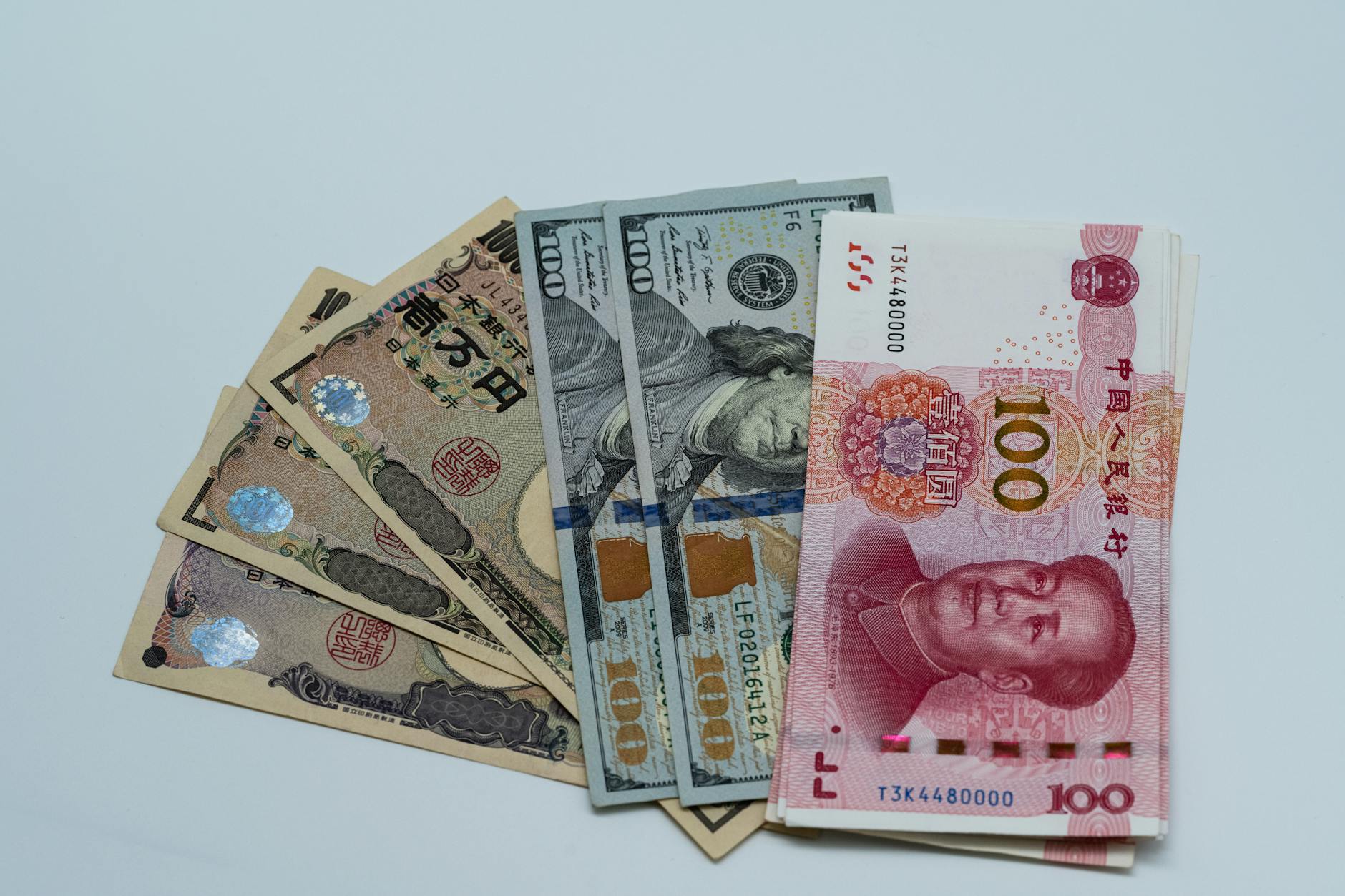
Table of Contents
- The Short Version
- The Yuan (RMB) Explained
- How Much Cash Should You Bring?
- Where to Exchange Currency in Shanghai
- Using ATMs in Shanghai
- Alipay & WeChat Pay Setup
- The Digital Yuan (e-CNY)
- Foreign Credit Cards
- Exchange Rates & Fees
- What Things Actually Cost
- Getting VAT Back When You Leave
- Best 2026 Payment Combo
- When Payment Goes Wrong
- Practical Tips
- FAQ
Shanghai Money and Currency Exchange: The Short Version
If you read nothing else: install Alipay at home, bind a Visa or Mastercard to it, verify with your passport, and land with about ¥500 in cash. That covers a two-week trip. Everything below is detail.
| Method | Where it works | Typical cost | Verdict |
|---|---|---|---|
| Alipay with foreign card | Essentially everywhere | 0% under ¥200, about 3% above | Your primary method |
| WeChat Pay with foreign card | Essentially everywhere | Same fee structure | Good backup; needed if you use WeChat anyway |
| Foreign credit card at POS | Hotels, malls, upscale restaurants | Your card’s FX fee | Fine for big-ticket items |
| Cash (RMB) | Legally everywhere; practically, small vendors | Cost of getting it | Backup only, ¥300–500 |
| ATM withdrawal | Bank of China, ICBC, CCB machines | ¥10–30 plus your bank’s fee | Best rate for cash |
| Airport exchange counter | PVG, SHA arrivals | 5–8% worse than interbank | Starter cash only |
| e-CNY digital yuan | Chains, transport, big retail | About 1% on card top-ups | Optional; useful for longer stays |
The Yuan (RMB) Explained
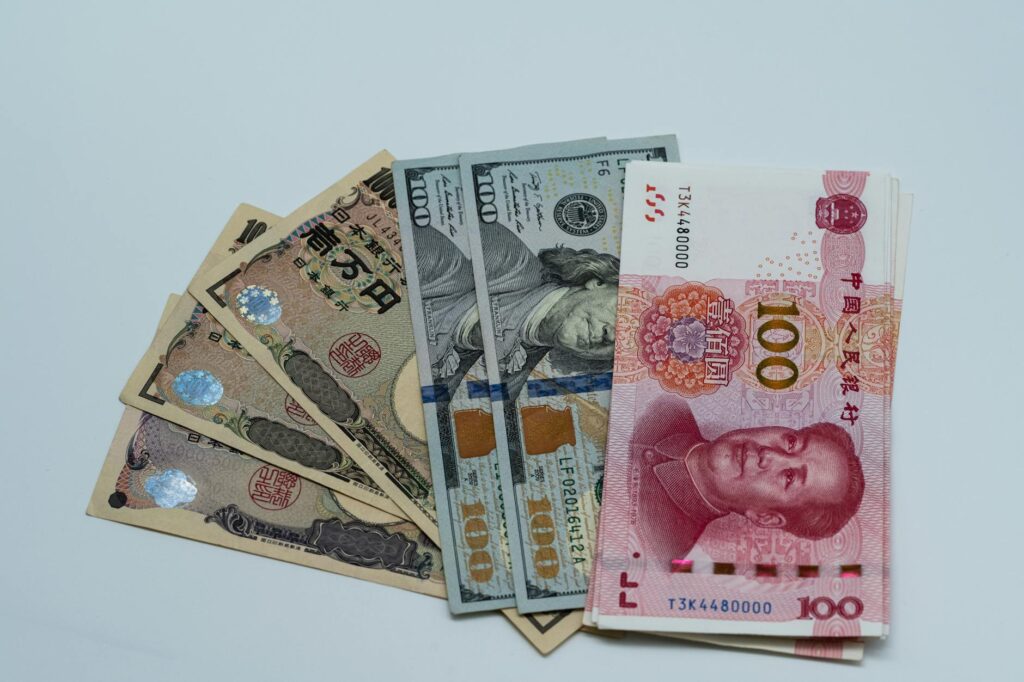
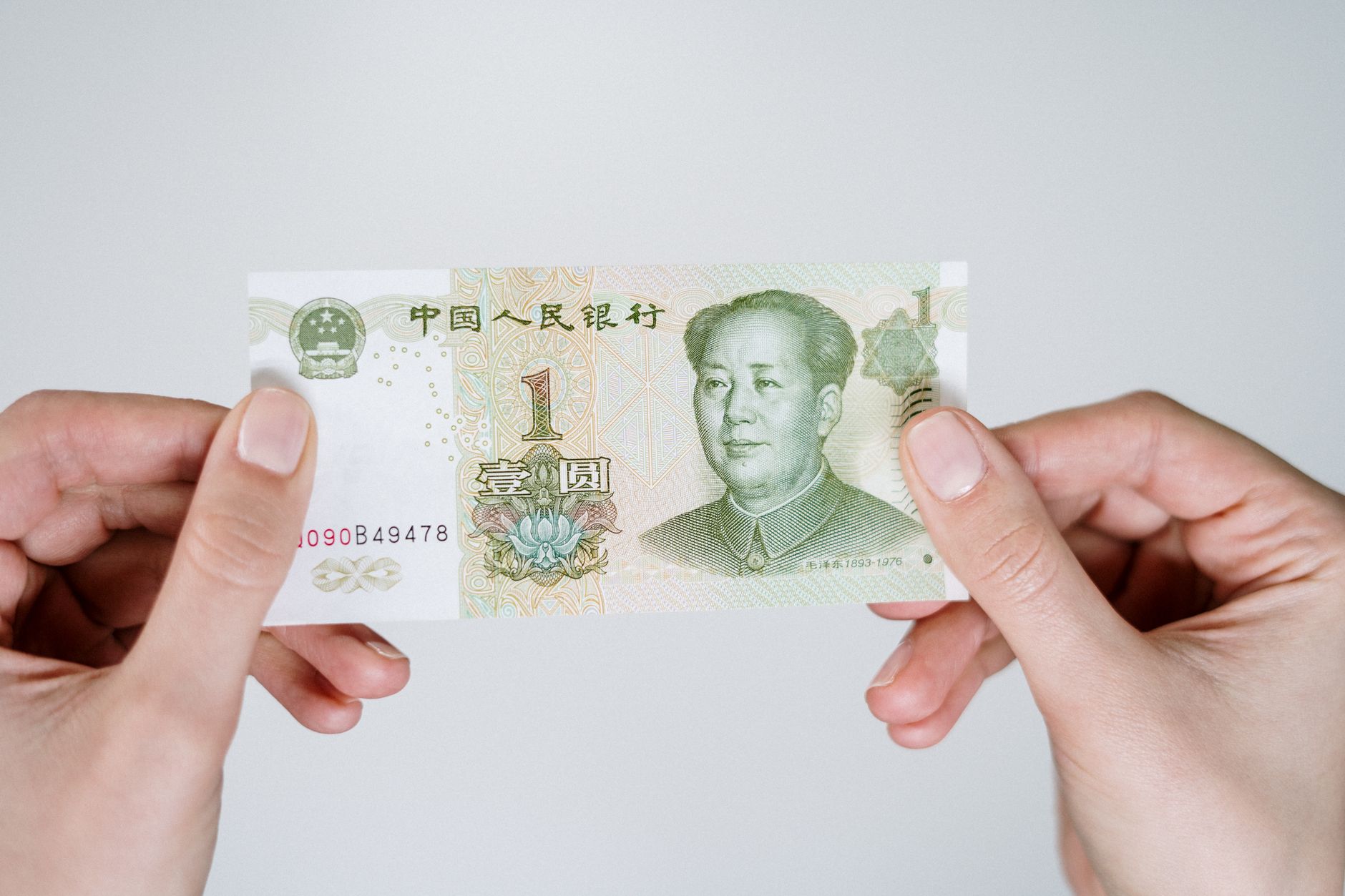
China’s currency is the Renminbi (RMB, 人民币) — literally “people’s money.” The unit is the yuan (¥, 元), sometimes called kuai (块) in everyday speech. Smaller units: jiao (1/10 of a yuan, called mao 毛 in conversation) and fen (1/100). In practice you’ll rarely see anything smaller than a 1-yuan coin in cash.
Banknote denominations: ¥1, ¥5, ¥10, ¥20, ¥50, ¥100 (the largest). Coins for ¥1 and 1-jiao. Prices are usually written as “¥28” or “28元”; on menus you often see just the number.
Rates move, but as a working guide in late July 2026: USD 1 ≈ ¥6.77, EUR 1 ≈ ¥7.70, GBP 1 ≈ ¥9.02. The yuan strengthened through the first half of 2026, so figures you’ll find in older guides (around ¥7.10–7.30 to the dollar) overstate what your money buys. A rough mental shortcut: ¥100 is about US$15, €13 or £11. Check a live rate before you commit to a big purchase.
How Much Cash Should You Bring?
In 2026, you can survive a week in Shanghai with under ¥500 cash if you have Alipay and WeChat Pay working. Many travellers leave with most of their cash unused. Recommended floats:
- 1–3 days: ¥300–500 emergency cash
- 1 week: ¥500–1,000
- 2+ weeks: ¥1,000–2,000, refilled at ATMs as needed
You’ll mainly want cash for: occasional cash-only street vendors, temple donation boxes, taxi backup if Didi fails, small village shops on day trips, and the moment your phone dies. That last one is the real argument — a dead battery in a country where your money lives in an app is genuinely inconvenient, so carry a power bank and a couple of hundred yuan.
Carry small notes. Handing a ¥100 to a stallholder for a ¥7 bowl of noodles produces a long search for change and sometimes a refusal. Break your ¥100s at a convenience store or metro machine early. And note the February 2026 rule change: refusing cash is now explicitly sanctionable, so if a shop tries it, they are in the wrong — though arguing the point rarely gets you dinner faster.
Where to Exchange Currency in Shanghai
Multiple options for getting yuan:
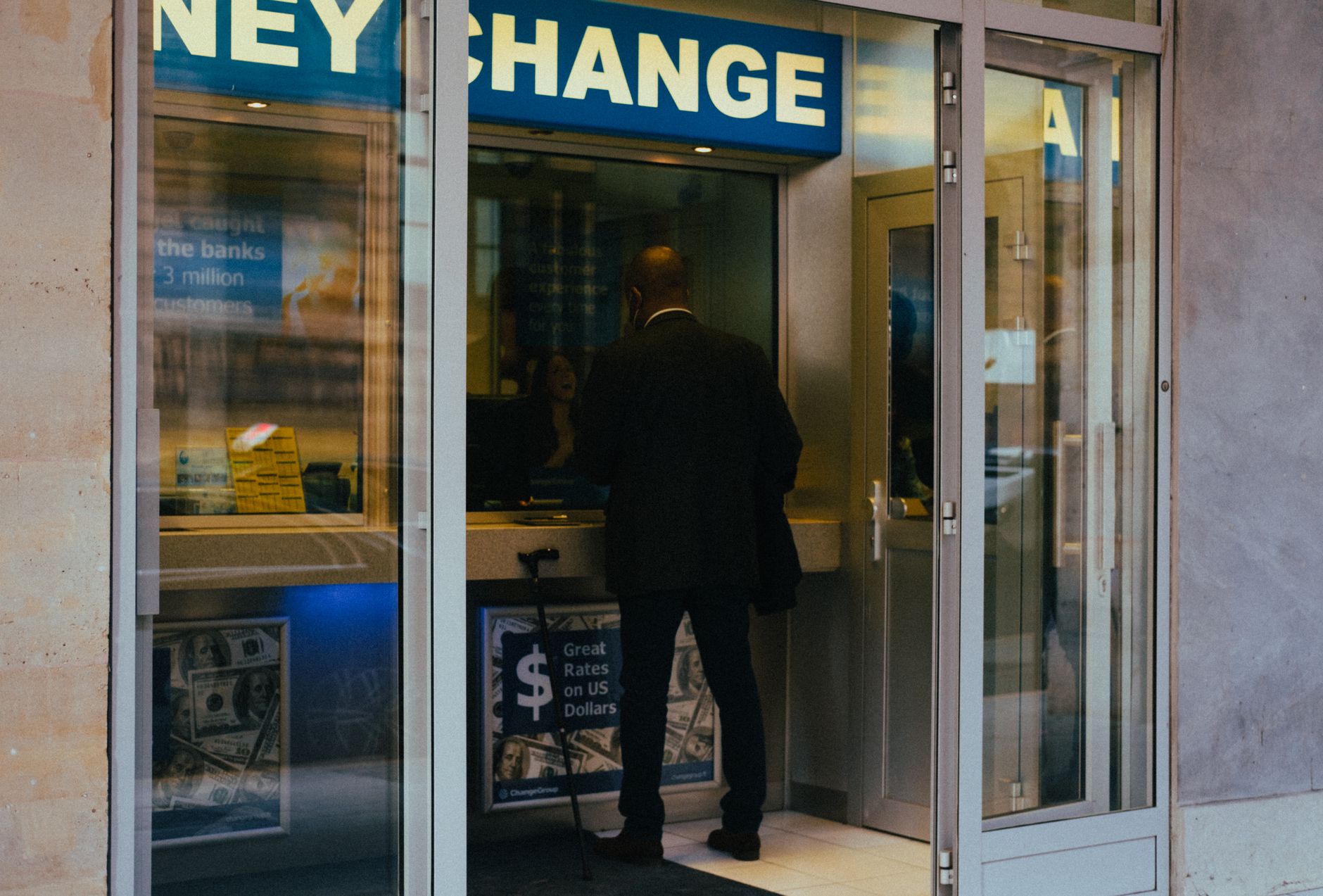
- Airport currency exchange counters (PVG, Hongqiao) — convenient but worst rates; 5–8% off interbank. Useful for a starter ¥200–500 cash and nothing more.
- Bank branches (Bank of China, ICBC, China Construction Bank, HSBC) — best counter rates; bring your passport. Allow 30–60 minutes for the paperwork, and go on a weekday morning. Bank of China’s Nanjing East Road and Pudong branches are used to foreign customers.
- Hotel front desks — convenient but 4–6% off interbank rate; common in five-star hotels and usually restricted to guests
- Pre-departure home bank — order RMB in advance; rates and fees vary widely and are rarely competitive
- Wise / Revolut / Travelex prepaid cards — load USD/EUR/GBP, withdraw at ATMs at near-interbank rate
Avoid anyone offering to change money on the street near Nanjing Road or the Bund. It is illegal, the notes are frequently counterfeit, and it is a standard opening move in a longer con — see our guide to Shanghai scams to avoid. For best value, combine a small airport exchange (¥500) for immediate needs with ATM withdrawals on a low-fee card.
Going the other way, changing leftover yuan back into dollars at a Chinese bank requires your passport and, for larger sums, the original exchange receipt. Realistically, spend it: airport shops, a last meal, or top up your Alipay balance.
Using ATMs in Shanghai
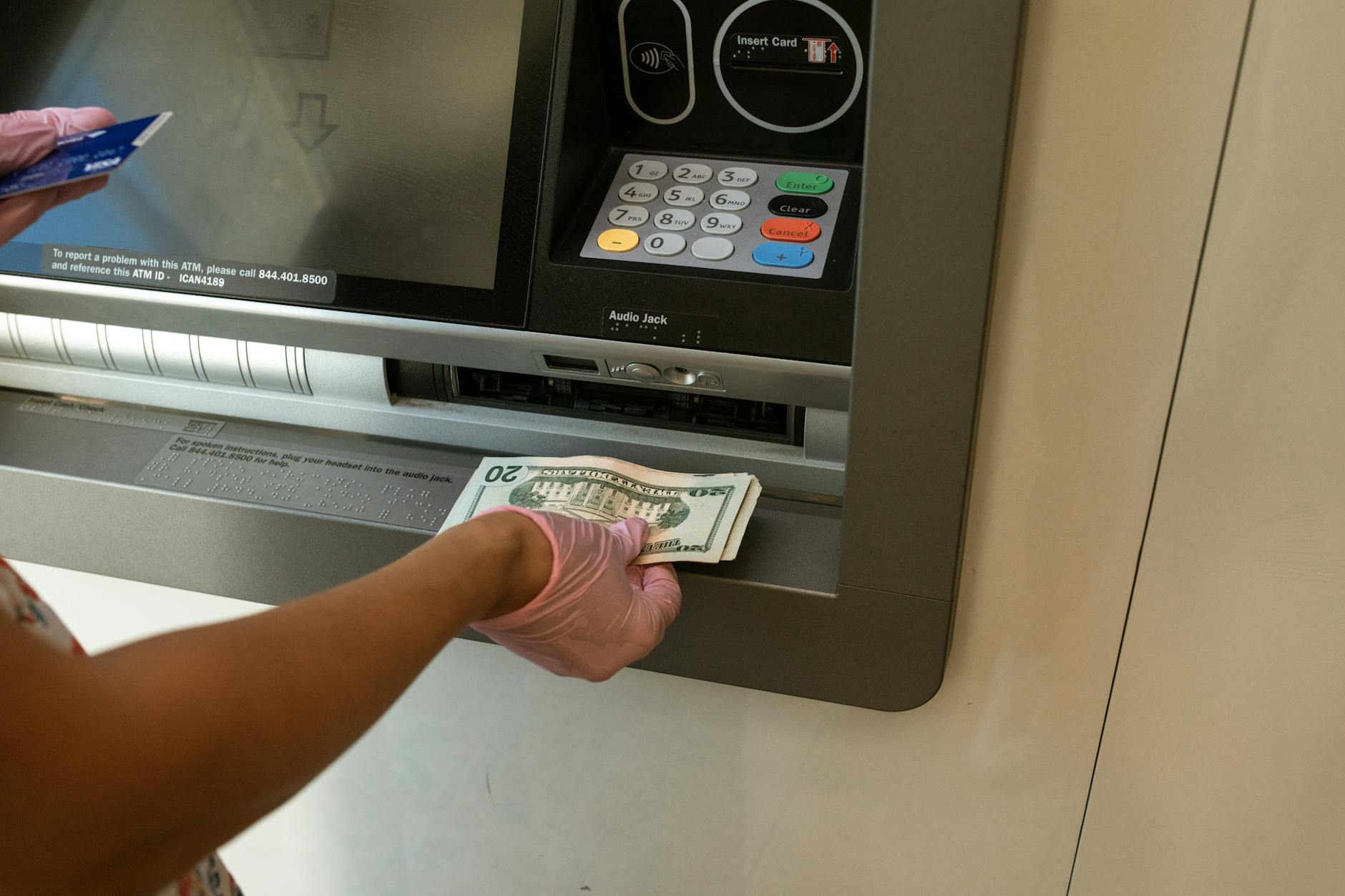
ATMs are widely available and most accept international Visa, Mastercard, Cirrus and Plus. Reliable networks for foreign cards:
- Bank of China — the most consistently foreign-card-friendly, clear English menus
- ICBC (Industrial & Commercial Bank of China) — widest network, English option on almost all machines
- China Construction Bank — generally reliable
- HSBC and Citibank — fewer machines but very high success rates, and fee-free for their own global customers
- Agricultural Bank and smaller regional banks — patchier; try elsewhere first
Practical numbers: per-transaction withdrawal is commonly capped at ¥2,500–3,000, with a daily ceiling around ¥10,000–20,000 depending on bank and card. The Chinese bank’s own charge is typically ¥10–30 per withdrawal, and your home bank will usually add its own fee on top, so make fewer, larger withdrawals.
Two habits save you money. First, if the machine offers to bill you in your home currency, decline — that is dynamic currency conversion and the rate is deliberately poor. Always choose to be charged in CNY. Second, use machines inside or attached to a bank branch during opening hours; if a card is retained, you can walk in and ask for it. Skimming is rare in Shanghai, but a retained card on a Sunday night is a ruined evening.
Machines run out of cash around major holidays — Spring Festival especially. Withdraw before Chinese New Year week rather than during it.
Alipay & WeChat Pay Setup
Alipay is the most foreign-friendly of the two and the single most important pre-trip task. Since 2025 you no longer need the old “Tour Card” prepaid wrapper for most purposes — you can bind a Visa, Mastercard or Amex directly, with no Chinese bank account and no Chinese phone number.
Setup steps (do before flying):
- Download Alipay from your home country’s App Store or Play Store
- Sign up with your foreign phone number; verify via SMS
- Add your card in the wallet section and complete your bank’s 3-D Secure check
- Complete identity verification — passport photo plus a live selfie; usually approved in minutes
- Test with a small transaction before you leave home if you can
WeChat Pay works the same way and is the local default for many small vendors. Most visitors find Alipay sufficient alone; set up WeChat Pay too if you want WeChat for messaging, restaurant mini-programs or contacting a guide.
Fees and limits: foreign cards incur roughly a 3% service fee on transactions above ¥200, and nothing at or below that — so your street food, metro rides and coffees are free of it, while a hotel bill is not. Limits are generous enough to be irrelevant to most tourists: sources quote a single-transaction ceiling around US$5,000 and an annual cumulative cap in the tens of thousands of dollars, rising further with enhanced verification. The figures are reported inconsistently in yuan and dollars, so treat them as “far more than you’ll spend” rather than exact.
One caution: verification occasionally stalls for a day, and some home banks decline the initial binding as suspicious. Do this at least a week before departure, not in the taxi queue at Pudong. If you need a local number, our Shanghai SIM card and internet guide covers the options.
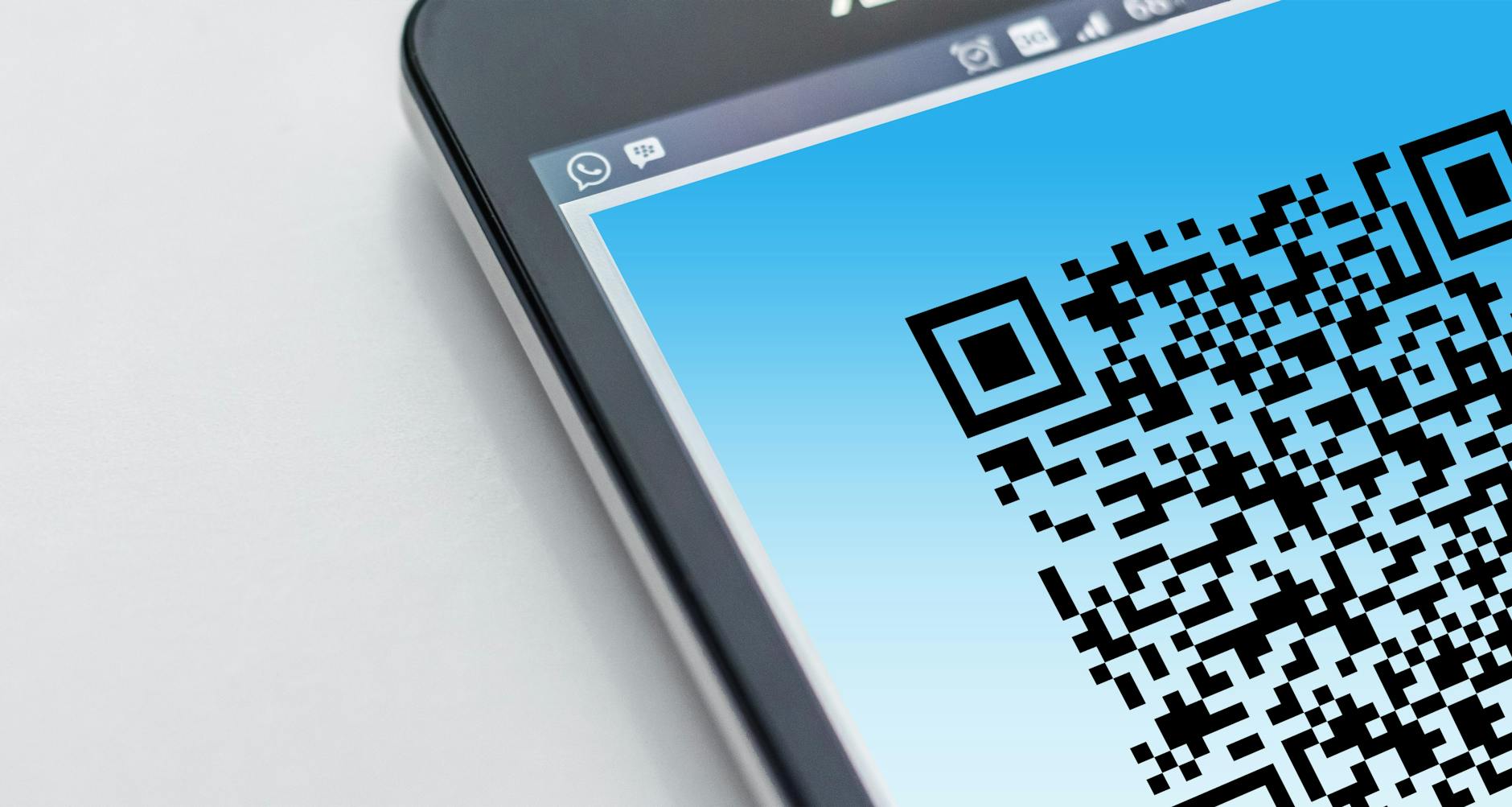
Transport is where the apps earn their keep. Inside Alipay, the Shanghai Metro mini-program generates a QR code you tap at the gate, with the fare deducted afterwards — no ticket machine, no queue, no coins. The same applies to buses and to the Maglev. Didi, the ride-hailing app, also runs inside Alipay if you would rather not install it separately. Our Shanghai metro guide explains the gate-scanning routine, which takes one confused attempt to learn and then never bothers you again.
The Digital Yuan (e-CNY)
China’s central bank digital currency now has a tourist-facing version, and it is worth knowing about even if you skip it. You register with a foreign phone number, no Chinese bank account required, and top up from a Visa, Mastercard or JCB card. The anonymous tourist wallet tier caps the balance at around ¥10,000 with per-payment limits near ¥2,000.
The argument for it is cost: card top-ups convert at roughly the central bank mid-rate plus about 1%, against Alipay’s 3% on anything over ¥200. On ¥5,000 of spending that is a difference of about ¥100. The argument against is acceptance — near-universal at chains, transit and major retail in Shanghai, thinner at the small vendors where you would actually use cash. Unspent balance can be refunded to your card.
Verdict: for a long weekend, do not bother. For a two-week trip with meaningful spending, or a multi-city China itinerary, the savings start to justify the twenty minutes of setup.
Foreign Credit Cards
Foreign credit and debit cards work better than they used to but still less universally than in Western cities:
- Accepted reliably: four- and five-star hotels, major restaurants and bars in tourist areas, department stores and luxury malls, museums, airline counters
- Hit-or-miss: mid-range restaurants, boutique hotels, chain cafés, taxis (use Didi instead)
- Rarely accepted: small noodle shops, street food, neighbourhood cafés, some attraction ticket windows, water-town gates, public transport
- Best cards to bring: one Visa plus one Mastercard. Amex works at high-end hotels and malls but not much below that; UnionPay-branded cards from home work almost everywhere
- Always have a backup: cards decline at point-of-sale more often than you’d expect, usually a fraud flag rather than a real problem
Hotels routinely pre-authorise a deposit against your card at check-in — often the room rate again, sometimes ¥1,000 or so per night. It is released on checkout but can take a week to clear, so don’t travel with a card that is nearly maxed. Tell your bank your dates before you go, or expect the first transaction to be blocked.
Exchange Rates & Fees
What it actually costs to obtain ¥10,000 — worth roughly US$1,477 at the interbank rate in late July 2026:
| Method | Approx. cost in USD | Premium over interbank |
|---|---|---|
| Fee-rebated debit card at an ATM | $1,480 | ≈0.2% |
| Wise / Revolut multi-currency card | $1,483 | ≈0.4% |
| Bank of China branch counter | $1,492 | ≈1.0% |
| Home bank pre-order before flying | $1,502 | ≈1.7% |
| Alipay foreign card, over ¥200 per payment | $1,521 | ≈3.0% |
| Hotel front desk | $1,551 | ≈5.0% |
| Airport exchange counter | $1,558–1,580 | ≈5.5–7% |
Figures are illustrative and move with the market, but the ranking is stable. The cheapest combination is a low-fee card at a Bank of China ATM, topped up with a small airport exchange so you don’t arrive stressed. The 3% Alipay fee looks bad in a table, but remember it only bites above ¥200 a transaction — split a restaurant bill across two payments and you avoid it entirely on a ¥380 dinner. That is not a loophole anyone minds.

What Things Actually Cost
Price anchors so the numbers mean something:
- Metro ride, most journeys — ¥3–7
- Bowl of noodles or a plate of dumplings at a local shop — ¥18–35
- Street-food skewer — ¥3–10
- Coffee at a chain — ¥20–35; at an independent French Concession café, ¥35–50
- Bottle of Tsingtao in a shop — ¥5–8; in a bar, ¥40–60
- Cocktail on a Bund rooftop — ¥100–160
- Taxi across the centre — ¥25–50; airport to the Bund, ¥170–220
- Maglev ticket, single — ¥50 standard class
- Mid-range hotel room — ¥450–900 a night
- Major museum — often free, with paid special exhibitions ¥50–120
Daily budgets: ¥350 gets you a hostel bed, street food and metro; ¥1,000 is a comfortable mid-range day with a decent hotel and sit-down meals; ¥3,000 and upwards is the luxury version. Detail in our Shanghai trip cost guide and Shanghai on a budget, with eating ideas in cheap eats and night markets.
Getting VAT Back When You Leave
Visitors staying in mainland China no more than 183 consecutive days can reclaim VAT on shopping, and the scheme became far more usable in 2025. The essentials:
- Minimum: ¥200 spent in one designated tax-refund store on one day
- Refund: 11% of the invoice value less a 2% agency fee — roughly 9% net
- Window: goods bought within 90 days of departure, unused, leaving with you
- Cash cap: ¥20,000; larger amounts refunded to a card or wallet
- Instant refunds: many stores now pay at the till against a card pre-authorisation
At the airport you get customs verification in the international departure hall before check-in if the goods are going in the hold, then collect at the refund counter airside. Bring your passport, the refund form, the original invoice and the goods. Allow an extra 45 minutes. The policy is set out by the State Council of China; our Shanghai customs guide covers the departure procedure, and luxury shopping in Shanghai lists where participating stores cluster.
Best 2026 Payment Combo
- Set up Alipay with a bound foreign card at least a week before flying, and verify with your passport
- Add WeChat Pay if you plan to use WeChat at all
- Bring one Visa and one Mastercard as backup, with travel dates notified to your bank
- Land with ¥300–500 in cash, in ¥20s and ¥50s
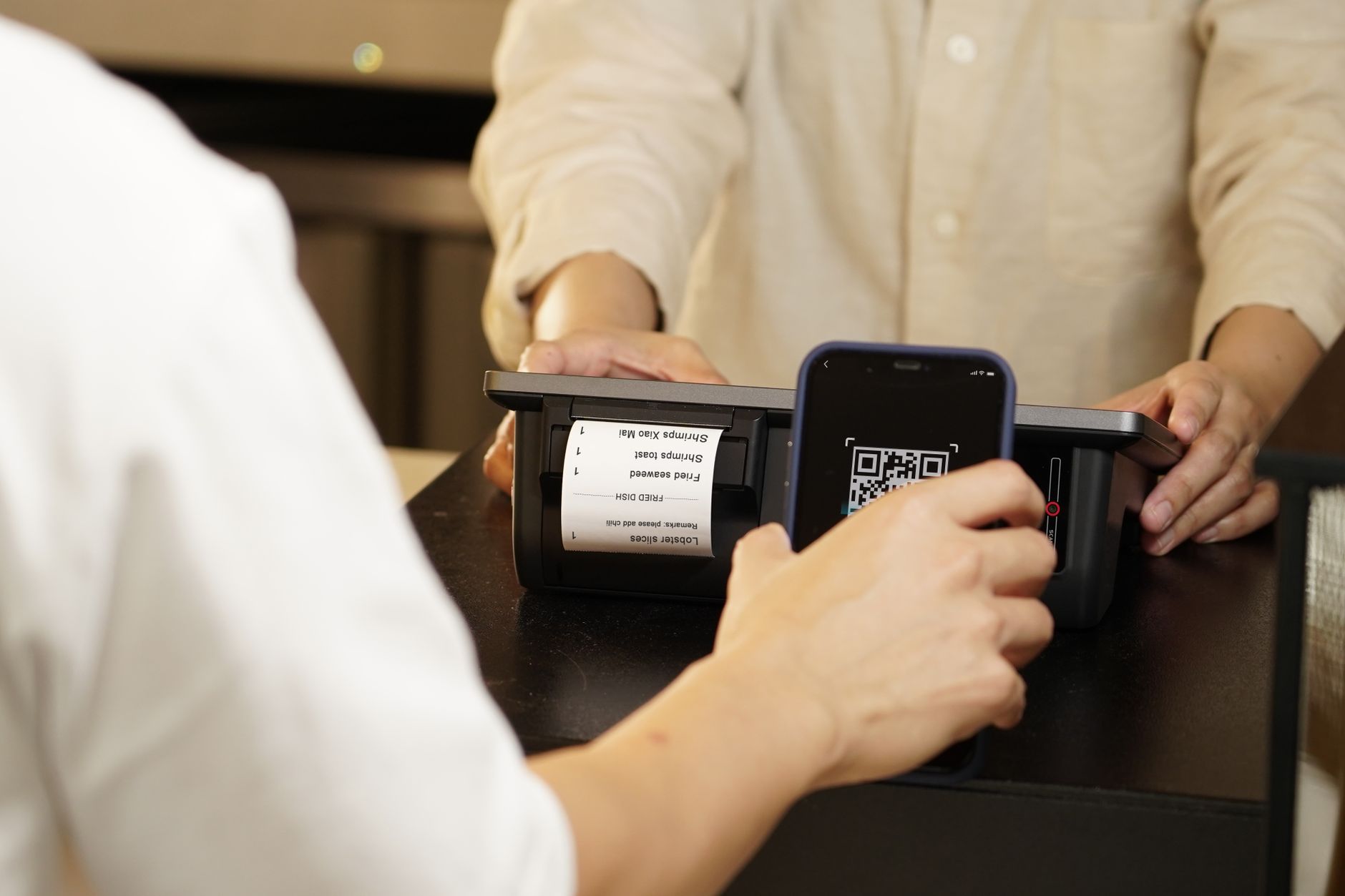
- Use Alipay for 90% of transactions — food, transport, attractions, shopping
- Use the credit card for hotel deposits and anything over ¥1,000 where the 3% would sting
- Top up cash at a Bank of China ATM, declining home-currency conversion
- Keep US$100–200 separate from your main wallet as a genuine emergency reserve
When Payment Goes Wrong
The common failures and what to do:
- Alipay declines your card. Usually your bank’s fraud system. Approve the alert in your banking app, or call them; a second card often works immediately
- The QR scan won’t complete. Try the other direction — either you scan their code, or you show your payment code for them to scan. Small vendors often only have one setup
- Your phone dies. This is what the cash is for. Carry a power bank; rental power banks are available in most malls but require an app
- An ATM rejects every card. Try a different bank’s machine rather than a different card — it is nearly always the machine’s network, not you
- A driver claims the meter is broken. Get out. Meter or nothing; see our Shanghai taxi tips and using Didi in Shanghai
- You’re handed suspect change. Rare in 2026, but check ¥100 notes for the watermark and raised printing. It is far more common in taxis paid with cash than in shops
- A stranger offers a better exchange rate. Walk away. Every version of this ends badly
Practical Tips
- Carry your passport when withdrawing or exchanging — required for counter transactions and often asked for
- Spend leftover RMB before flying home — rates outside China are worse and small notes are hard to change
- Notify your bank of travel dates to avoid blocked cards
- Decline dynamic currency conversion at ATMs and card terminals — always pay in CNY
- Tipping is not expected in China; upscale hotels and some restaurants add a service charge instead
- Break large notes early at a convenience store or metro ticket machine
- Don’t screenshot your Alipay payment code — it rotates every minute and a saved image won’t scan. Carry a power bank instead
- Check Wise or Revolut monthly caps — some plans limit free ATM withdrawals
- Haggling is normal at markets, not in shops with price tags — see our markets and haggling guide
- Keep a photo of your passport on your phone for exchange counters and hotel check-ins

Frequently Asked Questions
Can I use US dollars in Shanghai?
No — only RMB is accepted for everyday transactions. A few five-star hotels will settle a room bill in USD, but you need yuan for everything outside the lobby.
What’s the best way to get RMB cash?
An ATM withdrawal on a low-fee or fee-rebated card gives the best combination of rate and convenience, at roughly 0.2–0.5% over interbank. Bank counter exchange is second-best for larger amounts. Airport counters are worst.
Do I need cash in Shanghai?
Almost never — Alipay and WeChat Pay handle the overwhelming majority of transactions. Carry ¥300–500 as backup for street vendors, donation boxes and a dead phone battery.
Can foreigners use Alipay in Shanghai?
Yes. Since 2025 you can bind a Visa, Mastercard or Amex directly to Alipay with no Chinese bank account or Chinese phone number, after a passport and selfie verification. Do it before you fly.
How much does Alipay charge foreign cards?
Nothing at or below ¥200 per transaction, and roughly 3% above that. Most day-to-day spending — metro, street food, coffee, museum tickets — falls under the threshold and costs you nothing extra.
Are credit cards accepted in Shanghai?
Hotels, major restaurants and luxury stores, yes. Small restaurants, taxis, street food and many ticket windows, no. Always have Alipay working as your primary method rather than your fallback.
What’s the daily ATM withdrawal limit in Shanghai?
Typically ¥2,500–3,000 per transaction and ¥10,000–20,000 per day, depending on the bank. Your home bank’s own limit may be lower and is often the real constraint.
What is the exchange rate for the yuan in 2026?
Around ¥6.77 to the US dollar, ¥7.70 to the euro and ¥9.02 to the pound in late July 2026. The yuan strengthened through the first half of the year, so older guides quoting ¥7.10–7.30 to the dollar are out of date.
Should I exchange money before I travel to China?
Only a small amount. Home-bank rates are usually 1.5–2% worse than a Chinese ATM, and you genuinely need very little cash. A few hundred yuan for the first day is plenty.
Is it safe to use ATMs in Shanghai?
Yes. Card skimming is uncommon and street crime is low. Use machines attached to bank branches during opening hours so that a retained card can be recovered, and shield the keypad as anywhere.
Can I get a tax refund on shopping in Shanghai?
Yes — spend ¥200 or more in one designated store on one day, keep the goods unused, and claim about 9% net at the airport on departure. Many stores now offer an instant refund at the till.
How much money do I need per day in Shanghai?
Budget travellers around ¥350; mid-range ¥1,000; luxury ¥3,000 and up. See our Shanghai trip cost guide for a full breakdown by travel style.
Plan the Rest of Your Trip
Combine this with our pillar guides on Shanghai on a budget, Shanghai trip cost, and practical tips. If this is your first trip, start with first time visiting Shanghai, and sort your arrival with the Shanghai airport arrival guide. For background on the currency itself, see the Renminbi entry on Wikipedia.