China rebuilt its departure VAT refund scheme in April 2025, and almost nobody who visits Shanghai knows it. The minimum spend fell from ¥500 to ¥200, the cash refund ceiling doubled to ¥20,000, and — the significant one — the whole country moved from refund-on-departure to refund on purchase. You can now walk out of a shop in Shanghai with the tax money already in your pocket, rather than queuing at an airport counter with a folder of receipts. The China tax refund tourist scheme has gone from an administrative ordeal to something genuinely worth planning around.
The headline rate is 11 per cent of the invoice value, of which the refund agency keeps 2 per cent, leaving you 9 per cent. On a ¥8,000 coat that is ¥720 back. On the ¥25,000 somebody spends over a fortnight of serious shopping it is ¥2,250 — roughly a business-class upgrade or four nights in a good hotel. This guide covers exactly who qualifies, the ¥200 threshold and how it is counted, the difference between instant and airport refunds, the paperwork, the counter locations at Pudong and Hongqiao, what is excluded, and the specific mistakes that get claims rejected.
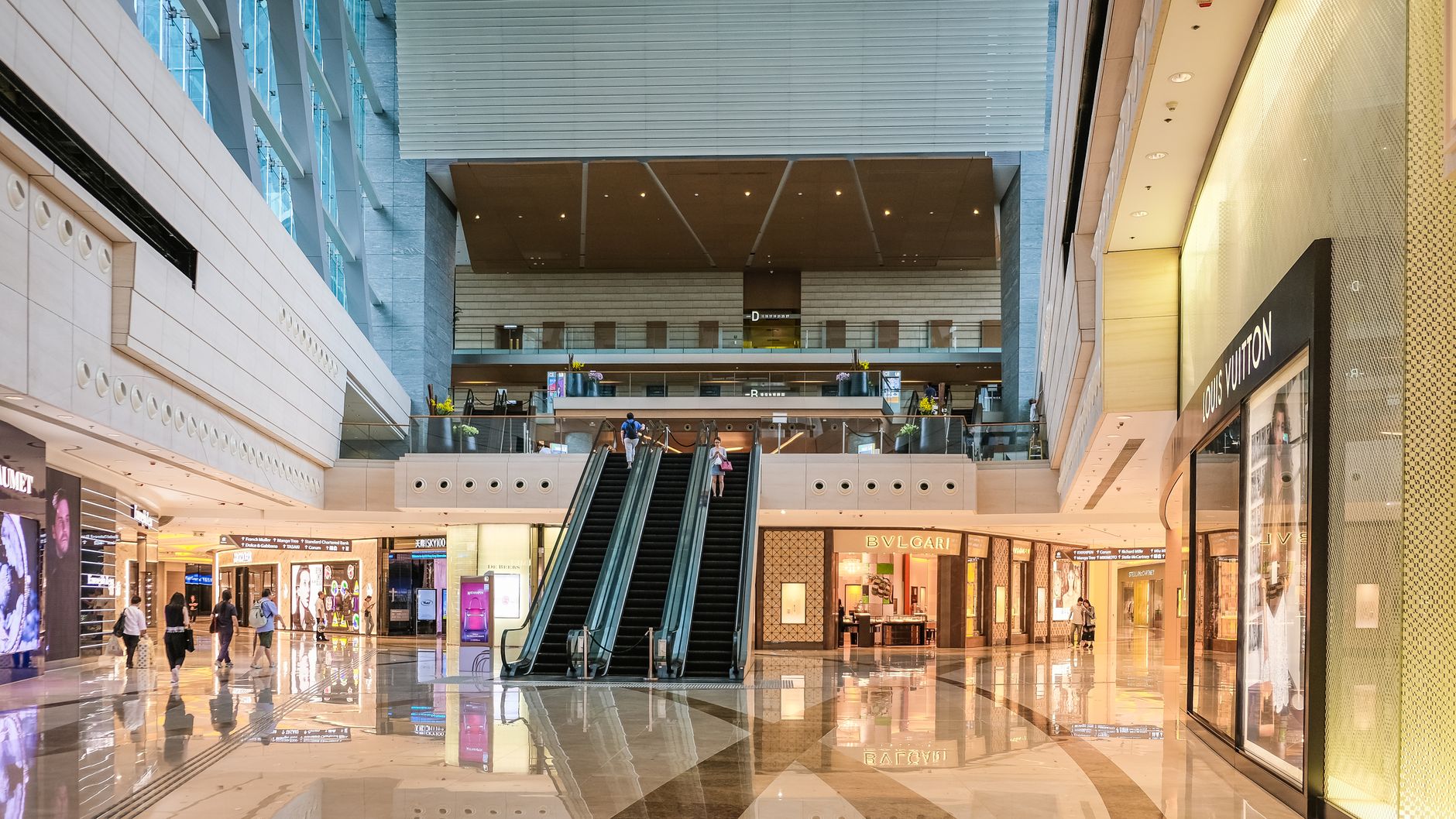
Table of Contents
- How the scheme works in one page
- China tax refund tourist eligibility: who qualifies
- The ¥200 threshold and how it is counted
- Instant in-store refund: the new default
- The China tax refund tourist process at Pudong and Hongqiao
- The maths, with worked examples
- Where to shop: which Shanghai stores participate
- What is excluded
- Why claims get rejected
- Is it worth the bother?
- What people get wrong
- Frequently Asked Questions
How the scheme works in one page
| Detail | The rule |
|---|---|
| Refund rate | 11% of the invoice value |
| Agency fee | 2% of the invoice value |
| What you actually get | 9% of the invoice value |
| Minimum spend | ¥200, in one designated store, on one day |
| Who qualifies | Overseas visitors, plus Hong Kong, Macau and Taiwan residents, staying no more than 183 consecutive days |
| Time limit | Depart within 90 days of the purchase date |
| Cash refund ceiling | ¥20,000; above that, bank transfer |
| Payment methods | Cash, bank transfer, or mobile payment (Alipay, WeChat Pay) |
| Condition of goods | Unused, and with you when you depart |
| Two ways to claim | Instant refund in store, or at the airport on departure |
The two headline changes from April 2025 are worth restating because most online guidance predates them. The minimum was ¥500 and is now ¥200, which brings ordinary purchases into scope rather than only luxury ones. And the cash ceiling was ¥10,000 and is now ¥20,000, which matters if you have had a serious shopping trip and would rather not wait on a bank transfer.
China tax refund tourist eligibility: who qualifies
Simpler than most countries’ schemes, and the conditions are these:
- You are an overseas visitor, or a resident of Hong Kong, Macau or Taiwan. Mainland Chinese nationals do not qualify.
- You have not stayed in mainland China for more than 183 consecutive days. This rules out long-stay students and workers, not ordinary tourists.
- You are leaving from a designated port of departure. Both Pudong and Hongqiao qualify, as do the land and sea crossings on the approved list.
- You purchased within 90 days of your departure date. Buy on 1 October and leave by 30 December.
- The goods leave with you, unused, in a condition where customs can inspect them.
Note what is not required. There is no minimum trip length, no requirement to be on a particular visa type, and no exclusion for people on the 240-hour visa-free transit. If you are in Shanghai for three days on a transit permit and you buy a ¥3,000 jacket, you qualify.
Your passport is the identity document throughout, and the name on it must match the name on the invoice. If you buy something and your travelling companion pays with their card, the refund follows the passport on the invoice, not the card.
The ¥200 threshold and how it is counted
This is the rule people misread most often. The threshold is ¥200 spent in one designated tax-free store on one day. It is not ¥200 across your whole trip, and it is not ¥200 per item.
What that means in practice:
- Three separate ¥150 purchases in three different shops on the same day: no refund. None of them reaches ¥200 individually.
- Two ¥150 purchases in the same store on the same day, on one invoice: refundable, because together they clear ¥200.
- One ¥150 purchase on Monday and another ¥150 in the same store on Tuesday: no refund on either. Different days.
- A ¥12,000 handbag: refundable, obviously, and worth ¥1,080 to you.
The practical behaviour this rewards is consolidating. If you are buying tea, silk and a few gifts and you can buy them in one participating department store rather than three small shops, do — you clear the threshold once instead of not at all. Our souvenirs guide and tea buying guide both note which retailers are in the scheme.
The corollary: the markets are out. Tianzifang stalls, the fabric market, the antique markets and street vendors are not designated tax-free stores and do not issue the forms. Refunds live in department stores, malls, brand boutiques and the larger chain retailers. Bargaining and tax refunds are mutually exclusive worlds in China — see the markets and haggling guide for the other one.
Instant in-store refund: the new default
Since April 2025 the national default has shifted from refund-on-departure to refund on purchase. It is the better option in almost every case and it works like this.
At the till you present your passport and say you want the tax refund. The store processes the claim through its system, and the refund is paid to you there and then — in cash, by mobile payment, or to a card, at the shop’s own counter or a designated desk in the mall. You walk out with your ¥720.
The catch, and it is the thing that trips people up: the store takes a pre-authorisation on your credit card as a guarantee. You have been paid a refund for goods you have not yet exported, so the card is held against the possibility that you do not. When you leave China, you still have to present the goods and the paperwork to customs at the airport. If you do that, the pre-authorisation is released and nothing is charged. If you fail to depart within the required window, cannot produce the goods, or the goods have been used or unpacked, the refunded amount is recovered from your card.
Two practical consequences:
- Your card must support international pre-authorisation and have headroom on the limit. A failed pre-authorisation is one of the most common reasons an instant refund is refused at the till. A debit card with a tight balance is a poor choice here.
- Do not use the thing. Keep it boxed, tagged and unopened until you have cleared customs. The refunded amount is repayable if the packaging has been compromised.
Instant refund is now available nationwide, but not every designated store offers it — some still only do the departure version. Ask at the till before you buy if it matters to you. Look for the signage using the phrase “buy now, refund now” or its Chinese equivalent 即买即退.
The China tax refund tourist process at Pudong and Hongqiao
Whether you took the instant refund or are claiming at the airport, you go through customs verification on departure. The steps are the same; only the last one differs.
- Before you check in, take your purchases, your passport, the tax refund application forms and the sales invoices to the customs office in the international departures area. This must happen before you check the bags in, because customs may want to see the goods.
- Customs inspects and stamps. They verify the forms against the goods. Expect random rather than universal inspection, but be ready to open the bag.
- Check in, then clear security and immigration.
- Airside, find the tax refund counter in the separate zone for international departures. Present the stamped forms.
- Take the money. Cash up to ¥20,000, or a bank transfer above that, or to your Alipay or WeChat Pay. If you took the instant refund in store, this step is instead where the pre-authorisation on your card is released.
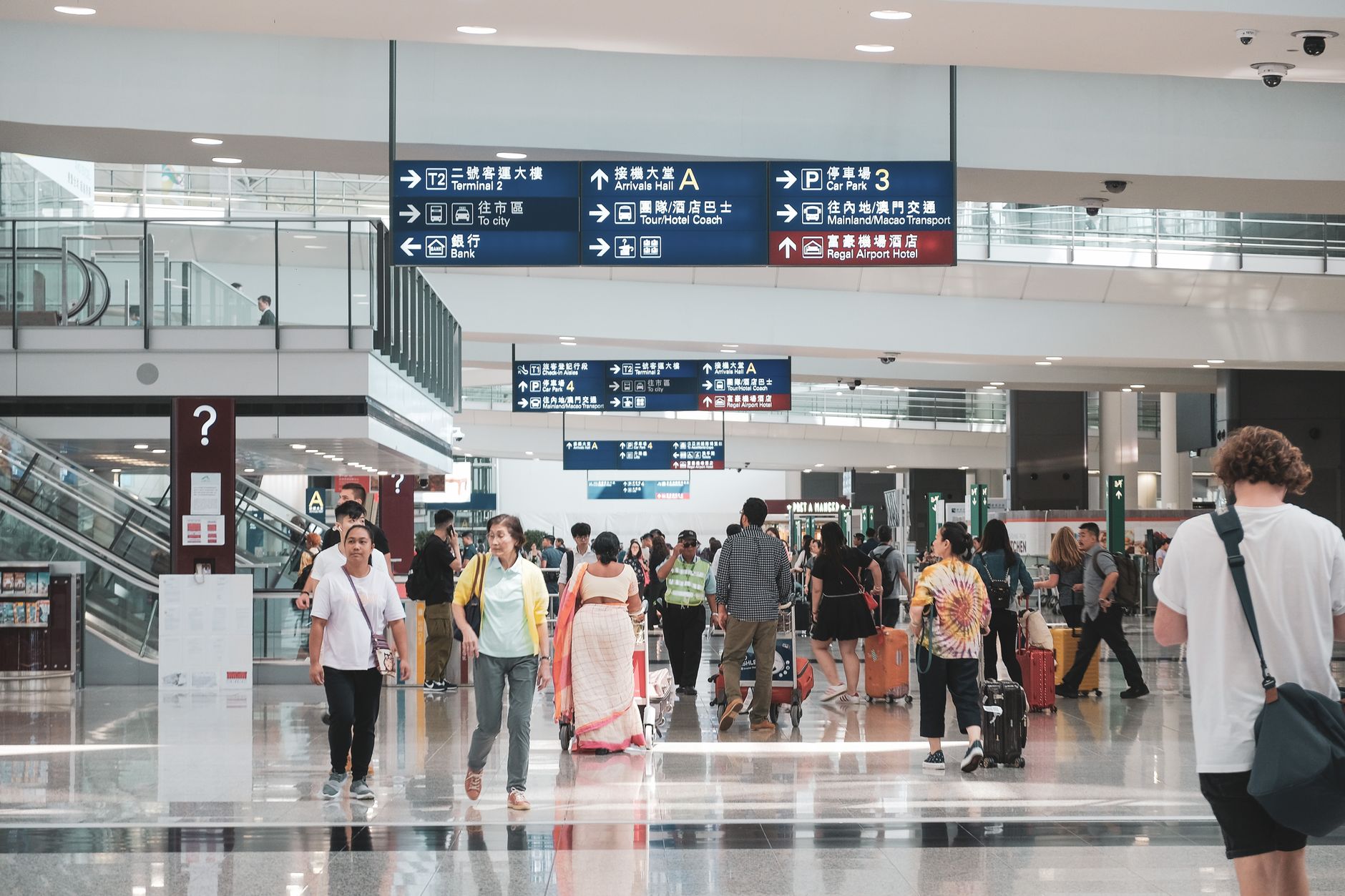
Both Pudong International and Hongqiao International have customs verification and refund counters in the international departures zone. Neither is signposted as prominently as the equivalent in a European airport, so allow time and ask.
How long to allow: the official guidance is three to five minutes per station and about fifteen minutes in total. Real-world advice is 40 minutes to an hour on top of your normal airport timing, because the queue at the customs desk is unpredictable and it sits before check-in rather than after it. On a busy evening at Pudong that can be a long line.

The practical sequencing advice: arrive at Pudong three hours before an international flight if you are claiming a refund, rather than the usual two to two and a half. Our airport guide covers the terminal layouts and the Pudong to city centre guide the journey times, which you should build in generously.
The maths, with worked examples
The refund is 9 per cent of the invoice value after the agency’s cut. Here is what that looks like against realistic Shanghai purchases.
| Purchase | Invoice | 11% gross | 2% fee | You receive |
|---|---|---|---|---|
| Silk scarf, department store | ¥250 | ¥27.50 | ¥5.00 | ¥22.50 |
| Tea set and loose tea | ¥900 | ¥99.00 | ¥18.00 | ¥81.00 |
| Tailored suit | ¥3,500 | ¥385.00 | ¥70.00 | ¥315.00 |
| Designer coat | ¥8,000 | ¥880.00 | ¥160.00 | ¥720.00 |
| Handbag | ¥12,000 | ¥1,320.00 | ¥240.00 | ¥1,080.00 |
| Watch | ¥45,000 | ¥4,950.00 | ¥900.00 | ¥4,050.00 |
| A fortnight’s serious shopping | ¥25,000 | ¥2,750.00 | ¥500.00 | ¥2,250.00 |
Two observations. At the bottom of the table, ¥22.50 on a ¥250 scarf is not worth ten minutes of paperwork on its own — but it is worth doing if you are filling in a form for a larger purchase in the same shop anyway. At the top, ¥4,050 on a watch is a genuinely significant sum, and at that level you should be planning the purchase around the scheme rather than discovering it afterwards.
The threshold at which this becomes worth actively organising your shopping around is roughly ¥3,000 of total spend. Below that, claim it if it is convenient. Above it, consolidate your purchases into participating stores and use the instant refund.
For where that sits in an overall trip budget, see our Shanghai trip cost guide.
Where to shop: which Shanghai stores participate
Designated tax-free stores display a blue and white “Tax Free” sign, usually at the entrance and at the till. The network in Shanghai is broad and concentrated in a few places.
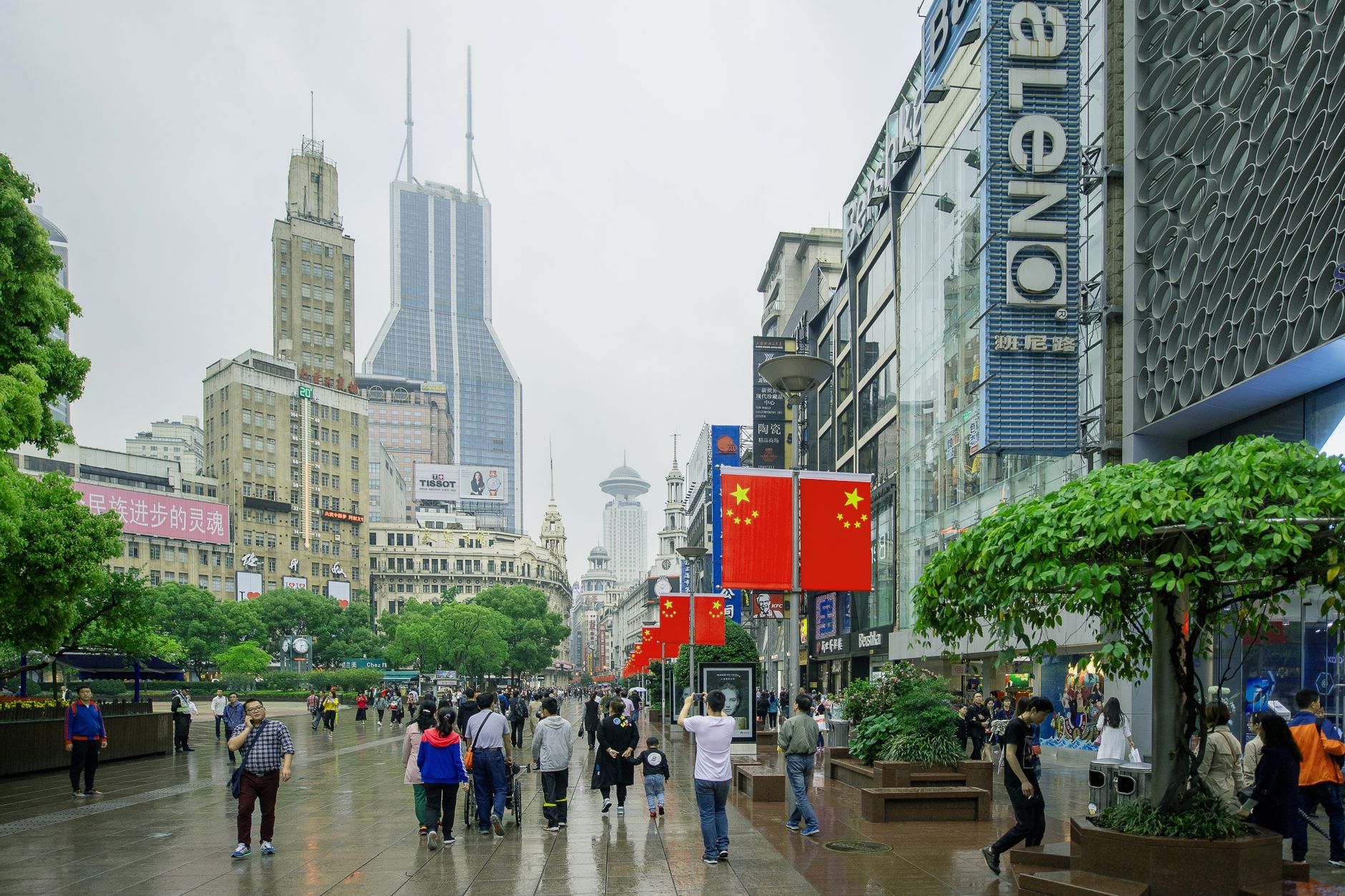
- Nanjing Road East and West — the major department stores and flagship brand shops. The highest concentration of participating retailers in the city. See our Nanjing Road shopping guide.
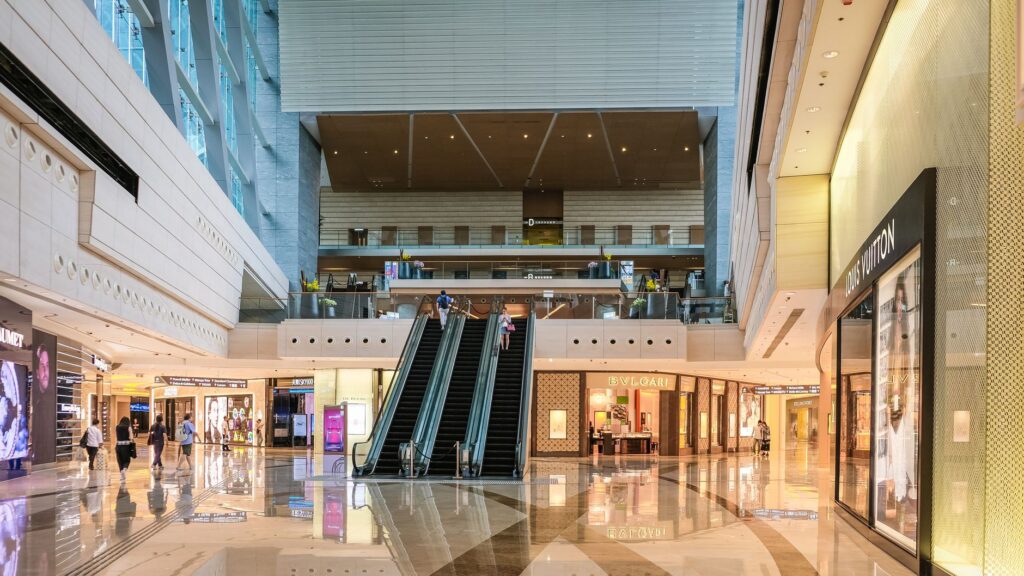
- The Lujiazui malls — Shanghai IFC and the surrounding towers. Almost entirely participating, and geared to foreign shoppers.
- Plaza 66 and the Jing’an luxury cluster — the top of the market. Covered in our luxury shopping guide.
- Xintiandi and the surrounding malls — mid-to-high street brands, mostly in the scheme.
- The larger chain retailers and department stores across the city, including electronics and cosmetics chains.
- Airport duty free — a different thing entirely. That is tax-free at point of sale and needs no refund process. Do not confuse the two.

Not in the scheme: markets, street vendors, small independent shops, the fabric market, antique dealers, tailors who invoice informally, and restaurants and hotels — the refund covers goods, not services. If you are having a suit made at the South Bund Fabric Market, that is a market transaction and there is no refund, which is part of why it is cheap in the first place.
What is excluded
The goods must be for personal use, legal to export, unused, and physically with you when you leave. Beyond that:
- Services. Hotels, restaurants, tours, spa treatments, taxis. Goods only.
- Anything consumed or used in China. If it is out of the packaging, it is at risk.
- Prohibited exports. Genuine antiques over a certain age require an export certificate and are a separate legal question — see our antique markets guide and the Shanghai customs guide before buying anything old.
- Goods shipped separately. If a shop posts your purchase home, it did not leave with you and does not qualify.
- Purchases made more than 90 days before departure.
- Anything bought at a non-designated store, no matter how expensive.
Why claims get rejected
The scheme works well and the failures are consistent. In rough order of frequency:
Failed card pre-authorisation at the till. The single most common instant-refund problem. Your card must support international pre-authorisation and have available limit. Carry a second card.
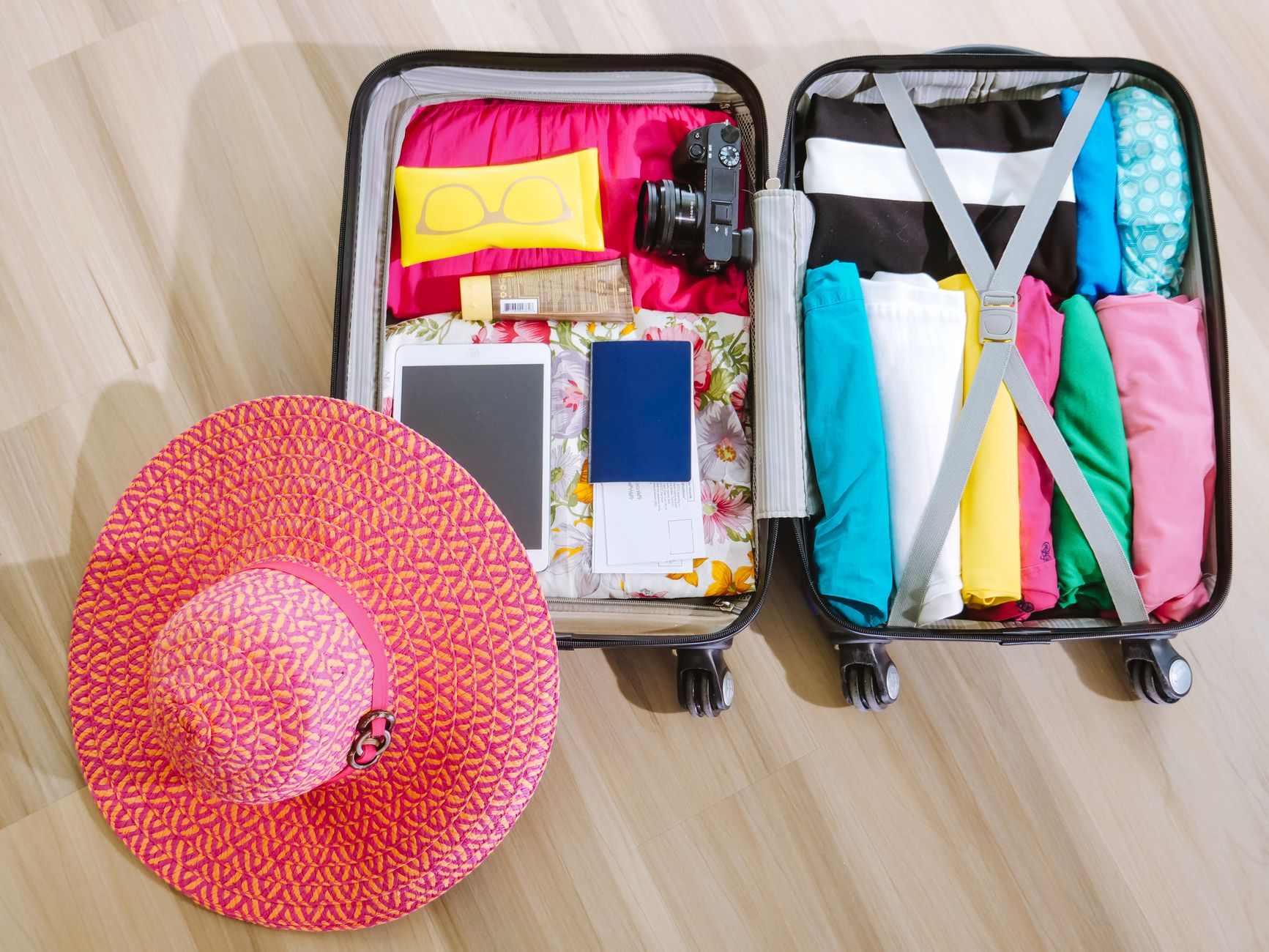
The goods have been used. Packaging opened, tags removed, shoes worn. Keep everything sealed until you are through customs.
Bags checked in before customs verification. Customs cannot inspect what is in the hold. This is the most avoidable failure of the lot — the customs desk comes before check-in.
Name mismatch. The invoice must carry the passport holder’s name.
Missing the tax refund form. The invoice alone is not enough. The store must issue the application form at the time of purchase; you cannot go back for it later.
Below threshold. Someone assumed ¥200 was a trip total rather than a per-store, per-day figure.
Left it too late at the airport. The customs queue is not fast and it sits before check-in. Missing your flight is a worse outcome than losing the refund.
Is it worth the bother?
Honestly, it depends on one number: your total spend on qualifying goods.
Under ¥1,000 across your trip. Barely. You are claiming ¥90 or less and adding paperwork to your departure. Take the instant refund if a shop offers it and you are buying something over ¥200 anyway, but do not plan around it.
¥1,000 to ¥5,000. Worth doing, especially with the instant version. ¥90–450 back for a few minutes at the till and a stamp at the airport is a reasonable trade.
Over ¥5,000. Actively plan around it. Consolidate purchases into designated stores, use the instant refund, keep everything sealed and boxed, arrive at Pudong three hours early. ¥450 and upwards is real money.
Over ¥20,000. Plan seriously. You are into ¥1,800-plus, the cash ceiling becomes relevant, and it is worth asking each store to explain their instant-refund process before you commit.
The thing that has changed the calculus is the instant refund. Under the old system you carried a folder of forms for a fortnight and then queued at an airport counter at 22:00 hoping the desk was staffed. Now you get paid at the till and the airport step is a stamp. That is a different proposition, and it is why this is worth reading about before you shop rather than after.
What people get wrong
Reading the old ¥500 threshold. It has been ¥200 since April 2025. A great deal of published guidance, including some official-looking pages, has not been updated.
Treating ¥200 as a trip total. It is per store, per day.
Not asking for the form at the till. The tax refund application form has to be issued at the point of purchase. Say “tax refund” and show your passport before you pay, not after.
Checking the bags before customs. Customs verification comes first. Keep the goods with you.
Opening the box. Wearing the coat to the airport disqualifies it.
Shopping at markets and expecting a refund. Markets, small shops and tailors are not designated stores. If you want the refund, buy in a mall.
Assuming duty free and tax refund are the same. They are separate systems. Airport duty free needs no paperwork; the refund scheme applies to what you bought in the city.
Using a card with no headroom. The instant refund needs a working pre-authorisation. Have a second card.
Cutting it fine at Pudong. Add an hour. See the practical tips guide for the rest of the departure-day timing.
Frequently Asked Questions
How much is the tax refund in China?
The refund rate is 11 per cent of the invoice value, from which the refund agency takes 2 per cent as a service fee. You receive 9 per cent. On a ¥1,000 purchase that is ¥90; on ¥10,000 it is ¥900. There is no sliding scale — the rate is the same at every level of spend.
What is the minimum spend for a tax refund in China?
¥200, spent at one designated tax-free store on one day. This was lowered from ¥500 on 27 April 2025. It is not a trip total and it is not per item: three separate ¥150 purchases in different shops do not qualify, while two ¥150 purchases in the same shop on the same day do.
Can tourists get a VAT refund in China?
Yes. Overseas visitors, plus residents of Hong Kong, Macau and Taiwan, qualify provided they have not stayed in mainland China for more than 183 consecutive days, are leaving from a designated port, and bought the goods within 90 days of departure. There is no minimum trip length and travellers on the 240-hour visa-free transit qualify.
What is the instant tax refund in China?
Since April 2025 China has moved nationwide from refund-on-departure to refund-on-purchase. You show your passport at the till, the store processes the claim, and the refund is paid to you immediately in cash, by mobile payment or to a card. A pre-authorisation is held on your credit card as a guarantee, and released once customs verifies the goods on departure.
What happens if I take the instant refund and then do not leave China?
The refunded amount is recovered from the card you gave as a guarantee. The same applies if you cannot produce the goods at customs, or if they have been used or unpacked. The instant refund is an advance against an export you have not yet made, so keep purchases sealed and complete the customs step on departure.
Where is the tax refund counter at Pudong Airport?
In the separate zone for international departures, with a customs verification office landside before check-in and the refund counter airside. Hongqiao is arranged the same way. Neither is signposted as prominently as its European equivalent, so allow time and ask at the information desk.
How long does the airport tax refund take?
Officially three to five minutes per station and about fifteen minutes overall. Realistically allow 40 minutes to an hour on top of your normal airport timing, because the customs queue is unpredictable and it comes before check-in rather than after. Arrive at Pudong three hours before an international flight if you are claiming.
Do I need to keep the goods unused?
Yes. Customs must be able to inspect the items in a saleable condition. Opened packaging, removed tags or worn clothing can invalidate the claim, and with an instant refund the money is then recovered from your card. Keep everything boxed and in your hand luggage until you have the customs stamp.
Can I get a refund on things I bought at a Shanghai market?
No. Only designated tax-free stores — department stores, malls, brand boutiques and larger chain retailers displaying the blue and white “Tax Free” sign — issue the refund forms. Markets, street vendors, the fabric market, antique dealers and small independents are outside the scheme entirely.
How much cash can I be refunded?
Up to ¥20,000, raised from ¥10,000 in April 2025. Above that the refund is paid by bank transfer, which is uncapped. Refunds can also be paid to Alipay or WeChat Pay, which for most travellers is the simplest option of the three.
Does the tax refund apply to hotels and restaurants?
No. The scheme covers goods only. Accommodation, meals, tours, transport and services of any kind are excluded, as are goods you have a shop ship home separately, because they did not leave the country with you.
Is the tax refund the same as airport duty free?
No, they are separate systems. Duty free at the airport is tax-free at the point of sale and involves no paperwork. The departure refund scheme applies to goods bought in the city at designated stores and requires a form, a customs stamp and a claim. You can use both on the same trip.
Ask for the tax refund form before you pay, keep everything sealed, take the instant refund where it is offered, and get to Pudong an hour earlier than you otherwise would. If you are planning the shopping side of a trip properly, start with our Shanghai shopping guide for where to go, the money and currency guide for how to pay, and Alipay and WeChat Pay for the mobile payment setup that makes the refund step painless. The policy changes of April 2025 are set out by the State Council, and the procedural detail is summarised by TravelChinaGuide.