Shanghai has a lively antique market scene — partly because of its long cosmopolitan history, partly because the 20th-century Cultural Revolution flooded markets with displaced family heirlooms. Shanghai antique markets and vintage shopping today mean two very different things: the pre-dawn ghost market in the Old Town, and the boutique vintage trade in the French Concession. This 2026 guide covers exactly where to go, what has closed since the old guidebooks were written, what to look for, how to spot fakes, fair prices, and how to export valuable pieces home through customs.
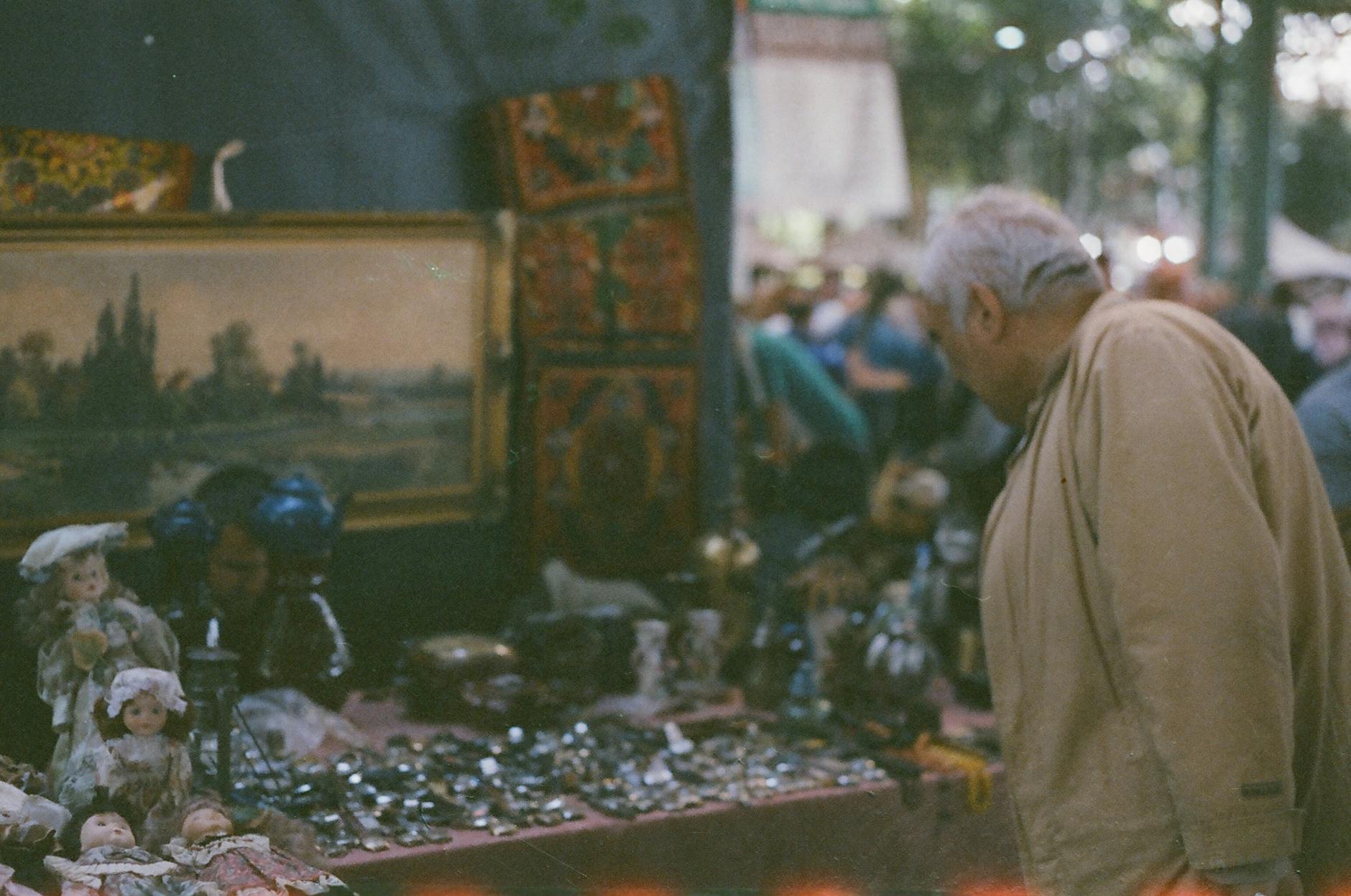
Table of Contents
- The Scene in 2026
- Markets Compared
- Fuyou Market & Cangbao Lou
- Dongtai Road: What Happened
- Yu Garden Antiques
- Wukang Road & Concession Vintage
- Weekend Flea Markets Further Out
- What to Buy
- Spotting Fakes
- Customs & Export Rules
- Bargaining Tips
- A Worked Example: One Saturday
- Practical Tips
- FAQ
The Shanghai Antique Markets and Vintage Scene in 2026
Shanghai’s antique markets cluster into three tiers:
- Flea markets — weekend pop-ups and pre-dawn ghost markets (the old Dongtai Road market closed in 2015); rough goods, dramatic finds, heavy bargaining
- Shop-based dealers — the buildings and alleys around Yu Garden and independent shops in the former French Concession; prices vary shop by shop
- High-end dealers — gallery-style shops in heritage neighborhoods; expensive, fewer fakes, paperwork included
Get one thing straight before planning a morning around it: the landscape has changed since most English-language guides were written, and several famous names are gone. Dongtai Road, top of almost every list, was demolished in stages and has not functioned as a market for years. The old Wenmiao book market closed in 2020 and reopened elsewhere. The genuinely active markets are early-morning weekend affairs in less photogenic parts of town.
The centre of gravity is Fangbang Middle Road in the Old Town, where two large buildings full of dealers sit a few hundred metres apart and the city’s real ghost market runs at first light on Saturday and Sunday. Everything else radiates from there: weekend flea markets in Yangpu and Xuhui, the boutique vintage trade in the former French Concession, and gallery-style dealers for serious money. Our Shanghai shopping guide puts all of this in the wider retail context.
Shanghai Antique Markets and Vintage Shops Compared
- Dongtai Road Antique Market — historic flagship flea market; now closed
- Yu Garden Bazaar antique alleys — touristy but quality varies
- Wukang Road and nearby streets — French Concession; independent vintage shops
- Cangbao Building (藏宝楼) — Yu Garden area; serious dealers
- Yu Garden Antique Plaza — covered market
- Fuyou Antique Market — Saturday morning specialty
- Wenmiao old book market — now on Fuyou Lu by Yuyuan Garden; Sunday mornings
- Shanghai Auction Houses — Sotheby’s Shanghai, Christie’s Shanghai for serious collectors
Two of those names describe the same place: Fuyou Antique Market and Cangbao Lou (藏宝楼, “treasure building”) are the same four-storey building at 457 Fangbang Zhong Lu. Here is how the active options compare.
| Market | Where | When | Best for | Fake risk |
|---|---|---|---|---|
| Fuyou / Cangbao Lou | 457 Fangbang Zhong Lu at Henan Nan Lu | Daily 9am–5pm; floors 3–4 weekends from 5am | The full range — coins, porcelain, Mao badges, jade | High on the upper floors, moderate with permanent dealers |
| Huabao Building basement | 265 Fangbang Zhong Lu, under Yu Garden Bazaar | Check before you go | Furniture, ceramics, curios from fixed dealers | Moderate to high |
| Yangpu flea market | 701 Longchang Lu, Yangpu | Wed, Sat, Sun 6am–noon | Cameras, old banknotes, comic books, genuine junk | Irrelevant — nothing here pretends to be Ming |
| Yunzhou Curio Town | 88 Damuqiao Lu, near Xietu Lu | Hours vary; check Dianping or Amap | Enamelware, propaganda posters, coins, teapots | Low-stakes; prices are low |
| Wenmiao old book market | 223 and 225 Fuyou Lu, beside Yuyuan Garden | Sundays from 6am | Books, lianhuanhua comics, postcards, ration coupons | Low — many books start at ¥1 |
| French Concession vintage shops | Independent shops across the former French Concession | Each shop sets its own; check before you go | Design pieces, Republican-era objects, curated stock | Low, and prices reflect it |
| Auction houses | Central Shanghai, by appointment | Sale calendar | Serious porcelain, painting, jade | Very low; full authentication |
Fuyou Market and Cangbao Lou: Shanghai’s Ghost Market
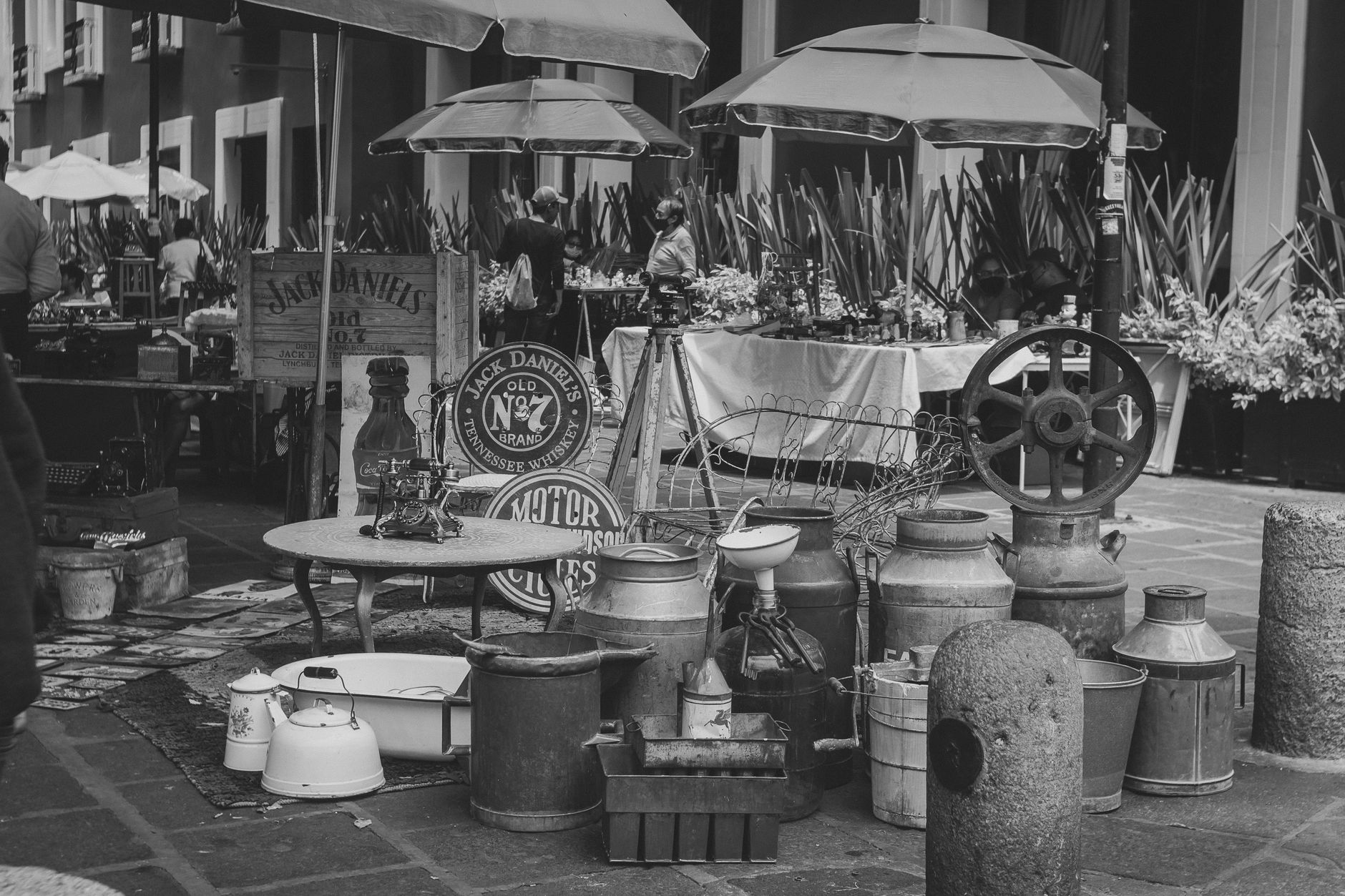
If you have one morning, spend it here. Fuyou Antique Market occupies the Cangbao Lou building at 457 Fangbang Zhong Lu, corner of Henan Nan Lu, at the western entrance to Shanghai Old Street. Four floors, and the floor you are on determines what kind of market you are in.
- Floors 1 and 2 — permanent dealers, daily roughly 9am to 5pm. Glass cases, business cards, some willingness to talk provenance. Prices higher, risk lower.
- Floors 3 and 4 — the weekend market, and the reason people come. Traders from Anhui, Jiangsu and Zhejiang lay out whatever they have bought from village houses on cloth on the floor. Officially from 5am at weekends; realistically the serious dealing is 6am to 9am, thinning by noon.
- The pavement outside — informal stalls on weekend mornings, the loosest end of the whole operation.
This is what people mean by a guǐshì (鬼市) or “ghost market” — vendors set up and pack away before sunrise, historically so nobody could examine the goods too closely. Bring a torch: weekend trading upstairs starts at 5am, before sunrise for most of the year.
Getting there: Xiaonanmen on Metro Line 9 is the closest station, about 800m; Yuyuan Garden on Lines 10 and 14 is a longer walk through the bazaar. A genuine dawn visit means a taxi or DiDi. Our metro guide and getting around Shanghai cover the practicalities, and a transport card saves fumbling with QR codes at 6am.
What is good here: coins and banknotes, Mao badges and Cultural Revolution ephemera, jade pendants of wildly varying quality, Buddhist statuary, snuff bottles, old cameras, wooden screens, porcelain of every degree of honesty. What is not: anything a vendor tells you is Ming, or anything sold with a story attached rather than a price.
Dongtai Road: What Happened to It
Dongtai Road Antique Market (东台路古玩市场) opened in 1985 and for about three decades was one of Shanghai’s best-known flea-style antique markets — a half-kilometre pedestrian street off Xizang Nan Lu, two blocks south of Huaihai Road. Part archaeological dig, part time warp, and in every guidebook printed before about 2015.
It is gone. The city announced demolition of the market and its lane housing in 2014 as part of the redevelopment of that block, and by 2018 visitors reported an empty street with a handful of surviving shopfronts; Time Out Shanghai lists it as closed. Some vendors retired, others moved into the Fangbang Road buildings — one reason Fuyou feels busier than it used to. If an older article sends you to Dongtai Road, you will find a redeveloped street and nothing to buy.
What it used to carry is still a fair guide to what turns up at the surviving markets:
- Mao Zedong-era memorabilia (posters, badges, books, Little Red Books)
- Cultural Revolution-era propaganda art
- Old Shanghai-era 1920s–1940s items (cigarette cases, watches, fountain pens, telephones)
- Jade, jadeite, and old jewelry
- Bronze items, brass scales, pestle-and-mortars
- Old cameras (Soviet, Chinese-made, occasional Leica)
- Porcelain (mostly modern reproductions; some genuine Qing-era pieces)
- Calligraphy scrolls and ink stones
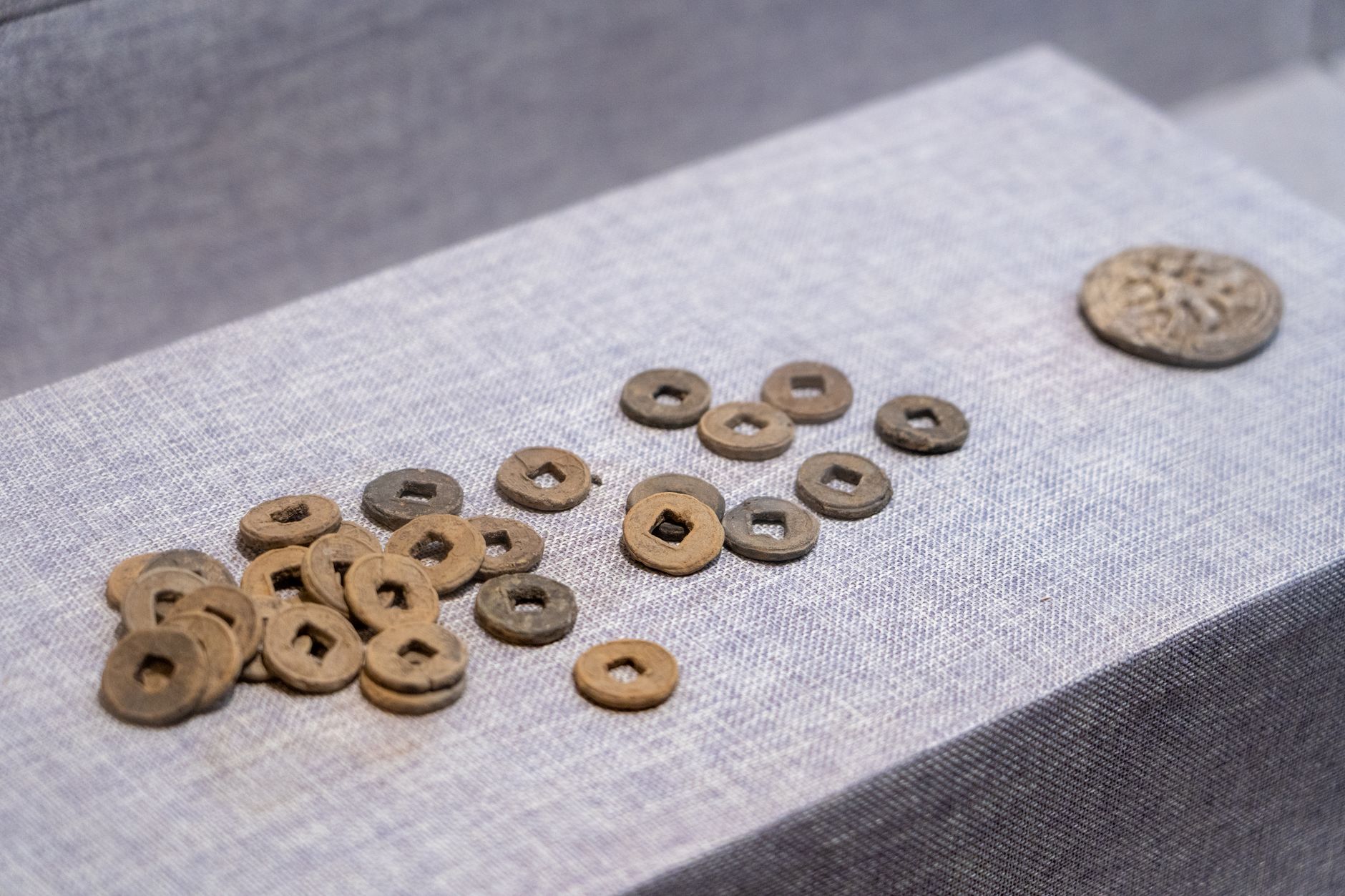
- Old coins and banknotes
- Carved wooden furniture pieces
Metro: Laoximen (Line 8/10) is the nearest station to the old site, a 10-minute walk — worth a detour only to see what redevelopment did to a Shanghai street. For buying, go to Fangbang Road.
Yu Garden Antiques
The narrow alleys adjacent to Yu Garden Bazaar host multiple antique shops:
- Cangbao Building (藏宝楼) — 4-floor antique mall with established dealers
- Antique alleys off the main bazaar street
- Yu Garden Antique Plaza — covered, organized version
- Huabao Building basement (华宝楼) — 265 Fangbang Zhong Lu, fixed dealers under the bazaar
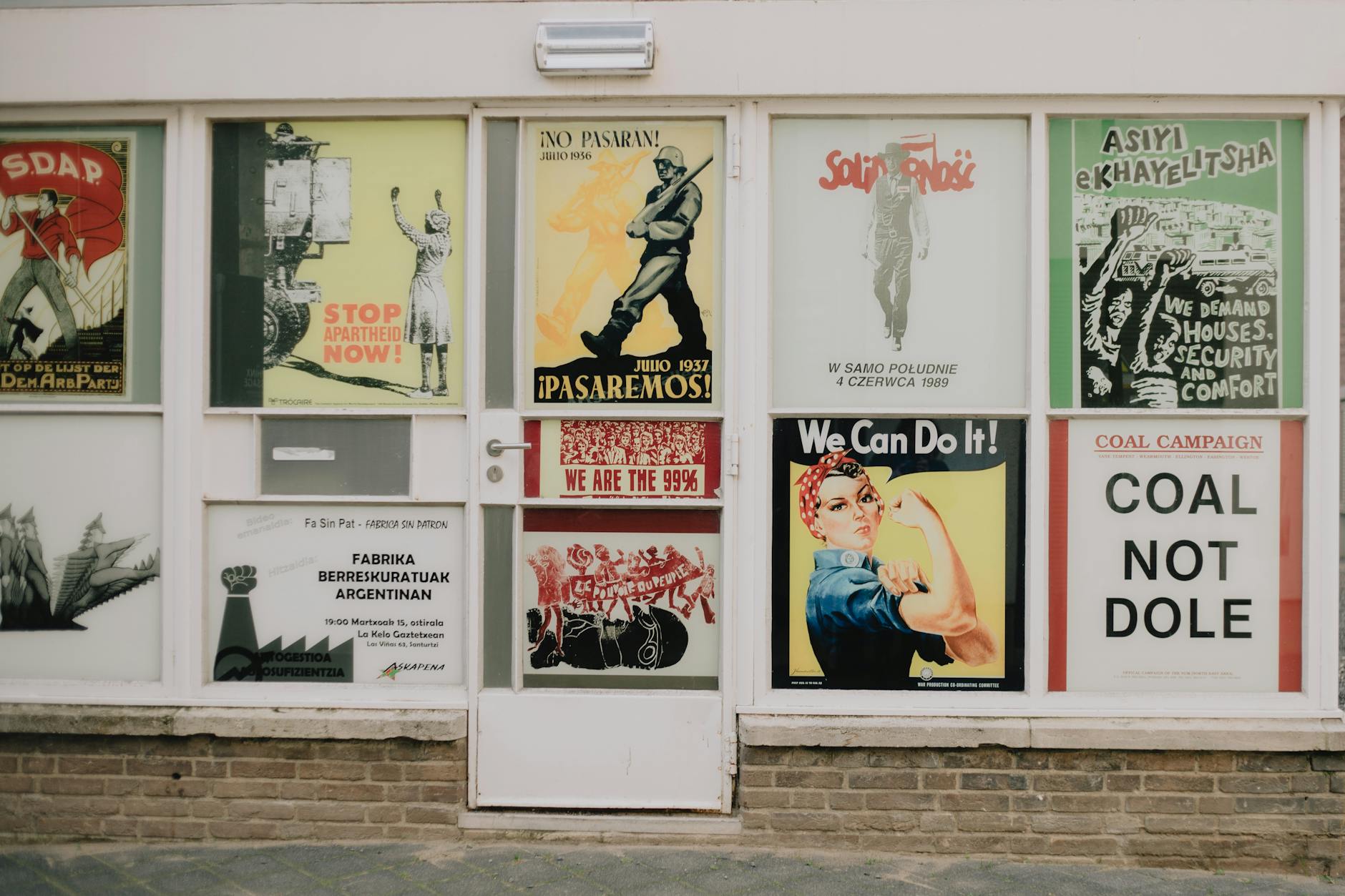
Yu Garden antiques are a mixed bag — some genuine quality from established dealers, much reproduction at tourist prices. The Huabao Building basement is the more serious of the two, with dealers in furniture, ceramics and curios beneath the bazaar. The entrance is easy to walk past — it looks like a service door.
The trade-off is straightforward. This is the most heavily touristed square kilometre in Shanghai, so the mark-up on anything at eye level is substantial and the proportion of new-made-to-look-old is high. Against that, you can combine it with the garden and the Old Town in one morning. See our Yu Garden guide for the garden and bazaar, and our souvenirs guide for the non-antique alternatives that are often better value.
Wukang Road and Concession Vintage
Wukang Road in the French Concession is a heritage street of restored 1920s buildings, with independent vintage and antique shops scattered around it and the neighbouring lanes.
- Madame Mao’s Dowry — well-known shop for Cultural Revolution and old Shanghai-era pieces
- Sunder Vintage — design-forward vintage clothing and accessories
- Vintage Watch & Curio — Republican-era watches and collectibles
- Small porcelain and jade dealers
- Old Shanghai poster and postcard specialists
Higher prices than the Old Town markets but reduced risk of buying fakes. Best for serious vintage shoppers and collectors.
Set expectations, though. This is not a market street in the Fangbang Road sense — it is a scatter of independent shops across Wukang Lu, Anfu Lu, Julu Lu and the lanes between, and rents mean they move and close regularly. Madame Mao’s Dowry, the best-known and a fixture for two decades, has relocated more than once and was most recently listed at 820 Julu Lu near Fumin Lu rather than on Wukang Road at all. Check current addresses before you set out.
Treat the Concession as a walking afternoon rather than a shopping mission. The buildings are as much the point as the stock — these are the streets with the Art Deco apartment blocks and the plane trees. Our French Concession walking tour and Art Deco architecture guide give you a route; the vintage shops fit around it.
Weekend Flea Markets Further Out
The markets locals actually use are further out and much less curated. None is a tourist attraction, which is the appeal.
- Yangpu flea market, 701 Longchang Lu near Kongjiang Lu — Wednesdays, Saturdays and Sundays, 6am to noon. A junk market in the honest sense, with film cameras and old renminbi notes going for low prices. Local collectors work it early.
- Yunzhou Curio Town, 88 Damuqiao Lu near Xietu Lu, Xuhui — Jiashan Road station (Lines 9 and 12), exit 4; opening hours change, so confirm them before you make the trip. Vintage tins, military caps, enamel bowls, opera masks, teapots, propaganda posters, coins.
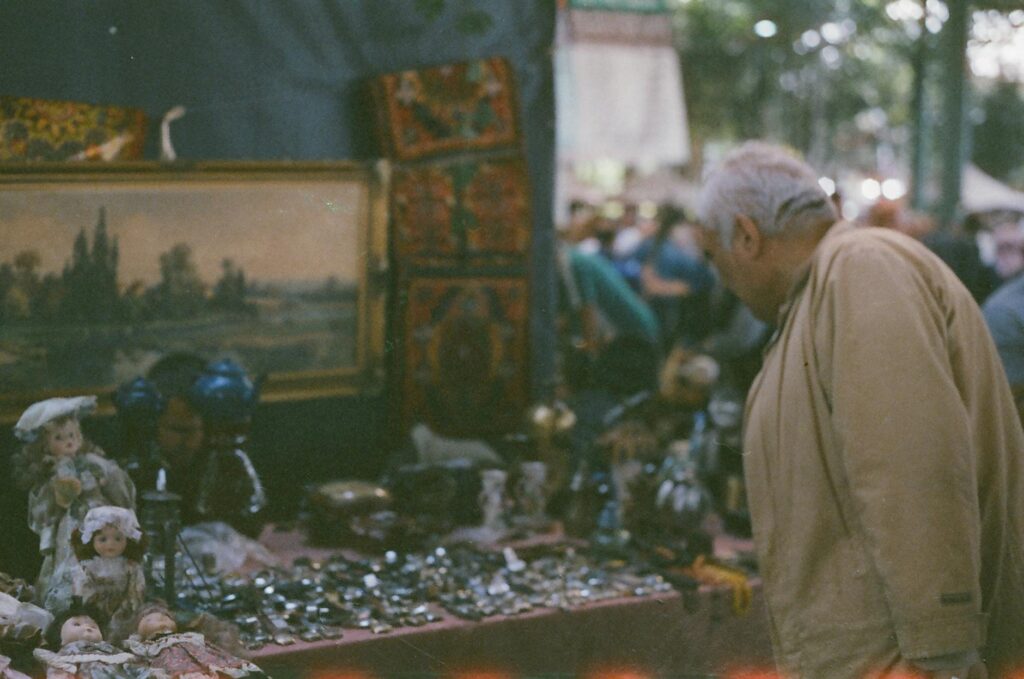
- Juqi Antique City, 1539 Lingshi Lu — a third-floor ghost market opening Friday mornings at 5am. Antique dolls, vintage toys, film posters, vinyl, crockery. The most local of the lot, and the least English.
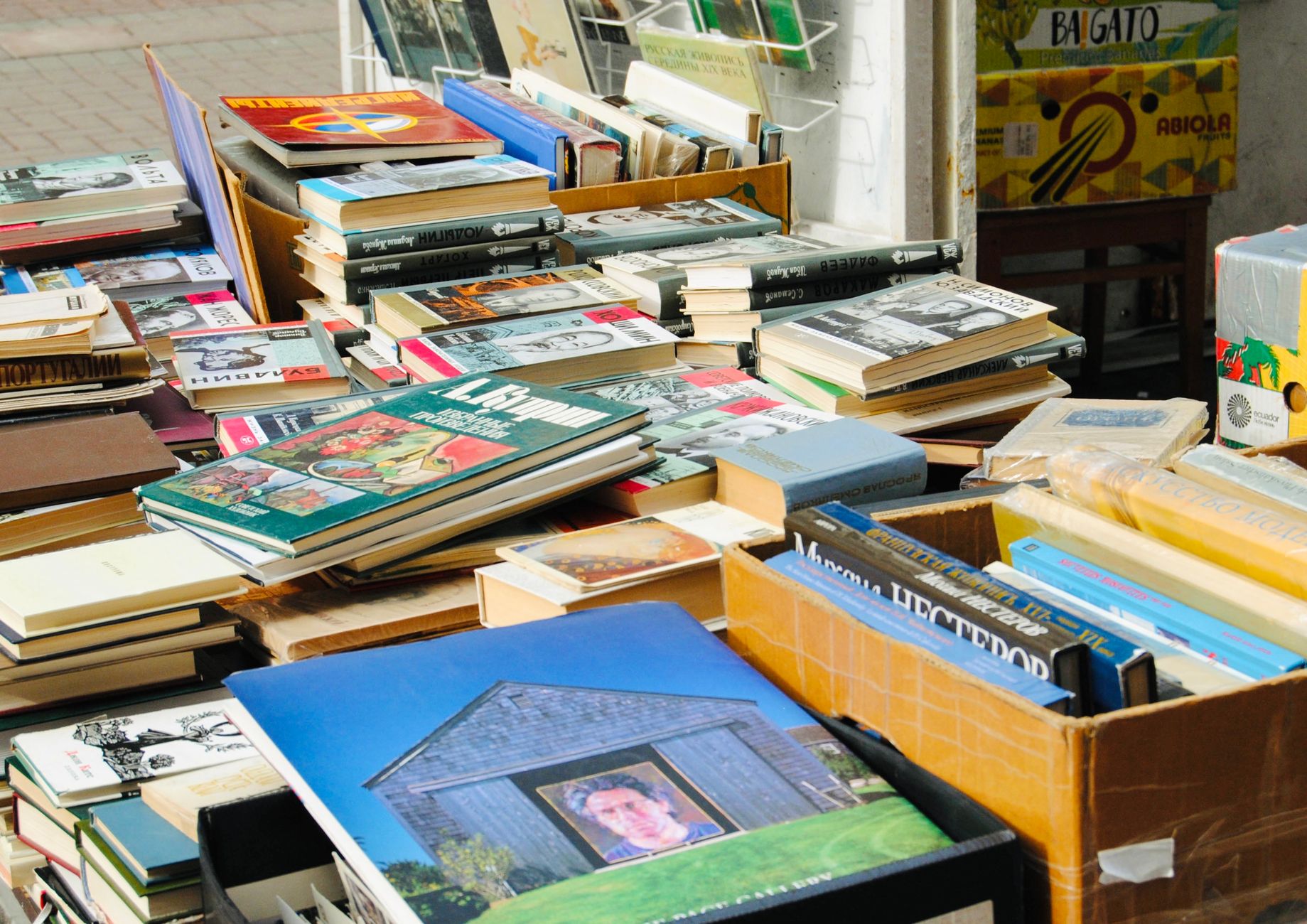
- Wenmiao old book market — left its old home beside the Confucian Temple in 2020 and reopened five years later indoors on Fuyou Lu, next to Yuyuan Garden: the 4th floor of the Fumin Commercial Building at 223 and B2 of the Fuyou Commercial Building at 225. It opens every Sunday at 6am. Lianhuanhua comics, postcards, ration coupons and pictorial magazines.
These are morning markets in the literal sense. Arriving at 11am at a market that started at 6am means picking over what nobody wanted. If you cannot face a 5am alarm, the permanent dealers on the lower floors at Fuyou open later in the morning and make an easier start.
What to Buy
Best for First-Time Buyers
- Mao-era propaganda posters (originals vary widely in price; reproductions are cheap)
- Old Shanghai postcards
- Vintage Chinese opera masks
- Brass scales and bowls
- Old Chinese ink stones
- Republican-era fountain pens
- Vintage calligraphy scrolls (modern fakes are common; see below)
- Old maps and books
- Hand-carved chops/seals
For most visitors the cheap end of that list is the honest recommendation. Paper — posters, postcards, ration coupons, comic books, old share certificates — is where the market is most fun and least dangerous. Light, flat, no customs complications, and if a piece turns out to be a reproduction you have lost ¥60 rather than ¥6,000. Ration coupons from the 1960s and 70s make an easy first souvenir.
For Serious Collectors
- Qing-era porcelain (authentication essential)
- Ming-era pieces (auction houses safer)
- Jade and jadeite jewelry (certification needed)
- Antique furniture (serious dealer required)
- Bronze items (verify with experts)
- Old Chinese paintings (auction-house verification)
At that level the market floor is the wrong venue. Use an auction house or an established dealer who provides documentation, and read the export section below first — a genuine pre-1911 piece is precisely what you may not be allowed to take home.
Spotting Fakes
Many “antiques” in Shanghai’s markets are aged reproductions. Tips:
- Mao-era posters — fakes are usually too pristine; check for natural aging, original printing marks, signature stamps
- Porcelain — examine the foot ring (older pieces have wear patterns), glaze patterns, and pigment under UV light. If the seller offers no provenance documents, assume reproduction
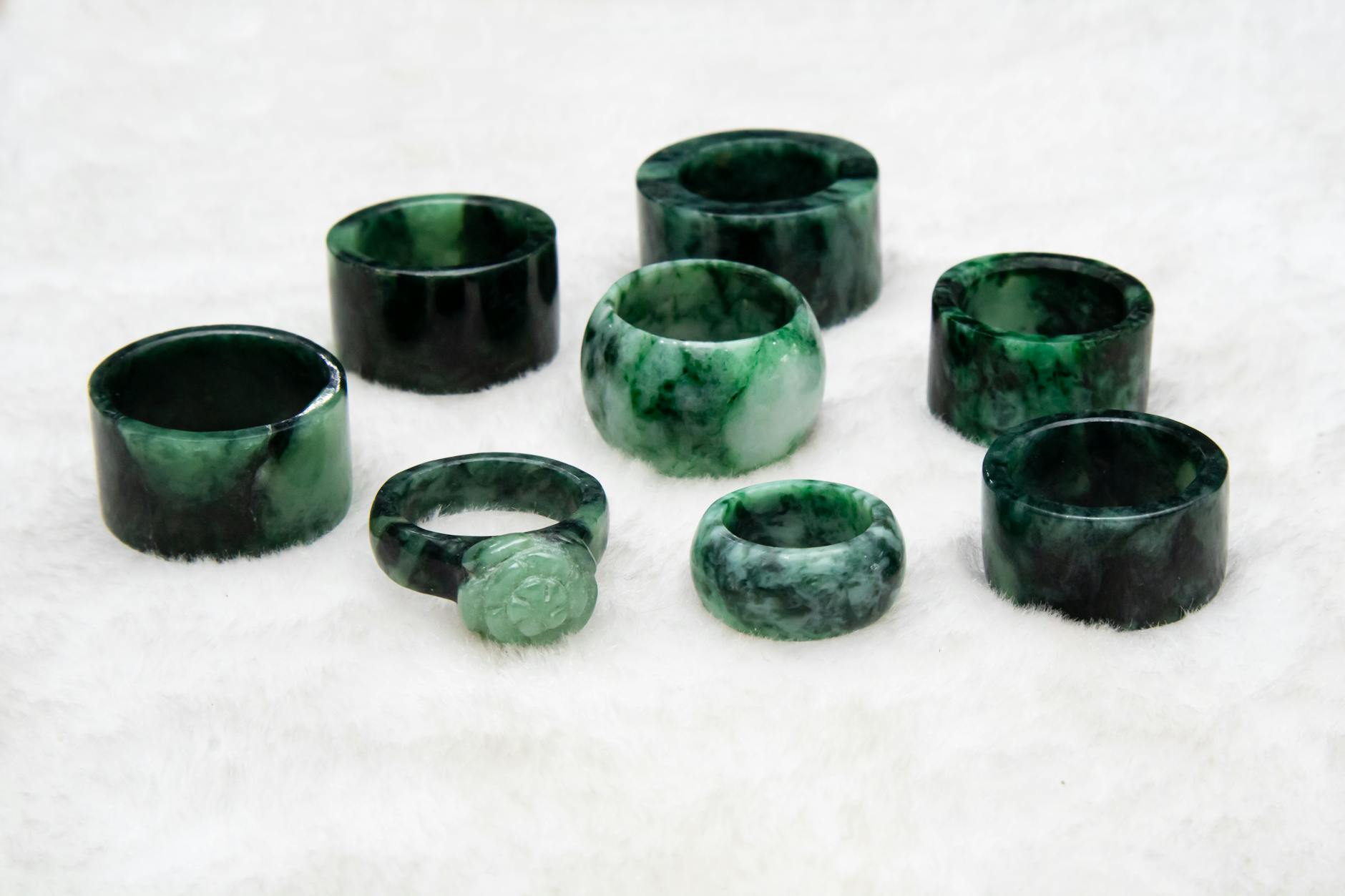
- Jade — request a Chinese Gemmological Association (CGA) certificate. Without paperwork, treat as decorative not investment
- Cultural Revolution-era propaganda — genuine items have specific paper types, ink fade patterns, and date stamps
- Republican-era watches — verify movement signatures and case markings
- Calligraphy — modern fakes are common; authenticated pieces include provenance documentation
- Bronzes — patina patterns reveal age; chemically-induced patina can be detected
- Furniture — older joinery uses wedged tenons; modern reproductions use industrial joinery
- Buy from established dealers with documented provenance — they have professional reputations to protect
- Auction houses like Sotheby’s/Christie’s Shanghai sell with full authentication
The useful mental adjustment is to stop thinking real versus fake and start thinking about what you are paying for. Nearly everything on a market floor is a reproduction, the vendor knows it, and the price usually reflects it. A pleasing aged brass scale at a modest price is a good buy whether it was made in 1930 or 2019. The danger zone is the narrow band where a seller asks a real-antique price for a fake — typically ¥1,000 to ¥10,000, usually with a detailed story about a grandmother attached.
Two defences. Ask the price before showing enthusiasm, because a keen foreign buyer changes the number. And walk the whole market before buying, because the “unique” piece is usually repeated on three other tables. If you cannot tell and the sum is large, leave and buy at auction. Our Shanghai scams guide covers the wider set of tourist-facing tricks, several of which start in antique shops.
Customs & Export Rules
China prohibits the export of certain antiques without special permits:
- Items made in or before 1911 (Qing era and earlier) are prohibited from export; the red wax seal marks permitted pieces made between 1912 and 1949
- Items 1912–1949 need an export review, and valuable relics from these years are generally prohibited; consult the dealer
- Post-1949 items (including most Mao-era memorabilia) generally fine to export
- Ivory and rhino horn — absolutely prohibited
- Certain endangered woods and corals — prohibited
- Cultural relic certificates — required for valuable items; some dealers provide
- If buying from a reputable dealer, ask about export paperwork upfront
- Shipping — many dealers can arrange EMS or FedEx international shipping with proper paperwork; fees depend on the piece, so ask for a quote
- Avoid surprises at customs — over-declaring is far safer than under-declaring or hiding
The thresholds are stricter than most visitors assume. Chinese law treats objects made before 1949 as cultural relics, with non-Han material from before 1966 under the same regime. Anything in that category needs an export appraisal and permit from a State Administration of Cultural Heritage entry-exit office, issued in triplicate — one copy each for the authority, you and Customs — and cleared pieces carry a physical seal. The upshot: a genuine pre-1911 antique cannot be exported at all, and the red-seal route is for permitted pieces made between 1912 and 1949.
The other end matters too. The United States restricts imports under a 2009 memorandum with China covering Chinese archaeological material up to AD 907 and monumental sculpture and wall art at least 250 years old as of 14 January 2009. The restrictions run through 14 January 2029, with some statutory exceptions, and US Customs wants documentation of legal export or long-standing presence outside China. The US-China Business Council has a clear account of how that works in practice. Travellers to the EU, UK and Australia face their own cultural-property rules.
None of this matters if you are buying cheap posters and comic books, which is what most visitors do. It matters enormously at five figures. Get the paperwork before the money changes hands, and be honest on your declaration — our Shanghai customs guide covers arrival and departure procedure.
Bargaining Tips
- Start at 25–35% of asking price at flea markets
- Established shop pricing is usually firmer; expect 10–20% reductions
- Walk away — most vendors will call you back with a better offer
- Pay with mobile (Alipay/WeChat Pay) for transaction record and fraud protection
- Don’t bargain hard on identifiable name-brand items like Republican-era watches
- Be friendly — the relationship influences price more than tough tactics
- Buy multiple items for a discount — bundle pricing is common
- End-of-day discounts often available at flea markets
- Avoid buying on first day — return after research
A few words speed things up. Duōshao qián? (多少钱) — how much. Tài guì le (太贵了) — too expensive, said flatly rather than indignantly. Piányi yīdiǎn (便宜一点) — a bit cheaper. Most vendors type numbers into a phone calculator anyway; our language barrier guide has more. Note that dealers often quote in kuài shorthand where “one” can mean ¥100 — clarify before you nod.
The rhythm is not adversarial. This is closer to a negotiation between two people who both want the sale than to a contest, and brisk and cheerful gets a better number than tough. Counter once, hear their counter, split the difference — three exchanges, not ten. Our markets and haggling guide goes into the technique properly, and tipping in Shanghai explains why you should not add anything on top afterwards.
A Worked Example: One Saturday Morning
The efficient version, assuming you are staying somewhere central and are willing to get up.
- 05:50 — DiDi or a taxi to Fangbang Zhong Lu from the Bund, People’s Square or the Concession.
- 06:15–08:00 — Cangbao Lou floors 3 and 4 while traders are still unpacking. Torch on. Buy nothing in the first thirty minutes; walk the floor twice.
- 08:00 — a second lap upstairs before the traders pack up; the permanent dealers on floors 1 and 2 open later in the morning, so price-check there after breakfast.
- 09:00 — breakfast in the Old Town. Fried dumplings and soy milk within a five-minute walk; see our Shanghai breakfast guide.
- 09:45 — the Huabao Building basement at 265 Fangbang Zhong Lu, a short walk along the same road.
- 11:00 — Yu Garden and the bazaar next door, or the metro west to the Concession for the vintage shops.
A modest first-time haul — three or four posters, a handful of postcards and coupons, a brass object, a piece of costume jade — can come to a few hundred yuan after bargaining. Bring ¥500 cash for the stalls that prefer it, Alipay for the rest.
Practical Tips
- Bring cash + Alipay for flexibility
- Carry passport — some valuable purchases require ID
- Allow 3+ hours for proper browsing at any of the big buildings
- Smaller items travel easier than furniture or large bronzes
- Weight matters — heavy items add international shipping cost
- Keep receipts — useful for customs and resale
- Photograph items with timestamps — useful for provenance arguments later
- Educate yourself — read about Chinese art history before serious buying
- Consult a friend or guide who reads Chinese for inscriptions and seal marks
- Bring a tote or bubble wrap — vendors wrap fragile things in newspaper and optimism
- Go in dry weather — outdoor stalls simply do not appear in rain
One more, on temperament: these markets reward patience and punish urgency. Go in wanting a Ming vase and you will be sold a Ming vase, and it will not be one. Go in curious and you come home with ration coupons, a 1970s enamel mug and a story. The second trip is the better one.
Frequently Asked Questions
Where can I buy antiques in Shanghai?
Fuyou Market in the Cangbao Lou building at 457 Fangbang Zhong Lu is the main one, best on a weekend morning, with the Huabao Building basement at number 265 a short walk away. Beyond that, the Yangpu and Yunzhou flea markets at weekends and the French Concession shops for curated stock.
Is Dongtai Road Antique Market still open?
No. Demolition was announced in 2014 and by 2018 visitors reported an essentially empty street; it is listed as permanently closed. Guides that still recommend it are out of date — go to Fangbang Zhong Lu instead.
Are antiques in Shanghai authentic?
Many are reproductions, especially at flea markets. Established dealers sell more authentic stock at higher prices. Ask for provenance documentation, and assume anything unpapered is decorative rather than an investment.
Can I take antiques out of China?
Items post-1949 are generally fine. Anything made in or before 1911 is prohibited from export; pieces from 1912 to 1949 count as cultural relics that need an export appraisal and permit, and valuable ones are generally prohibited too. Ivory, rhino horn and certain endangered materials are completely prohibited.
What is a ghost market and when does it run?
A guishi is a pre-dawn market where traders set up and pack away before full daylight. Shanghai’s runs on the upper floors of Cangbao Lou at weekends, officially from 5am, with the real activity between 6am and 9am. Juqi Antique City runs a Friday version from 5am.
What can I bargain for at a Shanghai antique market?
Almost everything. Start at 25–35% of asking; meet in the middle. Prices for posters, curios and decorative jade vary widely from stall to stall, and a reproduction should be priced as one.
Are Cultural Revolution posters real?
Many in markets are aged reproductions. Genuine ones cost far more and should come with documented provenance. Reproductions are cheap — and as decoration they look identical on a wall.
Is jade in Shanghai antique markets real?
Often dyed or imitation. Genuine jade requires Chinese Gemmological Association (CGA) certification. Without paperwork, treat as decorative not investment.
What’s the best Shanghai antique market for beginners?
The permanent floors of Fuyou — indoor, open daily, manageable. Yunzhou Curio Town for low prices and low stakes. The French Concession shops for curated quality at fixed prices.
Do Shanghai antique dealers ship internationally?
Most established dealers can arrange shipping via EMS or FedEx with proper customs paperwork and will quote a fee for your piece. Confirm before buying expensive items, and get the export documentation in your own hands.
Where can I buy old books and comics in Shanghai?
The Wenmiao old book market closed at its Confucian Temple site in 2020 and has reopened indoors at 223 and 225 Fuyou Lu, beside Yuyuan Garden. It opens on Sundays from 6am — lianhuanhua comics, postcards, ration coupons and magazines, with many books costing as little as ¥1.
What should I buy if I only want a souvenir, not an investment?
Paper. Propaganda posters, 1960s and 70s ration coupons, postcards, comic books and share certificates are cheap, light, flat in a suitcase and free of export complications.
Plan Your Shopping
Combine with our pillar guides on Shanghai shopping, souvenirs guide, and markets & haggling. For related shopping, see the fabric market and tailoring, buying tea in Shanghai and night markets. For background, see Chinese antiques on Wikipedia.