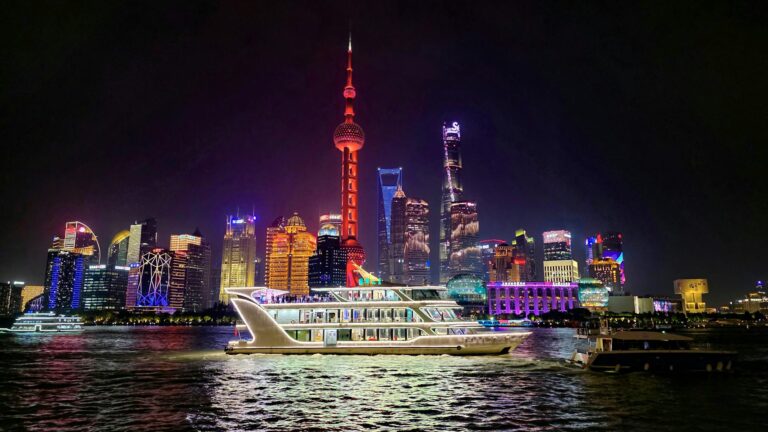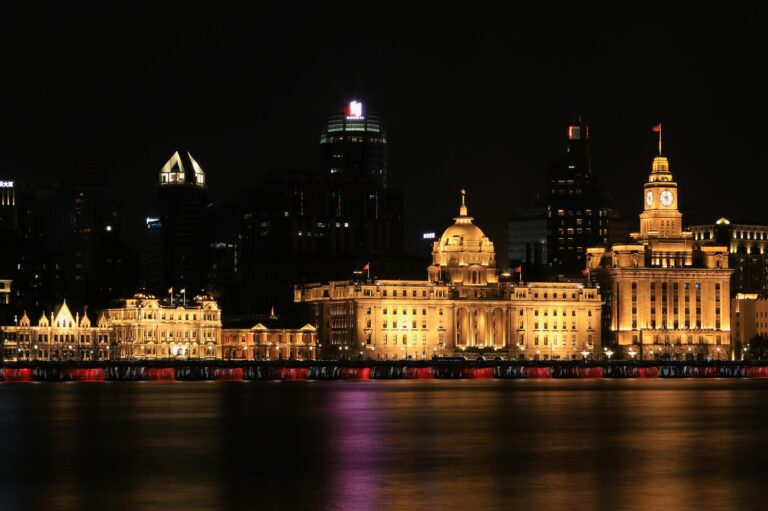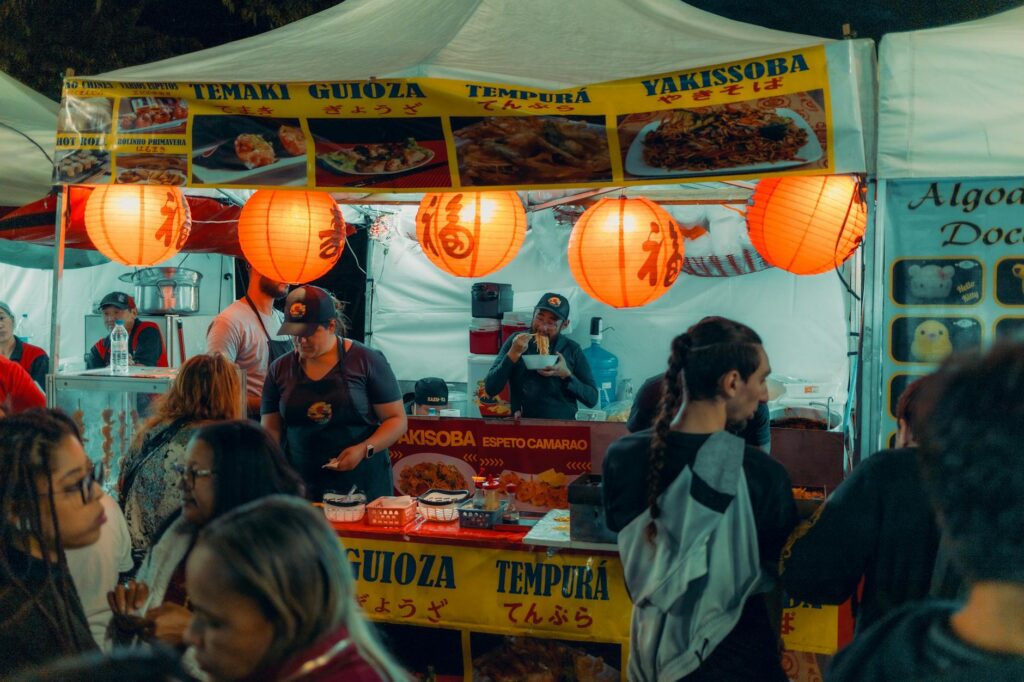
Shanghai’s night markets are quieter than Bangkok’s or Taipei’s, but a handful still deliver the classic Chinese formula: BBQ skewers, plastic stools, cheap clothes and street energy. This 2026 Shanghai night markets guide covers where the real markets are now, how to pay, which metro line gets you there, what to order, and a three-stop crawl for your first night-market evening.
Understand one thing before you set out: the best night markets are no longer downtown. The big licensed markets sit out in the suburbs, Sijing on Line 9 and Zhoupu on Line 18. That is a long metro ride from the Bund, and it is worth it. What survives inside the Inner Ring Road is mostly food streets and organised weekend pop-ups — good, but a different animal.
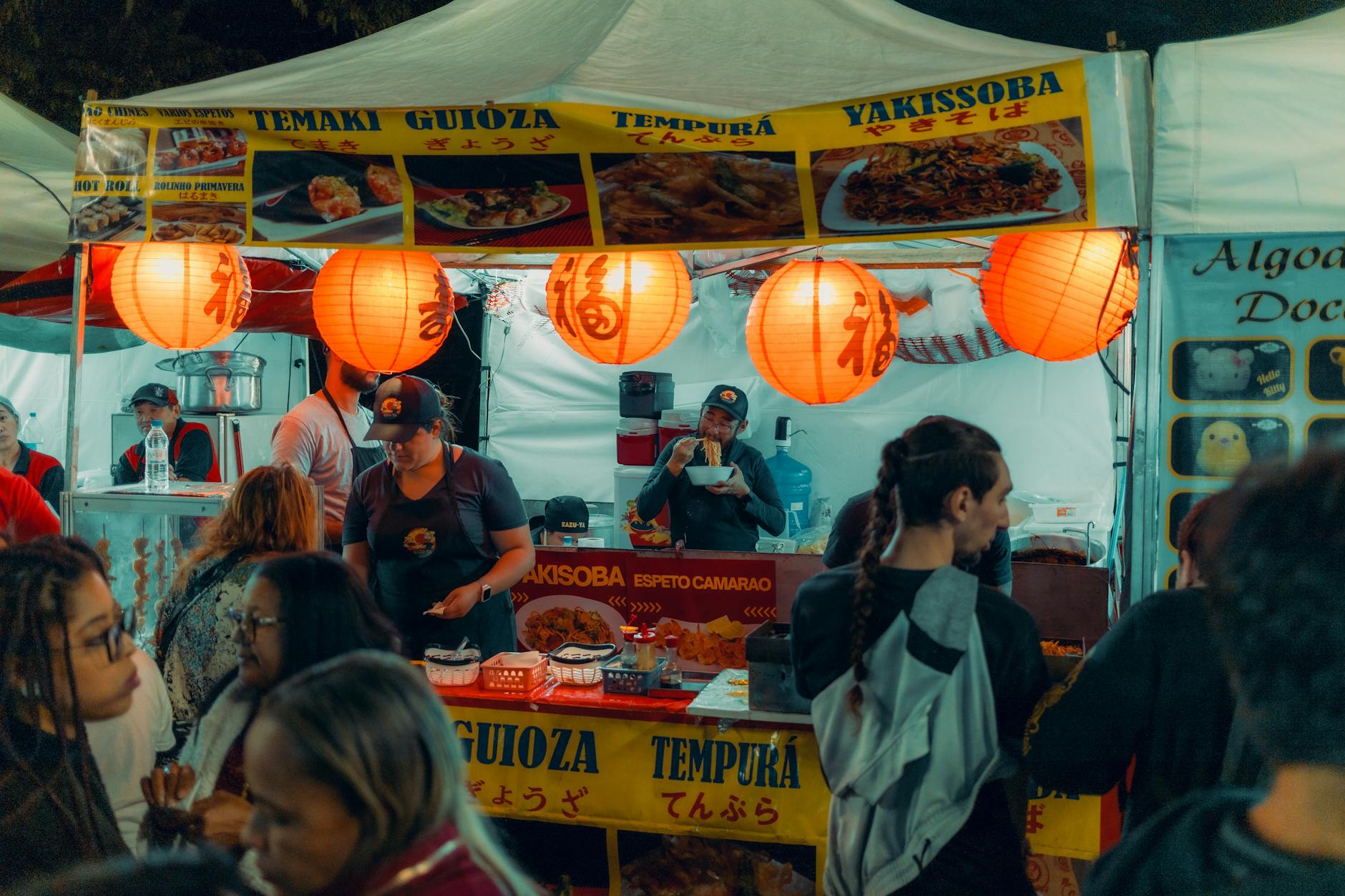
Table of Contents
- The 2026 Shanghai Night Markets Scene
- The Best Shanghai Night Markets, Ranked
- Shanghai Night Markets Compared
- Sijing Night Market — the big one
- Zhoupu and the Pudong Markets
- Wujiang Road
- Shouning Road (Crayfish Street) — a reality check
- Hongkou: Pinghe Road and Wujin Road
- Organised and Pop-up Markets
- What to Eat at Shanghai Night Markets
- A Three-Stop Night Market Crawl
- Night Market Shopping
- Getting There and Getting Home
- Paying at the Stalls
- Practical Tips
- Common Mistakes
- FAQ
The 2026 Shanghai Night Markets Scene
Shanghai’s street-food culture narrowed sharply over the past decade. Licensing and public-space enforcement did much of it: a citywide policy on unauthorised street stalls took effect on 1 August 2014.
Then policy turned. From 2019 the city began promoting a “night-time economy”, and the night markets that trade now do so under food-safety and fire-safety rules, with market regulators supervising on site. The municipal government now promotes these to visitors — see its own shortlist on the official Shanghai government nightlife pages.
Today’s mix:
- Big licensed suburban markets — Sijing (Songjiang), Zhoupu (Pudong), Wusong (Baoshan). The real thing: Sijing alone has more than 100 stalls.
- Traditional food streets — Wujiang Road, the Yunnan Road cluster, Huanghe Road. Shopfronts rather than carts, but open late and central.
- Themed eating streets — Hongquan Road (Korean), Guyang Road (Japanese), Wujin Road in Hongkou (northeastern skewers).
- Organised pop-ups — BFC on the Bund, Anfu Road weekends, Jing’an Park, Xintiandi. Design-led, pricier, English-friendly.
- Festival markets — Yu Garden Lantern Festival, Mid-Autumn evenings, Christmas markets. Short seasons, enormous crowds.
If you have one evening and want the noisy, greasy, plastic-stool version, go to Sijing. If you want something you can fold into a normal tourist evening near the Bund, go to Wujiang Road and accept that it is tamer.
The Best Shanghai Night Markets, Ranked
- Sijing Night Market (泗泾夜市) — the city’s largest open-air market; 100+ stalls, runs to 2am at weekends
- Zhoupu Night Market (周浦夜市) — one of the oldest survivors; regional Chinese snacks in Pudong
- Wujiang Road — most accessible to visitors; food street plus small shops, close to Nanjing West Road metro
- Daxue Road (大学路) — student-district street food, bar terraces and live music near Wujiaochang
- Hongquan Road “Seoul Night Market” — Shanghai’s Koreatown; Korean restaurants plus evening stalls
- Wusong Night Market (吴淞夜市) — family-friendly Baoshan market with play areas as well as food
- Hongkou Wujin Road cluster — local-only skewer street, open very late
- Qibao Old Street at night — water-town lanes in the suburbs, food-focused; shops set their own hours
- BFC Bund Finance Centre market — modern outdoor evening events by the river
- Anfu / Wuyuan Road pop-ups — design-focused, weekend evenings, French Concession crowd
- Shouning Road (Crayfish Street) — historically the great summer crayfish street; see the reality check below
- Tianzifang lanes at night — Shikumen alleys open into the evening; food plus shops
Shanghai Night Markets Compared
The useful thing to know is how far out each market sits and how late it runs. Hours shift with season and weather, so treat these as typical rather than guaranteed.
| Market | District | Nearest metro | Typical hours | Best for |
|---|---|---|---|---|
| Sijing Night Market | Songjiang | Line 9, Sijing | 16:30–24:00; to 02:00 weekends | Scale, atmosphere, grilled everything |
| Zhoupu Night Market | Pudong | Line 18, Zhoupu | Evenings | Regional Chinese snacks |
| Wujiang Road | Jing’an | Line 2/12/13, Nanjing West Rd | Varies by shop | Convenience, a quick first taste |
| Daxue Road | Yangpu | Line 10, Wujiaochang | Varies by venue | Bars plus food, student energy |
| Hongquan Road (Korean) | Minhang | Line 10, Longbai Xincun | 16:00–22:00 | Korean BBQ, fried chicken, soju |
| Wusong Night Market | Baoshan | Plan in a map app | 16:00–23:00 daily | Families with kids |
| Wujin Road, Hongkou | Hongkou | Line 10, Sichuan North Rd | Varies by restaurant | Skewers and beer, very local |
| Qibao Old Street | Minhang | Line 9, Qibao | Open all day; shops set their own hours | Old-town setting, early dinner |
| BFC Bund market | Huangpu | Line 10/14, Yuyuan Garden | Weekends | Riverside setting, English menus |
| Anfu Road pop-ups | Xuhui | Line 1/7, Changshu Rd | Varies by event | Design, coffee, vintage clothes |
Sijing Night Market — the Big One
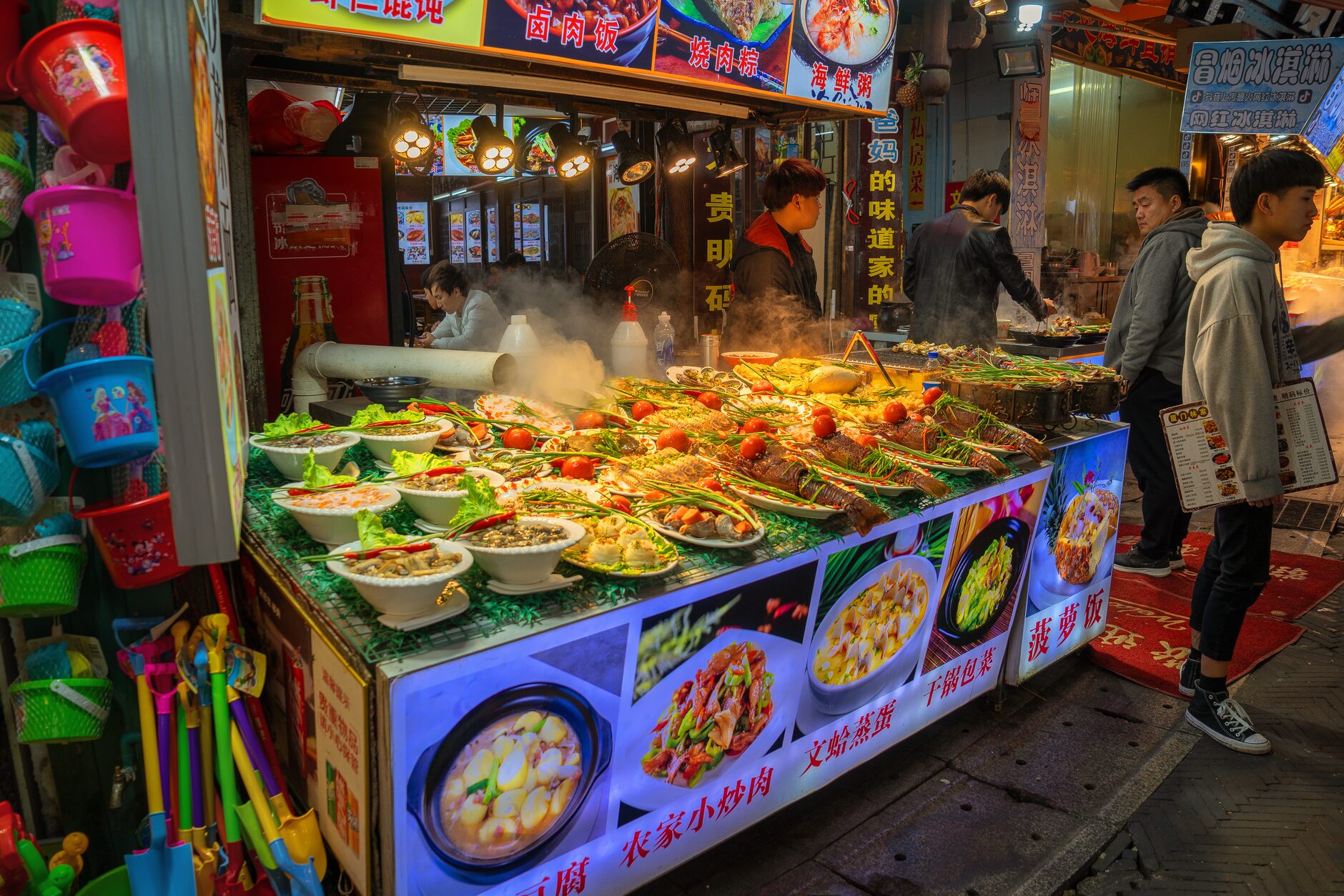
If you go to exactly one night market in Shanghai, make it Sijing (泗泾夜市) at No. 2 Sibao Road, Songjiang District. The city government calls it Shanghai’s largest open-air night market, and with more than 100 stalls that is not marketing puff — it is a proper grid of lanes, shoulder to shoulder on a Friday.
Getting there: Metro Line 9 to Sijing, then a short walk; follow the crowd. Songjiang is a long ride from the centre, so look up the journey time and fare from your own station in a map app before you set off.
Hours: daily from about 16:30 to midnight, and to 2am at weekends. Vendors set up from around 16:30, so the full spread takes a while to appear.
What to eat: the queues form for fermented rice-wine drink, shaved ice, glutinous rice cakes, braised duck neck, grilled squid, bobo chicken and every variety of charcoal skewer. Portions are small, so the way to do it is a little from each stall as you work down the lane.
The honest downside: almost nothing is in English, the toilets are basic, and it is a long way back. Line 9’s last trains are around 22:30–23:00, so staying late means a taxi or Didi; get the fare estimate in the app before you commit. Decide that before the third beer.
Zhoupu and the Pudong Markets
Zhoupu Night Market (周浦夜市), around No. 1626 Kangshen Road in Pudong, is one of the oldest surviving markets and feels more settled than Sijing. Take Line 18 to Zhoupu, then carry on to Kangshen Road on foot or by local transport. Guangdong rice-noodle rolls, northeastern grilled cold noodles, Thai milk tea and Taiwanese wheel cakes alongside the skewer stalls.
Further out, Shangyuan Road night market in the Lin-gang area near Dishui Lake runs about 20:00 to midnight with 50-plus stalls at student prices. It is a long ride out on Line 16 from Longyang Road — only worth it if you are already out there.
Wusong Night Market, No. 318 Mudanjiang Road in Baoshan (16:00–23:00 daily), is the pick if you have children: it has a children’s play area alongside the food, so it is not a pure eating-and-drinking street. It sits in the far north of the city, so plan the route in a map app before you go. Our guide to Shanghai with kids has more on family evenings.
Wujiang Road
The most centrally accessible food street, just behind Nanjing West Road: two pedestrian blocks of grills, dumpling shops, jianbing stands and noodle counters. It is a food street rather than a night market in the tent-and-cart sense, but it is the easiest first taste if you are staying centrally.
- Yang’s Fry Dumpling (小杨生煎) — shengjianbao chain. Pierce the bun and drink the soup first or you will wear it
- Jianbing carts — Chinese savoury crepes
- Mala Tang (Sichuan soup) — pick-your-own ingredients
- BBQ skewer stands — lamb, chicken, vegetable
- Bubble tea shops on the corners
Metro: Nanjing West Road (Line 2/12/13). Closing times differ from shop to shop, so check before a late visit.
Two nearby streets pair well with it. Huanghe Road, a block from People’s Square, is the Shanghainese home-cooking street. Near Nanjing Road, the Yunnan Road cluster gathers time-honoured food brands: Shanghai dishes, salted duck, shengjianbao and other specialities. Full run-down in our best food streets guide.
Shouning Road (Crayfish Street) — a Reality Check
Shouning Road (寿宁路), off the Old Town near Xizang South Road, became Shanghai’s crayfish street from around 2000: every doorway selling spicy hairy crayfish (小龙虾) Sichuan-style, plastic gloves, beer towers, pavement tables late into the night. Be straight about what happened to it. In March 2018 only nine of the street’s 57 eateries were fully licensed; by August 2019 just a few crayfish and barbecue places remained; and in August 2020 the first round of redevelopment consultation began for the adjoining blocks 501 and 504.
So in 2026: do not plan an evening around Shouning Road on the strength of an old blog post. The crayfish trade scattered into standalone restaurants and the suburban markets. You will find it more reliably at:
- Sijing and Zhoupu in season — sold by weight, pots out front
- Dedicated crayfish restaurants in Minhang, Pudong and Hongkou, where most of the trade went
- Wujin Road, Hongkou, where several skewer places add crayfish from May
Ask the price per jin or per portion before you order: it moves with the size of the crayfish and how they are cooked. Season runs late May to October, peaking July–August. Bring tissues and wear nothing you like. If you are here in high summer, our visiting Shanghai in summer guide covers the rest of the hot-weather calendar.
Hongkou: Pinghe Road and Wujin Road
For local atmosphere without leaving the inner city, head to Hongkou:
- Pinghe Road night cluster — small carts; mostly local crowd; very inexpensive
- Wujin Road — Northeast Chinese skewer street; lamb skewers, beer, hotpot
Few English signs, fewer Westerners — but the food is excellent and prices well under central Shanghai. Wujin Road is the closest thing the inner city still has to a proper late-night eating street: charcoal grills and, in summer, pavement tables. Line 10 to Sichuan North Road, or Line 3/4 to Baoshan Road. Hongkou is also home to the Shanghai Jewish refugee quarter if you want to make an afternoon and evening of it.
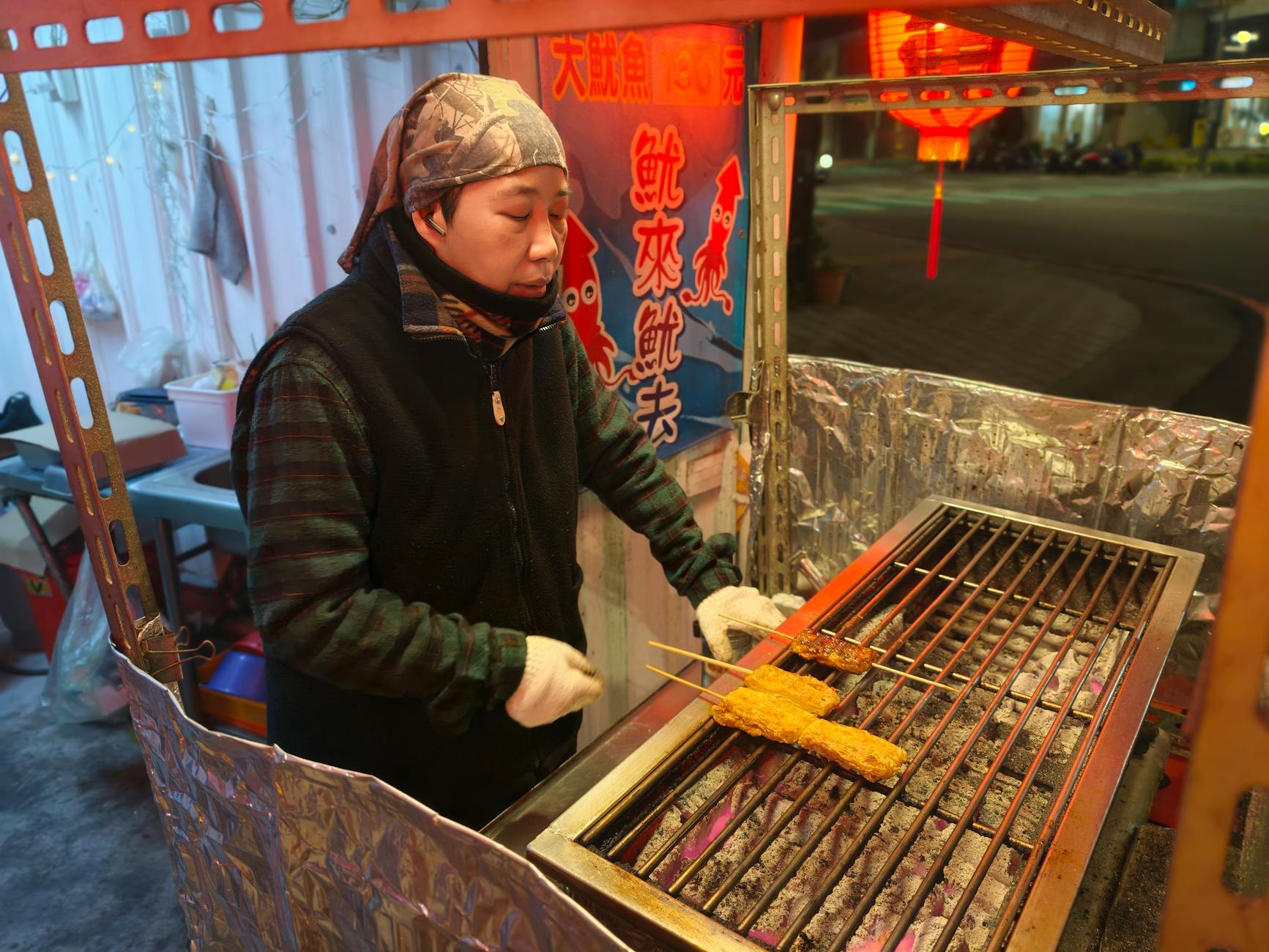
Ordering is visual: take a metal tray and tongs, pick raw skewers from the fridge, hand it over, they count or weigh it. Point and hold up fingers. Our language barrier tips cover the phrases that actually help.
Organised and Pop-up Markets
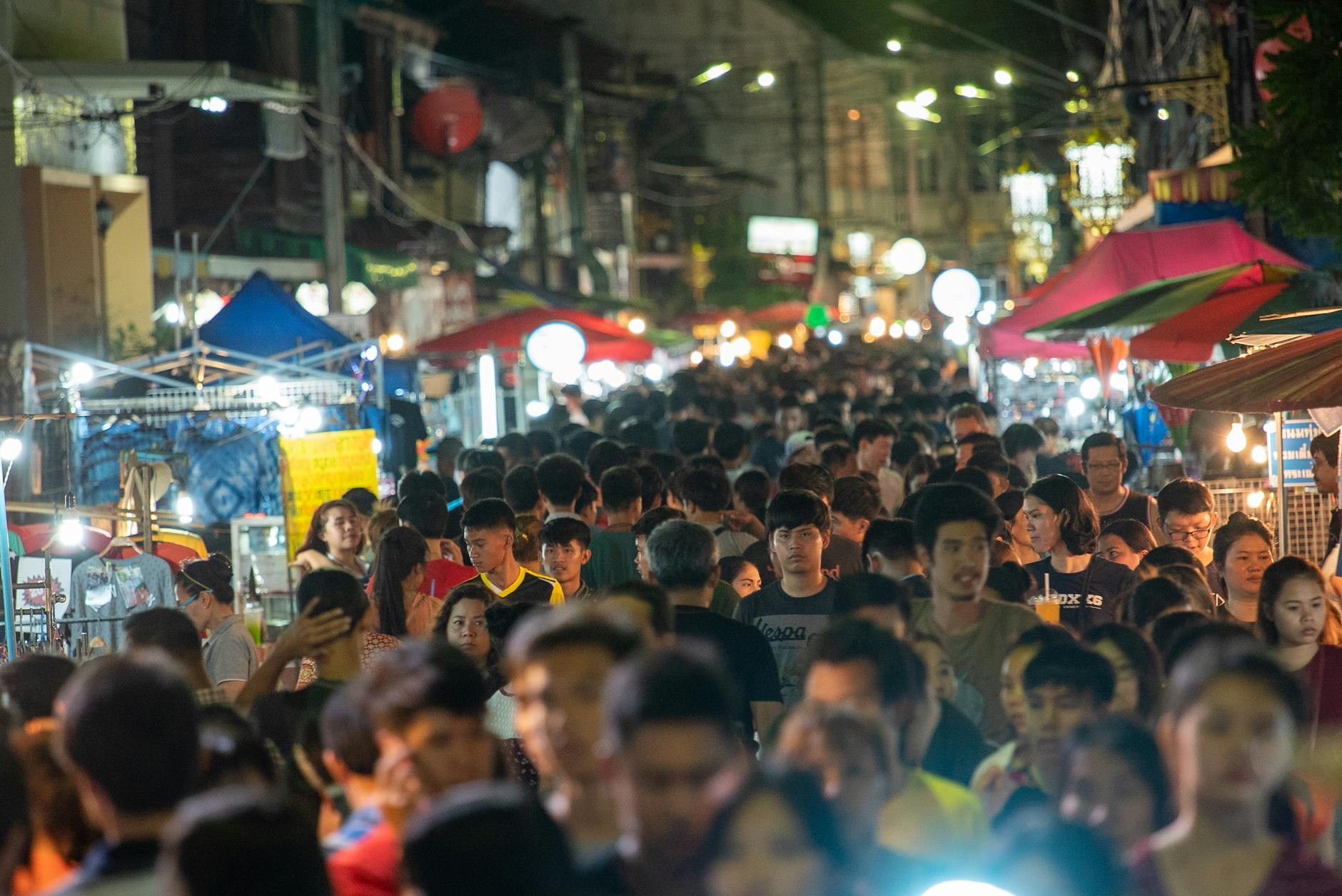
These are the ones you will stumble across without leaving the tourist core. Cleaner, pricier and more design-conscious — closer to a European Christmas market than a Taiwanese night market — and perfectly pleasant if you know what you are getting.
- BFC Bund Finance Centre market — a themed weekend market in the plaza just south of the Bund; small-batch food, design stalls, occasional live music. BFC’s own event listing has the hours and any entry conditions. Line 10 or 14 to Yuyuan Garden, then on foot to the river. Pairs with our Bund at night guide.
- Anfu and Wuyuan Road weekend pop-ups — coffee, ceramics, vintage clothing, French Concession crowd. Hours depend on the event. A browsing street, not a dinner street.
- Daxue Road, Yangpu — the Daxue Road / Zhixin Road junction near Wujiaochang has food stalls, bar terraces and live music, with the mix changing from night to night. Fudan and Tongji students, so prices stay sane. Line 10 to Wujiaochang.
- Jing’an Sculpture Park and Xintiandi events — seasonal, announced on WeChat rather than in English. Worth a look if you are nearby.
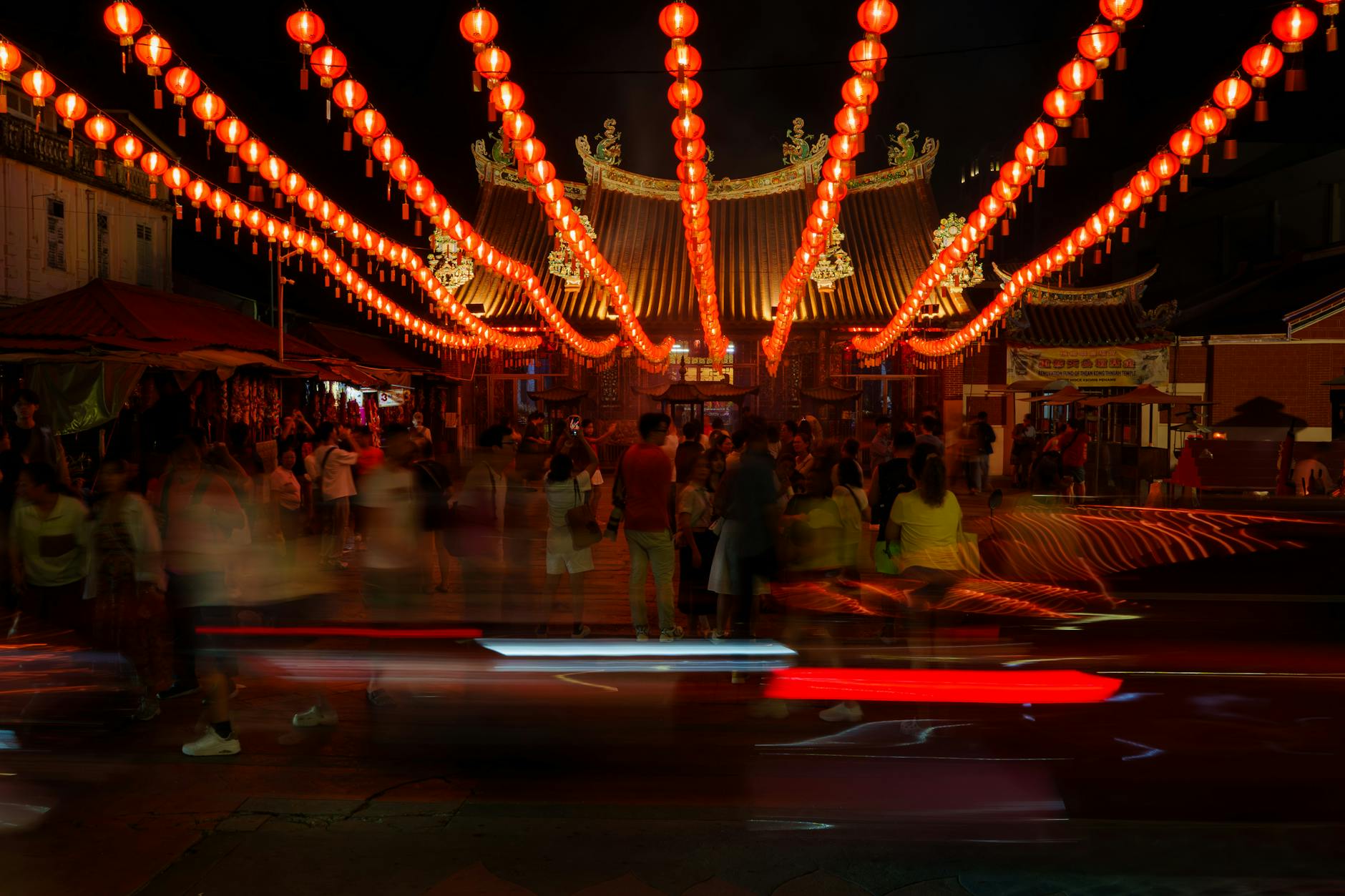
- Yu Garden Lantern Festival — Yuyuan’s major lantern festival around Chinese New Year; the 2026 edition ran from 26 January to 3 March, and the city’s english.shanghai.gov.cn site lists each year’s dates. Spectacular and completely overwhelmed; go on a weekday and expect timed-entry ticketing. See our Yu Garden guide.
What to Eat at Shanghai Night Markets
Order small, order often, share. The point is eating nine things rather than one. Typical 2026 prices:
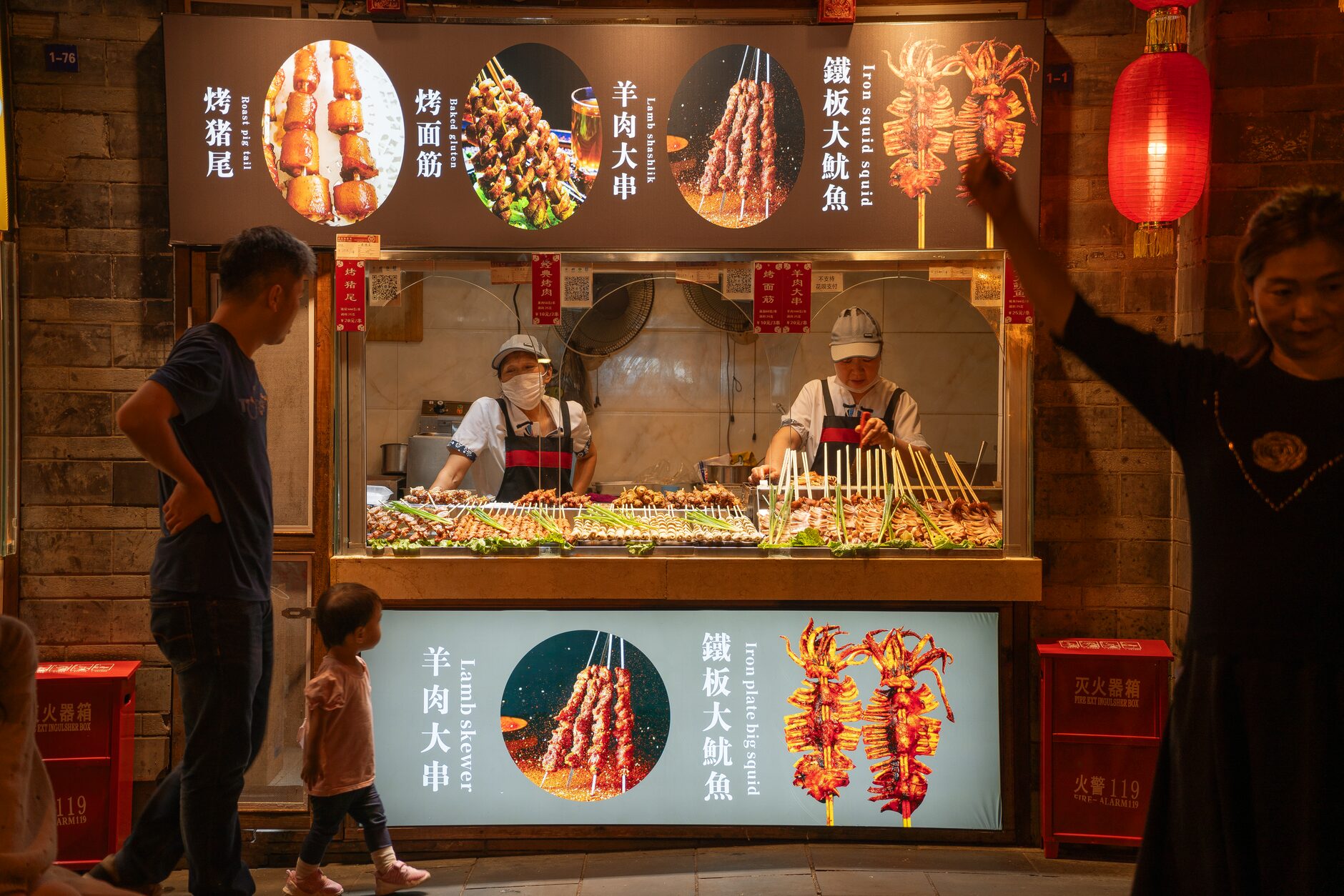
- BBQ skewers (烧烤) — lamb, chicken, beef tendon, vegetables. Cumin on request; say bú yào là (不要辣) for no chilli
- Jianbing (煎饼) — savoury crepe with egg, crispy wonton, scallions
- Mala Tang (麻辣烫) — pick-your-own Sichuan soup. Fill a basket, they weigh it, then boil it
- Kao leng mian (烤冷面) — northeastern griddled cold noodles with egg and sausage. Underrated
- Stinky tofu (臭豆腐) — fermented and fried; an acquired taste
- Cong you bing (scallion pancake) — flaky, layered
- Grilled squid (铁板鱿鱼) — on a stick, cumin and chilli
- Roasted sweet potato (烤红薯) — winter classic
- Soybean milk (豆浆) — sweet or savoury, hot or cold
- Sugar-coated fruit skewers (糖葫芦) — Beijing-style but available here
- Fresh juice and bubble tea — to cool the chilli between skewers
- Beer — cheapest by the bottle from a stall; dearer once you sit down at a table
A sample order at Sijing: three lamb skewers, a jianbing, a grilled squid stick and a bottle of beer, picked up from four different stalls as you walk.
Vegetarians do reasonably: grilled aubergine, enoki bundles, corn, potato slices, tofu skin and lotus root are standard skewer items. But everything shares a grill with lamb, and mala tang broth is usually meat-based — our vegetarian and vegan Shanghai guide has the phrases. For the wider picture see our Shanghai street food guide and the best xiaolongbao shortlist.
A Three-Stop Night Market Crawl
A workable evening that stays on central metro lines and skips the long ride out to the suburbs.
- 18:00 — Wujiang Road. Shengjianbao at Yang’s, a jianbing from a cart. A warm-up, not dinner
- 19:00 — Line 2 to East Nanjing Road, Line 10 to Sichuan North Road. Then walk to Wujin Road
- 19:20 — Wujin Road skewers. Outside table, tray of lamb, chicken wings, enoki and aubergine, two beers. This is dinner, so take your time
- 21:00 — Line 10 to Yuyuan Garden, walk to the Bund. Walk to the promenade for the skyline; at weekends the BFC market is running just south. Dessert or bubble tea if you still have room
- 22:30 — home. Take the metro if your last train has not gone (check the station timetable); some central lines run later on Friday and Saturday nights. After that, Didi fares vary with distance, time and demand, so check the in-app estimate
For the full suburban version, swap the middle stops for one dedicated trip: Line 9 to Sijing, eat there, then take a taxi back. More transport cost, much better market. Our Shanghai nightlife guide covers what comes after the food.
Night Market Shopping
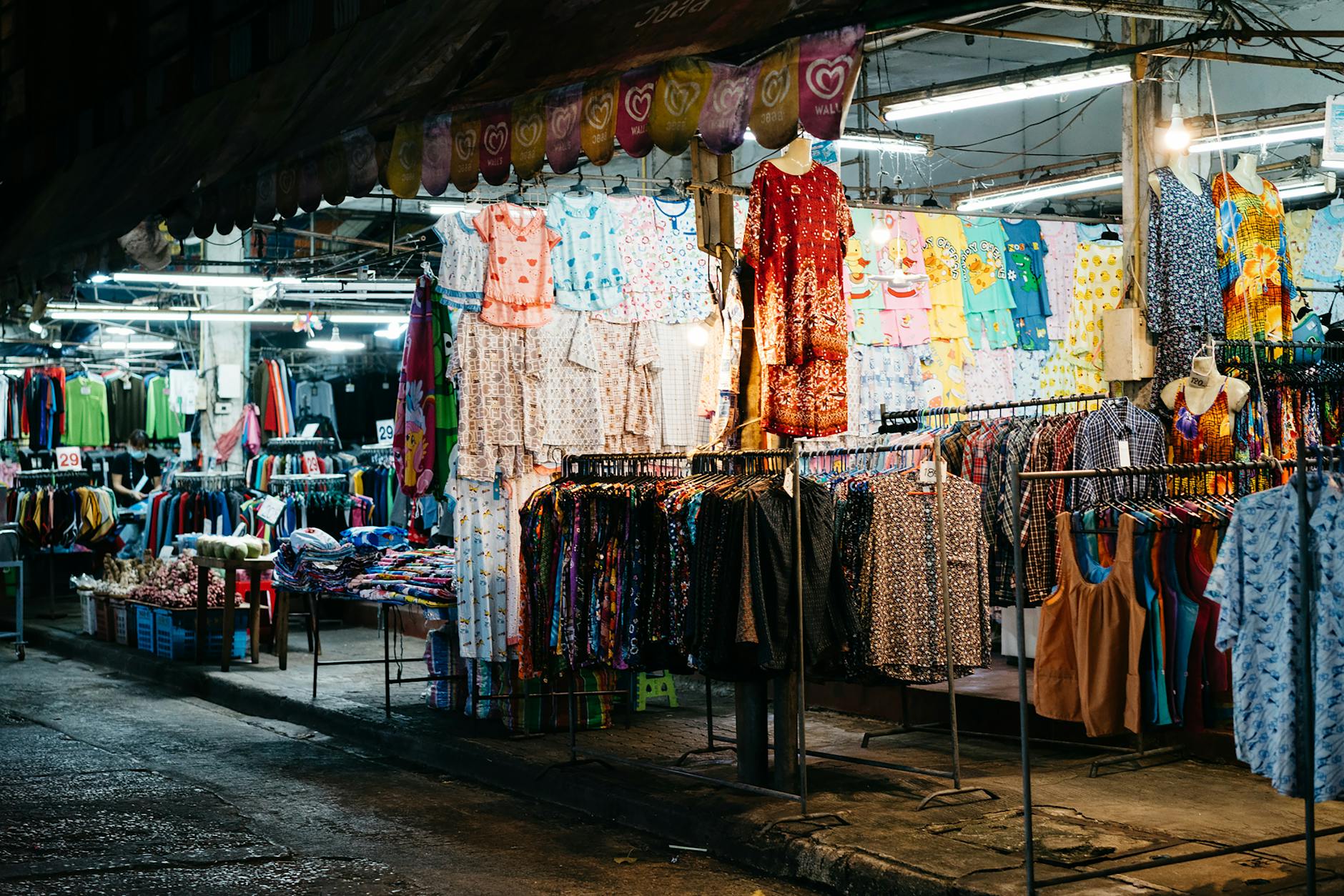
Shopping at Shanghai night markets is thinner than in Beijing or Taipei but has its moments. Suburban markets carry more goods than central food streets; pop-ups carry better-made things at higher prices:
- Cheap clothing — quality varies
- Phone accessories, cases, cables — bargain hard
- Toys and gadgets for kids
- Sunglasses, hats, scarves
- Souvenirs and Shanghai-themed magnets
- Blind boxes and anime merchandise — a fixture of the newer markets
- For serious shopping — see our Shanghai markets & haggling guide
Haggling is simpler here than at the tourist fake markets: food is fixed price and bargaining on it marks you out, while goods stalls expect a negotiation. Counter well below the first quote and settle somewhere in between. If they accept your first counter instantly, you started too high. On small purchases it is not worth the friction. For gifts actually worth carrying home, see our Shanghai souvenirs guide.
Getting There and Getting Home
Transport is the part people get wrong. Metro fares rise with distance, and you can scan a QR code in Alipay or the Metro Daduhui app instead of buying a ticket — but the metro stops earlier than the markets do.
Last trains at most stations leave between about 22:30 and 23:00, and central lines run an extra hour on Friday and Saturday nights. Per-station timetables are published by the Shanghai Metro operator; check yours before settling in for a second beer. Payment options are covered in our Shanghai metro guide.
After the metro closes:
- Didi — Chinese ride-hailing, with an English interface in the international version. Fares depend on the pickup point, route, traffic and time of night, so get a live quote in the app before you leave the market. See using Didi in Shanghai
- Street taxi — flag fall is ¥14 for the first 3km by day (¥16 in an electric taxi), rising to ¥18 on the night rate from 23:00 to 05:00. Insist on the meter, never take a fixed price from someone approaching you, and have the destination written in Chinese. More in our Shanghai taxi tips
- Night buses — cheap, but Chinese-only routes and slow. Rarely worth it
Paying at the Stalls
Almost every stall takes Alipay and WeChat Pay, and many take nothing else willingly. Set one up before you fly: both accept international Visa, Mastercard and JCB, need a passport photo and and a face scan. A service fee of about 3% applies to transactions over ¥200 on a foreign card — at night-market prices, most of your purchases are fee-free.
Cash still works. Merchants are required to accept RMB, and older suburban vendors are used to it — but expect a hunt for change if you pay for a pancake with a ¥100 note. Carry ¥200–300 in ¥10 and ¥20 notes and you will never be stuck. Don’t count on a foreign credit card at a stall. Full detail on ATMs, rates and card fees is in our Shanghai money and currency exchange guide; budget travellers should also read cheap eats in Shanghai.
Practical Tips for Shanghai Night Markets
- Peak hours — crowds depend on the market, the night and the weather. Arrive early for photographs without elbows in them
- Mobile payments universal — Alipay and WeChat Pay everywhere
- Bring tissues — markets rarely provide them, and neither do many public toilets
- Eat at stalls with a visible queue — high turnover means fresh ingredients
- Set a budget before you start — small portions from many stalls add up faster than you expect
- Don’t accept first-quoted prices at goods stalls — counter at 30–40%
- Avoid national holidays for sanity (Oct 1–7, Spring Festival)
- Check the weather — heavy rain empties an open-air market within twenty minutes
- Latest metro ~23:00; after that Didi or taxi
- Photography is fine, but don’t block vendors with tripods and ask before pointing a lens at a face
- Carry hand sanitiser — sinks are scarce and you will eat with your hands
- Download an offline map and translation app — Google Maps is not usable in China
Common Mistakes
- Turning up at 17:30 and concluding there is no market. Suburban markets fill gradually through the evening, so an early visit can look half-empty
- Trusting old blog posts. Food streets change fast: by 2019 only a few of Shouning Road’s crayfish places remained. Check a 2025 or 2026 source
- Eating dinner first. The market is dinner. Arrive hungry
- Not setting up mobile payment before arriving. Verification can take a day and needs a working phone number
- Missing the last train. The most common night-market mistake and the most expensive
- Bargaining over food. It will not work and it marks you out. Goods only
- Assuming “night market” means shopping. In Shanghai it overwhelmingly means eating
- Accepting a “tea ceremony” or bar invitation from a friendly stranger near Nanjing Road — a long-running scam. See Shanghai scams to avoid
Frequently Asked Questions
Does Shanghai have night markets?
Yes, though smaller than Taiwan’s or Thailand’s and mostly outside the centre. Sijing in Songjiang and Zhoupu in Pudong are the two big licensed markets. Central options are food streets — Wujiang Road, Huanghe Road and the Yunnan Road cluster near Nanjing Road Pedestrian Street — plus seasonal pop-ups at the Bund and Anfu Road.
What are the best night markets in Shanghai?
Sijing for scale and atmosphere; Zhoupu for regional snacks; Wujiang Road for convenience if you are staying centrally; Wujin Road in Hongkou for a very local late-night skewer street; Anfu Road weekends for design and coffee rather than food.
What time do Shanghai night markets open?
Hours vary by market. Sijing runs from 16:30 to midnight, and to 2am at weekends; Wusong trades 16:00–23:00, the Seoul Night Market on Hongquan Road 16:00–22:00, and Shangyuan Road 20:00 to midnight. Qibao Old Street has no closing time as such, though its shops and sights keep their own hours. How busy any of them gets depends on the night and the weather.
How do I get to Sijing Night Market?
Metro Line 9 to Sijing station, then a short walk. Journey time and fare depend on where you board, so check them in a map app. Returning after 22:30 you will likely need a taxi or Didi; ask the app for a fare estimate first.
Are Shanghai night markets safe?
Yes — well lit, busy, heavily policed, and Shanghai has very low street crime. Watch your bag in crowds and keep your phone in a front pocket. For food safety, choose stalls with a queue and food cooked to order in front of you.
How much does a Shanghai night market meal cost?
You pay stall by stall for small portions, so the bill depends on how many you try: three to five small dishes plus a beer makes a typical meal. A crayfish dinner with sides and drinks costs considerably more.
Can I shop at Shanghai night markets?
Yes — clothing, phone accessories, toys, blind boxes and souvenirs, though the selection is thinner than in Beijing or Taipei. Bargaining is expected on goods; counter at 30–40% of the first quote. Never bargain on food.
Are Shanghai night markets walkable?
Mostly — these are pedestrian streets or closed lanes. Wujiang Road is a single block; Sijing is a grid you can cover in half an hour of slow walking. Surfaces get greasy and puddled, so wear closed shoes you don’t mind ruining.
Do Shanghai night markets accept foreign credit cards?
Don’t count on it: ask at the stall, look for the card network’s logo, and keep another way to pay. Use Alipay or WeChat Pay, both of which now link international Visa, Mastercard and JCB cards — set this up before you arrive. Cash is a legal backup, but bring small notes.
Is there a night market near the Bund?
The BFC Bund Finance Centre runs a weekend evening market in its plaza just south of the Bund, and Yuyuan Bazaar has evening food stalls. Both are more polished and pricier than a real night market. Wujiang Road is a short metro ride away and closer to street food proper.
What is the best month for Shanghai’s night markets?
Late April to early June, and mid-September to late October. July and August are hot and humid enough to make standing over a charcoal grill unpleasant, though that is peak crayfish season. Winter markets thin out in the cold.
Can I bring children to a Shanghai night market?
Yes, and locals do — the suburban markets are full of families before 20:00. Wusong Night Market in Baoshan suits families best, with a children’s play area beside the food. Go early, before the drinking crowd, and keep hold of small hands in the lanes.
Plan Your Night
Combine this with our pillar guides on Shanghai nightlife, best food streets, and Shanghai street food. If a night market is dinner, the Bund at night or a rooftop bar is the obvious second act, and Shanghai on a budget shows how far a modest daily budget stretches. For background on the format, see Night market on Wikipedia.