Shanghai’s licensed metered taxis are cheap, plentiful and properly regulated — the meter runs, the receipt prints, and the driver almost never argues. What catches out first-time visitors is everything around the ride: the language barrier, the payment apps, the shift change that empties the streets at exactly the wrong hour. These Shanghai taxi tips start with fares, because that is what everyone wants first, then cover hailing, apps, payment, the airport queues, the handful of scams that still exist, and the honest question of when a taxi beats a Didi or the metro.
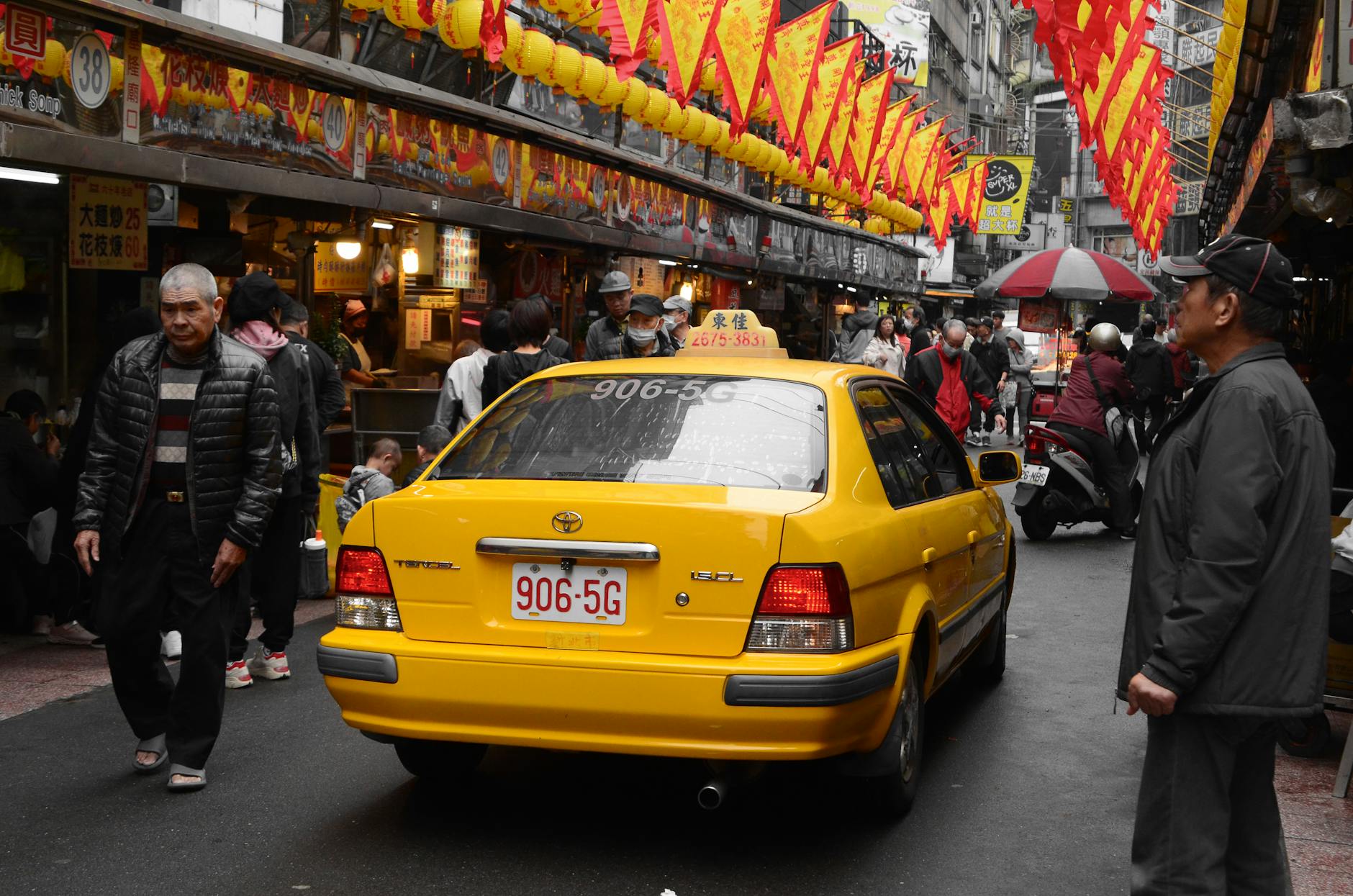
Table of Contents
- The Short Version
- Shanghai Taxi Fares: What a Ride Costs
- Sample Fares Around the City
- Taxi Companies by Colour
- How to Hail a Taxi
- Hailing by App
- Communicating Your Destination
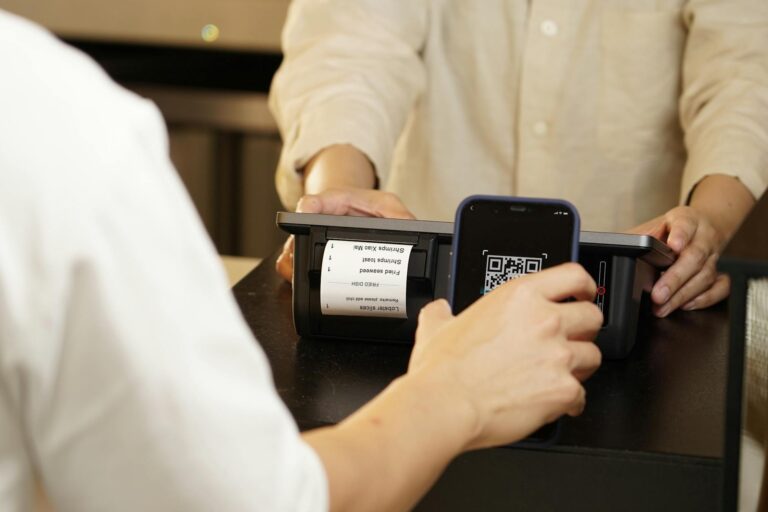
- Payment Methods
- Airport Taxis
- Common Scams to Avoid
- When You Cannot Get a Taxi
- Taxi vs Didi vs Metro
- If You Leave Something Behind
- Shanghai Taxi Tips: Fares, Etiquette and Small Print
- FAQ
The Short Version
- The meter starts at ¥14–16 for the first 3 km in daylight, ¥18–21 between 23:00 and 05:00.
- Most rides inside the central districts land between ¥20 and ¥50.
- Pay with Alipay or WeChat Pay. Foreign credit cards are not accepted in a street taxi.
- Have the destination written in Chinese characters. Do not try to say it.
- Never accept a fixed price instead of the meter. Never take a car that approaches you inside an airport terminal.
- Between roughly 16:00 and 17:00 and in heavy rain, taxis effectively disappear. Use the metro or book ahead.
Shanghai Taxi Fares: What a Ride Costs
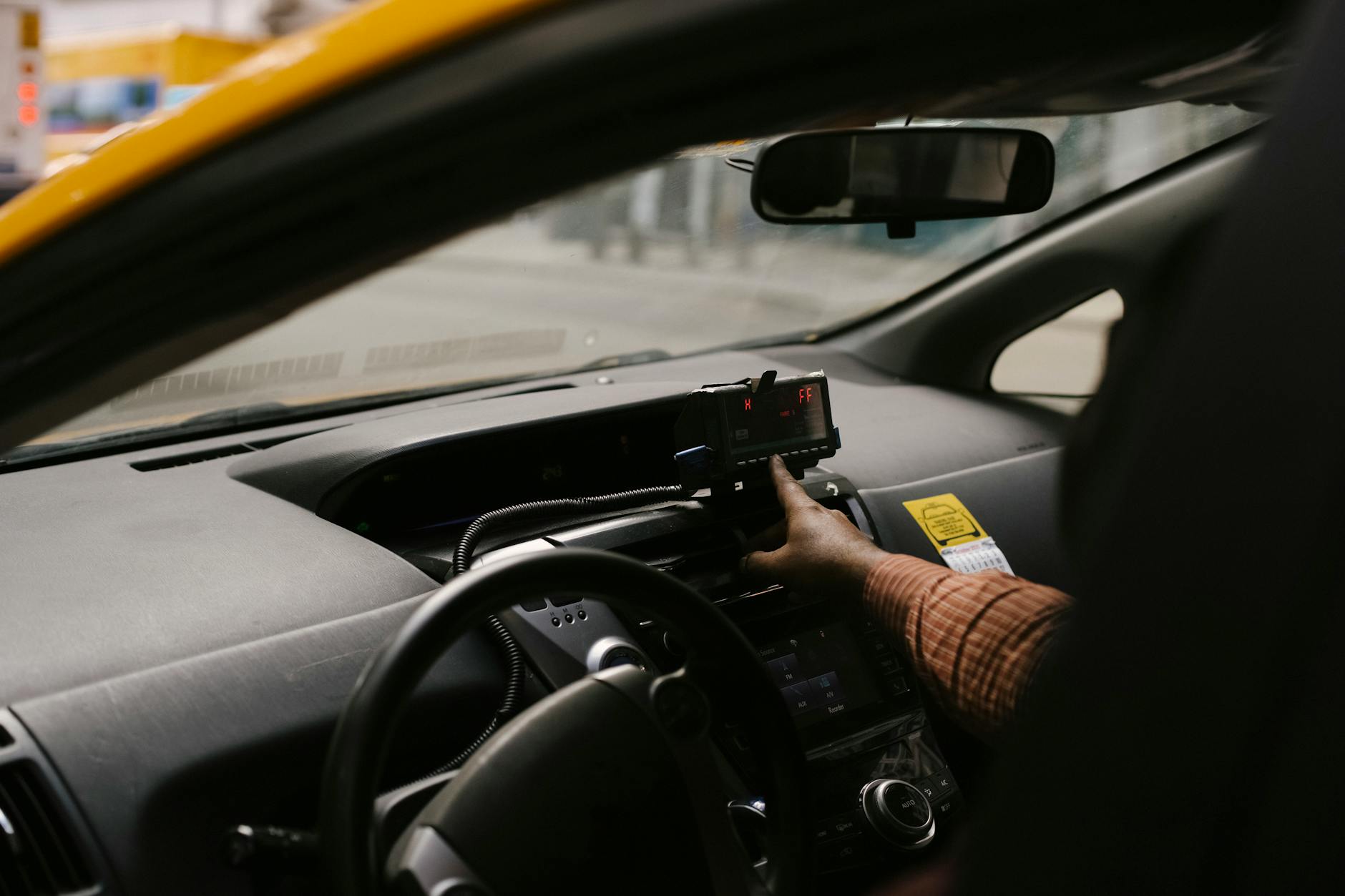
Shanghai’s fare structure is set by the city, identical across all licensed companies, and displayed on a sticker in the rear window. Published figures vary slightly between sources and by vehicle type — the newer electric taxis, which now make up a growing share of the fleet, carry a higher flag-fall than the older petrol cars. Treat the numbers below as the working range rather than a single fixed price.
| Component | Daytime (05:00–23:00) | Night (23:00–05:00) |
|---|---|---|
| Flag-fall, first 3 km | ¥14–16 | ¥18–21 |
| Per km, 3 km onwards | ¥2.50 | ¥3.10 |
| Per km, long runs (beyond 10–15 km) | ¥3.60–3.70 | ¥4.70 |
| Waiting / crawling traffic | About ¥2.70 per 4 minutes stationary | Same, plus night rate |
| Fuel surcharge | ¥1 per trip when applied; comes and goes with oil prices | |
Two things are worth understanding about that table. First, the meter charges for time as well as distance — sitting still on Yan’an Road at 18:30 costs money. A 6 km trip that takes 15 minutes and the same trip taking 40 minutes are not the same fare. Second, the long-distance rate kicks in somewhere past the 10–15 km mark, which is why an airport run costs disproportionately more than the distance suggests.
Suburban districts — Minhang, Songjiang, Qingpu, Fengxian — run their own slightly lower local tariff, so a taxi hailed in a far suburb may start cheaper than one in Jing’an. This matters almost never for visitors, but it explains why the meter occasionally looks wrong.
Sample Fares Around the City
Real-world ballparks for common tourist runs, assuming normal traffic and daytime rates. Add 25–30% at night, and add 30–50% at rush hour because of the waiting charge.
| Route | Distance | Typical fare | Time |
|---|---|---|---|
| People’s Square → the Bund | ~2 km | ¥16–25 | 8–15 min |
| The Bund → French Concession (Anfu Road) | ~5 km | ¥25–35 | 15–25 min |
| People’s Square → Lujiazui | ~6 km | ¥30–40 | 15–30 min |
| Jing’an Temple → Xintiandi | ~4 km | ¥20–30 | 12–20 min |
| City centre → Hongqiao Airport (SHA) | ~15 km | ¥60–90 | 20–35 min |
| City centre → Pudong Airport (PVG) | ~45 km | ¥150–250 | 50–70 min |
| City centre → Shanghai Disneyland | ~35 km | ¥120–170 | 45–60 min |
For comparison, the same trips on the metro cost ¥3–7. A day of taxis in Shanghai is roughly the price of one bad cocktail in a hotel bar, which is the main argument for using them freely.
A worked example: one full sightseeing day
Two people, staying in the former French Concession, doing a normal tourist day and taking a cab whenever the metro is annoying:
- 09:30 hotel to Yu Garden, ~5 km — ¥28
- 13:00 Yu Garden to Tianzifang, ~4 km in midday traffic — ¥30
- 17:00 Tianzifang to the Bund, ~4 km at the start of rush hour — ¥35
- 21:30 the Bund to a restaurant in Jing’an, ~4 km — ¥28
- 23:30 restaurant back to the hotel, ~3 km at night rates — ¥22
Total ¥143 — about £15 or US$20 — split between two people, for a day with zero walking to stations and zero standing on platforms. The equivalent metro day is roughly ¥40 for the pair. That gap is small enough that the real decision is time and comfort, not money.
Taxi Companies by Colour
Shanghai’s licensed fleet is split between several operators, each with its own livery. All of them run the same city-set meter, so colour is about service quality and car condition, not price.
- Dazhong (大众) — cyan/turquoise: the largest and oldest operator, and the safest default. Booking and complaints line 96822.
- Qiangsheng (强生) — yellow: second largest, everywhere in the centre. Line 62580000.
- Jinjiang (锦江) — white: generally the cleanest cars. Line 96961.
- Bashi (巴士) — blue/green: smaller fleet, perfectly fine.
- Haibo and others — dark blue and various: legitimate smaller operators you will see less often.
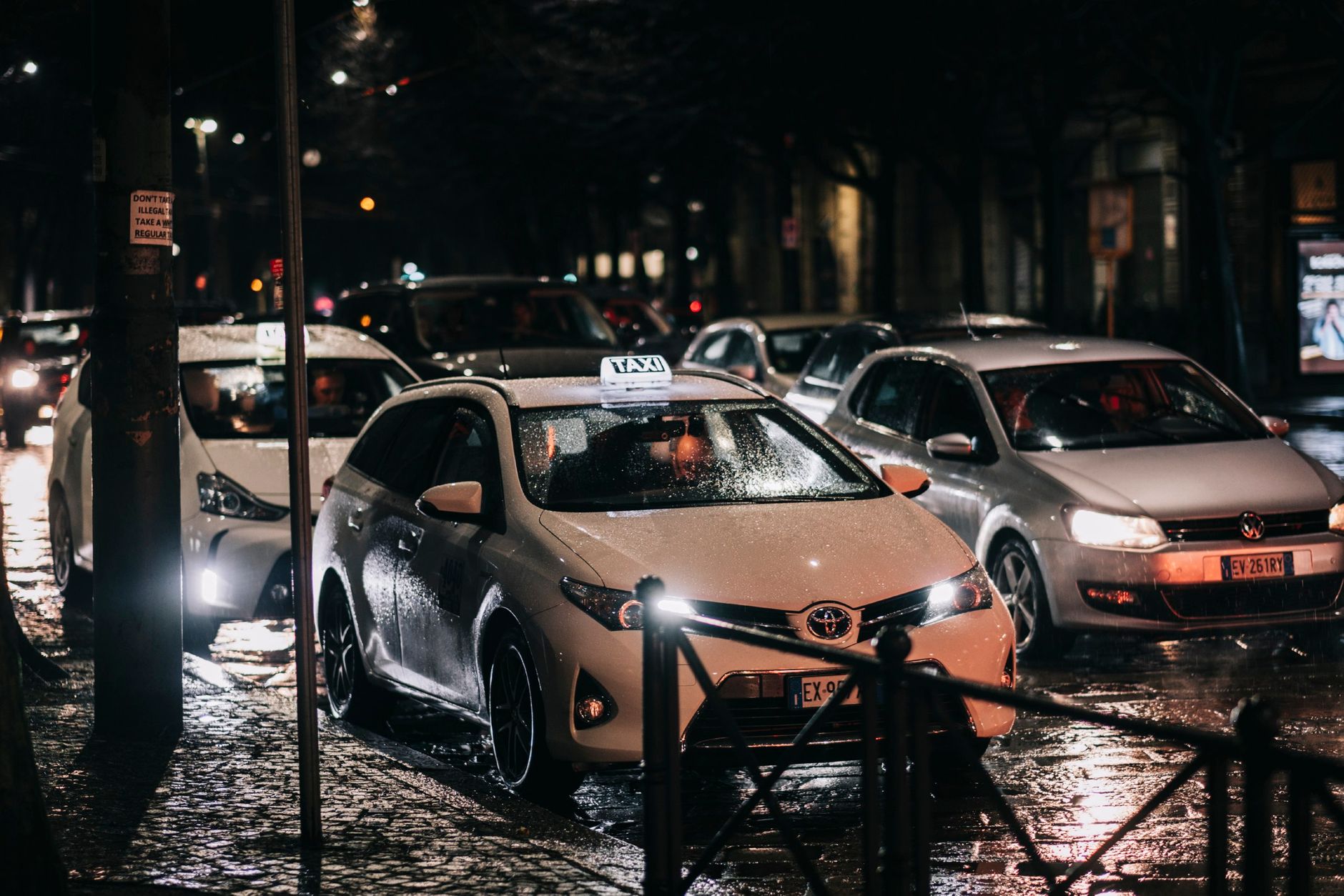
What matters far more than the company is that the car is a real taxi at all. A licensed Shanghai taxi has a lit roof sign, a company livery, a printed fare sticker in the rear window, a driver ID card mounted on the dashboard, and a meter with a green light. A car with none of those and a man asking “taxi? taxi?” is a black cab (黑车) and should be refused every time, politely and without discussion.
How to Hail a Taxi
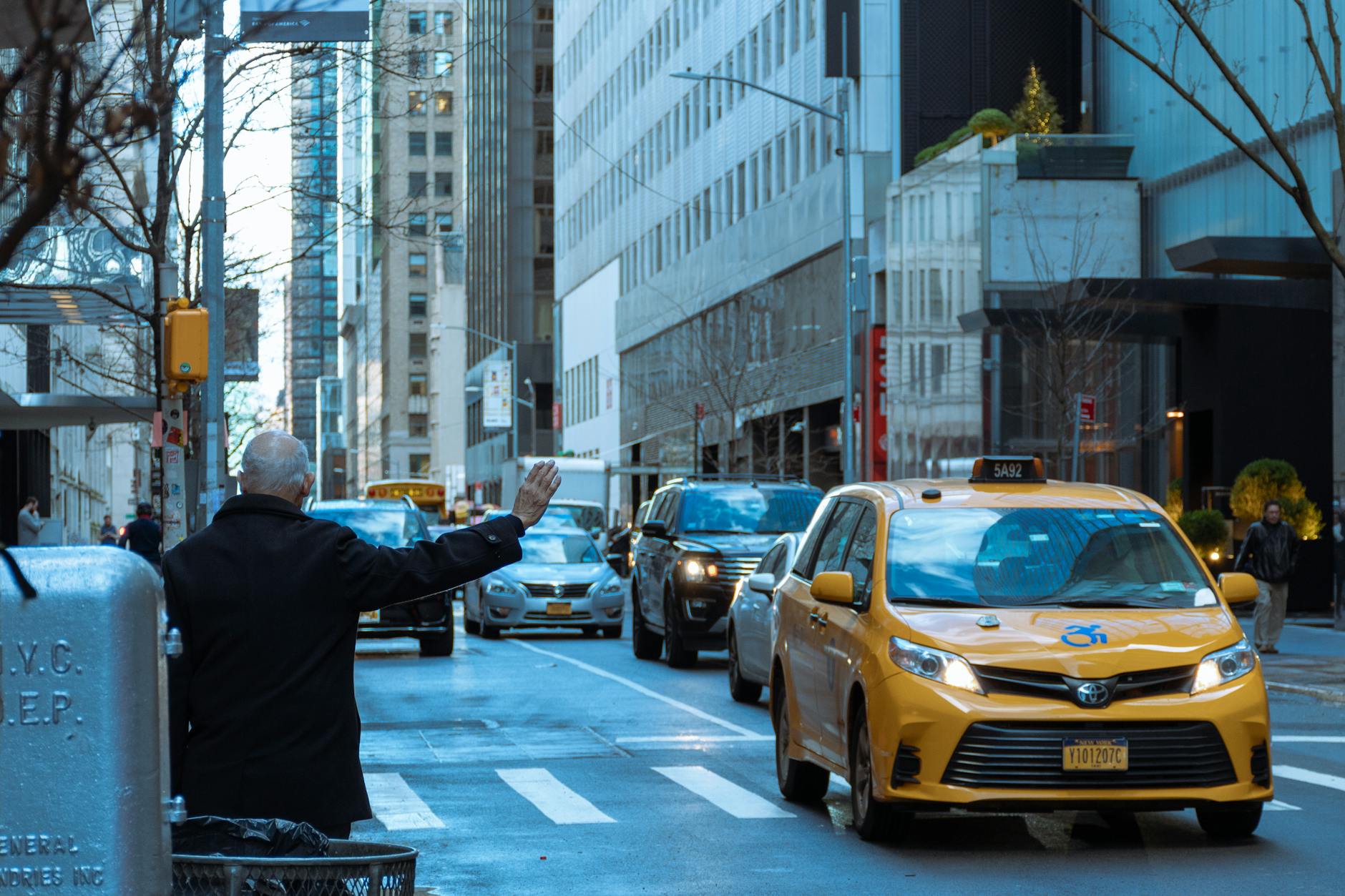
- Look for the light. A small illuminated sign on the dashboard’s right side, visible through the windscreen, shows whether the car is free. Green or lit generally means available; a dark or red display means occupied or off duty.
- Stand where a car can legally stop. Shanghai enforces no-stopping zones hard, especially near junctions and along the Bund. Walk 30 metres past the corner and you will get picked up in half the time.
- Raise your hand at the kerb. No whistling, no stepping into the road.
- Get in on the left rear seat — the kerbside door in Shanghai’s right-hand traffic. Front passenger seats are usually walled off with a safety screen.
- Buckle up. Rear seatbelts are legally required and enforced.
- Watch the meter start. It should be at the flag-fall figure and running before you pull away. If it does not start, point at it. Politely.
Late at night and in the rain, drivers sometimes lean out and ask where you are going before unlocking. That is technically refusal of service and technically illegal; in practice, just show your written address and see what happens.
Hailing by App
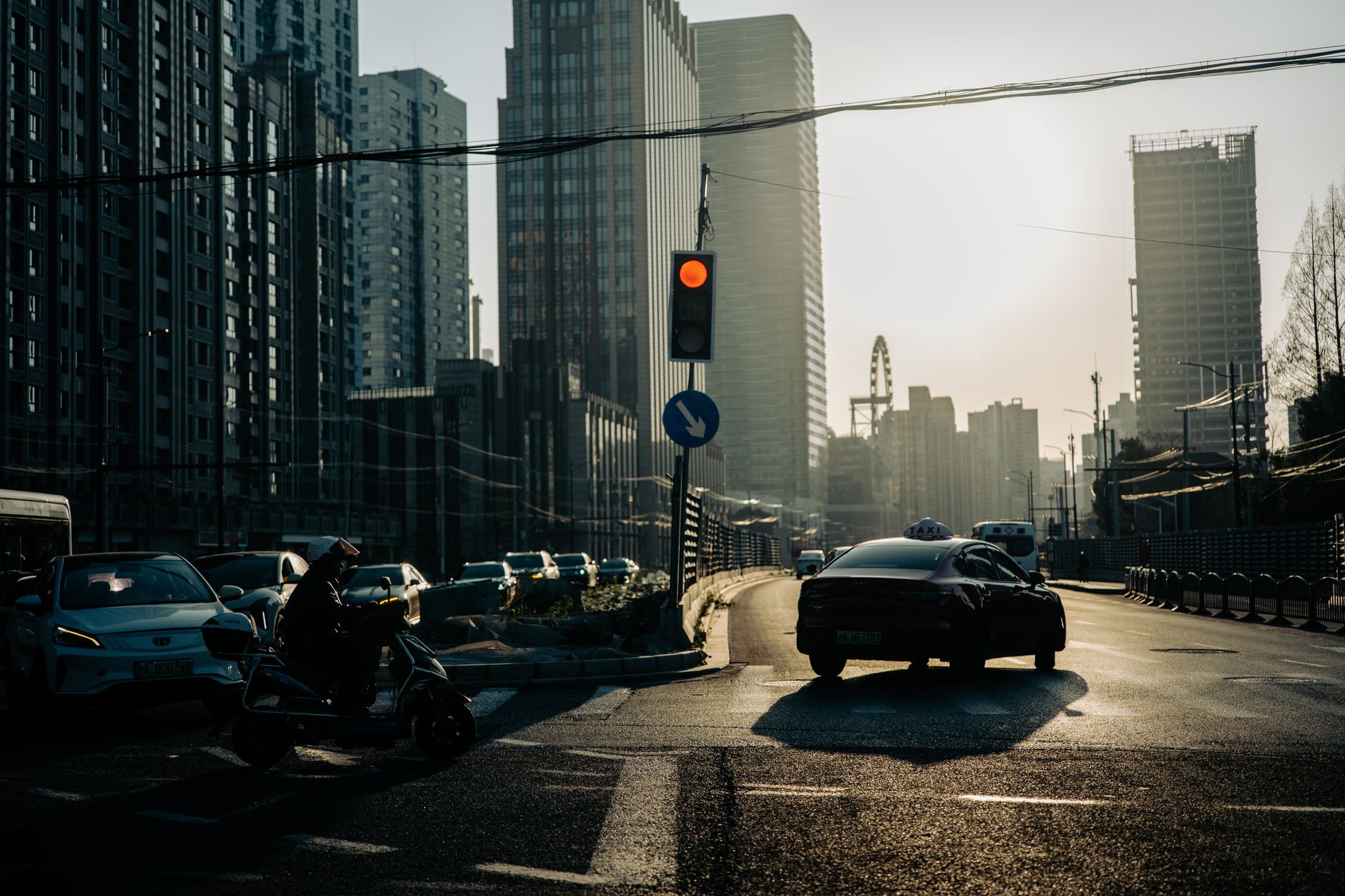
Street-hailing is still normal in Shanghai, but a large share of rides now come through apps, and drivers cruise with the app open. That has a practical consequence: on a busy evening, the empty-looking taxi passing you may already be assigned to someone.
- Didi (滴滴出行) is the dominant platform and has an English interface. It lets you set the destination in the app, shows an estimated price before you commit, tracks the route, and takes an international card — which solves the two biggest problems foreigners have with street taxis at once. Our guide to using Didi in Shanghai covers registration with a foreign number.
- Alipay and WeChat mini-programs both have Didi built in, which is useful if the standalone app refuses your phone number. Same cars, same prices, fewer sign-up hurdles.
- Amap (高德地图) aggregates several ride-hailing operators at once and often finds a car faster at peak times, but the interface is Chinese-only in practice.
- The city-backed taxi app exists for booking licensed metered cabs specifically and is popular with residents, particularly older ones. It is Chinese-only and there is no reason for a visitor to bother with it.
App-booked metered taxis charge the same meter fare plus a small booking fee. App-booked private cars (the “Express”/快车 tier) are quoted upfront and are usually a few yuan cheaper than a taxi for the same journey, but can surge sharply when it rains.
Communicating Your Destination
Assume no English. Roughly one Shanghai driver in twenty will manage a short exchange in English, and none of them will recognise your pronunciation of a street name. This is not a problem if you prepare, and a genuine one if you do not.
- Have the destination in Chinese characters on your phone screen before you get in. Screenshot it — do not rely on loading a map in a moving car.
- Carry your hotel’s card. Every hotel has them, in Chinese, with a map. Take two: one for the outbound trip and one that stays in your wallet.
- Show, do not speak. Hand the phone forward, let the driver read it, and let him type it into his own navigation.
- Metro stations are the reliable fallback. Every driver knows every station name. If a venue is obscure, name the nearest station and walk the last block.
- Pin-drop sharing works if you both have WeChat, but it is more faff than a screenshot.
- Watch out for duplicated road names. Shanghai has an enormous number of streets whose names differ only by a compass direction — North Shaanxi Road and South Shaanxi Road are a long way apart. Include the cross street.
Our Shanghai language barrier tips go further on translation apps and the phrases actually worth learning.
Payment Methods
You pay at the end, at the kerb, and it takes ten seconds if you have set things up properly.
- Alipay and WeChat Pay: universal. Scan the QR code on the dashboard or let the driver scan yours. Both apps now let foreign visitors link an overseas Visa or Mastercard, which is the single most useful thing you can do before flying — see our money and currency guide for the set-up.
- Cash: always accepted. Carry ¥10, ¥20 and ¥50 notes. Drivers rarely have change for a ¥100 and some genuinely will not accept one late at night.
- Shanghai Public Transport Card: accepted in most licensed taxis and a neat fallback if your phone dies.
- Foreign credit cards: not accepted in a street taxi. Book through Didi if you need to put the ride on a card.
- Receipt (发票, fāpiào): ask for one every time. It prints the taxi’s registration, the driver number, the time and the fare, and it is the only realistic way to trace a lost bag.
Tipping is not done. Drivers return exact change, including single yuan coins, and will chase you down the street with them.
Airport Taxis
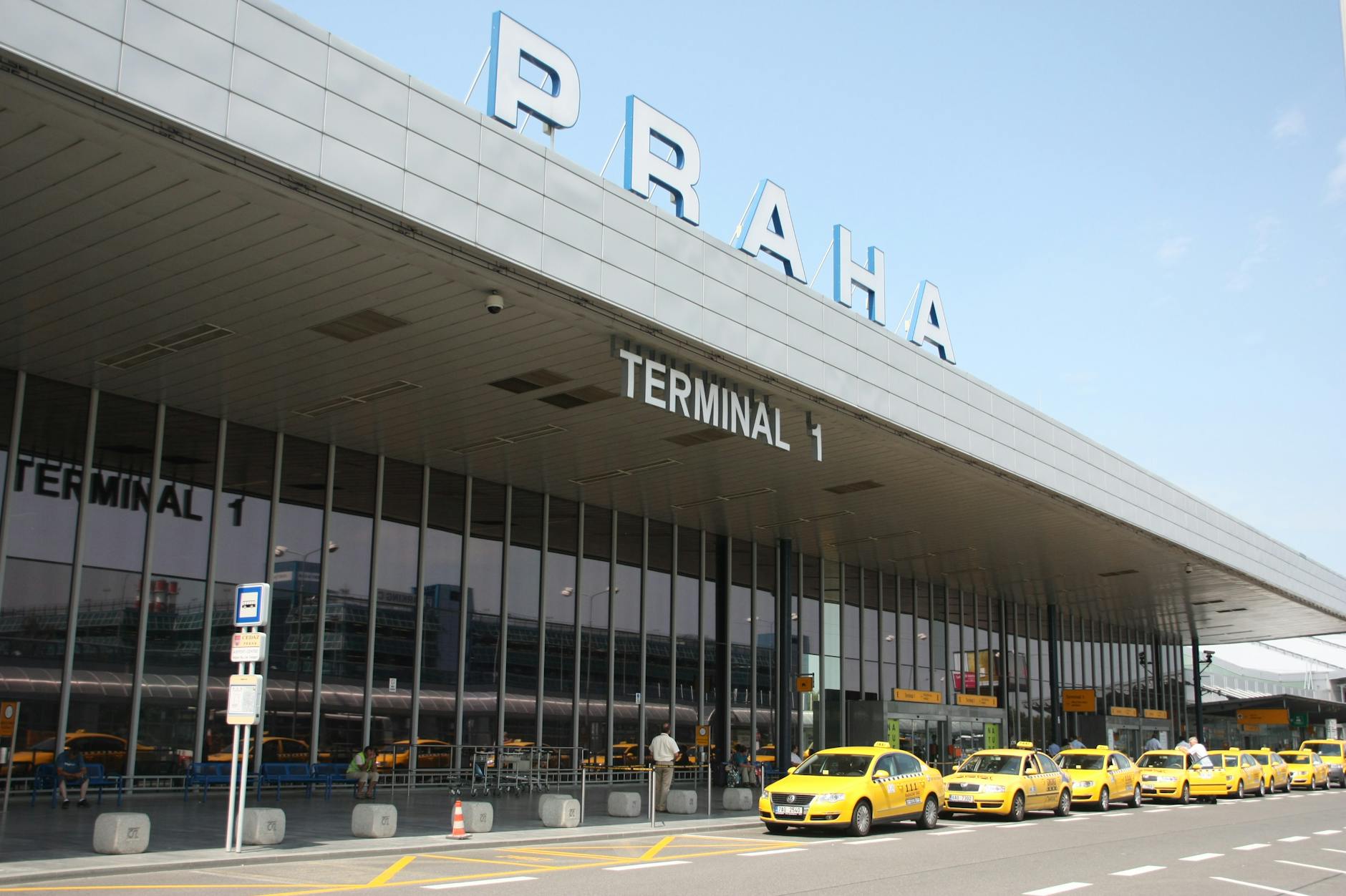
Both airports run properly marshalled taxi ranks, and both are surrounded by touts. The rule is absolute: walk past anyone who speaks to you inside the terminal building.
- Pudong (PVG): follow the “Taxi” signs down to the kerbside rank outside arrivals. A marshal assigns you a car and hands over a slip with the plate number. Central Shanghai is ¥150–250 and 50–70 minutes depending on traffic and which side of the river you want. Alternatives are covered in our Pudong Airport to city centre guide.
- Hongqiao (SHA): same arrangement, shorter ride. ¥60–90 to People’s Square, 20–35 minutes. See the Hongqiao Airport guide for terminal-specific directions.
- Tolls are extra and legitimate. The Pudong run crosses tolled road; expect roughly ¥10–20 added to the metered fare. The driver should show you the toll on the receipt.
- Night rates apply from 23:00. A 01:00 arrival at Pudong costs meaningfully more than a 14:00 one.
- Queues at PVG can run 20–30 minutes when several long-haul flights land together. The Maglev plus a short taxi at the far end is often faster and cheaper.
If you are arriving jetlagged and want zero decisions, prebook through Didi before you clear customs — the app will tell you which pickup zone to walk to. Our airport arrival guide walks through the whole sequence from immigration to kerb.
Common Scams to Avoid
Shanghai is not a city where taxi fraud is routine. It is well policed and the industry is heavily regulated. But the classics still turn up, overwhelmingly at airports, major train stations and outside the Bund and Yu Garden.
- Unlicensed black cabs at arrival halls. They will quote a “fixed price” three to ten times the meter. The official queue is always outside, always signposted, always free to join.
- “Flat rate, no meter.” Refuse. There is no situation inside Shanghai where a fixed price beats the meter.
- “The meter is broken.” Get out. Another cab will be along in two minutes.
- The scenic detour. Rare, but keep a map open on your phone. Drivers who see a live map on the back seat do not take detours.
- Counterfeit change from a ¥100 note. Pay by app, or with small notes.
- The wrong car. At busy pickup points, check the plate against your app booking before loading bags.
- The “special tour” offer outside Yu Garden and the Bund — a driver proposing a day rate to teahouses and jade shops. It ends at a commission-paying shop. Decline.
- Short-trip refusal. A driver who hears your destination and shakes his head is refusing a fare, which is against the rules. Note the plate, then find another car.
If something goes wrong: photograph the driver’s dashboard ID card and the plate, keep the receipt, and call the operator’s line (Dazhong 96822, Jinjiang 96961) or the city hotline on 12319. Complaints with a receipt number get taken seriously. Our wider Shanghai scams guide covers the non-taxi versions, of which the tea ceremony scam is the one to actually memorise.
When You Cannot Get a Taxi
There are three predictable moments when Shanghai’s taxi supply collapses, and knowing them saves a lot of standing in the road with your arm out.
- Shift change, late afternoon. Drivers hand cars over in the second half of the afternoon, and for roughly an hour a lot of cabs are either off-duty or only heading in one specific direction. If you have a train to catch at 17:30, do not plan to hail on the street.
- Rain. Demand triples, app prices surge, and every free cab is already booked. In heavy rain the metro is not merely the better option, it is the only reliable one.
- Rush hour, 07:30–09:30 and 17:00–20:00. Cars exist, but the waiting charge and the traffic mean a 6 km trip can cost double and take three times as long as the metro.
Public holidays add a fourth: the first days of the Lunar New Year and the October National Day week thin the fleet noticeably, and some operators add a small holiday surcharge.
Taxi vs Didi vs Metro
| Metered taxi | Didi | Metro | |
|---|---|---|---|
| Typical cost, 6 km | ¥25–35 | ¥20–35 | ¥4 |
| Language needed | Written Chinese address | None | None — English signage throughout |
| Payment | Alipay, WeChat, cash | Card in-app | QR app, card, cash machines |
| Wait | 0–10 min, longer in rain | 2–10 min | Under 5 min |
| Rush hour | Slow and pricier | Slow and surging | Crowded but fast |
| Luggage | Good | Good, XL available | Awkward |
| Last service | 24 hours | 24 hours | Roughly 22:30–23:30 |
The sensible mix for most visitors: metro for daytime sightseeing, because Shanghai’s is fast, clean, bilingual and absurdly cheap; taxi or Didi after the metro shuts, when it is raining, when you have bags, or when the trip is a short hop the metro would make into three transfers. Our Shanghai metro guide covers tickets and lines, and the broader getting around Shanghai guide puts buses, ferries and bikes into the picture.
If You Leave Something Behind
Recovery rates in Shanghai are genuinely good, provided you have the receipt. The printed slip carries the vehicle number and the exact time, which is all the operator needs to identify the driver.
- Find the receipt and read off the taxi number at the top.
- Call the operator’s hotline — Dazhong 96822, Jinjiang 96961 — or 12319 if you do not know the company.
- Ask your hotel’s front desk to make the call if there is any language difficulty. This is a standard request and they will do it without blinking.
- For an app-booked ride, use the in-app “contact driver” function, which works for a period after the trip ends.
Without a receipt and without an app record, the chances drop to close to zero. That is the whole argument for taking the paper slip every time.
Shanghai Taxi Tips: Fares, Etiquette and Small Print
- Four passengers maximum in a standard cab. Larger groups should book a Didi XL rather than hoping.
- Get out on the kerb side. Cyclists and e-scooters come past fast and silently, and the bike lane is where your door opens.
- Smoking is banned for drivers and passengers alike.
- Keep ¥200 in cash as a fallback. Phones die, apps fail, and a taxi is a bad place to discover either.
- The front passenger seat is often screened off or occupied by the driver’s belongings. Sit in the back.
- Child seats are not provided and not expected; take that into account if you are travelling with an infant.
- Cross-river trips take longer than the map suggests. The tunnels and bridges are the bottleneck, not the distance.
- Screenshot your hotel address in Chinese and in English on the same image. It works for taxis, deliveries and lost moments.
- If a driver takes a route you did not expect, it is usually the elevated road, which is genuinely faster and adds a couple of kilometres. Check the map before assuming otherwise.
- More general ground rules are in our Shanghai practical tips.
Frequently Asked Questions
How much does a taxi cost in Shanghai?
The meter starts at ¥14–16 for the first 3 km in daylight and ¥18–21 at night, then runs at about ¥2.50 per km (¥3.10 at night). A 15-minute central ride is typically ¥25–45. Pudong Airport to the centre is ¥150–250; Hongqiao is ¥60–90.
Do Shanghai taxis accept credit cards?
Not foreign ones. Street taxis take Alipay, WeChat Pay, cash and the Shanghai transport card. If you need to pay by card, book through Didi, which accepts international Visa and Mastercard.
Are Shanghai taxis safe?
Yes. Licensed taxis are metered, tracked and regulated, and violent incidents are extremely rare. The risk is financial rather than physical, and it is concentrated in unlicensed cars at airports and train stations.
Should I use a taxi or Didi in Shanghai?
Didi if you do not read Chinese, want a price before you commit, or want to pay by foreign card. A street taxi if one is right there and you have your destination written down. The costs are close enough that convenience decides it.
Do I need to tip a Shanghai taxi driver?
No. Tipping is not the practice in mainland China and drivers will return your change to the yuan. Rounding up is optional and mildly unusual.
Do Shanghai taxis run 24 hours?
Yes, with night rates from 23:00 to 05:00. Availability thins between about 02:00 and 05:00, when app-booking is more reliable than standing on a street corner.
Why did the taxi refuse to take me?
Usually shift change, a destination that leaves the driver stranded far from his handover point, or a trip so short it is not worth the queue he just left. It is against the rules but not worth arguing over — take the plate number and find another cab.
Can I take a taxi from Shanghai to Suzhou or Hangzhou?
Physically yes, sensibly no. Expect several hundred yuan plus tolls each way, against roughly ¥40 for a 25-minute bullet train to Suzhou. Use the train and take taxis at the far end.
What is the taxi fare from Pudong Airport to the Bund?
Around ¥180–230 in the daytime including tolls, and 50–70 minutes. At night, with the higher tariff, budget closer to ¥250. The Maglev plus a metro or short taxi is significantly cheaper.
What should I do if a Shanghai taxi overcharges me?
Pay, then photograph the driver ID and the plate, keep the receipt, and call the operator (Dazhong 96822, Jinjiang 96961) or the city hotline on 12319. Complaints backed by a receipt number are acted on.
Can I get a taxi with a child seat?
No. Neither taxis nor standard Didi cars carry child seats, and there is no reliable way to request one. Families with infants usually bring a travel seat or plan around the metro.
Is it hard to get a taxi when it rains in Shanghai?
Very. Rain is the most predictable cause of a taxi shortage in the city — supply vanishes and app prices surge. Plan a metro route as a wet-weather backup for anything time-sensitive.
Plan Your Transit
Combine this with our pillar guides on getting around Shanghai, using Didi in Shanghai and the Shanghai metro guide. If you are landing late or connecting, the layover guide covers what is realistic between flights. For background, see Transport in Shanghai on Wikipedia and the city government’s own English-language portal for official announcements on fares and regulations.