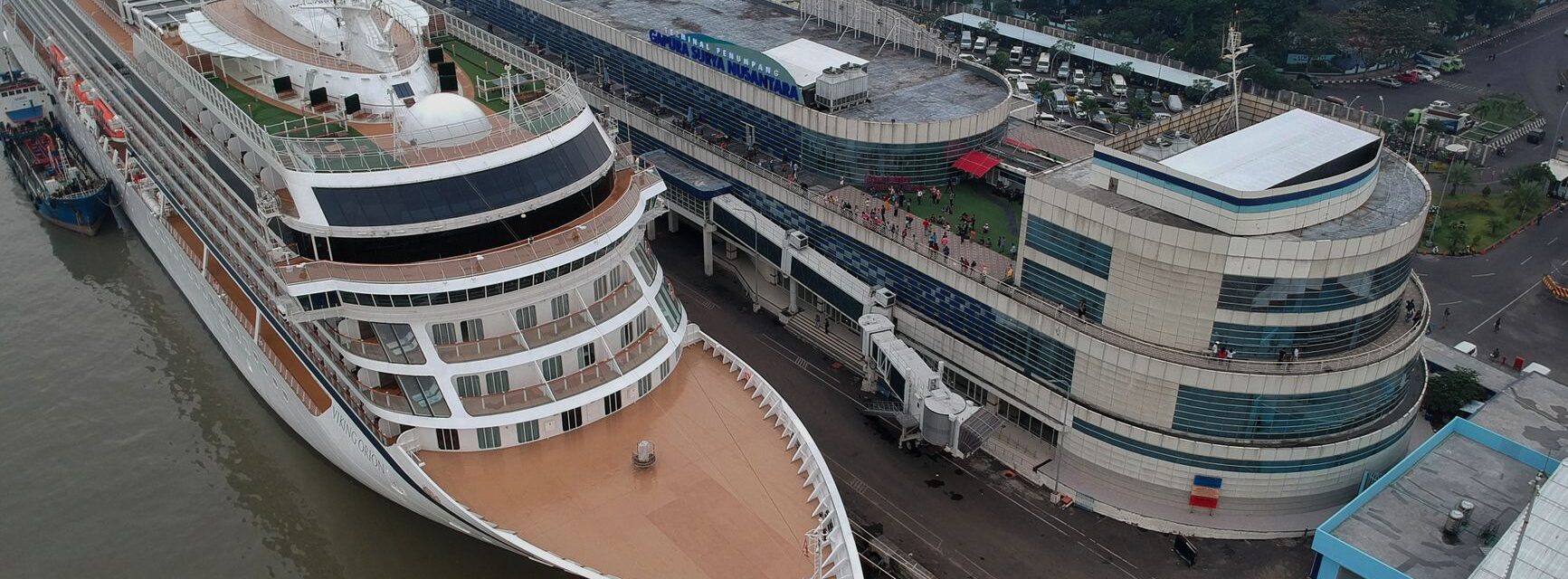
Shanghai is a spectacular city to arrive in by sea and a genuinely awkward one to get off a ship in. Almost every large cruise ship calls at Wusongkou, which sits where the Huangpu meets the Yangtze in Baoshan District — about thirty kilometres north of the Bund, with no metro station of its own. Working out the Shanghai cruise port to city centre transfer is therefore the single decision that determines whether your day ashore is six useful hours or three.
This guide covers both terminals, all four ways into town with real timings and costs, the visa position for cruise passengers — which is not the same as for people arriving by air, and catches out independent travellers every season — and what to actually do with the eight or so hours you will have. It also covers the thing that matters more than any of it: how to be certain you are back on board before the gangway lifts.
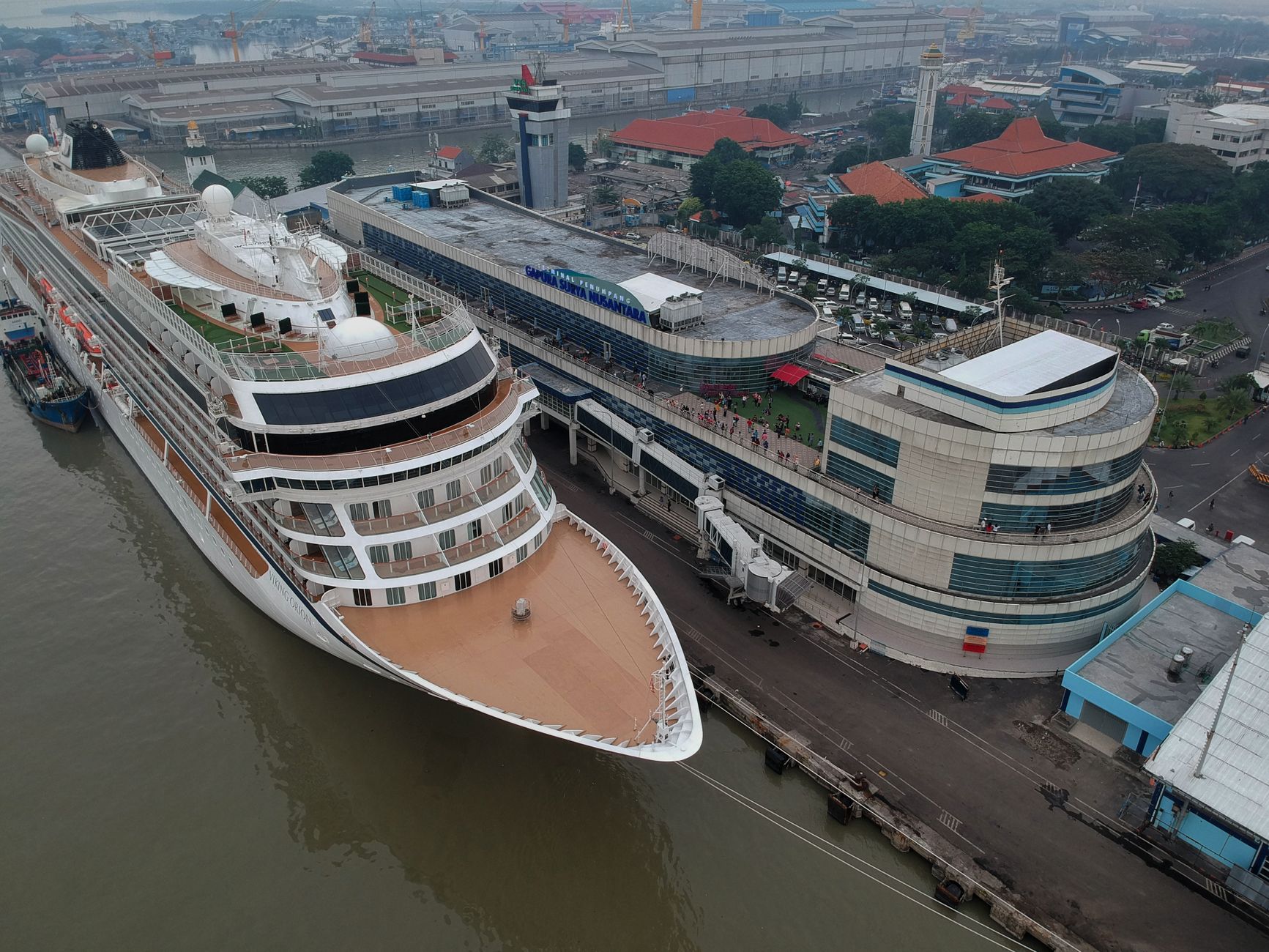
Table of Contents
- Two terminals, and how to know which one you are at
- Shanghai cruise port to city: the four options compared
- Shanghai cruise port to city centre by shuttle and Metro Line 3
- If you dock at the North Bund terminal instead
- How much time you really have
- Visas: the cruise rules are different
- What to do with eight hours ashore
- Money, phones and paying for things
- Getting back to the ship on time
- What people get wrong
- Frequently Asked Questions
Two terminals, and how to know which one you are at
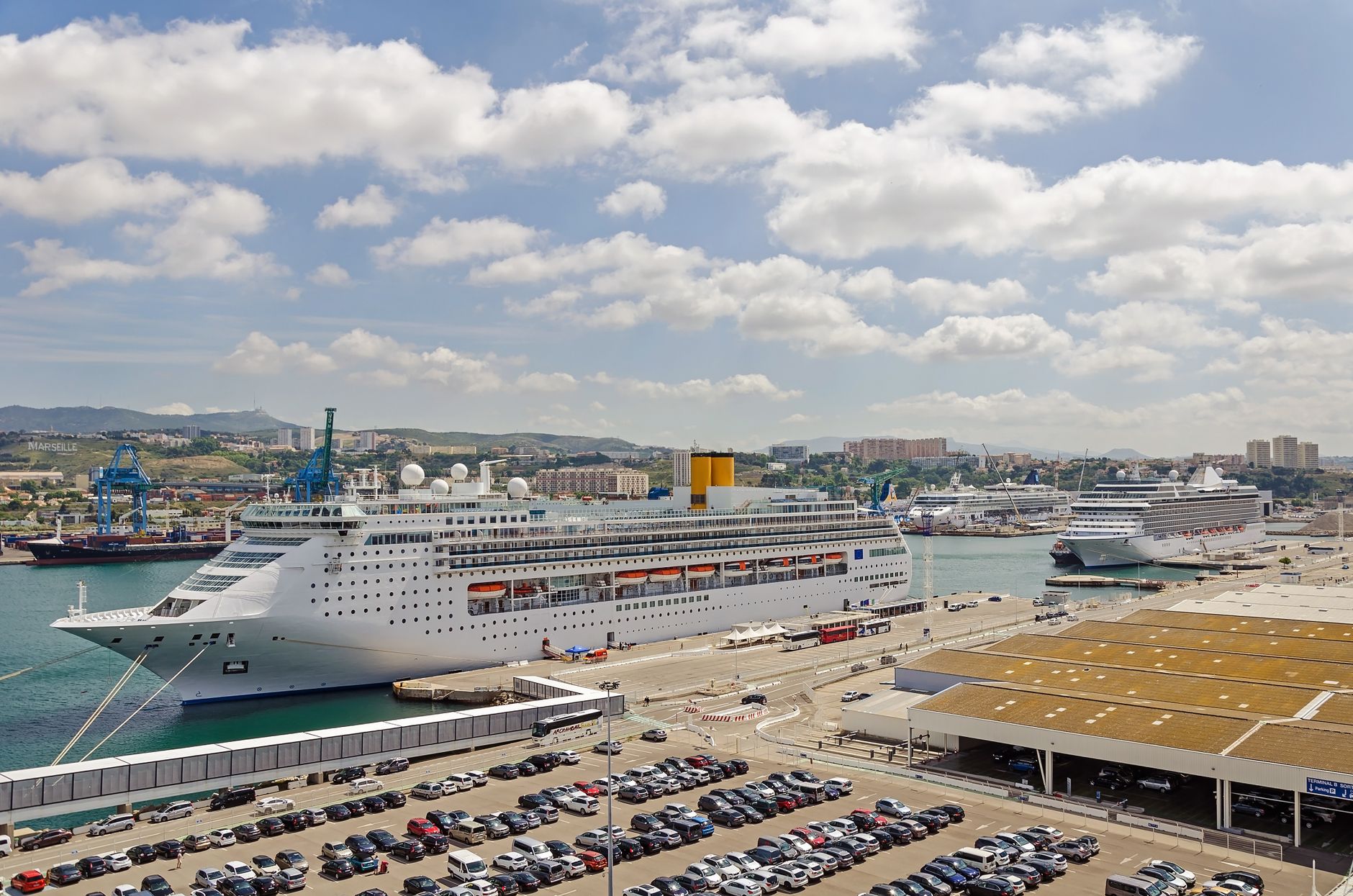
Shanghai has two cruise terminals and they are nothing alike. Check your ship’s documentation before sailing, because the difference is roughly an hour and a half each way.
| Wusongkou International Cruise Terminal | Shanghai Port International Cruise Terminal | |
|---|---|---|
| Where | No. 1, Lane 1, Baoyang Road, Baoshan District | 500 Dongdaming Road, Hongkou — the North Bund |
| Distance to the Bund | ~30 km | ~2 km — you can walk |
| Who docks there | Almost all large international ships (Royal Caribbean, Blue Dream and most Japan-loop itineraries) | Smaller ships and river cruise vessels |
| Nearest metro | None. Baoyang Road (Line 3) via shuttle or bus | International Cruise Terminal (Line 12), Exit 2 or 3, 6–8 min walk |
| Taxi to the Bund | 45–70 min, roughly ¥130–200 | 10 min, ¥20–30 |
| Realistic door-to-Bund on public transport | 90–110 min | 20 min |
If you are on a ship carrying more than about two thousand passengers, assume Wusongkou. The North Bund berth cannot take the largest vessels, and its main users are river cruises and smaller ocean ships. The rest of this guide assumes Wusongkou and flags the differences where they matter.
Shanghai cruise port to city: the four options compared
Four ways into town, and the right one depends almost entirely on how many of you there are and how long the ship is alongside.
| Option | Time each way | Cost | Best for |
|---|---|---|---|
| Ship’s shore excursion | Varies — coach direct | US$90–250 per person | Anyone nervous about the return, or short port calls |
| Private car and driver, pre-booked | 45–70 min | ¥700–1,400 for a full day, per car | Groups of three or four; families; anyone wanting several stops |
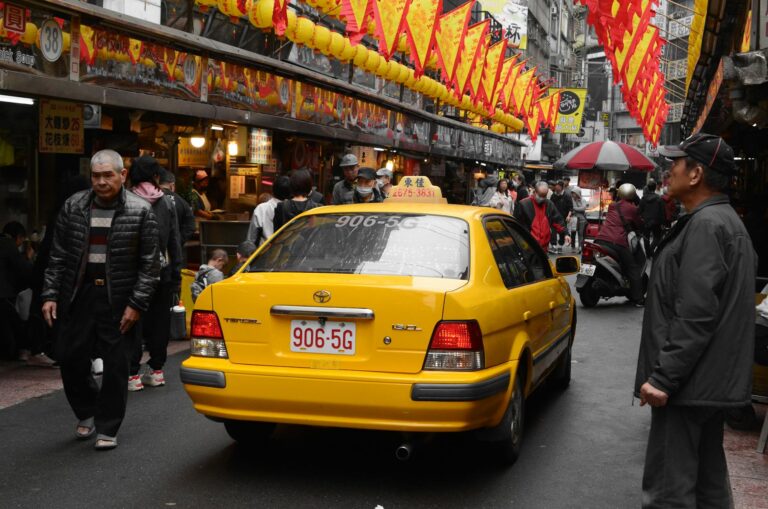
| Taxi or DiDi | 45–70 min | ¥130–200 each way | Two or more people, short of time |
| Free shuttle + Metro Line 3 | 90–110 min | ¥5–7 | Solo travellers, long port calls, anyone who enjoys this sort of thing |
The honest arithmetic: for two people, a taxi each way costs perhaps ¥300 total and buys back roughly two hours of your day. On a ten-hour port call that is not a close decision. The metro makes sense if you are alone, if the ship is in overnight, or if the taxi queue at the terminal has collapsed — which it does, reliably, in the first forty minutes after several thousand people disembark at once.
Ship excursions are expensive and the pace is glacial, but they carry one guarantee no independent option can: if the coach is late, the ship waits. If your taxi is stuck on the ring road, it does not. For a first visit to China with a tight port call and no Chinese payment apps set up, that guarantee is worth paying for.
Shanghai cruise port to city centre by shuttle and Metro Line 3
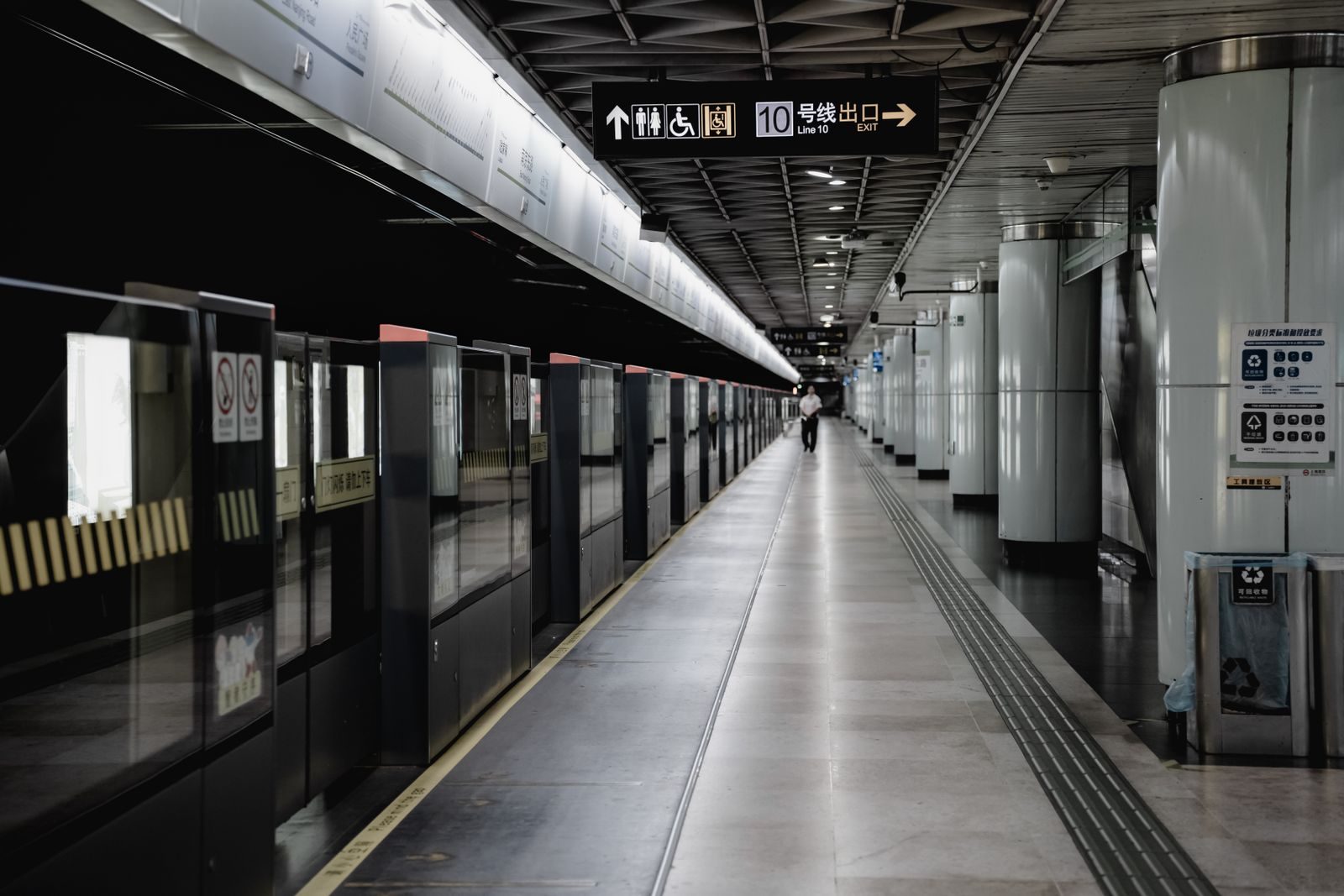
There is no station at the terminal, so the public transport route has two legs.
Leg one: the shuttle. A free shuttle bus runs between the terminal and Baoyang Road station on Metro Line 3, roughly every fifteen minutes. Board at Gate 2 or Gate 3 of the arrivals hall — ask a member of terminal staff for 宝杨路 (Baoyang Road) and you will be pointed at it. The journey is about ten minutes. If the shuttle is not running, Baoshan Line 29 (宝山29路) does the same trip for a couple of renminbi: get off at the Wusongkou Road / Baoyang Road stop and walk five minutes northeast.
Leg two: Line 3. Baoyang Road is near the northern end of Line 3, which runs down the western side of the city. From there it is roughly 50–60 minutes to the central interchanges. Useful stops and changes:
- For the Bund and Nanjing Road: Line 3 to Zhongshan Park, change to Line 2 eastbound, get off at East Nanjing Road. Around 70 minutes from Baoyang Road.
- For People’s Square and the museums: Line 3 to Zhongshan Park, Line 2 to People’s Square.
- For Yu Garden and the Old City: Line 3 to Shanghai Railway Station, change to Line 10 southbound to Yuyuan Garden.
- For Hongqiao Railway Station or the airport: Line 3 south to Zhongshan Park, then Line 2 west.
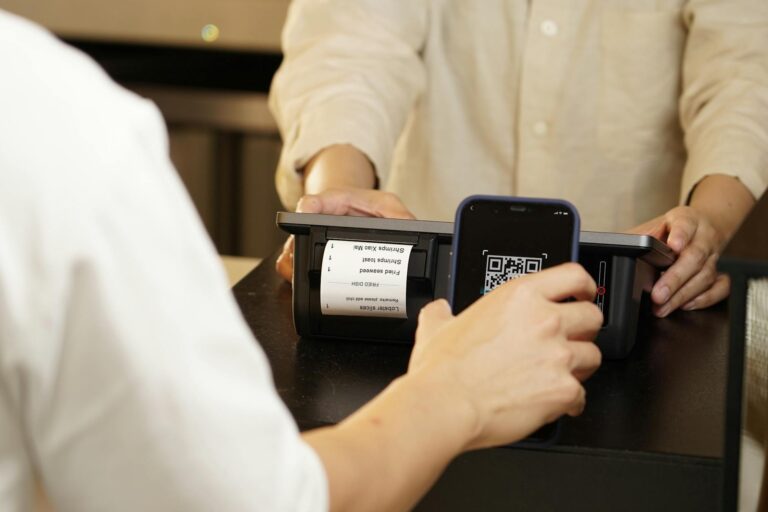
Fares are ¥5–7 for these distances. Pay by scanning a QR code in Alipay or WeChat — set the Metro Shanghai function up before you land, because the ticket machines are a slower and more confusing option and not all of them take notes. Our Shanghai Metro guide covers the payment methods and the interchange etiquette, and the transport card explainer is worth reading if you would rather carry something physical.
Line 3 is one of the few Shanghai lines that runs largely on viaduct rather than underground, which makes it a slow but genuinely interesting ride through the northern districts. It is also one of the older lines, without platform screen doors on some sections, and it is not air-conditioned to the standard of the newer lines. In July and August, take the taxi.
If you dock at the North Bund terminal instead
Count yourself lucky. The Shanghai Port International Cruise Terminal is at 500 Dongdaming Road in Hongkou, on the stretch of riverfront immediately north of Suzhou Creek. You can walk to the northern end of the Bund in about twenty-five minutes along the river, or take Metro Line 12 from the International Cruise Terminal station (Exit 2 or 3, six to eight minutes’ walk from the berth). Buses 37, 135 and 330 stop at Dongdaming Road / Lüshun Road.
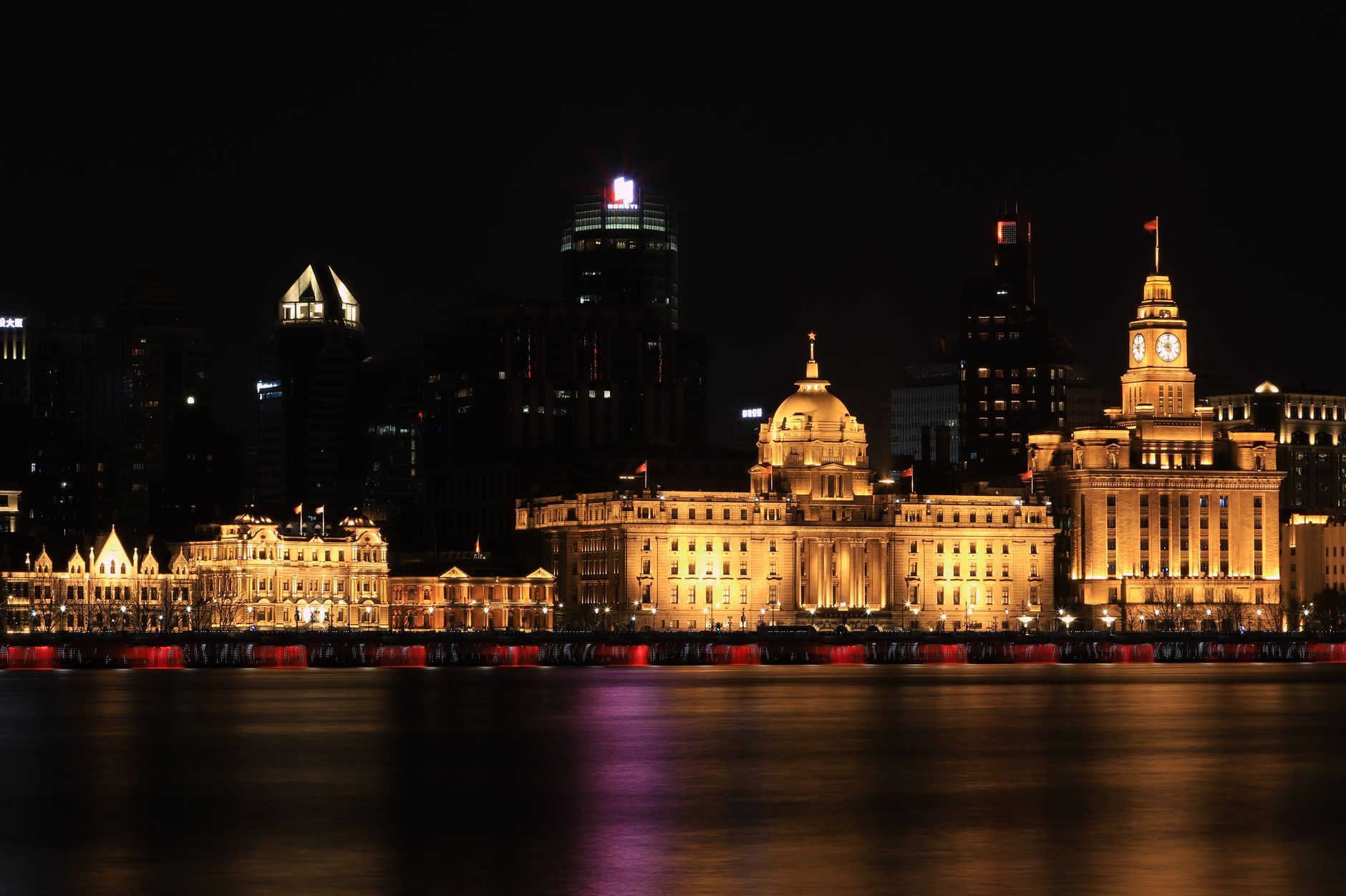
From here the whole of central Shanghai is within half an hour. Walk south along the water, cross the Waibaidu Bridge, and you arrive at the Bund from the top end — which is, incidentally, the best way to see it, because the crowds thin as you go north. Our guide to the Bund explains what you are actually looking at building by building.
How much time you really have
A ship’s published port call is not your day ashore. Subtract from both ends:
- Immigration. Everyone on board is processed. Passengers on group visa-free entry are cleared as a group, which is faster but happens on the group’s schedule, not yours. Independent travellers with a visa or transit entry clear individually. Allow 45–90 minutes from the announced clearance for the ship to actually release passengers, and considerably more if you are near the back of a queue of three thousand.
- All-aboard time is normally 60–90 minutes before departure, and it is not negotiable. It is printed on your card and announced repeatedly.
- The transfer, twice.
On a typical 08:00–18:00 call at Wusongkou, that is: ashore by around 09:00, in central Shanghai by 10:00 in a taxi, leaving town by 15:15 to be back for a 16:30 all-aboard. Five hours in the city from a ten-hour call. Plan for that number, not the one on the itinerary. If you take the metro both ways, it is closer to three and a half.
Visas: the cruise rules are different
This is where cruise passengers get caught, because there are two entirely separate routes into China by sea and they suit different people.
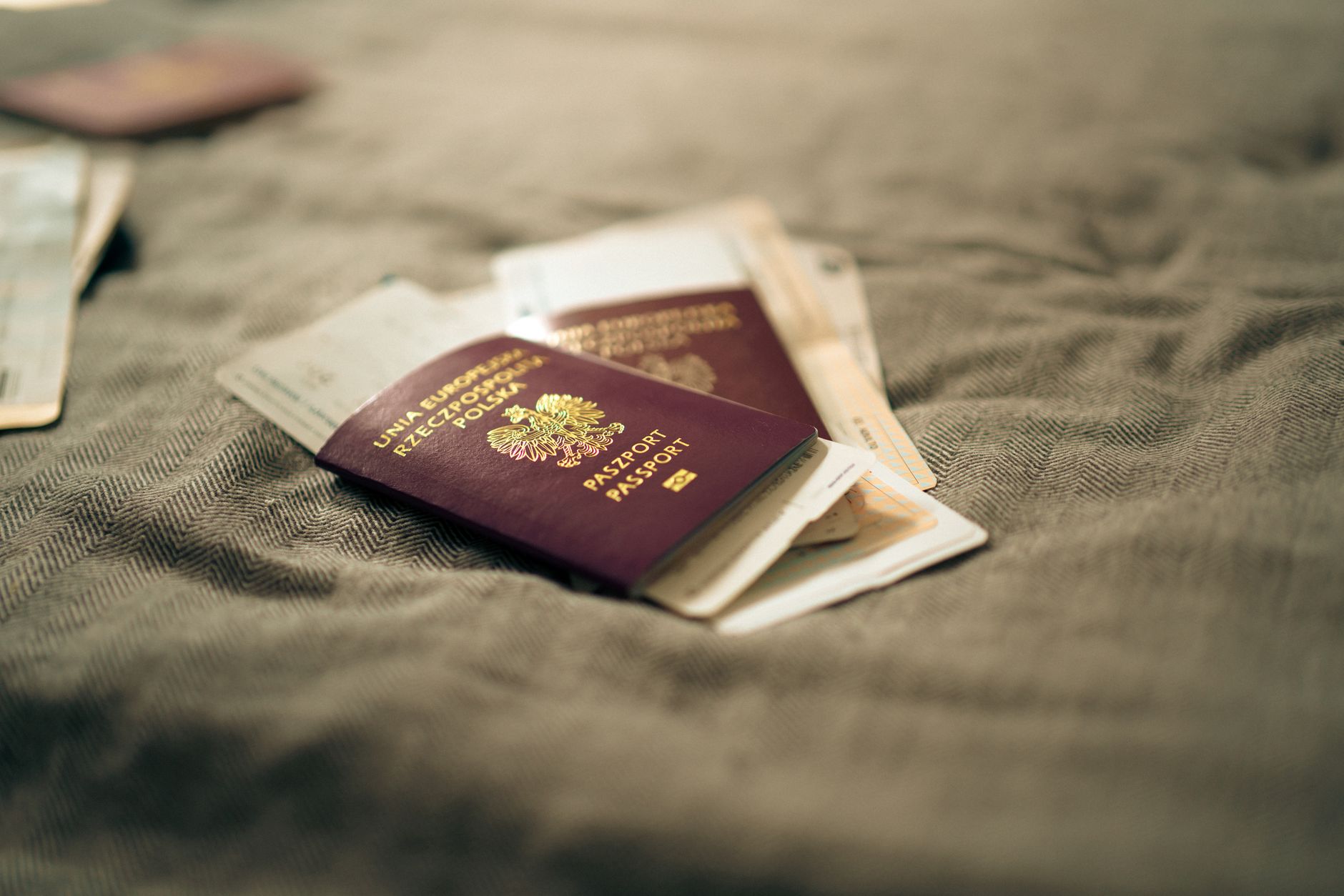
The 15-day cruise group exemption. Foreign nationals of any nationality arriving on an international cruise ship at a designated coastal port — Wusongkou included — may enter visa-free for up to fifteen days, counted from the day after arrival. The conditions are strict: you must travel as part of a group of two or more organised by a travel agency legally registered in China, and that agency must file the passenger list and the full China itinerary with the immigration inspection authority in advance for approval. In practice this is the mechanism your cruise line uses for its own shore excursions and its nominated local operators. Walking down the gangway alone is not covered by it. The permitted area covers Shanghai, Beijing, Tianjin and the provinces of Liaoning, Hebei, Shandong, Jiangsu, Zhejiang, Fujian, Guangdong, Guangxi and Hainan; the National Immigration Administration publishes the current terms.
The 240-hour visa-free transit. Citizens of 57 countries, including the United States, Canada and the United Kingdom can enter visa-free for ten days provided they hold a confirmed onward ticket to a third country or region, and stay within the 24 designated provinces and municipalities. A sea arrival counts as a port of entry, and a cruise leg departing to a third country satisfies the onward-ticket test. This is the route that lets you leave the ship on your own and go where you like. Our guide to the 240-hour transit rule sets out the conditions in full — read it before you sail, not at the terminal.
The safe answer for an independent passenger who wants to wander freely, or who is joining or leaving a ship in Shanghai rather than just calling, is an ordinary L tourist visa. It has no geographic restriction and no onward-ticket condition. Also note that a large number of Western European, Japanese, Korean, Australian and New Zealand passport holders qualify for the separate 30-day unilateral visa exemption, which is simpler still and has no zone restriction at all.
Whatever route applies, carry your passport ashore. It is required at hotels, at rail stations, for a tax refund, and if the police ask. A photocopy is not sufficient in China.
What to do with eight hours ashore
Assume five hours in the city and choose one geography rather than three. Shanghai punishes people who try to cross it twice.
The classic first-timer loop (Huangpu, on foot). Taxi to the Bund. Walk the promenade north to south for the 1920s banking houses, then cut inland to Nanjing Road East, then south through the Old City to Yu Garden and its bazaar. Take the ¥2 public ferry from Jinling Road East across to Dongchang Road for the best five minutes of river view in the city, and a taxi back from Lujiazui. Around four hours at a decent pace, no metro required.
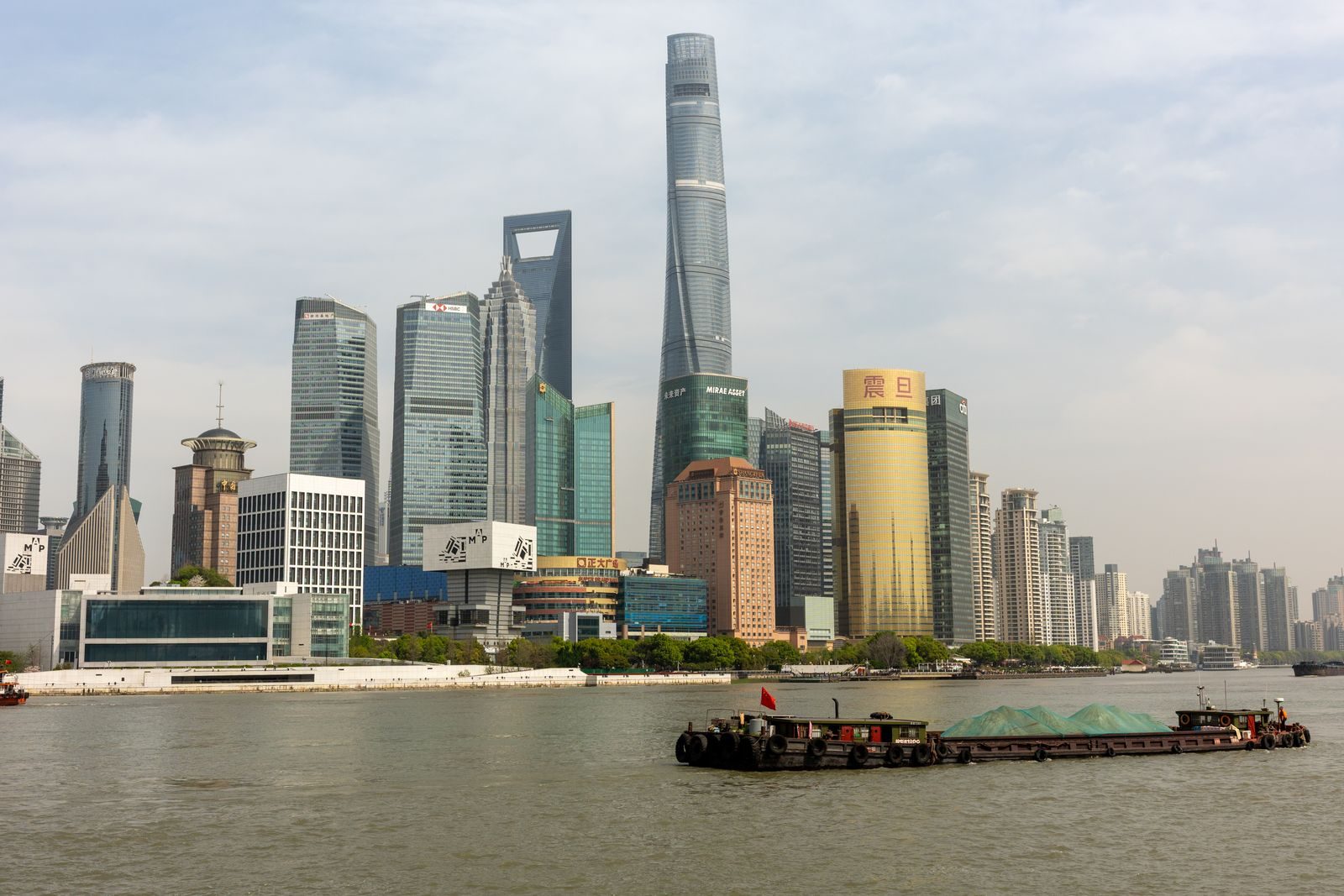
The skyline version. Straight to Lujiazui. Shanghai Tower’s observation deck at 546 metres is ¥180 and open 08:30–22:00, with a lift that reaches floor 118 in about 55 seconds. The Oriental Pearl at ¥199 includes the excellent Shanghai Urban History and Development Museum in its basement — worth an hour on its own. Note that the observatory at the Shanghai World Financial Center has been closed since 2023 and is not reopening on any published date, whatever older guides say. Then the ferry across to the Bund. Our comparison of the best views in Shanghai works through which deck suits which day.
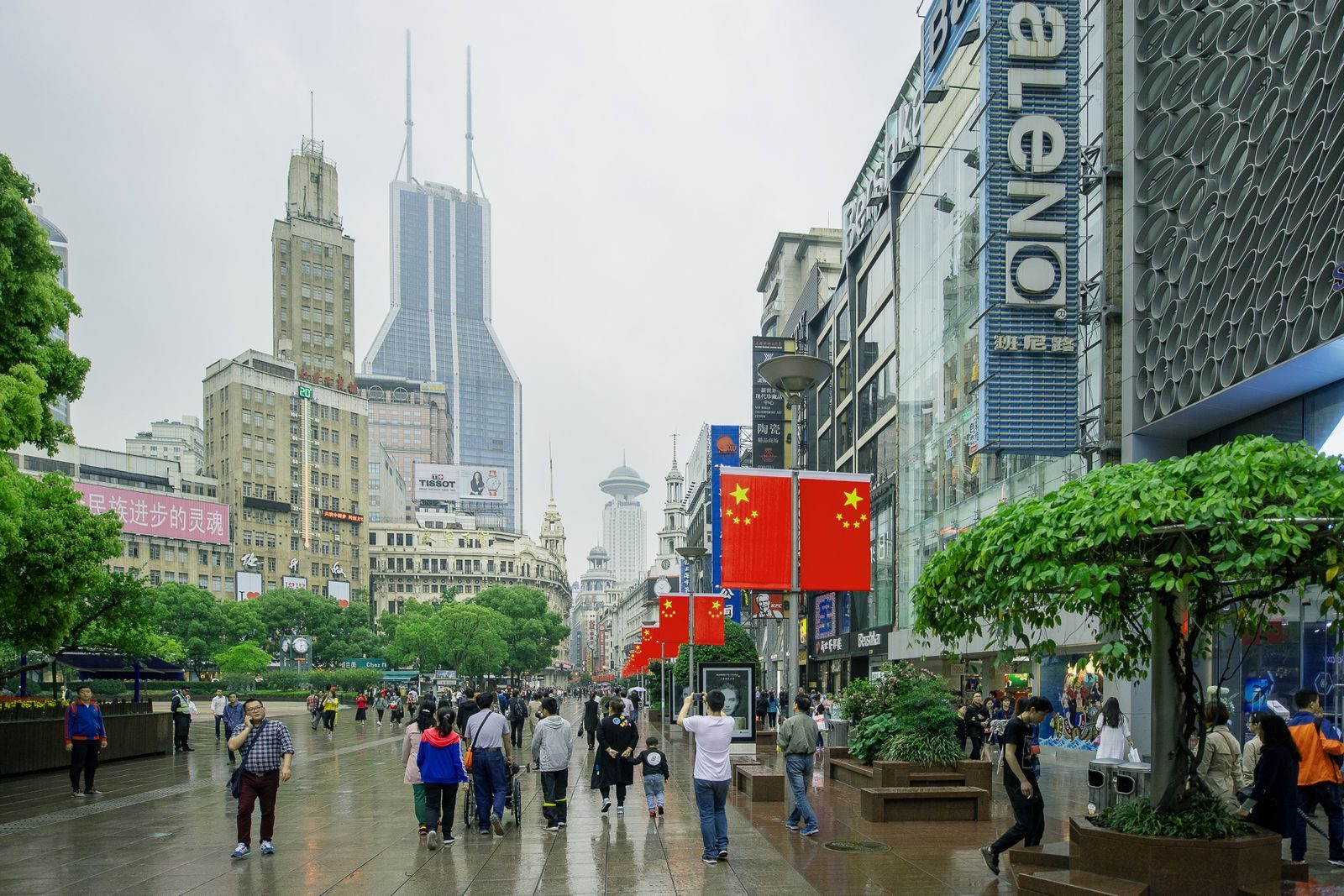
The atmospheric version. Skip the sights. Taxi to the former French Concession and walk the plane-tree streets around Wukang Road, Anfu Road and Ferguson Lane, stopping at whatever café looks right. Shanghai has more coffee shops than any city on earth and this is where a good number of them are. It is the version most people who have been before choose.
Do not attempt Zhujiajiao, Suzhou or Disneyland on a port call. Each is a full day, and the return leg has no slack in it. Our one day in Shanghai itinerary is built for exactly this kind of compressed visit and works well from a ship if you clip the ends.
Money, phones and paying for things
Set this up on board, using the ship’s wi-fi, before you go ashore. It takes twenty minutes and it is the difference between a smooth day and a frustrating one.
Shanghai runs on Alipay and WeChat Pay, both of which now accept foreign Visa and Mastercard. Link your card before you arrive; verification occasionally takes hours. With one of them working you can pay for the metro, taxis, food, tickets and shops without ever touching cash. Cash is legally required to be accepted and is worth carrying — ¥300–500 covers a taxi and lunch — but many small operators genuinely struggle to make change.
Install DiDi (China’s ride-hailing app, which has an English interface and takes foreign cards) before you sail; hailing a car from a street corner where you cannot say the address out loud is much harder than ordering one. Our guide to using DiDi in Shanghai covers the setup. Install Amap or Baidu Maps too, because Google Maps data for China is poor and often plain wrong on walking directions.
Data: a roaming plan works and does not need a VPN for ordinary browsing, since traffic routes through your home carrier. A local eSIM is cheaper but subject to the domestic internet rules. Either way, screenshot the terminal’s name in Chinese — 吴淞口国际邮轮港 — and keep it in your camera roll. Showing that to a taxi driver is how you get back.
Getting back to the ship on time
The one rule: build in an hour you do not need. Shanghai traffic is unpredictable in a way that does not correlate neatly with rush hour, and the run north to Baoshan uses overhead expressways that snarl without warning.
- Leave the city centre at least two and a half hours before all-aboard if you are taking a taxi, three and a half on the metro.
- Order the car before you finish your last stop, not after. Pick-up waits of fifteen minutes are normal in central Huangpu.
- Show the driver the Chinese characters, not the English name. Wusongkou is a working port and many drivers have never taken a fare there.
- Keep the terminal shuttle timetable if you came in on it — the last one back is earlier than you expect.
- Set an alarm for your leave-the-city time. Every season, somebody watches a ship sail.
If it does go wrong, the ship will not wait for independent passengers, and catching it at the next port is your problem and your expense. This is the whole argument for the ship’s excursion on a short call, and it is a reasonable one.
What people get wrong
Assuming there is a metro station at the terminal. There is not, and the walk is not viable. Everything begins with a shuttle, a bus or a car.
Joining the taxi queue immediately. Two to three thousand people disembark within the same hour. Have a coffee on board, go ashore forty minutes later, and walk straight to a car.
Believing the group visa-free rule covers independent passengers. It does not. It requires a Chinese-registered agency to have filed your name and itinerary in advance.
Arriving with no payment app set up. Cards are not widely accepted outside hotels and the largest shops. This is the single most common cause of a miserable day ashore.
Trying to fit in a water town or Suzhou. The return timing has no margin. Save it for a proper visit.
Not carrying the passport. Required for tickets, for the tax refund desk, and if you are asked. Take it.
Frequently Asked Questions
How far is Wusongkou cruise terminal from central Shanghai?
About 30 kilometres north, in Baoshan District. Reckon on 45–70 minutes by taxi for roughly ¥130–200, or 90–110 minutes by free shuttle plus Metro Line 3 for ¥5–7. There is no direct rail link to the terminal itself.
Is there a shuttle bus from Wusongkou to the metro?
Yes. A free shuttle runs from Gate 2 or Gate 3 of the arrivals hall to Baoyang Road station on Line 3, roughly every fifteen minutes. Baoshan Line 29 bus covers the same ground for a couple of renminbi if the shuttle is not running, with a five-minute walk at the terminal end.
Do I need a visa to leave the ship in Shanghai?
Not necessarily. Passengers on an organised group tour booked through a Chinese-registered travel agency are covered by the 15-day cruise exemption. Independent passengers need either the 240-hour visa-free transit (with a qualifying onward ticket and travel confined to the designated provinces), the 30-day unilateral exemption if their nationality qualifies, or an ordinary tourist visa.
Can I go ashore on my own, without a tour?
Yes, provided you personally hold a valid entry route — a visa or one of the visa-free arrangements you qualify for as an individual. The group exemption does not transfer to you simply because the ship is covered by it. Check this weeks before sailing, not at the gangway.
How much time will I actually have in the city?
On a ten-hour port call at Wusongkou, expect around five hours in central Shanghai if you take a taxi both ways, and three to four if you use public transport. Immigration clearance for a full ship and a 60–90 minute all-aboard deadline take the rest.
Should I book the ship’s shore excursion?
If the call is short, if it is your first time in China, or if you have not set up a Chinese payment app, yes — the guarantee that the ship waits for its own coaches is worth the premium. If you are comfortable with big cities, have Alipay working and the call is long, going independently costs a fraction and shows you more.
Which terminal will my ship use?
Large ocean ships almost always use Wusongkou in Baoshan. Smaller vessels and river cruise ships use the Shanghai Port International Cruise Terminal at 500 Dongdaming Road on the North Bund, which is a short walk or one metro stop from the centre. Your cruise documentation will say, and published terminal listings confirm the addresses and connections.
Can I use my credit card ashore?
In international hotels and large department stores, yes. Almost everywhere else the expectation is a QR code payment through Alipay or WeChat Pay, both of which now take foreign cards. Set one up before you go ashore and carry ¥300–500 in cash as backup.
Is it safe to walk around Shanghai on my own from the ship?
Yes. Shanghai is one of the safest large cities anywhere for walking, including after dark, and the realistic risks are pickpocketing in crowds and a handful of well-known tourist confidence tricks around the Bund and Nanjing Road. Getting lost is the bigger practical problem, and a maps app fixes that.
What happens if I miss the ship?
You are responsible for reaching the next port at your own cost, including any visa needed to remain in China in the meantime. This is why independent passengers should leave the city two and a half hours before all-aboard, and why the ship’s own excursions carry a premium.
Is there luggage storage at the terminal?
Facilities at Wusongkou are limited and geared to turnaround days rather than day visitors. If you are joining or leaving a ship in Shanghai and have a gap, left luggage at Hongqiao or Shanghai Railway Station is the more reliable option, and many hotels will hold bags before check-in or after checkout.
Arriving in Shanghai by sea gives you one of the best first sights of any city on the planet, and then hands you a logistics problem before you can enjoy it. Solve the transfer before you sail, set up a payment app on the ship’s wi-fi, pick one neighbourhood rather than three, and leave earlier than feels necessary. If your call is long enough to be worth planning properly, our guide to getting around Shanghai covers the rest of the network, and the layover guide has more ideas for a few hours in the city that work just as well from a berth as from an airport.