Didi (滴滴出行) is the ride-hailing app that does Uber’s job in China, and the obvious fallback in Shanghai when the metro will not do. Foreign visitors can register with an overseas mobile number and pay with an international card, so you do not need a Chinese phone contract or bank account to get a car. This guide to using Didi in Shanghai covers what foreigners actually need — which app to install, how much a ride costs, where the pickup zones hide at PVG and Hongqiao, and the handful of things that go wrong.

Table of Contents
- Why Didi Beats Taxis
- Which Didi App You Actually Need
- Using Didi in Shanghai as a Foreigner: App Setup
- Ride Classes & Prices
- What a Ride Really Costs
- How to Book a Ride
- Didi from PVG & Hongqiao Airports
- Payment Options
- Didi vs Taxi vs Metro
- Common Issues & Fixes
- Mistakes Foreigners Using Didi in Shanghai Make
- Safety, Scams and What to Check
- Alternatives
- Longer Trips and Day Hires
- Tips for First-Time Users
- FAQ
Why Didi Beats Taxis
For most tourist scenarios, Didi is simply better than flagging a street taxi:
- Little language barrier — you set the destination in the app, so you rarely need to speak to the driver
- Foreign sign-up — register with a foreign mobile number and an international credit card
- Cashless — pay with a foreign credit card or Alipay
- GPS-tracked — you can follow the car on the map
- Transparent pricing — estimated fare shown upfront
- Receipt by email — useful for expense claims
- Wider availability than taxis at rush hour
- Multiple ride classes for different budgets
The main case for traditional taxis: short rides under ¥30 where Didi’s pickup wait might exceed the ride itself, or paying cash if your card setup fails. There is one more — the airport rank. At Pudong the taxi queue sits right outside arrivals, while the ride-hailing zone is a signed walk into a car park. Land tired with three bags and fifty metres beats four minutes and a lift. Our Shanghai taxi tips cover that trade-off.
Which Didi App You Actually Need
This is where most visitors trip up before they even land, and it is worth being precise because sources contradict each other constantly.
Didi Global runs several products under similar names. The app branded DiDi Rider is the one Didi operates in overseas markets — Australia, New Zealand, Japan, Mexico, Brazil. It is a real app, well made, and it will not hail you a car on Nanjing Road. Inside mainland China you need the app branded simply DiDi in international stores and 滴滴出行 in Chinese ones, which lets you sign up with a foreign mobile number and pay by international card.
You have three routes in, and there is no wrong answer:
- The DiDi app itself. Download before you fly. Register with your home mobile number, receive an SMS code, add a card. Look in the profile or settings menu for a language option.
- Booking through Alipay. Open Alipay and search for “DiDi”. Payment runs through the card you already linked to Alipay, and if you have set Alipay up at all you have already done the hard part.
- Booking through WeChat. Same idea, useful if WeChat is the wallet you have working.
If your SMS verification fails — and it does fail on some carriers while roaming — booking through Alipay is the fallback, because Alipay has already verified who you are. Setting up a Chinese mobile wallet with a foreign card is covered step by step in our Shanghai money and currency exchange guide, and it is the single highest-value thing to do before you fly.
Using Didi in Shanghai as a Foreigner: App Setup
Do this at home, on your own wifi, at least a day before departure. App-store downloads and card verification are both slower and more fragile once you are inside the Great Firewall.
- Install the app from your home country’s App Store or Google Play
- Sign up with your foreign phone number (you’ll get an SMS verification code)
- Add a payment method — an international credit card, or a linked Alipay/WeChat wallet
- Look for a language option under Settings
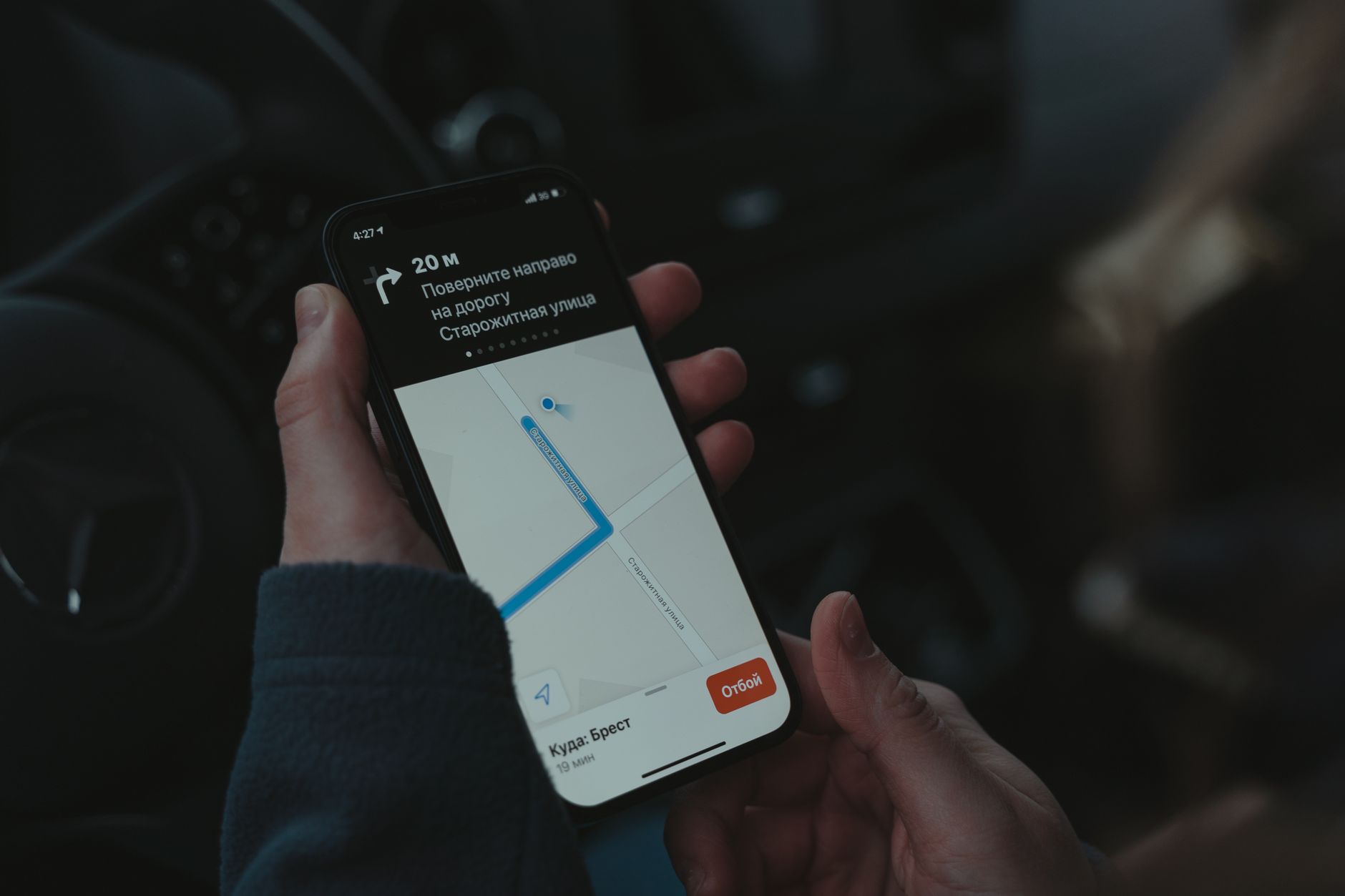
- Test by tapping “Enter destination” — see if you can search for “The Bund”
One addition worth ten minutes before you fly: add your hotel to saved places, typing the name in Chinese if the booking confirmation gives it — Chinese chains often run three near-identical branches in one district and the English name will not separate them.
Didi needs data the whole time you are travelling, not just at booking, and airport wifi ends at the door. An eSIM or roaming plan is not optional; our Shanghai SIM card and internet guide compares prices. Didi is a Chinese app and needs no VPN — but Google Maps does, so do not plan to cross-check the route that way. Our VPN and internet guide explains what loads.
Ride Classes & Prices
The classes you will see when you book:
- Express (快车) — basic economy car and the everyday choice
- Comfort — newer mid-sized cars; a step up in price from Express
- Premier (专车) — Audi/Mercedes black cars, priced well above Express
- Taxi (出租车) — Didi-dispatched street taxi; same metered fare as flagging one
- Hitch (顺风车) — carpool option; longer wait, and the app shows the price before you commit
- XL / 6-seater — costs more than Express; the one to book with four people and luggage
- Luxe (豪华车) — Mercedes S-Class tier; rarely worth it for a tourist
For most tourists, Express is the right choice. Prices rise at rush hour, late at night, in heavy rain and over Chinese holidays. Tipping is not expected.
Two rules that save money. Do not book Premier assuming the car will be cleaner — Shanghai’s Express fleet is overwhelmingly newish electric saloons, mostly BYD and Volkswagen ID models, and they are fine. With four people, one XL beats two Express cars. The one genuine case for Premier is an early flight with a hard deadline, because those drivers cancel less.
Rain is the variable that catches people out. Shanghai’s summer downpours are sudden and total, and the moment one starts every phone within two kilometres opens the same app. Fares climb and the wait for a car stretches. If you can see a metro entrance, take it.
What a Ride Really Costs
The app gives an estimate before you book, and tolls are the usual reason a final fare comes in above it. Here is how typical tourist journeys compare at Express class outside surge periods; the live quote in the app gives the figure for your trip.
| Journey | Express fare | Notes |
|---|---|---|
| Pudong Airport → the Bund | High | Includes tunnel/bridge tolls; more at night |
| Hongqiao Airport → People’s Square | Mid-range | Traffic-dependent; elevated road helps |
| The Bund → Lujiazui | Low | Short river crossing; slow at rush hour |
| People’s Square → French Concession | Low | Metro Line 1 or 10 does the same run |
| Central Shanghai → Shanghai Disneyland | High | Metro Line 11 costs a fraction of this and is more reliable |
| Central Shanghai → Zhujiajiao water town | High | Getting back is the hard part |
| Late-night bar run, 01:00 | Mid-range | Night pricing pushes it up |
There is no fixed per-kilometre rate worth memorising: fares move with distance, time of day and demand, so read the in-app estimate before you confirm. Take Didi five or six times a day and, against ¥3–9 a ride on the metro, the maths gets obvious fast; our Shanghai trip cost guide sets transport against a whole budget.

How to Book a Ride
- Open the app, allow location access
- Pickup location auto-detects; adjust pin if needed
- Enter destination — search in English or Chinese
- Choose ride class
- Confirm price estimate
- Tap “Order now”
- Wait for a driver to accept; waits vary and run longer at peak
- Track driver on map; chat or call via the app
- At pickup, confirm car license plate; get in
- At destination, ride auto-ends; receipt emailed
Many drivers do not speak English; this rarely matters, since you set the destination in the app before the car arrives.
One mechanic worth knowing first: cancelling is not always free. Once a driver has accepted, a late cancellation can carry a fee, and the amount varies. A reason to be standing where you said you would be.
You can schedule rides several days ahead, which is the right call for a pre-dawn airport run. Book it the night before and set your own alarm — a scheduled Didi is a strong commitment from the platform, not a guarantee from one driver.
Didi from PVG & Hongqiao Airports
Both airports have designated Didi pickup zones, well-signed in English:
- Pudong (PVG): Follow signs to “Online Car-Hailing” or “网约车” and allow extra time to reach the pickup area. The fare to central Shanghai is among the highest you will pay in the city and rises with traffic and class; journey time depends on the roads
- Hongqiao (SHA): Online Car-Hailing pickup in P5/P6 levels. People’s Square is a much shorter, cheaper run than the trip in from Pudong
The single most useful habit at either airport: walk to the pickup zone before you book. Bays are numbered, drivers get about three minutes of free waiting, and the app assigns a bay from where your phone is, not where you will be. Booking from the baggage carousel routinely produces a driver circling an exit you are nowhere near. Leave time for the walk from bag collection to the correct bay.

Off-peak, a Didi from PVG to a Bund hotel is an easy, if expensive, run. In the evening rush it can take far longer, while Maglev-plus-metro is untouched by road traffic. The Maglev takes about 8 minutes to Longyang Road and costs ¥50, or ¥40 with a same-day boarding pass — our Maglev guide has the detail. For every route into town, including the coaches and the night bus, see our PVG to city guide and the Shanghai airport arrival guide.
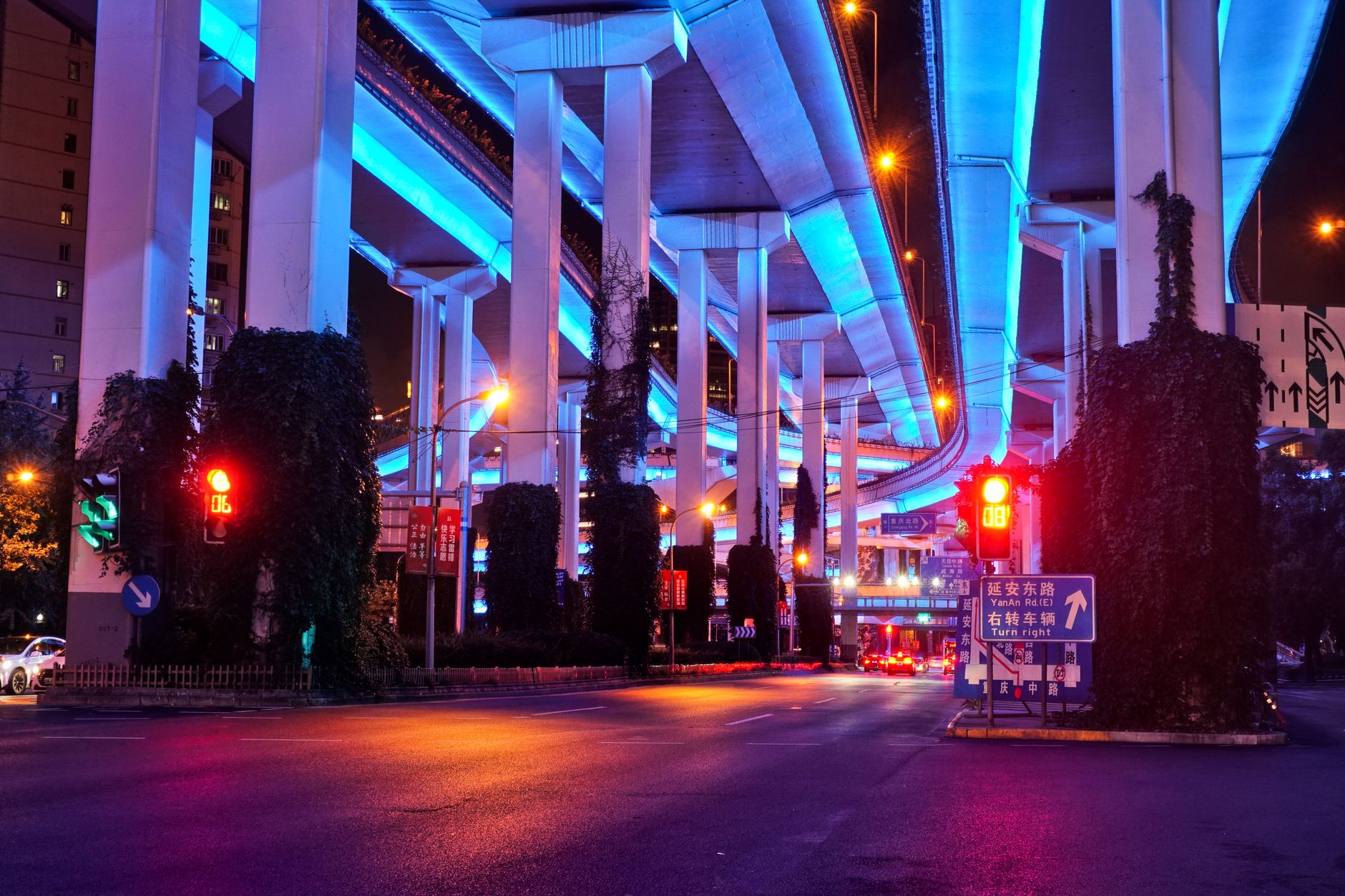
Hongqiao is the easier of the two. It sits inside the metro network, Lines 2 and 10 both serve it, and a Didi to People’s Square is a short hop along the raised Yan’an Road expressway when traffic allows. The complication is that Terminal 1, Terminal 2 and the high-speed railway station are separate buildings joined by long walkways, so check which one the app has pinned you to — our Hongqiao Airport guide maps it.
Transferring between the two airports, ignore Didi entirely: it is a long, expensive drive across the whole city. The Airport Link Line, opened December 2024, does PVG to Hongqiao Terminal 2 in about 40 minutes for ¥26, every 15 minutes from 06:00 to roughly 22:39. Our Shanghai layover guide works through the timings.

Payment Options
- International credit cards — register the card in the app; your bank may add a foreign-transaction fee
- Alipay/WeChat Pay — work if you’ve set up the foreign-card binding (see our money guide)
- Cash — supported for Didi Taxi class only; not Express or Premier
Payment auto-charges at trip end. Receipts emailed to your account email.
The failure mode nearly everyone hits is a fraud block, not Didi. A first-ever transaction from a Chinese merchant at an odd hour is exactly the pattern issuers decline. Tell your bank your dates, and set Alipay as a backup method inside the app so a decline does not strand you at a car-park bay. Charges land in CNY and are converted by your issuer, so a fee-free card is worth arranging. Didi will not split a fare between two foreign cards — one person books, everyone settles up later.
Didi vs Taxi vs Metro
Nobody should use one mode for a whole trip. Here is the honest comparison for a typical central-Shanghai journey of four to six kilometres.
| Mode | Typical cost | Door-to-door time | Language needed | Best for | Weak point |
|---|---|---|---|---|---|
| Didi Express | Mid-range | Traffic-dependent | None | Bags, rain, late nights, unfamiliar addresses | Traffic; surge pricing; pickup faff |
| Street taxi | Mid-range, metered | Depends on traffic | Address in Chinese characters | Instant departure when one is passing | Hard to find at rush hour and in rain |
| Metro | ¥3–9 | 20–35 min | None — signs are bilingual | Almost everything between about 05:30 and 23:00 | Stairs, crowds, closes before the bars do |
| Didi Premier | Splurge | Traffic-dependent | None | Fixed deadlines, business, four people plus bags | Far more than Express for the same road |
| Walking | Free | Slowest over distance | None | The Bund, French Concession, Old Town | Summer humidity is brutal |
The rule most residents follow: metro by day, Didi after 22:30 and in bad weather, taxi if one is sitting empty right there. Shanghai’s metro is easy for a visitor — fully bilingual signage, trains every few minutes at peak, and most of the main sights a short walk from a station. Our Shanghai metro guide covers fares and the QR gates; the getting around Shanghai pillar sets out how the modes fit together.
Common Issues & Fixes
- Driver cancels — happens occasionally; try again or upgrade to Comfort/Premier
- “No drivers available” at peak hours — try Didi Taxi class, or switch to traditional metro/taxi
- Hard to find pickup spot at airports — follow “Online Car-Hailing” (网约车) signs and leave extra time between baggage claim and pickup
- Card payment fails — most common cause is bank fraud alert; call your bank to whitelist Chinese transactions before flying
- Wrong driver shows up — confirm license plate before getting in
- App is in Chinese — look for the language option in the app’s settings, then restart the app
- Driver calls you — the call comes through the app; if you cannot follow, reply with a short written message
- Lost item in car — go to Help → Lost & Found in the app; provide trip details
- Driver phones and you cannot understand — hang up and send a short in-app text message
- Pin lands in the wrong lane on an elevated road — drag it to a named building entrance rather than a road
On lost property: act within the hour. Open the trip in your history, tap Help, choose the lost-item flow, and the platform contacts the driver for you. Shanghai drivers return things at a rate that surprises visitors, but the trail goes cold after six more fares.

Mistakes Foreigners Using Didi in Shanghai Make
Six patterns come up again and again, and every one of them is avoidable.
- Downloading DiDi Rider and expecting it to work in Shanghai. It is the overseas-markets app. Install the mainland DiDi app instead.
- Booking from inside the terminal. Walk to the numbered bay first, then book. This one mistake accounts for most airport cancellations.
- Assuming a Didi beats the metro across town. At Friday rush hour, Line 2 from People’s Square to Lujiazui keeps moving while the road crawls. The river tunnels are the choke point.
- Trusting the English name of a destination. “Shanghai Railway Station” and “Shanghai South Railway Station” are different stations in different districts; “Jing’an Temple” is a temple, a metro station and a mall. Check the district.
- No mobile data. Without it you cannot track the car, message the driver, or end the trip.
- Ignoring rear seat belts. They exist, usually tucked under the seat cover. Use them.
A seventh: do not tip. The app does not ask, and pressing money on a driver produces confusion rather than pleasure. Give five stars instead — that is the currency drivers care about. Our Shanghai etiquette guide covers the wider social rules.
Safety, Scams and What to Check
Shanghai is one of the safest large cities anywhere for getting into a stranger’s car. The realistic risks are financial, not violent.
- Check the plate, every time. Not the model, not the colour — the plate. Shanghai’s fleet is thousands of identical white and black electric saloons.
- Never take a ride from someone approaching you inside the terminal. Unlicensed “black cars” (黑车) work the PVG arrivals hall offering “taxi, taxi” at three to four times the meter. Licensed drivers do not solicit — see our Shanghai scams guide.
- Tell a friend your route on late-night rides, and check the plate before you get in.
- Watch the route only loosely. Shanghai drivers take elevated roads that look like detours on a map but are faster. A genuinely wrong route is rare.
Travelling alone changes little here — Didi is part of why solo travel in Shanghai is straightforward. With small children, note that child seats are not usually provided; message the driver ahead, or plan around the metro, as our Shanghai with kids guide suggests.
Alternatives
- Street taxi — flag from kerb; metered at ¥14–16 for the first 3 km, then roughly ¥2.7/km, with a higher night tariff from 23:00 to 05:00. Cash or Alipay only. Need the hotel address in Chinese characters
- Metro — far cheaper (¥3–9 per ride), and it reaches most of central Shanghai. See our metro guide
- Maglev — for Pudong Airport only; 8 minutes to Longyang Road. See our Maglev guide
- Walking — surprisingly viable; the Bund, French Concession, and Old Town are close enough to walk between on a cool day
- Hotel-arranged car — a 5-star hotel concierge can arrange one for a half day; ask the price when you book
- Amap (高德地图) ride-hailing — the mapping app aggregates several ride-hailing brands at once and often quotes less than Didi; the interface is more Chinese-heavy, so treat it as a fallback
- Shared bikes — Meituan and Hellobike are everywhere, cost little for a short ride and scan open through Alipay. Excellent in the French Concession, alarming on the main arteries
Where each falls down: taxis are hard to find at rush hour and in rain, exactly when you want one. Last metro trains run around 22:30–23:00, early relative to Shanghai’s nightlife. Didi covers that gap, which is why most visitors use all three.
Longer Trips and Day Hires
Didi handles intercity runs to Zhujiajiao or Suzhou, and the app quotes each one before you book; expect a long drive and a fare to match. The problem is always the return leg — water towns have few drivers waiting, so you can end up in a car park at 17:00 watching the app fail to match you. Book the return well before you want it, or use Didi’s day-charter option where a driver stays with you for a fixed block. For Suzhou and Hangzhou this is all moot: high-speed rail is quicker, with Suzhou around half an hour away by G train, as our Suzhou day trip and day trips from Shanghai guides explain. Same for Disneyland — Metro Line 11 runs to a dedicated station for a fraction of a Didi fare, and the car sits in the same resort traffic; see the Disneyland guide.
Tips for First-Time Users
- Download and test the app before flying — verification can take 24h
- Notify your bank of travel dates to avoid declined cards
- Set pickup pin precisely — slight inaccuracy can cost 5 minutes of confused driving
- Take a screenshot of the car details for safety
- Use Express class for normal trips; Premier only for special occasions
- Avoid solo rides at 1–4am if possible (general nightlife caution)
- Expect higher fares late at night
- Free trial credits sometimes offered via the app’s promotions tab
- Driver rating — rate post-trip; affects driver economy
- Save your hotel in Chinese characters as a favourite before you land
- Stand where the app says, not where it seems sensible — bay numbers exist for a reason
- Keep a battery pack; a dead phone in Shanghai means no ride, no payment and no map
First trip to China? The sequencing that works is eSIM, then Alipay with a card linked, then Didi — each depends on the last. Our first time visiting Shanghai guide has the full pre-departure list, and language barrier tips covers the phrases worth having.

Frequently Asked Questions
Can foreigners use Didi in Shanghai?
Yes — the mainland Didi app supports foreign phone numbers, and international credit cards for payment. You can also book through Alipay or WeChat once a card is linked there.
Which Didi app should I download for China?
The one branded simply “DiDi” (滴滴出行). DiDi Rider is Didi’s app for Australia, New Zealand, Japan and Latin America and does not work in mainland China. If registration gives you trouble, book through Alipay instead.
How much does Didi cost in Shanghai?
There is no fixed price per ride: Didi fares move with distance, time of day and demand, and the app shows the estimate before you confirm. Express is the everyday economy class, Comfort and Premier (black car) cost more, and Pudong Airport to central Shanghai is one of the dearest rides most visitors take.
Is Didi cheaper than a taxi in Shanghai?
About the same price as metered taxis for Express class. Premier costs more. The big advantages are language, payment, and tracking — not price.
Do Didi drivers speak English?
Rarely — but that seldom matters, because you set the destination in the app before the car arrives. If a driver phones and you cannot follow, a short written message works better than a call.
Can I pay Didi with a foreign credit card?
Yes — an international credit card can be registered in the app, and Alipay or WeChat Pay with a linked foreign card also work. Notify your bank of travel dates to avoid declined transactions, and set a backup payment method inside the app.
Does Didi work at Shanghai airports?
Yes — both PVG and Hongqiao have designated Online Car-Hailing pickup zones, signed in English and Chinese (网约车), located in the car parks rather than at the kerb. Give yourself extra time to walk from arrivals to the correct bay, and book once you are standing there.
Is Didi safe in Shanghai?
Yes — Shanghai is a very safe city for ride-hailing. The app tracks trips, and drivers are licensed and rated. Check the licence plate before getting in and ignore anyone touting rides inside the terminal.
What is the difference between Didi Express and Didi Premier?
Express is economy cars; Premier is Mercedes/Audi black-car class and costs considerably more. Comfort sits between them, and XL is a six-seater priced above Express — the right pick for four people with luggage. The app shows the price of each before you book.
Does Didi charge a cancellation fee?
It can. Once a driver is on the way, or has waited past the free grace period, cancelling may cost a fee, and the amount varies. Airport bays have a short free wait, so be standing there before you book.
Can I book a Didi in advance for an early flight?
Yes — scheduled rides can be booked several days ahead and are the sensible choice for a pre-dawn departure to Pudong. Set your own alarm as well, and have the metro or a taxi rank as a fallback.
Do I need a VPN to use Didi in Shanghai?
No. Didi is a Chinese app and works normally on local data. You will need a VPN for Google Maps, WhatsApp and similar services, which is a separate problem — and you do need working mobile data for Didi itself, so sort out an eSIM or roaming before you land.
Plan Your Shanghai Transport
Combine with our pillar guides on getting around Shanghai, Shanghai metro guide, and Pudong Airport to city centre. For background, see DiDi on Wikipedia, and check current terminal and pickup arrangements on the Shanghai Airport Authority site before you travel.