Touching down at Pudong (PVG) or Hongqiao (SHA) after a long flight, the last thing you want is a confusing arrival experience. This step-by-step guide to Shanghai airport arrival immigration walks you through everything from disembarkation to the passport desk to customs to ground transport — for visa-free travellers, 240-hour transit travellers, and ordinary tourist-visa holders alike. Read it before you fly so you know exactly what to expect.
Two things have changed recently, and both affect what you do before you board: China switched to an online arrival card in November 2025, and the Airport Link Line opened on 27 December 2024. Everything else — the queue, the fingerprints, the green channel — works much as it always has.
Table of Contents
- Shanghai Airport Arrival Immigration: What Changed
- Pudong vs Hongqiao Airports
- Before You Fly: The Digital Arrival Card
- Step 1: Disembarkation
- Step 2: Health & Customs Declaration
- Step 3: Shanghai Airport Arrival Immigration
- The 240-Hour Visa-Free Transit Lane
- Step 4: Baggage Claim
- Step 5: Customs
- Step 6: Arrival Hall & Ground Transport
- Every Route Into the City, Compared
- The Airport Link Line
- If You Land at Hongqiao Instead
- Total Arrival Timing
- Landing After Midnight
- Money, Phone and Apps in the First Hour
- Common Arrival Mistakes
- Pre-Flight Prep Checklist
- FAQ
Shanghai Airport Arrival Immigration: What Changed
If your last trip to China was before 2024, four things are different at the border and they are all in your favour.
- The arrival card went online. Since 20 November 2025 you can fill in the China Digital Arrival Card in advance and arrive with a QR code on your phone instead of a biro-smudged paper slip.
- Visa-free entry now covers most of Europe, the UK, Canada, Australia and New Zealand. The 30-day unilateral scheme covers about 50 countries — the UK and Canada were added from 17 February 2026 — and runs until 31 December 2026. US passports are not on the list, so Americans still need the 240-hour transit or a visa. If you qualify you need no visa, no transit lane and no onward ticket.
- Transit visa-free stretched to 240 hours. Ten days, not six, across a long list of ports including both Shanghai airports.
- The two airports are finally linked by rail. Around 40 minutes PVG to SHA instead of a long cross-city ride on Metro Line 2.
The practical upshot: fewer people now need the transit desk, so the ordinary foreign passport queue is the one that matters. Check your eligibility on our China 30-day visa-free entry page before you assume you need anything more complicated.
Pudong vs Hongqiao Airports
- Pudong International (PVG) — almost all international arrivals. Two main terminals (T1 and T2) with a single satellite (S1), about 30 km from downtown
- Hongqiao (SHA) — primarily domestic and regional flights from Japan, Korea, and Southeast Asia. Much closer in, about 13 km west of downtown, with Metro Lines 2 and 10 running straight into town
This guide focuses on PVG since that’s where most international travelers arrive. The process is essentially identical at Hongqiao but smaller-scale.
| Pudong (PVG) | Hongqiao (SHA) | |
|---|---|---|
| Distance from downtown | About 30 km | About 13 km |
| Fastest way downtown | Maglev to Longyang Road, then Metro | Metro Line 2 or 10, direct |
| Typical taxi fare | About ¥180 to People’s Square, more in heavy traffic | Metered; far less than from Pudong |
One thing catches people out at Pudong: if your plane parks at the S1 satellite concourse, you ride an underground automated shuttle back to T1 or T2 before immigration. Allow a little extra time for it.
Before You Fly: The Digital Arrival Card
China’s National Immigration Administration launched an online arrival card on 20 November 2025. It replaces the paper card for most travellers, and doing it at home is the single highest-value thing you can do to shorten your arrival.
Where to fill it in. The official portal is s.nia.gov.cn/ArrivalCardFillingPC. The NIA’s 12367 app and the “移民局12367” mini-programs inside WeChat and Alipay do the same job. Copycat sites charge a “service fee” for something that is free — stick to the government channels.
What you need to hand. Your name exactly as printed in the passport, passport number, expiry, nationality and date of birth; your flight number and port of entry; the full address of your first night’s accommodation; and your purpose of visit. Have the hotel confirmation open in another tab — the address field wants more than “Shanghai”.
When to do it. Roughly 24 to 72 hours before you land: close enough that your flight details are final, far enough ahead that a website outage is not a crisis. Submit and you get a receipt with a QR code — screenshot it and email yourself a copy. Printing is optional but works when your battery does not.
Who can skip it. Seven categories are exempt, including foreign permanent resident ID holders, non-Chinese Hong Kong and Macau residents on a mainland permit, passengers in direct transit under 24 hours who never leave the airside area, cruise passengers on the same ship, and foreign crew. The one that trips people up: 240-hour visa-free transit travellers are not exempt.
If you did not do it in advance, nothing terrible happens: there are self-service terminals and paper cards before the immigration hall at Pudong. You just fill the form in standing up, at the back of a queue, after eleven hours in economy.
Step 1: Disembarkation
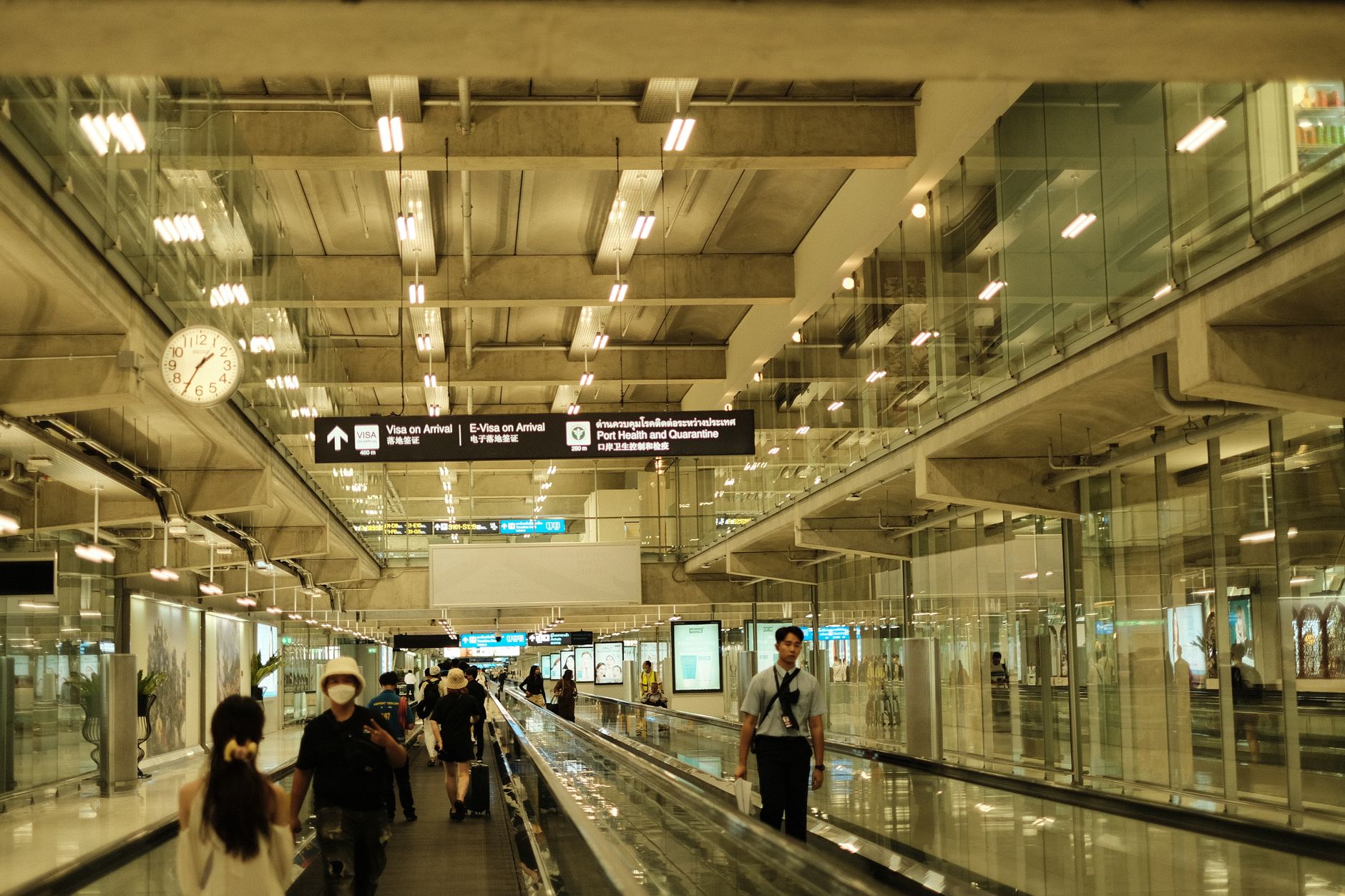
Once your plane parks at the gate, follow signs to “Arrivals” or “International Transfers.” Depending on the gate, the way to the immigration hall is on foot or by shuttle bus. Most major intercontinental gates have direct jetbridges.
If you are connecting to a domestic Chinese flight you still clear immigration and customs here, and unless your bags were through-checked you collect and re-check them — budget three hours minimum. See the layover guide for whether a connection is long enough to leave the airport at all.
Step 2: Health & Customs Declaration
Since 1 November 2023, travellers no longer fill in a health declaration on entry; only those with infectious-disease symptoms must declare. However:
- Customs declarations can be made through China Customs’ official apps if you have something to declare; most tourists with nothing to declare simply use the green channel
- Pandemic-era physical paper declarations have been retired; expect minor entry questions instead
- Have any medication documentation ready if asked
If you are unsure whether you have anything to declare, check customs.gov.cn before you fly or ask customs staff in the hall.
What matters at Pudong is the customs channel after baggage claim — see our Shanghai customs guide.
Step 3: Shanghai Airport Arrival Immigration
Immigration at PVG has multiple lanes:
- Chinese Passport / Foreign Permanent Resident — fast track for Chinese
- Foreign Passport — main lanes for tourists; manual processing
- 240-Hour Transit Visa-Free — separate lane at PVG; same at Hongqiao
- e-Channel for crew / frequent travelers — not for tourists
What to prepare before you reach the desk:
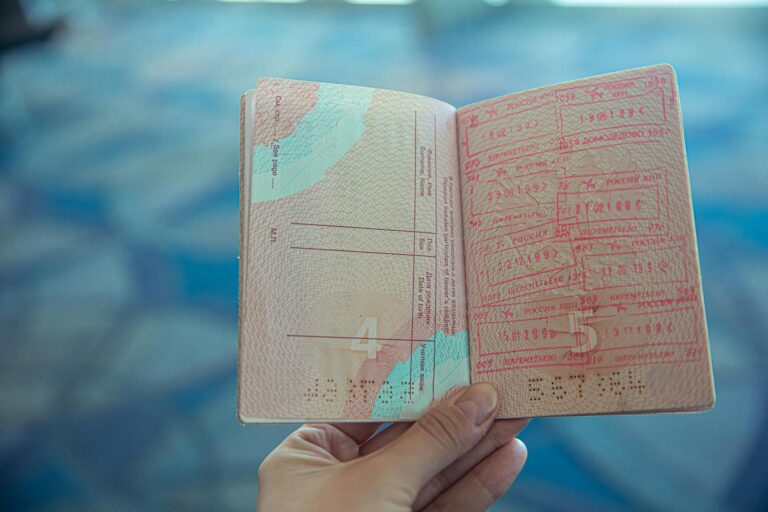
- Passport open at the photo page
- Arrival card completed — the QR code on your phone, or the paper version filled in
- Visa-eligible: have proof of return ticket and hotel booking ready (rarely asked, but can be)
- 240-hour transit travelers: have onward flight to a third country printed
Officer questions are usually brief: purpose of visit, length of stay, place of stay. Answer concisely. Fingerprint scanning is now standard for foreigners aged 14–70.
The fingerprint kiosks are the trick nobody tells you. Before the desks at Pudong, a bank of self-service machines pre-collects your ten prints. Use one while queueing — ninety seconds, free, and it removes the slowest part of the desk interaction.
Processing time: it changes from flight to flight at PVG, so leave slack in anything you book for the first few hours after landing.
Queue length is really a function of what else landed. Arrive just behind several other long-haul flights and you will wait; land at a quiet hour and the hall moves quickly. There is no fast-track you can buy as a tourist.

The 240-Hour Visa-Free Transit Lane
China’s transit exemption went from 144 hours to 240 hours in December 2024, and the country list has kept growing — 57 nationalities and 65 ports at the last official count. Shanghai qualifies at three: Pudong airport, Hongqiao airport, and the Shanghai cruise port. Full detail lives in our dedicated guide to the 240-hour visa-free transit in Shanghai; here is what it means at the desk.
- You must be genuinely in transit. The onward ticket has to be to a third country or region, not back where you came from — Hong Kong, Macau, Taiwan and Singapore all count. It must be confirmed, with a date and seat, departing within 240 hours. Asking for the exemption on a return ticket to your origin is treated as attempted illegal entry, not a paperwork slip.
- The clock starts at 00:00 the day after you enter, which is a free extra half-day. Land at 22:00 on Monday and your ten days run from midnight Tuesday.
- You queue at a separate counter. Follow the signs for the 240-hour visa-free transit lane, hand over the passport and the onward booking, and the officer issues a permit showing how long you may stay. The process can take longer than the ordinary lane, so keep the first part of your plans loose.
- Movement is not unlimited. The scheme covers a defined group of provinces and municipalities and the boundaries have been redrawn more than once. Shanghai entrants can generally move within the eligible area, but check the current map on the National Immigration Administration site before you buy a train ticket to somewhere far away.
- Register your address within 24 hours. Hotels do this for you automatically when they scan your passport. If you are staying with friends or in a private apartment, one of you must register at the local police station — this applies to every foreigner, not just transit travellers.
Honest advice: if your passport is on the 30-day visa-free list, ignore the transit scheme. The ordinary lane is faster, you are not tied to an onward ticket, and you get three times the stay. If neither route fits, our guides to Shanghai visa & entry requirements and applying for a China tourist visa cover the alternatives.
Step 4: Baggage Claim
- Find your flight number on the overhead carousel screens — flight numbers in English and Chinese; carousel number prominent
- Luggage trolleys stand in the baggage hall at PVG
- If your luggage is missing: file a Property Irregularity Report (PIR) at the airline’s baggage office before clearing customs. PIR is required for insurance claims
- Oversized items: separate carousel for skis, golf clubs, etc
Because immigration usually takes longer than the bags do, most people reach a carousel that is already turning. Do not wander off assuming you have twenty minutes — the belts at Pudong can be quick.
Step 5: Customs
After baggage, choose your channel:
- Green (Nothing to Declare) if you have under ¥20,000 RMB / USD 5,000, no commercial goods, no prohibited items
- Red (Goods to Declare) if you exceed thresholds or carry restricted items
Both channels run X-ray bags. See our full Shanghai customs guide for what to declare and what to avoid bringing.
The numbers behind the green channel, from China Customs’ own published rules: non-residents may bring in personal articles worth up to ¥2,000 that will stay in China duty free (¥5,000 for Chinese residents returning home); and cash of ¥20,000 or more, or foreign currency equivalent to USD 5,000 or more, must be declared — a declaration, not a cap on what you can carry. Tobacco and alcohol have their own ceilings — broadly 400 cigarettes and 1,500 ml of spirits above 12% alcohol.
The items that actually cause trouble are not luxury goods: they are fresh fruit, meat and dairy, certain prescription medicines, and drones. If any of those are in your bag, read the customs guide before you fly rather than improvising at the red channel.
Step 6: Arrival Hall & Ground Transport
You emerge into the arrivals hall. Key services:
- SIM card kiosks — buy a local SIM if needed; bring passport. See our SIM guide
- Currency exchange — useful for ¥300–500 starter cash; rates worse than city banks. See our money guide
- Tourist info desk — multilingual; basic maps and metro guidance
- Free WiFi — passport scan required for code
- Taxi queue — well-marked; use the official queue only. Expect around ¥180 to People’s Square, depending on traffic. See our taxi tips
- Maglev (PVG only) — 8 minutes to Longyang Road; ¥50 standard. See our Maglev guide
- Metro Line 2 — direct to central Shanghai for a few yuan; fares and first and last trains are on shmetro.com
- Airport bus — various lines, with fares and journey times that differ by line; pick the one that stops nearest your hotel
- Didi pickup — designated “Online Car-Hailing” zone, signed in English. See our Didi guide
- Hotel left luggage — if you’re on a layover and want to leave bags; ask the hotel what it charges. See our layover guide
Two more worth knowing. The airport runs its own left-luggage counters, handy if you would rather not detour to a hotel. And drivers meeting you wait landside in the arrivals hall — nobody is permitted past the customs exit.
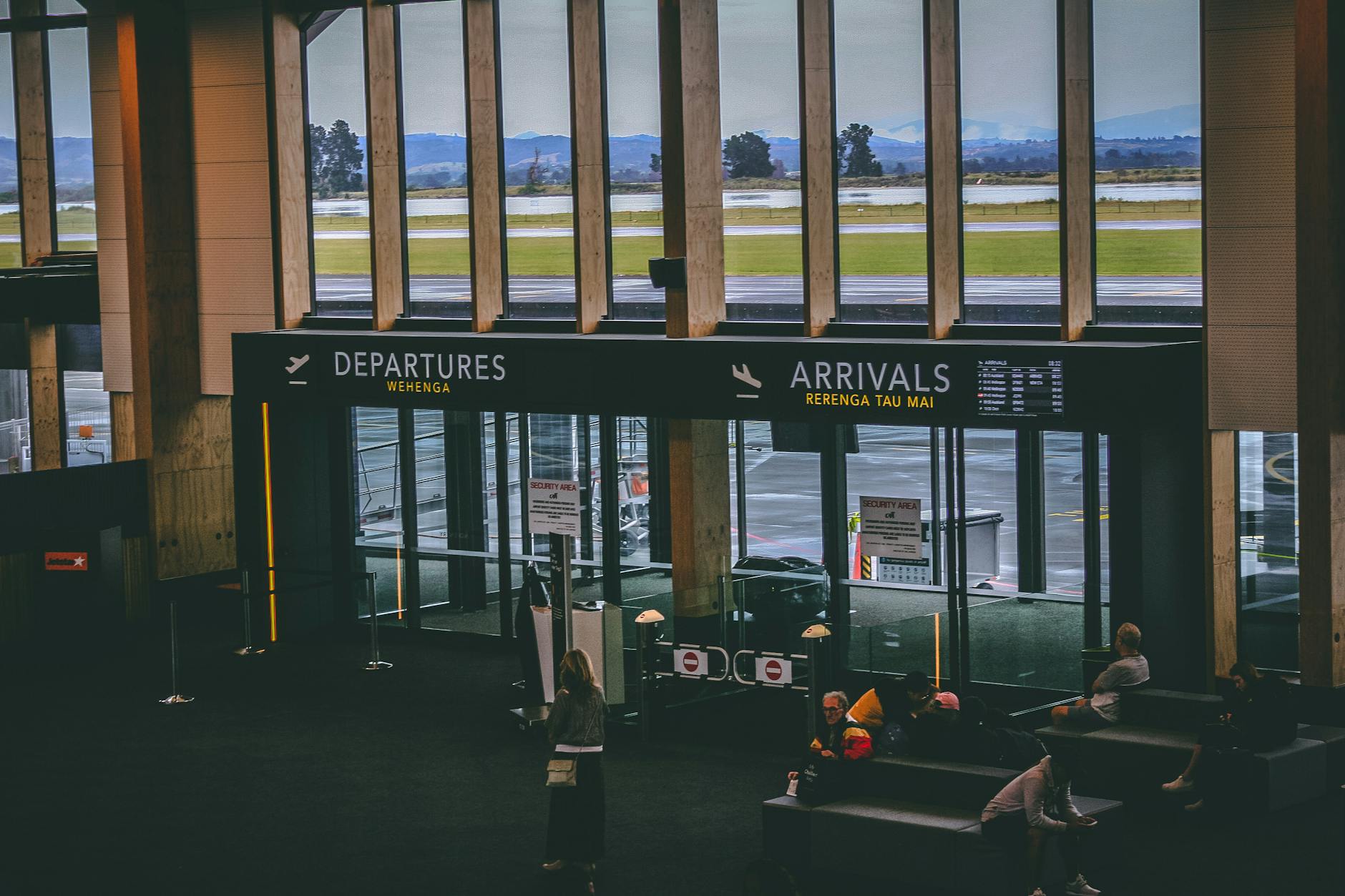
If your flight lands late or you are catching a very early departure the next morning, staying put is often the smarter move — our guide to hotels near Pudong Airport covers the in-terminal and shuttle options and what they cost.
Every Route Into the City, Compared
Pudong is about 30 km from downtown Shanghai, so the choice matters more than at most airports. The honest comparison, for two people with luggage heading to a hotel near People’s Square or the Bund:
| Option | Time to centre | Cost | Last service | Best for |
|---|---|---|---|---|
| Taxi from the rank | About 50 min | About ¥180 to People’s Square; varies with traffic | 24 hours | Two or more people, late arrivals, lots of luggage |
| Didi / ride-hailing | Similar to a taxi | Varies with time and demand; check the in-app estimate | Depends on drivers available | Same, if your app and payment already work |
| Maglev + Metro | 35–50 min | ¥50 (¥40 with same-day boarding pass) + ¥3–5 | Around 21:40 | Light luggage, the novelty, beating rush-hour traffic |
| Metro Line 2 | Check the journey planner | A few yuan | Check the timetable | Solo budget travellers, no bulky bags |
| Airport bus | Depends on line and traffic | Varies by line | Varies by line | Hotels near a bus terminus; luggage holds |
| Airport Link Line | ~40 min to Hongqiao | ¥4–26 | 22:39 | Airport-to-airport transfers and Disney, not the city centre |
Two things the table cannot hold. The Maglev’s top speed was cut to 300 km/h in 2021, so the old 431 km/h cabin display is history, and it drops you at Longyang Road in eastern Pudong rather than downtown — with two suitcases and a hotel west of the river, a taxi usually wins on total effort. And on Metro Line 2 a few trains still terminate at Guanglan Road, where everyone crosses the platform for the next one. Full detail is in our Shanghai Metro guide and Pudong Airport to city centre.
The Airport Link Line
The Airport Link Line (机场联络线) opened on 27 December 2024 — the most useful new piece of Shanghai transport in years, provided you understand what it is for.
- Route: seven stations — Hongqiao Airport T2, Zhongchun Road, Jinghong Road, South Sanlin, East Kangqiao, Shanghai International Resort, Pudong Airport T1&T2. Extensions to a future Pudong T3 and Shanghai East Railway Station are planned.
- Journey time: about 40 minutes airport to airport at up to 160 km/h.
- Fares: from ¥4 for a short hop up to about ¥26 for the full run between the two airports.
- Hours: first trains at 06:00 and last trains at 22:39 from the terminal stations, every 15 minutes.
- Where the stations are: inside the Pudong T1/T2 transport hub and at Hongqiao Terminal 2.
- Comfort: proper luggage racks and charging points — it is a suburban railway, not a metro, built for people with suitcases.
What it is not: a way into central Shanghai. None of the seven stations is downtown. The useful interchange is Zhongchun Road, where you transfer to Metro Line 9 without paying again for Xujiahui and the former French Concession. For the Bund, Line 2 or a taxi is still the answer.
Two cases where the Link Line is clearly the right choice: you are connecting between Pudong and Hongqiao and the alternative is a long metro ride or a costly taxi across the city; or you are heading to Shanghai Disneyland. The Shanghai International Resort stop is the nearest station, about 4.5 km from the park, and bus 50 or a short taxi ride covers the rest.
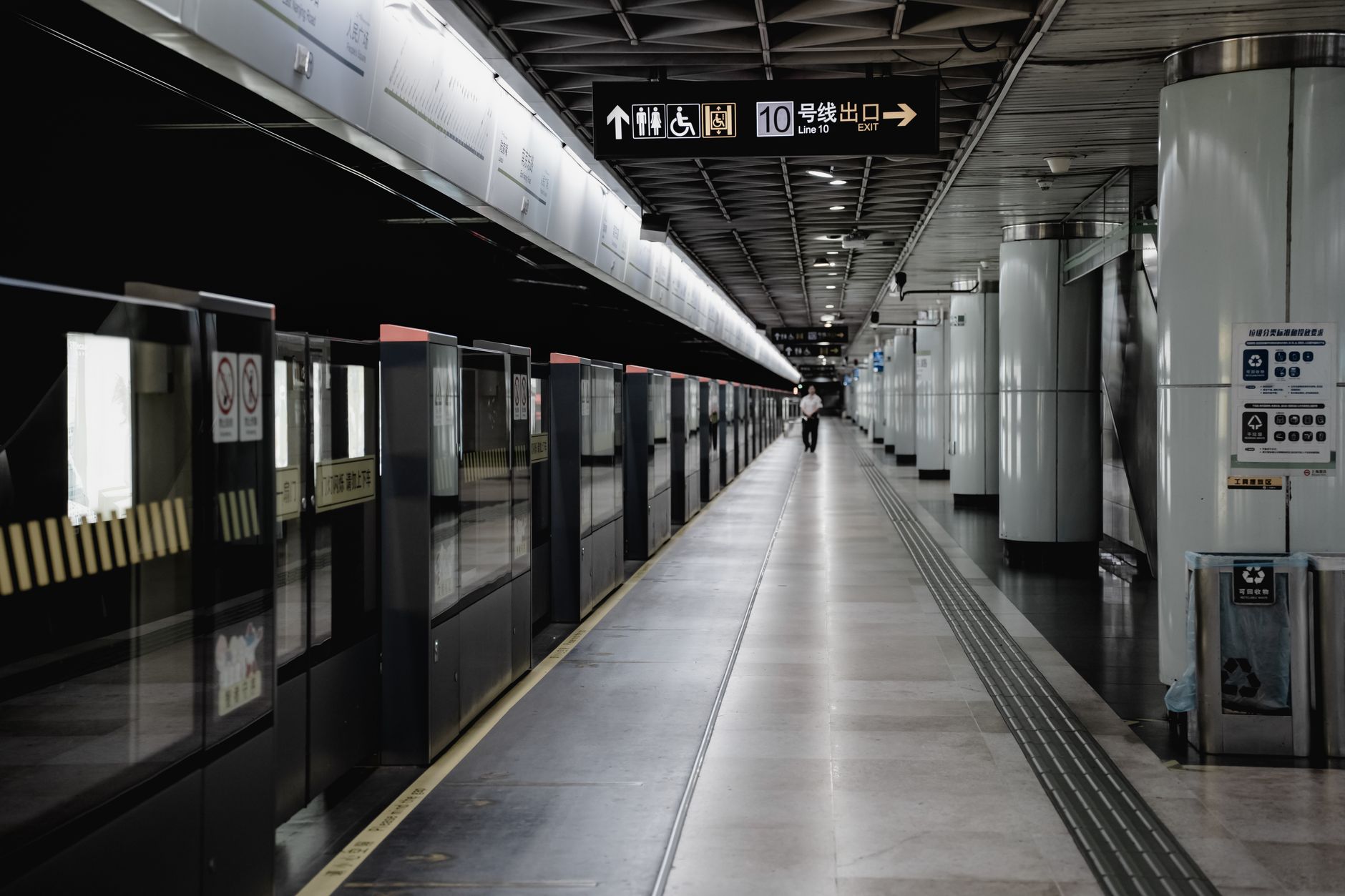
If You Land at Hongqiao Instead
Most international flights into Hongqiao use Terminal 1 (check your ticket), and the airport is a smaller operation than Pudong. Metro Lines 2 and 10 both serve the airport; Line 10 is usually the better choice for the former French Concession and Line 2 for People’s Square and Lujiazui. Either way, the fare into town is a few yuan.
Hongqiao also shares a site with Hongqiao Railway Station, so if you are connecting onward to Suzhou, Hangzhou or Nanjing you can be on a high-speed train within the hour. Our Hongqiao Airport guide covers the layout and the walk between the two.
Total Arrival Timing
Plan from plane-touchdown to leaving the airport:
- Best case (off-peak, carry-on only, Green channel breeze): the passport queue is the only real wait
- Typical case (medium queue, 1 checked bag): add the carousel, though bags often arrive while you are still queueing
- Worst case (peak arrival, immigration backed up, customs check): every stage is slow, so plan nothing tight for the rest of the day
For onward planning, leave generous slack between touchdown and any tightly-scheduled appointment, then add the ground transfer. Make the dinner reservation late.
Landing After Midnight
Some long-haul flights land at Pudong late at night, after the trains have stopped. Three options remain.
- Taxi. The official rank runs around the clock and the queue is short at that hour. Only join the marked queue rather than taking a ride from someone who approaches you inside the terminal; our guide to Shanghai scams to avoid explains how that plays out.
- Ride-hailing. Fine at night, but it needs data and a linked payment method — exactly what you may not have five minutes after landing.
- Stay at the airport. If your onward plan starts in the morning anyway, this is often the least painful choice.
A night airport bus runs after the metro closes, but the routes are limited and the signage is Chinese-first. At 01:00 with luggage, the taxi is worth the money.
Money, Phone and Apps in the First Hour
The most common first-hour failure is not immigration — it is finding your phone dead to the network and nothing taking your card. Fix it in this order.
- Connectivity first. An eSIM installed before you fly activates the moment the doors open. Failing that, the China Mobile and China Unicom counters sell tourist SIMs against your passport, and the free wifi needs a passport scan at a kiosk for the code. Our SIM card and internet guide compares prices.
- Test your VPN before you need it. If your work email, maps or messaging app depends on a service that is blocked in China, you want that sorted at home — see the VPN and internet guide. Installing one after you land is much harder.
- Payments. Alipay and WeChat Pay both accept foreign Visa and Mastercard, and between them cover almost everything. Link the card at home and run a test transaction.
- A little cash anyway. ¥300–500 covers a taxi and a metro top-up if an app misbehaves. Airport ATMs from Bank of China and ICBC beat the exchange counters.
For the wider picture, first time visiting Shanghai and our practical tips page cover the rest.
Common Arrival Mistakes
- Filling the arrival card on plane wifi. It rarely works and the form times out.
- Paying a third-party site for the arrival card. It is free on the government portal.
- Assuming the 240-hour scheme applies to you. If your passport is on the 30-day visa-free list, the transit lane is a slower queue with tighter conditions.
- Booking a tight domestic connection at Pudong. Immigration, bags, customs and a re-check do not fit in ninety minutes.
- Taking a ride from someone who approaches you in the hall. Every legitimate taxi is in the rank outside.
- Landing at 22:30 and planning to take the Maglev. Regular service ends with the train at about 21:42, long before you clear immigration.
- Not having the hotel address in Chinese characters. Drivers rarely read pinyin. A screenshot solves it.
Pre-Flight Prep Checklist
Have ready when you land:
- Passport with at least six months of validity and two blank pages (the safe rule)
- Return/onward flight ticket (printed)
- Hotel reservation or address (printed)
- Travel insurance certificate
- Digital arrival card submitted, QR code screenshotted
- Customs declaration, only if you have goods to declare (see the customs guide)
- Overseas eSIM activated
- VPN tested at home
- Alipay set up with foreign card
- Printed hotel address in Chinese characters
- Backup cash (¥300–500 in pocket from home exchange)
- Apple Maps offline pack for Shanghai
Add a power bank you can reach without opening your case — between the arrival card QR, the ride-hailing app and the map, your phone works hard in the first two hours. Our Shanghai packing checklist covers the rest of the bag.
Frequently Asked Questions
How long does Shanghai airport arrival take?
It depends mostly on the immigration queue. Off-peak with no checked bags is quick; when several long-haul flights arrive together, the queue alone can be long. Leave generous slack before anything you have booked.
Do I need to fill an arrival card for Shanghai?
Yes, unless you fall into one of the seven exempt categories. Since November 2025 the standard method is the online China Digital Arrival Card, submitted before you fly; paper cards and self-service terminals remain available at the airport as a backup.
Where do I fill in the China digital arrival card?
On the National Immigration Administration portal at s.nia.gov.cn, through the NIA 12367 app, or via the immigration mini-programs in WeChat and Alipay. It is free. Save the QR receipt to your phone rather than relying on a live connection at the border.
Is there a separate 240-hour visa-free immigration line?
Yes — both PVG and Hongqiao have dedicated 240-hour transit visa-free lanes. Follow the transit-lane signs after disembarkation, or ask a staff member.
Do 240-hour transit passengers still need the arrival card?
Yes. The exemption from the arrival card applies to travellers in direct transit under 24 hours who never leave the airside area, not to the 240-hour scheme. Fill it in like everyone else.
What if I don’t speak Chinese at the airport?
Most signs and announcements are bilingual English-Chinese. Immigration officers handle basic English. SIM kiosks, currency exchange, and taxi queues all have basic English signage.
Are there ATMs at Pudong Airport?
Yes — multiple ATMs accepting Visa, Mastercard, and Cirrus in the arrivals hall. Bank of China and ICBC machines work for most foreign cards. Withdraw ¥1,000–2,000 as a starter; better rates than the airport currency exchange.
What time does the Maglev start running?
6:45am to 9:42pm daily. Trains depart every 15–20 minutes. If your flight arrives outside these hours, use Didi/taxi or Metro Line 2.
How do I get from Pudong Airport to Hongqiao Airport?
Take the Airport Link Line, which opened in December 2024 and covers the two airports in about 40 minutes for a maximum fare of roughly ¥26, with trains every 15 minutes from 06:00 until the last departures at 22:39. Outside those hours, a taxi is the fallback: a long, metered ride across the city whose cost depends on traffic.
Where are taxis at PVG?
Official taxi queues are at curbside outside both Terminal 1 and Terminal 2 arrivals. Follow “Taxi” signs in English, and use the marked queue instead of accepting a ride offered inside the terminal.
Do I need to register with the police after arriving?
Every foreign visitor needs a temporary residence registration within 24 hours. Hotels do it automatically at check-in. If you are in a private apartment or with friends, go to the local police station with your passport and the host.
Plan the Rest of Your Trip
Combine with our pillar guides on Shanghai visa & entry requirements, Pudong Airport to city centre, and first time visiting Shanghai. Once you are in town, getting around Shanghai and where to stay in Shanghai take over. For background, see Shanghai Pudong International Airport on Wikipedia.