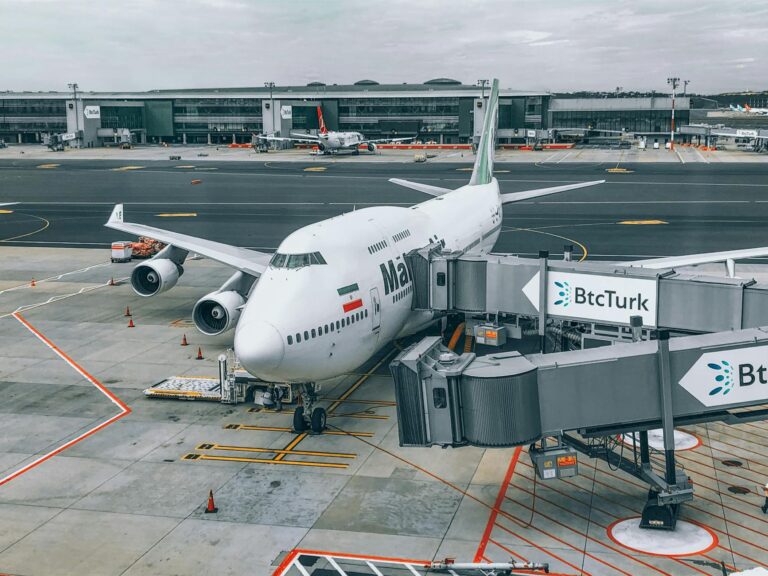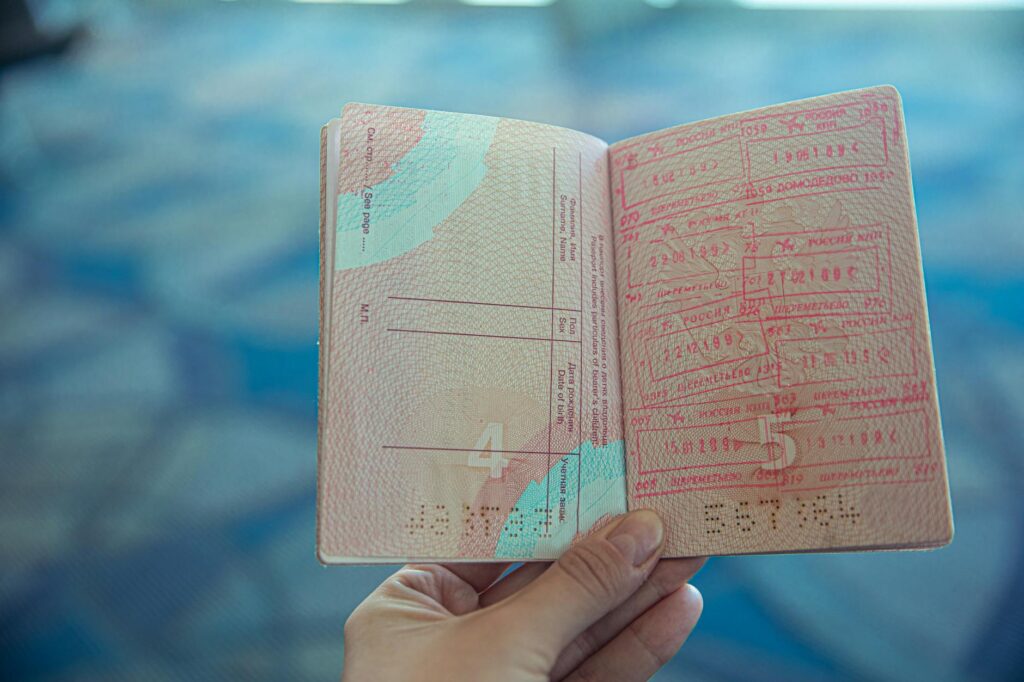
For travellers from a growing number of countries, getting into mainland China no longer means a trip to a consulate, a stack of forms, or a wait of several business days. Under the china 30 day visa free entry scheme — officially the unilateral visa-exemption policy — eligible ordinary-passport holders can fly to Shanghai, hand over a passport at the border, and walk into the country for a stay of up to 30 days. No application, no fee, no advance paperwork. This guide explains who qualifies as of 2026, what the rules actually say, how the entry works at Shanghai’s airports, and how the 30-day scheme differs from the 240-hour transit option and from a standard tourist visa.
Two things to fix in your head before the details. First, the eligibility list changes: countries get added, effective dates shift, and what is true this month may not be true next year. Treat every list here as a snapshot and confirm your own nationality with the National Immigration Administration or your nearest Chinese embassy before you book. Second, “visa-free” does not mean “rule-free.” You still need the right kind of passport, a qualifying reason for the trip, and a plan to leave on time. Get those right and entry is genuinely simple.
Table of Contents
- What the 30-Day Visa-Free Policy Actually Is
- China 30 Day Visa Free Countries in 2026
- If Your Country Isn’t on the List
- 30-Day Visa-Free vs. 240-Hour Transit
- 30-Day Visa-Free vs. the Tourist (L) Visa
- Requirements at a Glance
- How the 30 Days Are Counted
- The Entry Process at Shanghai’s Airports
- The Arrival Card and Registration
- Documents to Carry
- What You Can and Cannot Do
- Multiple Entries and Side Trips
- If You Need to Stay Longer
- Mistakes That Cause Problems
- Frequently Asked Questions
- Plan Your Visit
What the 30-Day Visa-Free Policy Actually Is
The policy lets nationals of certain countries enter mainland China without a visa, provided they hold an ordinary passport and are travelling for an approved reason. China set it up unilaterally — meaning China decided to waive the visa requirement for these passport holders without necessarily asking for the same in return — to make tourism and business travel easier. It began in late 2023 with a handful of European countries and has been widened several times since, with each round adding new nationalities and pushing back the expiry date.
The current arrangement runs through at least the end of 2026 for most participating countries, and the recent pattern has been extension rather than expiry. That said, “through 2026” is a policy decision, not a permanent law. The Chinese government can adjust, narrow, or extend it. The safe assumption is that the broad framework will hold for your trip, but the precise list and dates are worth a final check close to departure.
One detail that trips people up: this is an entry waiver, not a special status you apply for. There is no online form to be “approved” for the 30-day waiver in advance, no e-visa to print, and nothing to declare to a Chinese embassy before you fly. You simply arrive at a port of entry that handles foreign travellers, and the border officer admits you under the policy after the usual checks. Shanghai’s Pudong International Airport and Hongqiao International Airport both qualify, as do the city’s cruise terminal and the great majority of China’s international airports and open land and sea crossings.
China 30 Day Visa Free Countries in 2026
As of early 2026, China’s National Immigration Administration listed 50 countries whose ordinary-passport holders can enter visa-free for up to 30 days. The list below reflects that official snapshot (compiled as of 17 February 2026). Because the roster keeps changing, treat this as a starting point and confirm your nationality’s current status with an official source before booking.
Europe: Andorra, Austria, Belgium, Bulgaria, Croatia, Cyprus, Denmark, Estonia, Finland, France, Germany, Greece, Hungary, Iceland, Ireland, Italy, Latvia, Liechtenstein, Luxembourg, Malta, Monaco, Montenegro, the Netherlands, North Macedonia, Norway, Poland, Portugal, Romania, the Russian Federation, Slovakia, Slovenia, Spain, Sweden, Switzerland, and the United Kingdom.
Oceania: Australia and New Zealand.
Asia: Bahrain, Brunei, Japan, Kuwait, Oman, the Republic of Korea (South Korea), and Saudi Arabia.
Americas: Argentina, Brazil, Canada, Chile, Peru, and Uruguay.
A few notes on that list. The United Kingdom and Canada were added in early 2026, after being left off earlier rounds — a useful reminder that the roster grows. The dates attached to individual countries can differ: most are confirmed through 31 December 2026, while a small number sit on their own timelines under separate arrangements. If a specific end date matters for your trip, verify it rather than assuming the headline “through 2026” applies uniformly.
The eligibility hangs on the passport, not on where you fly from. You can depart for China from any country or region and still use the waiver, so a German citizen connecting through Dubai or a Brazilian flying via Doha is treated the same as someone boarding a direct flight from home. The waiver also applies whether you arrive by air, by sea, or overland at a crossing that is open to foreign nationals, and it works for individual travellers and organised tour groups alike.
For the wider context on entry rules, our pillar guide to Shanghai visa and entry requirements pulls the different schemes together in one place.
If Your Country Isn’t on the List
Two large markets are absent from the unilateral 30-day list as of 2026: the United States and India. Citizens of countries that are not on the visa-free roster are not stuck — they simply use a different route into China.
For many US passport holders, the practical answer for a short trip is the 240-hour (10-day) transit policy, covered below, which is open to a broader set of countries and is built around passing through China to a third destination. For longer stays, multiple separate trips, or visits that don’t fit the transit model, a standard tourist visa obtained in advance is the route. The same logic applies to any nationality outside the waiver: check whether the transit policy fits your itinerary, and if it doesn’t, apply for the appropriate visa. Our walkthrough of how to apply for a China tourist visa covers that process step by step.
30-Day Visa-Free vs. 240-Hour Transit
These two programmes are easy to confuse because both let you skip a visa, but they are built for different travellers and the conditions are not interchangeable.
The 30-day visa-free entry is for nationals of the eligible countries listed above. It allows tourism, business, family or friend visits, exchanges, and transit, for a stay of up to 30 days. China is the destination — you are not required to be passing through to somewhere else, and there is no rule forcing you to hold an onward ticket to a third country. You can travel anywhere in mainland China during your stay.
The 240-hour transit visa-free policy is for a different (and in some cases broader) list of countries, including the United States. It is designed for people in transit: you must hold a confirmed onward ticket to a third country or region, and the stay is capped at 240 hours, which is 10 days. It also restricts where you can go — travel is limited to designated provinces and municipalities, a cluster that includes Shanghai, Jiangsu, Zhejiang, Anhui, and a number of other regions, rather than the whole country.
If you qualify for both, the 30-day entry is almost always the better choice: it lasts three times as long, doesn’t demand an onward third-country ticket, and lets you roam the whole mainland. The transit policy earns its place for travellers whose nationality sits outside the 30-day list but inside the transit list, or for genuine stopovers on the way somewhere else. Border officers may ask which scheme you are entering under, so know your answer before you reach the desk. The full mechanics live in our guide to the China 240-hour visa-free transit in Shanghai.
30-Day Visa-Free vs. the Tourist (L) Visa
The tourist visa — China’s L visa — is the traditional route, and it still matters even now that so many nationalities can skip it. The L visa is obtained in advance from a Chinese embassy or consulate, generally takes several business days to process, and carries a fee that varies by nationality. In return it offers things the waiver does not: stays that can run to 60 or 90 days depending on the category, and multiple-entry validity that lets you come and go over a longer period.
Think of it this way. The waiver is the right tool for a single trip of 30 days or fewer if your passport qualifies. The L visa is the right tool when you want to stay longer than a month, when you plan to enter China several separate times, or when your nationality isn’t covered by the waiver. The two are not in competition so much as suited to different itineraries, and plenty of travellers will never need the visa at all.
Requirements at a Glance
To enter under the 30-day waiver, you need to satisfy all of the following. None of it is onerous, but each point has caught someone out.
- An eligible ordinary passport. Your passport must be from a listed country and must be an ordinary passport — not a diplomatic, official, service, or emergency travel document, which are excluded from the waiver. Official guidance asks that the passport be valid for at least the length of your intended stay; many travellers and airlines apply the more cautious six-months-validity rule of thumb, so leaving a comfortable margin is wise.
- A qualifying reason for the trip. Tourism, business, visiting family or friends, exchanges, and transit all qualify. Work, paid services, formal study, and journalism do not, and trying to use the waiver for those purposes can get you turned away at the border.
- Evidence that fits your stated purpose. Carrying a return or onward ticket and a hotel or accommodation booking is recommended. Officers don’t always ask, but they can, and having the documents ready avoids a tense conversation.
- Entry through an open port. Standard international gateways — Shanghai Pudong and Hongqiao among them — handle visa-free entries. Most open land and sea crossings do too, though some smaller or special-purpose ports may not.
- Compliance with the usual border, health, and customs rules. The waiver changes the visa requirement, not the rest of the entry process.
How the 30 Days Are Counted
The counting rule is precise, and getting it wrong is the single easiest way to overstay. Your permitted stay does not start ticking on the day you land. Instead, the clock begins at 00:00 on the day after your entry, and you may remain until 24:00 on the 30th calendar day from that point.
A worked example makes it concrete. Suppose you land in Shanghai on the morning of 1 June. Your arrival day — 1 June — is effectively a bonus; the formal count starts from midnight at the end of that day. Day one is 2 June, and the 30th day falls on 1 July, so you must leave by the end of 1 July. The arrival-day evening is yours on top of the full 30 days.
That said, the figure that governs your trip is the one in your passport, not the one in your head. When the officer admits you, check the stamp or the date recorded against your entry. If anything looks off — a shorter window than you expected, an ambiguous date — ask at the desk before you walk away. The recorded departure deadline is the definitive answer, and clearing up a discrepancy on the spot is far easier than arguing about it on the way out.
The Entry Process at Shanghai’s Airports

The mechanics are simple, but a little preparation keeps it smooth.
1. Check in for the inbound flight. At your departure airport, the airline staff will ask whether you hold a Chinese visa. If you don’t, tell them you are travelling under the 30-day visa-free policy and name your nationality. Carriers run their own eligibility checklist before they will board you, so be ready to confirm your passport country and the purpose of your trip. Once that’s done, they issue your boarding pass as normal.
2. Land and follow the signs to immigration. There is no separate channel for visa-free arrivals; you join the queue for foreign passport holders along with everyone else.
3. Have your arrival formalities ready. Make sure any required arrival card or registration is done — ideally before you fly — so you reach the desk with nothing outstanding. More on this in the next section.
4. Meet the immigration officer. Hand over your passport. Expect a question or two, usually about where you are staying and how long. The officer reviews your documents, then admits you under the waiver and records your entry.
5. Clear customs. A standard customs check follows. Most visitors walk straight through without inspection.
From gate to taxi, budget roughly 30 to 45 minutes at busy times, less when arrivals are quiet. If you are connecting onward, give yourself a generous buffer at peak periods.
The Arrival Card and Registration
China has been modernising its arrival paperwork, moving from the old paper Arrival Card toward digital completion. Whether you fill it in online ahead of time, through an airline app, or at a kiosk on arrival, the information requested is the same: your personal and passport details, flight number, address in China, length of stay, and the purpose of your visit. The single best habit is to complete it before you fly, because the airport kiosks can back up when several flights land together. Procedures here are exactly the kind of thing that gets updated, so check the current method before departure and don’t rely on what a friend did a year ago.
There is a second piece of admin that catches independent travellers off guard: temporary residence registration. Anyone staying in China is expected to register their address with the local police, generally within 24 hours of arrival. If you are booked into a hotel, the front desk almost always handles this for you at check-in. If you are staying in a private apartment, with friends, or in any accommodation that doesn’t register guests automatically, you are responsible for doing it yourself at the neighbourhood police station, taking your passport and proof of where you are staying. It is a quick formality, but skipping it is a genuine rule breach.
Documents to Carry
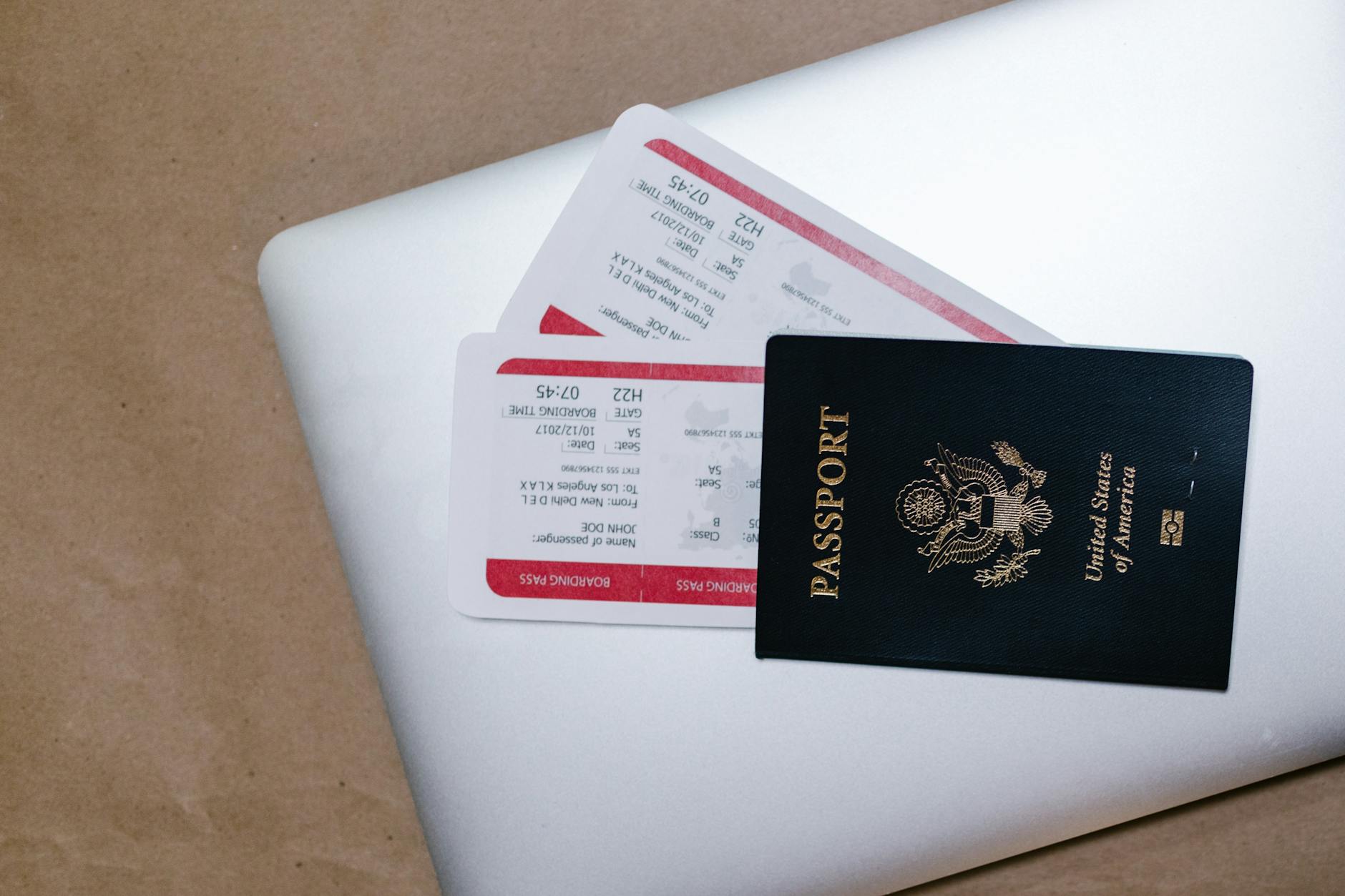
Reach the immigration desk with these to hand and you remove almost every avoidable hold-up.
- Your passport. An eligible nationality, ordinary type, with comfortable validity remaining.
- A return or onward ticket. A printed or saved confirmation. Officers ask for this from time to time.
- An accommodation booking. A hotel reservation, or the written address if you are staying privately.
- Your completed arrival card. Done in advance where possible, otherwise at a kiosk on arrival.
- Contact details for your stay. A phone number and address help if the officer wants to confirm anything.
These aren’t demanded at every entry, but the small effort of having them ready beats the alternative. Printed copies are read fastest; a PDF on your phone works too, just allow an extra moment to find it.
What You Can and Cannot Do
The waiver covers a clear set of purposes and excludes another set just as clearly. Staying inside the lines is what keeps your entry valid.
Permitted under the 30-day waiver:
- Tourism — sightseeing, culture, food, and general leisure travel.
- Business activity such as meetings, conferences, negotiations, and trade.
- Visiting family or friends.
- Short-term exchanges.
- Transit through China to an onward destination.
Not permitted:
- Paid work or employment.
- Formal study, such as enrolling in a degree programme.
- Journalism or news reporting.
- Anything else that requires a specific visa or prior approval.
Within those limits you can travel freely across mainland China — a genuine difference from the regionally restricted transit policy. Domestic flights, high-speed rail, and hotels all accept your visa-free entry as the basis for your stay. One grey area worth naming honestly: remote work for an employer based outside China, done quietly from a hotel room during a short visit, sits in an ill-defined space rather than a clearly permitted one. For anything resembling formal work, paid local services, or a longer engagement, the correct route is a work visa, not the waiver.
Multiple Entries and Side Trips
Here is a point where outdated guides get it wrong, so it is worth stating plainly. Under the current rules, the visa exemption is not limited to a single entry. Eligible travellers may use it to enter China more than once, and official guidance notes there is currently no cap on the number of entries or on the total number of days you spend in the country over time — provided each visit stays within the 30-day limit and sticks to a permitted purpose.
That matters for side trips. Hong Kong and Macau are separate immigration jurisdictions from mainland China, so popping over to either one means leaving the mainland and then re-entering. Because you can use the waiver again, a return to the mainland simply starts a fresh 30-day window rather than locking you out. The practical caution is behavioural rather than legal: someone bouncing in and out very frequently, or appearing to live in China on a rolling series of 30-day stays, can expect questions from border officers about what they are really doing. If your pattern starts to look like residence, that is the signal to get a visa that actually fits.
If You Need to Stay Longer
The 30-day window itself cannot be casually extended at the airport on your way out. If your plans change and you genuinely need more time, you have a few routes, in rough order of preference.
- Plan ahead with the right visa. If you already know you will be in China for more than 30 days, the clean answer is to apply for an appropriate visa before you travel rather than relying on the waiver and hoping to stretch it.
- Approach the exit-entry authorities while you’re there. If a sound reason to stay longer arises after you have entered — not mere convenience — the exit and entry administration of the local public security authorities is the body that handles stay permits. Go to them well before your 30 days run out, with documentation supporting your reason, and ask what is possible. Outcomes vary and nothing is guaranteed.
- Leave and, if eligible, re-enter. Because the waiver allows multiple entries, exiting to a nearby region and returning resets the window. This works mechanically, but using it to dodge a longer-stay visa is exactly the pattern that invites scrutiny, so treat it as a tool for genuine itineraries, not a workaround.
Whatever you do, do not simply overstay. Remaining in China past your permitted date brings fines, can lead to detention or deportation, and may damage your ability to enter the country in future. If something goes wrong — a cancelled flight, a medical problem — contact the airline and the local exit-entry authorities at once rather than letting the deadline slide.
Mistakes That Cause Problems
Most visa-free entry trouble comes from a short list of avoidable errors. Run through them before you fly.
Carrying the wrong type of passport. The waiver is for ordinary passports. Diplomatic, official, service, and emergency travel documents are excluded and may still need a visa.
Cutting passport validity too fine. Even where the formal requirement is “valid for the length of stay,” airlines and officers often expect a healthy margin, and the six-month rule of thumb saves arguments. Renew early if you are close.
Trying to work on it. Bringing a laptop and answering email is one thing; performing paid services for a client in China is another, and the waiver doesn’t cover the latter. Don’t blur the line.
Leaving arrival admin to the last minute. Complete your arrival card before you fly, and don’t forget the 24-hour police registration if your accommodation doesn’t handle it.
Misjudging the 30-day count. Remember the clock starts at midnight after arrival and runs to the 30th day. Mark your departure deadline somewhere you will see it.
Assuming every port qualifies. The major international airports are fine, but don’t assume a small regional or special-purpose crossing handles visa-free entries. Check if your route is unusual.
Relying on a stale country list. Eligibility and dates move. The list that was right last year may not be right today, in either direction — countries get added as well as dropped. Confirm before you book.
Frequently Asked Questions
Is the 30-day visa-free entry really free?
Yes. There is no fee for the entry itself and nothing to pay at the border for the waiver. You are only out of pocket for the usual trip costs — flights, accommodation, and so on.
Do I need an onward or return ticket?
It is recommended, and officers can ask to see proof of onward travel along with your accommodation. Unlike the transit policy, the 30-day scheme doesn’t require an onward ticket specifically to a third country, but turning up with a return or onward booking in hand is the sensible move.
Can US citizens enter China visa-free for 30 days?
Not under the unilateral 30-day scheme as of 2026 — the United States is not on that list. US passport holders can often use the 240-hour transit policy instead if they have a confirmed onward ticket to a third country, and otherwise need a tourist visa arranged in advance.
Can I extend the 30 days once I’m in China?
Not as a routine matter. If a genuine reason to stay longer arises, the local exit-entry administration of the public security authorities handles stay permits; approach them well before your time runs out. If you already know you’ll need more than 30 days, apply for the right visa before travelling.
Does the waiver cover children?
Yes. The requirements for minors are the same as for adults: each child needs an eligible ordinary passport and must meet the same conditions.
Can I enter China more than once on the 30-day waiver?
Yes. The exemption currently allows multiple entries, with no fixed cap on the number of entries or total days, as long as each stay is within 30 days and for a permitted purpose. Very frequent use can prompt questions at the border, so if your travel starts to look like residence, get a suitable visa.
What happens if my flight is delayed and I arrive close to midnight?
Because the count starts at midnight after your arrival, a late landing doesn’t shorten your stay. The risk is at the other end: if a delayed departure flight would push you past your permitted date, contact the airline and the exit-entry authorities immediately rather than overstaying.
Do I have to register with the police?
Yes, generally within 24 hours of arrival. Hotels usually take care of this when you check in. If you stay in a private rental or with friends, register yourself at the local police station with your passport and proof of address.
Which ports of entry handle the 30-day waiver?
The standard international airports — Shanghai Pudong and Hongqiao among them — along with most open land and sea crossings. Some smaller or special-purpose ports may not, so confirm if you are arriving by an unusual route.
Can I work remotely for a foreign employer during my stay?
The waiver is for tourism, business meetings, visits, exchanges, and transit. Quietly handling email for an employer outside China during a short trip sits in a grey area rather than being clearly allowed; anything that amounts to real work or paid local services calls for a work visa.
Plan Your Visit

For citizens of the eligible countries, the china 30 day visa free policy has turned a trip to Shanghai into one of the easier journeys in Asia to arrange — logistically not far removed from flying into Tokyo or Seoul. Confirm your nationality is on the current list, check the dates and the arrival-card procedure close to departure, get your documents in order, and book the flight.
To see how this fits the bigger picture, start with our pillar guide to Shanghai visa and entry requirements. If you are weighing the alternatives, compare it against the 240-hour visa-free transit option or read up on how to apply for a China tourist visa if the waiver doesn’t fit. And once your entry is sorted, our guide to how to plan a trip to Shanghai helps you turn an open 30 days into an itinerary.
For the definitive, current position on who qualifies and under what conditions, rely on the National Immigration Administration of China, which publishes the official country list and the rules, and confirm anything uncertain with your nearest Chinese embassy or consulate before you travel.