If you’re flying into Shanghai you’ll pass through Chinese customs — and the rules are stricter than at most Western airports. This 2026 guide to Shanghai customs covers what to bring to China and what to leave at home: allowances, currency limits, the green vs red channel decision, the arrival card and customs paperwork, and the specific items (CBD oil, ADHD medication, drones, cold-and-flu tablets) that catch foreign travellers out every week.
The reassuring part first. For an ordinary tourist with a suitcase of clothes, a laptop, a camera and a bag of gifts, clearing customs at Pudong takes about ninety seconds and nobody speaks to you. The trouble only starts with a short list of things people carry without thinking. Read the prohibited and medication sections below, deal with those before you fly, and the rest of this is background.

Table of Contents
- What Happens When You Land
- Arrival Card and Customs Paperwork
- Green vs Red Channel
- What You Can Bring to China
- Duty-Free Allowances
- Currency Declaration Rules
- Prohibited Items
- Restricted / Special Cases
- Drones, Cameras and Electronics
- Bringing Medication
- What You Cannot Take Out
- Claiming the Departure Tax Refund
- If You Get It Wrong
- Practical Tips
- Common Mistakes
- FAQ
What Happens When You Land
The sequence at Pudong (PVG) and Hongqiao (SHA) is the same, and knowing it removes most of the anxiety:
- Arrival card. Have the QR code from your online immigration arrival card ready, or complete the card on arrival if you have not filed it.
- Immigration. Passport, visa or visa-free entry stamp, fingerprints (all ten, on a scanner beside the desk — first-time visitors aged 14 to 70), and a photograph. The wait depends on how many flights land together.
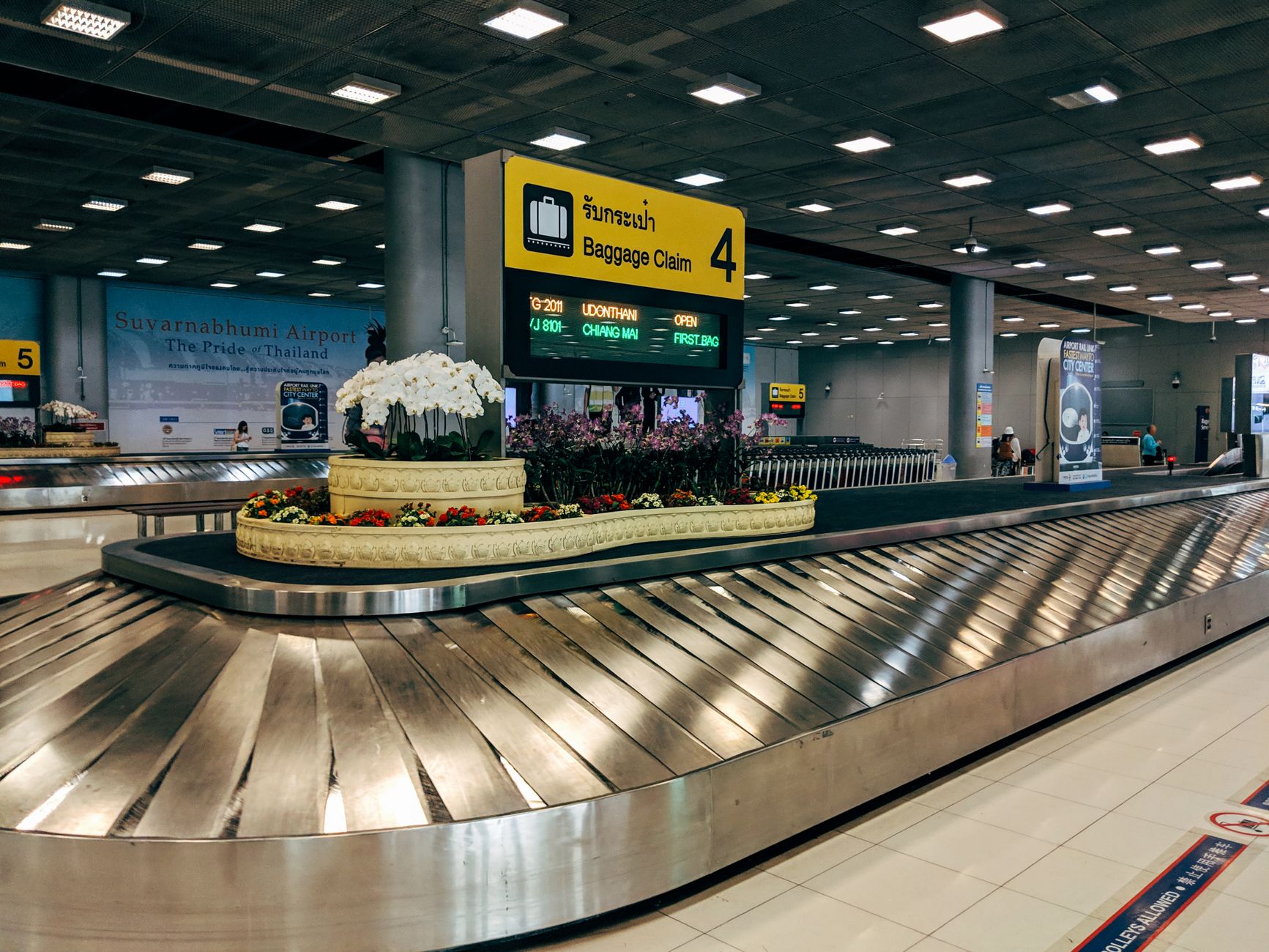
- Baggage reclaim. Belt numbers are on English screens.
- Customs. Green or red channel. Every bag goes through an X-ray regardless of channel, then you’re in the arrivals hall.
Leave a generous margin between wheels-down and the taxi rank, at Pudong and Hongqiao alike, because immigration and baggage times vary from flight to flight. Our Shanghai airport arrival guide walks through the whole hall, and Pudong Airport to city centre covers what to do once you’re out.
Which airport matters less than people expect. Pudong handles almost all long-haul arrivals and has by far the bigger customs operation; Hongqiao’s Terminal 1 takes regional flights from Japan, Korea and Southeast Asia and clears faster simply because fewer people land at once. The rules and thresholds are identical at both, and identical again if you arrive by cruise ship at Wusongkou, by international train, or overland. See our Hongqiao airport guide if you’re routing through the smaller one.
One quiet advantage of arriving in Shanghai: officers here process foreign passengers constantly and the procedure is unfussy. You will not be asked to open your case unless the X-ray shows something. Most encounters that do happen are about food, not contraband.
Arrival Card and Customs Paperwork
Two agencies deal with you on arrival, immigration and customs, and their paperwork is easy to mix up.
- The immigration arrival card — can be filed online with the National Immigration Administration before you travel, the preferred channel since late 2025. If you have not done it in advance, you can still submit on arrival by scanning a QR code, using the on-site smart devices, or filling in a paper card. Filing online gives you a QR code to show at the immigration desk.
- Customs paperwork — handled by China Customs, not immigration. Check customs.gov.cn before you fly for what, if anything, your trip requires you to file.
Both are free. Third-party sites charging a “service fee” for either are not official — ignore them.
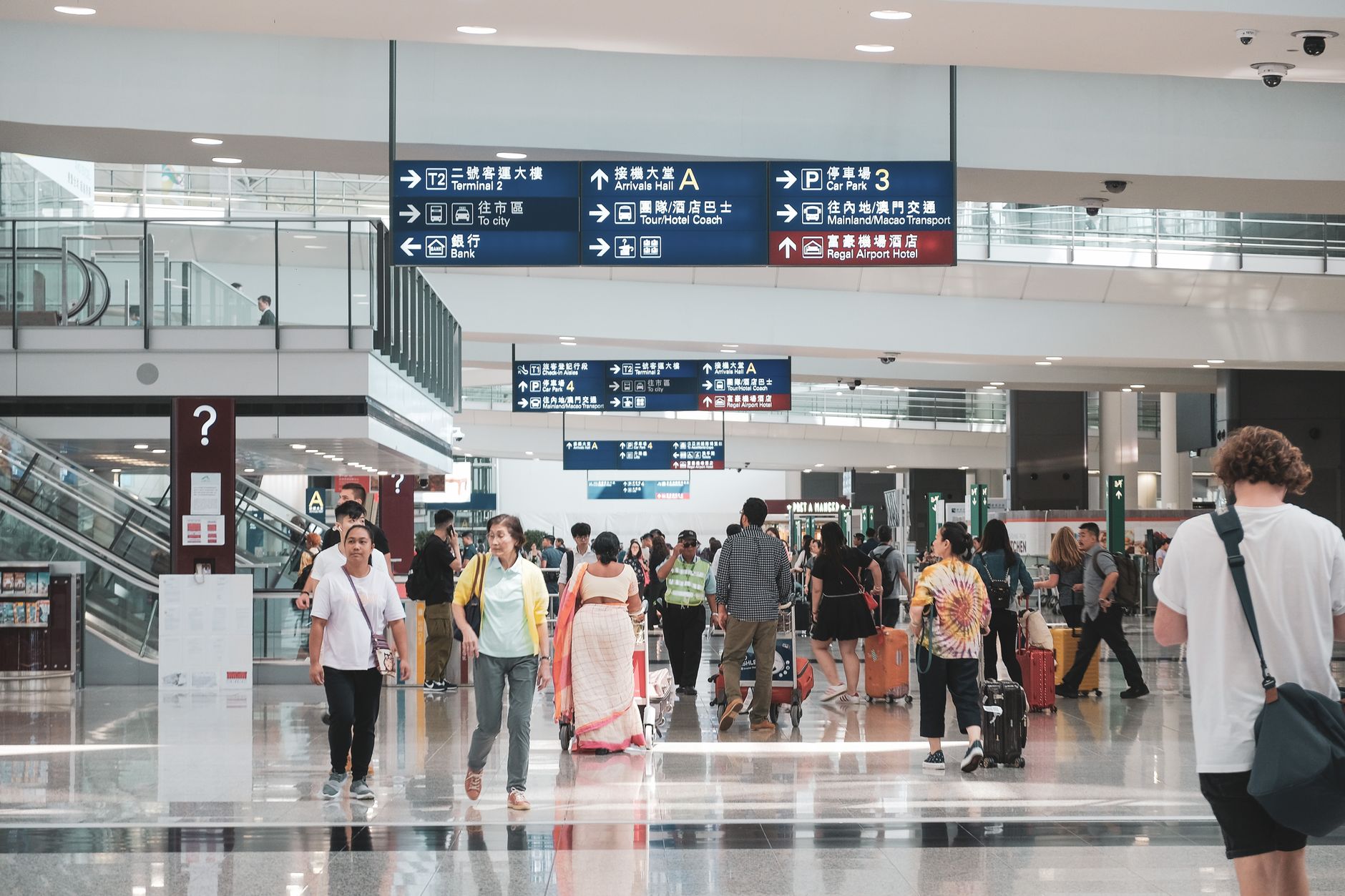
Green vs Red Channel at Shanghai Customs
After immigration you’ll see two customs channels — the Green “Nothing to Declare” channel and the Red “Goods to Declare” channel. Choose Green if:
- You carry no commercial quantities of goods
- Currency under USD 5,000 (or ¥20,000)
- Under 400 cigarettes, 1.5 L spirits
- Goods to be left in China worth under ¥2,000
- No prohibited or restricted items
Choose Red if any threshold is exceeded, or if you’re carrying expensive electronics you intend to leave in China, professional photography equipment, drones, valuable cultural items, or gold and silver, which customs handles under its own regulations. Both channels run an X-ray scan; if Green channel staff spot undeclared items you’ll face fines, confiscation, and possible criminal proceedings.
Practical note: red channel is not a punishment. It is a desk, a form, and usually a duty payment. It takes maybe fifteen minutes. Being pulled out of the green channel with the same goods is an entirely different conversation.

What You Can Bring to China
For personal use, China customs allows:
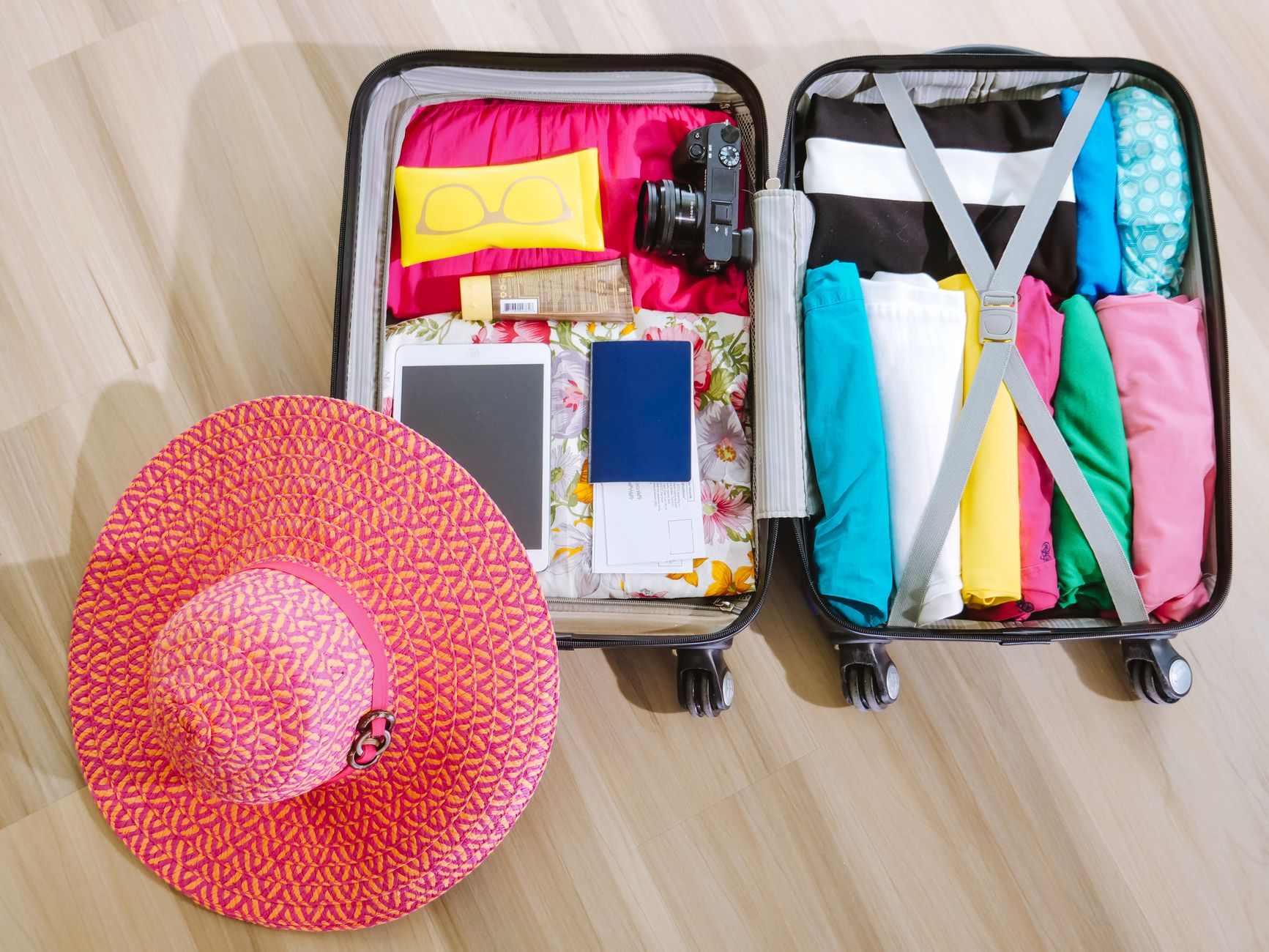
- Personal clothing, toiletries, and travel articles in reasonable quantities
- One laptop, one tablet, one smartphone (multiple raises questions)
- One DSLR or mirrorless camera with up to two lenses; tripods OK
- Personal jewellery in normal quantities
- Prescription medications for personal use (see medication section)
- Books and reading material that are not politically sensitive
- Sealed cosmetics and toiletries (no liquid limit for checked baggage)
- Souvenirs and gifts under ¥2,000 total value
- Commercially sealed dry food — biscuits, chocolate, coffee, packaged snacks, vacuum-packed sweets
- Baby formula and baby food in quantities consistent with one infant travelling
The ¥2,000 figure is the one people misread. It applies to articles a non-resident intends to leave in China — gifts, things you’re giving away or selling. Your own laptop, camera and clothes are personal effects that leave with you and are not counted against it. Chinese residents returning home have a separate, higher ¥5,000 allowance. Our Shanghai packing checklist covers what is actually worth carrying.
Duty-Free Allowances
Adult arriving passengers may bring duty-free:
| Category | Non-resident allowance | Notes |
|---|---|---|
| Tobacco | 400 cigarettes, or 20 cigars, or 500 g loose tobacco | Declaration required at or above these figures |
| Alcohol | Up to 1.5 litres at 12% ABV or above | Roughly two standard bottles of wine or two of spirits |
| Perfume | Reasonable personal quantities | No fixed number published |
| Gold and silver | Subject to customs regulations | If in doubt, use the red channel |
| Gifts and goods left in China | Under ¥2,000 total value | ¥5,000 for Chinese residents returning |
| Cash | USD 5,000 equivalent and ¥20,000 | Both thresholds trigger declaration |
Excess amounts: declare via Red channel and pay duty, calculated by item category. Rates vary by product class — broadly single figures to low tens of percent for most consumer goods, considerably higher for tobacco and spirits. Officers assess value; a receipt helps your case.
Currency Declaration Rules
Currency in any form (cash, traveller’s cheques, gold bullion, jewellery valued near currency thresholds) must be declared if it exceeds:
- RMB cash: ¥20,000
- Foreign cash: USD 5,000 equivalent (or any combination summing to this)
- Combined: If you carry mixed currencies, the equivalent of USD 5,000 is the trigger
The same limits apply on the way out. If you declared cash on the way in, check customs.gov.cn for what you will need to take it out again. Bank cards, credit cards, and mobile balance (Alipay / WeChat Pay) are NOT counted as currency for customs purposes. Mobile-pay top-ups are unlimited.
For most visitors this is academic: nobody needs USD 5,000 in cash in Shanghai. A few hundred dollars’ worth of RMB plus a card linked to Alipay covers a fortnight. Our Shanghai money and currency exchange guide explains how much cash actually makes sense and where to get it.

Prohibited Items
Strictly forbidden — confiscation, fines, potential criminal charges:
- Weapons, imitation weapons, ammunition, explosives — including pepper spray, flick knives and realistic replicas
- All controlled drugs and narcotics — including products containing THC, CBD oil, and marijuana even where legal at origin
- Politically sensitive printed/digital materials — religious tracts, content critical of the Chinese government, Tibetan/Taiwan/Falun Gong materials
- Pornographic material in any format including phones
- Fresh meat, dairy, eggs, raw plants and soil — even sealed. Cured meats and cheese count
- Endangered species products — ivory, certain corals, some hardwood, pangolin scales, rhino horn
- Counterfeit currency or securities
- Most prescription opioids without import permit
- Walkie-talkies, satellite phones, GPS receivers over a certain wattage
- Drones must be registered with the Civil Aviation Administration of China; check the current rules before you travel
The drug rules deserve emphasis because the gap between Western norms and Chinese law is enormous here. CBD is illegal in China in every form — oil, gummies, vape cartridges, and cosmetic creams marketed as skincare. Cannabis is treated as a narcotic with no medical exception. Penalties are severe and consular help is limited. If there is any chance a product in your bag contains hemp or CBD, leave it at home.

Restricted / Special Cases
These need declaration or special permits:
- Books in Chinese, especially religious, political, or older imprints: discretionary review. A personal Bible or prayer book is fine; a box of them is not.
- Two-way radios and ham radio equipment: need a permit.
- Professional camera and video gear above personal-use thresholds: may be flagged, particularly gimbal rigs, multiple bodies, or broadcast equipment.
- Pets: one dog or cat per passport with full import documentation, including vaccination records and chip details. Quarantine of up to 30 days depending on origin country and paperwork, though pets that meet the designated-country and titre rules can skip it. Start this process at least two months out.
- Antiques and cultural relics: older pieces may need export approval if you intend to take them home, so ask the cultural relics authorities before you buy; declare on entry if particularly valuable.
- Large quantities of anything identical — ten phones, twenty handbags — reads as commercial import regardless of your intent.
Drones, Cameras and Electronics
Drones are the single most common expensive mistake. Registration with the Civil Aviation Administration of China, through its UAV system, comes before any flight, so check CAAC’s current requirements before you pack one. You then print the QR code and stick it on the airframe.
Customs officers do not usually confiscate drones on arrival, and travellers report walking through with a Mavic in a backpack routinely. The real problem is airspace: central Shanghai is heavily restricted, the Bund and the Pudong skyline sit inside no-fly zones, DJI’s geofencing will refuse to take off, and flying anyway attracts police attention very quickly. Put bluntly, bringing a drone to Shanghai for skyline shots is usually a wasted effort. Outside the city the registration rule still applies, so check the local airspace before flying on a day trip.
Ordinary electronics are easy. One laptop, one phone, one camera and a couple of lenses raise no interest. Batteries and power banks follow airline rules rather than customs rules — carry-on only, and under 100 Wh without approval. Bring a universal adapter; Chinese sockets take the flat two-pin and the angled three-pin, and most hotel rooms have both. If you’ll want a local number for mini-programs and ride-hailing, read our Shanghai SIM card and internet guide before you land, plus the VPN and internet guide, since installing one after arrival is harder.
Bringing Medication
Prescription medications for personal use are generally allowed in reasonable quantities — think a trip’s worth, in original pharmacy-labelled packaging, with a prescription or doctor’s letter. Some categories are genuinely risky:
| Category | Examples | Status entering China |
|---|---|---|
| ADHD stimulants | Adderall, Vyvanse, Ritalin, Concerta | Effectively prohibited; import permits rarely granted |
| Opioid painkillers | Codeine, tramadol, oxycodone, fentanyl patches | Treated as narcotics; permit territory |
| Benzodiazepines | Xanax, Valium, Klonopin, Ativan | Small documented quantities only |
| Prescription sleep aids | Ambien, Lunesta | Restricted; carry the prescription |
| Decongestants | Sudafed and any “-D” cold tablet with pseudoephedrine | Controlled as a precursor chemical — leave at home |
| CBD and hemp products | Oils, gummies, creams, vapes | Banned outright, no exceptions |
| Routine medication | Insulin, blood pressure, thyroid, asthma inhalers, antibiotics | Fine in personal quantities |
How to carry anything borderline:
- Original pharmacy bottles with your name on the label — not a weekly pill organiser
- A doctor’s letter on letterhead stating diagnosis, generic drug name, dose, quantity and “for personal use”
- A copy of the prescription, ideally with a Chinese translation
- Carry-on, not checked, so it is with you if you’re questioned
- Check with the Chinese embassy in your country at least four weeks ahead for controlled categories
If you take an ADHD stimulant daily, plan for the trip without it or speak to your prescriber about a permitted alternative — do not gamble on it clearing. And arrange China travel insurance that covers prescription replacement, because buying a Western equivalent in a Shanghai pharmacy is not straightforward.
What You Cannot Take Out
Returning home, you’ll clear Chinese exit customs:
- Older antiques without export approval from the cultural relics authorities
- Ivory, rhino horn, pangolin scales
- Endangered timber species in raw form
- Currency beyond ¥20,000 / USD 5,000 unless you declare it
- Large quantities of cultural artefacts without export approval (typically requires a wax-seal authorisation)
The cultural relics rule is the one to understand if you shop in antique markets. Genuinely old objects need inspection by a cultural relics bureau, which applies a seal to items cleared for export. A reputable dealer will handle this and give you the paperwork. The old Dongtai Road antiques market closed in 2015, and at the tourist antique stalls that remain, essentially everything is a reproduction, which is not a legal problem — it just means you should not pay antique prices. Loose-leaf tea, sealed packaged food, modern silk, modern crafts, contemporary paintings, and ordinary souvenirs are all fine. See our Shanghai souvenirs guide for what is worth buying.
Claiming the Departure Tax Refund
Overseas visitors who stay in mainland China no more than 183 consecutive days can reclaim VAT on shopping. The rules were loosened in April 2025 and the scheme is now genuinely usable:
- Minimum spend: ¥200 in one designated tax-refund store on one day
- Refund: 11% of the invoice value (8% on goods at the lower VAT rate), less a 2% handling fee — about 9% net, or 6% on the lower-rate goods
- Time limit: goods must be bought within 90 days of departure and leave with you, unused
- Cash cap: ¥20,000; larger refunds go to a card or mobile wallet
- Instant refunds: many stores now operate “refund upon purchase”, paying you at the till against a card pre-authorisation
If the goods are going in your hold luggage, show them to customs before you check in; staff in the international departure hall can point you to the verification point and the refund counter for your terminal, at Pudong or Hongqiao. Bring your passport, the tax refund form, the original invoice and the goods themselves, and allow extra time at the airport. The official position on the policy is published by the State Council of China. If you’re planning serious shopping, our luxury shopping in Shanghai guide lists which malls have participating stores.
If You Get It Wrong
What actually happens scales with what you did:
- Undeclared over-allowance goods — duty assessed plus a fine, commonly a multiple of the duty owed. Annoying, not serious.
- Prohibited food or plants — confiscated and binned on the spot, occasionally with a small fine.
- Restricted electronics without paperwork — held in customs bond. You can sometimes reclaim on departure.
- Undeclared currency over the threshold — the excess can be seized, and it is a formal investigation, not a chat.
- Controlled drugs, CBD or narcotics — detention, and China’s drug laws are among the harshest anywhere. Contact your consulate immediately; Shanghai hosts consulates for most major countries.
Do not attempt to argue, joke, or offer money. Officers speak enough English for the process, translation apps are permitted, and staying calm and factual resolves nearly everything at the lowest level.
Practical Tips for Shanghai Customs
- Carry copies of receipts for expensive electronics — useful if questioned
- File the immigration arrival card online with the National Immigration Administration before you fly, and check customs.gov.cn for any customs filing your trip needs
- Screenshot your arrival card QR code — airport wi-fi registration needs a working phone number and often fails
- Don’t joke with customs officers — questions about drugs or weapons are taken literally
- If unsure, declare — fines for non-declaration are far worse than the duty
- Empty your bag of food before you fly — the sandwich, apple and cheese you forgot are the most common confiscations
- Keep medication in carry-on with its documentation
- Returning Chinese citizens have different duty-free limits than foreign tourists — don’t take advice from a Chinese friend on the ¥5,000 figure
- If you declare currency, check customs.gov.cn for the paperwork you will need to take it out again

Common Mistakes
- Bringing a cold-and-flu tablet with pseudoephedrine. Sudafed and every “-D” variant is a controlled precursor in China. Buy a Chinese equivalent locally instead
- Assuming CBD skincare is cosmetic, not medicinal. China does not make that distinction
- Packing cured meat or cheese as a gift. Prohibited even sealed and vacuum-packed
- Confusing the ¥2,000 and ¥5,000 allowances. ¥2,000 is the non-resident figure
- Buying an “antique” and expecting to export it. Anything genuinely old may need an export seal, so ask the cultural relics authorities before you pay
- Bringing a drone for Bund photography. Central Shanghai is a no-fly zone and geofencing enforces it
- Carrying ten identical items as gifts. That is a commercial import in the eyes of a customs officer
- Forgetting the departure tax refund entirely. Roughly 9% back on qualifying purchases (6% on some goods) is real money on a shopping trip
Frequently Asked Questions
Do I need to fill out a customs declaration to enter Shanghai?
Only if you choose the Red channel or exceed a declaration threshold. Separately, the immigration arrival card is filed online or on paper; for any other customs filing, check customs.gov.cn before you travel.
How much currency can I bring into Shanghai?
Up to USD 5,000 (or equivalent in any foreign currency) and ¥20,000 RMB without declaration. Above this requires Red channel declaration. If you declare cash, check customs.gov.cn for what you will need to take it out again.
Can I bring CBD oil into China?
No — CBD products are completely banned in China regardless of THC content or legality at home. This includes topical creams, vapes, gummies and “cosmetic” CBD products. Penalties are serious, not a warning.
Are duty-free cigarettes and alcohol allowed?
Yes — 400 cigarettes (or 20 cigars / 500 g tobacco) plus 1.5 L of drinks at 12% ABV or above, duty-free for adult travellers. At or above those figures you must declare.
Can I bring food into Shanghai?
Sealed dry goods — biscuits, chocolate, coffee, packaged snacks — are usually fine. Fresh meat, cured meat, dairy, cheese, eggs, raw plants, seeds and any unpackaged food are prohibited, sealed or not.
Do I need to declare my laptop or camera?
Not for reasonable quantities in personal use. Multiple identical items or professional gear may need Red channel declaration, particularly if you intend to leave them in China.
Can I bring my drone to China?
Yes, but it must be registered with China’s civil aviation UAV system before you fly it, so check CAAC’s current requirements first. Customs rarely stops them, but central Shanghai is a no-fly zone and geofencing will prevent takeoff, so a drone is often dead weight here.
What medication can I not bring to China?
ADHD stimulants such as Adderall and Ritalin are effectively prohibited; opioids and benzodiazepines need documentation and are limited; pseudoephedrine decongestants are controlled; CBD is banned. Insulin, inhalers, blood-pressure and thyroid medication are fine in personal quantities.
What happens if I forget to declare something?
Penalties range from duty plus a fine to confiscation, and large or repeated infractions can become criminal matters. Declaring costs you fifteen minutes at a desk; not declaring can cost you the item and more.
Can I get a tax refund on shopping in Shanghai?
Yes. Spend ¥200 or more in one designated store on one day, keep the goods unused, depart within 90 days, and claim about 9% net at the airport, or 6% on goods at the lower VAT rate. Many stores now refund instantly at the till against a card pre-authorisation, and if you take that route you must leave within 28 days.
Are customs rules different if I enter visa-free?
No. Customs allowances are identical whether you hold a tourist visa, enter under the 240-hour transit scheme, or use visa-free entry. For how long each route lets you stay, see our 240-hour visa-free transit guide.
How long does clearing customs at Pudong take?
It depends on how many flights land together and how long the immigration queue is, so build in slack rather than counting on a set time, at Hongqiao’s international terminal as much as at Pudong. Late-evening banks of arrivals at Pudong T2 are the worst.
Plan the Rest of Your Trip
Combine this with our pillar guides on Shanghai visa & entry requirements, Pudong Airport to city centre, and Shanghai practical tips. First-timers should also read first time visiting Shanghai and, if you’re only passing through, the Shanghai layover guide. For the primary source, see the General Administration of Customs of China.