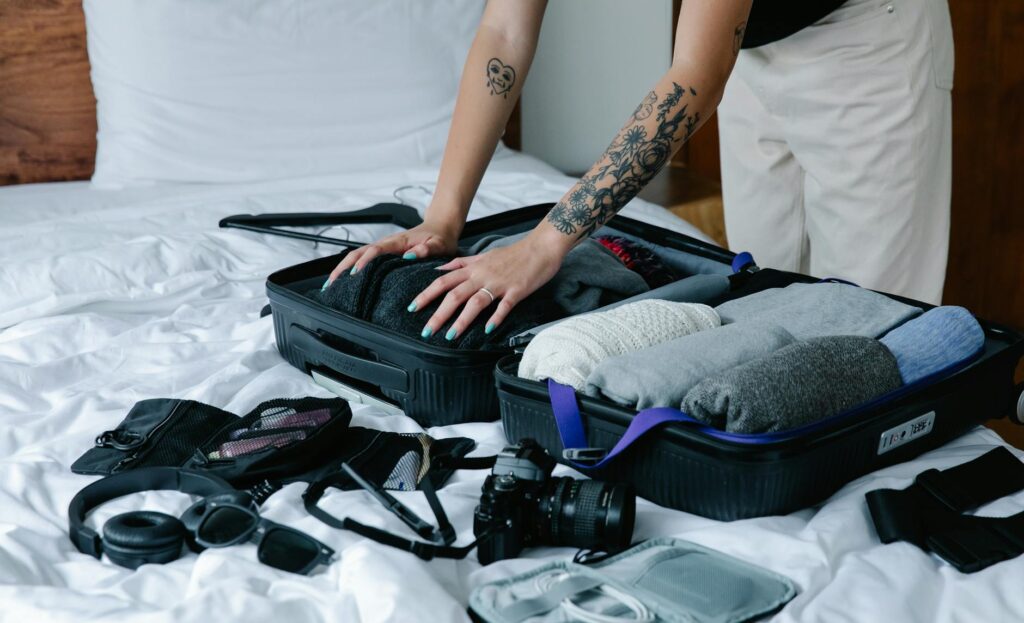
A good Shanghai travel checklist is really two lists: the packing list of things that go in your bag, and the setup list of things you do on your phone before you leave home. Get the second wrong and the first barely matters — you can land at Pudong with a beautifully packed suitcase and still be stuck outside the terminal with no data, no working payment app and no way to tell a driver where you are staying. This 2026 guide covers both, with the plug types, RMB amounts, medication rules and customs limits that actually apply.
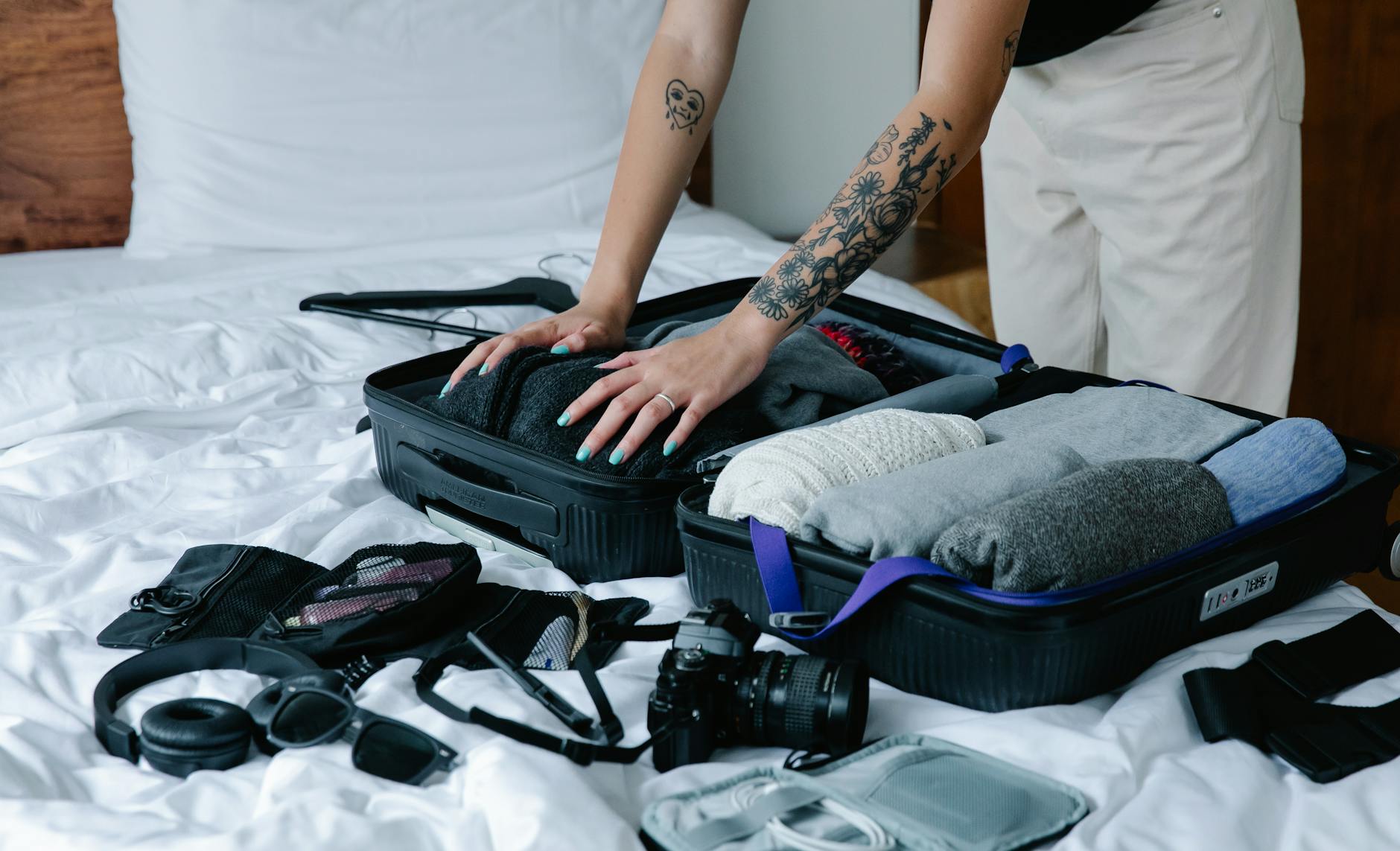
Table of Contents
- The 10-Minute Shanghai Travel Checklist
- Documents (Most Important)
- Tech & Electronics
- Clothing by Season: The Shanghai Packing List Month by Month
- Shoes
- Toiletries & Health
- Medications: What China Will and Will Not Let In
- Which Bag, and How Much to Actually Pack
- Daypack Essentials
- Money & Cards
- What NOT to Bring
- Leave It at Home and Buy It in Shanghai
- Packing for Different Kinds of Trip
- Common Packing Mistakes
- Pre-Flight Setup Checklist
- FAQ
The 10-Minute Shanghai Travel Checklist
If you read nothing else, read this. Most of these tasks cannot be done after you land, because app stores and payment systems inside China behave differently from the ones at home. Start earlier than you think — Alipay’s passport verification can queue for one to three working days.
| Task | Do it by | Why it cannot wait |
|---|---|---|
| Install Alipay, bind a card, verify your passport | 2 weeks before | ID review takes 1–3 working days; unverified accounts are capped low |
| Buy and install an overseas roaming eSIM | 3–7 days before | Activation QR codes are easier to handle on home WiFi |
| Install and test a VPN app | Before departure | VPN apps are pulled from the Chinese App Store |
| Check visa-free eligibility or apply for a visa | 4–8 weeks before | Processing time; rules depend on passport and route |
| Download offline maps and a Chinese language pack | Anytime | Google Maps is unreliable in China |
| Print your hotel address in Chinese characters | Day before | Your phone may be flat when you need it |
| Buy a universal adapter and a certified power bank | Anytime | Airport shops charge triple, and power bank rules are strict |
Everything else here is refinement. Those seven items are the difference between a smooth first evening and two hours in an arrivals hall trying to make a card work. Our first-time visitor guide covers the rest.
Documents (Most Important)
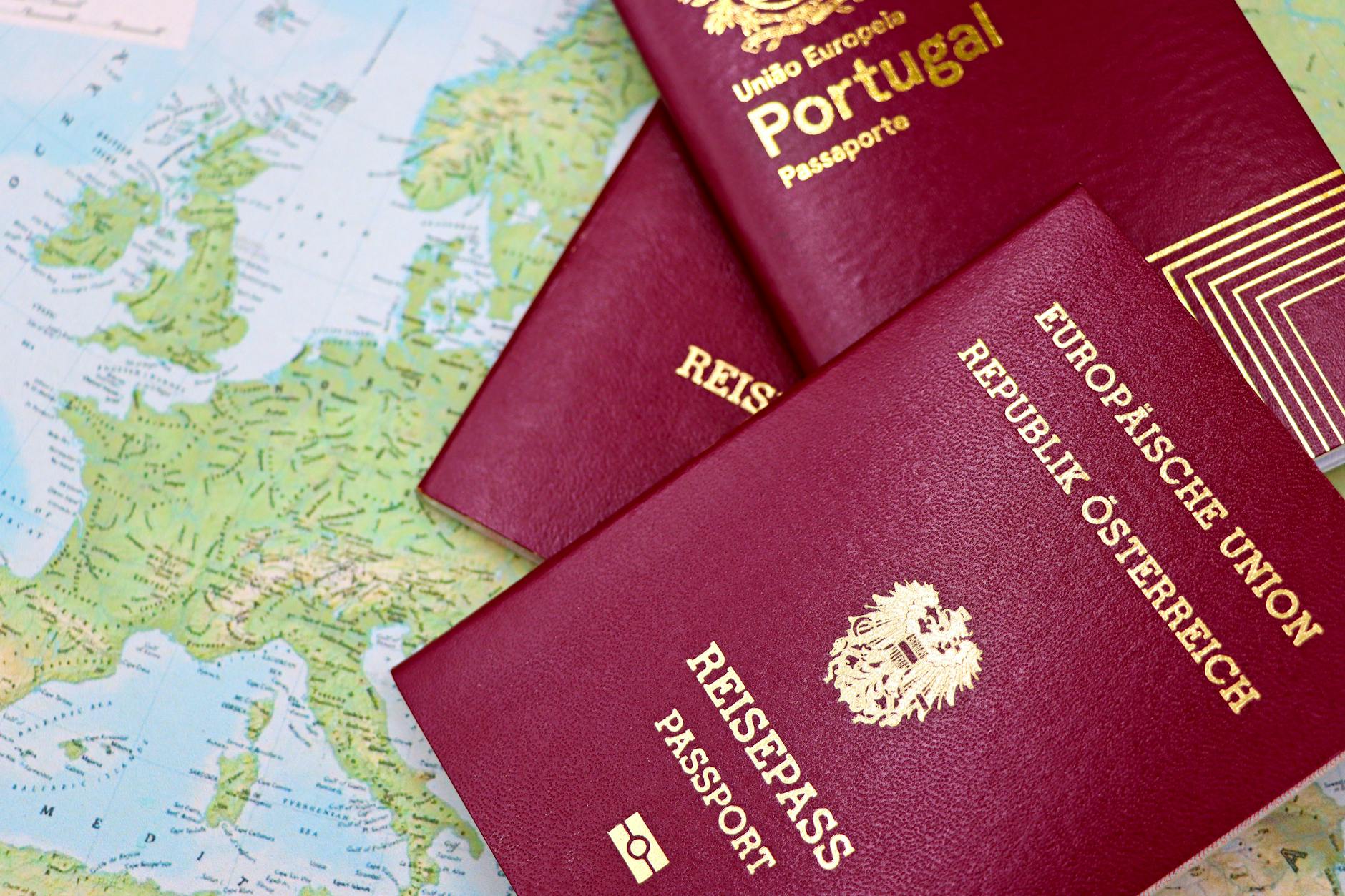
- Passport — must be valid 6+ months past return date
- China visa or eligibility confirmation — see our 30-day visa-free and 240-hour transit guides
- Hotel address card in Chinese — printed; essential for taxis
- Onward/return ticket — printed copy; sometimes asked at immigration
- Travel insurance certificate — see our China travel insurance guide
- Photocopies of passport + visa — stored separately from originals; also in cloud (email to yourself)
- Emergency contact info — embassy, family, hotel — in your phone AND on paper
- Prescription documentation if carrying controlled medications
One thing travellers get wrong: the visa-free arrangements are not one policy but several. The 240-hour transit scheme requires an onward ticket to a third country — Sydney to Shanghai and back to Sydney does not qualify, because that is a return, not a transit. The separate 30-day unilateral visa-free entry covers a long list of European, South American and Asian passports with no third-country condition. Check which applies rather than assuming. The UK Foreign Office travel advice for China is a reliable place to check entry conditions against your nationality.
You are also legally required to carry ID in China. Hotels register your stay with the police automatically at check-in; with an apartment rental that becomes your job, at the neighbourhood police station within 24 hours.
Tech & Electronics
- Phone — eSIM-capable preferred (iPhone XR or newer, recent Pixels, Samsung S22+)
- Overseas eSIM activated before flying (Holafly or Nomad). See our VPN & internet guide
- VPN app installed before flying (Astrill or ExpressVPN as backup)
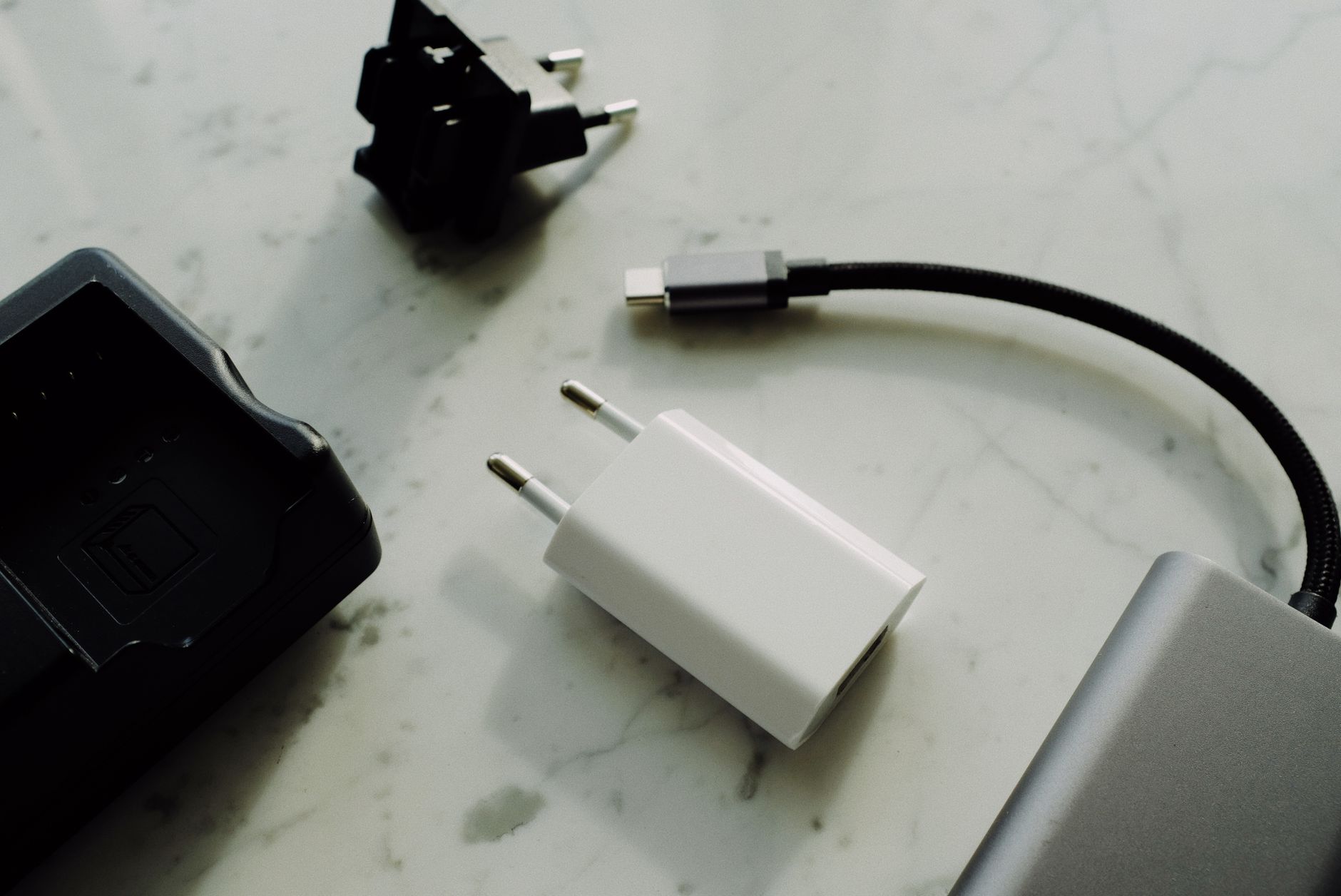
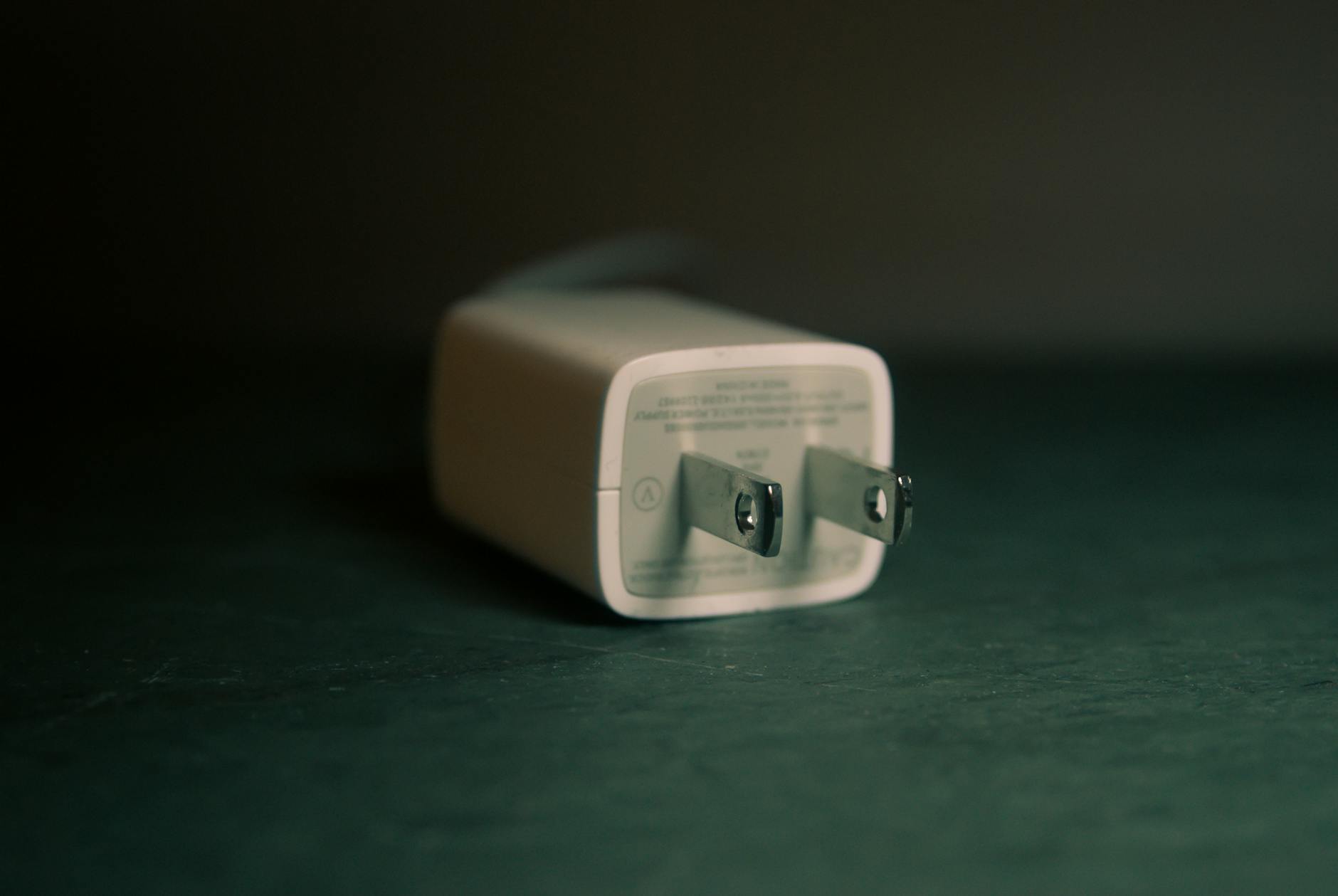
- Universal travel adapter — China uses Type A (US-style) and Type I (Australian-style). Type C (European) does NOT fit Chinese sockets
- Power bank 10,000 mAh+ (under 100 Wh for flights). Your phone use is heavy in China for payments, maps, translation
- USB-C / Lightning cables — bring spares
- Camera + 1–2 lenses (optional but Shanghai is wildly photogenic)
- Wired headphones — required for some Chinese airline movies; Bluetooth works fine in most places
- Laptop or tablet — depending on trip type; use only your home cloud accounts
- Translation app downloaded with offline Chinese pack (Apple Translate, Pleco, Google Translate)
An eSIM and a local Chinese SIM are not the same thing
The most misunderstood item on any China packing list. A roaming eSIM routes your traffic through a gateway outside mainland China, so Google, WhatsApp, Instagram and Gmail work normally with no VPN. A local China Unicom or China Mobile SIM bought at the airport is cheaper but routes you through the domestic network, where filtering applies. Under three weeks, the roaming eSIM is worth the premium — figure US$20–40 for 5–10 GB. Our SIM card and internet guide compares the options.
Install a VPN anyway, and test that it connects before you fly. It is your fallback when the eSIM data runs out, on hotel WiFi, and on a laptop. An untested VPN is not a backup plan.
Power banks: the rule that catches people out
Since mid-2025 the Civil Aviation Administration of China has banned power banks without a visible CCC (China Compulsory Certification, often written 3C) marking on domestic flights, along with recalled models. Most Western brands — Anker, Belkin, Mophie — do not carry it, because it is a Chinese domestic certification. If Shanghai is your only stop this does not affect you; international flights follow the usual 100 Wh carry-on rules. Connecting onwards to Beijing or Chengdu, expect confiscation at security, and buy a CCC-marked replacement locally for ¥80–150. The rule is in the CAAC’s English announcement.
Voltage and the hairdryer problem
China runs 220V at 50Hz. A plug adapter changes the shape, not the voltage, so North American appliances rated 110V only — older hairdryers, some curling irons — will burn out. Anything whose charger reads “100–240V” is safe, which covers almost all modern laptop and phone chargers. Most hotels above budget tier supply a hairdryer anyway.
Clothing by Season: The Shanghai Packing List Month by Month
Shanghai has a proper four-season climate, from near-freezing in January to the mid-thirties Celsius in July. Humidity is what people underestimate: above 70% in every month of the year, around 75% from June to September. Cotton that would be fine in a dry heat stays damp; linen and technical fabrics do better. Annual rainfall is roughly 1,200 mm, most of it in summer.
| Month | High / low | What it feels like | The one thing to pack |
|---|---|---|---|
| January | 8°C / 1°C | Damp cold; buildings under-heated | Thermal base layer |
| February | 10°C / 2°C | Cold, grey, Chinese New Year crowds | Down jacket |
| March | 14°C / 6°C | Changeable, wind off the river | Windproof shell |
| April | 20°C / 11°C | Excellent — the best month with May | Light layers |
| May | 25°C / 16°C | Warm, occasional heavy showers | Compact umbrella |
| June | 28°C / 21°C | Plum rain from mid-month; humid drizzle | Quick-dry fabrics |
| July | 32°C / 25°C | Hot and heavy; typhoon season starts | Sun hat |
| August | 32°C / 25°C | The hardest month to sightsee in | Two outfits per day |
| September | 28°C / 21°C | Hot early, cooling fast; typhoon risk | Rain jacket |
| October | 23°C / 16°C | The best sightseeing weather of the year | Light jumper |
| November | 17°C / 10°C | Crisp and clear; ginkgos turn gold | Mid-weight jacket |
| December | 11°C / 3°C | Cold sets in; short daylight | Scarf and gloves |
Two quirks are worth planning around. The plum rain season (meiyu) runs mid-June to early July and brings weeks of warm, near-constant drizzle rather than downpours — nothing dries. Typhoon season runs late July into September; direct hits are uncommon, but fringe effects mean a day of heavy rain and cancelled river cruises. If dates are flexible, aim for late April to early June, or late September to November.
Spring (Mar–May)
- Light layers — long-sleeve shirts, light jumper, light jacket
- 1 raincoat or windbreaker (April–May get rainy)
- Compact umbrella
- Long pants and 1 pair of shorts
- Comfortable walking shoes
Summer (Jun–Aug)
- Light loose linen or cotton — shorts, t-shirts, breathable dresses
- 1 light cardigan for over-AC interiors
- Compact umbrella (rain + sun)
- Sunglasses + wide-brim hat
- SPF 50 sunscreen + mosquito repellent
- Quick-dry sandals or breathable sneakers
- Modest swimsuit for hotel pool
Pack about 1.5 outfits per day for July and August; you will change mid-afternoon. See our Shanghai in summer guide for structuring days around the heat.
Autumn (Sep–Nov)
- Light shirts + 1–2 jumpers
- Light jacket; November add a heavier jacket
- Long pants + 1 pair of shorts (for first half of September)
- Scarf
- Comfortable walking shoes
Winter (Dec–Feb)
- Heavy wool coat or down puffer
- Thermal base layer (especially evenings)
- Hat, gloves, scarf
- Long pants + sweater
- Waterproof boots (occasional snow)
- KN95 mask (winter pollution worst)
Winter needs a warning: there is no centralised municipal heating south of the Yangtze, which is why 5°C here feels colder than 0°C in Beijing. Older restaurants and shops are barely heated, so a thermal base layer beats a thicker coat — see our Shanghai in winter guide. For monthly rainfall and daylight, use the Shanghai weather guide; if dates are open, start with best time to visit.
Shoes
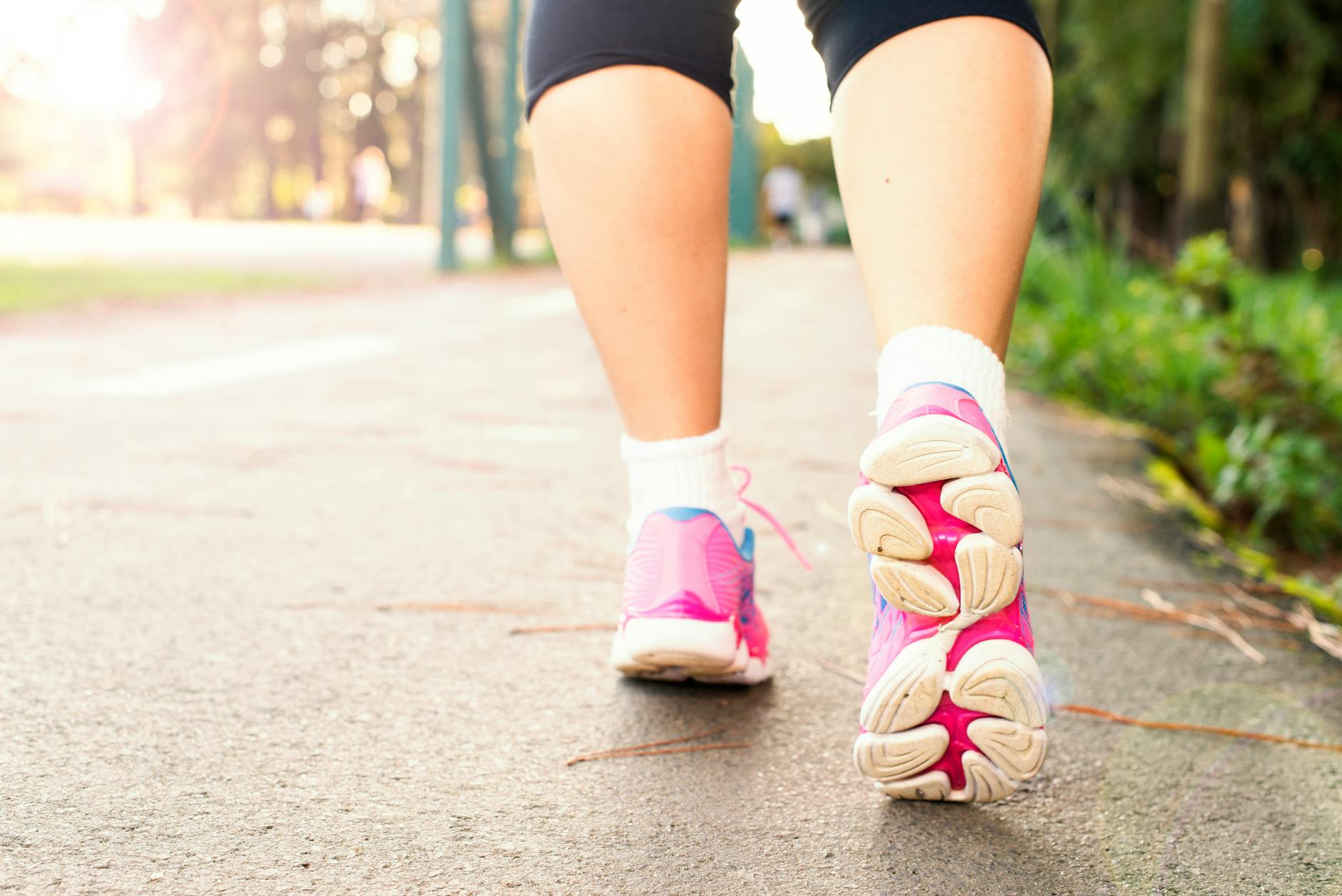
You will average 12,000–18,000 steps a day in Shanghai. Bring:
- 1 pair of well-broken-in walking shoes (Hoka, Allbirds, On Cloud, lightweight trail runners)
- 1 dressier pair for evenings, rooftop bars, fine dining (loafers, ankle boots, smart sneakers)
- Optional summer: 1 pair of sandals or quick-dry slip-ons
- Skip: heels (cobblestone alleys), flip-flops (banned at some restaurants), brand-new shoes
Waterproofing matters more than most lists admit. Pavements pool badly and metro entrances funnel rain down the stairs. Mesh running shoes soak through in ten minutes during plum rain season and take a day to dry in that humidity. From June to September, bring water-resistant shoes or two pairs.
Toiletries & Health
- Prescription medications in original bottles + prescription
- Basic first-aid: ibuprofen, antihistamine, anti-diarrhea (Imodium), antiseptic wipes, plasters
- Hand sanitiser + travel wet wipes
- Reusable water bottle — refill at hotels (don’t drink tap water)
- Sunscreen SPF 50 (Chinese sunscreens often have whitening agents)
- Mosquito repellent with DEET (summer, parks, water towns)
- Lip balm (winter)
- Eye drops (winter pollution)
- Travel-size toiletries for the first night; replenish at Watson’s or Sephora
- Earplugs and eye mask for the flight + light sleepers
Two additions. Pocket tissues — public toilets in metro stations, parks and older malls frequently have no paper, and locals carry their own as a matter of course. And rehydration salts, because a sudden change of cuisine plus summer heat catches a lot of visitors on day three. Tap water is not drinkable, but every room has a kettle and boiled water is the local default. Convenience stores sell 550 ml bottles for ¥2–3 and many metro stations have hot-water dispensers, so a refillable bottle pays.
Medications: What China Will and Will Not Let In
Most packing lists skip this, and it is the one that can end a trip badly. China’s controlled-substance rules are stricter than Western travellers expect, and some ordinary prescriptions fall foul of them. Treat the table as a guide, not legal advice — if you take anything restricted, check with the Chinese embassy before you fly.
| Category | Status | What to do |
|---|---|---|
| Paracetamol, ibuprofen, naproxen, aspirin | Fine | Bring what you need; also sold locally |
| Plain antihistamines (loratadine, cetirizine) | Fine | Keep in original packaging |
| Loperamide, rehydration salts, melatonin | Fine in personal quantities | Original packs |
| Pseudoephedrine decongestants (Sudafed, the “-D” versions of Claritin, Zyrtec, Allegra) | Avoid | Pseudoephedrine is a controlled chemical in China. Pack the plain, non-“D” version |
| Codeine, tramadol, oxycodone and other opioid painkillers | Banned or heavily controlled | Do not bring without embassy guidance |
| ADHD stimulants (Adderall, Vyvanse, Ritalin, Concerta) | Effectively banned | No personal-import allowance. Speak to your doctor well in advance |
| Benzodiazepines (Xanax, Valium, Ativan) and prescription sleep aids | Heavily restricted | Usually a 7–14 day supply maximum, with a doctor’s letter and labelled packaging, declared at customs |
| CBD oil and cannabis in any form | Banned outright | Leave it at home, including gummies and creams |
For anything prescription: original bottle with your name on the label, a printed doctor’s letter stating the diagnosis and personal use, only the quantity your trip needs, packed in carry-on. If in doubt, declare it — undeclared controlled medication found in a bag is a far worse conversation.
Which Bag, and How Much to Actually Pack
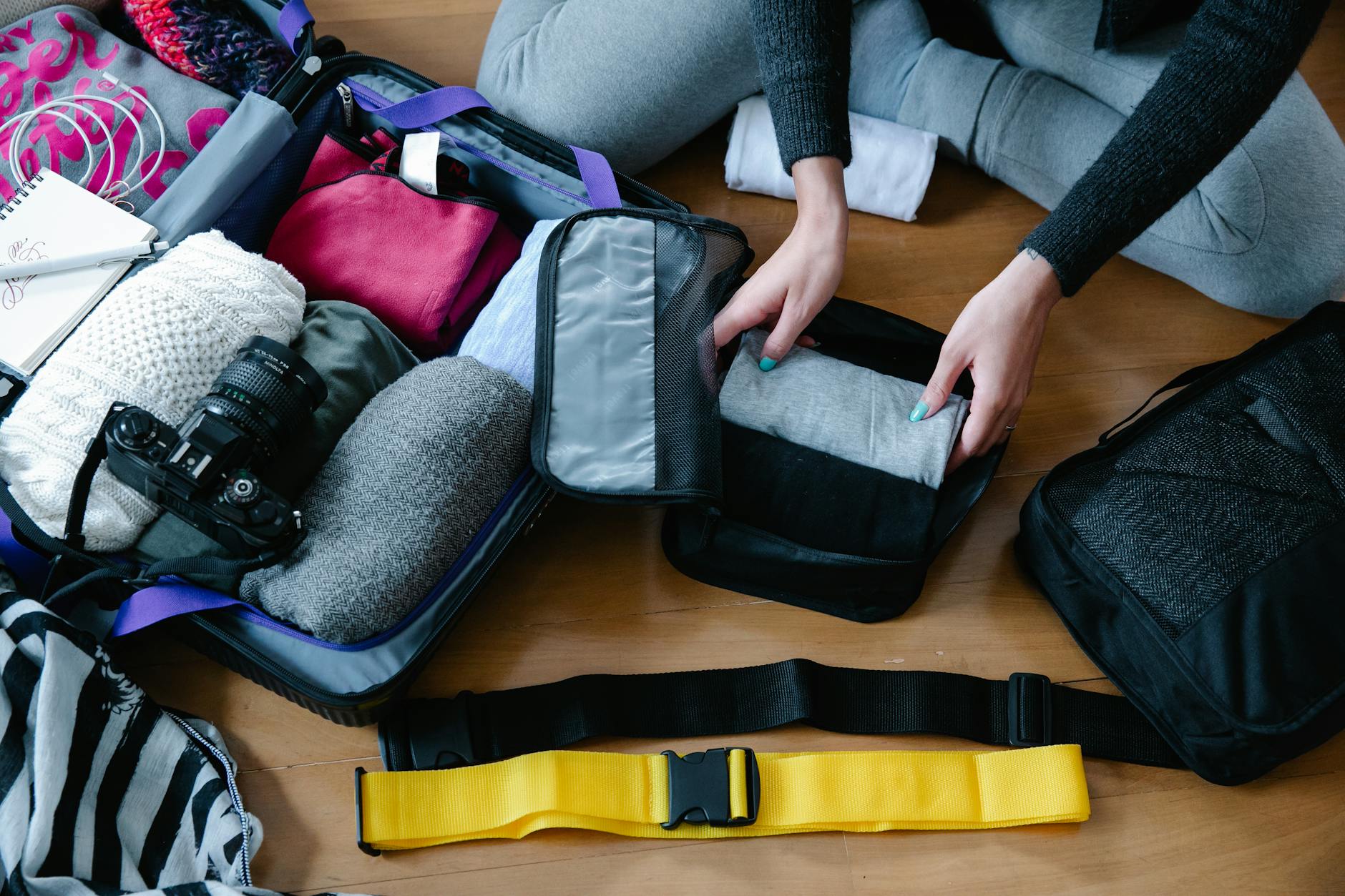
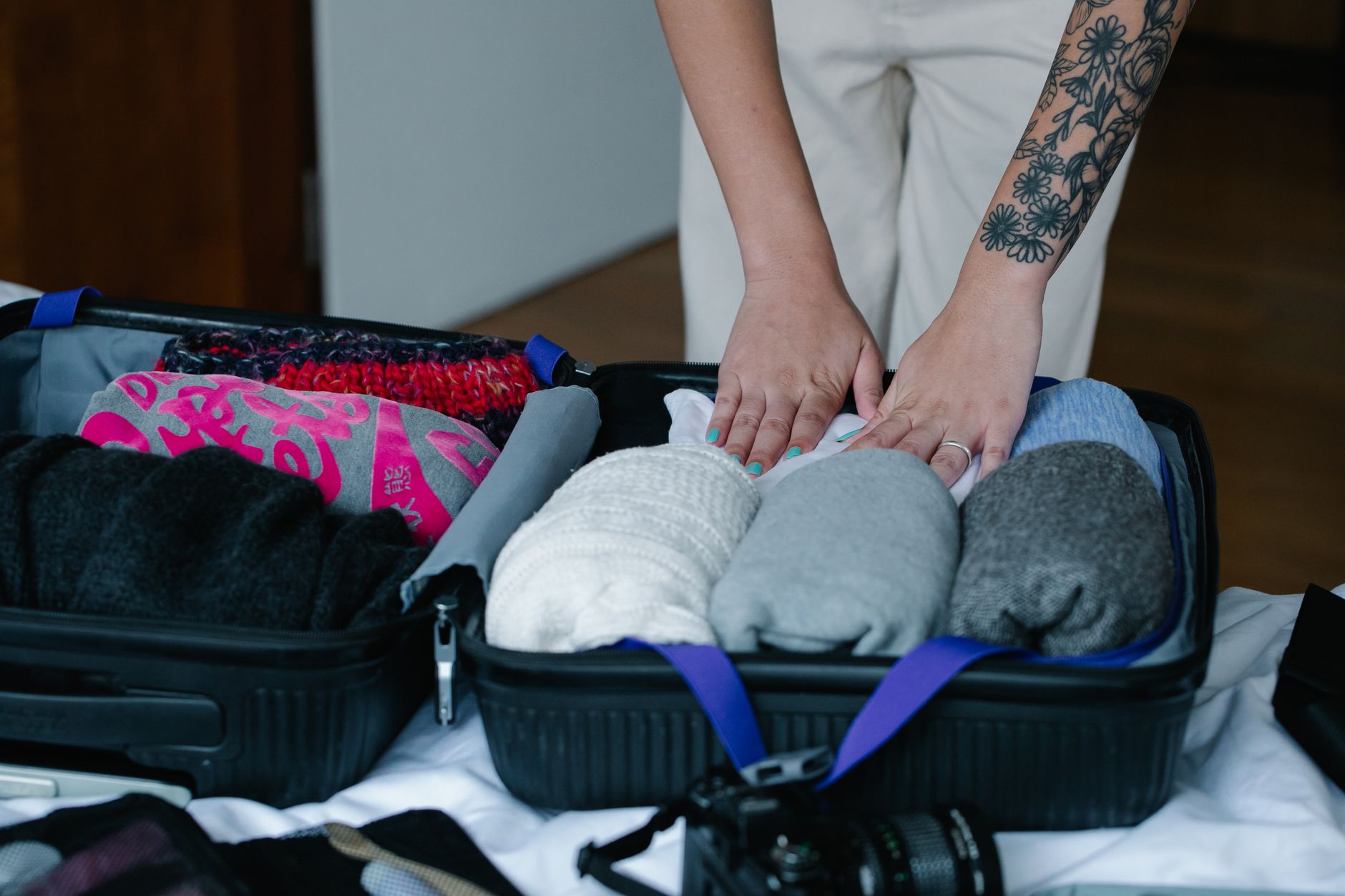
Shanghai is an easy city for a carry-on and a hard one for a 30 kg suitcase. Metro interchanges can involve five minutes of walking, and while newer stations have lifts, plenty of older exits are stairs only. What works for most one-week trips: a 40–45 litre cabin case or backpack plus a 15–20 litre daypack. That covers a week including one smart outfit and fits the 7 kg cabin allowance most carriers apply, if the heavy items ride in the daypack.
A worked example: seven days in October, carry-on only
- 4 t-shirts or light shirts, 2 long-sleeve shirts, 1 light jumper
- Jeans or chinos worn on the plane, 1 spare pair, 1 pair of smarter trousers or a dress
- 1 packable rain shell
- 7 sets of underwear and socks (or 4 plus a sink wash midweek)
- Walking shoes worn on the plane, 1 pair of smart shoes in the case
- Toiletries under 100 ml, universal adapter, power bank, two cables
- Compact umbrella, sunglasses, refillable bottle
- Documents wallet, ¥400 starter cash
That lands around 8–9 kg across both bags and leaves room for shopping — most people fly home heavier. Our Shanghai shopping guide covers where that happens.
Daypack Essentials
For each day’s sightseeing:
- Small daypack (15–20L) with anti-pickpocket zips
- Refillable water bottle
- Power bank + cable
- Sunglasses + folding umbrella
- Hand sanitiser + tissues (some restrooms lack TP)
- Small notebook + pen (for occasional Chinese-character communication)
- Snacks (esp. for kids or long sightseeing days)
- Light scarf or cardigan year-round (AC at full blast)
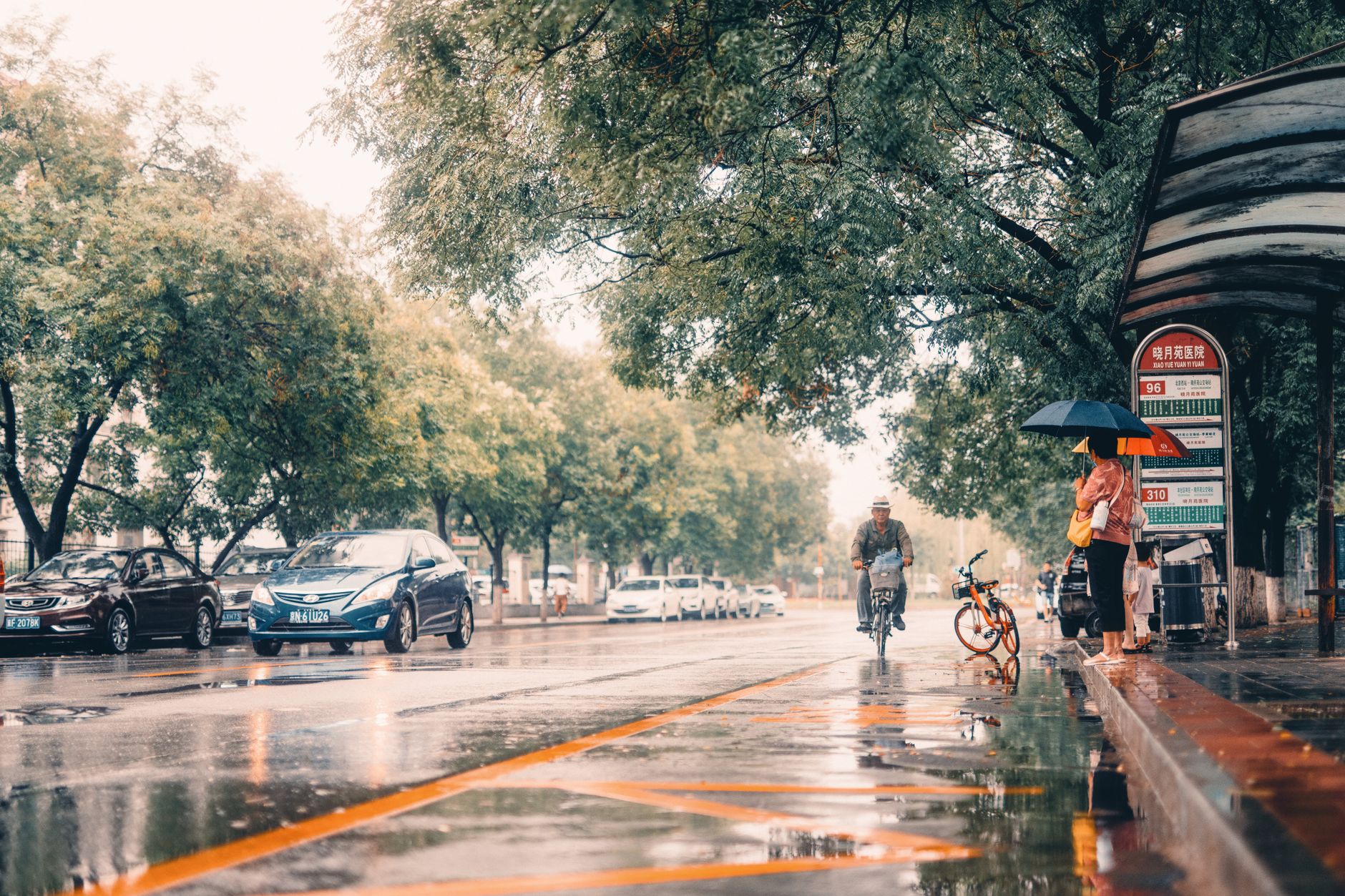
Add your passport, or at minimum a clear phone photo of the photo page and visa — museums, some temples and the observation decks ask for ID at the ticket desk. An umbrella earns its space year-round: rain from March to September, shade in July and August, when locals use them as parasols without a second thought.
Money & Cards
- 1 Visa + 1 Mastercard credit card
- 1 fee-free debit card (Wise, Schwab, Revolut)
- ¥300–500 starter cash from home-country exchange
- $200 emergency USD in separate wallet
- Alipay set up before flying — see our money guide
- WeChat installed — useful for messaging
- Notify your banks of travel dates before departure
Shanghai runs on QR codes, from the metro turnstile to a ¥6 bowl of noodles. Both major apps now accept foreign Visa and Mastercard bindings, which is why older advice about carrying wads of cash is out of date.
| Method | Where it works | Cost | Verdict |
|---|---|---|---|
| Alipay with foreign card | Almost everywhere — metro, taxis, shops | No fee under ¥200; around 3% above | Your primary method. Set it up first |
| WeChat Pay with foreign card | Nearly as broad; also how you pay individuals | Same fees, plus separate RMB caps | Good backup; you may want WeChat anyway |
| Physical Visa/Mastercard | Hotels, international chains, department stores | Your bank’s FX fee | Carry it, don’t rely on it |
| Cash (RMB) | Small shops, markets, temple donation boxes | Free | ¥300–500 covers a week as a backstop |
Under the 2026 rules, verifying your passport inside Alipay or WeChat lifts your ceilings sharply — reported at up to US$5,000 per transaction and US$50,000 a year, with WeChat applying parallel RMB caps that often bite first. Unverified accounts are throttled much lower, and risk-control blocks are common on the first few payments, so make a small test purchase rather than finding out at a restaurant. Note the ¥200 fee threshold.
What NOT to Bring
- CBD or marijuana products in any form — illegal, prosecuted
- Political/religious sensitive printed materials (Tibet, Falun Gong, anti-CCP)
- Fresh fruit, meat, dairy, eggs, soil — all banned at customs
- Walkie-talkies or satellite phones — need permits
- Drones over 250 g without pre-registration
- Bottled water in carry-on (security limits)
- Excess cash over $5,000 (or ¥20,000) without declaration
Add things that are legal but not worth the weight: beach gear, a full-size towel, heavy paperbacks, a hairdryer, and more than one formal outfit. Drones deserve a second mention — even a sub-250 g drone is effectively unflyable across central Shanghai, which sits inside controlled airspace. See our Shanghai customs guide.
Leave It at Home and Buy It in Shanghai
Almost anything you forget is available within a fifteen-minute walk, usually cheaper than at home. This is the best single lever for cutting packing weight.
| Item | Where to buy in Shanghai | Rough price |
|---|---|---|
| Umbrella | Any Family Mart, Lawson or 7-Eleven | ¥20–35 |
| Thermal base layer, socks, basic tops | Uniqlo — Nanjing Road, Huaihai Road and most malls | ¥79–199 |
| Toiletries, sunscreen, plasters, tissues | Watsons, or any mall supermarket floor | ¥15–90 |
| Rain jacket, quick-dry shirt, daypack | Decathlon | ¥99–299 |
| Chargers, cables, CCC-marked power bank | Miniso, electronics floors, convenience stores | ¥30–150 |
| Extra suitcase for the way home | Markets and department stores | ¥150 and up |
Laundry is the other lever. Hotel laundry is charged per item — often ¥20–40 for a shirt at a four-star property — while neighbourhood wash-and-fold services charge far less, usually by weight. On any trip over five days, one laundry run halves what you need to pack. Our Shanghai on a budget guide has more of this arithmetic.
One caveat: sizes run small by Western standards. Above a UK 12 / US 10 in womenswear, or a UK 10 / US 11 shoe, do not assume you will find your size outside the international brands. Pack those.
Packing for Different Kinds of Trip
Business travellers
The local dress code is smart but not stiff — a jacket without a tie covers most meetings. Bring more shirts than you think; summer humidity means a fresh one after lunch. Bring physical business cards, and set up WeChat before you arrive.
Families with children
Nappies, wipes and formula are widely available, so bring a few days’ worth rather than a suitcase full. A lightweight foldable stroller beats a heavy one — metro stairs and crowded pavements punish bulk. Pack familiar snacks for the first two days. Our Shanghai with kids guide covers what to do once you land.
Solo travellers and long stays
Over three weeks, pack for two and do laundry. Add a second pair of shoes so one is always drying, and a power strip so one adapter serves four devices. Solo travellers should keep a second payment card somewhere other than the wallet. Our solo travel guide and the common scams article are worth ten minutes each.
Common Packing Mistakes
- Assuming Google Maps will work. It renders, but with a coordinate offset that puts pins in the wrong place. Download offline Apple Maps, and install Amap or Baidu Maps for anything precise.
- Setting up Alipay at the airport. Verification is not instant and arrivals-hall WiFi is not reliable. Do it at home, two weeks out.
- Bringing a Type C European adapter. It does not fit. Buy a universal one with Type A and Type I prongs.
- Packing for the average temperature. The daily swing in spring and autumn can reach 10°C. Layers beat one warm item.
- Only having the hotel name. English names mean nothing to most drivers. Screenshot the Chinese address so it works offline — our taxi guide and language barrier tips explain why that one card saves so much time.
- Forgetting temple dress rules. Covered shoulders and knees are expected at working temples; a light scarf solves it in summer. See our guide to temples in Shanghai.
- Overpacking formalwear. Even the good restaurants and rooftop bars are smart-casual. One outfit is enough.
- No cash at all. Rare, but a dead phone at a small noodle shop is an awkward five minutes. ¥300 in a pocket fixes it.
Pre-Flight Setup Checklist
The day before you fly:
- Activate overseas eSIM
- Install + test VPN
- Set up Alipay with foreign card binding
- Install WeChat
- Download offline Apple Maps + Baidu Maps for Shanghai
- Download offline Apple Translate / Pleco language pack
- Print hotel address in Chinese characters
- Email yourself: hotel info, flight details, passport scan
- Notify your banks of travel
- Charge all electronics + power banks
- Confirm travel insurance is active
- Pack and weigh your bag (most international carriers: 23 kg checked, 7 kg cabin)
Two additions for arrival day. Screenshot the hotel’s Chinese address, flight number and first metro route so they survive a dead connection. And install Didi before you leave — our Didi guide covers setup, far less stressful at home than on airport WiFi. After that, the airport arrival guide takes over.
Frequently Asked Questions
What should I pack for Shanghai?
Passport and visa, an activated overseas eSIM, Alipay set up, comfortable walking shoes, layered clothing for the season, a universal power adapter, and ¥300–500 starter cash.
Do I need a special adapter for Shanghai?
Yes — China uses Type A (flat blade, US-style) and Type I (Australian-style angled blades). Type C/E (European) plugs do NOT fit. Voltage is 220V, so 110V-only North American appliances need more than a plug adapter.
What clothes should I wear in Shanghai?
Spring and autumn: layered shirts plus light jacket. Summer: light cotton/linen, sandals, sun protection. Winter: heavy coat, thermal base layer, gloves and hat. Humidity is above 70% year-round, so quick-drying fabrics beat heavy cotton in every season.
What is banned from being brought into Shanghai?
CBD/cannabis, fresh meat/dairy/eggs/raw plants, political/religious sensitive material, walkie-talkies, and drones over 250g without permits. See the full customs guide.
Can I bring my prescription medication to China?
Most ordinary prescriptions are fine in original labelled packaging with a doctor’s letter. ADHD stimulants such as Adderall and Vyvanse are effectively banned, opioid painkillers are heavily controlled, and benzodiazepines are usually limited to a 7–14 day supply with documentation. Avoid pseudoephedrine decongestants.
Do I need cash in Shanghai?
Very little. Alipay and WeChat Pay handle 95%+ of transactions. ¥300–500 cash is enough backup for a week.
Should I bring a VPN for Shanghai?
Yes, as a backup. The primary 2026 solution is an overseas eSIM, which bypasses the firewall; a VPN is your fallback for hotel WiFi. Install and test it before you fly — VPN apps are not in the Chinese app stores.
Can I take a power bank to China?
Yes on international flights, in carry-on only, under 100 Wh. On domestic Chinese flights the CAAC requires a visible CCC (3C) mark, which most Western-brand power banks lack. With onward flights inside China, buy a CCC-marked one locally for ¥80–150.
How many shoes should I pack?
2 pairs: one well-broken-in walking shoe (you’ll walk 15,000+ steps daily) and one dressier pair for evenings. Add a third in summer so one can dry.
Is a carry-on enough for a week in Shanghai?
Comfortably, yes — a 40–45 litre cabin case plus a daypack covers seven days including one smart outfit, and leaves room for shopping on the way home.
Do I need to dress modestly in Shanghai?
Not generally. Shanghai is a fashion-conscious international city and everyday Western dress is normal. The exception is working temples, where covered shoulders and knees are expected.
What’s the most-forgotten Shanghai packing item?
A printed hotel address in Chinese characters. Taxi drivers seldom speak English; this saves hours of confusion on day one.
Plan the Rest of Your Trip
Combine with our Shanghai travel guide, how to plan a trip to Shanghai, and practical tips. Once the bag is sorted, the getting around guide is next. For background, see Shanghai on Wikipedia.