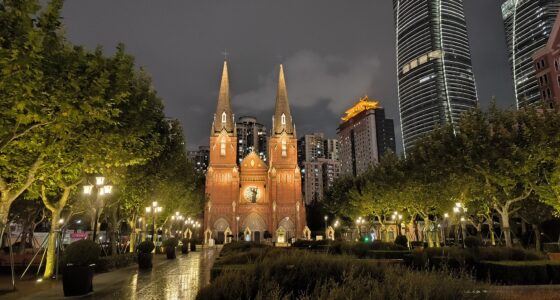
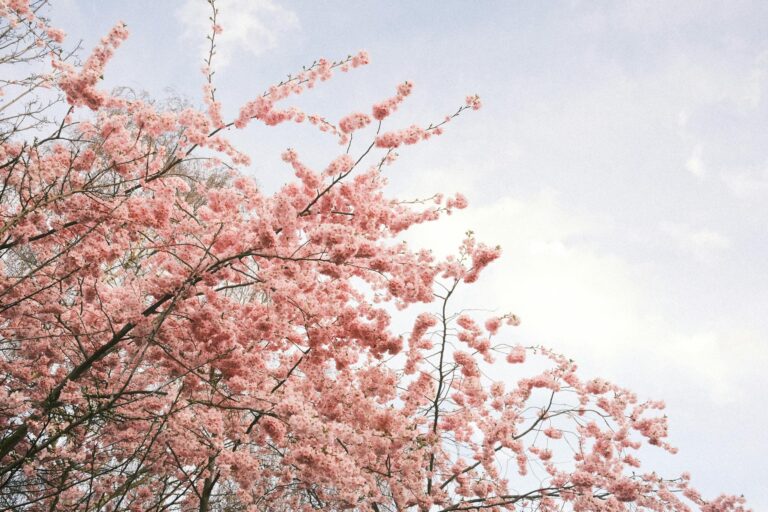
Shanghai’s climate is among the most variable of any major travel destination in Asia. Inside a single calendar year the city swings from below-freezing winter mornings to forty-degree summer afternoons, with weeks of monsoon drizzle in early summer and bright, dry, sharp-light weeks in autumn. Picking the right month makes a real, measurable difference to the trip you have. This Shanghai weather month by month guide breaks down what to expect in every single month of the year, including average highs and lows, rainfall, humidity, crowds, what to pack, and which festivals or local conditions you should plan around.
The short version: April-May and October-November are the ideal months. Summer (June-August) is hot and humid, with a distinct rainy season; winter (December-February) is cold and damp. Travel in the shoulder seasons if you can. If your dates are fixed and fall outside that window, the rest of this guide tells you exactly what each month brings and how to plan around it. Shanghai works year-round, but it rewards travelers who match their itinerary to the calendar.
Table of Contents
- Shanghai’s Climate at a Glance
- Quick-Reference Weather Table
- The Four Seasons in Brief
- January
- February
- March
- April
- May
- June
- July
- August
- September
- October
- November
- December
- Best and Worst Months to Visit
- Typhoons and Severe Weather
- Seasonal Packing Suggestions
- Frequently Asked Questions
Shanghai’s Climate at a Glance
Shanghai sits at roughly 31° North on the eastern coast of China, where the Yangtze River meets the East China Sea. It has a humid subtropical climate (Köppen Cfa), which means four clearly defined seasons rather than the wet/dry split of the tropics. Annual rainfall averages around 1,150 mm (46 inches), but it falls unevenly: a heavy rainy season runs from late May through mid-July, the East Asian monsoon that locals call meiyu or “plum rain.” Winters are shaped by cold continental air masses pushing down from Siberia and Mongolia; summers by warm, moisture-laden air drifting in off the sea.
Two numbers anchor the year. The warmest month is July, with an average high near 32°C (90°F); the coldest is January, with an average high near 8°C (46°F). The wettest month is June (around 180 mm of rain across roughly 14 rainy days); the driest are December and January (around 50 mm). October and November are the sunniest and clearest months, which is a big part of why they top so many “best time to visit” lists. Humidity stays moderate to high most of the year and peaks in the summer, when figures above 80 percent are routine and the heat feels considerably worse than the thermometer reading alone.
One thing visitors from temperate climates underestimate is how the damp changes the feel of the temperature. A 5°C morning in a dry climate is brisk; the same morning in Shanghai’s humid air, often without strong indoor heating, feels genuinely cold. The humidity that sharpens the winter chill also amplifies the summer heat, so plan your wardrobe around the felt temperature, not the forecast number.
Quick-Reference Weather Table
Average figures for each month. Use these as planning baselines rather than exact forecasts; any given year varies, and the rainy-season and typhoon months are the least predictable.
| Month | Avg High | Avg Low | Rainfall | Rain Days | Crowds | Verdict |
|---|---|---|---|---|---|---|
| January | 8°C / 46°F | 1°C / 34°F | 50 mm | ~10 | High (Lunar New Year) | Cold, damp |
| February | 10°C / 50°F | 2°C / 36°F | 60 mm | ~9 | High (Lunar New Year) | Cold, easing |
| March | 14°C / 57°F | 6°C / 43°F | 90 mm | ~12 | Moderate | Spring begins |
| April | 19°C / 66°F | 11°C / 52°F | 95 mm | ~12 | Moderate | Ideal |
| May | 24°C / 75°F | 16°C / 61°F | 110 mm | ~12 | High (May 1-5) | Very good early |
| June | 28°C / 82°F | 21°C / 70°F | 180 mm | ~14 | Low-moderate | Wettest month |
| July | 32°C / 90°F | 25°C / 77°F | 140 mm | ~10 | Moderate (school holidays) | Hottest |
| August | 32°C / 90°F | 24°C / 75°F | 140 mm | ~10 | Moderate (school holidays) | Hot, typhoons |
| September | 28°C / 82°F | 21°C / 70°F | 130 mm | ~10 | Moderate | Improving |
| October | 23°C / 73°F | 15°C / 59°F | 60 mm | ~7 | Very high (Oct 1-7) | Ideal |
| November | 17°C / 63°F | 10°C / 50°F | 50 mm | ~7 | Low-moderate | Excellent |
| December | 11°C / 52°F | 4°C / 39°F | 50 mm | ~6 | Moderate (holidays) | Cold, dry, clear |
The Four Seasons in Brief
The shape of the year, at a glance. Spring (March-May) warms from light-jacket weather into short-sleeve weather, with cherry and magnolia blossom in late March and April, then tips into the early rainy season by late May. Summer (June-August) is hot, humid, and wet, opening with June’s plum rains and running into the peak typhoon weeks of August. Autumn (September-November) is the standout: humidity drains away, the skies clear, and the plane trees turn gold. Winter (December-February) is cold and damp but also dry and clear on its good days, with the lowest hotel prices outside the Lunar New Year holiday.
If you want a deeper look at any one season, our season guides go further on activities, events, and itinerary tweaks: Shanghai in spring and visiting Shanghai in summer are good starting points for the two trickiest planning seasons.
January
Average high: 8°C (46°F). Average low: 1°C (34°F). Rainfall: ~50 mm. Rain days: ~10. Humidity: moderate.
The coldest month. Temperatures sit near freezing in the early morning and warm slowly through the day, rarely topping single digits Celsius. Light snow can fall but almost never settles. The damp cold feels colder than the number suggests, and many older indoor spaces rely on space heaters rather than the central heating Western visitors expect, so you will sometimes be cold indoors as well as out.
What’s on: Lunar New Year frequently falls in late January (the date shifts each year on the lunar calendar). When it does, expect the year’s biggest crowds at temples, the heaviest domestic travel of the year, and many smaller businesses closed for the holiday week. The flip side is the atmosphere: lantern displays, temple fairs, and a city in festival mode.
Pack: Heavy coat, thermal base layers, hat, gloves, scarf, and waterproof shoes for drizzle days.
Best for: Museum-heavy, indoor-leaning itineraries; experiencing Lunar New Year culture; the lowest hotel prices of the year outside the holiday week itself.
February
Average high: 10°C (50°F). Average low: 2°C (36°F). Rainfall: ~60 mm. Rain days: ~9. Humidity: moderate.
Marginally warmer than January but still firmly winter. Late February brings the first plum and magnolia blossoms in sheltered gardens, an early hint of the spring to come. Lunar New Year often lands in February instead of January, again depending on the lunar calendar, with the same crowd and closure pattern.
What’s on: If the Lunar New Year holiday falls here, the same rules apply: book trains and hotels well ahead, expect crowds at major sights, and check opening hours for smaller venues. Outside the holiday week itself, February is quiet and inexpensive.
What to expect: Continued cold and the occasional run of gray days, broken by brief warm spells late in the month. Skies are, on average, a little clearer than January’s.
Pack: Heavy coat, thermal layers, scarf, waterproof shoes.
Best for: Lunar New Year celebrations; low hotel prices outside the holiday week; early-blossom photography in the gardens.
March
Average high: 14°C (57°F). Average low: 6°C (43°F). Rainfall: ~90 mm. Rain days: ~12. Humidity: moderate.
Spring begins in earnest. Cherry blossoms peak in central Shanghai parks in late March; Gucun Park hosts the city’s best-known cherry blossom festival, but the Pudong riverfront and the former French Concession have notable trees too. Days warm steadily, though mornings can still carry a chill.
What to expect: Light-jacket weather. Rainfall is moderate, with showery days alternating with bright, clear ones. Plane-tree pollen rises through the month, which sensitive travelers will want to plan for.
Crowds: Moderate. Domestic blossom-viewing crowds gather at the famous parks on fine weekends, but the city overall is comfortable.
Pack: Light jacket, layers, a compact umbrella, and allergy medication if you are prone to hay fever. The full seasonal list is in our guide to what to pack for Shanghai.
Best for: Cherry-blossom photography and the first genuinely pleasant outdoor walking weather of the year.
April
Average high: 19°C (66°F). Average low: 11°C (52°F). Rainfall: ~95 mm. Rain days: ~12. Humidity: moderate.
One of the two best months to visit Shanghai. Comfortable temperatures, blossom still lingering early in the month, manageable rainfall, and clean light for photography. Crowds stay reasonable apart from the short Qingming (Tomb-Sweeping) Festival around April 4-6, a public holiday that lifts domestic travel for a long weekend.
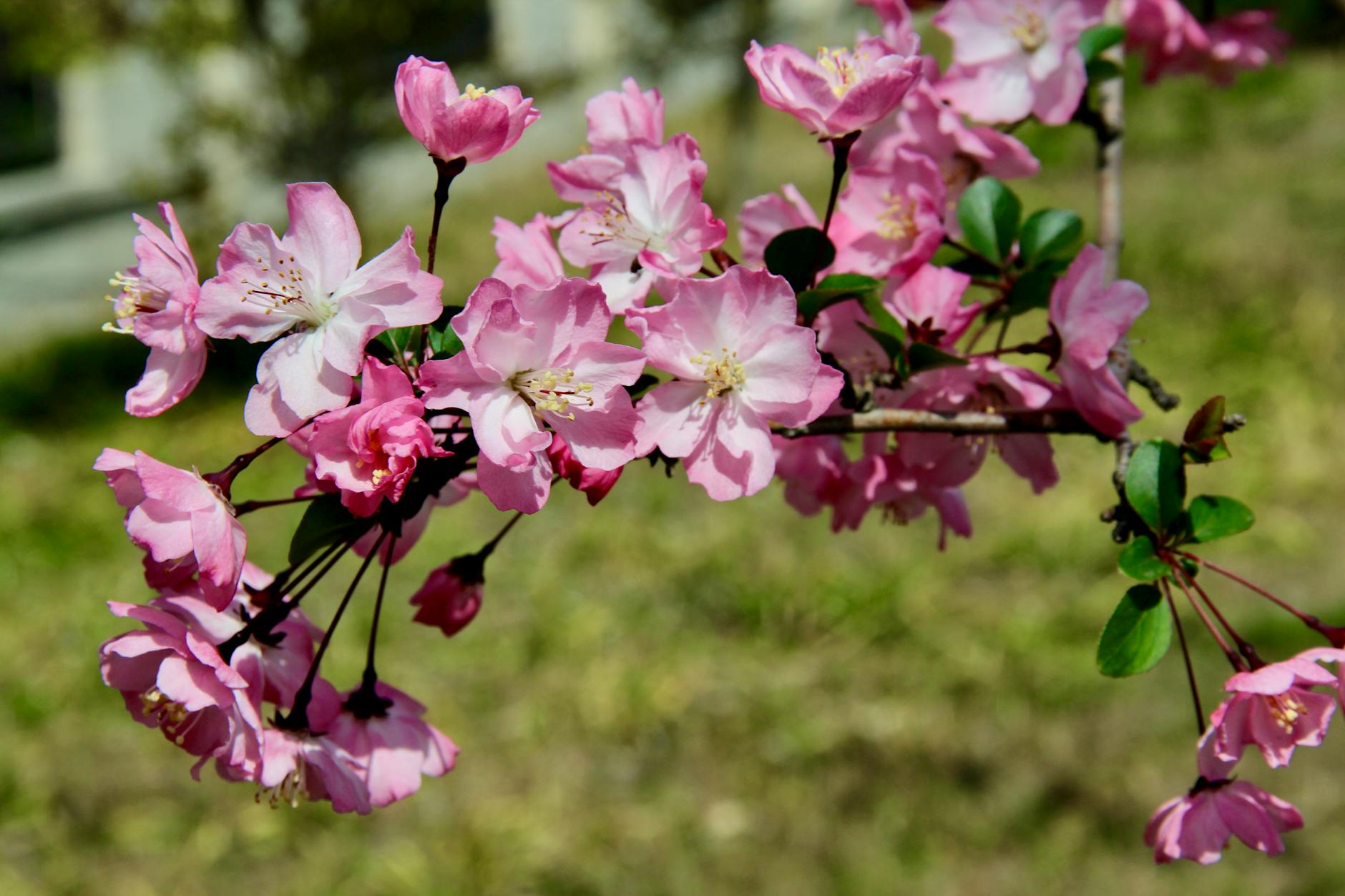
What to expect: Variable but generally pleasant days, with the occasional light afternoon shower. This is when outdoor Shanghai is at its best: Bund walks, French Concession strolls, garden visits, and day trips to the nearby water towns all work beautifully.
Pack: Layers, a light rain jacket, and comfortable walking shoes you can put real mileage on.
Best for: First-time visitors, outdoor-heavy itineraries, and photography. For a day-by-day plan that suits this weather, see our Shanghai itineraries.
May
Average high: 24°C (75°F). Average low: 16°C (61°F). Rainfall: ~110 mm. Rain days: ~12. Humidity: rising.
A month of two halves. Early May is still ideal travel weather: warm, bright, and comfortable. By late May, humidity climbs and the first sustained rainy stretches of the approaching plum-rain season arrive. The May 1-5 Labor Day holiday is one of the two biggest domestic travel peaks of the year, with packed attractions and higher prices.
What to expect: Pleasant warm days through mid-month, then climbing humidity and heavier, more frequent rain toward the end. Evenings stay mild.
Crowds: Very high during May 1-5; moderate either side of it. If your dates are flexible, aim for the first or third week and skip the holiday itself.
Pack: T-shirts and light layers, a packable rain jacket, and sun protection.
Best for: Travelers who can dodge the May 1-5 holiday week and want late-spring warmth before the rains set in.
June
Average high: 28°C (82°F). Average low: 21°C (70°F). Rainfall: ~180 mm. Rain days: ~14. Humidity: high.
The rainy season, meiyu or “plum rain,” arrives and June becomes the wettest month of the year. Days alternate between hot, humid sun and long stretches of drizzle, and the air feels heavy throughout. Outdoor plans need a flexible attitude and a willingness to duck indoors when the rain settles in.
What to expect: High humidity, frequent showers, and summer-grade heat in the gaps between rain. The upside is fewer crowds than peak summer and softer hotel rates.
Pack: Lightweight, breathable clothing, a sturdy umbrella rather than a flimsy one, waterproof shoes, and mosquito repellent.
Best for: Visitors who do not mind unpredictable rain, value lower prices, and are happy to weave museums, malls, and tea houses around the weather.
July
Average high: 32°C (90°F). Average low: 25°C (77°F). Rainfall: ~140 mm. Rain days: ~10. Humidity: very high.
The hottest month. Afternoons regularly reach 35-37°C with humidity above 80 percent, and the heat index can push past 40°C. Late July also marks the start of typhoon season for the eastern Chinese coast. This is endurance-mode sightseeing unless you build your day around the heat.
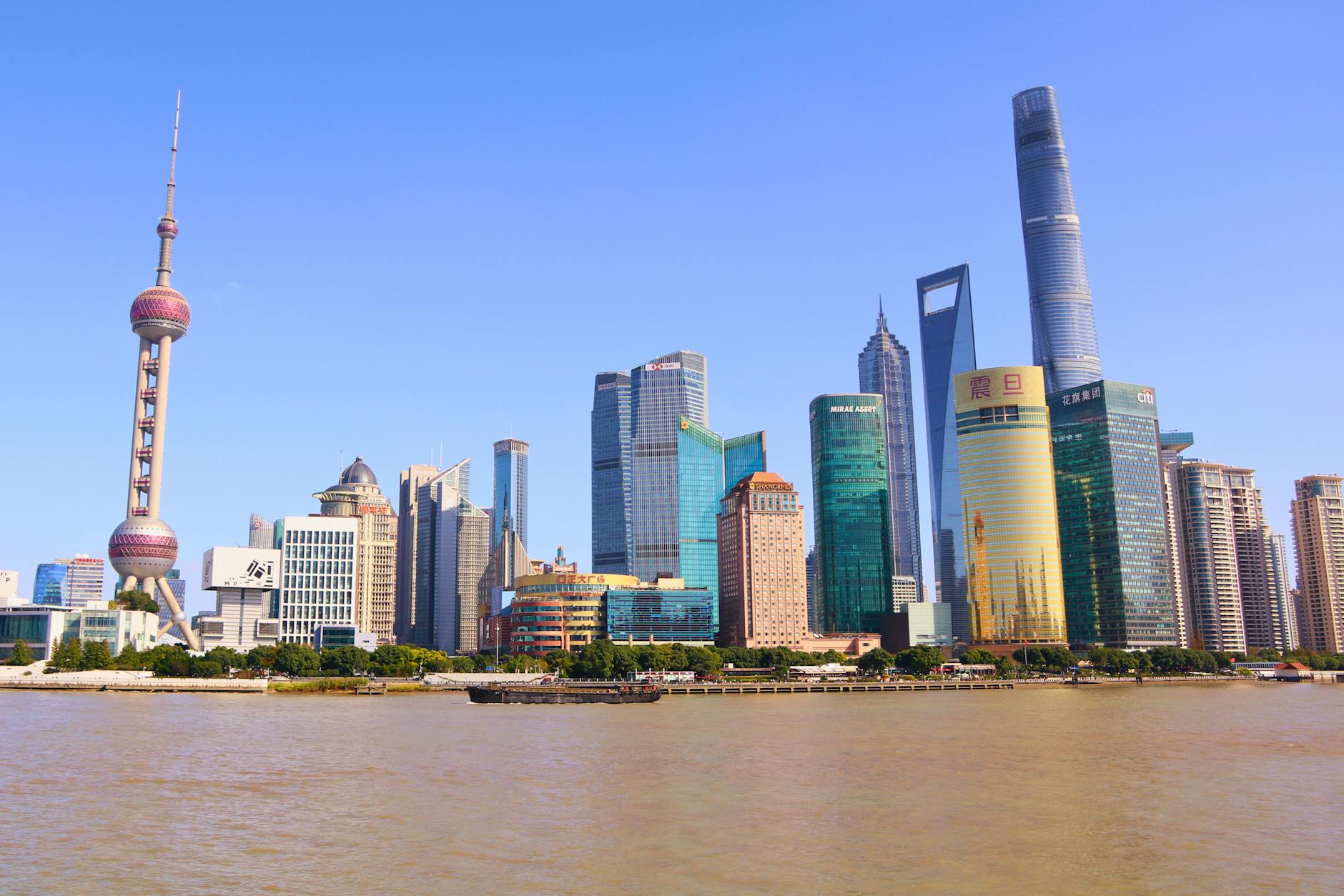
What to expect: Heat, humidity, and occasional sharp thunderstorms. Air-conditioned malls, museums, and metro stations become essential midday refuges. The smart play is to do outdoor sightseeing early and late, and retreat indoors through the worst of the afternoon.
Crowds: Moderate. Chinese school summer holidays lift domestic family travel, but international numbers are lower than in the shoulder seasons.
Pack: Lightweight clothes, a sun hat, high-SPF sunscreen, and a refillable water bottle.
Best for: Heat-tolerant travelers and indoor-leaning itineraries built around museums, shopping, and dining. For tactics on coping with the heat and humidity, our visiting Shanghai in summer guide goes into detail.
August
Average high: 32°C (90°F). Average low: 24°C (75°F). Rainfall: ~140 mm. Rain days: ~10. Humidity: very high.
Hot summer continues, and typhoon season hits its peak. Typically one or two typhoons affect Shanghai’s weather each August, sometimes with heavy rain and strong winds even when the storm itself passes offshore. Between systems, the weather is stable, hot, and humid, much like July.
What to expect: Heat on par with July, plus the real possibility of a typhoon disrupting flights and outdoor plans for a day or two. Build slack into your schedule if you travel now, and keep an eye on forecasts toward the end of any week.
Crowds: Moderate, lifted by domestic school holidays in the first weeks.
Pack: The same kit as July, plus a flexible plan and a buffer day in case a typhoon advisory lands.
Best for: Heat-tolerant travelers with adaptable schedules and a tolerance for weather risk.
September
Average high: 28°C (82°F). Average low: 21°C (70°F). Rainfall: ~130 mm. Rain days: ~10. Humidity: easing.
A transitional month and a gamble that often pays off. Early September is still hot and humid, the tail of summer; late September cools noticeably and the humidity starts to drain away. Typhoon season is winding down by month’s end. The Mid-Autumn Festival frequently falls in September, bringing mooncakes, family gatherings, and a public-holiday bump in domestic travel.
What to expect: Steadily improving conditions as the month goes on, with humidity dropping week by week. Light rain is still common but the oppressive summer feel fades.
Pack: Layers, a light rain jacket, and comfortable walking shoes.
Best for: Travelers willing to risk a few hot late-summer days in exchange for the first taste of autumn and thinner crowds than October.
October
Average high: 23°C (73°F). Average low: 15°C (59°F). Rainfall: ~60 mm. Rain days: ~7. Humidity: low-moderate.
The other ideal month, alongside April, and for many visitors the single best one. Mild temperatures, dry weather, clear skies, and crisp light combine into Shanghai’s finest sightseeing conditions. The one caveat is the National Day “Golden Week” holiday from October 1-7, which brings the heaviest domestic tourism of the entire year; visiting from the second week onward is dramatically easier.
What to expect: Settled autumn weather, crisp mornings, warm afternoons, and cool evenings. Outdoor Shanghai is at its absolute best, from the Bund to the gardens to day trips out of the city.
Crowds: Extremely high during October 1-7, then easing fast. International visitor numbers are at their annual peak this month, so book accommodation early regardless of your dates.
Pack: Layers, a light jacket for evenings, and comfortable walking shoes.
Best for: First-time visitors, outdoor itineraries, and photographers. It is the most popular month with Western tourists for good reason; pair it with our Shanghai itineraries to make the most of the weather window.
November
Average high: 17°C (63°F). Average low: 10°C (50°F). Rainfall: ~50 mm. Rain days: ~7. Humidity: low.
Late autumn, and a quietly excellent time to visit. Cooler than October and drier than most of the year, with the cleanest air on average. The plane trees along the former French Concession turn gold and amber through the month, making that neighborhood the most photogenic it gets all year. Crowds thin out and prices ease compared with October.
What to expect: Cool but comfortable days, crisp and clear more often than not, with the occasional first frost late in the month. Evenings call for a layer.
Crowds: Low to moderate. With Golden Week behind and winter not yet arrived, this is one of the more relaxed months at major sights.
Pack: A light coat, layers, and a scarf for cool evenings.
Best for: Photographers, leaf-peepers in the French Concession, and travelers who prefer cool, clear weather to summer heat.
December
Average high: 11°C (52°F). Average low: 4°C (39°F). Rainfall: ~50 mm. Rain days: ~6. Humidity: low.
The driest month and the start of winter proper. Cold but often bright and clear, with some of the year’s sharpest light on good days. The Bund’s holiday lighting goes up around mid-December and gives the riverfront real atmosphere after dark, and Christmas is increasingly marked by Shanghai’s international community and the larger shopping districts.
What to expect: Cold mornings, milder afternoons, dry clear spells broken by the occasional gray day. Snow is not expected but is possible in a cold year.
Crowds: Moderate, with a lift around Christmas and the New Year. Hotel prices are reasonable outside those few days.
Pack: Heavy coat, thermal layers, hat, and gloves.
Best for: Christmas-and-New-Year visitors and photographers drawn to clear, low winter light and the illuminated Bund.
Best and Worst Months to Visit
Best months: October and April lead, with November and early May close behind. These deliver the most reliable combination of comfortable temperatures, low rainfall, and clear skies. October edges April for sheer settled weather and autumn light; November wins on low crowds and clean air; April wins on blossom and the freshness of spring. If you want one rule of thumb, target mid-to-late October or all of April and you will rarely go wrong.
Worst months for weather: June through August. June is the wettest, with the plum rains; July is the hottest; August adds peak typhoon risk to the heat. None of these months makes a trip impossible, but they demand flexibility and a heavier reliance on indoor plans. January and February are cold and damp, but they are dry, inexpensive, and perfectly workable for an indoor-leaning itinerary.
Crowd timing, separate from weather: Avoid the three big domestic-travel peaks if you can: Lunar New Year (late January or February), Labor Day (May 1-5), and National Day Golden Week (October 1-7). Each brings packed attractions, strained transport, and higher prices. The weeks immediately before and after these holidays are often excellent. For a fuller treatment of timing, crowds, and seasonal trade-offs, see the parent guide, best time to visit Shanghai.
Typhoons and Severe Weather
Shanghai sits within the East Asian typhoon season, which runs roughly July through September and peaks in August. Most typhoons weaken or curve away by the time they reach Shanghai’s latitude, so the city more often catches a storm’s outer rain bands than a direct hit. A direct landfall typhoon happens roughly once every two to three years; outer-band effects, meaning a wet and windy day or two, are far more common.
What a typhoon advisory means for travelers: Flights and high-speed trains may be delayed or canceled, schools close, ferries and some river activities stop, and outdoor attractions may shut for a day. Most museums and indoor attractions stay open, and hotels keep guests updated. The disruption is usually short, but it can derail a tight schedule, so build in a buffer day if you travel in August.
Tracking storms: The Shanghai Meteorological Service issues color-coded advisories, and any mainstream weather app will flag an approaching system several days out. International travelers can also follow the Joint Typhoon Warning Center for the regional picture. Outside the typhoon window, severe weather is rare: heavy summer thunderstorms occur now and then, and a hard cold snap with snow shows up occasionally in deep winter, but neither is a routine planning concern.
Seasonal Packing Suggestions
Quick packing guides by season. Whatever the month, a compact umbrella and comfortable walking shoes earn their place in the bag.
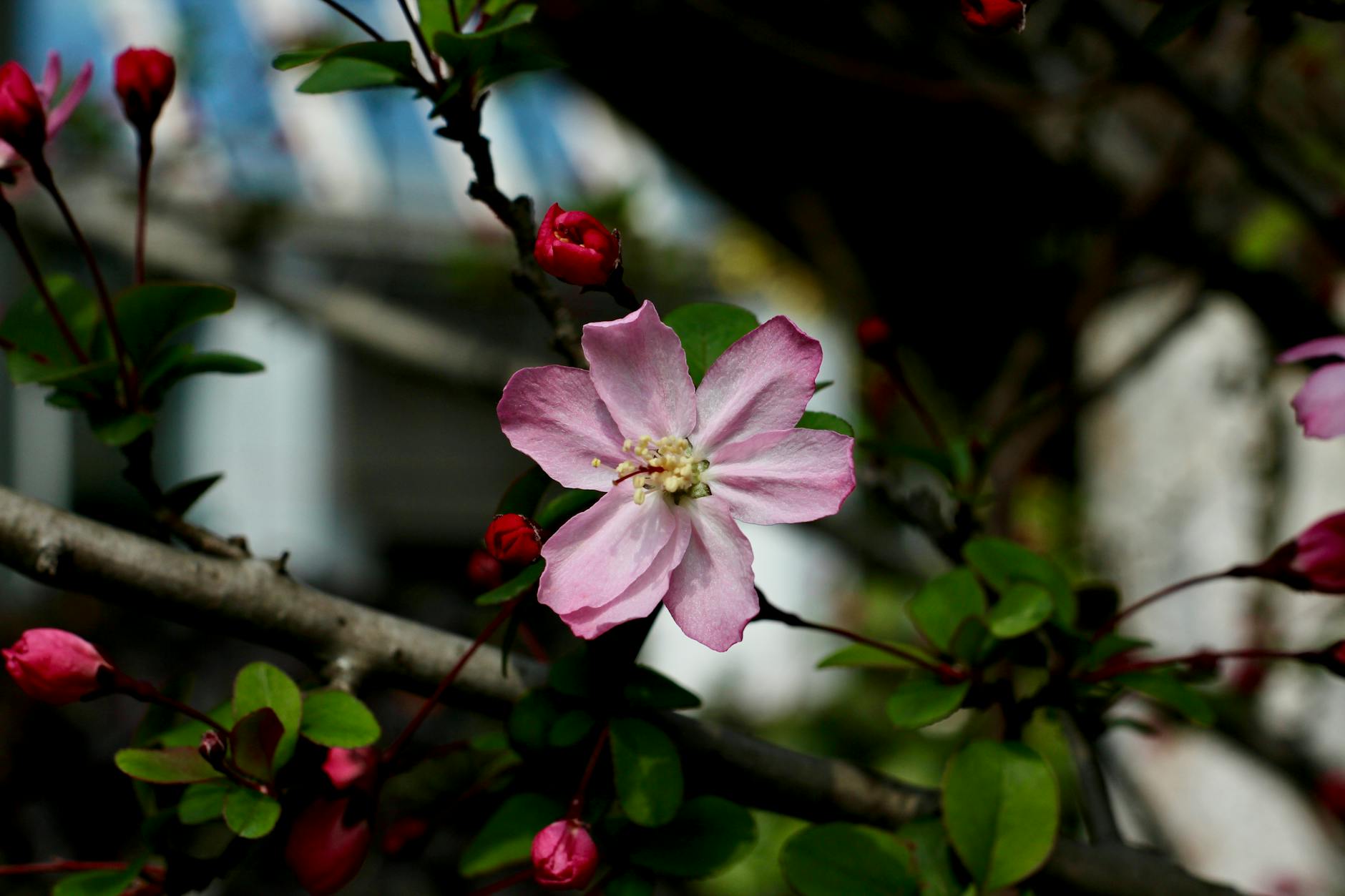
Spring (March-May): Layers, a light rain jacket, comfortable walking shoes, and a light scarf for cool mornings. Add allergy medication if pollen affects you.
Summer (June-August): Lightweight, breathable clothes, a sun hat, high-SPF sunscreen, a sturdy umbrella, a refillable water bottle, and mosquito repellent. A light layer helps against fierce indoor air-conditioning.
Autumn (September-November): A light jacket, layers, comfortable walking shoes, and a scarf for cooler late-fall evenings.
Winter (December-February): A heavy coat, thermal base layers, hat, gloves, scarf, and waterproof shoes for drizzle. Pack for damp cold rather than dry cold.
For broader practical advice on getting around, money, connectivity, and seasonal preparation, see our Shanghai practical tips guide.
Frequently Asked Questions
What is the best month to visit Shanghai?
October and April are the two best months, with November and early May close behind. They combine mild temperatures, lower rainfall, and clear skies. October has the most settled autumn weather and light; April has spring blossom and freshness. Aim for mid-to-late October or all of April to avoid the worst of the holiday crowds.
Is Shanghai cold in winter?
Yes, and often colder than visitors expect. Daily highs from December to February average 8-11°C, but the damp air and inconsistent indoor heating make it feel colder than the number. Pack for cold, wet conditions, not just chilly dry ones.
Does Shanghai get snow?
Light snow falls occasionally in January and February, but it usually melts on contact and rarely accumulates. Heavy snow is uncommon. Do not plan a trip around seeing snow, but a dusting is possible in a cold year.
How hot is Shanghai in summer?
July and August average highs near 32°C (90°F), with afternoons often hitting 35-37°C and humidity above 80 percent. The heat index regularly exceeds 40°C. Schedule outdoor sightseeing for the morning and evening and use air-conditioned stops through the afternoon.
When is the rainy season in Shanghai?
The heaviest rain runs from late May through July, the plum-rain (meiyu) season. June is the wettest single month, with roughly 14 rainy days and about 180 mm of rainfall. Expect alternating drizzle and humid sun rather than all-day downpours.
What month has the best weather in Shanghai?
October is the most commonly cited single best month. Mild temperatures (about 15-23°C), low rainfall, and clear skies make it ideal for outdoor itineraries. Just avoid the October 1-7 National Day holiday, when crowds peak.
Is Shanghai humid year round?
Humidity is moderate to high for most of the year. It peaks in June through August, when readings above 80 percent are routine, and is at its lowest from November through January. The humidity is a big reason both the summer heat and the winter cold feel more intense than the temperatures alone suggest.
Should I avoid Chinese national holidays?
For cost and crowds, yes. Labor Day (May 1-5) and National Day Golden Week (October 1-7) bring enormous domestic travel, and Lunar New Year (late January or February) is similar. Attractions, trains, and hotels are packed and prices rise. Travel in the weeks just before or after these holidays instead.
Are typhoons a risk for Shanghai travel?
The risk is limited but real, mainly from late July through September and peaking in August. Most typhoons weaken or veer away before reaching Shanghai, and the city usually catches only outer rain bands. A direct hit happens about once every two to three years and can delay flights and trains for a day or two, so build in a buffer if you travel in August.
What is the air quality like in Shanghai?
Generally moderate to good. Air quality is best in October and November and slightly worse in winter, when heating-related pollution rises. Check the AQI on a weather app before committing to a full day outdoors, especially in the colder months.
Plan Your Visit by Season
A good Shanghai trip starts with picking the right month. Use this Shanghai weather month by month breakdown to line your visit up with comfortable weather, clear skies, and manageable crowds. April, May, October, and November are the easy-mode months; with the right packing and a flexible plan, every other month is workable too.
For the broader timing picture, see our pillar guide on the best time to visit Shanghai. For day-by-day plans that account for the season, browse our Shanghai itineraries, and for on-the-ground logistics see our Shanghai practical tips. Whichever month you choose, the right preparation makes any season work.
For official climate data and forecasts, see the China Meteorological Administration.