Shanghai is one of the safer big cities a traveller can visit, and most people spend a week here without a single bad encounter. Violent crime against tourists is rare. What does happen, and what this list of Shanghai scams to avoid is built around, is a small, well-documented set of financial cons that target foreign visitors specifically. They cluster in the same few places — East Nanjing Road, the Bund, People’s Square, the Yu Garden bazaar, and the arrivals hall at Pudong airport — and have been running the same scripts for well over a decade. None of them work on someone who recognises the opening move and keeps walking.
The single most useful habit you can pack is this: a stranger who approaches you in fluent English near a major tourist site and steers toward an invitation within a few minutes is almost certainly not making a friendly local connection. The approach itself is the lure. Say “no thank you,” do not break stride, and the encounter is over. Everything below is detail on the variants, where they happen, the warning signs, and what to do if you are already inside one.
Table of Contents
- How Shanghai Scams Work: The Common Pattern
- The Tea House Scam (Highest Risk)
- The Art Student Scam
- The Bar and KTV Overcharge Scam
- Fake Taxi and Black-Car Scams
- Pudong Airport Scams
- Counterfeit Currency and Cash Tricks
- Fake QR Code Payment Scam
- The Fake Monk Donation
- Restaurant and Menu Overcharging
- Shopping and Fake-Market Scams
- Fake Tickets and Tour Touts
- The Shanghai Scams to Avoid: One Rule That Beats Them All
- Money and Payment Safety
- If You Get Caught in a Scam
- Reporting and Emergency Numbers
- Frequently Asked Questions
How Shanghai Scams Work: The Common Pattern
Almost every con that targets visitors here runs on the same five-step structure. Learn the shape once and you will spot any variation before it costs you.
1. The friendly approach. Someone — often two people, usually well dressed and speaking good English, commonly claiming to be students or fellow visitors from another Chinese city — opens with a harmless question or compliment.
2. The conversation hook. “Where are you from?” “Can you take a photo for us?” “We are practising our English.” The goal is a couple of minutes of easy talk that makes refusing the next step feel rude.
3. The invitation. “We are going to a traditional tea ceremony nearby, very authentic, want to come?” The destination is always close, off the main street, and apparently free.
4. The trap venue and the bill. The tea house, bar, gallery, or shop is part of the operation; you are seated, served, or shown the goods, and it feels genuine right up until an enormous bill appears — reports range from around 1,000 RMB to over 20,000 RMB. The friendly stranger melts away, and staff make clear the exit is blocked until you settle. The whole machine runs on your politeness and curiosity, so a firm refusal at step one or two ends it before any money is involved.
The Tea House Scam (Highest Risk)
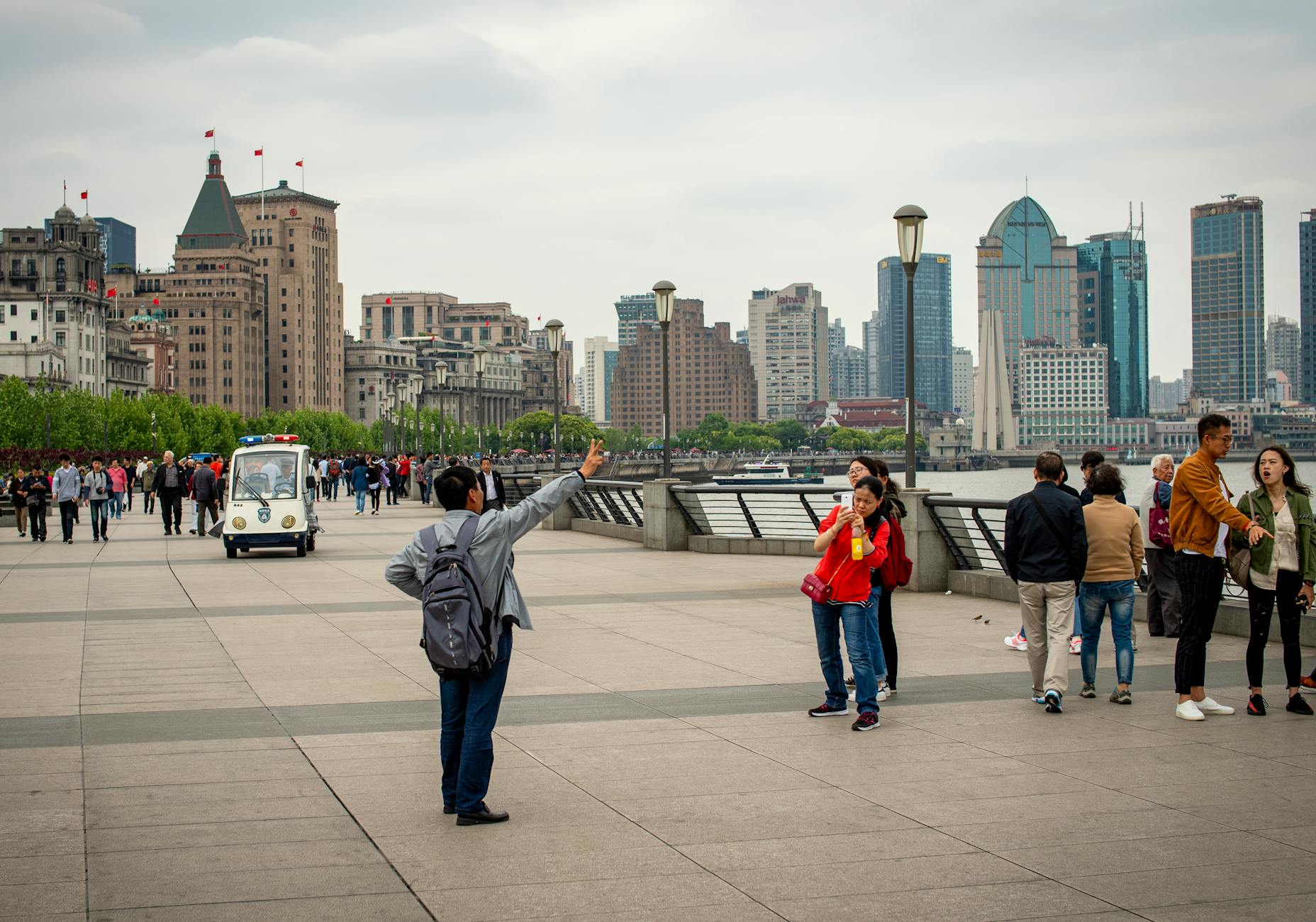
This is the most frequently reported con targeting Shanghai tourists, documented near the Bund and East Nanjing Road for years, with groups rotating through the pedestrian zone daily.
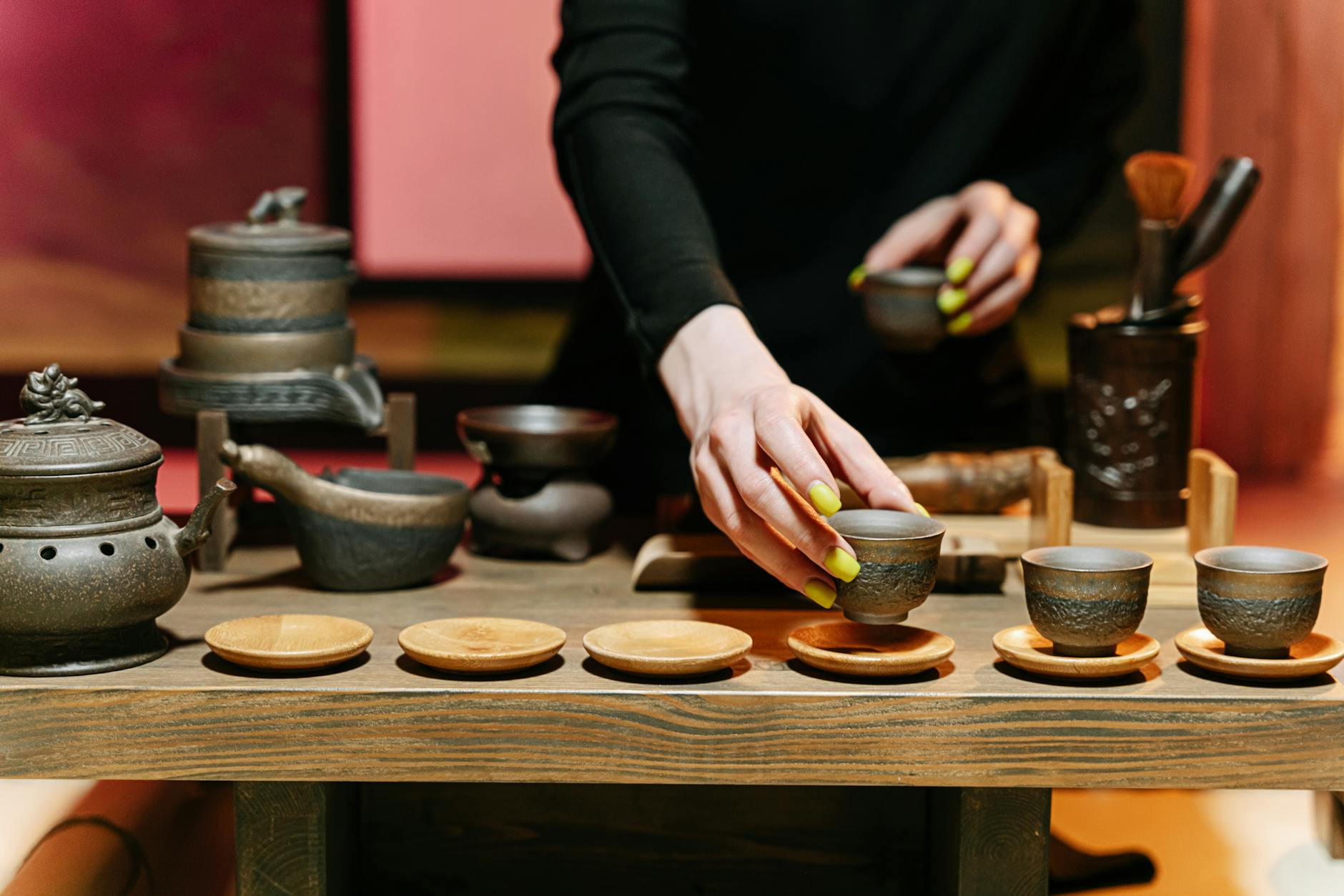
The approach. Two or three young people, often presenting as university or art students, approach near the Bund, East Nanjing Road, or People’s Square. They ask to take your photo, ask where you are from, and chat for a couple of minutes about practising English, frequently saying they are tourists themselves from elsewhere in China.
The hook. “We are on our way to a traditional Chinese tea ceremony nearby. It is authentic, not touristy. Come with us.”
The trap. The “tea house” is in on it. You are led down a side street or up a narrow staircase into a small, dimly lit room with no menu and no other customers. The ceremony begins, tea and snacks keep arriving, and after thirty to sixty minutes a bill appears — traveller accounts commonly describe amounts in the 3,000 to 10,000 RMB range, sometimes far higher. Staff insist on immediate payment, usually in cash, and the people who invited you have already gone.
The red flags. A stranger opening in fluent English near a tourist site; an invitation to “tea,” a “cultural experience,” or “English practice” within minutes; a venue down a side street or upper floor you did not choose; no prices visible; the door closing behind you.
How to refuse. “No, thank you,” and keep walking. Do not argue, take their number, or agree to meet later. A polite Mandarin brush-off — bu yao, xie xie (no thanks) — works well and signals you know the script.
If you have already sat down. An inflated bill for tea you were never quoted a price for is not an enforceable debt. Pay only what the tea you actually drank would reasonably cost (on the order of 50 to 200 RMB), refuse the rest, photograph the room and bill, and call 110 if pressured. For genuine tea, skip street invitations and go to a posted-menu teahouse — the Huxinting pavilion at Yu Garden, dating to 1855, charges roughly 150 to 300 RMB per person with a clear menu and no solicitation.
The Art Student Scam
A close cousin of the tea house con, run on the same streets with the same opening. “Art students,” often well dressed and persuasive, invite you to view their private exhibition or their school’s gallery nearby.
The hook. “It is free to look. We only want to share our culture and our work.”
The trap. The gallery is real but unremarkable. Once you are inside and have admired the work, the high-pressure sale begins: a calligraphy scroll first mentioned at 200 RMB becomes 5,000 RMB by the time you try to leave, wrapped in a guilt-and-obligation script designed to make walking out feel impossible. Decline at the start; if you are already inside, you are under no obligation to buy anything, so say no firmly and leave. Buying art in Shanghai is fine — just do it at a fixed-price shop or established gallery you sought out yourself.
The Bar and KTV Overcharge Scam
This works on the same principle as the tea house scam but is aimed mainly at solo male travellers, and the bills can be the largest here.
The approach. A friendly, well-dressed, English-speaking woman (sometimes two) strikes up a conversation on the Bund or near East Nanjing Road, then suggests a “local” bar with a rooftop view or invites you to a KTV (karaoke) room for a drink. In a city where the best views take insider knowledge, it is a credible pitch.
The trap. The bar or KTV room is real, and the drinks may be too — the fraud is in the pricing. With no posted menu, a bottle of champagne or a tray of beer and snacks appears, and the bill lands between several thousand and, in the worst cases, 20,000 RMB or more. Your companion excuses herself and does not return, and door staff make clear you are paying before you leave.
The red flags and how to avoid it. An unsolicited invitation to a “local” bar, no prices shown, drinks arriving before you have seen what they cost, staff turning unfriendly when the bill is questioned. Choose your own Bund-view bars from established venues with published menus and online booking. If such a bill lands on you, pay by credit card if you can (cash and mobile payments are far harder to dispute), photograph the bill, and report it. The same principle applies to an unsolicited offer of a cheap massage on the street: choose the venue yourself, and see our notes on spotting a legitimate massage shop for the signs worth checking.
Fake Taxi and Black-Car Scams
Licensed Shanghai taxis are cheap and almost always honest; the problems come from unlicensed cars and drivers who break the rules. A common one is the fixed-fare offer — a flat rate (“400 RMB to your hotel”) instead of the meter, which costs far less; decline and use a metered cab.
Black cars (hei che). Unlicensed vehicles posing as taxis quote an inflated rate, then may double it at the destination or claim it was “per person.” Use only cars with the official roof light, a visible meter, and the driver’s ID badge on the dashboard.
The long-route and “card failed” scams. Some drivers pad the distance to inflate a metered fare — follow the route on a map app — or claim your payment did not go through and demand cash on top. Keep payment screenshots and do not pay twice.
How to avoid all of it. Use the official rank, a ride-hailing app such as DiDi (which records the route and fare), or a hotel transfer. A useful phrase for a licensed cab is da biao (打表), “use the meter,” and avoid anyone offering a ride away from the rank. Our Shanghai Metro guide covers the cheapest, most scam-proof way around the city.
Pudong Airport Scams
The corridor between Pudong International Airport and the city centre is long-standing territory for touts, and a tired traveller off a long flight is the ideal target.
The taxi tout. People in ordinary clothes stand between the customs exit and the official taxi queue, offering a “fixed price” ride — often 400 to 600 RMB when a metered taxi for the same trip is roughly 180 to 220 RMB. Walk past them to the signed official rank, or use the metro or a ride-hailing app.
The Longyang Road catch. The Maglev train from Pudong to Longyang Road is fast and cheap (around 50 RMB, eight minutes), but the taxi rank at the Longyang Road end has a reputation for more aggressive touting than the airport itself, so transfer to the metro there rather than joining the taxi queue.
The SIM-card markup. Unofficial booths in the arrivals hall sell “tourist” SIM cards at two to three times the price of the official China Mobile and China Unicom counters nearby, and some stop working within a week. Buy only from a clearly branded carrier counter, or sort out a China eSIM before you fly.
How to avoid all of it. The cleanest exit from Pudong skips taxis entirely: Metro Line 2 runs from the airport into central Shanghai for about 7 RMB in roughly 90 minutes. If you prefer a car, install DiDi before you arrive and order from the official rideshare zone. For the full breakdown of every route, see our guide to getting from Pudong Airport to the city centre.
Counterfeit Currency and Cash Tricks
Far less common in 2026 than it once was, because almost everything in Shanghai is now paid by phone, but still possible wherever cash changes hands.
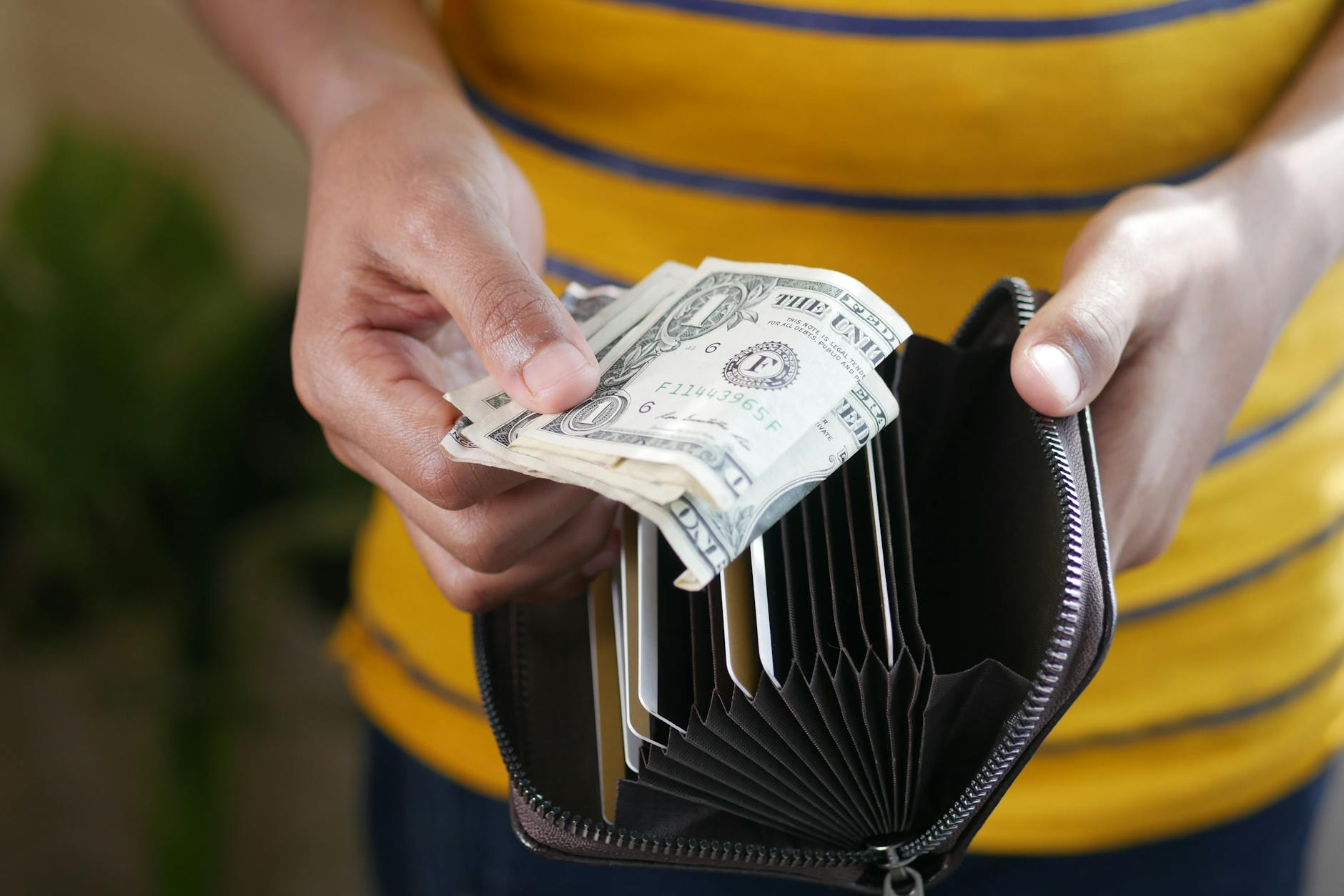
The scam. A vendor, taxi driver, or another “customer” hands you counterfeit 50 or 100 RMB notes as change; they pass a quick glance but fail at a bank later. In a note-swap version, you hand over a genuine 100 RMB note, the person fumbles it, and hands back a fake claiming you gave the wrong one.
How to avoid it. Pay by WeChat Pay or Alipay for almost everything, which removes the risk completely. When you do take cash, look at it before pocketing it — genuine modern RMB has a colour-shifting numeral, a watermark, and a security thread — and count it yourself rather than letting someone count it back into your hand.
Fake QR Code Payment Scam
A newer con that arrived with the move to phone payments.
The scam. A sticker carrying the scammer’s QR code is placed over a legitimate vendor’s payment code — on a market stall, parking machine, or shared bike — so when you scan and pay, the money goes to them instead of the merchant.
How to avoid it. Where you can, pay by finding the vendor inside the Alipay or WeChat app rather than scanning a loose code, and for anything but trivial amounts, check the recipient name shown after you scan. Be wary of a QR sticker stuck over another one, and do not scan codes handed to you by strangers or posted in the street.
The Fake Monk Donation
Seen around major temples and busy tourist sites.
The script. Someone in monk’s robes offers a “blessing,” bracelet, or small charm, then presses you for a donation, sometimes pointing to a list of large amounts other “donors” supposedly gave. Refusing brings guilt-tripping.
How to avoid it. Genuine monks at working temples do not roam tourist areas soliciting individuals or handing out trinkets for cash; legitimate donations go into marked boxes inside the temple. Decline anything pressed into your hand and do not accept a “gift” you will then be charged for.
Restaurant and Menu Overcharging
Uncommon at established restaurants, but it turns up at some smaller places in heavy tourist areas.
The scam. The menu shows reasonable prices, but the bill adds “service,” “tea,” or “rice” charges that were never listed, or a separate, pricier menu appears for foreign customers.
How to avoid it. Confirm prices before ordering and ask whether anything carries an extra charge; picking restaurants with strong reviews on Dianping (the main local app) steers you toward honest places. If you are overcharged, point to the listed price calmly, offer to pay only the menu amount, and call 110 if refused — which usually resolves it quickly.
Shopping and Fake-Market Scams
The fake-goods markets and some tourist shops have their own tricks. Plenty of visitors enjoy the replica markets with eyes open; the scams are in the switches and false claims, not the haggling itself.
The bait-and-switch. You inspect and agree a price for an item, then the vendor offers to “wrap it in the back” and returns with a lower-grade version — same brand, different quality, unnoticed until you are outside in daylight. The rule that defeats it: the item you inspected must never leave your hands. Keep hold of the exact piece from inspection through payment, and refuse any offer to bag it out of sight.
The “real silk,” “real pearl,” and “antique” claims. Polyester sold as 100% silk, imitation beads sold as real pearls, mass-produced replicas sold as genuine antiques. Most travellers cannot tell the difference on the spot, and a vendor’s electronic “tester” that “proves” a stone or watch is real is rigged. For anything you care about, buy from a reputable specialist shop, not a market stall — and note that real antiques are essentially never sold openly at tourist markets, and exporting genuine relics is illegal anyway.
Worth knowing too: carrying commercial counterfeits home can mean confiscation at customs in the US, UK, EU, and elsewhere. For how bargaining works here and where to shop without these traps, see our Shanghai markets and haggling guide and our Nanjing Road shopping guide.
Fake Tickets and Tour Touts
Around major attractions — Shanghai Disneyland especially — touts sell tickets and “skip-the-line” passes that are either heavily marked up or simply fake. A tout near a metro exit or hotel lobby offers a priority pass for far more than the official app charges, banking on you not knowing the real price; worse, some sell counterfeit QR-code tickets — often pixel-perfect — that scan as invalid at the gate, by which point the seller is unreachable and, because you paid in cash or by transfer, there is no chargeback. Buy tickets and line-skip passes only in the official Disney app; our guide to what Disneyland passes actually cost lists the real prices.
How to avoid it. Buy tickets and passes only through the attraction’s official app or website, or a well-known booking platform, and pay by card where you can. No legitimate street seller is cheaper than the official source — if a price looks like a bargain from a stranger, that is the warning, not the deal.
The Shanghai Scams to Avoid: One Rule That Beats Them All
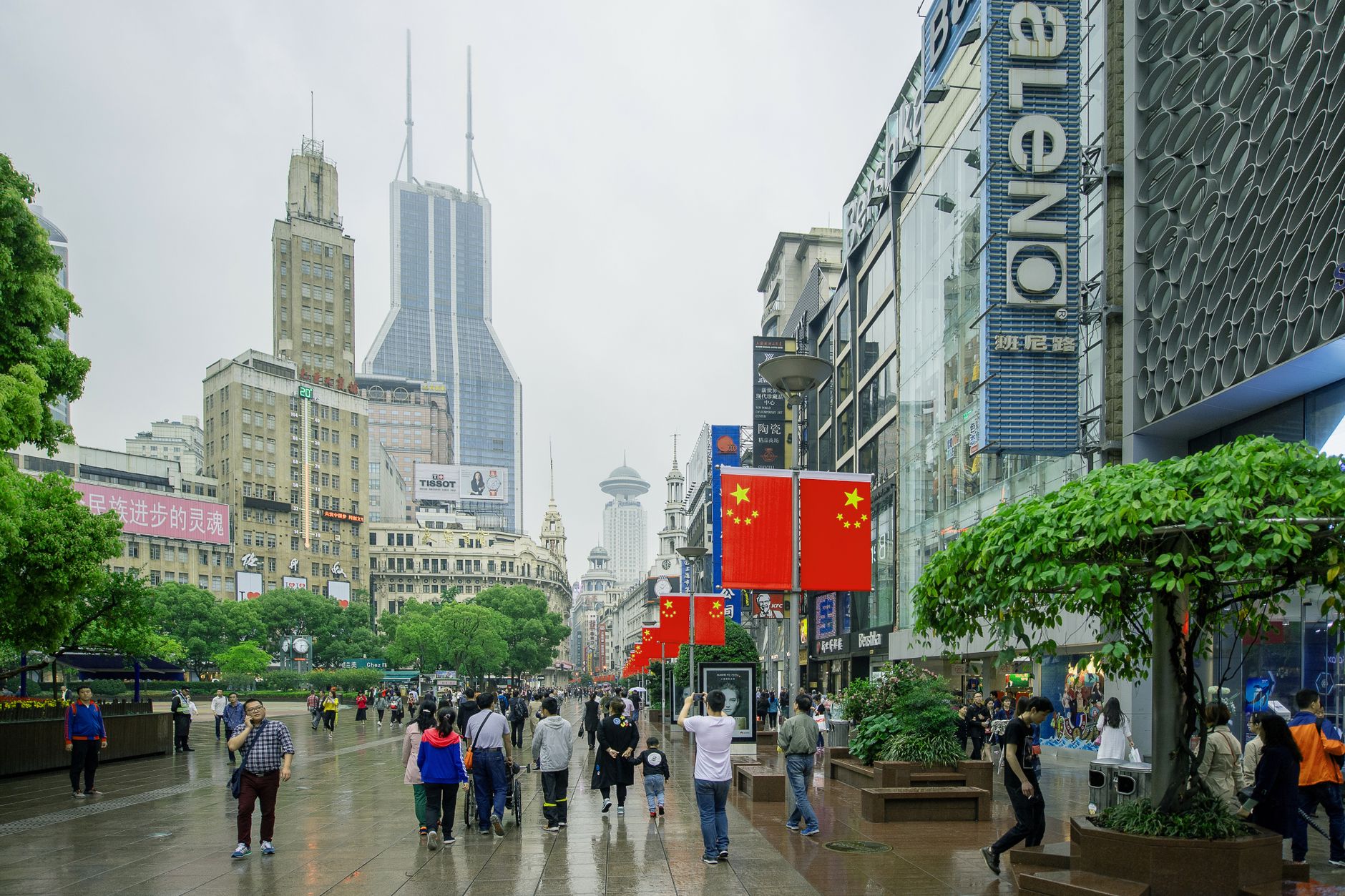
Nearly every con on this page is defeated by a single habit, and it is worth stating plainly because it covers variants that have not been invented yet. Do not engage with strangers who approach you and steer toward going somewhere or buying something in a tourist zone. A stranger who starts a conversation on the Bund, East Nanjing Road, People’s Square, or the Yu Garden bazaar and within minutes proposes a tea ceremony, a bar, a gallery, a “special” experience, or a deal is far more likely to be working a script than making a friend. In practice that means:
- Do not agree to “go somewhere together” with strangers you have just met, or follow anyone off the main street, up a staircase, or into a side alley.
- Do not take a stranger’s phone number or agree to meet later.
- Do not open your wallet or bag where a new acquaintance can see the cash.
- Do not take photos for, or with, people who used a photo request to start the conversation.
- Do not accept invitations to “private,” “authentic,” or “special” experiences from strangers.
This is not paranoia, and it is not a reason to be cold to everyone — real friendly locals exist and the city is welcoming. But genuine cultural exchange tends to happen through language-exchange apps, organised meetups, your hotel, or a friend-of-a-friend introduction, not through a stranger on Nanjing Road who wants to take you to tea. Keep that one distinction and the rest takes care of itself.
Money and Payment Safety
How you pay matters as much as what you buy, because the right method removes whole categories of risk.
Go cashless for almost everything. Alipay and WeChat Pay are accepted nearly everywhere, both now link to foreign cards, and paying by phone eliminates counterfeit change, the note-swap, and most disputes over what you handed over. Set up at least one before you arrive — our guide to internet, apps, and VPNs in Shanghai covers getting them working before you land.
Keep a credit card for anything large or risky — if you ever face a contested bill, a card gives you a chargeback route that cash and mobile transfers do not. Turn on payment confirmations in both apps so no transfer leaves your account without you approving the amount and recipient, glance at the recipient name after scanning a QR code, and carry a little backup cash in a separate pocket from your phone for the rare cash-only vendor.
If You Get Caught in a Scam
If you realise mid-situation that you are being scammed, the dynamic shifts the moment you stop playing along. The playbook:
1. Do not panic. These cons depend on you not understanding what is happening; once you do, you have the advantage.
2. Refuse the inflated amount. Offer to pay only what is reasonable for what you actually consumed — on the order of 50 to 200 RMB for tea, or a fair price for the one item you genuinely chose — and decline the rest.
3. Call the police if pressured. Dial 110. Officers arrive quickly, and there are documented cases of police walking a scammed tourist back into the venue and out again with their money. The tourist hotline 12301 and consumer line 12315 can also help.
4. Pay by card rather than cash if forced — a card payment can be disputed through your bank, while cash is gone — and document everything: photograph the venue, any menu, the bill, and the prices, which is what makes a police report or chargeback stick.
5. Do not sign anything. Some operators wave a “contract” or “bill” and claim it is legally binding. It is not.
6. Walk out if you can. Most scammers will not physically stop you. If anyone does block or threaten you, that is a serious crime — call 110 immediately.
Reporting and Emergency Numbers
Save these in your phone before you arrive in Shanghai.
- Police: 110
- Ambulance: 120
- Fire: 119
- Tourist hotline: 12301 (English available)
- Consumer complaints: 12315 (for billing and overcharge disputes)
- Your country’s embassy or consulate in Shanghai (save the number before you travel)
- Your travel-insurance emergency line
If you are scammed, file a report by calling 110 — you will need it for any insurance claim — and if cards or a phone were involved, call your bank to block them. For the wider safety picture, see our guide to whether Shanghai is safe for tourists, and our full Shanghai practical tips for everything else to sort out before you go.
Frequently Asked Questions
Is Shanghai safe for tourists?
Yes. Shanghai is one of the safer major cities in Asia, and violent crime against visitors is rare. The realistic risks are financial: the tea house and bar cons near the Bund and East Nanjing Road, taxi overcharges at Pudong airport, and the smaller scams above. Standard awareness defeats all of them.
What is the most common scam in Shanghai?
The tea house scam, run near East Nanjing Road, the Bund, and People’s Square. Friendly “students” or “fellow tourists” invite you to a nearby tea ceremony, then a vastly inflated bill arrives at a venue that is part of the con. The bar and KTV overcharge scam, aimed mainly at solo men, works the same way and can produce even larger bills.
How do I avoid the tea house scam?
Never follow a stranger to a “nearby” tea house. Anyone who approaches in fluent English near a tourist site and invites you to tea, a cultural experience, English practice, or to take a photo is running the script. Walk on with a polite “no thank you.” For real tea, go to a posted-menu teahouse such as the Huxinting pavilion at Yu Garden.
How do I get from Pudong Airport to central Shanghai without being scammed?
The simplest scam-free option is Metro Line 2 from the airport, about 7 RMB and roughly 90 minutes to the centre. Otherwise use DiDi from the official rideshare zone, or a licensed taxi from the signed rank with the meter running (say da biao). A licensed metered fare is around 180 to 220 RMB; ignore anyone quoting a “fixed price” of 400 RMB or more before you reach the official queue.
Should I avoid the Bund and Nanjing Road because of scams?
No. The Bund and East Nanjing Road are among the most visited and well-policed places in Shanghai, and they are essential sights — they just happen to be where the approach scams concentrate, so keep your guard up for strangers steering you somewhere. See our guide to the Bund for what to actually see there. These cons run on social pressure and a blocked exit, not violence; if anyone does physically block, grab, or threaten you, that is a serious crime — call 110 at once.
Can the police actually help if I am scammed?
Yes. Calling 110 brings officers quickly, and many scams collapse the moment real police appear; there are documented cases of tourists recovering their money this way. The tourist hotline 12301 and consumer line 12315 can also assist with disputes.
Are these scams unique to Shanghai?
No. The tea house and art student cons run in Beijing, Xi’an, and other Chinese cities with the same script. The locations and prices change; the structure does not. Recognising the pattern protects you anywhere in the country.
Most visitors finish an entire Shanghai trip without meeting a single one of these scams, and a little awareness is what keeps it that way. Know the opening move, keep walking when you see it, pay by phone, and enjoy the city.
Further reading: Wikipedia’s overview of Shanghai.