The honest answer to is Shanghai safe for tourists is yes. Shanghai is one of the safest large cities in the world, and the great majority of visitors finish an entire trip without a single safety problem more serious than the everyday pickpocketing risk you would watch for in any big city. Violent crime against foreign travelers is genuinely rare, women travel solo here without unusual risk, and walking the streets after dark is ordinary behavior for residents and tourists alike. This guide gives you the realistic 2026 picture: how safe the city actually is, the specific risks that do exist (pickpocketing, a handful of well-known scams, traffic, tap water), exactly how to avoid them, and what to do if something goes wrong.
Most worries people raise before a trip turn out to be more about culture shock and unfamiliarity than real danger. Low violent crime, heavy CCTV coverage, security screening on the metro, a visible police presence, and an orderly street culture mean the risks you face are predictable and easy to manage. The ones worth knowing about are pickpocketing in the busiest tourist spots, the tea house and art student scams near the Bund and Nanjing Road, traffic at intersections (especially silent electric scooters), and tap water you should not drink unboiled. Each one is simple to handle once you know it is there.

Table of Contents
- The Overall Safety Picture (and the Safety Index)
- Why Shanghai Is So Safe
- Violent Crime: The Real Risk Level
- Pickpocketing and Petty Theft
- Common Tourist Scams
- Traffic and Pedestrian Safety
- Is Shanghai Safe for Solo Female Travelers?
- LGBTQ+ Travelers
- Is It Safe to Walk Around Shanghai at Night?
- Public Transit and Taxi Safety
- Safest Areas and Areas to Be Aware In
- Health, Tap Water, and Air Quality
- Emergency Numbers, Hotlines, and Embassies
- Practical Safety Tips Before You Go
- Frequently Asked Questions
The Overall Safety Picture (and the Safety Index)
Shanghai’s overall crime rate is low by international comparison. Violent crime — homicide, armed robbery, sexual assault — runs well below the levels of most major cities in the United States, the United Kingdom, and Latin America. Property crime exists, but it concentrates in one specific form: pickpocketing in crowded tourist areas. Travel advisories from the US, UK, Australia, and Canada do not flag Shanghai itself as a high-risk destination; the cautions they publish are about national-level issues like the legal system and entry rules rather than street danger to ordinary tourists.
If you like a single number, the popular safety-index sites land Shanghai in the comfortable “low risk” band, with independent rankings scoring the city in roughly the 70—82 out of 100 range. The widely cited Numbeo Crime Index rates it “low” to “moderate-low,” and safety walking alone at night sits around 79—85 percent comfortable for residents — the same tier as Tokyo, Singapore, and Vienna, and noticeably safer than most large US cities. Long-term foreign residents tend to be even more emphatic than the indexes. Most independent assessments grade the individual categories as low for overall risk, transport and taxis, mugging, terrorism, and women travelers; the only “medium” flags are pickpocketing, scams, and seasonal typhoons, while tap water rates high simply because it is not safe to drink straight from the tap.
The practical takeaway is short: Shanghai is genuinely safe for first-time visitors. Standard urban precautions are enough. You do not need to avoid whole neighborhoods, walk only in groups, or change your daily routine to stay safe here.
Why Shanghai Is So Safe
It helps to understand why the city feels the way it does, because the reasons also mark the edges of that safety. A few things combine. Dense CCTV coverage and a visible police presence in central districts deter opportunistic and violent crime alike, backed by standard bag-screening and ID checks at metro entrances and stations. Daily life is almost entirely cashless and app-based — Alipay, WeChat Pay, ride-hailing, bike-share — so most transactions and movements leave a digital trail, which makes anonymous street crime hard. China also enforces severe penalties for serious crime alongside a strong cultural expectation of public order; strangers rarely approach foreigners unprompted, which is exactly why the few who do in tourist zones deserve a second thought (more on that under scams). Finally, central Shanghai stays busy and well-lit past midnight, and busy, illuminated streets are safe streets.
Violent Crime: The Real Risk Level
Violent crime against foreign tourists is rare to the point of being effectively unheard of in central Shanghai. The combination of policing, CCTV, and public-order norms creates a genuinely low-risk environment for the things travelers fear most.
The few violent incidents involving foreigners that ever reach English-language media tend to involve late-night drunken altercations, private disputes, or unusual circumstances — not the everyday tourist experience. Street muggings of the kind common in some Western cities are extremely uncommon here. The two violent-crime-adjacent risks actually worth your attention are minor: the rare closing-time scuffle in a nightlife district (easy to sidestep by leaving popular bars before the 2 AM rush), and pedestrian injury from traffic, covered in its own section below because it is a more realistic hazard than crime.
Pickpocketing and Petty Theft
This is the single most likely safety incident a tourist might actually experience, and even it is far from common. Shanghai’s busiest tourist areas have an active pickpocket population, especially during peak domestic-travel periods and major holidays.
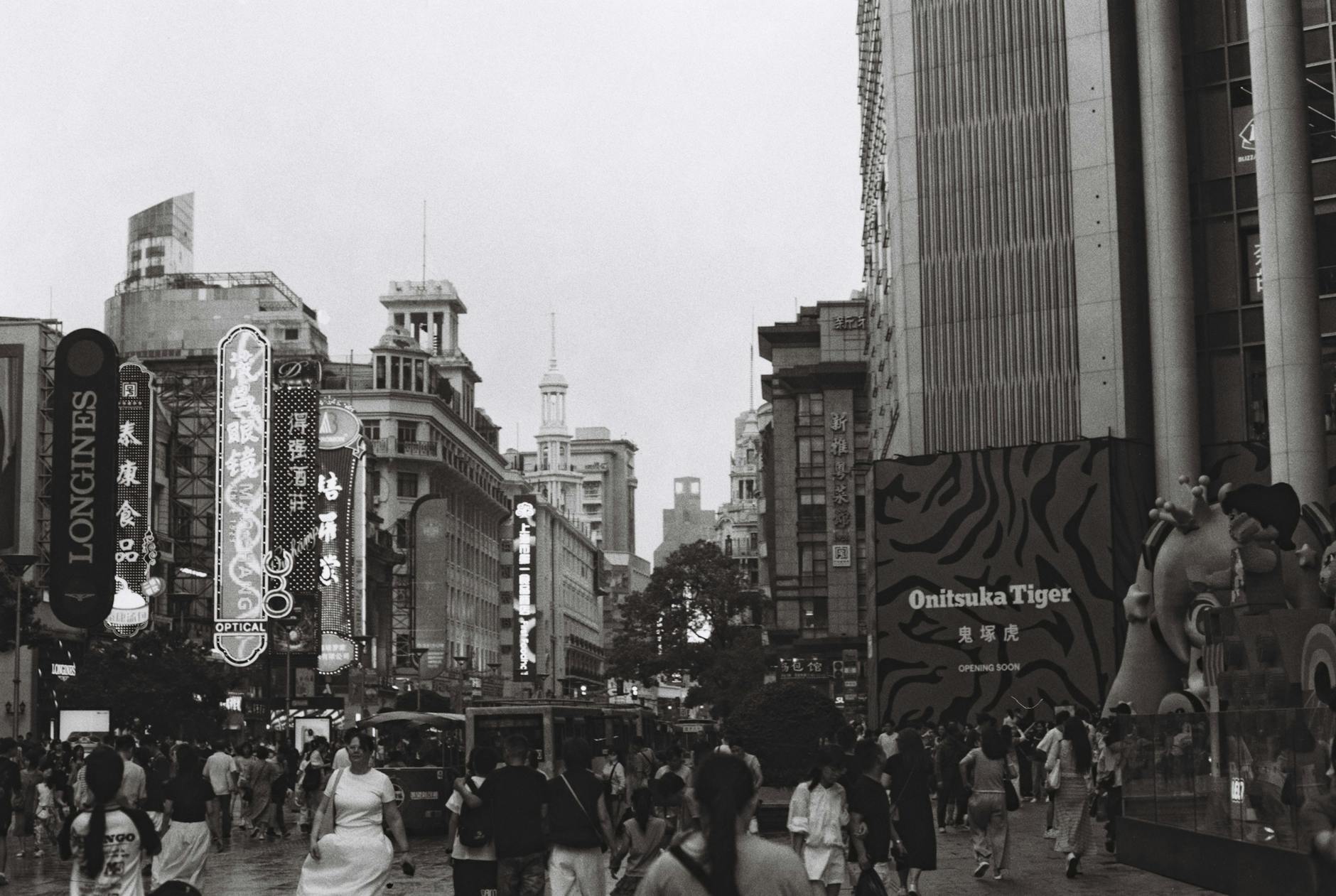
Higher-risk spots: the Bund on weekend evenings; the East Nanjing Road pedestrian street during peak hours; the People’s Square interchange at rush hour; Yuyuan (Yu Garden) Bazaar on busy holiday weekends; and packed metro cars, particularly Line 2, at rush hour. None of these are dangerous places — they are simply crowded enough that a thief can work unnoticed.
What tends to get taken: phones from open back pockets, wallets from purses without zippers, and camera gear left unattended on tables.
Prevention: keep your phone and wallet in a front pocket or a zipped bag. Skip the showy jewelry. In a jammed subway car, wear your backpack on your front rather than your back. Stay alert during “distraction” setups — someone bumping into you, asking for directions, or dropping something right in front of you. For the busiest shopping crush, our Nanjing Road shopping guide covers when the crowds peak and how to navigate them.
If you are pickpocketed: file a police report at the nearest station (you will need it for any travel-insurance claim), cancel your cards immediately, use Find My iPhone or its Android equivalent, and ask your hotel’s front desk for translation help. The 110 police line answers in several foreign languages, including English.
Common Tourist Scams
A handful of scams specifically target foreign visitors in Shanghai. None are violent; all are financial; and every one of them is defeated by the same instinct — politely decline unsolicited invitations from friendly strangers in tourist zones. Because locals generally do not approach foreigners out of the blue, an unusually chatty stranger in perfect English near the Bund is itself the warning sign.
The tea house scam. Friendly young people (often presenting as students, or as tourists themselves) strike up a conversation near the Bund or East Nanjing Road about practicing English, then suggest a “traditional tea ceremony.” The tea house is in on it, and the bill arrives at ¥1,000—¥8,000 for a few cups of tea, with escalating pressure if you refuse to pay. This is the most common scam in the city.
The art student scam. Same pattern, different hook: friendly approachers invite you to a “private art exhibition” of their work, then hard-sell low-quality paintings at inflated prices.
The fake police scam. Less common, but it exists. Someone posing as a police officer (sometimes with fake documents) claims you have committed a violation and must pay an immediate cash fine. Real Shanghai police issue written documentation and do not collect cash on the street — never pay on the spot.
The taxi scam. Unofficial drivers at airport arrivals halls and tourist exits quote inflated flat rates. Always use the marked, metered taxi rank or book a Didi (the local ride-hailing app). For the specific airport run, our Pudong Airport to city center guide walks through the legitimate options and typical costs.
Counterfeit goods and overcharging. Fakes are sold openly at some markets, where the real risk is poor value plus customs trouble at home. Restaurant overcharging is rare but possible near tourist zones — check the bill for small-print “service” surcharges.
For the full playbook on every scam, including newer payment-app tricks and how to recognize the setups before they start, see our dedicated guide to Shanghai scams to avoid. The universal rule is simple: real friendships take longer than five minutes, real police do not take cash, and real art students do not run private exhibitions in tourist zones.
Traffic and Pedestrian Safety
The most underappreciated risk in Shanghai is not crime — it is traffic. Driving culture differs from Western expectations, and pedestrians sometimes take chances without realizing it.
Crossing the street: right-turning vehicles often do not stop for pedestrians, even on a green walk signal. Look both ways every single time and treat a marked crosswalk as a suggestion rather than a shield.
Electric scooters and e-bikes: the biggest day-to-day hazard. They are silent, quick, and frequently travel in bike lanes, on sidewalks, against the flow of traffic, or through red lights. Listen for them and never assume one will brake for you.
Buses and taxis: they drive assertively but generally obey the lights at major intersections.
Sidewalks: fine for walking, but watch for parked scooters, steps, and driveways where cars edge out. The fix for all of it is ordinary alertness — stay off your phone while crossing and you have removed almost the entire risk.
Is Shanghai Safe for Solo Female Travelers?
Yes. Solo female travelers consistently rate Shanghai among the safest big cities they have visited, alongside Tokyo and Vienna. Street harassment is uncommon, public spaces feel comfortable late into the evening, and most central neighborhoods are easy to walk alone. Streets stay well-lit and busy day and night, which is exactly the environment that makes solo walking feel relaxed.
The standard precautions still apply, as they would anywhere: stay in well-reviewed accommodation, carry your hotel address written in Chinese characters, avoid drinking alone with brand-new acquaintances in the main nightlife zones, and share your location with someone back home for late-night moves. Using the Didi app rather than flagging an unmarked car adds an extra layer, since every ride is logged.
The rush-hour metro crush can feel cramped, but it is rarely threatening, and most women find Shanghai calmer in this respect than Tokyo, New York, or London. There are no women-only metro carriages. Solo dining at local restaurants is a little unusual culturally but entirely accepted; hotel restaurants and shopping-mall food courts are reliable, comfortable solo options. For neighborhood-by-neighborhood guidance on where solo travelers tend to feel most at home, see our breakdown of the best neighborhoods in Shanghai for tourists.
LGBTQ+ Travelers
Shanghai is one of the more LGBTQ-friendly cities in mainland China. Homosexuality is legal, the city has an active LGBTQ nightlife scene, and most expat-oriented venues are inclusive. Same-sex couples are not an unusual sight in central neighborhoods like the former French Concession and Xintiandi.
That said, China does not legally recognize same-sex marriage, and LGBTQ+ rights are less institutionally established than in many Western countries, so discretion is the social norm in more conservative residential areas. Most tourist activities are LGBTQ+-friendly without any special designation, and the leafy streets of the former French Concession are among the most comfortable areas to wander.
Is It Safe to Walk Around Shanghai at Night?
Yes — and this surprises a lot of first-time visitors. Many Shanghai neighborhoods run around the clock, and they are very safe for late-night activity. The main shopping districts (Nanjing Road, Huaihai Road), the restaurant zones, and the Bund all feel comfortably safe well past midnight. Metro service winds down around 11 PM, but Didi and metered taxis are plentiful and reliable afterward.

Nightlife pockets like Xintiandi, Yongkang Road, and the Bund see active police presence on weekend evenings. Bars in the main areas typically close around 2 AM, which lines up with peak ride-hailing demand — expect a 5 to 10 minute wait for a car, but no real safety concern. Less central districts and industrial outskirts are dimmer and quieter at night; they are not dangerous so much as uninteresting, so stick to the central neighborhoods after dark. If you are planning a big night out, our Shanghai nightlife guide covers the safest, most enjoyable areas to base yourself.
Public Transit and Taxi Safety
The Shanghai Metro is among the safest urban transit systems anywhere. Crime on stations and trains is extremely rare, every entrance has X-ray bag screening, and CCTV coverage is dense. It is clean, cheap, efficient, and safe to ride late into the evening. The only real concern is pickpocketing in the most crowded rush-hour cars — keep valuables in front pockets during peak.
For taxis, use Didi where you can, since every ride is tracked through the app and the fare is fixed in advance. Official, marked taxis with a meter and a driver ID card in the windshield are also safe and reasonably priced. The one rule that matters: avoid the unmarked “black” cabs that tout for business at airport arrivals and major tourist exits. Long-distance and high-speed trains are safe for the same reasons as the metro. For the complete picture on fares, apps, and getting around without stress, see our getting around Shanghai overview and the detailed Shanghai Metro guide.
Safest Areas and Areas to Be Aware In
Most of Shanghai is safe for tourists, but a quick orientation helps you choose where to base yourself and where to stay a little more alert.
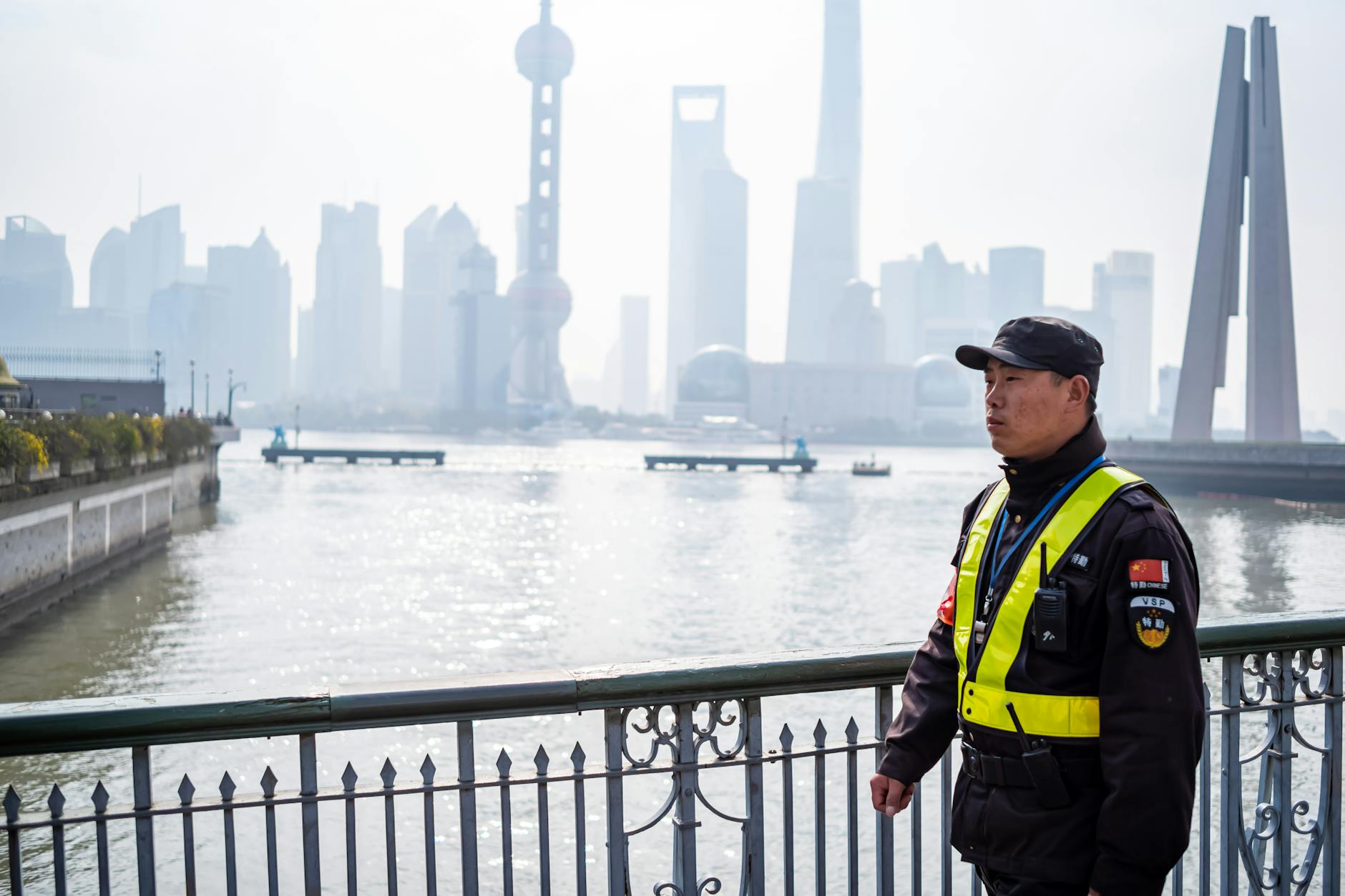
The safest, most visitor-friendly areas are the central districts: Huangpu (which includes the Bund, Nanjing Road, People’s Square, and Yu Garden), Xuhui and the former French Concession, Jing’an, and Lujiazui in Pudong (home to the Shanghai Tower and Oriental Pearl). These areas are busy, well-lit, heavily patrolled, and comfortable day or night. The Bund in particular is one of the most heavily monitored spots in the city, and Yu Garden’s bazaar, while crowded, stays safe thanks to constant foot traffic. If you are deciding where to base yourself, our guides to the best neighborhoods for tourists and where to stay in Shanghai focus on exactly these central, walkable districts. To get a feel for the most relaxed wandering, our Yu Garden guide covers the old-town highlights.
Areas to be a little more aware in are not dangerous — they simply call for sharper standard awareness: crowded weekend Bund evenings and East Nanjing Road on big holidays, where pickpocketing peaks; airport arrivals and major train-station exits, where unlicensed taxi touts overcharge (use the official rank or Didi); remote industrial outskirts late at night, which are poorly lit and inconvenient rather than unsafe; and nightlife streets after midnight, where the only realistic issue is the rare drunken scuffle. In short, Shanghai’s “unsafe” areas are mostly about inconvenience and scams, not violent crime, and staying in central, well-populated districts removes almost all of it.
Health, Tap Water, and Air Quality
Shanghai is generally a healthy city for travelers, and no vaccinations are specifically required for entry from most countries. A few practical points keep you comfortable:
Tap water: not safe to drink unfiltered. Stick to bottled or boiled water and use it for brushing teeth too. Hotels provide kettles for boiling, and bottled water is cheap and everywhere.
Food safety: good at established restaurants. Street food carries a moderate risk — choose stalls with high turnover and food cooked fresh in front of you, and go easy on raw or cold dishes from quiet vendors.
Air quality: generally moderate to good in 2026, but it varies. Check the AQI on a weather app before a full day outdoors. Most days are fine; on occasional gray days, sensitive travelers (asthma, allergies) may want a mask.
Heat, humidity, and typhoons: summer afternoons are genuinely punishing — plan indoor mornings, save outdoor walking for after 5 PM, and hydrate hard. Typhoon season runs roughly June to September and can bring heavy rain that disrupts transport, so monitor forecasts and follow local guidance.
Medical care and insurance: travel insurance with medical coverage is strongly recommended. International hospitals such as Jiahui Health, United Family, and Parkway Health Shanghai offer English-speaking care, though at international prices — which is exactly why insurance matters.
Emergency Numbers, Hotlines, and Embassies
Core emergency numbers:
- Police: 110 (Shanghai’s line answers in several foreign languages, including English, Japanese, French, German, Spanish, Russian, Arabic, and Korean)
- Ambulance / medical: 120
- Fire: 119
- Traffic accidents: 122
Tourist and translation help: the English-speaking tourist hotline is 12301. The free, 24-hour Shanghai Call Center provides translation between Chinese and several languages and is a genuine lifeline when you hit a language wall. “Tourist police” units are stationed at the airports, major train stations, and big attractions; they usually speak some English and are used to helping foreigners with minor issues. When you call for help, state the time and location clearly, and have your hotel address ready in Chinese plus your current location pinned on a map app.
One practical note on ambulances: response can be slow and crews are not always equipped to treat en route, so for a non-critical issue many residents simply take a taxi to a hospital. For anything serious, call 120.
Embassies and consulates: Shanghai hosts consulates for the US, UK, Canada, Australia, France, Germany, Japan, South Korea, and many more, concentrated mostly in the Jing’an, Huangpu, and Changning districts. Save your own country’s consulate details before you arrive. If you lose your passport, contact your consulate first — they will arrange an emergency travel document — and file a police report at any local station for your records and insurance.
Practical Safety Tips Before You Go
None of this is complicated. A short checklist covers almost every situation:
- Save your hotel’s address in Chinese characters. Screenshot it; show it to a taxi driver if you get turned around.
- Carry minimal cash. Alipay or WeChat Pay handle nearly all spending; ¥500—¥1,000 in backup cash is plenty for a day. (For a realistic sense of daily spending, see our guide to how much a Shanghai trip costs.)
- Use front pockets or zipped bags in crowded tourist areas and on rush-hour metro.
- Look both ways every time you cross, even on one-way streets, and listen for silent e-scooters.
- Politely refuse unsolicited invitations. A firm, repeated “no, thank you” is all it takes to end a scam approach.
- Use registered taxis or Didi only, and skip the touts at the airport.
- Do not drink alone with brand-new acquaintances in nightlife districts — standard travel sense in any city.
- Set up your phone before arrival. Get maps, translation, and payment apps working, and sort out connectivity in advance with our VPN and internet in Shanghai guide, since some familiar apps are blocked without one.
- Photograph your passport and key documents and store copies in the cloud or with a trusted contact. Carry a paper photocopy in case of an ID check.
- Buy travel insurance with medical coverage, and save your consulate’s contact details.
For everything beyond safety — money, etiquette, connectivity, and the day-to-day mechanics of a smooth trip — our full Shanghai practical tips hub pulls it all together.
Frequently Asked Questions
Is Shanghai safe for tourists right now?
Yes. Shanghai is one of the safest large cities in the world, with very low violent crime, heavy CCTV and police presence, and safe public transit. The realistic risks are non-violent: pickpocketing in crowds, a few well-known scams, and traffic at intersections. Standard urban precautions are enough.
Is Shanghai safe for solo female travelers?
Yes. Solo women routinely rate Shanghai among the safest big cities they have visited, on par with Tokyo and Vienna. Street harassment is uncommon and late-night walking in central neighborhoods feels secure. Use normal precautions — well-reviewed lodging, a hotel address in Chinese, and the Didi app for late-night rides.
What is the most common tourist scam in Shanghai?
The tea house scam. Friendly young people near the Bund or East Nanjing Road invite tourists to a “traditional tea ceremony” that ends with a bill of thousands of yuan. The art student scam works the same way with overpriced paintings. Politely refuse all unsolicited invitations from strangers in tourist areas.
Is it safe to walk around Shanghai at night?
Yes, especially in central neighborhoods. The Bund, the former French Concession, Jing’an, and Xintiandi all feel safe well past midnight, with busy, well-lit streets and active policing on weekends. Stick to central areas, and use Didi or a taxi once the metro stops around 11 PM.
Should I worry about violent crime in Shanghai?
No. Violent crime against foreign tourists is genuinely rare, and street muggings are extremely uncommon. The few incidents that make the news usually involve late-night drinking. Ordinary precautions are more than sufficient.
Are taxis and the metro safe in Shanghai?
Yes. The Shanghai Metro is one of the safest transit systems anywhere, with security screening at every entrance. Registered, metered taxis and the Didi app are both safe; just avoid unmarked taxis that tout for business at the airport and tourist exits.
Is the food and tap water in Shanghai safe?
Restaurant food is generally safe; street food carries a moderate risk, so choose busy stalls with fresh, hot food. Tap water is not safe to drink unboiled — use bottled or boiled water, including for brushing teeth.
What should I do if I am pickpocketed or robbed?
File a police report at the nearest station (you need it for insurance), cancel your cards immediately, use phone-tracking if available, and ask your hotel for translation help. The 110 police line answers in English and several other languages.
What are the emergency numbers in Shanghai?
Police 110, ambulance 120, fire 119, and traffic accidents 122. The English-speaking tourist hotline is 12301, and the free 24-hour Shanghai Call Center can translate between Chinese and several languages.
Is Shanghai safe for LGBTQ+ travelers?
Yes, especially in central neighborhoods like the former French Concession and Xintiandi. Same-sex marriage is not legally recognized, and discretion is the norm in conservative areas, but the city has an active LGBTQ+ scene and inclusive venues, and tourist activities are welcoming.
Is the air quality in Shanghai safe?
Generally moderate to good in 2026, but it varies day to day. Check the AQI on a weather app before all-day outdoor plans. Most days are fine; sensitive travelers may want a mask on the occasional poor-air day.
Plan Confidently
The complete answer to is Shanghai safe is yes, with realistic awareness of the same urban risks any large city presents: pickpocketing in crowds, scams in tourist zones, and traffic at intersections. Apply the standard rules — front pockets, a polite refusal, eyes both ways at every crossing, and Didi instead of unmarked cabs — and Shanghai feels as safe as any major city in Asia or Europe. Most travelers leave pleasantly surprised by how secure it feels.
To keep planning, see our Shanghai practical tips hub, the guide to scams to avoid, our getting around Shanghai guide for transit, and where to stay in Shanghai for the safest central neighborhoods.
For official guidance, see the UK FCDO China travel advice and the US State Department China information page.