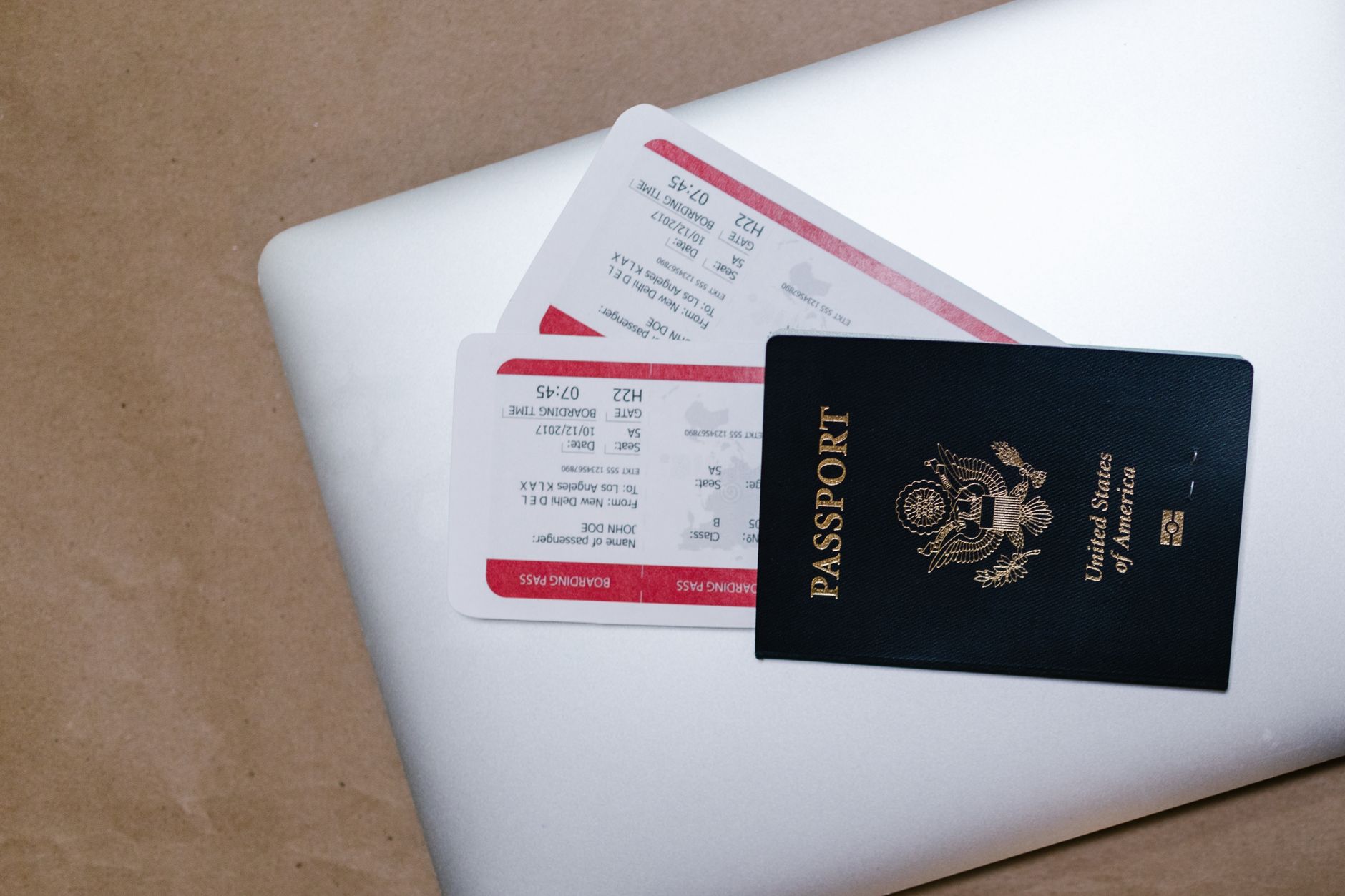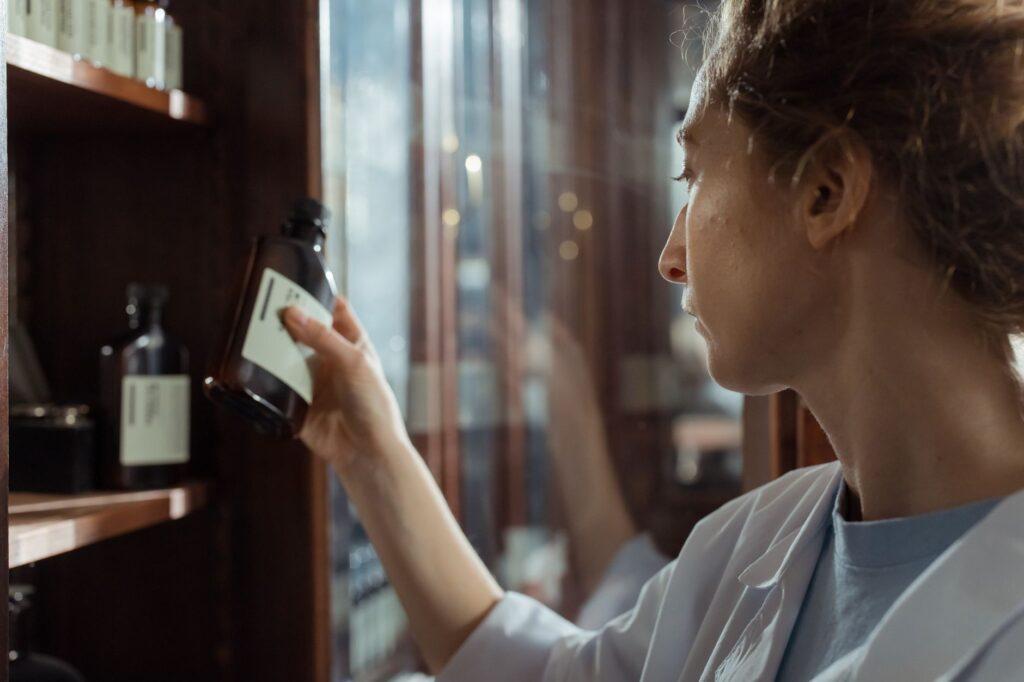
The single most common way a well-organised traveller gets into trouble at a Chinese airport is not a visa problem or an undeclared bottle of whisky. It is a blister pack of something entirely ordinary at home — a codeine cough syrup, a box of Sudafed, a month of Adderall — that Chinese law treats as a narcotic or a precursor chemical. Bringing medication into China is straightforward for the overwhelming majority of prescriptions, and genuinely risky for a short, specific list. Knowing which list yours is on before you pack is the entire job.
This guide separates the three categories properly: what is banned regardless of your prescription, what is allowed with paperwork and a sensible quantity, and what nobody will ever ask about. It then covers what happens if you run out — Shanghai’s pharmacy network is dense, cheap and open late, and the Chinese equivalent of most Western drugs sits on a shelf twenty minutes from your hotel. What it cannot do is tell you your specific drug is fine. For anything restricted, the Chinese embassy that issued your visa is the only source that binds.
Table of Contents
- The short version
- Bringing medication into China: what the rules actually say
- Medications to leave at home
- Restricted: allowed with documentation
- Medication nobody will question
- The paperwork for bringing medication into China
- Going through customs at Pudong and Hongqiao
- Posting medicine to yourself
- Buying medicine in Shanghai
- Chinese equivalents of what you take at home
- 24-hour pharmacies and after-hours options
- Getting a prescription written in Shanghai
- What people get wrong
- Frequently Asked Questions
- Before you fly
The short version
If you take blood pressure tablets, an inhaler, insulin, an SSRI, thyroid medication, the contraceptive pill, a statin or an EpiPen, you can stop worrying. Bring them in their original labelled boxes, keep them in your hand luggage, walk through the green channel and get on with your trip. Nobody is going to open your washbag.
If you take a stimulant for ADHD, an opioid painkiller, a codeine-containing cough or pain medicine, a benzodiazepine, a prescription sleeping tablet, or anything derived from cannabis including legal-at-home CBD oil, you have a real decision to make and you need to make it weeks before you fly, not the night before.
| Category | Examples | Verdict | What to do |
|---|---|---|---|
| Effectively banned | Adderall, Vyvanse, Ritalin, Concerta, Dexedrine | Amphetamine and methylphenidate classes are not importable under any personal-use exception | Speak to your prescriber about a plan for the trip |
| Effectively banned | Codeine, tramadol, oxycodone, Vicodin, Percocet, fentanyl patches, Suboxone | Treated as narcotics; codeine is controlled in China even where it is sold over the counter at home | Leave them; take paracetamol and ibuprofen instead |
| Effectively banned | CBD oil, CBD gummies, hemp supplements, medical cannabis | Hard prohibition, no medical exception, no state-legal exception | Do not pack them in any form |
| Precursor risk | Sudafed and anything ending in “-D”: Claritin-D, Zyrtec-D, Mucinex-D, Allegra-D | Pseudoephedrine is a methamphetamine precursor and treated accordingly | Buy a Chinese cold remedy on arrival for about ¥15 |
| Restricted | Xanax, Valium, Ativan, Klonopin, Ambien, Lunesta, zopiclone, zolpidem | Category II psychotropics. Small quantities with full documentation; not a three-month supply | Original packaging, doctor’s letter, roughly a week to a fortnight |
| Fine with labels | Insulin, inhalers, EpiPens, SSRIs, antihypertensives, thyroid, contraceptives, statins, biologics | Permitted for personal use in a reasonable quantity | Original boxes, a copy of the prescription, 30–60 days |
| Fine, no thought needed | Paracetamol, ibuprofen, antihistamines without a decongestant, rehydration salts, plasters, melatonin | Unremarkable | Pack what you like within reason |
Bringing medication into China: what the rules actually say
China does not publish a tidy traveller-facing list of permitted drugs. What exists is the Prohibited Inbound Articles Table, which bans “addictive drugs and psychotropic substances”, plus the domestic narcotics control regulations that assign specific molecules to Category I and Category II. Customs officers apply the domestic schedules to whatever is in your bag, and those schedules are not the ones you are used to.
Three principles do the heavy lifting.
Personal use in a reasonable quantity is the standard. The test is whether the amount is plausible for the length of your stay and your stated condition. Ten days in Shanghai with a hundred and eighty tablets of anything looks like importation, not treatment. A month or two of an ordinary daily medicine is unremarkable.
Original packaging is not a nicety. Loose pills in a weekly organiser are the single most reliable way to turn a thirty-second glance into a conversation. The box, the pharmacy label with your name on it matching your passport, the patient information leaflet — that combination answers every question an officer might have before they ask it.
Your home prescription is evidence, not authorisation. A prescription label from a pharmacy in Manchester or Melbourne demonstrates that a doctor gave you the drug. It does not make the drug legal in China. Customs applies Chinese law to the object in front of them, and no foreign paperwork overrides a domestic schedule. This is the point most travellers get wrong, and it is why the ADHD question has no comfortable answer.
The China Customs English-language portal carries the declaration rules and the prohibited-articles framework, and your nearest Chinese embassy or consulate will answer a written question about a named medication. Your own government’s travel advice is worth a look too — the UK’s FCDO health advice for China is blunt about controlled medicines and is updated regularly. That written answer, printed and carried, is worth more than any blog post including this one. Give them three to four weeks.
Medications to leave at home
ADHD stimulants
This is the hardest one, and it affects a lot of people. Amphetamine salts and methylphenidate — Adderall, Adderall XR, Vyvanse, Ritalin, Concerta, Focalin, Dexedrine — sit in a class China treats roughly the way the United States treats Schedule II narcotics. There is no personal-use carve-out that reliably covers them, and methylphenidate in China is dispensed under a controlled system that a foreign prescription does not plug into.
What people actually do varies. Some speak to their prescriber about a planned break for a short trip. Some pursue formal import permission through the Chinese embassy, which is a real process with a real paper trail and is not quick. Some carry the drug and hope. Confiscation and questioning is the common outcome, and that is not small when you have a connection to make and no medication for the rest of the trip. Start this conversation early — it is the one item on the list deserving months of lead time rather than weeks.
Opioids and codeine
Anything containing codeine, tramadol, oxycodone, hydrocodone or morphine is treated as a narcotic. The trap here is codeine specifically, because in the UK, Ireland, France, Australia and Canada it appears in pharmacy-counter products — co-codamol, Panadeine, Solpadeine, cough linctus — that feel like ordinary household medicine. In China it is scheduled. A traveller who tosses a half-used box of co-codamol into a toilet bag is carrying a controlled substance without knowing it.
The practical replacement is dull and effective: paracetamol and ibuprofen, both sold everywhere in Shanghai for a few yuan, are what you will actually reach for.
Cannabis and CBD in every form
China’s position on cannabis is absolute and includes CBD. It does not matter that the product is legal where you bought it, contains no THC, is marketed as a supplement, or comes as an oil, a gummy, a balm or a vape cartridge. There is no medical exception and no tolerance threshold. Leave all of it at home, including the hemp-protein sachets and the skincare with cannabis sativa seed oil on the ingredients list.
Pseudoephedrine cold remedies
Pseudoephedrine is a methamphetamine precursor and is controlled accordingly. The shorthand is useful: in most Western markets a “-D” suffix on a cold or allergy brand means a decongestant, and that decongestant is usually pseudoephedrine. Claritin-D, Zyrtec-D, Allegra-D, Mucinex-D, Sudafed. Plain Claritin and plain Zyrtec, without the D, are antihistamines and are not a problem.
China sells excellent cold remedies. Ask for 感冒药 (gǎnmào yào) at any pharmacy and you will be handed something for about ¥15 that does the job.
Restricted: allowed with documentation
Benzodiazepines and the so-called Z-drugs occupy the awkward middle. Xanax, Valium, Ativan, Klonopin, Restoril, Ambien, Lunesta, zolpidem and zopiclone are Category II psychotropics in China. They are not banned outright the way amphetamines are, but they are not casual either — Chinese customs has applied the psychotropics rules to zopiclone and zolpidem arriving through postal and courier channels, which tells you how the classification is read in practice.
If you need one of these, the shape of a defensible position is: a small quantity, roughly a week to a fortnight rather than a repeat prescription’s worth; the original pharmacy container with the label intact and your name matching your passport exactly; a photocopy of the prescription; and a letter from your doctor on headed paper giving your name, your diagnosis, the drug’s generic name, the dose, the daily quantity and an explicit statement that it is for your personal use during travel. Carry the letter in your hand luggage with the medicine, not in the hold.
Sleep aids in particular deserve a moment’s honesty with yourself. Melatonin is unrestricted, sold widely in China, and handles most long-haul jet lag. If you are carrying zolpidem purely because the flight is fourteen hours, melatonin and a disciplined first day of daylight will get you there without the paperwork.
Medication nobody will question
The reassuring list is much longer than the worrying one. Insulin and the pens, needles and monitors that go with it. Asthma inhalers. EpiPens. Blood pressure and heart medication, statins, thyroid replacement. Antidepressants and antipsychotics that are not controlled — SSRIs, SNRIs, mirtazapine, quetiapine. Contraceptives, anticoagulants, antiretrovirals, biologics and their cool bag. Standard antibiotics. Antihistamines without a decongestant. Eye drops, steroid creams, rehydration salts, anti-nausea tablets.
Bring them in the box, bring thirty to sixty days rather than a year, keep them in your carry-on so a delayed bag is an inconvenience rather than a medical problem, and that is the whole procedure. If you use injectables, a doctor’s letter explaining the needles smooths the security scanner more than it smooths customs — worth having for that reason alone.
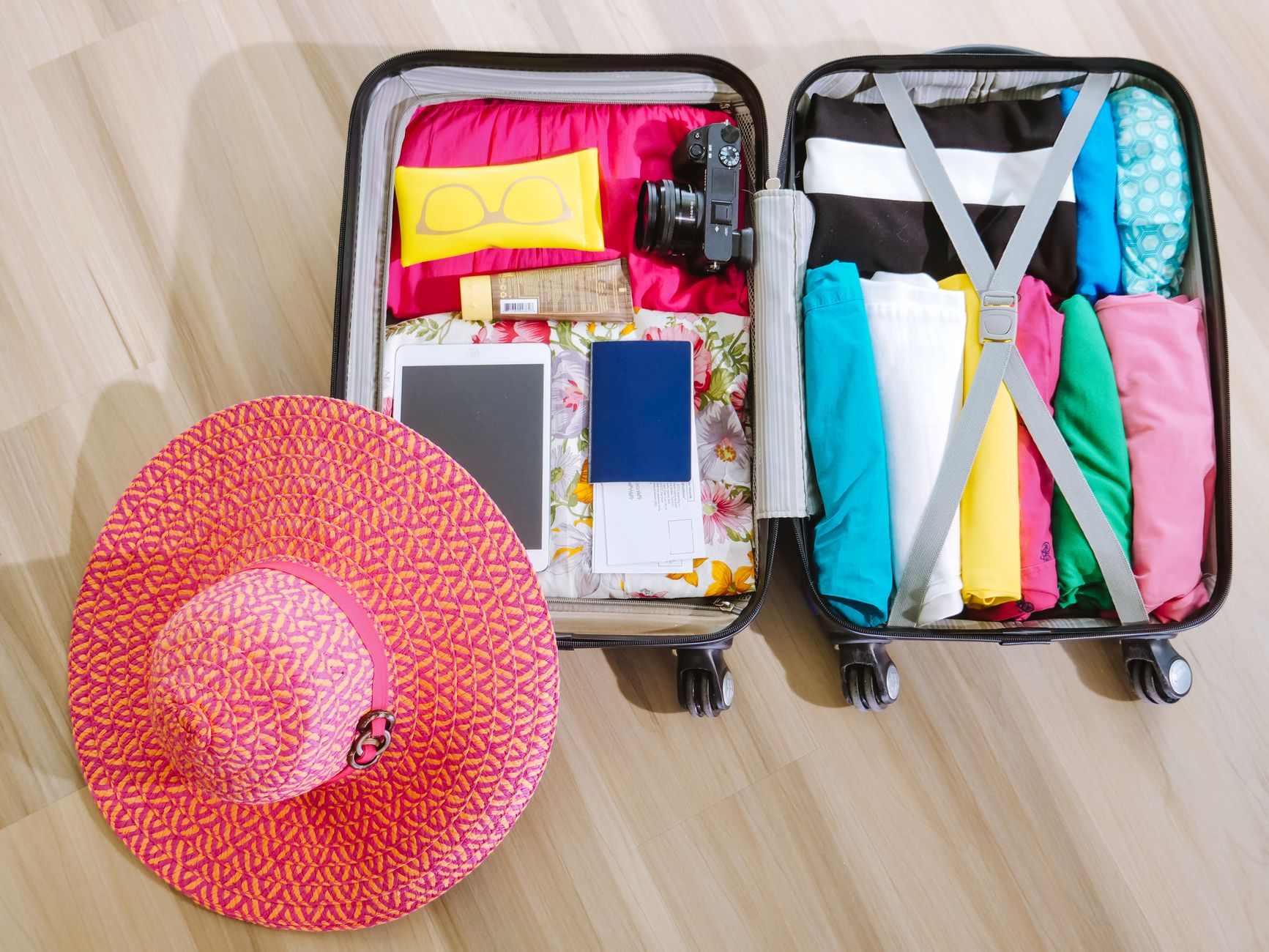
Our Shanghai packing checklist covers the rest of the health kit worth having with you, and the Shanghai customs guide deals with the other declaration thresholds — currency, electronics, duty-free allowances — that share the same arrivals hall.
The paperwork for bringing medication into China
Assemble this once, photograph it, and keep both the paper and the photos. It takes twenty minutes and it is the difference between a shrug and a search.
- Original containers with intact pharmacy labels. The name on the label must match your passport. If your pharmacy prints a shortened name, ask them to reprint it in full.
- A photocopy or printout of each prescription. Digital is fine as a backup; paper is better as the primary.
- A doctor’s letter on letterhead, dated within a few months of travel, listing every medication by generic name as well as brand name, the dose, the reason and the words “for personal use during travel”. Generic names matter: an officer may not recognise a brand that does not exist in China, but will recognise the molecule.
- A translation into Chinese of the doctor’s letter for anything in the restricted column. This is optional and it is also the single highest-value item on the list. A one-page bilingual letter converts a slow conversation into a nod.
- Written confirmation from the Chinese embassy or consulate for controlled substances, obtained in advance.
Split your supply between hand luggage and hold luggage if you are carrying more than a fortnight’s worth of something you cannot do without — but keep the paperwork and at least several days’ supply on your person. Travel insurance is a separate conversation, and worth having; see our guide to travel insurance for China for what actually needs covering.
Going through customs at Pudong and Hongqiao
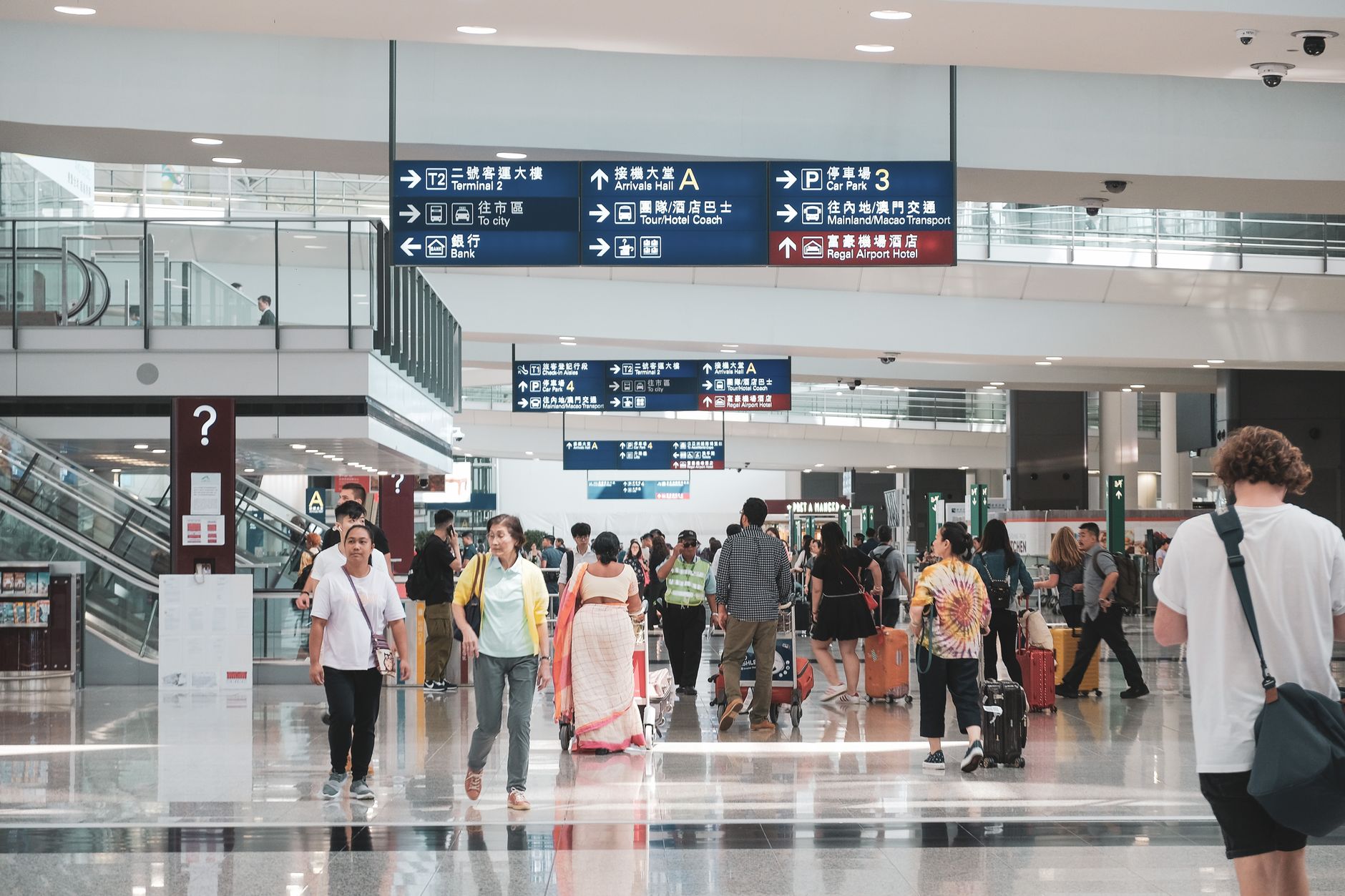
Arrivals at Pudong and Hongqiao follow the same sequence: immigration, then baggage reclaim, then a channel split into red (goods to declare) and green (nothing to declare). Most travellers walk the green channel and nothing happens. Bags go through an X-ray scanner on the way out, and officers pull a proportion of them.
If you are carrying ordinary prescription medicine in reasonable quantities, the green channel is correct. You are not required to declare a personal supply of permitted medication. If you are carrying something in the restricted column, declaring it in the red channel with your documentation ready is the conservative choice, and it is the choice that goes best if the scanner flags it anyway. Volunteering a bilingual letter before anyone has asked a question changes the tone of the entire encounter.
What happens when something is found is usually confiscation and paperwork rather than anything dramatic. But the mundane version is the one that ruins a trip: you land without the medicine you need, on a Sunday, and it is a drug you cannot buy over a Chinese counter either. Plan for that, not for the headline.
Officers speak enough English to run a standard exchange, and a bilingual letter carries the rest. For the wider arrivals process — the fingerprint scanners, the arrival card, the queue timings — the practical tips for Shanghai hub covers the sequence end to end.
Posting medicine to yourself
Do not. Personal accompanied baggage and international post are governed differently, and post is treated far more strictly. The reported enforcement actions involving zopiclone and zolpidem came through postal and express channels, not through airports, which is exactly what you would expect: a parcel gets scanned, opened and assessed by someone with no traveller in front of them and no incentive to be flexible.
A parcel addressed to a hotel is likely to be delayed, opened and quite possibly seized, with no recourse. If you need more of something mid-trip, get it prescribed locally — faster, legal and usually cheaper than the postage.
Buying medicine in Shanghai
Shanghai’s pharmacy network is one of the quiet pleasures of being ill abroad here. There is a green-cross sign on most commercial streets. Prices for generics are a fraction of British or American retail, no appointment is needed for anything over the counter, and the stock is deeper than a Western chemist’s because most branches sell Western pharmaceuticals and traditional Chinese medicine side by side.
The chains to look for:
- Guoda Drugstore (国大药房) — the Sinopharm-owned chain, with more than 180 branches across Shanghai. State-backed, well stocked, and the most likely to have a licensed pharmacist actually on duty. This is the default answer.
- Huashi Pharmacy (华氏大药房) — another large Shanghai chain, with several branches keeping 24-hour hours.
- Shanghai First Pharmacy (上海第一医药商店) — the long-established store on East Nanjing Road, large, central and used to foreign customers.
- Watsons — in most malls. Useful for plasters, painkillers, contact lens solution and toiletries; not a real pharmacy for anything prescription.
Payment is by Alipay or WeChat Pay in practice. Larger branches take foreign cards and most take cash, but the frictionless option is the one everyone else uses — our guide to the apps worth installing before you land covers linking a foreign card before you need it at eleven at night.
On language: point, or use a translation app with camera OCR. Photograph the box of whatever you take at home before you travel, including the generic name in small print on the back, and show that. Pharmacists here read Latin drug names far better than they speak English, and Chinese boxes almost always print the English generic name somewhere on the packaging — matching works in both directions.
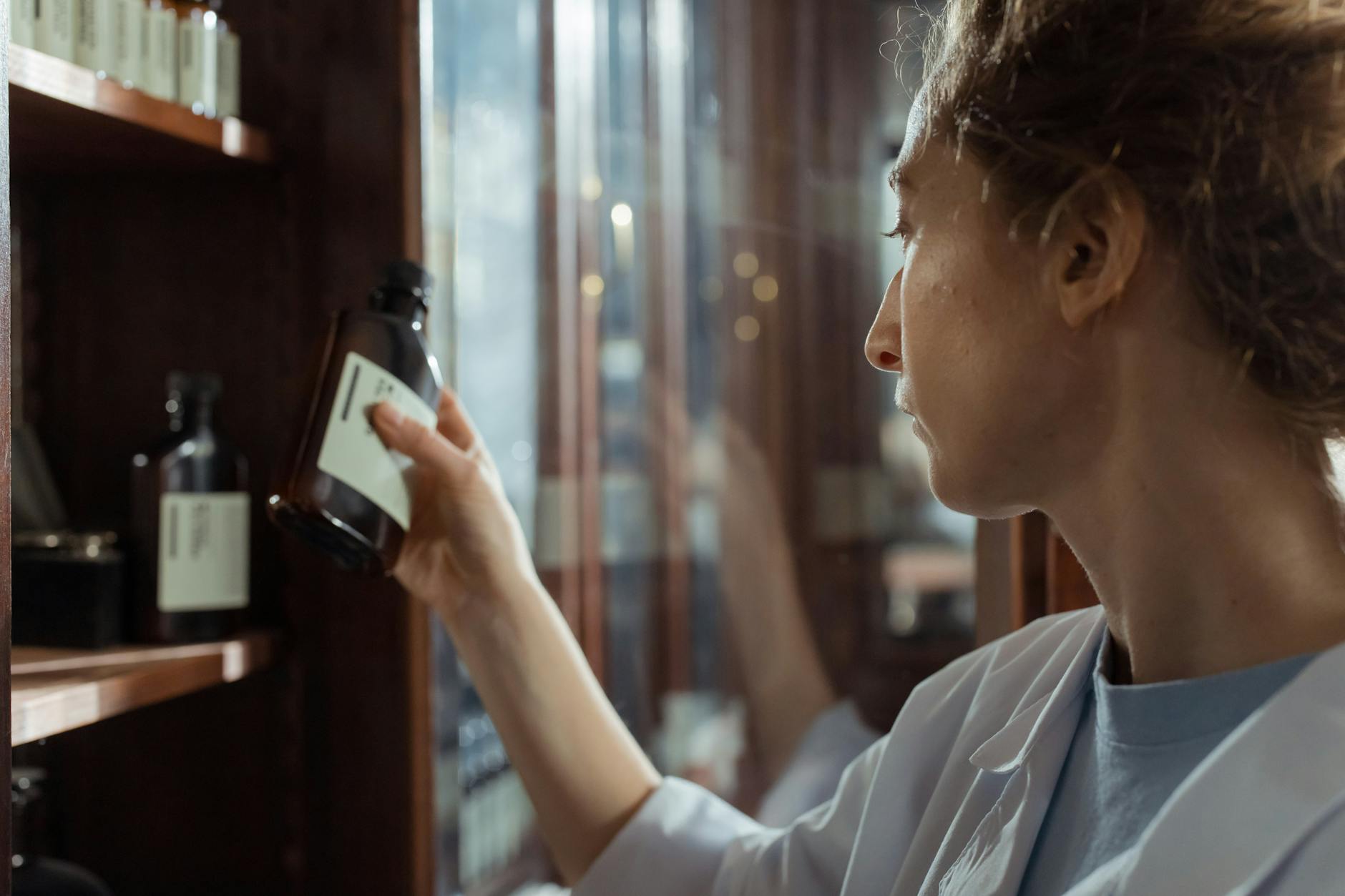
Chinese equivalents of what you take at home
Most household drugs exist here under a different brand and cost very little. A rough orientation, useful to photograph:
| What you want | Ask for / look for | Rough price | Notes |
|---|---|---|---|
| Paracetamol / acetaminophen | 对乙酰氨基酚 — often branded Bufferin or in combination remedies | ¥8–20 | Widely stocked |
| Ibuprofen | 布洛芬 (bùluòfēn) | ¥10–25 | Sold as tablets and as a sustained-release capsule |
| Cold and flu remedy | 感冒药 (gǎnmào yào); 999 感冒灵 is the ubiquitous sachet | ¥12–25 | Dissolve the granules in hot water |
| Sore throat | 金嗓子 or 西瓜霜 lozenges | ¥8–15 | Herbal, effective, everywhere |
| Antihistamine | 氯雷他定 (loratadine) or 西替利嗪 (cetirizine) | ¥15–30 | The non-decongestant versions you should be using anyway |
| Diarrhoea | 蒙脱石散 (Smecta) — the standard first line here | ¥15–25 | Powder sachets; rehydration salts sold alongside |
| Indigestion / stomach | 奥美拉唑 (omeprazole); 健胃消食片 for the milder version | ¥15–35 | |
| Motion sickness | 晕车药 (yùnchē yào) | ¥10–20 | Worth having for the Huangshan and water-town coach runs |
| Antibiotics | Prescription in principle; enforcement varies by branch | ¥20–60 | See a doctor rather than self-prescribing |
Two warnings. Chinese formulations are sometimes lower per tablet than the Western equivalent, so read the box rather than assuming one tablet equals one. And combination cold remedies here frequently contain paracetamol — do not stack them with a separate dose.
Traditional Chinese medicine occupies half the shelf space in most pharmacies and a fair amount of the counter conversation. It is worth understanding on its own terms rather than dismissing or over-trusting; a pharmacist offering you a herbal preparation for a cough is offering you the mainstream domestic answer, not an alternative one.
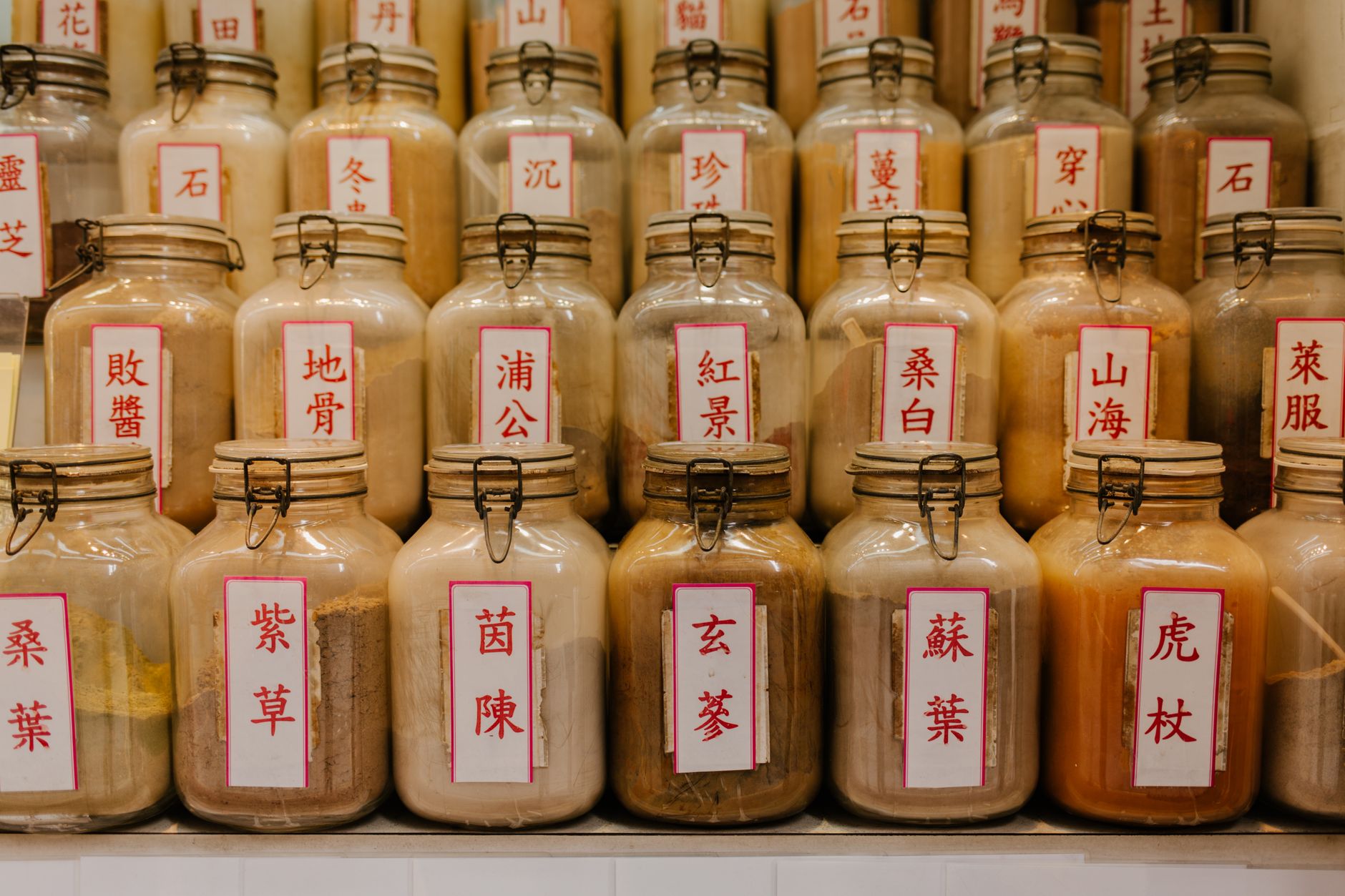
24-hour pharmacies and after-hours options
Shanghai is one of the Chinese cities where genuine 24-hour pharmacies exist rather than being a rumour. Shanghai First Pharmacy on East Nanjing Road runs around the clock, and several Huashi branches do too. Coverage is real but patchy, and individual branches change their hours, so the reliable method is to check the chain’s own WeChat mini-programme or app, or to search on Amap, rather than trusting a list published a year ago.
Two alternatives at three in the morning. Hospital pharmacies attached to a 24-hour emergency department will dispense, and if you need a prescription anyway that is the efficient route. And Meituan and Ele.me both deliver medicine in Shanghai, often within half an hour — genuinely useful when you are ill in a hotel room. Both need a payment-linked account, another reason to get Alipay working on day one.
Getting a prescription written in Shanghai
If you have run out, lost a bag, or need something a pharmacist will not sell you, seeing a doctor is quick. Three tiers, and the right one depends on your budget and your patience.
International clinics and private hospitals are the path of least friction: English-speaking doctors, appointments, direct billing with many insurers, and consultation fees that run from several hundred to well over a thousand yuan. Parkway Health runs clinics at People’s Square, Jing’an, Xintiandi, Jinqiao and Lujiazui on +86 21 400 819 6622. Shanghai United Family is at 1139 Xianxia Road, +86 21 2216 3999. Shanghai East International Medical Center at 150 Jimo Road, +86 21 5879 9999, runs 24-hour outpatient and inpatient care and is the one to know for the middle of the night.
The foreigner wing of a major public hospital sits in between on price and is excellent on quality. Huashan Hospital’s Worldwide Medical Center at 12 Middle Urumqi Road, +86 21 6249 3246, runs 08:00–17:00 in Building 1 and 17:00–21:00 in Building 6.
An ordinary public hospital outpatient department is very cheap and entirely workable if you have a translation app and some patience. Register at the desk, pay, see a doctor, pay again, collect from the hospital pharmacy. Bring your passport. Our guide to medical care in Shanghai walks through the registration sequence in detail, including how the payment-before-treatment model works.
Bring the empty box or a photograph of it. A Chinese doctor writing you a replacement needs the molecule and the dose, and the packaging supplies both faster than any conversation.
What people get wrong
Assuming a prescription is a permit. It is the most common and the most consequential error. Your prescription proves the drug is yours; it does not make it legal here.
The weekly pill organiser. Convenient at home, a liability at a border. Loose unidentified tablets in a plastic grid are the classic trigger for a closer look. Travel in the boxes and decant on arrival.
Forgetting that codeine is scheduled. British and Australian travellers in particular carry codeine combinations without registering them as controlled drugs, because at home they come from a shelf rather than a locked cabinet.
Packing CBD because it is “not a drug”. It is, here, and the classification does not bend for wellness marketing.
Bringing a year’s supply. Quantity is the thing that converts personal use into something that looks commercial. Bring the trip plus a sensible margin.
Putting everything in the hold. A delayed bag becomes a medical problem instead of a laundry problem. Split it.
Leaving the embassy question until the last fortnight. Written confirmation about a controlled substance takes weeks. Ask early, or accept that you are travelling without it.
Assuming nothing is available here. Shanghai’s pharmacies are better stocked and much cheaper than most visitors expect. For a great many ordinary medicines, buying on arrival is easier than carrying.
Frequently Asked Questions
Do I need to declare prescription medication when entering China?
Not for a personal supply of permitted medication in a reasonable quantity — the green channel is correct. For anything in the restricted psychotropic category, declaring in the red channel with your documentation ready is the safer approach and goes better than being found by the scanner.
How much medication can I bring into China?
The standard is a reasonable personal supply for the length of your stay. Thirty to sixty days of an ordinary daily medicine is unremarkable. For restricted psychotropics, think in terms of a week or two rather than a repeat prescription, and carry the paperwork to match.
Can I bring Adderall or Ritalin into China?
Amphetamine and methylphenidate classes are not importable under an ordinary personal-use exception, and a foreign prescription does not change that. If you take one of these, raise it with your prescriber and with the Chinese embassy that issued your visa well in advance of travelling — there is no quick workaround, and this needs months rather than weeks.
Is codeine legal in China?
Codeine is a controlled substance in China, even though co-codamol, Panadeine and codeine cough syrups are sold at pharmacy counters in the UK, Ireland, Australia and elsewhere. Do not bring them. Paracetamol and ibuprofen are sold everywhere in Shanghai for a few yuan.
Can I bring CBD oil into China?
No. The prohibition on cannabis-derived products is absolute and includes CBD oil, gummies, balms, vape cartridges and hemp supplements, regardless of THC content or legality at home.
What happens if my medication is confiscated at Chinese customs?
The usual outcome for a small personal quantity is confiscation and questioning rather than anything more serious. The practical damage is being in Shanghai without your medication, which is why the fallback plan — knowing where the international clinics are and what the local equivalent is called — matters more than the legal worst case.
Do Shanghai pharmacies sell Western medicine?
Yes. Most sell Western pharmaceuticals and traditional Chinese medicine side by side. Generic Western drugs are widely stocked and much cheaper than in Britain or the United States. Boxes usually print the English generic name somewhere on the packaging.
Are there 24-hour pharmacies in Shanghai?
Yes, though coverage is patchy and branch hours change. Shanghai First Pharmacy on East Nanjing Road and several Huashi Pharmacy branches run 24 hours. Check the chain’s app or WeChat mini-programme, or search Amap, rather than relying on an old list. Meituan and Ele.me both deliver medicine, often within half an hour.
Can I buy antibiotics without a prescription in Shanghai?
Officially no, and enforcement has tightened. Some branches are stricter than others. Seeing a doctor is the right answer — a public hospital outpatient consultation is inexpensive and takes an hour or two.
Should I get a doctor’s letter translated into Chinese?
For anything in the restricted column, yes. A one-page bilingual letter naming the generic drug, the dose and your diagnosis is the highest-value item you can carry, and it converts a slow conversation into a nod.
Can I post medication to my hotel in Shanghai?
Don’t. International post is treated far more strictly than accompanied baggage, and enforcement cases involving restricted sleep medication have come through postal and courier channels. Parcels get delayed, opened and sometimes seized, with no recourse. Get a local prescription instead.
Is travel insurance worth it just for medication problems?
Insurance will not replace a confiscated controlled drug, but it covers the consultation and the replacement prescription you may need, and the private clinics that are easiest to use are also the expensive ones. It earns its keep at that point rather than at the border.
Before you fly
Sort this three or four weeks out, not the night before. Check your list against the banned column, write to the embassy about anything controlled, get the doctor’s letter translated, and photograph the back of every box so a Shanghai pharmacist can read the generic name off your phone. Then forget about it — the overwhelming likelihood is that you walk the green channel and nothing happens.
For the rest of the arrivals process, read the customs and declaration guide. For what to do if something goes wrong once you are here, medical care in Shanghai and how safe Shanghai actually is between them cover the ground. And if you are still building the packing pile, the Shanghai packing checklist is the place to finish.