Nobody plans to get sick on a trip, but if it happens in Shanghai, knowing where to go saves time, money and stress. Medical care in Shanghai ranges from international hospitals with English-speaking doctors and direct insurance billing, through the international wings of major public hospitals, down to neighbourhood pharmacies on every block. This 2026 guide explains how the system works for tourists, what each tier of hospital costs, and how to get seen. It is general information about the system, not medical advice — for anything clinical, see a doctor.
Table of Contents
- Emergency Numbers
- Calling an Ambulance and What It Costs
- Three Tiers of Medical Care
- Medical Care and Hospitals in Shanghai: What It Costs Tourists
- International Hospitals
- Public Hospitals
- What Actually Happens at a Hospital Visit
- Choosing Medical Care in Shanghai as a Tourist
- Pharmacies
- Traditional Chinese Medicine
- Travel Insurance & Billing
- Common Tourist Issues
- Medical Mandarin Phrases
- Before You Travel
- Practical Tips
- FAQ
Emergency Numbers
- Ambulance: 120 — run by the Shanghai Emergency Medical Center
- Police: 110
- Fire: 119
- Shanghai city hotline: 12345 — 24 hours, staffed in Chinese and 18 foreign languages including English, French, German, Japanese, Korean, Spanish, Italian and Russian
- Your embassy or consulate — save the emergency line for your own country before you fly
These numbers are free to dial from any phone, including one with no SIM. Save them now rather than looking them up on a bad night. The 12345 hotline is the city’s general service line rather than a medical one, but its round-the-clock multilingual staffing makes it a useful translation lifeline.
For a serious emergency, call 120. If the person is stable and can travel, going straight to an international hospital’s emergency department is often faster than an ambulance followed by a Chinese-language triage desk.
Calling an Ambulance and What It Costs
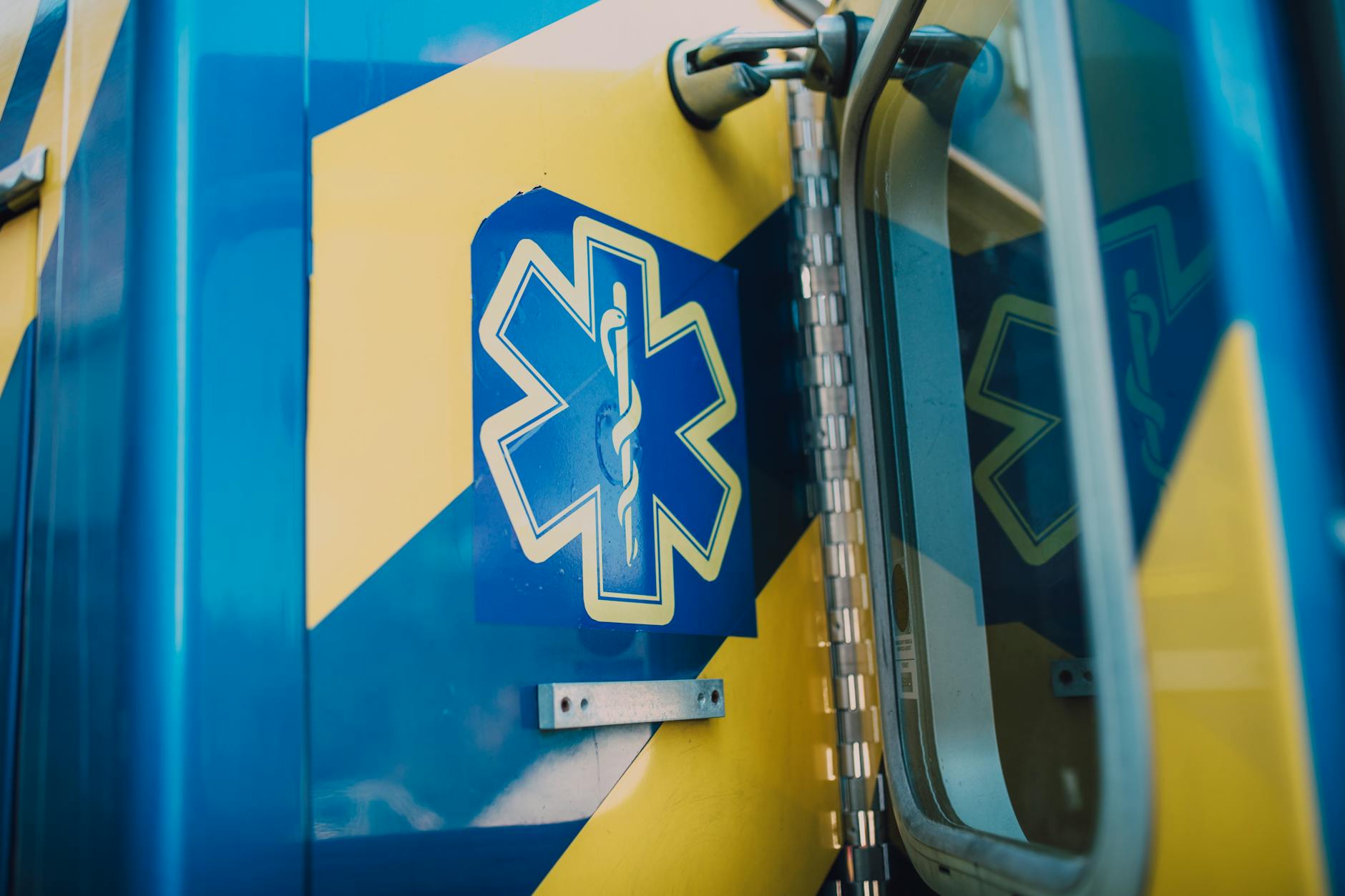
The 120 service operates in Chinese and can bring in a third-party translator, though there is a delay while that happens. The practical approach: have your address in Chinese characters ready on your phone — a screenshot of the hotel’s card works — and hand the phone to a Chinese speaker if one is nearby. Hotel reception will make the call for you and do it well.
Published ambulance charges are modest by international standards: a ¥30 base fee, ¥7 per kilometre beyond the first three, an ¥80 hourly waiting fee and a ¥60 pre-hospital care charge. Unless the distance is unusual the total stays under ¥300, and nobody will refuse to move you over payment.
Once you are in the ambulance you can usually request a specific hospital, and naming an international one is reasonable. In a critical case the crew will override that and take you to the nearest facility able to treat you, typically within three to five kilometres. That is the correct call — worth knowing in advance so it does not feel like a mistake at the time.
Three Tiers of Medical Care
Tier 1: International Private Hospitals and Clinics
English-speaking doctors, Western-style facilities, appointment times that are actually kept, direct billing with international insurers, premium prices. A handful run 24-hour emergency departments.
Tier 2: Public Hospitals, International and VIP Wings
The top Chinese hospitals — Huashan, Ruijin, Renji, Zhongshan — operate international or VIP departments with bilingual staff, shorter queues and private consultation rooms. Mid-range pricing, and access to the same specialists the general wards use.
Tier 3: Public Hospital General Outpatients and Community Clinics
Cheap, competent, crowded and almost entirely Chinese-language. Outpatient departments generally run 08:00–17:00 Monday to Friday while emergency departments run 24 hours. Fine for something minor if you have a translation app and patience.
Medical Care and Hospitals in Shanghai: What It Costs Tourists
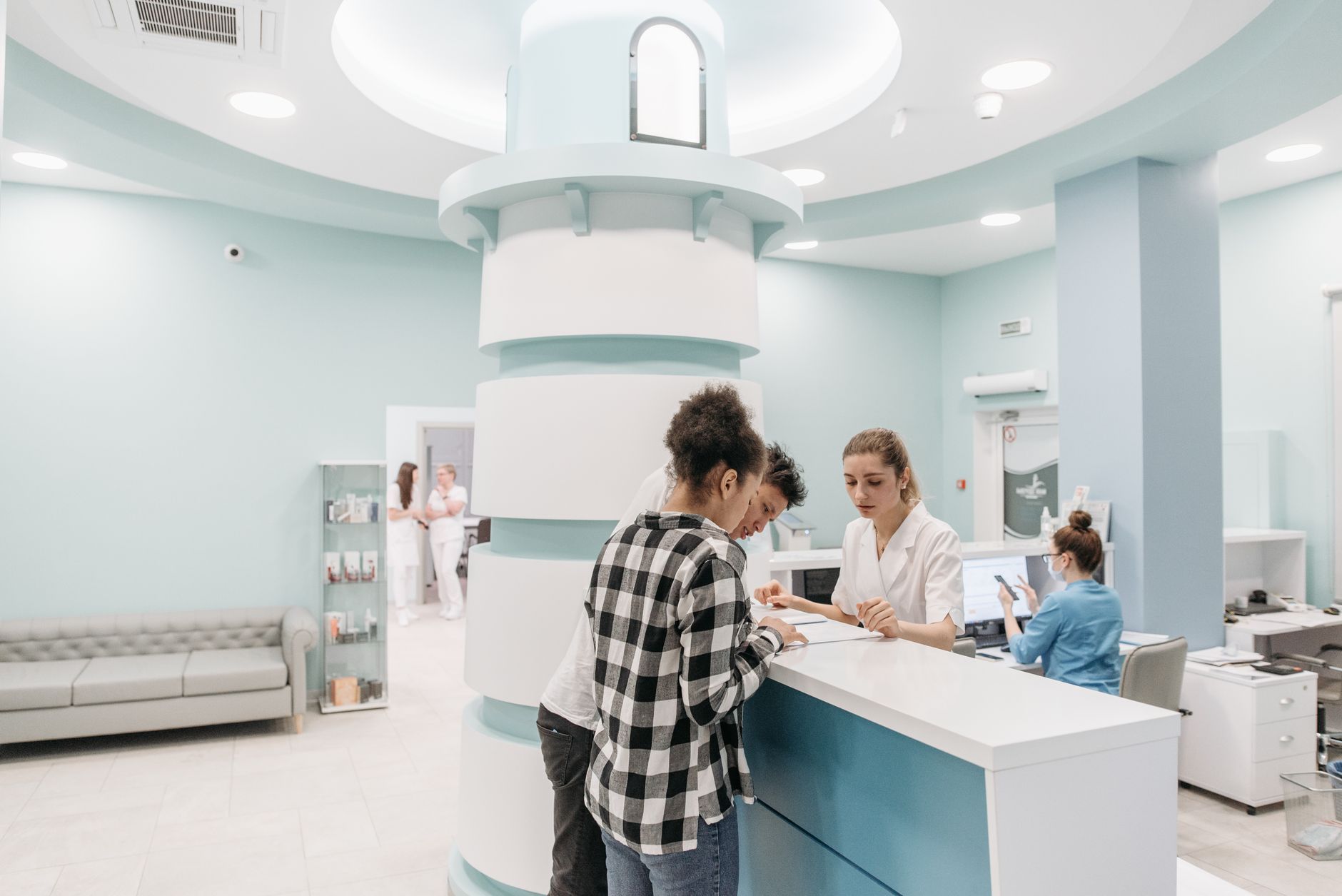
The number to understand is the registration fee (挂号费, guahao fei) — what you pay simply to be seen. Public hospitals charge ¥25 for a city-level outpatient registration, ¥18 at district level and ¥10 at neighbourhood health centres. VIP clinics inside those same hospitals run to several hundred yuan. Private international hospitals charge several hundred to over ¥1,000 just to register, before any test or medicine.
| Where you go | Typical cost to be seen | English | Wait | Insurance |
|---|---|---|---|---|
| Community health centre | ¥10 registration | Unlikely | Short | Pay and claim |
| District public hospital | ¥18 registration | Unlikely | Moderate | Pay and claim |
| Top city public hospital, general | ¥25 registration | Limited | Long | Pay and claim |
| Public hospital VIP or international wing | Several hundred yuan | Usually good | Short | Pay and claim; some direct billing |
| Private international clinic or hospital | ~¥700–2,200+ per consultation | Yes | By appointment | Direct billing with major insurers |
Figures vary between sources and between hospitals, and everything above is before tests, imaging or medication. The pattern holds regardless: a public hospital costs a fraction of a private one and asks you to spend the difference in time and language effort. For context on what those figures mean against a whole trip, see how much a Shanghai trip costs.
International Hospitals
The Shanghai government’s English-language service pages list the foreign-funded hospitals licensed to treat international patients; the names below appear on that list or run recognised international departments. Contact details change, so look up the current number on each hospital’s own website rather than trusting one printed in a guide.
Shanghai United Family Hospital
American-managed, and the name a foreign resident is most likely to give an ambulance crew. It runs a 24-hour emergency department for adults and children.
- Changning campus: 1139 Xianxia Road, Changning
- Also: Pudong and Jing’an campuses, plus clinics in Minhang
- 24/7 ER including paediatric emergency
- Direct billing with major international insurers
Parkway Health
The longest-established international medical group in the city, with clinics across Puxi and Pudong and a newer hospital on Jile Road in Minhang. Appointment-based, English-speaking, direct billing with the major insurers. The city-centre clinics are outpatient only and do not run emergency departments.
- Shanghai Centre Medical and Dental Centre — 1376 Nanjing West Road
- Hongqiao Medical Centre — Hongqiao
- Jin Mao Tower clinic — Pudong
Jiahui International Hospital
On Guiping Road in Xuhui, a 500-bed hospital with a well-regarded emergency department running dedicated pathways for acute chest pain and stroke. English-speaking, commercial insurance accepted.
Shanghai SinoUnited Health
Private network with a hospital in the Bund area and clinics elsewhere. One of the three international facilities with 24-hour emergency capability, with a reputation for surgical and orthopaedic cases.
Shanghai East International Medical Center
On South Pudong Road, attached to the public Shanghai East Hospital, which gives it access to a large hospital’s diagnostics at a lower price point than the standalone internationals.
Raffles Hospital Shanghai
The Singapore group’s Shanghai hospital, on Yuanzhao Road in Pudong. International standards, English-speaking, commercial insurance.
Huashan Worldwide Medical Center
The international wing of Huashan Hospital on Middle Wulumuqi Road, and the usual bridge between the two worlds: bilingual staff and private rooms with the specialists of a leading teaching hospital behind them. Fees land between the public and private figures above.
Public Hospitals
Shanghai’s major public hospitals are genuinely good, and several rank among the best in China. The official city listing for foreign residents includes:
- Huashan Hospital, affiliated to Fudan University — Middle Wulumuqi Road, Jing’an. Neurology and infectious disease are national reference departments
- Ruijin Hospital — Ruijin Road, Huangpu. Affiliated to Shanghai Jiao Tong University; strong in endocrinology and burns
- Zhongshan Hospital, Fudan University — 111 Yixueyuan Road, Xuhui. Cardiology and liver
- Renji Hospital — Beiyuan Road, Pudong. Shanghai Jiao Tong University; gastroenterology and rheumatology
- Shanghai General Hospital — Wujin Road, Hongkou. Open 24 hours
- Huadong Hospital, Fudan University — West Yan’an Road, Jing’an, with a long-running foreigners’ section
- Children’s Hospital of Fudan University — 399 Wanyuan Road, Minhang
- Shanghai Children’s Medical Center — Beiyuan Road, Pudong
- Shanghai Ninth People’s Hospital — West Gaoke Road, Pudong. Oral, maxillofacial and plastic surgery
- Shanghai Sixth People’s Hospital — Yishan Road, Xuhui. Orthopaedics and limb reattachment
- Shanghai Eye Hospital — Hongqiao Road, Changning
A correction to something repeated in a lot of travel writing: Huashan is affiliated to Fudan University, not to Renji. Renji and Ruijin are Shanghai Jiao Tong University hospitals. Separate institutions, separate strengths — turning up at the wrong one for a referral wastes a morning.
Practical notes for the general outpatient departments:
- Registration opens early and popular specialists sell out; arriving before 07:00 is normal local behaviour
- Take your passport — it is the ID the system registers you under
- Bring a Chinese speaker if you can, or hire a medical interpreter; agencies charge roughly ¥500–1,000 per visit
- You pay as you go at a cashier window between each stage. Alipay, WeChat Pay and cards are widely accepted
- VIP and international wings in the same building are far easier for a non-Chinese speaker, and still cost less than a private hospital
What Actually Happens at a Hospital Visit
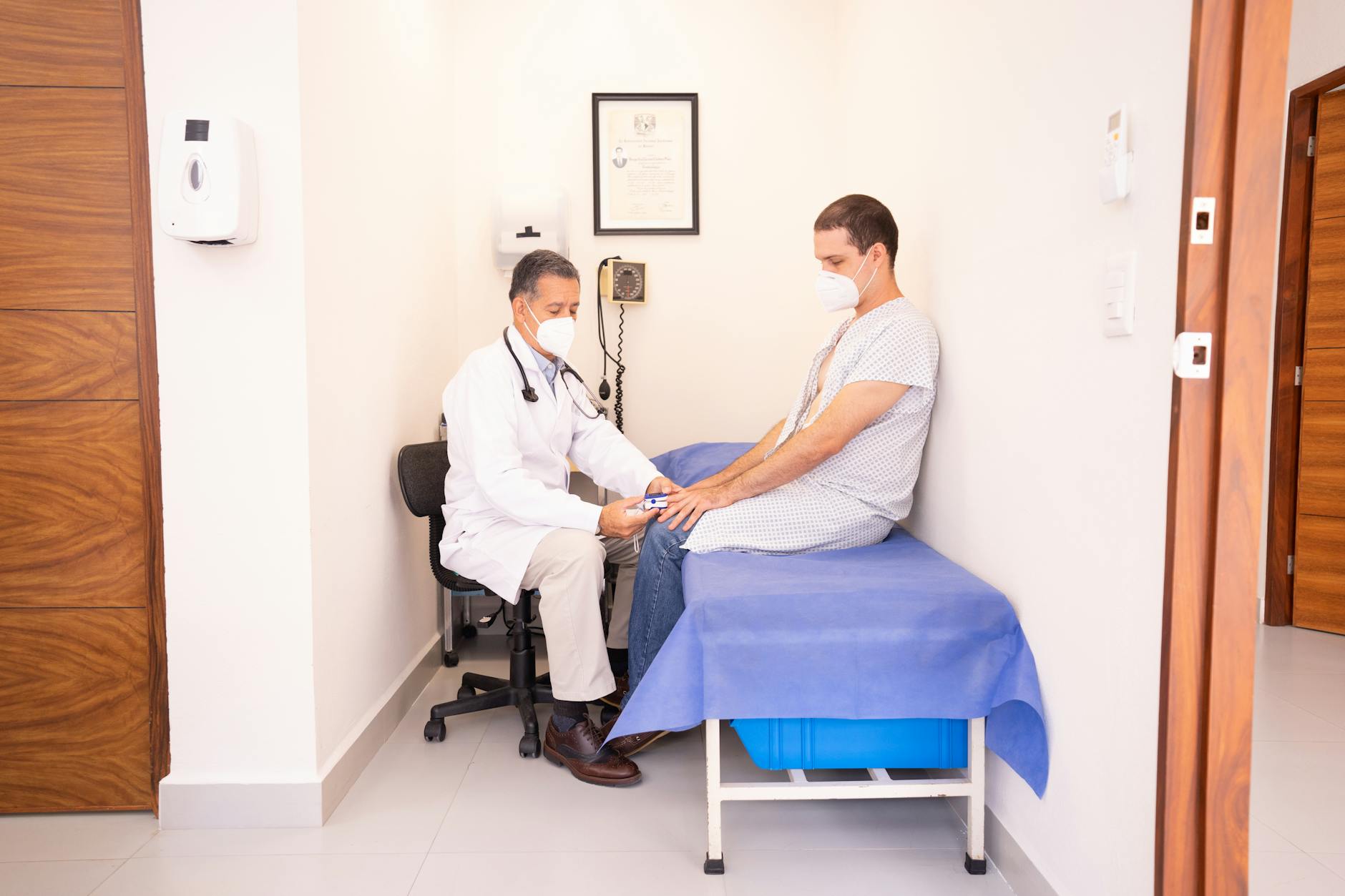
Chinese hospitals do not work the way most Western ones do, and the surprise is the main source of stress. The sequence at a public hospital:
- Register (挂号). At the admissions desk or a self-service machine, with your passport. You choose a department, not a named doctor, unless you are booking a specific specialist. First-timers are issued a hospital card (病历卡) to reuse on later visits.
- Pay the registration fee immediately — ¥10 to ¥25 in the general system.
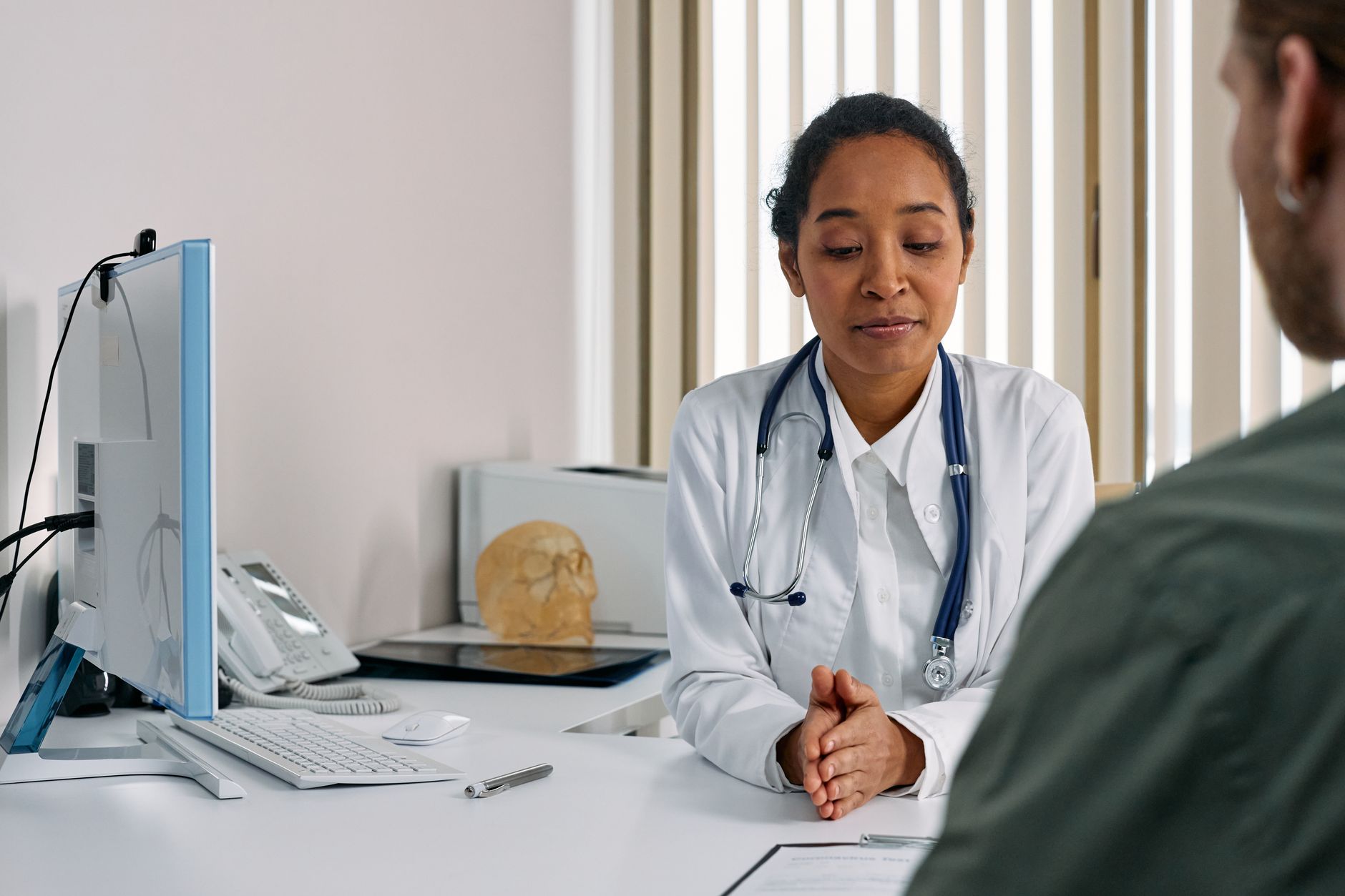
- Wait for your number on the department’s screen, then see the doctor. Consultations are brisk. Several patients may be in the room.
- Pay again at the cashier for whatever the doctor has ordered — blood tests, imaging, medication — then go and have it done, then return with the results.
- Collect medicine from the hospital pharmacy window, which is usually cheaper than an outside pharmacy.
Appointments can be booked ahead through the Suishenban (随申办) city services app — register, add patient details, choose hospital, department and doctor, confirm by SMS code. Hospitals also take bookings through their own WeChat mini-programs. At a private international hospital none of this applies: you book, arrive, are seen at your appointment time and settle one bill.
The payment apps make all of it easier. If yours are not set up, see the essential apps for Shanghai and Alipay and WeChat Pay for tourists. Have a translation app open before you walk in — language barrier tips covers the rest.
Choosing Medical Care in Shanghai as a Tourist
Rough guidance on which door to walk through, on the understanding that anything you are unsure about should go to a doctor rather than to a decision table:
| Situation | Where most travellers go | Why |
|---|---|---|
| Life-threatening emergency | Call 120 | Speed matters more than language |
| Urgent but able to travel | 24-hour ER at United Family, Jiahui or SinoUnited | English triage, direct billing |
| Needs a doctor, not urgent | Private clinic appointment, or a public VIP wing | Same day, English, insurable |
| Minor and self-limiting | Licensed pharmacy | Cheap, everywhere, no appointment |
| Specialist opinion, cost-sensitive | Top public hospital, VIP wing | Leading specialists at mid-range prices |
| Dental emergency | International dental clinic | Predictable standards and pricing |
| Animal bite or scratch | A 24-hour rabies clinic | Shanghai runs a network across all 16 districts |
That last row surprises people: the city maintains round-the-clock rabies clinics in every district, seven in Pudong alone, for wound treatment and vaccination after a bite or scratch. It is well organised, and the reason a dog bite here is a manageable problem rather than a trip-ending one.
Pharmacies
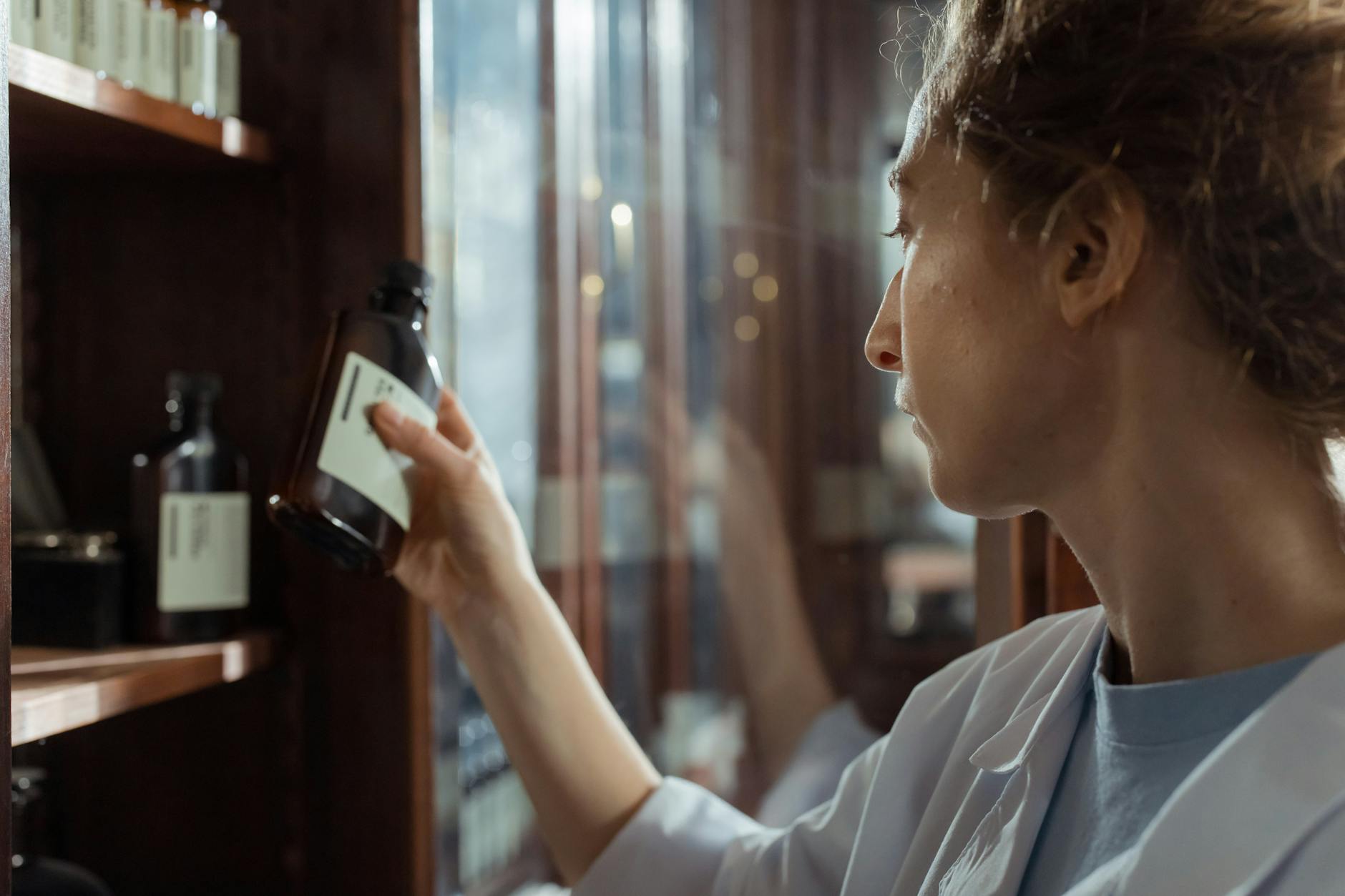
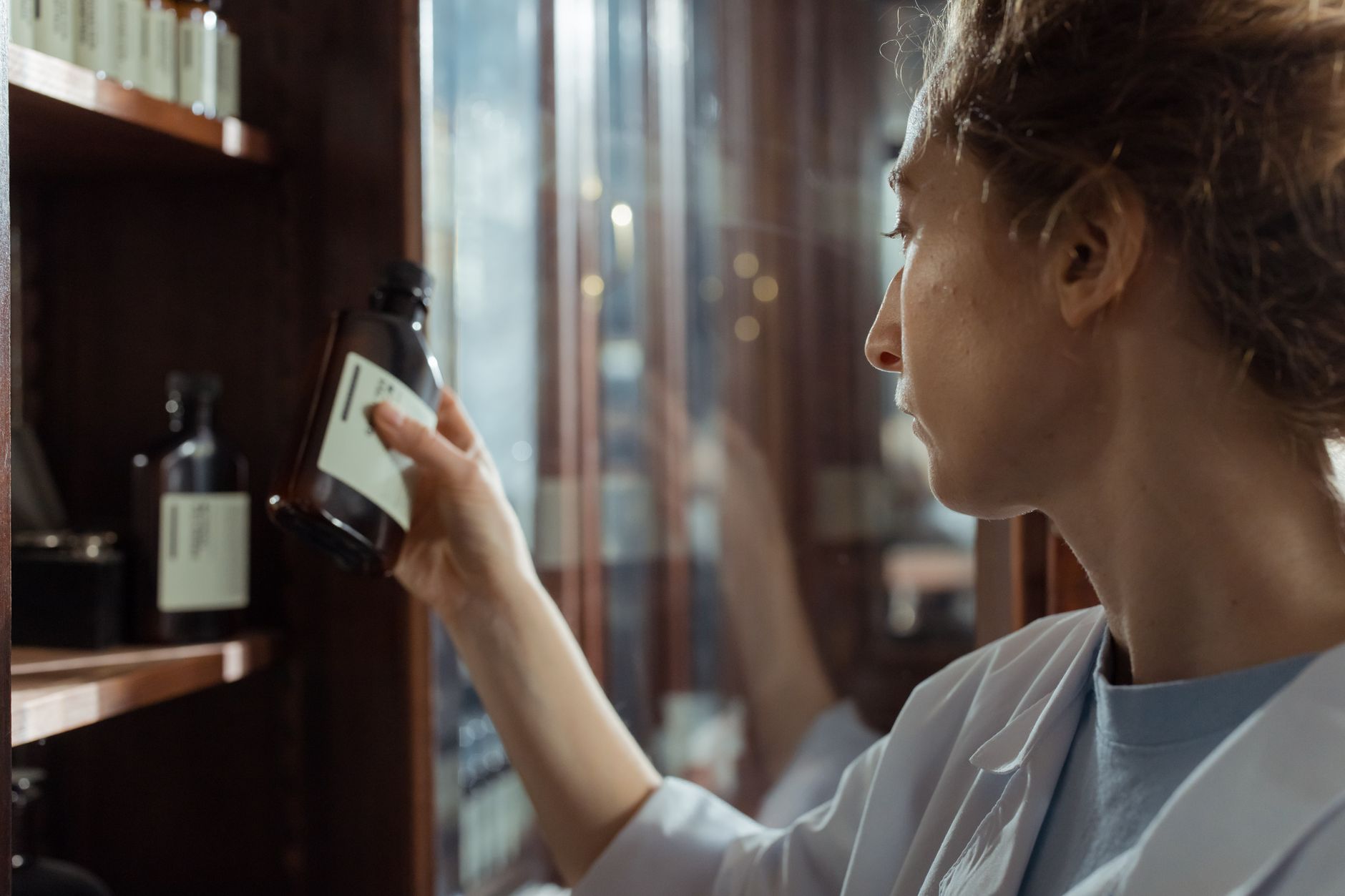
Pharmacies (药店, yao dian) are on every block. Open 08:30–22:00 typically; some large ones run 24 hours in central areas.
- Common over-the-counter — paracetamol, ibuprofen, antihistamines, cold remedies, anti-diarrhoeals, oral rehydration salts, antiseptic, plasters
- Chinese brands dominate the shelves, and staff can point you to an equivalent if you show them the box you use at home
- Prescription medicines including antibiotics require a doctor’s prescription and cannot be bought over the counter or online
- Check the shop is licensed — official guidance is to look for the displayed business licence and a pharmacist wearing visible credentials
- Delivery — online pharmacies deliver over-the-counter medicine in about 30 minutes through Meituan and the big chains’ own apps
- Watson’s and Mannings stock familiar Western brands at a premium
- Pricing is well below US or EU levels; keep the invoice, both for an insurance claim and as proof of purchase
Bring a photo of the packaging of anything you take regularly. Generic names differ, and the fastest way past a language gap at a pharmacy counter is a picture of the box.
Traditional Chinese Medicine
TCM is a fully licensed part of the Chinese health system with its own hospitals, degrees and outpatient departments, not a fringe alternative. The main public institutions are:
- Longhua Hospital — the teaching hospital of Shanghai University of Traditional Chinese Medicine
- Shuguang Hospital — the university’s other major affiliated TCM hospital
- TCM departments inside general public hospitals — most of the big ones have one
Treatments include herbal prescriptions, acupuncture, tuina massage and cupping. Evidence quality varies widely by treatment and condition, and TCM is not a substitute for emergency or acute care. Some travel policies cover it and many do not, so check before you book. For the relaxation end rather than the clinical one, our massage and spa guide is the better starting point.
Travel Insurance & Billing
- International private hospitals handle direct billing with the major insurers, which means you sign rather than pay
- Public hospitals want payment upfront at each stage; you claim it back afterwards
- China’s state medical insurance covers public hospitals only, and you are not in it as a visitor — private facilities work with commercial insurance
- Carry your policy certificate on your phone and on paper, in two separate places
- Keep every receipt and fapiao — claims are routinely refused for missing paperwork
- Major procedures usually need pre-authorisation; call the insurer’s 24-hour line before, not after
- Medical evacuation is a separate policy benefit worth checking. It is the one thing you cannot buy after you need it
Medication rules cut both ways here: private hospitals face fewer restrictions on stocking imported original-brand drugs, while public hospitals mostly dispense domestic generics under state cost controls. If you need a specific branded medicine, the private route is more likely to have it.
Our China travel insurance guide covers what to buy, which visas require cover, exclusions and how claims actually work — this article does not duplicate it.
Common Tourist Issues
What follows describes where people typically go, not what you should take. Anything severe, persistent or frightening is a reason to see a doctor rather than to work through a list.
Stomach upsets
The most common complaint by a distance, usually mild and self-limiting. Pharmacies stock rehydration salts and anti-diarrhoeals over the counter. High fever, blood, or vomiting that will not stop is emergency-department territory, and every international ER in the city sees it weekly.
Respiratory irritation
Air quality is far better than a decade ago but still dips in winter, and dry indoor heating does not help. A cough that persists beyond a few days is worth a consultation rather than more lozenges.
Allergic reactions
Bring whatever you have been prescribed at home, in its original packaging. Swelling of the face or throat, or difficulty breathing, means 120 immediately.
Injuries
Cuts and sprains are pharmacy or clinic territory. Suspected fractures and any head injury go to an emergency department; the Sixth People’s Hospital is a national reference centre for orthopaedics and the international ERs handle the routine cases.
Heat in summer
July and August regularly pass 35°C with high humidity, and heat exhaustion among visitors is common. Plan indoor hours into the middle of the day — see visiting Shanghai in summer.
Mental health
English-language counselling and psychiatry are available through the international hospital groups, and Shanghai Mental Health Center is the major public institution. Provision is thinner than in most Western cities and stigma remains real, so if this is a live concern, identify a provider before you travel rather than during a crisis.
Chronic medication
Carry enough for the trip plus a margin, in original labelled packaging, with a copy of the prescription. Some medicines that are routine at home are controlled or unavailable in China — check the rules in our Shanghai customs guide before you pack them.
Pregnancy and paediatrics
United Family and Jiahui both run international obstetric and paediatric departments, and Fudan’s Children’s Hospital and Shanghai Children’s Medical Center are the leading public options. Travelling in late pregnancy needs an insurance policy that explicitly covers it.
Dental and eye
Several international-standard dental clinics operate in the city and Parkway has its own dental service. For eyes, Shanghai Eye Hospital in Changning and Fudan’s Eye and ENT Hospital are the specialist public centres.
Medical Mandarin Phrases
- Wǒ bù shū fú (我不舒服) — I don’t feel well
- Wǒ shēng bìng le (我生病了) — I’m sick
- Tóu téng (头疼) — Headache
- Dù zi téng (肚子疼) — Stomach pain
- Fā shāo (发烧) — Fever
- Ké sou (咳嗽) — Cough
- Wǒ duì ___ guò mǐn (我对 ___ 过敏) — I’m allergic to ___
- Yī yuàn (医院) — Hospital
- Yī shēng (医生) — Doctor
- Jí zhěn (急诊) — Emergency room
- Guà hào (挂号) — Register / registration desk
- Yào diàn (药店) — Pharmacy
- Qǐng dǎ 120 (请打120) — Please call 120
- Wǒ shì wài guó rén (我是外国人) — I am a foreigner
Save a translated medical note on your phone listing allergies, current medications, chronic conditions, emergency contact and blood type. A screenshot works with no signal, which is the point.
Before You Travel
- Buy insurance that covers medical treatment and evacuation, and read the exclusions rather than the headline number
- Check whether your visa route requires proof of cover — see Shanghai visa and entry requirements
- Pack medication in original packaging with a copy of the prescription, and split it across two bags
- Photograph your prescriptions, insurance card and passport and store them somewhere you can reach without your phone
- Check routine vaccinations are current with your own doctor or a travel clinic well before departure
- Note the address of the nearest international hospital to your accommodation, in Chinese characters
- Set up your payment apps — hospital cashiers take Alipay and WeChat Pay, and fumbling with cards at a window is not what you want mid-illness
Our packing checklist covers documents and medication in more detail, and what to pack for Shanghai handles the seasonal side.
Practical Tips
- Take your passport to any medical appointment — it is the ID everything is registered against
- Hotels help more than you expect. Four- and five-star concierges will call 120, arrange a car, or bring in a doctor; in-room visits are commonly quoted around ¥1,000–2,000
- Getting there — a taxi or DiDi is usually faster than the metro for a hospital run, and you can show the driver the address in Chinese
- Tap water is treated but not intended for drinking unboiled — bottled or boiled is the local norm, and hotels supply kettles
- Ice from unrefrigerated street carts is the one street-food risk worth avoiding; the food itself is generally fine, as our street food guide explains
- Allergies — peanuts, sesame, shellfish and gluten appear widely in Chinese cooking, often unlisted. Carry your allergy written in Chinese
- Summer sun and winter dryness both catch people out; see Shanghai in winter
- Travelling alone — leave your itinerary and insurance details with someone at home; solo travel in Shanghai has more on this
- Travelling with children — identify a paediatric ER before you need one; see Shanghai with kids
- Shanghai is a safe city by any measure, and health is a bigger practical risk than crime — see is Shanghai safe
Frequently Asked Questions
What is the best hospital in Shanghai for foreigners?
There is no single answer, but Shanghai United Family Hospital, Jiahui International Hospital and SinoUnited are the three international facilities with 24-hour emergency departments, and Parkway Health is the most widespread outpatient network. For a specialist opinion at lower cost, the international or VIP wing of a top public hospital such as Huashan is the usual compromise.
How do I call an ambulance in Shanghai?
Dial 120, free from any phone. The service operates in Chinese and can bring in a translator, so have your address ready in Chinese characters or ask hotel reception to make the call. Charges are roughly ¥30 base plus ¥7 per kilometre after the first three, usually under ¥300 in total.
How much does it cost to see a doctor in Shanghai?
A public hospital registration fee is ¥25 at city-level hospitals, ¥18 at district level and ¥10 at a community health centre, before tests or medicine. A VIP or international wing inside a public hospital runs to several hundred yuan. A private international hospital consultation is commonly quoted in the ¥700–2,200 range and above.
Do Shanghai hospitals speak English?
International hospitals, yes, throughout. The international and VIP departments of major public hospitals, generally yes. General public outpatient departments, mostly not — bring a translation app, an interpreter or a Chinese-speaking friend.
Can I use travel insurance at Shanghai hospitals?
At the international private hospitals, yes — most handle direct billing with the major global insurers, so you sign rather than pay. Public hospitals require payment upfront at each stage and you claim it back. Keep every receipt and fapiao.
Are pharmacies open 24 hours in Shanghai?
Most run roughly 08:30–22:00. Some large pharmacies in central districts open 24 hours; look for the 24小时药店 sign. Over-the-counter medicine can also be delivered in about half an hour through Meituan and chain pharmacy apps.
Do I need a prescription for medication in Shanghai?
Common painkillers, cold remedies and antihistamines are over the counter. Antibiotics and other prescription medicines require a doctor’s prescription and cannot be bought online. Bring your own chronic medication from home in its original packaging.
Can I bring my own medication into China?
Reasonable personal quantities in original labelled packaging with a copy of the prescription are the standard approach. Some drug classes that are routine elsewhere are controlled or prohibited in China, so check the current rules for your specific medicine before you fly — the Shanghai customs guide is the starting point.
What do I need to bring to a hospital appointment?
Your passport, your insurance certificate, a payment method that works, a list of your medications and allergies translated into Chinese, and if you are going to a public hospital, patience and a translation app.
Is Traditional Chinese Medicine part of the official system?
Yes. TCM has its own licensed hospitals, university degrees and departments inside general hospitals, and Longhua Hospital is the leading teaching institution in Shanghai. Evidence varies by treatment and condition, and it is not a replacement for acute or emergency care.
What should I do if I am bitten or scratched by an animal?
Shanghai runs a network of 24-hour rabies clinics across all 16 districts, providing wound treatment and vaccination at any hour. Go to the nearest one straight away rather than waiting for morning.
Is it safe to drink the tap water in Shanghai?
The supply is treated to a municipal standard but is not intended to be drunk unboiled, and locals do not drink it from the tap. Bottled water is inexpensive and every hotel room has a kettle. Restaurant tea is boiled, which is why it is served everywhere.
Plan a Safe Trip
Combine with our pillar guides on practical tips, China travel insurance, and is Shanghai safe. Official sources: the Shanghai government’s English-language pages on hospitals for foreign residents, emergency medical services and public versus private hospitals. For background, see Healthcare in China on Wikipedia.