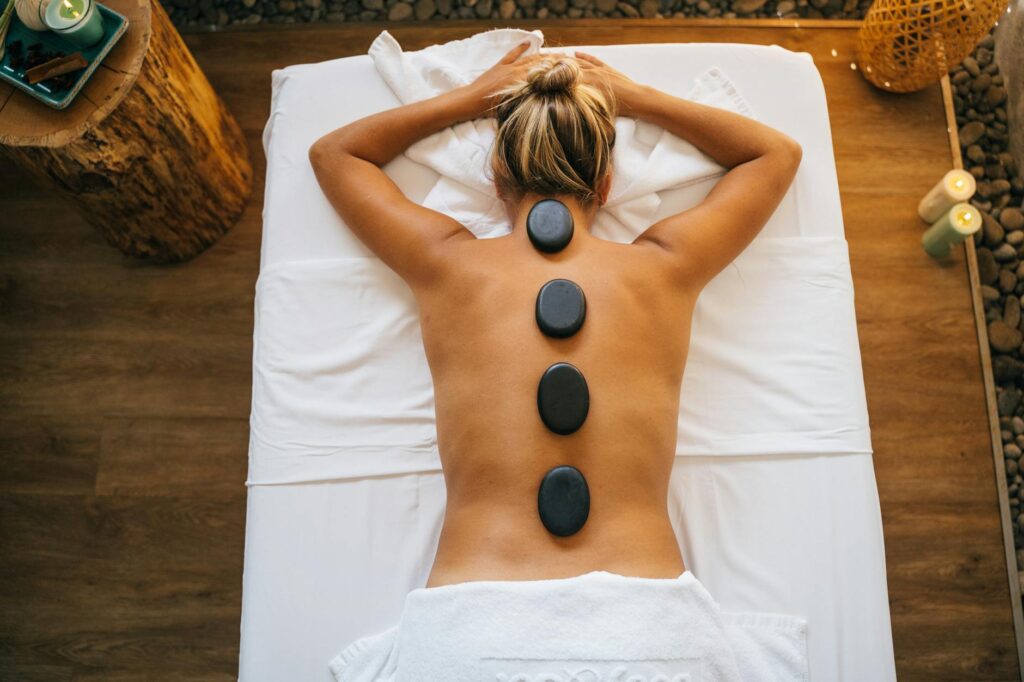
After 15,000 steps and a long-haul flight, a Shanghai massage is the perfect cure. The city runs from cheap neighborhood foot massages to luxury hotel spa rituals, with traditional Chinese medicine (TCM), Western-style spa, and Thai-style options widely available. This Shanghai massage spa guide covers the major types, the best venues at each price tier, what to expect, and how to book in 2026 — including the thing most guides skirt around: how to tell an ordinary massage shop from a place selling something else.
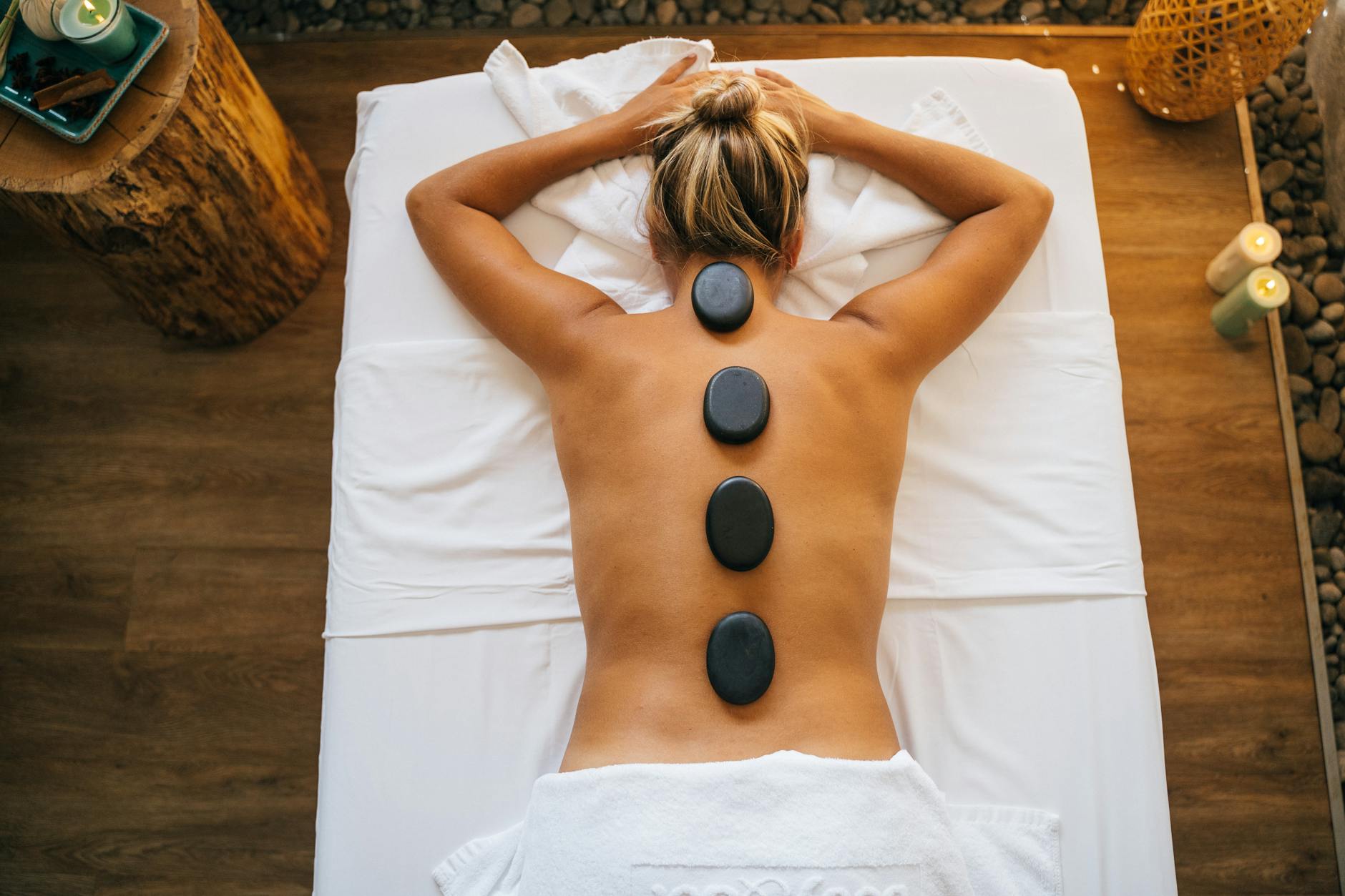
Table of Contents
- Types of Massage in Shanghai
- Telling a Real Massage Shop From the Other Kind
- Traditional Chinese Medicine Massage
- Foot Massage & Reflexology
- Thai-Style Massage
- Blind Massage Parlours
- Head Spas & the New Wellness Wave
- Luxury Hotel Spas
- Mid-Range Spas & Day Spas
- Prices & Booking
- Price Tiers Compared
- Etiquette & What to Expect
- Two Sample Evenings: Budget and Splurge
- Common Mistakes
- Who This Suits — and Who It Does Not
- Practical Tips
- FAQ
Types of Massage in Shanghai
- Traditional Chinese Medicine (TCM) — acupressure, cupping, tuina; deeply therapeutic
- Foot massage / reflexology — the easiest to find and usually the cheapest
- Thai-style — assisted stretching, pressure-point work
- Western-style spa — Swedish, deep-tissue, hot stone, aromatherapy
- Blind massage — practitioners with visual impairments; highly skilled; affordable
- Luxury hotel spa — rituals, body wraps, facials
- Head spa (头疗) — scalp wash, scalp massage, neck and shoulders; the fastest-growing category in China
- Couples massage — most spas offer side-by-side rooms
- Pregnancy massage — at major hotel spas only
The line that matters most in practice is clothed versus unclothed. Tuina, foot, blind and Thai massage are all done dressed, usually in loose cotton pyjamas the shop provides; oil and aroma work means undressing to underwear under a towel. That single distinction narrows the options usefully.
Telling a Real Massage Shop From the Other Kind
Alongside thousands of ordinary licensed massage businesses, China has a smaller trade in shops where “massage” is a front. Walking into one by accident is embarrassing rather than dangerous, but it is easily avoided and the tells are consistent.
Warning signs, in rough order of reliability:
- Pink lighting. Elsewhere the code is a red light; in China it is pink or magenta, usually behind a frosted window.
- No printed price list. Ordinary shops post a laminated menu at reception. If nobody can tell you what an hour costs before you commit, leave.
- Staff seated in the window in going-out clothes. Therapists at a normal shop wear a uniform tunic or polo shirt, often with a number badge.
- Curtains instead of doors, and very low light. A proper tuina or foot shop is brightly lit and often communal.
- Street solicitation, cards under the hotel door, or calls to your room at midnight. Ignore all three; established shops fill their books through Dianping. See Shanghai scams to avoid.
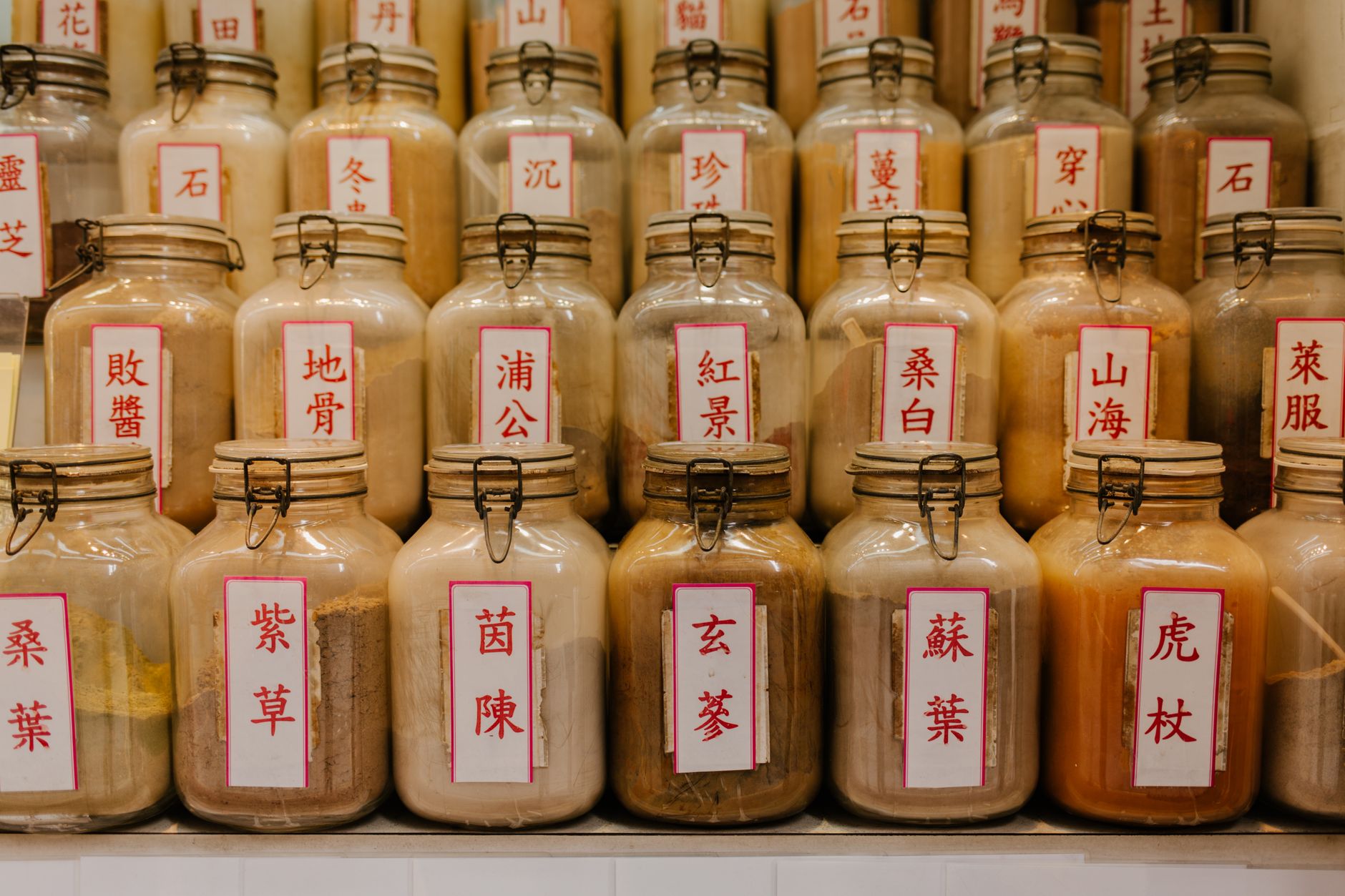
Signs you are in the right place: bright lighting, a reception desk with a QR code, uniformed staff, framed certificates, a Dianping (大众点评) listing with hundreds of reviews above 4.5, and professional signage — 推拿 (tuina), 足浴 or 足疗 (foot bath / foot therapy), 盲人按摩 (blind massage), 中医 (Chinese medicine). The euphemism to walk away from is 特殊服务 (teshu fuwu, “special services”).
Three shortcuts: book through a hotel concierge or a mall chain; use blind massage parlours, which are essentially never a front; and choose a clothed treatment. None of this makes the city unsafe — Shanghai is one of the more relaxed large cities in Asia, as our safety guide covers.
Traditional Chinese Medicine Massage
Tuina (推拿) is the formal name for therapeutic Chinese medical massage. Practitioners are licensed through TCM medical education; sessions can be deeply strong with thumb and elbow pressure into meridian points. Best for: chronic muscle tension, back pain, headache relief.
What actually happens: you stay dressed, lie face down on a firm table, and the therapist works with palms, thumbs, forearms and elbows — kneading, rolling, pressing, joint mobilisation, percussive tapping. It is not gentle. Most first-timers find the first ten minutes uncomfortable and the following twelve hours excellent.
Often combined with:
- Cupping (拔罐) — heated glass cups create suction marks; expect round, bruise-like marks that usually fade in one to two weeks
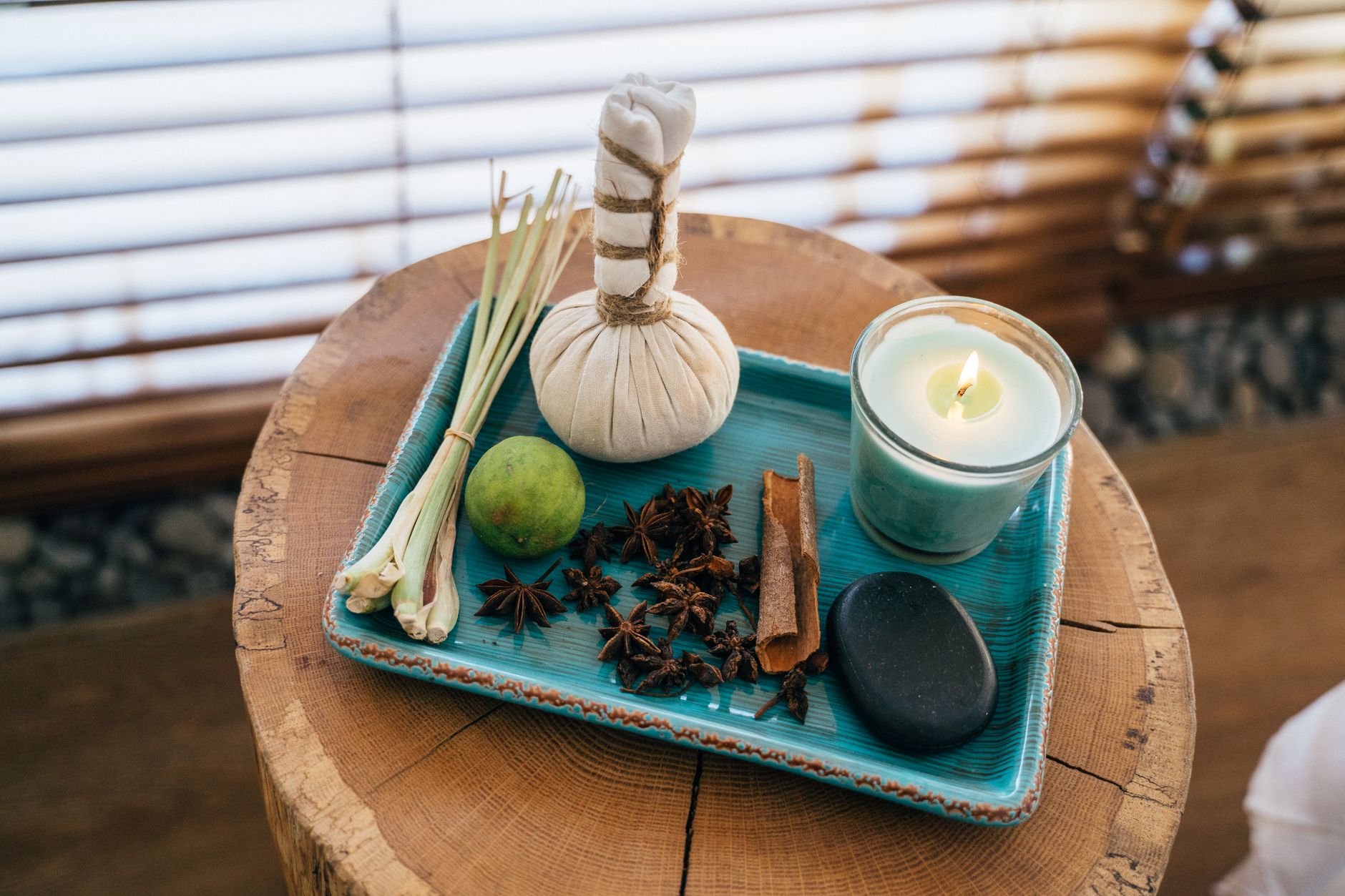
- Acupuncture (针灸) — hair-thin needles at specific points
- Moxibustion (灸) — burning herb cones on or near the skin
- Gua sha (刮痧) — scraping with smooth-edge tool to release tension
What TCM is, and is not. Tuina is explained within TCM in terms of qi and meridian channels — not a framework Western medicine shares. As a manual therapy tradition with a national curriculum and licensed practitioners behind it, it stands on its own terms. Clinical evidence outside China is thin and mostly limited to short-term musculoskeletal pain relief; one China–Germany collaboration found tuina a safe, low-cost way to reduce chronic neck and back pain, which is roughly the honest ceiling of the claim. Treat cupping and gua sha as intense bodywork that leaves marks, not as treatment for anything systemic.
Where to go: for a clinical setting, Longhua Hospital (Shanghai University of TCM, 725 South Wanping Road) and Yueyang Hospital of Integrated Chinese and Western Medicine (110 Ganhe Road, Hongkou) both run tuina and acupuncture departments; check outpatient hours on the hospital’s booking system before you go. Registration is real-name, so bring your passport, and expect Chinese only — see our language barrier tips. For English without the queue, Body & Soul (14F, Anji Plaza, 760 Xizang Nan Lu) is the alternative; ask about consultation and treatment fees when you book. The hotel spa at the Andaz Xintiandi is a gentler, pricier option, so check its current menu with the hotel.
Foot Massage & Reflexology
Foot massage is the universal Chinese end-of-day treatment. Sessions:
- Neighbourhood foot massage shops — every block has one, and they are the budget option. Tea served; English limited; flat shoes the entire time
- Specialist chains — Liang Zi Foot Reflexology, Dragonfly: a step up in price from the corner shop, varying by branch, so compare menus on Dianping (大众点评). English-friendly; consistent quality
- Premium foot massage at hotel spas — the top of the range; ask the spa for its current menu
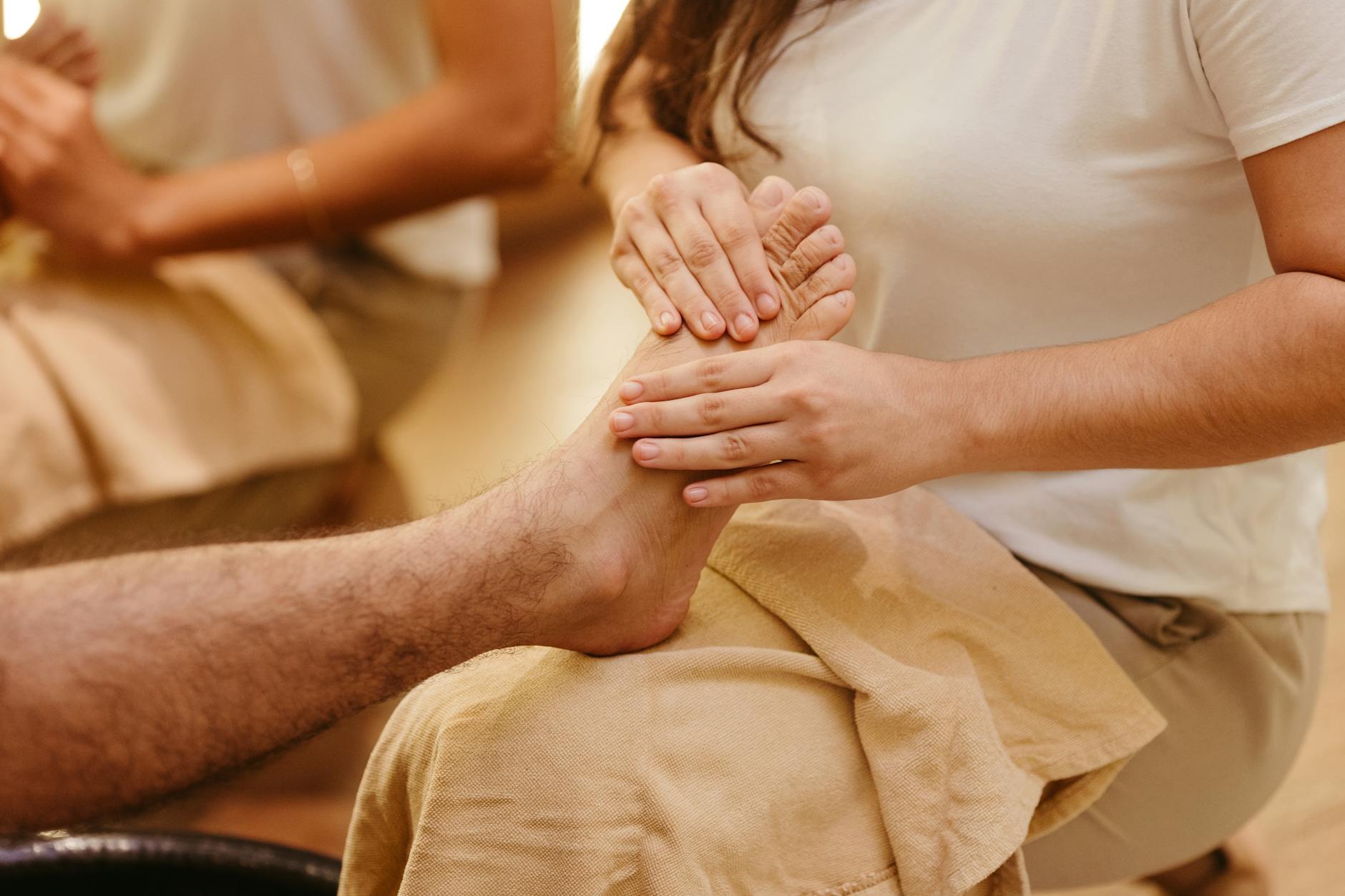
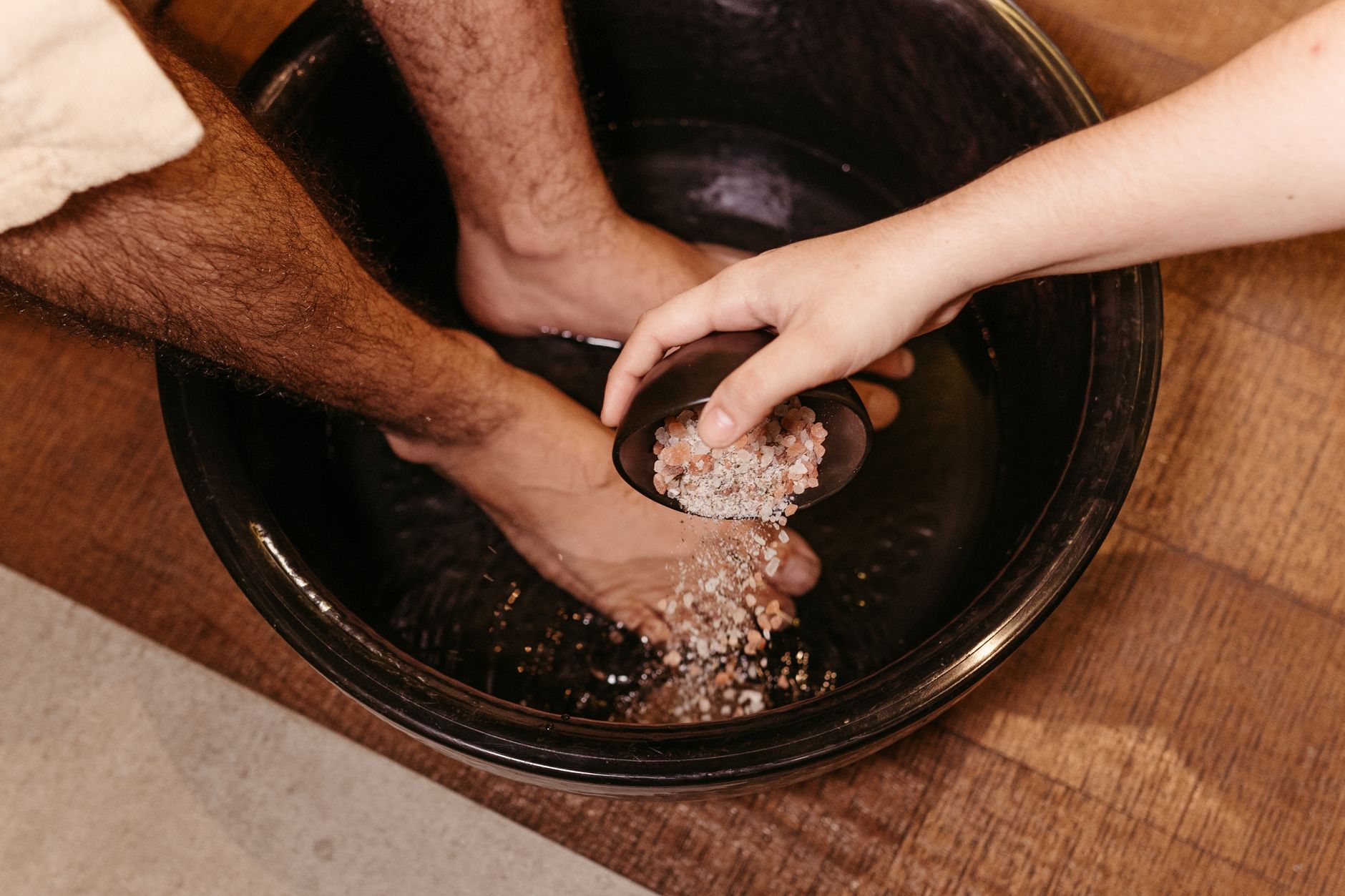
What to expect: foot bath first → seated reclining chair → deep thumb pressure covering soles, calves, ankles, sometimes shoulders/neck. Best for jet lag, sore feet from walking, and end-of-sightseeing-day recovery.
Details nobody warns you about: the soak comes in a bucket and the water is hotter than you expect; tea and fruit are included; rooms are often shared, with four recliners and a television on. The last fifteen minutes of a “foot” massage is usually shoulders, neck and scalp. The pressure on the arch is strong — learn 轻一点 (qīng yī diǎn, lighter) and 重一点 (zhòng yī diǎn, harder).
Named options: Zen Massage has a branch on Fuxing Lu; check its current prices and hours before you walk over. Green Massage in K11 (3/F, 300 Huaihai Zhong Lu) is the polished mall version.
Thai-Style Massage
- Dragonfly — Thai-style options at multiple Shanghai locations
- The Spa at The Peninsula — premium Thai-influenced packages
- Subconscious Massage — boutique day spa; ask which Thai-style treatments are on the current menu
Thai massage is performed clothed (loose pants/shirts provided), on a floor mat or low bench. Assisted stretching is the signature element.
The dedicated Thai houses cluster in Jing’an, Huangpu and Xuhui, and several keep hours that suit a late dinner. Thai Lanna, near Jing’an Temple, is one of the longer-established operators. The Julu Lu branch of Pure Thai Massage is staffed by Thai masseuses. Lilawadi Thai Spa in the Bund Finance Center basement (600 Zhongshan Dong Er Lu) makes an afternoon option if you are already at the Bund; confirm its closing time before you go.
Thai work is the most physically involved option here — you will be folded, rotated and walked on. It suits stiffness after a fourteen-hour flight; it does not suit a recent injury or a disc problem.
Blind Massage Parlours
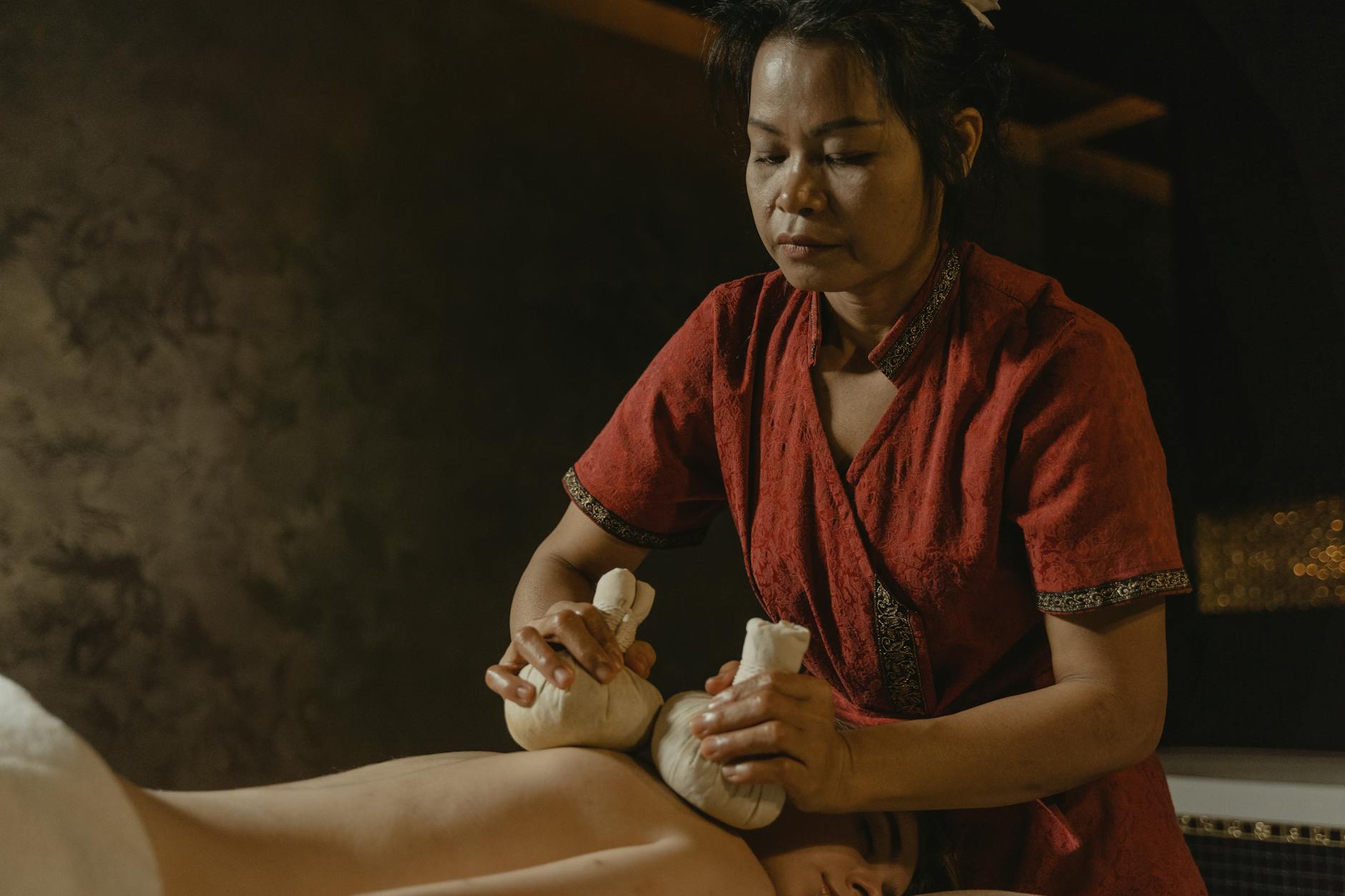
Blind-massage parlours employ practitioners with visual impairments who develop exceptional tactile sensitivity. A unique Chinese tradition. Highly skilled, very therapeutic, affordable.
- Blind Brothers (盲人按摩) — multiple locations
- Anhua Blind Massage — independent operator
- Various smaller neighborhood shops — signage often in Chinese only
- Prices — cheaper than the chains; very basic facilities; therapeutic, not luxury
Massage has been a recognised profession for blind practitioners in China for decades, with its own training and certification track, and the Shanghai standard is high. The trade-off is comfort: strip lighting, thin partitions, a therapist who works in silence. Shops worth the walk, at typical 2026 prices:
- Yilin Blind Massage — No. 1, Lane 100 Nan Dandong Lu, Xuhui, near Tianyaoqiao Lu. Reflexology, tuina and oil massage; it also does home visits, so ask about the price and transport when you call.
- Double Rainbow Massage House — Yongjia Lu near Shaanxi Nan Lu, Xuhui. Tuina and long foot-plus-body combinations at blind-parlour prices. Short on privacy.
- Ganzhi Blind Massage — has a branch on Beijing Xi Lu; tuina is the core of the menu.
Independent prices move and Dianping discounts are common, so treat these as the shape of the market rather than a tariff.
Head Spas & the New Wellness Wave
A newer category in Chinese cities is the head spa (头疗, tóuliáo) — not a haircut and not a facial. You lie back with a warm cloth over your eyes while a therapist assesses your scalp, washes it two or three times under a fan-shaped rinse head, works oils through, then massages scalp, neck and shoulders. A session costs far less than a hotel-spa treatment and makes good value for the time on the couch. Most branches sit in office-tower basements and mall floors.
Ear cleaning (采耳, cǎi’ěr) is the other one to know — more associated with Chengdu teahouses but now a common Shanghai add-on, using feathers, picks and a tuning fork. Sensory rather than medical; skip it if you have ever had a perforated eardrum. Neither requires undressing, and both fill a rainy hour, which Shanghai supplies generously in winter.
Luxury Hotel Spas
- The Spa at The Peninsula Shanghai — holds a Forbes Travel Guide Five-Star rating for 2026; ask for the current treatment menu and prices
- The Spa at Mandarin Oriental Pudong — extensive treatment menu; couples treatment rooms
- The Spa at Capella Jian Ye Li — boutique-scale ultra-luxury; request the menu when you book
- Quan Spa at the JW Marriott — solid mid-luxury option
- The Ritz-Carlton Spa at the Ritz-Carlton Pudong — 60-minute massages from ¥1,480 and 90 minutes from ¥1,880, all-inclusive
- The spa at Andaz Xintiandi — check treatments and prices with the hotel
- The Spa at The Sukhothai Shanghai — Thai-influenced; deeply relaxing
Treatments include: signature massages, longer rituals, body wraps, facials, scrubs, and packages combining several services. Most include sauna, steam, vitality pool access.
Two notes on the biggest names. The Peninsula Spa is on the 3rd floor at 32 Zhongshan Dong Yi Road, opens 10:00–22:00, includes a thermal suite with steam room and sauna, and books on +86 21 2327 6599. The Spa at Mandarin Oriental Pudong runs 10:00–23:00 on +86 21 2082 9868, adds 15% service to every bill, asks you to check in 30 minutes early, needs 12 hours’ notice to cancel, and sets a minimum age of 16. That service charge is the commonest surprise on a luxury spa bill here.
Worth it? For a two-hour ritual with pool, steam and a lounger afterwards, yes, once a trip. For a straight 60-minute massage, the quality gain over a good ¥350 chain does not track a fivefold price difference — buy the package, not the treatment. Our luxury hotels guide notes which properties include facility access.
Mid-Range Spas & Day Spas
- Dragonfly — chain with multiple locations; modern facilities; consistent quality
- Green Massage — mid-range chain
- Subconscious Massage — boutique with multiple treatment styles
- Suzhou Foot Massage — specialist chain; pure foot focus
This tier is where most visitors should spend: the chains book in English, take foreign cards, and stay consistent across branches. Dragonfly has a branch at 2/F, 559 Nanchang Lu; look up its menu and closing time before you set off. Most cluster in the former French Concession, so one folds into an afternoon of walking — see the French Concession walking tour.
Prices & Booking
- Foot massage (neighborhood): budget
- Foot massage (chain like Dragonfly): budget to mid-range
- Body massage (mid-range chain): mid-range
- TCM tuina (hospital or premium): depends on the hospital, the consultation and the treatment prescribed
- Thai massage (chain): mid-range
- Luxury hotel spa: splurge
- Packages (several services): the top of the splurge tier, and usually most of an afternoon
Booking: Most accept walk-ins for foot massage; advance booking recommended for body work and especially for luxury hotel spas. Trip.com, Klook, and hotel concierge are reliable for English booking.
How locals book. Dianping (大众点评) is the tool — Yelp and Google reviews combined, carrying menus, photos, real prices and prepaid vouchers (团购) that often undercut the walk-in rate. The interface is Chinese, but numbers, star ratings and photographs need no Mandarin. Meituan does the same job. Otherwise the concierge will call and book in thirty seconds.
Paying. Alipay and WeChat Pay work at most shops, small ones included, and both accept linked foreign cards (Visa, Mastercard and JCB on Alipay); overseas-card payments above ¥200 may carry a 3% fee. Cash still works at neighbourhood and blind parlours; foreign credit cards are reliable only at hotel spas and larger chains — our money and currency guide covers the setup. Some independents push a prepaid membership card; that only makes sense if you live here.
Price Tiers Compared
Where the money goes, from cheapest to dearest. Dianping vouchers often bring the walk-in rate down, so check the app for the current price before you go.
| Tier | Price level | Setting | English | Book ahead? | Best for |
|---|---|---|---|---|---|
| Neighbourhood foot shop | Budget | Shared room, bright light, TV on | Rarely | No, walk in | Cheap end-of-day recovery |
| Blind massage parlour | Budget | Basic, partitioned, quiet | Rarely | No, walk in | Strongest technique per yuan |
| Head spa (头疗) | Budget to mid-range | Mall or office basement | Sometimes | Same day | Napping; scalp and shoulders |
| Chain (Dragonfly, Green) | Mid-range | Private room, robe, tea | Usually | Same day | The reliable default |
| Thai house | Mid-range | Mat or low bench, clothed | Often | Same day | Stiffness after a long flight |
| Clinical TCM / tuina | Depends on the treatment prescribed | Clinic or hospital department | Varies widely | Yes | Specific back and neck pain |
| Luxury hotel spa | Splurge | Suite, pool, steam, sauna | Always | Yes, via concierge | A half-day, once per trip |
Etiquette & What to Expect
- Tipping is not the practice — many places explicitly don’t accept tips. For exceptional service at luxury hotels, a small cash tip is appreciated. See our tipping guide
- Modesty levels vary — at TCM and chain spas, you stay clothed (loose-fitting clothes); at luxury hotel spas, fully undressed under towels is standard
- Showers — luxury spas include sauna, steam, pool; foot/neighborhood places don’t
- Talking — Chinese masseurs are largely quiet; ask for less or more pressure with hand signals
- Phones — keep on silent; some places require lockers
- Footwear — slippers provided at premium venues; bring socks for foot massage
- Bruising from cupping — round marks that look like bruises and usually fade within one to two weeks; warn your travel companions
- Allergies / pregnancy / health conditions — inform the therapist beforehand. Some treatments contraindicated
- Time/duration — give body work longer than a foot massage; a rushed session wastes the money
On social texture: Chinese massage is closer to going to the barber than to a hushed ritual. Staff chat, phones ring at reception, someone may bring you watermelon halfway through. Hotel spas are the exception. If you have a problem area, show a translation on your phone before you start. Broader conventions are in our etiquette guide.
Two Sample Evenings: Budget and Splurge
The budget evening. Finish sightseeing at 18:30, eat early and cheaply, then at 19:45 walk into a blind-massage parlour — Double Rainbow on Yongjia Lu, say — for a long foot-and-body combination. Out at 21:30, loose enough to sleep on Shanghai time. A taxi back on the meter keeps the whole night cheap, and few things work better on jet lag.
The splurge afternoon. Book a 120-minute hotel ritual a week ahead, for 14:00 on a day with nothing else in it. Arrive 13:30 and use the steam room, sauna and pool first — that access is what you are paying for, and most people waste it by arriving five minutes late. Treatment 14:00–16:00, then an hour on a lounger. When you book, ask for the ritual’s price and whether a service charge is added on top. Do it on a wet day or before a night flight.
The layover version. With six hours between flights, look for a spa or foot shop at or near one of the Pudong airport hotels; 60 minutes plus a shower beats a departure lounge. See the layover guide.
Common Mistakes
- Getting cupped three days before the beach. Those circular marks usually take one to two weeks to fade and photograph badly.
- Assuming the quoted price is the final price. Hotel spas often add a service charge; mall chains sometimes do too.
- Arriving on time for a hotel spa. On time means missing the sauna, steam and pool the price includes. Arrive 30–45 minutes early.
- Eating a full meal first. Face-down tuina after a large dinner is unpleasant. Leave 90 minutes.
- Saying nothing when it hurts. Therapists calibrate to Chinese customers, who like it harder. Silence reads as approval.
- Picking the cheapest Dianping listing without checking the review count. Four reviews at 4.9 means nothing; three hundred at 4.6 means something.
Who This Suits — and Who It Does Not
Worth going out of your way for: anyone walking 15,000 steps a day, which is most visitors; anyone off a long-haul flight with a time difference to fight; and travellers on a budget, since an hour of skilled work here costs a fraction of the London or New York price. Our budget guide sets the cost against the rest of a trip.
Think twice if: you are pregnant, since prenatal treatment is not offered everywhere, so ask before you book; you have a recent injury, a clotting disorder or take blood thinners, in which case skip cupping and gua sha entirely; you are travelling with young children, as age rules differ by venue, so ask before you go; or you dislike strong pressure, in which case book Western-style oil massage and say so at the desk.
Solo travellers are entirely normal customers — most people in a foot shop on a Tuesday night are alone; see our solo travel guide. It also pairs well with the other slow parts of a trip, like buying tea in Shanghai.
Practical Tips
- End-of-day timing — book massage for 19:00–20:30 after sightseeing; ideal end-of-walking-day recovery
- Jet lag — foot massage on Day 1 evening is restorative
- Allow 90 minutes total for a 60-min treatment (arrival, paperwork, treatment, exit)
- Hotel spas accept walk-ins from non-guests; show ID, pay full price
- Cash + Alipay accepted; foreign credit cards at premium spas only
- Pre-treatment — hydrate; eat lightly; avoid alcohol
- Post-treatment — drink water; the next 24h often feels more relaxed/sleepy
- Best season — winter (more relaxation needed) and post-flight Day 1
- Booking premium hotel spas — book ahead via concierge or hotel WeChat
- Couples treatments — book separately; most spas accommodate same-room couples
- Late closing — many independents stay open late, so a massage after a late dinner is realistic here
- Getting there — many venues above are a short walk from a metro station; the metro guide has last-train times
Frequently Asked Questions
How much does massage cost in Shanghai?
Foot massage is the cheapest tier, and mid-range body work at a chain costs more. Hotel spas sit at the top, with multi-service packages above a single treatment. Prices vary by branch, so check the current menu on Dianping or with the spa.
What’s the difference between Chinese tuina and Western massage?
Tuina is TCM-based, with strong acupressure and meridian work. Western massage focuses on muscle relaxation with gentler oil-based strokes. Both available in Shanghai.
Where can I get an inexpensive massage in Shanghai?
Neighborhood foot massage shops on most side streets and blind-massage parlours are the cheapest options. Quality is variable; chains like Dragonfly cost more but are the safer bet.
Is tipping expected at Shanghai massage parlours?
No — tipping isn’t customary. Many places explicitly don’t accept tips. For exceptional service at luxury hotel spas, a modest cash tip is welcome but never expected.
What is a blind massage parlour in Shanghai?
A parlour staffed by practitioners with visual impairments, who develop exceptional tactile sensitivity. Therapeutic, affordable, very skilled.
Are luxury hotel spas worth the price in Shanghai?
For special occasions, yes. The Peninsula, Mandarin Oriental Pudong and Capella all deliver a genuinely polished experience with private suites and thermal facilities. Spending at that level makes sense when it buys several hours of total spa time rather than just a massage.
What is cupping therapy and is it safe?
Heated glass cups create suction on the skin, leaving circular marks that usually fade in a week or two. Generally safe from a licensed practitioner on healthy skin. Avoid it if you bruise easily, take blood thinners, or have a skin condition on the area.
Can I get a couples massage in Shanghai?
Yes — most luxury hotel spas have side-by-side rooms for couples. Mid-range chains may also have couples rooms, so ask when you book, and book ahead.
How do I know a Shanghai massage shop is legitimate?
Look for a posted price list, uniformed staff, bright lighting, a Dianping listing with hundreds of reviews, and professional signage (推拿, 足浴, 盲人按摩). Avoid pink-lit shopfronts, curtained cubicles, street touts and anywhere that will not quote a price before you sit down. Blind parlours and mall chains are the safest defaults.
Do I need to speak Chinese to get a massage in Shanghai?
No. Chains and hotel spas have English-speaking reception. At neighbourhood shops, point at the menu, hold up fingers for the duration, and learn 轻一点 (lighter) and 重一点 (harder). QR-code payment removes the rest.
Is a Shanghai head spa worth trying?
If you like having your scalp washed and your neck worked on for an hour, yes — it costs far less than a hotel spa and is good value for the time. It is a wash and a massage, not a hair treatment with lasting effects.
Can I get a massage late at night in Shanghai?
Yes. Many independents, Thai houses and blind parlours stay open well into the evening. Check the metro’s last train before booking a 22:00 slot.
Plan Your Spa Day
Combine with our pillar guides on Shanghai practical tips, Shanghai traditional culture, and our luxury hotels guide. For background, see Tui na (Chinese massage) on Wikipedia.