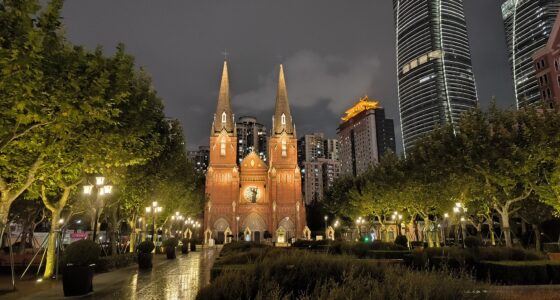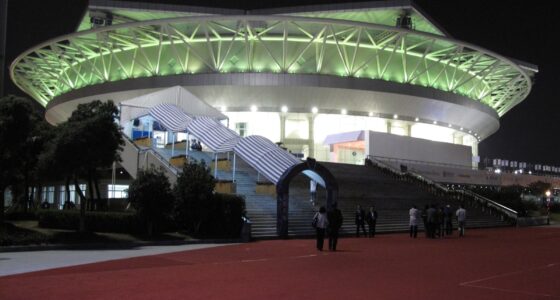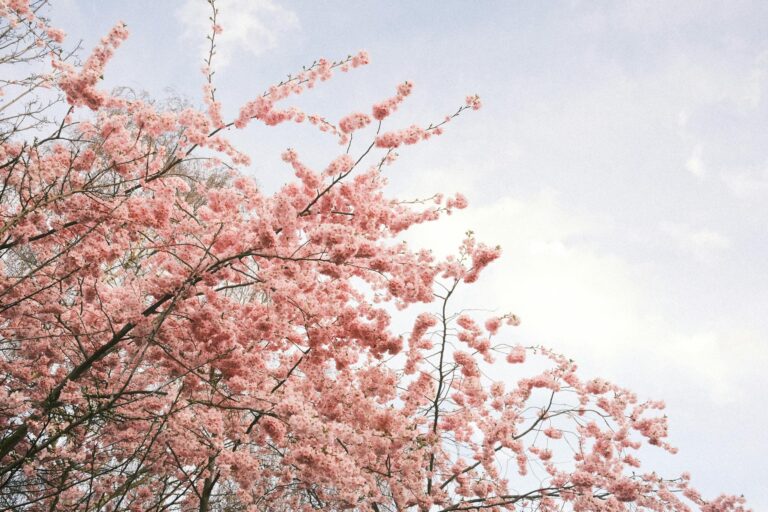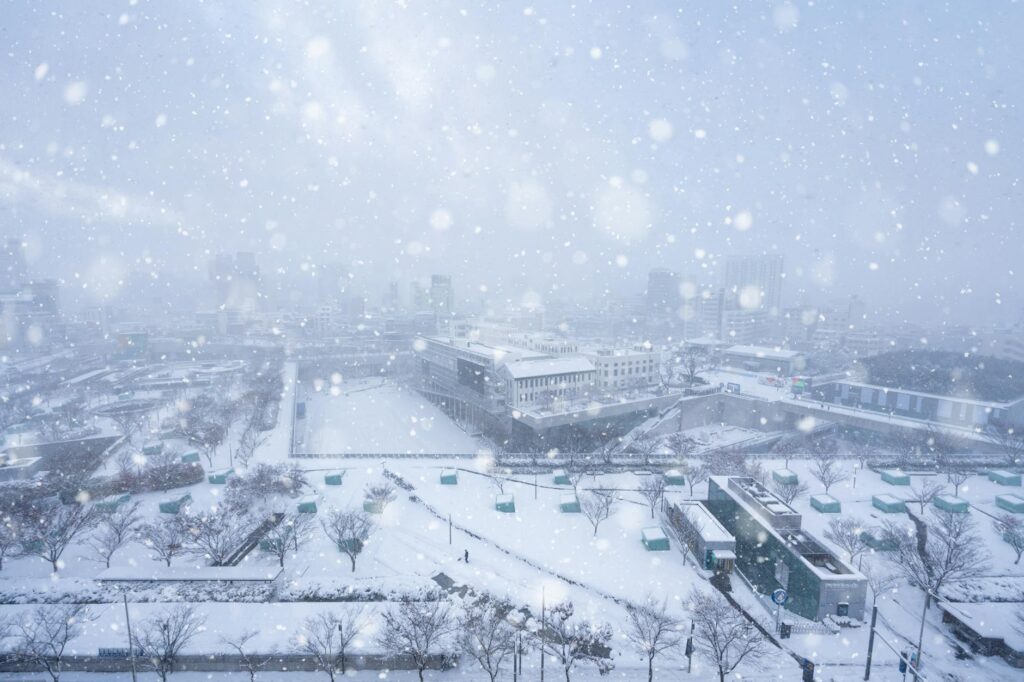
Shanghai in winter surprises most first-time visitors. The city sits at the same latitude as Houston but feels much colder — damp air, no central heating in older buildings, and occasional snowfall. Yet it’s also one of the most atmospheric times to visit: Christmas markets around the Bund through December, the Yu Garden Lantern Festival around Chinese New Year, hairy crab finishing its season, and hotpot culture at its peak. This guide covers exactly what to expect December through February — weather, festivals, what to wear, what to eat, and how to plan around Chinese New Year.
One dating note before anything else. Chinese New Year lands on 6 February 2027 (Year of the Goat), which means the winter now ahead of us runs Christmas markets in December 2026, a quiet January, and the Spring Festival crush in the first half of February. If you are booking flights for this winter, that single date shapes everything — prices, closures, train availability and whether the Lantern Festival is on while you are there.
Table of Contents
- Winter Weather Month by Month
- Why It Feels Colder Than the Numbers
- Shanghai in Winter: Christmas Markets & Holiday Lights
- Chinese New Year
- Lantern Festival
- Best Things to Do in Shanghai in Winter
- Winter Day Trips
- Winter Food & Drink
- What to Pack
- Prices & Crowds
- A Sample Winter Weekend
- When to Avoid
- What First-Timers Get Wrong
- FAQ
Winter Weather Month by Month
December
The start of winter. At the Xujiahui weather station, December averages a high of 11.3°C and a low of 5.3°C (1991–2020 normals), with 8.5 days of measurable precipitation (0.1 mm or more). Christmas decorations go up early December.
January
The coldest month. Xujiahui’s 1991–2020 averages put January at 8.7°C by day and 2.9°C at night. Occasional snow. Precipitation falls on 10.6 days of the month (0.1 mm or more). The most challenging weather of the year. Chinese New Year often falls late January.
February
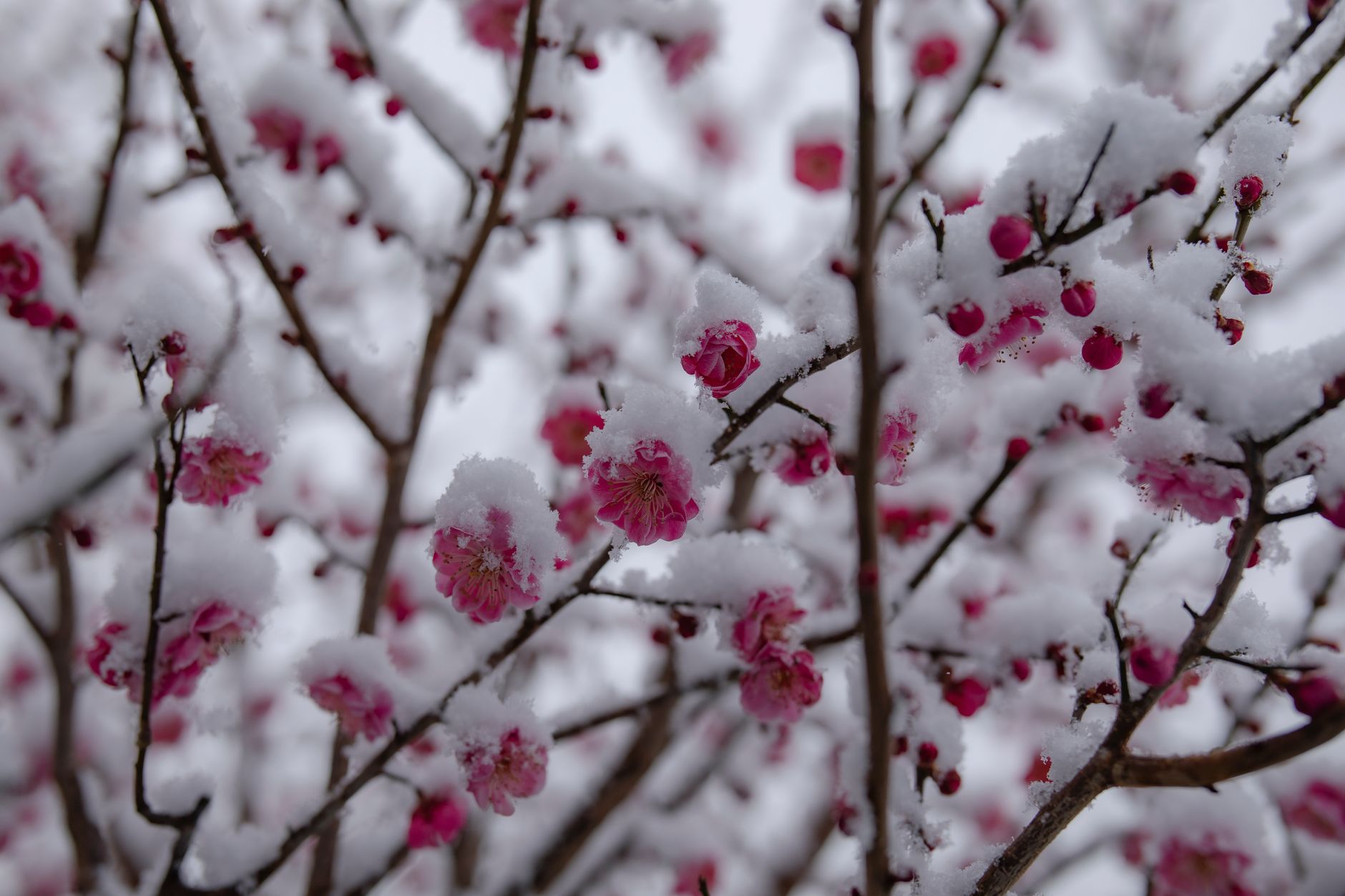
Coldest first half, warming by late February. Averages of 10.7°C by day and 4.1°C at night (Xujiahui, 1991–2020), with 10.4 precipitation days. Chinese New Year typically falls in February. Plum blossoms appear in parks late month.
| Month | Avg high / low | Rainfall | Sunshine | Humidity | Coldest on record |
|---|---|---|---|---|---|
| December | 11.3°C / 5.3°C | 50.4 mm | ~4.1 hrs/day | 69% | −8.5°C |
| January | 8.7°C / 2.9°C | 72.2 mm | ~3.7 hrs/day | 71% | −10.1°C |
| February | 10.7°C / 4.1°C | 65.0 mm | ~4.2 hrs/day | 71% | −7.9°C |
Note the sunshine column. Three and a half hours of sun a day in January is the real story of a Shanghai winter — grey, low cloud, and a lot of flat light. Photographers should plan for it rather than hope. Our month-by-month weather guide puts these figures alongside the rest of the year.
Why It Feels Colder Than the Numbers
Key climate note: Shanghai’s winter feels much colder than the actual temperature suggests because of humidity and lack of central heating in older buildings. A 5°C day in Shanghai feels colder than a 0°C day in a dry continental city. Layer aggressively.
The heating point deserves its own paragraph because it catches people out. China’s municipal heating network stops at the Qinling–Huai River line, several hundred kilometres north of Shanghai, so the city has no district heating at all. Buildings warm themselves with reversible air-conditioning units, which blow hot air at the ceiling and do very little at ankle height. In practice:
- International-brand hotels are properly heated. If you are cold-sensitive, this is worth paying for.
- Budget hotels, hostels and older guesthouses may give you one wall unit and a thin duvet. Ask before booking, and ask for an extra blanket on arrival.
- Restaurants and shops often prop their doors open behind a heavy plastic curtain. Keep your coat on for the first ten minutes.
- Metro trains and carriages are warm; platforms are not.
The second thing nobody mentions is winter air quality. Cold, still days trap particulates, and Shanghai’s worst readings of the year fall between December and February. It is not Beijing — most winter days sit in the moderate band — but a handful each season climb high enough that a mask is genuinely useful. Check an AQI app in the morning and plan an indoor day if the number is above 150.
Shanghai in Winter: Christmas Markets & Holiday Lights
Although not a Chinese public holiday, Christmas is widely celebrated in Shanghai’s commercial districts. Notable spots:
- Xintiandi — check Xintiandi’s own event announcements for this year’s Christmas programme
- The Bund — heritage buildings festooned with holiday lighting; particularly the Peninsula and Waldorf Astoria displays
- IFC Mall Lujiazui — giant Christmas tree, holiday window displays, ice rink set up in central atrium
- Pudong’s Lujiazui — coordinated towers with red/green/gold lighting
- Disneyland’s Christmas event — full park transformation late November through early January
The 2025 season shows the kind of thing to expect. For this December’s dates, prices and opening hours, check each organiser’s announcement or SmartShanghai’s event listings:
| Market | Where | Entry | Typical run | Worth it for |
|---|---|---|---|---|
| Christkindlmarkt on the Bund | Waitanyuan (Rockbund), Yuanmingyuan Lu | ¥30 advance / ¥40 on site in 2025 | December; check the organiser’s dates | A German Christmas market in the Bund’s heritage quarter |
| BFC (Bund Finance Centre) | 600 Zhongshan Dong Er Lu | Check when you go | Check BFC’s winter listing | A winter carnival with an ice rink in 2025 |
| Paulaner Christkindlmarkt | 500 Dongdaming Lu, North Bund (Hongkou) | About ¥50 in 2025, redeemable against food and drink | Ask Paulaner for this year’s dates | A German beer-hall Christmas |
A few honest notes. These are commercial pop-ups, not centuries-old European markets. The Bund Christkindlmarkt is the only one that feels genuinely like a market rather than a shopping-centre activation, and it is packed on the two weekends before Christmas. Go on a Wednesday or Thursday evening. If you are with children, BFC’s ice rink makes it the easier pick.
If you want a Western-style Christmas dinner at a hotel on 24 or 25 December, book early. Christmas Day itself is a normal working day in China — offices open, metro on a weekday timetable, and no reason to expect anything to be closed.
Chinese New Year
Chinese New Year (Spring Festival, 春节) is one of the most important holidays in Chinese culture, and the celebrations carry on through the Lantern Festival. Dates vary year-to-year by the lunar calendar:
- 2026: February 17 (Year of the Horse)
- 2027: February 6 (Year of the Goat)
- 2028: January 26 (Year of the Monkey)
What to expect:
- Some shops and restaurants close or cut their hours over the holiday, so check opening notices for anywhere you plan to go
- Fireworks ban in central Shanghai for years; expect light displays instead
- Yu Garden Bazaar lantern displays around the festival (the 2026 edition ran from 26 January to 3 March) — the headline tourist event
- Family-oriented atmosphere — Shanghai locals travel to their hometowns; the city is actually quieter than usual in some districts
- Major attractions stay open but operate on holiday schedules
- Hotel prices over the holiday depend on the hotel and when you book; in 2026 the public holiday ran nine days, 15–23 February
- Bullet trains are at their busiest; tickets go on sale 14 days before departure, so book on 12306 as soon as they open
The State Council sets the official holiday afresh each year; in 2026 it ran for nine days, from 15 to 23 February. Lunar New Year’s Day 2027 is Saturday 6 February, and the exact days off come from the State Council’s 2027 holiday notice on gov.cn, so do not book non-refundable domestic travel until you have seen it.
Whether Spring Festival is a good time to visit depends entirely on what you want. It is a genuinely bad week for eating: family-run restaurants close for anywhere from three days to two weeks while staff go home, and the places that stay open are chains and hotel restaurants. It is a genuinely good week for atmosphere: temple fairs, red everywhere, Longhua and Jing’an temples packed for the first incense of the year, and the city’s usual traffic replaced by an odd, holiday emptiness in the office districts. Book restaurants and any intercity rail before you arrive. Rail tickets open 14 days before departure (the 15-day sale window counts the day you buy), and holiday availability varies by train and date, so buy as soon as your day opens.
Lantern Festival
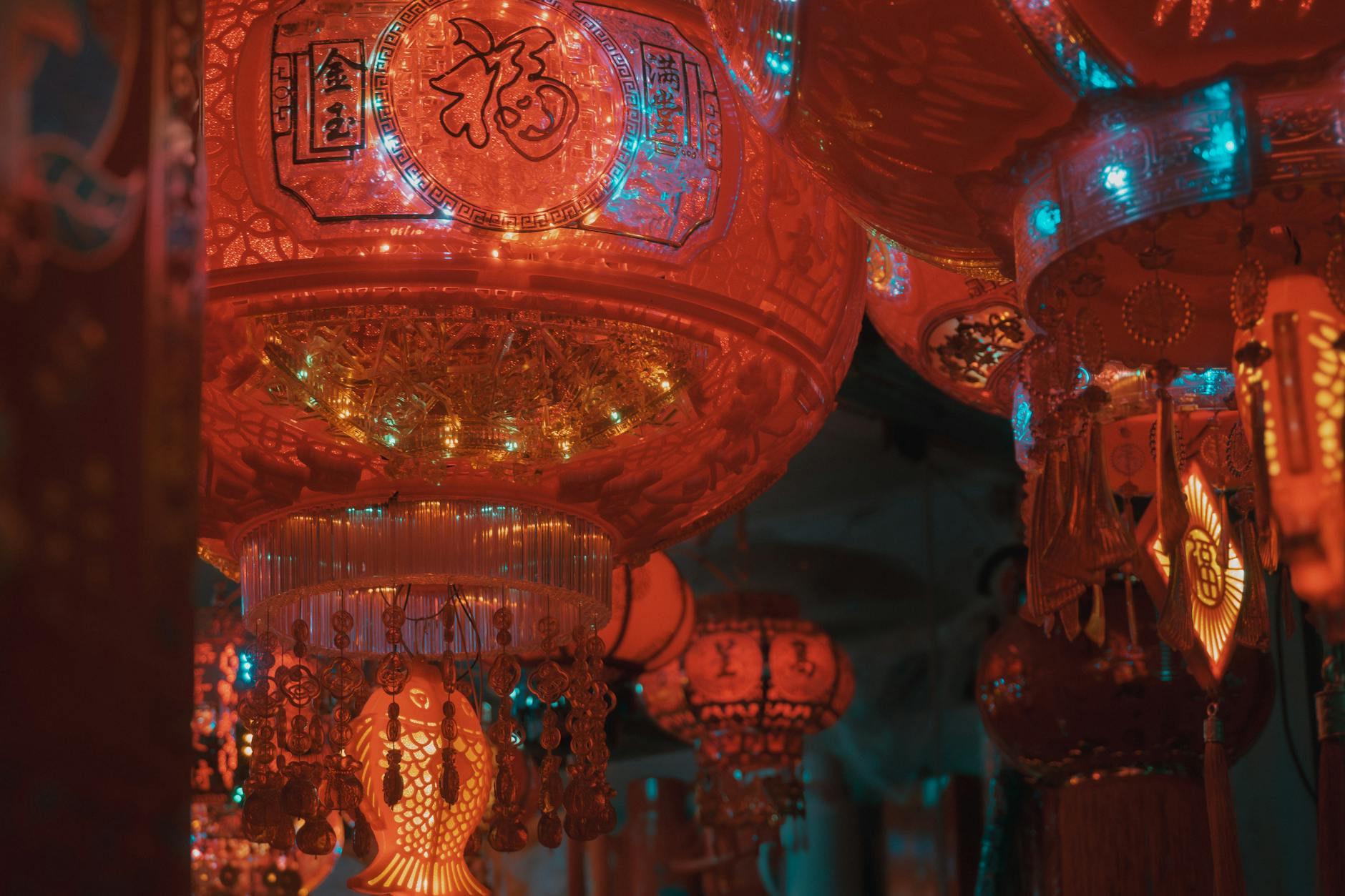
The Lantern Festival (元宵节) falls on the 15th day of the lunar new year (typically early March or late February). Yuyuan hosts a major lantern festival around it, and the 2026 edition stayed lit for more than five weeks. Each year features a different theme (mythological creatures, historical scenes, modern technology). In 2026 the ¥80 adult lantern ticket covered the folk-art lantern zone in the Yuyuan shopping complex; the classical garden was a separate admission.
The 2026 edition gives you the shape of it: the festival ran from 26 January to 3 March, closed only on New Year’s Eve itself, with adult tickets at ¥80 and children at ¥50 for the paid Yu Garden folk-art zone. Five further zones — the Bund, BFC, Gucheng Park, Middle Fangbang Road and Fuyou Road — were free to walk through. Opening was 4pm to 10pm on ordinary days and from 2pm on peak days. Tickets are sold through the Yuyuan Garden Malls WeChat service account and the usual Chinese ticketing platforms; the official listing is published on the Shanghai municipal government’s English site. For 2027, watch the same two channels for the display dates; the Lantern Festival itself falls on 20 February.
Best time to visit: weeknight 18:00–21:00. Weekends are overwhelming. Photography is wonderful; allow 2–3 hours.
Two practical points. The free zones are genuinely good — if you only want photographs of lit lanterns and a walk through the crowds, you do not need the ¥80 ticket at all. And the classical Yu Garden is a separate ticket from the lantern zone, so budget for it if you want to see the garden in daylight too; our Yu Garden guide covers that visit.

Best Things to Do in Shanghai in Winter
- Yu Garden Lantern Festival — the headline event; in 2026 it ran from 26 January to 3 March
- Hotpot crawls — visit Hai Di Lao, Xiaolongkan, or a small neighborhood place. Comfort food peak season
- Shanghai Museum East — indoor culture, free entry; perfect for cold days
- Power Station of Art — winter exhibition season; warm indoor space
- Shanghai Disneyland Christmas event — November through early January
- Bund night walk — even better in winter with crisp air and clearer skies
- Afternoon tea at the Peninsula or Waldorf Astoria — heritage indoor experience
- Plum blossoms in Century Park — early February signals spring’s approach
- Old Town Yu Garden Bazaar — atmospheric in winter cold
- Cocktail bars and jazz — Sober Company, Speak Low, the Fairmont Peace Hotel Jazz Bar
Winter is the season to be strategic about indoor time. A workable rhythm is one big indoor anchor per day — a museum, a long lunch, a bathhouse — with two or three short outdoor stretches around it, rather than five hours of continuous walking. The museums guide is the obvious place to start, and Shanghai Museum East in Pudong is free, with individual visitors needing only a passport at the B1 East Gate; it is closed on Tuesdays. A long massage is the other reliable indoor anchor, and our guide to massage shops and spas in Shanghai sets out the price tiers, from a neighbourhood foot massage to a hotel spa ritual.
Other cold-day options that reward the winter visit specifically: the Shanghai Science and Technology Museum for families, the covered lanes of the fabric and antique markets, a long dumpling breakfast, and the speakeasy circuit, which is far more appealing in January than in August. Winter is also the best time of year for the Bund at night — the haze clears, the air is sharp, and the promenade is walkable rather than shoulder-to-shoulder.
Winter Day Trips
Winter suits the water towns better than summer does. Shanghai summers are hot and humid, with July highs averaging about 33°C, and the stone lanes are far more pleasant in cool weather. The one thing to plan around is closing time: ask shops and boat operators about their hours and the last sailing before you build the afternoon around them.
- Zhujiajiao — Metro Line 17 from Hongqiao Railway Station to Zhujiajiao Station, then a walk or local bus into the old town; the city puts it at around 40 minutes from the Hongqiao hub. Good for a half-day. See our Zhujiajiao guide.
- Suzhou — a short hop by high-speed rail. The classical gardens are designed for bare branches and stone; several are arguably better in winter. Suzhou day trip.
- Hangzhou — about an hour by train. West Lake in snow is one of the most famous sights in Chinese art, and on the rare snowy morning half of Shanghai tries to get there. Hangzhou day trip.
Book rail tickets a few days ahead in normal weeks and much further ahead around Spring Festival.
Winter Food & Drink
- Hotpot (火锅) — Shanghai’s winter comfort food. Hai Di Lao, Xiaolongkan, and local family-run places.
- Pickled vegetable + tofu stew — Shanghainese winter staple
- Yangba (羊把儿) — slow-braised mutton, deeply warming
- Hairy crab — season ends November but lingers into early December
- Roasted chestnuts and sweet potatoes — street vendors
- Glutinous rice balls in sweet ginger broth — Lantern Festival staple
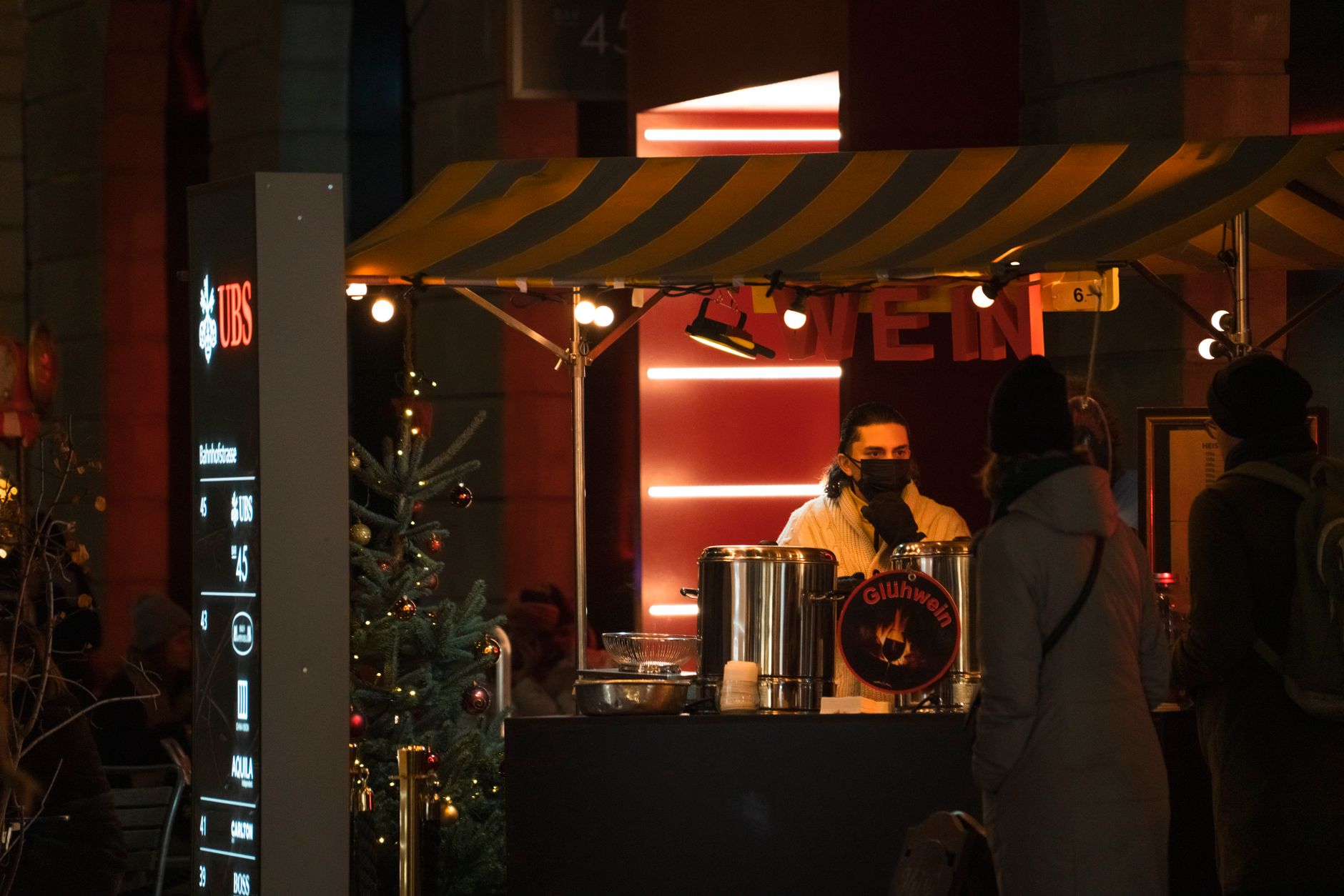
- Hot mulled wine — at Christmas markets and many cocktail bars
- Warm rice wine (酒酿) — traditional Shanghainese cold-weather drink
- Hot teas — pu’er and aged oolong come into their own in cold weather
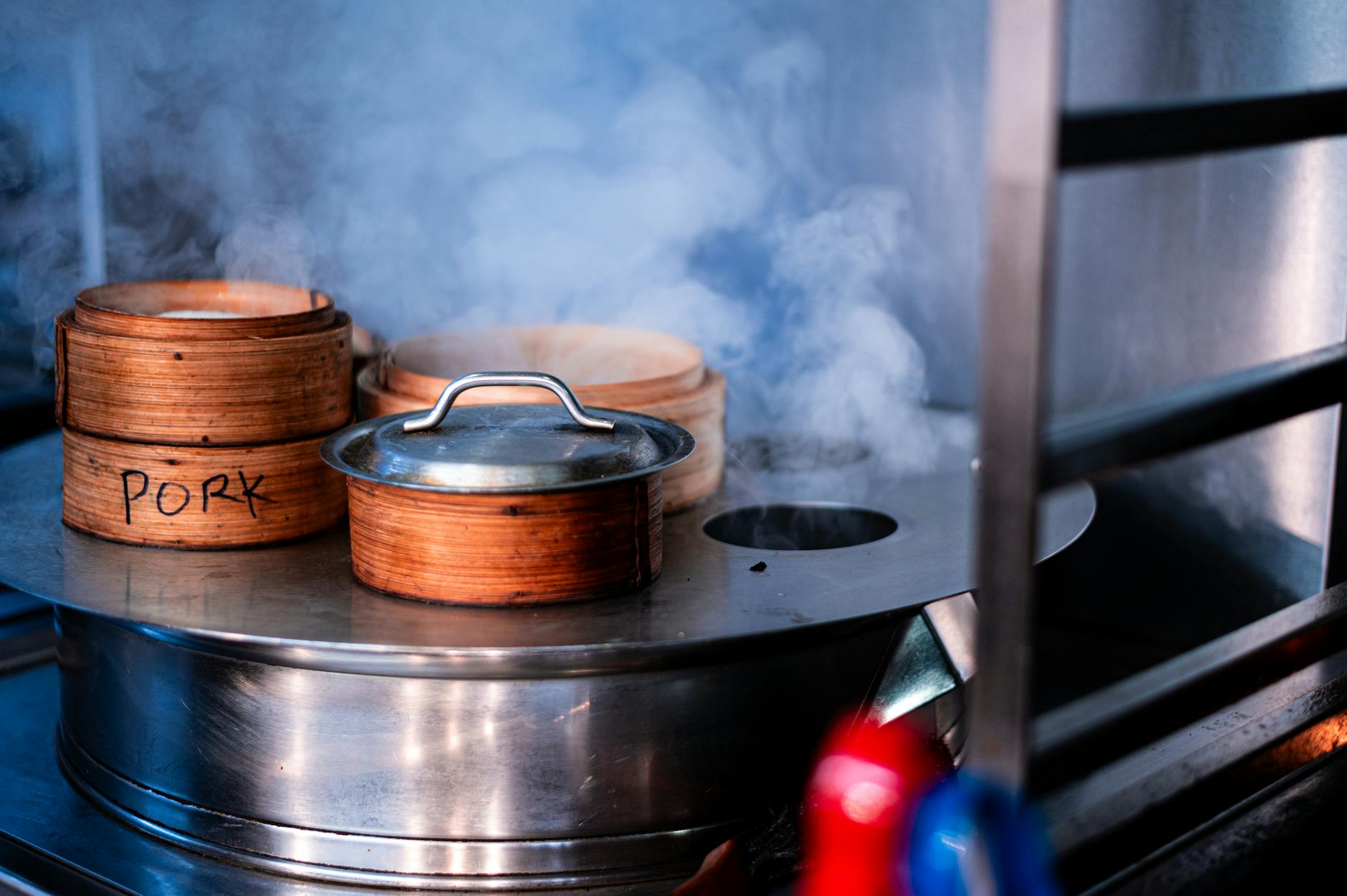
Two winter-only additions worth hunting down. Xiaolongbao straight from the steamer is a different experience in January, when the soup inside stays hot for the whole basket rather than cooling in two minutes — our xiaolongbao guide has the addresses. And the winter breakfast run — soy milk, youtiao, cifantuan eaten standing up in the cold at 7am — is one of the genuine pleasures of the season; see the breakfast guide. Roast sweet potatoes from a street drum oven double as a hand warmer.
What to Pack
- Heavy wool coat or down puffer (essential)
- Thermal base layer (top + bottom)
- Wool jumpers or fleece pullovers
- Hat, gloves, scarf
- Waterproof boots for occasional snow/rain
- Lip balm + hand cream (winter dryness)
- KN95 face mask (winter air pollution at peak)
- Compact umbrella
- Power bank (battery drains faster in cold)
- Hand warmers (optional, but pleasant)
- Light dressy outfit for indoor dinners and rooftop bars
Two refinements from experience. Pack for damp cold, not dry cold — a windproof outer shell matters more than sheer thickness, and wool socks beat thick cotton ones every time. And plan for the indoor-outdoor swing: shopping centres, restaurants and the metro all run hot, so a coat you can take off easily over a light base layer beats a single enormous parka you sweat inside. Our Shanghai packing checklist has the full list.
Prices & Crowds
Winter is one of the best times of year for cost-conscious travelers (excluding Chinese New Year week):
- Hotel rates usually below the summer and autumn peaks
- International airfare to Shanghai cheapest in mid-January (excluding CNY)
- Major attractions noticeably less crowded weekday mornings
- Bund and Pudong areas keep their year-round popularity but feel less overwhelming
- The Spring Festival holiday is the exception (nine days in 2026, 15–23 February): crowded attractions, and hotel prices that move with the hotel and the booking date
| Window | Hotels | Crowds | Verdict |
|---|---|---|---|
| Early–mid December | Low | Light | The value sweet spot; markets already open |
| 20–31 December | Rising | Busier at markets and malls | Best atmosphere, longer queues |
| January (pre-CNY) | Lowest of the year | Lightest of the year | Coldest and greyest, but the city is yours |
| Spring Festival week | Depends on hotel and booking date | Varies by venue and day | Go for the festival, not for the food |
| Late February | Low | Light | Plum blossom, lengthening days, prices still down |
For what a full winter trip costs end to end, see how much a Shanghai trip costs.
A Sample Winter Weekend
Three days in mid-January, built around short outdoor stretches and warm anchors.
- Day 1 morning — Breakfast at a street stall, then the former French Concession on foot while the light is best. Plane trees are bare, which makes the architecture easier to see.
- Day 1 afternoon — Shanghai Museum East (free; individual visitors need no booking, just a passport at the B1 East Gate). Late lunch nearby.
- Day 1 evening — The Bund at dusk, then dinner and a speakeasy. Around 45 minutes outdoors, which is about right at 3°C.
- Day 2 morning — Yu Garden and the old town, as early as you can manage.
- Day 2 afternoon — Power Station of Art, or the fabric market if you want a suit made.
- Day 2 evening — Hotpot. Book, or queue 40 minutes.
- Day 3 — Suzhou or Zhujiajiao as a day trip, back in time for evening jazz at the Fairmont Peace Hotel.
For longer plans, our Shanghai itineraries and things to do in Shanghai guides scale this up to a week.
When to Avoid
- The Spring Festival public holiday (15–23 February in 2026) — opening hours, hotel prices and train availability all shift, so check each before you commit
- Mid-January cold snaps — occasional sub-zero nights; outdoor sightseeing miserable
- Late December rain — if forecast is wet, that’s the worst winter weather to encounter
- Public holiday Mondays — museums closed
- Boxing Day / December 26 — Western tourists swarm Yu Garden; quieter mid-week
Add one more: the days either side of Spring Festival, at the peak of the chunyun travel rush. The 2026 rush, from 2 February to 13 March, logged a record 9.41 billion inter-regional passenger trips. Airports, stations and intercity roads are at their annual worst, and a mistimed connection can cost you a day.
What First-Timers Get Wrong
- Underpacking on the assumption that 8°C is mild. It is not, at 71% humidity and in buildings that are often poorly heated.
- Planning outdoor-heavy days. Three and a half hours of daily sunshine in January means you should build the itinerary around interiors and treat the outdoor bits as links between them.
- Assuming Christmas is a holiday. It is a normal working Thursday in China. Shops, offices and the metro all run as usual.
- Turning up to Shanghai Museum East on a Tuesday. It is closed that day, except on public holidays.
- Booking intercity trains during Spring Festival at the last minute. Tickets go on sale 14 days before departure, so book on 12306 as soon as they open.
- Expecting fireworks. Central Shanghai has banned them for years; the displays are drones and projections now.
- Paying ¥80 at Yu Garden for lanterns you can see for free. Walk the Bund, BFC and Fangbang Road zones first and decide whether you want the inner garden.
Frequently Asked Questions
Is Shanghai cold in winter?
Yes — much colder than its latitude suggests. January nights average 2.9°C at Xujiahui and 2.2°C at Baoshan (1991–2020), there are occasional sub-zero stretches, and the high humidity makes it feel even colder. Layer aggressively.
Does it snow in Shanghai?
Occasionally, and some winters pass with none at all. Heavy snow is rare; rain-snow mix more common.
When is Chinese New Year in Shanghai?
Date varies by lunar calendar: February 17, 2026; February 6, 2027; January 26, 2028. Plan around the official public holiday, which ran nine days in 2026; each year’s dates are set in the State Council’s holiday notice on gov.cn.
Is Shanghai worth visiting in winter?
Yes — for budget travelers wanting fewer crowds, holiday markets (December), the Lantern Festival (late January to early March in 2026), and authentic winter food culture. The Bund is gorgeous in crisp winter air.
What’s the best month to visit Shanghai in winter?
Mid-December (post-Christmas peak before New Year crowds) or mid-February (after Chinese New Year, with plum blossoms appearing). January is coldest.
Are Shanghai’s Christmas markets worth visiting?
Yes, if you go for the atmosphere rather than a European-scale market. The German ones are the pick, and they charge for entry: the Christkindlmarkt on the Bund was ¥30 in advance or ¥40 on site in 2025, and Paulaner’s North Bund market about ¥50, redeemable against food and drink. Check each organiser’s dates for this December before you go.
What’s the Yu Garden Lantern Festival?
An annual lantern festival at Yuyuan, with dates set for each edition; in 2026 it ran from 26 January to 3 March, through the Lantern Festival itself (15th day of new year). One of the most photogenic events of the Shanghai calendar.
Do I need a VPN/special prep for Shanghai in winter?
Same as year-round — overseas eSIM and VPN backup. See our VPN guide.
Do Shanghai hotels have heating?
International-brand and mid-range hotels do, via reversible air conditioning — there is no municipal central heating anywhere in the city. Budget properties and older guesthouses can be genuinely cold, so check reviews for the word “heating” before booking, and ask for an extra blanket.
Is everything closed during Chinese New Year?
No, but a lot is. Small family-run restaurants and shops close for three days to two weeks; chains, malls, hotel restaurants and major attractions stay open on holiday timetables. Museums usually open; markets are unpredictable. Assume your favourite noodle place is shut and have a backup.
How bad is the air quality in Shanghai in winter?
Winter is the worst season, with cold, still days trapping particulates. Most days sit in the moderate range and are fine for walking around; a handful each season climb high enough to be worth a KN95 and an indoor plan. Check an AQI app each morning.
Winter or spring — which is the better time to visit Shanghai?
Spring is objectively more pleasant weather and costs more for it. Winter wins on price, crowds, food and festivals. If you care about gardens and blossom, go in spring; if you care about lanterns, hotpot and having Yu Garden to yourself on a Tuesday morning, come in winter. Compare with Shanghai in spring and Shanghai in autumn.
Plan the Rest of Your Trip
Combine with our pillar guides on best time to visit Shanghai, Shanghai itineraries, and things to do in Shanghai. If you are staying over Spring Festival, where to stay in Shanghai matters more than usual — a central base saves you from a closed neighbourhood. For background on Chinese New Year, see Chinese New Year on Wikipedia.