Shanghai’s climate ranges from subtropical-humid summers to damp-cold winters, with two glorious shoulder seasons. What to pack for Shanghai by season varies more than the raw temperatures suggest, because the city is humid in every month of the year, and that changes what fabrics work, what dries, and how cold 5°C actually feels. This 2026 guide is about clothing: month-by-month, what the weather really does, and how to dress for it. For the wider list — documents, electronics, medication rules, what customs bans — use our Shanghai packing checklist, which covers all of that in detail.
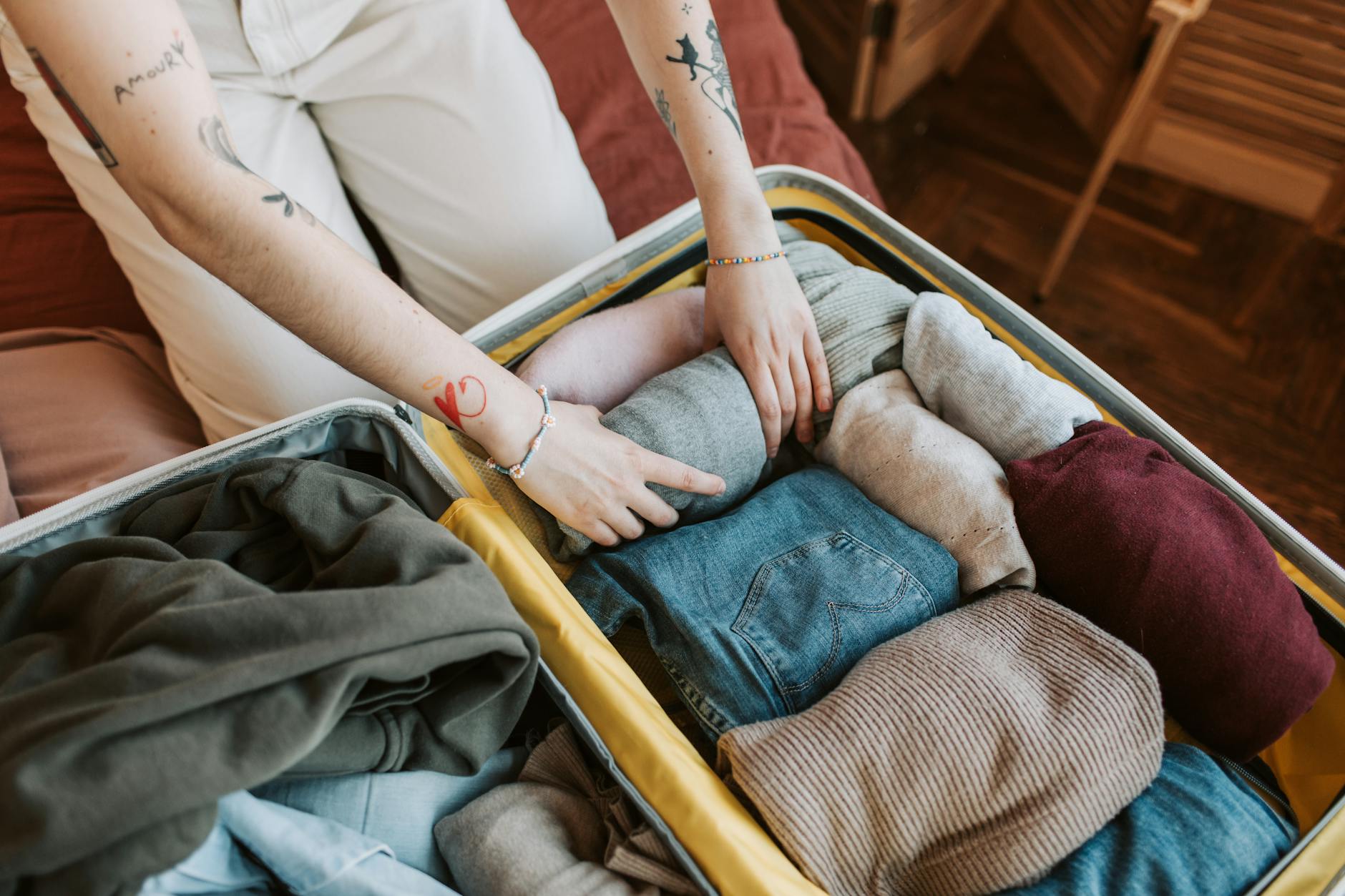
Table of Contents
- What the Weather Actually Does
- Month by Month
- Fabrics, Layers & Shoes
- Year-Round Essentials
- Spring Packing (Mar–May)
- Summer Packing (Jun–Aug)
- Autumn Packing (Sep–Nov)
- Winter Packing (Dec–Feb)
- Dress Codes: Temples, Rooftops, Disney
- Two Capsule Wardrobes
- Buying Clothes in Shanghai
- Tech & Gadgets
- Documents
- Health & Toiletries
- What NOT to Bring
- Packing Tips
- FAQ
What Shanghai’s Weather Actually Does
Four things drive every clothing decision here, and none of them shows up in an average-temperature chart.
Humidity, always. Shanghai sits at the mouth of the Yangtze and the air is damp in every month of the year: at the Xujiahui weather station, average relative humidity never falls below 69% in any month (1991–2020 normals), and June to September sits between 74% and 79%. In summer this means the heat feels worse than the thermometer says, and you will change your shirt at lunchtime. In winter it means 4°C cuts through a coat that would be fine at 4°C in Chicago. Damp cold and damp heat are both worse than the number implies, and they are the reason Shanghai packing goes wrong.
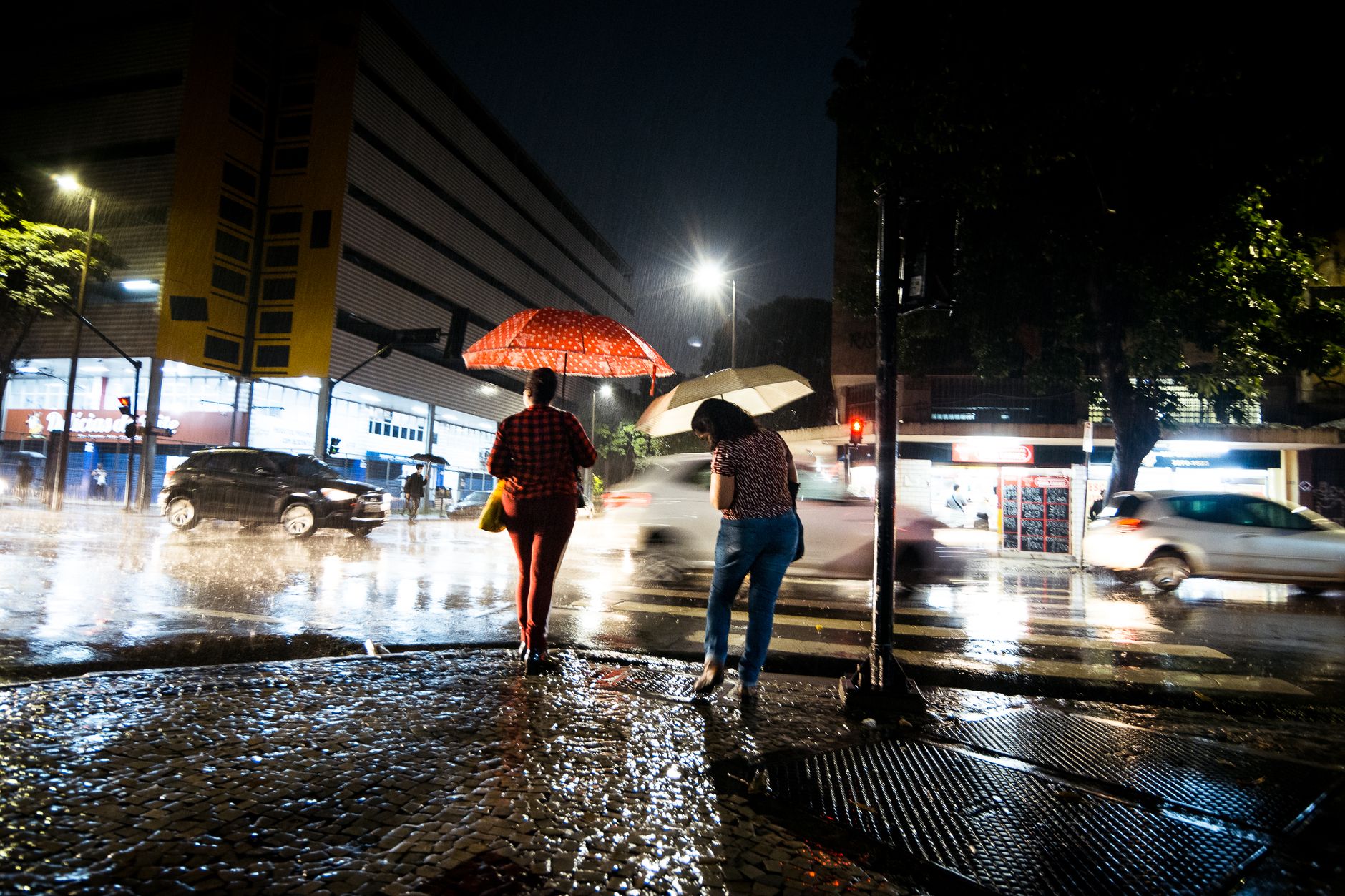
Plum rain. The East Asian monsoon front stalls over the Yangtze delta from roughly mid-June to mid-July and produces meiyu (梅雨), plum rain — weeks of low grey cloud, constant drizzle punctuated by downpours, and about 225mm falling across some 14 rain days in June alone. Nothing dries. Laundry left in a hotel room stays damp. This is the one period when a genuinely waterproof jacket beats a fashionable one.
Typhoon season. July through September, with the peak generally from late August to mid-September. Most systems weaken or curve away before reaching this latitude and a direct landfall happens roughly once every two or three years, but outer rain bands are common and will flatten a cheap umbrella in seconds. If a typhoon warning is issued, flights and ferries stop and the sensible response is a museum day rather than a raincoat.
No central heating. This is the one that catches Northern Hemisphere visitors most. China’s subsidised winter heating was allocated during the central-planning decades along the Qinling–Huaihe line, and Shanghai falls on the southern side of it. Beijing apartments are tropical in January; Shanghai buildings rely on individual reverse-cycle air conditioners. Older restaurants, shops, temples and lane houses are often barely warmer than the street. You dress for indoors as well as outdoors here, which is the opposite of the usual winter-city rule.
What to Pack for Shanghai by Season, Month by Month
Figures below are Xujiahui 1991–2020 climate normals. Treat “feels like” as the number that should drive your packing.
| Month | High / Low | Rain | What it feels like | Wear |
|---|---|---|---|---|
| January | 8.7°C / 2.9°C | 72.2mm, 10.6 days | Raw and damp; the coldest weeks of the year | Wool coat or puffer, thermal base, hat, gloves |
| February | 10.7°C / 4.1°C | 65.0mm, 10.4 days | Same as January with more drizzle | As January; waterproof shoes |
| March | 14.9°C / 7.6°C | 97.3mm, 12.7 days | Improving but unreliable from week to week | Light jacket over a jumper; umbrella |
| April | 20.9°C / 12.6°C | 84.2mm, 11.3 days | The best walking weather of spring | Long sleeves, light jacket for evenings |
| May | 25.8°C / 17.9°C | 91.0mm, 11.2 days | Warm, increasingly sticky by month’s end | T-shirts, one light layer, umbrella |
| June | 28.6°C / 22.0°C | 224.9mm, 14.3 days | Plum rain — humid, grey, everything damp | Quick-dry everything, waterproof jacket |
| July | 33.2°C / 26.2°C | 163.2mm, 12.2 days | Punishing; the hottest month | Linen and cotton, hat, cardigan for AC |
| August | 32.6°C / 26.2°C | 225.9mm, 12.7 days | As July, with typhoon season under way | As July; sturdy umbrella not a folding one |
| September | 28.7°C / 22.5°C | 131.5mm, 10.1 days | Still summer until roughly mid-month | Summer clothes, one long-sleeve layer |
| October | 23.5°C / 17.1°C | 69.6mm, 7.5 days | The best month of the year, clear and dry | Long sleeves, light jacket, that is all |
| November | 17.8°C / 11.4°C | 61.4mm, 9.2 days | Crisp, golden plane trees, cold evenings | Jumper, jacket, scarf after dark |
| December | 11.3°C / 5.3°C | 50.4mm, 8.5 days | Cold and dry-ish; the least wet month by rainfall | Proper winter coat, gloves, warm socks |
The seasonal boundaries are sharper than the table suggests. The heat arrives quickly in late spring and holds into September, winter closes in over December, and spring and autumn are short, which is why October and April dominate the best-time-to-visit lists.
Fabrics, Layers and Shoes
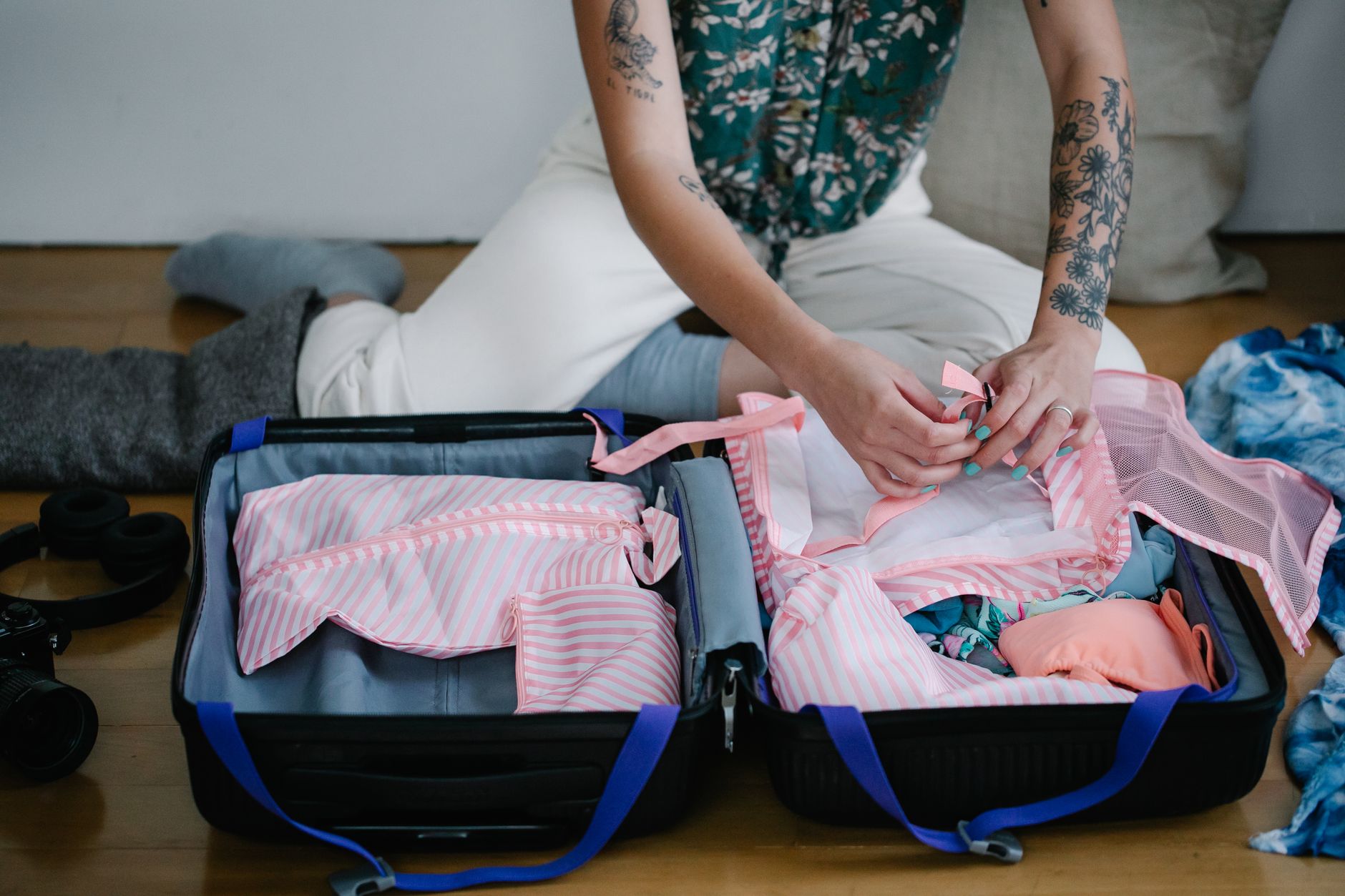
The single biggest improvement you can make to a Shanghai wardrobe is choosing materials for humidity rather than temperature.
- Summer — linen, cotton, and light merino. Loose beats tight; the air needs to move. Merino wool sounds counter-intuitive in 32°C but it handles sweat better than cotton and does not smell after a day of walking.
- Avoid heavy denim in summer. It absorbs sweat, takes two days to dry in a humid hotel room, and is miserable on a metro platform in August.
- Winter — wool over down. A down puffer is warmer per gram, but wet down collapses and Shanghai winters are wet. A wool overcoat with a merino base layer handles damp cold better. If you bring down, bring one with a water-resistant shell.
- Layer for indoors, not just outdoors. Summer air conditioning in malls, metro carriages and restaurants is set hard; a packable cardigan or light scarf lives in your bag from June to September. In winter the reverse: an unheated restaurant means you keep your coat on, so the layer under it needs to be presentable.
- Quick-dry underwear and socks. Two or three pairs washed in a sink beats seven pairs in a suitcase — except in June, when nothing dries and you should bring more of everything.
Shoes deserve their own paragraph. You will walk 15,000 steps a day here without trying, and Shanghai pavements pool water for hours after rain — old lane housing drains badly and construction hoardings funnel puddles onto the footpath. Bring shoes that are already broken in and that can get wet without being ruined: leather trainers, treated suede, or anything with a rubber sole and a bit of tread. Marble metro station floors and polished mall lobbies get slick when everyone tracks rain inside. Sandals are fine in July but not on a wet day, when the streets carry a lot of grit. Two pairs is the right number; three is one too many.
Year-Round Essentials
Pack these regardless of season:
- Comfortable walking shoes (broken-in; you’ll walk 15,000+ steps/day)
- One dressier outfit for evenings (smart-casual rooftop bars, fine dining)
- Compact folding umbrella (rain possible most months)
- Anti-pickpocket daypack or crossbody bag
- Reusable water bottle
- Universal travel adapter (China uses Type A + Type I plugs)
- Power bank 10,000 mAh+
- Sunglasses
- SPF 30+ sunscreen (year-round)
- Lip balm
- Travel-size first aid
- Translation app + offline language pack
Spring Packing (Mar–May)
Spring is mild but unpredictable. Average daytime highs at the Xujiahui station climb from 14.9°C in March to 25.8°C in May, and lows from 7.6°C to 17.9°C (1991–2020 normals). April is the driest of the three months, not the wettest.
Clothing
- 2–3 long-sleeve shirts
- 1 light jumper / fleece
- 1 light jacket / windbreaker
- Long pants (jeans, chinos)
- 1 t-shirt for warmer days
- Light scarf or wrap
- Closed-toe walking shoes
Spring-Specific
- Compact umbrella (April is rainy)
- Light raincoat for backup
- Allergies — bring antihistamines for plane-tree pollen
The pollen point is not a footnote. The French Concession’s plane trees release fine seed hairs in late April and early May that get into eyes and throats, and if you react to that sort of thing you will notice within a day of arriving. The other spring trap is packing for the forecast rather than the range: spring weather in Shanghai changes quickly, so the jumper you nearly left behind is the one that saves the trip. See our Shanghai in spring guide for what is on during those months.
Summer Packing (Jun–Aug)
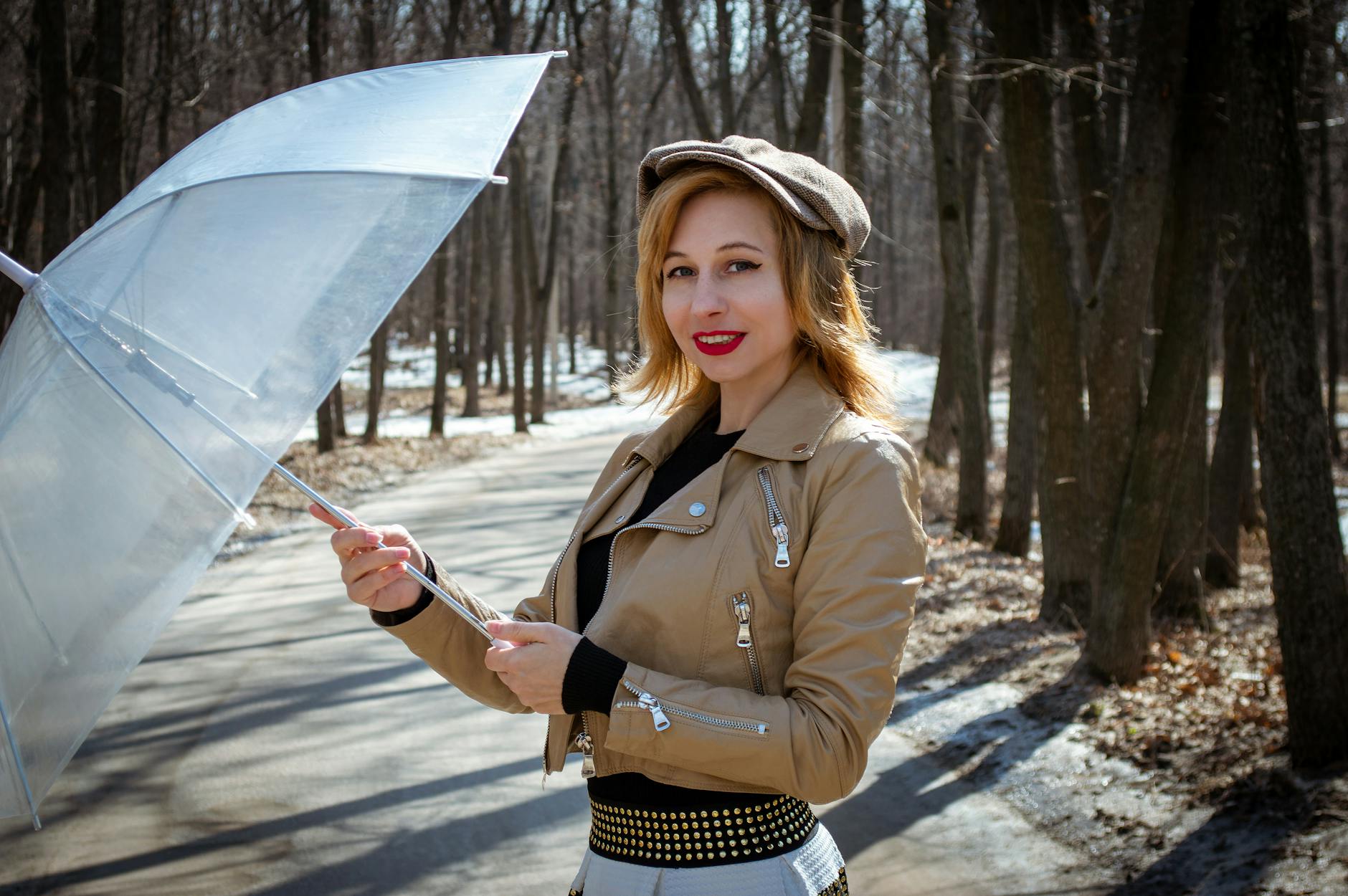
Summer is hot and humid. Average daytime highs run from 28.6°C in June to 33.2°C in July, and individual days go higher. June, the plum rain month, is also the most humid, averaging 79%.
Clothing
- 3–5 light cotton/linen tops
- 2 pairs of shorts or skirts
- 1 pair of light long pants for over-cool restaurants/temples
- 1 light cardigan or shawl (AC indoors is fierce)
- Sandals or breathable sneakers
- Quick-dry socks
- Swimsuit if visiting hotel pool / Disneyland water area
- Modest cover-up for temples (shoulders + knees)
Summer-Specific
- Wide-brim hat or cap (sun protection)
- SPF 50+ sunscreen (more aggressive)
- Mosquito repellent
- Compact umbrella (rain + sun shade)
- Cooling towels
- Extra moisturiser
Two summer-specific adjustments worth making. First, bring more tops than days — you will change once mid-afternoon in July, and a shirt worn for four humid hours does not recover overnight. Five or six tops for a week is realistic. Second, buy a proper umbrella rather than relying on a folding one: local women use them as parasols all summer, convenience stores sell them cheaply, and a full-size one survives a typhoon rain band that would invert a travel model. Our visiting Shanghai in summer guide covers heat management and what is worth doing when it is 36°C.
Autumn Packing (Sep–Nov)
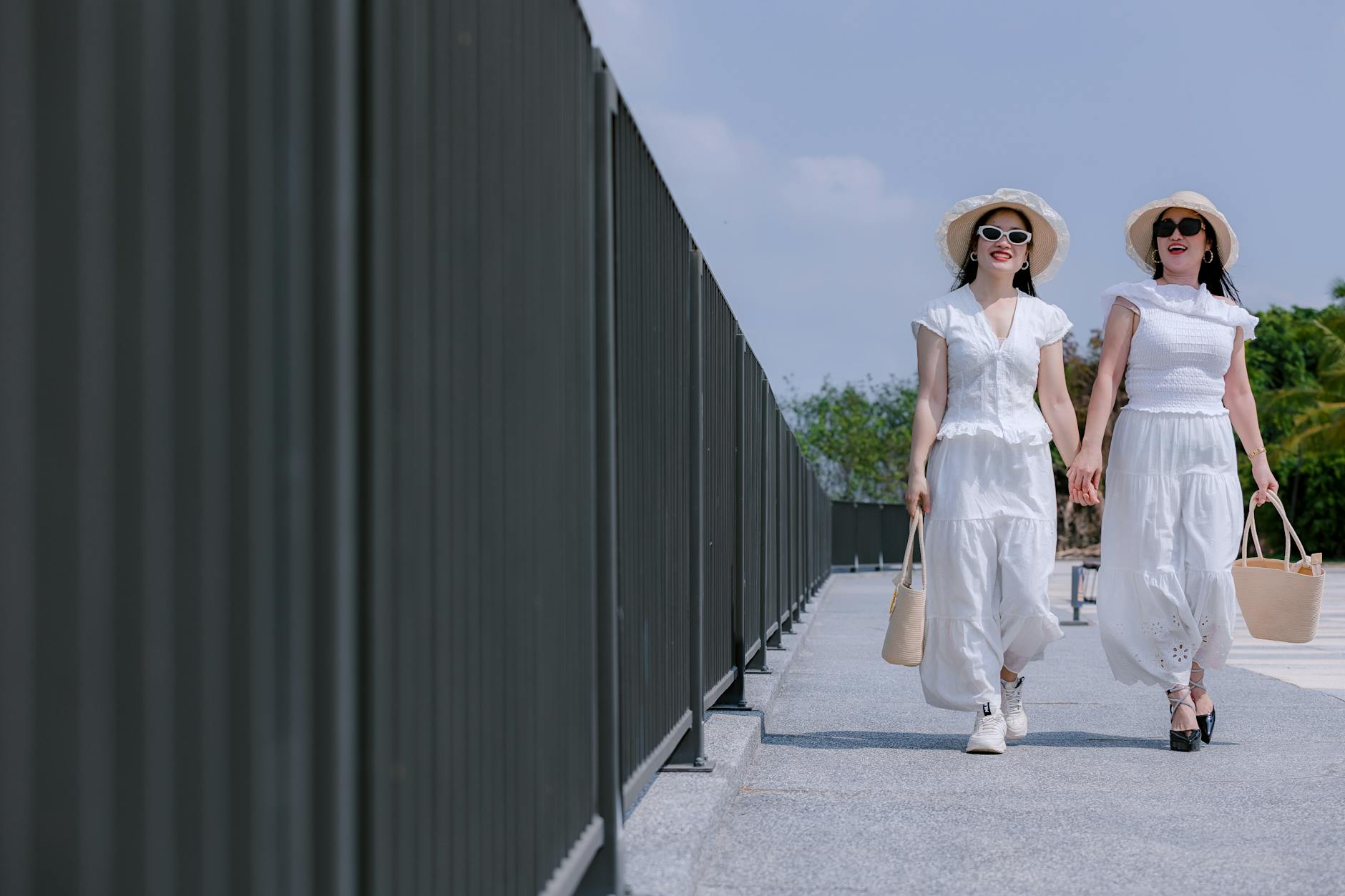
Autumn is the ideal Shanghai season. Average daytime highs fall from 28.7°C in September to 17.8°C in November, evenings from 22.5°C to 11.4°C, and rainfall drops away after September.
Clothing
- 3–5 long-sleeve shirts
- 1–2 light jumpers
- 1 light jacket (for early November onward)
- Long pants (jeans, chinos)
- 1 t-shirt for warmer afternoons
- 1 scarf for evenings
- Closed-toe walking shoes
Autumn-Specific
- Camera with good autumn-light capability — plane-tree gold is spectacular
- Optional fingerless gloves for late-November evenings
- Allergies less of an issue
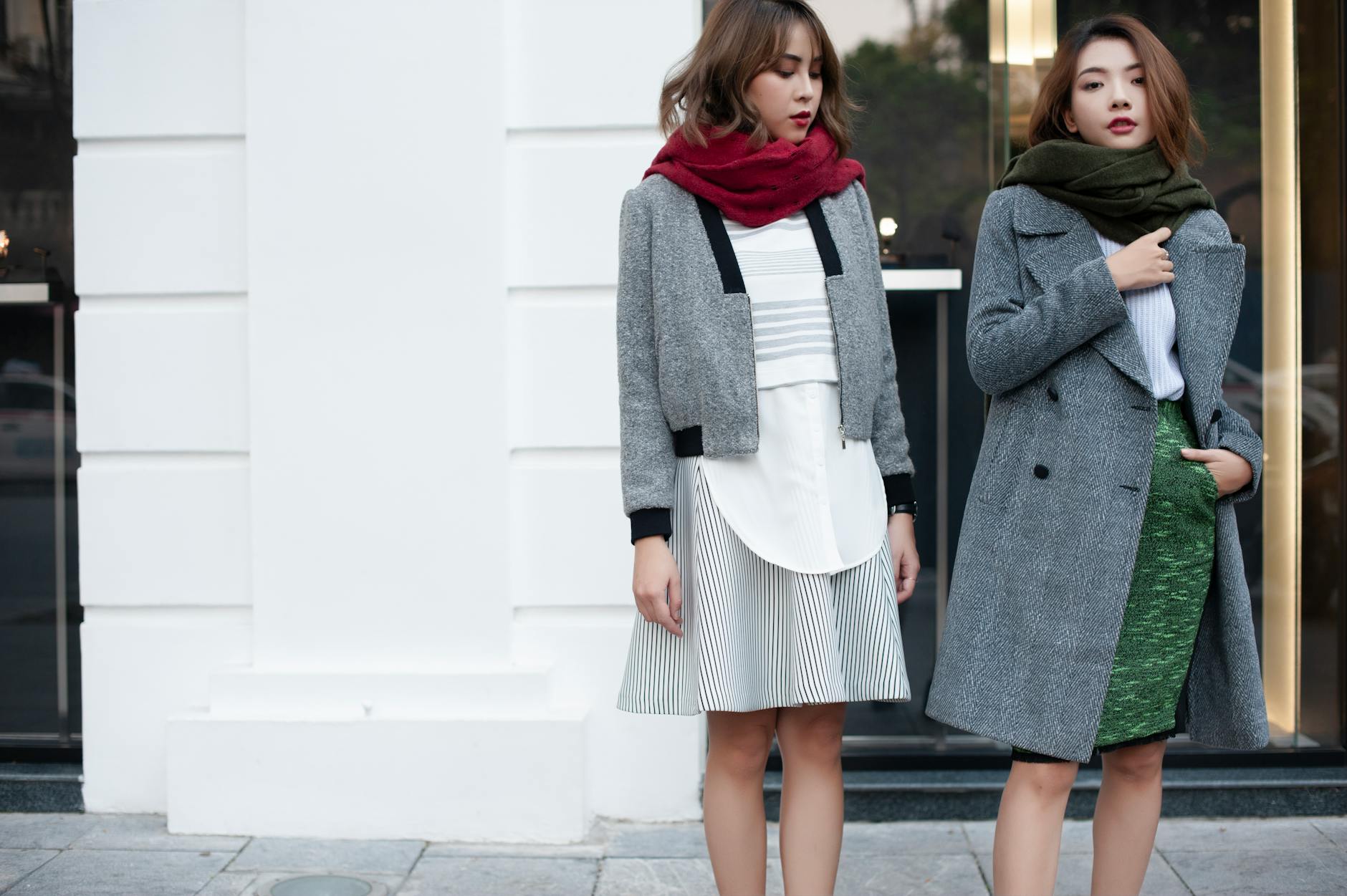
The one thing people get wrong about autumn is treating September as autumn. It is not — the first half of September is summer with slightly shorter days, warm and humid with a monthly average high of 28.7°C, and packing jumpers for it is a mistake. Autumn by the meteorological definition arrives later than most visitors expect: between 2001 and 2025 it began on 5 October on average and gave way to winter around 4 December, though the dates shift every year. Through most of that stretch a shirt during the day and a jacket after dark will do, but check the forecast before you leave the heavier layer at home. See Shanghai in autumn and, if you are shooting the plane trees, our photography guide.
Winter Packing (Dec–Feb)
Winter is cold and damp. Average daytime highs sit between 8.7°C and 11.3°C and lows between 2.9°C and 5.3°C (Xujiahui, 1991–2020), cold spells can drop below freezing, and snow is occasional. Old buildings have minimal central heating.
Clothing
- Heavy wool coat or down puffer (essential)
- Thermal base layer (top + bottom)
- 2–3 wool jumpers or fleece pullovers
- Long pants + jeans
- Knit hat, gloves, scarf
- Warm socks (wool or merino)
- Waterproof boots (snow/rain mix)
Winter-Specific
- KN95 mask (winter pollution peaks)
- Heavy moisturiser + lip balm (dry air)
- Hand warmers (cheap useful luxury)
- Camera battery warmer (cold drains batteries)
- Compact umbrella (occasional snow/rain)
- Thermos for hot drinks on the go
The mistake visitors from genuinely cold countries make is under-packing because 8°C sounds trivial. It is not the number, it is the damp plus the absence of heating: you are cold in the museum, cold in the noodle shop, cold on the metro platform, and there is no warm building to thaw out in. Snow falls on only one to five days in an average year, so boots are about wet pavements rather than drifts. If you are here for Chinese New Year, add one layer beyond what you think you need — temple courtyards at night in February are the coldest you will be all trip. Our Shanghai in winter guide has the seasonal detail.


Dress Codes: Temples, Rooftops and Disneyland
Shanghai is a relaxed city and nobody will comment on what you wear on the street. Four places have real expectations:
- Working temples. Shoulders and knees covered at Jing’an Temple, the Jade Buddha Temple and Longhua. In July this means carrying a light scarf or a pair of long trousers rather than changing your whole outfit. See our temples guide.
- Rooftop bars and Bund fine dining. Smart casual is the floor — collared shirt or a dress, closed shoes. Shorts and flip-flops will get you turned away at some Bund venues even in August, and rooftops are noticeably windier and cooler than street level, so bring a layer. See our rooftop bars guide and the Bund at night.
- Shanghai Disneyland. A full day outdoors with almost no shade in the queues. Summer means a hat, sunscreen and a change of shirt; the park sells ponchos, but a packed one saves money and a queue. Adult costumes are restricted for over-14s. Our Disneyland guide has the rules.
- Business meetings. Shanghai dresses up more than most Chinese cities. If work is part of the trip, err formal for the first meeting.
Two Capsule Wardrobes
Concrete versions, both cabin-bag sized, for the two hardest weeks of the year.
| A week in July | A week in January | |
|---|---|---|
| Tops | 6 linen or cotton short-sleeve; 1 long-sleeve for temples and AC | 3 merino long-sleeve base layers; 2 wool jumpers |
| Bottoms | 2 shorts, 1 lightweight long trousers | 2 trousers, 1 thermal legging |
| Outer | Packable rain shell; light cardigan for indoors | Wool overcoat or shelled down jacket |
| Shoes | Breathable trainers + sandals | Waterproof boots + one smarter pair |
| Extras | Wide-brim hat, full-size umbrella, cooling towel, repellent | Hat, gloves, scarf, thick socks, hand warmers, thermos |
| Laundry plan | Sink-wash every second night; nothing air-dries in June | Hotel laundry or a wash-and-fold shop mid-week |
On laundry: hotel services are priced per item and add up fast, but neighbourhood wash-and-fold shops are cheap and everywhere, typically charging by the kilo and returning things the next day. Budget hotels and hostels often have coin machines. Planning one laundry stop mid-trip is what lets a week fit in a carry-on, and it is far more reliable than hoping things dry on a hanger — in June, they will not.
Buying Clothes in Shanghai
Forgetting something is not a crisis. Uniqlo, Muji, Zara, H&M, Decathlon and the domestic sportswear brands are everywhere, and a forgotten jumper, thermal layer or pair of shorts is a twenty-minute problem. Two things to know before you shop.
Sizing runs small. Chinese clothing sizes are cut narrower than European or American equivalents, and a rough rule is to go one size up — a Chinese XL fits like a Western L. International brands like Uniqlo and Zara stock their global size ranges and are the safer bet if you are tall or broad. Shoes above roughly EU 45 for men and EU 41 for women get genuinely difficult to find outside the big international chains.
Tailoring is a real option. If you need something specific, the fabric market can turn out a made-to-measure shirt, coat or dress in a few days for a fraction of what it would cost at home — see our fabric market and tailoring guide. For everything else, Nanjing Road and our Shanghai shopping guide cover where the shops are.
Tech & Gadgets
Our packing checklist covers eSIMs, VPN setup and the power-bank rules in full; these are the items themselves.
- Phone (eSIM-capable preferred)
- Overseas eSIM activated before flying
- VPN app installed
- Universal travel adapter (Type A + Type I plugs)
- Power bank (10,000+ mAh, under 100 Wh for flights)
- USB-C / Lightning cables × 2
- Camera + 1–2 lenses
- Wired headphones (some Chinese airlines require)
- Laptop or tablet (with VPN)
- SIM/eSIM ejector tool
One climate note: humidity fogs a cold lens the moment you step outside in summer, so let a camera acclimatise for a few minutes before shooting, and pack a silica sachet in the bag. Set up connectivity before you fly — see SIM cards and internet and VPNs in Shanghai.
Documents
- Passport valid for your whole stay (some airlines and visa types require six months, so check yours)
- Visa or eligibility confirmation
- Hotel address card in Chinese characters (printed)
- Return/onward flight ticket (printed)
- Travel insurance certificate
- Photocopy of passport + visa (separate from originals)
- Emergency contact list (paper + phone)
- Prescription documentation if carrying medications
Carry the passport itself rather than a copy — it is the accepted ID for hotel check-in, train tickets and some museum entries. Full guidance on visas, insurance and the paperwork side is in our packing checklist and airport arrival guide.
Health & Toiletries
The checklist covers what China will and will not let through customs, including the medications that are restricted. These are the climate-driven items:
- Prescription medications in original bottles + prescriptions
- Antihistamine (plane-tree pollen, late April to May)
- Sunscreen SPF 30–50
- Mosquito repellent (June to September)
- Eye drops (winter dryness and heated indoor air)
- Lip balm and heavy moisturiser in winter, light in summer
- Anti-chafe balm or powder for humid days of walking
- Rehydration sachets for July and August
- Contact lenses + solution (limited types in China)
- Female sanitary products (limited brand availability)
- Reusable water bottle
What NOT to Bring
- CBD or marijuana products (illegal; severe penalties)
- Political or religious sensitive printed materials
- Fresh meat, dairy, eggs, raw plants, or soil (banned at customs)
- Walkie-talkies or satellite phones (need permits)
- Drones, unless registered with the Civil Aviation Administration of China (check its current rules before you pack one)
- Excess cash over USD 5,000 / ¥20,000 (must declare)
- Heavy clothes you won’t wear (Shanghai trips are walking-intensive)
- Too many shoes (2 pairs maximum)
- Hair dryer (every hotel has one)
- Iron (most hotels lend one)
- Multiple chargers (one + power bank covers most needs)
- Heavy waterproof hiking gear — this is a city, not a trek
Our customs guide has the full prohibited list. See also scams to avoid for what to leave in the hotel safe.
Packing Tips
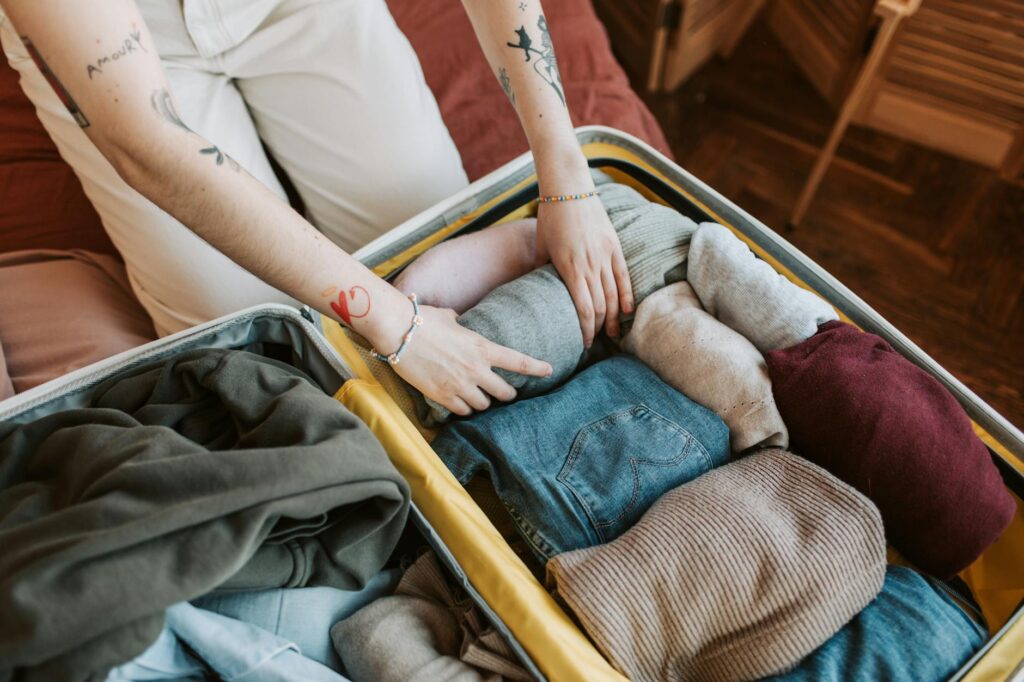
- Roll clothes instead of folding — saves space, reduces wrinkles
- Use packing cubes for organization
- Layered packing strategy — pack heaviest at the bottom
- Travel cubes for laundry — separate dirty clothes
- Leave room for souvenirs — bring half-full luggage outbound
- Carry-on essentials: passport, money, phone, prescription medications, change of underwear
- Use vacuum bags for bulky winter clothing if traveling light
- Colour-coordinated packing — fewer pieces that mix and match
- Bring quick-dry travel towel if staying at hostels
- Verify airline checked bag policies for international flights, since limits vary by airline and fare
- Pack one dry set in a waterproof bag in June — you will need it
Two more that matter here specifically. Wear your heaviest shoes and coat on the plane in winter, because a wool overcoat eats a third of a carry-on. And if you are adding Suzhou or Hangzhou to the trip, note that both are a degree or two cooler and wetter than Shanghai in winter, and the water-town flagstones are slippery in rain.
Frequently Asked Questions
What should I pack for Shanghai in winter?
Heavy wool coat or down puffer, thermal base layer, hat, gloves, scarf, waterproof boots, and a KN95 mask. The damp cold feels colder than the actual temperature suggests, and Shanghai has no subsidised central heating, so you need layers that work indoors too.
Is summer in Shanghai humid?
Very — mean humidity runs from 74% to 79% between June and September at the Xujiahui station, and no month of the year averages below 69%. Pack loose linen and cotton, sunscreen SPF 50, a sun hat, and a full-size umbrella for both rain and shade.
What is plum rain and how should I pack for it?
Meiyu, or plum rain, is the stalled monsoon front that sits over the Yangtze delta from roughly mid-June to mid-July. June averages about 225mm of rain over some 14 rain days, and the air is so damp nothing dries. Bring quick-dry fabrics, a genuinely waterproof shell, spare shoes, and plan a laundry stop.
Do I need to worry about typhoons?
Mostly from July to September, with the peak generally from late August to mid-September, and mainly for disruption rather than danger. Direct landfalls are rare — roughly one every two or three years — but outer rain bands are common and will destroy a flimsy umbrella. If a warning is issued, switch to an indoor day.
How heavy is my luggage allowance to Shanghai?
Allowances vary by airline, route and fare class — Cathay Pacific, for example, allows one 7 kg cabin bag in economy. Confirm yours with your airline before flying.
What’s the best month to visit Shanghai for easy packing?
October. Average highs of 23.5°C and lows of 17.1°C, only 69.6mm of rain across 7.5 rain days on average, and low humidity by local standards. A shirt, a light jacket and comfortable shoes cover the entire trip.
Do I need formal clothes for Shanghai?
One smart-casual outfit — long trousers, a collared shirt, a blazer or a dress — covers rooftop bars and Bund fine dining, some of which turn away shorts and flip-flops even in August. Heavy formal wear is unnecessary unless you have a black-tie event.
Can I buy clothes in Shanghai if I forget something?
Yes — Uniqlo, Muji, Zara, H&M, Decathlon and local brands are everywhere. Sizing runs small for Western frames; a Chinese XL fits roughly like a Western L. Shoes above EU 45 for men and EU 41 for women are harder to find outside international chains.
What’s the most-forgotten Shanghai packing item?
A printed hotel address in Chinese characters. Taxi drivers seldom speak English; this prevents hours of confusion on day one. See our taxi tips.
Should I pack a hair dryer for Shanghai?
No — every Shanghai hotel above budget level provides one, along with an iron and basic toiletries.
How many days of clothes should I actually bring?
Four to five days’ worth for any trip length, plus a laundry plan. Neighbourhood wash-and-fold shops charge by the kilo and turn things around overnight, which is far cheaper than hotel laundry and far more reliable than air-drying in a humid room.
What shoes work best in Shanghai?
Broken-in trainers with a rubber sole and some tread, plus one smarter pair. Pavements pool water for hours after rain and polished metro and mall floors get slippery, so avoid smooth leather soles. Two pairs is the right number.
Plan Your Trip
Combine with our pillar guides on best time to visit Shanghai, month-by-month weather, and Shanghai packing checklist. New to the city? Start with our first-time visitor guide and practical tips. For background, see Climate of Shanghai on Wikipedia.