Shopping for Shanghai souvenirs can be one of the most rewarding parts of your trip, but the city’s tourist markets are also packed with mass-produced trinkets that look and feel disappointingly generic. This guide covers the souvenirs that are worth the suitcase space, where to buy each one, what it should cost, how to tell the real thing from a fake, when to bargain, and what customs will let through on the way out of China and back into your home country.
Shanghai has been a trading port for centuries, and that history shows up in what you can buy here. The city sits a short train ride from Suzhou’s silk looms and Hangzhou’s tea terraces, so the raw materials behind the best souvenirs are genuinely local. You will find everything from throwaway fridge magnets to costly hand-embroidered silk panels, and the trick is knowing which category you are shopping in before a vendor sizes you up. Read this before you head out and you will spend less, carry home better things, and avoid the two classic mistakes: overpaying for a fake and buying something customs will confiscate.
Table of Contents
- 15 Best Shanghai Souvenirs to Buy
- Silk Scarves, Tang Jackets and Qipao Clothing
- Tea, Yixing Teapots and Tea Sets
- Calligraphy, Folding Fans and Name Chops
- Lacquerware, Cloisonné and Suzhou Embroidery
- Pearls, Jade and Jewellery
- Shanghai Beauty Products and Retro Goods
- Edible Souvenirs: Snacks, Sweets and Spices
- Cheap Souvenirs and Small Gifts
- Best Places to Shop for Souvenirs
- How to Bargain at Shanghai Markets
- What to Avoid: Fakes, Scams and Bad Buys
- Customs: What You Can Take Home
- Frequently Asked Questions
15 Best Shanghai Souvenirs to Buy
If you only have time to grab a handful of items, focus on these. They are distinctively Chinese, easy to pack, and they travel well. Prices below are realistic ranges for decent quality, after a little bargaining where bargaining applies, not the opening number a vendor will throw at you.
- Silk scarf from a fixed-price shop with a fibre label
- Yixing-style clay teapot (a moulded pot for everyday brewing; handmade ones cost far more)
- Loose-leaf Chinese tea — Longjing, Pu’er or Tieguanyin
- Folding fan in bamboo and rice paper (printed, or hand-painted if you want to spend more)
- Personalised name chop or seal carved in soft stone
- Cloisonné jewellery box or bracelet
- Suzhou silk embroidery framed under glass
- Calligraphy or ink-wash painting by a folk artist
- Porcelain rice bowls or a tea-cup set
- Mahjong set in a lacquered travel case
- Qipao (cheongsam), made to measure at the fabric market
- Freshwater pearls from a trusted market stall, as earrings or a full strand
- Shanghai poster art or postcards in the old yuefenpai calendar-girl style
- White Rabbit sweets, hawthorn flakes and butterfly pastries
- Shanghai-themed magnets, keychains and washi tape
Notice the spread: you can cover a whole gift list for under ¥300, or buy one heirloom-grade piece and call it done. The sections below break down each category so you know what good quality looks like and where the honest sellers are.
Silk Scarves, Tang Jackets and Qipao Clothing
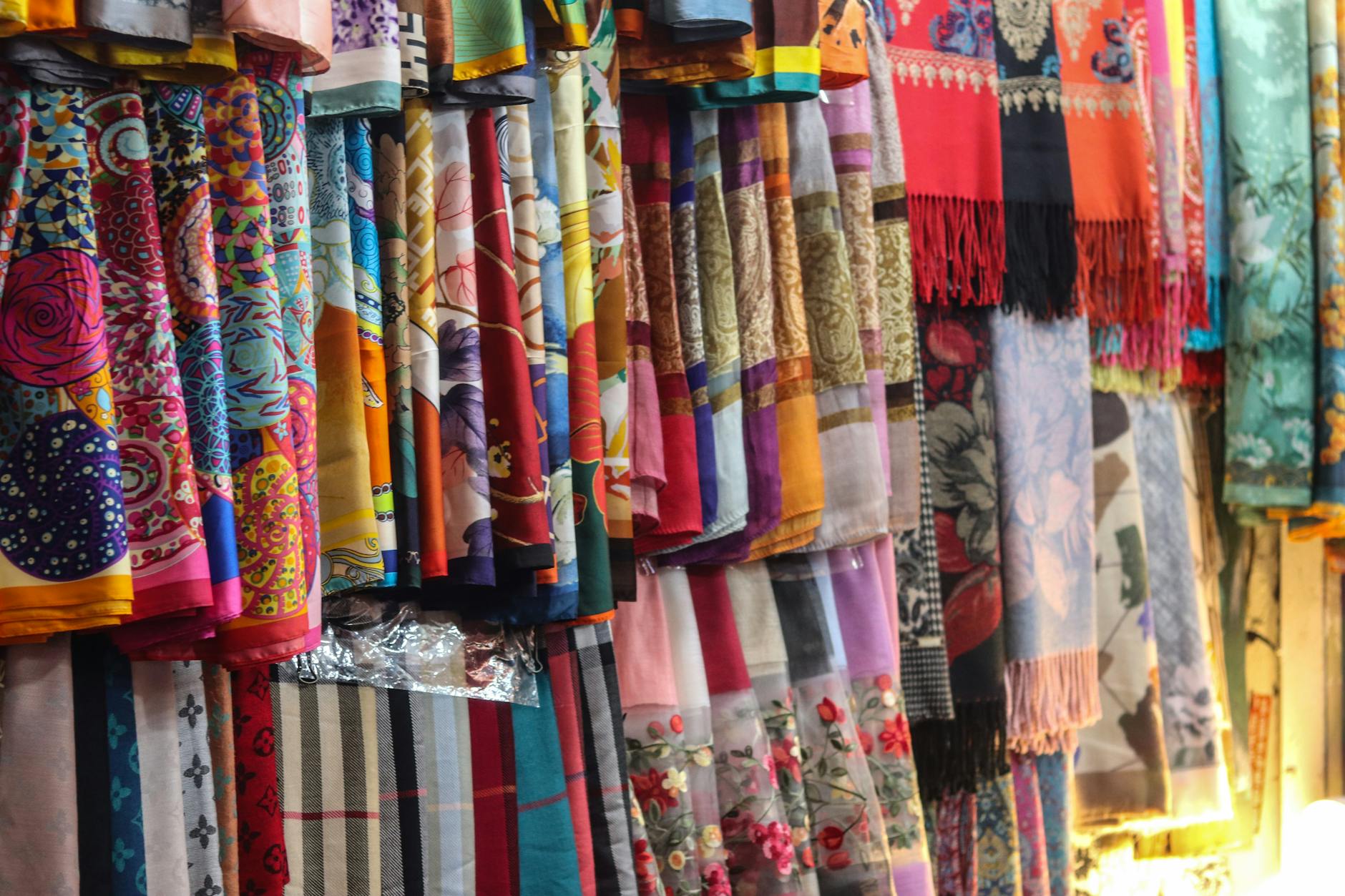
Silk is the souvenir most travellers reach for first, and for good reason: Shanghai sits at the centre of China’s silk country, and a real mulberry-silk scarf here costs roughly half what you would pay for the same thing in Europe. The catch is that quality varies enormously, and a lot of what is sold to tourists is polyester with a silk price tag.
Mulberry silk (桑蚕丝) is the grade you want: soft, lustrous, lightweight and naturally hypoallergenic. The best pieces are labelled 100% 桑蚕丝, and items meant to be worn against the skin should show China’s textile safety standard, GB 18401, category B (B类), on the tag. Tussah (wild) silk is sturdier and has a matte finish, which is fine for cushion covers or heavier scarves but is not the premium product. Run the fabric through your fingers: genuine silk feels completely smooth and cool, while synthetic blends snag slightly and feel warmer. If a vendor allows it, the classic burn test is conclusive: a stray fibre of real silk smells like burning hair and crumbles to a soft ash, whereas polyester smells like burning plastic and melts into a hard bead.
For scarves and ready-made silk, buy from a shop with marked prices and a fibre label rather than from a stall. Don’t go looking for Nanjing Road’s famous old silk houses: they are mostly history, and Laou Kai Fook (老介福), the city’s biggest silk shop in the 1930s, has largely withdrawn from its building at 257 East Nanjing Road. The names to look for now are scarf labels. Shanghai Story (上海故事) is a Shanghai brand founded in 2003, and Wensli (万事利) is the Hangzhou silk house that supplied the blue-and-white medal-ceremony dresses at the 2008 Beijing Olympics. Some small shops in the lanes around Yu Garden sell hand-painted and embroidered scarves with more character, though you should check the fibre content carefully there.
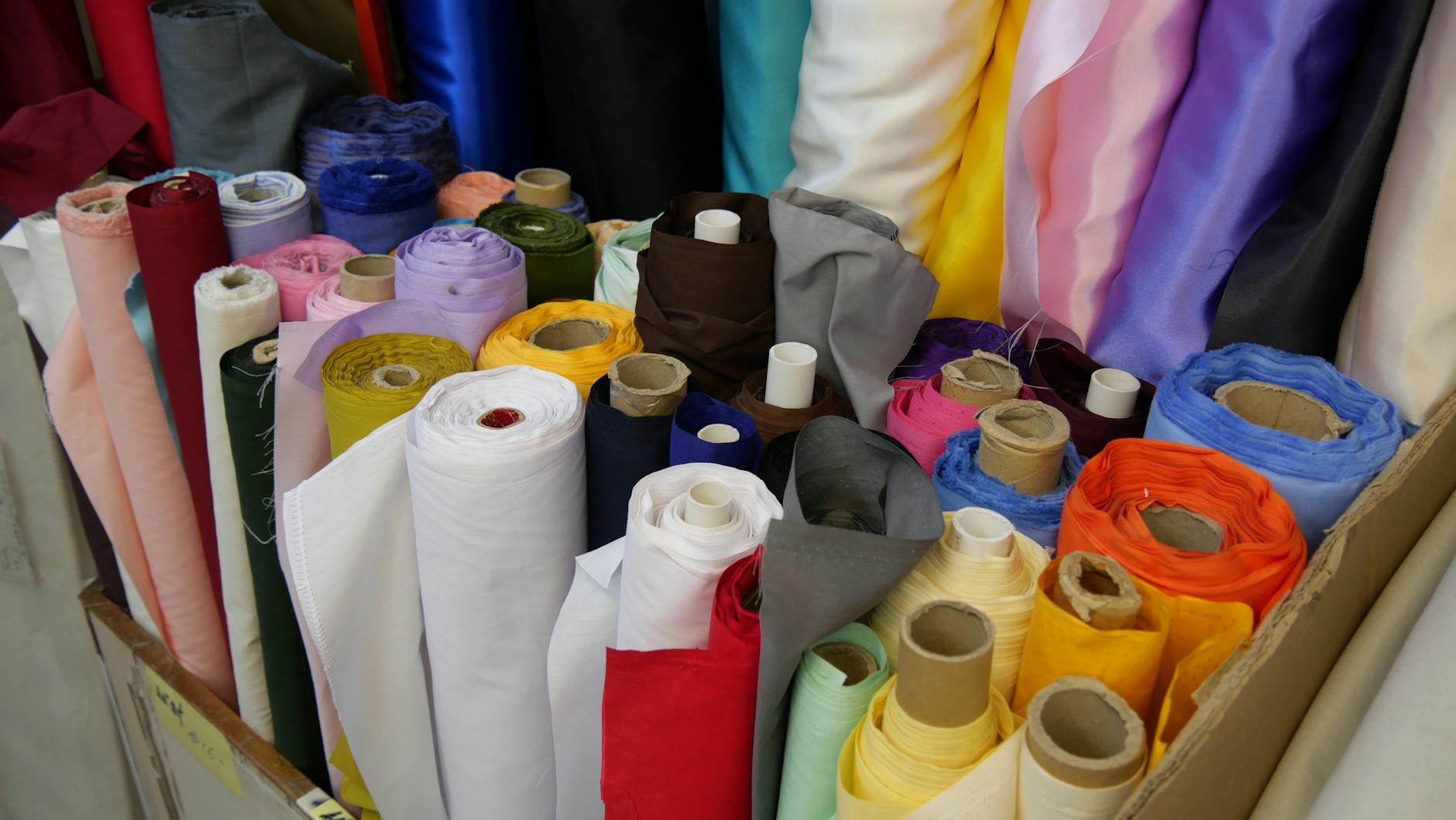
A made-to-measure qipao (cheongsam) is the showpiece souvenir of Shanghai, the figure-hugging dress that came to define 1930s glamour in this city. The South Bund Fabric Market (399 Lujiabang Road, daily 09:00–18:00, Metro Line 4 to Nanpu Bridge, Exit 3) is the place to choose your own silk, brocade or chiffon and have it made up. The price depends on the fabric and the finishing, so ask for a written quote before you commit. Standard turnaround at the market is six or seven days, there is a two-day express service, and stalls will ship overseas if you leave before the work is done. Hanyi (瀚艺, which also trades as Hanart) on Changle Road, the best-known qipao house in the former French Concession, works in another league: its top hand-embroidered pieces cost several thousand US dollars. A tang jacket (the mandarin-collar silk jacket for men and women) is an easier, lower-commitment alternative that packs flat and needs no fitting.
Tea, Yixing Teapots and Tea Sets
Tea is the souvenir that ticks every box: lightweight, inexpensive for the pleasure it gives, deeply tied to Chinese culture, and welcome in almost every suitcase. Longjing (Dragon Well) green tea, grown on the hills near Hangzhou just down the line from Shanghai, is the local hero. Genuine West Lake (西湖) Longjing is sold by the jin (500 g), and the first flush, picked before the Qingming festival in early April, costs far more than later pickings. Much of the cheaper tea sold as Longjing is grown elsewhere in Zhejiang, which is fine as long as you pay accordingly. Pu’er (the aged, fermented tea pressed into cakes) and Tieguanyin (Iron Goddess of Mercy oolong) are excellent alternatives that keep well and survive a long flight without losing much.
Buy from a proper tea market rather than a souvenir shop and you will get better tea at a better price, usually with a tasting before you commit. Tianshan Tea City (天山茶城), 520 West Zhongshan Road in Changning, has more than 400 shops across three floors, with teapots and tea ware upstairs. Ask to taste, compare two or three grades side by side, and buy loose leaf sealed in foil or a tin. A small clue to freshness: good green tea should smell clean and grassy, not dusty or stale. Our guide to buying tea in Shanghai covers grades and shops in more depth.
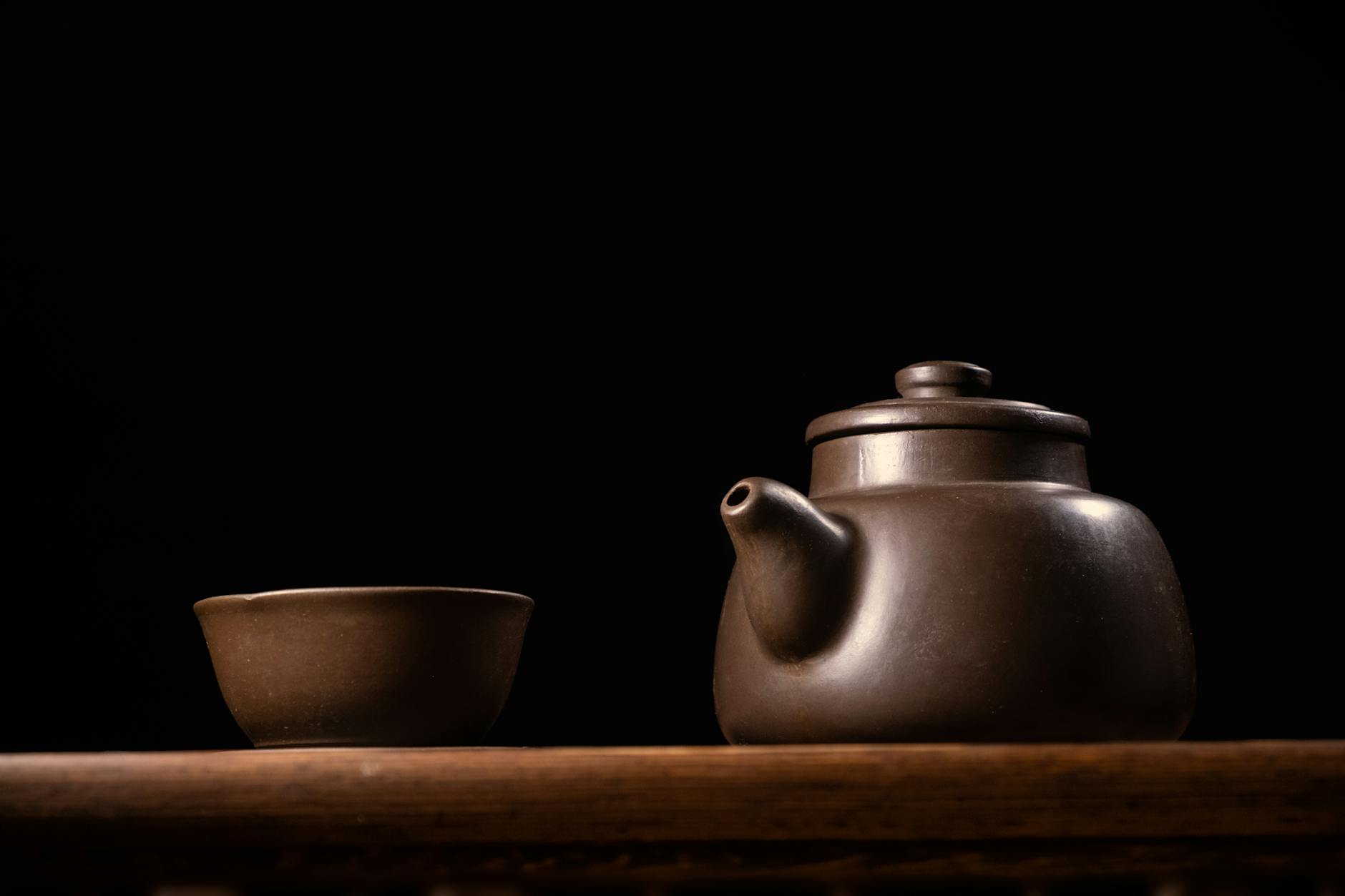
For the vessel, the classic is a Yixing zisha (purple clay) teapot from neighbouring Jiangsu province. The clay is left unglazed and is slightly porous, and devotees say a pot seasons with use so that an old one improves the tea brewed in it. Be realistic about what you are buying. A handmade pot by a certified Yixing potter costs thousands of yuan; most pots under a few hundred are moulded or slip-cast, and some are not Yixing clay at all. For a souvenir that is fine, as long as you pay a moulded-pot price rather than a handmade one. Check three things on any pot you like: a lid that fits snugly with almost no wobble, a spout that pours in a clean arc without dribbling, and an even finish inside and out. The potter’s seal on the base is easy to fake, so treat it as decoration rather than proof. Pair the pot with a few porcelain cups or a gaiwan (lidded brewing bowl) and you have a complete tea kit.
Calligraphy, Folding Fans and Name Chops
A name chop (印章) is one of the most personal souvenirs you can bring back from Shanghai. The chop, a carved stone seal pressed into red cinnabar paste, is the traditional Chinese signature, and the old literati ideal of the complete artist joined seal carving with poetry, calligraphy and painting. A carver will translate your name into Chinese characters (or carve it in English) and engrave it into a soft stone such as Qingtian or Shoushan; ask how long yours will take before you order. A larger block or a carved animal on top costs more. The carvers and calligraphy shops around Yu Garden and Fangbang Middle Road (Shanghai Old Street), and the studios of Tianzifang, are the most reliable places to have one made. Buy a small pot of red seal paste at the same time so you can actually use it at home; Duoyunxuan (朵云轩), the art-supply house at 422 East Nanjing Road founded in 1900, sells good paste along with brushes and paper.
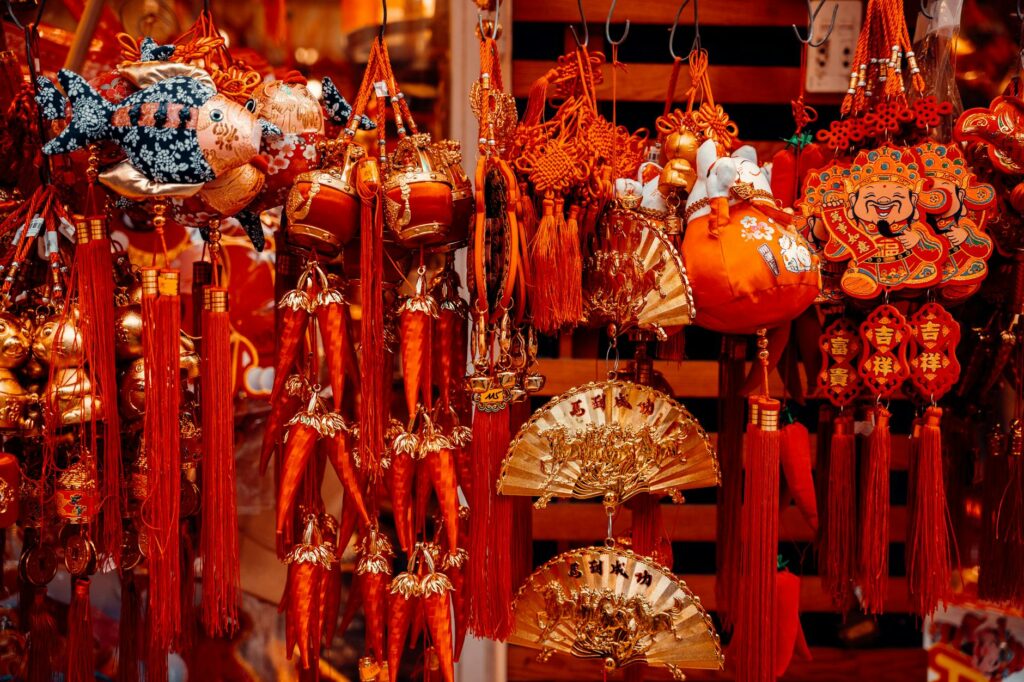
Hand-painted folding fans (折扇) pair bamboo ribs with rice paper or silk, painted with landscapes, calligraphy, or the classic birds-and-flowers motifs. A fan is feather-light, packs flat, and frames beautifully on a wall back home. Look for crisp brushwork, clean folds that open and close smoothly, and ribs that are not split. Simple printed fans are the cheap option; hand-painted, collector-grade fans cost considerably more. Before you buy anything costly, an hour at the Shanghai Museum of Arts and Crafts (79 Fenyang Road; ¥8; closed Mondays and over lunch) shows what master-grade fans, embroidery, lacquer and jade carving look like, which makes the market versions much easier to judge.

Calligraphy and ink-wash paintings by folk artists are widely sold around Yu Garden, the antique markets and Tianzifang. A single hanging scroll of bamboo, a landscape, or an auspicious character like 福 (fú, good fortune) makes a meaningful gift, priced by its size and the artist’s reputation. Shanghai-style papercutting (剪纸) is another local craft worth seeking out: in skilled hands a single sheet becomes an intricate scene of flowers, birds or figures, and a framed piece costs very little for the work involved.

Lacquerware, Cloisonné and Suzhou Embroidery
Cloisonné (景泰蓝) is the jewel-bright enamel ware where thin metal wires divide the surface into cells that are filled with coloured enamel and fired. It is most associated with Beijing, but Shanghai’s museum shops and state craft stores carry good pieces: vases, jewellery boxes, bowls and bracelets in deep blues, greens and reds. You can tell genuine cloisonné from a printed imitation by weight and detail. Real pieces are noticeably heavy and you can feel the raised wire partitions between colours; cheap fakes are light, with the pattern simply printed or stickered on.
Suzhou silk embroidery is one of the four great embroidery traditions of China, and Suzhou is under half an hour from Shanghai on the fastest high-speed trains. The most prized work is double-sided embroidery, where a different image appears on each face of a single sheet of silk, mounted in a rotating frame so you can see both. Framed pieces make a memorable gift, and the price climbs steeply with size and intricacy. This is exactly the category where you should buy from an established craft store or a museum shop rather than a tourist stall, because machine embroidery is routinely passed off as handwork. Genuine hand embroidery shows tiny irregularities and a slight sheen that changes with the angle of the light; perfectly uniform stitching is usually a machine.
Lacquerware rounds out the traditional crafts: glossy black or cinnabar-red boxes, trays and bangles built up from many thin layers of lacquer, sometimes carved or inlaid with mother-of-pearl. A small lacquer trinket box is light, sturdy and inexpensive, and it photographs beautifully on a shelf.
Pearls, Jade and Jewellery
China is a major producer of freshwater pearls, and Shanghai is a good place to buy them if you stick to a trusted market. Hongqiao Pearl City (虹桥珍珠城), 3721 Hongmei Road near Yan’an West Road, is the best-known spot, with stall after stall of loose pearls and finished pieces on its upper floors; sellers will often string a necklace to your length on the spot. Simple pearl earrings are the cheapest buy; a full strand of larger, well-matched pearls costs many times more. Judge pearls on lustre (they should glow rather than look chalky), surface (fewer blemishes is better), and how closely a strand is matched for size and colour. Rubbing two pearls gently together should feel slightly gritty if they are real; glass or plastic feels smooth.
Jade is where caution pays off. Most of the cheap green trinkets in tourist markets are dyed quartz, glass, or serpentine rather than true jadeite or nephrite, and the carving quality is usually low. Real jade feels cool, dense and heavy for its size, but glass is cool too, so treat those as hints rather than tests. Unless you know jade well or are buying from a reputable jeweller that issues a gem-lab certificate, treat market jade as decorative rather than an investment, and pay accordingly. For gold and jade from a long-established name, the old Nanjing Road jeweller Lao Feng Xiang (老凤祥, founded 1848) at 432 East Nanjing Road is the safe benchmark. The same caution goes for “silver” jewellery sold cheaply at stalls, which is often a plated base metal.
Shanghai Beauty Products and Retro Goods
Shanghai has a soft spot for its own heritage brands, and a few of them make cheap, charming, genuinely local souvenirs. The classic is Pechoin (百雀羚), founded in Shanghai in 1931, whose moisturising balm in a round blue-and-yellow tin has sat on Chinese dressing tables for generations. Other retro favourites include Bee & Flower (蜂花) sandalwood soap, a Shanghai product since the 1920s in its printed paper wrapper; Maxam (美加净) hand cream; Liushen (六神) floral water in its green glass bottle, which Shanghai households keep for summer; and Warrior (回力) canvas trainers, a Shanghai brand since 1927 that has come back into fashion. These cost little, mostly pack flat, and feel authentic precisely because locals actually use them. Buy them in a supermarket or department store at normal prices.
Be more careful with the “Shanghai Woman” (上海女人) snow-cream shops in the tourist lanes around Yu Garden, Nanjing Road and Tianzifang. The retro tins are pretty, but the label, not the sign over the door, tells you who made the cream. Check the maker on the label before paying tourist prices, and treat it as a pretty tin rather than heritage skincare.
Edible Souvenirs: Snacks, Sweets and Spices
Edible souvenirs are the ones that never end up forgotten in a drawer, and Shanghai has a strong line-up. The most famous is White Rabbit creamy candy (大白兔), the milky sweet in an edible rice-paper wrapper. It has been made in Shanghai since 1943 (it started life as ABC Mickey Mouse sweets and took the rabbit in the 1950s) and is sold everywhere from corner shops to the White Rabbit Store at 100 East Nanjing Road, which stocks the gift tins and flavours from red bean to matcha alongside the original milk.
Beyond the rabbit, look for:
- Hawthorn flakes (山楂片) — tart-sweet rolls of pressed fruit, sold in coin-shaped stacks
- Butterfly pastries (蝴蝶酥, palmiers) — the French pastry Shanghai adopted as its own. The Park Hotel (国际饭店), 170 West Nanjing Road, sells the best-known version at about ¥30 a bag (08:00–22:00; expect a queue), and Harbin Food Factory, 536 East Nanjing Road, makes a rival on the city’s intangible heritage list at about ¥50 a bag. Shanghai’s official city site has a guide to the main butterfly-pastry bakeries.
- Mooncakes (月饼) — mainly around the Mid-Autumn Festival. Plain lotus-paste or red-bean ones without egg yolk travel best; the Shanghai fresh-meat kind is for eating here, and US inspectors refuse meat mooncakes and accept egg-yolk ones only if the yolk is thoroughly cooked
- Dried fruit, candied walnuts and preserved plums — sold loose by weight in the Yu Garden food streets
- Loose-leaf tea as covered above, the most travel-friendly edible of all
- Whole spices — Sichuan peppercorns and Chinese five-spice; buy them whole rather than ground so they keep their punch
- Chilli condiments — Lao Gan Ma crispy chilli oil and similar jars, beloved and shelf-stable. Read the label, because some flavours contain beef, which makes them a meat product at the border
The easiest place to buy most of this in one go is the Shanghai No.1 Food Store, 720 East Nanjing Road, which also has a counter for Shanghai Gifts (上海礼物), the city’s official souvenir range. You will find the same range at the Oriental Pearl Tower and Shanghai Museum East.
One important warning before you pack: meat products are off the table. Dried meats, sausages, anything containing pork, and most fresh animal products are prohibited from import into the US, EU, UK and Australia, and they are a common reason souvenirs get binned at the border. Stick to sealed sweets, biscuits, dry spices and tea, and you will sail through. The Shanghai street food you fall in love with is best enjoyed on the spot rather than smuggled home.
Cheap Souvenirs and Small Gifts
For the long gift list back home, the colleagues, neighbours and kids who just want a little something from Shanghai, you do not need to spend much. Buy in bulk on the lower floors of the Yu Garden bazaar and the per-item price drops fast. Shanghai-themed fridge magnets, keychains, embroidered patches, pop-up and skyline postcards, fabric-covered notebooks, washi tape and small panda plush toys are all cheap to begin with. None of these carry a fixed price at a market stall, so never pay the first number, and buying several at once gives you leverage to bargain the price down. A bag of mixed small gifts like this weighs almost nothing and spreads a little of Shanghai around without denting your budget. For more ways to keep the whole trip affordable, see our Shanghai on a budget guide.
Best Places to Shop for Souvenirs
Where you shop matters as much as what you buy. Each of these has a different mix of price, quality and how hard you will need to bargain.
| Where | Best for | Address and metro | Bargain? |
|---|---|---|---|
| Shanghai No.1 Food Store | Edible gifts, White Rabbit, butterfly pastries, Shanghai Gifts counter | 720 East Nanjing Rd; People’s Square (Lines 1, 2, 8) | No, fixed prices |
| Duoyunxuan | Seal paste, brushes, paper, paintings | 422 East Nanjing Rd; East Nanjing Road (Lines 2, 10) | No |
| Yuyuan bazaar (Yu Garden) | Fans, chops, magnets, snacks; the widest spread of stalls | Around Middle Fangbang Rd; Yuyuan Garden (Lines 10, 14) | Yes, hard |
| Tianzifang | Design goods, small-studio crafts, prints | Taikang Rd; Dapuqiao (Line 9) | Mostly fixed; antique and curio shops will deal |
| Tianshan Tea City | Loose tea, teapots, tea ware | 520 West Zhongshan Rd, Changning; from about 10:00 into the evening, and shops keep their own hours | Some room on bigger buys |
| Hongqiao Pearl City | Freshwater pearls strung to order | 3721 Hongmei Rd, near Yan’an West Rd | Yes |
| South Bund Fabric Market | Qipao, suits and shirts made to measure | 399 Lujiabang Rd; Nanpu Bridge (Line 4), Exit 3; daily 09:00–18:00 | Yes |
| Yunzhou Curio City | Old-looking teapots, porcelain, coins, Mao-era curios | 88 Damuqiao Rd; Jiashan Road (Lines 9, 12), Exit 4 | Yes |
| Shanghai Museum East | Museum replicas, books, Shanghai Gifts | 1952 Century Ave, Pudong; Science and Technology Museum (Line 2), Exit 8; closed Tuesdays | No |
- The Yuyuan bazaar — quality is mixed and prices start high, so bargain hard, and combine it with a visit to the Yu Garden itself.
- Tianzifang — converted lane houses full of independent design shops and studios, with more original work than the bazaar. Our Tianzifang guide has the best times to go.
- Nanjing Road — the safest place for edible gifts, gold and calligraphy supplies. Plan it with our Nanjing Road shopping guide.
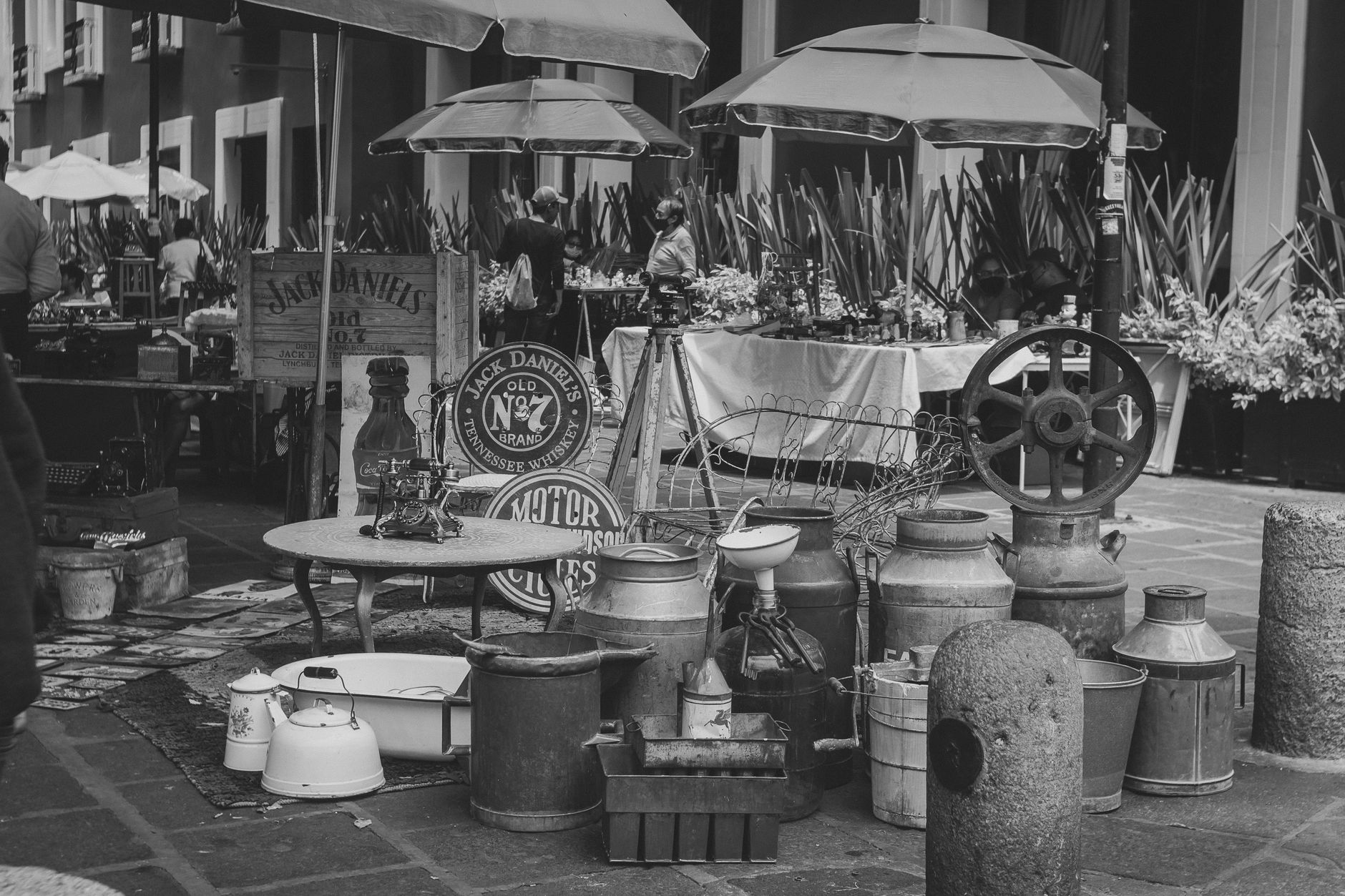
- Antiques — Dongtai Road, the antiques street most older guides still send you to, closed in 2015. Yunzhou Curio City is the better bet now. Assume nothing is a genuine antique unless proven otherwise.
- Museum shops — Shanghai Museum East, whose first phase opened on 3 February 2024, holds most of the museum’s permanent galleries, and its shops carry the museum’s replicas and books. The original People’s Square building now runs special exhibitions.
For the full picture of where to shop and how the markets work, start with our pillar guide to shopping in Shanghai and the detailed Shanghai markets and haggling guide.

Tax-free shopping. Department stores, malls and some brand shops display a “Tax Free” sign. Spend at least ¥200 in one such store on one day and you can claim back VAT: 9% or 6% of the price, depending on the goods, once the 2% service fee is taken off. Where the store takes part in instant refunds, the money can be paid at the till against a credit-card pre-authorisation. Markets, stalls and antique dealers do not qualify. Our guide to tax-free shopping in Shanghai covers the airport steps.
How to Bargain at Shanghai Markets
Bargaining is expected at market stalls and any shop without marked prices, and it is genuinely part of the fun once you relax into it. The opening price a vendor quotes a foreign visitor is often three to five times the fair price, so there is plenty of room to come down. The standard playbook: when a vendor names a price, counter at roughly 20–30% of the asking, then let them bring you up while you edge your offer toward a number you are happy with, usually meeting somewhere below the halfway point. At the dedicated “fake markets”, start lower still.
A few tactics that work:
- Walk away. Heading for the exit is the single strongest move; most vendors will call you back with a real price.
- Buy in bulk. Three scarves or five fans gives you far more leverage than one, so combine your gift list into one negotiation.
- Stay friendly. Smile, keep it light, and do not haggle aggressively over a few yuan once you have reached a price you like. It is meant to be a game, not a fight.
- Learn two phrases. 太贵了 (tài guì le, “too expensive”) and 便宜一点 (piányi yìdiǎn, “a bit cheaper”) earn instant goodwill and a better number.
- Have payment ready. Mobile payments (Alipay and WeChat Pay) are universal in Shanghai and now linked to foreign cards for visitors; a little cash in small notes still helps at the smallest stalls.
Remember that department stores, museum shops and the heritage shops on Nanjing Road are fixed-price: there is no haggling there, and you are paying for guaranteed quality. Save your bargaining energy for the markets.
What to Avoid: Fakes, Scams and Bad Buys
Most shopping in Shanghai is straightforward, but a few traps catch unwary visitors. Knowing them in advance is most of the defence.
- Polyester sold as silk. The most common con. Use the feel test and, where allowed, the burn test, and favour labelled stock from a fixed-price shop for anything expensive.
- Machine embroidery sold as hand work. Perfectly uniform stitching at a suspiciously low price is a machine. Buy framed embroidery from established craft stores.
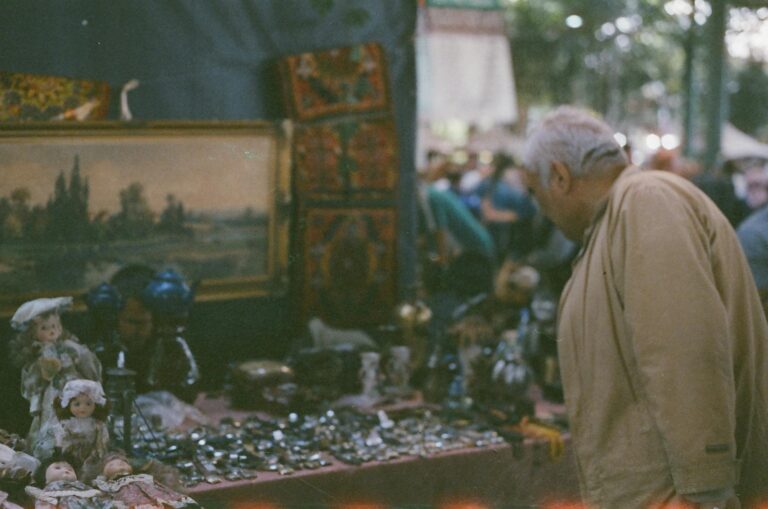
- Fake “antiques.” The antique markets are full of artificially aged reproductions. They can be charming, but pay reproduction prices, not antique prices, and never assume a piece is genuinely old.
- Dyed quartz sold as jade, and plated metal sold as silver. Treat cheap market jade and silver as decorative only unless certified.
- Tourist-priced “heritage” cosmetics. Snow-cream shops in the tourist lanes trade on retro tins. Buy Pechoin and friends in a supermarket or department store instead.
- The teahouse and “art student” scams. These are not souvenir fakes but they cost tourists money. A friendly stranger invites you to a traditional tea ceremony or a “graduation art exhibition,” and you end up with an enormous bill or pressured into overpriced paintings. Our guide to common Shanghai scams covers how to spot and sidestep these.
- Counterfeit luxury goods. Tempting and cheap at the fake markets, but importing fake branded goods is illegal in most countries and can be seized at customs.
Customs: What You Can Take Home
Two sets of rules apply to your souvenirs: what China lets you take out, and what your home country lets you bring in.
Leaving China. China’s export rules bar, in principle, cultural relics of historical, artistic or scientific value made in or before 1949 from leaving the country, and relics made in or before 1911 may not be exported at all. Age alone does not make an object a cultural relic. Pieces that pass inspection carry an official red wax seal; without one, a real antique can be confiscated at the airport. In practice this almost never affects ordinary tourists, because the reproductions and crafts sold in markets are modern and freely exportable. Ivory in any form, and products from endangered species (certain bone, coral, some hardwoods, rhino horn, tiger products), are banned outright regardless of age. Keep your receipts for anything valuable such as jade, pearls, gold or silver, in case you are asked at the exit check. For what those market stalls actually stock, our guide to Shanghai’s antique markets and vintage shops covers the Old Town dealers and the French Concession vintage trade.
Entering your home country. The headline rule everywhere is food and natural items. General guidance by destination:
- USA — declare all food and agricultural products. Meat is refused, including meat-filled mooncakes, and egg-yolk mooncakes pass only if the yolk is thoroughly cooked. Sealed tea, dried spices, packaged sweets, silk and crafts are fine. Failing to declare can bring a fine of up to US$1,000 for a first offence; see US Customs and Border Protection’s rules on agricultural products.
- UK — no meat or dairy at all from outside the EU, however well sealed. Biscuits, bread, chocolate and sweets are allowed (not cakes with fresh cream), while fruit, vegetables and plants are restricted; the UK government’s rules on bringing food into Great Britain list the details.
- EU — similar to the UK: no meat or dairy from China, while sealed sweets, biscuits and tea are generally fine.
- Australia and New Zealand — among the strictest in the world. Declare absolutely all food, tea, seeds, wooden items and natural products on arrival. Non-declaration, not the items themselves, is what triggers heavy fines.
The simple rule for everyone: when in doubt, declare it. Tea, sealed sweets, silk, porcelain, fans, chops and crafts are the safe core of any Shanghai haul, and they are exactly the things this guide steers you toward. If you are still planning the trip, our guides on things to do in Shanghai will help you slot a shopping afternoon into the rest of your itinerary.
Frequently Asked Questions
What is Shanghai famous for in terms of souvenirs?
Shanghai’s signature souvenirs are silk (scarves and tailored qipao), tea and Yixing teapots, carved name chops, Suzhou silk embroidery, and traditional crafts such as cloisonné, lacquerware and folding fans. Freshwater pearls, White Rabbit sweets and retro Shanghai brands such as Pechoin cream and Warrior trainers are popular too.
Where can I buy authentic Chinese souvenirs in Shanghai?
For authenticity over rock-bottom price, shop at Shanghai Museum East, the Shanghai Gifts counters, the heritage shops on Nanjing Road (Lao Feng Xiang, Duoyunxuan, the No.1 Food Store), Tianshan Tea City for tea, Hongqiao Pearl City for pearls, and the design shops of Tianzifang. These cut out the fakes that fill the busiest tourist stalls.
How much should souvenirs cost in Shanghai?
Trinkets such as magnets and keychains cost very little, silk scarves and teapots sit in the middle, and high-quality crafts cost the most. Always bargain at markets, where the opening price is set well above what the seller will accept.
Can I take Chinese tea home?
Yes. Sealed, packaged loose-leaf tea is allowed by most countries including the US, UK, EU and Australia. Carry it in your checked bag and declare it on arrival to be safe, especially in Australia and New Zealand.
What should you not buy in Shanghai?
Skip jade and silver jewellery without certification, anything ivory or coral, genuine antiques that lack an export wax seal, meat snacks (banned by most countries’ customs), and obvious counterfeit luxury goods, which are illegal to import almost everywhere.
Where can I get a Chinese name chop made?
Chop carvers around Yu Garden and Fangbang Middle Road (Shanghai Old Street), and studios in Tianzifang, will carve a personalised stone chop; agree the price and the wait before they start. Buy a pot of red seal paste at the same time, or at Duoyunxuan on Nanjing Road, so you can use it at home.
Are tailored qipaos a good souvenir?
Yes, if you have about a week: standard turnaround at the South Bund Fabric Market is six or seven days, with a two-day express service. Get a quote for your chosen fabric and finishing before you order; hand-embroidered work from a qipao house costs far more. A well-made one lasts for years.
Are Yu Garden Bazaar souvenirs fake?
Many items there are mass-produced and the opening prices are high, but real silk, real tea and decent crafts can be found with careful shopping and hard bargaining. For guaranteed quality, fixed-price museum shops and the Shanghai Gifts counters are more reliable.
Can I get a tax refund on souvenirs?
Only at designated tax-free stores, which display a Tax Free sign, and only if you spend ¥200 or more in one store on one day. Depending on the goods, the refund comes to 9% or 6% of the price after the 2% fee, and stores that offer instant refunds can pay it at the till if you leave a credit-card pre-authorisation. Market stalls and antique dealers do not qualify.
Can I bring Chinese snacks and candy through customs?
Sealed, commercially packaged sweets like White Rabbit candy, biscuits such as butterfly pastries, and dry goods are generally fine for the US, UK and EU; declare them if asked. Avoid anything containing meat, including meat-filled mooncakes, and declare all food when entering Australia or New Zealand.
Plan the Rest of Your Shopping Day
Combine souvenir hunting with the rest of your trip using our pillar guide to shopping in Shanghai and things to do in Shanghai, plus our deep dives on the Nanjing Road shopping guide, the Shanghai markets and haggling guide, and the historic Yu Garden in Shanghai’s Old City.