Shanghai has more shopping centres than it can plausibly fill, and picking between them by name gets you nowhere — half of them stock the same forty brands. The useful question is not which are the biggest but what each one is for, because the best malls in Shanghai divide cleanly into a handful of types: the two genuine luxury temples, the one that stays open until midnight, the art-gallery hybrid, the youth-culture experiment, the family-sized monsters in Pudong, and the workaday department stores that locals actually use.
There is also a reason to care about malls here that does not apply in most cities. Shanghai summers run to 38°C with humidity to match, and the rain arrives without warning between June and September. A mall is not just shopping — it is the thing that saves an afternoon. Add the tax-free refund system, which is concentrated in exactly these buildings, and the air-conditioned option is worth planning for rather than falling into. This guide sorts them by what you want, with metro lines, hours, and honest notes on which ones are worth the journey.
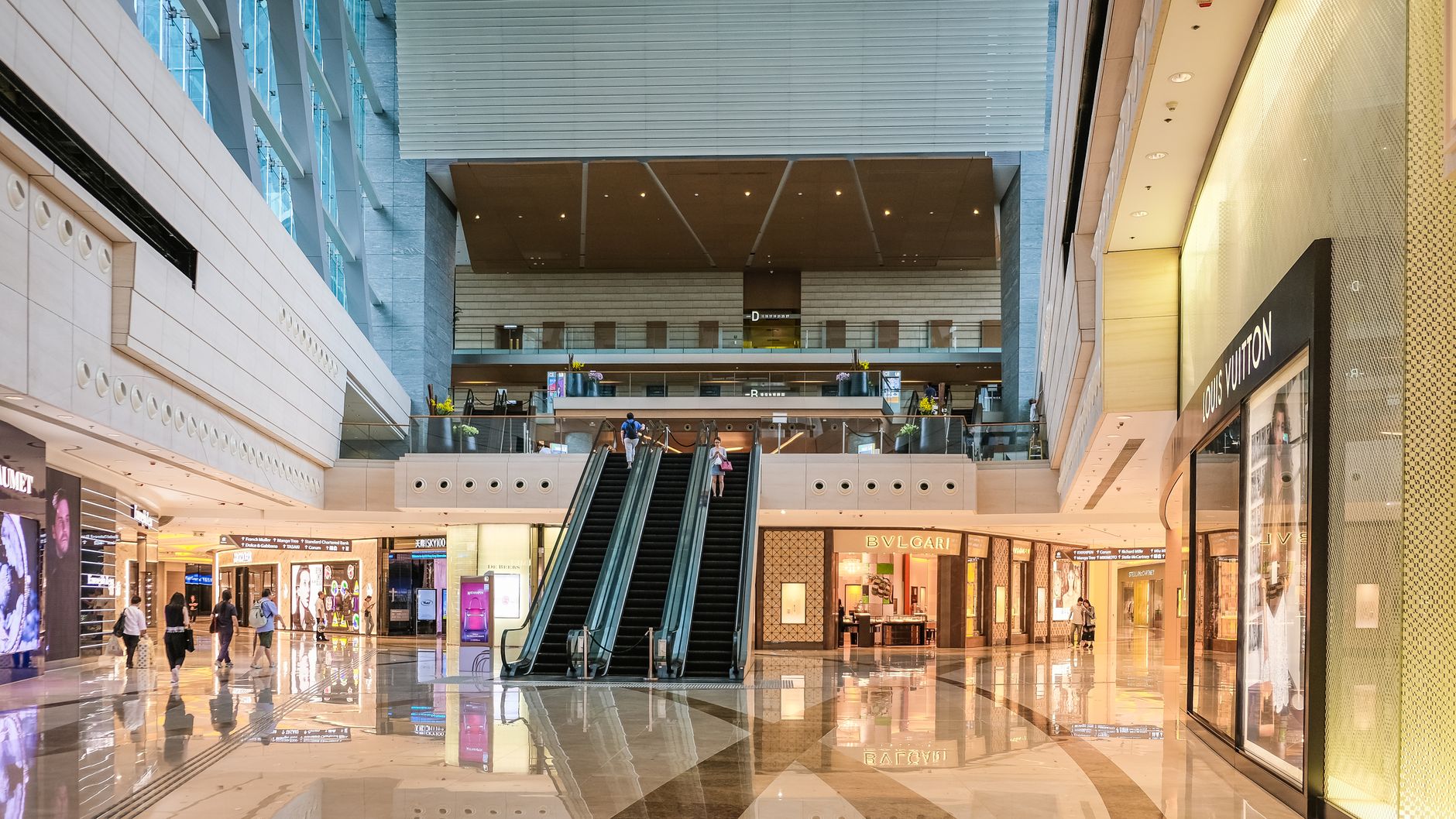
Table of Contents
- The best malls in Shanghai, by what you want
- The luxury tier: Plaza 66, IFC and Réel
- Middle Huaihai Road: IAPM, K11 and TX
- Pudong: IFC and Super Brand Mall
- The everyday malls locals use
- Where the best malls in Shanghai cluster
- Tax refunds and paying
- The rainy-day and 38-degree plan
- Chinese brands worth a look
- What people get wrong
- Frequently Asked Questions
The best malls in Shanghai, by what you want
| If you want… | Go to | Metro | Hours |
|---|---|---|---|
| Serious luxury, Puxi side | Plaza 66, 1266 West Nanjing Road | Lines 2, 12, 13 — West Nanjing Road | 10:00–22:00 |
| Serious luxury, Pudong side | Shanghai IFC, 8 Century Avenue | Lines 2, 14 — Lujiazui | 10:00–22:00 |
| Shopping after 22:00 | IAPM, 999 Middle Huaihai Road | Lines 1, 10, 12 — South Shaanxi Road | 10:00–23:00, restaurants to 01:00 |
| Art with your shopping | K11, 300 Middle Huaihai Road | Lines 1, 10, 12 — South Shaanxi Road | 10:00–22:00 |
| Streetwear and under-30 culture | TX Huaihai, Middle Huaihai Road | Line 1 — South Huangpi Road | Late |
| Family day out, everything under one roof | Super Brand Mall, 168 West Lujiazui Road | Line 2 — Lujiazui | 10:00–22:00 |
| Ordinary shopping at ordinary prices | Grand Gateway 66, 1 Hongqiao Road | Lines 1, 9, 11 — Xujiahui | 10:00–22:00 |
| Somewhere near your hotel by People’s Square | Raffles City, 268 Middle Xizang Road | Lines 1, 2, 8 — People’s Square | 10:00–22:00 |
| Japanese department-store food halls | Sogo, 1618 West Nanjing Road | Lines 2, 7 — Jing’an Temple | 10:00–22:00 |
| Discount luxury | Bailian Outlets, Qingpu | Far out — drive or taxi | Weekdays 10:00–21:00 |
The luxury tier: Plaza 66, IFC and Réel
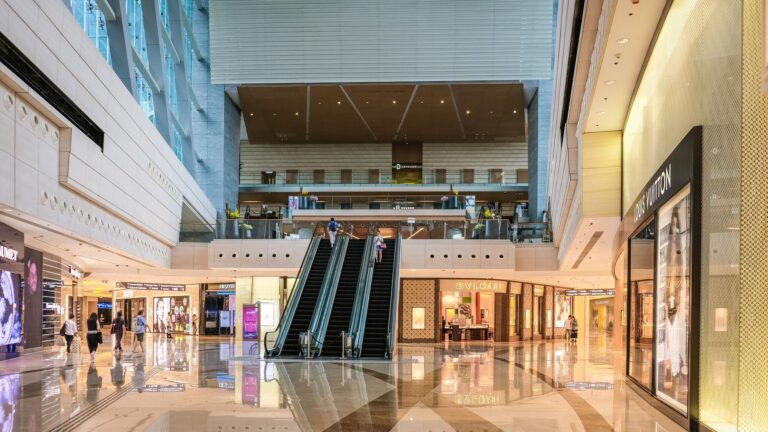
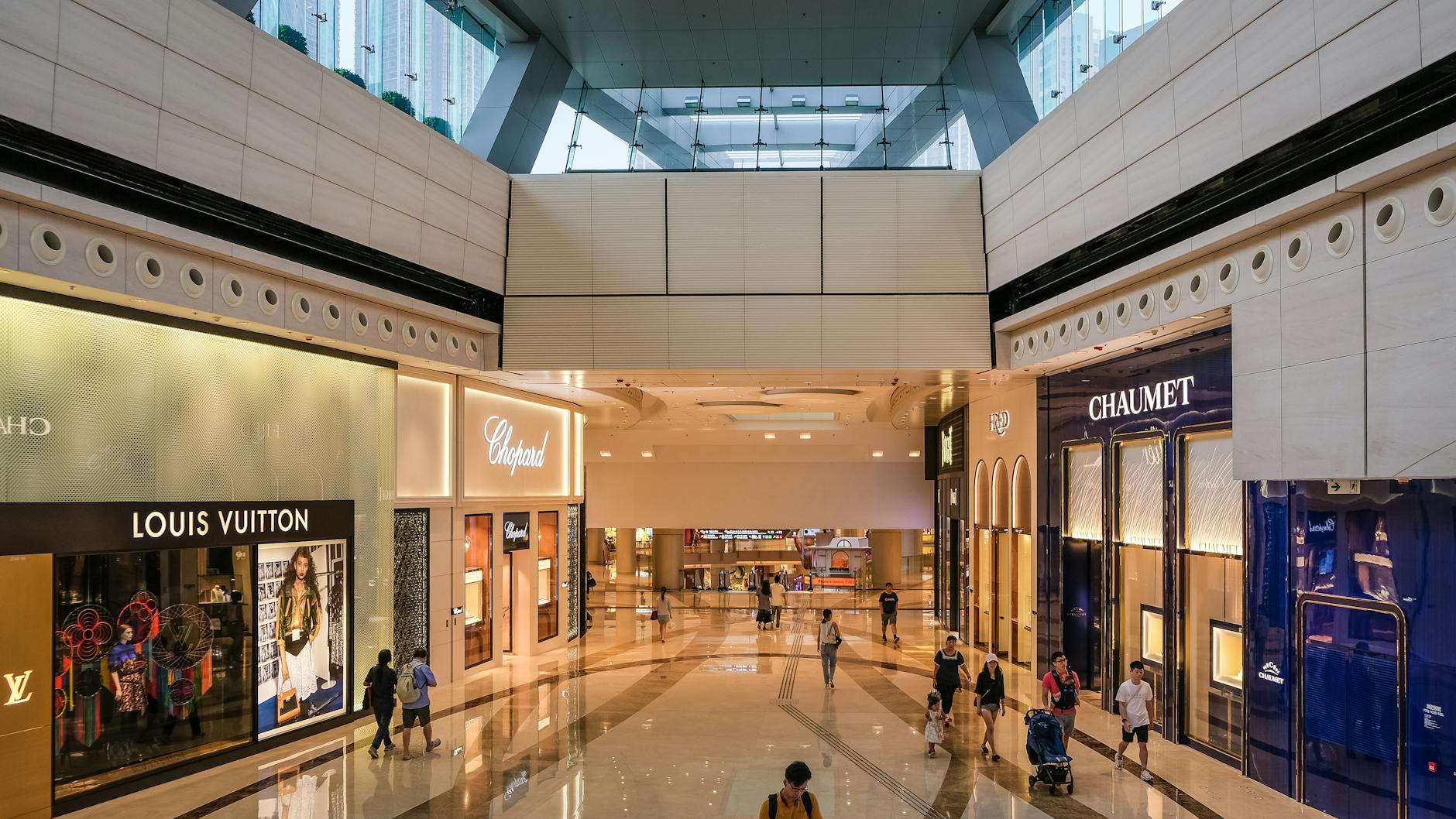
Plaza 66 (恒隆广场) at 1266 West Nanjing Road is the Puxi luxury anchor and has been for two decades. Five retail floors, over a hundred international names, and an atmosphere that is deliberately hushed — this is where Shanghai’s wealthy actually shop, and it feels considerably more serious than the tourist-facing end of Nanjing Road a mile east. Metro Lines 2, 12 and 13 to West Nanjing Road put you at the door, and published mall listings give the current floor counts and hours. Even if you are buying nothing, the building is worth walking through once.
Shanghai IFC at 8 Century Avenue is its Pudong equivalent, sitting beneath the IFC towers a few steps from the Oriental Pearl and the river. Every major designer house has a flagship here, and it holds the city’s first Apple Store flagship. It is also, usefully, connected directly into Lujiazui station on Lines 2 and 14 and joined by walkways to the surrounding towers, so you can arrive, shop, eat and reach an observation deck without going outside — which in August is not a small thing. See our guide to luxury shopping in Shanghai for what is actually worth buying here versus at home.
Réel (芮欧百货) at 1601 West Nanjing Road, connected to Jing’an Temple station on Lines 2, 7 and 14, is the quieter third option. Similar brands, fewer people, and a calmer experience than Plaza 66 on a Saturday — local listings confirm the address and metro connection. It sits in the same Jing’an cluster as Sogo and the Kerry Centre, which makes that stretch of West Nanjing Road the densest concentration of high-end retail in the city — the whole run is walkable in twenty minutes.
An honest note on prices: luxury goods in mainland China are frequently more expensive than in Europe, sometimes substantially, because of import duty and consumption tax. The 9% net VAT refund does not close that gap. Buy here because you want something you cannot find at home, or because you are enjoying the shopping, not because you expect a bargain.
Middle Huaihai Road: IAPM, K11 and TX
Middle Huaihai Road is the more interesting shopping street. Nanjing Road is where tourists go; Huaihai is where Shanghai goes, and its three malls are each doing something different.
IAPM at 999 Middle Huaihai Road is the one to remember, for a single reason: it stays open until 23:00, with restaurants running to 01:00. Almost every other mall in the city shuts at 22:00 sharp, and if you have spent the day sightseeing and want to shop in the evening, this is effectively your only option. Over 200 brands across a smart, mid-to-upper range, plus a good restaurant floor. Metro Lines 1, 10 and 12 to South Shaanxi Road, and the station connects directly into the building.
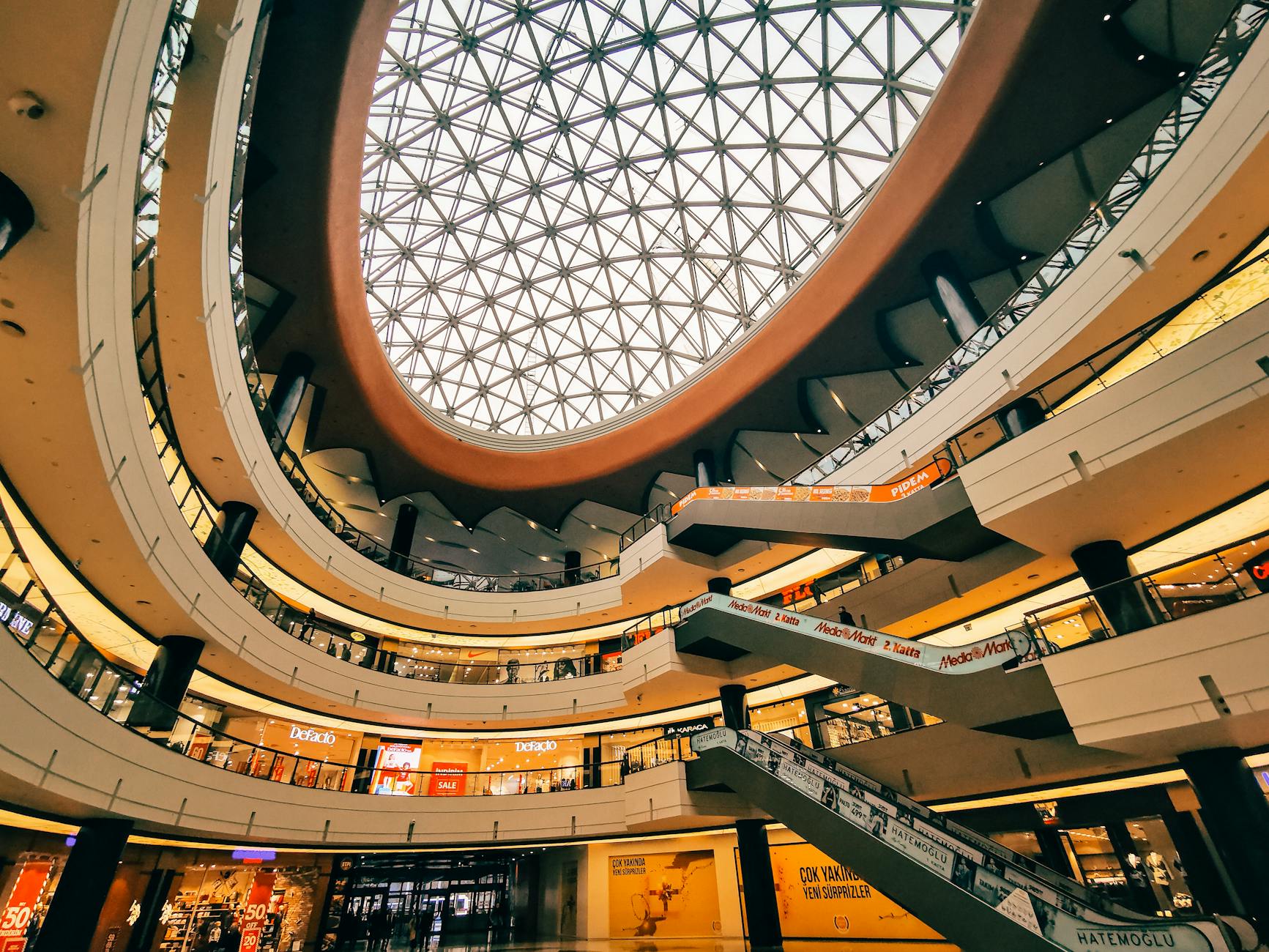
K11 at 300 Middle Huaihai Road is nine floors, three of them underground, built around the idea of an “art mall”. That usually means a few sculptures in an atrium; here it means an actual exhibition space in the basement that has hosted serious international shows, plus a rooftop urban farm. The retail is good without being remarkable. Come for the exhibition and the building, not the shops — and if art is what you are after, our guide to Shanghai’s art scene covers the galleries proper.
TX Huaihai is the outlier and the most fun. Branded as a “youth energy centre”, it is streetwear, limited drops, Chinese designer labels, pop-up installations, gaming and a heavy skew to the under-thirties. Almost nothing in it is a brand you would recognise from home, which is precisely the point — this is the best place in the city to see what young Shanghai is actually wearing and buying. It is a short walk from South Huangpi Road on Line 1, near Xintiandi.
The three sit within a twenty-minute walk of each other along Huaihai, which makes this the single best mall crawl in Shanghai. Do it in that order and finish with dinner at IAPM.
Pudong: IFC and Super Brand Mall
Lujiazui has two malls and they are not remotely alike. IFC is the luxury one, covered above. Super Brand Mall (正大广场) at 168 West Lujiazui Road is the opposite: enormous, over a thousand brands, mid-market, and set up for families — cinema, restaurants on several floors, children’s play areas, and river views from the upper levels.
Super Brand is the answer if you are in Pudong with children and it has started raining, and it is a far better lunch option than anything at street level around the Oriental Pearl. It is directly above Lujiazui station on Line 2, which is also where you emerge for the observation decks and the river ferry.
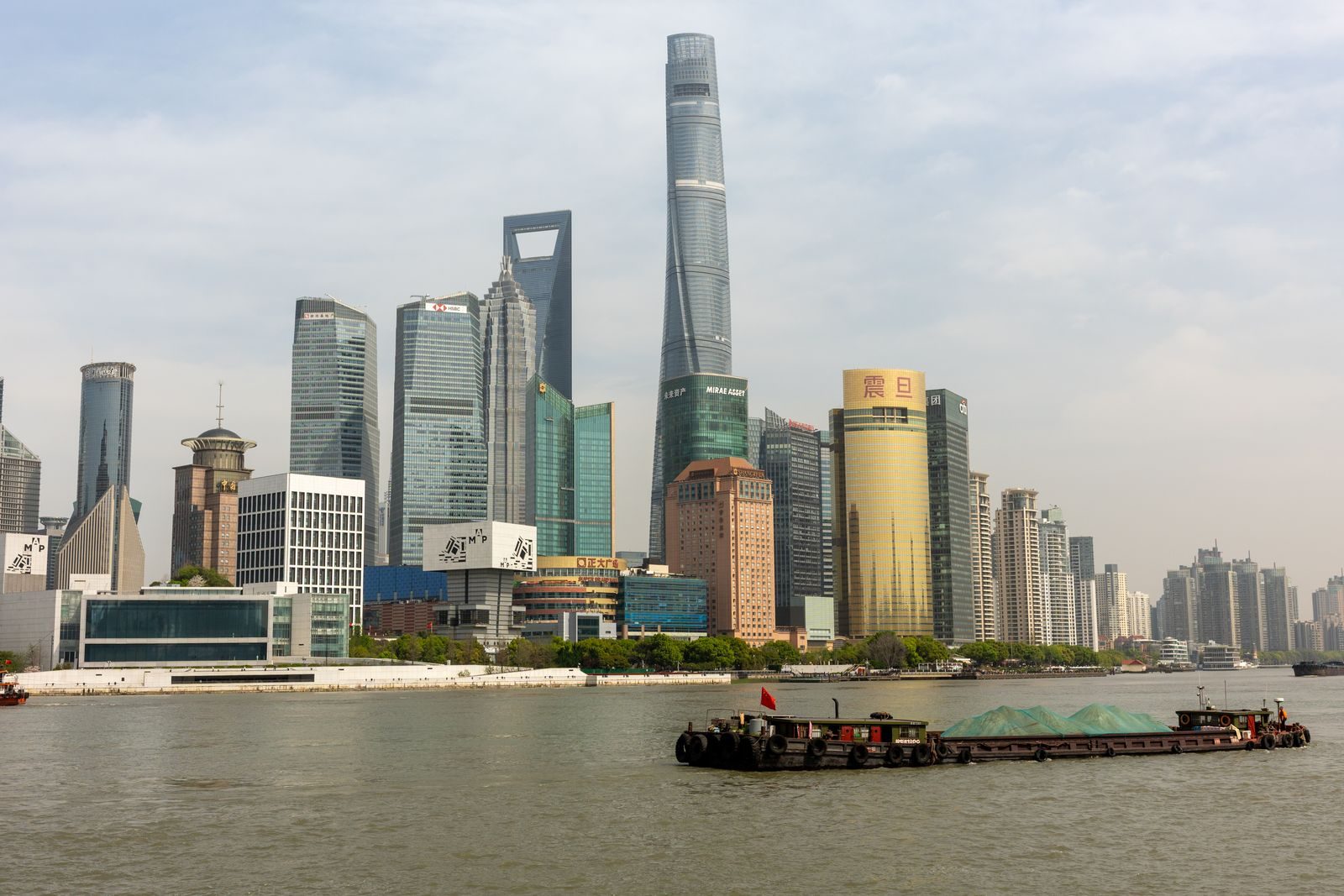
Worth knowing: the raised walkway loop around Lujiazui connects IFC, Super Brand Mall, the Oriental Pearl, Shanghai Tower and the Jin Mao Tower without a road crossing. If the weather is bad, you can do most of a Pudong day indoors and off the street.
The everyday malls locals use
These will not appear on a shopping itinerary and they are more interesting than the luxury ones if you want to see how the city actually works.
- Grand Gateway 66, 1 Hongqiao Road, beside Xujiahui station (Lines 1, 9, 11). Over 400 stores, a 168-metre covered dining street, mid-market brands and an enormous weekend crowd. Xujiahui itself is a knot of five or six malls connected by underground passages, and it is where a great many Shanghai families spend a Sunday.
- Raffles City, 268 Middle Xizang Road, at People’s Square (Lines 1, 2, 8). Eight floors, unremarkable, and by far the most convenient mall to anyone staying centrally. Good food court.
- Sogo, 1618 West Nanjing Road, Jing’an Temple. Ten floors of Japanese department store, and — the real reason to go — a basement food hall of the kind Japan does better than anyone. Excellent for a cheap, high-quality lunch and for taking food back to a hotel room.
- No. 1 Department Store, 830 East Nanjing Road, open from 09:30. Eight floors, historic, and genuinely everything: clothes, furniture, jewellery, books. It is a survivor from another era of Chinese retail and worth a wander for that alone.
- New World Daimaru, 288 East Nanjing Road. Japanese-run, eight floors, strong on cosmetics, and the politest service in the city.
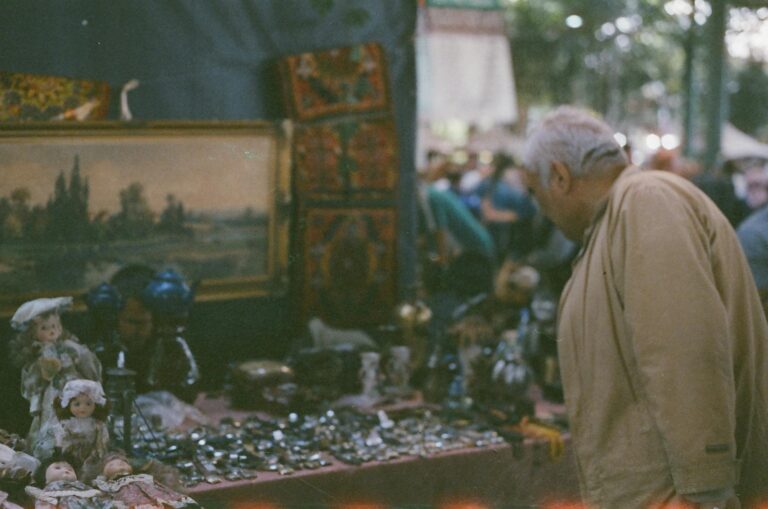
- The Hong Kong Shopping Centre, the underground pedestrian street beneath People’s Square. Cheap clothes, phone accessories, snacks, and the longest underground shopping street in the city. Not a mall so much as a subterranean bazaar, and useful when it is pouring.
For the street-level version of all this, our Nanjing Road shopping guide covers the pedestrian stretch, and the markets and haggling guide covers the very different rules that apply once you leave a fixed-price building.
Where the best malls in Shanghai cluster
Four clusters, and no reason to travel between more than two of them in a day.
Jing’an / West Nanjing Road. Plaza 66, Réel, Sogo, Kerry Centre. The luxury run, walkable end to end in twenty minutes, on Line 2 between Jing’an Temple and West Nanjing Road. The Jing’an Temple itself is at one end, which makes a decent half day.
Middle Huaihai Road. IAPM, K11, TX Huaihai, plus the Xintiandi malls a few streets south. The most interesting mix and the best walking. Lines 1, 10 and 12.
Lujiazui. IFC and Super Brand Mall, connected by walkway to everything else in Pudong. Line 2.
Xujiahui. Grand Gateway 66, Orient Shopping Center, Neo Young 6 (on the former Pacific Department Store site) and several others, connected underground. Mid-market, extremely busy, and the least tourist-oriented of the four. Lines 1, 9 and 11.
East Nanjing Road — No. 1 Department Store, New World Daimaru, Raffles City nearby — is a fifth, but it is a shopping street with department stores on it rather than a mall district, and the crowds are the heaviest in the city. Our guide to Shanghai’s districts puts all of these in context geographically.
Tax refunds and paying
Overseas visitors can claim a VAT refund on goods bought in China, and the malls listed here are where the designated tax-free stores are concentrated — look for the blue-and-white “Tax Free” sign. The essentials:
- Minimum spend is ¥200 at one designated store on one day. Not a trip total, not per item. Two ¥150 purchases in the same shop on the same day qualify; three in three shops do not.
- The refund rate is 11% of the invoice, less a 2% agency fee — so you receive 9%.
- You must depart within 90 days, and the goods must be unused, unopened and travelling with you.
- Instant refund at the till is now available nationwide, but it takes a credit-card pre-authorisation as a guarantee. A card that cannot handle an international pre-auth is the most common reason a refund is refused, so use one with headroom.
- At the airport, the customs office is in international departures before check-in and they may want to see the goods. Allow 40–60 minutes on top of your normal timing.
- Services are excluded — hotels, restaurants, tours — as are markets, street vendors and small independents that are not designated stores.
Paying is straightforward: every mall takes Alipay and WeChat Pay, both of which now accept foreign Visa and Mastercard, and the larger stores take foreign cards directly. Cash works. Small independent units inside a mall may be QR-only.
The rainy-day and 38-degree plan
This is the part that is genuinely useful rather than aspirational. Shanghai’s summer is hot and wet, the plum rains fall through June, and typhoon tails arrive in late summer — see our guide to visiting Shanghai in summer for what to expect. When the weather turns, these are the moves:
In Pudong: Lujiazui station, then the raised walkways. IFC, Super Brand Mall, the towers and the observation decks all connect. A full day without going outside.
In Huangpu: People’s Square station, then the underground Hong Kong Shopping Centre, up into Raffles City, and along to the East Nanjing Road department stores. The Shanghai Museum is on the same square if you want something better than shopping — our museums guide covers it.
In Jing’an: West Nanjing Road station into Plaza 66, then Sogo and Réel, then Jing’an Temple station. Twenty minutes of walking, all of it dry, with lunch in Sogo’s basement.
In Xuhui: South Shaanxi Road station and the Huaihai three, or Xujiahui and its connected complex, where five or six buildings link underground and you can cross the district without surfacing.
The general principle: Shanghai’s metro stations are frequently built into the basements of the buildings above them, so the network doubles as a covered pedestrian route through the busiest districts. Check the station exit numbers rather than the street map — a mall exit is usually numbered separately, and taking the wrong one puts you on the far side of an eight-lane road in the rain.
All of these cost nothing beyond a metro fare, which makes them the most reliable wet-weather plan in the city.
Chinese brands worth a look
The most common complaint about shopping in Shanghai is that it is the same brands as everywhere else. That is true of the luxury tier and untrue of everything below it — China has a domestic fashion, beauty and design industry that is invisible from outside and increasingly good.
What to look for: Chinese streetwear and designer labels, densest at TX Huaihai and in the boutiques around Anfu Road and Wukang Road; domestic cosmetics, which are a fraction of the price of the international houses and often better suited to the local climate, sold on the ground floor of every department store; outdoor and sportswear from the big domestic brands, which sponsor half of Chinese sport and cost far less here than their export prices; and homeware and stationery, where the design standard in Chinese chain stores is startlingly high for the money.
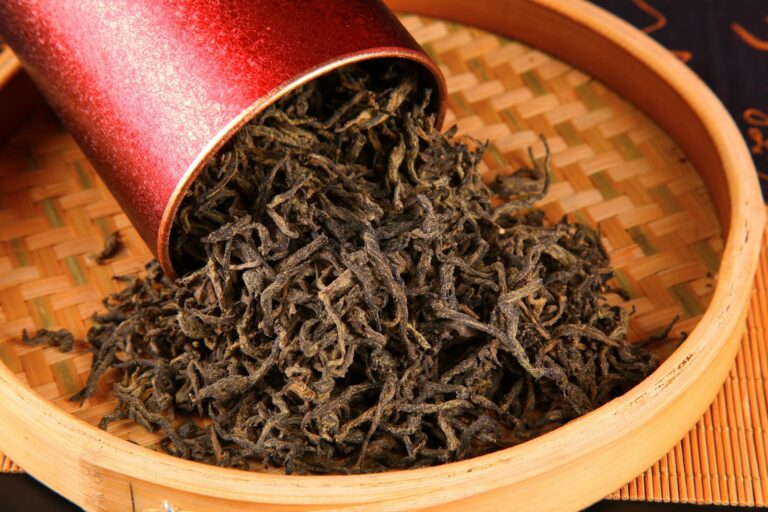
Then there are the things that are genuinely Chinese rather than merely made in China: tea, which every department store sells properly and which our guide to buying tea in Shanghai covers in detail; silk; porcelain; and tailoring, where the fabric market remains far better value than any mall — see our guide to the fabric market and tailoring.
Opening hours are worth a word too. Chinese retail runs late by European standards and starts late by American ones: nothing opens before 10:00 and the food halls do not get going until 11:00, but the malls are busy at 21:00 on a weeknight in a way that would be unusual in London or Paris. If you are jet-lagged and awake at 07:00, the parks and the wet markets are the things that are open; shopping is an afternoon and evening activity here.
Sizing is the practical catch. Chinese clothing sizes run small by European and American standards, frequently by one or two sizes, and shoe sizing above about a UK 8 for women or UK 10 for men gets difficult outside the international brands. Try things on; do not order blind.
What people get wrong
Expecting luxury goods to be cheaper. Import duty and consumption tax mean many are more expensive than in Europe, and a 9% refund does not fix it.
Arriving at 21:45. Everything except IAPM shuts at 22:00 and the shops start closing at 21:40. If you want an evening, IAPM is the answer.
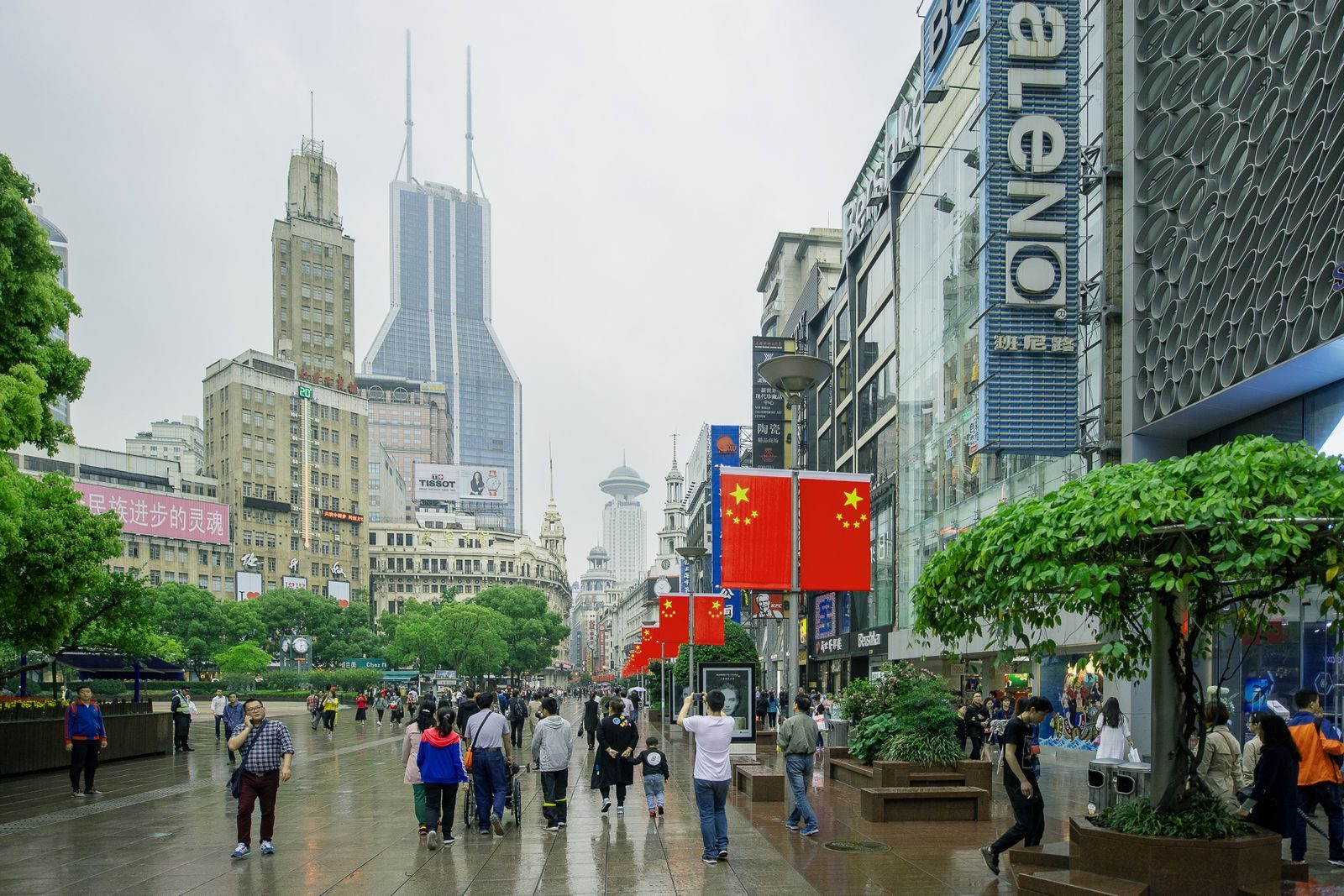
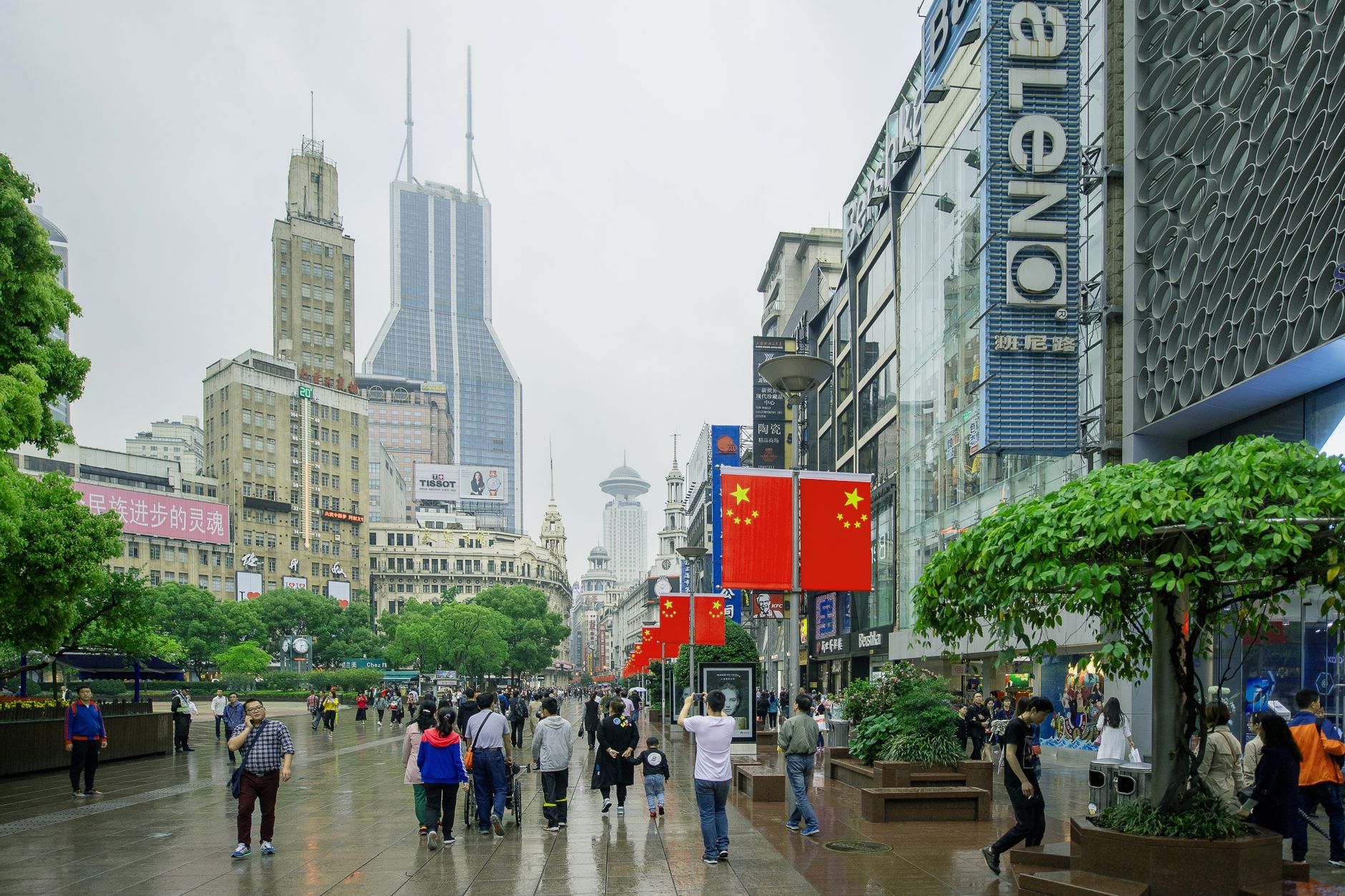
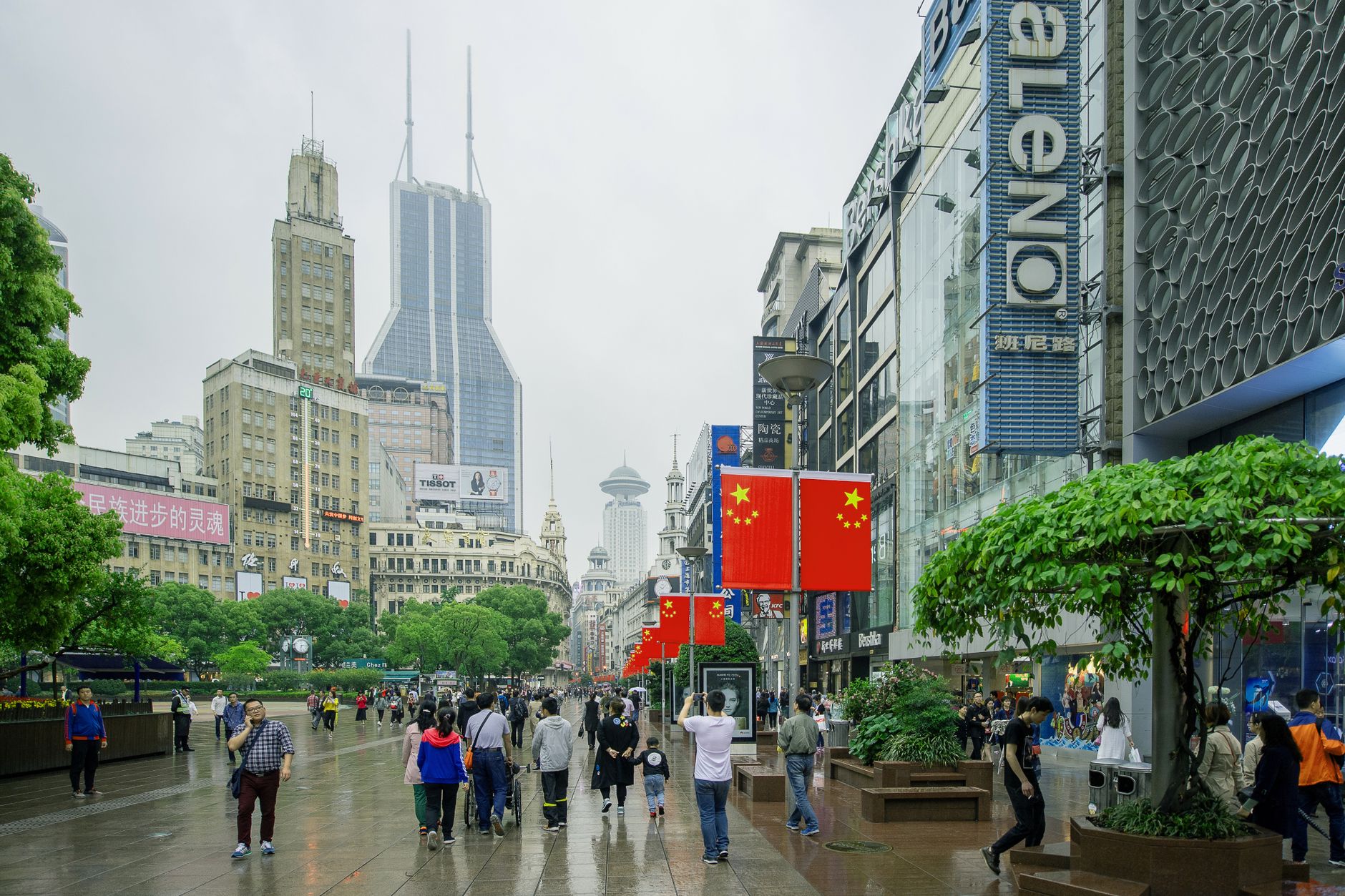
Doing Nanjing Road expecting the good shopping. It is the busiest pedestrian street in China and it is mostly mid-market chains and crowds. Huaihai is better in every respect.
Splitting purchases across shops and losing the refund. ¥200 minimum, one store, one day. Consolidate.
Trying to do three clusters in a day. They are twenty to forty minutes apart on the metro. Two is plenty.
Ignoring the food. Mall restaurant floors in Shanghai are genuinely good and often better value than street-level restaurants in the same district. The Japanese department-store food halls are a highlight in their own right.
Frequently Asked Questions
Which is the best shopping mall in Shanghai?
For luxury, Plaza 66 on West Nanjing Road in Puxi and Shanghai IFC in Lujiazui are the two flagships. For range and interest, IAPM on Middle Huaihai Road is the best all-rounder and the only major mall open past 22:00. For something you cannot get at home, TX Huaihai and its Chinese streetwear labels.
What time do Shanghai malls open and close?
Almost universally 10:00 to 22:00, with shops beginning to shut around 21:40. The exceptions are IAPM, which runs to 23:00 with restaurants until 01:00, and No. 1 Department Store and Yuyuan Bazaar, which open earlier at 09:30 and 09:00 respectively.
Is shopping in Shanghai cheaper than in Europe?
Not for luxury goods, which are often more expensive here because of import duty and consumption tax. Chinese domestic brands, electronics accessories, tea, silk, tailoring and anything from a market are considerably cheaper. The 9% net VAT refund helps but does not close the luxury gap.
How does the tax refund work?
Spend at least ¥200 at one designated tax-free store on one day, keep the goods unused and depart within 90 days. The refund is 11% less a 2% agency fee, so you receive 9%. Instant refund at the till is available nationwide but takes a card pre-authorisation; otherwise claim at the airport, where the customs desk is before check-in.
Which malls have the best food?
Sogo’s basement food hall at Jing’an Temple is the standout — Japanese department-store quality at reasonable prices. IAPM has the best restaurant floor for a proper dinner, Super Brand Mall in Pudong is the most family-friendly, and Grand Gateway 66’s 168-metre dining street has the widest range.
Where should I shop if I only have one afternoon?
Middle Huaihai Road. Start at TX Huaihai, walk west through K11 and finish at IAPM, all within twenty minutes on foot and served by South Shaanxi Road on Lines 1, 10 and 12. It gives you streetwear, art and mainstream retail in one street.
Are Shanghai malls a good place to shelter from the rain?
They are the best plan in the city. Lujiazui’s raised walkways connect IFC, Super Brand Mall and the towers; People’s Square has an underground shopping street linking into Raffles City and the East Nanjing Road stores; Jing’an links Plaza 66, Sogo and Réel along one stretch of West Nanjing Road.
Can I use a foreign credit card in Shanghai malls?
In the larger stores and department stores, yes. Almost everywhere also takes Alipay and WeChat Pay, both of which now accept foreign Visa and Mastercard — and small independent units inside a mall are often QR-only, so having one of those apps working is worth ten minutes of setup.
What is TX Huaihai?
A mall on Middle Huaihai Road branded as a “youth energy centre”, built around Chinese streetwear labels, limited drops, art installations, pop-ups and gaming. Very little in it is a brand you would recognise from home, which makes it the most interesting shopping building in Shanghai if you want to see what young China is actually buying.
Are there outlet malls near Shanghai?
Bailian Outlets Plaza at 5555 Middle Jiasong Road in Qingpu is the main one — three themed zones of discounted luxury and sportswear, open 10:00–21:00 on weekdays and from 09:00 at weekends. It is a long way out, so go by car or taxi and make a half-day of it.
Where do I buy souvenirs rather than brands?
Not in these malls. Yuyuan Bazaar at 269 Middle Fangbang Road near Yu Garden is the traditional handicraft and souvenir quarter, and the antique and fabric markets are better still for anything with character — our souvenirs guide covers what is worth taking home.
Shanghai’s malls are not the reason to visit the city, but they solve more problems than they get credit for: the weather, lunch, a present you forgot, an hour with children who have had enough of temples. Pick one cluster, do it properly, and eat in the building. If shopping is genuinely the point of your trip, our complete guide to shopping in Shanghai covers the markets, the tailors and the street-level options that no mall can match.