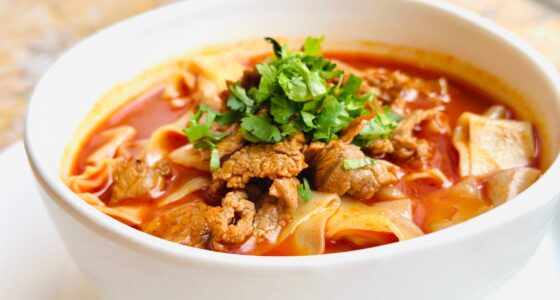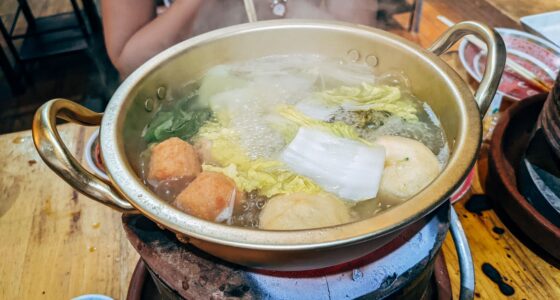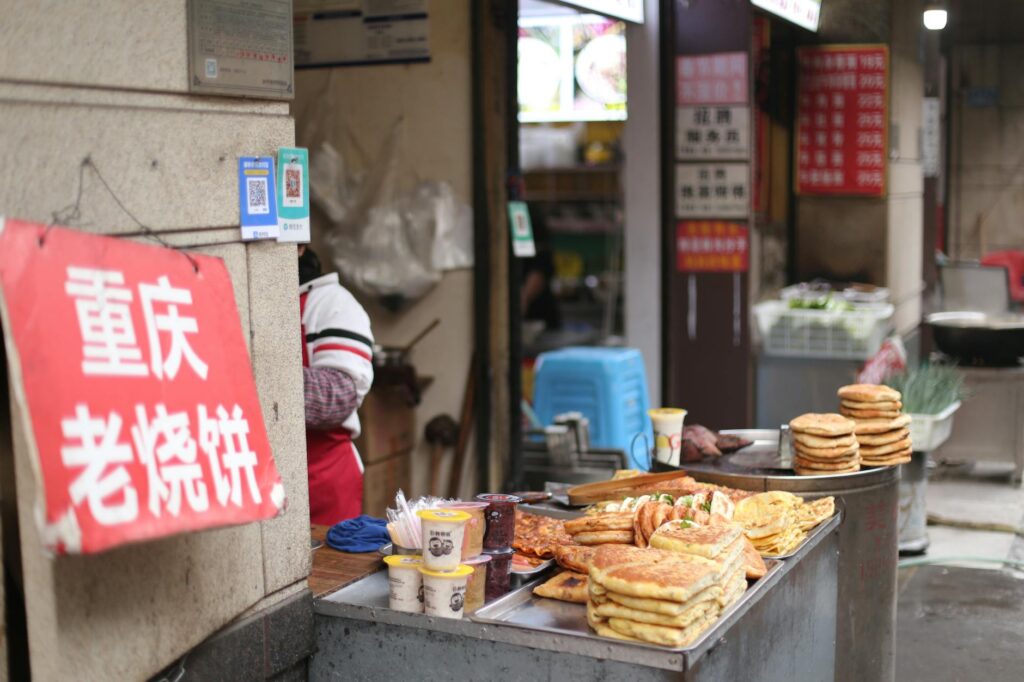
Some of Shanghai’s most memorable eating happens not in restaurants but on its food streets — pedestrian alleys lined with stalls, late-night canteens, and decades-old hole-in-the-wall classics. This 2026 guide to the best food streets in Shanghai covers the streets worth your stomach space, from tourist-friendly Wujiang Road to insider-favourite Sipailou Road, with what to order at each, the prices, the etiquette, and a sample crawl that hits four of the very best in one evening.
One piece of framing first. Shanghai’s street scene has changed a lot in recent years: licensing crackdowns and redevelopment have cleared stalls off whole blocks, and some streets older guidebooks still list are a shadow of what those books describe. What replaced it is fewer carts and more small shopfronts, many of them century-old brands with a counter facing the pavement. Still excellent — you just need to know which streets are alive in 2026.
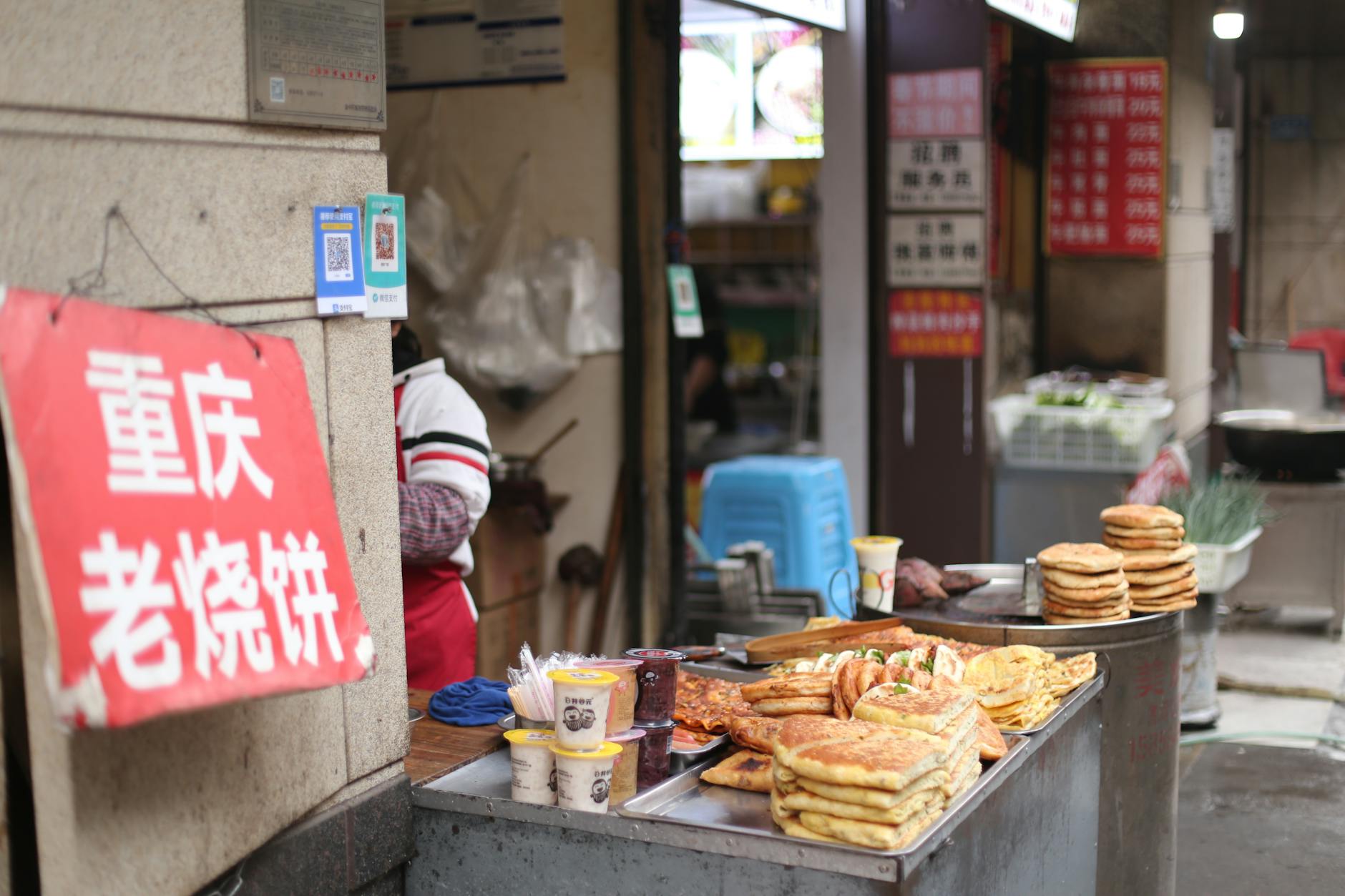
Table of Contents
- The 10 Best Food Streets in Shanghai at a Glance
- Wujiang Road (Nanjing West)
- Sipailou Road (Old Town)
- Yunnan Road Brands (Relocated)
- Huanghe Road (People’s Square)
- Yongkang Road (French Concession)
- Wuyuan Road / Anfu Road
- Qibao Old Street
- Outer-District Streets Worth the Metro Ride
- Late-Night Food Streets
- What to Order on the Best Food Streets in Shanghai
- A 4-Stop Food Crawl
- What It Actually Costs
- When to Visit the Best Food Streets in Shanghai
- Mistakes First-Timers Make
- Practical Tips
- FAQ
The 10 Best Food Streets in Shanghai at a Glance
- Wujiang Road (吴江路) — Shanghai’s most famous tourist food street
- Sipailou Road (四牌楼路) — Old Town local street food
- Yunnan Road brands (云南南路) — heritage Shanghainese restaurants, now in a cluster near Nanjing Road Pedestrian Street
- Huanghe Road (黄河路) — soup dumplings and Benbang classics by People’s Square
- Yongkang Road (永康路) — French Concession café and snack strip
- Wuyuan Road (五原路) — boutique bakeries and noodle joints
- Anfu Road (安福路) — design-led brunch and ice cream
- Qibao Old Street (七宝老街) — water town snacks west of city
- Zhapu Road (乍浦路) — Hongkou’s historic food street
- Hongquan Road (虹泉路) — Shanghai’s Korea Town, best after dark
Several of those streets sit around People’s Square, which makes that pocket of Huangpu a handy eating base. The table is the short version of which street does which job — picking on reputation alone is how people end up queueing for a bun they did not want.
| Street | Nearest metro | Best for | Typical spend | Peak hours | English menus |
|---|---|---|---|---|---|
| Wujiang Road | Nanjing West Rd (2/12/13) | First-timers, quick sampling | Budget to mid-range | Lunch, dinner | Common |
| Sipailou Road | Yuyuan Garden (10/14) | Breakfast, unvarnished local eating | Budget | Early morning | Rare |
| Yunnan Road brands (relocated) | East Nanjing Rd (2/10) | Heritage Shanghainese brands | Budget to mid-range | Lunch, dinner | Some |
| Huanghe Road | Xinzha Rd (1), Qufu Rd (8/12) | Soup dumplings, sit-down Benbang | Budget to mid-range | Lunch | Some |
| Yongkang Road | Shaanxi South Rd (1/10/12) | Coffee, casual dinner, drinks after | Mid-range | Lunch to late evening | Almost all |
| Wuyuan / Anfu Road | Changshu Rd (1/7) | Bakeries, brunch, ice cream | Mid-range | Daytime | Almost all |
| Qibao Old Street | Qibao (9), Exit 2 | Water-town snacks, half-day out | Budget | Weekend daytime | Rare |
| Zhapu Road | Tiantong Rd (10/12) | Cheap sit-down dinner, no tourists | Budget | Dinner | Rare |
| Hongquan Road | Hechuan Rd (9) | Korean barbecue, late night | Mid-range to splurge | Evening (night market 16:00–22:00) | Korean/Chinese |
Wujiang Road (Nanjing West)
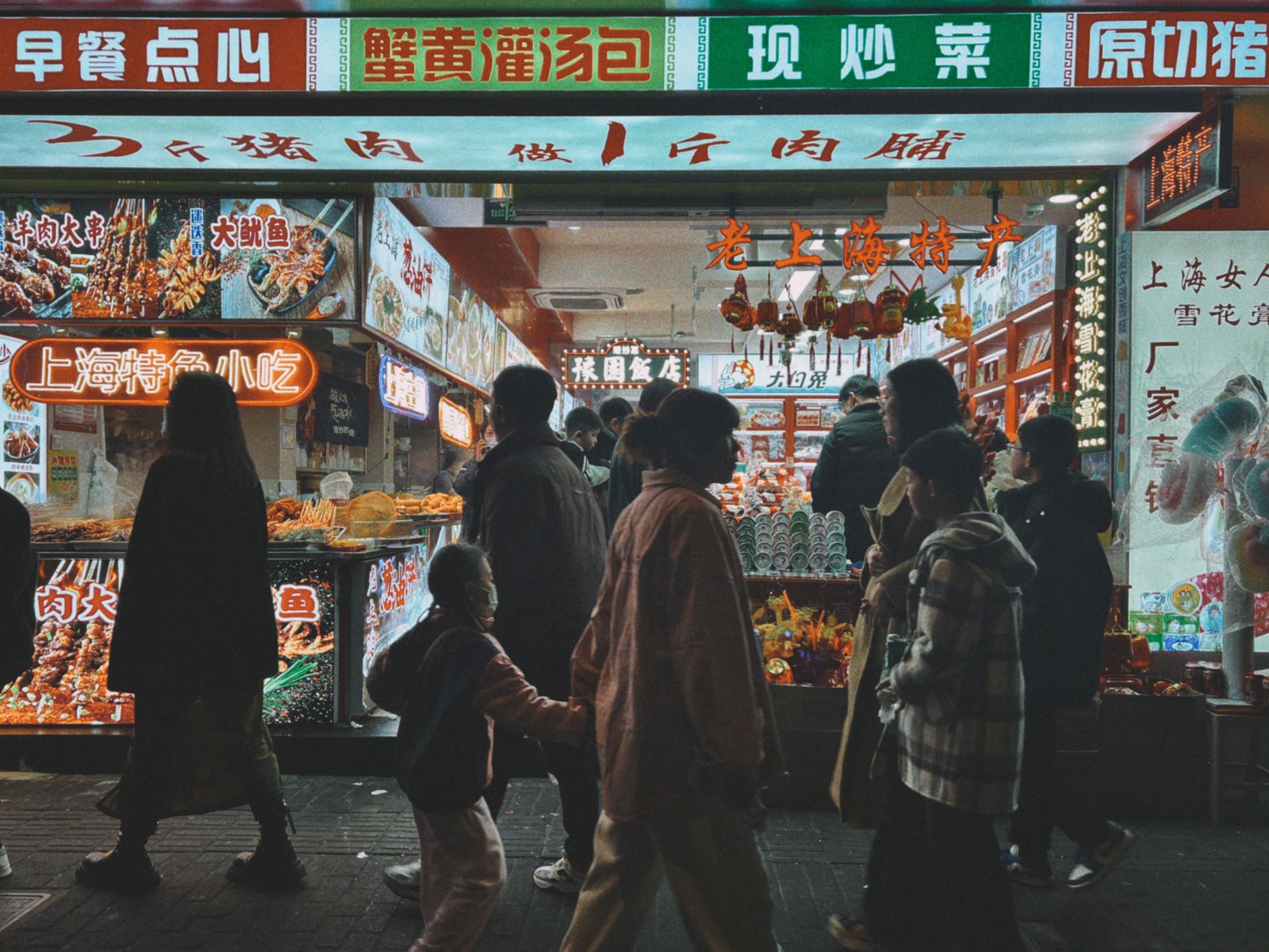
The most famous food street for tourists, just behind Nanjing West Road. Two pedestrian blocks of grills, dumpling stalls, fried-snack carts, beverage shops, and small noodle restaurants. Start with shengjianbao at Yang’s Fry Dumpling, then graze whichever grill or snack counter is busiest.
Come for lunch or dinner. Crowded but the energy is part of the experience. Metro: Nanjing West Road (Line 2/12/13), a short walk.
Yang’s is the anchor, and the chain traces its start to this street. Order a portion or two of shengjianbao with a bowl of curry-beef vermicelli soup and you have lunch; the current prices are on the menu board. Pay at the till, take the paper slip to the pan, find a stool. They come out of a cast-iron pan the width of a bicycle wheel and are lethally hot for ninety seconds: bite a small hole in the side, sip the broth, then eat. Bite straight in and you wear it.
Beyond Yang’s, the street has drifted towards northwestern barbecue — cumin lamb skewers, chicken wings, fried flatbread — plus Sichuan hotpot, Guilin rice noodles and Hong Kong milk tea. Pan-Chinese rather than strictly Shanghainese, worth knowing if you came for local food. Honest assessment: this is a street built for visitors, but it is still a good first stop, because a lot of choice is packed into a short walk and nobody blinks at a foreigner pointing.
Sipailou Road (Old Town)
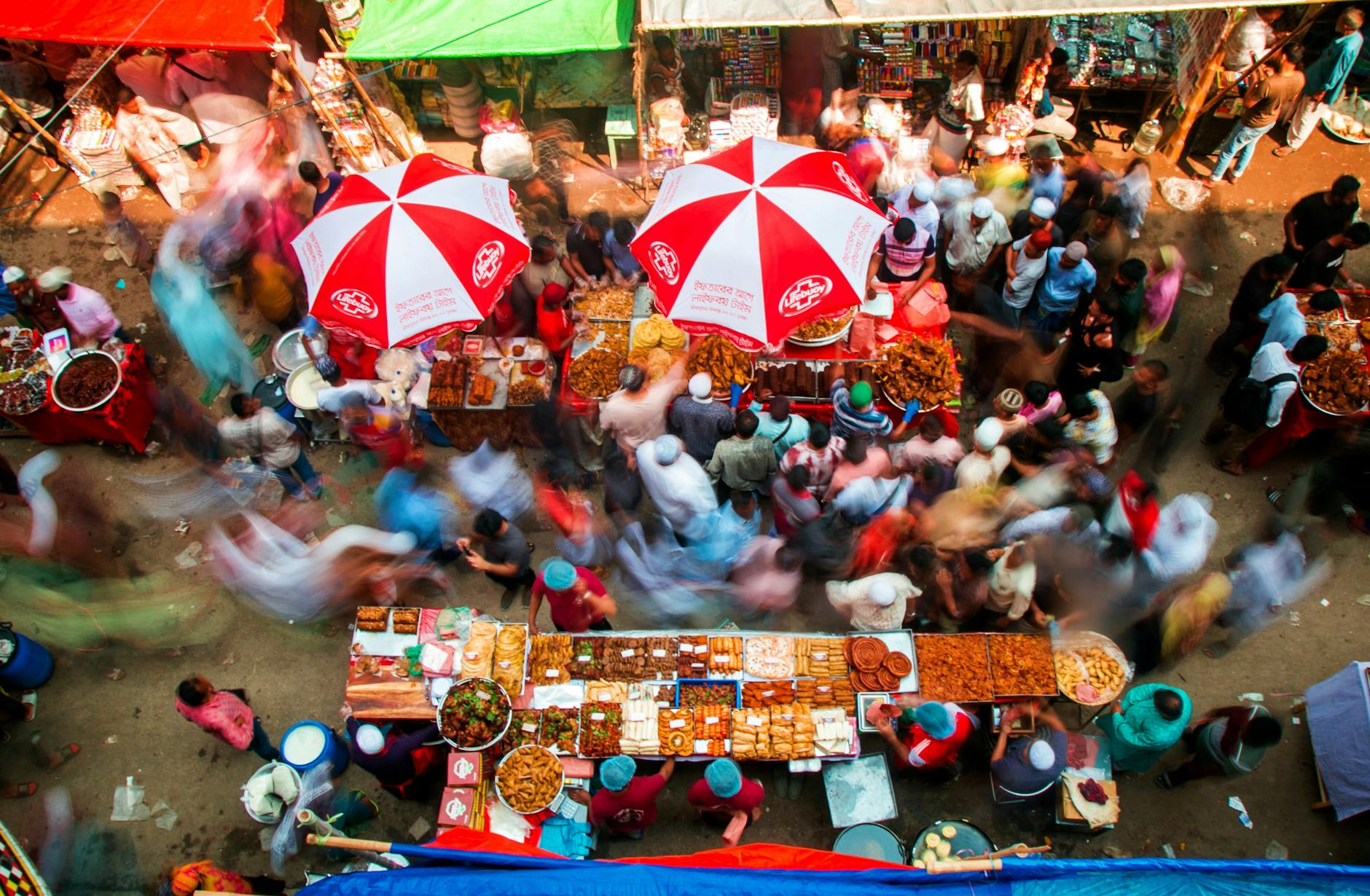
Just south of Yu Garden in the historic Old Town, Sipailou Road is the most authentic and least-tourist-altered street-food experience in Shanghai. Pajama-clad locals, family-run stalls, beef noodle soup at neighbourhood prices. Highlights: liangpi (cold sesame noodles), suzhou-style chow mein, scallion pancakes, sweet osmanthus rice cakes, and freshly-pulled noodles.
Come early for the breakfast theatre, or in the early evening for dinner. Metro: Yuyuan Garden (Line 10/14), 8-min walk south.
The morning window is the point. Early in the day the street runs on a rhythm with nothing to do with tourism: builders eating standing up, grandmothers stocking up on cifantuan. Order by pointing and holding up fingers. The classic breakfast set is youtiao (fried dough stick), doujiang (soy milk, sweet or savoury) and a cifantuan wrapped around the youtiao. Our Shanghai breakfast guide covers how to ask for each.
Two caveats. The Old Town has been under phased redevelopment for years and stalls appear and vanish, so do not build a trip around one vendor you read about. And there is no English and no card payment — have Alipay or WeChat Pay working before you arrive. Pair it with Yu Garden a few minutes north: eat first, walk in at the 9am opening (it is shut on Mondays, except public holidays), have it nearly to yourself.

Yunnan Road Brands (Relocated)
One block south of People’s Square, Yunnan Road made its name as Shanghai’s heritage food street. In 2026 its time-honoured brands were moved into a new cluster near Nanjing Road Pedestrian Street, which reopened on 10 February across South Shanxi Road, Middle Fujian Road and Middle Jiangxi Road. Xiao Jin Ling is now on South Shanxi Road.
Plan around the new addresses rather than the old strip. Xiao Shaoxing and Da Hu Chun trade on South Shanxi Road (not to be confused with Shaanxi South Road in the French Concession), while De Xing Guan and Xian De Lai are on Middle Fujian Road. Names worth knowing:
- Xiao Shaoxing (小绍兴), trading since 1943 — cold white-cut chicken with ginger-scallion dip, plus chicken congee. That pairing is the whole reason the place exists.
- De Xing Guan (德兴馆), dating to 1878 — Benbang home cooking, including sliced eel finished with hot oil poured at the table.
- Da Hu Chun (大壶春) — shengjianbao with a drier, breadier base and less soup than Yang’s. Shanghainese people argue about which is correct; try both and pick a side.
- Xian De Lai (鲜得来) — pork rib with rice cake in sweet bean sauce, rarely on English menus.
- Wufangzhai (五芳斋) — zongzi, glutinous rice parcels in bamboo leaf, savoury pork or sweet red bean.
Queues can build at mealtimes, so arriving a little ahead of the lunch or dinner rush helps. Pick these brands for proper Shanghainese cooking rather than pan-Chinese snacks — our Shanghai food guide explains which dishes are actually local.
Huanghe Road (People’s Square)
Huanghe Road runs north from West Nanjing Road towards Suzhou Creek and has been a dining street for over thirty years. A hit television drama set here pushed it into national fame in 2024, bringing queues and new openings; the crowds have settled since, but the quality core remains.
The reason to come is soup dumplings. Jia Jia Tang Bao (佳家汤包) is the benchmark, with pork, crab-and-pork and pure-crab xiaolongbao. They are folded to order, so a ten-minute wait is normal even with no queue. If the line outside the Huanghe Road branch runs past a dozen people, walk to another city-centre branch: same recipe, quarter of the wait. Also here: Xinghualou for Cantonese pastries, the Park Hotel bakery counter Shanghainese families have queued at since the 1930s, and Godly (功德林) for Buddhist vegetarian cooking — more options in our vegetarian and vegan Shanghai guide.
Metro: Line 1 to Xinzha Road, or Lines 8/12 to Qufu Road. See also best xiaolongbao in Shanghai.
Yongkang Road (French Concession)
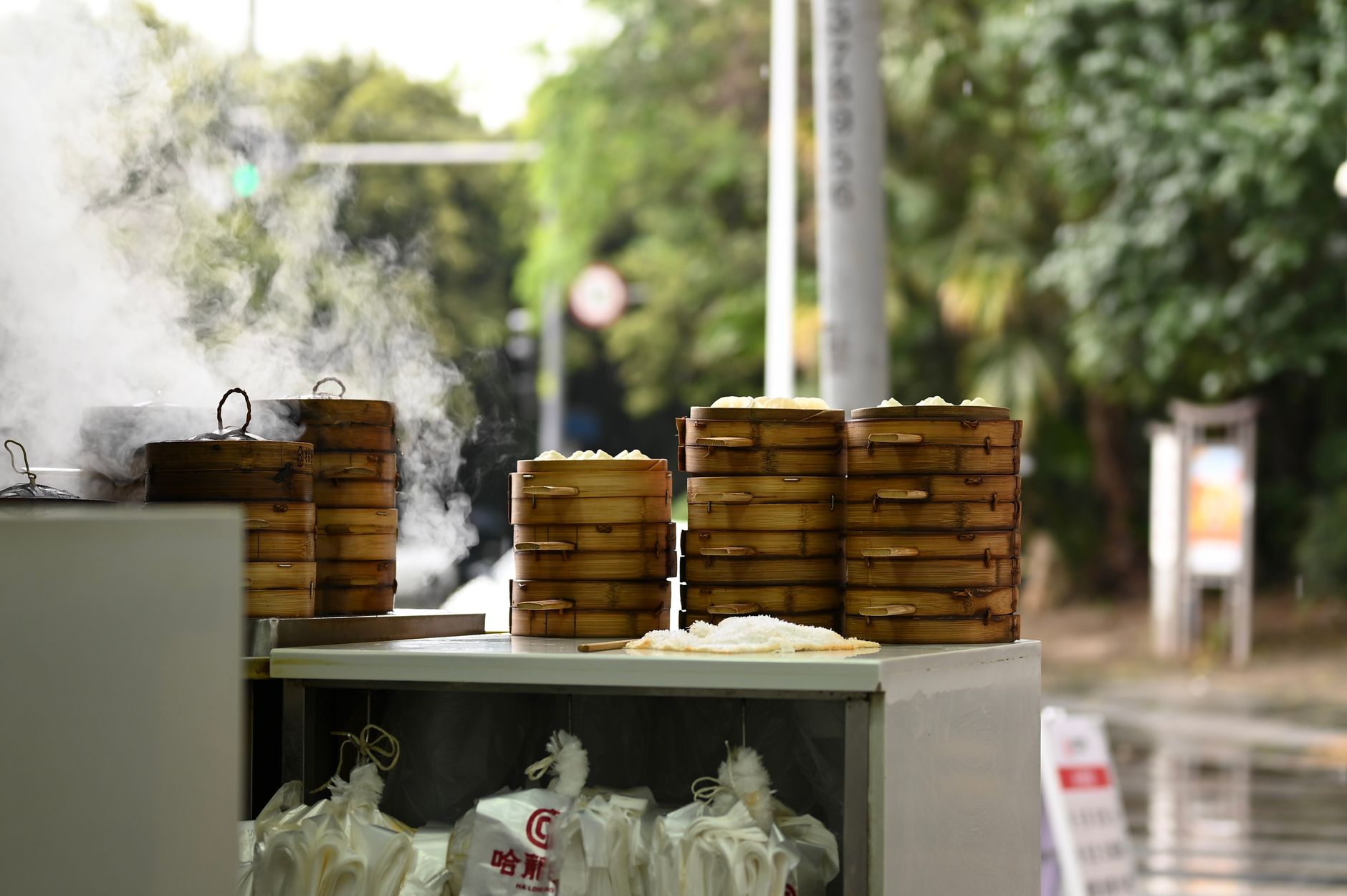
Once a bar street popular with expats, Yongkang Road in 2026 is a relaxed snack-and-café strip with a mix of Chinese, Korean, and Western food. Best for: scallion pancakes at A-Da, Korean fried chicken, coffee, and the late-night noodle joints. See our French Concession walking tour.
The history explains what you are looking at. The bar strip that made this street famous was curtailed in 2016, in a wide crackdown on Yongkang Road’s unlicensed bars and restaurants. What grew back is quieter and better to eat on: owner-run kitchens, bakeries and coffee counters. It is also the easiest street here if you have no Chinese — nearly everything has an English menu. Shaanxi South Road station (Lines 1, 10, 12) is the nearest stop; walk one lap of the street before committing. Our best neighbourhoods for tourists guide explains how the Concession grid fits together.
Wuyuan Road / Anfu Road
The contemporary French Concession’s design-forward strip. Wuyuan Road: Bonjour Bonheur Parisian bakery, Hommage to the Trees café, Le Petit Choux (cream puffs), and a clutch of natural-wine bars. Anfu Road: brunch spots like Bird, Egg, and Roof Penny’s; gourmet ice cream at La Glace; design-shop coffee. Go in daylight. Metro: Changshu Road (Line 1/7).
This is not a street-food street and it would be dishonest to sell it as one. It is a walking route between good bakeries, and on that basis among the most pleasant hours in Shanghai. Plane trees meet overhead, the buildings are 1920s and 1930s, and the stretch from Changshu Road station east to Wukang Road takes twenty minutes if you do not stop — which you will. If you can, come on a weekday morning rather than at the weekend.

Qibao Old Street
Out west on Metro Line 9, Qibao is a mini-water-town suburb whose main thoroughfare, Nanbei Street, runs 360 metres and was restored as Qibao Old Street. Highlights: hand-pulled rice candy, lotus-leaf-wrapped beggar’s chicken, fish snacks, and fresh osmanthus-glutinous-rice balls.
Line 9 to Qibao station, Exit 2, then a short walk. The old street is a public pedestrian street and the small museums and old distillery set their own tickets; a combined ticket covers them, but skipping it loses you little. Look beyond the obvious for fanggao, the square steamed rice cakes with red bean or jujube that are Qibao’s own; savoury tangyuan with a meat filling that squirts broth when bitten; flower-shaped haitang cake; and youdunzi, deep-fried radish fritters. Arrive an hour before dusk for both the daytime market and the lantern-lighting.
Be realistic: Qibao is a restored tourist town on the city’s edge, not a discovery, and on a fine Saturday the main lane moves at a shuffle. Weekday mornings are calm. For a full water-town day, the ones further out are better — see day trips from Shanghai.
Outer-District Streets Worth the Metro Ride
Four outer streets repay the longer metro ride, and none will have another visitor holding a camera.
- Zhapu Road (乍浦路), Hongkou — a historic food street that grew from 13 restaurants in 1989 to 76 by 1992. Roast goose and home-style Shanghainese. Lines 10/12 to Tiantong Road.
- Hongquan Road (虹泉路), Minhang — Shanghai’s Korea Town: a kilometre of barbecue houses, fried chicken and late soju. The Seoul Night Market at No 1078 opens 4pm to 10pm daily; restaurants keep their own hours. Line 9 to Hechuan Road.
- Guyang Road (古羊路), Changning — a run of Japanese restaurants, from grilled-eel counters to izakaya. Not cheap, but the standard is high because the regulars are Japanese residents.
- Changli Road (昌里路), Pudong — the best night-eating street on the east bank, over twenty years old. Grilled seafood, soup dumplings, fried chicken. Lines 8/13 to Chengshan Road.
Add the organised night markets: Sijing in Songjiang (No 2 Sibao Road, beside Line 9) runs 4:30pm to midnight daily and to 2am at weekends, with over a hundred stalls. The municipal government’s night-market listing is the most reliable check on which are running when you visit.
Late-Night Food Streets
- Shouning Road (寿宁路) — Shanghai’s original “crayfish street,” peak season May–October. Much thinned out now; check each restaurant’s menu and prices
- Bund Sightseeing Tunnel side alleys — late-night noodle joints
- Wujiang Road — evening grazing; hours vary by stall
- Nanjing Road East — convenience-store sit-downs around the clock
One update on that first entry. Shouning Road was for two decades Shanghai’s most famous late-night crayfish street, and the first in the city: tanks on the pavement, plastic tables in the road, sacks of shells by 1am. By August 2019 regulatory clean-ups had left only a few crayfish and barbecue eateries, and the first redevelopment consultation for the neighbouring blocks went up in August 2020, so what survives is a fraction of what older guides describe. Crayfish season itself is fine — it has dispersed to restaurants across the city rather than one street. If crayfish is the goal, book a dedicated restaurant rather than turning up here expecting the old scene. Prices depend on the size and the restaurant, so check whether the menu quotes per jin.
After midnight, street eating mostly gives way to convenience-store hot counters and delivery. Our Shanghai night markets guide tracks the seasonal ones. At most stations the last trains leave between 22:30 and 23:00, with an extra hour on Fridays and Saturdays on the central lines, so a late crawl usually means a metered taxi home. The Shanghai metro guide has last-train times by line.

What to Order on the Best Food Streets in Shanghai
Ten items cover most of what you will see. Learn these and you can order confidently on any street on this page.
| Dish | Chinese | What it is | Price | Best on |
|---|---|---|---|---|
| Shengjianbao | 生煎包 | Pan-fried pork buns, crisp base, soup inside | Budget | Wujiang, South Shanxi Rd (Da Hu Chun) |
| Xiaolongbao | 小笼包 | Steamed soup dumplings, thin skin | Mid-range | Huanghe |
| Jianbing | 煎饼 | Savoury crêpe, egg, crisp cracker, sauce | Budget | Morning street carts |
| Cong you bing | 葱油饼 | Flaky pan-fried scallion pancake | Budget | Sipailou |
| Cifantuan | 粢饭团 | Sticky rice roll around fried dough | Budget | Sipailou (am) |
| Bai qie ji | 白切鸡 | Cold white-cut chicken, ginger dip | Mid-range | Xiao Shaoxing, South Shanxi Rd |
| Pai gu nian gao | 排骨年糕 | Fried pork rib with rice cake, sweet sauce | Mid-range | Xian De Lai, Middle Fujian Rd |
| Xiao hun tun | 小馄饨 | Feather-light wontons in clear broth | Budget | Zhapu, Sipailou |
| Fanggao | 方糕 | Square steamed rice cake, red bean | Budget | Qibao |
| Yang rou chuan | 羊肉串 | Cumin lamb skewers over charcoal | Budget | Wujiang, Changli |
Two habits make ordering easier. Point at what the person ahead of you received rather than at a photo on a board — the photo is often stock. And when a price carries 斤 (jin, 500g) rather than 份 (fen, a portion), it is per half-kilo, not per serving. That one detail catches people out at seafood stalls, so confirm the total before anything goes in the pan. If a vendor will not confirm the unit, walk away.
A 4-Stop Food Crawl
A perfect evening Shanghai food street crawl:
17:30 Wujiang Road — shengjianbao at Yang’s + cumin lamb skewers
18:30 Metro to Sipailou Road — beef noodle soup + scallion pancake
19:30 Taxi to Yongkang Road — Korean fried chicken + craft beer
20:30 Walk to Wuyuan Road — Le Petit Choux dessert + a coffee
21:30 Metro home — comfortably ahead of the last trains
On the mechanics: for the Wujiang-to-Sipailou leg, take Line 2 from West Nanjing Road two stops east to East Nanjing Road, change to Line 10 and ride one stop to Yuyuan Garden. Or swap Sipailou for the relocated Yunnan Road brands near Nanjing Road Pedestrian Street, which fill the same heritage-Shanghainese slot.
A morning version, if you would rather eat early: 07:15 Sipailou for breakfast, 09:00 Yu Garden as it opens, then Line 10 to East Nanjing Road for shengjianbao at Da Hu Chun on South Shanxi Road, and finally Huanghe Road for xiaolongbao ahead of the lunch rush. Aim to finish around noon and keep the afternoon free.
What It Actually Costs
Food streets are the cheapest good eating in Shanghai by a distance. Per person, in rough tiers:
| Approach | What you get | Cost per person |
|---|---|---|
| Local breakfast, Sipailou | Youtiao, soy milk, sticky rice roll | Budget |
| Single-street graze | A few small dishes on one street | Budget |
| Heritage sit-down lunch | Two dishes plus rice at a time-honoured brand | Mid-range |
| Four-stop evening crawl | Two items a stop, four streets, a drink | Splurge |
| Qibao half-day | Return metro fare plus a string of snacks | Mid-range |
| Korea Town barbecue night | Grilled meat, sides, two drinks | Splurge |
For comparison, a sit-down dinner in the French Concession, or anywhere on the Bund with a view, costs a good deal more than anything above. Mixing street meals with restaurant ones stretches a budget, so weigh the menus against what you want to spend — see cheap eats Shanghai, and best restaurants in Shanghai for when you want to spend properly.
When to Visit the Best Food Streets in Shanghai
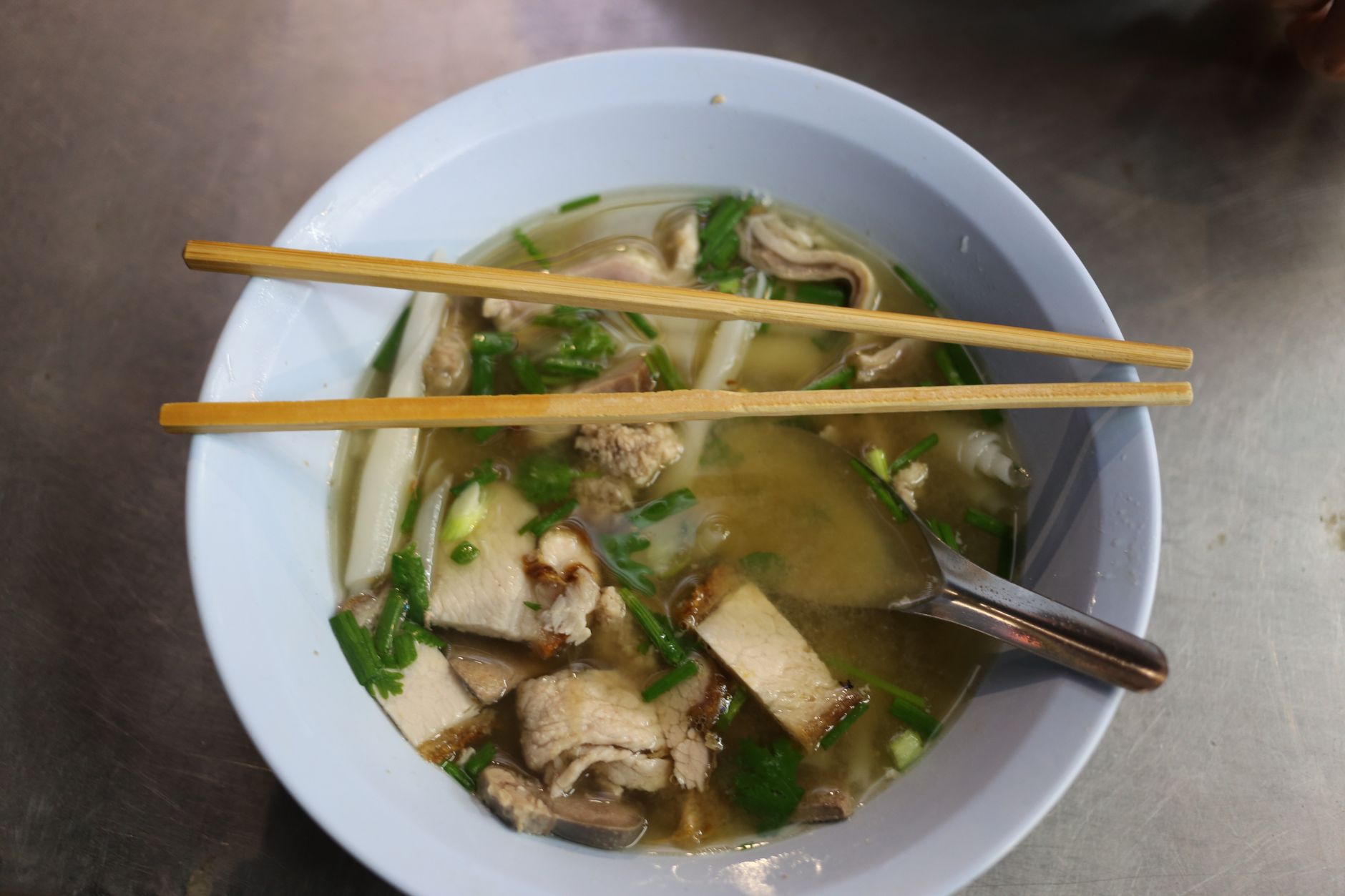
Time of day matters more than season. Go to Sipailou early, save Anfu for a weekday if you can, and leave the skewer stalls for the evening.
By season, late September to early November is the best window — average daytime highs drop from 28.7°C in September to 23.5°C in October and 17.8°C in November, comfortable for three hours of walking, and it overlaps hairy crab season, when crab turns up on heritage restaurant menus. Late March to mid-May is second best. July and August are humid enough that a daytime crawl is punishing, but evening street eating peaks then, which is when the outdoor night markets run. December to February is cold and wet: pick sit-down heritage restaurants over open-air stalls, and expect family-run counters to shut for a week or two around Chinese New Year. Avoid both holiday blocks — Chinese New Year and Golden Week, 1–7 October — when domestic tourism turns Qibao and Wujiang Road into shuffling queues. Our best time to visit Shanghai page has month-by-month detail.
Mistakes First-Timers Make
- Trusting an out-of-date list. Several famous streets have been thinned by redevelopment; Shouning Road is the clearest case.
- Going at peak lunch on a Saturday. Weekend mealtimes bring the longest queues, so a weekday or an off-peak hour is easier.
- Not checking whether a price is per portion or per 500g. The commonest source of a shock bill, especially with seafood.
- Filling up at the first stall. Split everything. Twelve half-portions beats four whole ones.
- Arriving with no working mobile payment. Register a foreign Visa or Mastercard inside Alipay or WeChat Pay before you fly; some counters have no card terminal. Our money and currency guide covers the setup.
- Ignoring the queue signal. Ten locals waiting means fresh food and fast turnover. An empty stall at 7pm is empty for a reason.
- Assuming everything is Shanghainese. Much of Wujiang Road is northwestern, Sichuanese or Taiwanese. Go to Huanghe Road or the Yunnan Road brands near Nanjing Road Pedestrian Street for local cooking.
- Accepting an unprinted price. If a seafood vendor quotes verbally with no board, that is your cue — see Shanghai scams to avoid.
Practical Tips
- Have Alipay or WeChat Pay set up before you go, and carry a little cash as a fallback
- Hygiene varies — stick to stalls with high turnover and a visible queue
- Hours vary stall by stall, and breakfast counters keep morning hours
- Plastic stools at side tables OK to use; some stalls require to-go
- Photography permitted; avoid blocking traffic
- Bring tissues — napkins not standard
- Translation apps essential for ingredient questions; more phrases in our language barrier tips
- Carry a tote bag for takeaway snacks
- Avoid the biggest holiday weeks for sanity — Chinese New Year, October Golden Week
- Sharing a table with strangers is normal; tipping is not, and attempting it causes confusion — see the Shanghai etiquette guide
- Eat hot items where you buy them; shengjianbao and jianbing are ruined by a ten-minute walk
- Travelling with children? Qibao and Wujiang Road are the easiest — see Shanghai with kids
Frequently Asked Questions
What are the best food streets in Shanghai?
Wujiang Road for tourists, Sipailou Road for authenticity, the relocated Yunnan Road brands for heritage restaurants, Yongkang Road for casual evenings, and Qibao Old Street for water-town snacks. All are accessible by metro.
Where do locals eat in Shanghai?
Locals tend to favour neighbourhood streets like Sipailou Road, or the heritage brands in the new Yunnan Road cluster, over the more tourist-oriented Wujiang Road.
What time do Shanghai food streets open?
There are no street-wide hours: each stall and restaurant sets its own. Go to Sipailou early for breakfast and to Wujiang or Yongkang for lunch or dinner, and check a restaurant’s own listing before planning a late night around it.
How much does a Shanghai food street meal cost?
A few small dishes on one street is the cheapest way to eat well, and a crawl across four streets adds up to more. Prices are on each stall’s board; check whether they are per portion or per jin before you order.
Are Shanghai food streets safe to eat at?
Yes — busy stalls turning over high volumes are very safe. Stick to spots with a queue and you’ll rarely have issues.
Are food streets in Shanghai crowded?
Wujiang Road and Qibao get very crowded on weekends and Chinese holidays. Weekday evenings are pleasant. Yongkang and Wuyuan Roads stay manageable year-round.
Is there a foreigner-friendly food street in Shanghai?
Wujiang Road has the most English-friendly stalls. Yongkang Road has bilingual menus at most cafés and bars.
What season is best for Shanghai food streets?
Late September to early November and late March to mid-May for pleasant outdoor weather. Summer evenings work too. Avoid winter rain for outdoor crawls.
Can I pay by credit card on Shanghai food streets?
Don’t count on it at a stall. Register a foreign Visa or Mastercard inside Alipay or WeChat Pay before you travel — both accept international cards now and both are taken everywhere. Keep ¥200 in ¥10 and ¥20 notes as a fallback.
Is Wujiang Road worth visiting, or is it a tourist trap?
Worth one visit. Much of the food is not Shanghainese and the street is built for visitors, but the choice packed into a short stretch makes it the least intimidating street for a first-timer. Go on a weekday after 8pm and move on.
Is Shouning Road crayfish street still there?
Only partly. Clean-ups had thinned it to a few crayfish and barbecue places by 2019, and the surrounding blocks went to redevelopment consultation in 2020, so it no longer resembles the crayfish scene older guides describe. Crayfish season (May to October) is unaffected and has spread to restaurants across the city. Ask for the per-jin price before you order.
Are there vegetarian options on Shanghai’s food streets?
Yes, but ask. Scallion pancakes, plain jianbing, vegetable buns, cold sesame noodles and most sweet rice snacks are meat-free, though broths are usually pork- or chicken-based. Godly (功德林) on Huanghe Road is a full Buddhist vegetarian restaurant if you want a guaranteed meal.
How many food streets can I do in one day?
Three is comfortable, four is a stretch, five is a mistake. Space them across breakfast, late lunch and evening rather than eating continuously, and allow for the metro ride between them.
Plan the Rest of Your Food Day
Combine with our pillar guides on Shanghai food, Shanghai street food, Shanghai breakfast guide, and cheap eats Shanghai. For background, see Shanghai cuisine on Wikipedia.