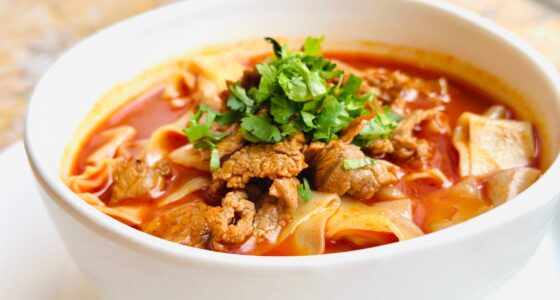
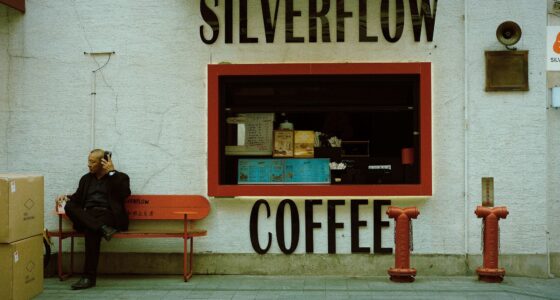
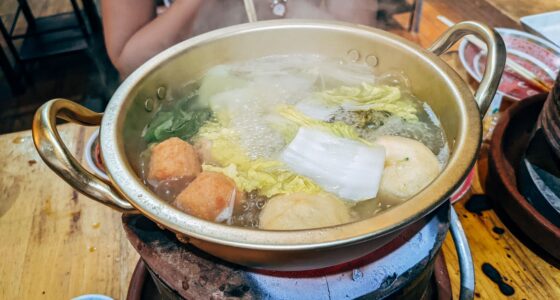
Few cities reward an eater the way Shanghai does. The 2026 Michelin Guide awarded stars to 51 restaurants here, one three-star, 12 two-star, and 38 one-star, more than any other Chinese city. But the case for Shanghai isn’t really the Michelin count. It’s that you can eat a RMB 6 basket of pan-fried buns at a corner stall in the morning, a RMB 400 plate of red-braised pork in a restored lane house at lunch, and a RMB 2,800 European tasting menu at night, all within a few subway stops. This guide to the best restaurants in Shanghai sorts the field by price and by cuisine so you can build a few days of meals that hit hard without draining the trip budget. The short version: Taian Table for the city’s only three-Michelin-star meal; Mercato or Mr & Mrs Bund for fine dining over the river; Lao Ji Shi or Fu 1015 for proper Shanghainese; Yang’s Fry-Dumpling and Jia Jia Tang Bao when you want to eat like a local for the price of a coffee.
A practical note before the listings: restaurants in Shanghai open and close fast, chefs move, and a place that took two months of advance booking last year can be quiet this year. Treat every name below as a strong starting point rather than a guarantee, check current reviews on Dianping (the app locals actually use) before you go, and you’ll be fine.
Table of Contents
- How to Think About Eating in Shanghai
- Luxury Fine Dining (RMB 1,500+)
- Taian Table: The Only Three-Star
- Midrange Dinner (RMB 400–1,200)
- Best Shanghainese (Benbang) Restaurants
- Regional Chinese
- International and Fusion
- Best Restaurants on the Bund
- Cheap and Casual (Under RMB 100)
- Xiaolongbao and Dumpling Shops
- Breakfast and Coffee
- Vegetarian and Buddhist
- Wine Lists and Cocktail Bars
- Where to Eat by Neighborhood
- How to Book and What to Know
- Frequently Asked Questions
How to Think About Eating in Shanghai
It helps to hold three ideas in your head at once: cuisine, price, and neighborhood. Get the mix right across all three and a four-day trip turns into a run of meals you’ll talk about for years.
By cuisine. At one end sits benbang, the local Shanghai style: slow-braised, soy-dark, faintly sweet, built around the fish, pork, and river produce of the Yangtze Delta. At the other end sits Shanghai’s deep bench of international fine dining, French, Italian, Japanese, and the fusion kitchens the city does better than almost anywhere in Asia. In between you have the regional Chinese cuisines, Cantonese, Sichuan, Yunnan, Hunan, that immigrants brought with them and that locals eat constantly.
By price. RMB 30 for a full street-food breakfast at one end; RMB 6,000-plus for the most theatrical tasting menu on the continent at the other. The reassuring part is how good the middle is. Some of the most satisfying meals in the city land between RMB 150 and RMB 600 a head.
By neighborhood. The Bund leans formal, expensive, and view-driven. The Former French Concession (FFC) is the territory of small, design-led, independent rooms. Pudong is hotel-tower fine dining and skyline tables. The Old City around Yu Garden keeps the oldest, most traditional restaurants. Jing’an mixes polished mid-luxury places with new openings chasing a star.
A workable template for four days: one splashy tasting menu, two relaxed fine-dining dinners, two or three midrange meals, and at least one morning given over entirely to street food and dumplings. You do not need to spend a fortune to eat at the level this city is capable of.
Luxury Fine Dining (RMB 1,500+)
This is the top tier: tasting menus, fixed seatings, reservations made weeks or months out. Worth doing once or twice on a trip, not every night.
Taian Table. The city’s only three-Michelin-star restaurant, a modern European tasting menu from chef Stefan Stiller, tucked into a residential lane in the FFC. RMB 2,800–4,000 per person. Book two months ahead through the restaurant’s site; the address only comes after you’re confirmed. More below.
Ultraviolet by Paul Pairet (closed). For years the city’s most famous tasting menu, Ultraviolet closed in November 2025 and has left the Michelin Guide, though it still turns up on older lists. Taian Table is now Shanghai’s only three-star.
Da Vittorio Shanghai. Two-Michelin-star Italian from the Cerea family of Bergamo, near the Bund. Their signature is a deceptively simple plate of paccheri pasta in tomato. RMB 1,800–3,500 per person.
8½ Otto e Mezzo Bombana. Umberto Bombana’s Shanghai outpost (three stars in Hong Kong, two here). Classical Italian fine dining heavy on white truffle in season. RMB 1,500–3,000 per person.
Fabula. One Michelin star in Jing’an, fusing Cantonese and Ningbo heritage with European technique, light on the palate but layered. RMB 1,800–2,500 per person.
Vivant by Johnny Pham. One star. French foundations threaded with the chef’s Vietnamese-French background. RMB 1,200–2,200 per person, and arguably the best value in this bracket.
Mi Shang Prada Rong Zhai. One star. Modern Italian set inside a Prada-restored 1918 mansion, as much a building to see as a meal to eat. RMB 1,500–2,800 per person.
For the complete, current roster, cross-check the official Michelin Guide for Shanghai, since the two- and one-star lists shift each year.
Taian Table: The Only Three-Star
If you do one fine-dining meal in mainland China, this is the obvious candidate. Stefan Stiller, a German-Austrian chef, runs a 24-seat room and a 12-to-15-course menu rooted in European fine dining but folding in Chinese ingredients, Yangtze river fish, local vegetables, the odd Sichuan accent.
Location. A residential FFC lane. The exact address is sent only after you book.
What to order. There’s no a la carte; you take the tasting menu and trust the kitchen. Add the wine pairing if you care about that side of things, it’s one of the city’s strongest. Allow three to four hours and don’t plan anything after.
Price. Around RMB 2,800 for the menu, roughly RMB 4,000 with pairing.
Booking. Through the restaurant’s website, 60-plus days out. No walk-ins.
Verdict. For serious fine-dining travelers, a genuine three-star meal that holds its own against the global field. For everyone else, the midrange and benbang sections below will likely give you a happier trip per yuan.
Midrange Dinner (RMB 400–1,200)
For most international visitors, this is the sweet spot, a la carte ordering, a proper restaurant evening, food that’s genuinely excellent without the tasting-menu commitment or price.
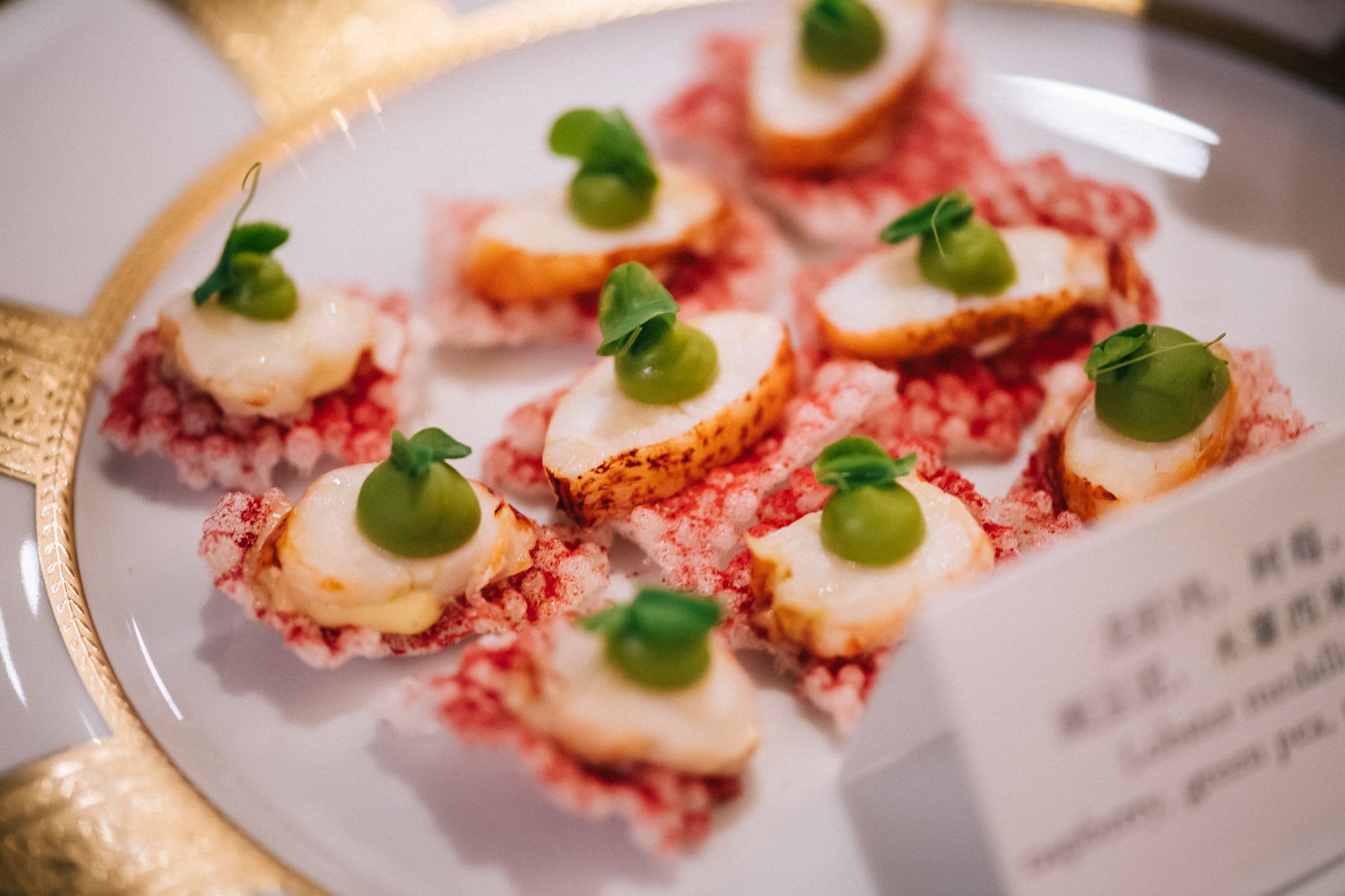
Mercato. Rustic-modern Italian from Jean-Georges Vongerichten on the sixth floor of Three on the Bund, and one of the most consistently popular dinners in the city. Order the wood-fired pizza, the black truffle pizza, and a pasta to share. RMB 600–1,200 per person.
Mr & Mrs Bund. Paul Pairet’s playful modern French (from the chef behind the now-closed Ultraviolet) at Bund 18. The lemon tart you finish with a hammer is a deserved signature. RMB 500–1,000. The classic Shanghai dinner-with-a-view.
Lost Heaven on the Bund. Yunnan and Burmese-leaning cooking in a dramatic, temple-like room on Yan’an East Road. The clay-pot dishes and the chicken with mint and chili are the move. RMB 200–400 per person, a lot of restaurant for the money.
Hakkasan. Modern Cantonese at Bund18, dim sum done with finesse and a serious cocktail list. RMB 500–1,000 per person.
Sir Elly’s. Modern European on the 13th floor of the Peninsula, with a terrace that frames the Bund and Pudong at once. RMB 800–1,500 per person.
Yong Yi Ting. Refined Jiangnan and Cantonese cooking at the Mandarin Oriental Pudong, a calmer, more local-leaning luxury option. RMB 800–1,500 per person.
Best Shanghainese (Benbang) Restaurants
This is the food the city is actually named for, and the category most visitors under-order. Benbang means slow braises, dark soy, a touch of sugar, and seafood from the delta. Learn a handful of dishes and you can order well anywhere: hongshao rou (red-braised pork belly), drunken chicken (poached, chilled, steeped in Shaoxing wine), lion’s head meatballs (fist-sized braised pork), smoked fish (sweet-glazed and crisp), and stir-fried river shrimp.
Lao Ji Shi. The Old City branch is the atmospheric one, classic benbang in a worn, lived-in room, served family-style. Get the hongshao rou and the braised pork knuckle. RMB 200–400 per person.
Fu 1015. Polished, special-occasion benbang inside a restored FFC mansion, slower and more refined than the old-school spots. RMB 400–800 per person.
Old Jesse (Ji Shi). A tiny, perpetually booked FFC institution that many locals will tell you cooks the best home-style Shanghainese in the city. The braised pork and the scallion-oil fish are the reasons. Some signatures, the famous braised duck among them, must be ordered when you reserve. Call ahead; tables are scarce.
Lao Cheng Yi Pin Xiang. A decades-old Old City benbang house, unfussy and reliable. RMB 150–300 per person.
Lubolang. The famous teahouse-restaurant beside Yu Garden, traditional benbang in a setting that’s been hosting visitors for generations. RMB 200–400 per person. As touristy as it sounds, but the setting earns it.
Shanghai Old Restaurant. Founded in 1875 near Yu Garden (originally Rongshun Pavilion), one of the oldest benbang kitchens still going, known for traditional flavors and good sourcing. RMB 200–400 per person.
Songhe Lou. The Shanghai branch of the storied Suzhou restaurant, the place for squirrel-shaped sweet-and-sour Mandarin fish. RMB 300–500 per person.
Heritage by Madame Zhu’s Kitchen. A modern, design-forward take on benbang in the FFC, good if you want the flavors in a more contemporary room. RMB 350–600 per person.
Regional Chinese
Shanghai pulls in cooks from every province, so the regional Chinese cooking here is broad and often very good. A few starting points by cuisine.
Sichuan. Lan Ting Yuan for a refined, higher-end take; Pin Chuan for casual, properly numbing-spicy plates. Order mapo tofu, fish-fragrant pork, and dan dan noodles. RMB 150–500 per person.
Yunnan. Lost Heaven (above) for the polished version; Across the Bridge for the namesake “crossing-the-bridge” rice noodles. Wild mushrooms in season are the highlight. RMB 200–400 per person.
Hunan. Smokier and hotter than Sichuan, less about the tingle. Crystal Jade Hunan and the city’s Hunan hotpot rooms deliver. RMB 200–400 per person.
Cantonese. Crystal Jade for everyday dim sum and roast meats; Hakkasan and Yong Yi Ting at the upper end. RMB 200–800-plus per person depending on where you land.
Hotpot. Haidilao, the global chain famous for over-the-top service (free snacks, even a manicure while you wait), and Da Long Yi for fierce Chongqing-style broth. RMB 200–400 per person. A great group meal.
Northeastern. Hearty, generous, cheap; plenty of casual rooms across the city for dumplings, cumin lamb, and big cold platters. RMB 100–250 per person.
International and Fusion
Shanghai has the widest international dining bench in mainland China, and the fusion kitchens, European technique meeting Asian ingredients, are where the city genuinely leads.
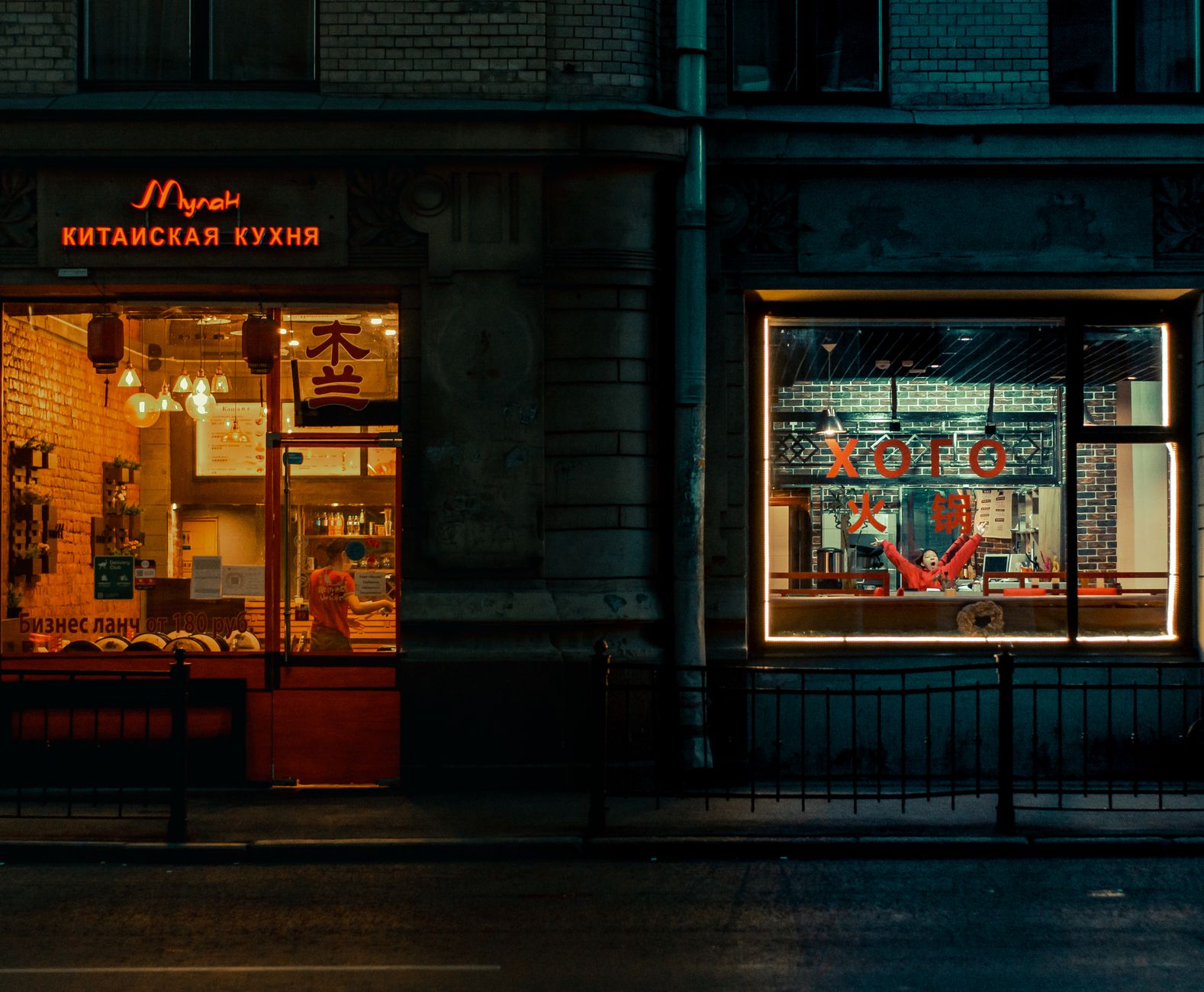
French. Mr & Mrs Bund, Vivant by Johnny Pham, and a steady supply of bistros and wine kitchens across the FFC. RMB 500–2,500.
Italian. Mercato, Da Vittorio, 8½ Otto e Mezzo Bombana, Mi Shang Prada Rong Zhai, deep and serious from trattoria to two-star. RMB 600–2,500.
Japanese. Shanghai’s sushi and kaiseki scene runs surprisingly high. Look to the omakase counters in Jing’an and the FFC; expect RMB 800–2,500 for the better ones, and book the chef’s counter ahead.
Spanish. El Willy and the tapas bars around the FFC for jamon, croquetas, and a paella to share. RMB 400–800.
Indian and Mexican. Both well represented if you need a change of register, from casual curry houses to sit-down rooms. RMB 200–500.
American / steakhouse. CHAR at Hotel Indigo pairs dry-aged beef with a South Bund terrace; the high-end hotel grills handle the business-dinner crowd. RMB 600–1,500.
Best Restaurants on the Bund
Eating over the Huangpu with the Pudong skyline lit up across the water is one of those things worth doing at least once, even if you pay a small view premium for it. Reserve a window table and go at dusk.
Mercato — modern Italian, sixth floor of Three on the Bund.
Mr & Mrs Bund — modern French, sixth floor of Bund 18.
Hakkasan — modern Cantonese at Bund18.
Lost Heaven on the Bund — Yunnan-Burmese, ground floor, no river view but a dramatic carved-wood room (the cooking carries it).
The Long Bar at Waldorf Astoria — cocktails and bar food in a restored 1911 room, more about the setting than the menu.
Sir Elly’s at the Peninsula — modern European, 13th-floor terrace with the best two-way view on the strip.
For the full lay of the land along the waterfront, see our guide to the Bund.
Cheap and Casual (Under RMB 100)
Shanghai’s cheap-eats game is as strong as any city on earth, and skipping it would be the real mistake. A look for the long lunchtime queue is the most reliable quality signal in the city.
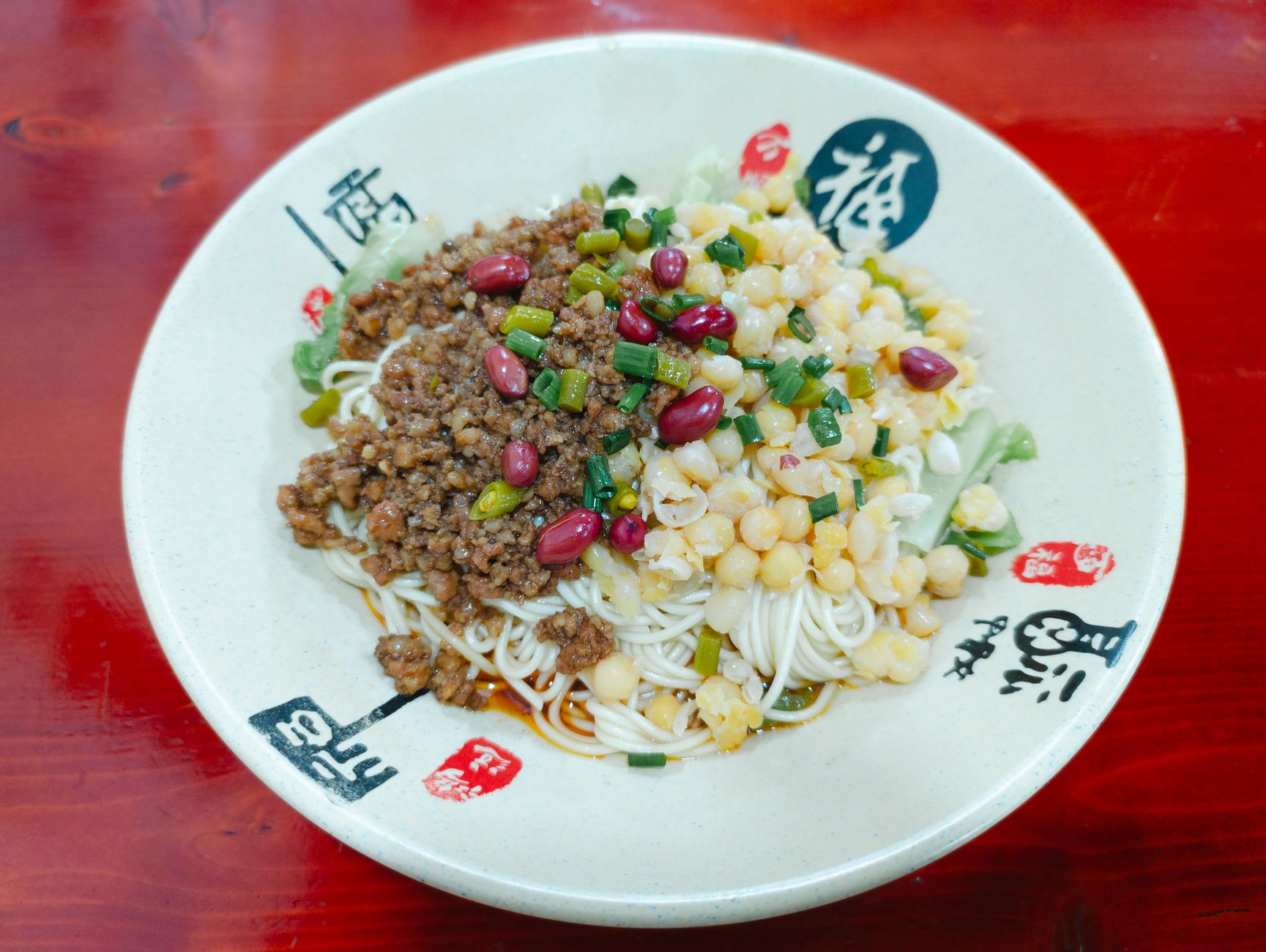
Yang’s Fry-Dumpling. The shengjianbao benchmark: crisp-bottomed, soup-filled pork buns, roughly RMB 6 for four. There’s usually a line; it moves.
Nanxiang Steamed Bun. The Yu Garden institution for xiaolongbao, RMB 30–60 a basket depending on filling (crab-and-roe at the top end). Touristy ground floor; better baskets upstairs.
Jia Jia Tang Bao. A 1986 mom-and-pop that grew into a small Shanghai chain, beloved for delicate, well-priced soup dumplings, roughly RMB 18–30 a basket. The crab-roe baskets sell out; go early.
Noodle shops. RMB 12–30 a bowl. A Niang Mian in the FFC is the famous one, scallion-oil noodles and pork-chop noodle soup the orders to make.
Rice-bowl and snack counters. RMB 25–50 for a full plate; you’re never far from one.
Wujiang Road snack street. A run of stalls between People’s Square and Jing’an Temple, the birthplace of Yang’s, RMB 5–25 an item. South Yunnan Road is the other classic snack strip, serving the city since the 19th century.
For the full budget rundown, see our cheap eats in Shanghai guide.
Xiaolongbao and Dumpling Shops
Xiaolongbao, the soup-filled steamed dumpling, is the dish Shanghai is most famous for, and worth a small crawl of its own. Beyond Nanxiang, Yang’s, and Jia Jia:
Din Tai Fung. Taiwanese rather than Shanghainese, but its xiaolongbao set the modern global benchmark, paper-thin skins, an exacting eighteen folds, very consistent. RMB 40–60 a basket, multiple malls. The place to taste the polished version against the old-school shops.
Fu Chun. A China Time-Honored Brand tracing to the late 1800s, known for extra-porky, generously souped dumplings. RMB 22–35 a basket.
Lin Long Fang. A modern xiaolongbao boutique, thinner skins, prettier baskets, a step up in price. RMB 50–80 a basket.
Wanshouzhai. An old Hongkou neighborhood favorite, the kind of unpretentious shop locals keep to themselves. RMB 18–25 a basket.
One technique note worth its weight: nip a small hole in the dumpling, let the soup cool a beat, sip it, then eat. Bite in cold and you’ll scald your mouth, which is the universal tourist mistake. For the full obsessive treatment, ranked shops and ordering tips, read our best xiaolongbao in Shanghai guide.
Breakfast and Coffee
Shanghai breakfast is a genre worth setting an early alarm for, and the city has quietly become one of Asia’s great coffee towns besides.
Cong You Bing Wang. The cult scallion-pancake shop, lard-crisp, blistered, made to order. RMB 6–12 a pancake, and a famous queue.
Yang’s Fry-Dumpling, early. Shengjianbao straight off the griddle is a breakfast as much as a snack.
The classic “four warriors.” Look for street carts doing da bing (flatbread), you tiao (fried dough), doujiang (soy milk), and ci fan tuan (sticky-rice rolls), the traditional Shanghai morning, RMB 8–18 an item.
Manner Coffee. The homegrown chain that helped start the city’s specialty-coffee boom, tiny counters, low prices, around RMB 15–25.
Independent FFC cafes. The lanes off Anfu Lu and Wukang Lu are thick with good roasters and brunch spots; RAC, in a courtyard at that junction, is the long-running favorite for crepes. RMB 25–60.
Hotel buffets. If you want everything in one place, the big hotels do lavish spreads for RMB 250–400.
Vegetarian and Buddhist
Plant-based eating is easier here than it used to be, and the Buddhist temple-cuisine tradition gives it real depth.
Songyuelou. Founded in 1922, the city’s longest-running vegetarian house, classic Buddhist mock-meat cooking near Yu Garden. RMB 200–400 per person.
Fu He Hui. One Michelin star, a serene, course-by-course vegetarian fine-dining room that treats vegetables with tasting-menu seriousness. RMB 600–1,200 per person.
Pure & Whole. Modern, lighter, salad-and-grain-bowl vegetarian for an everyday meal. RMB 200–400 per person.
One caution: a dish labeled “vegetarian” at a general restaurant may still carry oyster sauce, lard, or a meat stock. If it matters to you, say so plainly, ideally written in Chinese, when you order.
Wine Lists and Cocktail Bars
Shanghai runs the strongest drinks scene in mainland China, deep wine lists at the fine-dining rooms and a cocktail culture that holds up against any Asian capital.
For wine. Mercato, Mr & Mrs Bund, 8½ Otto e Mezzo, and Da Vittorio carry the most serious lists; most Bund and FFC fine-dining spots pour well by the glass.
For cocktails. Speak Low (a multi-floor hidden bar in the FFC) and Bar Constellation are city institutions; the rooftop and hotel bars, the Long Bar at the Waldorf, Sir Elly’s at the Peninsula, the lounges high in the Pudong towers, trade on the view. Expect RMB 80–220 a cocktail.
For where to drink with a skyline in front of you, see our best rooftop bars in Shanghai guide.
Where to Eat by Neighborhood
If you’d rather plan around where you’re staying or sightseeing than around a single restaurant, here’s the quick map.
The Bund and South Bund. Formal, view-driven, expensive. Mercato, Mr & Mrs Bund, Hakkasan, Sir Elly’s, Lost Heaven, plus the riverside steakhouses. Book a window and go at sunset.
Former French Concession. The city’s best eating neighborhood for browsing on foot, tree-lined lanes packed with independent bistros, benbang houses, wine bars, and cafes. Old Jesse, Fu 1015, A Niang Mian, Speak Low, and the Anfu/Wukang cafe cluster all sit here.
Jing’an. Polished and central, mid-luxury Chinese, omakase counters, and several of the one-star rooms (Fabula among them). Easy to reach, good for a smart dinner without crossing the river.
Pudong. Hotel-tower fine dining and skyline tables, Yong Yi Ting at the Mandarin Oriental, the high-floor lounges of Lujiazui. Best if you’re already on that side.
Old City and Yu Garden. The most traditional ground, Nanxiang, Lubolang, Shanghai Old Restaurant, Songyuelou, atmospheric and historic if a little touristy. Come hungry and early.
How to Book and What to Know
Reserve early for fine dining. Tasting menus want 60-plus days; midrange rooms, one to two weeks, more on weekends.
Dianping is the local key. The Dianping app (China’s Yelp, often bundled with Meituan) is what locals use to find, rank, and frequently book restaurants, including small places with no English presence. It takes some setup for a foreign visitor, but it’s the single most useful tool here. For English-language booking, OpenRice and Trip.com cover a slice of the market, and a hotel concierge can phone anywhere directly.
Dress code. Smart casual covers nearly everything; the three-star and top hotel rooms expect you to look the part, though a hard jacket-and-tie rule is rare.
Tipping. Not customary in Shanghai. Don’t feel obliged. High-end and hotel restaurants may add a service charge (often 10–15%) automatically, so check the bill.
Dietary needs. Communicate them clearly and, if they’re strict, in written Chinese, allergies and “no pork” especially. Western, Japanese, and the better hotel kitchens accommodate easily.
Hours. Lunch generally runs 11:30 AM–2:30 PM, dinner 5:30–10:30 PM, with many kitchens closing the gap between services. Some fine-dining rooms open for dinner only.
Cancellations. Tasting menus frequently take a card to hold the table and charge for late cancellations or no-shows. Read the terms when you book.
Frequently Asked Questions
What is the best restaurant in Shanghai?
For pure fine dining, Taian Table, the city’s only three-Michelin-star room. For an atmospheric dinner over the river, Mercato or Mr & Mrs Bund. For the local Shanghainese cooking the city is named for, Lao Ji Shi, Fu 1015, or Old Jesse. There’s no single answer; the best restaurant depends on what kind of night you want.
How much does dinner cost at a Shanghai fine-dining restaurant?
Roughly RMB 400–1,200 per person for midrange fine dining and RMB 1,500–4,000 for the marquee tasting menus. Casual meals and street food run well under RMB 100.
How many Michelin-starred restaurants does Shanghai have?
Fifty-one in the 2026 guide: one three-star, 12 two-star, and 38 one-star, more than any other city in China. The two- and one-star lists change yearly, so verify against the current Michelin Guide.
Should I eat Shanghainese or international food?
Both, and lean Shanghainese more than you’d think. A balanced trip might be two or three benbang meals, one regional Chinese meal, and one or two international dinners. The local food is the thing most visitors under-order and later wish they’d had more of.
Where do locals actually eat in Shanghai?
Neighborhood noodle and dumpling shops, casual benbang houses, hotpot with friends, and increasingly the places trending on Dianping, far more than the Bund’s view restaurants, which skew toward visitors and special occasions.
Do I need a reservation at Shanghai restaurants?
Yes for any fine dining, and well in advance for the tasting menus. For casual and street-food spots you just queue. For popular midrange and benbang rooms, especially small ones like Old Jesse, booking ahead is strongly advised.
How do I book a restaurant without speaking Chinese?
Use OpenRice or Trip.com for the English-friendly slice of the market, or have your hotel concierge call directly, that covers the places with no English line. Dianping reaches everything but takes some setup; a Chinese-speaking friend or your concierge can work it for you.
What’s the best Shanghai restaurant for a special occasion?
Taian Table for a milestone, Mr & Mrs Bund or Sir Elly’s for a view dinner, Da Vittorio for a date, 8½ Otto e Mezzo for a business meal. Book a window table where the view is the point.
Can I bring kids to fine-dining restaurants in Shanghai?
Some welcome children, some don’t; tasting-menu rooms generally aren’t set up for it. Bund-view restaurants, hotel dining rooms, and almost every casual or Cantonese place are happy to have families.
What should a first-time visitor eat in Shanghai?
One dinner over the Bund (Mercato or Mr & Mrs Bund), one proper Shanghainese meal (Lao Ji Shi or Old Jesse) with red-braised pork and drunken chicken, a xiaolongbao crawl through Jia Jia and Din Tai Fung, and a morning of street food on Wujiang Road. That covers the city’s range in a couple of days.
Plan Your Eating
The framework above is the whole point: mix the tiers. Street food and dumplings for breakfast and casual lunches, midrange rooms for most dinners, and one fine-dining seat for the trip’s big night, booked far ahead. Do that and you eat at the level Shanghai is capable of without overspending on every meal.
For the wider picture, start with our pillar Shanghai Food Guide, then go deep on the specifics, our Shanghai street food guide for what to eat off a stall, and our best xiaolongbao in Shanghai guide for the dumpling deep dive.
Shanghai belongs in the same conversation as Tokyo and Hong Kong as one of Asia’s great eating cities. Order across categories, follow the queues, and the trip becomes one you remember as much by what you ate as by what you saw.
Further reading: Wikipedia’s Shanghai overview.