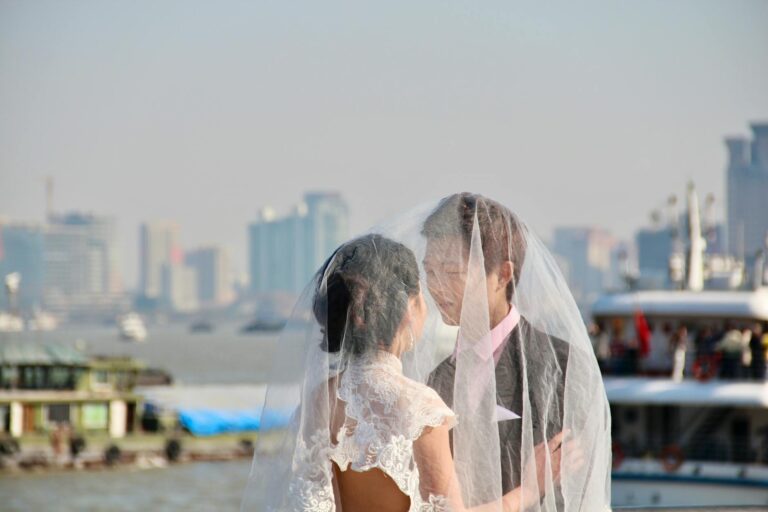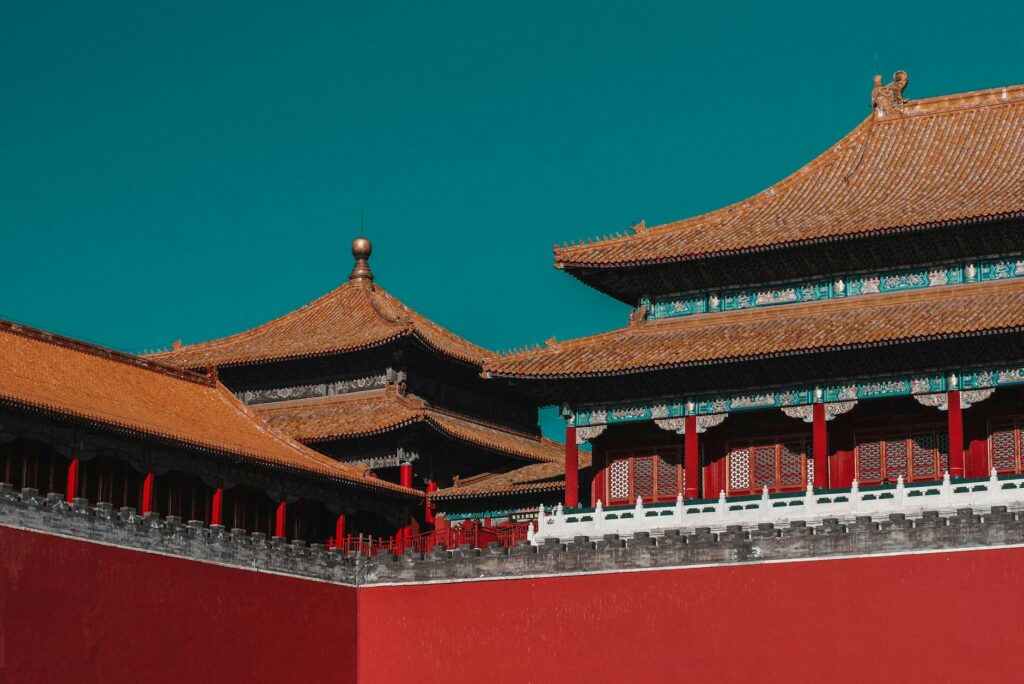
If you are weighing Shanghai vs Beijing for a first trip to China, the honest answer is that neither city is “better” in the abstract — they are good at different things, and the right pick depends on what you actually want out of China. Beijing is the imperial capital: the Forbidden City, the Great Wall, the Temple of Heaven, more than three thousand years of dynastic history packed into one sprawling, monumental city. Shanghai is the commercial and creative capital: the Bund, the Pudong skyline, the deepest restaurant and bar scene in the country, and the easiest logistics for a first-time foreign visitor. Most people who have been to both will tell you to do both if you can. But if you have to choose one, this guide walks the full head-to-head — sights, food, cost, transport, weather, how many days each needs, and who each city suits — so you can choose with your eyes open.
The short version: pick Beijing first if classical, imperial China is the reason you are going (the Great Wall and the Forbidden City are here and nowhere else). Pick Shanghai first if you want modern China, an easier on-ramp, and a city that runs on smoother rails for non-Chinese speakers. If you have seven days or more, do both — the high-speed train links them in about four and a half to six hours, and the contrast between the two is one of the most rewarding trips in Asia.
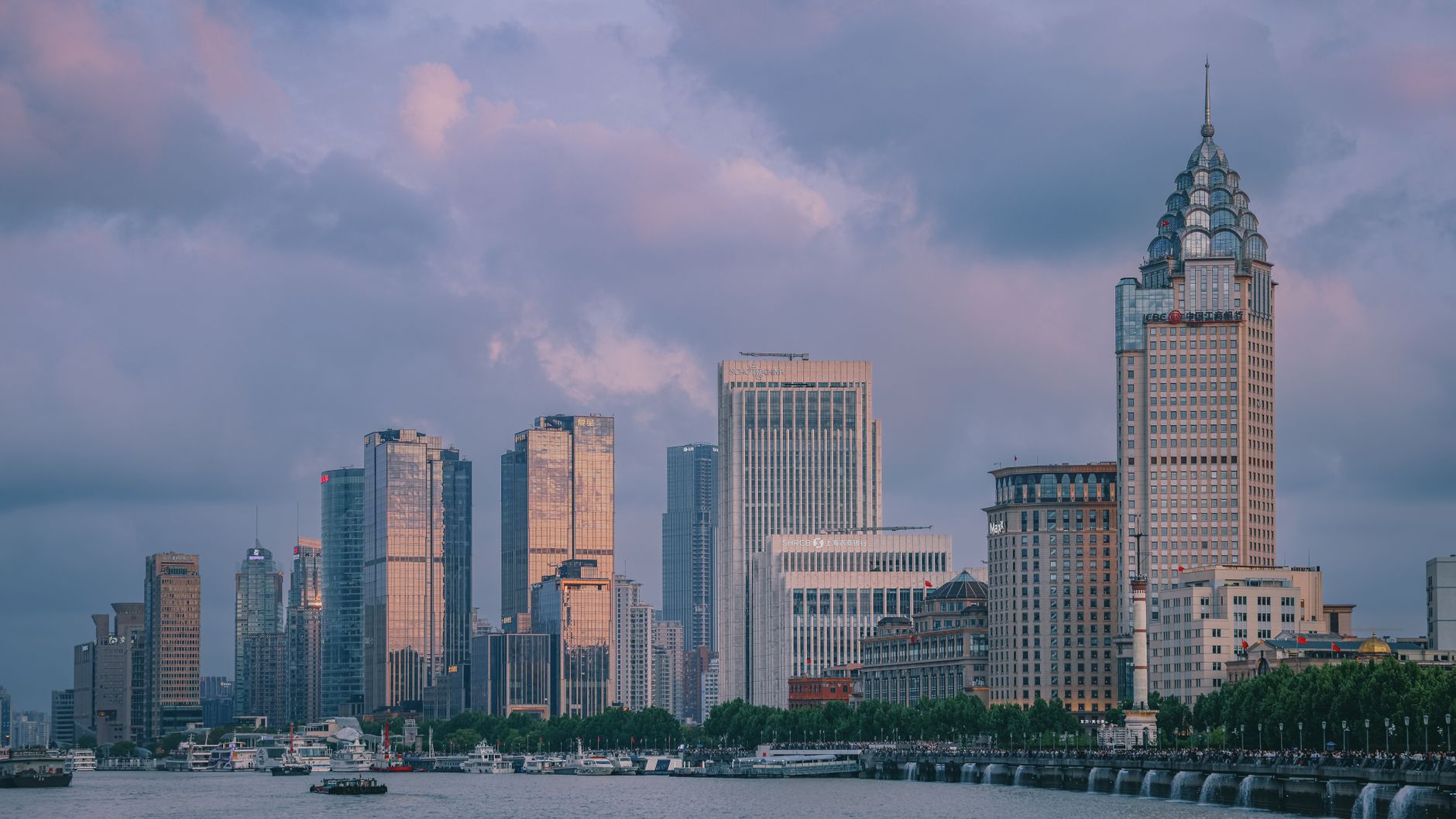
Table of Contents
- Quick Verdict
- Shanghai vs Beijing at a Glance (Comparison Table)
- The Two Cities’ Character
- Attractions and Top Sights
- Food: Which City Eats Better?
- Culture and Atmosphere
- Transport and Getting Around
- English, Apps, and Ease for First-Timers
- Cost: Which City Is Cheaper?
- How Many Days Does Each City Need?
- Weather and the Best Time to Go
- Day Trips and Surroundings
- Nightlife and Bars
- Shopping
- Safety and Practical Logistics
- Can You Do Both in One Trip?
- Which Should You Pick? A Decision Guide
- Frequently Asked Questions
Quick Verdict
If you only read one section, read this. Here is how the Shanghai vs Beijing decision usually shakes out by traveler type:
- You want imperial history and the Great Wall: Beijing, without much argument. The Forbidden City and the Wall are the headline acts of any China trip, and they are Beijing’s.
- You want modern, cosmopolitan China: Shanghai. Skyline, design, fashion, fine dining, and a city built around the last thirty years rather than the last six dynasties.
- It is your first time abroad in Asia and you want it easy: Shanghai. More English on the ground, slicker airport-to-city links, and a tourist core that is quicker to figure out.
- You are a serious eater: close call. Shanghai wins on breadth and on international and fine dining; Beijing wins on a handful of specific dishes, Peking duck above all.
- You are watching the budget: Beijing tends to run a little cheaper day to day.
- You have a week or more: do both. They complement each other, and seeing only one leaves you with half the picture of contemporary China.
Everything below is the long version — category by category, with the trade-offs spelled out.
Shanghai vs Beijing at a Glance
A side-by-side before we get into the detail. Figures are rough ranges for typical mid-range tourists and move around with season, exchange rate, and how you travel.
| Category | Beijing | Shanghai |
|---|---|---|
| Best for | Imperial history, the Great Wall, deep culture | Modern cityscape, food and nightlife, easy logistics |
| Signature sights | Forbidden City, Great Wall, Temple of Heaven, Summer Palace, hutongs | The Bund, Pudong skyline, Yu Garden, French Concession, Shanghai Tower |
| Days needed | 4–5 days for the must-sees | 3–4 days for the core (more if you add day trips) |
| Food signature | Peking duck, hot pot, northern noodles | Xiaolongbao, shengjianbao, broadest fine dining in China |
| Climate | Continental — dry; cold winters, hot summers | Humid subtropical — damp; mild winters, muggy summers |
| Best months | September–October (autumn is the standout) | April–May and October–November |
| Rough daily budget* | Slightly lower | Slightly higher (riverside and skyline dining adds up) |
| English / ease | Workable; lean on translation apps more often | Easier overall for first-time foreign visitors |
| Nightlife | Hutong bars, live music, alternative scene | Rooftops, cocktails, jazz, the widest range in China |
| Day trips | Great Wall sections, Ming Tombs, Tianjin | Suzhou, Hangzhou, water towns of the Yangtze Delta |
The Two Cities’ Character
Both are megacities — Beijing sits around 22 million people, Shanghai around 25 million — but they read completely differently the moment you arrive.
Beijing is the political and historical capital, and it feels like it. The layout is spacious and monumental: wide ceremonial avenues, government compounds, and a north-south axis that runs straight through the Forbidden City. Step off the main roads, though, and you drop into the hutongs — the grey-brick alley neighborhoods where courtyard houses, corner noodle shops, and old men playing cards give the capital its other, quieter personality. The pace is a notch slower than Shanghai’s. Heritage is everywhere, and a lot of the city’s rhythm still bends around its institutions: ministries, universities, museums.
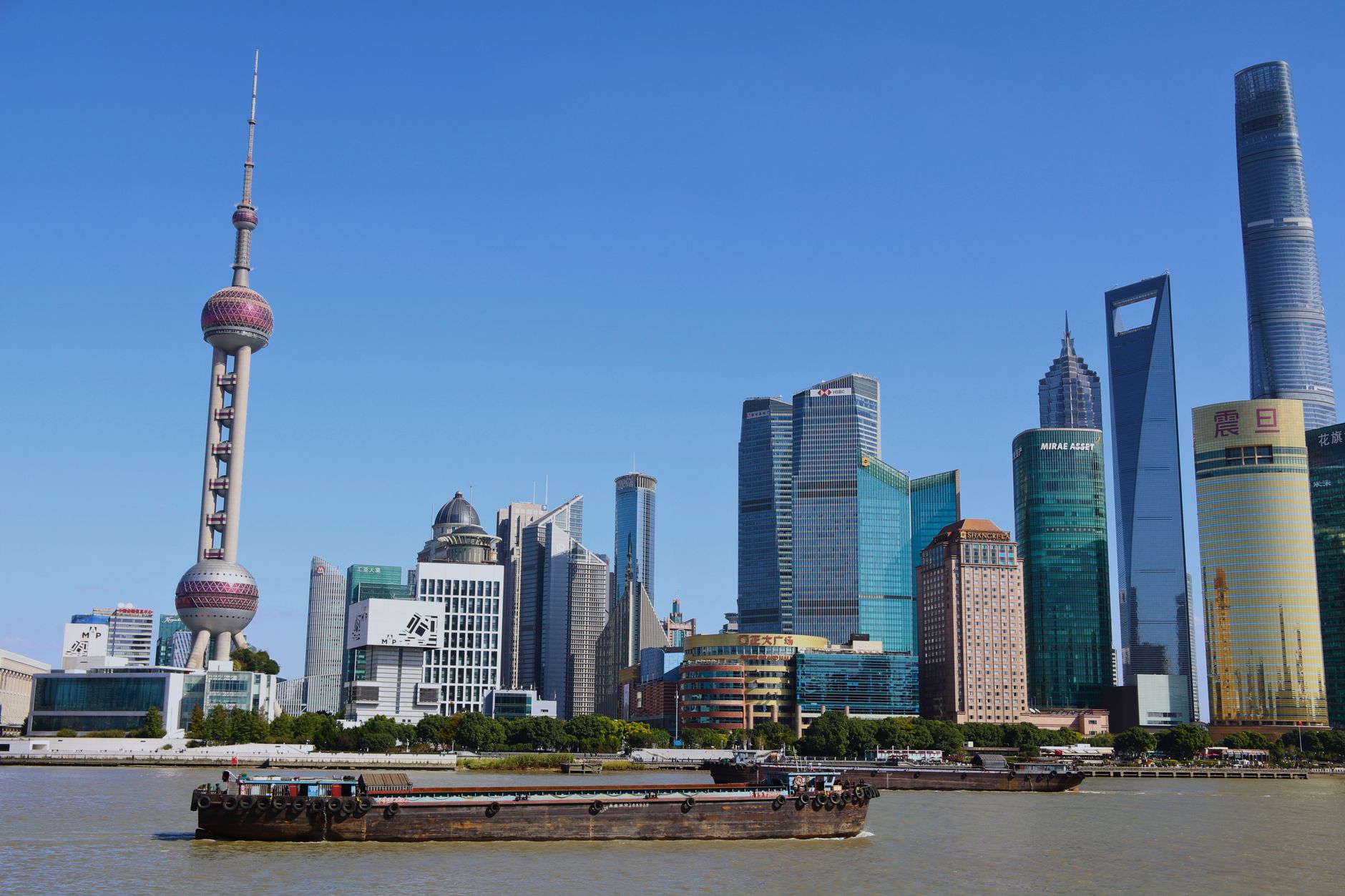
Shanghai is the commercial and cultural capital, and it is dense, vertical, and outward-facing. The Bund’s 1920s banking houses line one side of the Huangpu River; the Pudong skyline answers from the other. In between, the former foreign concessions fill the center with plane-tree-lined streets, Art Deco facades, and the East-meets-West mash-up that locals call Haipai — literally “Shanghai style.” The pace is quicker, the dress sharper, the city more visibly plugged into the rest of the world.
Put simply: Beijing feels older and imperial; Shanghai feels younger and cosmopolitan. Both are unmistakably Chinese — they just show you different chapters of the same country. For a fuller take on what Shanghai itself offers, our guide on whether Shanghai is worth visiting goes deeper on the city’s pros and cons.
Attractions and Top Sights
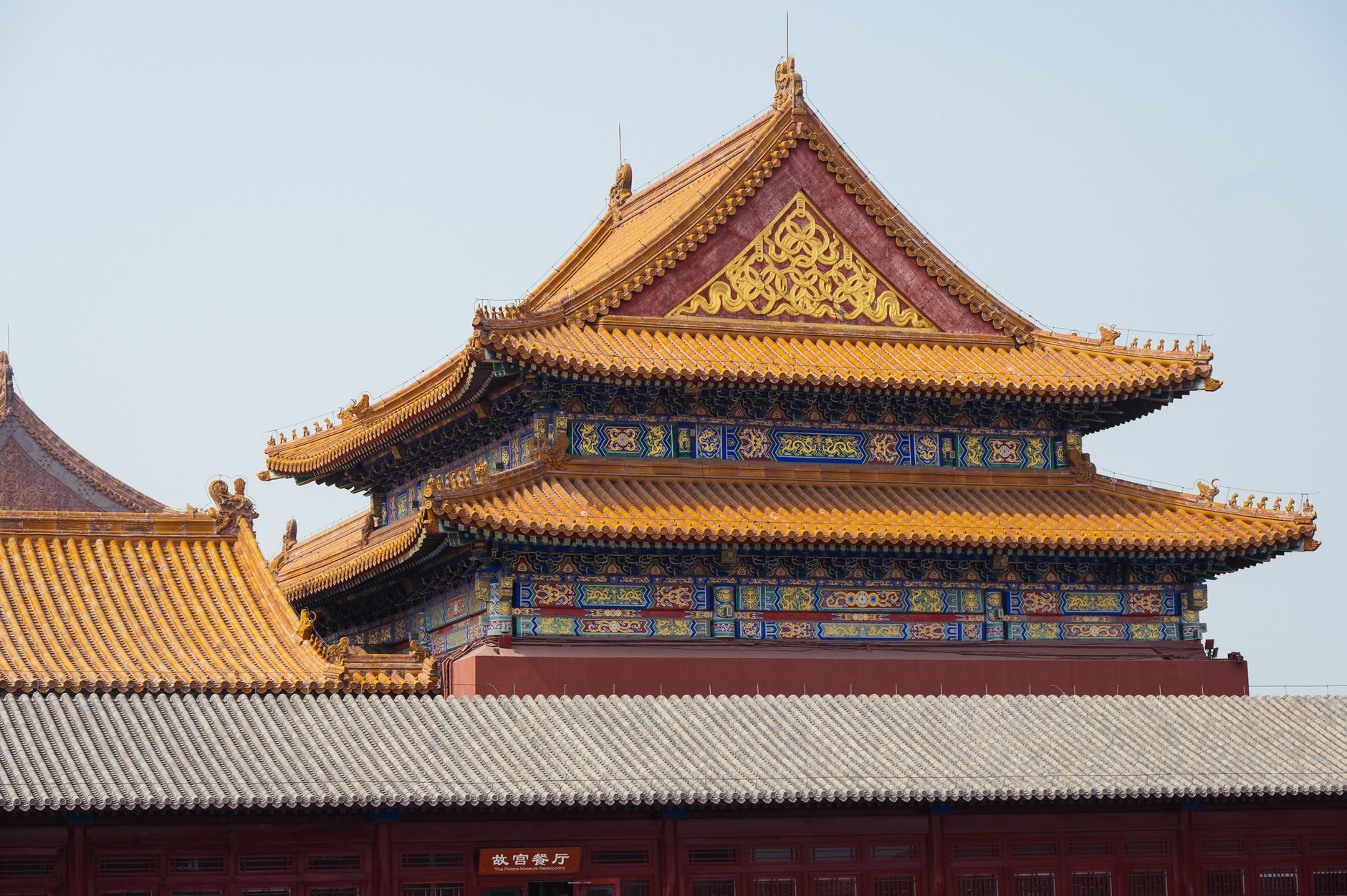
This is where the two cities diverge most, and for a lot of people it settles the whole question.
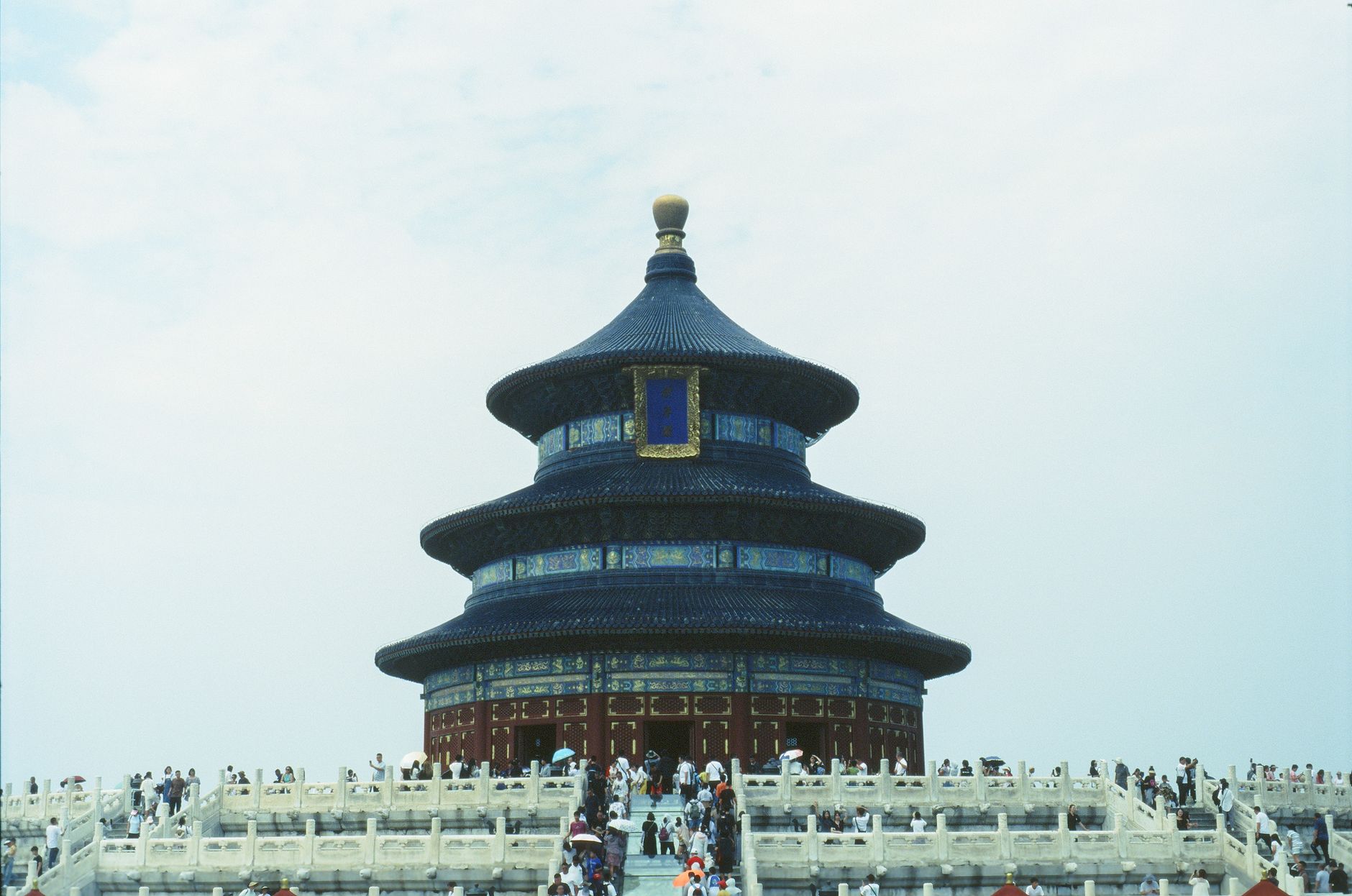
Beijing’s headline sights are heavyweight and historical: the Forbidden City (the imperial palace at the center of the city), the Great Wall in its various sections (Mutianyu and Badaling are the most visited; Jinshanling and Simatai are wilder and less restored), the Temple of Heaven, the Summer Palace, Tiananmen Square, the hutong neighborhoods, and the 798 Art District for a contemporary contrast. Most of these reward unhurried time. The Forbidden City alone can eat the better part of a day, and the Great Wall is usually a full-day outing once you factor in the drive.
Shanghai’s headline sights skew modern and varied: the Bund waterfront, Yu Garden (a classical Ming-era garden tucked into the Old City), the Pudong skyline with the observation deck at the top of Shanghai Tower, the former French Concession for strolling, the excellent Shanghai Museum, the Xintiandi and Tianzifang lane districts, and Shanghai Disneyland if you are traveling with kids. You can string the core together more tightly than Beijing’s — the distances between marquee sights are shorter.
The verdict: Beijing has more depth in genuine, world-historic monuments; Shanghai has more variety in modern urban experiences and is quicker to cover. Beijing’s must-do list realistically takes four to five days; Shanghai’s core takes three to four. For Shanghai specifically, our roundup of things to do in Shanghai and the dedicated guide to the Bund break the city down sight by sight.
Food: Which City Eats Better?
Both cities eat extremely well, so this comes down to what you want from a plate.
Beijing’s strengths are northern and hearty. Peking duck is the city’s signature and worth building a meal around at one of the long-established roast-duck houses. Beyond that: Mongolian-style hot pot with instant-boiled mutton, jianbing (the savory crepe that started as a Beijing breakfast), thick northern noodles, and lamb dishes that reflect the city’s position closer to the steppe. The food culture in the hutongs — tiny family restaurants, breakfast stalls, century-old names — is its own reason to wander.
Shanghai’s strengths are breadth and refinement. The local benbang cuisine runs sweet and soy-rich; the icons are xiaolongbao (soup dumplings) and shengjianbao (pan-fried pork buns). On top of that, Shanghai pulls in the widest international and fine-dining scene in mainland China — a legacy of its treaty-port history. If you want a tasting menu, a serious wine list, or excellent Italian, Japanese, or French in between your dumplings, Shanghai has more of it, and more of it at a high level.
Street food: both are strong. Beijing wins for traditional northern snacks; Shanghai wins for sheer variety. Fine dining: Shanghai, clearly — more Michelin-recognized kitchens and international menus. Local atmosphere: Beijing’s hutong food culture is hard to beat for a sense of place.
The verdict: roughly even, with different shapes. Most dedicated eaters rate Shanghai higher overall for range, while conceding that a few Beijing dishes — Peking duck first among them — are simply better in Beijing.
Culture and Atmosphere
If the sights are where the cities differ most on paper, culture is where they differ most in feel.
Beijing’s culture leans orthodox and historical: imperial architecture, calligraphy, Peking opera, traditional medicine, classical literature. As the seat of government, the major universities, and the national cultural institutions, Beijing carries a serious, scholarly weight. Meals tend to be unhurried. There is also a genuine alternative streak — Beijing has long been the engine of China’s underground rock and arts scene, which gives parts of the city a scruffier, more creative edge than outsiders expect.
Shanghai’s culture leans toward that Haipai hybrid that grew out of the concession era: fashion, jazz, design, contemporary art, and a comfort with mixing Chinese and Western that is baked into the city’s self-image. The pace is faster and the surface more polished. That hybrid comes through most clearly in Shanghai in film and literature, from Eileen Chang’s stories to Blossoms Shanghai.
Choose Beijing if you want to sink into deep, classical Chinese culture; choose Shanghai if you want cosmopolitan, fast-moving urban culture with an international accent.
Transport and Getting Around
Both cities have first-rate infrastructure, and getting around either one is easy. The differences are at the margins.
Metro: both run enormous, bilingual subway systems — Beijing with roughly 27–29 lines, Shanghai with around 21. Shanghai’s network is on average a little newer and more uniformly modern; Beijing’s is just as useful but has some older stretches. Either will get you to almost every sight you care about. Our Shanghai metro guide covers the Shanghai side in detail.
Airports: each city has two. Beijing has Capital (PEK) and the vast newer Daxing (PKX); Shanghai has Pudong (PVG) and the more central Hongqiao (SHA). Beijing, as the capital, tends to have a bit more direct international flight choice. Shanghai has a party trick: the Maglev between Pudong airport and the city edge, one of the fastest passenger trains on earth.
High-speed rail between them: the Beijing–Shanghai line runs roughly 4.5 to 6 hours depending on the service, which is what makes a two-city trip so painless.
Distances within the city: both sprawl. Beijing is geographically larger and its sights more spread out; Shanghai is denser and its core tighter. Taxis and ride-hailing are cheap and plentiful in both, though you will want a Chinese payment app set up (more on that below).
The verdict: Shanghai’s metro feels marginally slicker on average; Beijing’s is comparable with a few older sections. For a first-timer, neither city’s transport is a reason to choose one over the other.
English, Apps, and Ease for First-Timers
For a lot of first-time visitors, this category matters more than they expect.
English signage: both are bilingual at major attractions and across the transit systems. Shanghai edges ahead overall, especially in its tourist and expat-heavy districts.
English-speaking staff: more common in Shanghai’s hotels, cafes, and bigger restaurants — in areas like the French Concession or Jing’an you will often find fluent staff. Beijing is improving but you will reach for a translation app a little more often in casual spots.
Payment apps: identical in both — set up Alipay or WeChat Pay before or on arrival. Cash and foreign cards are increasingly awkward; the mobile-pay apps (which now link foreign cards) are how the country runs.
VPN and the Great Firewall: identical concern in both cities — many Western sites and apps are blocked, so sort out a VPN in advance if you need them.
Visa-free entry: the same policies apply to both, including the transit visa-free scheme and the broader unilateral visa-free entry that now covers many nationalities. Always confirm the current rules for your passport before you book.
The verdict: Shanghai is the slightly softer landing for first-time English-speaking visitors. Beijing is entirely doable — it just asks for a touch more app-reliance. If this is your first trip, our first time in Shanghai guide covers the practical setup that applies to either city.
Cost: Which City Is Cheaper?
Closer than you might guess. Both are Tier 1 Chinese cities, so neither is cheap by national standards, but both are reasonable by the standards of a major world capital.
Day to day: Beijing tends to run a little lower for a mid-range traveler. A common rule of thumb puts a typical day in Shanghai somewhat above a typical day in Beijing once you account for meals out, attractions, transport, and incidentals — mostly because Shanghai’s riverside and skyline dining carries a premium.
Hotels: roughly comparable across categories, with Beijing often a touch cheaper at the budget end and the two roughly level at the top end.
Attractions: both modest by Western standards. Beijing’s big-ticket sights (the Great Wall, the Forbidden City) and Shanghai’s (Yu Garden, the Shanghai Tower deck) all sit in the low tens of US dollars or less per entry, with the highest observation decks at the upper end.
Transit and food: metro rides are pocket change in both; casual meals can be very cheap in both; it is the upper-mid and fine-dining tier where Shanghai pulls ahead on price.
For a full breakdown of what a trip actually costs, see our guide to how much a Shanghai trip costs — most of the framework transfers to Beijing with a modest discount.
How Many Days Does Each City Need?
One of the most practical questions in the whole comparison, because it shapes your itinerary.
Beijing: four to five days. The must-sees are spread out and several are full-day commitments — the Great Wall is effectively a day on its own, and the Forbidden City plus Tiananmen is another. Add the Temple of Heaven, the Summer Palace, and a hutong day, and you are comfortably at four to five days before you have rushed anything. History buffs can easily fill a week.
Shanghai: three to four days. The core — the Bund, Pudong, Yu Garden and the Old City, the French Concession, a museum, and a serious meal or two — packs into three days at a steady clip, four if you want to breathe. Add a day trip and you are at four to five.
If you are mapping out the Shanghai half hour by hour, our Shanghai itinerary planner lays out three-, five-, and seven-day routes you can lift straight into your trip.
Weather and the Best Time to Go
The two cities sit in genuinely different climate zones, which is worth knowing before you book.
Beijing has a continental climate — roughly the latitude of New York or Madrid. Summers are hot and dry (often 32–35°C), winters are cold and dry (down toward −10°C), spring is changeable, and autumn is the standout: crisp, clear, and gold with ginkgo leaves in September and October.
Shanghai has a humid subtropical climate — closer to the latitude of New Orleans. Summers are hot and sticky with high humidity, winters are mild but damp and chilly (often 5–10°C, rarely freezing), spring is wet, and autumn (October–November) is the most comfortable stretch.
Best months: for Beijing, aim for April–May or, ideally, September–October. For Shanghai, target April–May or October–November. The two cities’ sweet spots overlap nicely, which makes a combined autumn trip especially appealing.
Air quality: both have improved markedly over the past decade. Beijing was historically the more polluted of the two and still has the occasional worse day, but clear skies are now the norm rather than the exception in both. For the Shanghai side, our best time to visit Shanghai guide breaks the year down month by month.
Day Trips and Surroundings
The two cities open onto very different countryside, and this is a real point of difference.
From Beijing, the marquee day trip is the Great Wall itself — multiple sections, each with a different character, from the restored and accessible to the crumbling and dramatic. Beyond the Wall: the Ming Tombs, the Chengde mountain resort, and Tianjin (a quick high-speed-rail hop). The Wall alone justifies the trip for a lot of people.
From Shanghai, the Yangtze Delta is dense with classic day trips. Suzhou is famous for its UNESCO-listed classical gardens and canals; Hangzhou for West Lake; and the water towns — Zhujiajiao, Wuzhen, Tongli — deliver the postcard image of old canal-town China within easy reach. Our day trips from Shanghai hub covers the options, and the Suzhou day trip guide is a good place to start.
The verdict: different strengths. Beijing for the single most iconic day trip in the country; Shanghai for the widest spread of classical-China day trips packed into a small radius.
Nightlife and Bars
This one is less clear-cut than it first appears, but the headline goes to Shanghai.
Shanghai has one of the deepest nightlife scenes in Asia: rooftop bars overlooking the river, a real cocktail and speakeasy culture, late-night dining, a genuine jazz heritage, and an established LGBTQ+ scene. Different districts — the Bund, the French Concession, Xintiandi, Jing’an — each have their own after-dark character. If you want range and polish, Shanghai wins. Start with our picks for the best rooftop bars in Shanghai and the city’s jazz bars and live-music venues.
Beijing runs a smaller but characterful scene, weighted toward hutong bars, live-music dives, and an alternative/indie streak that some travelers prefer precisely because it feels less polished and more local. There are excellent cocktail bars too — just fewer of them.
The verdict: Shanghai for variety and a big night out; Beijing if you would rather drink somewhere a bit grittier and closer to the underground scene.
Shopping
Different strengths again, depending on what you are hunting for.
Beijing is the better bet for traditional Chinese crafts, calligraphy supplies, antiques, and curios — the sprawling Panjiayuan antique market is famous, and historic shopping streets like Wangfujing and Qianmen mix big brands with old-name shops. The Silk Market is the well-known tourist haunt for bargaining over goods.
Shanghai is the better bet for international luxury (malls like Plaza 66 and IFC), fashion, design, and the famous fake markets such as the AP Plaza area. Nanjing Road is one of the busiest shopping streets in the world. For the full Shanghai picture, see our shopping in Shanghai guide.
The verdict: Beijing for traditional and antique shopping with a sense of history; Shanghai for luxury, fashion, and modern retail.
Safety and Practical Logistics
Good news: this category is close to a tie, and both cities score well.
Safety: both rank among the safest big cities in the world for visitors. Violent crime against tourists is rare, the police presence is heavy, and walking around at night in central areas is generally comfortable. Petty theft and pickpocketing exist in crowded tourist spots, as anywhere — ordinary caution covers it.
Visas: identical rules apply to both cities — the same transit visa-free and unilateral visa-free policies. Check the current terms for your nationality before booking.
Payments and connectivity: identical — Alipay or WeChat Pay strongly recommended, and a VPN if you need blocked Western services. None of this differs between the two.
The verdict: no meaningful difference. Whichever you pick, the practical setup is the same, so handle it once and it covers both.
Can You Do Both in One Trip?
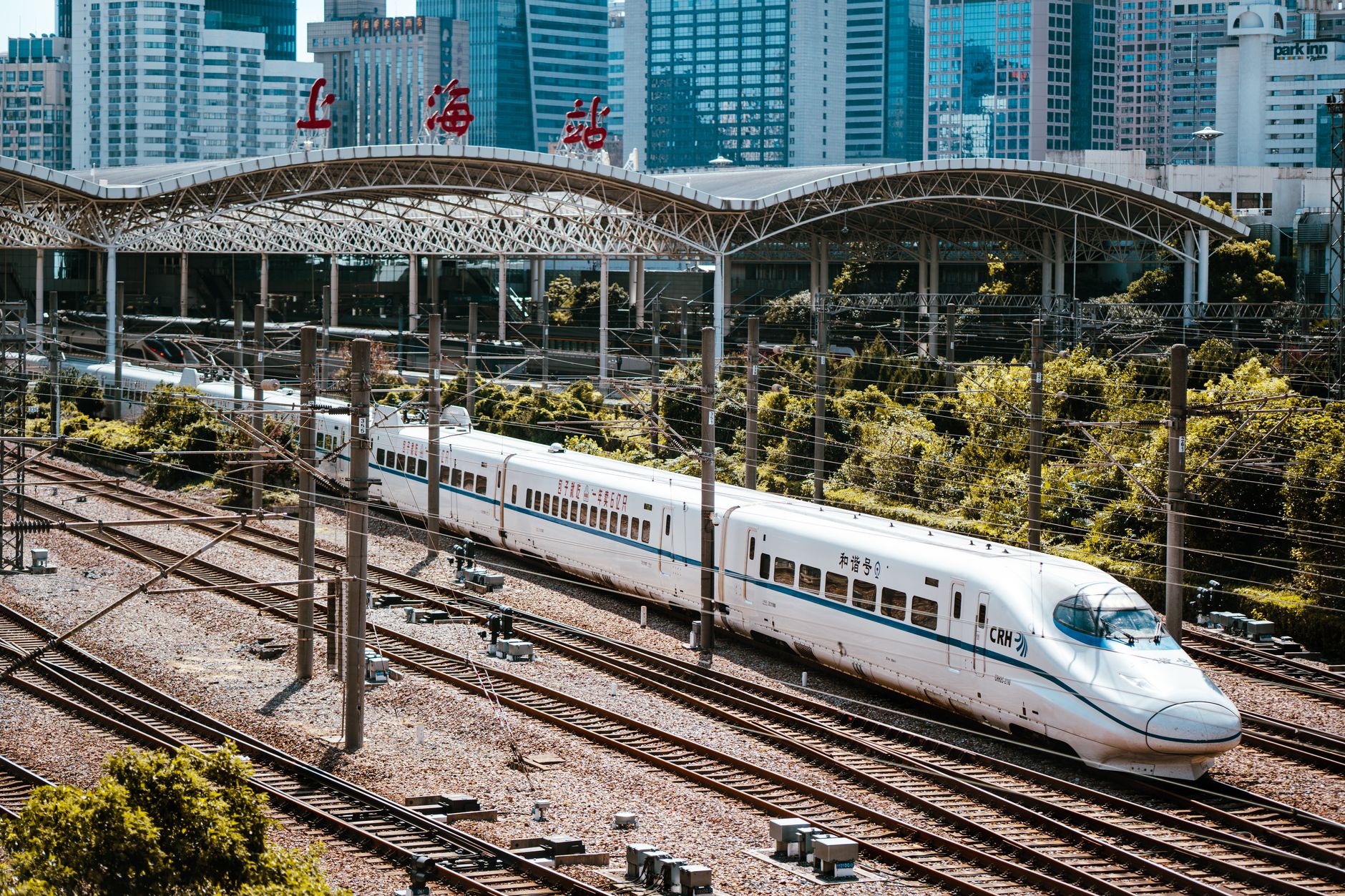
Yes — and for anyone with a week or more, this is the move. The cities are complementary rather than competing, and the contrast between imperial Beijing and modern Shanghai is the whole point. A standard structure looks like this:
- Beijing first (4–5 days): Forbidden City, Great Wall, Temple of Heaven, Tiananmen, the hutongs, and a Peking duck dinner.
- High-speed rail to Shanghai (about 4.5–6 hours). Book a daytime train and watch the country roll by, or a faster service to maximize time at each end.
- Shanghai (3–4 days): the Bund, Pudong, Yu Garden, the French Concession, a museum, and a serious meal or two.
That puts a comfortable two-city trip at roughly eight to ten days. Going Beijing-first has a logic to it: you build historical context in the capital, then watch contemporary China answer it in Shanghai. If flights suit your schedule better, the air route between the cities is about an hour and a half. Either way, our Shanghai itineraries can slot straight into the back half of a combined trip.
Which Should You Pick? A Decision Guide
If you genuinely have to choose just one, here is the cleanest way to decide.
Choose Beijing if: you are drawn to classical and imperial China; the Great Wall and the Forbidden City are non-negotiable; you want sights with serious historical weight; and you do not mind leaning on translation apps a bit more. Beijing rewards travelers who came for history.
Choose Shanghai if: you want modern China; you prefer an easier, smoother first trip; you would rather have skyline, food, and nightlife than imperial monuments; and you want the gentlest on-ramp for a first time in the country. Shanghai rewards travelers who came for the contemporary city. If you are still on the fence about the city itself, our honest take on whether Shanghai is worth visiting lays out the case.
Choose both if you have eight or more days — the classic, and most complete, way to see this side of China.
There is no universally “right” answer in the Shanghai vs Beijing debate. Most travelers come away preferring one over the other for reasons that are personal rather than objective. Both cities are essential to understanding modern China, and the one you skip this time is reason enough to come back.
Frequently Asked Questions
Should I visit Beijing or Shanghai first if I only have one week?
With one week and only one city, pick by interest: Beijing if you want classical sights like the Great Wall and the Forbidden City, Shanghai if you want modern China and easier logistics. If the week can stretch to eight days or more, do both — four to five days in Beijing, three to four in Shanghai, with the high-speed train in between.
Can I visit both Beijing and Shanghai in one trip?
Easily. The high-speed train links them in about four and a half to six hours, and flights take roughly an hour and a half. Most travelers spend four to five days in Beijing and three to four in Shanghai across an eight-to-ten-day trip.
Is Beijing or Shanghai cheaper?
Beijing tends to run a little cheaper day to day, mainly because Shanghai’s riverside and skyline dining carries a premium. Hotels are broadly comparable, and attraction tickets are modest in both. Budget travelers will find Beijing marginally kinder to the wallet.
Is Beijing or Shanghai better for food?
Roughly even, with different strengths. Beijing owns northern classics — Peking duck above all — while Shanghai has the broader range and the deepest international and fine-dining scene in the country. Serious eaters often rate Shanghai higher overall but make a special trip for Beijing’s duck.
Which city is easier for English speakers?
Shanghai, slightly. There is a bit more English signage and a few more English-speaking staff in its tourist and expat areas. Beijing is entirely manageable too — you will just reach for a translation app a little more often. Both work fine for independent travel.
Is Beijing or Shanghai safer?
Both are among the safest large cities in the world for visitors, with low rates of crime against tourists and a heavy police presence. There is no meaningful safety difference between them; ordinary caution against pickpocketing in crowds is all you need.
Which has better weather, Shanghai or Beijing?
Both are best in spring (April–May) and autumn. Beijing’s autumn (September–October) is the single most beautiful window in either city. Beijing has dry, cold winters and dry, hot summers; Shanghai has milder but damper winters and humid summers. Their best-month windows overlap, which is handy if you are doing both.
How many days should I spend in each city?
Plan four to five days for Beijing — the sights are spread out and several eat a full day — and three to four for Shanghai’s core, more if you add day trips. Less than that in either city starts to feel rushed.
Which is better for nightlife?
Shanghai, clearly, for range and polish — rooftops, cocktails, jazz, and the widest variety in China. Beijing’s scene is smaller but more alternative, centered on hutong bars and live music, which some travelers actually prefer.
Which is better for a first trip to China?
It is close. Beijing gives you the classic, historic China people picture; Shanghai gives you the easiest logistics and a softer landing. Many experienced China travelers simply answer “do both,” and with eight or more days that is the most satisfying choice.
The Bottom Line
The Shanghai vs Beijing question does not have a single winner, and that is the honest takeaway. Beijing is the deeper dive into imperial history and the home of the country’s most famous sights; Shanghai is the easier, more modern, food-and-nightlife-forward city. Pick by what you came for — and if you have the days, refuse to pick at all and do both. To start planning the Shanghai side, head to our complete Shanghai travel guide, map your days with the Shanghai itinerary planner, and line up the surrounding day trips from Shanghai.
Further reading: Beijing on Wikipedia.