Shanghai’s relationship with jazz goes back a century. The city was Asia’s first jazz capital in the 1920s and 1930s, when foreign musicians playing dance halls in the foreign concessions created a sound that fused American swing, Russian classical training, Filipino brass-band craft, and Chinese folk melody into something that could only have come from this port. That era was suppressed for decades after 1949 but never fully forgotten, and starting in the 1980s the music came back. Today Shanghai runs one of the deepest jazz cultures in Asia, with rooms that range from the Old Jazz Bar at the Fairmont Peace Hotel to contemporary clubs like JZ Club and the more recent Jazz at Lincoln Center Shanghai. This guide walks through the best Shanghai jazz bars and live music venues for 2026, the history that shaped them, what a night actually costs and feels like, and how to put together an evening that lands.
The short version: for a first jazz night in the city, the Old Jazz Bar at the Peace Hotel is the heritage experience, JZ Club is the heart of the contemporary scene, Heyday is the intimate French Concession option, and Jazz at Lincoln Center Shanghai is the prestige international room. Pair any two and you have a strong evening. The rest of this page fills in the detail so you can choose well.
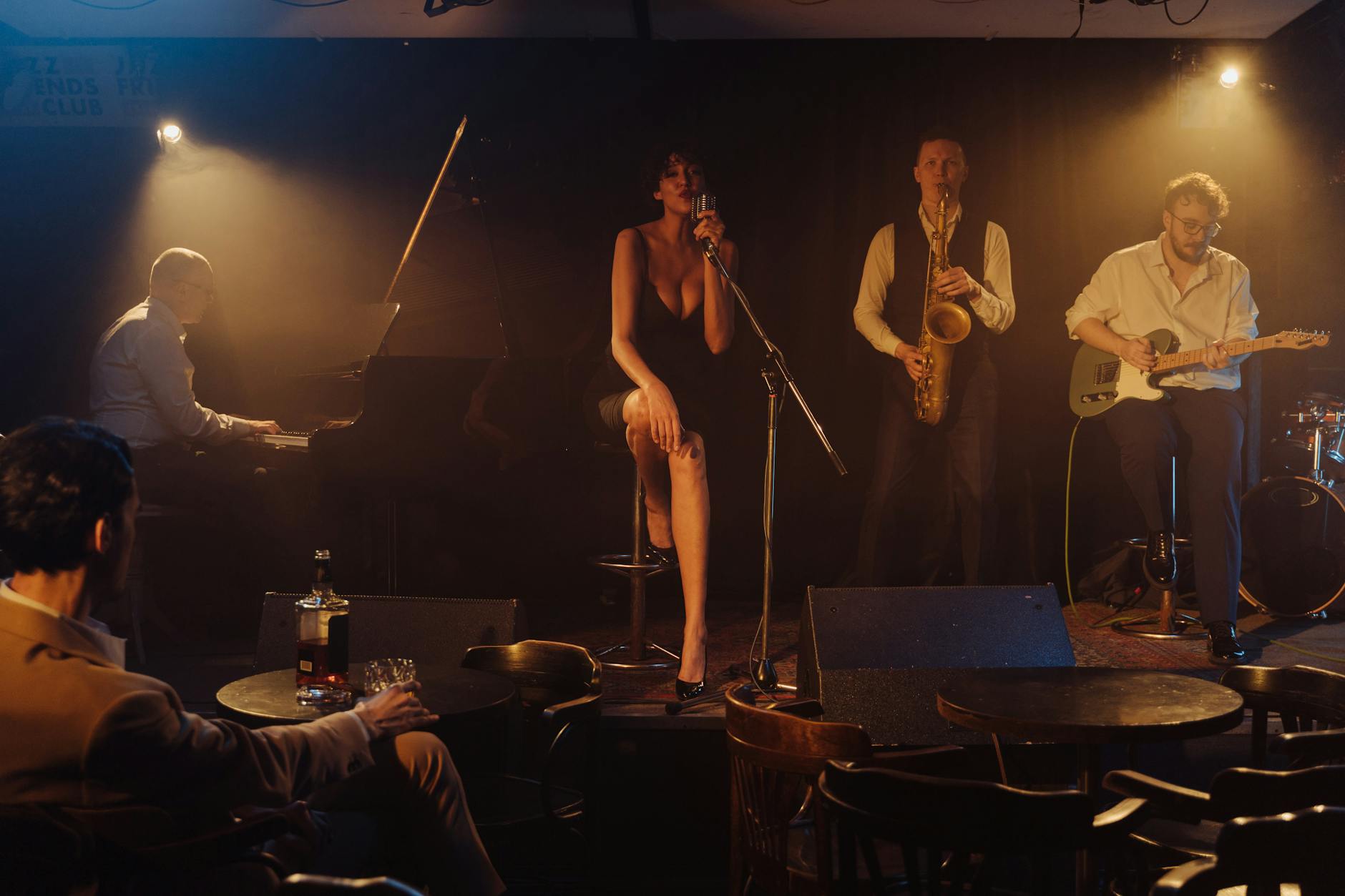
Table of Contents
- A Brief History of Shanghai Jazz
- What to Expect: Cover, Sets & Reservations
- Old Jazz Bar (Fairmont Peace Hotel)
- JZ Club
- Heyday Jazz Bar
- Jazz at Lincoln Center Shanghai
- House of Blues and Jazz
- Smaller and Indie Jazz Venues
- Shanghai Jazz by Neighborhood
- Shanghai Jazz Bars at a Glance
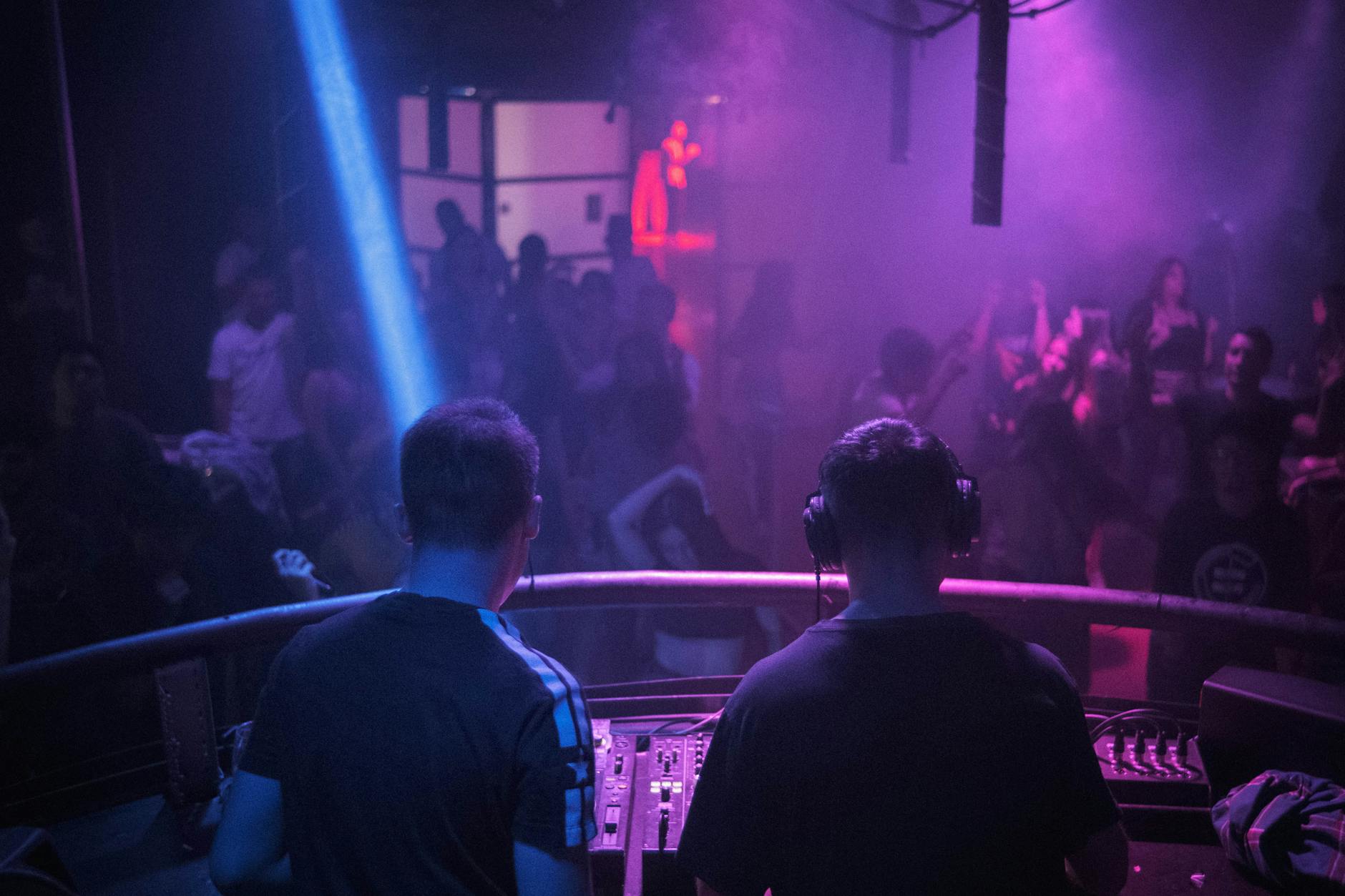
- Non-Jazz Live Music Worth Visiting
- Planning a Jazz Evening
- Tips and Etiquette
- Shanghai Jazz Festivals
- Frequently Asked Questions
A Brief History of Shanghai Jazz
Shanghai jazz emerged in the 1920s, when the city’s foreign concessions filled with dance halls catering to international and Chinese audiences alike. Musicians from the United States, the Philippines, Russia, and Eastern Europe found steady work in venues like the Paramount Ballroom, the Cathay Hotel (now the Fairmont Peace Hotel), and the Canidrome. The sound that developed mixed American big-band swing with Chinese folk melody, Russian classical discipline, and a cosmopolitan sensibility that belonged to this city and nowhere else. For a sense of why that mix happened here, it helps to understand the layered colonial geography of the period, which the French Concession walking tour traces street by street today.
By the late 1930s Shanghai had its own jazz stars. The American trumpeter Buck Clayton led the band at the Cathay Hotel before going on to play with Count Basie; bandleaders like Whitey Smith built careers on the Shanghai circuit. Chinese musicians such as Li Jinhui blended jazz instrumentation with Chinese melodies, creating the early shidaiqu, or “time-period songs,” that would shape Chinese popular music for decades. The dance halls were where high society, gangsters, sailors, and students all ended up in the same room, and the music carried that crowd.
The Cultural Revolution effectively shut the scene down from the 1960s through the late 1970s. Revival began in 1980, when the Old Jazz Bar at the Peace Hotel reformed with players in their fifties, sixties, and seventies who had performed in the Republican-era bands. The bar carried on through their lifetimes and remains the city’s only direct living link to the original jazz age, even as the lineup has turned over with the years.
The post-2000 scene grew fast. JZ Club, opened in 2004 by saxophonist Ren Yuqing, became the most influential of the contemporary venues and the spine of a wider network of clubs, a festival, and a music school. Jazz at Lincoln Center Shanghai arrived in 2017 in partnership with the New York institution. Today the city supports dozens of working jazz musicians and a rotating set of regular venues, which puts Shanghai among Asia’s most active jazz cities alongside Tokyo. The music sits inside a larger nightlife culture, and if you want the full map, the Shanghai nightlife guide covers how jazz fits next to clubs, rooftops, and late-night bars.
What to Expect: Cover, Sets & Reservations
If you have never been to a jazz room in China, here is how a typical night runs so nothing catches you off guard.
Cover charges. Most dedicated jazz clubs charge a cover of RMB 100 to 200 per person. At the Peace Hotel the cover usually runs RMB 100 to 150 and includes one drink. JZ Club sits in the same RMB 100 to 150 band. Heyday often skips a formal cover in favor of a drink minimum. The premium room, Jazz at Lincoln Center, charges by the artist and the night, generally RMB 200 to 400 and higher for marquee touring acts. Smaller bars sometimes charge nothing at the door and simply expect you to drink.
Drinks. Expect RMB 60 to 120 for a beer or a basic spirit at the contemporary clubs, RMB 80 to 150 for cocktails at the hotel bars and the cocktail-leaning rooms. Drinks are where these venues make their margin, so budget for two or three across an evening rather than one.
Sets and timing. Most venues run two sets a night with a break between, the first usually starting somewhere between 7:30 and 9:00 PM and the second running toward midnight. The Peace Hotel band goes on earlier, from around 6:30 PM. If you only want one set, the second is usually the livelier of the two, but the first is easier to get a good seat for.
Reservations. For Friday and Saturday at any of the major rooms, reserve. The Peace Hotel and Jazz at Lincoln Center can book out a week ahead during peak travel weeks and festival season. Weeknights are far easier, and walk-ins are generally fine Monday through Thursday at JZ Club and House of Blues and Jazz. Most venues take bookings through WeChat or their own websites; the hotel rooms can be booked through the hotel.
Food. Treat these as music rooms, not restaurants. Several serve small plates, but few offer a full dinner menu. Eat beforehand and arrive for the music. A good pattern is dinner in the French Concession followed by a short walk or taxi to your venue.
A realistic all-in budget is RMB 200 to 500 per person for a standard night, climbing past RMB 600 at the premium room with a name act. That still makes Shanghai one of the better-value major jazz cities anywhere.
Old Jazz Bar (Fairmont Peace Hotel)
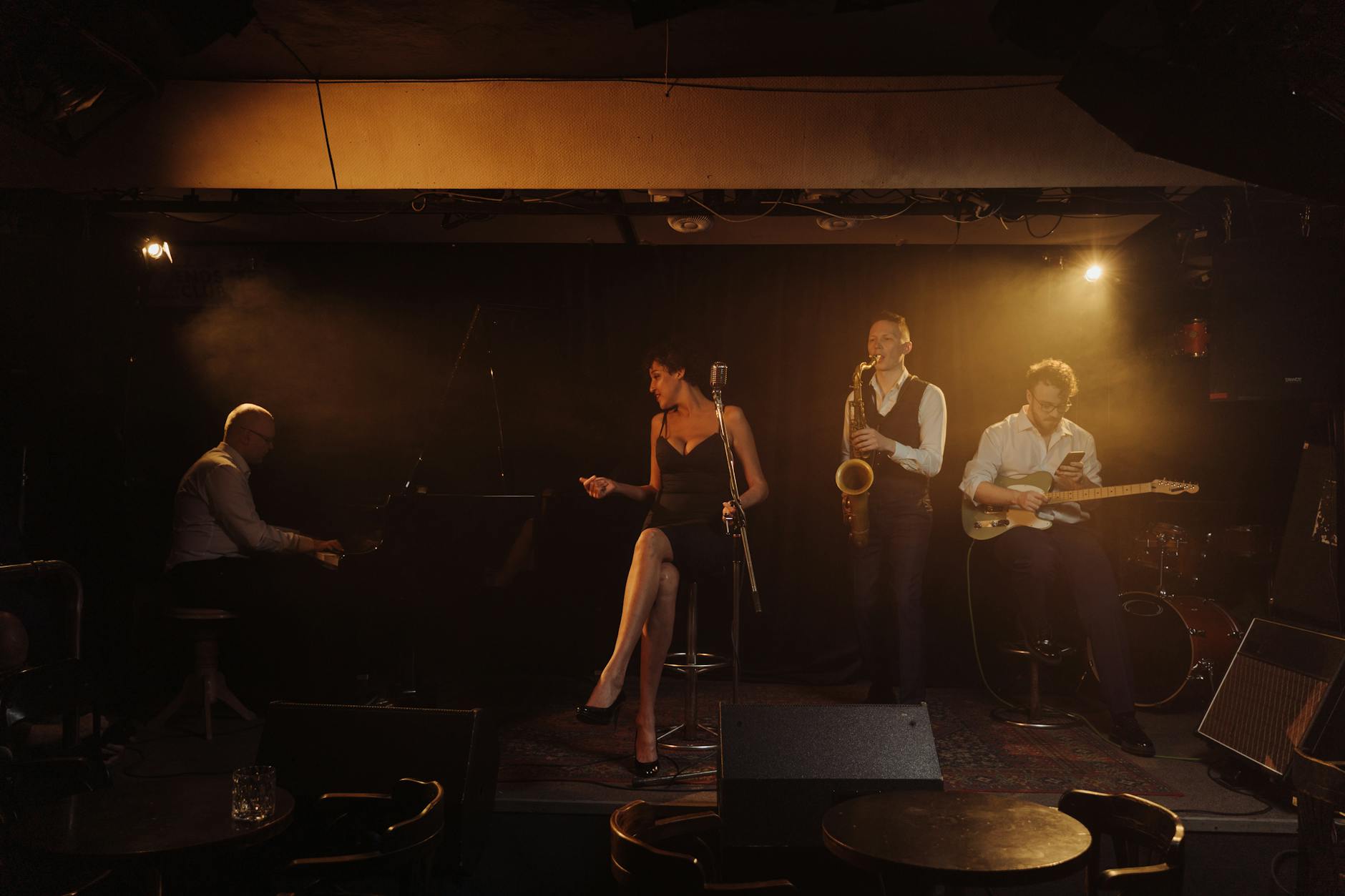
The most historically important jazz room in Shanghai sits on the ground floor of the Fairmont Peace Hotel at Bund 20. The Old Jazz Bar reformed in 1980 with retired Republican-era musicians who had played the original 1930s scene. Members have changed over the decades as the founders passed on, but the format holds: a repertoire of 1920s and 1930s standards, performed in the same Art Deco room where this music first filled the city.
Location: Fairmont Peace Hotel, Bund 20, on the riverfront.
Performances: Nightly from around 6:30 PM. Two sets, with breaks between.
Cover: RMB 100 to 150, usually including one drink. Drinks RMB 80 to 150.
Reservations: Recommended, especially on weekends. Book through the hotel’s website or WeChat.
Vibe: Heritage Art Deco space with original 1930s detailing. The crowd skews older and a little more dressed up than the contemporary clubs. Photography is allowed but discouraged during the music.
Best for: A first visit to Shanghai, history-minded travelers, and anyone who loves standards-era jazz played where it started.
Worth knowing: Musicianship varies by the night and the players, and the room draws a tourist-heavy crowd. People come for the history and the room as much as for cutting-edge playing, and on those terms it delivers. The hotel itself is a landmark of the riverfront, and the wider strip is covered in detail in our guide to the Bund.
JZ Club
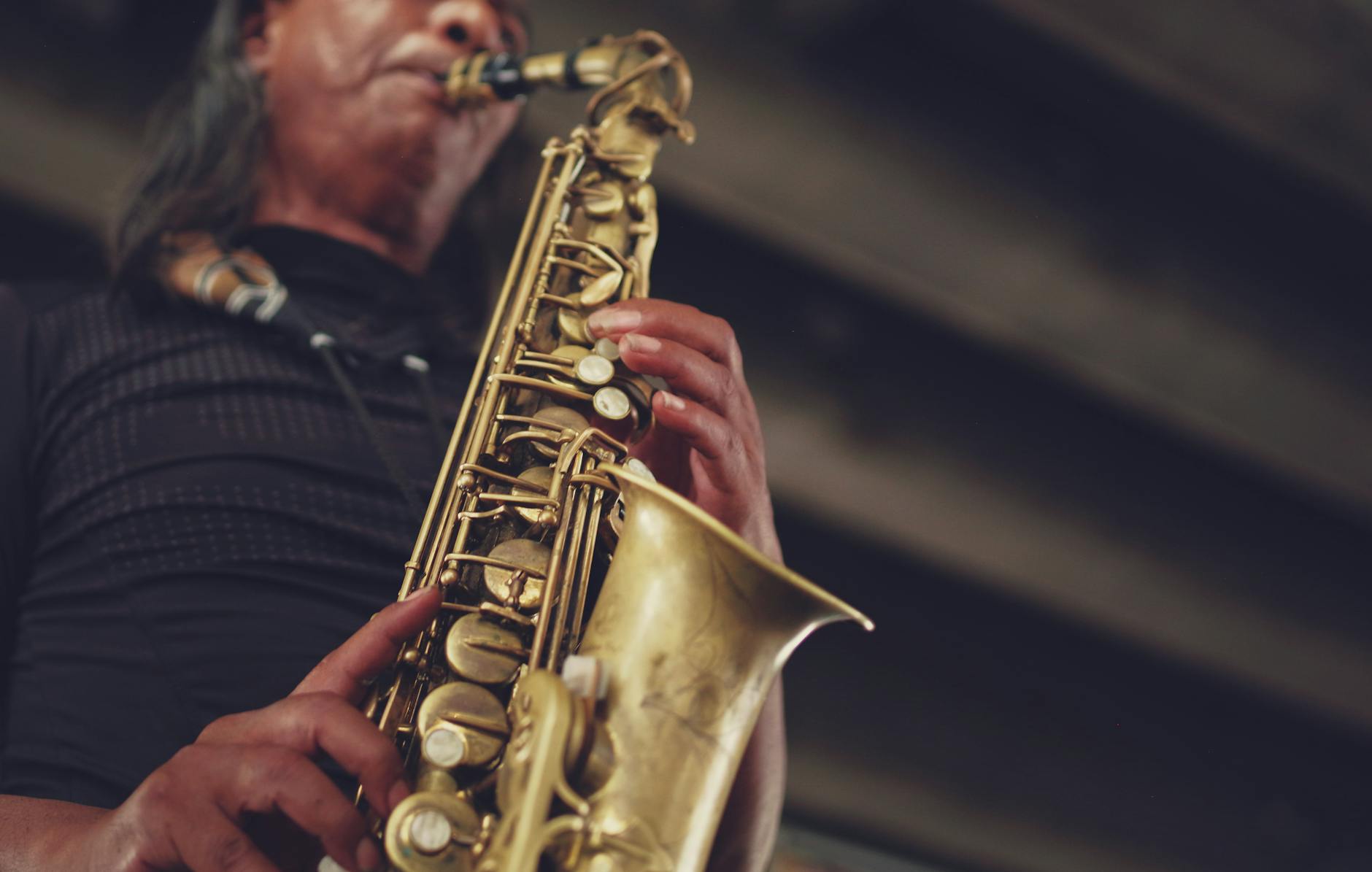
JZ Club is the center of Shanghai’s contemporary jazz scene. Founded in 2004 by saxophonist Ren Yuqing, it has been the city’s most consistent jazz venue for two decades and the hub of a wider music network that includes a festival and a school.
Location: Former French Concession (the club has relocated several times over the years; confirm the current address before you go).
Performances: Sets nightly except Mondays. Local and international artists rotate. Friday and Saturday are busiest.
Cover: RMB 100 to 150. Drinks RMB 60 to 120.
Reservations: Worth booking for Friday and Saturday. Walk-ins generally fine midweek.
Vibe: An intimate, music-first room with a knowledgeable crowd that actually listens. Programming spans contemporary and classic styles, leaning more adventurous than the hotel bars.
Best for: Serious listeners and travelers who want to hear the contemporary Asian jazz scene at its strongest.
Don’t miss: The annual JZ Festival brings international names to the city, and JZ runs affiliated venues elsewhere in China if your travels continue.
Heyday Jazz Bar
Heyday is an intimate, vintage-styled jazz bar in the former French Concession. It leans more cocktail bar than music club; the band is part of the atmosphere rather than the single focus of the night, which makes it a good room for conversation as well as listening.
Location: Yongjia Road, former French Concession.
Performances: Six nights a week. Smaller bands, often trios or quartets, with singer-led nights in the mix.
Cover: Often no cover, with a drink minimum. Drinks RMB 80 to 140.
Reservations: Recommended on weekends; walk-ins work for the early evening.
Vibe: A 1920s speakeasy feel with vintage decor and a serious cocktail list. The smaller room means more conversation is possible than at the dedicated clubs.
Best for: Date nights, solo travelers who want somewhere relaxed, and anyone who likes a cocktail bar with live music rather than a music room with drinks. If that is your taste, the wider scene of hidden rooms is covered in our guide to Shanghai’s cocktail bars and speakeasies.
Jazz at Lincoln Center Shanghai
The Shanghai branch of the New York institution opened in 2017 in partnership with Wynton Marsalis. It occupies a 1930-built heritage building on Nanjing Road East and is the most polished jazz room in the city.
Location: Nanjing Dong Road, near East Nanjing Road metro.
Performances: Nightly, two sets, frequently with international touring musicians.
Cover: RMB 200 to 400 depending on the artist and the night; marquee acts run higher.
Reservations: Strongly recommended. Premium nights book out a week ahead.
Vibe: Polished and dress-code-aware, with production values and artist quality to match the higher prices.
Best for: Travelers who want the highest-production jazz experience in Asia. Touring American and European artists appear regularly on the calendar.
House of Blues and Jazz
One of the longest-running jazz venues in the city. House of Blues and Jazz opened in 1995 and has hosted local and visiting musicians ever since, just back from the riverfront.
Location: Sichuan Road Middle, near the Bund.
Performances: Nightly, with a mix of jazz, blues, and adjacent genres. Residency bands hold down particular nights of the week.
Cover: RMB 100 to 150.
Reservations: Recommended on weekends.
Vibe: A pub-style room with a strong music focus, a touch less polished than JZ Club and all the more genuine for it.
Best for: A casual, music-first jazz night within walking distance of the Bund.
Smaller and Indie Jazz Venues
Beyond the headline rooms, Shanghai has a long tail of smaller bars hosting jazz on particular nights. Lineups and even addresses shift, so check a current listing before heading out, but these turn up again and again.
Cotton Club. A veteran room on Fuxing Road mixing jazz and blues, long known for its Sunday-night sessions.
Pearl Jazz Bar. A smaller venue with a strong roster of local players.
Brownstone Jazz Bar. A newer room (post-2020) with a modern jazz focus.
Glamour Bar (M on the Bund). Not strictly a jazz bar, but it hosts regular jazz nights and singer-songwriter sessions in a handsome Bund-side space.
Wooden Box Cafe. A small art space with occasional jazz, better for small-band and singer-songwriter sets than full bands.
These rooms reward a little spontaneity. If a name act is in town, the major clubs are the safer bet; if you want to stumble into something, the indie venues are where it happens.
Shanghai Jazz by Neighborhood
Jazz in Shanghai clusters in three areas, and which one you base yourself in shapes how an evening flows.
The Bund and Around
The riverfront holds the heritage weight. The Old Jazz Bar at the Fairmont Peace Hotel sits at Bund 20, House of Blues and Jazz is a short walk inland on Sichuan Road Middle, and Jazz at Lincoln Center is nearby on Nanjing Road East. This is the area to choose if you want jazz wrapped in the city’s old grandeur, with the riverfront promenade and its night views a few minutes away. Many of the best-placed hotels sit here too, and the room options are laid out in our guide to staying near the riverfront within the broader where to stay in Shanghai overview.
The Former French Concession
The leafy, low-rise streets of the former French Concession are the home of the contemporary scene. JZ Club and Heyday both sit here, along with Cotton Club on Fuxing Road and a scattering of smaller rooms. The neighborhood is dense with restaurants and cocktail bars, which makes it the easiest place to build a full evening on foot: dinner, a drink, a set, a nightcap, all within a few blocks. The daytime version of the same streets is covered in the French Concession walking tour.
Jing’an and the West
West of the center, around Jing’an and Julu Road, sits a looser mix of bars, live houses, and the occasional jazz night. There is less heritage here and more of the city’s current music energy, including indie and rock rooms alongside jazz. It is a good area for a second or third night once you have done the marquee venues.
Shanghai Jazz Bars at a Glance
A quick comparison of the main rooms. Prices and schedules change, so treat these as a guide rather than a guarantee, and confirm before you go.
| Venue | Area | Cover (RMB) | Style | Best for |
|---|---|---|---|---|
| Old Jazz Bar (Peace Hotel) | The Bund | 100–150 | 1920s–30s standards | Heritage, first visit |
| JZ Club | French Concession | 100–150 | Contemporary & classic | Serious listeners |
| Heyday | French Concession | None / drink min. | Trios, singers, cocktails | Date night, relaxed |
| Jazz at Lincoln Center | Nanjing Rd East | 200–400+ | Touring international acts | Premium production |
| House of Blues and Jazz | Near the Bund | 100–150 | Jazz, blues, residencies | Casual, music-first |
| Cotton Club | French Concession | Varies | Jazz & blues sessions | Sunday sessions |
Non-Jazz Live Music Worth Visiting
If you want live music beyond jazz, Shanghai has plenty, from sweaty rock rooms to its concert halls.
Yuyintang Park. Indie rock and Chinese alternative music, with multiple shows a week and a real foothold in the local scene.
MAO Livehouse Shanghai. A mid-size room hosting touring international and Chinese acts across genres.
Modern Sky Lab. A larger live venue tied to the Modern Sky record label.
Shanghai Symphony Orchestra Concert Hall. The city’s classical institution, with programming running autumn through spring.
Shanghai Grand Theatre. Ballet, opera, and classical concerts on People’s Square.
Live music threads through the city’s after-dark life, and the full picture, including clubs and late-night bars, is in the Shanghai nightlife guide.
Planning a Jazz Evening
A little strategy gets you a much better night.
Pick a primary venue by priority. Heritage and atmosphere point to the Peace Hotel. The contemporary scene points to JZ Club. A sophisticated cocktail bar with music points to Heyday. Top-end production points to Jazz at Lincoln Center.
Reserve for weekends. All the major rooms fill on Friday and Saturday, and the Peace Hotel and Jazz at Lincoln Center can sell out a week ahead in peak weeks.
Eat first. Most venues offer small plates rather than full meals. Have dinner beforehand and aim to arrive around 8:30 to 9:00 PM for the second set.
Plan the ride home. The last metro runs around 11 PM and most sets finish near midnight, so line up a Didi or a taxi for the trip back.
Stack two venues. An early set at one room and a late set at another works well. The Peace Hotel followed by Heyday is a tested route across the city.
Check the week’s schedule. Lineups change constantly. SmartShanghai (smartshanghai.com) remains the most reliable English-language listings source, and each major venue posts its own weekly calendar.
Mind the seasons. Festival season clusters in October, and weekends around major holidays book up fast. If your dates are flexible, the Shanghai weather month by month guide helps you line up a visit with the busiest stretch of the music calendar.
Tips and Etiquette
Dress code. Smart casual covers every venue. The heritage rooms lean dressier; the contemporary clubs are fine with casual attire.
Photography. Generally allowed, but flash and screen glare are discouraged during sets, and a few rooms restrict it outright.
Phones. Don’t take calls during the music. A brief, quiet text is fine.
Tipping. Not customary in Shanghai generally. Some rooms will pass tips to the band; ask staff if you want to.
Cover and minimums. Most clubs charge RMB 100 to 200, sometimes including a drink, sometimes not. Smaller bars may skip the cover and run a one-drink minimum instead.
Requests. Most bands play their own setlists. Requests are welcome at the smaller bars but not at the polished rooms, so read the room before you ask.
Last call. Sets usually end by midnight, though some venues keep pouring cocktails until 1 or 2 AM.
Shanghai Jazz Festivals
Several annual festivals concentrate the city’s jazz programming into a few intense weeks.
JZ Festival (October). The largest jazz festival on the Chinese mainland, founded in 2005. Multiple days across multiple venues, with international touring acts.
Shanghai Jazz Week (October). A coordinated week of programming across venues, often timed alongside the JZ Festival.
Shanghai International Arts Festival (October to November). Includes jazz alongside classical music, dance, and theater.
If jazz is a main reason for your trip, building your dates around October gives you the densest calendar of the year.
Frequently Asked Questions
What is the most famous jazz bar in Shanghai?
The Old Jazz Bar at the Fairmont Peace Hotel, which traces its current life to the 1980 reformation of Republican-era musicians and sits in the Art Deco room where Shanghai jazz first took hold.
Is the Peace Hotel jazz bar still worth it?
Yes for the atmosphere and the history, though the level of musicianship varies as original members have passed on. It is worth a visit for the room and the legacy even if you hear sharper playing at JZ Club.
How much does a jazz night out in Shanghai cost?
Plan on RMB 200 to 500 per person at a typical venue: cover of RMB 100 to 200, drinks at RMB 60 to 150 each. A premium room like Jazz at Lincoln Center with a name act can run past RMB 600.
Do I need to book in advance?
For Friday and Saturday at the major rooms, yes. Weeknights are easier and walk-ins are generally accepted Monday through Thursday.
Is Shanghai jazz mostly Chinese or international musicians?
A mix. The contemporary scene has a deep bench of Chinese players plus international touring acts, while the heritage rooms feature mostly local musicians performing standards.
What is the best night of the week for jazz?
Friday and Saturday are busiest. Wednesday and Thursday often bring higher-quality touring acts to JZ Club with a calmer crowd.
Can children go to jazz bars in Shanghai?
Generally no. These are licensed bars and under-18s are usually not admitted. The Peace Hotel may seat older children with a parent at management’s discretion.
Which neighborhood is best for jazz?
The former French Concession for the contemporary scene and the easiest walkable evening; the Bund for heritage rooms wrapped in the city’s old grandeur. Many visitors do one night in each.
How do I find what is playing each night?
SmartShanghai (smartshanghai.com) carries the most reliable English-language listings, and each major venue publishes its own weekly schedule online.
Is there a Shanghai jazz festival?
Yes. The JZ Festival in October is the largest in mainland China, with several smaller festivals spread across the year.
Are Shanghai jazz bars LGBT-friendly?
Generally yes. The jazz rooms are inclusive and welcoming.
Plan Your Jazz Evening
Shanghai’s jazz scene is one of the city’s most rewarding nights out. Between heritage rooms like the Peace Hotel, contemporary spaces like JZ Club, and prestige stages like Jazz at Lincoln Center, any visitor can put together a strong evening, and most do one heritage venue and one contemporary venue across a single trip.
For the wider after-dark picture, see the Shanghai nightlife guide. To pair a set with a skyline view, see the best rooftop bars in Shanghai. And to stay within reach of the major rooms, start with where to stay in Shanghai.
Shanghai jazz has been doing this for a hundred years. Show up, sit close to the stage, order a drink, and let it work. Venues, lineups, and prices shift from season to season, so confirm the current schedule before you head out.
For more background, see Jazz in Ch