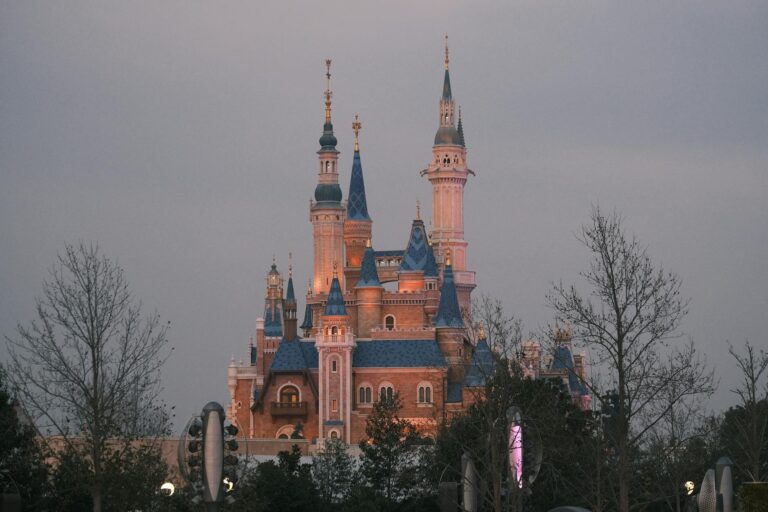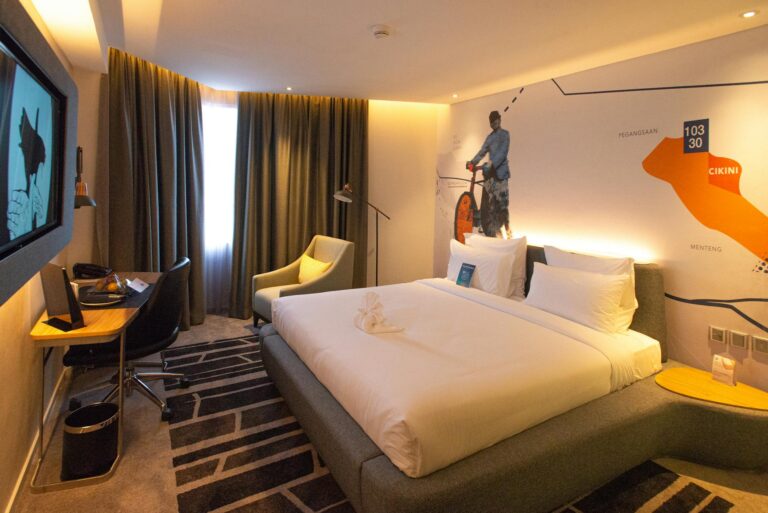
Shanghai may be one of China’s pricier destinations, but a deep network of budget hotels and hostels in Shanghai means you can sleep within walking distance of the Bund, the French Concession, or Lujiazui for under ¥250 a night. This 2026 guide reviews the city’s best-value backpacker hostels, capsule hotels, no-frills domestic chains, and budget boutique stays — with addresses, real prices, neighbourhood breakdowns, the booking platforms that actually work for foreigners, and exactly what to expect from each price tier.
Is Shanghai expensive? By Chinese standards, yes — it is the priciest city on the mainland. Measured against London, Tokyo, or New York, it is a bargain, and that is especially true of where you sleep. A clean private room with its own bathroom in a central location runs ¥250–400, a fraction of what the equivalent costs in other global cities of Shanghai’s size. The catch is that the very cheapest rooms are a false economy: drop below about ¥150 and you start losing the foreign-guest licensing, the central location, and the basic hygiene that make a budget stay worth booking.

Table of Contents
- Price Tiers Explained
- Best Hostels in Shanghai
- Capsule Hotels
- Budget Chain Hotels
- Can Foreigners Stay in Budget Shanghai Hotels?
- Booking Without a Chinese Phone Number
- Cheap Boutique Stays
- Best Neighbourhoods for Budget Stays
- Sample Nightly Budgets
- Booking Tips
- Extra Ways to Cut Costs
- What to Avoid
- FAQ
Price Tiers Explained
Budget Shanghai accommodation in 2026 falls into four broad tiers:
- Hostel dorm bed – ¥80–150/night
- Hostel private double – ¥250–400/night
- Capsule hotel – ¥150–250/night
- Budget chain hotel (Hanting, Home Inn, Jinjiang Inn) – ¥250–450/night
- Cheap boutique – ¥400–650/night
Anything below ¥80 is suspicious — likely poor location, hygiene, or unlicensed accommodation. Above ¥600 you’re firmly into mid-range territory.
What separates the tiers is privacy and predictability rather than location — you can find every one of these within a 15-minute metro ride of the Bund. A dorm bed buys you the city’s most social atmosphere and the lowest price, but you trade away quiet and a private bathroom. Capsules give you a curtain and a charging point for a few yuan more. The jump worth understanding is from hostel to budget chain: for roughly ¥250–350 you move from a shared bathroom down the hall to a small but spotless private room with an en-suite, a desk, fast Wi-Fi, and 24-hour reception. For couples, that gap is usually worth closing; for solo travellers who want company, it usually isn’t.
Best Hostels in Shanghai
Mingtown Etour Youth Hostel
Long-running People’s Square hostel inside a restored 1930s lane house. Friendly multilingual staff, courtyard with bar, and 5 minutes’ walk to the Shanghai Museum. Dorm beds ¥120–150; private doubles ¥320–400. The bar is a hub for solo travelers. Booking via Hostelworld or Trip.com.
Mingtown Hiker Hostel
Sister property near Nanjing Road East — bigger dorm options, 7 minutes’ walk to the Bund. Dorms ¥130–160. Among the best-reviewed for solo travelers.
Phoenix Hostel
French Concession location near Wukang Road — perfect for the cafe-and-walk traveler. Stylish lounge, decent kitchen, and bilingual staff. Dorms ¥130–170; doubles ¥350–450.
Captain Hostel Shanghai
Closest to the Bund (5 minutes’ walk to the waterfront). Nautical theme, rooftop bar with surprisingly good Pudong skyline views. Dorms ¥150–200. Private rooms small but well-located ¥400–600.
The Drift Hostel Shanghai
Newer Hongkou location with modern dorms, well-thought-out shared spaces, and reliable WiFi. Dorms ¥110–140; doubles ¥280–380. Slightly further from the Bund but on metro Lines 4/10/12.
Ms. Maple’s Boutique Hostel
Quirky French Concession hostel inside a restored villa. More design-forward than backpacker. Dorms ¥150–180; doubles ¥420–550. Highly rated for couples on a budget.

A few booking habits save money and headaches across all of these. Weekend rates (Friday and Saturday) run 15–30% higher than midweek, so shift a flexible stay to Sunday–Thursday where you can. Female-only dorms cost the same as mixed dorms but book out faster — reserve early if that matters to you. And read the most recent month of reviews rather than the lifetime average: hostels change hands and housekeeping standards swing, so a property that was excellent two years ago may not be today.
Capsule Hotels
Capsule hotels are a Japanese-style budget option that has spread to Shanghai. Each guest gets a private capsule (1.0 × 2.0 m) with mattress, light, USB charging, and a curtain. Bathrooms are shared.
- 9hours Hotel (multiple locations) – clean, modern, ¥180–230/night
- Sleepbox / Goko Capsule in Hongqiao – best for early-morning train departures, ¥150–200
- The Box Hotel Pudong Airport – airport-side capsule, ¥250–300; ideal for transits
Capsules suit solo travelers comfortable with shared bathrooms. Couples and groups should look at hostel privates instead. They make the most sense as a tactical one-night stay rather than a base for a week — book one beside Pudong Airport or Hongqiao when you have a pre-dawn flight or high-speed train, and a regular hostel or chain for the rest of the trip.
Budget Chain Hotels
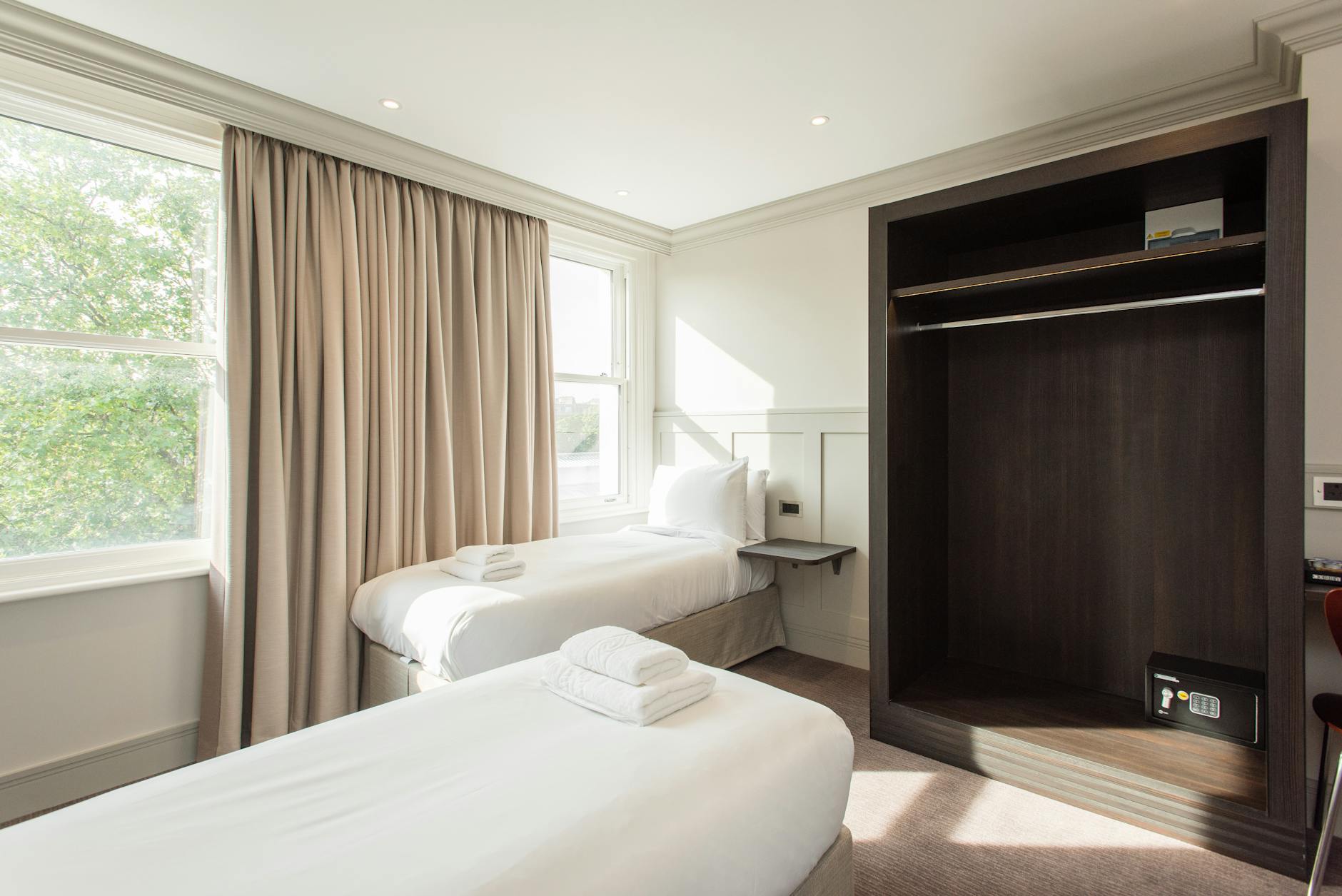
China’s domestic budget chain hotels offer reliable, clean private rooms with private bathrooms — great if you want hostel prices but full privacy.
- Hanting Hotel (汉庭) – the most reliable mid-budget chain. Modern rooms, 24/7 reception. ¥250–400
- Home Inn (如家) – similar to Hanting but slightly older. ¥220–350
- Jinjiang Inn – Shanghai-headquartered chain; many central locations. ¥250–400
- 7 Days Inn – very basic, OK for one or two nights, ¥180–280
- Atour Hotel – upmarket budget brand with smart-design rooms. ¥350–550
- Ji Hotel (季) – Hanting’s design-led sibling; often the best value in the ¥350–500 band
These chains are the workhorses of an affordable Shanghai trip, and the domestic brands genuinely punch above their price. A ¥400 room at Atour or Ji Hotel is usually newer and better appointed than an international “express” brand at the same rate, because the local chains compete hard on bedding, water pressure, and fast Wi-Fi. Stick to branches built or refurbished in the last few years (the listing photos and review dates tell you), and request a room away from the lift and ice machine for a quieter night.
On payment: most budget chains expect Alipay, WeChat Pay, or cash, and many take a refundable deposit of ¥200–500 at check-in that is released a day or two after you leave. Since 2024 you can link an international Visa or Mastercard directly to Alipay, which covers you at the front desk, at convenience stores, and on the metro — set it up before you fly. Book on Trip.com (English) or directly through the hotel’s WeChat mini-program. All the chains listed above accept a passport at check-in.
Can Foreigners Stay in Budget Shanghai Hotels?
Mostly yes — but it pays to understand how the rules work. Chinese law (Article 39 of the Exit and Entry Administration Law) requires every hotel to register a foreign guest’s details with the local public security bureau within 24 hours of check-in. That registration is the real gatekeeper, not your nationality.
The good news for 2026: the old requirement for a hotel to hold a separate “foreign-guest licence” was scrapped in 2024, and properties have been told not to turn international travellers away. In practice, the friction that remains is technical rather than legal. Some small, unbranded budget inns still run check-in software built only for Chinese ID cards — it physically can’t accept a passport number or a non-Chinese name — so staff decline foreigners simply to avoid a process they can’t complete. This is far more common at cheap independent guesthouses than at the chains and hostels in this guide, all of which are set up for passports.
The simplest way to avoid an awkward arrival is to book through Trip.com and use its “Accepting foreigners” filter, which only shows properties equipped to register international guests. If a rock-bottom listing isn’t on a major international platform and has photo-only details, treat that as a quiet signal that it may not take foreigners, and book a nearby chain instead.
One practical footnote: the registration requirement is also why it is worth staying where your booking says you will. If you switch hotels on the fly, the new property still has to register you, and unregistered private rentals leave a gap that can cause friction if you later extend a visa or deal with any official process. Sticking to booked, licensed budget hotels keeps your paperwork clean for the price of a few minutes at a front desk.
Booking Without a Chinese Phone Number
You do not need a Chinese SIM or phone number to lock in a budget Shanghai stay. Trip.com and Hostelworld both accept a foreign email and mobile number, take international cards, and offer English-language support — between them they cover almost every hostel and chain worth booking. Agoda is useful for last-minute discounts. The platforms to skip as a visitor are the Chinese-only ones (Meituan and the mainland Ctrip app), which expect a domestic phone number and national ID.
At check-in, bring your passport for every guest — the same passport you’ll use to enter China — because the front desk has to scan it for that police registration. Have your booking confirmation saved offline in case the Wi-Fi is slow, set up Alipay or WeChat Pay with an international card before arrival for the deposit and incidentals, and screenshot the hotel’s name and address in Chinese characters to show a taxi driver. If you’re crossing the border overland or staying out late your first night, note that the registration still has to happen, so check in (or at least drop your passport for scanning) rather than arriving at 2am unannounced.
Cheap Boutique Stays
Shanghai has a small but interesting category of boutique hotels in the ¥400–650 range — often inside lane houses or restored heritage buildings:
- The Yangtze Boutique Shanghai – heritage Art Deco hotel near People’s Square. ¥500–700
- The Bund Riverside Hotel – Bund-area, no skyline view, ¥450–600
- 1188 Boutique Hotel – French Concession lane house, ¥500–650
- URBN Hotels Hongqiao – design-forward eco hotel ¥600–800
These are worth a splurge night if you want Shanghai’s lane-house romance without mid-range prices. Book directly or on Trip.com, and ask specifically for a renovated room, since heritage buildings vary enormously from one room to the next. For a night or two they make a memorable bookend to a trip otherwise spent in hostels and chains.
Best Neighbourhoods for Budget Stays
- People’s Square – best transport (metro Lines 1, 2 and 8 interchange), lots of hostels, dead central
- French Concession – atmospheric hostels and budget boutiques; Lines 1, 7, 10 and 12
- Hongkou – cheaper, more local, fewer English staff; Lines 3, 4, 8 and 10
- Old Town / near Yu Garden – touristy but very walkable; Line 10 at Yuyuan Garden
- Hongqiao – budget chains for early-train-departure travelers; Lines 2 and 10 to the railway station
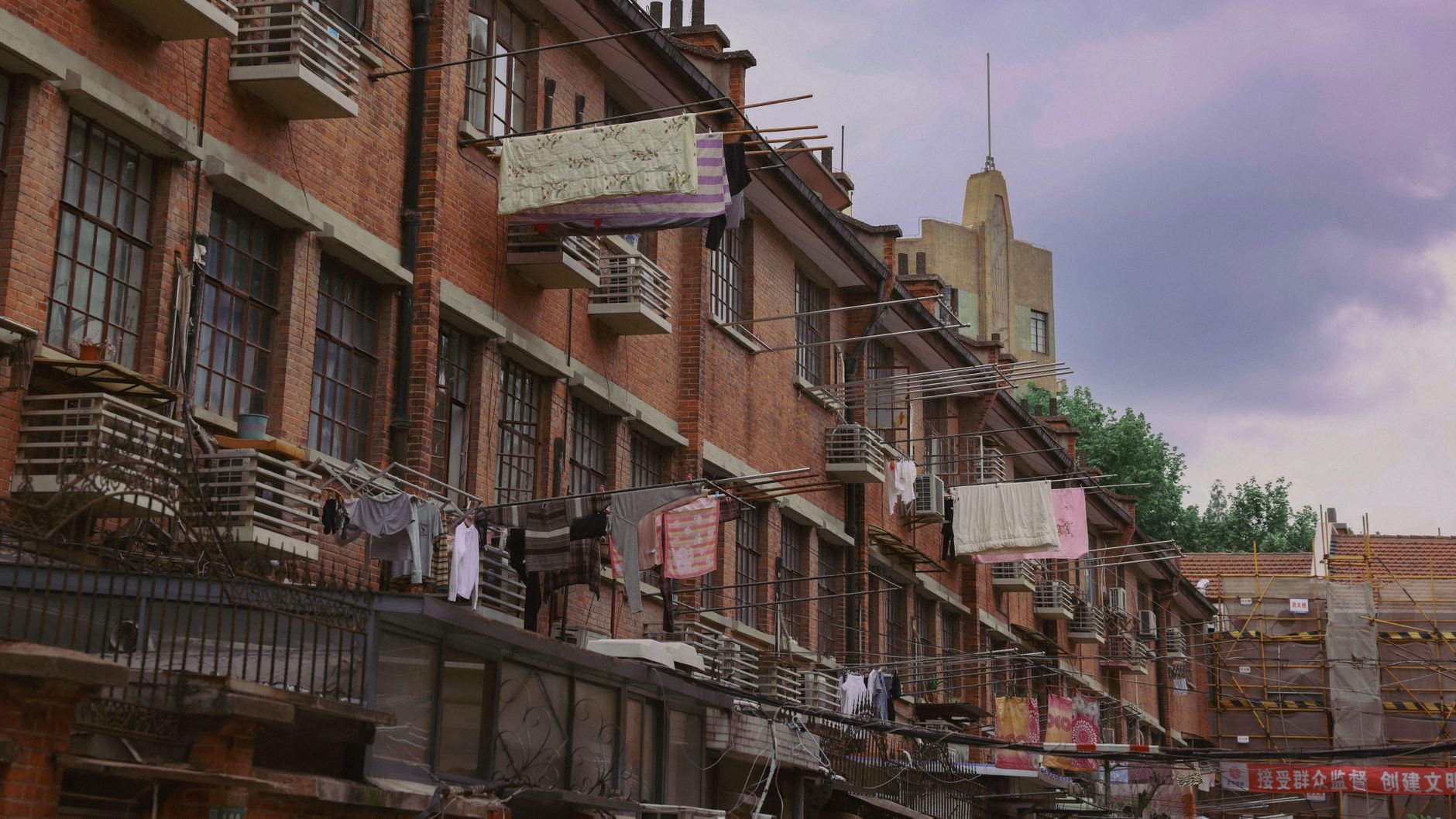
Whatever the headline price, the figure that decides your real cost is distance to the nearest metro entrance. A room that’s ¥40 cheaper but a 20-minute walk (or a ¥25 taxi) from a station usually loses money over a few days and costs you time you’d rather spend sightseeing. Aim for anything inside a 5–8 minute walk of a line that reaches the Bund and People’s Square. For the broader picture see our where to stay in Shanghai pillar and best neighbourhoods guide.
Match the neighbourhood to your trip. First-time visitors who want to walk to the headline sights should pay the small premium for People’s Square or the Bund fringe. Travellers chasing cafes, bars, and a slower pace are happiest in the French Concession. Anyone counting every yuan, or staying a week or more, gets the most room for their money in Hongkou or out along Line 8 or 10, accepting a 15–20 minute ride into the centre in return. Whichever you pick, you are never more than a short, cheap train from the river.
Sample Nightly Budgets
To see how it adds up, here are two realistic per-person nightly budgets for accommodation plus the everyday extras that come with where you sleep:
- Backpacker (solo): ¥120 dorm bed + ¥10 metro + ¥60 street-food meals ≈ ¥190/day for bed and basics. Over a week that’s roughly ¥1,330 before sightseeing.
- Couple wanting privacy: ¥320 budget-chain double (¥160 each) + ¥20 metro between you + a sit-down dinner ≈ ¥220–260 per person/day, with your own bathroom and a door that locks.
The takeaway: two people splitting a ¥300-ish chain room often pay barely more per head than a dorm bed, which is why couples rarely need to hostel it in Shanghai. For the full picture of trip costs, see how much a Shanghai trip costs.
Accommodation is usually the single biggest line in a Shanghai budget, so the few hundred yuan you save per night — a dorm over a private room, an outer-district chain over a Bund-view boutique — compounds fast across a week, and frees that money for the food, museums, and day trips that are the actual point of the trip.
Booking Tips
- Trip.com – English interface, best Shanghai inventory, often cheaper than Booking.com for domestic chains
- Hostelworld – best for backpacker hostels with social ratings
- Agoda – good for last-minute discount
- Direct via WeChat – sometimes cheapest if you can navigate Chinese
- Book at least 2–3 weeks ahead for high season (April–May, October–November)
- Bring your passport — Chinese hotels are required to register foreign guests with police on arrival
- Confirm “foreign guests accepted” — a small number of cheap unbranded inns cannot legally take foreigners

Extra Ways to Cut Costs
- Travel in the shoulder season. Late March, June, and November bring mild weather and rates 20–30% below the April–May and October peaks. Our best time to visit Shanghai guide breaks down the trade-offs month by month.
- Stay Sunday to Thursday. Business-oriented chains discount on weeknights; leisure-oriented hostels sometimes discount on weekends — check both.
- Book a room with a kettle and breakfast. Many chains include a simple Chinese breakfast; a ¥10 bowl of noodles or congee saved each morning adds up over a week.
- Skip the airport taxi. The metro and Maglev reach the city for a fraction of a cab fare — money better spent on your room.
- Use the metro, not taxis, to reach cheaper outer neighbourhoods, so the saving on the room isn’t eaten by transport.
What to Avoid
- Unbranded sub-¥150 private rooms on photo-only listings — likely no foreign-guest license
- Properties >2 km from the nearest metro — taxis add up fast
- “Capsule” listings without windows for stays longer than 2 nights — claustrophobic
- Hostels that don’t accept foreign passport — saves a frustrating arrival
- Properties advertising “scenic countryside views” — usually means far from city centre
Frequently Asked Questions
How cheap can I stay in Shanghai?
Hostel dormitories start at ¥80–100/night. Private rooms in budget chains start at ¥220. Below ¥80 you’re likely looking at properties without proper foreign-guest licenses.
Are hostels in Shanghai safe?
Yes — Shanghai has a well-developed hostel scene with reliable lockers, 24/7 staff, and police-registered guest databases. Solo female travelers report Shanghai as one of the safest hostel scenes in Asia.
Can foreigners stay in budget Chinese hotels?
Most major chains (Hanting, Home Inn, Jinjiang Inn) accept foreign guests. Some unbranded “express” hotels do not. Always confirm “foreign guests welcome” before booking.
Should I get a hostel or budget chain hotel?
Hostels for solo travelers wanting social atmosphere; budget chains for couples or anyone valuing privacy and a private bathroom.
Where’s the cheapest area to stay in Shanghai?
Hongkou and outer Putuo offer the lowest prices. People’s Square balances price and central location best.
Are budget hotels in Shanghai clean?
Major chains (Hanting, Atour, Home Inn) maintain consistent cleanliness standards. Hostels vary; always check recent reviews on Hostelworld or Trip.com.
Do budget Shanghai hotels speak English?
Hostels in tourist neighbourhoods almost always have English-speaking staff. Domestic chain hotels typically have one front-desk staff with basic English; translation apps fill any gap.
Can I book a budget hotel without a Chinese phone number?
Yes — Trip.com and Hostelworld both accept foreign emails and phone numbers. Some Chinese-only platforms (Meituan, Ctrip mainland) require a domestic phone.
Will I have to pay a deposit?
Often, yes. Budget chains commonly take a refundable deposit of ¥200–500 at check-in, returned a day or two after checkout. Alipay or WeChat Pay (linked to an international card) and cash are the accepted methods; many small properties don’t take foreign cards directly at the desk.
What time is check-in, and can I leave my bags early?
Standard check-in is 2pm and checkout noon, but almost every hostel and chain will store luggage free before and after, so you can arrive off an early flight and start exploring straight away.
Are there discounts for long or weekly stays?
Yes. Many hostels offer a discounted weekly dorm rate if you ask directly, and budget chains run lower midweek and monthly rates that don’t always appear online — message the property through Trip.com or WeChat to ask. For stays beyond a week, a budget chain or a serviced apartment on the outer metro lines often beats a hostel on both price and comfort.
Is it cheaper to book in advance or on arrival?
In advance, almost always. Walk-in rates are rarely lower than Trip.com or Hostelworld prices, and in the April–May and October peaks the best-value rooms sell out days ahead. Booking online also lets you filter for properties that accept foreigners — something you simply cannot tell from a shopfront.
Can I find a private room under ¥200 in Shanghai?
Occasionally. A 7 Days Inn or an older Home Inn on the city’s outer metro stops can dip to ¥180–200 midweek. Centrally, ¥220–250 is a more realistic floor for a licensed private room with an en-suite. Hostel private doubles start around ¥250 but put you in better neighbourhoods.
Plan the Rest of Your Stay
Round out your trip with our pillar guides on where to stay in Shanghai, Shanghai on a budget, and cheap eats Shanghai.
Further reading: Wikipedia’s Shanghai overview.