Shanghai is a wet city. The long-term records for Xujiahui, in the centre, average more than 1,300 mm of rain a year, and in June and August the averages are past 220 mm a month. So if you’re here for more than a few days, the odds are good that at least one of them will be grey and soaked. The good news is that there are plenty of things to do in Shanghai when it rains, and this is one of the easier big cities to spend a wet day in. The best museums are enormous and free or cheap, the metro reaches almost everything, and several of the big malls connect straight into a station.
This guide is our pick of them, sorted by type: museums, galleries, an evening show, food, malls you can reach without an umbrella, slow afternoons and rainy days with children. Each comes with the metro stop, the price and the hours, and at the end there’s a full rainy-day plan along one metro line, plus the mistakes that turn a wet day into a wasted one.
Table of Contents
- When It Rains in Shanghai
- Things to Do in Shanghai When It Rains: At a Glance
- Museums for a Wet Day
- Galleries and Art
- An Evening Show
- Eat Your Way Through a Wet Afternoon
- Malls You Can Reach Without Going Outside
- Massages, Tea and Slow Afternoons
- Things to Do in Shanghai When It Rains With Kids
- A Rainy-Day Plan Along Metro Line 2
- Getting Around Shanghai in the Rain
- Rainy Days by Season
- What to Carry on a Wet Day
- Common Mistakes
- Frequently Asked Questions
When It Rains in Shanghai
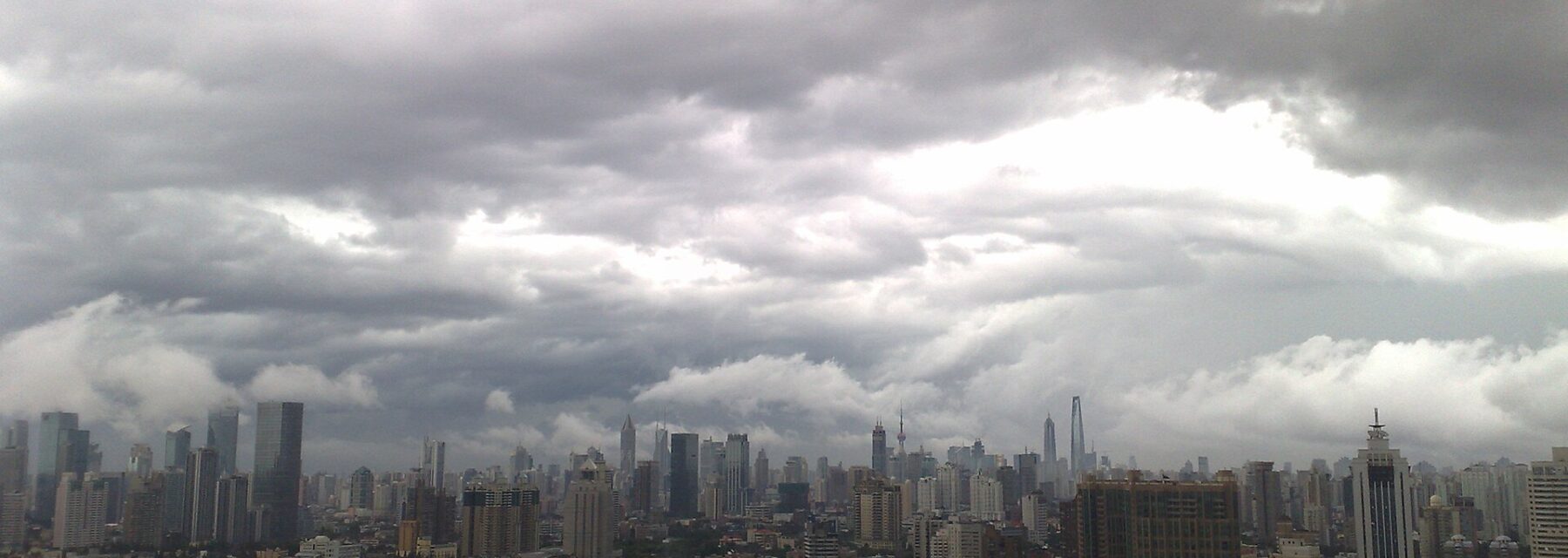
The 1991 to 2020 averages for Xujiahui give the city 1,336.6 mm of rain a year. It falls unevenly. The wettest months are June, with 224.9 mm over 14.3 rainy days, and August, with 225.9 mm. October averages only about 7.5 rainy days, and the winter months see less rain, though January and February still average more than ten damp days each.
Three kinds of wet weather are worth knowing about:
- The plum rains (meiyu). Shanghai’s official weather service describes the plum rain season as often falling in June and July: weeks of humid, heavy, on-and-off rain. In 2026 the city entered the plum rain season on 18 June. It’s the one stretch of the year when rain shapes whole days rather than a few hours. The season varies wildly: the same explainer gives the longest on record as 58 days, in 1954, and the shortest as under four days, and 1999 brought a record 815.4 mm (the city’s explainer).
- Typhoons. The city government puts the peak of the typhoon season at late August to mid-September. A passing storm can bring a day or two of heavy rain and wind, and parks and riverside areas may close.
- Winter drizzle. From December to February the rain is lighter but the skies are grey, and with average highs of 8.7°C in January and 10.7°C in February, a wet day feels colder than the thermometer suggests.
Outside the plum rains, most wet days are showers rather than downpours, which means the best plan is a flexible one: an indoor anchor for the day, with the outdoor sights ready for when it clears. Our Shanghai weather month-by-month guide has the full picture.
Things to Do in Shanghai When It Rains: At a Glance
Prices are adult prices, checked in November 2026 against the venues’ own sites and the city’s official listings.
| Idea | Where | Getting there | Cost | Time needed |
|---|---|---|---|---|
| Shanghai Museum East | Pudong | Line 2, Science and Technology Museum, Exit 8 | Free, no booking for the permanent galleries | 3 to 4 hours |
| Shanghai Science and Technology Museum | Pudong | Line 2, Science and Technology Museum | ¥45 | Half a day |
| Shanghai Natural History Museum | Jing’an Sculpture Park | Line 13, Natural History Museum | ¥30 | 2 to 3 hours |
| Shanghai History Museum | People’s Square | People’s Square station | Free | 2 hours |
| China Art Museum | Pudong | Line 8, Exit 3 | Free permanent galleries | 2 hours |
| Shanghai Jewish Refugees Museum | Hongkou | Metro, then a short walk | ¥20 | 1 to 2 hours |
| ERA2 acrobatics show | Jing’an | Line 1, Shanghai Circus World | ¥361 to ¥880 | An evening |
| Shanghai Ocean Aquarium | Lujiazui | Line 2, Lujiazui | ¥160 | 2 to 3 hours |
| IFC Mall | Lujiazui | Linked to Lujiazui station, Line 2 | Free to browse | As long as you like |
Museums for a Wet Day
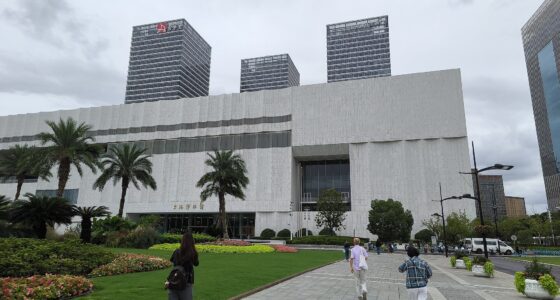
Shanghai Museum East is the obvious first choice. It’s the newer home of the Shanghai Museum’s permanent collection, in Pudong, and it’s big enough to fill a wet morning and an afternoon. It opens from 10:00 to 18:00, with admission stopping at 17:00, and it closes on Tuesdays except on national holidays. The museum says its permanent galleries need no booking, and individual visitors don’t need a ticket for them; bring your passport. Take Line 2 to Science and Technology Museum station and use Exit 8. Until 14 November 2027 the People’s Square building is given over to a ticketed exhibition, On Top of the World Tree: Ancient Civilizations of the Americas, so East is where the permanent galleries are. Our Shanghai Museum guide explains which building is showing what.
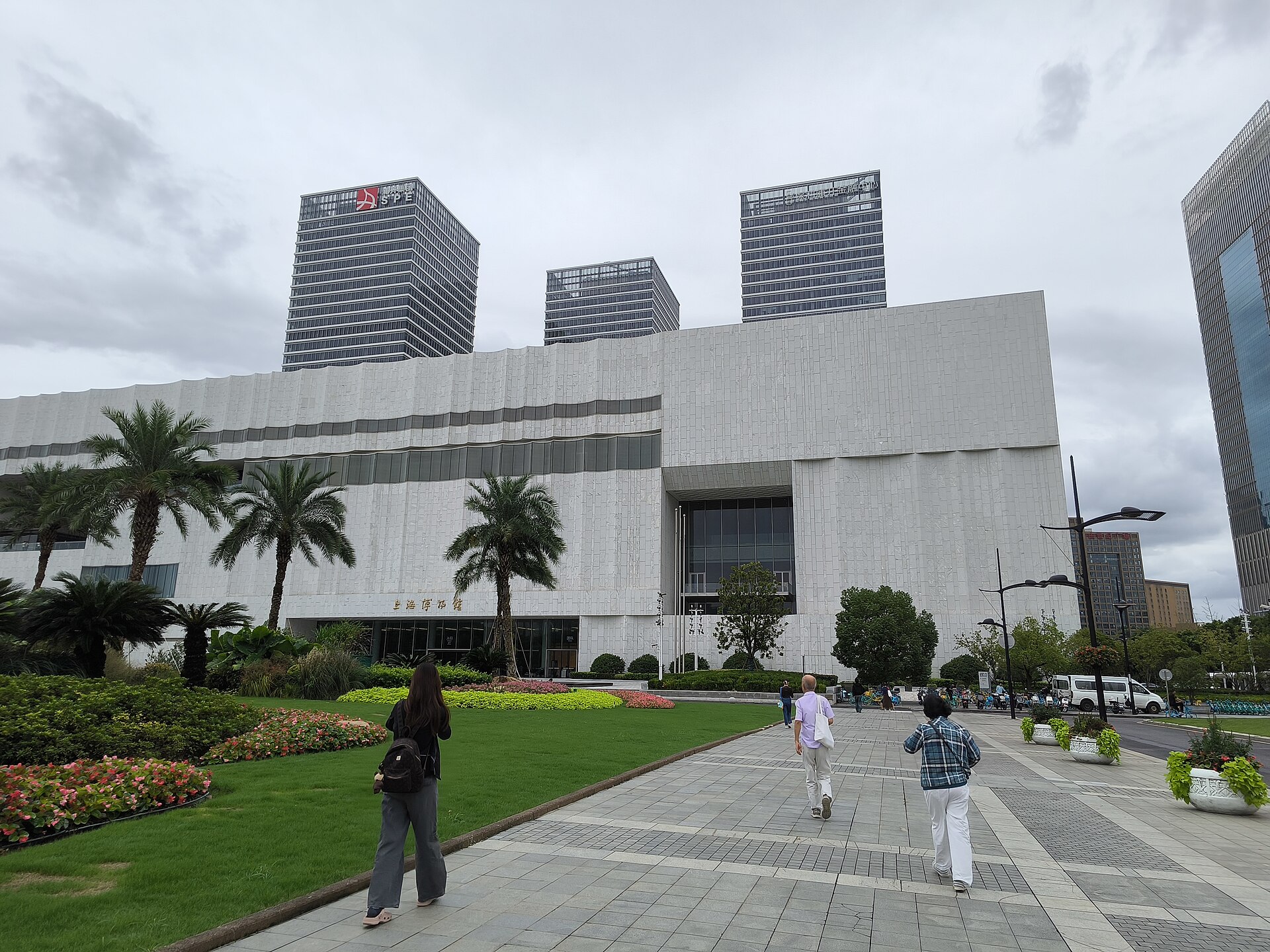
The Shanghai Science and Technology Museum is a short walk along Century Avenue from Museum East, and the two together make a full day. It’s open from 09:00 to 17:00, Tuesday to Sunday, and closed on Mondays except national holidays. Adult tickets cost ¥45, students ¥22 and seniors aged 60 to 69 ¥37, and children under 1.3 metres and visitors over 70 go free. The cinemas charge extra: ¥40 for IMAX 3D, ¥30 for the IMAX dome, ¥30 for 4D and ¥20 for the space theatre (the museum’s ticket page). It has its own stop on Line 2. Our Science and Technology Museum guide picks out the best galleries.
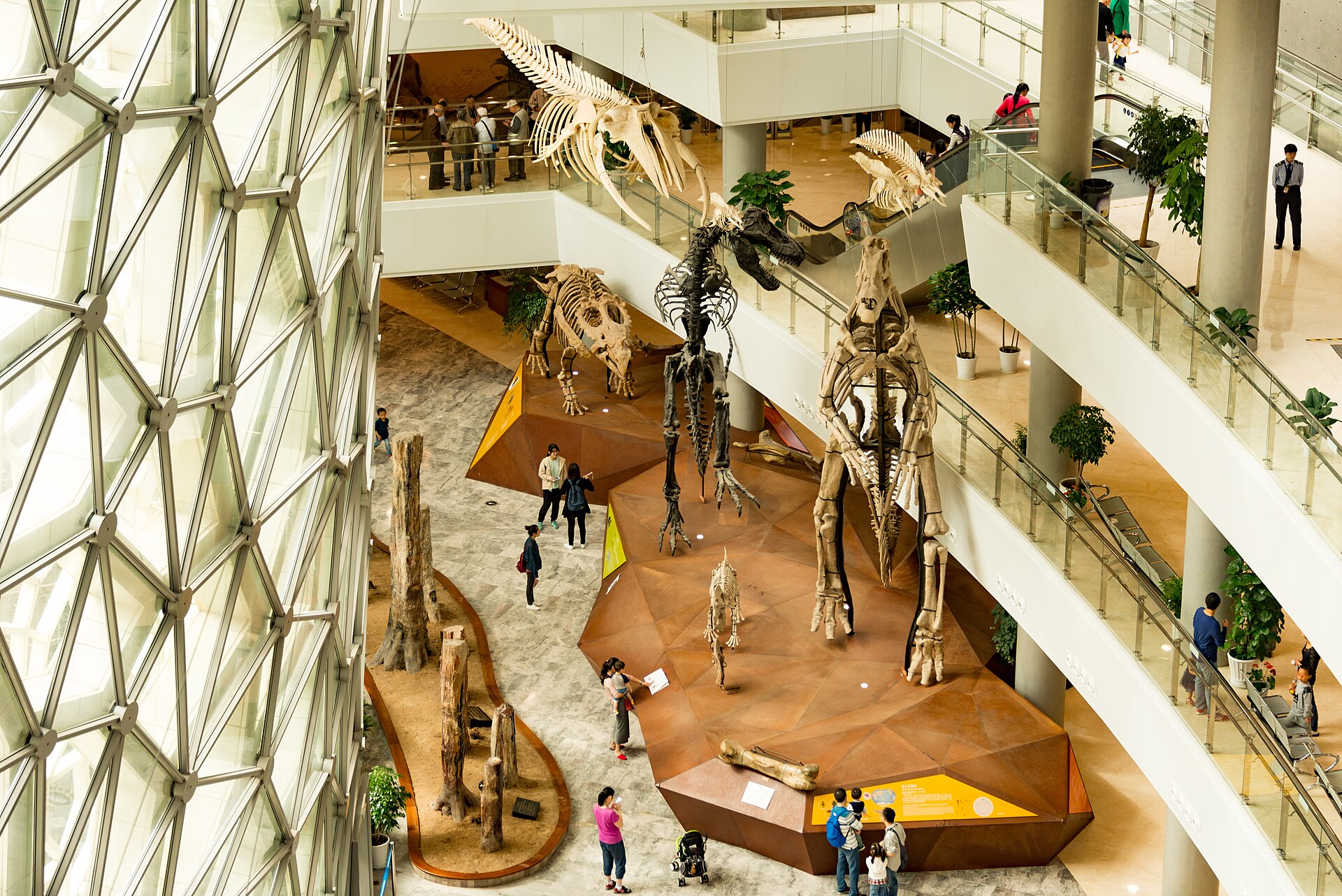
The Shanghai Natural History Museum sits in Jing’an Sculpture Park, in a striking building that opened in 2015. The dinosaur skeletons in its atrium are the star. It’s open Tuesday to Sunday from 09:00 to 17:15, closed on Mondays except national holidays, with bookings taken until 16:30. Adults pay ¥30, seniors aged 60 to 69 ¥25 and students ¥12, and children under 1.3 metres and visitors over 70 go free (the museum’s visitor page, in Chinese). Line 13 has its own Natural History Museum station.
The Shanghai History Museum, at People’s Square, is free, open from 09:00 to 17:00 with last entry at 16:00, and closed on Mondays except public holidays. It’s a good choice if you’re staying in the centre and want a couple of hours on the city’s story before the rain stops.
The Shanghai Jewish Refugees Museum, at 62 Changyang Road in Hongkou, tells the story of the Jewish refugees who lived in the city during the Second World War. It’s open Tuesday to Sunday from 09:00 to 17:00, with no entry after 16:00, and closed on Mondays. Adults pay ¥20, and you need your passport. Pair it with our Jewish heritage guide for the streets around it when the weather lifts.
The Shanghai Museum of Arts and Crafts is the small, old-fashioned choice, in a French Concession villa. The city’s museum listing gives the adult ticket as ¥8, with two sessions a day, 09:00 to 11:30 and 13:00 to 16:30, and closure on Mondays. It’s a good hour if you’re already in the area and the rain is heavy.
Galleries and Art
The China Art Museum, inside the former China Pavilion from Expo 2010 in Pudong, is vast, red and free for its permanent exhibitions. It’s open from 10:00 to 18:00, Tuesday to Sunday, with last admission at 17:00, and it closes on Mondays except holidays. Take Line 8 and use Exit 3 of China Art Museum station. It’s a very good-value rainy afternoon: hours of art for nothing, under a huge red roof.
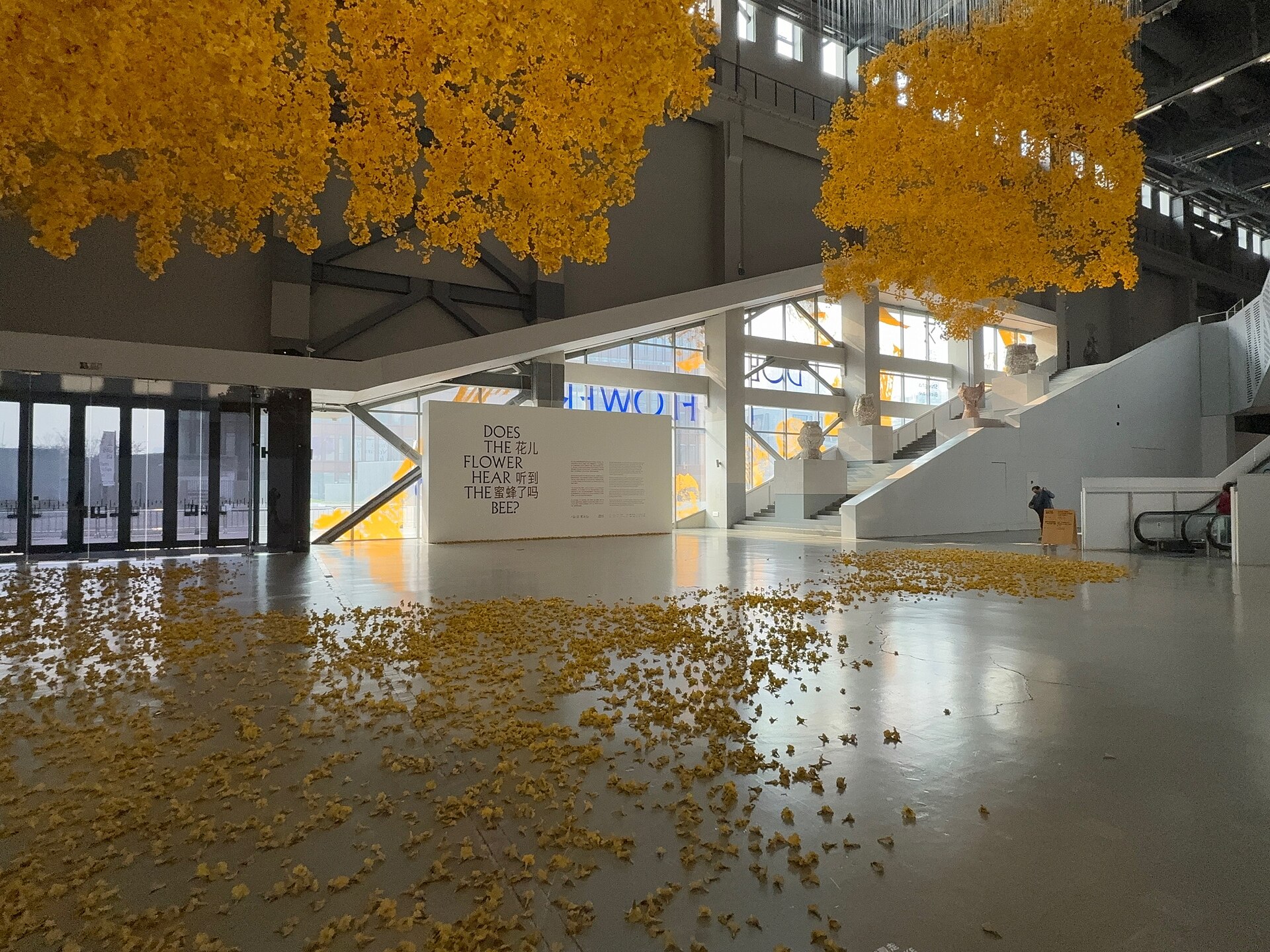
The Power Station of Art, at 678 Miaojiang Road on the old Expo riverfront, is China’s first state-run contemporary art museum, in a converted power station with a chimney you can see from across the river. Its shows change through the year and ticketing depends on the show, so check the museum’s own site, powerstationofart.com, for what’s on and when it’s open before you go.
If the rain is light, the museums of the West Bund are another option, though you’ll be walking between them along the river. The Long Museum West Bund keeps late hours: from 1 November to 31 March it opens until 17:30 from Tuesday to Thursday and until 20:00 from Friday to Sunday, and it closes on Mondays, which makes it a rare museum for a wet evening. The West Bund Museum, run with the Centre Pompidou, is showing the Computer Worlds exhibition until 14 February 2027, open 11:00 to 18:00 every day except Monday. Our West Bund guide has what each costs and when it opens, and our best museums in Shanghai guide ranks the lot.
An Evening Show
A wet evening is the perfect excuse for the acrobats. ERA2 – Spirit of Shanghai, the resident show at Shanghai Circus World, is listed on the operator’s site from 12 November 2026 to 28 February 2027, with tickets from ¥361 to ¥880. The theatre is at 2266 Gonghexin Road in Jing’an, and Line 1 stops at Shanghai Circus World station (Shanghai Circus World). Check the operator’s calendar for show times on your date and book a day or two ahead.
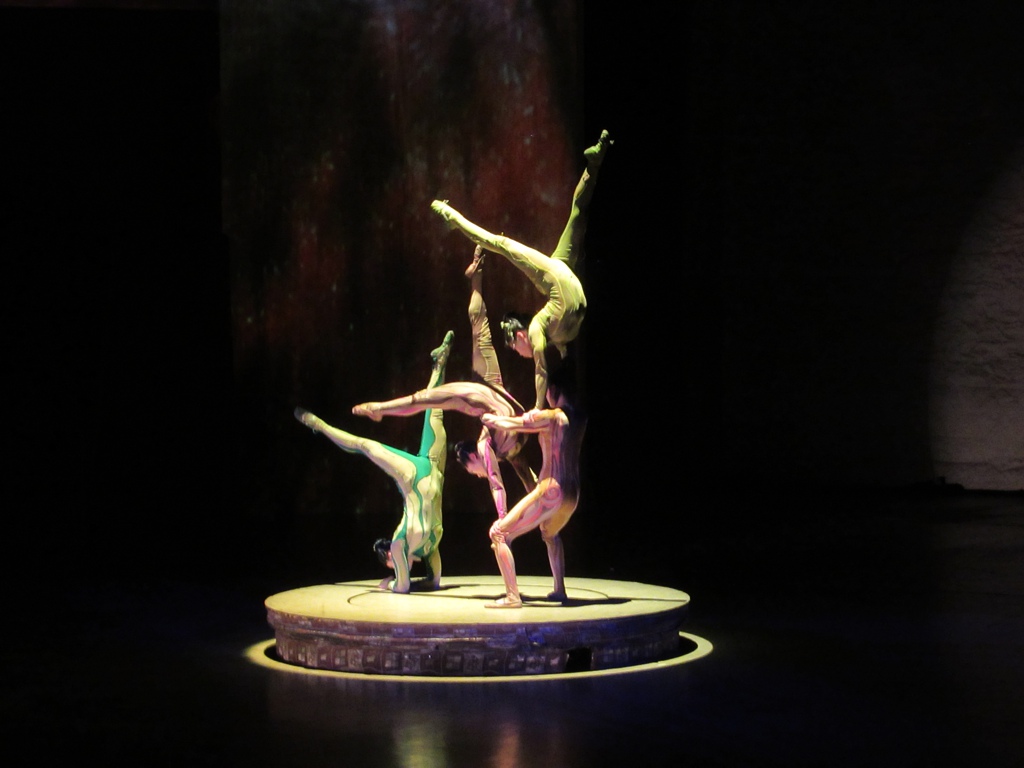
The show is spectacular and family-friendly, and it’s an easy way to fill an evening when the Bund is under cloud. Our guide to the Shanghai acrobatics show covers where to sit and how to book.
Eat Your Way Through a Wet Afternoon
Rain is the best excuse there is for a long lunch. Shanghai’s food culture is built around indoor eating, and some of its signature dishes are made for a cold, wet day.
- Soup dumplings. A steaming basket of xiaolongbao is the classic Shanghai cure for a damp morning. Our guide to the best xiaolongbao names the places worth the queue.
- Hot pot. A bubbling pot in the middle of the table turns a grey afternoon into an occasion, especially in winter. Our hot pot guide covers the styles and the etiquette.
- A cooking class. Learn to fold dumplings or cook a few Shanghainese dishes, then eat what you’ve made. Classes run indoors whatever the weather, and our Shanghai cooking classes guide lists the options.
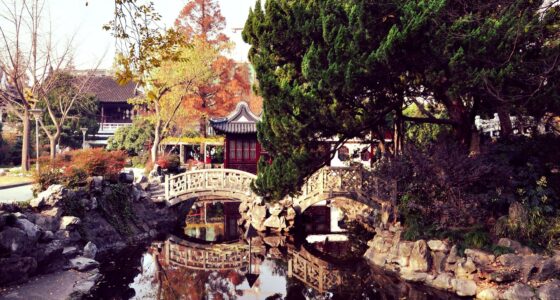
- Tea in Yu Garden. The Huxinting Teahouse, in the middle of the lake by Yu Garden, reopened in July 2025 after nearly two years of restoration. On a rainy day the lake and the zigzag bridge outside the windows are at their moodiest. Check the opening hours when you arrive.
Malls You Can Reach Without Going Outside
The simplest rainy-day trick in Shanghai is to travel by metro and step straight into a mall. These have a confirmed underground connection:
- IFC Mall, Lujiazui. Its LG2 level links directly with Lujiazui station on Line 2, according to the developer, so you can go from the metro to the shops, restaurants and cinema without seeing the sky (Shanghai IFC).
- iapm, Huaihai Road. It sits on top of South Shaanxi Road station and connects to it, which puts the old French Concession’s shops and cafés a few minutes away when the rain stops.
- HKRI Taikoo Hui, West Nanjing Road. The developer’s factsheet gives it direct access to Metro Line 13. Lines 2 and 12 also stop at West Nanjing Road station, nearby.
- K11 Art Mall, Huaihai Road. The developer describes it as connected to South Huangpi Road station. It combines shops with art exhibitions, which helps on a long wet afternoon.
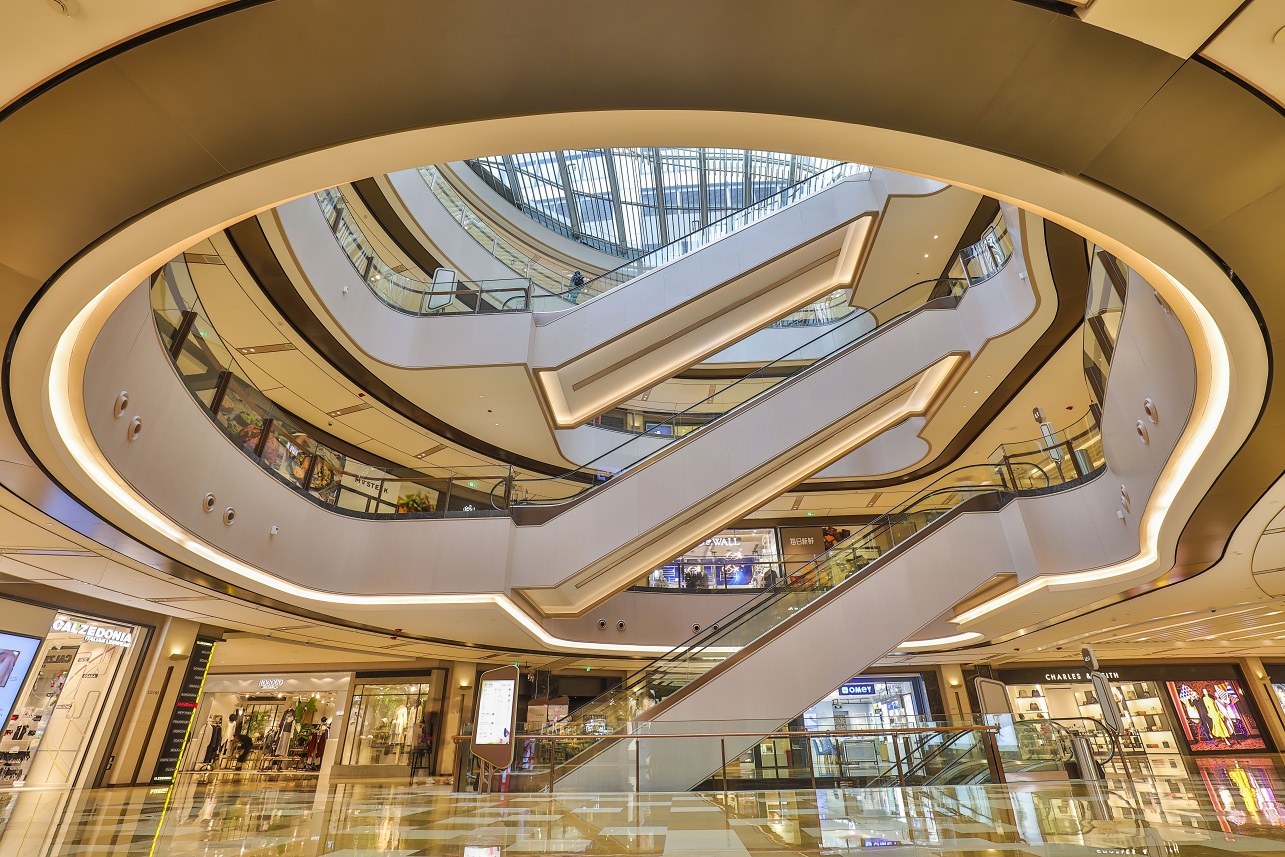
Raffles City, next to People’s Square, is another option for a short dash from the station. Our best malls in Shanghai guide covers what each one is good for.
Massages, Tea and Slow Afternoons
Some wet days are better spent slowing down than sightseeing. A foot massage is the classic Shanghai way to do it: an hour in a reclining chair with tea, usually booked on the day. Spas range from simple neighbourhood places to hotel spas, and our Shanghai massage and spa guide explains what to expect, what it costs and how to book.
Cafés are the other answer. Shanghai has a serious coffee culture, and many of the best cafés are in the old lane houses and villas of the former French Concession, a short dash from the metro. A rainy afternoon with a book and a window seat is one of the city’s underrated pleasures, and our Shanghai coffee guide has the places.
Things to Do in Shanghai When It Rains With Kids
Children are the people a rainy day hits hardest, and Shanghai is well set up for them.
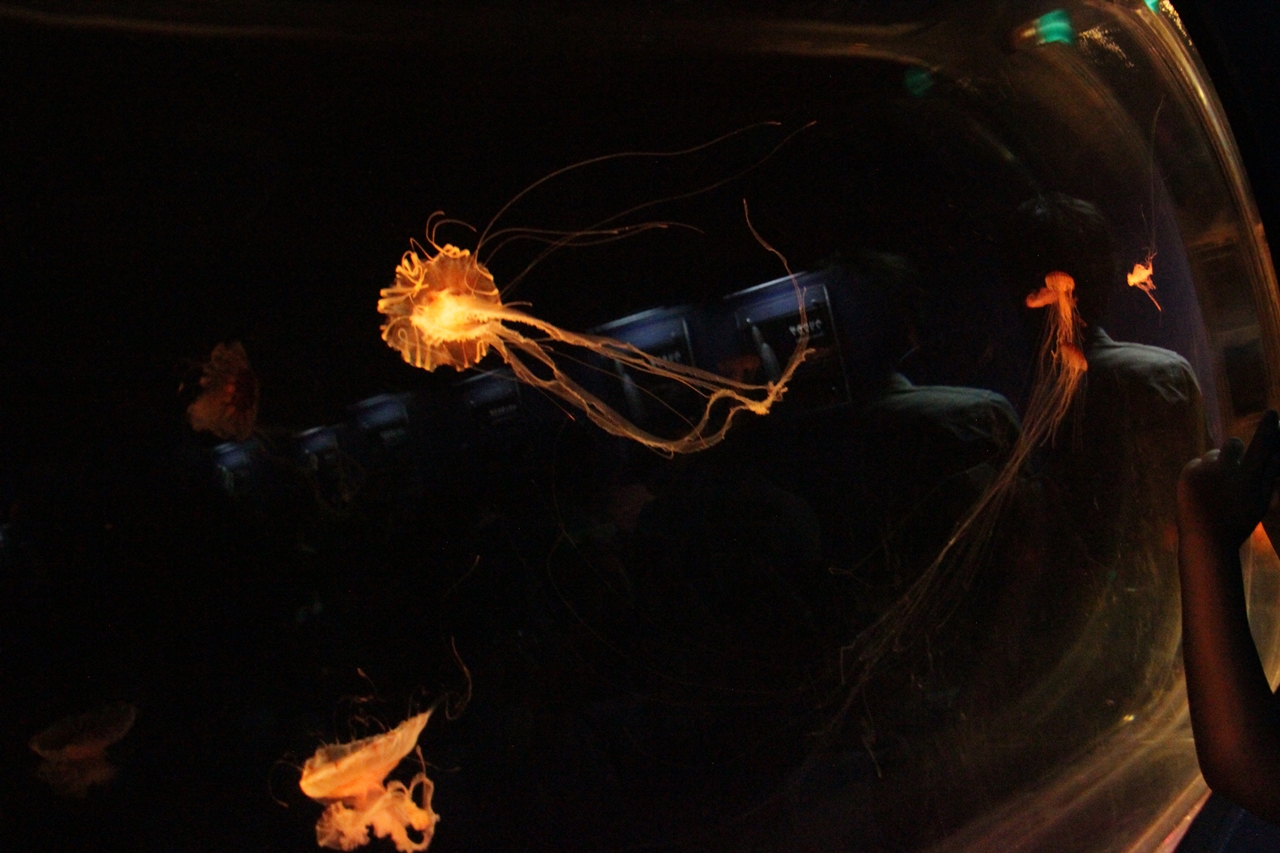
- Shanghai Ocean Aquarium, in Lujiazui, charges ¥160 for adults and ¥110 for children between 1.0 and 1.4 metres or under ten, and online tickets bought a day ahead are ¥5 cheaper. It’s a short walk from Lujiazui station on Line 2.
- The Natural History Museum has the dinosaurs, and the Science and Technology Museum has hands-on galleries and the IMAX cinemas. Children under 1.3 metres go free at the Science and Technology Museum.
- The Shanghai Astronomy Museum, out at Lingang, is a whole-day trip on Line 16 to Dishuihu station, and it needs booking in advance with a passport. Our Shanghai Astronomy Museum guide has the details.
Our Shanghai with kids guide has more ideas for wet and dry days alike.
A Rainy-Day Plan Along Metro Line 2
This plan keeps you on one metro line and almost entirely indoors:
- 10:00, Shanghai Museum East. Take Line 2 to Science and Technology Museum, Exit 8, and spend the morning in the galleries.
- 13:00, lunch. Eat near the museums, or ride Line 2 towards town for more choice.
- 14:00, Shanghai Science and Technology Museum, along Century Avenue, if you have children or want an IMAX film. Otherwise, go straight to Lujiazui.
- 16:00, Lujiazui. Ride Line 2 to Lujiazui and either visit the Ocean Aquarium or walk into IFC Mall through its metro link.
- Evening, ERA2. Take Line 2 to People’s Square, change to Line 1 and ride north to Shanghai Circus World for the acrobats.
If the rain clears in the evening, swap the show for a walk on the Bund, which is often at its best just after a downpour, when the pavements shine and the crowds are thin.
Getting Around Shanghai in the Rain
The metro is your best friend. It covers almost everywhere a visitor goes, and in a downpour the stations fill with people waiting for a break in the weather, so it pays to plan your exits: many stations have several, and some are much closer to your destination than others. Our Shanghai metro guide explains how to find the right one.
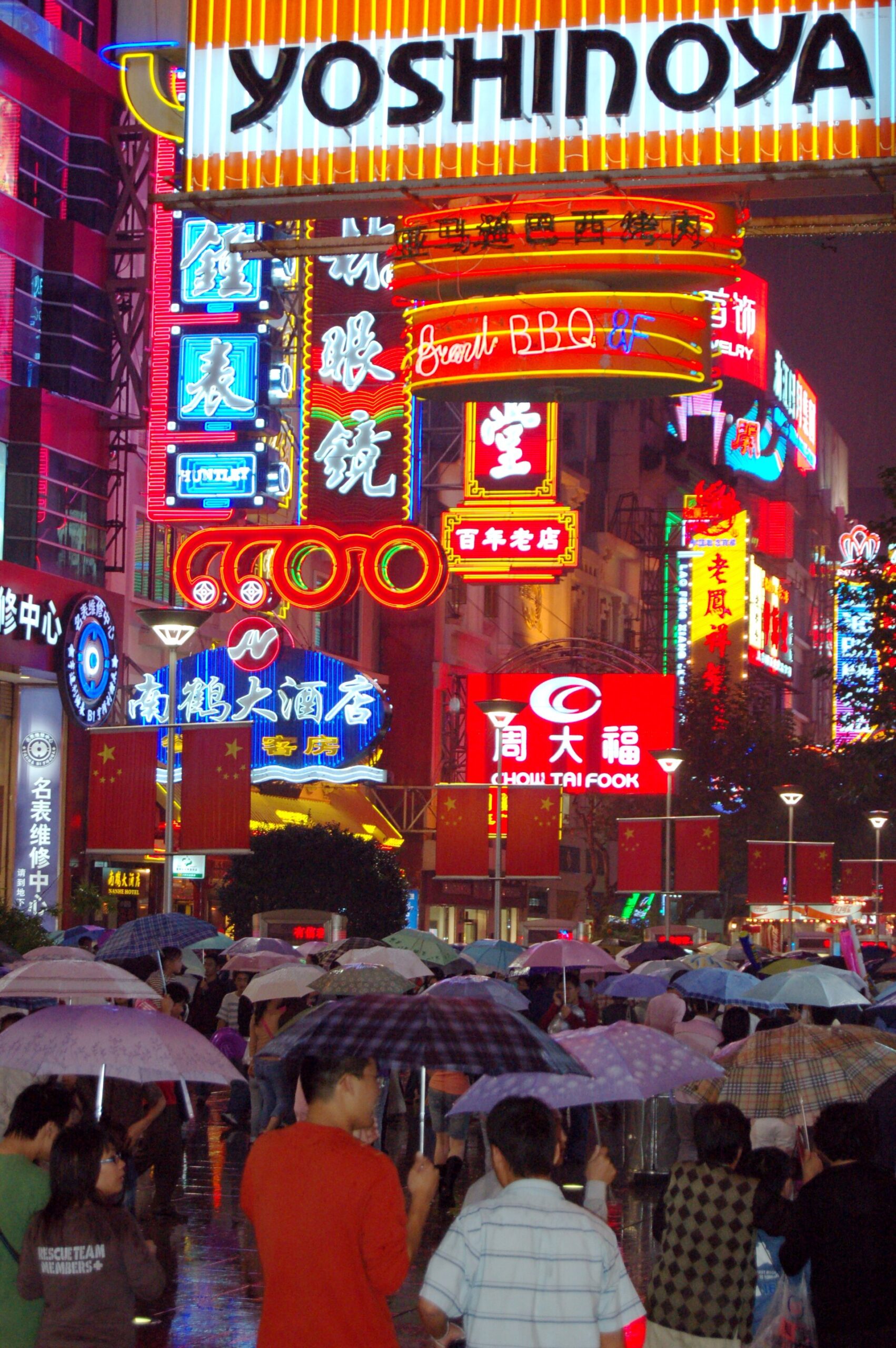
Taxis and ride-hailing are harder to get when it pours, exactly when everyone wants them, so allow extra time or stick to the metro. If you’re caught out without an umbrella, convenience stores sell them. And if a typhoon warning is issued, take it seriously: parks and riverside areas close, and the official warnings are the ones to follow.
Rainy Days by Season
Summer (June to August). The rain is warm and heavy, and the air is thick: July’s average high is 33.2°C. The problem isn’t getting wet so much as getting soaked in sweat between air-conditioned buildings. Plan days that move from museum to mall to metro without long walks, and save the old lanes for a dry evening. During the plum rains, expect several wet days in a row rather than the odd shower.
Typhoon days (late August to mid-September). When a typhoon passes, the city can close parks, riverside paths and some attractions at short notice. Follow the official weather warnings, keep to the metro and the big indoor venues, and don’t plan a Huangpu River cruise or a water-town day trip until the storm has gone through.
Autumn and spring. Rain is lighter and more scattered, and these are the easiest seasons for a flexible day: a museum in the morning, and the Bund or the French Concession in the afternoon if it clears. October has the fewest rainy days of the warm months.
Winter (December to February). Cold drizzle and grey skies, with highs around 9 to 11°C. This is hot pot weather, and the season when a long museum day and a foot massage make the most sense. Our Shanghai in winter guide covers the rest of the season.
What to Carry on a Wet Day
- A compact umbrella. Better than a poncho in summer, when plastic turns into a sauna, and easy to buy at any convenience store if you forget yours.
- Shoes that can get wet. Pavements and metro stairs get slippery, and canvas trainers stay wet all day. Sandals with grip are fine in summer.
- A zip bag for your passport and phone. Museums and some attractions want your passport, and you’ll be using your phone to pay for everything.
- A light layer. Museums and malls run their air conditioning hard in summer, and the change from the humid street can be sharp.
- A power bank. Navigation, translation and payment on a wet day drain a phone faster than you’d think.
Our Shanghai packing guide covers the rest, season by season.
Common Mistakes
- Going to Shanghai Museum East on a Tuesday. It’s closed on Tuesdays except on national holidays. The Science and Technology Museum and the China Art Museum close on Mondays, and the Natural History Museum on Tuesdays.
- Heading up a skyscraper. On a rainy, cloudy day the observation decks often look straight into cloud. Save them for a clear day.
- Going to the old People’s Square museum for the permanent galleries. Until 14 November 2027 they’re at Shanghai Museum East.
- Waiting for a taxi in a downpour. The metro is quicker and drier.
- Forgetting your passport. Several museums, including Shanghai Museum East and the Jewish Refugees Museum, want ID at the door.
- Writing off the whole day. Most wet days in Shanghai are showers, not downpours. Keep an outdoor plan ready for when it clears; the Bund after rain is one of the best sights in the city.
Frequently Asked Questions
What can you do in Shanghai when it rains?
Spend the day in the museums, above all Shanghai Museum East and the Science and Technology Museum next door, see the acrobats in the evening, eat soup dumplings or hot pot, and use malls connected to the metro, such as IFC Mall at Lujiazui, to stay dry.
When is the rainy season in Shanghai?
The plum rain season usually falls in June and July; in 2026 it began on 18 June. June and August are the wettest months on the long-term averages, and typhoons peak from late August to mid-September.
Which Shanghai museums are open on Mondays?
Shanghai Museum East is the big one: it closes on Tuesdays instead, and so does the Natural History Museum. Most others close on Mondays, including the Science and Technology Museum, the Shanghai History Museum, the China Art Museum, the Long Museum, the West Bund Museum and the Jewish Refugees Museum; several open on national holidays, so check before you go.
What is the plum rain season?
The meiyu, or plum rains, is a spell of persistent, humid rain that Shanghai’s weather service says often falls in June and July. In 2026 it began on 18 June. Its length varies from a few days to nearly two months.
Is Shanghai Museum East free?
Yes, for individual visitors to the permanent galleries, with no ticket or booking needed. Bring your passport. It’s closed on Tuesdays except national holidays.
What are the best indoor things to do in Shanghai with kids?
The Shanghai Ocean Aquarium, the dinosaurs at the Natural History Museum, the hands-on galleries and IMAX cinemas at the Science and Technology Museum, and the acrobats at Shanghai Circus World.
Which Shanghai malls connect to the metro?
IFC Mall links directly with Lujiazui station on Line 2, iapm sits on top of South Shaanxi Road station, and HKRI Taikoo Hui has direct access to Line 13. The developer of K11 describes it as connected to South Huangpi Road station.
Is it worth visiting Shanghai in the rainy season?
Yes, if you plan around it. The museums and the food carry a wet day easily, but June and July are humid and heavy, so spring and autumn are the more comfortable seasons.
How much is the acrobatics show in Shanghai?
ERA2 – Spirit of Shanghai at Shanghai Circus World is listed at ¥361 to ¥880 for its run from 12 November 2026 to 28 February 2027. Check the operator’s calendar for the times.
Should I go up the Shanghai Tower if it’s raining?
Usually not. Low cloud and rain can hide the view completely, so keep the observation decks for a clear day and spend the wet one in a museum.
Is the metro a good way to get around in the rain?
Yes. It’s the quickest and driest way around the city, and taxis and ride-hailing get harder to find when it pours.
When the sun comes back, our things to do in Shanghai guide has the outdoor half of the city. For seasonal planning, our guide to Shanghai in summer covers the heat and the plum rains.
Photo credits.
Rain clouds over Shanghai: A picture from China every day 094 by Carsten Ullrich, CC BY-SA 2.0, via Wikimedia Commons.
Shanghai Museum East: 2026-10-02 Shanghai Museum East 上海博物馆东馆 02 by 源義信, CC BY 4.0, via Wikimedia Commons.
Natural History Museum atrium: 23009-Shanghai (32687845200) by xiquinhosilva, CC BY 2.0, via Wikimedia Commons.
Power Station of Art: 15th Shanghai Biennale by Hihitytyty, CC0, via Wikimedia Commons.
Acrobats at Shanghai Circus World: ERA Intersection of Time (40643007802) by David Stanley, CC BY 2.0, via Wikimedia Commons.
HKRI Taikoo Hui: HKRI Taikoo Hui interior by HKR International, Attribution, via Wikimedia Commons.
Shanghai Ocean Aquarium: China – Shanghai Ocean Aquarium 02 by Vanvelthem Cédric, CC BY-SA 4.0, via Wikimedia Commons.
Umbrellas on Nanjing Road: Advertising and Rain – Flickr – @yakobusan Jakob Montrasio by Jakob Montrasio, CC BY 2.0, via Wikimedia Commons.