Booking one of Shanghai’s cooking classes or food tours is the cheapest way to stop guessing at menus and start understanding them. Shanghai cooking classes usually run three to four hours: a wet-market walk, a small kitchen with six to twelve students, two or three dishes made properly, then you sit down and eat what you made. Food tours do the opposite job — they teach you what to order and where, across four or five stops in a single neighbourhood. This 2026 guide covers what each actually includes, what the current prices really are, which operators are still running, and how to choose between them.

Table of Contents
- The Short Version
- Class & Tour Types
- What Actually Happens in a Class
- Shanghai Cooking Classes Worth Booking
- Dumpling-Specific Classes
- Shanghai Food Tours: The Other Option
- Shanghai Cooking Classes vs Food Tours
- The Wet Market Visit
- What You’ll Learn to Cook
- Prices & Booking
- How to Choose
- Families, Kids & Dietary Needs
- A Worked Example: A Food Weekend
- Preparation Tips
- Common Mistakes
- Practical Tips
- FAQ
The Short Version
Book a food tour first. It is the higher-value experience for most visitors: three hours, ten-plus tastings, a guide who explains what you are eating. You leave able to order confidently for the rest of the trip.
Book a cooking class if you actually cook at home. The skill that survives the flight is dumpling pleating, wok heat management, or knowing that Shanghainese red-braising needs rock sugar and Shaoxing wine. If you will never make it again, the tour is the better afternoon.
Do both if you have four days or more. Tour early in the trip, class later — you will get far more out of a class once you know what the dish is supposed to taste like.
Class & Tour Types
- Half-day cooking class with market visit — 3.5–4 hours; 2–3 dishes
- Dumpling-focused class — 1.5–3 hours; one or two styles, made from scratch
- Full-day food tour and cooking combo — around 6 hours
- Private class — solo, couple or family, recipes chosen with you
- Food walking tour — no cooking; 3 hours of eating and explanation
- Evening drinks-and-food crawl — around 3 hours, multi-stop
- Vegetarian or vegan class and tour — limited but genuinely available
- Kids’ workshops — shorter, seasonal, aimed at ages 6–12
The distinction that matters most is hands-on versus demonstration. A demonstration class is a chef cooking while you watch and taste. A hands-on class is you at a station with your own board, knife and wok. Both are sold as “cooking classes”. Ask before you pay.
What Actually Happens in a Class
A typical half-day class, hour by hour, so you know what you are buying:
- 0:00 — Meet. Usually a metro exit rather than the kitchen itself. Small group, quick introductions.
- 0:15 — The market. Forty-five minutes walking a wet market while the instructor names things: live river shrimp, ten kinds of leafy green, tofu skin in sheets, the vinegar aisle. Some classes shop for the day’s ingredients here; others use the walk purely to teach.
- 1:00 — Kitchen and prep. Aprons on, knife skills, how to hold a Chinese cleaver, why the wok goes on maximum heat and stays there.
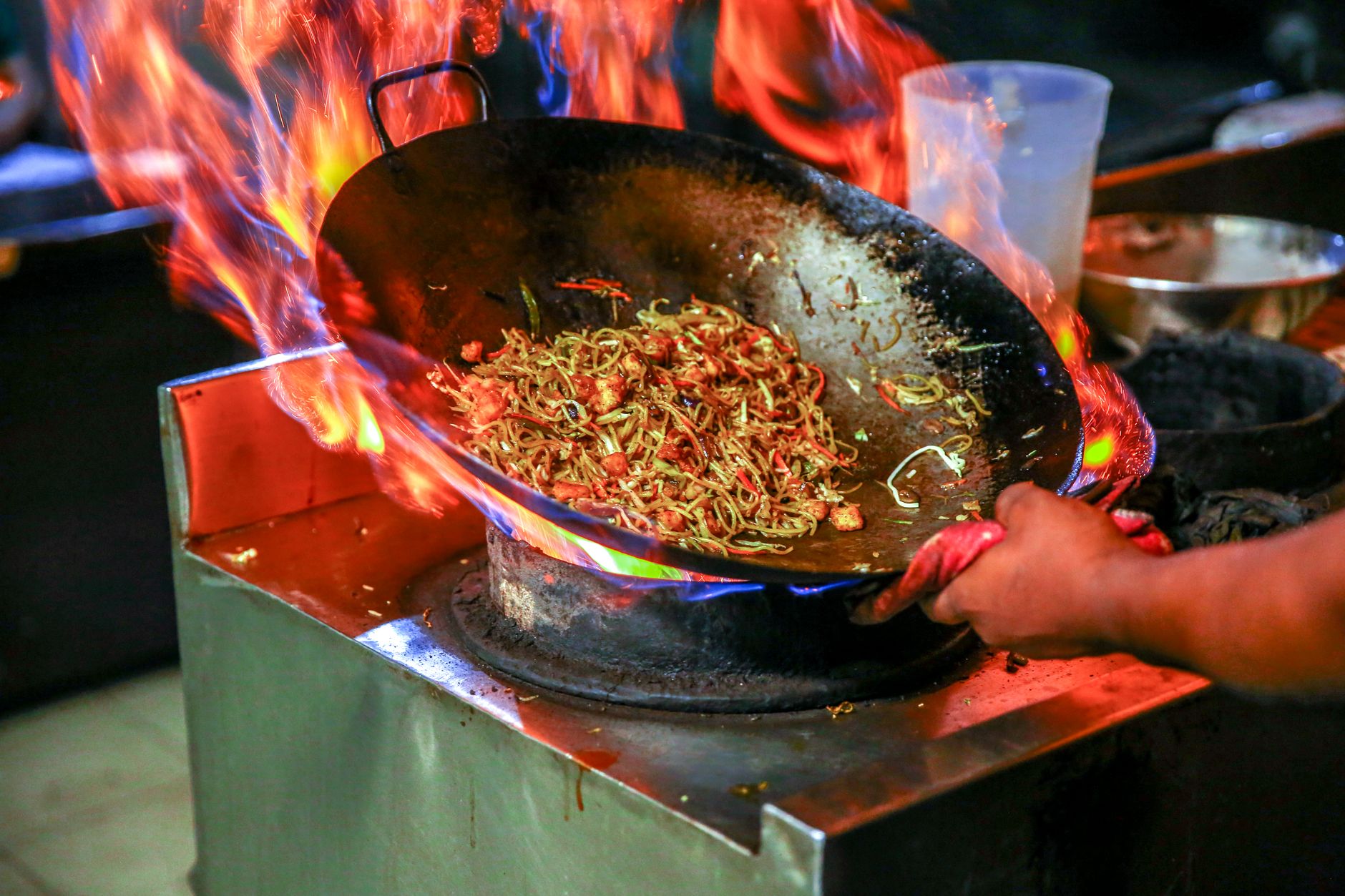
- 1:30 — Cooking. Two or three dishes, usually one dough-based, one stir-fry, one braise or soup. In a good class you cook each one yourself rather than adding a token ingredient to a communal pan.
- 3:00 — Eating. You sit and eat what you made, usually with rice and tea provided. This is where the good questions get asked.
- 3:45 — Recipe cards. English recipes to take home, with notes on which ingredients you can substitute outside China.
What a class is not: a restaurant meal. Portions are what three amateurs produced in ninety minutes, and one of them will be salty. Eat a small breakfast, not none at all.
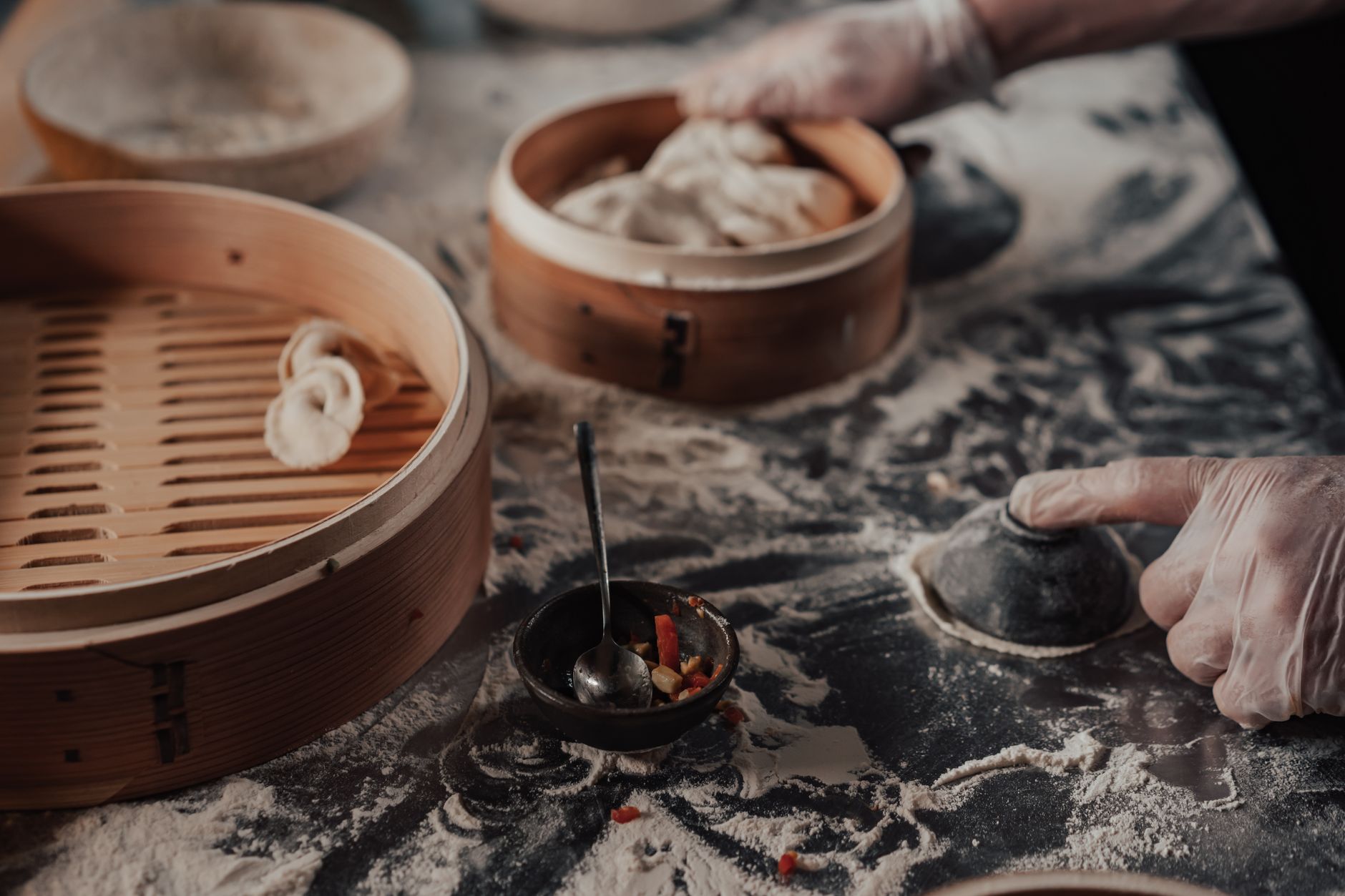
Shanghai Cooking Classes Worth Booking
An honest note first: Shanghai’s cooking-school scene churns. Schools that dominated recommendation lists for a decade have gone quiet, and some sites still listed by aggregators have not updated since 2018. Confirm dates and prices with the operator before you pay, and be wary of any listing that cannot show you a class in the next fortnight.
UnTour Food Tours
UnTour runs hands-on classes alongside its tours, with a local chef and an English-speaking guide in the room. The Jianbing Cooking Class runs 1.5 hours at RMB 385 per person, meeting near Zhaojiabang Road station, and you make three of the crepes yourself, including the batter, the crisp wonton cracker inside and the sauce. A seasonal mooncake class for children aged 6–12 runs 2 hours at RMB 350 near Linping Road in Hongkou, timed to Mid-Autumn Festival. Groups cap at 12.
Chinese Cooking Workshop
A long-running French Concession school that built the template most others copied: market walk, small class, Shanghainese and Sichuan menus, English instruction. Half-day classes have historically run around ¥400–600. Its web presence has been unreliable of late, so contact them before planning a day around it.
Cook in Shanghai
Runs group classes and private events where you choose the recipes rather than take a fixed menu, includes a wet-market visit, and makes a point of cooking without MSG. Specialities listed include xiaolongbao, hand-pulled noodles, mooncakes and Sichuan dishes. Prices are quoted on enquiry; the ¥500–700 range is what travellers have reported for half-day group sessions.
Hotel and private classes (¥1,500–4,000)
Several high-end hotels run private kitchen experiences with their own chefs — better ingredients, a proper kitchen, one or two guests at a time, and a price that reflects all three. Worth it for a special occasion or a couple who cook seriously. Ask the concierge at your hotel first; most of these are arranged rather than listed. Our luxury hotels guide covers which properties have the kitchens to do it.
Dumpling-Specific Classes
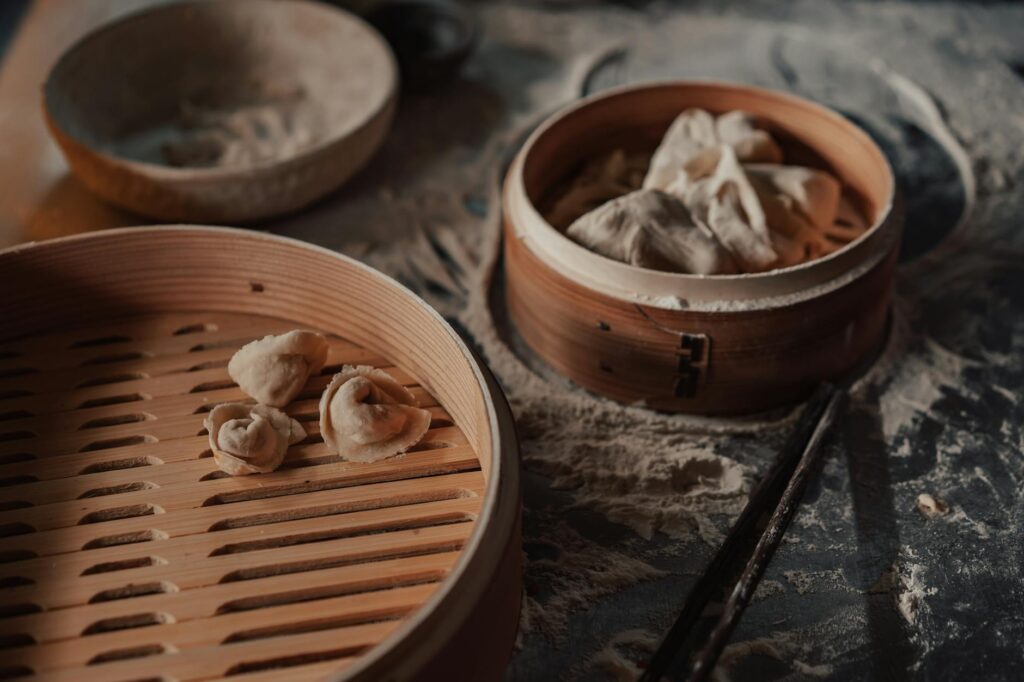
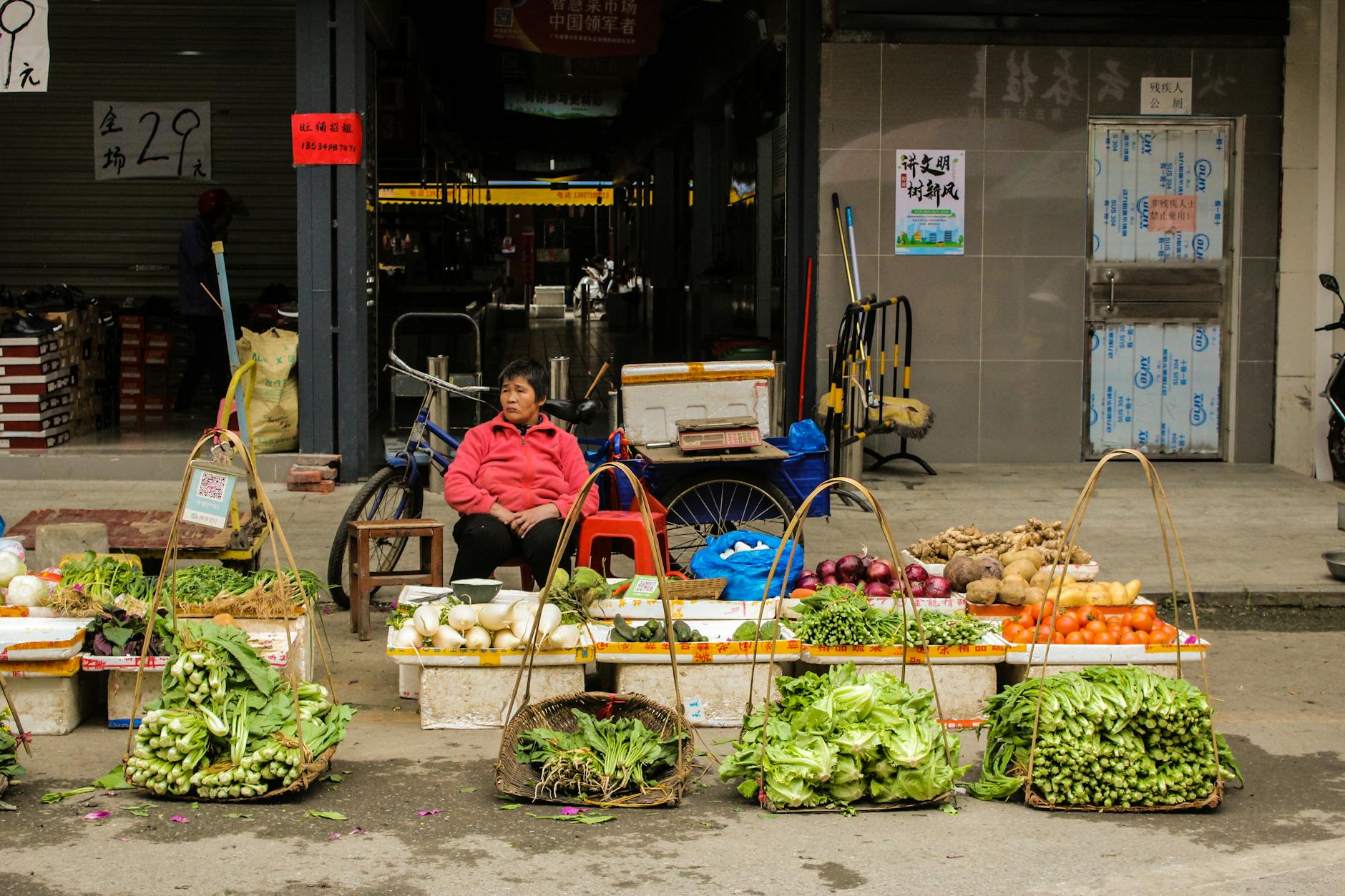
The most-requested class type, and the one with the highest skill-to-time ratio. You are learning dough hydration, rolling a wrapper that is thick in the middle and thin at the edge, and a pleat that holds.
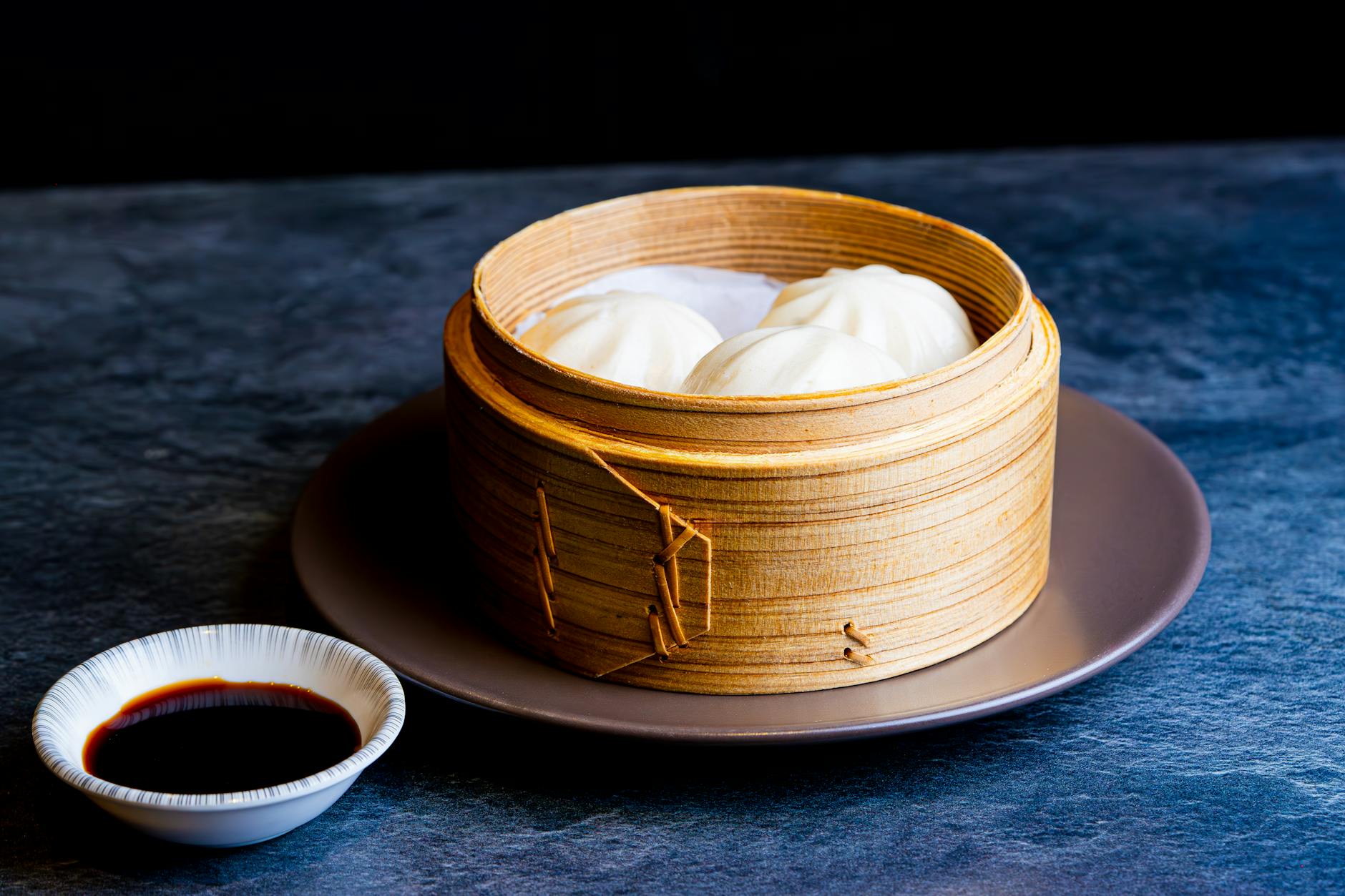
UnTour’s Hands-On Dumpling Delights is the benchmark: 3 hours, RMB 595 for adults and RMB 450 for children aged 6–12, free for under-6s who are not eating. It starts at 10am near Jiashan Road station in the former French Concession, caps at 10 guests plus a guide, and pairs eating with making — you taste 8–9 dishes across fried potstickers, soup dumplings and boiled dumplings from several regions, then make har gow shrimp dumplings from scratch. The translucent wrapper on har gow is harder than it looks, which is rather the point.
Other dumpling classes are advertised through booking platforms at ¥350–600 for two hours, and quality varies more than price does. Three questions separate a good one from a filler: how many wrappers will I roll myself, is the filling made in front of me, and do I take the recipe home in English?
If you would rather eat soup dumplings than fold them, our guide to the best xiaolongbao in Shanghai ranks the places worth queueing for.
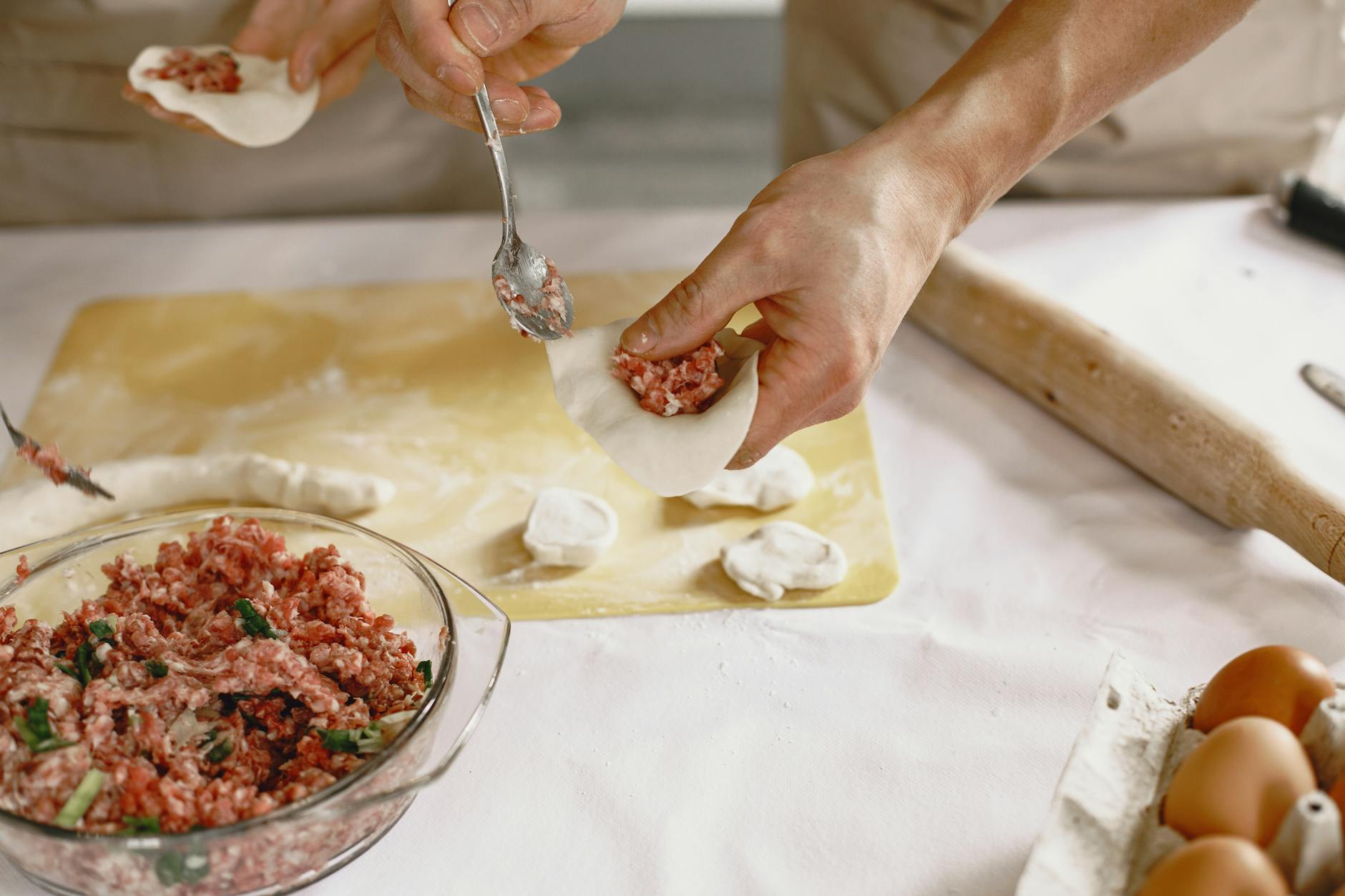
Shanghai Food Tours: The Other Option
UnTour Food Tours
Shanghai’s longest-running food-tour operator, working since 2010, with bilingual guides and small groups. The current line-up:
- Street Eats Breakfast — RMB 525 (children 6–12 RMB 395, under-6s free). Three hours from 8am, meeting near Shaanxi Road South station, 10+ tastings across 4–5 seated stops: jianbing, xiaolongbao, hand-pulled noodles, soy milk, local fried dough. Caps at 12 guests. Shanghai’s best meal is breakfast, and this is the efficient way to prove it.
- Night Eats — RMB 640 (children RMB 480). Three hours from 6pm near Jiangsu Road station, 15+ tastings across 4–5 seated stops, with Chinese beer, baijiu and soft drinks included. Regional cooking rather than only Shanghainese — expect Sichuan and Jiangnan dishes side by side. Caps at 10.
- Vegan Breakfast Tour — around US$75 per person for groups above six, minimum six guests. Three hours, 10+ vegan tastings, same French Concession territory.
- Private tours and team events — quoted per group.
Lost Plate Food Tours
Smaller groups, local Shanghainese guides, and a habit of choosing places that do one dish extremely well. Two daily tours: the Evening Food Tour at US$69, 3.5 hours from 6:30pm through the French Concession with all food and local beer included, and the Coffee & Breakfast Tour at US$59, 3 hours from 8:30am. Book two tours online and 10% comes off.
Platform tours
Klook, Trip.com and Viator all sell 3–4 hour Shanghai walking food tours from roughly ¥400–600. Groups are larger and stops are more predictable, but they are easy to book with a foreign card and often available next-day. Fine if the specialists are full.
For eating without a guide, our street food guide and best food streets cover the same ground at your own pace.
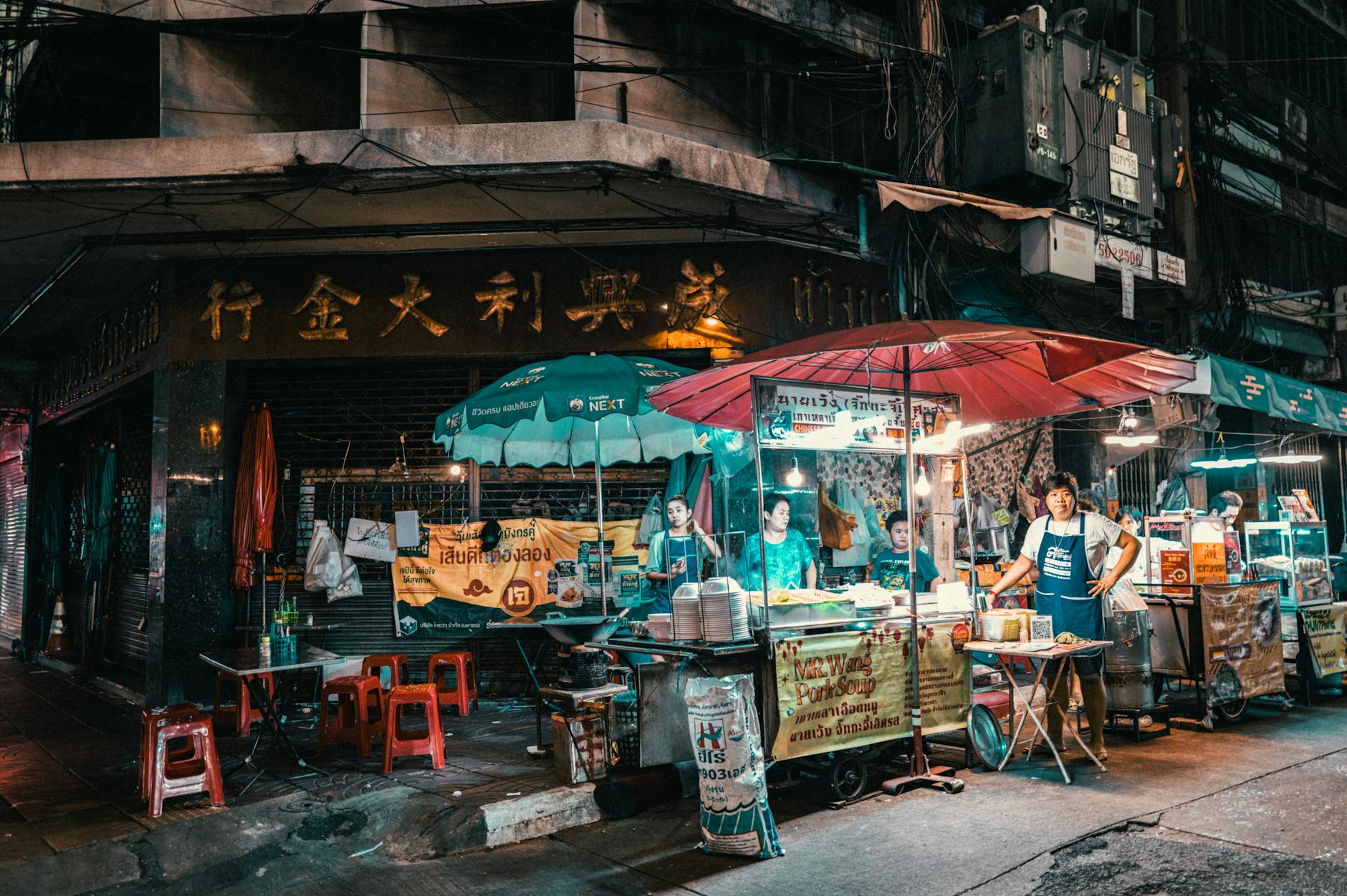
Shanghai Cooking Classes vs Food Tours
| Experience | Typical price | Length | You get | Best for |
|---|---|---|---|---|
| Half-day cooking class with market | ¥400–900 | 3.5–4 hrs | 2–3 dishes cooked, recipes, a full meal | People who cook at home |
| Dumpling class | ¥385–600 | 1.5–3 hrs | One technique learned properly, plus tastings | Almost everyone; the best single class |
| Breakfast food tour | ¥525 / US$59 | 3 hrs | 10+ tastings, 4–5 stops, ordering vocabulary | First-timers, day two of a trip |
| Evening food tour | ¥640 / US$69 | 3–3.5 hrs | 15+ tastings, drinks, regional range | Anyone eating alone otherwise |
| Private class | ¥1,500–4,000 | 3–4 hrs | Chosen menu, one-to-one attention | Couples, serious cooks, special occasions |
| Platform group tour | ¥400–600 | 3–4 hrs | Bigger group, standard route | Late bookers and tight budgets |
Per hour, the tours look expensive next to a ¥30 bowl of noodles. What you pay for is a guide who explains the regional logic of what is in front of you, and access to places you would walk past. Whether that is worth ¥500 depends on how much you like knowing why.
The Wet Market Visit
The market walk is the part people remember, and the part most likely to be quietly dropped from a cheap class. Check it is included.
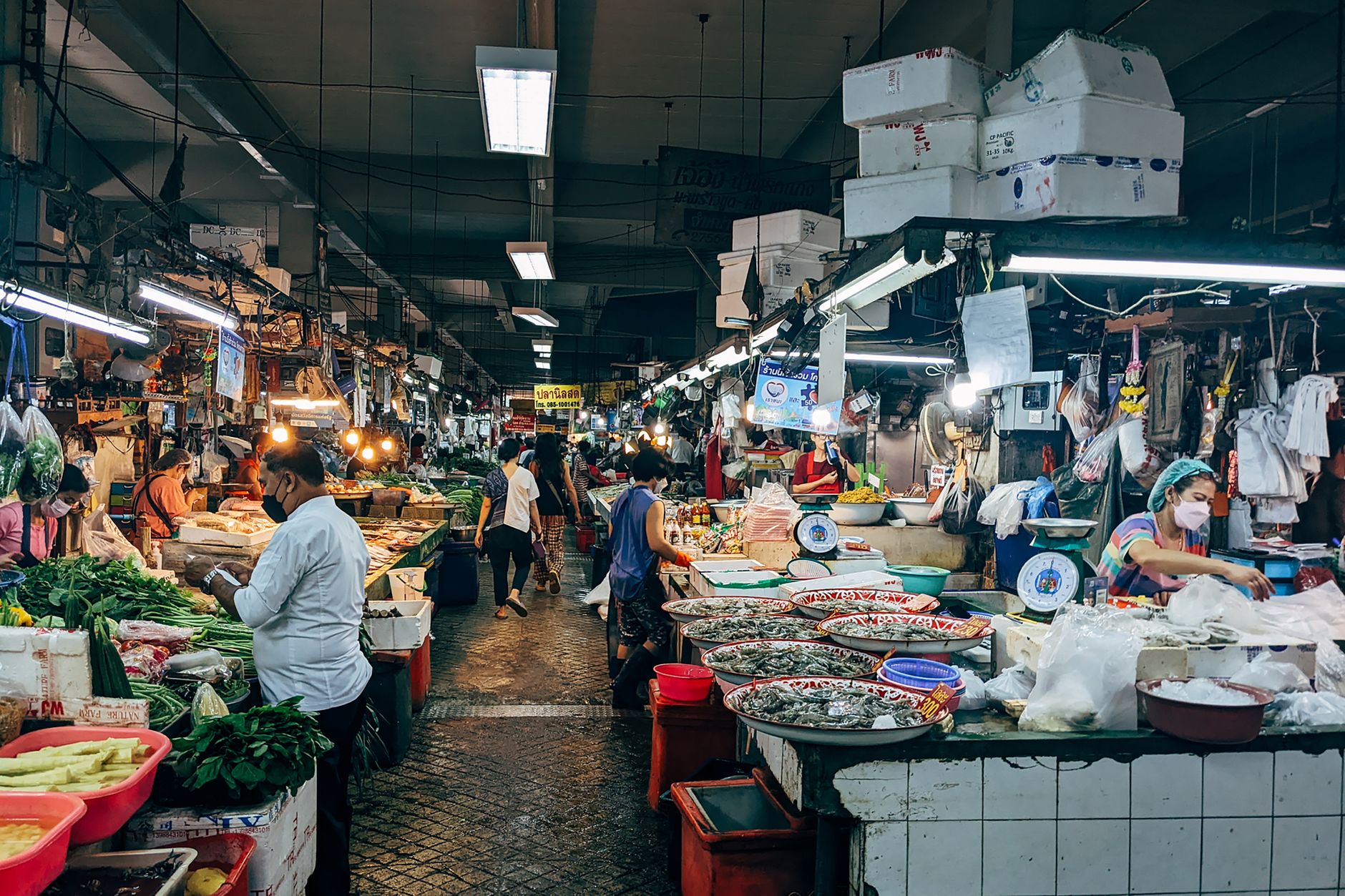
Shanghai’s wet markets are mostly indoors now — tiled, refrigerated, cleaner than the phrase suggests. Expect live fish and eels in tanks, an aisle of tofu in six textures, seasonal greens that change every fortnight, and a dry-goods counter of dried shrimp, mushrooms and chillies. The best classes use it as a lesson: how to tell a fresh river shrimp from a tired one, which greens are for stir-frying and which for soup, why a Shanghainese cook buys pork belly in one specific cut.
Two practical notes. Floors are wet, so wear shoes you do not mind. And photograph freely but ask stallholders first — most will grin and hold something up. In autumn the markets turn over to hairy crab, which is a season worth planning around; see our hairy crab season guide.
What You’ll Learn to Cook
Menus vary, but the dishes that come up again and again in Shanghai classes are these:
- Xiaolongbao — soup dumplings. The trick is the aspic: gelled stock folded into the filling that melts into soup when steamed. Ambitious for a first class but taught everywhere.
- Jiaozi and potstickers — the everyday dumpling. Wrapper, filling, pleat, then boiled or pan-fried with the crisp bottom.
- Hongshao rou — red-braised pork belly, Shanghai’s signature. Soy, rock sugar, Shaoxing wine, an hour of patience.
- Scallion oil noodles — three ingredients, deceptively technical. Get the scallions to the right shade of brown or the whole dish is flat.
- Stir-fried greens with garlic — the wok lesson. High heat, dry pan, no crowding.
- Sweet-and-sour spare ribs — cold-dish Shanghainese, sticky and vinegar-sharp.
- Mapo tofu and kung pao chicken — Sichuan staples, taught for contrast: numbing pepper, dried chilli, a completely different flavour logic.
- Jianbing — the breakfast crepe, made on a flat griddle with egg, sauce and a crisp cracker folded inside.
If you want the background on these dishes before you book, our Shanghai food guide explains where they come from and what to order in restaurants.
Prices & Booking
What things cost
- Group half-day cooking class: ¥400–900
- Dumpling or jianbing class: ¥385–600
- Full-day with market and lunch: ¥600–1,200
- Private class (1–4 people): ¥1,500–4,000
- Group walking food tour: ¥400–650
- Specialist tour (UnTour, Lost Plate): ¥525–640, or US$59–69
- Private custom food tour: quoted per group, from around ¥1,500 per person
Prices at the specialist operators are quoted in both RMB and US dollars, and the dollar price is what your card is usually charged. Watch the conversion if you are budgeting tightly — see how much a Shanghai trip costs.
How to book
- Direct with the operator — best availability, and international cards work on their checkout pages. This is the route to use for UnTour and Lost Plate.
- Klook or Trip.com — instant confirmation, English throughout, useful for last-minute slots.
- Hotel concierge — the only practical way into most private hotel kitchen experiences.
- WeChat mini-programs — where Chinese-language operators live. Cheaper, rarely in English.
Book one to two weeks ahead in spring and autumn, longer around public holidays. Most operators want 24–48 hours’ notice to cancel for a full refund. Payment is nearly always taken online at booking, so you do not need cash on the day — though the apps are worth having anyway, as our guide to essential apps for Shanghai explains.
How to Choose
For serious cooks
A hands-on dumpling class first, then a private class where you pick the menu. Skip the demonstration formats entirely.
For first-time visitors
The breakfast tour, on your second morning. It resets your idea of what Chinese food is, and everything you eat afterwards makes more sense.
For couples
An evening food tour, then a private class later in the trip. Both work better as a pair than alone. More ideas in Shanghai for couples.
For solo travellers
Group classes and tours of 8–12 people are the easiest way to have dinner with other people without arranging anything. Our solo travel guide covers the rest.
For a one or two-day stay
One three-hour tour, morning or evening. A class eats half a day you do not have.
For four days or more
Tour on day two, class on day four, and use the days between to eat at places the guide mentioned. Slot it into a 5-day Shanghai itinerary without much rearranging.
Families, Kids & Dietary Needs
Children are welcome at most operators from age 6, usually at a reduced rate — UnTour charges RMB 450 for 6–12s on the dumpling class and RMB 395 on the breakfast tour, with under-6s free if they are not eating a full share. Every child needs an accompanying adult on a public tour. Dumpling folding works best with kids: tactile, forgiving, and it produces something they can show off. Seasonal mooncake workshops around Mid-Autumn Festival target the same age group.
Toddlers are a harder sell — three hours of walking and sitting is a lot. See Shanghai with toddlers before committing.
On dietary needs: flag them at booking, not on the day. Vegetarian versions of most classes are straightforward, and dedicated vegan tours exist. Pork-free is manageable with notice. Coeliac is genuinely difficult — soy sauce, wrappers and noodles are all wheat-based — so say so early and expect a limited menu. Nut allergies are usually fine outside Sichuan dishes. Our vegetarian and vegan guide has more.
A Worked Example: A Food Weekend
Two people, three full days, with eating as the point rather than the accompaniment.
- Friday 8am — Street Eats Breakfast tour, RMB 525 each. Ends around 11am in the French Concession, comfortably full.
- Friday afternoon — walk it off along the French Concession walking route. Late lunch not required.
- Friday evening — a cocktail bar rather than a full dinner; see Shanghai cocktail bars.
- Saturday 10am — Hands-On Dumpling Delights, RMB 595 each. Three hours, ends fed.
- Saturday evening — apply the lesson at a proper Shanghainese restaurant from our best restaurants list.
- Sunday morning — a wet market on your own, now that you know what you are looking at, plus a tea shop; our buying tea in Shanghai guide covers how not to be overcharged.
Budget: about ¥2,240 for two on the two booked experiences, plus roughly ¥600–900 on meals across the weekend. That buys a food education that outlasts the trip.
Preparation Tips
- Book 1–2 weeks ahead — the good small-group slots go first, especially at weekends.
- Show up hungry but not starving — you will eat substantially, but not for the first hour.
- Comfortable, washable clothes — aprons are provided; flour escapes anyway.
- Shoes you do not love — wet-market floors are wet.
- Tie long hair back and take your watch off before the dough stage.
- Photograph each step rather than writing notes; you will get printed recipes at the end.
- Declare allergies and restrictions at booking, then remind the instructor on arrival.
- Screenshot the meeting point — most are metro exits, and mobile data can be patchy underground. Check the metro route on our Shanghai metro guide and sort your fare with a transport card the day before.
Common Mistakes
- Booking a class on arrival day. Jet lag plus a hot kitchen plus a large lunch is a bad combination.
- Assuming “cooking class” means hands-on. Some are demonstrations. Ask how many dishes you personally cook.
- Trusting an aggregator listing without checking the operator. Several Shanghai schools listed on travel sites have not run a public class in years.
- Booking both a tour and a class on the same day. You will not be hungry for the second one.
- Expecting a restaurant-quality meal. You are eating your own cooking, and that is the point.
- Skipping the market to save ¥150. It is the most memorable hour of the class.
- Not asking about English. Most reputable operators run in English, but confirm rather than assume — see our language barrier tips.
- Turning up on time for a 6pm tour after a huge lunch. Fifteen tastings is a lot of food.
Practical Tips
- English instruction is standard at the specialist operators; smaller schools may need advance notice.
- Autumn (October–November) is the best season — good market produce, comfortable kitchens, hairy crab in season. July and August are hot enough to make a kitchen unpleasant; see Shanghai in autumn.
- Group size of 6–12 is the sweet spot. Above that you watch more than you cook.
- Recipe cards in English should be standard. Ask if they are not offered.
- Photography is fine at almost every class and tour; ask before filming video.
- Tipping is not expected — ¥50–100 for an exceptional instructor is a kind gesture, nothing more. Our tipping guide explains the norms.
- Ingredients you cannot get at home — ask the instructor for substitutes as you cook, not afterwards.
- Buy your spices before you fly home. Shaoxing wine, Zhenjiang vinegar and good Sichuan peppercorn are cheap here; see Shanghai souvenirs.
Frequently Asked Questions
How much do Shanghai cooking classes cost?
Group classes run ¥400–900 per person for a half day with a market visit. Dumpling and jianbing classes are ¥385–600. Private classes range from ¥1,500 to ¥4,000 depending on the kitchen and the chef. Food tours sit at ¥400–650, with the specialist operators at ¥525–640.
How long is a Shanghai cooking class?
A half-day class with a market visit runs 3.5–4 hours. Single-technique classes such as jianbing take 1.5 hours; hands-on dumpling classes are usually 3. Full-day immersions with lunch run around 6 hours.
Are Shanghai cooking classes taught in English?
At the established operators, yes — UnTour pairs a local chef with a bilingual guide, and the long-running schools teach in English as standard. Smaller Chinese-language operators may need advance notice or may not offer it at all. Confirm at booking.
Do cooking classes include a market visit?
Most half-day classes do, typically 45 minutes before the cooking starts. Shorter single-technique classes usually do not. Classes without a market visit generally cost ¥100–200 less, and the market is the part people remember, so pay the difference.
What’s the best Shanghai food tour?
UnTour’s Street Eats Breakfast is the one we would book first: three hours from 8am, 10-plus tastings across 4–5 seated stops, RMB 525. Lost Plate’s Evening Food Tour at US$69 is the strongest alternative, with smaller groups and a 6:30pm start.
Should I book a cooking class or a food tour?
A tour if you want to eat well for the rest of the trip; a class if you want to cook this food at home. Tours teach you what to order, classes teach you to make it. On a trip of four days or more, do the tour first — a class means more once you know how the dish should taste.
Can vegetarians and vegans take cooking classes in Shanghai?
Yes. Most operators run vegetarian versions of their classes on request, and dedicated vegan tours exist — UnTour’s vegan breakfast tour runs for groups of six or more. Flag it at booking rather than on the day, since the shopping happens in advance.
Are Shanghai cooking classes good for kids?
Dumpling classes are excellent from about age 6, and most operators charge a reduced child rate — RMB 450 on UnTour’s dumpling class, RMB 395 on the breakfast tour. Under-6s are often free if they are not eating a full portion. Every child needs an accompanying adult on a public class.
What dishes will I actually cook?
Commonly xiaolongbao and jiaozi, red-braised pork belly, scallion oil noodles, garlic stir-fried greens, sweet-and-sour spare ribs, and Sichuan staples like mapo tofu for contrast. Most classes cook two or three dishes properly rather than six badly.
How far in advance should I book?
One to two weeks for weekday slots, longer for weekends and Chinese public holidays. The specialist operators cap groups at 10–12, so popular mornings fill early. Platform tours through Klook or Trip.com can often be booked a day ahead.
Do I need cash for a cooking class?
No. Payment is taken online at booking in nearly every case, and ingredients are included. Bring a little cash or a working payment app for the market if you want to buy anything yourself.
Is a food tour worth it if I’m eating well anyway?
If you are confident ordering and reading a Chinese menu, probably not. If you have been pointing at pictures and eating at the same three places, a single tour changes the rest of the trip. That is the honest test.
Plan Your Food Trip
Combine with our guides to Shanghai food, the xiaolongbao guide, and street food. For eating cheaply between classes, see cheap eats in Shanghai. Operator details and current prices are published by UnTour Food Tours and Lost Plate Food Tours; for background see Chinese cuisine on Wikipedia.