Most advice about travelling to China with children is really advice about eight-year-olds. The Shanghai with toddlers tips below are for the ages nobody writes about — one to four, when a two-hour queue is not an inconvenience but a disaster, the day ends at 4pm whether you like it or not, and the most useful thing a city can offer is a clean place to change a nappy. Shanghai is unusually good at that: flat, safe, a cheap and largely lift-equipped metro, and mall nursing rooms that would embarrass most European airports. It is also enormous, and in July it is 34°C with 80 per cent humidity. Here is what actually works.
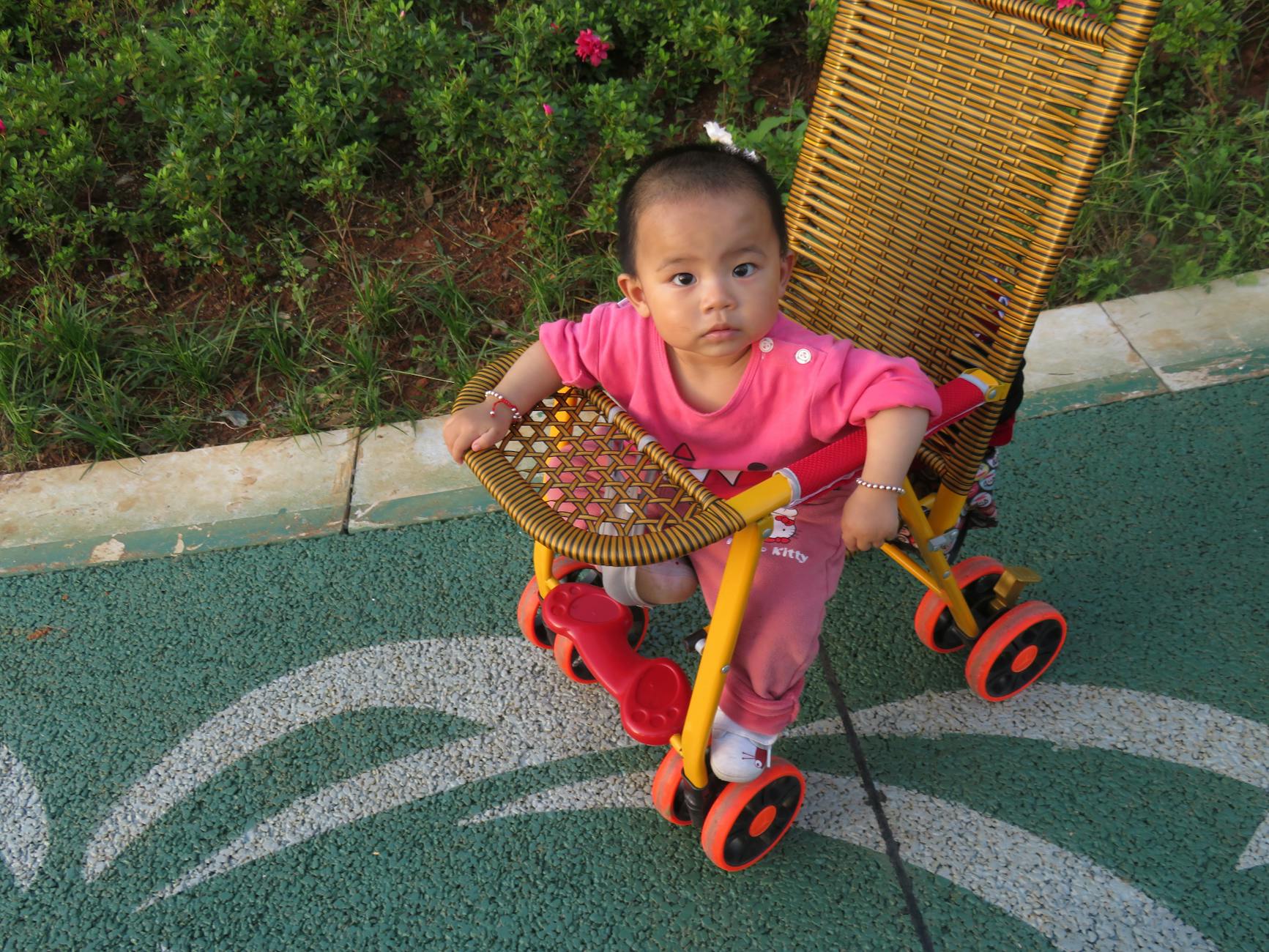
Table of Contents
- When to Visit Shanghai with Toddlers
- Packing for Shanghai with Toddlers
- Nappies, Formula and Baby Food on the Ground
- Choosing a Hotel
- Getting Around with a Toddler
- Baby-Changing & Toilets
- Feeding Toddlers
- Toddler-Friendly Attractions
- Best Parks for Little Ones
- Rainy / Hot Day Backups
- A Sample Day, Hour by Hour
- What It Costs
- Medical & Pharmacy
- Mistakes Parents Make Here
- Who This City Suits — and Who It Doesn’t
- Shanghai with Toddlers: Tips That Save the Day
- FAQ
When to Visit Shanghai with Toddlers
Season matters more with a small child than with anyone else, because a toddler cannot tell you they are overheating and will simply melt down instead. Shanghai has two genuinely comfortable windows and two you should think hard about.
| Window | Daytime | Verdict with a toddler |
|---|---|---|
| Mid-March to mid-May | 15–24°C | Best of the year. Blossom, light evenings, no coat. Book early. |
| Mid-June to mid-July | 28–33°C | The meiyu plum rains: weeks of warm drizzle. Prams and wet pavements do not mix. |
| Late July to early September | 31–38°C | Hardest window. Outdoors is realistically 7–11am only, plus typhoon risk. |
| Late September to mid-November | 17–26°C | Equal best. Dry and stable. Dodge the 1–7 October holiday. |
| December to February | 2–10°C | Workable but damp, with inconsistent indoor heating and short outdoor play. |
If you have any flexibility at all, aim for the second half of October. For a fuller breakdown see our guides to the best time to visit Shanghai and month-by-month weather, and if summer is your only option, read visiting Shanghai in summer before you book anything outdoors.
Packing for Shanghai with Toddlers
Shanghai sells almost everything you have forgotten, so pack for the first 48 hours and the things that are genuinely hard to replace. Our general Shanghai packing checklist covers documents, adapters and medication; this list is the toddler layer on top.
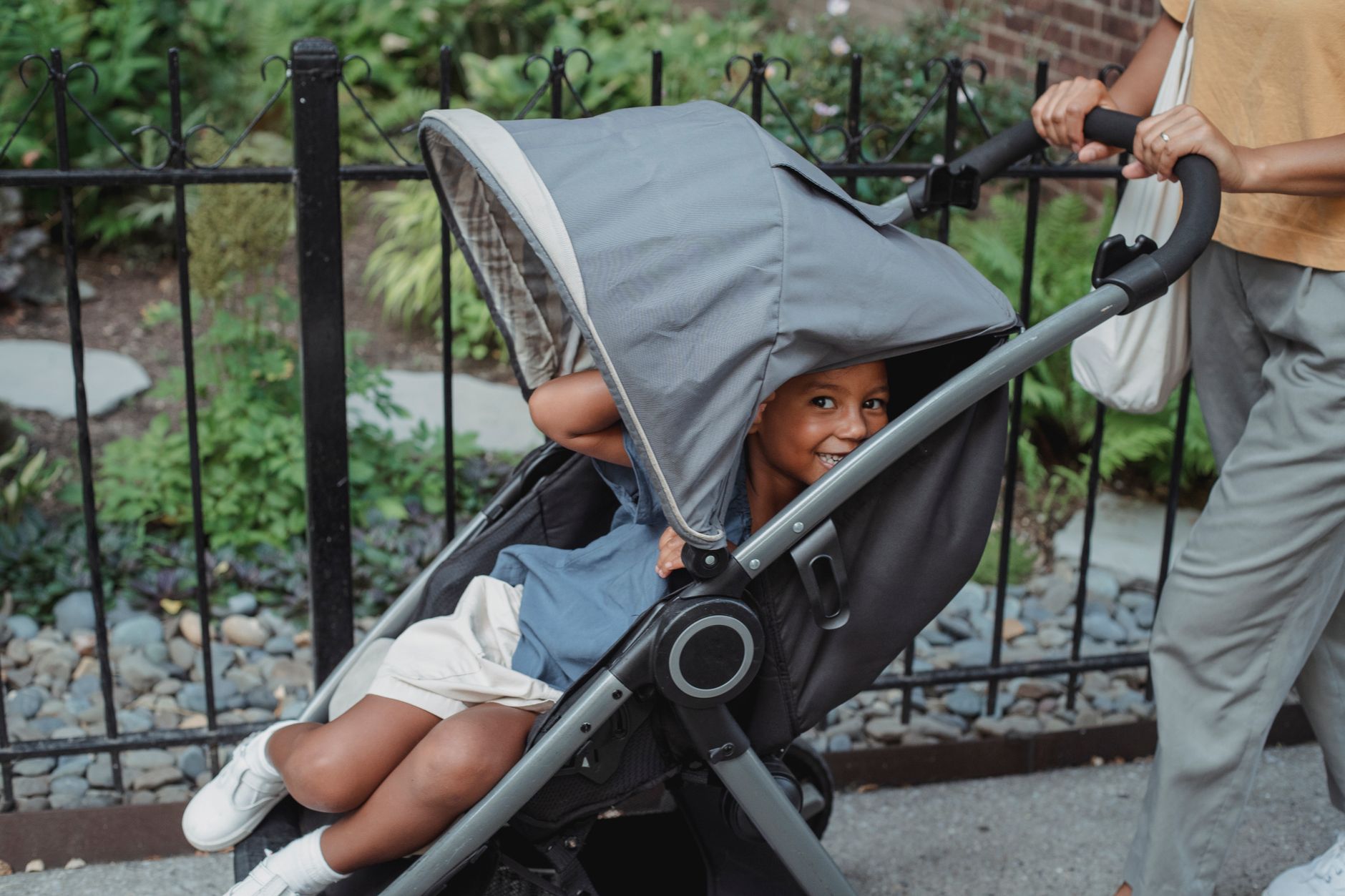
- Compact lightweight pram — the smaller the better; Shanghai’s pavements and metro stations have stairs in places
- Lightweight rain cover for pram
- Carrier as backup — for stairs, crowded sites, and naps
- Diapers for first 2–3 days — buy more at supermarkets
- Wet wipes + portable changing pad
- Travel-sized formula or familiar snacks — international brands available but stock 2 days
- Sippy cup or familiar bottle
- Sun hat + UPF clothing for warmer months
- Lightweight blanket or muslin for AC interiors
- Familiar toys / comfort items
- Children’s paracetamol / ibuprofen (Tylenol/Advil) in original bottles
- Thermometer
- Medical kit — band-aids, antihistamine, antiseptic
- Reusable water bottle for parent + toddler
- Portable phone power bank — heavy use for translation, maps, photos
- Translation app + Chinese-character cards for allergies/dietary needs
Two additions from experience: a clip-on pram fan between May and September, because the pavement radiates heat and your child sits a metre closer to it than you do; and two changes of clothes in the day bag, not one, because in Shanghai humidity a soaked shirt never dries.
Nappies, Formula and Baby Food on the Ground
This is the question that worries parents most before they arrive and stops mattering about six hours in. Shanghai is a city of small supermarkets and 24-hour convenience stores, and baby supplies are everywhere.
- Nappies — Pampers, Huggies and Merries are in every supermarket and most large pharmacies, roughly ¥80–200 a pack. Imported Japanese brands sit at the top of that range.
- Formula — heavily regulated since 2008, so shops stock the familiar imported brands (Aptamil, Nutrilon, Hipp). Expensive at ¥250–400 a tin. If your child is fussy about one formulation, bring it.
- Jarred and pouched baby food — scarce in ordinary supermarkets, plentiful in City Shop, Ole’ and Hema (Freshippo), which delivers to hotels in about half an hour.
- Bottled water — large 4-litre bottles from any convenience store for making up feeds.
- Pharmacies (药店) stock nappy cream, rehydration salts and children’s fever medicine.
Almost all of it is paid for with a phone. Set up Alipay or WeChat Pay with a foreign card before you fly — see our money and currency guide. Cash works, but standing at a till with a screaming toddler while a clerk hunts for change is a particular misery.
Choosing a Hotel
Hotel selection matters more with toddlers than with older kids, because the room is not just where you sleep — it is where you spend two hours every afternoon. Look for:
- Family rooms or two-bedroom suites — gives a separate room for nap-time
- 5-star international hotels (Marriott, Hyatt, JW) — provide cribs, baby toiletries, baby-friendly menus, English staff
- Hotel kid clubs — Shangri-La and Mandarin Oriental have great kids’ programs
- Pool for late-afternoon energy burns
- Walking distance to metro AND food — minimizing transit reduces meltdowns
- French Concession boutique hotels often have leafy quiet streets — great for prams
- Avoid Lujiazui for toddlers — vast distances between buildings, less walkable
Specific recommendations: Shanghai Marriott Hongqiao, JW Marriott Tomorrow Square (kid club), Pudong Shangri-La (great kid club, pool), The Upper House Shanghai (suites, Jing’an).
Two things worth asking before you book. Cots are free at almost every international-brand hotel but stock is finite, so request one at booking and again 48 hours out. And a Chinese “twin” room usually means two genuine doubles — for a family of three that is often better value than a suite.
| Area | Works because | Watch out for |
|---|---|---|
| Former French Concession | Plane-tree streets, low traffic, parks every few blocks | Older lane buildings; lifts not guaranteed |
| Jing’an | Malls, metro interchanges, nursing rooms, a park in the middle | Busier, faster pavements |
| People’s Square | Central; everything a short ride away | Weekend crowds are hard with a pram |
| Lujiazui (Pudong) | Big rooms, big pools, river views | Nothing is a five-minute walk |
Compare properly in our guides to where to stay in Shanghai and French Concession hotels.
Getting Around with a Toddler
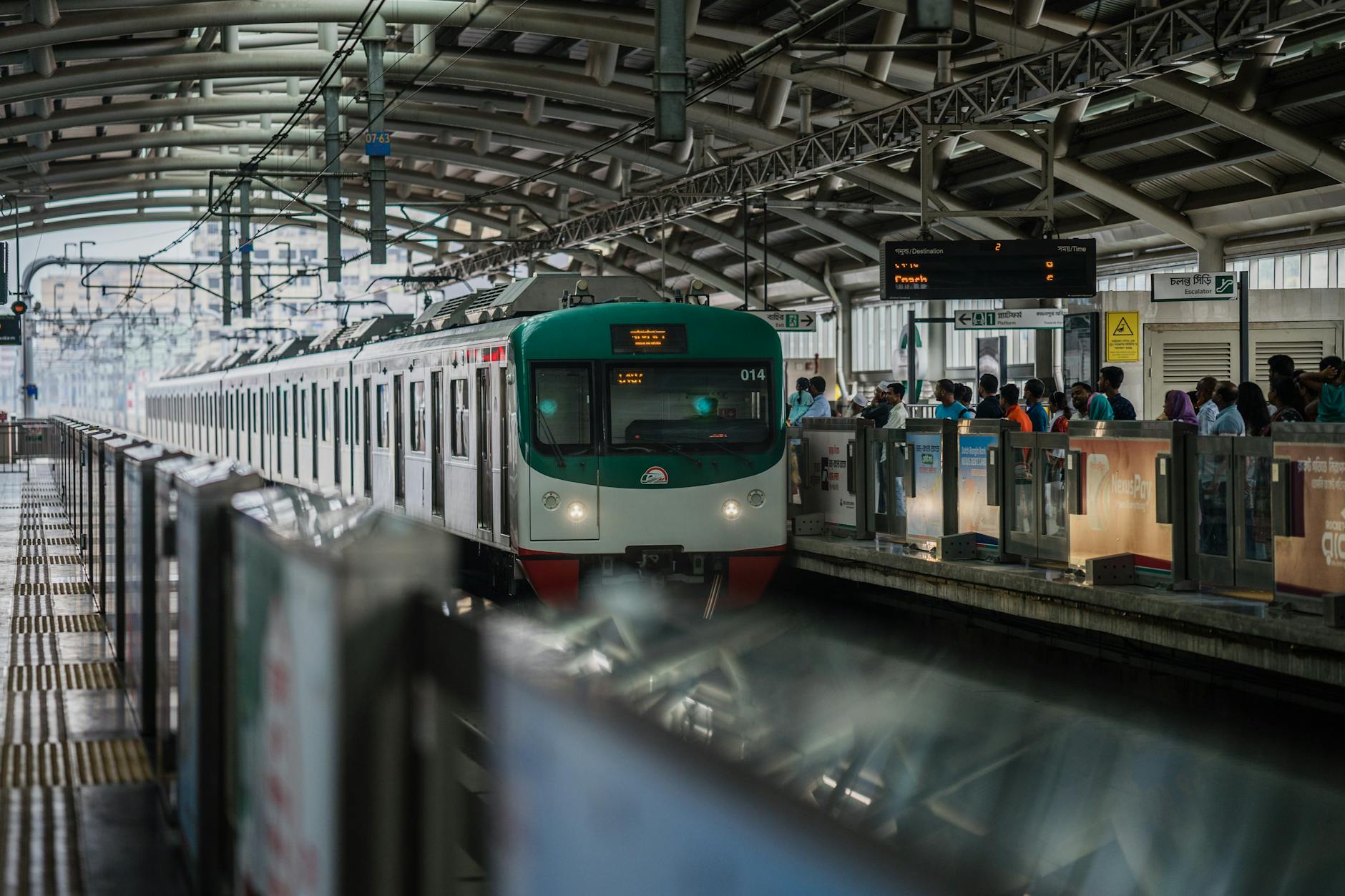
- Metro — 80% of stations have elevators; some still don’t. Check the metro app’s “elevator status” filter
- Didi — easiest with pram; back seat accommodates car seat or holding a small child. Most drivers don’t carry car seats; bring your own if required by your home rules
- Taxi — same as Didi but more variable; back seats only
- Walking — Shanghai’s pavements are generally good but uneven. Smaller-wheeled prams struggle
- Stroller-on-metro etiquette — fold during peak rush hour 7:30–9:30am and 5:30–8pm
- Travel cot / car seat — book ahead with hotel
The money detail nobody mentions: children under 1.3 metres ride the metro free, and since 1 March 2025 there is no cap on how many — the old two-per-adult limit was scrapped. On buses it is still two per adult. A family of four with two small children pays two fares, and a central journey is ¥3–5. Details on the Shanghai government transport page.
On lifts: station lifts are usually at one specific exit, not all of them, and they are marked on platform maps and in the Shanghai Metro app. Plan the exit, not just the station. Newer lines (14, 15, 18) are excellent; the oldest stretches of Lines 1 and 2 are the weak points. Our Shanghai metro guide covers tickets and apps.
Didi is the sanity option in the heat and after 8pm; a cross-town ride runs ¥30–60 — see using Didi in Shanghai. Be realistic about car seats: taxis and ride-hail cars do not carry them, and Shanghai’s child-restraint rules apply to private cars, not taxis. If your family will not travel without one, bring a lightweight portable seat and expect to fit it yourself at the kerb. Using the metro instead is a reasonable answer.
Baby-Changing & Toilets
- Shopping malls (Xintiandi, IFC, K11, Reel, Plaza 66, Joy City) — clean Western-style toilets + dedicated changing rooms. Always the safe bet
- 5-star hotel lobbies — clean changing-friendly toilets; walk in, no questions
- Major tourist attractions — basic facilities; carry your own changing pad
- Public toilets — varies widely; cleaner ones near tourist sites; older squat-style still common in suburban areas
- Cafés (Wagas, Element Fresh) — clean Western-style facilities; some have baby changing
- Restaurants — increasingly common but not universal
- Disposable diapers in major brands sold at all supermarkets (Pampers, Huggies, Pampers local) ¥80–200/pack
Look for the sign 母婴室 — “mother and baby room”. These are proper rooms, not a fold-down shelf: changing table, sink, feeding chair, usually a bottle-warming point. Shanghai’s health commission runs a star-rating scheme covering 146 audited rooms across malls, airports, parks and hospitals, 18 of them five-star, and hundreds more unrated ones exist. Every large mall has at least one, and the rooms at Pudong and Hongqiao airports are among the best in Asia.
One cultural note: you will still occasionally see split-crotch trousers (开裆裤) and toddlers relieved over a drain. It is rarer than a decade ago and increasingly frowned on in central Shanghai — and nobody expects you to join in.
Feeding Toddlers
- Picky eaters — international chains (Pizza Marzano, Element Fresh, Wagas) are reliable backups
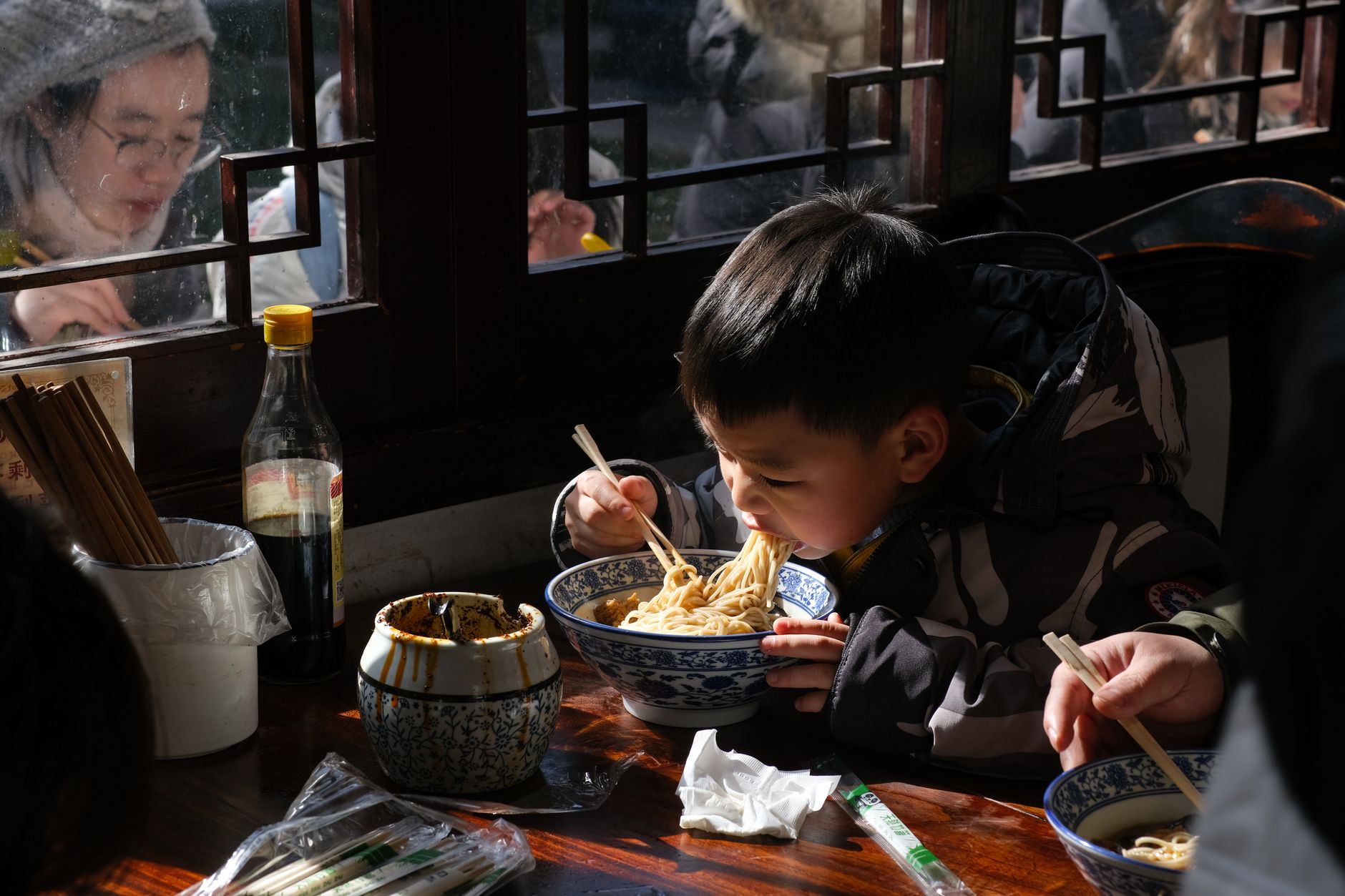
- Chinese restaurants — family-style ordering naturally suits toddlers; pick mild dishes
- Pho / noodle soup — universal toddler favourite
- Plain xiaolongbao — gentle introduction to Chinese dumplings (cool before serving — they’re hot)
- Hotpot at Hai Di Lao — split-pot lets one half be plain broth for kids; staff bring extra plates and play areas
- Hotel breakfast buffets — easiest for fussy eaters
- Fresh fruit and bread — wide availability; bakeries on every corner
- Western groceries at City Shop and Hema have baby-food jars and familiar snacks
- Sippy cup or bottled water always — don’t let toddlers drink tap water
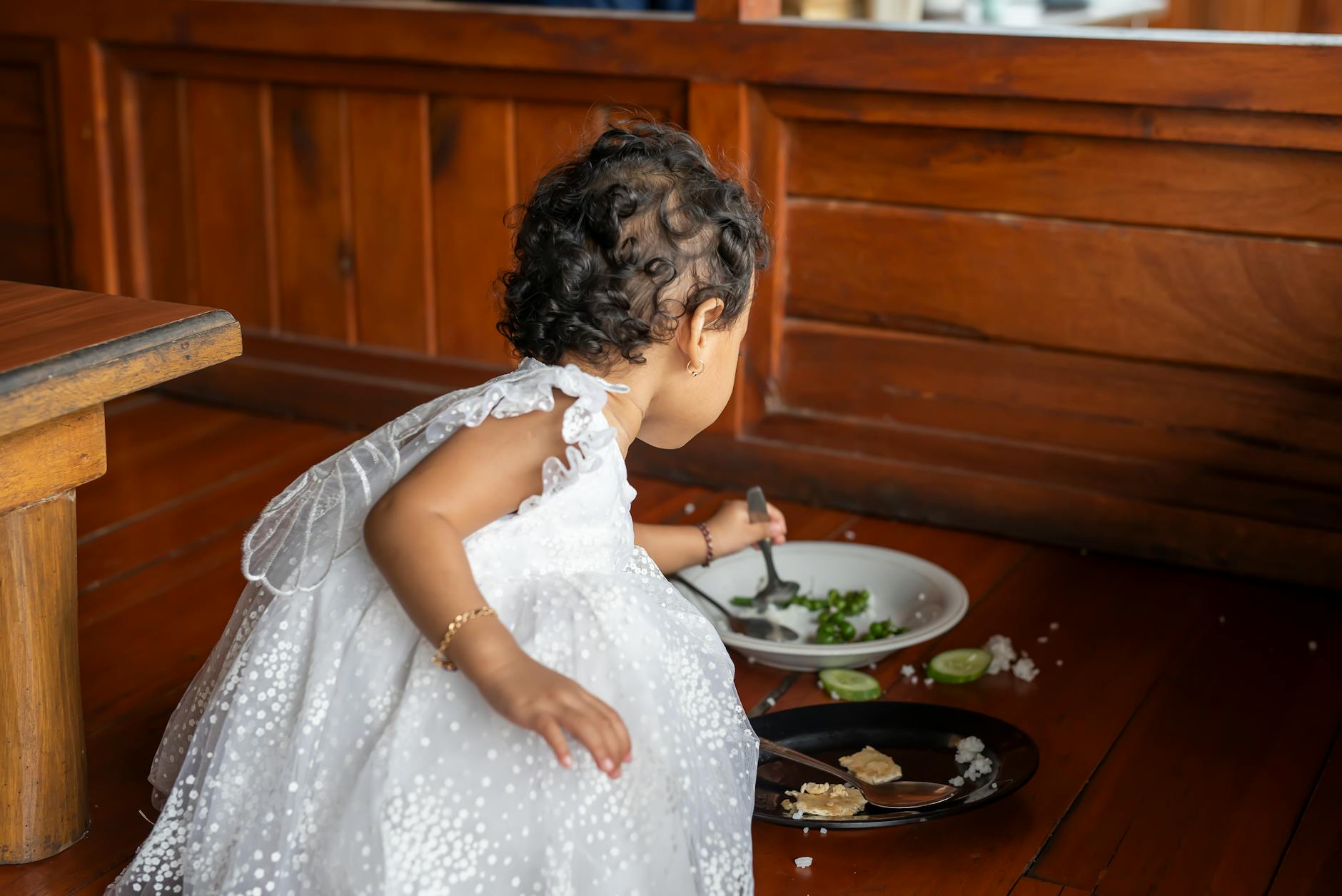
The most useful Shanghainese dish for a toddler is xiaohuntun — small wontons in clear broth, mild and soft, ¥12–20 a bowl in every neighbourhood noodle shop. Second is congee (白粥) at breakfast, a few yuan at any breakfast counter. Third is steamed egg custard (蒸蛋), which most restaurants will make on request even off-menu.
High chairs are common in malls and rare in small local places, where the answer is a lap. Staff are warm about children — expect your toddler to be photographed, offered snacks and occasionally picked up; a friendly no causes no offence. Ask for 不要辣 (bú yào là, no chilli), though Shanghainese cooking is sweet rather than hot anyway. More in our family-friendly restaurants and breakfast guides.
Toddler-Friendly Attractions
- Shanghai Ocean Aquarium — 2-3 hours; touch pools and underwater tunnel are mesmerising. See our aquarium guide
- Shanghai Zoo — leafy parkland, traditional zoo, pandas; ¥40 entry
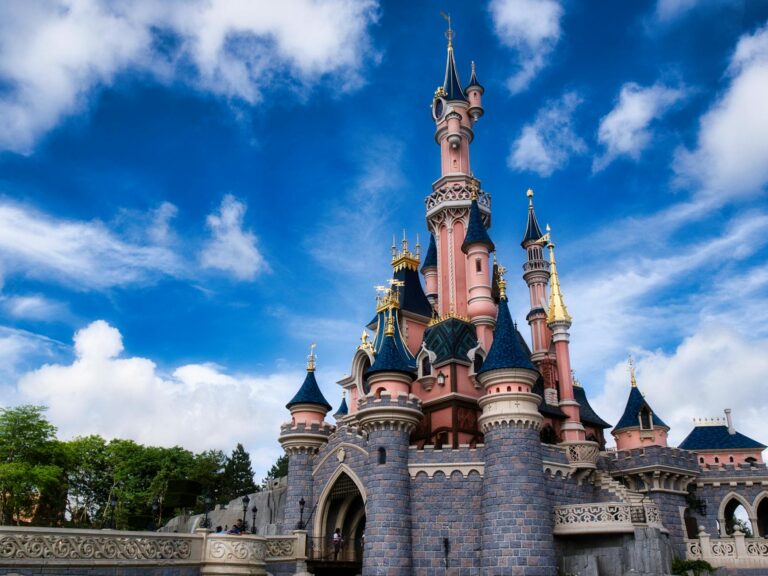
- Shanghai Disneyland — works for toddlers IF you stick to the gentle rides. Avoid the rollercoasters; bring stroller
- Shanghai Natural History Museum — interactive exhibits; ¥30 entry
- Bund waterfront walk — wide promenade, great for stroller
- Yu Garden Bazaar — gentle exploration; crowded weekends
- Fuxing Park — French-style park with children’s playground
- Century Park — Shanghai’s largest central park; free entry and now unfenced
- Glass Museum of Shanghai — colorful, interactive; ¥30
- IKEA Cafeteria — yes, really; familiar Western kids’ menu
Here is how they actually compare when your realistic ceiling is one outing:
| Place | Adult / child price | Time | Pram? | Best age |
|---|---|---|---|---|
| Ocean Aquarium, 1388 Lujiazui Ring Rd | ¥160 / ¥110; free under 1.0m | 2 hrs | Yes, one-way route | 2–4 |
| Shanghai Zoo, 2381 Hongqiao Rd | ¥40 / half price | 3 hrs | Excellent | 1.5–4 |
| Natural History Museum, Jing’an | ¥30 / ¥12; free under 1.3m | 2 hrs | Yes, lifts | 3+ |
| Shanghai Disneyland | From ¥475 peak; free under 1.0m | Full day | Rental on site | 3+ |
| Century Park, 1001 Jinxiu Rd | Free, 24 hours | Open-ended | Perfect | Any |
The aquarium is the safest single bet: open 09:00–18:00, indoor, air-conditioned, and the acrylic tunnel holds a two-year-old’s attention for a solid twenty minutes. Prices are on the aquarium’s own FAQ page. Disneyland is the gamble — a wonderful day if your child is three or over and naps in a pram, an expensive ordeal if they are two and does not. Read our Shanghai Disneyland guide first; under-1.0m children enter free, which changes the maths. The Science and Technology Museum is aimed higher — save it for a five-year-old.
Best Parks for Little Ones
- Fuxing Park — French-style, central French Concession; playground
- Jing’an Park — small but central; play area
- Century Park — Pudong’s largest; lakes, picnic lawns, bike paths
- Lu Xun Park — Hongkou; less touristy, lake and play structures
- Zhongshan Park — Putuo district; quieter than central parks
- Gucun Park — far north; massive playgrounds, cherry blossom in March
- People’s Square — central; small play structures; near Shanghai Museum
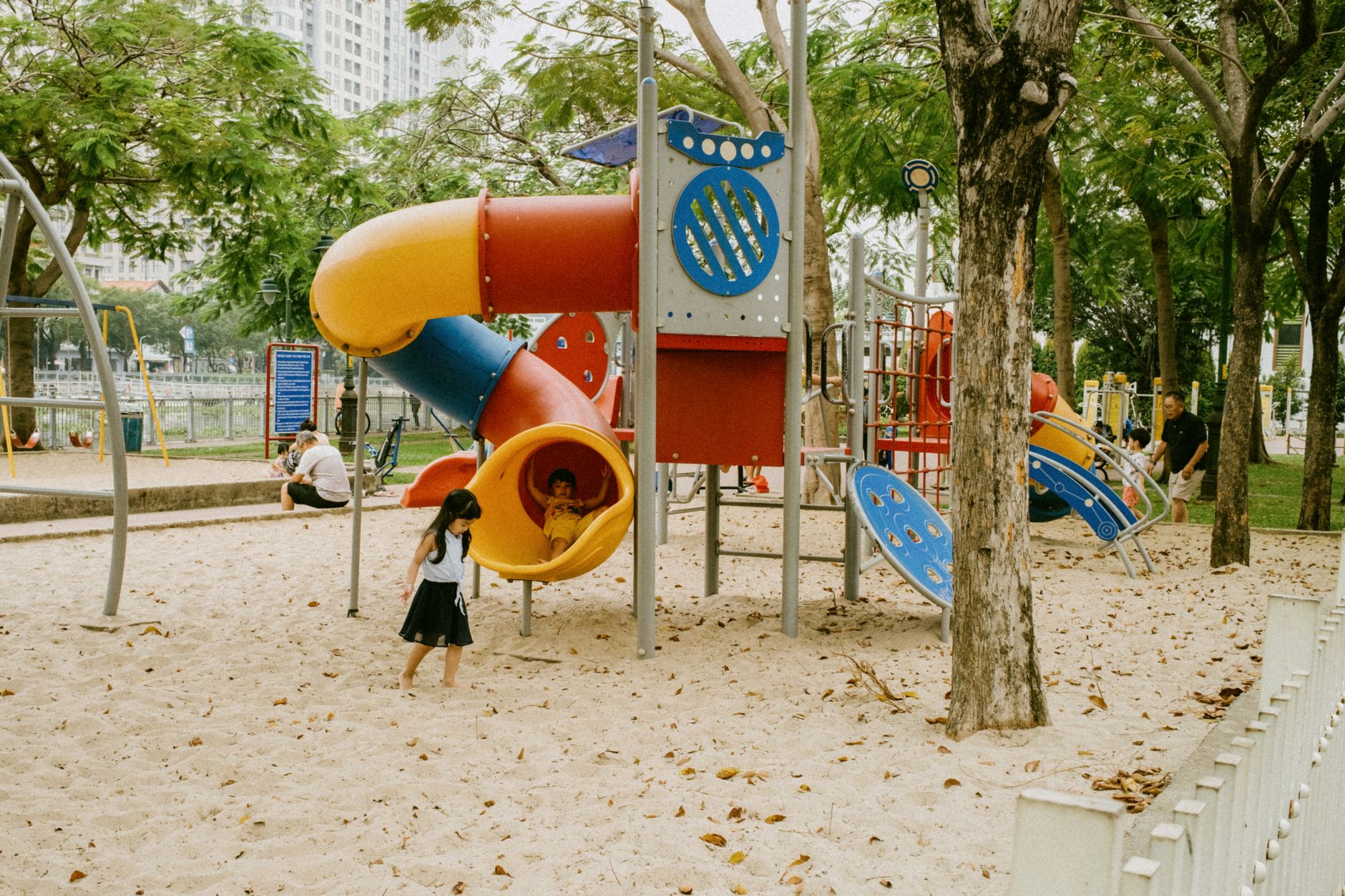
The parks are one of the genuine pleasures of travelling here with a small child, and nearly all are free — see free attractions in Shanghai. Century Park dropped its ticket and removed three kilometres of fencing in May 2024, and now runs 24 hours. Go early: between 7 and 9am the parks belong to older Shanghainese doing tai chi, ballroom dancing and choral singing, and toddlers are treated as public property in the nicest possible way. By 11am in summer they are empty for good reason.
Rainy / Hot Day Backups
- Shopping malls with indoor play — IFC Pudong has Lego play areas; K11 has art spaces
- Shanghai Ocean Aquarium — indoor 2-3 hour rain shelter
- Hotel pool — most 4-5 star hotels have indoor pools open until 22:00
- Shanghai Disneyland indoor sections — AC throughout on hot days
- IKEA — bizarrely good toddler rest stop with playspace
Add the paid indoor play centres, which Shanghai does better than almost anywhere: most large malls have one upstairs, entry runs ¥100–200 for two hours, socks are compulsory for adults too, and staff will let you sit in the corner with a coffee. Search 儿童乐园 in Dianping. On a 36°C afternoon this is the best ¥150 you will spend.
A Sample Day, Hour by Hour
One outing, one meal out, one long rest. A real day in the Former French Concession that works for a two-year-old in October.
- 06:30 — Awake, because they always are. Hotel breakfast at 07:00, when the buffet is quiet.
- 08:00 — Fuxing Park. Dancing, exercise machines, the playground to yourselves.
- 10:15 — Metro two stops to the main activity — aquarium, zoo or museum. Arrive at opening.
- 12:00 — Wonton soup somewhere small and unglamorous, ¥60–90 for three.
- 13:00 — Didi back to the hotel, ¥25. Nap in the dark, in a cot, properly.
- 15:30 — Hotel pool, or a second smaller park.
- 17:30 — Dinner. Before six means instant seating and fast service anywhere in China.
- 19:00 — Bath and bed. One adult goes out; the other does not. Swap tomorrow.
Notice what is not there: the Bund at night, a river cruise, three museums, a water-town day trip. Those are for another year. For a version with older children, our Shanghai with kids guide runs a full five-day itinerary.
What It Costs
A realistic daily budget for two adults and one toddler, excluding flights and hotel:
| Item | Frugal | Comfortable |
|---|---|---|
| Breakfast | ¥25 congee and buns | Included with hotel |
| Lunch | ¥60 noodle shop | ¥120 mall restaurant |
| Dinner | ¥90 local | ¥200 family restaurant |
| Transport | ¥20 metro only | ¥80 metro plus two Didis |
| One attraction | ¥0 parks | ¥270 aquarium for two adults |
| Nappies, snacks, water | ¥40 | ¥60 |
| Daily total | ¥235 | ¥730 |
The comfortable column is the honest one for most families: ¥700–800 a day, roughly £75–85 or US$100–110. Toddlers are the cheapest travellers alive — free on the metro, free at Disneyland under a metre, free at most museums. See how much a Shanghai trip costs for the full picture.
Medical & Pharmacy
- Pharmacies (药店) — on every block; familiar brands and Chinese alternatives; staff usually understand symptoms via app translation
- Children’s paracetamol / ibuprofen available; bring your own from home in original bottles
- International hospitals for emergencies — ParkwayHealth, Shanghai United Family Hospital and Jiahui Health all run English-speaking paediatric services with direct billing to most international insurers
- Tourist hotline 12345 — multilingual support
- Tap water never safe to drink — bottled or boiled only for toddler hands, bottles, and consumption
- Air quality — winter pollution can affect young children; have a KN95 mask for very smoggy days
Shanghai United Family runs a 24-hour emergency department and takes walk-ins, with paediatric clinics in Changning, Pudong and Jing’an; the appointment line is 400 639 3900 and the ER line (021) 2216 3999. Details are on the hospital’s paediatrics page. A private consultation runs ¥800–1,500 before insurance, which is why you should arrange travel insurance covering the whole family. For anything serious, Shanghai Children’s Medical Center in Pudong is a major public paediatric hospital — cheaper, clinically excellent, much harder to navigate without Chinese. The ambulance number is 120, though for anything short of a real emergency a Didi is faster.
Mistakes Parents Make Here
- Bringing the biggest pram they own. Metro barriers, restaurant aisles and taxi boots are all narrower than you expect.
- Sightseeing between 11am and 3pm in summer. The city runs on air conditioning for a reason. Move your day to the edges.
- Assuming every station has a lift at your exit. Often there is exactly one, 300 metres from where you want to be.
- Arriving at Yu Garden at midday on a Saturday. The bazaar is the worst pram environment in central Shanghai at peak times — go at 08:30 or not at all. See our Yu Garden guide.
- Travelling during Golden Week or Chinese New Year. Everything is at capacity and hotel rates jump.
- Over-scheduling day one. Jet lag with a toddler is brutal in both directions; give the first day to a park and an early night.
- Skipping the cot request. Free, but not automatic, and the last one goes at 6pm.
Who This City Suits — and Who It Doesn’t
It suits you if your child naps in a pram, or you are happy to return to the hotel every afternoon; if you are comfortable running payments, maps and translation off a phone; if dinner at 5:30pm in a noisy local restaurant sounds fine. As a first Asian city with a small child it is genuinely easy — safer, flatter and better organised than most European capitals.
It suits you less if your family will not travel without a fitted car seat in every vehicle; if your child has a serious food allergy and you cannot communicate it in Chinese (print allergy cards, and read our language barrier guide); if July or August is your only window and your child struggles in heat; or if you were hoping to bolt on Beijing and Xi’an. With a toddler, one city in eight nights beats three cities in eight nights every time.
Shanghai with Toddlers: Tips That Save the Day
- Plan ONE main activity per day, not three. Energy management is everything
- Schedule attractions for the morning when toddler is fresh; restful afternoon at hotel
- Avoid Chinese national holidays — Yu Garden Bazaar at CNY with a stroller is a nightmare
- Pack a “go bag” with diapers, wipes, snacks, change of clothes
- Use the metro elevator filter in your route planning
- Restaurant timing: arrive 17:30–18:00 to beat the dinner rush and get fast service
- Allow downtime — half-days at hotels are part of the trip, not lost time
- Embrace Shanghai’s accommodating culture — strangers often smile at and engage children
- Carry a translation card for “no peanuts” or other dietary needs in Chinese characters
- Snack supply — Shanghai is a city of small supermarkets; keep an open eye
- Photograph the hotel’s business card in Chinese and show it to drivers — faster than an English address
- Split the day between adults — one takes the early wake-up, one takes bedtime, each gets two hours off
More groundwork in our practical tips and first-time visitor guides.
Frequently Asked Questions
Is Shanghai toddler-friendly?
Yes — better than most major Asian cities. Excellent transit, accommodating restaurants, lots of parks and Western-style mall facilities (especially baby-changing) make it manageable with little ones.
Where can I change a diaper in Shanghai?
Shopping malls (Xintiandi, IFC, K11) have dedicated baby-changing rooms, and 5-star hotel lobby restrooms are clean and accessible. Attractions have basic facilities; carry your own pad. Look for 母婴室 on mall directories.
Are Shanghai metro stations stroller-friendly?
About 80% have elevators. Check the metro app’s elevator status when planning a route — the lift is often at one exit rather than all of them.
Do toddlers pay on the Shanghai metro?
No. Children under 1.3 metres travel free, and since March 2025 there is no limit on how many free children one adult can bring on the metro. Buses still cap it at two per adult.
What food works for toddlers in Shanghai?
Clear-broth wontons, plain congee, steamed egg custard and mild noodle soup all work. International chains (Pizza Marzano, Element Fresh, Wagas) are the backup, and hotel breakfasts are universally easy.
Can I bring my pram on Shanghai metro?
Yes — most stations have elevators. Fold prams during peak rush hour (7:30–9:30am, 5:30–8pm) to ease congestion.
Where’s the best toddler attraction in Shanghai?
Shanghai Ocean Aquarium (2-3 hours, touch pools, underwater tunnel) consistently delights toddlers ages 2-4. Entry is ¥160 for adults, ¥110 for children 1.0–1.4m, free under 1.0m. Shanghai Zoo and Disneyland’s toddler-appropriate rides are close seconds.
Is Chinese tap water safe for toddlers?
No — boil or use bottled water exclusively for drinking, bottles, and brushing teeth. Showers and baths are fine.
Can I rent a stroller in Shanghai?
Yes — many 5-star hotels lend strollers free (¥30/day at budget chains) and Shanghai Disneyland rents on-site at ¥80/day. Independent services will deliver a pram or travel cot to your hotel.
Can I buy nappies and formula easily in Shanghai?
Yes. Supermarkets and pharmacies stock Pampers, Huggies and Merries at ¥80–200 a pack. Imported formula is available but expensive at ¥250–400 a tin — bring your own if your child is fussy about a brand.
What is the best month to visit Shanghai with a toddler?
Late October: 18–24°C, low rainfall, and the holiday crowds have gone home. Mid-April runs it close. July and August are hard work with a small child.
Do I need a car seat for taxis in Shanghai?
Legally no — the child-restraint rules apply to private cars, and neither taxis nor Didi carry seats. If you will not travel without one, bring a lightweight portable model, or use the metro instead.
Plan Your Family Trip
Combine with our pillar guides on Shanghai for families, Shanghai with kids, and family-friendly restaurants. For background, see Tourism in Shanghai on Wikipedia.