If your kids light up around animals, Shanghai turns out to be one of the easier big cities in China to keep them happy. You can fill a rainy afternoon walking under sharks in a glass tunnel beside the Oriental Pearl Tower, or spend a whole day on a safari bus that rolls past lions, giraffes and bears on the city’s far edge. This guide to the Shanghai aquarium and zoo scene covers every option a family realistically considers — the Shanghai Ocean Aquarium, Shanghai Haichang Ocean Park, the Shanghai Zoo, the Shanghai Wild Animal Park, plus a few smaller wildlife and birdwatching spots — with what each one actually is, what stands out, rough prices, opening hours, how to get there on the metro, and an honest read on which suits which age. Prices and hours below are a guide and do change, so confirm on the official channel or your booking app before you go.

Table of Contents
- At a Glance: Which Shanghai Animal Attraction Fits Your Family
- Shanghai Ocean Aquarium
- Shanghai Haichang Ocean Park
- Shanghai Zoo
- Shanghai Wild Animal Park
- Chongming Dongtan Bird Sanctuary
- Children’s Farms & Petting Zoos
- How to Book Tickets
- Getting Around Between Them
- Practical Family Tips
- Frequently Asked Questions
At a Glance: Which Shanghai Animal Attraction Fits Your Family
Before the detail, here is the short version. Shanghai has two major marine attractions, two large land-based animal parks, and a handful of smaller children’s and birdwatching options. They are spread across the city, and they suit very different days out, so it helps to match the place to your kids’ ages, your budget, and how much time you have. The table below is the at-a-glance picture; the sections that follow explain each one properly.
| Attraction | Type | Where | Rough adult price | Time needed | Best for |
|---|---|---|---|---|---|
| Shanghai Ocean Aquarium | Aquarium | Lujiazui (central) | ~¥160 | 2–3 hours | All ages, toddlers up; central and indoors |
| Shanghai Haichang Ocean Park | Marine theme park | South Pudong | ~¥299+ | Full day | Ages 4+ who want rides and shows |
| Shanghai Zoo | Classic city zoo | Hongqiao (west) | ~¥40 | 3–4 hours | Budget days; younger kids; pandas |
| Shanghai Wild Animal Park | Safari + walking zoo | Southeast Pudong | ~¥150–165 | Full day | Ages 4+; the safari-bus experience |
| Chongming Dongtan | Bird sanctuary | Chongming Island | ~¥50 | Half day + travel | Older kids and keen birdwatchers |
If you only have a half-day and you are staying near the city centre, the Shanghai Ocean Aquarium is the obvious pick — it is genuinely central, mostly indoors, and works for almost any age. If you have a full day and your children are old enough for rides and big crowds, Haichang or the Wild Animal Park reward the longer trip. The Shanghai Zoo sits in the middle: cheap, shaded, easy to reach, and a relaxed half-day for families who would rather stroll than queue for roller coasters.
Shanghai Ocean Aquarium
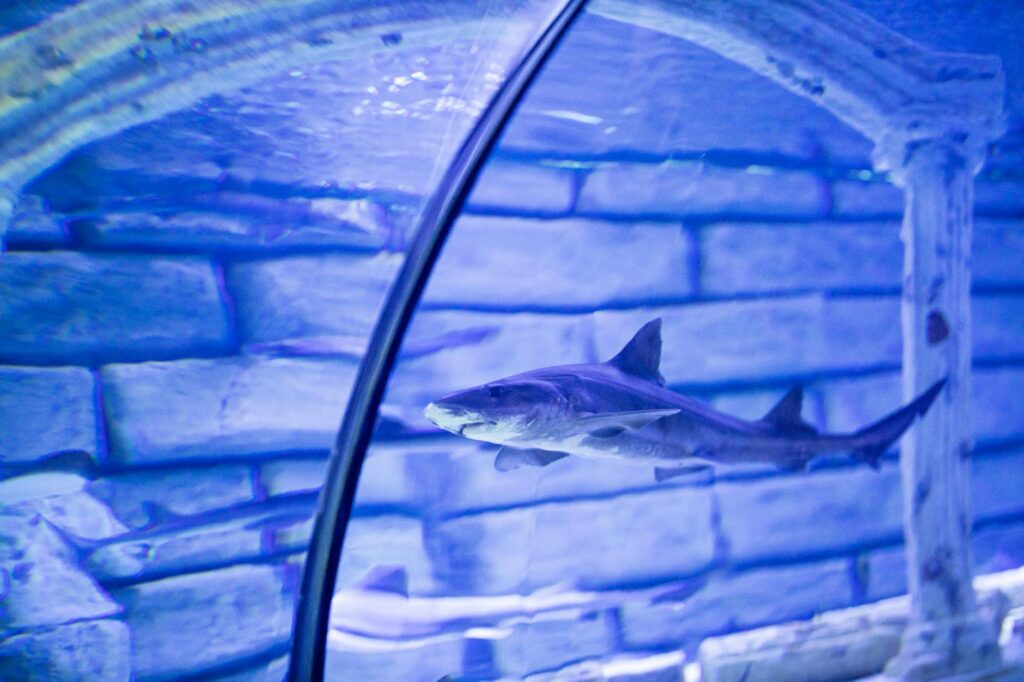
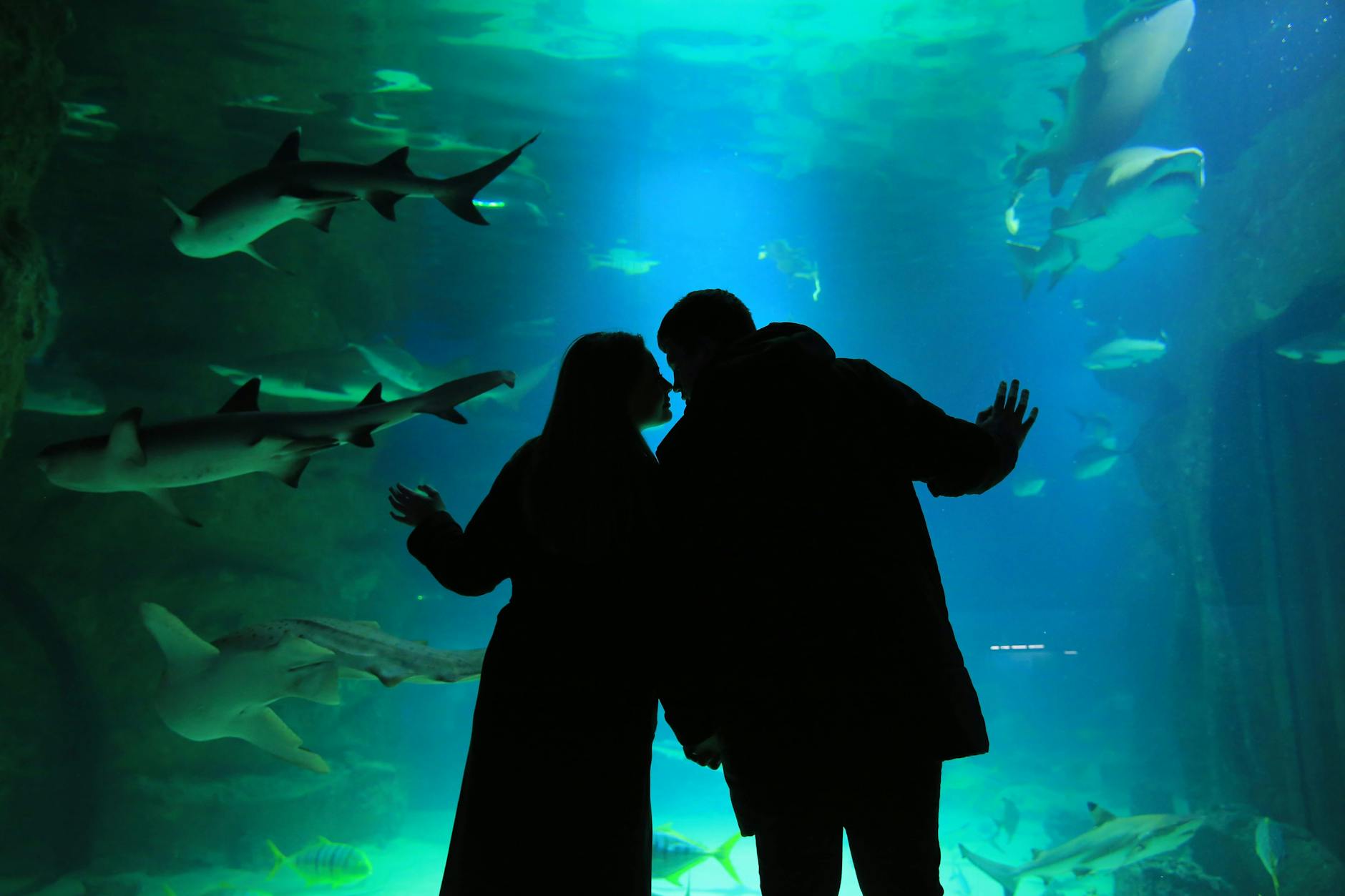
Standing right at the foot of the Oriental Pearl Tower in Lujiazui, the Shanghai Ocean Aquarium (上海海洋水族馆) is the easiest marine attraction to fold into a normal Shanghai itinerary. It occupies two glass pyramid buildings spread over roughly 20,500 square metres, and inside there are nine themed zones holding more than 12,000 aquatic animals from over 450 species. The headline feature is a 155-metre underwater walkway — among the longest of its kind anywhere — that carries you slowly beneath sharks, rays and shoals of fish on a moving travelator. Even teenagers who claim to be too cool for an aquarium tend to go quiet in that tunnel.
The route runs one way, from the top floor down to the basement, so you see everything on each level before descending. On the upper floors the China Zone is the part you will not find replicated in many other aquariums: it focuses on native species including endangered Yangtze alligators, Chinese sturgeon and the strange, ancient-looking Chinese giant salamander. From there the journey passes through South American, Australian, cold-water and polar habitats — piranhas and electric eels, then penguins and seals, then the backlit jellyfish galleries that small children press their faces against. The basement is where the big tunnel lives, and it is worth saving energy for.
For younger kids, the Ocean Classroom area on the upper floor has touch pools where they can carefully handle sea stars and sea cucumbers under supervision, which is often the bit they talk about afterwards. There are also scheduled feeding sessions through the day — penguins, sharks and seals each have their moment — and catching one or two turns a good visit into a great one. Exact feeding times shift, so glance at the board near the entrance or the official site when you arrive and plan your loop around them.
Practical info. The aquarium opens daily from 9:00, with last entry usually 30 minutes before closing. On regular days it closes around 18:00; during the Chinese summer holidays (roughly July to August), Chinese New Year and the October national holiday it often stays open much later, sometimes to 21:00. Adult tickets sit around ¥160, with children between 1.0 and 1.4 metres tall paying a reduced rate of roughly ¥110, seniors discounted with ID, and children under 1.0 metre free; booking online through a platform like Trip.com or Klook usually shaves a little off and saves you queuing at the window. Most families spend two to three hours here. It is at 1388 Lujiazui Ring Road, a three-to-five-minute walk (about 200 metres) from Lujiazui Station, Exit 1, on metro Line 2 — cross toward the Oriental Pearl Tower and you will see the pyramids on your right.
Shanghai Haichang Ocean Park
Out in southern Pudong, Shanghai Haichang Ocean Park (上海海昌海洋公园) is a different proposition altogether. Opened in 2018 on a site of nearly 300,000 square metres, it combines a large aquarium with theme-park rides, polar animal zones and big live shows. This is a full-day outing, and it suits ages four and up — younger toddlers can find the scale and the queues tiring.
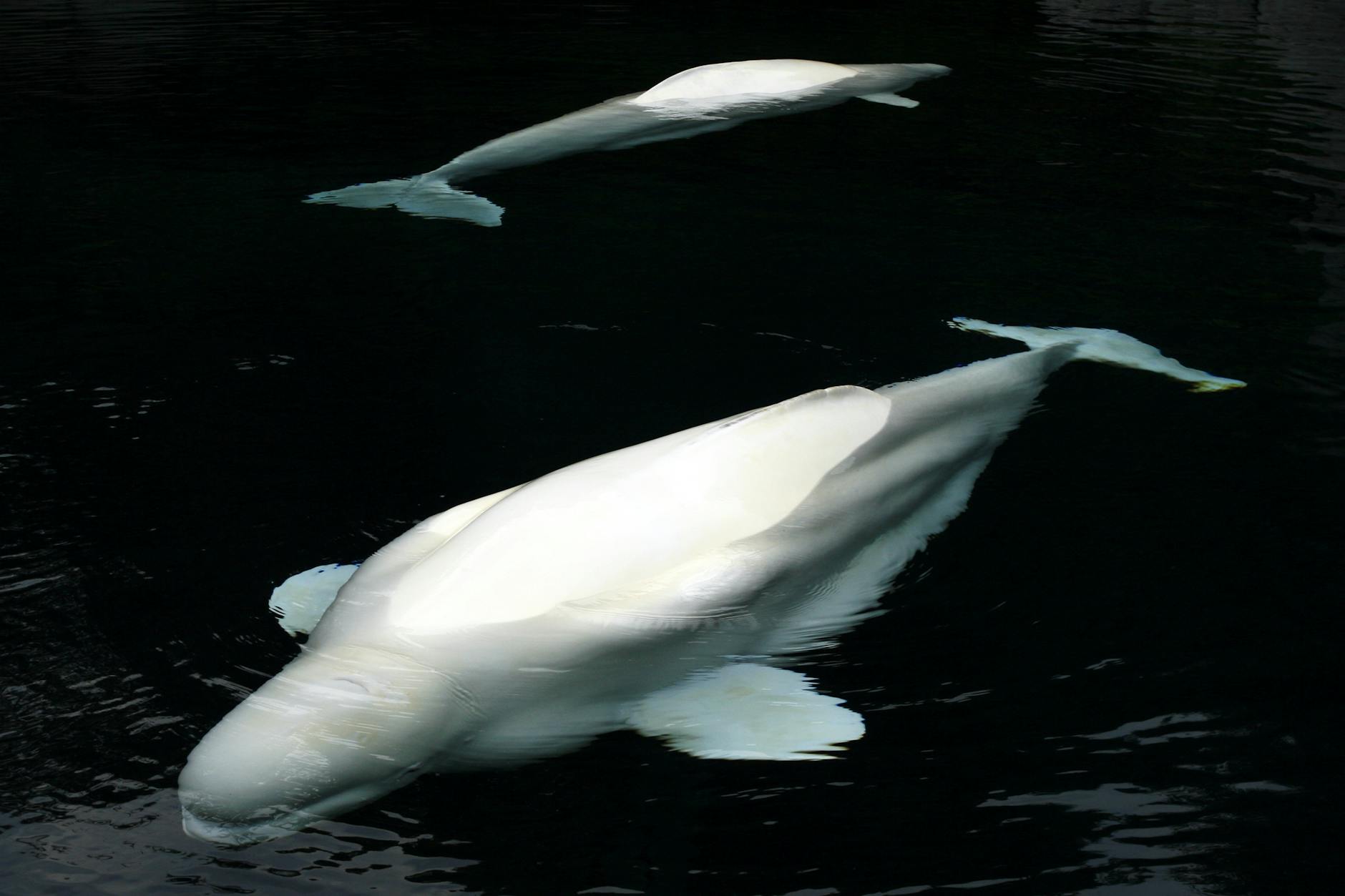
What sets it apart from the central aquarium is the mix. The marine side is substantial, with an underwater tunnel and tanks holding over 10,000 creatures, a dedicated penguin pavilion, and a Polar Expedition area where you can see polar bears, walruses and beluga whales in climate-controlled habitats. On top of that there are roller coasters and a flying-theatre simulator, plus arena shows — the orca and marine-mammal performances at the large indoor theatre are the headline draw, and the park schedules them through the day. Families with thrill-seeking older kids get the most out of it, because you are paying for the rides and shows as much as the animals.
The park is sprawling, so wear comfortable shoes, grab a map at the entrance, and plan a route rather than wandering. Stroller rentals and nursing rooms are available, which helps if you have a mix of ages. Because so much of the day is outdoors and on your feet, sun protection in summer and a rain plan in the wetter months both matter.
Practical info. Hours are commonly around 9:30 to 17:30, extending later in peak summer; show times are posted at the gate and online. Adult tickets typically run from about ¥299, more on peak dates, with reduced child pricing — the exact figure depends heavily on the day, so check before you commit. It sits near Lingang in the far south of Pudong; the practical public-transport route is metro Line 16 toward Dishui Lake, then a short taxi or shuttle hop to the gate. The park’s official channels and the main booking apps both sell tickets; buying ahead on a busy weekend is sensible.
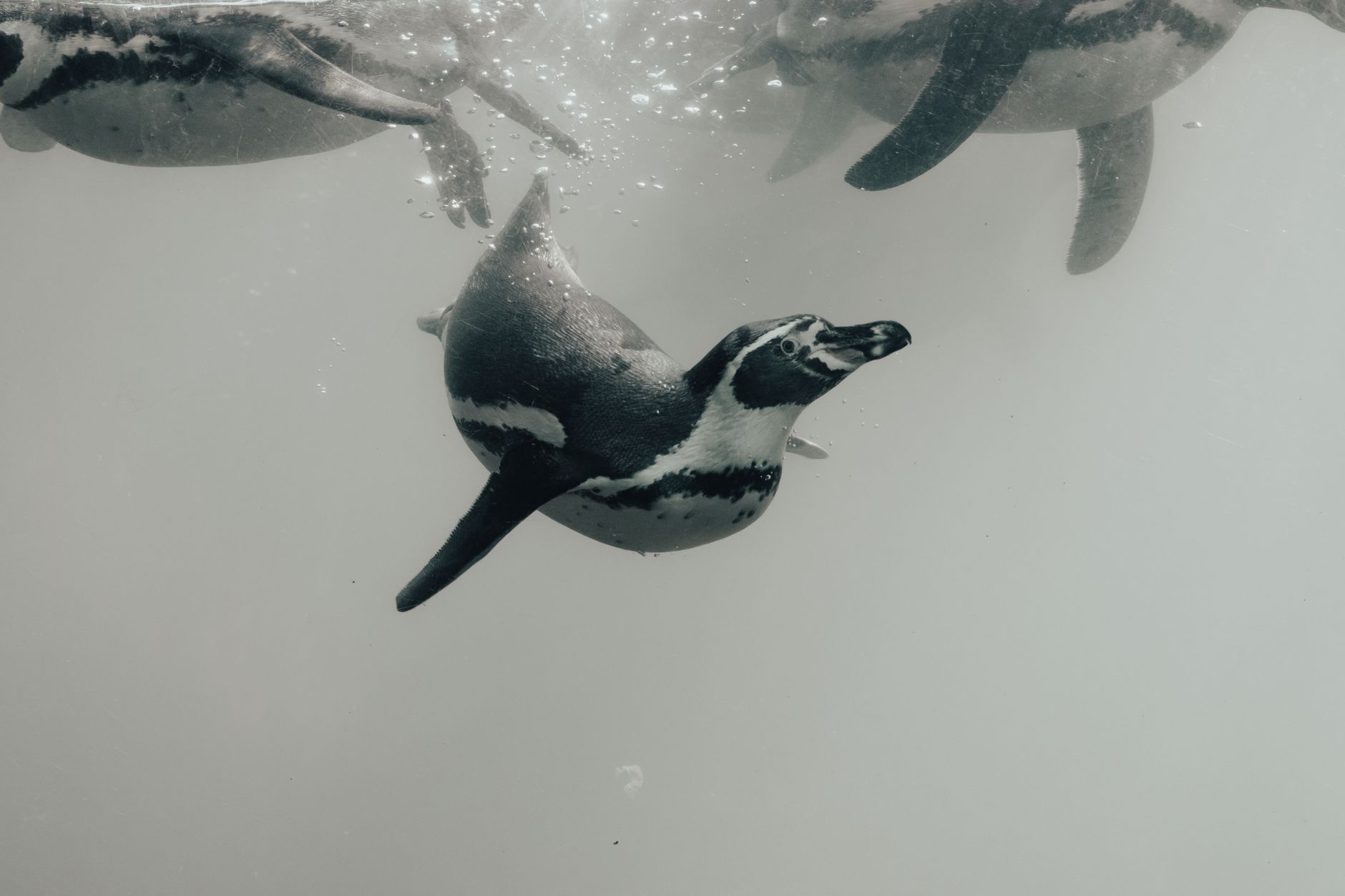
Shanghai Zoo
The Shanghai Zoo (上海动物园) has been part of city life since 1954, when it opened on the grounds of a former golf course in what is now Changning District, out near Hongqiao Airport. It covers around 740,000 square metres of mature, leafy parkland — more than 100,000 trees grow here — and exhibits over 6,000 animals, of which several hundred are rare species. For families it is the most affordable and one of the most accessible options in the city, and the metro drops you almost at the gate.
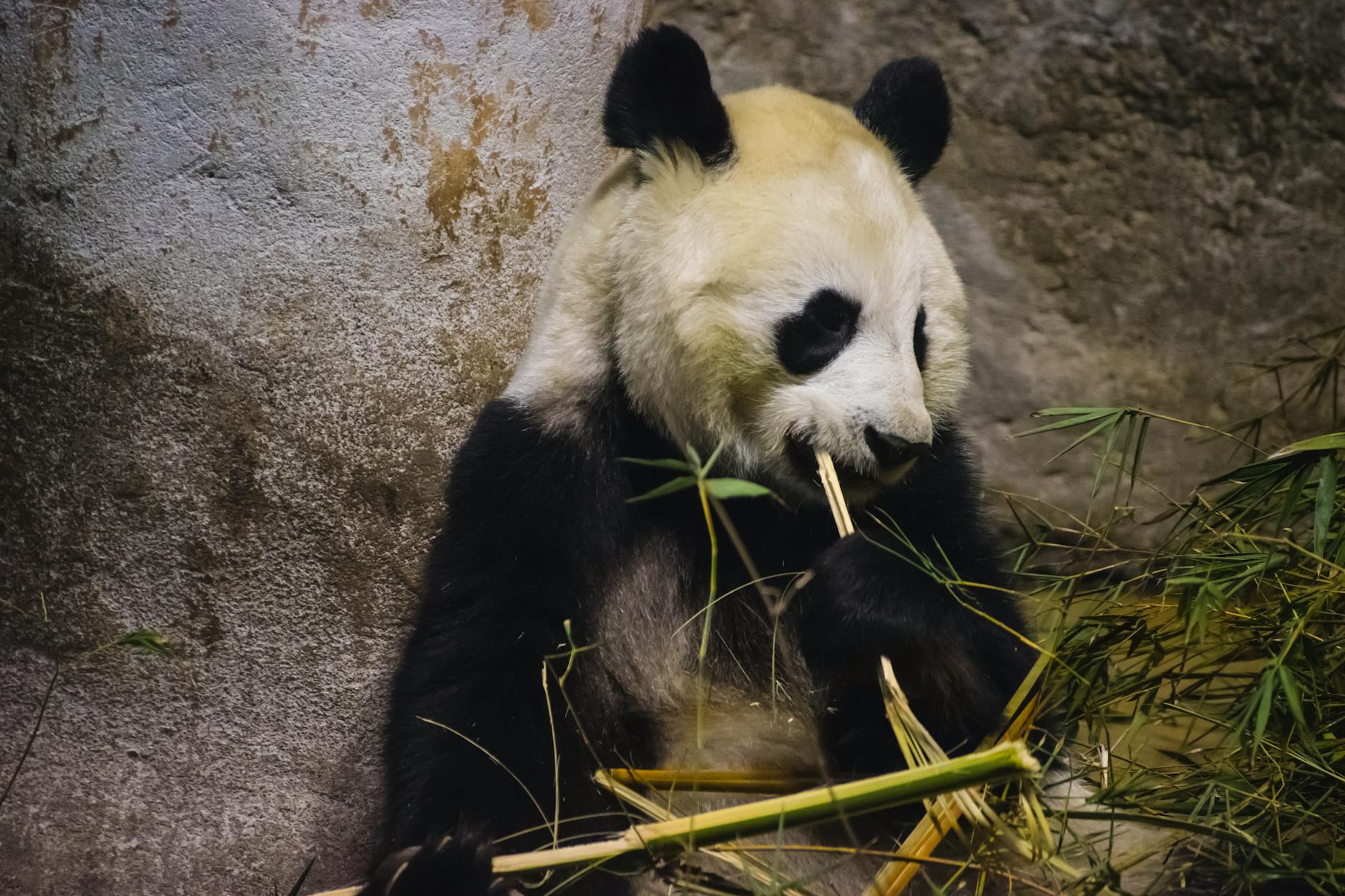
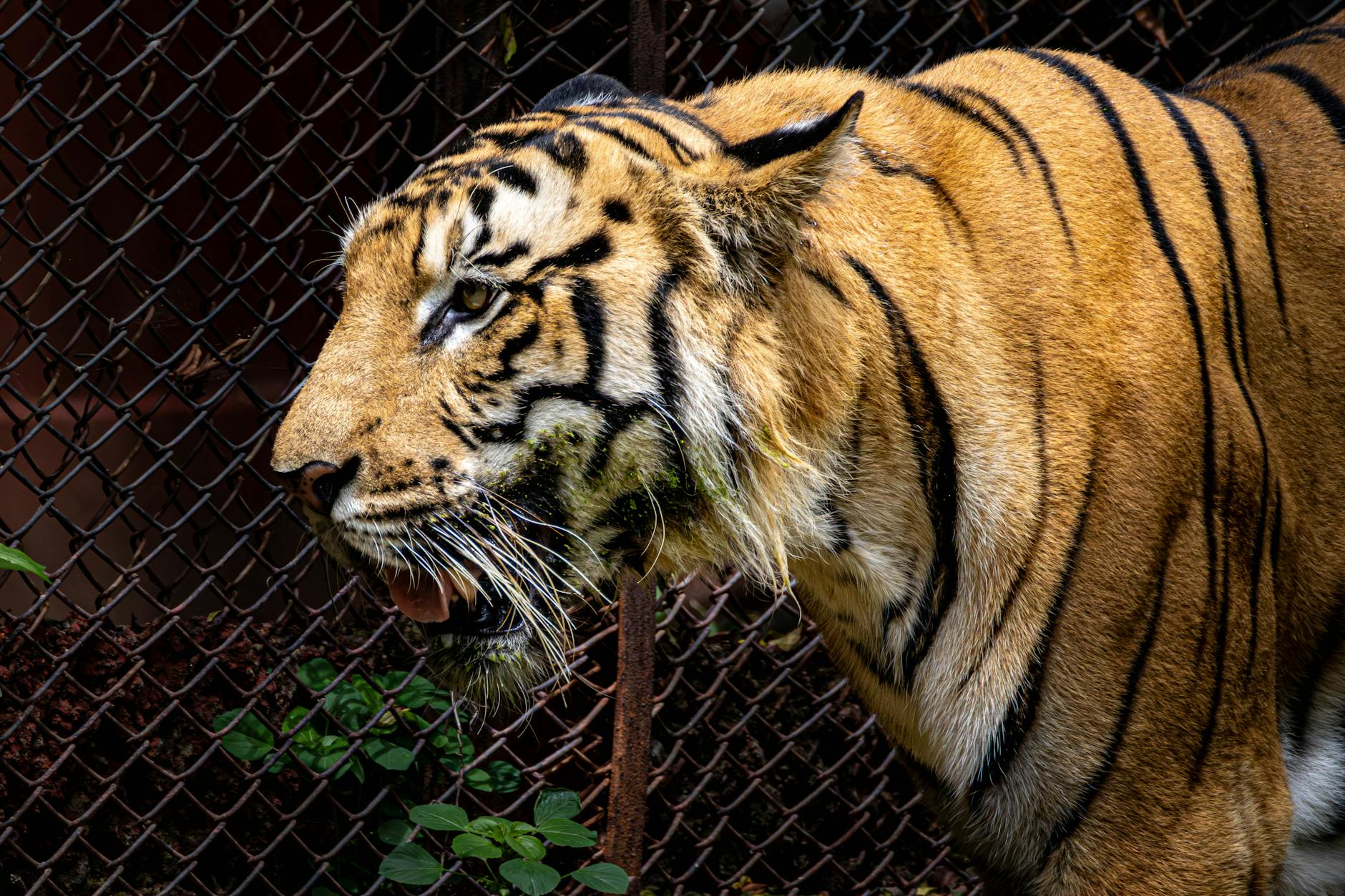
The zoo is organised into five areas: primates, herbivores, carnivores, birds and amphibians. Turn left from the entrance and you reach the Primate Zone first, with golden monkeys — a rare Chinese species — alongside baboons, gorillas and chimpanzees. The Herbivore Zone that follows has giraffes, Asian elephants, hippos and the alpacas that Chinese visitors adore. The animal most families come for, the giant panda, lives in the Carnivore Zone (pandas are classed there because of their ancestry, even though they live on bamboo now); the fan-shaped panda enclosure has both an indoor area and an outdoor playground, with red pandas nearby. Lion and Tiger Hill, also in the carnivore section, separates visitors from Manchurian tigers, South China tigers and African lions by a safe wall, with a painted backdrop behind the animals. The Bird Zone wraps up at Swan Lake, and the Amphibian Zone near the exit holds Yangtze alligators and other reptiles.
Compared with the modern safari park, this is a traditional zoo — some enclosures are older and tighter — but the trade-off is shade, gentle walking paths, kids’ play areas, food courts and a small children’s zoo where little ones can meet rabbits and goats. It is an easy, low-stress half-day, especially with younger children who do not need rides to stay happy. Plan three to four hours.
Practical info. Opening hours are seasonal: roughly 7:30 to 17:00 from March to October, and 7:30 to 16:30 from November through February. The entrance fee is about ¥40, and an adult can bring one child under around 1.3 metres in free. The simplest way in is the metro: take Line 10 to Shanghai Zoo Station and use Exit 4, which leaves you beside the gate. Picnics are allowed, and packing your own lunch saves on the average park-café prices.
Shanghai Wild Animal Park
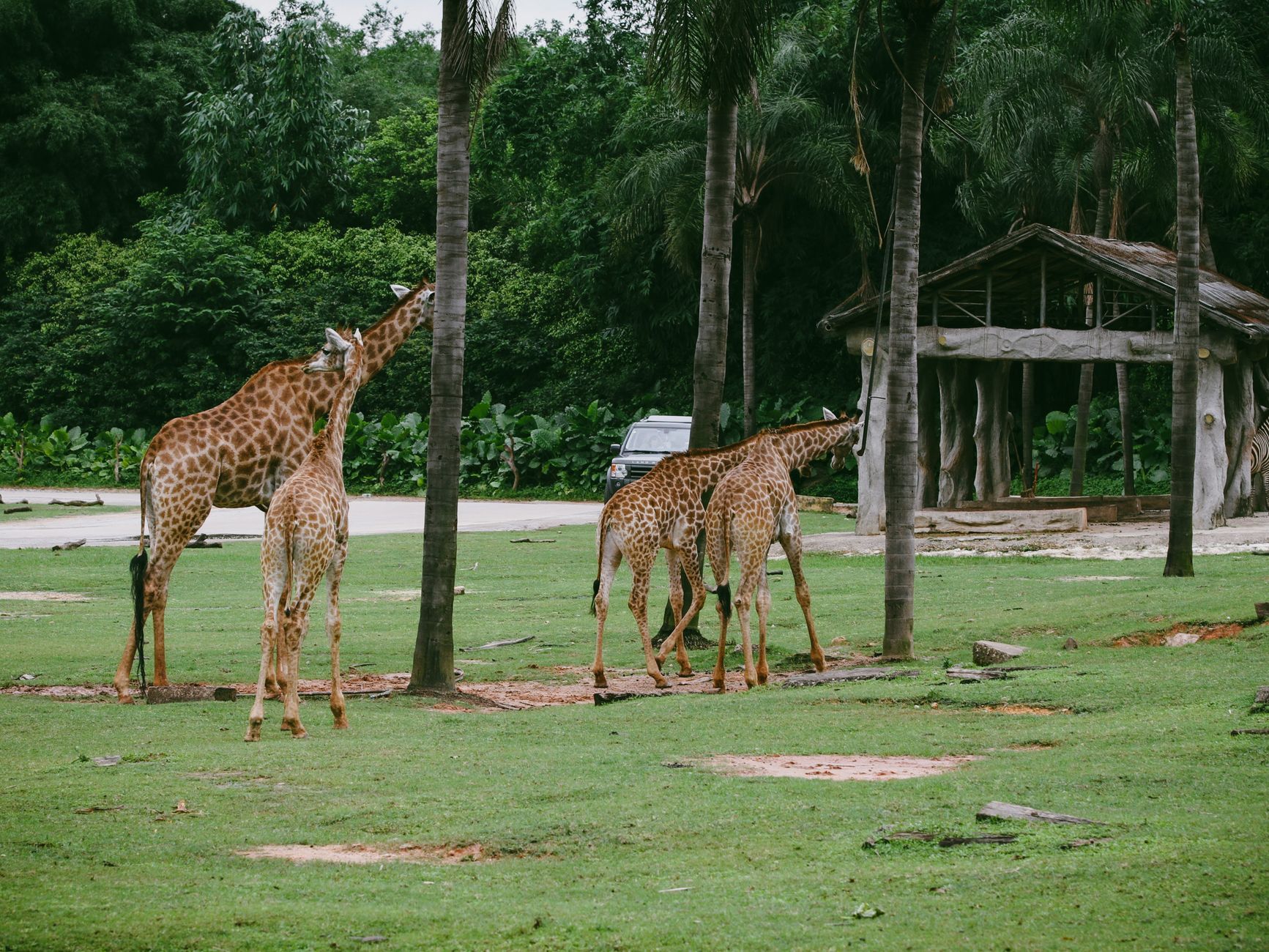
The Shanghai Wild Animal Park (上海野生动物园), about 35 kilometres southeast of the centre in Pudong, is the one that gets kids talking. It pairs a drive-through safari section with a walking zoo, and the safari is the reason to come: a park bus carries you within a few metres of giraffes, rhinos, zebras, lions, tigers, bears and wolves living in large, semi-natural enclosures. Seeing a lion stroll past the window is a different order of experience from watching one across a moat.
The park frames its layout around two habitat zones — the drive-through and the walk-through — with several ways to tour. After the bus, the walking section has more conventional enclosures, an interactive children’s area, and scheduled animal performances (sea lions, parrots, elephants). Pandas and white tigers are the headline residents, and there are usually feeding and keeper moments worth timing your visit around. Because it is a long, mostly outdoor day, ages four and up tend to enjoy it most; toddlers can struggle with the distances and the heat.
The single best piece of advice here is to arrive at opening and do the safari bus first, while the animals are most active in the cooler part of the morning. By the middle of a summer afternoon many of them sensibly retreat to the shade. Build the rest of the day — walking zone, shows, lunch — around that early bus run.
Practical info. Hours are commonly around 9:30 to 17:00. Adult tickets generally run in the region of ¥150 to ¥165, with children roughly half price, and combo tickets that bundle in extra experiences or feedings cost more. To get there on public transport, take metro Line 16 toward the southeast and connect by local bus, shuttle or a short taxi for the last stretch; a direct taxi from the city centre takes around an hour. Plan a full day, and bring sun protection and water.
Chongming Dongtan Bird Sanctuary
For older children and families who actually enjoy birdwatching, Chongming Dongtan on Chongming Island is a complete contrast to the commercial parks. The reserve protects coastal wetlands that host more than 280 bird species, including endangered black-faced spoonbills and Saunders’s gulls, and the trip out there — across the Yangtze estuary — is part of the appeal. It is at its best during the spring and autumn migration windows, roughly March to April and October to November, when the numbers of birds passing through are highest.
This is not a place for restless toddlers, and there are no rides or shows to fall back on; the experience is the quiet and the birds. But for a family with patient, nature-minded kids, a pair of binoculars and a calm half-day, it is a memorable change of pace. Practical info: entry is around ¥50, and getting there involves the Chongming road tunnel from Pudong plus a local bus, totalling roughly two hours each way, so treat it as a planned day rather than a quick add-on.
Children’s Farms & Petting Zoos
If your children are very young, a full safari day can be too much, and a smaller, contained animal experience is often the better call. A few options around the city work well for toddlers and early-primary kids:
- Sun Island Resort children’s farm — in southern Pudong, with pony rides, sheep and ducks in a gentle, fenced setting.
- Local park petting areas — several of Shanghai’s larger parks run small seasonal petting corners, usually busiest in summer.
- Shanghai Insect Museum — an oddly absorbing walk-through butterfly hall and insect collection that surprises sceptical parents; modest entry fee.
- Disney’s in-park animal touches — if you are already heading to the resort, there are gentle character-and-animal moments built in; see our dedicated guides for planning.
None of these is a full day on its own, but they pair nicely with a park visit or a slow morning, and they keep small children engaged without the overload of a big attraction.
How to Book Tickets
For all four of the major attractions, advance booking is worth it on weekends, public holidays and through the Chinese summer school break (roughly mid-July to late August), when domestic crowds peak. A few reliable routes:
- Trip.com — English interface, instant e-tickets to your phone, frequent small discounts on the gate price.
- Klook — often a touch cheaper than walk-up, English-language, fast e-ticket delivery.
- Official WeChat mini-programs — usually the cheapest if you already have mobile pay set up, though the interface leans Chinese.
Tickets are normally scanned as a QR code at the gate. Carry your passport, since it is used for identity verification and for confirming children’s ages at most parks. If you are still getting your phone set up for cashless travel, our guide to getting around Shanghai walks through payments, apps and transport before you arrive.
Getting Around Between Them
These attractions are scattered, and a couple of them are genuinely far out, so the metro is your friend. The Shanghai Ocean Aquarium and the Shanghai Zoo are both a short walk from a station and easy to reach from anywhere central. Haichang and the Wild Animal Park sit at the ends of long metro lines and need a final taxi, bus or shuttle leg, which is why they make sense as full-day trips rather than morning add-ons.
A rechargeable transport card or a mobile-pay QR makes the metro painless, and travelling outside the 7–9am and 5–8pm rush keeps things calmer with a stroller. If you are working out lines, transfers and fares, our Shanghai metro guide covers tickets and routes in detail, and our broader things to do in Shanghai overview helps you slot an animal day in among the rest of a trip — the aquarium, for instance, pairs naturally with the Oriental Pearl Tower and the Bund since they are all in Lujiazui.
Practical Family Tips
- Arrive at opening. Animals are most active early, and summer afternoons get uncomfortably hot — this is the single biggest difference-maker at the outdoor parks.
- Dodge the big Chinese holidays. National holiday weeks bring domestic crowd peaks that can make a visit more about queues than animals.
- Pack snacks and water. Food inside the gates is typically several times neighbourhood prices, and queues for it eat into your day.
- Check show and feeding schedules first. At Haichang and the Wild Animal Park, the best moments are timed live shows; at the Ocean Aquarium, the feedings are the bit kids remember.
- Strollers are welcome. All four major parks allow them, and some offer rentals on site; the Wild Animal Park involves the most walking.
- Bring your passport. It is used for ticket verification and for proving children’s ages to claim free or discounted entry.
- Restrooms are clean at the major attractions; less so at the smaller children’s farms, so plan accordingly with little ones.
Frequently Asked Questions
Which is better, the Shanghai Ocean Aquarium or Shanghai Haichang Ocean Park?
It depends on the day you want. The Shanghai Ocean Aquarium is central, mostly indoors and doable in two to three hours, with one of the longest underwater tunnels anywhere — ideal if you are short on time or have toddlers. Haichang is a full-day marine theme park out in south Pudong, with rides, big shows and polar animals, and it rewards older kids who want more than tanks.
Are the pandas at the Shanghai Zoo or the Wild Animal Park?
Both. The Shanghai Zoo keeps giant pandas (and red pandas) in its fan-shaped enclosure in the Carnivore Zone, and the Wild Animal Park also has pandas in larger, more naturalistic settings. If pandas are the main goal and budget matters, the zoo is the cheaper, more central option.
What age is the Shanghai Wild Animal Park best for?
Roughly ages four and up get the most from it, thanks to the safari bus and the live shows. The day is long and mostly outdoors, so toddlers can be overwhelmed; with very young children, the Shanghai Zoo is usually the easier choice.
How long does the Shanghai Ocean Aquarium take?
Plan two to three hours, longer if your kids linger at the touch pools and the shark tunnel or you time a feeding session. Because it sits in Lujiazui, it combines well with the Oriental Pearl Tower or the Bund for a full half-day in that area.
Are there discounts for children?
Generally yes. Children under about 1.0 metre are often free at the aquariums, and those between roughly 1.0 and 1.4 metres pay a reduced child rate; the Shanghai Zoo lets an adult bring one child under about 1.3 metres in free. Pricing is usually based on height rather than age, and you may be asked to verify ages, so carry passports.
Is the Shanghai Zoo good for tourists?
For families, yes — it is budget-friendly, has direct metro access on Line 10, and delivers pandas, tigers and a relaxed, shaded half-day. It is a more traditional zoo than the safari park, so if you specifically want the drive-through experience, choose the Wild Animal Park instead.
Can I visit the Wild Animal Park as a day trip from central Shanghai?
Yes, but treat it as a full day. Allow around an hour to ninety minutes each way by metro plus a final shuttle, bus or taxi. Leaving by mid-morning and heading back before the evening rush keeps the travel manageable.
Are there indoor options for rainy days?
The Shanghai Ocean Aquarium is almost entirely indoors, and Haichang’s main marine pavilions are covered, so both work when the weather turns. The Shanghai Insect Museum’s butterfly hall is a smaller covered alternative for younger children.
Plan the Rest of Your Family Trip
An animal day slots neatly into a wider family itinerary. Pair this with our best things to do in Shanghai with kids for the full lineup of family-friendly outings, our Shanghai Disneyland guide if a theme-park day is on the cards, and the main Shanghai for families guide for accommodation, transport and trip-planning advice all in one place. For getting between attractions, the Shanghai metro guide and the wider things to do in Shanghai overview round out the